
Water is often called the source of life, but many do not realize how deeply it impacts the process of digestion. From the first bite of food to the final step of nutrient absorption, water is present at every stage. Understanding this connection helps you make better choices for your digestive health and overall well-being.
As an expert in nutrition and digestive health, I have seen many people struggle with stomach discomfort, constipation, and sluggish digestion. In most cases, simply adjusting water intake made a big difference. In this article, I will explain the science behind water and digestion, show how it works, and share practical guidance for everyday life.
You will see data, real examples, and expert-backed solutions, all in simple, clear language.
Why Water Is Essential For Digestion
Digestion is the process by which your body breaks down food into small parts for energy, growth, and cell repair. Water is not just a helper; it is a key ingredient in every step.
Your mouth, stomach, intestines, and colon all need water to function properly. Without enough water, food moves slowly, nutrients are not absorbed well, and waste can become hard to pass. According to the National Academies of Sciences, the recommended daily water intake is about 3.7 liters for men and 2.7 liters for women, including water from all beverages and foods.
Let’s look at how water supports each part of the digestive process:
How Water Works In The Digestive System
1. Saliva Production
Digestion starts in the mouth. Water is the main part of saliva, which begins to break down food. Saliva also makes it easier to chew and swallow.
2. Transporting Food
After chewing, water helps move food down the esophagus into the stomach. This smooth movement prevents irritation and injury.
3. Stomach Function
In the stomach, water mixes with stomach acid and enzymes. This combination breaks food into liquid so your body can absorb nutrients.
4. Nutrient Absorption
In the small intestine, water dissolves nutrients and carries them through the gut wall into the bloodstream. Without enough water, this process slows down.
5. Waste Removal
The colon absorbs water from leftover food waste. If you do not drink enough water, your colon pulls too much water from waste, making stool hard and difficult to pass.
Key Functions Of Water In Digestion
Below is a summary of the main roles water plays in digestion.
| Stage | Role of Water | What Happens Without Enough Water |
|---|---|---|
| Mouth | Forms saliva, starts digestion | Dry mouth, trouble swallowing |
| Stomach | Mixes food, helps enzymes | Slow digestion, discomfort |
| Small intestine | Carries nutrients | Poor nutrient absorption |
| Colon | Softens stool, aids removal | Constipation |
How Water Affects Each Step Of Digestion
Digestion is a complex process, but water makes each stage work smoothly. Here is a closer look at how water helps:
Chewing And Swallowing
Your body needs enough water to make saliva. Saliva contains enzymes that break down starches and fats. If you are dehydrated, your mouth feels dry and chewing becomes harder. Swallowing dry food is also more likely to cause choking or irritation.
Mixing In The Stomach
When you eat, your stomach mixes food with water, acid, and digestive enzymes. Water helps break food down into a liquid called chyme. With low water intake, this process becomes slow and food may remain in the stomach longer, causing bloating or discomfort.
Absorbing Nutrients In The Small Intestine
Nutrients like glucose, vitamins, and minerals must dissolve in water before they move across the gut wall into your blood. Dehydration slows this process, so your body may not get the nutrients it needs.
Moving Waste In The Colon
Water helps the colon form soft, easy-to-pass stool. If you do not drink enough, your colon takes water from waste, causing hard stools and constipation. This is a common problem for people who do not get enough fluids.
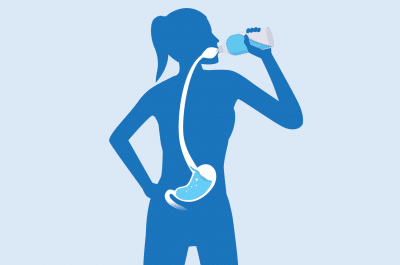
Credit: askthescientists.com
Why Proper Hydration Matters
Proper hydration keeps your whole digestive system working well. Here are some data-backed reasons to pay attention:
- Constipation: Studies show that people who drink less than 1.5 liters of water per day are much more likely to have constipation.
- Nutrient Absorption: Research from the American Journal of Clinical Nutrition found that water helps your body absorb carbohydrates and proteins more efficiently.
- Gut Health: Water supports the growth of healthy gut bacteria, which are important for digestion and the immune system.
Without enough water, you may experience:
- Sluggish digestion
- Bloating
- Heartburn
- Increased risk of kidney stones
Practical Examples Of Water’s Role In Digestion
Let’s look at real-world examples to see the impact of water on digestion.
Example 1: Eating High-fiber Foods
If you eat lots of fiber-rich foods like beans, whole grains, or vegetables, you need more water. Fiber absorbs water and adds bulk to stool, making it easier to pass. Without enough water, high-fiber diets can cause constipation instead of preventing it.
Example 2: After Exercise
Physical activity leads to water loss through sweat. If you eat right after a workout but do not rehydrate, your digestion will be slower and less comfortable.
Example 3: Common Digestive Disorders
People with irritable bowel syndrome (IBS) or acid reflux often feel worse if they do not drink enough water. Proper hydration can help ease symptoms and improve regularity.

Credit: earthswater.com
Signs And Indicators Of Dehydration And Digestive Problems
Knowing when you are not drinking enough water can help you avoid bigger problems. Here are the main signs:
- Dry mouth or sticky feeling
- Dark yellow urine
- Infrequent urination (less than 4 times a day)
- Hard, dry stools
- Stomach cramps or bloating
- Fatigue after eating
Pay attention if you notice several of these symptoms, especially during hot weather or when you are active.
Step-by-step Guidance To Improve Digestion With Water
You do not need to make big changes to see results. Here is a step-by-step approach:
1. Start Each Day With Water
Drink a glass of water as soon as you wake up to jump-start your digestive system.
2. Drink Regularly With Meals
Sip water slowly during meals. This helps saliva production and makes food easier to swallow.
3. Carry A Water Bottle
Keep water with you during the day and take small sips often, especially in hot weather or after exercise.
4. Increase Water With Fiber
If you add more fiber to your diet, increase your water intake too.
5. Watch For Signs
Notice signs of dehydration or constipation and respond by increasing your water intake.
6. Set Reminders
If you forget to drink, set phone reminders or use a water-tracking app.
7. Choose Water Over Sugary Drinks
Water is best for digestion. Limit juices, sodas, and energy drinks, which can upset your stomach.
8. Check Your Urine Color
Pale yellow urine is a sign of good hydration.
Common Problems And Solutions
Many people make mistakes when it comes to water and digestion. Here are the most common issues and how to solve them:
Mistake 1: Drinking All Water At Once
Some believe drinking a lot at one time is enough. In fact, your body absorbs water better when you drink small amounts throughout the day.
Solution: Spread your water intake evenly from morning to evening.
Mistake 2: Drinking Too Little With High-fiber Meals
Adding fiber without enough water often leads to constipation.
Solution: When increasing fiber, also add 1-2 extra glasses of water per day.
Mistake 3: Avoiding Water To Reduce Bathroom Trips
Some people avoid drinking water to cut down on urination, especially at work or when traveling. This can cause dehydration and digestive problems.
Solution: Continue to drink water regularly. Plan bathroom breaks if needed.
Mistake 4: Relying On Coffee Or Sugary Drinks
Coffee and sweet drinks do not replace water. Caffeine can increase water loss in some people.
Solution: Drink water with every cup of coffee or tea to balance hydration.
Maintenance Tips For Healthy Digestion
Keeping your digestive system running smoothly is not difficult if you follow these tips:
- Drink 8 to 10 glasses (about 2 liters) of water daily, or more if you are active.
- Start meals with a few sips of water to help saliva production.
- Eat water-rich foods like cucumbers, oranges, and watermelon.
- Limit alcohol, which dries out your body and slows digestion.
- Monitor your body for signs of dehydration, especially in hot weather.
- Adjust water intake during illness, stress, or travel.
Here is a quick look at recommended water intake for different groups.
| Group | Recommended Intake (Liters/Day) | Special Considerations |
|---|---|---|
| Adult Men | 3.7 | More with activity or hot weather |
| Adult Women | 2.7 | More during pregnancy or breastfeeding |
| Children (9-13 yrs) | 2.1 – 2.4 | Based on activity level |
| Older Adults | 2.0 – 2.5 | Watch for decreased thirst sensation |
.png?sfvrsn=5512a207_3)
Credit: www.everydayhealth.com
Frequently Asked Questions
What Is The Best Time To Drink Water For Digestion?
Drinking water before, during, and after meals helps with saliva production, swallowing, and moving food through your system. There is no strict rule, but spreading water intake throughout the day is best.
Can Drinking Too Much Water Cause Problems?
Very high water intake in a short time can rarely lead to a condition called hyponatremia, or low sodium in the blood. For most people, this is not a risk if you drink moderate amounts.
Does Hot Or Cold Water Help Digestion More?
Both warm and cold water can help with digestion. Warm water may relax the digestive tract, while cold water can refresh you. The key is to drink enough, regardless of temperature.
How Does Water Help With Constipation?
Water softens stool, making it easier to pass. If you are constipated, increasing your water intake is one of the first steps to try.
Are There Any Foods That Help With Digestion Like Water?
Yes, foods high in water such as fruits (watermelon, oranges) and vegetables (cucumbers, tomatoes) also support digestion. But plain water is still the most effective and reliable option.
Key Takeaways
Water is not just important for survival; it is vital for healthy digestion. It helps your body break down food, absorb nutrients, and remove waste. Most adults need 2 to 3.7 liters per day, depending on age, activity, and climate. Watch for signs of dehydration and make water a daily habit. If you want more details on the science behind hydration and digestion, check trusted resources like the CDC and NIH research.
By making water a priority, you support every part of your digestive system, feel better, and stay healthier every day.

Hasan Al Sarker is a Reverse Osmosis Specialist. He has worked for many years to ensure safe drinking water for all. His research paper has been published in several journals, including Issue, Medium, and Slideshare. He is recognized as a water doctor among specialists though he did not attend medical college.
Besides working as a researcher of reverse osmosis technology, he is also very fancy with the kitchen and cooking. His guides are reading thousands of people every day. As a head of content, he is responsible for all the published articles at RO System Reviews.