
Have you ever taken a sip of tap water and noticed a strong, metallic taste? This is a common experience in many homes and offices around the world. Sometimes, the metallic flavor is slight and goes away quickly. Other times, it is so strong that people avoid drinking their water.
Understanding why water tastes metallic is important for both your health and comfort. It can signal changes in your water supply or plumbing system. In this article, I will break down the main causes, explain the science behind the taste, and offer expert advice on how to identify and solve the problem.
What Causes Metallic Taste In Water
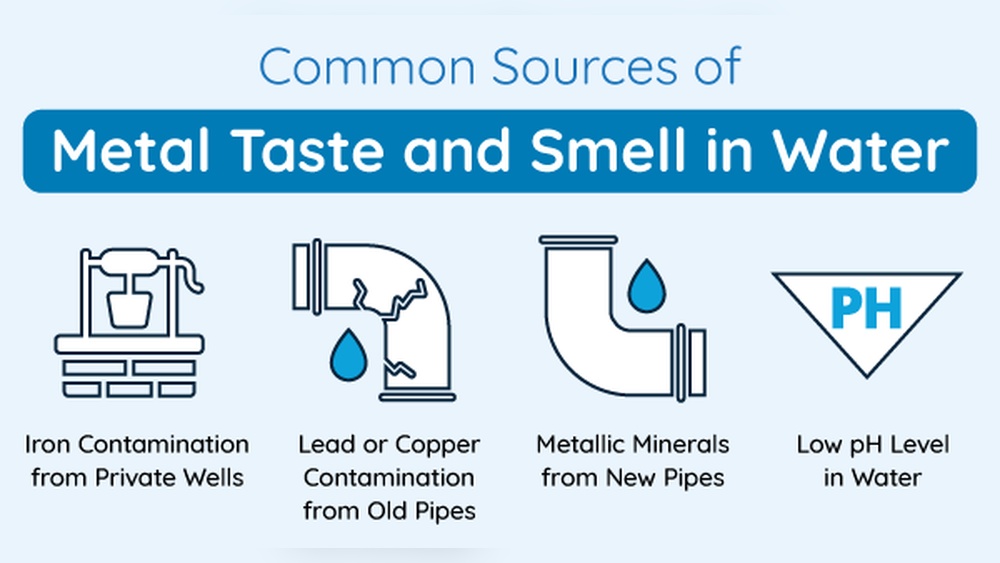
A metallic taste in water usually means that certain metals have dissolved into your drinking water. This taste is most often linked to iron, manganese, zinc, or copper. These metals can enter your water supply in several ways.
Old pipes are a common source, especially in houses built before 1980. In other cases, high levels of natural minerals in the ground can add metals to well water. Sometimes, city water treatment processes change the water chemistry, leading to a metallic taste.
In rare cases, the taste can come from your own mouth. Certain medications or vitamin supplements can cause a metallic flavor when you drink water. However, in most cases, the water itself is the main source.
How Metallic Taste Develops
When water moves through metal pipes, small amounts of metal can dissolve into the water. This process is called corrosion. Acidic water, which has a low pH, speeds up corrosion. Water that sits in pipes overnight has more time to pick up metals, so the first glass in the morning often tastes the strongest.
If you use a private well, the metallic taste may come from the rocks and soil in your area. Groundwater naturally picks up minerals as it moves through the earth. If you live near old mines or industrial sites, there could be even higher levels of metals.
Municipal water systems also use chemicals to treat water and kill germs. Sometimes, these chemicals react with pipes and cause metals to leach into the supply.
Why Metallic Water Taste Matters
The taste of your water is not just about comfort. Sometimes, it signals a safety issue. High levels of metals can damage your plumbing, stain your laundry, and even affect your health if you drink them over a long period.
For example, the Environmental Protection Agency (EPA) sets the maximum level for iron in drinking water at 0.3 mg/L. For manganese, the limit is 0.05 mg/L. Water with higher levels may not be safe for regular use.
The table below shows the main metals that cause metallic taste and their recommended safe limits.
| Metal | Safe Limit (mg/L) | Common Source | Health Impact |
|---|---|---|---|
| Iron | 0.3 | Old pipes, groundwater | Stomach upset, stains |
| Manganese | 0.05 | Soil, well water | Nerve damage (high exposure) |
| Copper | 1.3 | Plumbing, corrosion | Stomach cramps, nausea |
| Zinc | 5.0 | Galvanized pipes, fittings | Metallic taste, diarrhea |
Practical Examples Of Metallic Water
Let me share some real-world cases from my experience as a water quality expert.
In one home, the owners noticed a strong metallic taste every morning. Testing showed high iron levels. Their house used old steel pipes, and the taste went away after installing a new filter.
Another family with a private well found their water tasted like metal after heavy rain. This was due to surface water entering their well and picking up manganese from the soil.
In city apartments, the taste often appears when plumbing repairs happen. New copper pipes can release small amounts of metal for the first few weeks.
Signs And Indicators Of Metallic Water
You can spot metallic water with your senses and simple tests. Look for these clear signs:
- Unpleasant metallic taste in cold or hot water
- Reddish or brown stains on sinks, tubs, or laundry
- Cloudy or rusty water when you first turn on the tap
- Blue-green stains (from copper) on fixtures
- Strange odor, sometimes described as “musty” or “earthy”
A water test kit can confirm the presence of metals. Most kits measure iron, manganese, copper, and zinc levels.
Step By Step Guidance To Identify And Fix Metallic Taste
Here is my recommended approach if you notice a metallic taste in your tap water.
1. Check Multiple Taps
Taste water from different faucets. If only one tap has a problem, the issue may be local, such as a corroded fixture.
2. Run The Water
Let the water run for two minutes. If the taste goes away, the metals are probably from your home’s pipes, not the main supply.
3. Inspect For Stains
Look for reddish, brown, or blue-green stains. Iron leaves reddish stains, while copper causes blue-green marks.
4. Test Your Water
Buy a home test kit or call a certified lab. Test for iron, manganese, copper, and zinc. Compare results with EPA safe limits.
5. Check With Neighbors
Ask if others on your street have the same issue. If yes, the problem is likely in the municipal supply.
6. Contact Your Water Provider
If you find high metal levels, call your city water provider or plumber. They may flush pipes, adjust treatment, or suggest solutions.
7. Install A Filter
Install a certified filter for metals if your results show high levels. Choose filters tested to remove specific metals.
8. Maintain Plumbing
Replace old pipes and corroded fixtures when needed. Regular maintenance reduces metal buildup.
Credit: www.aquacure.co.uk
Common Problems And Solutions
Let’s look at the most frequent problems people face and how to solve them.
Problem: Old galvanized or iron pipes
Solution: Replace pipes with PVC or copper. This stops corrosion and metal leaching.
Problem: Well water with high iron or manganese
Solution: Use an iron filter or water softener. These devices trap metals before they reach your tap.
Problem: New copper plumbing
Solution: Flush the system by running water for several minutes each day until the taste fades.
Problem: Water softener not working
Solution: Service the softener and check for clogged filters.
Problem: Water tastes metallic only in the morning
Solution: This is often from water sitting in pipes overnight. Run the tap for a minute before drinking.
Problem: High metal levels in city water
Solution: Contact your provider. They may adjust pH or add corrosion inhibitors. In the meantime, use a certified water filter.
Maintenance Tips For Better Tasting Water
To keep your water tasting fresh and safe, follow these expert tips:
- Flush rarely used taps weekly to prevent water from sitting in pipes.
- Clean faucet aerators every three months to remove buildup.
- Replace old or corroded pipes when remodeling.
- Test well water once a year for metals and other contaminants.
- Use a certified filter and replace cartridges as recommended by the maker.
- If you notice new stains or odors, test water promptly.
Credit: www.simpurelife.com
Frequently Asked Questions
Why Does My Water Taste Metallic Only In The Morning?
Water that sits in pipes overnight can pick up more metals from corrosion. Running the tap for one or two minutes helps flush out the built-up metals, improving the taste.
Is Metallic Tasting Water Safe To Drink?
Small amounts of iron or manganese are not usually harmful. However, high levels of metals can cause health issues. It’s best to test your water and compare results with safe limits set by the EPA.
Can Boiling Water Remove The Metallic Taste?
Boiling water does not remove metals like iron or manganese. In fact, boiling can concentrate these minerals. Use a certified filter for effective removal instead.
How Can I Test My Water For Metals?
You can use a home test kit or send a sample to a certified laboratory. Labs provide accurate results for iron, manganese, copper, zinc, and other metals.
What Filter Should I Use For Metallic Taste?
Choose a filter certified to remove the specific metal found in your water. For iron and manganese, look for oxidation or ion exchange filters. For copper and zinc, activated carbon filters are often effective.
Key Takeaways
Metallic taste in water usually comes from dissolved metals like iron, manganese, copper, or zinc. This can happen due to old pipes, well water, or changes in water treatment.
Check for stains, test your water, and compare results with EPA guidelines. Regular plumbing maintenance and certified filters help prevent and solve metallic tastes. If unsure, always seek advice from a water quality expert.
For more details on water quality standards, visit the EPA’s official site or refer to this WHO fact sheet for global guidelines.
Clear, good-tasting water is essential for health and peace of mind. Take action early if your water tastes metallic, and you can enjoy clean, refreshing water every day.

Credit: health.clevelandclinic.org

Hasan Al Sarker is a Reverse Osmosis Specialist. He has worked for many years to ensure safe drinking water for all. His research paper has been published in several journals, including Issue, Medium, and Slideshare. He is recognized as a water doctor among specialists though he did not attend medical college.
Besides working as a researcher of reverse osmosis technology, he is also very fancy with the kitchen and cooking. His guides are reading thousands of people every day. As a head of content, he is responsible for all the published articles at RO System Reviews.