

Anyone who has poured a glass of water and noticed it looks milky knows the frustration. Cloudy water is not just a cosmetic issue. It can be a sign of changes in water quality, plumbing problems, or even health concerns.
Many people worry when they see cloudy water in their tap, aquarium, or swimming pool. This article explains why water turns cloudy, how it happens, why you should care, and what you can do about it. I will share real examples, practical tips, and expert advice you can trust.
Understanding Cloudy Water
Cloudy water, sometimes called turbidity, means the water contains particles that scatter light. This gives water a milky or hazy look. Turbidity is measured in Nephelometric Turbidity Units (NTU). Clean drinking water usually has a turbidity below 1 NTU. If the number goes above 5 NTU, the cloudiness becomes noticeable in a glass.
The main causes of cloudy water include:
- Tiny air bubbles
- Suspended particles (clay, silt, rust)
- Microorganisms (bacteria, algae)
- Chemical reactions (minerals, disinfectants)
The source and health risk can be very different, so identifying the cause is important.
How Cloudy Water Forms
Cloudiness in water can happen at many points, from the source to your tap. Here’s how it works:
1. Air Bubbles
When water is under pressure in pipes, air dissolves in it. Once it leaves the tap, the pressure drops. This causes air to come out of the solution and form tiny bubbles. This is the most common reason for cloudy tap water.
The bubbles rise and disappear within a minute.
2. Suspended Solids
Particles like sand, clay, or rust can enter water from rivers, lakes, or aging pipes. These particles are too small to settle quickly, so they stay suspended. For example, after heavy rain, rivers can have turbidity levels above 100 NTU.
3. Microbial Growth
Algae blooms or bacterial contamination can make water cloudy. Microbes multiply in stagnant or untreated water. This is common in aquariums or ponds.
4. Chemical Reactions
Minerals like calcium and magnesium can react with disinfectants like chlorine. This forms insoluble compounds, which make water look hazy. Hard water areas often see this problem.

Credit: www.reddit.com
Why Cloudy Water Matters
Cloudy water is not just unattractive. It can have real impacts:
- Health Risks: High turbidity can hide germs or parasites. According to the World Health Organization, turbidity above 1 NTU can reduce disinfection effectiveness.
- Taste and Odor: Suspended particles can make water taste gritty or metallic.
- Plumbing Damage: Sediments can clog pipes, faucets, and appliances.
- Aquatic Life: In aquariums or ponds, high turbidity stresses fish and harms plants.
In some cases, cloudiness is harmless (like air bubbles). But persistent or sudden changes should not be ignored.
Practical Examples Of Cloudy Water
Let’s look at common situations where water turns cloudy and what they mean:
Cloudy Tap Water
If your tap water looks milky but clears in seconds, it is likely air bubbles. If it stays cloudy, you may have pipe corrosion or sediment.
Swimming Pools
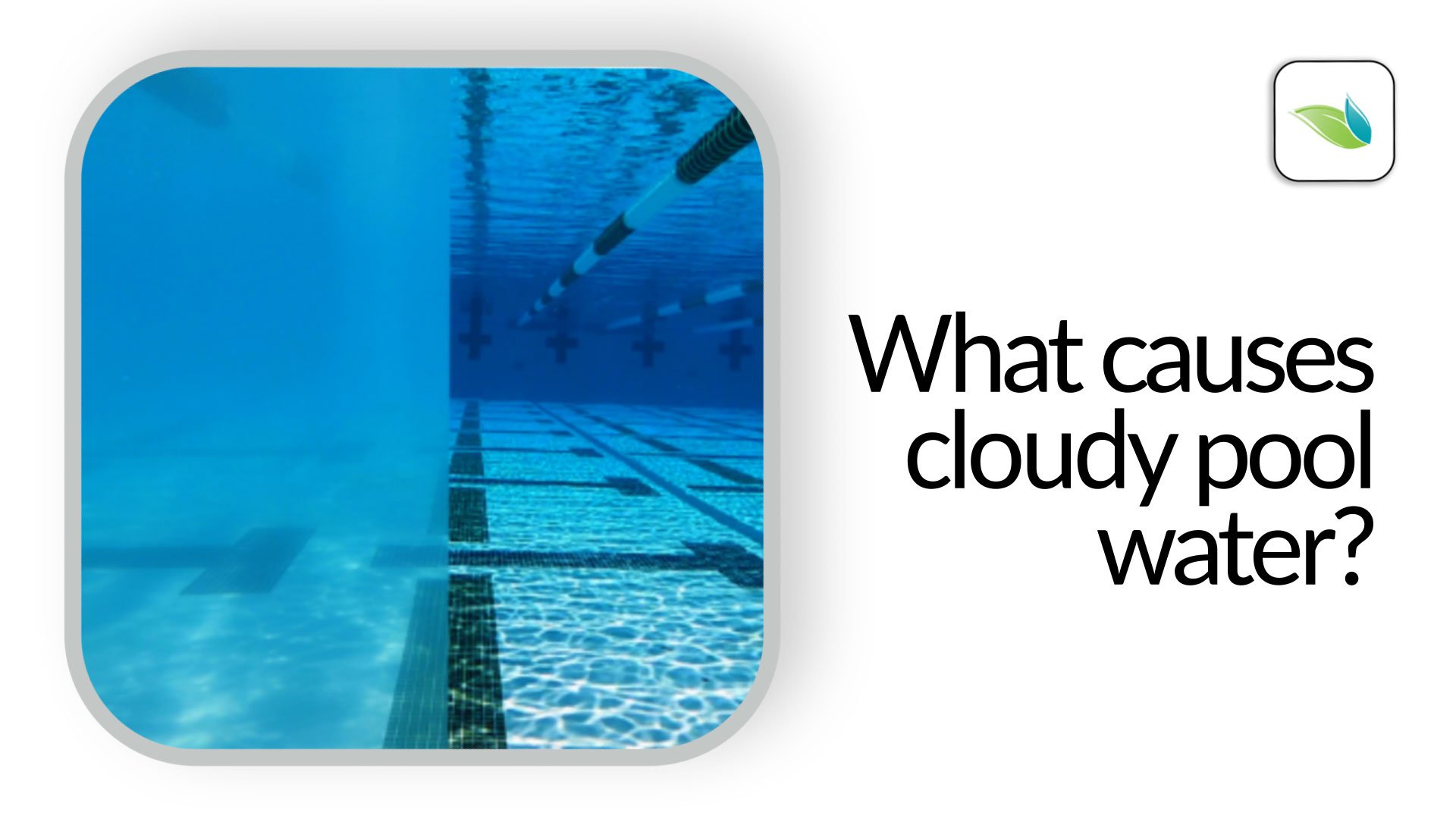
Cloudy pool water often means unbalanced chemicals or poor filtration. Turbidity levels above 5 NTU can reduce visibility and signal unsafe water.
Aquariums
A sudden white haze in an aquarium usually means a bacterial bloom. If the water is green, it is likely algae.
After Plumbing Work
Repairs can stir up sediments. Water may be cloudy for a few hours but should clear up after running the tap.

Credit: www.doheny.com
Signs And Indicators Of Cloudy Water
Recognizing the signs helps you act quickly. Here are the main indicators:
- Water appears milky, hazy, or dull
- Particles visible when held against the light
- Cloudiness does not settle after standing
- Metallic or earthy taste
- Fish or plants in tanks appear stressed
- Pool water looks dull or lacks sparkle
If you see any of these, it’s important to find the cause.
Step By Step Guidance To Diagnose And Fix Cloudy Water
If you notice cloudy water at home, follow these steps:
1. Observe And Compare
Fill two glasses of water—one from the problem tap, one from another tap or bottled water. Compare them in good light.
2. Let It Stand
Leave the glass for 2-3 minutes. If bubbles rise and the water clears, air was the cause.
3. Check For Particles
Swirl the glass gently. If particles move or settle, you may have sediment or rust.
4. Smell And Taste
Odors or strong tastes point to chemical or microbial causes. Do not drink water with strong smells.
5. Test Turbidity
You can use a simple home turbidity meter or test strips. Levels above 1 NTU in drinking water need attention.
6. Run The Tap
If the problem is only at one tap, run it for 5 minutes. If it clears, sediment was likely stirred up.
7. Check Plumbing
Look for recent plumbing work or pipe repairs. Old pipes (especially iron or galvanized steel) often release particles.
8. Contact Water Provider
If the issue is sudden and widespread, call your local water supplier. They can test and advise if there is a system-wide problem.
Common Problems And Solutions
Cloudy water can have different solutions depending on the cause. Here are expert recommendations:
Air Bubbles
- Let water stand for one minute
- No action needed unless it persists
Sediments Or Rust
- Flush taps for several minutes
- Install a sediment filter if recurring
- Replace old galvanized pipes
Microbial Growth
- Disinfect tanks or aquariums
- Replace filters regularly
- Use water conditioners in aquariums
Hard Water Or Chemical Reactions
- Use a water softener
- Clean faucet aerators
- Adjust pool or aquarium chemical balance
After Plumbing Work
- Run cold taps until water clears
- Avoid hot water taps until clear
If problems continue, professional water testing is recommended. You can find detailed water quality guidelines from the US EPA.
Maintenance Tips For Clear Water
To keep water clear and safe, follow these maintenance tips:
- Clean faucet aerators every 3-6 months
- Flush plumbing after repairs or long periods of non-use
- Replace filters in water systems on schedule
- Check water heaters for sediment buildup yearly
- Test water quality at least once a year, especially in older homes
- Maintain pool and aquarium filters as recommended
- Monitor chemical levels in pools and aquariums weekly
These steps help prevent most sources of cloudy water.
Credit: blog.orendatech.com
Key Data And Comparison Table
Here is a summary of the main causes, their signs, and typical solutions.
| Cause | Main Sign | NTU Level | Solution |
|---|---|---|---|
| Air bubbles | Clears in 1-2 min | <1 NTU | Let stand |
| Sediments | Particles settle | 1-10 NTU | Flush tap, filter |
| Microbial growth | Persistent cloudiness | 5-100 NTU | Disinfect, filter |
| Chemical reaction | White haze, hard water | 1-5 NTU | Softener, adjust pH |
Why You Should Act Early
Cloudy water is not always dangerous, but it can signal deeper problems. Ignoring the signs can lead to plumbing repairs, health risks, or expensive water treatment. Some contaminants like cryptosporidium are not removed by standard chlorine treatment if the water is too turbid.
Research shows that more than 13 percent of US water samples exceed 1 NTU at least once a year. In developing countries, the problem is even more common, affecting up to 30 percent of households. Ensuring your water is clear means safer, healthier living.
Frequently Asked Questions
What Is The Most Common Reason For Cloudy Tap Water?
Most often, air bubbles are the cause, especially if the water clears in a minute. This happens when water is under pressure and then released.
Is Cloudy Water Safe To Drink?
If cloudiness is from air bubbles, it is safe. But if it does not clear up or has an odor, do not drink it until you know the cause.
How Can I Test Water Turbidity At Home?
You can buy a home turbidity test kit or use clear glass to check if particles settle or water clears. For precise numbers, a digital turbidity meter is best.
What Should I Do If My Aquarium Water Turns Cloudy?
Check for overfeeding, clean the filter, and do a partial water change. Cloudiness usually means a bacterial bloom or excess waste.
Can Old Pipes Cause Cloudy Water?
Yes, old iron or galvanized pipes can release rust and sediments, making water appear cloudy or colored. Replacing old pipes can solve this issue.
Key Takeaway
Cloudy water is common but should never be ignored. Most cases are harmless, but some point to bigger problems. By understanding the causes, signs, and solutions, you can keep your water clear and safe. Regular maintenance and quick action when you notice changes will protect your health and your home. For more technical details, you can visit the CDC’s drinking water resources. Always trust your senses and seek expert help if you are unsure about your water quality.

Hasan Al Sarker is a Reverse Osmosis Specialist. He has worked for many years to ensure safe drinking water for all. His research paper has been published in several journals, including Issue, Medium, and Slideshare. He is recognized as a water doctor among specialists though he did not attend medical college.
Besides working as a researcher of reverse osmosis technology, he is also very fancy with the kitchen and cooking. His guides are reading thousands of people every day. As a head of content, he is responsible for all the published articles at RO System Reviews.