
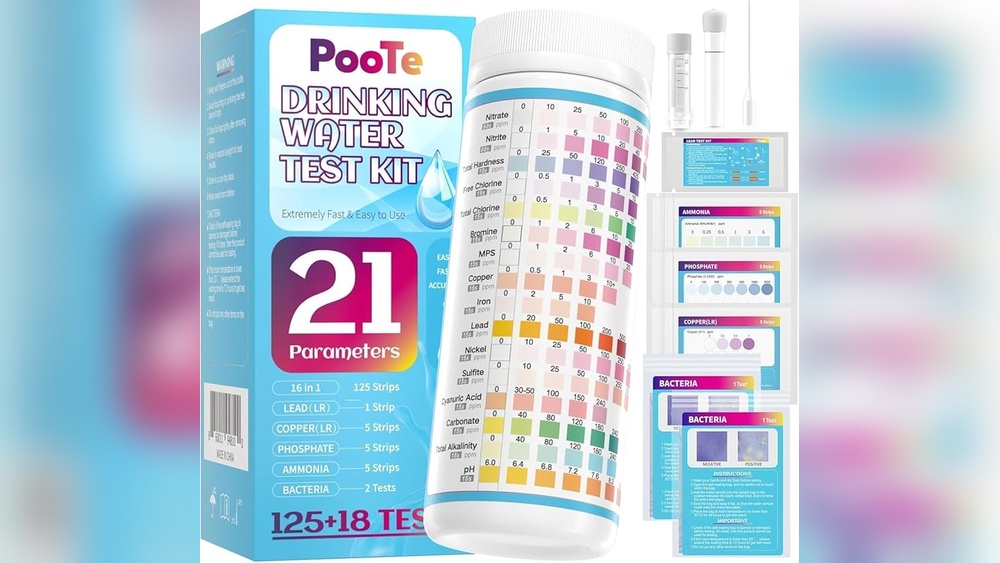
You rely on water every day—for drinking, cooking, and cleaning. But how sure are you that your water is safe and clean?
Water test kits promise quick answers right at your fingertips. Yet, you might wonder: How accurate are these kits really? Can you trust the results they give you? This article will help you understand the truth behind water test kits, so you can make the best choice for your health and peace of mind.
Keep reading to discover what affects their accuracy and how to get the most reliable results from your testing.
Types Of Water Test Kits
Water test kits come in several types. Each type serves a different purpose and suits different users. Understanding these types helps in choosing the right kit for your needs.
Home Testing Kits
Home testing kits are easy to use. They allow quick checks for common water issues. These kits often include test strips or small bottles. Users dip the strip or add water to the bottle. Then, color changes show the water’s condition. Home kits cover basic concerns like pH, chlorine, and hardness. They are affordable and give fast results. However, they may not detect all contaminants.
Professional Laboratory Kits
Professional laboratory kits are more detailed. They require sending water samples to a lab. Labs use advanced tools to analyze the water. These kits test for many chemicals and bacteria. Results are highly accurate and reliable. Labs provide reports explaining the water quality. This option suits those needing precise information. It is more expensive and takes longer to get results.
Digital Vs. Chemical Test Kits
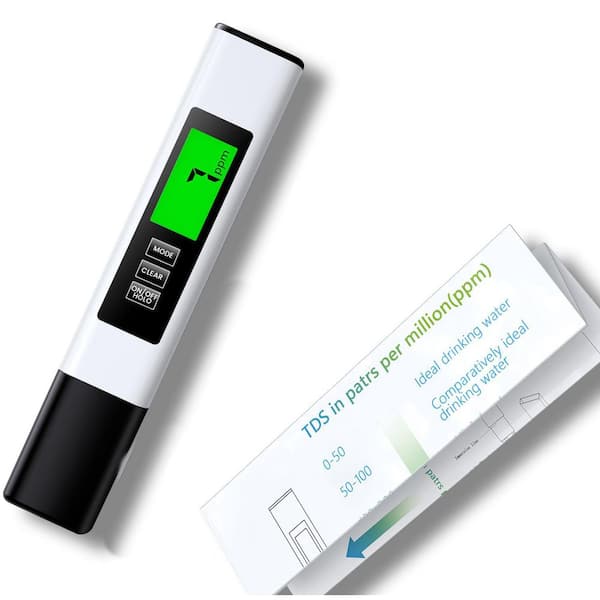
Digital test kits use electronic sensors to measure water. They display results on a screen. These kits often test pH, temperature, and conductivity. Digital kits are easy to read and reuse. Chemical test kits rely on color changes from reactions. Users compare colors to a chart. Chemical kits are simple and low cost. Digital kits offer better accuracy but cost more. Choosing depends on budget and testing needs.
Factors Affecting Accuracy
Accuracy of water test kits depends on many factors. These can affect the results significantly. Understanding these helps in getting reliable readings. Below are key factors that influence accuracy.
Sample Collection Methods
How you collect the water sample matters a lot. Clean containers avoid contamination. Collect water from the right depth to get true results. Avoid touching the inside of the container. Store samples properly before testing.
Environmental Influences
Temperature can change chemical reactions in the test kit. Sunlight may degrade test chemicals. Dust and dirt near the testing area can cause errors. Test water soon after collection to reduce changes. Keep test kits in a cool, dry place.
User Error And Handling
Following instructions exactly is important. Mixing wrong amounts of chemicals leads to false results. Using expired kits reduces accuracy. Reading results too early or late causes mistakes. Handle test strips and reagents with clean hands.
Common Contaminants Tested
Water test kits help check for common contaminants that affect water quality. These kits identify substances that can harm health or change water taste. Testing shows if water is safe for drinking, cooking, or other uses. Understanding what contaminants are tested helps choose the right kit.
Bacteria And Microorganisms
Bacteria and tiny organisms can cause illness. Test kits detect harmful bacteria like E. coli and coliform. These bacteria often come from sewage or animal waste. Kits use color changes to show bacteria presence. Quick results help avoid health risks.
Heavy Metals
Heavy metals like lead, mercury, and arsenic can poison water. They come from pipes, factories, or natural sources. Test kits measure metal levels with strips or sensors. Even low amounts can be dangerous over time. Testing helps protect against long-term damage.
Ph And Hardness Levels
pH shows if water is acidic, neutral, or basic. Ideal water pH is close to neutral, around 7. Hardness refers to minerals like calcium and magnesium. Hard water can cause scale buildup and affect soap use. Test kits provide quick readings for pH and hardness. These tests guide water treatment and care.

Credit: www.amazon.com
Comparing Test Kit Results
Comparing results from different water test kits helps understand their accuracy. Many kits vary in quality, affecting results. Testing the same water sample with multiple kits shows how consistent they are. This process reveals strengths and weaknesses of each brand. It also helps users pick the best option for their needs.
Consistency Across Brands
Test kits often give different results for the same water sample. Some brands show stable readings over time. Others may have large variations. Consistent kits use reliable chemicals and sensors. Inconsistent kits can confuse users. Checking many brands helps find those with steady results. This reliability matters for water safety checks.
Lab Results Vs. Kit Results
Laboratory tests use advanced machines to analyze water. These tests are very accurate and detailed. Test kits work with simpler tools and chemicals. Their accuracy depends on kit quality and user skill. Lab results often catch small problems missed by kits. Kits give quick, easy results but less detail. Comparing both helps users trust their kits more.
Interpreting Inconclusive Data
Sometimes kits show unclear or borderline results. This happens if contaminant levels are near detection limits. Test strips may change color only slightly. Users may struggle to decide if water is safe. Inconclusive data calls for retesting or lab analysis. Reading instructions carefully improves result interpretation. Being cautious protects health from hidden risks.
Improving Test Kit Reliability
Improving the reliability of water test kits helps get better results. Reliable tests give clear information about water quality. This allows you to take the right action to keep water safe.
Small steps make a big difference in test accuracy. Proper care and the right choices boost trust in results. Here are key tips to improve the reliability of your water test kits.
Proper Storage And Usage
Store test kits in a cool, dry place away from sunlight. Heat and moisture can damage the chemicals inside. Always follow the instructions carefully during testing. Use clean tools and fresh samples for each test. Avoid touching test strips with dirty hands.
Regular Calibration
Check your test kit’s accuracy by calibrating it regularly. Calibration matches the kit readings to known standards. This helps catch errors early and keeps results reliable. Follow the manufacturer’s guide on how often to calibrate. Use calibration solutions or reference materials as recommended.
Choosing Certified Kits
Select test kits certified by trusted organizations. Certification means the kit meets quality and accuracy standards. Look for labels from recognized bodies like EPA or NSF. Certified kits have passed strict testing for performance. This choice reduces doubts about your water test results.

Credit: www.aawipes.com
When To Seek Professional Testing
Knowing when to seek professional water testing is important for your health and safety. Home water test kits can show basic problems, but they cannot find all risks. Some situations need expert testing to get clear and reliable results. Professional labs use advanced tools and methods that home kits do not have.
Professional testing helps confirm if water is safe or if it needs treatment. It also meets certain laws and safety rules. Understanding the signs and conditions that require expert help can keep your water clean and healthy.
Signs Of Contamination
Cloudy water, strange smells, or odd taste are clear warning signs. Also, stains on sinks or pipes can show contamination. If family members get sick often, water might be the cause. Home kits might miss some harmful bacteria or chemicals. Professional tests find hidden dangers that affect health.
Complex Water Sources
Wells, lakes, and rivers often have many pollution sources. These waters can contain many harmful substances at low levels. Home kits check only a few chemicals or bacteria. Professional labs analyze more types of pollutants with better accuracy. Complex water needs detailed testing to ensure safety.
Legal And Safety Requirements
Some places require certified water tests for drinking or business use. Building codes, health departments, and landlords often demand professional results. These tests follow strict rules and give official certificates. Passing these tests helps avoid fines and keeps everyone safe. Home kits cannot replace legal water testing.
Credit: www.homedepot.com
Frequently Asked Questions
How Reliable Are Home Water Test Kits?
Home water test kits provide quick results but may lack lab accuracy. They identify common contaminants but can miss trace pollutants. For precise analysis, professional lab testing is recommended. These kits are useful for initial screening and routine checks.
Can Water Test Kits Detect All Contaminants?
No, water test kits detect common issues like pH, chlorine, and bacteria. They may not identify heavy metals or complex chemicals. For comprehensive testing, lab analysis is necessary. Kits are best for basic water quality assessments.
How Often Should I Test My Water At Home?
Test your water every 6 to 12 months for safety. More frequent testing is advised if you notice changes in taste or odor. Regular checks help maintain water quality and detect contamination early.
Are Digital Water Test Kits More Accurate?
Digital kits often offer better precision and easy-to-read results than color-based kits. They use sensors for specific parameters like pH and TDS. However, calibration and maintenance impact their accuracy. Digital kits are suitable for frequent testing.
Conclusion
Water test kits give quick and useful results for common issues. Their accuracy varies by brand and test type. Some tests catch many problems, while others miss small details. Regular testing helps keep water safe and clean. Choose kits with good reviews and clear instructions.
Remember, no test is perfect, but they help you act fast. Testing water often protects your health and home. Simple steps lead to better water quality every day.

Hasan Al Sarker is a Reverse Osmosis Specialist. He has worked for many years to ensure safe drinking water for all. His research paper has been published in several journals, including Issue, Medium, and Slideshare. He is recognized as a water doctor among specialists though he did not attend medical college.
Besides working as a researcher of reverse osmosis technology, he is also very fancy with the kitchen and cooking. His guides are reading thousands of people every day. As a head of content, he is responsible for all the published articles at RO System Reviews.