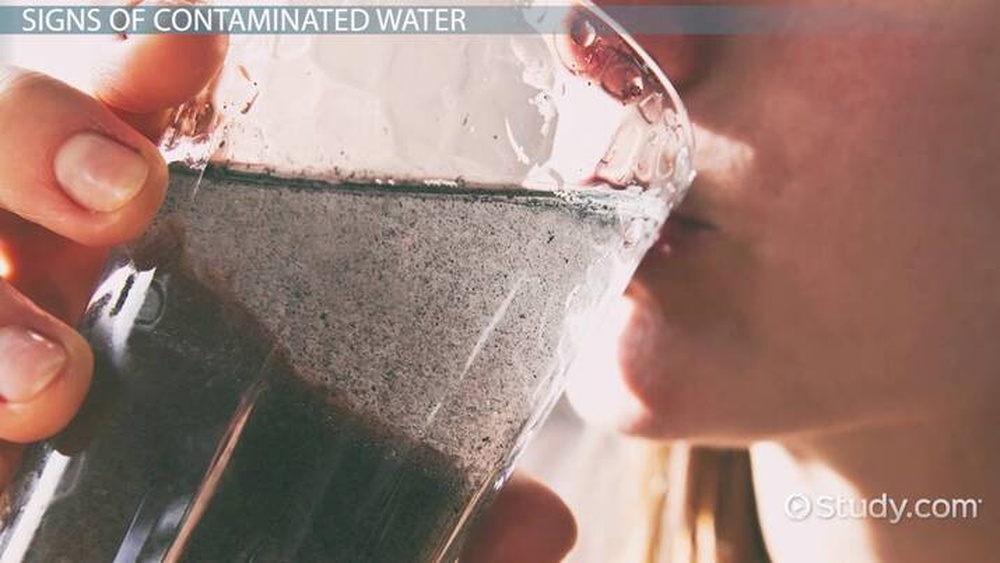
Have you ever stopped to think about the water you drink every day? It looks clear and clean, but what if it’s hiding harmful contaminants?
Knowing the signs of contaminated water can protect your health and your family’s well-being. If you notice strange tastes, odors, or changes in color, these could be red flags. Keep reading to discover the key warning signs you shouldn’t ignore—and how to take action before it’s too late.
Your safety depends on it.
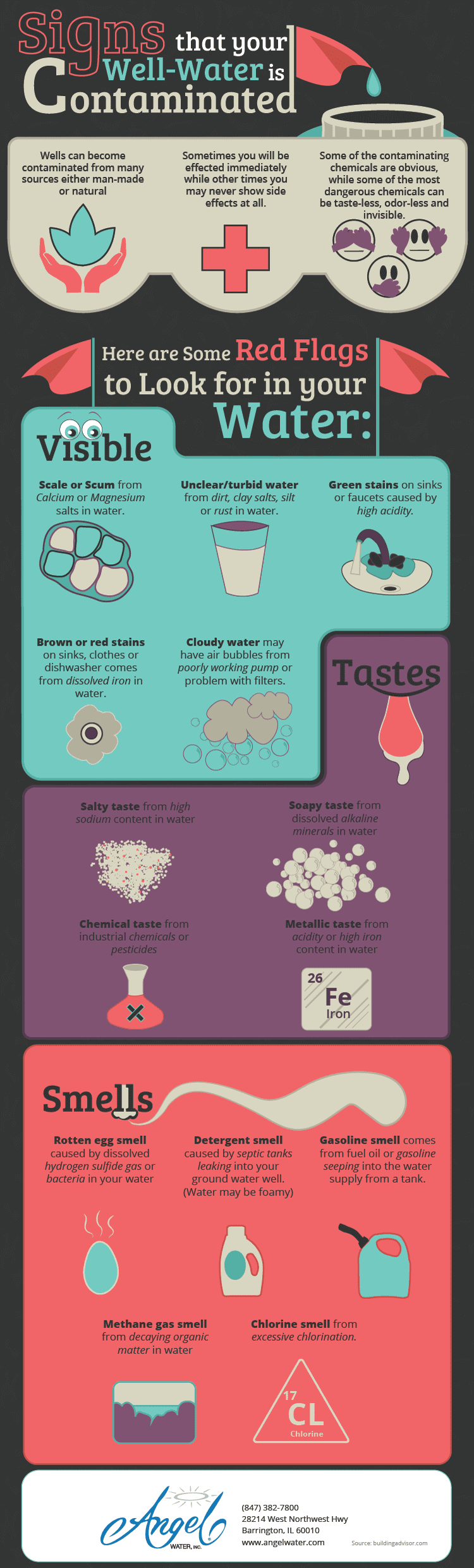
Credit: angelwater.com
Common Water Contaminants
Water can contain many different substances that harm health. These substances are called contaminants. Knowing common water contaminants helps you spot problems early. Contaminated water often looks, smells, or tastes unusual. Some contaminants are invisible but still dangerous. Understanding these types helps protect your family and home.
Biological Pollutants
Biological pollutants include bacteria, viruses, and parasites. These tiny organisms come from sewage, animal waste, or soil. They cause illnesses like diarrhea, stomach pain, and infections. Water with biological pollutants may look clear but can still be unsafe. Boiling water kills most biological pollutants and makes water safer to drink.
Chemical Contaminants
Chemical contaminants include harmful substances like pesticides, heavy metals, and industrial waste. Chemicals can enter water from factories, farms, or old pipes. They often change water’s taste or smell. Some chemicals cause long-term health problems like cancer or organ damage. Testing water regularly helps detect chemical contamination early.
Physical Impurities
Physical impurities are particles like dirt, sand, and rust. These make water look cloudy or dirty. Though not always harmful, they can carry bacteria or chemicals. Physical impurities also clog pipes and filters. Using a good water filter helps remove these particles and improves water quality.
Visual Indicators Of Contaminated Water
Water often looks clear and clean. But sometimes, it hides dangers. Visual clues can show if water is contaminated. Spotting these signs early helps protect health. Watch for changes in color, particles, or texture. These are easy hints that water may not be safe.
Discoloration And Cloudiness
Clean water is usually clear and colorless. If water looks yellow, brown, or green, it signals trouble. Cloudy water also means tiny particles or germs are present. Discoloration comes from rust, dirt, or chemicals. Cloudiness reduces water quality and can cause illness.
Unusual Particles Or Sediment
Particles or sediment in water are a bad sign. Tiny bits of dirt, sand, or organic matter may float or settle. These can clog pipes and damage appliances. Sediment can carry harmful bacteria or metals. Clear water rarely has visible particles.
Oily Or Foamy Appearance
Oily patches on water surface show pollution. These can come from chemicals or waste products. Foamy water is another warning sign. Foam forms from detergents or natural organic matter. Both oily and foamy water indicate contamination and should be avoided.
Odor Signs To Notice
Water that smells strange might be unsafe to drink. Odor is one of the first signs of water contamination. It helps detect harmful substances early. Some smells are easy to notice and warn about pollution. Pay close attention to water odors in your home.
Rotten Egg Smell
A rotten egg smell means hydrogen sulfide gas is present. It often comes from bacteria or decaying matter in water. This smell is strong and unpleasant. It may cause nausea or headaches if water is used. Avoid drinking water with this odor.
Chlorine Or Chemical Odor
Water with a strong chlorine or chemical smell may have too many disinfectants. Chlorine is added to kill germs but too much is harmful. Chemical odors might also come from industrial pollution. These smells suggest water needs testing before use.
Musty Or Earthy Smell
A musty or earthy smell comes from algae or organic materials in water. It smells like wet soil or old leaves. This odor shows natural contamination or poor water treatment. It can taste bad and cause stomach upset. Treat water with this smell carefully.

Credit: www.accuform.com
Taste Changes In Water
Changes in the taste of water can signal contamination. Clean water usually tastes fresh and neutral. Any unusual flavor may mean harmful substances are present. Paying attention to taste can help detect water problems early.
Metallic Or Bitter Taste
A metallic or bitter taste may come from metals like iron, copper, or lead. These metals can enter water through old pipes or natural deposits. Drinking water with metal tastes can be unsafe. Notice this taste and test your water quickly.
Salty Or Sour Flavor
Salty or sour water can mean high levels of minerals or pollution. Salt may come from seawater intrusion or road salt runoff. Sour taste might indicate acid or bacteria in water. Avoid drinking water with these flavors until tested.
Chemical Or Plastic-like Taste
A chemical or plastic-like taste often points to industrial pollution or chemical spills. It may also come from old plastic pipes or containers. This taste is a serious warning sign. Stop using the water and seek professional testing.
Health Symptoms Linked To Contaminated Water
Contaminated water can cause many health problems. It carries harmful bacteria, viruses, and chemicals. These pollutants enter the body through drinking, bathing, or cooking. The body reacts with various symptoms. Recognizing these signs is important for early action and care.
Gastrointestinal Issues
Stomach pain, nausea, and diarrhea often appear after drinking bad water. Vomiting can also occur. These symptoms result from bacteria like E. coli and viruses in the water. They upset the stomach and intestines. Dehydration can follow if symptoms last long. Children and elderly people are more at risk.
Skin And Eye Irritations
Contaminated water can cause itchy skin and rashes. Redness and swelling may develop after contact. Eyes may become irritated or watery. Chemicals and microbes in water trigger these reactions. Bathing or swimming in polluted water increases risk. Sensitive skin reacts faster to harmful substances.
Respiratory Problems
Breathing issues sometimes link to polluted water. Mist or steam from dirty water carries microbes. These can cause coughing and throat irritation. Lung infections may develop in some cases. People with asthma or weak lungs suffer more. Clean water reduces these respiratory risks.
Testing Methods For Water Quality
Testing water quality is essential to ensure the water you use is safe. It helps identify harmful substances that may cause health problems. Various methods exist to check water for contaminants. These methods range from simple home tests to detailed laboratory analyses.
Choosing the right testing method depends on the situation. Some signs in water call for quick testing. Other cases may need professional help for accurate results.
Home Testing Kits
Home testing kits offer a quick way to check water quality. They are easy to use and provide immediate results. These kits test for common issues like bacteria, lead, and chlorine. They usually include strips or small devices that change color. You compare the color to a chart to see the results. Home kits are affordable and good for regular checks. They help catch problems early before they get worse.
Professional Laboratory Analysis
Laboratory analysis is the most accurate method to test water. Samples are sent to certified labs for detailed testing. Labs check for a wide range of contaminants, including chemicals and microorganisms. This method is best for serious concerns or unclear results from home kits. Labs provide a full report with exact measurements. This helps in making informed decisions about water safety. Professional testing may cost more but ensures reliable results.
Signs That Require Immediate Testing
Some water changes need fast action. Cloudy or strange-smelling water is a clear warning. Sudden taste changes or discoloration also signal problems. If anyone in your home feels sick after drinking water, test it quickly. Rusty pipes or recent repairs can contaminate water too. Immediate testing helps protect your health and prevent serious issues.
Preventive Measures And Solutions
Preventive measures help keep water safe from contamination. They reduce health risks and protect your home. Taking action early stops problems before they grow.
Water Filtration Options
Water filters remove dirt, chemicals, and germs. Choose filters based on your water source and needs. Common types include activated carbon, reverse osmosis, and UV filters. Each type targets different contaminants. Regularly replace filter cartridges for best results.
Regular Maintenance Of Water Sources
Clean wells, tanks, and pipes often. Check for cracks, leaks, or damage. Seal any openings where dirt or pests enter. Test water quality regularly to catch issues early. Keep the area around water sources free from waste and chemicals.
Emergency Steps For Suspected Contamination
Stop using water for drinking or cooking immediately. Use bottled or boiled water instead. Report contamination to local authorities or water providers. Avoid touching or using water that looks or smells strange. Disinfect storage tanks and pipes after contamination is confirmed.
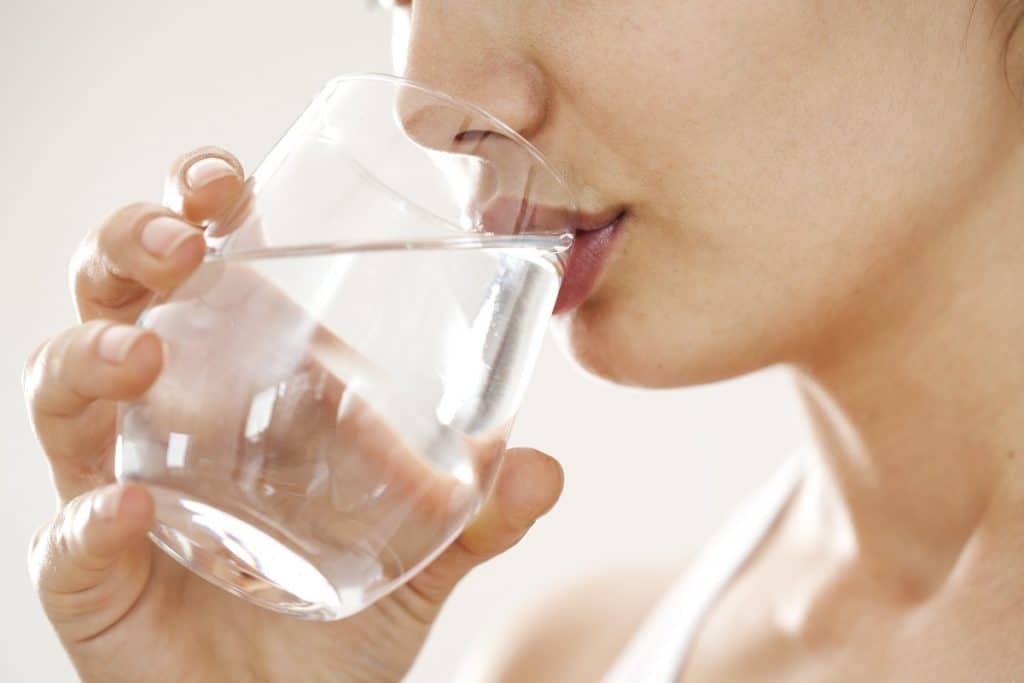
Credit: etrlabs.com
Frequently Asked Questions
What Are Common Signs Of Contaminated Water?
Contaminated water may have a strange color, bad odor, or unusual taste. It can cause cloudiness or particles. Health issues like stomach pain may also indicate contamination.
How Can I Detect Chemical Contamination In Water?
Chemical contamination often causes a metallic or chemical taste. You might notice oily residues or unusual smells. Testing kits or professional analysis can confirm specific chemicals present.
Can Contaminated Water Affect Skin And Hair?
Yes, contaminated water can cause skin irritation, dryness, and rashes. It may also make hair brittle or cause scalp issues due to harmful substances.
What Health Symptoms Indicate Contaminated Water Consumption?
Symptoms include stomach cramps, diarrhea, nausea, and vomiting. Long-term exposure can lead to serious diseases. Immediate medical advice is recommended if symptoms appear after drinking water.
Conclusion
Contaminated water can harm your health and home. Watch for strange taste, smell, or color. Cloudy or dirty water is a warning sign. Feeling sick after drinking water needs attention. Test your water regularly to stay safe. Clean water keeps families healthy and happy.
Act quickly if you notice any signs. Protect your water, protect your life.

Hasan Al Sarker is a Reverse Osmosis Specialist. He has worked for many years to ensure safe drinking water for all. His research paper has been published in several journals, including Issue, Medium, and Slideshare. He is recognized as a water doctor among specialists though he did not attend medical college.
Besides working as a researcher of reverse osmosis technology, he is also very fancy with the kitchen and cooking. His guides are reading thousands of people every day. As a head of content, he is responsible for all the published articles at RO System Reviews.