Have you ever wondered if the water you drink or use every day is truly safe? Knowing how to test the pH level in water is one simple step that can protect your health and your home.
Whether you’re checking your tap water, a pool, or a garden pond, understanding pH can help you spot problems before they start. You’ll learn easy and practical ways to test your water’s pH—no special skills needed. Keep reading, and discover how a small test can make a big difference for you and your family.

Credit: www.wikihow.com
Importance Of Testing Ph In Water
Testing the pH level in water is very important. It tells us if the water is safe to use. The pH value shows how acidic or basic the water is. Water with the wrong pH can cause problems for people, plants, and animals.
Knowing the pH helps keep water clean and healthy. It also protects pipes and machines that use water. Checking pH regularly helps catch problems early. This stops damage and saves money.
Understanding Water Quality
pH shows water quality clearly. Water with balanced pH is safe to drink and use. Too acidic or too basic water can be harmful. Testing pH helps know if water is good or bad.
Protecting Health
Water with wrong pH can cause health issues. Acidic water can harm skin and eyes. Basic water may taste bad or cause stomach problems. Testing pH keeps water safe for daily use.
Maintaining Equipment
Water with poor pH can damage pipes and machines. Acidic water can cause rust and corrosion. Basic water can leave deposits and clog pipes. Testing pH helps protect equipment and saves repair costs.
Supporting Plant And Animal Life
Plants and animals need water with correct pH. Wrong pH can kill fish and harm plants. Testing water pH helps keep ecosystems healthy and balanced.
Credit: apureinstrument.com
Tools Needed For Ph Testing
Testing the pH level in water requires some basic tools. These tools help you measure how acidic or basic the water is. Knowing the pH is important for health, gardening, or aquarium care. This section covers the common tools needed for pH testing.
Ph Test Strips
pH test strips are simple and cheap. You dip the strip into water, then compare the color change to a chart. Each color shows a different pH level. These strips are good for quick checks. They work well for pools, fish tanks, or drinking water.
Digital Ph Meter
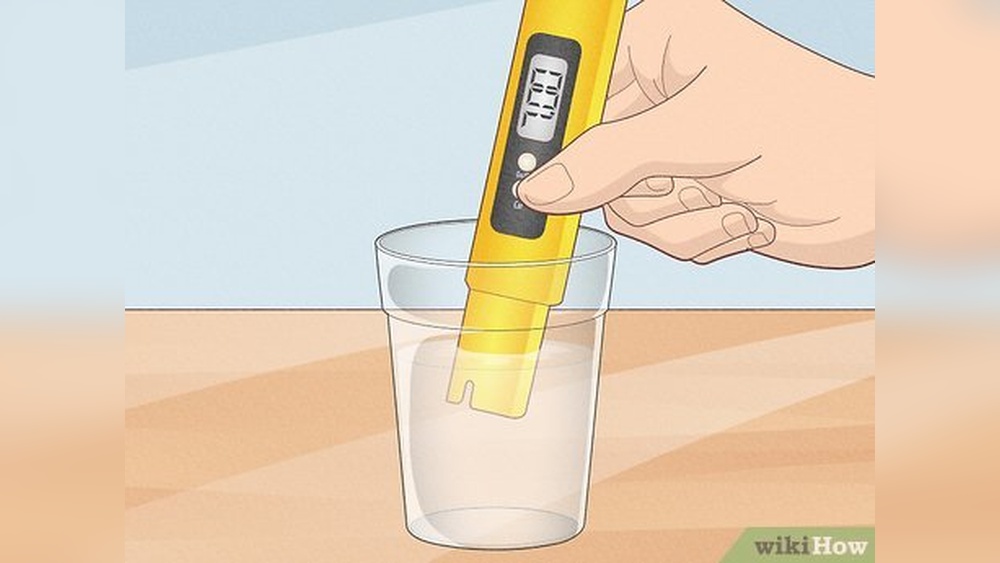
A digital pH meter gives fast and accurate results. You place the probe in the water, and it shows the pH on a screen. This tool needs calibration with special solutions before use. It is ideal for labs, gardening, or professional use. Digital meters often cost more but are very reliable.
Liquid Ph Test Kits
Liquid test kits come with a chemical reagent. Add a few drops to the water sample. The liquid changes color depending on the pH. You match the color to a chart to find the pH level. These kits are easy to use and affordable. They suit home use or school experiments.
Calibration Solutions
Calibration solutions are necessary for digital pH meters. They ensure the meter reads correctly. These solutions have known pH values, like 4.00, 7.00, or 10.00. Regular calibration keeps your meter accurate over time. Use fresh solutions to avoid errors.
Preparing Water Samples
Preparing water samples is an important step before testing the pH level. Proper preparation ensures accurate and reliable results. This section explains how to collect and handle water samples correctly.
Choosing The Right Container
Select a clean, clear container to hold the water sample. Use glass or plastic bottles that do not affect the water’s pH. Avoid containers that previously held chemicals or strong-smelling substances.
Collecting The Sample
Take the sample from the middle of the water source, not the surface or bottom. Rinse the container with the water before filling it. Fill the container without trapping air bubbles inside.
Storing The Sample
Test the water sample as soon as possible after collection. If storing is necessary, keep it in a cool, dark place. Avoid exposure to direct sunlight or heat, as it may change the pH.
Avoiding Contamination
Wash your hands before handling containers or water. Use clean tools if you need to collect water from hard-to-reach places. Do not touch the inside of the container or lid to prevent contamination.
Using Ph Test Strips
Using pH test strips is one of the simplest ways to check water’s pH level. These strips are small and easy to use. They give quick results that help you know if the water is acidic, neutral, or alkaline. This method is affordable and does not require special tools or skills.
Selecting The Right Strips
Choose pH strips with a clear color chart. The strips must cover the pH range you want to test. For most water tests, strips that measure from pH 4 to pH 10 work well. Check the packaging for accuracy and expiration date. Fresh strips give more reliable results.
Dipping And Timing
Dip one strip into the water sample. Keep it submerged for about one second only. Remove the strip and shake off extra water gently. Wait for the time stated on the package, usually 15 to 30 seconds. This time lets the strip show the right color.
Reading Results
Match the strip’s color to the chart on the package. Find the closest color and note the pH number. Read the color quickly, as it can change after some time. This number tells you if the water is safe or if it needs treatment.
Using A Digital Ph Meter
Using a digital pH meter is a fast and accurate way to test water pH levels. This device gives clear readings on a small screen. It helps you know if water is acidic, neutral, or alkaline. Digital meters are easy to use and provide results in seconds. They are better than paper strips for precise measurements.
Calibrating The Meter
Before testing, calibrate the meter for accuracy. Use standard buffer solutions with known pH values. Turn on the meter and rinse the electrode with clean water. Dip the electrode into the first buffer solution. Adjust the meter to match the buffer’s pH reading. Repeat with a second buffer solution if your meter needs two-point calibration. Proper calibration ensures reliable results every time.
Taking Measurements
Rinse the electrode with clean water before measuring. Dip it into the water sample gently. Wait a few seconds for the reading to stabilize. Record the pH value shown on the screen. Avoid touching the electrode with your hands. Test at room temperature for best accuracy. Clean the electrode between samples to prevent contamination.
Maintaining The Device
Keep the electrode clean by rinsing after each use. Store the meter with the electrode in a storage solution. Avoid drying out the electrode, as it can damage the sensor. Replace the electrode if readings become unstable or slow. Charge or replace batteries regularly to keep the meter working. Proper care extends the life of your digital pH meter.
Interpreting Ph Results
Understanding the pH results of your water test is important. It helps you know if the water is safe and healthy. The pH scale shows how acidic or basic the water is. This section explains what the numbers mean and why they matter.
Normal Ph Ranges
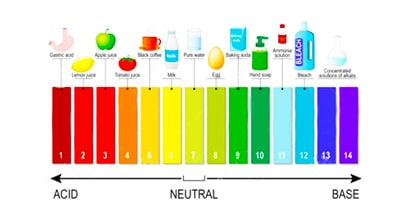
Water pH usually ranges from 0 to 14. A pH of 7 is neutral. Pure water often has a pH close to 7.
Drinking water typically has a pH between 6.5 and 8.5. This range is safe for most uses. Water below 6.5 is acidic. Water above 8.5 is basic or alkaline.
Effects Of Different Ph Levels
Low pH means acidic water. Acidic water can damage pipes and harm plants or fish. It may taste sour or metallic.
High pH means alkaline water. Alkaline water can cause scale buildup in pipes. It might taste bitter or soapy.
Water outside the normal range may not be safe to drink. Testing pH helps you take action to fix problems.
Common Testing Mistakes To Avoid
Testing the pH level in water is simple but mistakes can cause wrong results. Avoiding common errors helps ensure accurate readings. Pay attention to each step for best results.
Not Calibrating The Ph Meter
Skipping calibration leads to false readings. Always calibrate the meter before testing. Use fresh buffer solutions for proper calibration.
Using Dirty Or Contaminated Equipment
Dirty tools affect the water sample and test results. Clean all equipment with distilled water before use. Avoid cross-contamination by rinsing between tests.
Ignoring Temperature Effects
Water temperature changes pH readings. Some meters adjust automatically, but others do not. Measure water temperature and note it for accurate interpretation.
Testing In Strong Sunlight
Bright sunlight can affect digital meter screens and strip colors. Test water in shaded areas or indoors for clear results. Avoid direct light during testing.
Not Following Test Strip Instructions
Each test strip brand has unique steps. Read and follow instructions carefully. Timing and color matching are critical for accurate pH levels.
Improving Water Ph After Testing
Improving water pH after testing is important for safe and balanced water. Water with the wrong pH can cause damage to pipes, harm plants, or affect health. Adjusting pH helps keep water clean and safe for its use.
Small changes in water pH can make a big difference. Use the right methods to raise or lower pH based on test results. Careful steps ensure water stays healthy and useful.
Raise Ph With Baking Soda
Baking soda is a common way to increase water pH. Add a small amount to the water and stir well. Test the pH again after mixing. Repeat if needed, but add in small steps to avoid raising pH too much.
Lower Ph With Vinegar Or Lemon Juice
Vinegar and lemon juice help lower water pH. Add a small amount slowly and mix. Test water after each addition. Stop when pH reaches the desired level. Use caution, as these can change pH quickly.
Use Ph Adjustment Chemicals
Special chemicals can adjust pH in pools or large water systems. These include pH increasers and reducers. Follow package instructions carefully. Always wear gloves and eye protection when handling chemicals.
Test Ph Regularly After Adjustment
Check pH often after making changes. Water conditions can shift over time. Regular testing keeps pH stable and safe. Use fresh test strips or a digital tester for best results.

Credit: www.springwellwater.com
Frequently Asked Questions
How Do I Test Ph Level In Water At Home?
You can test water pH at home using pH test strips or digital pH meters. Dip the strip or probe into water and read the color change or digital display to determine acidity or alkalinity.
What Is The Ideal Ph Level For Drinking Water?
The ideal pH for drinking water ranges from 6. 5 to 8. 5. This range ensures water is safe, non-corrosive, and pleasant to taste.
How Often Should I Test My Water’s Ph Level?
Testing frequency depends on water source. For well or tap water, test quarterly. For aquarium or pool water, test weekly or as needed.
Can Ph Test Kits Detect Contaminants In Water?
PH test kits only measure acidity or alkalinity, not contaminants. For contaminants, use specialized tests like bacteria or heavy metals kits.
Conclusion
Testing the pH level in water helps keep it safe and healthy. Use simple tools like strips or meters for quick checks. Regular testing shows changes early, so you can act fast. Clean water supports plants, animals, and people alike.
Keep testing often to avoid problems later. Stay aware, stay safe.

Hasan Al Sarker is a Reverse Osmosis Specialist. He has worked for many years to ensure safe drinking water for all. His research paper has been published in several journals, including Issue, Medium, and Slideshare. He is recognized as a water doctor among specialists though he did not attend medical college.
Besides working as a researcher of reverse osmosis technology, he is also very fancy with the kitchen and cooking. His guides are reading thousands of people every day. As a head of content, he is responsible for all the published articles at RO System Reviews.