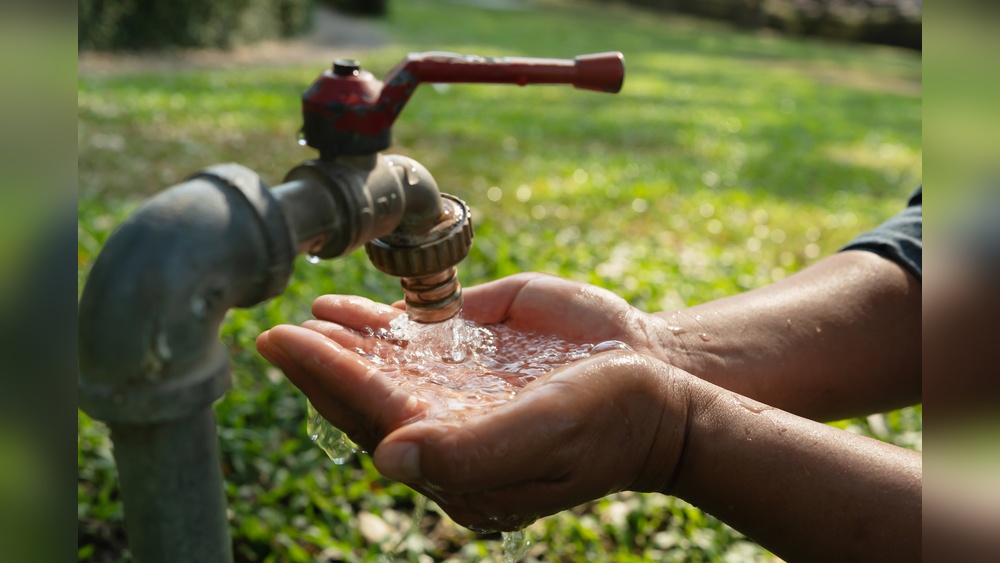
Have you ever stopped to think about what’s really in the water you drink every day? The quality of your water can have a big impact on your health—more than you might realize.
Clean, pure water helps your body function at its best, while contaminated water can lead to serious health problems. You’ll discover how water quality affects your well-being and what you can do to protect yourself and your loved ones. Keep reading—your health depends on it.
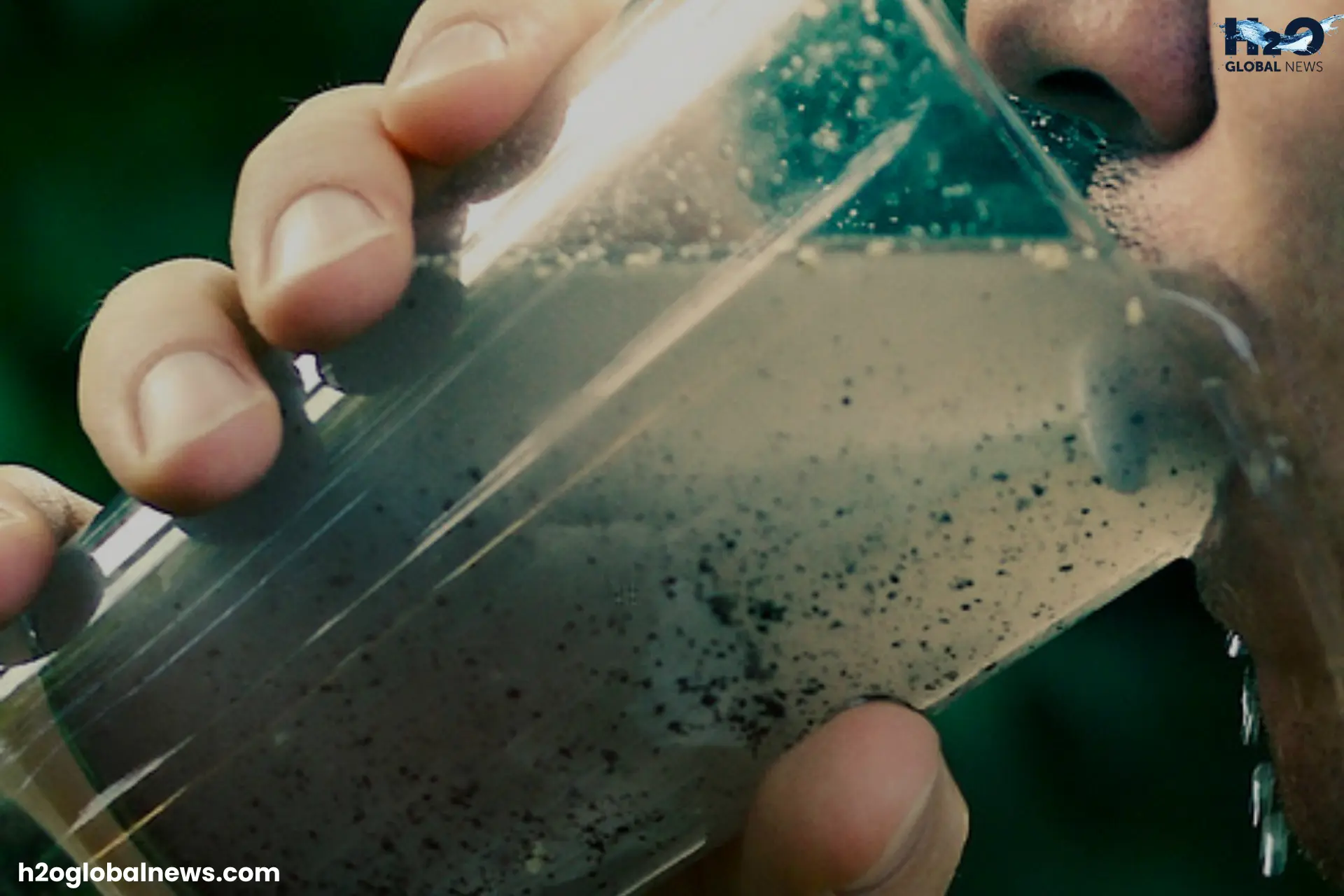
Credit: h2oglobalnews.com
Water Contaminants And Health Risks
Water quality plays a big role in keeping people healthy. Contaminants in water can cause many health problems. These pollutants come from different sources and affect the body in many ways. Understanding these contaminants helps to reduce health risks.
Water can contain chemicals, germs, and heavy metals. Each type of contaminant can harm health differently. Knowing about these dangers is important to protect yourself and your family.
Common Chemical Pollutants
Chemicals like pesticides and fertilizers often enter water from farms. These chemicals can cause stomach problems and other illnesses. Industrial waste may add harmful substances such as solvents and plastics. Drinking water with these chemicals can lead to long-term health issues.
Biological Contaminants
Biological contaminants include bacteria, viruses, and parasites. These tiny organisms can cause infections and diseases. Common illnesses from biological pollutants include diarrhea, cholera, and giardiasis. Contaminated water is a major source of these health problems worldwide.
Heavy Metals And Their Effects
Heavy metals like lead, arsenic, and mercury can enter water from pipes and factories. These metals build up in the body and damage organs. Lead affects brain development in children. Arsenic can cause skin problems and increase cancer risk. Mercury harms the nervous system and kidneys.
Impact On Digestive System
Water quality plays a big role in keeping the digestive system healthy. Clean water helps the body absorb nutrients and stay free from harmful germs. Poor water quality can cause many problems in the stomach and intestines. These problems affect digestion and overall health.
Waterborne Diseases
Dirty water can carry bacteria, viruses, and parasites. Drinking this water causes infections in the digestive tract. Common illnesses include diarrhea, cholera, and dysentery. These diseases cause stomach pain, vomiting, and dehydration. They spread quickly, especially in places without clean water. Safe water is key to preventing these diseases.
Chronic Digestive Disorders
Long-term exposure to contaminated water can lead to chronic digestive issues. Chemicals and toxins in water harm the stomach lining. This damage can cause ulcers and gastritis. Some people develop irritable bowel syndrome or other lasting problems. Clean water reduces the risk of these serious health issues.
Effects On Immune Function
Water quality plays a key role in keeping the immune system strong. Clean water helps the body fight off germs and stay healthy. Polluted water can make the immune system weak and less able to protect the body. Understanding how water affects immune function can help prevent many health problems.
Immune System Suppression
Contaminated water contains harmful chemicals and germs. These can suppress the immune system’s response. A weak immune system cannot fight infections well. People exposed to poor water quality may get sick more often. Long-term exposure can lead to chronic immune problems. Children and elderly people are more at risk of immune suppression.
Infections Linked To Poor Water Quality
Dirty water spreads many infections that harm the immune system. Common illnesses include diarrhea, cholera, and typhoid. These infections weaken the body and increase health risks. Waterborne viruses and bacteria attack the body’s defenses. Strong immune function is crucial to recover quickly from these infections. Safe drinking water reduces the chance of these diseases.
Water Quality And Skin Health
Water quality plays a big role in skin health. Clean water helps keep skin clear and healthy. Dirty or hard water can cause many skin problems. Understanding how water affects your skin helps you protect it better.
Irritation And Allergies
Poor water quality can cause skin irritation. Chemicals like chlorine and heavy metals irritate the skin. They dry out the skin, making it itchy and red. Some people may develop allergic reactions. These reactions include rashes and swelling. Using clean, filtered water can reduce these risks.
Long-term Skin Conditions
Bad water quality may worsen long-term skin problems. Conditions like eczema and psoriasis can flare up. Hard water leaves minerals on the skin that block pores. This causes dryness and inflammation over time. Keeping water pure helps manage these skin issues better.
Children And Vulnerable Groups
Children and vulnerable groups need clean water for good health. Their bodies are still growing or weaker. This makes them more likely to get sick from bad water. Drinking or using unsafe water can cause many health problems. These groups need special care to avoid harm from poor water quality.
Risks For Infants And Elderly
Infants have weak immune systems. They cannot fight germs well. Contaminated water can cause diarrhea and infections in babies. This can lead to dehydration, a serious condition for infants.
The elderly also have weaker defenses. They may have chronic illnesses. Bad water can worsen these conditions. It can cause stomach problems, skin infections, and more.
Preventive Measures For Vulnerable Populations
Use safe water sources for drinking and cooking. Boil water to kill germs. Store water in clean containers to avoid contamination. Teach families about hygiene and handwashing. Regular testing of water helps catch problems early. Provide easy access to clean water in homes and schools. These steps help protect children and vulnerable people from illness.
Testing And Improving Water Quality
Testing and improving water quality protects health and prevents illness. Clean water keeps families safe from harmful bacteria and chemicals. Knowing what is in your water helps you choose the right treatment. Testing water at home or using professional services reveals hidden dangers. Treating water removes pollutants and improves taste and smell.
Home Water Testing Methods
Home water tests are easy and affordable. Test strips check for chlorine, pH, hardness, and bacteria. Digital kits measure contaminants like lead and pesticides. Some kits need sending samples to labs for detailed results. Testing regularly helps spot changes in water quality early. Simple tests give quick answers to common water problems.
Treatment Options And Technologies
Water treatment options vary by contamination type. Activated carbon filters remove chlorine, bad taste, and odors. Reverse osmosis systems filter out heavy metals and chemicals. UV light kills bacteria and viruses without chemicals. Water softeners reduce hardness caused by minerals. Choosing the right method improves water quality and health.
Global Perspectives On Water Safety
Water safety is a global issue affecting millions of lives. Clean water helps prevent many diseases and supports healthy living. Different regions face unique challenges in water quality. Understanding these challenges helps us see the need for global action. Efforts are underway worldwide to improve water safety and protect health.
Regions With Critical Water Issues
Many areas struggle with unsafe water. In parts of Africa, water sources are often polluted. This leads to diseases like cholera and diarrhea. South Asia also faces water quality problems from industrial waste and poor sanitation. Some regions in Latin America deal with water contamination from mining. These problems make daily life hard and affect health deeply.
Efforts To Improve Water Quality Worldwide
Global organizations work to provide clean water. They build wells and water treatment systems. Education programs teach people how to keep water safe. Governments create laws to reduce pollution. Technology helps monitor water quality better than before. These efforts slowly improve health in many communities. Safe water is becoming more available around the world.

Credit: svalbardi.com
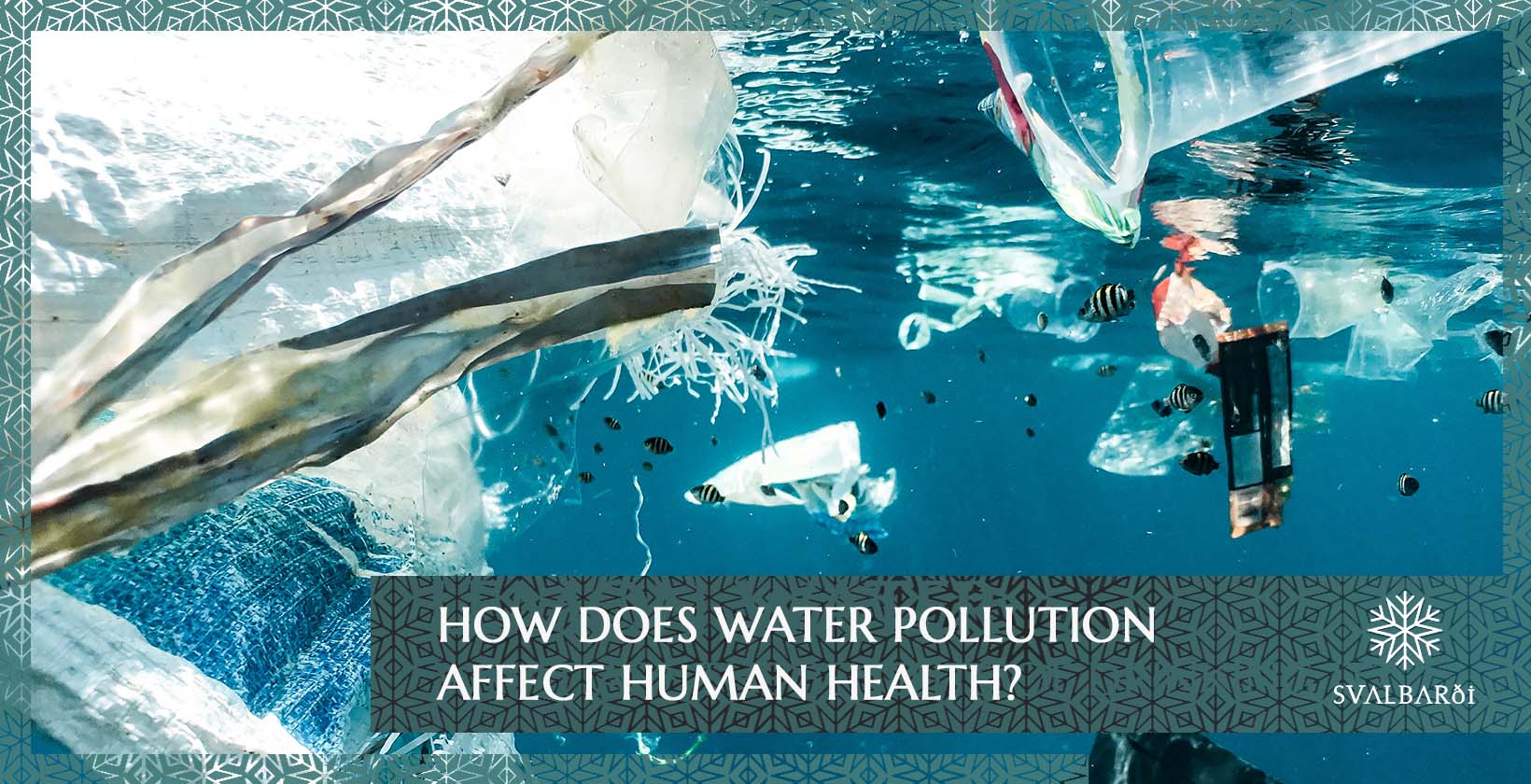
Credit: svalbardi.com
Frequently Asked Questions
How Does Poor Water Quality Impact Human Health?
Poor water quality can cause illnesses like diarrhea, cholera, and dysentery. Contaminants in water often carry harmful bacteria and viruses. Long-term exposure may lead to chronic diseases and developmental issues. Clean water is essential for preventing waterborne diseases and maintaining overall health.
What Are Common Contaminants In Drinking Water?
Common contaminants include bacteria, viruses, heavy metals, pesticides, and chemicals. These substances can enter water through pollution or poor sanitation. Contaminated water poses significant health risks, especially for children and the elderly. Regular water testing helps identify and manage these contaminants effectively.
How Can Water Pollution Affect Children’s Health?
Water pollution can cause severe infections and developmental problems in children. Contaminated water increases risks of diarrhea, stunted growth, and cognitive delays. Children’s immune systems are vulnerable to waterborne toxins. Ensuring access to clean water is crucial for their healthy growth.
Why Is Clean Water Important For Overall Well-being?
Clean water supports hydration, digestion, and nutrient absorption. It prevents exposure to harmful pathogens and toxins. Access to safe water improves immune function and reduces disease rates. Maintaining water quality is vital for a healthy lifestyle and long-term wellness.
Conclusion
Clean water means better health for everyone. Poor water quality can cause many diseases. Drinking safe water helps keep the body strong. Protecting water sources is key to good health. Simple steps like filtering water make a big difference. Everyone deserves access to clean, safe water daily.
Remember, water quality affects how well we live. Healthy water supports a healthy life. Take care of your water, and it will take care of you.

Hasan Al Sarker is a Reverse Osmosis Specialist. He has worked for many years to ensure safe drinking water for all. His research paper has been published in several journals, including Issue, Medium, and Slideshare. He is recognized as a water doctor among specialists though he did not attend medical college.
Besides working as a researcher of reverse osmosis technology, he is also very fancy with the kitchen and cooking. His guides are reading thousands of people every day. As a head of content, he is responsible for all the published articles at RO System Reviews.