Have you ever taken a sip of water only to be hit by an unpleasant taste that makes you want to spit it out? If your water tastes off, you’re not alone—and you don’t have to accept it.
Bad tasting water can affect everything from your morning coffee to your cooking. But the good news is, you can fix it. You’ll discover simple, effective ways to improve the taste of your water so it’s fresh, clean, and enjoyable every time.
Keep reading, and say goodbye to bad tasting water for good.
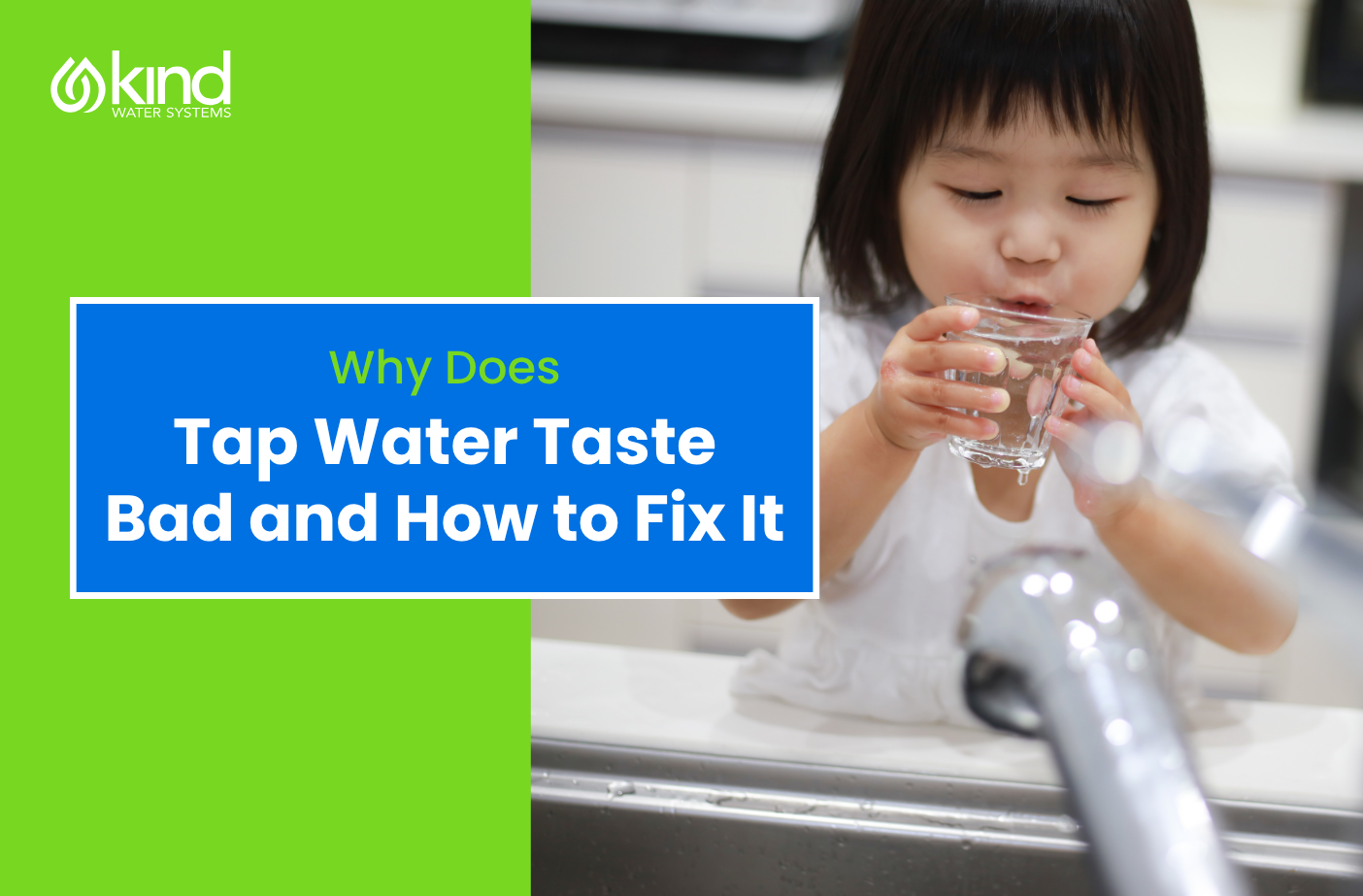
Credit: kindwater.com
Common Causes Of Bad Tasting Water
Bad tasting water can make drinking and cooking unpleasant. Understanding common causes helps to fix the problem. Water taste issues arise from different sources. Each cause affects water flavor in a unique way.
Chlorine And Chemical Treatments
Many water systems add chlorine to kill germs. Chlorine can leave a strong, bitter taste in water. Other chemicals used to clean water may also affect taste. These treatments keep water safe but can reduce its freshness.
Mineral Buildup And Hard Water
Hard water contains minerals like calcium and magnesium. These minerals cause a chalky or metallic taste. Over time, minerals build up in pipes and faucets. This buildup can change water flavor and smell.
Contaminants And Pollution
Water can pick up bad tastes from pollution. Nearby factories, farms, or waste sites may leak chemicals. Contaminants like pesticides or heavy metals can enter water. These cause unpleasant tastes and may harm health.
Issues With Plumbing
Old or rusty pipes can change water taste. Plumbing leaks allow dirt and bacteria inside. Water sitting too long in pipes can taste stale. Faulty plumbing often causes strange or metallic flavors.
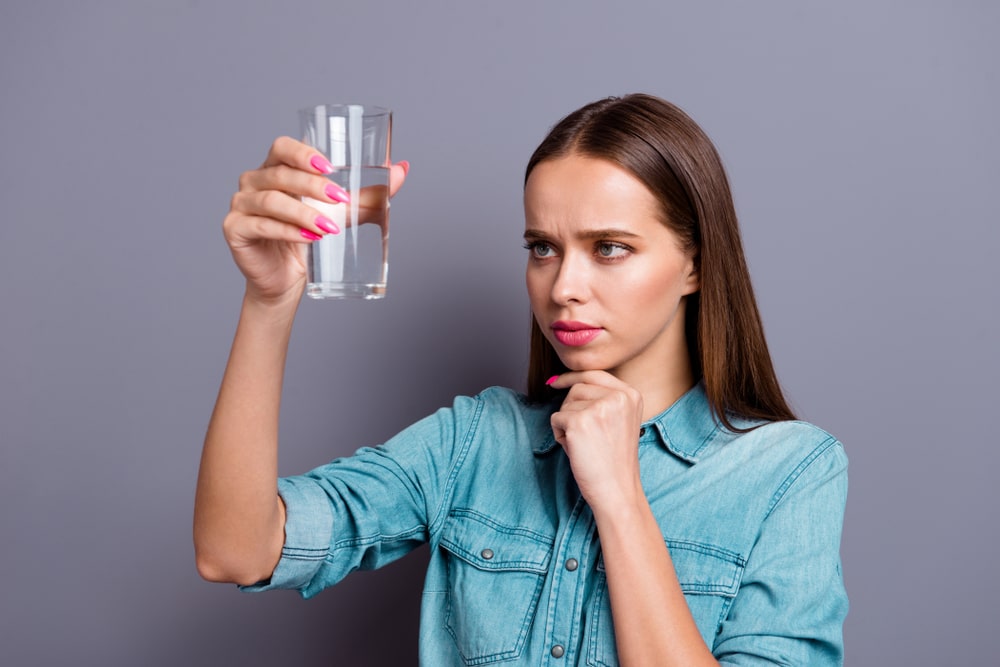
Credit: nelsonwater.com
Simple Home Remedies
Bad tasting water can be unpleasant. Simple home remedies can improve its taste quickly. These methods do not need special tools or chemicals. You can try them with items found at home. They help remove odors and unwanted flavors. Here are some easy ways to fix bad tasting water.
Boiling Water To Improve Taste
Boiling water can help remove bad smells. It kills bacteria and other tiny organisms. Let the water boil for about five minutes. After boiling, cool it down before drinking. Boiling also reduces chlorine taste. This method works well for tap water.
Using Activated Charcoal Filters
Activated charcoal filters absorb bad tastes and odors. They trap impurities inside their tiny pores. You can find charcoal filters for pitchers or taps. Replace the filter regularly for best results. This method helps make water taste cleaner and fresher.
Adding Natural Flavor Enhancers
Natural flavors can mask unpleasant water taste. Add slices of lemon, cucumber, or fresh mint leaves. Let the water sit for a few hours in the fridge. These ingredients add a refreshing taste. They also provide a pleasant smell and cool sensation.
Proper Storage Techniques
Store water in clean, covered containers only. Avoid storing in plastic bottles for a long time. Use glass or stainless steel containers instead. Keep water in a cool, dark place away from sunlight. Proper storage prevents water from absorbing bad odors.
Water Filtration Options
Bad tasting water can spoil your day and affect your health. Choosing the right filtration system improves taste and safety. Several options fit different needs and budgets. Understanding each helps you pick the best one for your home.
Pitcher And Faucet Filters
Pitcher filters are simple and affordable. You fill the pitcher and wait for water to filter. These remove chlorine and some impurities. Faucet filters attach directly to your tap. They filter water instantly when you turn on the faucet. Both options improve taste and smell effectively.
Under-sink Filtration Systems
These filters install under your kitchen sink. They connect to your cold water line. Under-sink systems use multiple filter stages. They remove sediments, chlorine, and other contaminants. These filters provide clean water on demand. They do not take up counter space.
Whole House Water Filters
Whole house filters clean water at the main entry point. They treat all water in your home. This system removes chlorine, sediments, and rust. It protects pipes and appliances from damage. Whole house filters improve water quality for showers and laundry too.
Reverse Osmosis Systems
Reverse osmosis uses a special membrane to filter water. It removes many impurities, including heavy metals and salts. This system produces very pure water. It usually installs under the sink. Reverse osmosis systems need regular maintenance. They are ideal for very bad tasting water.
Maintaining Your Water System
Maintaining your water system is key to keeping water fresh and tasty. Clean water systems stop bad smells and strange flavors. Regular care helps avoid costly repairs and keeps water safe for drinking.
Regular Filter Replacement
Water filters catch dirt and chemicals. Over time, filters get full and stop working well. Change filters according to the maker’s guide. Fresh filters improve water taste and remove more impurities.
Cleaning Water Fixtures
Faucets and showerheads collect minerals and germs. Clean them every few months to stop build-up. Use mild soap and water for cleaning. Clean fixtures help water flow freely and taste better.
Testing Water Quality
Test water to know what is inside. Use home test kits or hire a lab. Testing finds chemicals, bacteria, and minerals that affect taste. Regular tests help catch problems early and keep water safe.
Preventing Bacterial Growth
Bacteria grow in warm, wet places like pipes and tanks. Keep water tanks clean and covered. Flush pipes regularly to avoid stagnant water. Good care stops bacteria, keeping water fresh and healthy.
When To Call A Professional
Bad tasting water can be frustrating and hard to fix alone. Some problems need a professional’s touch. Knowing when to call an expert saves time and protects your health. Professionals find issues that are not clear and suggest the best solutions.
Identifying Persistent Problems
Some water taste issues last long despite home treatments. Strange smells or strange colors that do not go away need expert checks. Professionals spot hidden problems in pipes or water sources. Persistent bad taste often signals deeper issues that need fixing.
Water Testing Services
Experts use special tools to test your water. They check for bacteria, chemicals, and minerals. Testing finds what causes bad taste and if water is safe. Home kits may miss serious problems. Professional testing gives clear answers and guides treatment.
Plumbing Inspections
Old or broken pipes can spoil water taste. Professionals inspect pipes and fixtures for damage or rust. They check for leaks or buildup inside pipes. Fixing plumbing issues improves water flavor and safety. Professional inspections reveal problems that are hard to see.
Upgrading Home Water Systems
Sometimes, old water systems need upgrades. Experts help pick filters or softeners for your water type. They install systems that remove bad tastes and harmful substances. Upgrades ensure clean, fresh water every day. Professionals make sure new systems work well and last long.

Credit: www.youtube.com
Frequently Asked Questions
What Causes Bad Tasting Water At Home?
Bad tasting water often results from chlorine, minerals, or bacteria. Plumbing issues and pipe corrosion can also affect taste. Identifying the source helps in choosing the right treatment method to improve water quality.
How Can I Remove Chlorine Taste From Water?
Using activated carbon filters or letting water sit uncovered for a few hours reduces chlorine taste. Boiling water briefly also helps. These methods effectively improve water flavor without altering essential minerals.
Does Water Softener Improve Water Taste?
Yes, water softeners remove hardness minerals like calcium and magnesium. This can reduce metallic or bitter tastes in water. However, softeners may not eliminate all bad flavors, so additional filtration might be needed.
Is Boiling Water Effective For Bad Taste?
Boiling water removes some volatile compounds and kills bacteria, improving taste. However, it may not eliminate chemical tastes like chlorine or metals. Combining boiling with filtration offers better results for unpleasant flavors.
Conclusion
Bad tasting water can affect your daily life and health. Try simple steps like cleaning pipes or using filters. Test your water often to catch problems early. Small changes make water taste fresher and safer. Drink water you enjoy and trust every day.
Taking care of water quality protects your family too. Stay aware and act quickly for better water. Good water tastes clean and feels refreshing. Keep these tips in mind to improve your water quality.

Hasan Al Sarker is a Reverse Osmosis Specialist. He has worked for many years to ensure safe drinking water for all. His research paper has been published in several journals, including Issue, Medium, and Slideshare. He is recognized as a water doctor among specialists though he did not attend medical college.
Besides working as a researcher of reverse osmosis technology, he is also very fancy with the kitchen and cooking. His guides are reading thousands of people every day. As a head of content, he is responsible for all the published articles at RO System Reviews.