Have you ever wondered what’s really in the water you use every day? Whether it’s for drinking, cooking, or even watering your plants, clean water is key to your health and safety.
But how can you be sure your water is safe without spending a fortune or calling a professional? Testing your water quality at home is easier than you think—and it gives you control over what you’re consuming. In this guide, you’ll discover simple, effective ways to check your water’s purity quickly and confidently.
Keep reading, and take the first step toward protecting your family’s health today.
Importance Of Testing Water
Testing water quality at home is very important for your health and safety. Water may look clean but still have harmful chemicals or germs. Knowing what is in your water helps you avoid sickness and other problems.
Clean water is key for drinking, cooking, and cleaning. Unsafe water can cause stomach pain, skin irritation, and other health issues. Testing water regularly helps catch problems early before they get worse.
Many water issues are not visible to the eye. Testing shows if water has bad bacteria, lead, pesticides, or too much chlorine. This information helps you decide if you need a water filter or other treatment.
Protecting Your Family’s Health
Water testing protects your family from harmful substances. Children, elderly, and people with weak immune systems are most at risk. Safe water lowers chances of illness and keeps everyone healthy.
Detecting Contaminants Early
Testing water finds problems before they become serious. Early detection saves money on repairs and medical bills. It also helps keep your home’s plumbing safe and clean.
Improving Water Taste And Smell
Bad taste or smell often signals water contamination. Testing identifies causes so you can fix them. Clean water tastes better and feels more refreshing.
Saving Money On Water Treatment
Knowing your water’s condition helps avoid unnecessary treatments. You only spend on needed filters or softeners. Testing prevents wasting money on wrong solutions.
Common Water Contaminants
Water quality depends on many factors. Common contaminants can affect taste, smell, and safety. Knowing these contaminants helps test water correctly. Water can carry different types of impurities that harm health or damage pipes. Some are visible, but others need special tests. Understanding each type makes home testing easier and more accurate.
Chemical Pollutants
Chemical pollutants include substances like lead, arsenic, and pesticides. These chemicals enter water through pollution or old pipes. They can cause serious health problems over time. Chemicals often have no taste or smell, making them hard to detect. Testing kits can identify common chemicals in drinking water. Regular checks help keep water safe and clean.
Biological Contaminants
Biological contaminants include bacteria, viruses, and parasites. These tiny organisms cause illness and infections. Contaminated water may cause stomach pain, diarrhea, or worse. Testing for bacteria like E. coli is important. Simple test strips or kits can detect biological impurities. Treating water removes these harmful germs and protects health.
Physical Impurities
Physical impurities are particles like dirt, sand, and rust. They make water look cloudy or dirty. These impurities affect water taste and appearance. Filters can remove many physical impurities at home. Testing water clarity can show if particles are present. Keeping water free from these helps prevent pipe damage and keeps water fresh.
Choosing The Right Test Kits
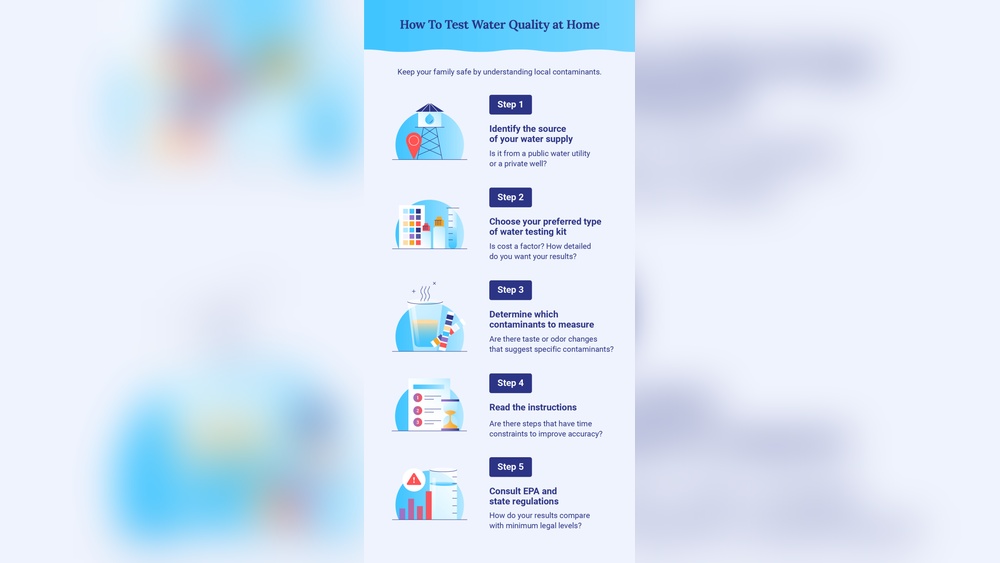
Choosing the right test kit is the first step in testing water quality at home. It helps you find out what is in your water. The correct kit gives clear and accurate results. This lets you take the right actions to keep your water safe.
Types Of Home Water Test Kits
There are many types of water test kits. Some test for bacteria, others for chemicals. You can find kits for lead, pesticides, and pH levels. Some kits give quick results, while others need lab analysis. Choose based on what you want to test in your water.
Factors To Consider
Check what contaminants the kit detects. Make sure it covers the common issues in your area. Look at how easy the test kit is to use. Some kits need special tools or skills. Think about how fast you want the results. Also, check the cost and what is included in the kit.

Credit: www.livpuresmart.com
Step-by-step Testing Process
Testing water quality at home is simple with the right steps. This process helps you know if your water is safe to use. Follow each step carefully for clear results. Here is a detailed guide to test your water quality.
Collecting Water Samples
Start by collecting water in a clean container. Use a glass or plastic bottle with a tight lid. Rinse the container with the water you will test. Fill it without touching the inside of the lid or bottle. Collect samples from different water sources, such as tap or well. Label each sample with the collection date and source.
Performing Chemical Tests
Use a water testing kit to check chemicals in water. Common tests include pH, chlorine, nitrate, and hardness. Follow the kit instructions carefully for accurate results. Add the test reagents to your water sample. Compare color changes with the provided chart. Record all chemical levels for future reference.
Checking For Biological Contaminants
Biological contaminants include bacteria and other microorganisms. Use test strips or kits designed for bacteria detection. Some kits require incubation, where samples stay warm for a set time. Look for color changes or growth indicating bacteria presence. Avoid drinking water if tests show contamination. Consider professional testing for detailed results.
Interpreting Test Results
Compare your test results with safe water standards. Most kits provide guidelines for acceptable levels. High chemical or biological levels may need treatment. Use filters, boiling, or chemical disinfectants to improve water. Regular testing helps maintain good water quality. Keep a record of your results for tracking changes over time.
Diy Water Testing Methods
Testing your water quality at home can be simple and cost-effective. DIY water testing methods use common household items. These tests help you check for basic water issues. They give quick results without special tools. Start with these easy and practical ways to test your water.
Using Vinegar And Baking Soda
Vinegar and baking soda reveal if water is acidic or basic. Pour a small amount of water into two clear cups. Add vinegar to one cup and baking soda to the other. Watch for bubbles or fizzing. Fizzing in vinegar means the water is basic. Fizzing in baking soda means the water is acidic. No reaction shows the water is neutral. This test helps you know if water has unusual pH levels.
Color Comparison Tests
Color comparison tests show if water has certain minerals or impurities. Use clear bottles or glasses to hold water samples. Compare the water color to clean water under good light. Cloudy or colored water may have dirt or chemicals. Yellow or brown tint can mean rust or organic matter. Simple color checks give clues about water cleanliness. For more accuracy, use free water test strips available online.
When To Seek Professional Help
Testing water quality at home can reveal basic issues. Some problems need expert help. Knowing when to call a professional can protect your health and home. Professionals have tools and knowledge that most home kits lack. They provide accurate, detailed results and advice.
Signs Of Serious Contamination
Cloudy or strange-smelling water needs expert testing. Changes in taste or color can signal harmful pollutants. Home tests may miss dangerous bacteria or chemicals. Professionals can detect lead, pesticides, and other toxins.
After Natural Disasters
Floods or earthquakes often affect water safety. Pipes can break or get dirty. Water may carry harmful microbes or chemicals. Professional testing ensures water is safe to use and drink.
When You Have Health Issues
Family members with weak immune systems need clean water. Children and elderly are more vulnerable to waterborne diseases. Professionals can provide thorough testing and treatment options. This helps prevent illness caused by poor water quality.
Unexpected Test Results
Home kits sometimes give unclear or conflicting results. Professionals can confirm or rule out contamination. They use advanced methods to identify exact problems. This saves time and avoids unnecessary worry.
Maintaining Safe Drinking Water
Safe drinking water is essential for good health. Clean water helps prevent many illnesses. Testing water quality at home is a smart way to keep your family safe. You can catch problems early and fix them before they get worse.
Maintaining safe drinking water needs regular checks and proper treatment. This section explains how to set a testing schedule and choose effective water treatment options.
Regular Testing Schedule
Test your water at least twice a year. More often if you live near farms or industrial areas. Use home test kits for quick checks of chlorine, pH, and bacteria. Send samples to a lab for detailed testing. Keep records of test results to track changes over time. Early detection helps you act fast and prevent health risks.
Effective Water Treatment Options
Several treatment methods improve water safety. Activated carbon filters remove bad taste and chemicals. Reverse osmosis systems clean out many impurities. UV purifiers kill harmful bacteria and viruses. Choose a system based on your water test results. Regularly maintain and replace filters to keep water clean.

Credit: callwisler.com

Credit: waterfilterguru.com
Frequently Asked Questions
How Can I Test Water Quality At Home Easily?
You can test water quality at home using DIY kits. These kits check pH, hardness, chlorine, and bacteria levels quickly. Follow the instructions carefully for accurate results. Testing helps ensure your water is safe for drinking and household use.
What Are The Common Contaminants In Tap Water?
Common tap water contaminants include chlorine, lead, bacteria, nitrates, and pesticides. These can affect taste, safety, and health. Home testing kits detect many of these contaminants, allowing you to take corrective measures if needed.
How Often Should I Test My Home Water Quality?
Test your home water quality every 6 months or after plumbing changes. Frequent testing ensures early detection of contaminants. Regular checks help maintain safe and clean water for your family’s health.
Are Home Water Testing Kits Reliable?
Home water testing kits provide quick, approximate results. They are reliable for initial screening but not as precise as lab tests. For detailed analysis, send samples to certified labs. Use kits to monitor water quality regularly.
Conclusion
Testing water quality at home helps keep your family safe. Simple kits make the process quick and clear. You can spot problems before they get worse. Clean water means better health every day. Take small steps to check your water often.
Stay aware of what is in your tap. Good water quality protects your home and health. Try testing regularly for peace of mind. Easy tests bring big benefits to your life. Keep your water clean, fresh, and safe.

Hasan Al Sarker is a Reverse Osmosis Specialist. He has worked for many years to ensure safe drinking water for all. His research paper has been published in several journals, including Issue, Medium, and Slideshare. He is recognized as a water doctor among specialists though he did not attend medical college.
Besides working as a researcher of reverse osmosis technology, he is also very fancy with the kitchen and cooking. His guides are reading thousands of people every day. As a head of content, he is responsible for all the published articles at RO System Reviews.