Is your water tasting off, leaving you unsure if it’s safe or just unpleasant? You’re not alone, and the good news is that you don’t have to live with it.
Bad tasting water can ruin your meals, drinks, and even your health. But what if you could quickly identify the cause and fix it yourself? In this guide, you’ll discover simple, effective steps to turn your water from unpleasant to pure and refreshing.
Keep reading—you’re just moments away from enjoying every sip again.
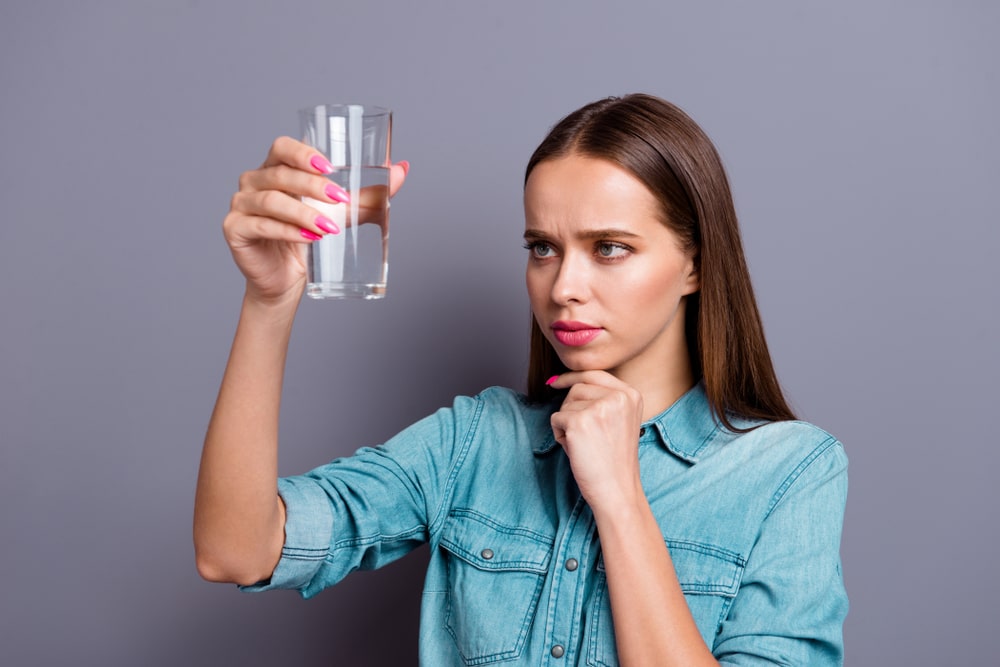
Credit: nelsonwater.com
Common Causes Of Bad Tasting Water
Bad tasting water can spoil your day and make drinking water unpleasant. Understanding the common causes helps to fix the problem quickly. Different factors affect the taste, smell, and quality of water.
Chlorine And Chemical Residues
Many water systems use chlorine to kill germs. Chlorine leaves a strong chemical taste and smell. Other chemicals from treatment plants may also linger. These residues can make water taste bitter or metallic.
Mineral Content And Hard Water
Hard water has high levels of minerals like calcium and magnesium. These minerals change the water’s flavor. Some people find hard water tastes chalky or bitter. Too many minerals can also cause scale buildup in pipes.
Contaminants And Pollution
Pollution from factories, farms, or sewage can enter water sources. Contaminants like pesticides or metals affect taste and safety. Even small amounts can cause an unusual or bad flavor in water.
Stagnant Or Old Pipes
Old pipes can hold rust or bacteria that change water taste. Stagnant water in pipes loses freshness and may taste stale. Pipes with buildup or corrosion make water look cloudy and smell bad.
Testing Your Water Quality
Testing your water quality is the first step to fix bad tasting water. It helps you find what causes the problem. Water can have many issues like chemicals, minerals, or bacteria. Knowing what is in your water helps you choose the right solution.
Home Water Testing Kits
Home water testing kits are easy to use. You buy them online or at a store. These kits check for common problems like chlorine, lead, or hardness. You dip a test strip in your water and wait for color changes. The colors show if your water has harmful substances. These kits give quick results but may not find all problems.
Professional Water Testing Services
Professional services offer detailed and accurate tests. Experts collect your water sample and analyze it in a lab. They test for many contaminants like bacteria, metals, and chemicals. This service costs more but gives a full picture of water quality. It is best if you suspect serious contamination or want a full report.
Interpreting Test Results
Test results show numbers or colors that mean different things. Look for safe levels set by health agencies. High levels of metals or bacteria need action. Use the results to decide on filters or treatments. If unsure, ask a professional to explain the findings. Understanding results helps fix your water taste safely and correctly.
Simple Fixes For Better Tasting Water
Bad tasting water can spoil your day. Simple fixes can improve the taste quickly. These easy steps help you enjoy fresh, clean water without much effort.
Start with small changes. They often make a big difference in water flavor. Try these simple methods to make your water taste better.
Using Activated Carbon Filters
Activated carbon filters remove chlorine and odors from water. They trap impurities that cause bad taste. These filters are easy to install on taps or pitchers. Change the filter regularly for best results. Clean, fresh water flows right through.
Boiling And Cooling Water
Boiling water kills bacteria and reduces some chemicals. Let the water cool before drinking. This process can improve taste and safety. Boiling is a natural way to refresh tap water. It’s simple and requires no special tools.
Adding Natural Flavor Enhancers
Try adding slices of lemon, cucumber, or mint to water. These natural flavors mask unpleasant tastes well. They also add a refreshing twist to your drink. Use fresh ingredients for the best effect. A little flavor goes a long way.
Regular Cleaning Of Water Containers
Dirty containers can cause water to taste bad. Clean bottles and pitchers often with soap and water. Rinse thoroughly to remove soap residue. This prevents mold and bacteria buildup. Clean containers keep water tasting fresh and pure.
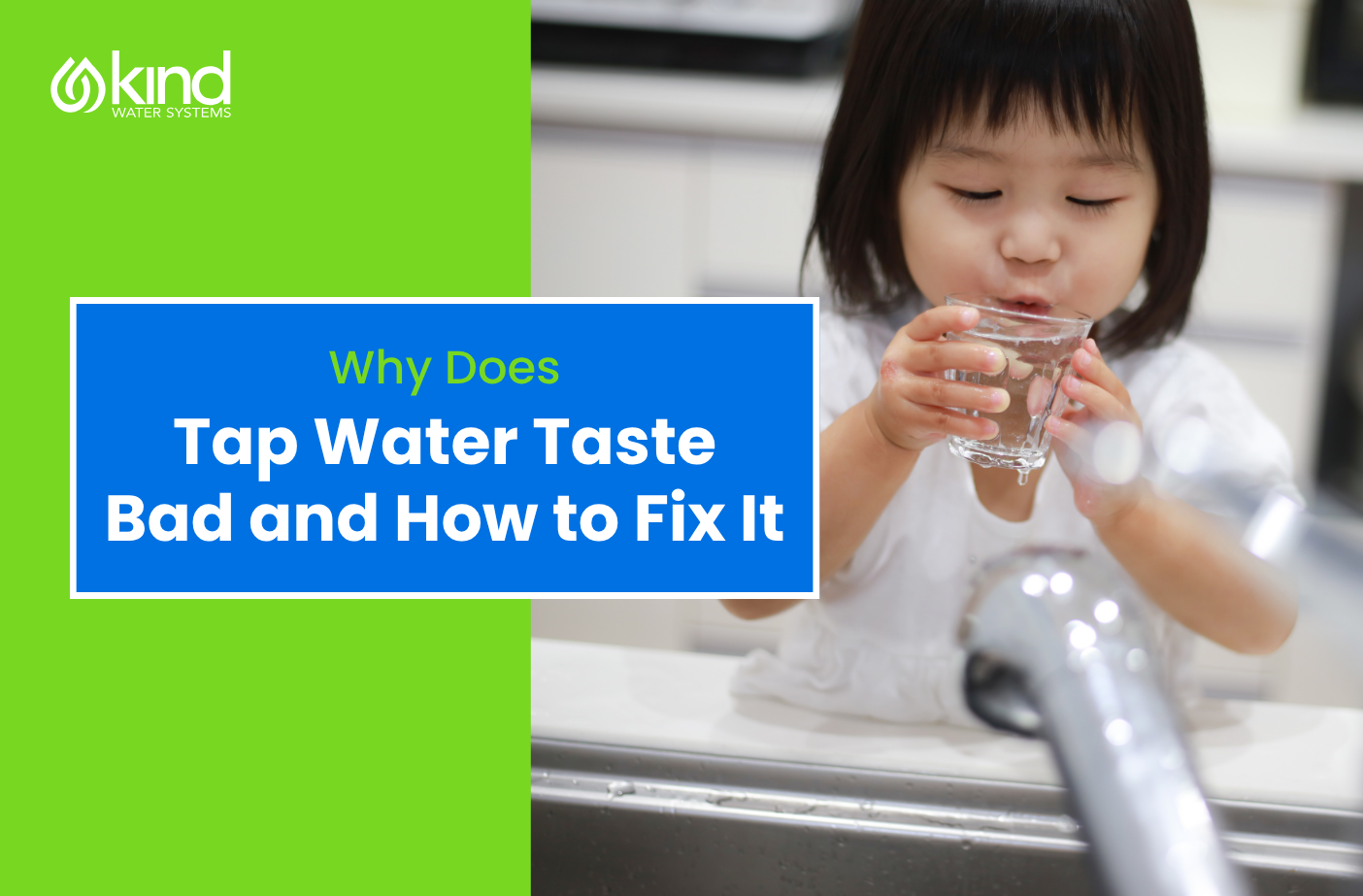
Credit: kindwater.com
Upgrading Your Water Filtration System
Upgrading your water filtration system can greatly improve the taste and quality of your water. A better filter removes more impurities and makes water cleaner and safer to drink. This upgrade can solve bad taste issues caused by chlorine, sediment, or other contaminants. Understanding different filter types helps you pick the best one for your home.
Types Of Water Filters
There are several common types of water filters for home use. Activated carbon filters remove chlorine and bad smells. Reverse osmosis systems filter out many impurities, including heavy metals. Ceramic filters block bacteria and sediment. Each type offers different benefits for water taste and safety.
Choosing The Right Filter For Your Needs
Consider your water source before choosing a filter. Test your water to know what contaminants are present. Choose a filter that targets those specific issues. Also, think about the filter’s flow rate and capacity. Pick one that fits your household size and water use.
Maintenance And Replacement Tips
Regular maintenance keeps your filter working well. Clean or replace filter cartridges as recommended by the manufacturer. Check for leaks or damage often. A neglected filter loses effectiveness and can worsen water taste. Keep a schedule to maintain fresh, clean water every day.
Preventing Future Water Taste Issues
Preventing future water taste issues helps keep your water fresh and clean. Simple actions can stop bad taste from coming back. Routine care and attention make a big difference in water quality.
Routine Plumbing Checks
Check your pipes and fixtures regularly. Old pipes can cause water to taste strange. Look for rust, leaks, or buildup inside pipes. Fixing small problems early stops bigger issues later. Call a plumber if you notice any damage or odd smells.
Flushing Pipes Regularly
Flush your water pipes often. Running water clears out stagnant water and dirt. Let taps run for a few minutes before using water for drinking or cooking. This practice removes stale water and improves taste. It also helps keep your plumbing clean.
Proper Storage Practices
Store water in clean, sealed containers. Avoid plastic bottles that can change water taste. Use glass or stainless steel containers for storage. Keep containers in a cool, dark place. This prevents bacteria and odors from developing in stored water.

Credit: www.youtube.com
Frequently Asked Questions
What Causes Water To Taste Bad?
Bad tasting water often results from chlorine, minerals, or bacteria. Pipe corrosion and stagnant water can also affect taste. Identifying the cause helps choose the right treatment method to improve water flavor and safety.
How Can I Remove Bad Taste From Tap Water?
Use water filters like activated carbon or reverse osmosis systems. Regularly clean your pipes and fixtures. Boiling water can also reduce some off-flavors. These methods effectively improve water taste and quality.
Is Bad Tasting Water Harmful To Health?
Not always, but some contaminants can pose health risks. Bad taste may indicate bacteria or chemical presence. Testing water quality is essential to ensure it’s safe for drinking and cooking.
Can Water Softeners Improve Bad Taste?
Water softeners remove minerals like calcium and magnesium causing hardness and off-tastes. They can improve water taste but do not remove all contaminants. Combining softeners with filtration offers better taste improvement.
Conclusion
Bad tasting water can affect your daily life and health. Simple steps like cleaning your pipes or using filters help improve taste. Testing water quality shows what needs fixing. Boiling or chilling water also reduces bad flavors. Fresh, clean water makes drinking more enjoyable and safe.
Take action today for better water at home. Healthy habits start with clear, good-tasting water. Keep your water fresh and enjoy every sip.

Hasan Al Sarker is a Reverse Osmosis Specialist. He has worked for many years to ensure safe drinking water for all. His research paper has been published in several journals, including Issue, Medium, and Slideshare. He is recognized as a water doctor among specialists though he did not attend medical college.
Besides working as a researcher of reverse osmosis technology, he is also very fancy with the kitchen and cooking. His guides are reading thousands of people every day. As a head of content, he is responsible for all the published articles at RO System Reviews.