Have you ever wondered if the water you drink every day is truly clean? A TDS meter can give you the answer in seconds.
This simple device measures the total dissolved solids in your water, helping you understand its quality and safety. Whether you’re at home, traveling, or managing a business, knowing how to use a TDS meter can protect your health and save you money.
Keep reading to discover exactly what a TDS meter is used for and why it might be one of the most valuable tools you own.

Credit: www.netsolwater.com
Tds Meter Basics
A TDS meter is a simple tool used to measure water quality. It helps check the amount of dissolved solids in water. Understanding the basics of a TDS meter can help you use it effectively. This section explains what TDS means and how a TDS meter works.
What Tds Means
TDS stands for Total Dissolved Solids. These solids include minerals, salts, and metals dissolved in water. They come from natural sources or pollution. TDS levels show how pure or contaminated water is. Lower TDS usually means cleaner water. High TDS can affect taste and safety.
How A Tds Meter Works
A TDS meter measures the electrical conductivity of water. Dissolved solids carry electric charges. The meter sends a small current through the water. It then calculates the conductivity. The reading appears as parts per million (ppm). This number tells how many solids are in the water. The higher the number, the more dissolved solids present.

Credit: www.freepik.com
Importance Of Measuring Tds
Measuring Total Dissolved Solids (TDS) in water is important for many reasons. TDS tells us how many minerals, salts, and other substances are in water. Knowing this helps keep water safe and pleasant to drink. It also helps in managing water for plants, fish, and daily use.
Health Implications
High TDS levels can mean harmful substances in water. Some minerals are good, but too much can cause health problems. Drinking water with very high TDS may lead to stomach issues. Measuring TDS helps ensure water is safe for your family. It helps avoid water that can harm your health over time.
Impact On Water Taste And Quality
TDS affects how water tastes. Water with low TDS may taste flat or bland. High TDS water can taste salty or bitter. Good TDS levels make water taste fresh and clean. Measuring TDS helps maintain water quality for daily use. Clean tasting water makes drinking more enjoyable and refreshing.
Applications Of Tds Meters
TDS meters measure the total dissolved solids in water. These devices help check water quality quickly and easily. Various fields use TDS meters to ensure safe and healthy water conditions. Below are some common uses of TDS meters.
Home Water Testing
TDS meters test tap water in homes. They show the amount of dissolved solids like minerals and salts. This helps people know if their water is clean and safe to drink. They can check water filters or purifiers work properly. Regular testing prevents health risks from poor water quality.
Aquarium Maintenance
Aquarium owners use TDS meters to keep fish safe. Water with too many solids harms fish and plants. Measuring TDS helps maintain the right balance of minerals. It guides when to change water or add treatments. Healthy water supports vibrant aquatic life.
Hydroponics And Gardening
Gardeners and hydroponic farmers use TDS meters for nutrient control. Dissolved solids include fertilizers and minerals vital for plants. Measuring TDS ensures plants get the right nutrient mix. It helps avoid overfeeding or nutrient shortages. This leads to better growth and higher yields.
Industrial Uses
Industries use TDS meters to monitor water quality in processes. Clean water is essential in manufacturing, cooling, and cleaning. TDS meters detect impurities that can damage equipment or affect products. They help maintain safety standards and reduce maintenance costs. This keeps operations smooth and efficient.

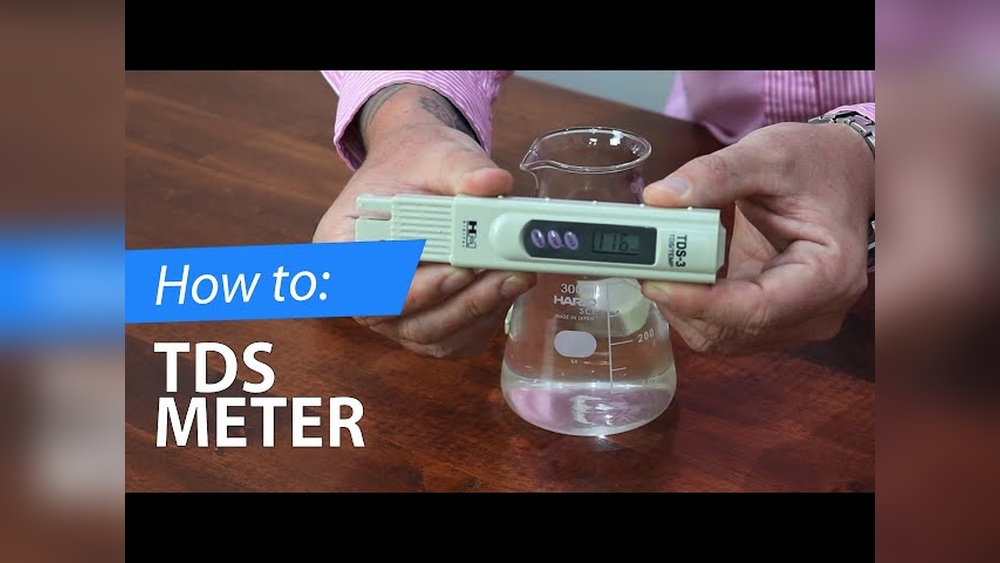
Credit: www.youtube.com
Using A Tds Meter Correctly
Using a TDS meter correctly is important to get accurate readings. This device measures the total dissolved solids in water. It helps check water quality for drinking, gardening, or aquarium care. Understanding how to use it ensures reliable results every time.
Step-by-step Testing Process
First, rinse the TDS meter’s probe with clean water. This removes any dirt or residue. Next, turn on the meter and dip the probe into the water sample. Make sure the water covers the sensor fully. Wait a few seconds for the reading to stabilize. Finally, read the number displayed on the screen. Remember to dry the probe after testing.
Interpreting Results
Lower TDS values mean purer water. Values below 300 ppm are usually safe for drinking. Higher numbers suggest more dissolved solids, which may affect taste or health. Use the TDS reading as a guide, not a strict rule. Some minerals are good for the body. Watch for sudden changes in TDS, as they may signal contamination.
Limitations Of Tds Meters
TDS meters are useful tools for measuring the total dissolved solids in water. They help check water quality by giving a quick reading. Despite their usefulness, these meters have clear limits. Understanding these limits helps avoid mistakes and wrong results.
What Tds Meters Can’t Detect
TDS meters measure only the amount of dissolved solids. They do not identify what those solids are. Harmful chemicals like pesticides or bacteria cannot be detected. Dangerous metals such as lead or arsenic also go unnoticed. The meter cannot measure water hardness or pH levels either. It shows a number but no detailed water safety info.
Common Misconceptions
Many believe a low TDS number means pure water. This is not always true. Some harmful substances do not affect TDS levels. High TDS does not always mean water is unsafe. Natural minerals can raise TDS without harm. TDS meters are not a complete test for drinking water safety. They serve as a quick check but not a full analysis.
Improving Water Quality Based On Tds Readings
Improving water quality starts with understanding TDS readings. TDS stands for Total Dissolved Solids. These solids include minerals, salts, and metals in water. High TDS levels can affect taste, health, and appliance life. Using a TDS meter helps identify water quality issues. It guides the choice of treatment methods. Monitoring TDS ensures water stays safe and clean.
Filtering And Purification Methods
Water with high TDS needs proper treatment. Common methods include activated carbon filters. They remove chlorine and some chemicals. Reverse osmosis systems reduce most dissolved solids. Distillation boils water and collects pure steam. Each method targets specific impurities. Combining filters can improve overall water quality.
Regular Monitoring Tips
Check TDS levels often to track water quality changes. Test water before and after treatment. Use a clean container for accurate results. Keep the TDS meter clean and calibrated. Record readings to spot trends or problems. Regular testing helps maintain safe drinking water.
Frequently Asked Questions
What Does A Tds Meter Measure In Water?
A TDS meter measures Total Dissolved Solids in water. It indicates the concentration of dissolved substances like minerals, salts, and metals. This helps assess water purity and quality quickly and accurately.
Why Use A Tds Meter For Drinking Water?
Using a TDS meter ensures drinking water is safe and healthy. It helps detect harmful contaminants and maintain ideal mineral levels. This improves taste, safety, and overall water quality.
How Accurate Is A Tds Meter Reading?
TDS meters provide reliable, quick estimates of dissolved solids. Accuracy depends on calibration and meter quality. Properly maintained meters offer consistent and useful results for water testing.
Can A Tds Meter Detect All Water Pollutants?
No, a TDS meter detects dissolved solids but not all pollutants. It cannot identify bacteria, viruses, or specific chemicals. Additional testing is needed for comprehensive water analysis.
Conclusion
A TDS meter helps check water purity quickly and easily. It shows the amount of dissolved solids in water. Clean water means better health and safety for everyone. Using a TDS meter can guide you to choose safe drinking water.
It also helps in gardening and aquarium care. This small tool gives valuable information you can trust. Simple to use and understand, it suits many needs. Knowing what a TDS meter does makes water testing clear. Try one to keep your water quality in control.

Hasan Al Sarker is a Reverse Osmosis Specialist. He has worked for many years to ensure safe drinking water for all. His research paper has been published in several journals, including Issue, Medium, and Slideshare. He is recognized as a water doctor among specialists though he did not attend medical college.
Besides working as a researcher of reverse osmosis technology, he is also very fancy with the kitchen and cooking. His guides are reading thousands of people every day. As a head of content, he is responsible for all the published articles at RO System Reviews.