Are you sure the water you drink every day is truly pure? Knowing how to measure water purity can protect your health and give you peace of mind.
You’ll discover simple, effective ways to test your water at home or understand professional methods. By the end, you’ll feel confident about the quality of your water and know exactly what steps to take next. Keep reading—you deserve water that’s safe and clean.
Importance Of Water Purity
Water purity matters for health and safety. Clean water supports life and prevents illness. Measuring water purity helps ensure water is safe for drinking and daily use. Unsafe water can cause serious health problems. Understanding water purity is essential for every home and community.
Health Risks Of Contaminated Water
Contaminated water can cause many health issues. It carries bacteria, viruses, and parasites that cause diseases. Drinking dirty water can lead to stomach pain, diarrhea, and vomiting. Long-term exposure may cause serious illnesses like cancer or kidney damage. Children and elderly people are most at risk from unsafe water.
Common Water Pollutants
Water can contain many harmful pollutants. Chemicals like pesticides and heavy metals often enter water sources. These pollutants can come from factories, farms, and waste disposal. Microorganisms such as bacteria and viruses also pollute water. Sediments and minerals can affect water taste and clarity. Knowing these pollutants helps in testing and cleaning water effectively.
Basic Water Testing Methods
Basic water testing methods help check water quality quickly and easily. These simple tests give a good idea about water safety. Anyone can do them at home without special tools. They help spot obvious signs of pollution or contamination. Understanding these methods is the first step to ensure clean water for drinking and daily use.
Visual Inspection Techniques
Start by looking at the water closely. Clear water usually means fewer impurities. Check for cloudiness, particles, or color changes. Brown or yellow water may contain dirt or rust. Floating bits can indicate organic matter or debris. Look at the water container too. Stains or mold inside can affect water quality. Visual checks give quick clues about water cleanliness.
Smell And Taste Checks
Smell the water next. Fresh water has little to no smell. A strong odor may mean contamination. Rotten or chemical smells are warning signs. Taste the water carefully after smelling it. Pure water should taste clean and neutral. Bitter, salty, or metallic tastes suggest problems. These senses help detect unsafe water early.
Using Home Water Test Kits
Using home water test kits is a simple way to check your water’s purity. These kits help find chemicals, bacteria, and other impurities quickly. They give results you can trust without needing a lab.
Test kits come with easy instructions. You collect water, use the kit, and get results fast. This makes it possible for anyone to test water at home.
Types Of Test Kits
There are several types of test kits for home use. Some test for bacteria, others for chemicals like chlorine or lead. Some kits check pH levels or hardness of water. Choose the kit based on what you want to test.
Step-by-step Testing Process
First, collect water in a clean container. Next, follow the kit instructions carefully. Usually, you add test strips or drops to the water. Wait the recommended time for the reaction. Watch for color changes or other signs. Compare these to the guide included in the kit.
Interpreting Kit Results
Each color or mark shows a different result. Match your test sample to the guide colors. This tells you if the water is safe or needs treatment. If results show contamination, consider professional testing. Use the kit results to decide your next steps.
Advanced Laboratory Testing
Advanced laboratory testing provides precise data on water purity. It reveals hidden contaminants that simple tests cannot detect. This testing is essential for safe drinking water and environmental studies. Laboratories use special tools and methods to analyze water samples carefully.
Sampling Procedures
Collecting water samples correctly is crucial. Use clean containers to avoid contamination. Take samples from different points for accuracy. Label each sample with the date and location. Store samples in cool conditions before testing. Follow the lab’s instructions for sampling to ensure valid results.
Common Laboratory Tests
Laboratories perform several tests to check water quality. Chemical tests detect metals like lead and arsenic. Biological tests find bacteria and viruses that cause illness. Physical tests measure color, taste, and odor. Tests for pH and hardness show water’s acidity and mineral content. These tests together give a full picture of water purity.
Understanding Lab Reports
Lab reports explain the test results in detail. They show the levels of each contaminant found. Reports compare results to safe water standards. Look for any values above the safe limit. Reports also include recommendations for water treatment. Clear reports help you take action to improve water quality.
Digital Devices For Water Quality
Digital devices for water quality provide fast and accurate results. They help check water purity easily at home or in the field. These tools measure different aspects of water, such as acidity, total dissolved solids, and contaminants. Digital meters make water testing simple and reliable.
Portable Water Testing Meters
Portable water testing meters are small and easy to carry. They allow users to test water quality anywhere. These meters often check multiple factors like pH, turbidity, and contaminants. Their compact design makes on-the-spot testing quick and convenient. Many models give instant digital readings on a screen.
Using Ph And Tds Meters
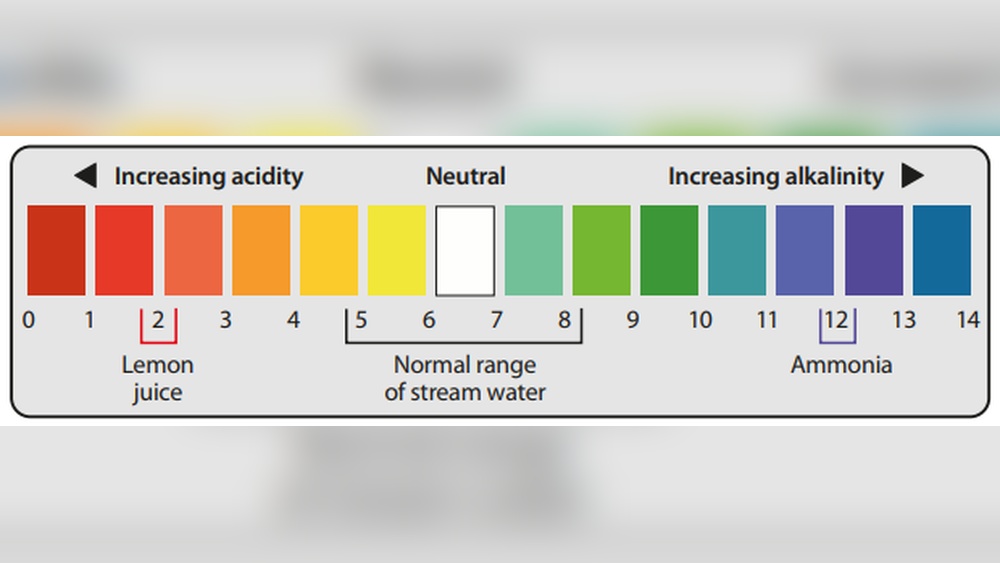
pH meters measure the acidity or alkalinity of water. Clean water usually has a pH close to 7. A pH meter helps detect harmful changes in water chemistry. TDS meters measure total dissolved solids. These solids include minerals, salts, and metals. High TDS levels can affect water taste and safety. Using both meters gives a clear picture of water quality.
Benefits Of Digital Testing
Digital testing offers precise and fast results. It reduces errors compared to manual methods. Devices are easy to use, even for beginners. They require minimal training and effort. Digital meters save time and provide clear data. This helps users make better decisions about water safety.

Credit: www.wikihow.com
Maintaining Accurate Results
Maintaining accurate results is key in measuring water purity. Accuracy ensures the data reflects the true quality of water. It helps avoid wrong decisions and protects health. Simple steps can help keep test results reliable and consistent.
Proper Sample Collection
Collect water samples carefully to avoid contamination. Use clean containers made for water testing. Do not touch the inside of the container or lid. Take samples from flowing water, not stagnant pools. Label each sample clearly with date and location. Store samples in a cool place and test them quickly.
Calibration Of Testing Instruments
Calibrate testing tools before every use. Calibration adjusts tools to give correct readings. Use standard solutions or reference materials for calibration. Follow the instrument manual for exact steps. Regular calibration prevents errors and improves accuracy. Keep a log of calibration dates and results.
Avoiding Common Testing Errors
Read instructions carefully before testing. Use the right amount of sample and reagents. Avoid mixing chemicals from different kits. Test at recommended temperatures for best results. Clean instruments after each use to avoid cross-contamination. Double-check results to catch mistakes early.
Improving Water Quality
Improving water quality is key to safe drinking water. Clean water protects health and supports daily life. Many simple methods help remove impurities and harmful substances. Using the right tools keeps water fresh and safe to drink. Regular care and attention make a big difference.
Home Filtration Options
Home water filters remove many common contaminants. Carbon filters reduce chlorine, bad tastes, and odors. Reverse osmosis systems remove heavy metals and chemicals. Choose filters tested for your water type. Replace cartridges regularly for best results.
Boiling And Chemical Treatment
Boiling water kills bacteria and viruses. Boil water for at least one minute to ensure safety. Chemical treatments use tablets or drops to disinfect water. Common chemicals include chlorine and iodine. Follow instructions carefully to avoid harmful effects.
Regular Monitoring Practices
Test water quality often to detect changes early. Use simple test kits for pH, hardness, and contaminants. Note any changes in taste, color, or smell. Keep records to track water quality over time. Early detection prevents health risks and maintains safety.

Credit: www.ebay.com

Credit: www.avidityscience.com
Frequently Asked Questions
What Are The Common Methods To Measure Water Purity?
Common methods include chemical testing, electronic sensors, and biological indicators. These assess contaminants like bacteria, chemicals, and minerals for accurate purity levels.
How Does A Tds Meter Help Measure Water Purity?
A TDS meter measures total dissolved solids in water. It indicates purity by detecting ions, salts, and minerals affecting taste and quality.
Why Is Ph Testing Important For Water Purity?
PH testing reveals water’s acidity or alkalinity. Balanced pH ensures water safety, preventing corrosion or harmful effects on health.
Can Water Purity Be Tested At Home Accurately?
Yes, home test kits and digital meters offer reliable water purity checks. They provide quick results for basic contaminants and water quality.
Conclusion
Measuring water purity helps keep your water safe to drink. Simple tests show if water is clean or has harmful parts. Knowing how to check water quality protects your health. Use easy tools like strips or digital meters for quick results.
Regular testing helps catch problems early and saves money. Clean water means a healthier life for you and your family. Stay informed and test often to ensure pure water always. Small steps make a big difference in water safety.

Hasan Al Sarker is a Reverse Osmosis Specialist. He has worked for many years to ensure safe drinking water for all. His research paper has been published in several journals, including Issue, Medium, and Slideshare. He is recognized as a water doctor among specialists though he did not attend medical college.
Besides working as a researcher of reverse osmosis technology, he is also very fancy with the kitchen and cooking. His guides are reading thousands of people every day. As a head of content, he is responsible for all the published articles at RO System Reviews.