
Are you worried about the taste or smell of chlorine in your water? You’re not alone.
Many people want clean, fresh water without the harsh chemicals that can affect your health and the flavor of your drinks. But how do you get rid of chlorine effectively and safely? You’ll discover simple and practical ways to remove chlorine from your water at home.
By the end, you’ll know exactly what steps to take to enjoy pure, refreshing water every day. Keep reading to find out how easy it can be!
Sources Of Chlorine In Water
Chlorine enters water from several common sources. It is mainly added by water treatment plants to keep water clean and safe. This means most city tap water contains chlorine.
Understanding where chlorine comes from helps to know why it is present in your water. It also guides how to remove it effectively.
Chlorine In Tap Water
Tap water usually has chlorine added before it reaches homes. Water companies use chlorine to kill germs and bacteria. This process is called disinfection.
Chlorine keeps water safe to drink during storage and transport. It prevents illness by stopping harmful microbes from growing.
Reasons For Chlorine Use
Chlorine is used because it is a strong and cheap disinfectant. It helps control harmful bacteria, viruses, and other germs.
It also protects water from contamination during delivery. Without chlorine, water can carry diseases. That is why many places rely on it for safe water.
Health Effects Of Chlorine
Chlorine is a common chemical added to water to kill germs. It helps make water safe to drink. Still, chlorine can affect health in some ways. Many people notice these effects when they use tap water every day. Understanding how chlorine impacts health is important for everyone.
Impact On Skin And Hair
Chlorine can dry out skin. It may cause itchiness and irritation. People with sensitive skin often feel this more. Chlorine strips natural oils from the skin. This can make skin feel rough or tight.
Hair can also suffer from chlorine exposure. It may become dry and brittle. Color-treated hair can fade faster. Chlorine can make hair look dull and lifeless. Washing hair with chlorinated water often can worsen these effects.
Effects On Taste And Smell
Chlorine gives water a strong smell. Some describe it as a bleach-like odor. This smell can make water less pleasant. It also affects the taste, making it bitter or metallic.
Many people avoid drinking chlorinated water because of this taste. Cooking with chlorinated water can change food flavor. Removing chlorine improves water’s taste and smell. This makes water more enjoyable to drink and use.
Boiling Water To Remove Chlorine
Boiling water is a simple way to reduce chlorine in your drinking water. This method uses heat to help chlorine gas escape from water. It is easy to do at home and needs no special tools.
Boiling Process
Start by pouring water into a pot. Heat the water until it reaches a rolling boil. Keep boiling for about 15 to 20 minutes. During this time, chlorine gas will evaporate from the water. After boiling, let the water cool before use. This process helps make the water safer and better tasting.
Effectiveness And Limitations
Boiling removes most chlorine in water. It works well for regular tap water with added chlorine. Boiling does not remove chloramine, a stronger disinfectant used in some areas. It also does not remove other chemicals or impurities. Use boiling mainly to target chlorine gas. For other contaminants, consider different methods like filtering.
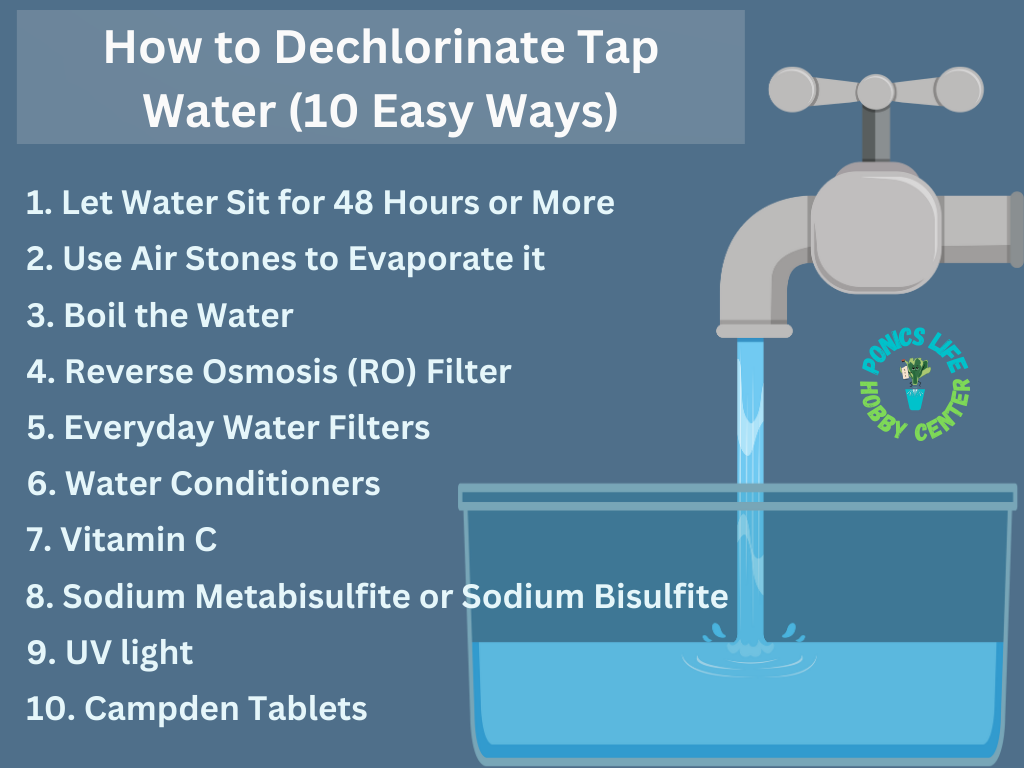
Credit: ponicslife.com
Using Activated Carbon Filters
Using activated carbon filters is a popular way to remove chlorine from water. These filters are easy to use and work well in homes. They improve water taste and smell by reducing chlorine. Many people trust carbon filters for clean and safe drinking water.
Activated carbon filters use a special form of carbon. This carbon has tiny pores that trap chlorine and other chemicals. The process helps remove unwanted substances without adding anything to the water. It is a natural and effective solution for cleaner water.
How Carbon Filters Work
Carbon filters use adsorption to remove chlorine from water. Adsorption means chlorine sticks to the surface of the carbon. The tiny pores in activated carbon create a large surface area. This large area helps capture more chlorine molecules. As water passes through, chlorine is trapped and removed. This process also removes some other chemicals and impurities. The result is cleaner, safer water for drinking and cooking.
Types Of Carbon Filters
There are different types of activated carbon filters. Granular activated carbon (GAC) uses small loose carbon grains. These grains trap chlorine and impurities as water flows through. Carbon block filters are made from compressed carbon powder. They have a denser structure and remove more contaminants. Some filters combine carbon with other materials for better results. Choosing the right type depends on your water needs and filter system.
Chemical Neutralizers For Chlorine
Chemical neutralizers are effective tools to remove chlorine from water. They work by changing chlorine into harmless substances. This process makes water safer for drinking, cooking, and plants.
Neutralizers act fast and are easy to use. They suit many water types, including tap and well water. Choosing the right neutralizer depends on your needs and water quality.
Common Neutralizing Agents
Sodium thiosulfate is popular for removing chlorine. It quickly neutralizes both chlorine and chloramine. This agent is safe and widely used in aquariums and pools.
Ascorbic acid, also known as vitamin C, is another option. It works well for small water amounts. It is non-toxic and breaks down chlorine naturally.
Activated carbon filters can also remove chlorine. These filters trap chlorine molecules and improve water taste. They are common in home water filtration systems.
Safe Usage Tips
Always follow the product instructions carefully. Using too much neutralizer can harm water quality. Measure doses based on water volume for best results.
Test water after treatment to ensure chlorine is gone. Use chlorine test strips or kits for easy checking. Retest regularly if chlorine is a constant issue.
Store neutralizers in a cool, dry place away from children. Keep containers tightly closed to maintain effectiveness. Dispose of chemicals properly according to local rules.

Credit: www.youtube.com
Letting Water Sit To Evaporate Chlorine
Letting water sit is a simple way to remove chlorine. Chlorine is a gas that evaporates from water over time. This method does not need special tools. Just pour water into a clean container and leave it uncovered. The chlorine will slowly escape into the air.
Duration Required
Water usually needs to sit for 24 to 48 hours to lose most chlorine. Some people wait only 24 hours for a small amount of chlorine to evaporate. For stronger chlorine smell, waiting longer helps. Keep the container open during this time. Stirring the water can also speed up chlorine loss.
Factors Affecting Evaporation
Warm water speeds up chlorine evaporation. Cooler water takes more time. Water surface area matters too. More surface means faster evaporation. A wide container works better than a narrow one. Air movement also helps. A breezy spot removes chlorine quicker. Sunlight can increase the water temperature and speed the process.
Uv Light Treatment
UV light treatment uses ultraviolet rays to remove chlorine from water. It breaks down chlorine molecules using strong UV energy. This method is chemical-free and does not add anything to the water. It works by exposing water to UV light in a special chamber. This exposure changes the chlorine into harmless compounds.
Process Overview
Water passes through a chamber with UV lamps. The UV light hits the chlorine molecules directly. This causes a chemical reaction that breaks chlorine apart. The process is fast and happens in seconds. After treatment, the water flows out clean and chlorine-free. No chemicals or filters are needed. The system requires electricity to power the UV lamps. Regular maintenance keeps the lamps effective.
Advantages And Drawbacks
UV light treatment does not use chemicals or add taste. It works quickly and treats water continuously. The system is easy to install in homes or businesses. It removes chlorine without creating harmful byproducts. The lamps need regular cleaning and replacement. It does not remove other contaminants like metals or sediments. UV treatment relies on electricity and may not work in outages. The method is best combined with other filters for full water purification.
Credit: espwaterproducts.com
Choosing The Best Method
Choosing the best method to remove chlorine from water depends on several factors. Each method has its pros and cons. Understanding your needs helps pick the right solution. This section looks at how water usage and cost affect your choice.
Based On Water Usage
Small water use needs simple methods. Letting water sit or using vitamin C tablets works well. These are easy for drinking or cooking water. For larger use, such as whole-house water, stronger methods are needed. Carbon filters or reverse osmosis systems handle big volumes. They remove chlorine effectively for showers, washing, and more.
Cost And Convenience Factors
Cost affects which method is best. Simple methods like boiling or leaving water out cost little. Filters and systems cost more upfront. They need replacement parts and maintenance. Convenience also matters. Some methods take time or effort. Others work quickly and require little care. Choose a method that fits your budget and lifestyle.
Frequently Asked Questions
How Can I Remove Chlorine From Drinking Water?
To remove chlorine, use activated carbon filters or let water sit uncovered for 24 hours. Boiling water also reduces chlorine levels effectively.
Is Boiling Water Enough To Remove Chlorine?
Yes, boiling water for 15-20 minutes helps evaporate chlorine, making it safer to drink. However, it does not remove chloramine.
What Household Items Remove Chlorine From Water?
Activated charcoal, vitamin C tablets, and baking soda are common household items that neutralize chlorine effectively.
Does Chlorine Removal Improve Water Taste And Smell?
Yes, removing chlorine improves water’s taste and odor by eliminating the chemical’s strong, unpleasant smell.
Conclusion
Removing chlorine from water protects your health and improves taste. Simple methods like boiling, filtering, or using vitamin C work well. Choose the option that fits your needs and budget. Clean water makes cooking and drinking safer. Keep your water fresh and free from chemicals.
Small steps bring big benefits. Start today for better water quality.

Hasan Al Sarker is a Reverse Osmosis Specialist. He has worked for many years to ensure safe drinking water for all. His research paper has been published in several journals, including Issue, Medium, and Slideshare. He is recognized as a water doctor among specialists though he did not attend medical college.
Besides working as a researcher of reverse osmosis technology, he is also very fancy with the kitchen and cooking. His guides are reading thousands of people every day. As a head of content, he is responsible for all the published articles at RO System Reviews.