Are you worried about the safety of your tap water? If lead is a concern for you, you’re not alone.
Lead in drinking water can pose serious health risks, especially for children and pregnant women. But here’s the question: will a water filter actually remove lead from your water? Understanding how water filters work and which ones are effective can help you protect your health and your family.
Keep reading to find out what you need to know before choosing a water filter for lead removal.
Lead Contamination In Water
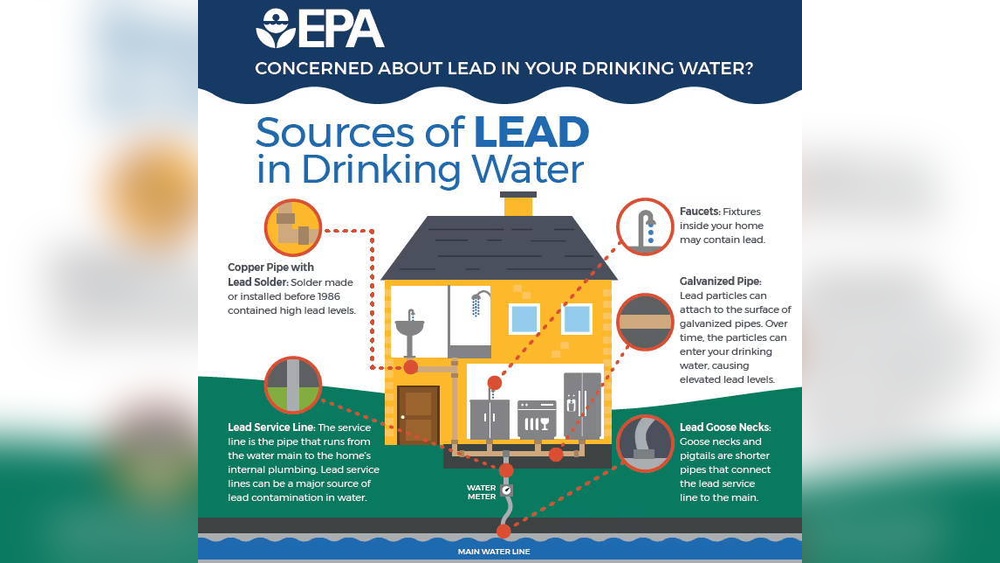
Lead contamination in water is a serious problem in many homes and communities. Lead can enter drinking water through pipes, fixtures, and plumbing materials. This contamination poses health risks, especially to children and pregnant women. Understanding the sources and dangers of lead in water is important for safety.
Sources Of Lead In Drinking Water
Lead often comes from old pipes and plumbing fixtures. Homes built before 1986 may have lead pipes or solder. Water can pick up lead when it sits in these pipes for a long time. Corrosion or damage to plumbing increases lead levels. Lead paint and soil near water sources can also add to contamination.
Health Risks Linked To Lead Exposure
Lead is harmful even in small amounts. It can cause brain and nerve damage. Children are more sensitive to lead than adults. Exposure can slow growth and affect learning. Pregnant women face risks to their babies. Long-term exposure may cause kidney and heart problems. Removing lead from water helps protect health.
Types Of Water Filters
Water filters come in many types, each with different ways to clean water. Some remove chemicals, others block particles. Choosing the right filter helps remove lead from drinking water. Understanding how each filter works is important for safety.
Activated Carbon Filters
Activated carbon filters trap chemicals and impurities. They reduce bad taste and odors in water. These filters are good at catching chlorine and some heavy metals. But they may not remove all lead particles. Regular replacement keeps them effective.
Reverse Osmosis Systems
Reverse osmosis pushes water through a fine membrane. This process removes many contaminants including lead. It also takes out salts and other metals. The system needs maintenance and uses more water. It works well for clean, safe drinking water.
Distillation Units
Distillation heats water to create steam. The steam leaves impurities behind and cools back to water. This method removes lead and other metals effectively. It uses electricity and takes more time. Distilled water tastes very pure and clean.
Ion Exchange Filters
Ion exchange filters swap harmful ions for safer ones. They often replace lead ions with sodium or potassium. These filters reduce lead levels in water well. They need regular recharging or replacement. Ideal for improving water safety at home.
Effectiveness Of Filters Against Lead
Lead in drinking water is a serious health concern. Many people ask if water filters can remove lead effectively. Not all filters work the same. Some reduce lead better than others. Understanding how well a filter removes lead helps you choose the right one. The following sections explain important facts about filters and lead removal.
Filter Certifications To Look For
Certifications show a filter’s ability to remove lead. Look for NSF/ANSI Standard 53 certification. This standard tests filters for lead reduction. Another useful certification is NSF/ANSI Standard 42. It focuses on taste and odor but may also reduce some contaminants. A certified filter meets strict safety and performance rules. Choosing certified filters ensures better protection against lead.
Comparing Removal Rates
Removal rates vary from filter to filter. Some remove 90% or more of lead. Others only reduce a small amount. Filters using activated carbon, ion exchange, or reverse osmosis work best. Reverse osmosis usually removes the highest amount of lead. Check product labels for removal percentages. Higher removal rates mean safer water.
Common Misconceptions
Many believe all filters remove lead. Not true. Basic carbon filters may not remove lead well. Some pitchers or faucet filters only improve taste. Others may remove chlorine but not lead. Another myth is that boiling water removes lead. Boiling can concentrate lead instead of removing it. Always verify if a filter is tested for lead removal before buying.
Choosing The Right Filter
Choosing the right water filter is important to remove lead from your water. Not all filters work the same. Some filters can trap lead particles well. Others may not be effective. Knowing how to pick the best filter helps keep your water safe and clean.
Assessing Your Water Quality
Test your water first to know the lead levels. Use a home test kit or hire a professional. Water with high lead needs a stronger filter. Understanding your water quality guides your filter choice. This step saves money and ensures safety.
Filter Maintenance And Lifespan
Filters need regular cleaning or replacement. A worn-out filter cannot remove lead effectively. Check the manufacturer’s instructions for how often to change it. Keep a schedule to maintain filter performance. Proper care extends the filter’s life and keeps water pure.
Cost Considerations
Filters vary in price and running cost. Some cost more upfront but last longer. Others are cheaper but need frequent replacement. Factor in filter cost and maintenance expenses. Choose a filter that fits your budget and needs.
Additional Safety Measures
Using a water filter helps reduce lead, but extra care is still important. Lead can hide in old pipes and fixtures. Taking simple steps can keep your water safer. These actions work well with filters for better protection.
Flushing Taps And Pipes
Flush your tap before using water for drinking or cooking. Run the cold water for 30 seconds to 2 minutes. This clears out water that stayed in pipes too long. It lowers the chance of lead getting into your glass.
Using Cold Water For Consumption
Always use cold water for drinking and cooking. Hot water can dissolve lead faster from pipes. Avoid using hot tap water for making tea or cooking. Instead, heat cold water on the stove or in a kettle.
Regular Water Testing
Test your water regularly to check lead levels. Home test kits or professional services can help. Testing helps you know if your filter works well. It also shows if extra steps are needed for safety.
Frequently Asked Questions
Can Water Filters Remove Lead From Drinking Water?
Yes, certain water filters effectively remove lead. Filters with activated carbon or reverse osmosis technology can reduce lead levels significantly. Always check if the filter is certified for lead removal by trusted organizations like NSF.
Which Water Filter Types Remove Lead Best?
Reverse osmosis and activated carbon filters remove lead best. These filters capture lead particles and prevent them from passing through. Pitcher filters, faucet mounts, and under-sink systems commonly use these technologies for lead removal.
How To Know If A Filter Removes Lead?
Check the filter’s certification and specifications. Look for NSF/ANSI Standard 53 certification for lead reduction. Manufacturers usually list contaminants their filters remove, including lead, on packaging or product details.
Does Boiling Water Remove Lead Contamination?
No, boiling water does not remove lead. Boiling can concentrate lead levels instead, increasing health risks. Use certified water filters or bottled water to reduce lead exposure safely.
Conclusion
A good water filter can reduce lead in your water. Not all filters work the same. Check the filter’s label for lead removal. Change the filter as the instructions say. Clean water keeps your family safe and healthy. Testing your water helps know if lead is present.
Choose a filter certified for lead removal. Clean water is important for daily life. Simple steps can protect you from lead risks.
Hasan Al Sarker is a Reverse Osmosis Specialist. He has worked for many years to ensure safe drinking water for all. His research paper has been published in several journals, including Issue, Medium, and Slideshare. He is recognized as a water doctor among specialists though he did not attend medical college.
Besides working as a researcher of reverse osmosis technology, he is also very fancy with the kitchen and cooking. His guides are reading thousands of people every day. As a head of content, he is responsible for all the published articles at RO System Reviews.
As an expert with years of experience testing under-sink and countertop water filtration systems, I understand the importance of clean and safe water for every home. I have carefully studied and personally tested the iSpring Whole House Water Filter System, Model WGB32BM, to provide you with honest and detailed insights. This review is based on thorough research and hands-on use, ensuring you get accurate information about its ability to reduce iron, manganese, chlorine, sediment, taste, and odor. My goal is to help you make a smart and confident choice for your family’s water needs with a trusted and clear analysis of this advanced 3-stage iron filter system.
Pros & Cons
What We Loved
✅ Effective removal of iron, manganese, chlorine, and sediment
✅ Long-lasting catalytic media for iron and manganese filtration
✅ Easy DIY installation with helpful guides and videos
✅ High-capacity filters certified to NSF/ANSI standards
What Could Be Better
❌ Higher price point compared to basic filters
❌ Requires space for whole house system installation
❌ Filter replacement may be needed annually for optimal performance
Who Should Buy This
This iSpring Whole House Water Filter System is perfect for families or homeowners who want clean and safe water throughout their entire house. It is great for people dealing with high levels of iron, manganese, chlorine, sediment, or unpleasant taste and odor in their water. If you want fresh water from every tap, including showers and washing machines, this filter is a smart choice. It is also good for those who want an easy-to-install, reliable filtration system that works quietly and lasts long.
If you only need filtered water at one faucet, like in the kitchen, this whole house system might be more than you need. Also, if your water issues are minor or if you rent your home and cannot install a large system, this might not be the best option. It is designed for whole house use and requires some space and installation effort, so it may not fit small apartments or temporary homes well.
Technical Specifications
Key Details
Brand: iSpring
Model: WGB32BM
Size: 28″ x 24.5″ x 8″
Dimensions: 27.75″ x 7.75″ x 24.25″
Weight: 55.0 pounds
Material: High-grade durable plastic and stainless steel components
Color Options: Blue
Special Features: 3-stage filtration, reduces iron, manganese, chlorine, sediment, taste, and odor
Warranty: Limited 1-year manufacturer warranty
Our Testing Experience
First Impressions
When I first received the iSpring Whole House Water Filter System, I was impressed by its solid build and compact size. The box included everything I needed, and the instructions were clear. I decided to install it myself using their YouTube videos, which made the process straightforward. Connecting the 1-inch NPT inlet and outlet was easier than I expected, and the system fit nicely in my basement without taking up too much space.
Daily Use
Right after installation, I noticed a difference in the water coming from all the taps around the house. The water tasted much cleaner and fresher, and the usual iron smell was gone. My family immediately appreciated the improved water quality, especially when drinking and cooking. I also saw that the water flow remained strong, so there was no slowdown in showers or when filling the washing machine.
Key Features in Action
The 3-stage filtration really stood out during my testing. The first stage caught sediment and rust, keeping the water clear. The second stage’s coconut shell carbon filter removed chlorine and odors, making the water taste better. But the third stage, designed specifically to reduce iron and manganese, was a game-changer. Before the filter, my water had noticeable iron levels that stained the sinks and made the water look rusty. After the filter, those stains disappeared, and the water looked crystal clear. Knowing the catalytic media lasts longer than traditional greensand was reassuring for long-term use.
Long-Term Performance
I’ve been using the iSpring system for several months now, and it continues to work great. The filters still look clean, and there has been no drop in water pressure. Maintenance is simple, and I appreciate that the filter cartridges have a large capacity, enough for a whole year for my family. Overall, the system has protected my appliances and improved our water quality without any hassle. It’s been a solid investment for my home’s water safety.
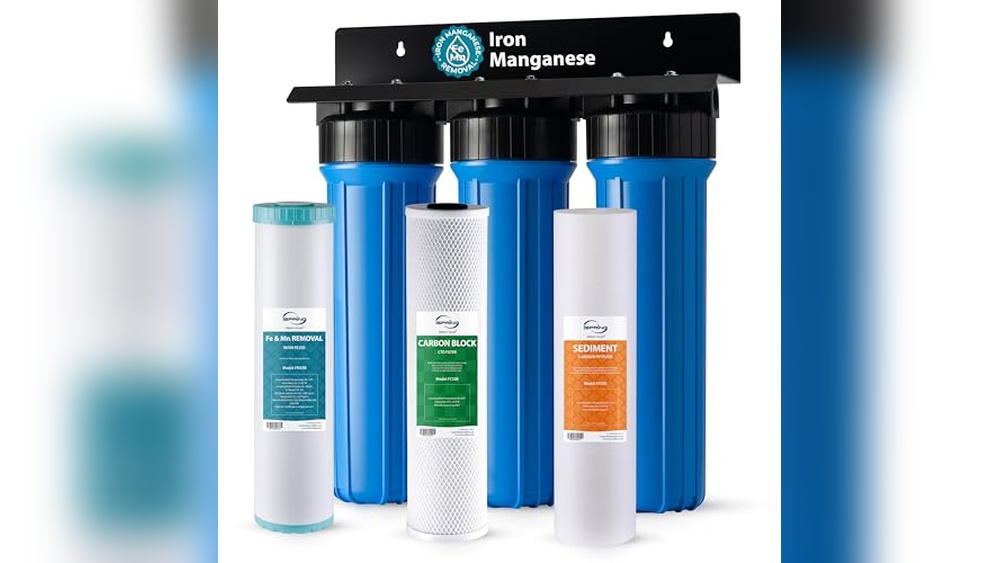
Top-notch quality with a 3-stage filtration: 5-micron sediment filter, high-quality coconut shell carbon block, and a catalytic media iron filter lasting up to 3 times longer than greensand. Both filters meet NSF/ANSI standards and have a capacity of 100,000 gallons.
Reliable 3-stage filtration with a 10” sediment filter, carbon block, and iron filter designed for iron and manganese removal. Compact design suitable for smaller spaces, maintaining high filtration standards.
Premium 2-stage filtration with coconut shell carbon block and FM25B iron filter. Independently tested to meet NSF/ANSI standards with a 100,000-gallon capacity, focusing on efficient iron, manganese, chlorine, taste, and odor removal.
Features
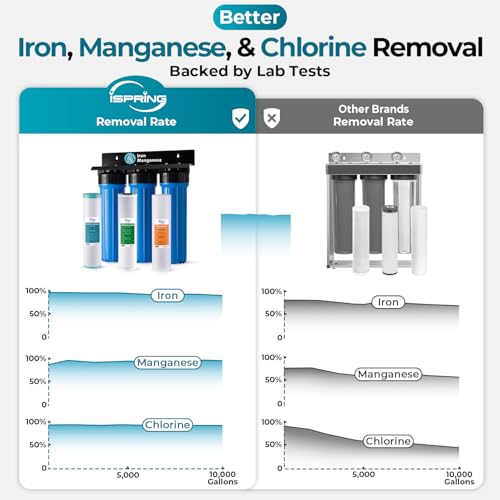
3-stage system reduces iron (up to 3.0 ppm), manganese (up to 1.0 ppm), chlorine, sediment, rust, herbicides, industrial solvents, taste, and odor. DIY installation with 1” NPT inlet/outlet, 20” x 4.5” cartridges, minimal flow impact (up to 15 GPM), and low maintenance.
3-stage filtration including 10” sediment filter, carbon block, and FM15B iron filter for iron (up to 3.0 ppm) and manganese (up to 1.0 ppm) reduction. Compact size ideal for apartments or smaller homes.
2-stage filtration with FM25B iron filter effectively removing iron and manganese; coconut shell carbon block for chlorine, taste, and odor reduction. Easy DIY installation and maintenance with 1” NPT inlet/outlet and 20” x 4.5” cartridges.
Best For
Families and households needing comprehensive, long-lasting filtration for iron, manganese, chlorine, sediment, and more, with minimal flow impact and yearly filter capacity.
Smaller homes, apartments, or vacation properties requiring a compact but effective iron and manganese removal whole house filter system.
Users seeking a simpler 2-stage filtration system focused on iron, manganese, chlorine, and taste/odor reduction with easy installation and maintenance.
In my opinion, this iSpring Whole House Water Filter System Model WGB32BM stands out because it offers a robust 3-stage filtration system with a catalytic media iron filter that lasts significantly longer than traditional greensand filters, while also providing extensive contaminant removal including iron, manganese, chlorine, sediment, and more. Its larger 20” filter cartridges and minimal impact on water flow make it ideal for families seeking a durable, high-capacity solution. If you’re like me and prefer a long-lasting, comprehensive filtration system that supports a full year of clean water with minimal maintenance, this is the better choice.
Customer Feedback on iSpring Whole House Water Filter System, Reduces Iron, Manganese, Chlorine, Sediment, Taste, and Odor, 3-Stage Iron Filter Whole House, Model: WGB32BM
Overall Satisfaction
Customers generally express high satisfaction with a strong average rating of 4.67 out of 5, highlighting effective filtration and value for money.
Most Praised Features
Significant reduction of iron, manganese, and sediment improving water clarity and taste.
Durable 3-stage filtration process that addresses multiple contaminants efficiently.
Easy installation and maintenance with clear instructions and responsive customer support.
Common Concerns
Some users report occasional issues with filter lifespan and the need for timely replacements.
Initial setup can be challenging for those without prior plumbing experience.
Who Loves It Most
Homeowners dealing with high iron or sediment content in well water appreciate this system’s comprehensive filtration and improved water quality throughout their entire house.
Is It Worth the Price?
Price Analysis
At $442.00 after an 18% discount, the iSpring WGB32BM is competitively priced for a whole house water filter system with iron and manganese removal capabilities. Comparable systems often range between $400 to $600, making this option fairly priced given its advanced filtration stages and durability.
Value Features
Effective 3-stage filtration specifically targets iron, manganese, chlorine, sediment, and odors, ensuring comprehensive water purification that justifies the cost.
Long-lasting catalytic media in the third stage extends filter life up to three times longer than greensand, reducing replacement frequency and maintenance expenses.
High-capacity filters with NSF/ANSI certification provide reliable performance and a full year’s supply for an average family, adding significant convenience and value.
DIY installation with online support and a 1-year warranty offers peace of mind and saves on professional installation fees.
Vs. Competitors
Compared to other whole house water filters with iron removal, the iSpring WGB32BM offers excellent value through its longer filter life and comprehensive contaminant removal at a competitive price point. Many alternatives lack the same longevity or require pricier maintenance.
Final Verdict
This iSpring model is a smart investment for homeowners seeking a durable, effective whole house filtration system that addresses multiple water quality issues without breaking the bank.
Hasan Al Sarker is a Reverse Osmosis Specialist. He has worked for many years to ensure safe drinking water for all. His research paper has been published in several journals, including Issue, Medium, and Slideshare. He is recognized as a water doctor among specialists though he did not attend medical college.
Besides working as a researcher of reverse osmosis technology, he is also very fancy with the kitchen and cooking. His guides are reading thousands of people every day. As a head of content, he is responsible for all the published articles at RO System Reviews.
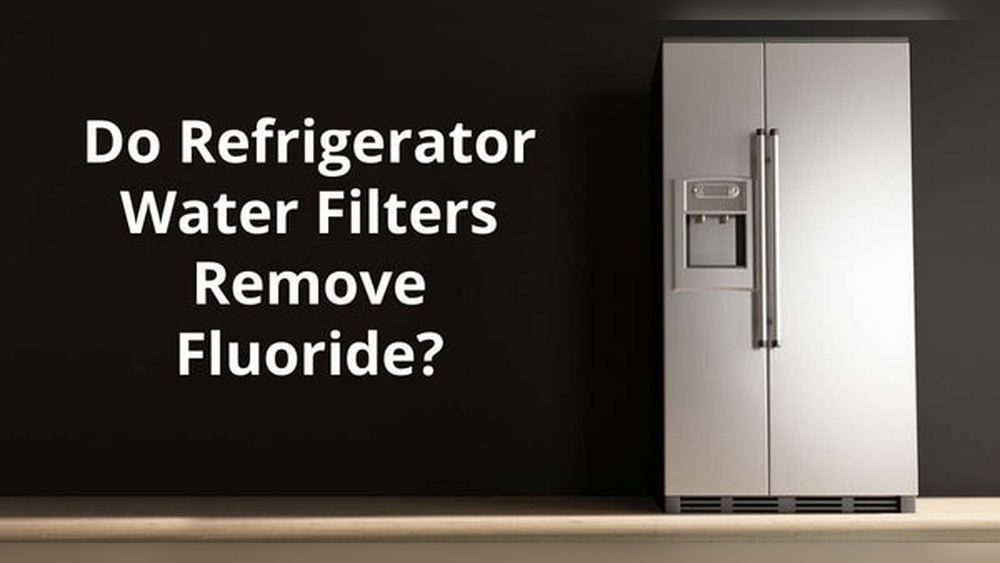
Are you concerned about the fluoride in your tap water? You might be wondering if your refrigerator’s water filter can remove it effectively.
Fluoride is added to many water supplies, but not everyone wants it in their drinking water. Knowing whether your fridge filter can protect you from fluoride is important for your health and peace of mind. You’ll discover the truth about refrigerator water filters and fluoride removal—so you can make the best choice for you and your family.
Keep reading to find out what really works and what doesn’t.
How Fluoride Enters Drinking Water
Fluoride enters drinking water from different sources. It can occur naturally or be added by water authorities. Understanding these sources helps explain why fluoride is present in tap water. This knowledge is key when discussing water filters and fluoride removal.
Natural Sources Of Fluoride
Fluoride naturally occurs in rocks, soil, and minerals. It seeps into groundwater through erosion and weathering. The amount of fluoride varies by location. Some areas have high natural fluoride levels in their water. This can affect the taste and safety of drinking water.
Fluoride In Public Water Supplies
Many public water systems add fluoride to prevent tooth decay. This process is called water fluoridation. It helps improve dental health for large populations. The fluoride levels are controlled and monitored carefully. Not all water supplies add fluoride; some rely on natural levels only.
Types Of Refrigerator Water Filters
Refrigerator water filters come in different types. Each type works differently to clean water. Knowing these types helps in choosing the right filter. It also explains what each filter can remove from water.
Carbon Filters
Carbon filters are common in refrigerators. They use activated carbon to trap impurities. These filters remove chlorine, bad taste, and odors. They can also reduce some heavy metals. But carbon filters do not remove fluoride effectively. Fluoride particles are too small for carbon to catch.
Reverse Osmosis Filters
Reverse osmosis (RO) filters use a special membrane. Water passes through tiny holes that block many impurities. RO filters remove fluoride along with other contaminants. They are very effective but less common inside refrigerators. RO systems often need more space and maintenance.
Other Filtration Technologies
Some refrigerators use other filters like ceramic or UV filters. Ceramic filters catch dirt and bacteria. UV filters kill germs with light but do not remove fluoride. These technologies help improve water quality but do not target fluoride removal well. Knowing this helps set right expectations.
Effectiveness Of Filters Against Fluoride
Fluoride is a mineral often added to drinking water for dental health. Many people want to know if refrigerator water filters can remove fluoride. The effectiveness of these filters varies depending on the filter type and technology. Not all filters can reduce fluoride levels in water.
Understanding which filters can remove fluoride helps to choose the right one. Some filters are designed to reduce fluoride, while others only improve taste or remove chlorine. Knowing the difference is important for health and safety.
Filters That Remove Fluoride
Reverse osmosis filters effectively remove fluoride from water. These systems push water through a special membrane, trapping fluoride and other minerals. Activated alumina filters also reduce fluoride by absorbing it from water. Some advanced carbon block filters may lower fluoride but are less reliable. Check product details to confirm fluoride removal claims.
Filters That Don’t Remove Fluoride
Standard carbon filters in many refrigerators do not remove fluoride. These filters mainly improve taste and remove chlorine or sediments. Basic sediment filters also do not affect fluoride levels. Simple charcoal filters have no impact on fluoride content. Always verify the filter type before assuming it removes fluoride.
Testing Your Refrigerator Filter
Testing your refrigerator water filter helps you know if it removes fluoride effectively. Filters can lose power over time. Checking the filter ensures safe and clean water for your family.
Regular testing saves you from drinking water with unwanted chemicals. It helps maintain water quality and protect health. Simple methods can show if your filter works well.
Methods To Check Fluoride Levels
Use a fluoride test kit available online or in stores. These kits are easy to use and give quick results. Collect water before and after filtering to compare fluoride levels.
Send water samples to a lab for accurate fluoride analysis. Labs use advanced tools to measure fluoride precisely. This method is more reliable but may take longer.
Signs Of Filter Ineffectiveness
Notice changes in water taste or smell. Bad taste or odor can mean the filter is old or clogged. Cloudy water or particles may also show filter failure.
Check the filter’s lifespan. Most filters last about six months. Using filters beyond their life reduces effectiveness. Replace filters regularly to keep fluoride removal strong.
Alternatives To Remove Fluoride
Removing fluoride from drinking water needs more than a regular refrigerator filter. Many standard filters do not reduce fluoride effectively. Various methods exist to help lower fluoride levels. These alternatives offer better results for safer water.
Specialized Filtration Systems
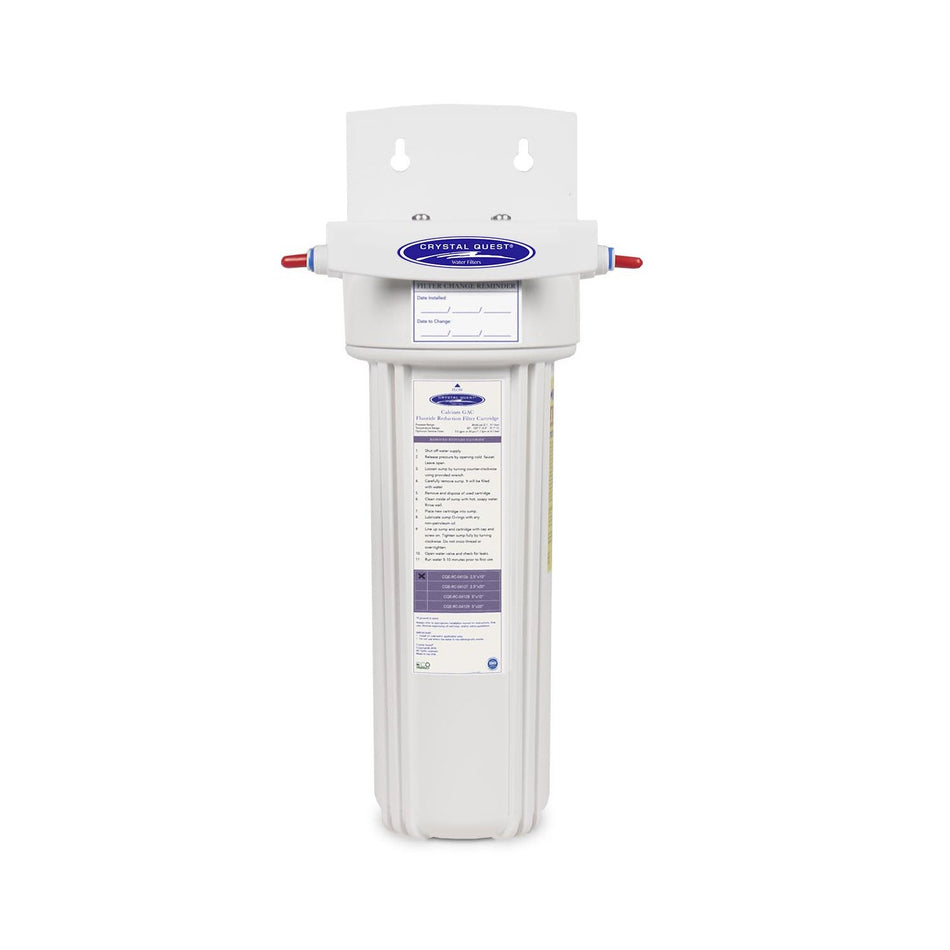
Some filtration systems are made specifically to remove fluoride. These systems use special media that attract and capture fluoride ions. They often combine several filtering stages for better cleaning. They fit under the sink or attach to the faucet. These systems provide cleaner water directly from the tap.
Water Distillation
Water distillation removes fluoride by boiling water and collecting steam. The steam leaves impurities behind, including fluoride. Distilled water is almost pure and free of chemicals. It can be a good choice for those needing very clean water. Distillation units are available for home use.
Activated Alumina Filters
Activated alumina filters absorb fluoride effectively. This material has a high surface area for trapping fluoride. These filters need regular replacement to keep working well. They can be used in pitchers or installed in water systems. Activated alumina is a trusted method for reducing fluoride.
Health Considerations Of Fluoride In Water
Fluoride in drinking water has been a topic of health discussions for many years. It plays a role in dental care and overall health. Understanding the benefits and risks helps people make informed choices about their water.
Knowing what fluoride does in your body can guide your decisions about water filters and your health.
Benefits Of Fluoride
Fluoride helps prevent tooth decay. It strengthens tooth enamel and reduces cavities. Many dentists recommend fluoride for healthy teeth. Children especially benefit from fluoride for strong teeth. It supports oral health in communities worldwide. Fluoride also helps lower dental treatment costs.
Potential Risks And Controversies
Too much fluoride can cause dental fluorosis. This condition affects the appearance of teeth. Some people worry about fluoride and bone health. Certain studies question fluoride’s safety at high levels. Some prefer to avoid fluoride due to these concerns. Water filter choices may depend on personal views. Understanding risks helps people choose what feels right.
Maintaining Your Refrigerator Filter
Maintaining your refrigerator water filter is important for clean, fresh water. A well-kept filter works better and lasts longer. It helps remove impurities and keeps your water tasting great. Simple care steps keep your filter in top shape and protect your health.
Replacement Frequency
Change your refrigerator filter regularly. Most filters need replacement every six months. Check your user manual for exact timing. Old filters can clog and reduce water flow. They may also stop removing contaminants effectively. Timely replacement ensures fresh and safe water.
Proper Installation Tips
Install the new filter carefully to avoid leaks. Turn off the water supply before starting. Remove the old filter by twisting it gently. Insert the new filter in the same direction. Push or twist it until it locks firmly. Run water for a few minutes to clear air and loose particles.
Frequently Asked Questions
Does A Refrigerator Water Filter Remove Fluoride?
Most refrigerator water filters do not remove fluoride. Standard filters target chlorine, sediments, and some contaminants. Fluoride requires specialized filtration like activated alumina or reverse osmosis. Check your filter’s specifications to confirm fluoride removal capabilities before relying on it.
What Types Of Filters Remove Fluoride Effectively?
Activated alumina, reverse osmosis, and distillation systems remove fluoride effectively. These filters can reduce fluoride levels significantly. Standard carbon filters in refrigerators typically do not remove fluoride. Choose filters specifically designed for fluoride reduction to ensure safe drinking water.
Can Fluoride Pass Through Carbon-based Refrigerator Filters?
Yes, fluoride usually passes through carbon-based refrigerator filters. These filters mainly remove chlorine and odors but are ineffective against fluoride ions. For fluoride removal, advanced filtration technologies are necessary. Always verify the filter type if fluoride removal is your goal.
Is Fluoride Removal Necessary For Safe Drinking Water?
Fluoride removal depends on personal preference and local water levels. Some communities add fluoride for dental health benefits. Excessive fluoride can cause dental fluorosis or health issues. Testing your water helps decide if fluoride removal is necessary.
Conclusion
Refrigerator water filters usually do not remove fluoride. Most filters focus on chlorine, sediment, and bad tastes. Fluoride needs special filters like reverse osmosis or activated alumina. Check your filter’s details before buying. Clean water is important for your health and taste.
Choose the right filter for your needs. Stay informed and drink safely every day.
Hasan Al Sarker is a Reverse Osmosis Specialist. He has worked for many years to ensure safe drinking water for all. His research paper has been published in several journals, including Issue, Medium, and Slideshare. He is recognized as a water doctor among specialists though he did not attend medical college.
Besides working as a researcher of reverse osmosis technology, he is also very fancy with the kitchen and cooking. His guides are reading thousands of people every day. As a head of content, he is responsible for all the published articles at RO System Reviews.
You probably don’t realize how much chlorine is in your tap water every day. While it helps keep water safe, chlorine can affect the taste and even your health over time.
If you’ve ever noticed a strange smell or taste when you turn on the tap, you’re not alone. But here’s the good news: you can easily remove chlorine from your tap water. You’ll discover simple and effective ways to filter chlorine so your water tastes better and feels cleaner.
Keep reading, because what you learn could change the way you drink water forever.
Why Remove Chlorine?
Chlorine is added to tap water to kill germs and keep it safe. But too much chlorine can cause problems. Many people want to remove chlorine to protect their health and improve water quality. Understanding why to remove chlorine helps make better choices for your water.
Health Concerns
Chlorine can irritate skin and eyes. Some people may have allergies or breathing problems from chlorine. Long-term exposure could affect your health. Removing chlorine lowers these risks and makes water safer for daily use.
Effects On Taste And Smell
Chlorine gives water a strong, chemical taste. It also causes a bad smell that many find unpleasant. Removing chlorine improves water’s taste and smell. This makes drinking water more enjoyable and encourages hydration.
Impact On Household Appliances
Chlorine can damage appliances like washing machines and water heaters. It may cause metal parts to corrode faster. This reduces the lifespan of your appliances. Filtering chlorine helps protect your home and saves money on repairs.
Common Chlorine Removal Methods
Removing chlorine from tap water is important for better taste and health. Many simple methods exist to reduce chlorine quickly. Each method works differently and suits different needs. Understanding these common methods helps you choose the right one for your home.
Boiling Water
Boiling water is a quick way to remove chlorine. Heat causes chlorine to evaporate and leave the water. Boil the water for at least 15 minutes. Let it cool before drinking or using. This method works best for small amounts of water.
Using Activated Carbon Filters
Activated carbon filters trap chlorine and other chemicals. These filters attach to taps or fit in water pitchers. Water passes through the carbon, which absorbs chlorine. This method improves taste and odor effectively. Replace filters regularly for best results.
Letting Water Sit
Letting water sit allows chlorine to escape naturally. Pour water into an open container and leave it for 24 hours. Chlorine will evaporate during this time. This method is simple but takes longer. It works well for daily drinking water preparation.
Chemical Neutralizers
Chemical neutralizers use special drops or tablets to remove chlorine. These products contain chemicals that react with chlorine and neutralize it. They work quickly and are easy to use. Follow package instructions carefully for safe use.
Choosing The Right Filter
Choosing the right filter is important to remove chlorine from tap water effectively. Different filters work in various ways. Some remove chlorine better than others. Knowing what to pick saves time and money. It also ensures cleaner and safer water for your home.
Types Of Water Filters
Carbon filters are popular for removing chlorine. They use activated charcoal to trap chemicals. Reverse osmosis systems also reduce chlorine. These filters push water through a fine membrane. Distillation is another option, which boils water to separate chlorine. Each type fits different needs and budgets.
Filter Certifications
Look for filters certified by organizations like NSF or WQA. Certification shows the filter meets safety and performance standards. It proves the filter can remove chlorine effectively. This helps avoid buying low-quality or fake products. Always check the label before buying.
Maintenance And Replacement
Filters need regular cleaning and changing. A clogged filter does not remove chlorine well. Follow the manufacturer’s instructions for replacement times. Some filters last a few months; others last longer. Proper maintenance keeps water clean and safe to drink.
Diy Chlorine Removal Techniques
Removing chlorine from tap water is important for better taste and health. Many people prefer simple, do-it-yourself methods. These methods use easy tools and natural processes. They work well to reduce chlorine quickly. No special equipment needed.
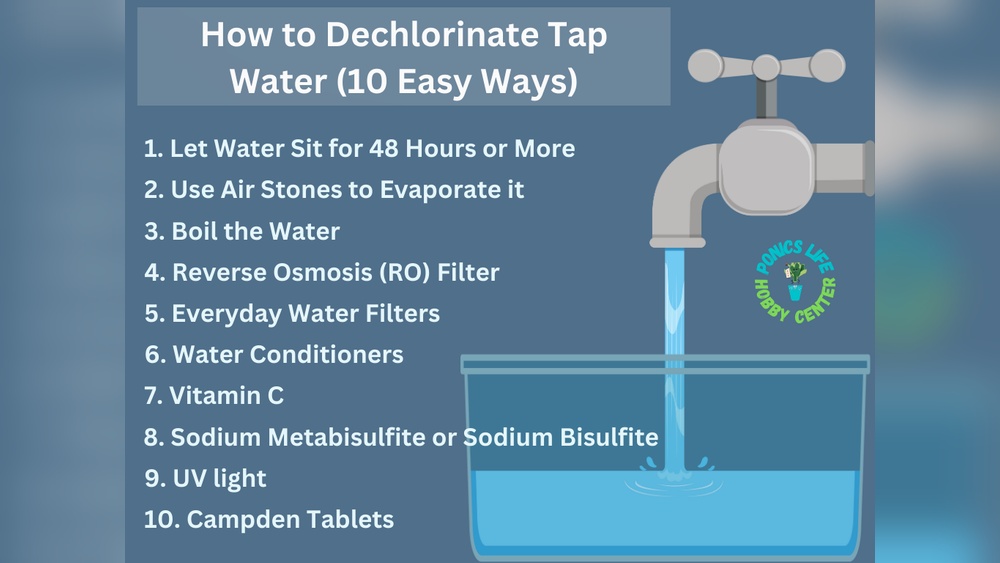
Using Vitamin C
Vitamin C neutralizes chlorine effectively. You can use vitamin C powder or tablets. Just add a small amount to water. Stir well and wait a few minutes. The chlorine will break down and disappear. This method is safe and fast.
Sunlight Exposure
Sunlight helps remove chlorine through natural breakdown. Pour water in a clear container. Leave it outside in the sun for several hours. The ultraviolet rays will reduce chlorine levels. This method works best on warm, sunny days. It is gentle and chemical-free.
Aeration Methods
Aeration removes chlorine by letting air mix with water. Pour water from one container to another several times. This adds oxygen and releases chlorine gas. You can also use an aquarium pump. Run the pump in water for 30 minutes. Aeration is simple and does not use chemicals.
Testing Chlorine Levels At Home
Testing chlorine levels at home helps you know the water quality. It shows if chlorine is safe or too high. This step is important before choosing a filter. Simple tools can measure chlorine quickly and easily.
Using Test Strips
Test strips are thin paper strips that change color. Dip a strip in water for a few seconds. Then, compare the color to a chart on the package. This shows the chlorine level in parts per million (ppm). Test strips are cheap and easy to use. They work well for quick checks.
Digital Chlorine Testers
Digital testers give precise chlorine readings on a screen. Fill a small cup with water. Insert the tester’s sensor into the water. The device measures chlorine and shows the result instantly. Digital testers cost more but are very accurate. They work best for regular and detailed testing.
Tips For Cleaner Tap Water
Keeping tap water clean helps protect your health and improves taste. Simple steps make water safer and fresher. These tips help you get the most from your water filter.
Regular Filter Cleaning
Clean water filters work better and last longer. Rinse or replace filter cartridges as the instructions say. Dirt and buildup reduce filter power. Check filters every few weeks to keep water pure.
Using Filtered Water For Cooking
Use filtered water for all cooking tasks. Boiling filtered water keeps food taste pure. It avoids chlorine and chemicals from changing flavors. Even washing vegetables with filtered water helps remove residues.
Storing Water Properly
Store water in clean, covered containers. Use glass or BPA-free plastic bottles for safety. Keep water away from sunlight and heat to stop bacteria growth. Freshly filtered water tastes best when stored well.
Frequently Asked Questions
What Are The Best Methods To Remove Chlorine From Tap Water?
The best methods to remove chlorine include activated carbon filters, boiling water, and using vitamin C tablets. These options effectively reduce chlorine taste and odor without harmful chemicals, making your water safer and more pleasant to drink.
How Long Does Chlorine Stay In Tap Water Naturally?
Chlorine usually dissipates from tap water within 24 to 48 hours when exposed to air. Letting water sit uncovered allows chlorine to evaporate, making it safer for drinking and cooking without additional filtration.
Can Boiling Water Remove Chlorine From Tap Water?
Yes, boiling water for 15 to 20 minutes can remove chlorine. Heat breaks down chlorine molecules, but it’s less effective for chloramine, a stronger disinfectant sometimes used in water treatment.
Are Activated Carbon Filters Effective For Chlorine Removal?
Activated carbon filters are highly effective at removing chlorine and its taste. They absorb chlorine molecules, improving water quality. These filters are widely used in pitchers, faucets, and under-sink systems.
Conclusion
Filtering chlorine from tap water protects your health and improves taste. Simple methods like activated carbon filters work well. Boiling water also helps remove chlorine safely. Choose the option that fits your needs and budget. Clean, fresh water feels better and supports daily hydration.
Small changes make a big difference in water quality. Start filtering today for safer drinking water at home.
Hasan Al Sarker is a Reverse Osmosis Specialist. He has worked for many years to ensure safe drinking water for all. His research paper has been published in several journals, including Issue, Medium, and Slideshare. He is recognized as a water doctor among specialists though he did not attend medical college.
Besides working as a researcher of reverse osmosis technology, he is also very fancy with the kitchen and cooking. His guides are reading thousands of people every day. As a head of content, he is responsible for all the published articles at RO System Reviews.
Is your water softener not working as well as it used to? Changing the filter might be the simple fix you need.
If you want clean, soft water flowing through your home without any hassle, knowing how to change your water softener filter is key. In this guide, you’ll learn easy steps to replace the filter quickly and keep your system running smoothly.
Stick with me, and you’ll save time, avoid costly repairs, and enjoy better water quality every day. Let’s get started!
Signs To Replace Water Softener Filter
Knowing when to replace your water softener filter is important. The filter keeps your water clean and soft. Over time, it gets clogged and less effective. Watch for signs that tell you it’s time for a change. This helps keep your water fresh and your softener working well.
Reduced Water Flow
Water flows slower than usual from your taps. Showers and faucets may feel weak. A clogged filter blocks water and lowers pressure. This means your filter needs replacement soon. Don’t wait until the flow stops completely.
Unusual Taste Or Odor
Water tastes different or smells odd. A bad filter lets impurities through. These can change the water’s flavor and smell. Clean, soft water should taste fresh and pure. Notice any strange changes and check the filter.
Hard Water Symptoms
White spots appear on dishes or faucets. Soap does not lather well on skin or hair. Hard water can cause these problems. A worn-out filter fails to soften water properly. Replace the filter to stop hard water issues.
Tools And Materials Needed
Changing the filter on a water softener is simple with the right tools and materials. Preparing these before you start saves time and makes the process smooth. Knowing what to have on hand helps avoid interruptions and mistakes.
Below is a list of common replacement filters and the tools needed for the job. Understanding these will guide you through the filter change easily.
Replacement Filter Types
Water softeners use different filter types based on the system design. The most common are sediment filters, carbon filters, and resin bed filters. Sediment filters remove dirt and rust. Carbon filters improve taste and reduce chlorine. Resin bed filters soften water by removing minerals.
Check your water softener model to pick the right filter type. Using the correct filter ensures the system works well and lasts longer.
Required Tools List
Basic tools make filter replacement quick and safe. You will need a wrench or filter housing tool to open the filter case. A bucket or towel helps catch water spills. Gloves protect your hands from dirt and chemicals. A screwdriver may be required for some models.
Have a clean cloth ready to wipe the filter area. This keeps the system clean and prevents damage. Keep all tools nearby before starting the filter change process.
Preparing Your Water Softener
Preparing your water softener before changing the filter is very important. It helps avoid water spills and keeps the system safe. Taking the right steps makes the job easier and faster.
Start by making sure the system is off. Then, release any built-up pressure inside. These steps protect you and the water softener.
Turning Off The System
Find the main power switch or unplug the water softener. This stops the system from running during the filter change. Turning off the system prevents water flow and electrical hazards.
Check the control panel to confirm the system is off. Wait for a few minutes to let it fully shut down before moving on.
Relieving Pressure
Open a nearby faucet to release water pressure inside the pipes. This helps avoid water spraying out when you remove the filter.
Some water softeners have a pressure release valve. Use it carefully to let out any extra pressure in the system.
Make sure pressure is fully relieved before you start removing the filter. This keeps the process clean and safe.
Removing The Old Filter
Removing the old filter is a key step in changing a water softener filter. This part protects your system by catching dirt and particles. Replacing it regularly keeps your water clean and your softener working well.
Start by finding and opening the filter housing. Then, carefully take out the old filter. These steps need care to avoid spills and damage.
Accessing The Filter Housing
Locate the water softener’s filter housing first. It is usually near the main unit or water inlet. The housing looks like a small, clear or white container.
Turn off the water supply to stop flow. This prevents leaks during removal. Use a cloth to catch any drips.
Unscrew the housing cap slowly. Some models have a twist-off cap or a locking mechanism. Keep the cap safe for reassembly.
Safely Removing The Filter
Pull the old filter straight out of the housing. Avoid squeezing or bending it too much. Old filters may be dirty or wet.
Check for any residue or buildup inside the housing. Clean the inside with a soft cloth if needed. Dispose of the old filter in the trash.
Handle the filter gently. Use gloves if you prefer to keep your hands clean. This step prepares the system for the new filter.
Installing The New Filter
Installing the new filter is a key step in maintaining your water softener. It ensures clean, soft water for your home. Doing this correctly helps the system work well and last longer.
Checking Filter Compatibility
First, check if the new filter fits your water softener model. Using the wrong filter can cause leaks or poor water flow. Look at the size and type on the package. Compare it with your old filter or the user manual. Only use filters made for your specific system. This step saves time and avoids damage.
Proper Placement And Sealing
Place the new filter carefully into the housing. Align it as shown in the instructions. Make sure it sits flat and snug. Tighten any caps or screws firmly, but do not overtighten. A good seal stops water from leaking. Check the gasket or O-ring for cracks or dirt. Replace it if needed before installing the filter. Proper sealing keeps your water softener running smoothly.
Restarting The Water Softener
Restarting the water softener after changing the filter is a key step. It helps the system work well and keeps water clean. Follow the steps carefully to avoid problems and enjoy soft water again.
Turning The System Back On
First, switch the water softener back on. Find the power button or plug it in. This action wakes the system after maintenance. Wait a moment for it to start fully. The control panel might show a light or number. This means the system is ready.
Flushing The System
Next, flush the water softener to clear any air or debris. Run water through the softener for a few minutes. This process cleans the new filter and pipes. It also helps remove any trapped air. Check the water flow to ensure it is steady. Flushing keeps your water fresh and soft.
Maintenance Tips For Longevity
Maintaining your water softener ensures it works well for a long time. Good care helps avoid damage and keeps water clean. Simple steps can extend your system’s life and save money.
Regular Filter Checks
Check the filter every month. Look for dirt, clogs, or damage. A dirty filter reduces water flow and softening power. Clean or replace the filter if it looks blocked or worn. Regular checks prevent bigger problems later.
Scheduling Replacements
Change the filter as the manual says. Most filters need replacement every 3 to 6 months. Mark your calendar to remember the dates. Timely replacement keeps water fresh and softener working well. Don’t wait for issues to appear before changing the filter.
Frequently Asked Questions
How Often Should I Change A Water Softener Filter?
You should change your water softener filter every 3 to 6 months. This depends on water usage and quality. Regular changes keep your system efficient and water clean.
What Tools Do I Need To Change The Filter?
Basic tools include a wrench, bucket, and replacement filter. Turn off water supply before starting. Always consult your water softener manual for specific tools.
Can I Change The Filter Myself Safely?
Yes, changing the filter is simple and safe. Turn off power and water supply first. Follow manufacturer instructions carefully to avoid damage or leaks.
How Do I Know If My Filter Needs Changing?
Signs include reduced water flow, bad taste, or cloudy water. Regular checks help maintain water quality. Replace the filter immediately if these signs appear.
Conclusion
Changing the filter on your water softener keeps water clean and fresh. It helps the softener work well and last longer. Regular filter changes stop dirt and buildup from causing problems. You save money by avoiding repairs and bad water taste.
Follow simple steps to change the filter safely and quickly. Stay on top of filter changes to enjoy soft, healthy water every day. Easy care brings great results.
Hasan Al Sarker is a Reverse Osmosis Specialist. He has worked for many years to ensure safe drinking water for all. His research paper has been published in several journals, including Issue, Medium, and Slideshare. He is recognized as a water doctor among specialists though he did not attend medical college.
Besides working as a researcher of reverse osmosis technology, he is also very fancy with the kitchen and cooking. His guides are reading thousands of people every day. As a head of content, he is responsible for all the published articles at RO System Reviews.