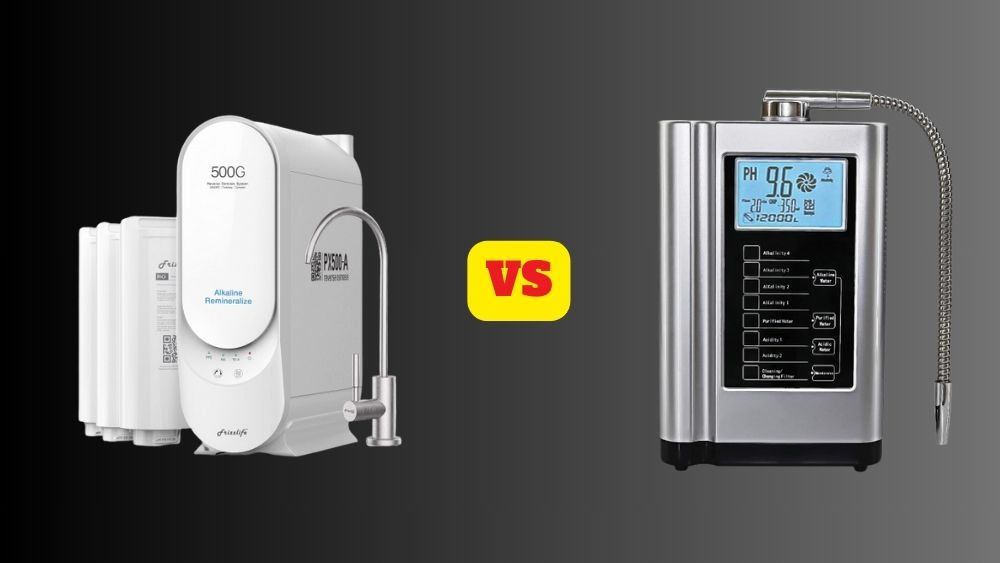
RO Water vs Alkaline Water | What’s in Your Glass?

RO Water vs Alkaline Water | What’s in Your Glass?

Let’s take a closer look at both types of water and the pros and cons. Reverse osmosis water goes through a filtration process that removes impurities and contaminants. This leaves you with clean, pure water that tastes great.

The downside to reverse osmosis water is that it can be expensive and doesn’t have any minerals or electrolytes. However, alkaline water has a higher pH level than regular tap water. This means it can help neutralize the acid in your body and balance your pH levels.

Alkaline water also contains minerals and electrolytes that are beneficial for your health. However, reverse osmosis and alkaline water have different benefits depending on your needs. For example, alkaline water can help to neutralize the acid in your body, while reverse osmosis water can remove impurities from your water supply. If you’re unsure which type of water is best for you, consult a doctor or nutritionist.

What is reverse osmosis water?

Reverse osmosis water is considered the safest water to drink. In the Reverse Osmosis system, water is purified in several stages, including the mother organ of its RO membrane. RO systems have semi-permeable membranes with a 0.0001-micron thickness. The membrane prevents unhealthy and harmful substances from passing through into the water. 

Water is wholly purified with Reverse Osmosis without generating any heat. As a result of this filtering process, the water does not contain any harmful elements. The efficiency of the Reverse Osmosis system is that it can prevent 95% to 99% of Total Dissolved Solid (TDS) from water.  

In brief, after passing through the water into the RO membrane is considered RO water. But it is possible to add additional stages to the RO system to get a better result. 

What is alkaline water?

The pH level in water indicates that it is acidic or alkaline. The scale of pH is 0 to 14. That means the lower the pH indicates the water is acidic, the higher the pH indicates the water is alkaline. 

Typical drinking water has a pH level of 6.5 to 7.5. That means the water is in a neutral range of acidity and alkalinity. Something with a pH of 0, 1, or 2 would be very acidic, and something with a pH of 12, 13, or 14 would be very alkaline. The available alkaline water in the market has a pH of 8 or 9. 

Quick comparison of reverse osmosis water vs alkaline water

Topic Alkaline Water RO Water
Type of Water Filter Ionizer RO System
Pore Size of Filter 0.01 Micron 0.0001 Micron
Contamination Removal Rate 85% to 90% 95% to 99%
Require Electricity to run Yes Yes
Level of pH 8 Plus 6.5 to 7.5
Price Range Start from $150 Start from $200
Yearly Maintenance Cost $150 to $200 $120 to $180
Water Waste Low High
User Low High
ro vs ionizer

Difference between reverse osmosis water & alkaline water

Filtration method

A RO filtration system is required to produce RO water. On the other hand, a water Ionizer machine is required to produce alkaline water. However, it is possible to produce alkaline water at home without using any ionizer machine. But, we can not produce RO water without using any RO system. 

If we produce alkaline water at home without using a water Ionizer machine, we do not need any electricity. Instead, we need to use baking soda, lemon juice, and pH drops. 

Water quality analysis 

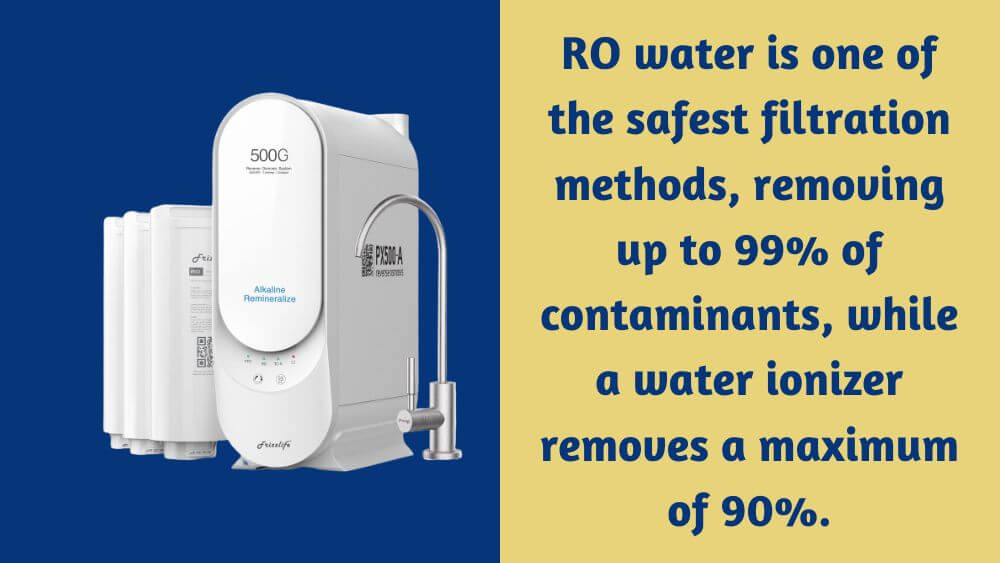
RO water is undoubtedly the safest water compared to other filtration methods. For example, a reverse Osmosis system removes up to 99% of contamination from water. On the other hand, a water Ionizer removes at most 90% of contamination from water. 

The water Ionizer requires a pre-filter which is called microfiltration. The pore size of microfiltration is 0.01 micron, and the RO system’s pore size of the membrane is 0.0001 micron. But the fact is the RO system removes some essential minerals from water. But water Ionizer does not remove minerals from water. 

Waste water 

Reverse osmosis filtration wastes a lot of water. However, the RO system can ensure safe water at 3:1. This means by producing 1 liter of safe water RO system waste 3 liters of water. On the other hand, the Ionizer machine does not waste water to produce alkaline water. 

Acidic vs. alkaline

Reverse osmosis (RO) water is a little more acidic than alkaline. The typical range of pH in water is 6.5 to 8.5. In comparison, RO water has a pH level of 6.5 to 7.5, which means the water is a little acidic. On the other hand, a water ionizer makes the water alkaline. 
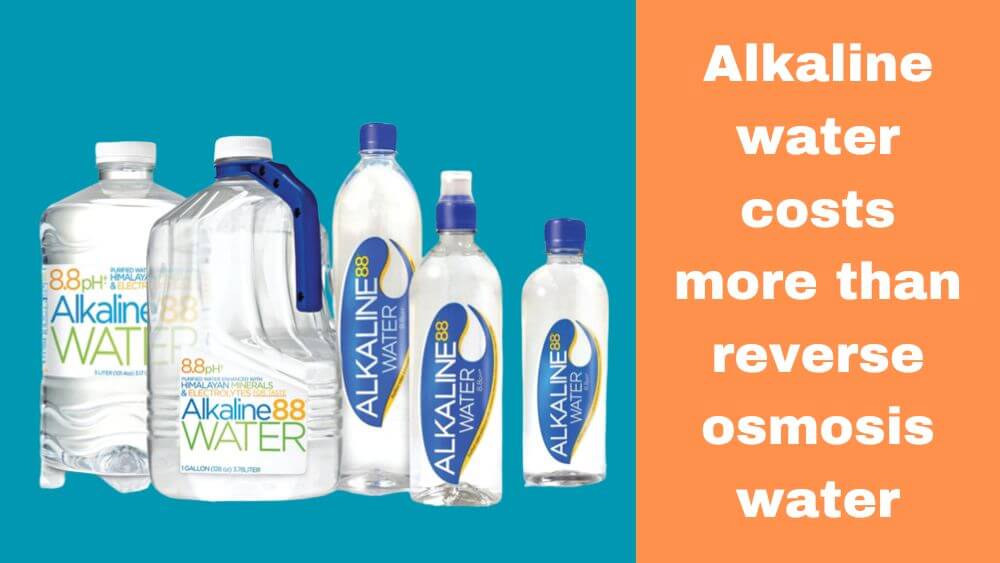
Cost of alkaline water is higher

What is better, alkaline water or reverse osmosis?

There are a few things to consider when choosing between alkaline water and reverse osmosis water. The first is the intended use. Alkaline water is better for drinking, while reverse osmosis water is better for drinking and cooking. 

The second thing to consider is the source of the water. Again, reverse osmosis may be your best option if you do not have access to a good quality water source.

The third thing to consider is cost. Alkaline water costs more than reverse osmosis water. In any case, it is imperative to remember that quality comes with a price. 

Alkaline water is of higher quality and will provide more health benefits than reverse osmosis water. But, if you consider water contamination, there is no alternative to the RO system. 

Does reverse osmosis give you alkaline water?

The answer is no unless you add an alkaline filter to your RO system or use RO water in a water ionizer machine. 

Generally, reverse osmosis does not change the pH of water. However, it can remove acidic contaminants that lower the pH of water. This can make the water taste more alkaline. Some reverse osmosis systems include an alkalizing filter that adds minerals to the water and raises the pH. 
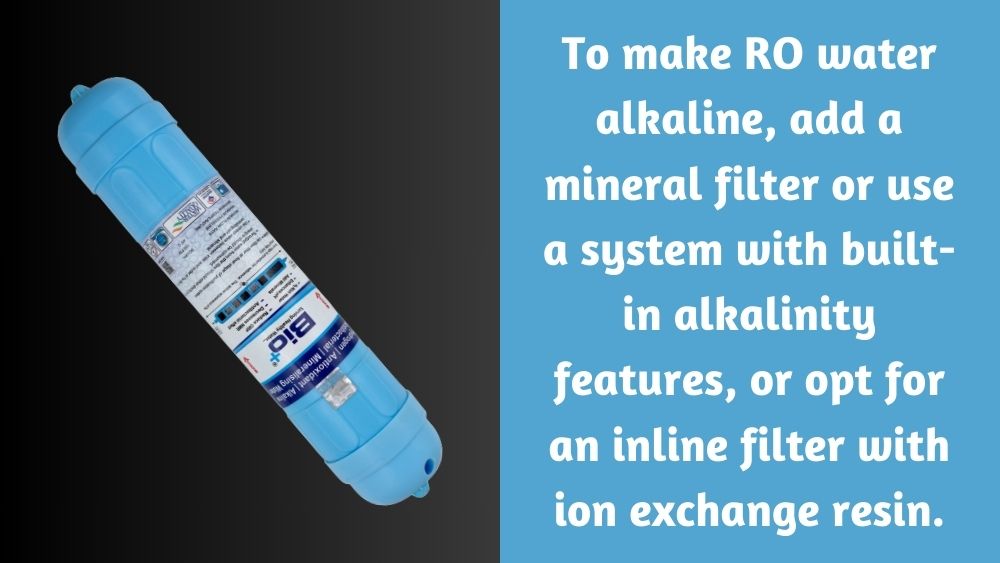
make RO water alkaline

How to make reverse osmosis water alkaline?

Yes, adding a mineral and alkaline filter in a RO system is possible. Some RO system has default mineral and alkaline filter as well. 

Another option is to use an inline filter that contains an ion exchange resin. This type of filter will remove some of the acidity from the water and make it more alkaline. Finally, you can install a reverse osmosis system with a built-in alkalinity booster.

Is reverse osmosis water bad for the kidneys?

Reverse osmosis (RO) water is not bad for your kidneys. On the contrary, it may even be beneficial! This is because the RO water system removes impurities and contaminants

Our kidney’s primary purpose is to filter the water in our body. But, in RO, water filtered by 0.0001 microns, is exactly what the kidney does! So, there is not much work to be done by the kidney! This process benefits your kidneys by removing harmful toxins and providing clean, great-tasting water.

Benefits of RO+ alkaline water

You have to note that you can enhance the properties of water by making it alkaline through the addition of an alkaline filter to reverse osmosis (RO) water. Alkaline water, with its higher pH level, tends to be less acidic compared to regular tap water. This makes it beneficial for neutralizing stomach acid, potentially improving digestion and preventing issues like heartburn and acid reflux.

Moreover, alkaline water has the potential to aid in the detoxification process by assisting in the removal of toxins and waste products from cells. This detoxification can promote better overall health and well-being.

Maintaining balanced pH levels in the body is crucial for good health. When pH levels become unbalanced, it can lead to health problems. Alkaline water can play a role in helping to keep the body’s pH levels in check, contributing to overall well-being. So, the choice to consume alkaline water can indeed offer various potential health benefits.

Zero TDS Vs. alkaline water

There are a few critical differences between zero TDS water and alkaline water. First, alkaline water has a higher pH level than regular tap water. This means that it is less acidic and can help to neutralize stomach acid.

Additionally, alkaline water contains minerals like calcium and magnesium, which can benefit your health. Zero TDS water, on the other hand, has no dissolved minerals or salts. While this might seem healthier, no scientific evidence supports this claim.

Zero TDS water can leach minerals from your body if you drink it over an extended period. So if you’re looking for the healthiest option, stick with alkaline water!
Maintaining balanced pH levels

Is Alkaline Water bad for you?

Alkaline water is claimed to offer benefits like superior hydration, reduced acid reflux, potential for better bone health, weight loss, and protection against certain types of cancer. However, the evidence for some of these claims is limited.

Alkaline water is not bad for you, but its benefits are not universally supported. The quality of different alkaline water sources can vary. If you use RO water + water Ionizer or RO water + alkaline filter, then it will be a good solution for you.  

Is Reverse Osmosis water alkaline?

Reverse osmosis water is typically not alkaline; in fact, it tends to be slightly acidic. This acidity is a result of the reverse osmosis process, which removes minerals like calcium and magnesium from the water. However, it is possible to transform reverse osmosis water into alkaline water by incorporating a mineral filter into the RO system. This addition introduces minerals back into the water, resulting in a more neutral pH level, typically ranging from 7 to 8. 

Conclusion

If you’re looking for clean, pure drinking water, reverse osmosis water is a good choice. However, alkaline water may be a better option to improve your overall health. But if you use reverse osmosis water, adding an alkaline filter will be your best option. 

Is RO Water Good or Bad for Human Health? Let’s Find Out

Is RO Water Good or Bad for Human Health? Let’s Find Out

Reverse osmosis removes contaminants from water molecules through reverse osmosis filtration. The system eliminates a molecular compound smaller than water. A reverse osmosis system uses a semi-permeable membrane to remove impurities and sediments from water, such as iron, fluorine, lead, arsenic, cadmium, chlorine, etc. 

Reverse osmosis systems use osmotic pressure to force water through semi-preamble membranes with tiny pores. Water passes through these pores, but larger particles do not. This allows the water to pass through while retaining all of the dissolved solids in the water. The membrane is then placed in an area where it will collect the purified water. In some cases, the purified water may still contain small amounts of minerals; therefore, an additional polishing filter and mineral filter are required before drinking the water.

Is the RO system removes essential minerals from water? 

Yes, reverse osmosis removes some essential minerals from water. These include calcium, magnesium, fluoride, etc. The removal rate of the RO system is equal to contamination and minerals. That means the RO system removes approximately 97% of contamination and minerals.

Reverse Osmosis Systems are used to desalinate saltwater; in other words, they remove the dissolved solids (salts) from the water, leaving you with fresh drinking water. A Reverse Osmosis System will not work on contaminated water or soft water as it does not filter out contaminants that may be present. So, sediment and carbon filters must be before the reverse osmosis membrane. 

The most important question is, if reverse osmosis removes essential minerals, how can we recommend it? Take a look at a glance- 

Is the RO system removes essential minerals from water? Yes
Is drinking water the only source of minerals for our body?  No
What is the main source of minerals in our body?  Food
How to compensate for the minerals that were filtered out? Eating vegetables is enough for minerals
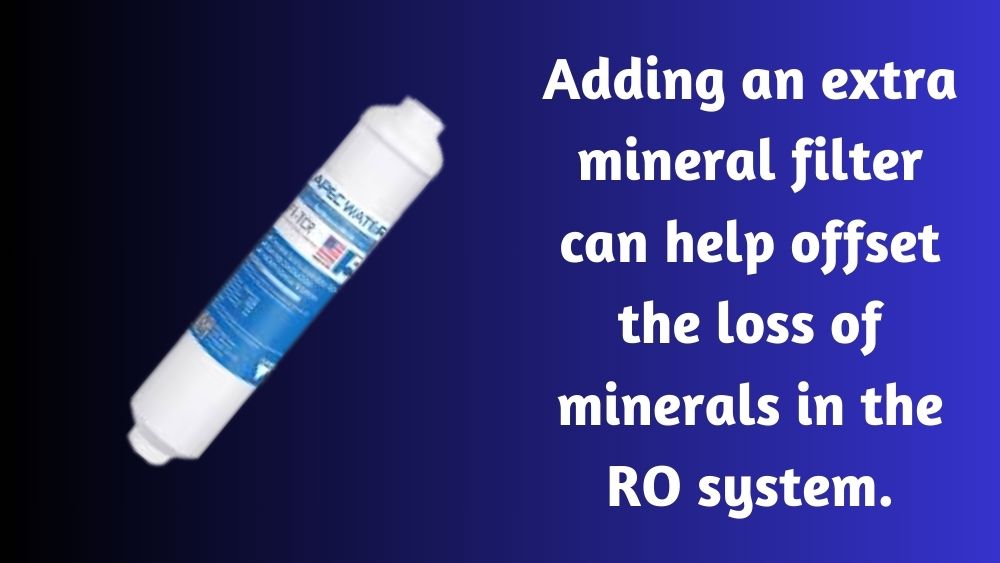
How can we compensate for minerals from RO water only? Using additional mineral filters
Is RO removes all the contaminants from the water?  Yes
Is there any more effective filtration system than RO? No
Can boiled water destroy heavy metals like arsenic, cadmium, lead, etc.? No
Is there any filtration that provides the best taste of water than RO? No
Finally, Is RO water bad for human health? No

Compensate minerals of RO water 

RO filtration removes some important minerals from water. However, there are no perfect alternatives to RO for thorough purification. To make up for the lost minerals, two effective solutions are available:

  1. Mineral Filter: You can use a mineral filter to add essential minerals back into the water after it’s been purified by RO. This helps ensure you get the necessary minerals in your drinking water.
  2. Dietary Minerals: Another way to compensate for lost minerals is by getting them from the food you eat. A well-balanced diet can provide your body with the minerals it needs.

If you use both of these solutions, the mineral filter and a balanced diet are excellent ways to ensure you maintain the right mineral balance for your health.

Adding an extra mineral filter

RO is the most effective at removing contaminants

The main advantage of using reverse osmosis over distillation is that less energy is required to produce the same amount of water. Distillation requires more energy because the heat has to travel up the column and down again. With reverse osmosis, you only need one step to eliminate the impurities. In addition, you don’t have to worry about the temperature of your water as well. For example, a reverse osmosis system consumes electricity equal to a mobile phone charger. 

Contaminated water 

Contaminated water contains impurities that can cause illness. The most common contaminants in tap water are chlorine, chloramines, iron, manganese, copper, lead, arsenic, nitrates, and radon. Other contaminants include animal feces, algae, bacteria, parasites, viruses, industrial pollutants, and naturally occurring radioactive materials.

Contaminants can enter your home’s plumbing through cracks and holes in pipes, faulty faucets, drains, and toilets. They can also get into your home through leaks in your roof, walls, floors, windows, doors, sinks, tubs, showers, toilets, dishwashers, washing machines, dryers, and air conditioners.

Reverse osmosis removes all the contaminants from water and ensures the safest water to drink. The effectiveness of RO filtration is 97% to 99%. There is no filtration method that is more effective than the RO system. 

Reverse osmosis has the best taste

Distilled water tastes very different from tap water. Tap water often contains chlorine which gives it a bitter taste. Chlorine also makes the water cloudy. This is because when you drink distilled water, you’re consuming chemicals. On the other hand, when you drink reverse osmosis water, you’re getting pure water that’s free of any chemical additives. 

Most people will describe reverse osmosis water as slightly acidic and flat – or as having almost no taste. The reason for this is the lack of minerals in the water. Since the water is put through a semipermeable membrane, it also filters out minerals naturally occurring in drinking water.

However, reverse osmosis water is naturally slightly lower on the pH scale; thus, it can taste slightly acidic. The usual range of pH in water is 7 to 8. In contrast, purified water produced by RO may have a pH of 6 to 7. 

Have you ever tasted rainwater? The taste of RO-purified water and rainwater are very similar. The question is, if the RO water is entirely safe, then why it’s taste differ from usual water? The answer is straightforward, and we are used to drinking boiled water, semi-purified water, or tap water. But these water are not entirely safe from germs and heavy impurities. That is why we feel a little different at RO water. 

Reverse osmosis is more energy efficient 

When you boil water, you lose a lot of energy. So if you want to boil water for tea or coffee, you’ll have to spend a lot of time heating the pot and waiting for it to boil. But if you use reverse osmosis instead, you can get hot water quickly without wasting much energy. 

Distillation is another water purification system that involves heating water until vapor forms. This steam is then condensed back into liquid form. It’s also known as “deionized” water. Distilled water is used to make soap, clean glassware, sanitize food, make medicines, perfume, etc. 

On the other hand, The purpose of reverse osmosis is to remove dissolved solids from water. Therefore, RO water can use for many purposes, including drinking water production, water recycling, desalination, irrigation, wastewater treatment, etc. 

Both methods effectively remove impurities from water, but RO has several advantages over distillation. For example, RO is more cost-effective than distillation and produces higher-quality water. In addition, RO requires little electricity, whereas distillation requires high electricity. 

RO is Environmentally Friendly. Because RO produces clean water, it reduces pollution. It also saves money on bottled water since it doesn’t require plastic bottles.

RO systems reduce TDS

RO filters reduce TDS

TDS stands for Total Dissolved Solids. The unit of this TDS is ppm (parts per million) per milliliter of water. TDS measures how many ions are present in the water. All the solid substances are dissolved in water, which increases the TDS. 

Most people think of TDS as being bad, but it isn’t necessarily so. Some people like their water to be high in TDS because they believe it helps keep them hydrated. However, too much TDS can cause problems such as kidney stones. RO filters remove TDS from the water, making it safe for drinking.

The lower the TDS, the more water is highly purified. For example, the reverse osmosis system removes the TDS up to 97% percent. That shows water is entirely drinkable. 

How is TDS calculated?

RO systems generally reduce TDS by a significant percentage, typically ranging from 92% to 98%. In the example provided, we assumed a TDS reduction rate of 97% to demonstrate how an RO system can effectively reduce TDS in water. This rate is within the typical range of RO system performance. 

 Here’s how RO systems reduce TDS in numeric results:

  1. Initial TDS Level: Let’s assume the initial TDS level in the water source is 300 ppm (parts per million). This is relatively typical for tap water in many areas.
  2. RO Filtration Efficiency: RO systems are known for their high filtration efficiency. They can remove up to 97% of the TDS from the water.
  3. TDS Reduction: To calculate the reduction in TDS, you can use the following formula:
  4. TDS Reduction (%) = [(Initial TDS – TDS after RO) / Initial TDS] x 100
    • TDS Reduction (%) = [(300 ppm – TDS after RO) / 300 ppm] x 100

TDS After RO: Using the formula, you can determine the TDS level after the RO filtration:

TDS After RO = Initial TDS x (1 – RO Removal Percentage)

    • TDS After RO = 300 ppm x (1 – 0.97) = 300 ppm x 0.03 = 9 ppm

So, in this example, an RO system would reduce the TDS in the water from an initial level of 300 ppm to a final level of approximately 9 ppm. This shows that RO systems are highly effective at removing dissolved solids from water, resulting in water that is highly purified and safe for drinking.

You should note that the actual reduction in TDS may vary depending on the specific RO system and the quality of the source water. RO systems are commonly used to produce high-quality, low-TDS water for various purposes, including drinking, cooking, and industrial applications.

food is the primary source of minerals

Reverse Osmosis (RO) keeps the devices safe

One of the key benefits of using Reverse Osmosis (RO) water is that it helps protect your appliances. RO water is free of minerals that could cause scale build-up inside your devices and other plumbing fixtures. As the scale builds up, the appliance’s efficiency can reduce, leading to a shorter lifespan and increased repair bills. When using RO water, you can be sure that your devices will be kept in top condition and last longer.

RO Water Relieves thirst quickly

One of the most significant benefits of RO water is that it quenches thirst quickly. RO water is naturally free from minerals, salts, and pollutants, making it a much purer form than most other sources. This makes the water easier for our bodies to absorb, allowing us to replenish our fluids more quickly and efficiently. Additionally, RO water has a neutral pH, making it much more pleasant to drink than other water sources.

Cook food early and safely

Do you know RO water is safe and reduces your cooking time? The water molecules that go through RO filtration are smaller, more evenly distributed, and can penetrate food more efficiently. This means that the water heats up faster, making it much easier to cook food quickly. You have already read that RO water is entirely safe. So use RO water for your cooking without any hesitation. 

RO water nourishes food

RO water is much better for cooking. When you use RO water in cooking, the food flavors are just fantastic. Furthermore, because RO water is free of chlorine, it helps keep our food fresh for extended periods. Indeed, RO water improves the taste of your meals.

Maintains good oral health

The contaminated water is bad for our oral health. Dirty water can cause cavities and gum disease. At the same time, RO water reduces tooth decay and bad breath risk. 

In addition to brushing and flossing regularly, drinking RO water is an excellent way to keep teeth and gums healthy. The minerals and compounds in RO water can help strengthen our tooth enamel. RO water helps protect against cavities. 

Myths and facts about RO water

There are some myths about Reverse Osmosis water. But to be honest, most of the tales were not scientifically proven. Common myths about RO water- 

It is often confused with distilled water, produced by a different process. 

Myth: RO water is not safe for consumption

Fact: RO water is much safer than tap water, as the filtration process removes contaminants that may be present in tap water. 

Myth: RO water has a bad taste

Fact: RO water does not have a bad taste; it can even improve the taste of water. 

Myth: Water is the primary source of minerals

Fact: Water is not the primary source of minerals, but food is the primary source of minerals. 

Myth: Demineralised water can not be mineralized

Fact: Demineralised water can be remineralized using an additional mineral filter or drop. 

Myth: RO water is not safe to drink because it is Acidic

Fact: Ro water is a little acidic as a lack of pH. But it does not make water unsafe. 

Do I need a RO filter to get clean drinking water at home?

Yes! A reverse osmosis water filtration system is essential for removing contaminants from your tap water. You can use a simple RO system instead of a gravity-fed water filtration. A gravity-fed system consists of a storage tank connected to a faucet. Unfortunately, these filters are unsafe enough as they can not purify water at a molecular level. 

What is the best type of RO filter for my needs?

The best type of RO filter includes an additional mineral filter and Ultraviolet (UV) lights. Therefore, make sure your RO system has an option to remineralize the water also UV lights to remove bacteria from the water. 

What are the significant layers of RO filtration? 

The first layer of the RO system removes large particles, including sediment, rust, and soap scum. The second layer removes smaller particles, including bacteria and viruses. Furthermore, the third layer removes dissolved solids and heavy metals. Finally, the polishing and mineral filters increase the water’s taste and remineralize the water. 

How do I know what size RO filter I need?

The number of gallons per day (GPD) tells how fast the water will flow through the filter. The higher the GPD rating, the faster the water will pass through the filter. The total volume of the filter determines the capacity of the RO system. For example, 50 GPD (189 Litter/Day) is enough for home use. 

Is there anything else I need to consider before buying an RO filter?

It’s essential to choose a quality product. Look for a manufacturer who has been around for a long time and has a reputation for producing reliable products. Also, look for a warranty. Many manufacturers offer warranties ranging from one year to a lifetime.

Is a whole-house Reverse Osmosis system necessary?

A whole-house reverse osmosis system is not necessary for most households. Some experts recommend against using a whole-home system unless you’re planning to live in the house for more than five years. This is because the initial investment may not justify the cost of running the entire system. Instead, you might consider installing a point-of-use system. These systems provide purified water directly where it’s needed. They typically consist of a minor, portable unit that connects to your kitchen faucet.

Where can I buy Reverse Osmosis systems?

You can find reverse osmosis systems at home improvement stores and online. If you’d prefer to shop online, make sure to read reviews about the company and its products.

Can we drink RO water regularly? 

Yes, you can. Reverse osmosis water has not had many side effects that anybody should avoid. Instead, it is considered the best method for drinking water filtration. 

Why should I use water softeners?

Water softeners help reduce mineral buildup in your plumbing. Mineral deposits form when hard water passes through the pipes and cause them to corrode over time. When this happens, your lines become brittle and could crack or leak. Using a water softener helps prevent these problems. It also makes your water softer, so you don’t have to strain your hands while washing dishes.

Is RO water better than normal water?

Yes! RO water is cleaner and healthier than regular tap water. It contains fewer impurities, making it safer to drink. However, if you want to be extra careful, you can use bottled water instead. Bottled water is safe to drink but costs more money.

Is RO water good for the kidney?

RO water is excellent for people with kidney disease. It removes many minerals and other substances that are unhealthy for the kidneys. However, it doesn’t replace dialysis or medication. Talk to your doctor first if you think you have kidney disease.

What is the difference between distilled water and RO water?

Distilled water is free of minerals and other impurities. It comes from steam distillation, which uses heat to separate pure water molecules from other compounds. The process leaves behind only hydrogen and oxygen gas. On the other hand, RO water passes through a semi-preamble membrane to filter safe water. 

Is RO water good for hair?

Yes! Many people use RO water as an alternative to shampoo. It cleanses your scalp without stripping away natural oils. You can also add a few drops of essential oil to your water to give it a pleasant scent.

Does RO water work on stains?

Yes! RO filters remove dirt and debris from your drinking water. As a result, stains will wash out more accessible and faster.

Are there any side effects of RO water?

There aren’t any known negative side effects associated with using RO water. However, you should always use a good quality RO system with remineralized filters. 

Final Words

The benefits of RO water are numerous. It offers an affordable and safe way to get purified water for consumption, cooking, cleaning, and other purposes. Reverse Osmosis is more effective than other water purification methods and can help reduce the risk of many illnesses. Additionally, RO water is easy to store and transport, making it the most convenient and cost-effective water purification solution. 

Reverse osmosis is not bad for human health. But RO indeed removes some essential minerals from water. But the good news is that demineralized water can be remineralized using a mineral filter. However, it is not mandatory to add a mineral filter. Fewer minerals in water are not harmful to human health.

Is RO Water Good for the Skin? Know Before Use

Is RO Water Good for the Skin? Know Before Use

Pollutants, chemicals, and other environmental factors can irritate and inflame our skin. With the increasing prevalence of skin conditions like eczema, dermatitis, and psoriasis, finding a way to keep our skin healthy and hydrated is a priority. 

RO is a water purification system that removes impurities from water, making it suitable for drinking, cooking, and other activities. A million-dollar question, Is RO water good for the skin? 

This blog post (A unique research by Hasan Al Sarker) will examine the benefits and drawbacks of using RO water for skin care and identify its potential risks. We will also review the evidence-based research that supports the use of Reverse Osmosis water in skin care. By the end of this blog post, you will better understand how RO water can help healthy skin and how you should use it safely.

RO Water for Skincare

Regarding our Skincare, reverse osmosis (RO) water is gaining popularity due to its many potential benefits. RO system removes impurities, such as bacteria, lead, chlorine, and other contaminants from water. 

The RO-purified water is free of undesirable elements and is said to be beneficial for skin health. RO water is also said to be more hydrating than tap water and is helpful for the skin.

Benefits of RO Water for Skin

There are many significant reasons we can use RO water for our skin. Besides the body, we can also use RO water for our faces.  

  • One of the significant benefits of RO water for the skin is that it helps to reduce the effects of harsh chemicals and toxins on the skin. 
  • Many substances found in tap water, such as chlorine and fluoride, can irritate the skin and cause skin problems. RO water purifies these chemicals, removing them from the water before we consume it. This helps reduce the number of toxins absorbed through the skin and helps keep it healthy. 
  • Additionally, by removing harmful bacteria, RO water can help reduce acne and other skin blemishes. The purified water is also known to leave the skin feeling soft and hydrated, giving it a healthier glow.
RO Water Good for the Skin

Ways to Use RO Water for Skin

Is RO water suitable for the skin? The answer is yes! Reverse Osmosis water is free from chemicals, zinc, heavy metals, and other contaminants. That is why RO water can benefit our skin in multiple ways. Here are four of the best ways to use RO water for skin- 

Use it in your skincare routine

RO water can be used as a base for making a homemade face mask, cleanser, or toner. It is also an excellent substitute for tap water when you’re washing your face.

Use it for a refreshing mist

Use RO water in a spray bottle throughout the day to boost hydration and keep your skin looking healthy and radiant.

Replenish your skin

After cleansing, use RO water to help restore any moisture that we lost due to washing.

Use it in your bath

Fill your bath with RO water to soothe sun-exposed or other environmentally damaged skin. The water will help replenish your skin’s natural oils and leave it feeling hydrated and refreshed.

Disadvantages of Using RO Water for the Skin

98% of people are happy with using RO water for their skin. However, there are some potential drawbacks to using this type of water. Reverse osmosis water is highly purified, meaning it has had many minerals and other beneficial elements stripped away. This can leave the skin feeling dry and lacking essential nutrients. 

Additionally, reverse osmosis water is slightly acidic, which can be irritating to some people’s skin. Lastly, a reverse osmosis system can be expensive to purchase and maintain. Therefore, it is essential to consider all the potential drawbacks before using reverse osmosis water for the skin.

Reverse Osmosis Water for the Face

Reverse osmosis water is an increasingly popular choice for facial cleansing and toning. Reverse osmosis water is ideal for facial cleansing because it is gentler on the skin than regular tap water and free from any added chemicals or minerals that irritate. 

Many skincare experts recommend using reverse osmosis water for the face as it is free from impurities and helps to protect the skin’s natural moisture barrier. It is also an excellent choice for those who suffer from oily skin.

Disadvantages of Using RO Water

Drinking Enough Water for Beautiful Skin

Water is essential for obtaining beautiful skin. Drinking enough water, especially with a balanced diet and regular exercise, will help keep your skin hydrated from the inside out. Water-based skin care products, such as cleansers, toners, and moisturizers, help remove dirt and debris, balance natural oils, and create a protective barrier for your skin. 

Using lukewarm water to cleanse the skin and removing all traces of soap with cool water helps to keep the skin balanced and healthy. Always apply sunscreen when outdoors, as UV rays can damage the skin and cause premature aging. Water is an excellent treatment to help maintain beautiful skin, and you can benefit from a glowing, hydrated complexion with regular use.

Is UV Water Good for the Skin?

There are no ways to prove that only UV light is good or bad for the skin. But we can only say that UV-filtered water is germ-free. So UV light-filtered water prevents growing germs in our skin. 

Ultraviolet (UV) water is a type of sterilized water that has been exposed to ultraviolet (UV) light. There are points to be noted; when we use UV light without an RO system, then it won’t be able to remove heavy metals. But UV light surely destroys microorganisms. It will be better if a UV filter is used after the RO system. 

Is it OK to Bath with RO Water?

If we do not have skin diseases, we can bathe with RO water. Bathing with RO water does not harm the skin. RO water is known for its purity and for removing many impurities, so it is safe for bathing. 

However, the lack of minerals in RO water could lead to dryness and irritation for sensitive skin. So it is essential to use a moisturizer afterward. Additionally, those with skin conditions like eczema should consult their doctor before bathing with RO water, as it could worsen the situation.

Benefits of Shower Filter (Without RO System) for Bathing

Shower filters are an effective way to protect against the harmful effects of hard water. Having hard water can irritate and dry out our skin and hair. Also, it increases the risk of developing rashes. 

  • We can use a shower filter to reduce the amount of chlorine, sediment, and heavy metals in the water. Also, shower filters improve the water quality and provide a better bathing experience. 
  • Additionally, shower filters can help reduce the amount of soap and shampoo residue, as well as other contaminants, that can remain on the skin and hair after bathing. Shower filters can provide a softer and smoother feeling to the skin and hair, leaving it looking and feeling healthier. 
  • Furthermore, they can reduce the time it takes to rinse off the soap, reducing water consumption and energy costs. Shower filters can offer various benefits, making them a great addition to any bathroom.

Is Tap Water Good for the Human Skin?

We generally use tap water for our skin. But have we ever considered how safe tap water is for our skin? Tap water is usually considered safe on the skin with few adverse effects. However, it can contain various minerals and chemicals that may irritate some skin types. 

The primary chemical of concern in tap water is chlorine, which is used to disinfect the water to prevent the spread of bacteria and other pathogens. For those with sensitive or dry skin, it is recommended to use RO-filtered water instead, as it can help remove chlorine and other contaminants in tap water. 

Additionally, we can use shower filters to help reduce the amount of chlorine and other chemicals that come in contact with the skin. Overall, tap water is generally safe to use on the skin, though it is recommended to use filtered water for the best possible result. 

Final Words

Those who use RO water have reviewed that it is the best water for the skin. Also, RO water is suitable for 99% of people’s skin. Ultimately, the best way to determine which water is best for you is to speak with a dermatologist who can provide personalized advice.

How Often Do You Change Filters on RO System? A Complete Guide

How Often Do You Change Filters on RO System? A Complete Guide

Unlike other filtration systems, reverse osmosis requires regular maintenance. Therefore, we should change Reverse Osmosis filters regularly to maintain safe water flow. 

The replacement of RO system filters does not have an exact duration. The period may vary depending on the quality of the source water. Changing these filters on a regular basis will prolong the life of your RO system and ensure that your drinking water is as safe as possible. 

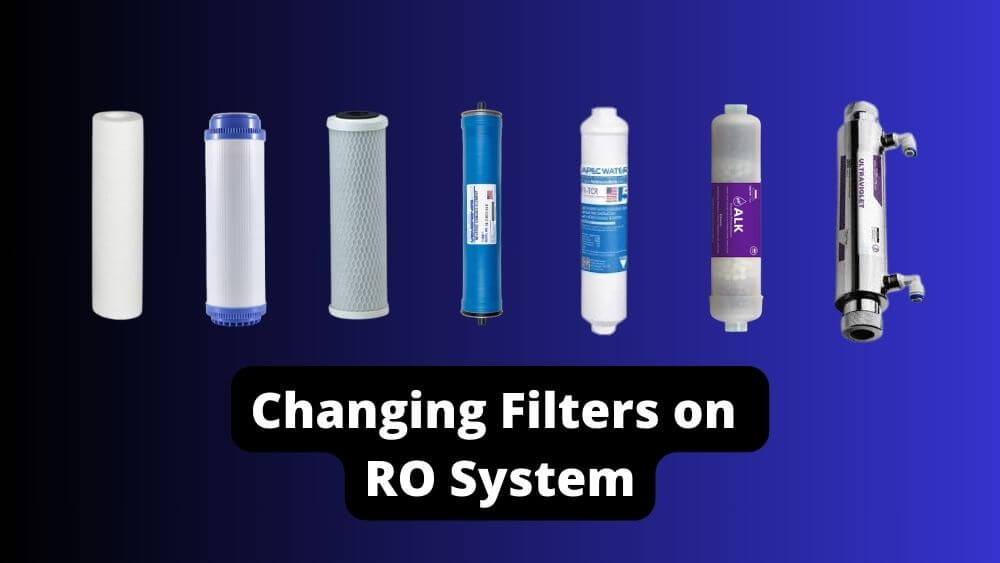
All other filters, except the reverse osmosis membrane, need to be changed every 6 to 12 months, including the sediment filter, activated carbon filter, polishing filter, and mineral and alkaline filter.  

Generally, Reverse Osmosis filtration systems consist of four to seven stages. It is not necessary to change all filters at once. There are different absorbents and lifetimes for different stages of filters. Depending on the quality of your water, these filters may last longer or shorter. 

When to change sediment filters?

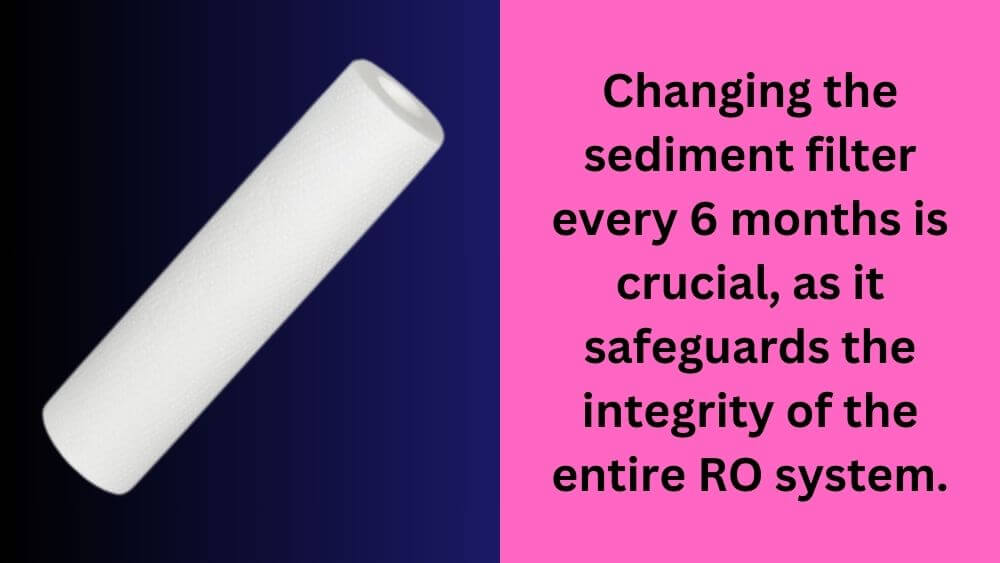
Every six months to a year, you should replace your sediment filter. As soon as you realize that the RO filter output is low, the water pressure decreases. Then you should change our sediment filter because a clogged sediment filter causes law RO water output.    

Polypropylene (PP) filters, known as sediment filters, are a type of porous filter made from thermoplastics. Generally, it is used as the first stage of RO water purification. In this stage, insoluble particles (soil, sand, silt, organic waste, etc.) are removed from the water. 

For home use, sediment filters are available in lengths of 5 inches, 6 inches, 8 inches, and 10 inches. In addition, sediment filters on the market have pore sizes ranging from 0.45, 1, 5, and 10 microns and weights of 70, 80, 100, 120, and 150 grams. 

When to change carbon filters? 

Ideally, it would be best if you replaced carbon filters every year. The lifespan of a chlorine absorbent depends on its level of absorption. 

By measuring the iodine number of activated carbon, you can determine how effective it is. Carbon’s iodine number describes how much Iodine it can absorb in milligrams per gram. In addition to iodine number, purity, absorption capacity, effective range, fineness of pores, etc., are also expressed. Through this stage, negative ions and odors are removed from the water.

Various types of carbon filters are available on the market, each with a different amount of Iodine. Iodine, for instance, is 300, 800, 1100, and 1200. High-quality active carbons are Iodine – 1100 and Iodine – 1200. 

When to change the Reverse Osmosis membrane?

The Reverse Osmosis membrane has to change every 2 to 3 years. But its lifetime depends on the quality of the source water. Also, if the sediment and carbon filters are changed timely, the lifespan of the RO membrane will increase. On the other hand, if your water output suddenly becomes low, it is a sign that at least one of the filters isn’t working correctly.

The Reverse Osmosis membrane is the mother organ of the RO system. It is a semi-permeable membrane with tiny pores of 0.0001 microns. A booster pump applies intense pressure to the RO membrane to force water through the membrane. Since the membrane’s pore size is 0.0001 micron, all substances and ions larger than the pore size are trapped.

Changing Sediment Filter on RO System

When to change the polishing filter or post-carbon filter? 

You should replace this polishing filter or post-carbon filter every 1-2 years. Only purified water passes through the polishing filter, so it doesn’t need as much work as the other filters.

The post-carbon filter (also called the T-33 filter) contains activated carbon powder. As a result of this stage, the taste of the water is enhanced, and the clarity is maintained.

When to change the mineral and alkaline cartridges? 

You need to replace your mineral cartridge every year. If you use an alkaline filter, the duration is the same as the mineral cartridge. Changing the mineral and alkaline filter from time to time will ensure the perfect level of minerals in RO water. Also, viruses, bacteria, and algae are less likely to grow. 

Reverse Osmosis (RO) eliminates all harmful substances and ions from water and, unfortunately, some helpful minerals. Mineral cartridge helps to remineralize the water. On the other hand, an alkaline filter helps to maintain the PH level from 6.5 to 7.5. 

When to change UV lamps? 

It would be best if you replaced UV lamps once every 12 months. UV lamps have a lifespan of approximately 9,000 to 10,000 hours. This means the UV lamp can last for a little more than a year. 

An RO water purifier has a UV filter chamber. Using ultraviolet rays destroys organisms in the water. The Ultra Violate Lamp emits Ultra Violate rays into the water using the electric power within the tube chamber. This ray immediately kills all organisms under its influence.

Filter Name Changing Duration
Sediment filters Every Six Months
Carbon Filters Every Year
RO Membrane 2-3 Years
Polishing Filters Every Year
Mineral Cartridge Every Year
UV lamps 9000 Hours


Frequently Asked Questions

What happens if you don’t change sediment?

Neglecting to change the sediment filter on schedule can adversely affect your RO system. As it accumulates debris and particles, the filter can become clogged, reducing the system’s water output. This not only affects the availability of purified water but also allows dirt to reach the sensitive RO membrane, potentially shortening its lifespan and diminishing the overall effectiveness of your water purification system.

Why is periodic maintenance of the RO system necessary?

The Reverse Osmosis system can last more than a decade. Its lifespan can increase if the parts and filters are replaced from time to time. Regular maintenance increases the lifespan of the RO machine and ensures the safest water. The expired filters can be clogged and reduce the water flow. Also, expired filters can grow bacteria. 

How long should you run water after changing any filter?

Immediately you can run your RO system. There is no doubt your water is safe. We recommend throwing away the first tank of water if you just purchased the whole system. 

Will old UV lamps affect water quality?

Yes, an aged UV light can affect the water quality. A UV lamp sustains 9000 hours to 10000 hours. After that duration, its low beam can not kill germ accurately.  

Can I turn my UV system off when I’m not using it? 

Yes, you can. However, be careful if you forget to turn it on next time, your water may not be completely safe. On the other hand, frequent turns on/off will reduce the lifespan of the UV lamp. 

How often should I empty my reverse osmosis tank?

If you use your RO system regularly, you should empty the air-tight RO storage tank every month. It will help you maintain safe water and keep the water pressure as the RO membrane requires. 

Final Words

Replacing Reverse Osmosis filters from time to time ensures optimal effectiveness of your whole system and safe water. Otherwise, your RO system won’t provide safe water, and the system’s lifespan will decrease significantly. 

Is RO Water Good for Aquariums? Know Before Use

Is RO Water Good for Aquariums? Know Before Use

Water quality is an essential factor if you want to maintain healthy and thriving aquariums. As such, many aquarists turn to reverse osmosis (RO) water to ensure their tanks receive the best possible water quality and health benefits. But is reverse osmosis water the best choice for aquariums?

In this article (by RO specialist Hasan Al Sarker), we’ll discuss the pros and cons of using RO water and answer the questions. We’ll be examining how RO water affects the water chemistry of your aquarium, as well as how it affects the health of the fish and plants. Whether you’re looking for a low-cost option for aquarium water or want to ensure your fish are getting the best water quality possible, this article will help you decide about reverse osmosis water for your aquarium.

Benefits of Reverse Osmosis Water in Aquarium 

Reverse osmosis (RO) water is an excellent choice for aquariums. It is free from harmful chemicals, such as heavy metals and microorganisms, which can be present in tap water. These substances can be toxic to fish and other aquatic species, so ensuring your water is as pure as possible is important. 

One of the benefits of using RO water is that it helps to keep your tank clean. Since there are no impurities in the water, it’s less likely to cause algae growth or other problems. Another benefit of RO water is that it’s great for fish health.

Pure, clean water can help to prevent diseases and infections. Plus, since there are no chemicals or pollutants in the water, it won’t harm your fish if they ingest some while swimming around. Overall, RO water is a great choice for aquariums.

It’s safe for fish and plants and can help keep your tank clean and healthy. If you’re looking for a way to improve your aquarium set-up, consider adding RO water with additional minerals to the mix!

Additionally, RO water is very consistent in its pH levels, allowing you to maintain a stable environment for your fish easily. Finally, RO water is the most affordable way to get large amounts of water for your aquarium since you can use it multiple times before replacing it.

What to Add to Ro Water for Aquarium?

Adding some key minerals when using RO water for your aquarium is important. The three most important minerals to add are calcium, magnesium, and potassium. You can find these in various products designed specifically for use with RO water.

Calcium is important for strong bones and scales in fish. It also helps maintain pH levels and prevents algae growth. Magnesium helps regulate calcium absorption and strengthens plant roots.

Potassium aids in metabolism and promotes healthy growth in both plants and fish. When adding minerals to your RO water, follow the manufacturer’s directions carefully. Overdosing can be just as harmful as not adding enough!

Are you concerned about adding minerals to the aquarium? Just add a mineral drop and stay relaxed. 

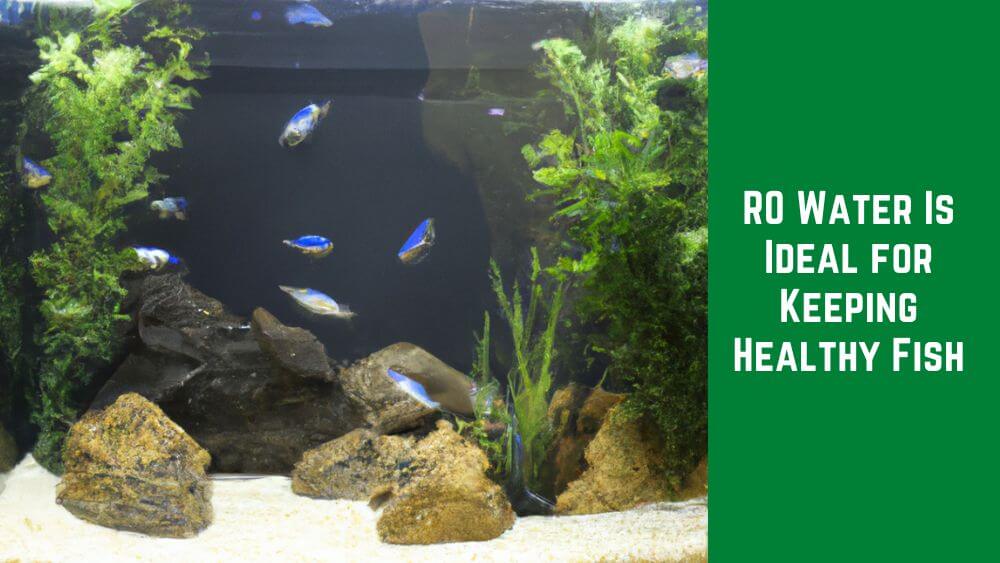
RO Water Good for Fish

How Do I Adjust my Reverse Osmosis Aquarium Water?

The reverse osmosis (RO) process is important in keeping your aquarium water clean and healthy. When adjusting the water for your aquarium, you should always do reverse osmosis first. This is because the RO process removes most of the mineral content from the water. 

Once the water has been passed through the RO process, you can then adjust the water with additives, such as pH buffers and hardness buffers, to make it suitable for your aquarium. Most fish prefer soft, acidic environments or harder, more alkaline environments. 

What Fish Species Prefer RO Water

Many fish prefer RO water because it is softer than tap water and easier for fish to process. Popular fish that prefer RO water include- 

  • Goldfish
  • Guppies
  • Neon tetras
  • Mollies
  • Platies
  • Betta Fish

Can Fish Be Kept in Ro Water?

You can keep fish in RO water. Reverse osmosis (RO) water is a type of purified water that can be used in aquariums, as it contains mineral salts that benefit fish. 

You have to note that RO water is extremely pure and has no buffering capabilities. So, adding the necessary minerals and buffers to the water is important before introducing fish. Additionally, we should test the water regularly to maintain the correct salt and minerals levels. 

Best Practices for Maintaining RO Water in an Aquarium

One of the best ways to keep your aquarium healthy and free of toxins is to use Reverse Osmosis (RO) water for your tank. However, there are some important best practices you should follow when using RO water in your aquarium. These include:

  • Testing the water pH regularly to ensure it remains stable and within the ideal range.
  • Periodically testing for minerals such as calcium and magnesium and adding supplements as needed.
  • Regularly change out your aquarium’s water to keep toxins at bay.
  • Cleaning your RO filter regularly to ensure it is working properly.
  • Adding natural supplements to your tank to help keep the water cycle balanced.

Buffering RO water in an aquarium is crucial for creating a healthy environment for fish and other aquatic life. Here’s a simplified guide:

  1. Start with Clean RO Water: First, ensure your RO water is clean and free from chlorine and other chemicals that can harm your fish.
  2. Check the pH: Test the pH of the RO water. This helps you know if it’s too acidic or too basic for your fish.
  3. Use a Buffer Solution: You’ll need a special solution called a buffer to adjust the pH. Choose a buffer solution that matches the pH level you want for your aquarium.
  4. Add the Buffer Solution: Carefully add the buffer solution to your RO water. This helps bring the pH to the right level for your fish.
  5. Check pH Again: After adding the buffer, check the pH again to ensure it’s where you want it to be.
  6. Let It Sit: Allow the water to sit for about 24 hours. This helps the buffer solution mix properly with the water.

Buffering the water ensures your aquarium has the right pH level for your fish to thrive.

Is RO Water Necessary for a Saltwater Aquarium?

For saltwater aquariums, RO water is very important. It’s like the secret sauce for a successful tank. RO water, or reverse osmosis water, is super clean because it’s been filtered to remove all the extra stuff that can make fish and corals unhappy.

In a saltwater tank, if you use regular tap water, the minerals and impurities can build up over time and cause trouble. RO water prevents this from happening.

Also, RO water helps maintain the right amount of salt in your tank. This is crucial because it lacks any extra minerals that can mess up the balance.

But remember, even though RO water is a big help, you still need to do regular water changes in your saltwater tank. That’s another key part of keeping your fish and corals healthy.

So, to sum it up, RO water is like a superhero in a saltwater aquarium. It keeps your tank clean and your fish happy, but don’t forget those water changes, too!

Maximizing Plant Growth with RO Water in aquarium

Is Ro Water Good for a Planted Aquarium? 

Keep some things in mind before using RO water in your planted aquarium. First, RO water contains no minerals or nutrients that plants need to grow. This means you’ll need to add a mineral drop to your tank if you want your plants to thrive. 

If you use RO water in your planted aquarium, monitor the pH levels carefully and adjust as needed. Using RO water in your planted aquarium can be challenging. Make sure you take the necessary precautions and research what plants will do well in RO water

Can I Mix Ro Water With Tap Water for Aquarium?

When filling up a new aquarium, we often ask whether it is okay to mix RO water with tap water. The short answer is yes. You can mix RO water with tap water for your aquarium. Many aquarists do this regularly without any problems.

When mixing RO water with tap water for your aquarium, there are a few things to keep in mind. First, it’s important to understand that RO (reverse osmosis) water is very pure and doesn’t contain any dissolved minerals or other impurities found in tap water. This means mixing RO water with tap water can result in higher levels of dissolved minerals and contaminants in your aquarium than if you had just used tap water alone.

While this isn’t necessarily bad, it is something to be aware of. If you have sensitive fish or plants in your aquarium, they may not do well in waters with high dissolved minerals and impurities. In general, however, most fish and plants will be fine if you mix RO water with tap water for your aquarium.

In summary, yes – you can mix RO Water with Tap Water for your Aquarium without any problems! Just remember that doing so may slightly increase dissolved minerals and impurities present – but this shouldn’t pose any serious threat to most fish or plants!

Can I use Distilled Water in a Saltwater Aquarium? 

Using distilled water in a saltwater aquarium is not recommended, as the water has been processed and may contain very few minerals and other beneficial compounds. Distilled water also has a very low pH, which can lead to an imbalance within the aquarium. 

Additionally, distilled water does not contain the trace elements necessary for the healthy growth of marine life. It is best to use reverse osmosis (RO) water or purified water for saltwater aquariums, as these are not overly processed and have been specifically designed for this purpose. For the health of aquatic life, it is best to use water that has been tested for quality and is safe for marine use.

Does the Goldfish Tank Need to Use RO Water? 

RO water has a neutral pH, which means it’s not too acidic or too basic, which is good for your goldfish. It helps create a stable environment in the tank, and that’s what your goldfish like. But here’s the thing, RO water doesn’t have some important minerals that your goldfish need. So, you should add those minerals back into the water. You can do this by using mineral drops. This way, you keep your goldfish happy and healthy, and RO water helps. So, using RO water in your goldfish tank is a smart choice for your fishy friends!

How Long Can You Store Ro Water for Aquarium?

It is ideal for storing RO water in an aquarium for 15 to 30 days. But, it depends on a few factors. First, if you’re storing RO water for future use, it’s important to keep it in a clean, dark container. Light and impurities can cause the water to degrade over time. 

Second, the storage area’s temperature will also affect your RO water’s shelf life. Warmer temperatures will cause the water to degrade more quickly than cooler temperatures. Ideally, storing RO water within two weeks of holding it would be best.

However, if you must store it for longer periods, it’s still possible to use stored RO water successfully if you take proper precautions and follow these storage guidelines. 

Ro Water for Tropical Fish

One of the most important things to consider when setting up a tropical fish tank is the type of water you will use. While many people opt for distilled or RO water, there are some benefits to using RO water for tropical fish. 

This process leaves behind pure H2O, which is ideal for tropical fish tanks. One benefit of using RO water is that it contains no dissolved minerals, which can build up in your tank over time and cause problems for your fish. Another benefit of using RO water is its very stable pH level.

This is important because much tropical fish are sensitive to changes in pH levels and can become sick or even die if the levels fluctuate too much. Using RO water, you can be sure that your pH levels will remain constant, giving your fish a much healthier environment. If you’re considering setting up a tropical fish tank, consider using RO water.

It’s purer than other types of water and will help keep your fish healthy and happy!

Significance of PH-level in Water for Aquarium 

The pH level of water is extremely important in a fish aquarium as it affects various biochemical processes. A low pH can be toxic to aquarium fish, leading to health problems and even death, and maintaining a neutral pH level of around seven is ideal for most aquarium fish. 

You can add buffers or specialized aquarium additives to raise or lower the pH. Higher pH levels can cause rapid gill damage and disrupt the fish’s ability to absorb essential nutrients, making them more prone to disease. Additionally, a low pH can cause slow growth and death due to the accumulation of toxic metals. Maintaining the proper pH levels is vital in ensuring the health and well-being of aquarium fish.

Final Words

Finally, RO water is an excellent option for aquariums and can provide quality water for your fish and other aquatic life. It can be used for fresh and saltwater aquariums and is relatively easy to install and maintain. Although it is more expensive than other water sources, it is an excellent choice for those who want to provide their fish with the best quality water possible.