Have you ever wondered how water gets rid of unwanted minerals and becomes safe to drink? The secret often lies in a process called ion exchange.
This simple yet powerful method can transform hard, mineral-filled water into clean, fresh water for your home or business. Understanding how ion exchange works can help you make better choices for your water treatment needs. Keep reading to discover how this technique removes impurities and why it might be the perfect solution for your water problems.
Basics Of Ion Exchange
Ion exchange is a common method to clean and soften water. It works by swapping unwanted ions in water with safer ones. This process helps remove hard minerals and other impurities. Understanding the basics of ion exchange can clarify how water treatment systems work efficiently.
The process involves special materials called resins. These resins attract certain ions and release others. This exchange changes the water’s chemical makeup, making it cleaner and safer for use. Below, we explore key parts of ion exchange in water treatment.
What Is Ion Exchange
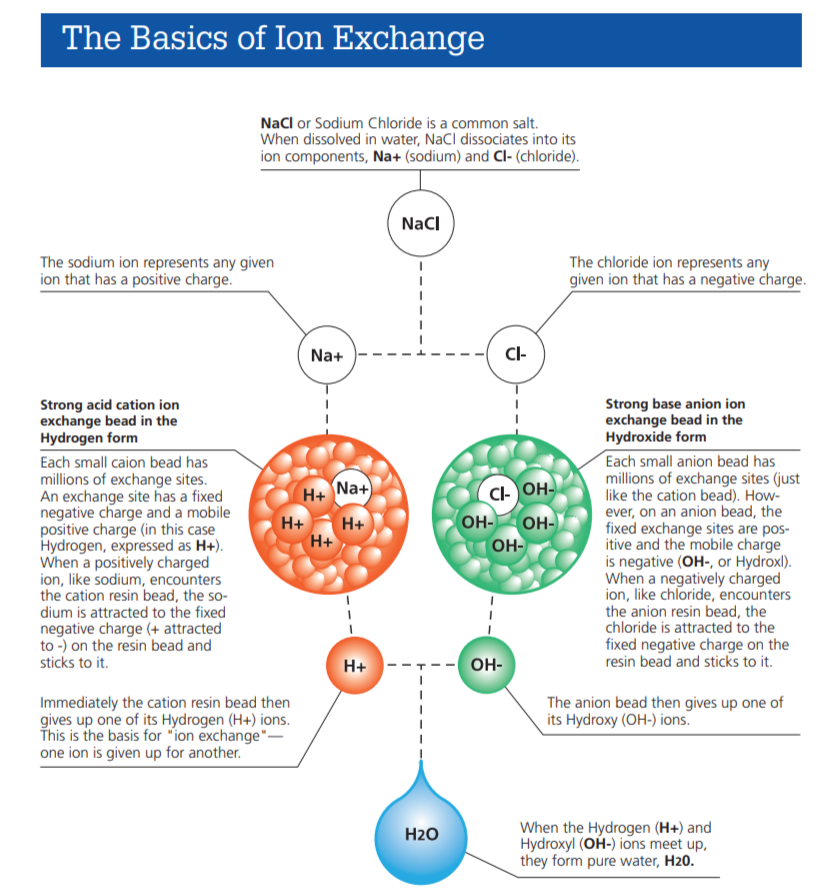
Ion exchange is a chemical process. It swaps one type of ion in water for another. The process uses solid materials called ion exchange resins. These resins hold charged particles that attract opposite charges. When water passes through, the resin grabs unwanted ions and releases harmless ones.
This process removes minerals like calcium and magnesium. It also reduces contaminants such as heavy metals. Ion exchange can soften water or purify it depending on the resin used.
Types Of Ion Exchange Resins
There are two main types of ion exchange resins: cation and anion resins. Cation resins attract positively charged ions. These include calcium, magnesium, and iron. Anion resins attract negatively charged ions like chloride, nitrate, and sulfate.
Some water treatment systems use both types for complete purification. The choice depends on the water quality and treatment goals.
Common Ions In Water
Water contains many ions naturally. Calcium and magnesium cause water hardness. Sodium and potassium are also common. Chloride and sulfate can affect taste and corrosion. Heavy metals like lead and iron may be present in polluted water.
Ion exchange targets these ions to improve water quality. Removing hard minerals protects pipes and appliances. Reducing harmful ions makes water safer to drink.
Ion Exchange Process
The ion exchange process is a key method in water treatment. It helps remove unwanted minerals and impurities from water. This process works by swapping harmful ions with safer ones. It improves water quality for drinking, cooking, and industrial use.
How Ions Are Swapped
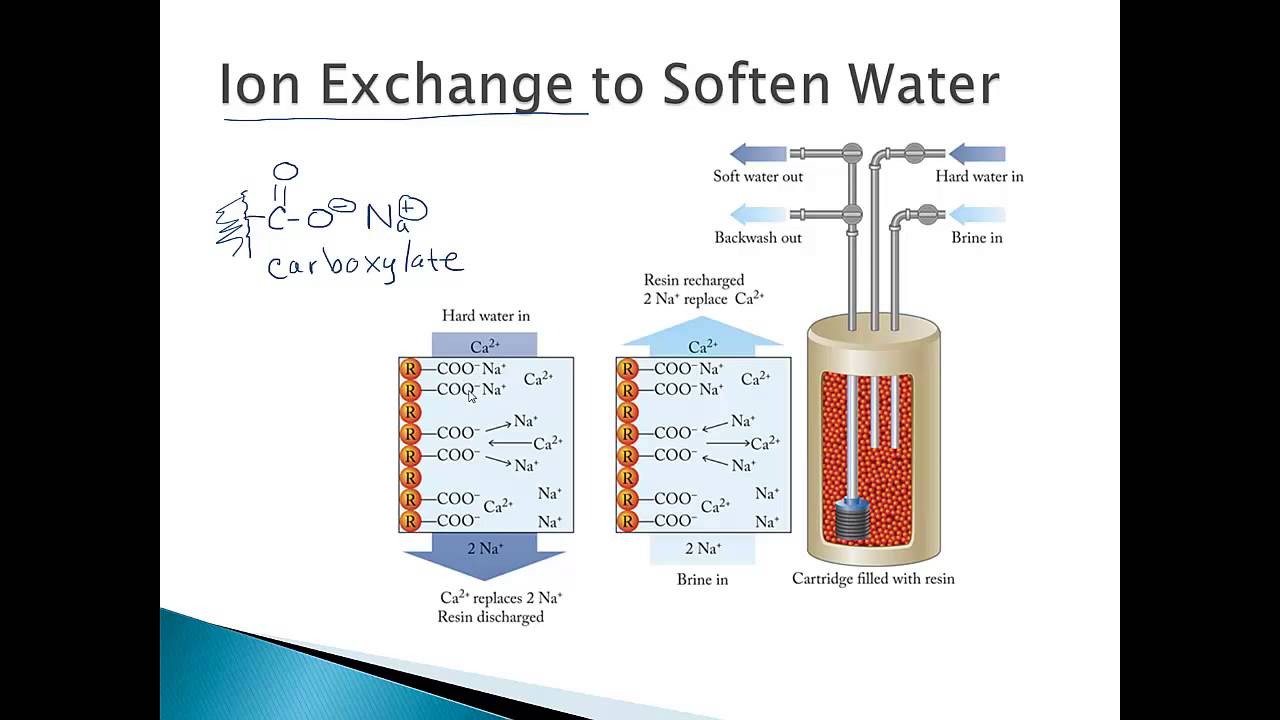
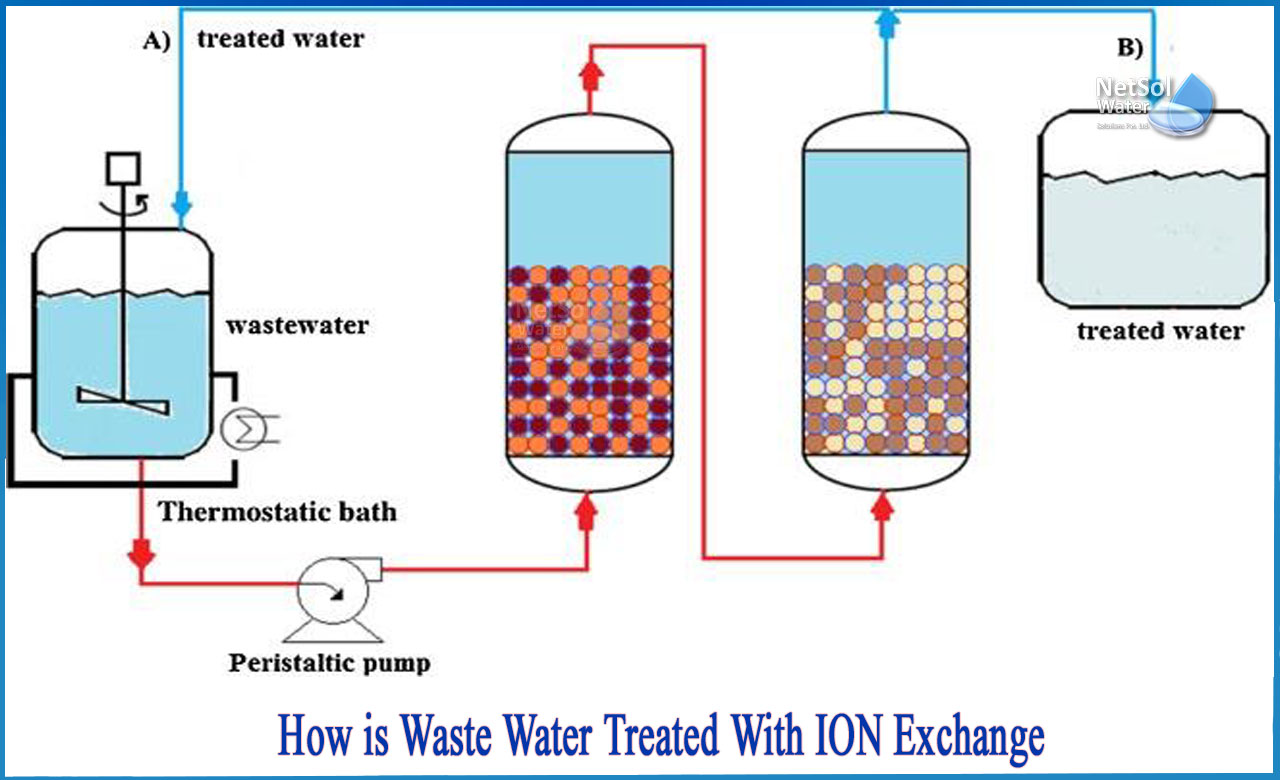
In ion exchange, ions in water are replaced by ions on a solid material. The solid holds ions that are easy to swap. Harmful ions in water attach to the solid, and safer ions take their place in the water. This swap cleans the water by removing bad ions like calcium or lead.
Role Of Resin Beads
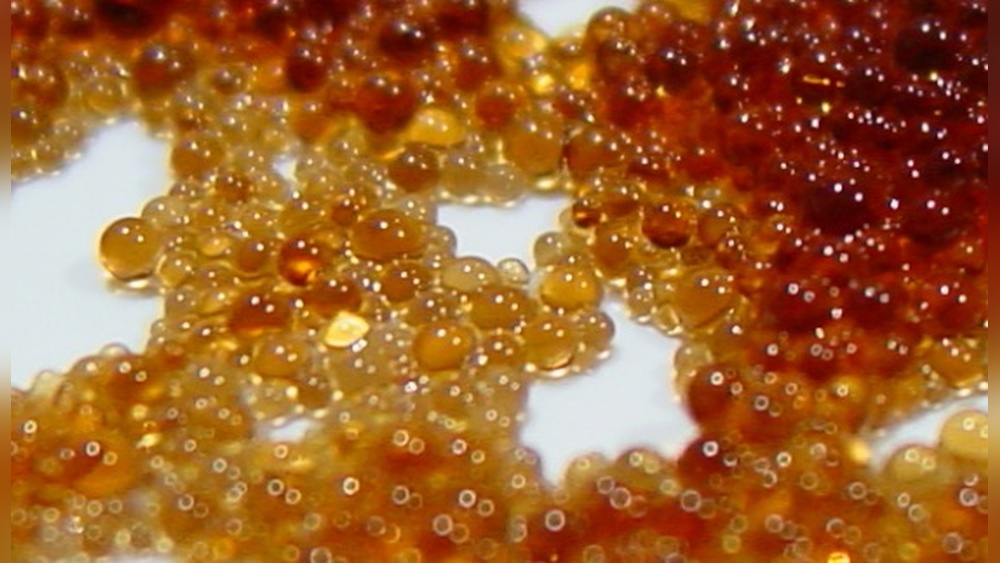
Resin beads are tiny, plastic balls that hold ions tightly. These beads have charged sites that attract specific ions. They act like magnets for unwanted ions in water. The beads release safe ions while capturing the bad ones. Resin beads are the heart of the ion exchange system.
Flow Of Water Through Resin
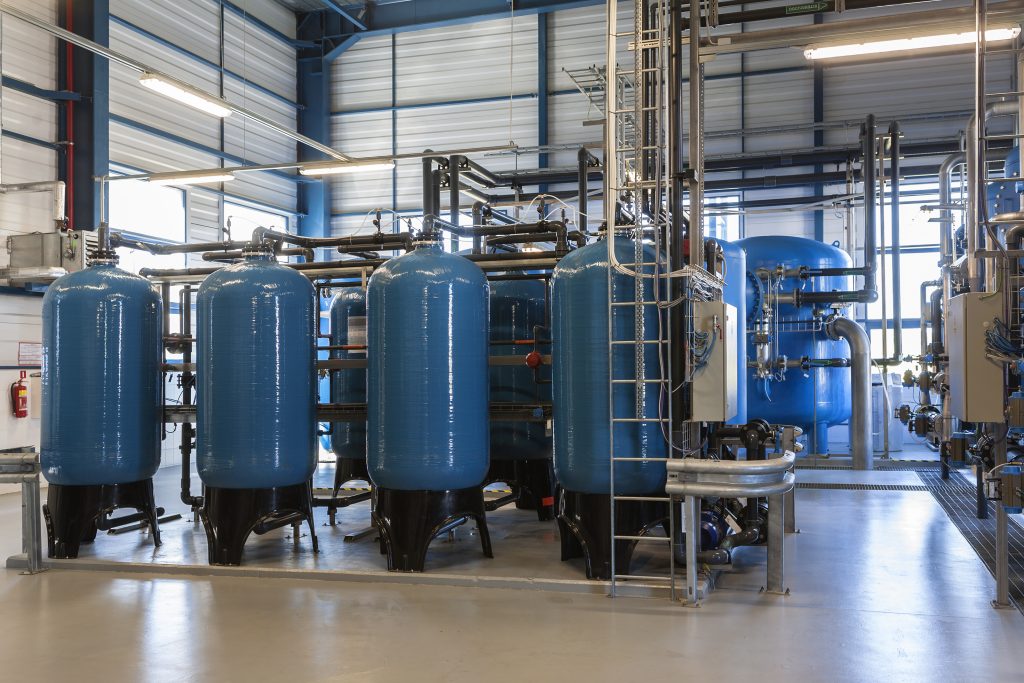
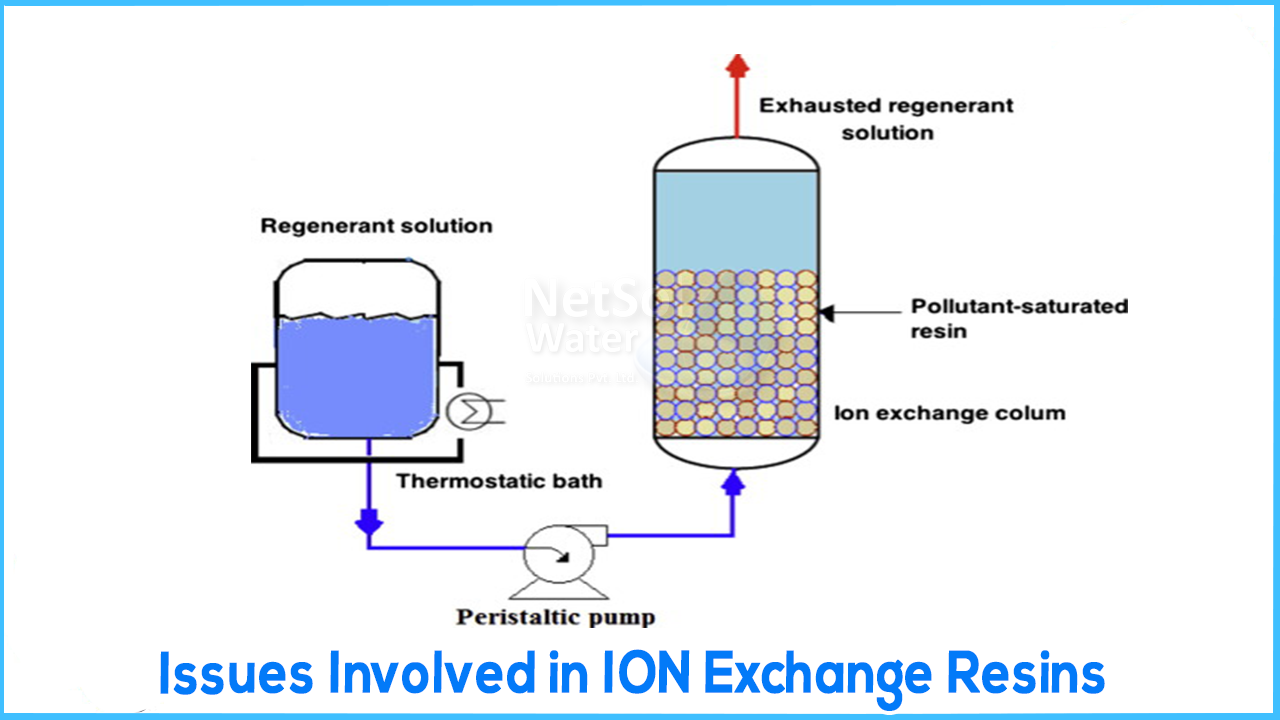
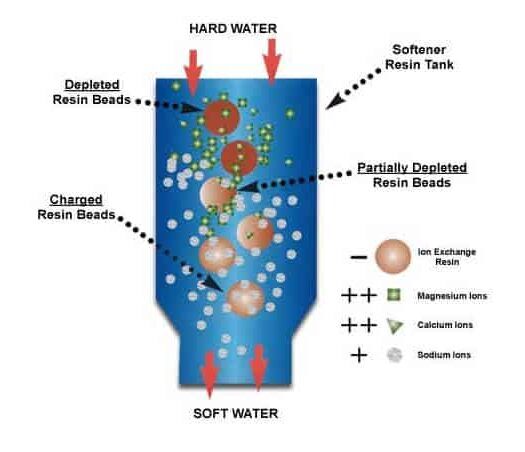
Water flows through a tank filled with resin beads. As water moves, ions swap between the water and beads. The resin catches harmful ions from the water. Clean water leaves the tank with fewer impurities. This flow ensures continuous removal of unwanted minerals.
Applications In Water Treatment
Ion exchange plays a key role in water treatment. It improves water quality by changing unwanted ions into safer ones. This process suits many water treatment needs. Its flexibility makes it useful in homes, industries, and water plants.
Softening Hard Water
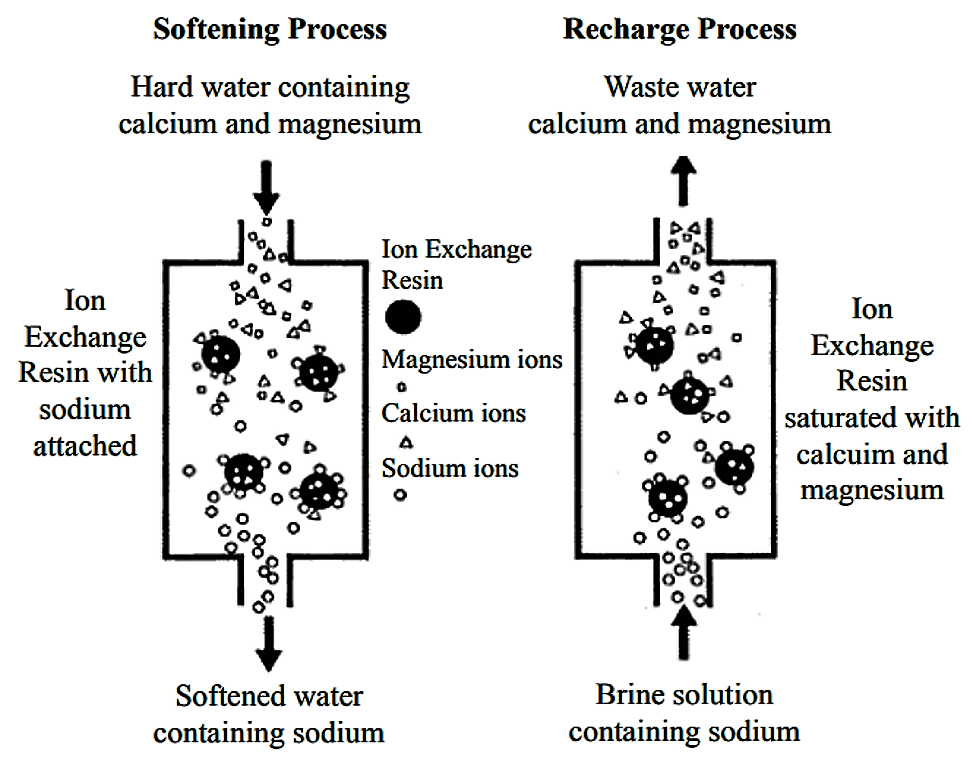
Hard water contains minerals like calcium and magnesium. These minerals cause scale buildup in pipes and appliances. Ion exchange replaces these minerals with sodium or potassium ions. This change prevents scale and makes water gentler on skin and clothes. Many households use ion exchange systems to soften their water daily.
Removing Contaminants
Ion exchange removes harmful contaminants from water. It captures heavy metals such as lead, mercury, and arsenic. These metals are replaced with less harmful ions. This helps protect human health and the environment. Water treatment plants use ion exchange to meet safety standards. It also removes nitrates and other pollutants efficiently.
Deionization And Demineralization
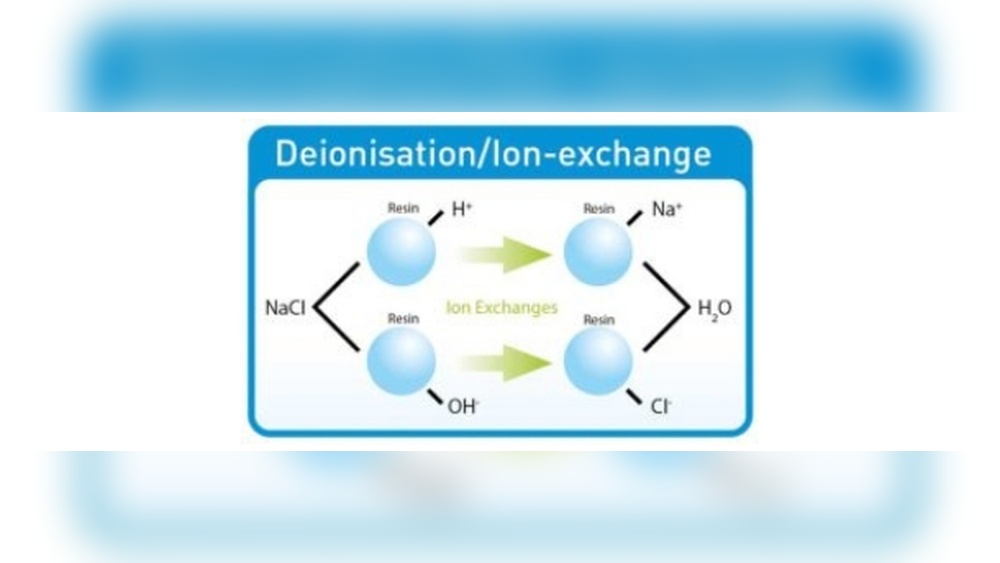
Deionization removes all charged particles from water. This produces very pure water for labs and industries. Demineralization is similar but targets mineral salts specifically. Ion exchange resins trap these ions and release hydrogen or hydroxide ions. The result is water free from dissolved solids. This pure water is essential in electronics, pharmaceuticals, and power plants.
Credit: sswm.info
Types Of Ion Exchange Systems
Ion exchange systems play a key role in water treatment. They remove unwanted ions and replace them with safer ones. Different types of ion exchange systems serve different purposes. Each type targets specific contaminants in water. Understanding these types helps in choosing the right system for clean water.
Cation Exchange Systems
Cation exchange systems remove positively charged ions from water. Common ions removed include calcium, magnesium, and iron. These ions cause hardness and scaling in pipes. The system replaces harmful cations with sodium or hydrogen ions. This process softens the water and prevents buildup. Cation exchange is widely used in water softeners.
Anion Exchange Systems
Anion exchange systems target negatively charged ions. These ions include nitrate, sulfate, and chloride. The system swaps these ions with hydroxide or chloride ions. It helps reduce water acidity and remove harmful contaminants. Anion exchange improves water taste and safety. It is often used in drinking water treatment.
Mixed Bed Systems
Mixed bed systems combine both cation and anion exchange resins. This setup removes both positive and negative ions simultaneously. It produces very pure water by reducing total dissolved solids. Mixed bed systems are common in laboratories and industrial applications. They provide the highest level of water purification.
Maintenance And Regeneration
Maintenance and regeneration are key to keeping ion exchange systems efficient. Over time, the resin inside the system loses its ability to remove unwanted ions. Regular checks and proper care extend the life of the resin. This section explains how to spot resin exhaustion, the steps in regeneration, and safe handling of materials.
Signs Of Resin Exhaustion
Resin exhaustion means the resin cannot clean water well anymore. Look for changes in water taste or odor. A rise in water hardness or unwanted chemicals shows resin wear. Low water flow or strange colors in water also signal resin problems. Timely detection helps avoid poor water quality.
Regeneration Process
Regeneration restores the resin’s ability to remove ions. It involves flushing the resin with a special chemical solution. Commonly, salt brine is used for this purpose. The solution replaces the trapped ions with sodium or hydrogen ions. This process takes a few hours and returns the resin to full strength.
Handling And Disposal
Handle regeneration chemicals carefully to avoid hazards. Wear gloves and eye protection during the process. Dispose of spent brine and waste water according to local rules. Do not pour chemicals directly into drains or soil. Proper disposal protects the environment and complies with regulations.
Advantages And Limitations
Ion exchange is a popular method in water treatment. It removes unwanted ions and replaces them with useful ones. This process improves water quality but has both advantages and limitations. Understanding these helps to choose the right water treatment system.
Benefits Of Ion Exchange
Ion exchange removes hardness, heavy metals, and nitrates effectively. It improves taste, smell, and clarity of water. The process works quickly and continuously. It can treat large volumes of water at once. Ion exchange resins are reusable after regeneration. This makes the method eco-friendly and efficient.
Common Challenges
Ion exchange may not remove all contaminants. Some organic compounds pass through untreated. The resins require regular regeneration using chemicals. Improper handling can cause resin damage. Ion exchange systems need skilled maintenance and monitoring. Fouling and scaling can reduce system performance.
Cost Considerations
Initial setup costs can be high. Resins and equipment must be replaced over time. Chemical costs for regeneration add to expenses. Operating costs depend on water quality and volume treated. Despite costs, ion exchange offers good value for clean water. It suits both homes and industries seeking reliable treatment.
Future Trends In Ion Exchange
The future of ion exchange in water treatment looks promising. New technologies and methods aim to improve efficiency and reduce costs. Innovations focus on making the process cleaner and more sustainable. These trends will shape how water treatment plants operate in the coming years.
Advancements In Resin Technology
Resins play a key role in ion exchange. Scientists are developing resins with higher capacity and selectivity. These new resins can remove more contaminants faster. Some resins work better at different temperatures and pH levels. This means they can handle tougher water conditions. Longer-lasting resins reduce the need for frequent replacements. This saves money and reduces waste.
Integration With Other Treatments
Ion exchange often works alongside other water treatments. Combining it with methods like filtration and reverse osmosis improves results. Hybrid systems remove more types of contaminants. This leads to safer and cleaner water. Integration also helps plants run more smoothly. Operators can choose the best mix of treatments for their water needs.
Sustainable Practices
Water treatment must be eco-friendly. New trends focus on reducing chemical use in ion exchange. Regeneration processes are becoming more efficient and less polluting. Some plants recycle the chemicals used in regeneration. Energy use is also being lowered with better equipment. Sustainable practices help protect the environment and save resources.
Credit: www.youtube.com
Credit: samcotech.com
Frequently Asked Questions
What Is Ion Exchange In Water Treatment?
Ion exchange is a water purification process that removes unwanted ions. It swaps harmful ions with harmless ones using resin beads. This method effectively softens water and eliminates contaminants like heavy metals and hardness-causing minerals.
How Does Ion Exchange Resin Work?
Ion exchange resin contains charged beads that attract and hold specific ions. When water passes through, harmful ions bind to the resin. Simultaneously, beneficial ions like sodium or potassium are released, purifying the water efficiently.
What Contaminants Can Ion Exchange Remove?
Ion exchange removes hardness minerals like calcium and magnesium. It also eliminates heavy metals such as lead, copper, and iron. Additionally, it can reduce nitrate and arsenic levels, improving overall water quality.
Is Ion Exchange Safe For Drinking Water?
Yes, ion exchange is safe and widely used in drinking water treatment. It removes harmful ions without adding toxic chemicals. Properly maintained systems ensure clean, safe, and great-tasting water for consumption.
Conclusion
Ion exchange removes unwanted minerals from water effectively. It swaps harmful ions with safer ones. This process improves water taste and quality. Many homes and industries use ion exchange daily. It also helps protect plumbing and appliances. Understanding how it works can guide better water care.
Clean water supports health and comfort at home. Simple, reliable, and efficient—ion exchange serves many needs well.
Hasan Al Sarker is a Reverse Osmosis Specialist. He has worked for many years to ensure safe drinking water for all. His research paper has been published in several journals, including Issue, Medium, and Slideshare. He is recognized as a water doctor among specialists though he did not attend medical college.
Besides working as a researcher of reverse osmosis technology, he is also very fancy with the kitchen and cooking. His guides are reading thousands of people every day. As a head of content, he is responsible for all the published articles at RO System Reviews.
Have you ever wondered how water softeners or purifiers actually clean your water? The secret often lies in something called ion exchange resins.
These tiny beads work quietly behind the scenes to remove unwanted minerals and impurities from your water. Understanding how ion exchange resins work can help you make smarter choices for your home, health, and even your appliances. Stick with me, and I’ll break down the process in simple terms so you can see exactly why these resins are so powerful—and why they might be the solution you’ve been looking for.
Basics Of Ion Exchange Resins
Ion exchange resins are small beads that help clean and soften water. They work by swapping unwanted ions in water with useful ones. This process changes the water’s composition without adding harmful chemicals.
These resins play a key role in water treatment, medicine, and industry. Understanding their basics helps explain how they improve water quality and other materials.
Types Of Ion Exchange Resins
There are two main types of ion exchange resins: cation and anion resins. Cation resins replace positive ions like calcium and magnesium. Anion resins swap out negative ions such as chloride and sulfate.
Some resins are strong acid or base types, while others are weak. Each type suits different water treatment needs and chemical processes.
Chemical Structure And Properties
Ion exchange resins are made of a polymer matrix with charged groups attached. These charged groups attract ions from water. The resin beads are porous, allowing water to flow through easily.
The structure makes resins durable and reusable. They can hold many ions and release them when needed. This ability depends on the resin’s chemical makeup and physical design.
Credit: mytapscore.com
Mechanism Of Ion Exchange
The mechanism of ion exchange is a key process in water purification and chemical separation. It involves swapping ions between a solution and solid resin beads. These resins hold charged particles that attract opposite ions from the liquid. The process cleans or softens the water by removing unwanted ions and replacing them with useful ones.
Ion Attraction And Replacement
Ion exchange resins contain charged sites that attract ions of opposite charge. For example, a resin with negative charges attracts positive ions like calcium or sodium. When water passes through, these ions stick to the resin. At the same time, the resin releases other ions it holds. This swap, or exchange, happens continuously as water flows.
This process removes harmful ions and replaces them with safer ones. It is a physical and chemical reaction. The resin does not dissolve but holds the ions firmly on its surface. This makes ion exchange a reusable and efficient method.
Selectivity And Capacity
Each ion exchange resin has a preference for certain ions. This is called selectivity. Some resins prefer calcium ions more than sodium ions. This selectivity depends on the resin’s chemical structure and the size of ions.
Capacity refers to how many ions a resin can hold before it needs cleaning. A resin with high capacity lasts longer and treats more water. The resin’s capacity depends on its surface area and the number of charged sites.
Applications In Water Purification
Ion exchange resins play a key role in water purification. They help improve water quality by removing unwanted substances. These resins work by exchanging harmful ions in water with safer ones. This process makes water cleaner and safer for use. Below are some important ways ion exchange resins help in water purification.
Softening Hard Water
Hard water contains calcium and magnesium ions. These ions cause scale buildup in pipes and appliances. Ion exchange resins replace calcium and magnesium with sodium ions. This process softens the water and prevents damage. Soft water also improves soap effectiveness and reduces stains.
Removing Contaminants
Ion exchange resins remove harmful contaminants like heavy metals. Lead, mercury, and arsenic can be trapped and replaced with harmless ions. This reduces the risk of health problems. The resins also help remove nitrates and other pollutants. Clean water means safer drinking and better health.
Deionization And Demineralization
Deionization removes all charged particles from water. Ion exchange resins exchange positive and negative ions for hydrogen and hydroxide ions. These ions combine to form pure water. Demineralization removes salts and minerals to create very pure water. This water is important for labs, industries, and medical use.
Credit: sswm.info
Advantages Of Using Ion Exchange Resins
Ion exchange resins offer many benefits that make them popular for water treatment and other applications. They help remove unwanted ions efficiently. These resins work quickly, saving time and energy. They also last long because they can be reused after regeneration. These advantages make ion exchange resins a smart choice for many industries.
Efficiency And Speed
Ion exchange resins remove ions from water fast and effectively. They have a large surface area that attracts ions quickly. This speeds up the purification process. The resins work continuously without losing performance. This means more water can be treated in less time. Their efficiency helps reduce energy and operational costs.
Regeneration And Reusability
One key benefit is that ion exchange resins can be regenerated. After use, they can be cleaned and restored to work again. This process allows multiple cycles of use. It lowers the need to replace the resin often. Regeneration saves money and reduces waste. It also supports sustainable and eco-friendly water treatment.
Challenges And Limitations
Ion exchange resins are useful in many processes but face some challenges. These challenges affect their performance and lifespan. Understanding these limits helps in better use and care of the resins.
Fouling And Resin Degradation
Fouling happens when particles block the resin surface. Dirt, oils, or organic matter cause fouling. This reduces the resin’s ability to exchange ions. Over time, fouling can stop the resin from working well.
Resin degradation is another issue. Harsh chemicals or high temperatures can break down the resin. This makes the resin weak and less effective. Regular cleaning and proper use can slow degradation.
Handling And Disposal
Handling ion exchange resins requires care. Some resins can be harmful if touched or inhaled. Workers should use gloves and masks to stay safe.
Disposal of used resins is tricky. They may contain harmful ions and chemicals. Proper disposal methods prevent pollution and harm to the environment. Following local rules for disposal is important.
Credit: www.netsolwater.com
Future Trends In Ion Exchange Technology
The future of ion exchange technology holds many promising developments. These advances aim to improve efficiency and widen its applications. Scientists and engineers focus on making resins stronger and more selective. Combining ion exchange with other methods also shows great potential. These trends will help industries manage water and chemicals better.
Advanced Resin Materials
New materials improve ion exchange resins. These materials increase capacity and durability. They also resist fouling and chemical damage. Researchers explore polymers with special properties. These resins can target specific ions more precisely. This focus helps in water softening and waste treatment. Enhanced resins reduce costs by lasting longer. They also work faster, saving time and energy.
Integration With Other Purification Methods
Ion exchange technology pairs well with other purification techniques. Combining it with filtration or membrane processes improves results. This integration removes more contaminants from water. It also lowers the load on each method. Hybrid systems become more efficient and reliable. Industries benefit from cleaner water and less waste. This trend supports sustainable and cost-effective solutions.
Frequently Asked Questions
What Are Ion Exchange Resins Used For?
Ion exchange resins are mainly used to soften water and remove contaminants. They exchange unwanted ions with beneficial ones. This process improves water quality for industrial and household use. They are also used in purification and separation applications.
How Do Ion Exchange Resins Remove Impurities?
Ion exchange resins remove impurities by swapping ions in water with resin ions. The resin attracts harmful ions like calcium or heavy metals. These ions attach to the resin, replacing harmless ions like sodium. This exchange cleans the water effectively.
What Types Of Ions Can Ion Exchange Resins Target?
Ion exchange resins can target cations like calcium, magnesium, and heavy metals. They also target anions such as chloride, nitrate, and sulfate. Different resins specialize in exchanging specific ion types to suit various purification needs.
How Often Should Ion Exchange Resins Be Regenerated?
Ion exchange resins need regeneration when their capacity declines. This typically occurs after processing a certain water volume or time. Regeneration uses salt or acid solutions to restore resin effectiveness. Regular regeneration ensures consistent water purification.
Conclusion
Ion exchange resins clean water by swapping unwanted ions. They work fast and can remove many harmful substances. These resins help make water safer for homes and industries. Knowing how they work shows why they matter so much. Choosing the right resin improves water quality easily.
Simple science with big effects. That’s the power of ion exchange resins.
Hasan Al Sarker is a Reverse Osmosis Specialist. He has worked for many years to ensure safe drinking water for all. His research paper has been published in several journals, including Issue, Medium, and Slideshare. He is recognized as a water doctor among specialists though he did not attend medical college.
Besides working as a researcher of reverse osmosis technology, he is also very fancy with the kitchen and cooking. His guides are reading thousands of people every day. As a head of content, he is responsible for all the published articles at RO System Reviews.
Choosing the right ion exchange resin can feel overwhelming, especially with so many options available. But getting it right is crucial for your water treatment, chemical processing, or purification needs.
This guide will help you understand exactly what to look for, so you can make a confident choice that saves you time and money. Keep reading to discover the key factors that will make your decision clear and straightforward. Your perfect ion exchange resin is closer than you think.
Credit: www.purolite.com
Types Of Ion Exchange Resins
Ion exchange resins come in different types. Each type serves a special role in water treatment and purification. Understanding these types helps in choosing the right resin for your needs.
Cation Resins
Cation resins remove positive ions from water. These ions include calcium, magnesium, and iron. The resin swaps these ions with sodium or hydrogen ions. This process softens water and reduces scale build-up. Cation resins are common in water softeners.
Anion Resins
Anion resins remove negative ions from water. These ions include chloride, sulfate, and nitrate. The resin exchanges these ions with hydroxide ions. Anion resins help remove harmful substances and improve water taste. They are often used in water purification systems.
Mixed Bed Resins
Mixed bed resins combine both cation and anion resins. They provide a higher level of water purification. These resins remove both positive and negative ions. Mixed bed resins are used in applications needing very pure water. They are common in labs and industrial processes.
Credit: samcotech.com
Key Properties To Consider
Choosing the right ion exchange resin means understanding its key properties. These properties affect how well the resin works for your needs. Focus on capacity, particle size, shape, and chemical stability to pick the best resin. Each factor plays a role in performance and durability.
Capacity And Exchange Rate
Capacity shows how many ions the resin can hold. Higher capacity means the resin can treat more water before it needs replacing. Exchange rate is how fast ions swap during the process. A faster rate improves efficiency and saves time. Choose resin with the right balance for your application.
Particle Size And Shape
Particle size affects flow rate and pressure drop. Smaller particles give better contact but may slow water flow. Larger particles allow faster flow but less surface area. Shape also matters. Uniform, spherical particles create consistent flow and reduce clogging. Pick size and shape based on your system’s design.
Chemical Stability
Chemical stability means the resin stays strong under different conditions. It must resist acids, bases, and heat during use. Stable resin lasts longer and keeps working well. Check the resin’s tolerance to your water’s chemistry. This ensures safety and durability over time.
Matching Resin To Water Quality
Choosing the right ion exchange resin depends heavily on the quality of your water. The resin must suit the specific minerals and chemicals present. This match ensures effective treatment and longer resin life. Understanding your water’s makeup is the first step. It helps pick the best resin type for your needs.
Analyzing Water Composition
Start by testing your water for hardness, pH, and contaminants. Hard water has high calcium and magnesium levels. Other common elements include iron, manganese, and chloride. Testing kits or professional labs can provide accurate results. Knowing exact levels guides the resin selection. It prevents choosing a resin that won’t work well.
Selecting Resin Based On Contaminants
Different resins target different substances. Softening resins exchange calcium and magnesium for sodium or potassium. Acidic resins remove unwanted anions like nitrate or sulfate. Specialty resins handle heavy metals or organic compounds. Match the resin type to the contaminants in your water. This ensures efficient removal and better water quality.
Application-specific Resin Selection
Selecting the right ion exchange resin depends on its intended use. Different applications need different types of resins. Choosing the correct resin improves performance and saves costs.
Each application has unique requirements. These affect the choice of resin type, capacity, and durability. Understanding these factors helps in making a smart choice.
Industrial Use
Industrial processes often demand high-capacity resins. These resins must handle large volumes and harsh conditions. Strong acid cation and strong base anion resins are common choices. They remove hardness, metals, and impurities effectively. Resins must resist chemicals, heat, and pressure in industrial settings.
Drinking Water Treatment
Water treatment resins focus on safety and purity. They remove contaminants like lead, nitrates, and chlorine. Food-grade resins ensure no harmful substances leach into water. Softening resins reduce hardness and improve taste. Resins should comply with health and safety standards.
Laboratory Applications
Laboratory resins require high purity and precision. They often work in small-scale, controlled environments. Mixed bed resins provide ultra-pure water for experiments. Resins must have consistent quality and low extractables. Accuracy in ion removal is crucial for lab results.
Maintenance And Longevity
Proper maintenance is key to keeping ion exchange resin effective for a long time. Resin that is well cared for lasts longer and performs better. Understanding how to maintain and extend the life of resin helps save money and effort.
Regeneration Process
Regeneration restores resin’s ability to remove unwanted ions. This process uses chemicals to flush out trapped ions. Follow the recommended steps and timing for regeneration. Avoid skipping or rushing the process to keep resin healthy. Proper regeneration prevents resin from becoming weak or clogged.
Handling Fouling And Contamination
Fouling happens when particles block resin pores. Contamination occurs from unwanted chemicals or bacteria. Regular cleaning removes these harmful substances. Use proper filters to reduce dirt before resin contact. Check resin condition often to spot fouling early. Quick action stops damage and keeps resin working well.
Cost Factors And Budgeting
Choosing the right ion exchange resin requires a clear understanding of cost factors. Budgeting properly helps avoid surprises and keeps your project on track. Costs vary based on resin type, quality, and system size. Evaluating both initial and ongoing expenses is crucial for smart decision-making.
Initial Investment
The initial investment includes the price of the resin and equipment. High-quality resins often cost more but last longer. Resin quantity depends on the water volume and system design. Equipment such as tanks, valves, and control units add to the initial cost. Installation fees and labor charges also affect the total upfront expense. Planning for these costs helps set realistic budgets.
Operational Costs
Operational costs cover resin regeneration and maintenance. Chemicals like salt or acid are needed for resin cleaning. Energy consumption for pumps and controls adds to monthly expenses. Resin replacement costs must be considered over time. Proper maintenance reduces unexpected repair bills. Monitoring these costs ensures efficient and affordable system operation.
Supplier And Quality Considerations
Choosing the right ion exchange resin depends heavily on the supplier and the quality of the product. A reliable supplier ensures consistent resin quality and good service. Quality resins perform better and last longer in your system. Always check the supplier’s reputation and product quality before buying. These factors save time and reduce problems in the future.
Certifications And Standards
Check if the resin supplier meets industry certifications. Certifications show the product meets safety and quality rules. Common standards include ISO and NSF certifications. Certified resins have passed strict tests for purity and performance. Using certified resin reduces risks and improves reliability. It also ensures the resin is safe for your application.
Customer Support And Service
Good customer support helps solve issues quickly. Suppliers with strong service offer technical advice and product guidance. They can assist with resin selection based on your needs. Fast response times and helpful staff improve your buying experience. Choose suppliers who provide clear communication and post-sale support. This support helps maintain your system’s efficiency over time.
Credit: www.tjyunkai.com
Frequently Asked Questions
What Is Ion Exchange Resin Used For?
Ion exchange resin removes unwanted ions from water. It softens water and purifies liquids in industrial and household settings. This resin helps improve water quality and protect equipment from scale and corrosion.
How To Select The Right Ion Exchange Resin?
Choose resin based on water type and treatment goals. Consider resin capacity, bead size, and chemical compatibility. Proper selection ensures efficient ion removal and longer resin life.
What Are The Main Types Of Ion Exchange Resins?
The main types are cation and anion resins. Cation resins remove positive ions, while anion resins remove negative ions. Some applications require mixed-bed resins for combined treatment.
How Often Should Ion Exchange Resin Be Replaced?
Replace resin when it loses exchange capacity or shows physical damage. This varies by usage and water quality. Regular testing helps determine the optimal replacement time.
Conclusion
Choosing the right ion exchange resin improves water quality and system life. Consider resin type, capacity, and water needs carefully. Test your water to know what to remove. Match resin properties to your specific application. Regular maintenance keeps the resin working well.
Good choices save money and avoid problems. Take your time to decide what fits best. Clear water starts with the right resin choice.
Hasan Al Sarker is a Reverse Osmosis Specialist. He has worked for many years to ensure safe drinking water for all. His research paper has been published in several journals, including Issue, Medium, and Slideshare. He is recognized as a water doctor among specialists though he did not attend medical college.
Besides working as a researcher of reverse osmosis technology, he is also very fancy with the kitchen and cooking. His guides are reading thousands of people every day. As a head of content, he is responsible for all the published articles at RO System Reviews.
Have you ever wondered what makes ion exchange resin such a powerful tool in water purification and other important processes? Understanding what ion exchange resin is made of can give you a clearer picture of how it works and why it’s so effective.
Whether you’re curious about improving your water quality or just want to know more about this fascinating material, this article will break it down for you in simple terms. Keep reading to discover the secrets behind ion exchange resin and how it can benefit you.
Credit: puretecwater.com
Basic Composition
Ion exchange resins are tiny beads made for cleaning water and other liquids. They work by swapping unwanted ions with useful ones. To understand how they work, it helps to know what they are made of. The basic composition includes a strong base and special active parts. These parts work together to hold and exchange ions effectively.
Polymer Matrix
The polymer matrix forms the resin’s solid structure. It is made from long chains of molecules called polymers. These chains create a stable, porous network inside each bead. This network allows liquids to flow through easily. The matrix is tough and keeps the resin shape during use. Common polymers include polystyrene and divinylbenzene. These materials resist chemicals and temperature changes well.
Functional Groups
Functional groups are the active parts of the resin. They attach to the polymer matrix and do the ion exchange work. These groups have charged sites that attract ions from liquids. There are two main types: cation and anion exchange resins. Cation resins hold positive ions like calcium or magnesium. Anion resins catch negative ions like chloride or sulfate. The type of functional group controls which ions the resin can swap.
Credit: samcotech.com
Types Of Functional Groups
Ion exchange resins work by swapping ions with the solution around them. The key to this process lies in their functional groups. These groups attach to the resin’s base and determine which ions the resin can exchange. There are two main types of functional groups in ion exchange resins. Each type plays a different role in purification and water treatment.
Cation Exchange Groups
Cation exchange groups attract and hold positively charged ions. These ions include calcium, magnesium, and sodium. The most common cation exchange group is the sulfonic acid group (-SO3H). It is strong and works well in many water softening applications. Another type is the carboxylic acid group (-COOH). It is weaker but useful in specific cases, such as removing heavy metals. Cation exchange resins release hydrogen ions (H+) or sodium ions (Na+) during the exchange process.
Anion Exchange Groups
Anion exchange groups capture negatively charged ions. These ions include chloride, nitrate, and sulfate. The most typical anion exchange groups are amine groups (-NH2) and quaternary ammonium groups (-NR4+). Quaternary ammonium groups are strong and effective in removing a wide range of anions. Amine groups are weaker and used for selective ion removal. Anion exchange resins release hydroxide ions (OH-) or chloride ions (Cl-) in the exchange process.
Resin Structure
The structure of ion exchange resin plays a crucial role in its function. It consists of a solid matrix that holds ion exchange sites. This matrix is typically made from synthetic polymers. The design allows ions to move in and out efficiently. Understanding the resin structure helps explain its durability and performance.
Crosslinking Agents
Crosslinking agents connect polymer chains inside the resin. These agents create a network that holds the resin’s shape. They control the resin’s strength and swelling. Too little crosslinking makes the resin weak and soft. Too much limits ion movement and reduces efficiency. The right balance helps the resin work well in water treatment and other uses.
Bead Formation
Ion exchange resins come as small beads. These beads provide a large surface area for ion exchange. Bead size affects the flow of water and ions. Uniform beads allow smooth water flow and better ion contact. Beads are made by polymerizing liquid mixtures into solid spheres. This process ensures consistent shape and size for better performance.
Credit: www.netsolwater.com
Material Variations
Ion exchange resins come in different materials, each suited for specific uses. Understanding these material variations helps choose the right resin for water treatment or other processes. The main types differ in origin and chemical strength. These differences affect how well they perform in removing unwanted ions from liquids.
Natural Vs Synthetic Resins
Natural resins come from plant-based sources. They are biodegradable and eco-friendly but less durable. Synthetic resins are made from polymers like polystyrene. They offer higher strength and longer life. Synthetic types dominate industrial uses due to their stability and efficiency. Natural resins suit smaller or less demanding applications.
Strong Vs Weak Ion Exchangers
Strong ion exchangers work in a wide pH range. They can remove a broad spectrum of ions. Weak ion exchangers have a limited pH operating range. They target specific ions, usually with less harsh chemicals. Strong exchangers are common in water softening and purification. Weak exchangers fit well in delicate or specialized treatments.
Manufacturing Process
The manufacturing process of ion exchange resin is a careful blend of science and precision. It starts with creating the base material, which forms the backbone of the resin. This base is then chemically modified to allow the resin to exchange ions effectively. The process involves two main steps: polymerization and functionalization. Each step plays a critical role in determining the resin’s strength and performance.
Polymerization Methods
Polymerization is the first step in making ion exchange resin. It involves linking small molecules called monomers to form a large, solid polymer. This polymer creates tiny beads that serve as the resin’s structure. There are two common methods: suspension and emulsion polymerization. Suspension polymerization produces uniform beads, ideal for ion exchange. The process uses water to suspend the monomers while they react and form beads. These beads are durable and have a high surface area, necessary for effective ion exchange.
Functionalization Techniques
Functionalization adds special groups to the polymer beads. These groups give the resin its ion exchange ability. The process involves chemical reactions that attach acidic or basic groups to the beads. Common functional groups include sulfonic acid, carboxylic acid, and amine groups. The choice depends on the type of ions the resin will target. This step is crucial because it controls how well the resin attracts and holds ions from solutions.
Applications Based On Composition
Ion exchange resins have different uses depending on their makeup. Their composition affects how well they work in various fields. These resins can be made to attract specific ions. This makes them useful for many industrial and medical tasks.
Water Treatment
Ion exchange resins remove unwanted minerals from water. They soften hard water by swapping calcium and magnesium ions. Some resins target heavy metals like lead and mercury. This makes water safer to drink and use in homes.
In large systems, resins clean water for factories and power plants. They help prevent scale buildup and corrosion in pipes. This keeps equipment running longer and saves money.
Pharmaceuticals
In medicine, ion exchange resins help purify drugs. They remove impurities during the manufacturing process. Some resins control the release of medicines in the body. This improves how drugs work and their safety.
Resins are also used in dialysis machines. They filter waste from the blood when kidneys fail. Their precise ion exchange ensures proper treatment for patients.
Food Industry
Ion exchange resins play a key role in food processing. They remove bitter tastes from sugar and juices. This improves flavor and quality of the final product.
Resins also help separate proteins and vitamins. This aids in making supplements and fortified foods. Their use ensures food meets health and safety standards.
Frequently Asked Questions
What Materials Make Up Ion Exchange Resin?
Ion exchange resin is primarily made of synthetic polymers, usually polystyrene or polyacrylic beads. These beads are functionalized with ion-exchange groups like sulfonic acid or quaternary ammonium. This structure allows the resin to exchange ions effectively in water treatment or chemical processes.
How Does The Resin’s Chemical Structure Affect Performance?
The resin’s chemical structure determines its ion selectivity and capacity. Functional groups attached to the polymer backbone enable specific ion exchange. This affects how well the resin removes unwanted ions or adds beneficial ones in applications such as water softening or purification.
Are There Different Types Of Ion Exchange Resins?
Yes, there are two main types: cation and anion exchange resins. Cation resins exchange positively charged ions, while anion resins exchange negatively charged ions. The choice depends on the specific ions targeted for removal or replacement in a process.
What Role Do Cross-linking Agents Play In Resin?
Cross-linking agents provide structural stability to ion exchange resins. They link polymer chains, enhancing mechanical strength and chemical resistance. This ensures the resin maintains its shape and functionality during repeated ion exchange cycles.
Conclusion
Ion exchange resin consists mainly of a polymer base and charged groups. These parts work together to swap ions in liquids. This process helps clean water and treat chemicals. Understanding what resins are made of shows why they are useful.
They come in different types for various tasks. Knowing their materials aids in choosing the right resin. This makes ion exchange a practical solution in many fields. Simple yet effective.
Hasan Al Sarker is a Reverse Osmosis Specialist. He has worked for many years to ensure safe drinking water for all. His research paper has been published in several journals, including Issue, Medium, and Slideshare. He is recognized as a water doctor among specialists though he did not attend medical college.
Besides working as a researcher of reverse osmosis technology, he is also very fancy with the kitchen and cooking. His guides are reading thousands of people every day. As a head of content, he is responsible for all the published articles at RO System Reviews.
Have you ever wondered how water gets so clean and pure? Or how certain industries remove unwanted minerals and chemicals from liquids quickly and efficiently?
The secret often lies in a powerful material called ion exchange resin. If you’re curious about what ion exchange resin is and how it works, this article will give you clear answers. By the time you finish reading, you’ll understand why this tiny substance plays a huge role in water purification, chemical processing, and many other important applications.
Let’s dive into the basics and discover what ion exchange resin can do for you.
Basics Of Ion Exchange Resin
Ion exchange resins are important materials used in water treatment and chemical processes. They help remove unwanted ions from liquids. This section explains the basics of ion exchange resins. Understanding their composition, types, and how they work is key to grasping their role in many industries.
Composition And Structure
Ion exchange resins are small, solid beads. They are usually made from organic polymers. These polymers form a strong, porous structure. The beads contain charged sites that attract ions.
The resin’s structure allows liquids to flow through easily. This helps ions in the liquid to contact the charged sites. The beads can hold positive or negative ions depending on their type.
Types Of Ion Exchange Resins
There are two main types of ion exchange resins: cation and anion resins. Cation resins attract and hold positively charged ions. Anion resins attract negatively charged ions. Some resins can do both, called mixed bed resins.
Each type is used for different purposes. For example, cation resins remove calcium and magnesium from water. Anion resins remove chloride and sulfate ions. Choosing the right type depends on the process needs.
How Ion Exchange Works
Ion exchange works by swapping ions between the resin and the liquid. The resin’s charged sites hold specific ions. When liquid passes through, unwanted ions swap places with ions on the resin.
This process cleans or softens the liquid. The resin releases ions it holds and captures new ones. Over time, the resin needs regeneration to restore its ion-holding ability.
Credit: eaiwater.com
Common Applications
Ion exchange resins serve many important purposes in different industries. Their ability to swap ions makes them useful in many processes. This section explains common uses of ion exchange resins across various fields.
Water Softening
Ion exchange resins remove calcium and magnesium ions from hard water. This process prevents scale buildup in pipes and appliances. Soft water improves soap efficiency and protects household systems. Many homes and industries rely on this method for water treatment.
Wastewater Treatment
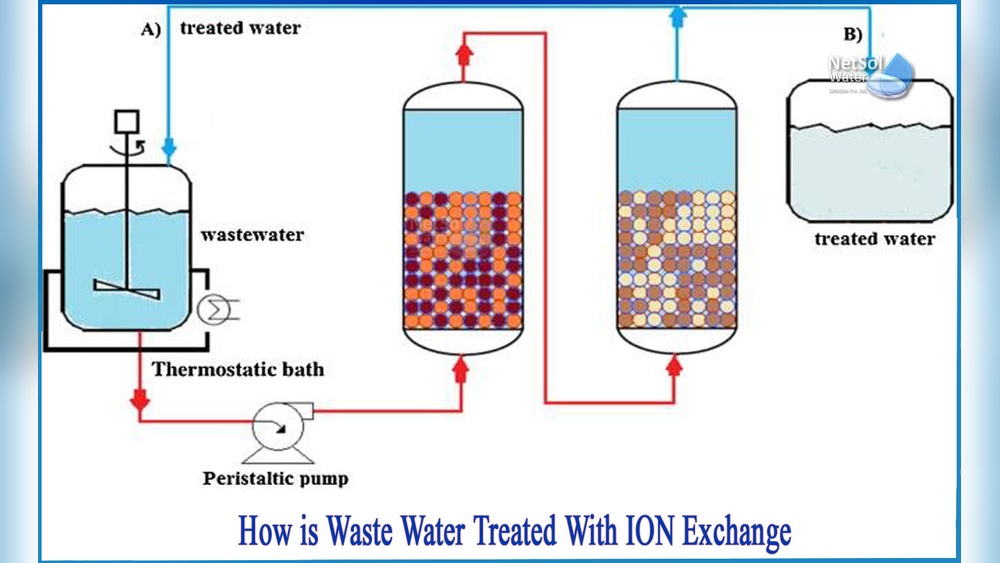
These resins help clean wastewater by removing harmful metals and pollutants. They capture toxic ions, making water safer for the environment. Industries use ion exchange to meet regulations and reduce pollution. It is a cost-effective way to treat wastewater.
Pharmaceutical Industry
Ion exchange resins purify drugs and active ingredients. They remove impurities and unwanted ions during manufacturing. This ensures high-quality and safe medicines. The pharmaceutical field depends on these resins for consistent purity.
Food And Beverage Processing
Resins improve taste and safety in food and drinks. They remove metal ions and other contaminants. This process helps maintain product quality and shelf life. Many producers use ion exchange to meet health standards.
Chemical Purification
Chemicals need to be pure for effective reactions and products. Ion exchange resins separate and remove unwanted ions. This increases chemical quality and performance. The chemical industry uses these resins in many purification steps.
Advantages Of Ion Exchange Resin
Ion exchange resin offers many advantages in water treatment and chemical processes. It efficiently removes unwanted ions from solutions. This helps improve water quality and protect equipment. The resin’s unique properties allow it to work in various industries. It provides cost-effective and reliable solutions for ion removal. Below are some key benefits of ion exchange resin.
High Efficiency
Ion exchange resin quickly captures ions from liquids. Its large surface area increases contact with ions. This leads to faster and more complete purification. It works well even at low ion concentrations. Efficiency reduces the need for frequent replacements or cleaning.
Selective Ion Removal
Resins can target specific ions in a mixture. This selectivity helps remove harmful substances while keeping useful ones. Different resins suit different needs, such as softening water or removing heavy metals. Selective removal improves the overall process quality.
Regeneration And Reusability
The resin can be regenerated by washing with special solutions. This restores its ion exchange capacity. Users can reuse the resin many times, cutting costs. Regeneration reduces waste and keeps the system running longer.
Environmental Benefits
Using ion exchange resin reduces chemical waste. It helps lower pollution by cleaning water effectively. The reusable nature of resin cuts down on material waste. This makes ion exchange an eco-friendly choice in water treatment.
Credit: www.ionicsystems.com
Factors Affecting Performance
Ion exchange resins are widely used for water purification and other chemical processes. Their effectiveness depends on several important factors. Understanding these factors helps in choosing and using the right resin for specific needs.
Resin Capacity
Resin capacity is the amount of ions the resin can hold. Higher capacity means the resin can treat more water before it needs replacement. Capacity depends on the resin’s chemical structure and size. Choosing a resin with the right capacity increases efficiency and lowers costs.
Operating Conditions
Temperature, pH, and flow rate affect resin performance. High temperatures can damage the resin beads. Extreme pH levels can reduce ion exchange ability. Flow rate controls contact time between resin and water. Proper operating conditions keep the resin working well for longer.
Contaminant Concentration
The amount of contaminants in water impacts resin life. Higher contaminant levels use up resin capacity faster. Some contaminants may foul or clog the resin. Regular monitoring of contaminant levels helps maintain resin effectiveness.
Maintenance And Handling Tips
Proper maintenance and handling of ion exchange resin ensure its long life and efficiency. Taking care of the resin prevents damage and keeps it working well. This section covers key tips to maintain and handle ion exchange resin safely and effectively.
Cleaning Procedures
Clean the resin regularly to remove dirt and buildup. Use a mild acid or cleaning solution made for ion exchange resin. Rinse the resin thoroughly with clean water after cleaning. Avoid harsh chemicals that can damage the resin beads. Follow the manufacturer’s instructions for cleaning frequency and methods.
Storage Guidelines
Store the resin in a cool, dry place away from direct sunlight. Keep the resin in a sealed container to prevent contamination. Avoid freezing or overheating the resin during storage. If storing for a long time, keep the resin moist with a salt solution. Check the resin condition before use after storage.
Troubleshooting Common Issues
If resin shows poor performance, check for fouling or channeling. Clean the resin or regenerate it as needed. Look for broken or crushed resin beads and replace the resin if damaged. Monitor pressure drops in the system, which may indicate clogging. Regular inspection helps spot problems early and avoid system failure.
Credit: www.sciencedirect.com
Emerging Trends And Innovations
Ion exchange resins continue to evolve with new trends and innovations. These developments improve their efficiency and environmental impact. Companies and researchers focus on creating better materials and smarter systems. This section covers some key emerging trends in ion exchange resin technology.
Advanced Resin Materials
New resin materials offer higher capacity and faster ion exchange. Scientists design resins that resist fouling and last longer. These materials work well in harsh conditions. Some resins can target specific ions more precisely. This leads to improved water purification and chemical processing.
Sustainable Practices
Sustainability drives changes in resin production and use. Manufacturers reduce harmful chemicals during resin synthesis. Recycling and regenerating resins extend their life cycle. Research explores biodegradable and eco-friendly resin options. These efforts lower waste and energy use in water treatment.
Integration With Modern Technologies
Modern technologies enhance ion exchange resin systems. Automation controls resin regeneration and monitoring in real time. Sensors detect resin performance and water quality instantly. Combining resin with membranes or other filters improves results. Digital tools help manage large-scale water treatment plants efficiently.
Frequently Asked Questions
What Is Ion Exchange Resin Used For?
Ion exchange resin removes unwanted ions from liquids. It purifies water, softens hard water, and separates chemicals. Industries rely on it for water treatment and chemical processing. It improves product quality and protects equipment from scaling and corrosion.
How Does Ion Exchange Resin Work?
Ion exchange resin swaps ions in water with those on its surface. It attracts harmful ions and releases harmless ones. This process cleans and softens water effectively. The resin regenerates to maintain its ion exchange capacity.
What Types Of Ion Exchange Resins Exist?
There are two main types: cation and anion resins. Cation resins exchange positively charged ions, like calcium. Anion resins exchange negatively charged ions, like chloride. Both types work together in water purification systems.
How Long Does Ion Exchange Resin Last?
Ion exchange resin typically lasts 5 to 10 years. Its lifespan depends on usage, water quality, and maintenance. Proper regeneration and cleaning extend resin life. Regular checks ensure optimal performance and longevity.
Conclusion
Ion exchange resin plays a key role in water purification and softening. It removes unwanted ions and improves water quality. This material is used in many industries and homes. Understanding its function helps you appreciate its value. It works by swapping harmful ions for safer ones.
Simple, effective, and reliable. Ion exchange resin makes water cleaner and safer to use. A small bead with a big impact.
Hasan Al Sarker is a Reverse Osmosis Specialist. He has worked for many years to ensure safe drinking water for all. His research paper has been published in several journals, including Issue, Medium, and Slideshare. He is recognized as a water doctor among specialists though he did not attend medical college.
Besides working as a researcher of reverse osmosis technology, he is also very fancy with the kitchen and cooking. His guides are reading thousands of people every day. As a head of content, he is responsible for all the published articles at RO System Reviews.



.jpg)