Have you ever wondered how water softeners or purification systems work so effectively? The secret lies in something called the ion exchange capacity of resin.
Understanding this key concept can help you make smarter choices for your water treatment needs. You’ll discover what ion exchange capacity means, why it matters to you, and how it affects the performance of resin in everyday applications. Keep reading to unlock the power behind cleaner, safer water for your home or business.
Ion Exchange Capacity Basics
Ion exchange capacity is a key property of ion exchange resins. It shows how much ion the resin can hold and exchange. This capacity helps in choosing the right resin for water treatment or chemical processes. Understanding this basics helps in using ion exchange resins effectively.
The capacity is measured in milliequivalents per gram (meq/g). It tells how many ions the resin can swap per gram of resin. Higher capacity means the resin can hold more ions, making it more efficient.
Definition And Importance
Ion exchange capacity is the total number of ions a resin can exchange. It defines the resin’s ability to remove unwanted ions from water or other solutions. This helps in softening water, removing heavy metals, and purifying chemicals.
Knowing the capacity helps in planning resin use. It ensures the resin meets the needs of the process. Using a resin with too low capacity wastes time and money. Too high capacity may be unnecessary and costly.
Types Of Ion Exchange Resins
There are two main types of ion exchange resins: cation and anion resins. Cation resins exchange positive ions like calcium and magnesium. Anion resins swap negative ions such as chloride and sulfate.
Resins also differ by their capacity. Some have high capacity for strong acids or bases. Others work better with weak acids or bases. Choosing the right type and capacity depends on the application and water quality.
Credit: www.researchgate.net
Factors Influencing Capacity
The ion exchange capacity of resin depends on several key factors. These factors affect how well the resin can hold and exchange ions. Understanding these helps in selecting the right resin for specific uses. Two main aspects shape the capacity: resin structure and operating conditions.
Resin Structure And Composition
The resin’s structure directly impacts its ion exchange capacity. Resins made of different materials hold varying amounts of ions. The size and number of active sites in the resin determine how many ions it can attract. Resins with a higher density of these sites usually have a higher capacity. The chemical composition also matters. Some resins work better with certain ions because of their chemical makeup. The physical form, such as bead size and porosity, affects ion flow and access to active sites.
Operating Conditions
Operating conditions play a big role in ion exchange capacity. Temperature changes can speed up or slow down ion movement. Extreme temperatures may damage the resin structure. pH levels affect the ion exchange process; some resins work best in specific pH ranges. Flow rate influences contact time between ions and resin. Too fast flow lowers capacity because ions have less time to interact. The presence of competing ions can reduce capacity by blocking active sites.
Measuring Ion Exchange Capacity
Measuring the ion exchange capacity of resin helps determine how well the resin can hold and exchange ions. This measurement is key to understanding the resin’s effectiveness in water treatment or chemical processes. Accurate measurement ensures the resin performs as expected in different applications.
Laboratory Techniques
Scientists use several methods to measure ion exchange capacity. One common method is the titration technique. In this method, the resin is first saturated with a specific ion. Then, a chemical solution is used to replace these ions. The amount of solution used shows the resin’s capacity.
Another technique involves using a column test. Resin is packed in a column, and a solution with ions flows through it. The ions that come out help calculate the resin’s exchange ability. These tests need careful handling to get accurate results.
Units Of Measurement
Ion exchange capacity is often measured in milliequivalents per gram (meq/g). This unit shows how many ions a gram of resin can hold. Some studies use equivalents per liter (eq/L) to describe capacity in liquid form.
Understanding these units helps compare different resins easily. It also guides users in choosing the right resin for their needs. Clear units make communication simple between manufacturers and users.
Credit: pt.scribd.com
Applications Of Ion Exchange Capacity
The ion exchange capacity of resin plays a vital role in many industries. It determines how well the resin can swap ions with a solution. This property makes ion exchange resins useful in several important applications. Understanding these uses helps appreciate why ion exchange capacity matters.
Water Treatment
Ion exchange resins remove unwanted minerals and impurities from water. They soften hard water by exchanging calcium and magnesium ions. This process protects pipes and improves soap efficiency. Resins also remove heavy metals and radioactive particles. Clean water becomes safer for drinking and industrial use.
Chemical Processing
In chemical plants, ion exchange resins help purify and separate substances. They isolate specific ions from mixtures to get pure products. Resins aid in recycling acids and bases, lowering waste. Their high ion exchange capacity ensures efficient and fast reactions. This boosts overall process quality and reduces costs.
Pharmaceutical Uses
Pharmaceutical companies use ion exchange resins to purify drugs. These resins remove impurities that could harm patients. They also help in drug formulation by controlling ion levels. Resins ensure medicines are safe and effective. Precise ion exchange capacity is crucial for consistent results.
Improving Resin Performance
Improving the ion exchange capacity of resin helps keep it effective and long-lasting. Resin works best when it is clean and properly cared for. Simple steps can boost its performance and ensure it meets your needs.
Regeneration Methods
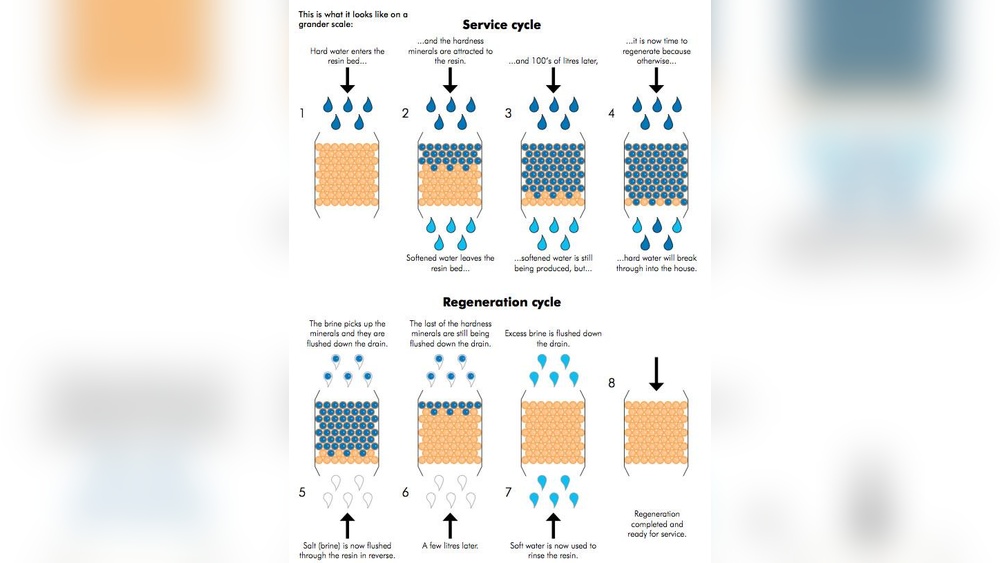
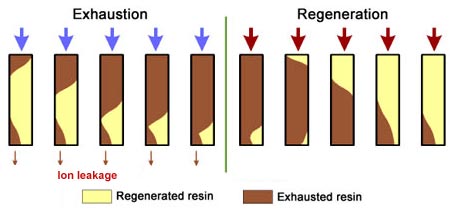
Regeneration restores the resin’s ability to exchange ions. It removes trapped ions and refreshes the resin beads. Common methods use salt solutions or acid and base treatments. These solutions flush out old ions and prepare the resin for reuse. Regular regeneration keeps resin active and prevents loss of capacity.
Choose the right regeneration method based on resin type and water quality. Follow instructions carefully for best results. Avoid overuse of chemicals to protect the resin structure.
Handling And Maintenance
Proper handling prevents damage to resin beads. Avoid rough shaking or dropping resin containers. Store resin in clean, dry areas away from direct sunlight.
Regular maintenance includes rinsing resin to remove dirt and debris. Monitor water flow rates to prevent clogging. Inspect resin for signs of wear or fouling. Clean or replace resin as needed to maintain ion exchange efficiency.
Credit: www.snowpure.com
Common Challenges And Solutions
Ion exchange resins are vital for water treatment and other processes. Maintaining their ion exchange capacity is key to effectiveness. Many challenges reduce this capacity over time. Understanding common issues helps keep resins working well. Solutions also extend resin life and save costs.
Capacity Loss Causes
Resin capacity drops due to fouling by dirt or organic matter. Exposure to chlorine or strong oxidizers damages resin beads. Hard water minerals can block resin pores. Improper regeneration leaves resins only partly active. High temperatures may weaken resin structure. Overuse without cleaning causes buildup and lowers capacity.
Troubleshooting Tips
Regular cleaning removes dirt and organic deposits. Use proper regeneration chemicals at right times. Avoid harsh chemicals that damage resin beads. Monitor water quality to reduce hard mineral exposure. Keep operating temperature within resin limits. Replace resin after several cycles if capacity stays low.
Frequently Asked Questions
What Is Ion Exchange Capacity In Resin?
Ion exchange capacity measures how many ions a resin can exchange. It reflects the resin’s efficiency in purification or softening processes.
How Is Ion Exchange Capacity Measured?
It is measured in milliequivalents per gram (meq/g). This indicates the amount of ion the resin can hold.
Why Does Ion Exchange Capacity Matter?
Higher ion exchange capacity means better performance. It improves water treatment, deionization, and chemical separation efficiency.
What Affects Resin’s Ion Exchange Capacity?
Resin type, bead size, and cross-linking degree affect capacity. Operating conditions like pH and temperature also play a role.
Conclusion
Ion exchange capacity shows how well resin can hold ions. It helps decide the resin’s strength and use. Knowing this helps pick the right resin for water treatment. It also affects how long the resin lasts. Understanding ion exchange capacity saves time and money.
It makes processes cleaner and more efficient. Keep this in mind when working with resins. The right choice leads to better results every time. Simple but important.
Hasan Al Sarker is a Reverse Osmosis Specialist. He has worked for many years to ensure safe drinking water for all. His research paper has been published in several journals, including Issue, Medium, and Slideshare. He is recognized as a water doctor among specialists though he did not attend medical college.
Besides working as a researcher of reverse osmosis technology, he is also very fancy with the kitchen and cooking. His guides are reading thousands of people every day. As a head of content, he is responsible for all the published articles at RO System Reviews.
Are you wondering how much ion exchange resin you really need for your water treatment system? Getting the right amount is crucial.
Too little resin means poor water quality, while too much wastes money and space. You’ll discover simple ways to calculate the exact amount of resin for your needs. By the end, you’ll feel confident making the best choice—saving you time, money, and hassle.
Keep reading to find the perfect balance for your system.
Credit: en.wikipedia.org
Factors Affecting Resin Quantity
Determining the right amount of ion exchange resin depends on several key factors. These factors help ensure the resin works efficiently to soften or purify water. Understanding each one can save money and avoid resin waste.
Water Hardness Levels
The hardness of water shows how many minerals it contains. High hardness means more calcium and magnesium. The harder the water, the more resin is needed to remove minerals. Test your water to find its hardness level. This test guides the amount of resin required.
Water Volume
Water volume is the amount of water treated daily. Larger volumes need more resin to handle the load. Measure your daily water use. This helps calculate the right resin size. Underestimating volume can reduce resin life and water quality.
Flow Rate Considerations
Flow rate is the speed water moves through the resin. Too fast a flow can reduce resin contact time. This lowers resin efficiency. A balanced flow rate ensures proper ion exchange. Adjust flow to match resin capacity and water needs.
Type Of Ion Exchange Resin
Different resins have different capacities and uses. Some resins remove hardness; others remove specific contaminants. Choose resin based on your water problem. Higher capacity resins need less material for the same effect. Match resin type to water treatment goals.
Calculating Resin Amount
Calculating the right amount of ion exchange resin is key for effective water softening. Too little resin means poor softening. Too much resin wastes money and space. This section helps you figure out the correct resin quantity for your needs.
Measuring Water Hardness
Water hardness shows how much calcium and magnesium are in your water. It is measured in grains per gallon (gpg) or parts per million (ppm). Testing kits or local water reports provide this number. Knowing hardness is the first step in resin calculation.
Estimating Daily Water Usage
Estimate how much water your household uses each day. Check your water bill for average gallons per day. Include all water uses like drinking, bathing, and laundry. This estimate helps determine how much resin you need to treat all water.
Resin Capacity Ratings
Resin capacity shows how many grains of hardness one cubic foot of resin can remove. Typical resin removes between 20,000 and 30,000 grains per cubic foot. This number varies by resin type and quality. It guides how much resin volume you require.
Formula For Resin Calculation
Use this simple formula:
Resin volume (cubic feet) = (Daily water usage in gallons × Water hardness in grains per gallon) ÷ Resin capacity in grains per cubic foot
This formula gives a good estimate for the resin amount needed. Round up to ensure enough resin for effective softening.
Choosing Resin Size And Type
Choosing the right resin size and type matters for your ion exchange system. The correct resin ensures water treatment works well and lasts longer. Resin size affects how much water it can treat before needing regeneration. Resin type affects how well it removes unwanted minerals or ions. Understanding the options helps pick the best resin for your needs.
Standard Vs High-capacity Resin
Standard resin is common and works for most water softening jobs. It removes typical hardness minerals like calcium and magnesium. High-capacity resin holds more hardness ions before it gets full. This means it treats more water before needing regeneration. High-capacity resins cost more but save time and salt. They suit homes with hard water or larger families.
Synthetic Vs Natural Resin
Synthetic resin is man-made and designed for specific water problems. It is durable and works fast. Natural resin comes from organic materials like zeolite. It is eco-friendly but less common. Synthetic resin handles a wide range of minerals better. Natural resin suits mild water hardness and simple needs. Your choice depends on water quality and budget.
Resin Regeneration Frequency
Regeneration restores resin’s ability to soften water. Resin that regenerates often uses more salt and water. Larger resin tanks reduce regeneration frequency. High-capacity resins also regenerate less often. Less frequent regeneration saves money and effort. Knowing resin size helps plan the right regeneration schedule.
Installation And Maintenance Tips
Installing and maintaining ion exchange resin correctly ensures it works well for a long time. Good care helps keep water clean and safe. Follow these tips to get the best results from your resin system.
Proper Resin Loading
Fill the resin tank with the right amount of resin. Too little resin lowers cleaning power. Too much resin can block water flow. Use the manufacturer’s guide to measure resin volume. Level the resin bed evenly inside the tank. Avoid spilling resin outside the tank.
Monitoring Resin Performance
Check water quality regularly. Watch for changes in taste, smell, or hardness. Use test strips or kits to measure water hardness. Track the time between resin regeneration cycles. Early signs of resin wear include cloudy water or low flow. Keep a maintenance log to spot patterns.
When To Replace Resin
Replace resin if water quality drops despite regeneration. Resin usually lasts 3-5 years. Hard water with many minerals wears resin faster. If resin becomes dark or sticky, change it. Follow safety steps when handling old resin. Proper disposal protects the environment.
Common Mistakes To Avoid
Choosing the right amount of ion exchange resin is key for effective water softening. Many people make mistakes that reduce the resin’s life and efficiency. Avoiding these errors helps you save money and get clean, soft water.
Underestimating Water Hardness
Water hardness affects how much resin you need. If you guess too low, the resin will wear out fast. Test your water to know the exact hardness. This helps you buy enough resin for your needs.
Ignoring Flow Rate Impact
The flow rate changes how resin works. High flow may not give the resin enough time to soften water. This causes poor water quality and resin waste. Match resin capacity with flow rate for best results.
Overloading Resin Capacity
Too much water for the resin reduces its ability to soften. Overloading makes resin work harder and fail sooner. Use the right resin size based on water hardness and daily use. This keeps your system running smoothly.
Credit: eaiwater.com
Credit: crystalquest.com
Frequently Asked Questions
How Do I Calculate Ion Exchange Resin Quantity?
Calculate resin quantity by water hardness and volume. Multiply grains per gallon by gallons treated. Convert to pounds using resin capacity. This helps estimate how much resin you need for effective water softening.
What Factors Affect Ion Exchange Resin Needs?
Water hardness, flow rate, and resin capacity affect resin needs. Higher hardness or flow requires more resin. Knowing these factors ensures you purchase adequate resin for optimal performance.
How Often Should Ion Exchange Resin Be Replaced?
Resin replacement depends on usage and water quality. Typically, replace every 5-10 years or when performance drops. Proper maintenance extends resin life and ensures effective ion exchange.
Can I Use Less Resin For Smaller Water Softeners?
Using less resin in small softeners is possible but affects efficiency. Always follow manufacturer guidelines to avoid reduced softening capacity or system damage.
Conclusion
Choosing the right amount of ion exchange resin matters a lot. Too little resin means poor water quality. Too much resin wastes money and space. Think about your water hardness and flow rate first. Check the resin capacity and tank size too.
This helps you find the best fit for your needs. Proper resin use keeps your water clean and safe. Simple steps lead to better water every day.
Hasan Al Sarker is a Reverse Osmosis Specialist. He has worked for many years to ensure safe drinking water for all. His research paper has been published in several journals, including Issue, Medium, and Slideshare. He is recognized as a water doctor among specialists though he did not attend medical college.
Besides working as a researcher of reverse osmosis technology, he is also very fancy with the kitchen and cooking. His guides are reading thousands of people every day. As a head of content, he is responsible for all the published articles at RO System Reviews.
Are you tired of dealing with water that just doesn’t feel clean or tastes off? Your ion exchange resin might be the key to solving that problem, but only if it’s working at its best.
Over time, resin gets used up and loses its ability to purify water effectively. The good news? You can bring it back to life with a simple process called regeneration. You’ll discover exactly how to regenerate your ion exchange resin, saving money and improving your water quality.
Keep reading to learn the easy steps that will make your resin work like new again!
Basics Of Ion Exchange Resin
Understanding the basics of ion exchange resin is important before learning how to regenerate it. This resin is a special material that helps clean water and remove unwanted ions. It works by swapping harmful ions with safer ones.
Knowing what ion exchange resin is, its types, and common uses helps in proper handling. This knowledge makes resin regeneration easier and more effective.
What Is Ion Exchange Resin
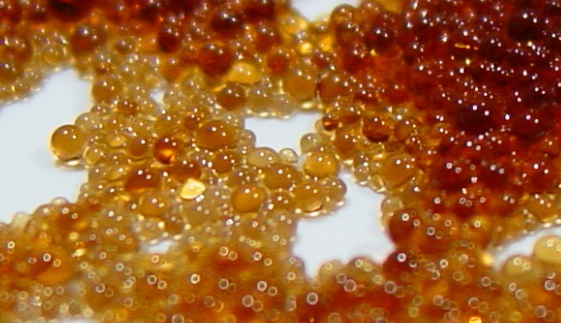
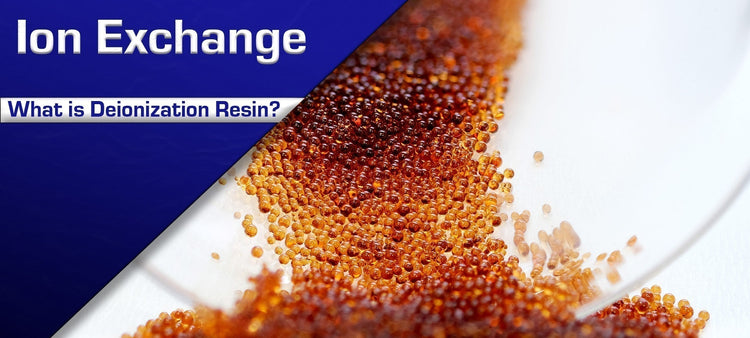
Ion exchange resin is a small, solid bead made from organic material. These beads carry charged particles called ions. The resin swaps harmful ions in water with harmless ones. This process purifies water and removes minerals or pollutants.
Types Of Ion Exchange Resins
There are two main types of ion exchange resins: cation and anion resins. Cation resin removes positive ions like calcium and magnesium. Anion resin removes negative ions like chloride and sulfate. Some resins combine both types for better cleaning.
Common Uses Of Ion Exchange Resin
Ion exchange resins are used in many areas. They clean drinking water by removing hardness and salts. Industries use them to purify chemicals and treat wastewater. They also help in food processing and pharmaceutical production.
Credit: dardel.info
When To Regenerate Resin
Knowing when to regenerate ion exchange resin is key to keeping water clean and safe. Resin loses its ability to remove impurities over time. Regular checks help avoid poor water quality and damage to your system.
Signs Of Resin Exhaustion
Water tastes salty or strange. Hard water spots appear on dishes or fixtures. Water flow slows down. These signs show resin needs regeneration. Testing water hardness also reveals resin condition.
Factors Affecting Resin Lifespan
Water quality impacts resin life. High iron or chlorine levels cause faster wear. Frequent use shortens resin lifespan. Proper maintenance and correct regeneration extend resin use.
Preparation For Regeneration
Preparation is the first step in regenerating ion exchange resin. It sets the stage for a smooth, safe process. Proper preparation prevents damage and ensures effective resin regeneration.
This section covers safety, materials, and system shutdown before starting regeneration. Understanding these basics helps you avoid common mistakes.
Safety Precautions
Wear protective gloves and safety glasses at all times. Chemicals used in regeneration can harm skin and eyes. Work in a well-ventilated area to avoid inhaling fumes. Keep a first aid kit nearby. Read all safety instructions on chemical labels carefully. Never mix chemicals without guidance. Follow all local safety regulations strictly.
Required Materials And Equipment
Gather all necessary materials before starting. You will need regeneration chemicals like salt or acid. Prepare clean water for rinsing the resin. Have measuring tools ready to ensure correct chemical doses. Use containers resistant to chemicals for mixing. Ensure you have a proper disposal method for waste. Keep tools like brushes and funnels handy for cleaning and handling resin.
Shutting Down The System
Turn off the water supply to the ion exchange system. Release any pressure inside the system slowly. Close all valves connected to the resin tank. Drain the resin tank completely to remove old water. Disconnect the system from power if it has electrical parts. Check that no water or power remains active before starting regeneration. This step protects both you and the equipment.
Step-by-step Regeneration Process
Regenerating ion exchange resin is essential to keep water treatment systems working well. This process restores the resin’s ability to remove unwanted ions. Follow these clear steps to regenerate the resin safely and effectively.
Backwashing The Resin Bed
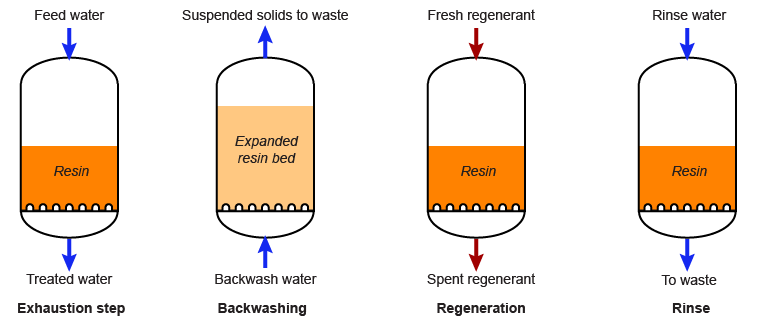
Start by backwashing the resin bed. This step removes dirt and debris from the resin. Run water upward through the resin to loosen trapped particles. Continue until the water runs clear. Backwashing also helps to fluff the resin beads. This improves their contact with the regenerant.
Applying Regenerant Solution
Next, apply the regenerant solution. Use the right chemical for your resin type. Slowly pass the solution through the resin bed. The regenerant replaces the ions the resin captured. Let it soak for the recommended time. This step restores the resin’s ion exchange capacity.
Rinsing And Flushing The Resin
After regeneration, rinse the resin bed thoroughly. Flush it with clean water to remove excess regenerant. Continue rinsing until no chemical taste or smell remains. Proper rinsing prevents contamination of your treated water.
Restoring Normal Operation
Finally, return the system to normal operation. Adjust the flow rate to the usual level. Monitor water quality to ensure the resin works well. Regular checks help maintain the resin’s performance over time.
Tips For Effective Regeneration
Effective regeneration of ion exchange resin ensures the resin works well for a longer time. Follow these tips to get the best results. Proper care keeps the resin clean and ready to remove unwanted ions.
Choosing The Right Regenerant
Select a regenerant that matches your resin type. For cation resins, use salt (NaCl). For anion resins, use caustic soda (NaOH). Use fresh chemicals to avoid poor regeneration. Avoid mixing regenerants as it can damage the resin.
Optimal Contact Time
Allow enough time for the regenerant to react with the resin. Usually, 30 to 60 minutes works well. Too short contact time leaves the resin dirty. Too long contact time wastes chemicals and can harm the resin.
Avoiding Common Mistakes
Do not use dirty water for regeneration. Clean water helps the resin stay effective. Avoid overusing regenerant; it can cause resin swelling. Never rush the process. Follow the recommended steps carefully for best results.
Credit: dardel.info
Maintaining Ion Exchange Resin
Maintaining ion exchange resin is key to its performance and durability. Proper care helps the resin work efficiently for a longer time. This reduces costs and avoids frequent replacements. Understanding how to maintain the resin ensures clean water and smooth operation.
Regular Monitoring
Check the resin condition often. Look for changes in color or texture. Test water quality regularly to spot issues early. Monitor flow rates to detect blockages or resin exhaustion. Keep a log of these checks for future reference.
Preventative Measures
Use pre-filters to remove large particles before the resin. Avoid exposing resin to harsh chemicals that can damage it. Control water temperature and pH to stay within safe limits. Rinse resin beds after each regeneration to remove debris.
Extending Resin Life
Follow the recommended regeneration schedule closely. Use the right type and amount of regenerant chemical. Avoid overloading the system with hard water. Store resin properly if not in use for a long time. Clean resin tanks periodically to prevent contamination.
Credit: www.sciencedirect.com
Frequently Asked Questions
What Is Ion Exchange Resin Regeneration?
Ion exchange resin regeneration restores the resin’s ability to remove unwanted ions. It involves flushing with a regenerant solution, like salt or acid. This process removes trapped ions and renews the resin’s effectiveness for water treatment.
How Often Should You Regenerate Ion Exchange Resin?
Regeneration frequency depends on resin use and water quality. Typically, resin needs regeneration every few weeks to months. Regular monitoring ensures optimal performance and prevents resin exhaustion, maintaining efficient ion exchange.
What Chemicals Are Used To Regenerate Ion Exchange Resin?
Common regenerants include sodium chloride (salt) for cation resins and sodium hydroxide or hydrochloric acid for anion resins. These chemicals displace contaminants, restoring the resin’s ion exchange capacity effectively.
Can Ion Exchange Resin Be Regenerated Multiple Times?
Yes, ion exchange resin can be regenerated multiple times. Proper regeneration extends resin life and maintains performance. However, resin eventually degrades and requires replacement after many cycles.
Conclusion
Regenerating ion exchange resin keeps your water clean and safe. Follow the steps carefully for best results. Regular care helps the resin last longer. Avoid common mistakes to save time and money. Proper regeneration restores resin’s ability to remove impurities.
Simple actions make a big difference in water quality. Keep your system working well with routine maintenance. Clean resin means better water for your home or business. Stay consistent for reliable and fresh water every day.
Hasan Al Sarker is a Reverse Osmosis Specialist. He has worked for many years to ensure safe drinking water for all. His research paper has been published in several journals, including Issue, Medium, and Slideshare. He is recognized as a water doctor among specialists though he did not attend medical college.
Besides working as a researcher of reverse osmosis technology, he is also very fancy with the kitchen and cooking. His guides are reading thousands of people every day. As a head of content, he is responsible for all the published articles at RO System Reviews.
Have you ever wondered what happens when ion exchange resins lose their power to clean water? These tiny beads work hard to remove unwanted minerals and impurities, but over time, they get exhausted and need a fresh start.
Understanding how exhausted ion exchange resins are regenerated can save you money, improve water quality, and extend the life of your system. You’ll discover simple steps and insider tips to bring your resins back to life efficiently. Keep reading to learn how to make your water treatment process work smarter, not harder.
Credit: dardel.info
Ion Exchange Resin Basics
Ion exchange resins are small beads made from organic polymers. They have special sites that swap ions in water. This process helps clean and soften water. Understanding these resins is key to learning how they are regenerated after use.
Resins work by exchanging unwanted ions in water with more desirable ones. Over time, they get full or “exhausted.” At this point, regeneration is needed to restore their function.
Types Of Ion Exchange Resins
There are two main types of ion exchange resins. Cation resins exchange positive ions like calcium and magnesium. Anion resins swap negative ions like chloride and sulfate. Each type targets different impurities in water.
Some resins are strong acid or strong base types. These vary in their ability to handle different water conditions. Choosing the right resin depends on the water treatment goal.
Role Of Resins In Water Treatment
Ion exchange resins remove hardness, salts, and other contaminants. They improve water quality for drinking, industrial use, and more. Softening water protects pipes and appliances from damage.
Resins also help in demineralization and purification processes. They make water safe and clean by removing harmful ions. This role is essential in many water treatment systems.
Signs Of Resin Exhaustion
Exhausted ion exchange resins lose their ability to clean water effectively. Identifying signs of resin exhaustion helps maintain water quality. Early detection avoids costly repairs and downtime. Watch for changes in water taste, smell, or clarity. These signs show the resin needs regeneration or replacement.
Indicators Of Reduced Efficiency
Water flow may slow down noticeably. The resin cannot remove ions well anymore. Hardness or iron levels in water can rise. The treated water may taste salty or metallic. Frequent system backwashing might occur without improvement. These are clear signs the resin is exhausted.
Common Causes Of Resin Exhaustion
High usage without timely regeneration wears out the resin. Exposure to chlorine or strong chemicals damages resin beads. Hard water with high mineral content shortens resin life. Poor maintenance leads to resin clogging and fouling. Understanding these causes helps prevent premature exhaustion.
Regeneration Principles
Exhausted ion exchange resins lose their ability to soften or purify water. Regeneration restores their function. This process removes unwanted ions and replaces them with active ions. It brings the resin back to life for reuse. The principles behind regeneration are both chemical and mechanical. Understanding these principles helps maintain resin efficiency and extends its lifespan.
Chemical Reactions Involved
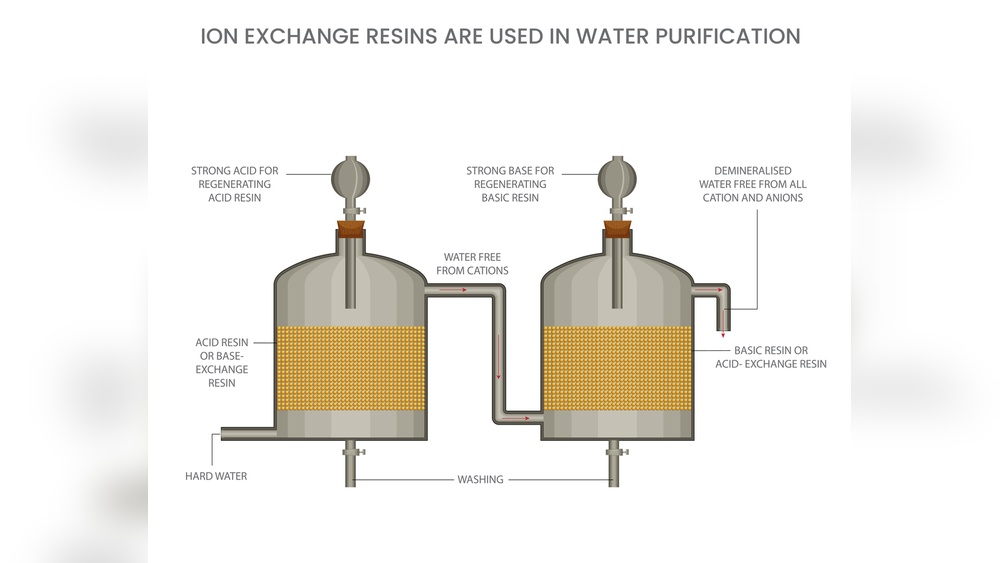
Regeneration uses specific chemicals to reverse ion exchange. For cation resins, a strong acid like hydrochloric acid or sulfuric acid is common. This acid replaces hardness ions like calcium and magnesium with hydrogen ions.
Anion resins use a strong base, usually sodium hydroxide. The base swaps out unwanted ions such as chloride or sulfate. It restores the resin’s active sites with hydroxide ions.
The chemical reactions depend on the resin type and the ions removed. These reactions clean the resin and prepare it for another cycle of ion exchange.
Regeneration Cycles
The regeneration process follows defined cycles. First, the resin bed is rinsed to remove suspended solids. Then, the regenerant chemical flows through the resin slowly. This flow ensures a complete exchange of ions.
After chemical treatment, the resin is rinsed again to remove excess chemicals. Proper rinsing prevents contamination of treated water. The cycle ends with testing to confirm resin readiness.
Each cycle is controlled by time, flow rate, and chemical concentration. This control ensures the resin regains maximum capacity and performance.
Regeneration Methods
Exhausted ion exchange resins need regeneration to restore their capacity. The process removes the captured ions and prepares the resin for reuse. Several methods exist, each suited to specific resin types and applications. Understanding these methods helps maintain efficiency and extend resin life.
Brine Regeneration
Brine regeneration is common for water softening resins. It uses a concentrated salt solution, usually sodium chloride. The salt solution displaces calcium and magnesium ions from the resin. This process restores the resin’s ability to soften water. Brine regeneration is cost-effective and simple to perform.
Acid And Alkali Regeneration
Strong acid and alkali solutions clean resins used for ion removal. Acid removes cations like calcium and iron. Alkali removes anions such as sulfate and nitrate. This method is common in mixed bed or specialty resins. It effectively restores ion exchange capacity for various industrial uses.
Thermal Regeneration
Thermal regeneration uses heat to restore resin function. It is applied mainly to certain types of resin in large systems. Heat breaks down organic fouling and regenerates the resin structure. This method is less common but useful for specific resin problems. It requires special equipment and careful temperature control.
Step-by-step Regeneration Process
Regenerating exhausted ion exchange resins restores their ability to remove impurities. This process allows resins to be reused multiple times, saving costs and resources. The regeneration involves several key steps that clean and recharge the resin beads. Each step plays a vital role in ensuring the resin works effectively after regeneration.
Preparation And Backwashing
First, prepare the resin bed by stopping the normal flow. Backwashing cleans the resin by flushing out trapped particles. This step removes debris and reclassifies the resin beads. It also helps to prevent channeling during the next steps. Proper backwashing ensures the resin is ready for chemical treatment.
Chemical Application
Next, apply the regenerant chemical solution to the resin. The type of chemical depends on the resin type and contaminants. For example, salt brine is common for softening resins. The chemical replaces the impurities trapped on the resin beads. Allow enough contact time for the reaction to complete fully.
Rinsing And Testing
After chemical treatment, rinse the resin thoroughly with clean water. Rinsing removes excess chemicals and displaced impurities. Check the resin’s performance by testing water quality after regeneration. Repeat rinsing if necessary to meet quality standards. Proper rinsing ensures the resin is safe for use again.
Factors Affecting Regeneration Efficiency
Regenerating exhausted ion exchange resins is crucial for maintaining their performance. Several factors impact how well the regeneration process works. Understanding these factors helps ensure resins regain their full capacity quickly and efficiently.
Each factor influences the chemical reactions and physical changes during regeneration. Small changes can lead to big differences in resin performance. Let’s explore the main factors that affect regeneration efficiency.
Chemical Concentration
The strength of the regenerating chemical matters a lot. Higher concentration can remove more contaminants from the resin. Too weak a solution may leave impurities behind. Too strong can damage the resin beads. Finding the right balance keeps the resin clean and healthy.
Contact Time
The amount of time the resin stays in contact with the regenerating solution is key. Short contact time may not fully restore the resin. Too long can waste chemicals and energy. Proper timing allows the chemicals to work fully without harming the resin.
Temperature And Flow Rate
Temperature affects how fast the regeneration happens. Warmer temperatures usually speed up reactions. Flow rate controls how quickly the regenerant passes through the resin. Too fast means less contact and poor cleaning. Too slow wastes time and resources. Both must be controlled for best results.
Environmental And Safety Considerations
Regenerating exhausted ion exchange resins involves chemicals and processes that affect the environment and safety. Proper care reduces risks to workers and nature. Understanding key safety and environmental steps helps maintain a safer workspace and protects ecosystems.
Handling Regenerant Chemicals
Regenerant chemicals like acids and bases can harm skin and eyes. Workers must wear gloves, goggles, and protective clothing. Store chemicals in labeled containers away from heat and sunlight. Use proper ventilation to avoid inhaling fumes. Follow safety data sheets for safe handling and emergency actions.
Waste Disposal Practices
Waste from resin regeneration contains harmful substances. Dispose of this waste according to local environmental laws. Use licensed hazardous waste facilities for disposal. Avoid pouring waste into drains or soil. Proper disposal prevents pollution and protects water sources and wildlife.
Credit: www.sciencedirect.com
Advancements In Regeneration Techniques
Exhausted ion exchange resins need regeneration to restore their effectiveness. Advances in regeneration techniques help save time, reduce costs, and lower environmental impact. These new methods improve the efficiency and sustainability of resin regeneration. They also make the process easier to control and monitor.
Automated Regeneration Systems
Automated systems control the regeneration process with precision. They monitor flow rates, chemical dosage, and timing automatically. This reduces human error and improves consistency. Operators can track performance remotely using smart devices. Automation also cuts down on chemical waste by using the exact amounts needed. This saves money and protects the environment.
Eco-friendly Alternatives
New eco-friendly methods use less harmful chemicals for regeneration. Some techniques replace traditional acids and bases with biodegradable substances. Others recycle the regenerant chemicals to reduce waste. These methods lower pollution and reduce water usage. They also help companies meet stricter environmental regulations. Eco-friendly regeneration supports long-term sustainability in water treatment.
Credit: www.youtube.com
Frequently Asked Questions
What Is Ion Exchange Resin Regeneration?
Ion exchange resin regeneration restores resin capacity by removing accumulated ions. It uses specific chemical solutions like acids or bases to replace captured ions, enabling the resin to function effectively again.
Why Are Exhausted Ion Exchange Resins Regenerated?
Exhausted resins lose efficiency after ion saturation. Regeneration renews their ion exchange ability, reduces costs, and minimizes environmental waste by extending resin lifespan.
How Is The Regeneration Process Performed?
Regeneration involves flushing resins with a regenerant solution. This solution displaces the captured ions, restoring the resin’s active sites for further use in water treatment.
What Chemicals Are Used In Resin Regeneration?
Common regenerants include sodium chloride for cation resins and sodium hydroxide or acids for anion resins. The choice depends on resin type and specific application needs.
Conclusion
Exhausted ion exchange resins regain their power through careful cleaning. The process removes trapped ions, making resins ready to use again. Proper regeneration saves money and reduces waste. It helps maintain water quality in many industries. Knowing how resins regenerate supports better system care.
Regular checks ensure the resins work efficiently. Clear steps and simple chemicals restore resin function. This keeps equipment running smoothly and water pure. Understanding this process makes maintenance easier for everyone.
Hasan Al Sarker is a Reverse Osmosis Specialist. He has worked for many years to ensure safe drinking water for all. His research paper has been published in several journals, including Issue, Medium, and Slideshare. He is recognized as a water doctor among specialists though he did not attend medical college.
Besides working as a researcher of reverse osmosis technology, he is also very fancy with the kitchen and cooking. His guides are reading thousands of people every day. As a head of content, he is responsible for all the published articles at RO System Reviews.
Are you worried about the fluoride levels in your drinking water? You might have heard about ion exchange as a method to clean water, but does it actually remove fluoride?
Understanding how this process works can help you make smarter choices for your health and your family’s safety. Keep reading to discover the truth about ion exchange and whether it’s the right solution for reducing fluoride in your water.
Credit: www.researchgate.net
Basics Of Ion Exchange
Ion exchange is a common method used to clean water. It removes unwanted minerals and chemicals. This process helps make water safer and better tasting.
Ion exchange works by swapping harmful ions in water with safer ones. This method is used in many water treatment systems. Understanding how it works is key to knowing if it removes fluoride.
How Ion Exchange Works
Ion exchange uses small beads called resins. These beads carry charged particles called ions. When water passes through, the beads attract harmful ions.
The resin releases safe ions in exchange. This swap removes bad ions like lead, nitrate, or fluoride. The process is simple but effective.
Types Of Ion Exchange Resins
There are two main types of ion exchange resins: cation and anion resins. Cation resins remove positive ions like calcium and magnesium. These cause hard water.
Anion resins remove negative ions such as nitrate and fluoride. Not all anion resins remove fluoride equally. The choice of resin affects how well fluoride is removed.
Fluoride In Drinking Water
Fluoride is a mineral found naturally in water sources. It is added to some public water supplies to help prevent tooth decay. While fluoride can be beneficial in small amounts, too much can cause health problems. Understanding where fluoride comes from and its effects is important for safe drinking water.
Sources Of Fluoride Contamination
Fluoride enters water through natural and human activities. Rocks and soil release fluoride into groundwater. Some industrial processes also add fluoride to water. Fertilizers and waste from factories can increase fluoride levels. These sources can raise fluoride beyond safe limits.
Health Effects Of Fluoride
Low fluoride helps protect teeth from cavities. But high fluoride causes dental fluorosis, which damages teeth appearance. In severe cases, excess fluoride harms bones and joints. Children are most at risk for fluoride overexposure. Careful monitoring keeps fluoride at safe levels.
Ion Exchange And Fluoride Removal
Ion exchange is a popular water treatment method. It uses resins to swap harmful ions in water with safer ones. This process can remove many contaminants, including fluoride.
Fluoride is a mineral found in water naturally or added to prevent tooth decay. Too much fluoride can cause health problems. Removing excess fluoride is important for safe drinking water.
Effectiveness Of Ion Exchange Resins
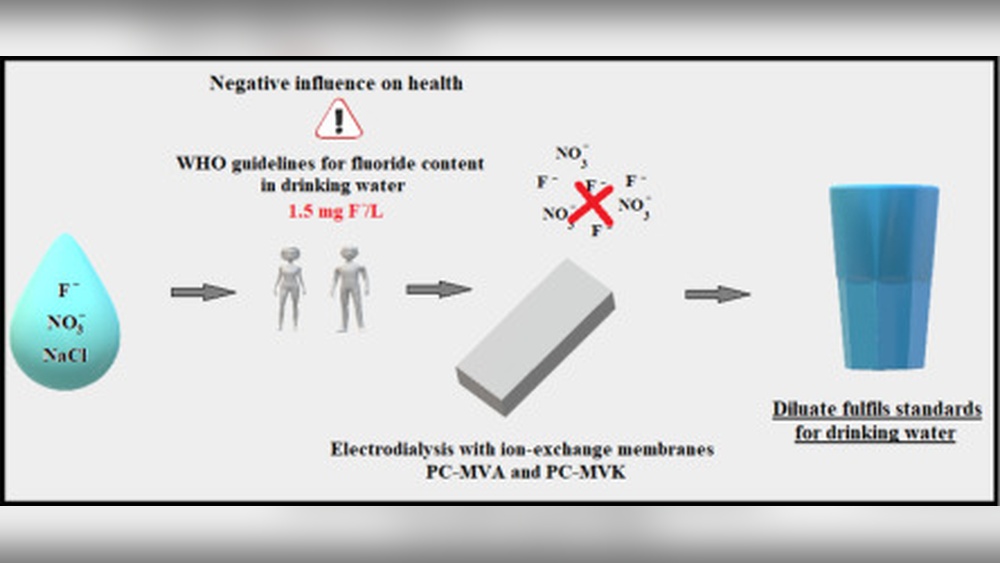
Ion exchange resins can reduce fluoride levels effectively. They attract fluoride ions and replace them with other ions, like chloride or hydroxide. The success depends on the type of resin used.
Strong base anion exchange resins work best for fluoride removal. These resins have a high capacity to capture fluoride ions. They can lower fluoride concentration to safe levels.
Factors Affecting Fluoride Removal
Several factors influence how well ion exchange removes fluoride. Water pH plays a big role. Fluoride removal is better in neutral or slightly alkaline water.
Other ions in water, like sulfate or nitrate, compete with fluoride. This competition can reduce the resin’s effectiveness. Water temperature and flow rate also affect the process.
Proper maintenance of the resin is important. Over time, resins lose capacity and need regeneration. Regular checks ensure continuous fluoride removal.
Credit: link.springer.com
Comparing Ion Exchange With Other Methods
Removing fluoride from water requires effective methods. Ion exchange is one choice. Other popular methods also exist. Each method works differently. Understanding these differences helps you pick the best option for fluoride removal.
Activated Alumina
Activated alumina is a common filter for fluoride. It adsorbs fluoride ions onto its surface. This method works well for moderate fluoride levels. It needs regular replacement or regeneration to keep working. It is cost-effective but slower than some methods.
Reverse Osmosis
Reverse osmosis (RO) uses a membrane to block fluoride. Water passes through the membrane, leaving fluoride behind. RO removes many contaminants, not just fluoride. It requires electricity and regular maintenance. This method is very effective but more expensive.
Distillation
Distillation boils water to separate fluoride and other minerals. The steam is collected and cooled to pure water. It removes nearly all fluoride and impurities. Distillation uses a lot of energy. It is simple but slow and less convenient for daily use.
Maintenance And Costs
Maintaining an ion exchange system for fluoride removal requires regular care. Costs depend on the system’s size and usage. Understanding maintenance needs helps plan your budget and ensures clean water.
Resin Regeneration Process
The ion exchange resin loses effectiveness over time. It needs regeneration to restore its ability to remove fluoride. This process uses a salt solution to flush out trapped fluoride ions. Regeneration frequency depends on water quality and usage. Neglecting regeneration reduces fluoride removal efficiency.
Operational Expenses
Operational costs include salt, water, and energy for regeneration. Resin replacement is needed after several cycles. Labor and maintenance checks add to expenses. Costs vary by system size and water fluoride levels. Planning for these expenses keeps the system working well.
Choosing The Right System
Choosing the right ion exchange system matters a lot for fluoride removal. The system must match your water needs and quality. Picking the wrong one can waste money and leave fluoride in your water. Focus on key factors to find the best fit.
Water Quality Testing
Testing your water shows the exact fluoride level. It also finds other minerals that affect the system. Water with many minerals may need a stronger system. Testing helps choose the right ion exchange resin. It ensures better fluoride removal and safer water.
System Capacity And Usage
Consider how much water your household uses daily. A small system might fail if your use is high. Large families need bigger capacity systems. Check the resin’s ability to remove fluoride before buying. Pick a system that matches your daily water needs for best results.
Credit: ionexchangeglobal.com
Frequently Asked Questions
Does Ion Exchange Effectively Remove Fluoride From Water?
Ion exchange can reduce fluoride, but it is not the most effective method. Specialized filters like activated alumina work better for fluoride removal.
How Does Ion Exchange Work For Fluoride Removal?
Ion exchange replaces fluoride ions with other ions like chloride. However, its efficiency depends on resin type and water chemistry.
Is Ion Exchange Better Than Reverse Osmosis For Fluoride?
Reverse osmosis is generally more effective than ion exchange for fluoride removal. RO systems can remove up to 95% of fluoride.
Can Ion Exchange Systems Be Combined With Other Filters?
Yes, combining ion exchange with activated alumina or reverse osmosis improves fluoride removal and overall water quality.
Conclusion
Ion exchange can reduce some fluoride in water. It works best for low fluoride levels. Not all ion exchange systems remove fluoride fully. Testing your water helps choose the right method. Combining treatments may improve fluoride removal. Clean water is important for health.
Keep learning about water filters. Choose what fits your needs and budget. Regular maintenance keeps filters working well. Clear, safe water is possible with the right steps.
Hasan Al Sarker is a Reverse Osmosis Specialist. He has worked for many years to ensure safe drinking water for all. His research paper has been published in several journals, including Issue, Medium, and Slideshare. He is recognized as a water doctor among specialists though he did not attend medical college.
Besides working as a researcher of reverse osmosis technology, he is also very fancy with the kitchen and cooking. His guides are reading thousands of people every day. As a head of content, he is responsible for all the published articles at RO System Reviews.