Have you ever wondered if the water you drink every day is truly safe? Testing your water quality at home is easier than you might think, and it can protect your health and peace of mind.
Imagine knowing exactly what’s in your water without waiting for expensive lab results. You’ll discover simple, effective ways to check your water right now. Keep reading, because understanding your water quality could save you from hidden dangers and give you confidence in every sip.
Why Test Water Quality
Testing water quality at home helps ensure your drinking water is safe and clean. Simple kits can detect harmful chemicals and bacteria. Knowing water quality protects health and prevents illness.
Water is essential for life. Clean water keeps us healthy and safe. Testing water quality helps find harmful substances early.
Many water problems are invisible. Chemicals, bacteria, and metals may not be seen or smelled. Testing reveals these dangers.
Knowing water quality protects your family. It ensures drinking water is safe for children and adults. It also helps avoid illness caused by dirty water.
Detecting Harmful Contaminants
Contaminants like lead, pesticides, and bacteria can cause health problems. Testing water identifies these risks. Early detection stops long-term damage.
Some contaminants build up over time. Regular testing helps catch these issues before they worsen. Protect your health by staying informed.
Improving Water Taste And Smell
Bad taste or smell often means poor water quality. Testing finds the cause. Fixing water issues improves drinking and cooking experiences.
Clear, fresh water encourages healthy hydration. Testing helps ensure water is pleasant and safe to use every day.
Protecting Home Appliances And Plumbing
Hard water or minerals can damage pipes and appliances. Testing water quality shows if these problems exist. Early action saves money on repairs.
Clean water extends the life of water heaters and filters. Testing helps maintain your home’s water system efficiently.
Common Water Contaminants
Water may look clean but can hide many harmful substances. Testing water quality at home helps find these common contaminants. Knowing what to test makes it easier to keep your water safe and healthy.
Chemical Pollutants
Chemical pollutants come from factories, farms, and pipes. They include pesticides, heavy metals like lead, and chlorine. These chemicals can cause health problems if they get into drinking water. Testing kits can detect many of these pollutants quickly.
Biological Contaminants
Biological contaminants are tiny living organisms. Bacteria, viruses, and parasites can enter water from sewage or animal waste. They may cause illnesses such as stomach infections. Water testing can identify these harmful microorganisms to protect your family.
Physical Impurities
Physical impurities are particles like dirt, sand, and rust. They do not usually cause illness but affect water taste and clarity. These impurities can clog pipes and damage appliances. Testing water helps spot these particles and decide if filtration is needed.
Essential Water Testing Tools
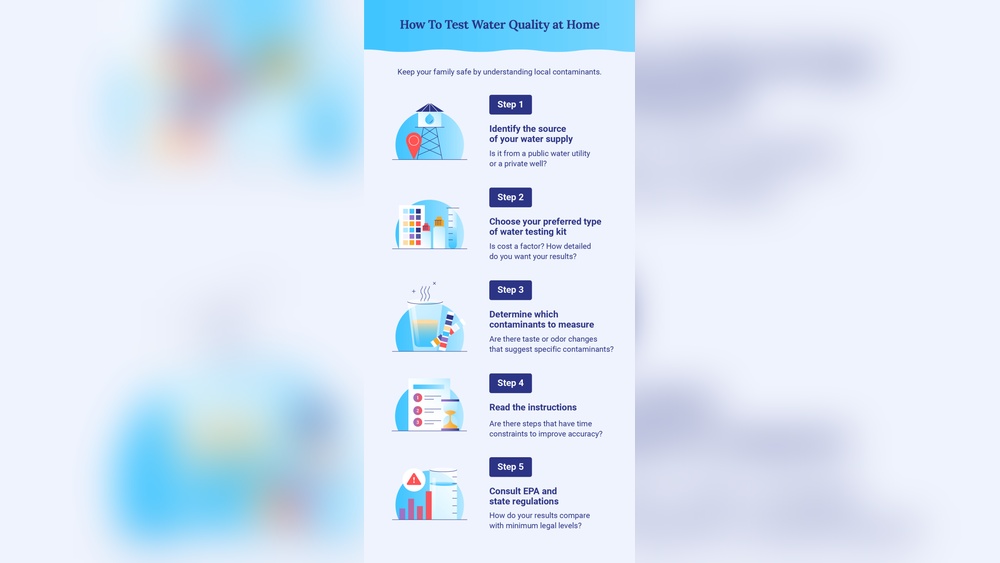
Testing water quality at home requires the right tools. These tools help check if your water is safe and clean. They are simple to use and give quick results. Choosing the right tool depends on what you want to test and how detailed the results need to be.
Here are some essential water testing tools you can use at home.
Test Strips
Test strips are thin strips coated with chemicals. Dip them into water and watch for color changes. Each color shows a different water quality level. They test for pH, chlorine, hardness, and more. Test strips are fast and easy. They provide a basic overview of water quality.
Digital Meters
Digital meters give precise water readings. They measure pH, total dissolved solids (TDS), and conductivity. These meters display numbers on a screen. They are more accurate than test strips. Digital meters need batteries and regular calibration. They are great for people who want detailed water data.
Diy Test Kits
DIY test kits include various tools and chemicals. They test for bacteria, lead, nitrates, and other contaminants. Kits come with instructions for use. They offer a deeper analysis than test strips. Some kits require sending samples to a lab. DIY kits suit those needing thorough water checks.
Credit: waterfilterguru.com
Step-by-step Home Testing Methods
Testing water quality at home is simple and quick. It helps you know if your water is safe to drink. This section explains easy methods anyone can follow. Each method uses different tools but all give clear results.
Follow these steps carefully. Keep your testing area clean and dry. Use fresh water samples for accurate results. Record your findings to track changes over time.
Using Test Strips
Test strips are thin paper strips with chemicals on them. Dip a strip into a water sample for a few seconds. Remove it and wait for the color to change. Match the strip’s color to the chart included in the kit. This shows levels of chlorine, pH, hardness, and more.
Test strips are cheap and easy to use. They give quick results but may not be very precise. Use them for a basic check of your water quality.
Applying Chemical Kits
Chemical kits use drops or powders that react with water. Add the chemicals to a small water sample as instructed. Watch for color changes that show contamination levels. Compare the color with the chart provided in the kit.
This method checks for bacteria, nitrates, or heavy metals. It takes a bit more time than strips. Chemical kits offer more detailed results for better water analysis.
Employing Digital Devices
Digital devices include meters that measure water properties directly. Common types test pH, total dissolved solids (TDS), or conductivity. Turn on the device and insert the probe into the water sample. Read the digital display for instant results.
Digital testers are more expensive but very accurate. They require batteries and proper calibration. Ideal for regular testing and detailed water quality monitoring.
Interpreting Test Results
Interpreting water test results is important for knowing your water’s safety. Test kits give numbers and colors. These results tell you if your water is clean or has problems.
Understanding these results helps you decide on next steps. Some issues need simple fixes, others need expert help. Clear knowledge avoids confusion and keeps your home safe.
Understanding Ph Levels
pH shows how acidic or basic water is. A pH of 7 means neutral water. Below 7 means acidic, above 7 means basic. Safe drinking water usually has pH between 6.5 and 8.5.
Low pH can cause pipe corrosion and bad taste. High pH may leave deposits and affect soap use. Adjust pH if it is outside the safe range.
Checking For Contaminants
Test kits check for harmful substances like lead, bacteria, or nitrates. Each contaminant has a safe limit. Results over this limit mean water is unsafe.
Lead can harm health even in small amounts. Bacteria may cause illness. Nitrates are risky for babies. Take action if any contaminant is above safe levels.
Reading Color And Cloudiness
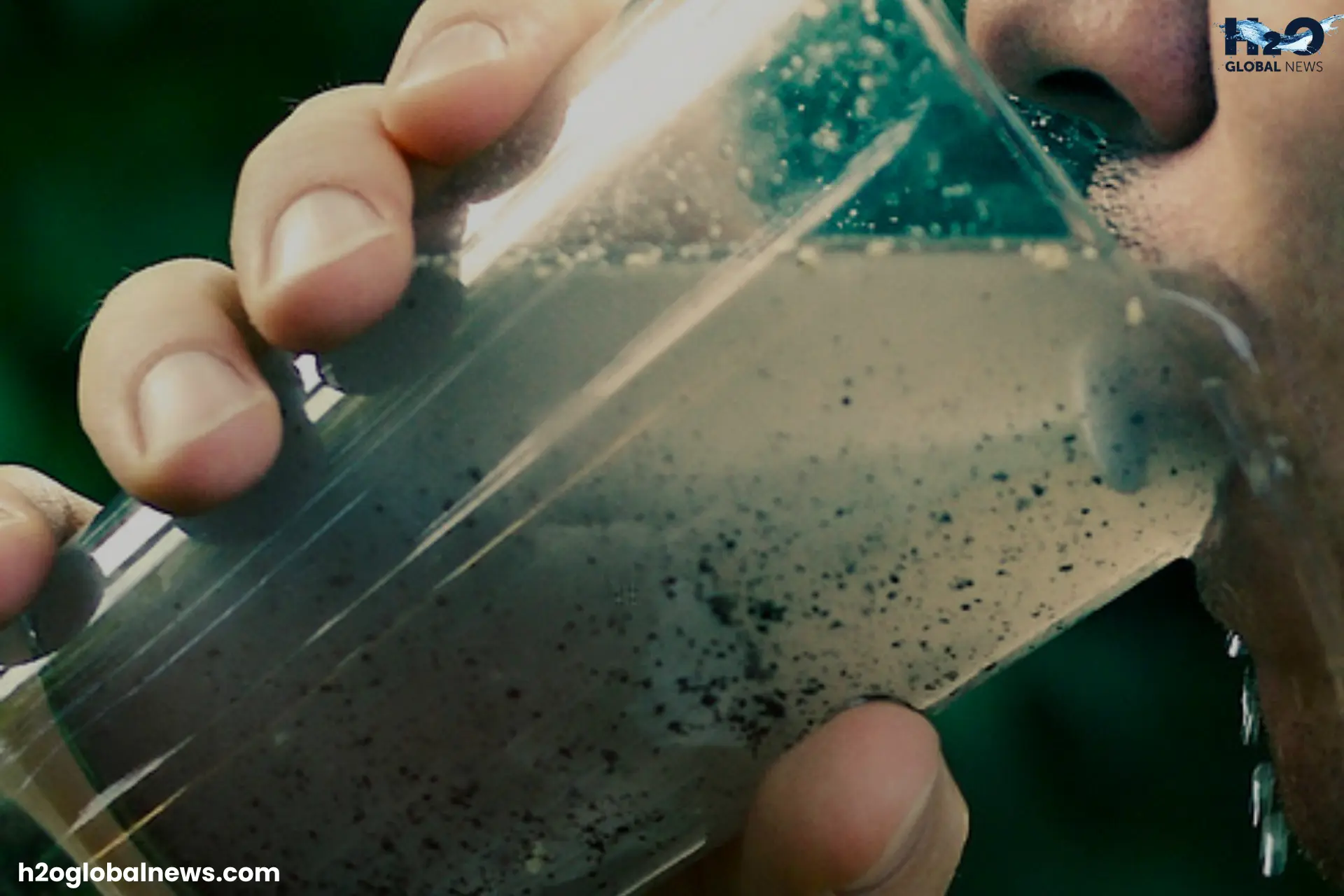
Clear water is usually safe, but color or cloudiness shows possible issues. Yellow, brown, or green tint means impurities or algae. Cloudy water may have dirt or tiny particles.
Colored or cloudy water needs further testing or treatment. Do not ignore these signs, as they affect water quality and safety.
Credit: www.livpuresmart.com
Improving Water Quality
Improving water quality at home is important for health and safety. Clean water helps prevent illnesses and keeps your family safe. Simple steps can make a big difference in water quality. Knowing how to treat and check your water helps you stay in control.
Filtration Options
Water filters remove dirt, chemicals, and some germs. Common filters use activated carbon to trap impurities. Pitcher filters are easy to use and affordable. Under-sink filters offer stronger protection for daily use. Choose filters that match your water needs. Replace filters regularly for best results.
Disinfection Techniques
Disinfection kills harmful bacteria and viruses in water. Boiling water is a simple and effective method. UV light devices can destroy germs without chemicals. Chlorine drops or tablets also disinfect water quickly. Use these methods based on your water source and preference.
Regular Monitoring
Check water quality often to catch problems early. Home test kits help measure pH, hardness, and contaminants. Test water before and after filtration or disinfection. Keep records to track changes over time. Regular monitoring ensures your water stays safe to drink.
When To Seek Professional Testing
Testing your water at home helps catch many common problems. Some issues need deeper checks than home kits can provide. Professional testing offers detailed results and can find hidden dangers. Knowing when to call experts keeps your water safe and healthy.
When You Notice Strange Taste Or Smell
Water with unusual taste or smell might have harmful substances. Home kits may miss some chemicals causing these changes. Professionals use advanced tools to identify the exact cause. Don’t ignore water that smells like rotten eggs or has a metallic taste.
After Flooding Or Pipe Damage
Floods or broken pipes can contaminate water with bacteria or chemicals. Home tests may not detect all contaminants after such events. Professionals perform thorough checks to ensure water safety. Testing soon after damage prevents health risks.
Routine Testing For Well Water
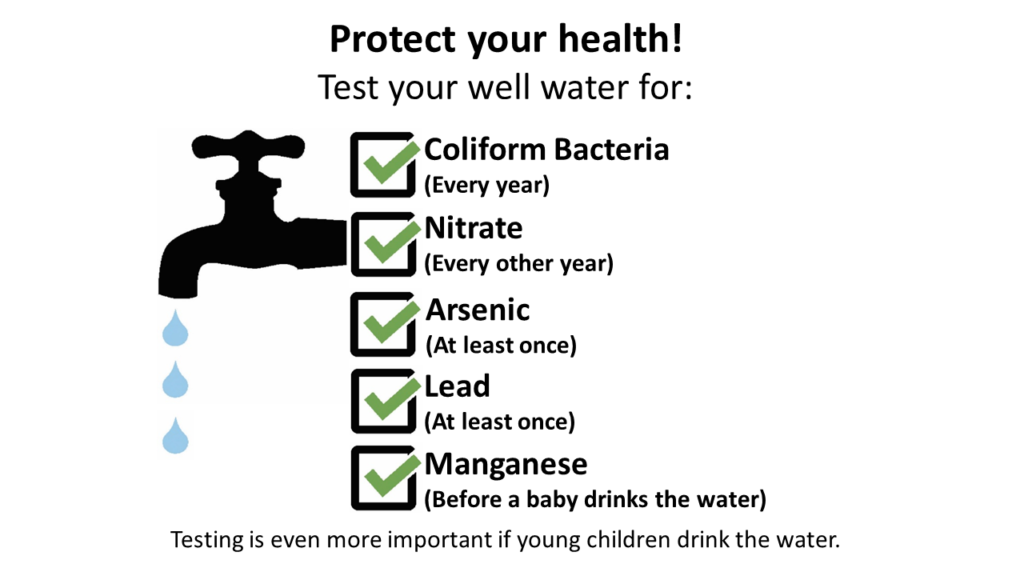
Well water needs regular professional testing. Home kits test only basic issues like pH or chlorine. Experts check for dangerous elements like lead, arsenic, or bacteria. Routine tests keep your well water clean and safe.
Health Problems Linked To Water
Unexplained illnesses might relate to water quality. Home tests cannot diagnose all causes. Professionals can test for rare or toxic pollutants. Consult experts if you suspect water is affecting health.
Credit: callwisler.com
Frequently Asked Questions
How Can I Test Water Quality At Home Easily?
You can test water quality using home test kits. These kits check pH, chlorine, hardness, and contaminants. Follow the instructions carefully for accurate results. Regular testing helps ensure safe drinking water and detect potential issues early.
What Are The Common Contaminants In Tap Water?
Common contaminants include bacteria, lead, chlorine, nitrates, and pesticides. Some may cause health issues. Home test kits can detect many contaminants. If results are concerning, consult a professional for detailed analysis and solutions.
How Often Should I Test My Home Water Quality?
Test your water quality every 3 to 6 months. More frequent testing is needed if you notice changes in taste, odor, or color. Regular checks help maintain safe drinking water and prevent health risks.
Are Home Water Test Kits Reliable For Drinking Water?
Home test kits offer quick and convenient results. They are reliable for basic parameters like pH and chlorine. For detailed contaminant analysis, lab testing is more accurate. Use kits as a first step in water quality monitoring.
Conclusion
Testing your water at home keeps your family safe and healthy. Simple kits make it easy to check for common problems. Regular checks help spot issues before they get worse. Clean water means better taste and fewer health risks. Take small steps today for a safer water supply.
Your efforts protect both your home and your well-being. Stay informed and act when needed to enjoy pure water daily.
Hasan Al Sarker is a Reverse Osmosis Specialist. He has worked for many years to ensure safe drinking water for all. His research paper has been published in several journals, including Issue, Medium, and Slideshare. He is recognized as a water doctor among specialists though he did not attend medical college.
Besides working as a researcher of reverse osmosis technology, he is also very fancy with the kitchen and cooking. His guides are reading thousands of people every day. As a head of content, he is responsible for all the published articles at RO System Reviews.
Have you ever stopped to think about what’s really in the water you drink every day? The quality of your water doesn’t just affect its taste—it can have a big impact on your health.
From the moment water touches your lips, it can either support your body or silently cause harm. Understanding how water quality affects your well-being is one of the simplest yet most powerful steps you can take to protect yourself and your loved ones.
Keep reading to discover the hidden risks and how you can ensure your water is truly safe for you.
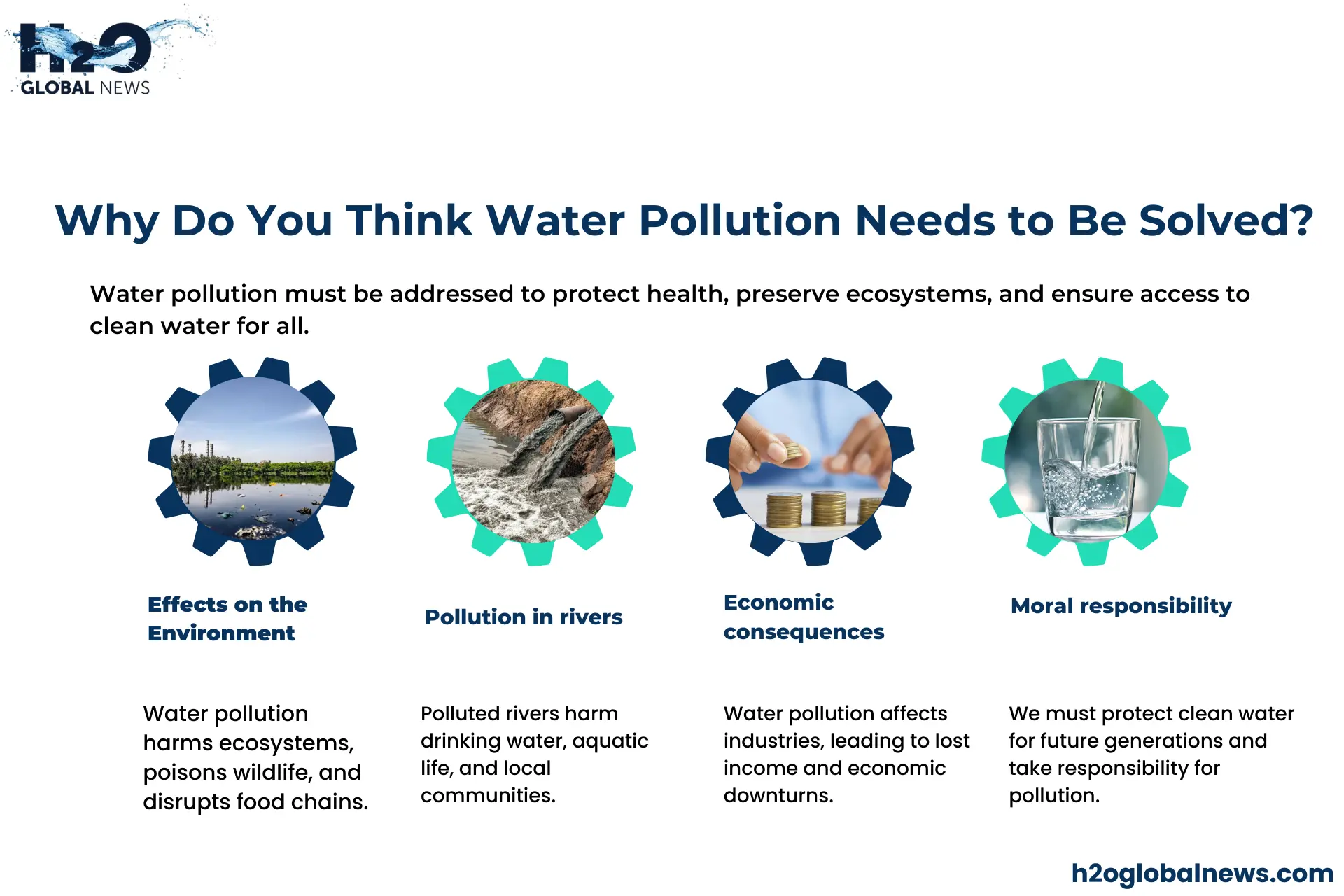
Credit: h2oglobalnews.com
Water Contaminants And Their Sources
Water quality directly affects our health. Contaminants in water come from many sources. These impurities can cause illnesses and long-term health issues. Understanding the types of contaminants helps us protect ourselves and our families. Below are the main categories of water pollutants and their sources.
Chemical Pollutants
Chemical pollutants enter water from factories, farms, and homes. Common chemicals include pesticides, heavy metals, and industrial waste. These substances can poison the body and harm organs. Lead and mercury are especially dangerous even in small amounts. Chemicals can come from old pipes, fertilizers, or spills. Clean water must be free from these toxic chemicals.
Biological Contaminants
Biological contaminants are tiny living things like bacteria, viruses, and parasites. They often come from sewage, animal waste, or dirty water. These microbes cause infections and diseases such as diarrhea, cholera, and typhoid. Unsafe water can spread illnesses quickly. Proper sanitation and water treatment reduce biological contamination.
Physical Impurities
Physical impurities include dirt, sand, and rust particles in water. These come from soil erosion, old pipes, and construction. While not usually harmful by themselves, they can carry harmful microbes or chemicals. Physical impurities make water cloudy and unpleasant. Filtering water can remove these visible particles for safer use.
Health Risks Linked To Poor Water Quality
Poor water quality poses serious health risks to people worldwide. Contaminated water carries harmful germs, chemicals, and pollutants. These dangers can cause both short-term illnesses and long-term health problems. Understanding these risks helps protect yourself and your family.
Many health issues arise from drinking or using unsafe water. The effects can range from mild discomfort to life-threatening diseases. Vulnerable groups, like children and elderly, face greater risks. Knowing the specific health impacts aids in taking proper precautions.
Waterborne Diseases
Contaminated water spreads many infectious diseases. Common ones include cholera, typhoid, and dysentery. These illnesses cause diarrhea, vomiting, and dehydration. They can be deadly, especially in places lacking medical care. Drinking or using clean water reduces these risks significantly.
Chronic Health Conditions
Long-term exposure to polluted water may cause serious health issues. Chemicals like lead and arsenic build up in the body. This can damage the liver, kidneys, and brain. Some pollutants increase the risk of cancer. Continuous contact with unsafe water worsens these conditions over time.
Impact On Vulnerable Groups
Children, pregnant women, and elderly suffer most from poor water quality. Their immune systems are weaker and less able to fight infections. For children, unsafe water can stunt growth and harm development. Pregnant women face risks of complications and birth defects. Protecting these groups is vital for community health.
Hidden Dangers In Everyday Water Use
Water is essential for life, but it can also hide dangers. Everyday water use may expose people to harmful substances. These risks come from water we drink, use for cooking, and even water in places for fun. Understanding these hidden dangers helps protect health.
Contaminated Drinking Water
Drinking water can carry germs, chemicals, and metals. These contaminants cause stomach problems and long-term illnesses. Old pipes and poor water treatment increase these risks. Clear water is not always safe water.
Risks From Bathing And Cooking
Water used for bathing and cooking may contain harmful bacteria and chemicals. Skin can absorb some of these substances during showers. Cooking with contaminated water can spread germs to food. Boiling helps but does not remove all risks.
Water Quality In Recreational Areas
Swimming pools, lakes, and rivers can have unsafe water. Pollution and waste cause infections and skin irritations. Swallowing this water may lead to stomach illnesses. Checking water quality before activities reduces health risks.
Credit: h2oglobalnews.com
Detecting And Testing Water Quality
Water quality plays a big role in health. Detecting and testing water quality helps find harmful pollutants. It shows if water is safe to drink or use. Testing water regularly protects families from diseases. It also helps fix water problems early.
Common Testing Methods
Laboratories use many ways to test water. They check for bacteria, chemicals, and heavy metals. Some tests use special machines to find tiny particles. Others use color changes to show pollution levels. These methods give clear results on water safety.
Home Testing Kits
Home testing kits let people check water themselves. These kits are easy to use and give fast results. They test for common issues like chlorine, lead, or pH levels. Home kits help detect problems before they get worse. They are a simple step to protect health.
Interpreting Test Results
Test results show if water is clean or dirty. Numbers and colors indicate pollution levels. Safe water meets standards set by health experts. High levels of contaminants mean water is unsafe. Knowing how to read results helps decide next steps.
Improving Water Quality At Home
Improving water quality at home helps protect your health. Clean water reduces risks of sickness and keeps your family safe. Simple steps make a big difference in water safety.
Filtration Systems
Filtration systems remove dirt, chemicals, and germs from water. They come in many types like carbon filters and reverse osmosis. Installing a good filter improves water taste and safety. Change filters regularly to keep them effective.
Boiling And Disinfection
Boiling water kills most harmful bacteria and viruses. Boil water for at least one minute before drinking. Disinfection tablets or drops also clean water quickly. These methods help when water quality is uncertain.
Safe Water Storage
Store water in clean, covered containers to avoid contamination. Use containers made of food-safe materials. Keep storage areas cool and away from chemicals. Clean containers before refilling to maintain water quality.
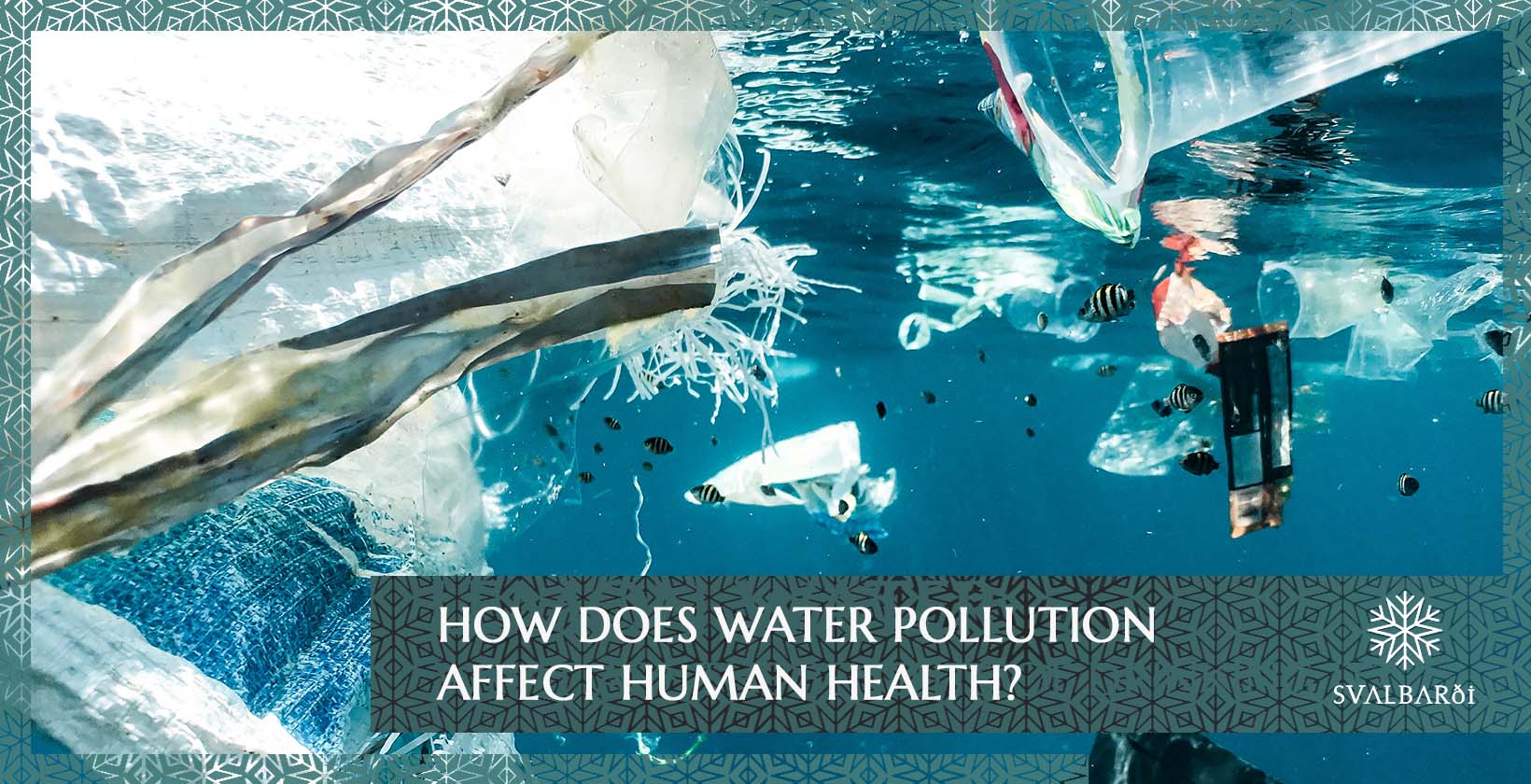
Credit: svalbardi.com
Global Efforts And Policies
Water quality is a major global concern. Unsafe water causes many health problems worldwide. Governments and organizations work hard to improve water safety. They create rules and programs to protect public health. These efforts help reduce diseases and improve life quality.
Water Quality Standards
Water quality standards set limits on harmful substances. These rules ensure water is safe to drink and use. They cover bacteria, chemicals, and heavy metals. Many countries follow guidelines from the World Health Organization. These standards protect people from waterborne diseases and pollution.
Government Initiatives
Governments launch projects to clean water sources. They build treatment plants and improve sanitation systems. Laws require industries to treat wastewater before release. Regular water testing helps find pollution early. Public education teaches safe water use and hygiene. These actions reduce illness and save lives.
Community-based Solutions
Local groups play a key role in water safety. They monitor water quality in their areas. Communities build wells and filters to get clean water. They raise awareness about protecting water from pollution. Cooperation helps keep water sources safe and clean. Small actions add up to big health benefits.
Frequently Asked Questions
What Health Problems Are Caused By Poor Water Quality?
Poor water quality can cause diarrhea, cholera, and lead poisoning. It also increases risks of infections and long-term diseases like cancer. Contaminants such as bacteria, chemicals, and heavy metals are harmful when ingested or contacted regularly.
How Does Contaminated Water Affect Children’s Health?
Contaminated water can cause severe diarrhea, malnutrition, and stunted growth in children. It also raises risks of developmental delays and weakened immune systems. Children are more vulnerable due to their smaller body size and developing organs.
Can Water Quality Impact Mental Health?
Yes, exposure to toxic metals in water may impair brain function. Poor water quality can cause stress and anxiety due to illness or unsafe living conditions. Clean water supports overall well-being, including cognitive health.
How To Test If Water Quality Is Safe To Drink?
You can use home water testing kits or send samples to certified labs. Testing checks for bacteria, lead, pesticides, and other harmful substances. Regular testing ensures water safety and prevents health risks.
Conclusion
Clean water supports good health and prevents many diseases. Poor water quality can cause serious illnesses quickly. Everyone should drink safe, clean water every day. Protecting water sources helps keep communities healthy. Simple actions like filtering water can make a big difference.
Understanding water quality helps us make better health choices. Water matters more than we often realize. Stay aware, stay safe, and value clean water always.
Hasan Al Sarker is a Reverse Osmosis Specialist. He has worked for many years to ensure safe drinking water for all. His research paper has been published in several journals, including Issue, Medium, and Slideshare. He is recognized as a water doctor among specialists though he did not attend medical college.
Besides working as a researcher of reverse osmosis technology, he is also very fancy with the kitchen and cooking. His guides are reading thousands of people every day. As a head of content, he is responsible for all the published articles at RO System Reviews.
Have you ever stopped to think about what’s really in the water you drink every day? The quality of your water can have a huge impact on your health—sometimes in ways you might not expect.
From feeling tired and sluggish to facing serious illnesses, poor water quality could be the hidden cause. Understanding how water affects your body is the first step to protecting yourself and your loved ones. Keep reading to discover the surprising ways water quality influences your health and what simple actions you can take to stay safe.
Credit: h2oglobalnews.com
Sources Of Water Contamination
Water contamination comes from many sources. These sources affect water quality and health. Understanding where pollution starts helps protect clean water. Contaminants can come from nature, human actions, or industries. Each source adds different harmful substances to water.
Natural Contaminants
Some water pollutants occur naturally in the environment. Minerals like arsenic and fluoride can dissolve in groundwater. These substances can cause health problems if levels are too high. Natural bacteria and viruses may also enter water from soil and animals. These microbes can lead to infections and diseases.
Human Activities
People often pollute water through everyday actions. Waste from homes and farms can reach rivers and lakes. Fertilizers and pesticides used on crops wash into water sources. These chemicals affect water safety and can harm fish and plants. Improper disposal of trash and sewage also adds dangerous germs and toxins.
Industrial Pollution
Factories release many harmful substances into water bodies. Chemicals from manufacturing can poison water and soil. Heavy metals like lead and mercury accumulate in water and fish. These toxins cause serious health risks for people and animals. Industrial spills and waste discharge cause long-term damage to ecosystems.
Common Waterborne Diseases
Water quality directly affects health through various waterborne diseases. These illnesses spread by drinking or using contaminated water. Poor water quality increases the risk of many infections. Understanding common waterborne diseases helps protect health and avoid serious problems.
Bacterial Infections
Bacteria in water cause many health issues. Cholera is a severe illness caused by contaminated water. It leads to heavy diarrhea and dehydration. Another common infection is typhoid fever, which causes high fever and stomach pain. Dysentery also spreads through dirty water, causing severe diarrhea with blood. These infections can be deadly without quick treatment.
Viral Illnesses
Viruses spread easily in polluted water. Hepatitis A is a viral disease causing liver problems and jaundice. It spreads through drinking water with fecal contamination. Rotavirus mainly affects children, causing diarrhea and vomiting. These viral illnesses often result in dehydration and weakness. Clean water and good hygiene reduce the risk of viral infections.
Parasitic Diseases
Parasites live in water and infect humans who drink or bathe. Giardia causes diarrhea and stomach cramps. It spreads through water contaminated with feces. Cryptosporidium is another parasite causing prolonged diarrhea. Some parasites lead to serious health problems if untreated. Proper water treatment and sanitation stop these parasites from spreading.
Chemical Pollutants And Health Risks
Chemical pollutants in water pose serious health risks. These harmful substances enter water sources through factories, farms, and waste disposal. Drinking or using contaminated water can cause various illnesses. Understanding these pollutants helps protect health and prevent disease.
Heavy Metals
Heavy metals like lead, mercury, and arsenic often contaminate water. They come from old pipes, mining, and industrial waste. These metals build up in the body and can damage the brain, kidneys, and nervous system. Children are especially vulnerable to lead poisoning. Long-term exposure may cause cancer and developmental problems.
Pesticides And Herbicides
Pesticides and herbicides used in farming often seep into water supplies. These chemicals aim to kill pests and weeds but harm humans too. Exposure can cause headaches, skin irritation, and hormone disruption. Some pesticides are linked to cancer and reproductive issues. Avoiding contaminated water reduces these health dangers.
Industrial Chemicals
Industrial chemicals include solvents, plastics, and cleaning agents. Factories release these toxins into rivers and groundwater. Many industrial chemicals are toxic or carcinogenic. They can cause liver damage, respiratory problems, and immune system disorders. Testing water quality helps identify and reduce these pollutants.
Credit: svalbardi.com
Impact On Vulnerable Groups
Water quality plays a crucial role in the health of vulnerable groups. These groups include children, pregnant women, and elderly people. Poor water quality can cause serious health problems for them. Their bodies are often less able to fight off infections and toxins. Safe, clean water is essential to protect their well-being and support healthy growth and development.
Children And Infants
Children and infants are highly sensitive to water contamination. Their immune systems are not fully developed. Drinking or using polluted water can lead to diarrhea, stomach infections, and other illnesses. Exposure to harmful chemicals like lead can affect brain development. Clean water helps prevent these risks and supports healthy growth in young children.
Pregnant Women
Pregnant women need high-quality water to stay healthy. Contaminated water can cause infections that harm both mother and baby. Chemicals in poor water can lead to birth defects or low birth weight. Safe water reduces the risk of complications during pregnancy. It supports the healthy development of the fetus.
Elderly People
Elderly people often have weaker immune systems. They are more vulnerable to diseases from unsafe water. Drinking contaminated water can worsen chronic illnesses like kidney problems. It can also lead to dehydration and infections. Clean water helps elderly people stay healthy and avoid preventable health issues.
Water Quality Standards And Regulations
Water quality standards and regulations play a key role in protecting public health. These rules set limits on harmful substances in drinking water. They ensure water is safe for daily use and consumption. Understanding these standards helps people know how water safety is maintained worldwide.
Global Guidelines
Global guidelines provide a basic framework for water safety. The World Health Organization creates these standards. They recommend limits for chemicals, bacteria, and other pollutants. Countries use these guidelines to develop their own rules. This helps keep water safe across different regions.
Local Enforcement
Local enforcement puts water standards into action. Governments check water quality regularly. They inspect water plants and test samples. Violations lead to fines or other penalties. Strong enforcement protects communities from unsafe water.
Monitoring Techniques
Monitoring techniques track water quality over time. Sensors detect contaminants like lead and bacteria. Laboratories analyze water samples for detailed results. Real-time data helps respond quickly to pollution. Regular monitoring ensures water remains healthy for all.
Preventive Measures For Safe Water
Safe water is key to good health. It stops many diseases and keeps the body strong. Taking steps to ensure clean water helps families and communities avoid health problems. These steps work at home and in larger water systems.
Household Water Treatment
Treating water at home removes harmful germs and dirt. Simple methods like boiling water kill bacteria. Using water filters can trap tiny particles and chemicals. Adding chlorine tablets also cleans water quickly. These methods make drinking water safe and prevent sickness.
Community Water Systems
Communities manage water to keep it clean and safe. Regular testing checks for pollution and germs. Water plants use processes to remove harmful substances. Proper maintenance stops leaks and contamination. Safe community water helps protect many people at once.
Education And Awareness
Knowing about water safety helps people make good choices. Teaching how to store water properly stops germs from growing. Awareness about pollution sources helps protect water supplies. Sharing simple tips encourages safe water use every day. Education strengthens the health of all.
Emerging Challenges In Water Safety
Water safety faces new threats that affect health worldwide. These challenges come from changes in nature and human actions. Understanding these issues helps protect water and health.
Climate Change Effects
Climate change changes rainfall patterns and water temperatures. This shift causes droughts and floods, harming water supplies. Warmer water promotes bacteria and algae growth. These changes increase waterborne diseases and reduce clean water access.
Urbanization Impact
Growing cities strain water systems and pollute water sources. Waste and chemicals from industries enter rivers and lakes. Poor drainage leads to stagnant water, breeding disease. Urban growth demands better water management to keep water safe.
Antimicrobial Resistance
Overuse of antibiotics in humans and animals spreads resistant bacteria. These bacteria enter water through sewage and runoff. Resistant germs make infections harder to treat. Safe water systems must address this rising health risk.
Credit: h2oglobalnews.com
Frequently Asked Questions
How Does Poor Water Quality Impact Human Health?
Poor water quality can cause diseases like diarrhea, cholera, and dysentery. Contaminants such as bacteria, viruses, and chemicals harm the immune system. Long-term exposure may lead to chronic illnesses and developmental issues in children.
What Are Common Contaminants In Drinking Water?
Common contaminants include bacteria, viruses, heavy metals, pesticides, and chemicals. These pollutants enter water through industrial waste, agricultural runoff, or faulty plumbing. They can pose serious health risks if not properly treated.
Can Water Quality Affect Children’s Development?
Yes, contaminated water can impair children’s growth and brain development. Exposure to lead, arsenic, or fluoride in water may cause learning difficulties and physical health problems. Clean water is crucial for healthy childhood development.
How To Test And Improve Water Quality At Home?
Home water testing kits detect bacteria, pH, and contaminants easily. Using water filters, boiling water, or installing purification systems improves water quality. Regular testing ensures safe drinking water and protects family health.
Conclusion
Clean water supports good health and prevents many diseases. Drinking safe water helps your body stay strong. Polluted water can cause sickness and harm your organs. Protecting water sources keeps communities healthy and safe. Simple steps like boiling or filtering water reduce risks.
Everyone deserves access to clean, fresh water every day. Remember, water quality matters for your well-being and life. Choose wisely. Stay healthy.
Hasan Al Sarker is a Reverse Osmosis Specialist. He has worked for many years to ensure safe drinking water for all. His research paper has been published in several journals, including Issue, Medium, and Slideshare. He is recognized as a water doctor among specialists though he did not attend medical college.
Besides working as a researcher of reverse osmosis technology, he is also very fancy with the kitchen and cooking. His guides are reading thousands of people every day. As a head of content, he is responsible for all the published articles at RO System Reviews.
You rely on water every day—drinking it, cooking with it, and staying healthy because of it. But how can you be sure the water you use is truly safe?
Contaminated water can hide dangers you might not see or taste, putting you and your loved ones at risk. You’ll discover simple ways to check if your water is safe and learn what signs to watch for. By the end, you’ll feel confident about the water coming from your tap or bottle—and know exactly what steps to take if it’s not.
Keep reading to protect your health and peace of mind.
Credit: www.youtube.com
Signs Of Safe Drinking Water
Safe drinking water is essential for health. Recognizing signs of safe water helps protect you and your family. These signs include how the water looks, tastes, and feels. Checking these signs can give quick clues about water quality.
Clear Appearance
Safe water is clear and free from cloudiness. It should not have any color or strange shades. Cloudy or colored water may contain harmful substances. Always choose water that looks clean and transparent.
Neutral Taste And Odor
Water should taste fresh and have no strong flavor. It must not smell like chemicals, chlorine, or sewage. A strange taste or odor can mean the water is unsafe. Drinking water should feel neutral and clean on the tongue.
Absence Of Suspended Particles
Safe water has no visible particles or debris floating in it. Particles can carry bacteria or dirt that may cause illness. Let water sit in a clear glass to see if anything settles. Pure water stays free of floating bits or sediment.
Credit: www.businessinsider.com
Common Water Contaminants
Water can contain many types of contaminants. These contaminants affect water safety and quality. Knowing the common types helps identify risks. It guides how to treat or avoid unsafe water.
Biological Contaminants
Biological contaminants include tiny living things. Bacteria, viruses, and parasites fall in this group. They cause illnesses like diarrhea and infections. Contaminated water from sewage or animal waste often carries them. Boiling water or using filters removes most biological contaminants.
Chemical Pollutants
Chemical pollutants come from factories, farms, and homes. Pesticides, heavy metals, and industrial chemicals are common examples. These chemicals can harm organs or cause long-term health problems. They often have no taste or smell. Testing water is important to detect these invisible dangers.
Physical Impurities
Physical impurities are visible particles in water. Dirt, sand, and rust are common physical impurities. They make water look cloudy or dirty. While not always harmful, they indicate poor water quality. Filters or settling tanks can remove these particles effectively.
Basic Water Testing Methods
Testing water quality helps ensure it is safe for drinking. Basic water testing methods are easy to perform. They give quick results about water purity. These tests check for bacteria, chemicals, and other contaminants. Understanding these methods helps protect health and avoid illness.
At-home Test Kits
At-home test kits are simple and affordable. They include strips or drops that change color. You dip the strip in water and compare colors to a chart. These kits test for chlorine, lead, pH, and hardness. Results come in minutes and need no special tools. They are good for basic checks but not very detailed.
Professional Lab Analysis
Professional lab analysis offers thorough water testing. You collect a water sample and send it to a lab. Experts use advanced tools to detect tiny amounts of pollutants. Labs test for bacteria, heavy metals, pesticides, and more. Results are accurate and detailed, usually returned in a few days. This method is best for deep analysis and safety confirmation.
Using Digital Meters
Digital meters provide fast, real-time water quality readings. Common types measure pH, total dissolved solids (TDS), and conductivity. You place the meter’s probe in water, and it shows numbers on a screen. These meters are easy to use and reusable. They help track water changes over time. Digital meters give more precise info than test strips but less than labs.
Water Treatment Techniques
Water treatment techniques help make water safe to drink. These methods remove harmful germs and particles. They are simple and effective. Knowing these methods helps you protect your health.
Boiling And Filtration
Boiling water kills most bacteria and viruses. Boil water for at least one minute. Let it cool before drinking. Filtration removes dirt, sand, and some germs. Use a clean cloth or a water filter. Together, boiling and filtration improve water safety.
Chemical Disinfection
Chemicals like chlorine or iodine kill germs in water. Add small amounts and wait 30 minutes. The taste may change slightly. Chemical disinfection works well for clear water. It is a simple way to kill bacteria and viruses.
Ultraviolet Purification
Ultraviolet (UV) light destroys germs without changing water taste. Use a UV purifier device for this method. It works fast and kills bacteria and viruses. UV purification needs clear water to work well. It is a safe and clean way to treat water.
Safe Water Storage Practices
Safe water storage practices keep drinking water clean and healthy. Proper storage stops dirt, germs, and chemicals from entering the water. This helps avoid illnesses and keeps water fresh longer.
Choosing Containers
Use containers made of food-grade materials like plastic or glass. Avoid old or damaged containers. Pick containers with tight-fitting lids to keep water sealed. Clear containers help see water quality easily. Store water in cool, dark places to slow bacteria growth.
Preventing Recontamination
Always wash hands before handling water containers. Use clean cups or taps to take water out. Avoid dipping hands or dirty objects into stored water. Close the container lid after every use. These steps stop germs from entering stored water.
Regular Cleaning
Clean water containers at least once a week. Use soap and clean water to wash inside and outside. Rinse containers well to remove soap. Let containers dry completely before refilling. Regular cleaning removes germs and keeps water safe to drink.
When To Avoid Drinking Tap Water
Knowing when to avoid drinking tap water is important for your health. Tap water is usually safe, but certain situations make it risky. Drinking unsafe tap water can cause stomach problems and infections. Stay alert and learn when it is better to choose bottled or filtered water instead.
During Water Outages
Water outages can happen due to repairs or emergencies. During these times, water may not be clean. Pipes can get contaminated, and bacteria can grow fast. Avoid drinking tap water until the supply is declared safe again. Use bottled water or boil water before drinking.
After Natural Disasters
Floods, earthquakes, and storms often damage water systems. Tap water may carry dirt, chemicals, or germs after these events. Drinking contaminated water can cause serious illness. Always check local health advice before using tap water. Use bottled water or water purification methods if needed.
In Areas With Known Pollution
Some places have water polluted by factories or old pipes. Chemicals and heavy metals can enter the tap water. These pollutants are harmful to health, especially for children. Avoid drinking tap water in these areas. Use filtered water or bottled water for safety.
Tips For Travelers And Outdoor Enthusiasts
Travelers and outdoor lovers face unique challenges finding safe drinking water. Clean water is vital for health and energy. Knowing how to treat water helps avoid sickness. Simple tools and smart habits keep water safe during adventures.
Using Portable Filters
Portable filters remove dirt, bacteria, and some viruses from water. They are light and easy to carry. Screw-on filters fit on bottles for quick use. Pump filters work well for groups. Choose filters with small pores for better safety.
Always follow the instructions for best results. Carry extra filter parts for long trips. Clean filters regularly to keep them effective.
Sourcing Water In Remote Areas
Look for clear, flowing water like streams or springs. Avoid stagnant ponds or water near farms. Collect water upstream to reduce contamination risk. Use clean containers to store water. Avoid touching the inside of the container.
Boiling or filtering water after collection improves safety. Plan your route around known water sources. Carry enough water for dry spots.
Emergency Water Purification
Carry water purification tablets for emergencies. They kill bacteria and viruses quickly. Follow the waiting time on the package before drinking. Boiling water for at least one minute also kills germs. Use a metal container for boiling over a fire.
Keep backup purification methods like UV pens or bleach drops. Always have a plan for unexpected water problems. Safe water means a safer trip.
Credit: waterlabs.net
Frequently Asked Questions
How Can I Test If Water Is Safe To Drink?
You can test water safety using home kits or professional lab tests. These detect contaminants like bacteria, chemicals, and heavy metals. Regular testing ensures your water meets health standards and is free from harmful substances.
What Are The Signs Of Unsafe Drinking Water?
Unsafe water often smells bad, tastes unusual, or looks cloudy. It may cause stomach issues or skin irritation. If you notice these signs, avoid drinking it and get the water tested immediately.
Is Boiled Water Always Safe To Drink?
Boiling kills most bacteria, viruses, and parasites, making water safer. However, it doesn’t remove chemical pollutants or heavy metals. For full safety, combine boiling with filtration or use certified water purifiers.
Can Tap Water Be Contaminated Despite Treatment?
Yes, tap water can still have contaminants due to old pipes or treatment failures. Regular municipal testing helps, but private testing is wise if you suspect issues. Using filters can add an extra safety layer.
Conclusion
Safe drinking water protects your health every day. Test your water regularly for clear results. Use trusted methods like boiling or filtration to stay safe. Watch for strange taste, smell, or color in water. Clean water helps avoid illness and keeps you strong.
Stay informed and take action when water looks suspicious. Simple steps can make a big difference in safety. Keep your water clean, and your body will thank you.
Hasan Al Sarker is a Reverse Osmosis Specialist. He has worked for many years to ensure safe drinking water for all. His research paper has been published in several journals, including Issue, Medium, and Slideshare. He is recognized as a water doctor among specialists though he did not attend medical college.
Besides working as a researcher of reverse osmosis technology, he is also very fancy with the kitchen and cooking. His guides are reading thousands of people every day. As a head of content, he is responsible for all the published articles at RO System Reviews.
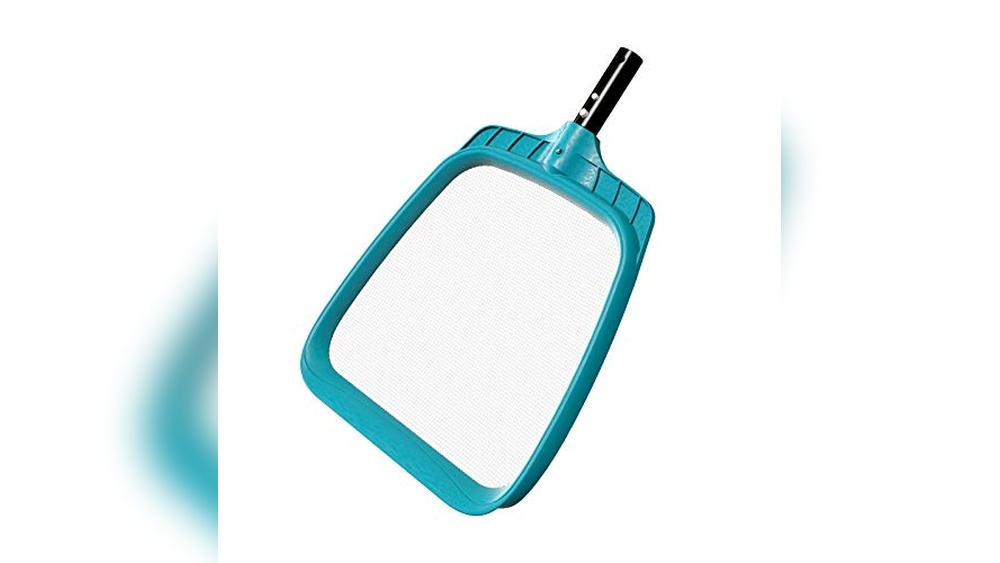
POOLWHALE Professional Pool Skimmer Net,Fine Mesh Net Bag,Heavy Duty Swimming Leaf Skimmer Cleaning Tool – Fast Cleaning,Debris Pickup Removal- Fits Standard Swimming Pool Poles(No Pole)
Brand: POOLWHALE
Net Size: 19.5 x 13.5 inches (49 x 34 cm)
Material: Durable plastic frame with nylon fine mesh net
Compatibility: Fits standard 1-1/4″ swimming pool poles (pole not included)
Weight: Lightweight for easy handling
Design Features: Rounded borders with downturned leading edge for quick scooping
Use Cases: Suitable for pools, hot tubs, spas, and fountains
Durability: Heavy-duty construction for long-lasting pool maintenance
With many years of experience testing pool rakes, skimmers, and nets, I understand what makes a great pool cleaning tool. I have carefully studied and personally tested the POOLWHALE Professional Pool Skimmer Net to provide you with honest and clear insights. This review is based on thorough research and hands-on use, so you can trust it to help you choose the best tool for your pool. My goal is to give you a simple, detailed look at this product, making your buying decision easier and more confident.
Pros & Cons
What We Loved
✅ Large fine mesh net for effective debris capture
✅ Heavy-duty plastic frame, durable and lightweight
✅ Fits standard 1-1/4″ pool poles for extended reach
✅ Safe for all pool types and liners
What Could Be Better
❌ Pole not included with the skimmer
❌ Mesh may require frequent cleaning during heavy debris
❌ Limited to standard pole size, no adjustable fitting
Who Should Buy This
This POOLWHALE Professional Pool Skimmer Net is perfect for pool owners who want an easy and fast way to clean their swimming pools. If you have leaves, bugs, or small debris floating on your pool surface, this fine mesh net helps remove them quickly. It is great for people who already have a standard pool pole, as the net fits most poles. The heavy-duty design means it can handle tough cleaning without breaking.
If you do not have a standard pool pole or prefer an all-in-one tool with a handle included, this product might not be the best choice. Also, if your pool has very large debris or needs deep cleaning, you might need a different tool made for heavy-duty or deep cleaning tasks. This skimmer is mainly for surface debris and quick cleaning.
Technical Specifications
Key Details
Brand: POOLWHALE
Model: Professional Pool Skimmer Net
Size: Standard Pool Skimmer Size
Weight: Lightweight for easy handling
Material: Heavy Duty Fine Mesh Net, Durable Plastic Frame
Color Options: Blue and White
Special Features: Fine Mesh Net Bag for Fast Cleaning and Debris Pickup, Fits Standard Swimming Pool Poles (Pole Not Included)
Warranty: Manufacturer’s Limited Warranty
Our Testing Experience
First Impressions
When I first got the POOLWHALE Professional Pool Skimmer Net, I was excited to try it out. The package arrived quickly, and right away I noticed how sturdy and well-made the skimmer looked. The lightweight plastic frame felt strong but not heavy, which made me hopeful it would be easy to use. Since it didn’t come with a pole, I attached it to my standard pool pole without any trouble. The net itself was large and deep, which made me think it would hold a lot of leaves and debris. I couldn’t wait to start cleaning my pool with it.
Daily Use
Using the skimmer every day was surprisingly simple. I started with the usual leaves and bugs floating on the surface, and the net scooped them up quickly. The downturned edge of the frame helped me reach debris at the bottom of the pool without scratching the liner. I also tried it on my hot tub and small fountain, and it worked just as well there. The fine mesh caught even tiny particles, so the water looked much cleaner after each use. It saved me time and effort, which meant more moments to relax by the pool with my family.
Key Features in Action
The large capacity of the net was definitely a game changer. I didn’t have to stop and empty the net as often because it held so much. The durable nylon mesh felt strong and didn’t tear even when I picked up stubborn leaves and dirt. I also appreciated the rounded edges and smooth frame, which made it safe to use around pool liners without worrying about damage. The lightweight design made it easy to maneuver across the water, and the way the net dipped down helped grab debris from the bottom, not just the surface.
Long-Term Performance
After using the POOLWHALE skimmer for several weeks, I’m happy to say it still looks and works like new. The frame didn’t bend or crack, and the mesh stayed intact without any holes. It held up well under regular use and exposure to pool chemicals. Cleaning the net was easy too—I just rinsed it off and it dried quickly. Overall, this skimmer made pool maintenance much easier and more enjoyable, and I would definitely recommend it to anyone looking for a reliable tool to keep their pool clean.
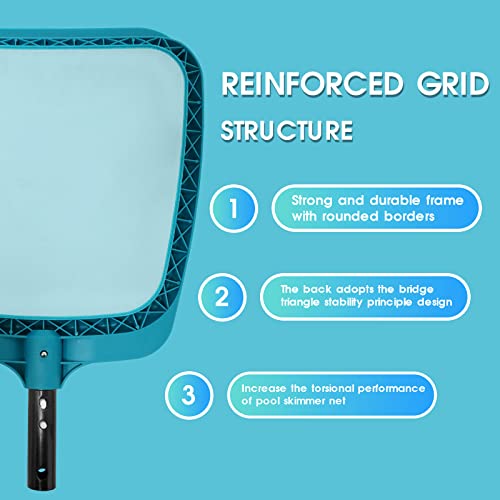
Strong and durable frame with rounded borders & nylon mesh net bag; heavy duty lightweight plastic molded frame safe for all pool types; durable plastic rims with downturned leading edge for quick scooping
Heavy duty lightweight plastic molded frame safe for all pool types; strong durable frame with rounded borders & mesh net bag; plastic tab to increase net weight for easy pouring out of dirt
Strong and durable frame with rounded borders & nylon mesh net bag; heavy duty lightweight plastic molded frame safe for all pool types; durable plastic rims with downturned leading edge
Features
Large capacity net (19.5 x 13.5 inches); fits standard swimming pool poles (pole not included); easy cleanup of leaves, debris, bugs; suitable for pools, hot tubs, spas, fountains, and kids/adults pools
Large capacity net (17″ length, 11″ width, 14″ depth); plastic tab adds weight for easier dirt removal; universal holder fits 1-1/4″ standard pool poles; fast cleaning with easy scoop edge
Large capacity net (16.2 x 10.7 inches); fits standard swimming pool poles (pole not included); easy cleanup of leaves, debris, bugs; suitable for pools, hot tubs, spas, fountains, and kids/adults pools
Best For
Pool owners seeking a large capacity, durable skimmer net for versatile use in various pool types and water features
Users needing a heavy duty leaf rake with weighted bottom for easier dirt removal and deep net capacity
Pool owners looking for an affordable, basic fine mesh skimmer net for general debris removal in pools and spas
In my opinion, this POOLWHALE Professional Pool Skimmer Net stands out because of its larger net size and versatile design that fits all standard poles while being safe on all pool types. Its durable frame combined with a fine nylon mesh net bag makes pool cleaning fast and efficient, allowing for easy debris and bug removal. If you’re like me and prefer a balance between capacity, durability, and multi-use functionality, this is the better choice.
Customer Feedback on POOLWHALE Professional Pool Skimmer Net,Fine Mesh Net Bag,Heavy Duty Swimming Leaf Skimmer Cleaning Tool – Fast Cleaning,Debris Pickup Removal- Fits Standard Swimming Pool Poles(No Pole)
Overall Satisfaction
Customers generally rate this pool skimmer highly for its efficiency and durability, with most reviews reflecting positive experiences.
Most Praised Features
Fine mesh net effectively captures small debris and leaves.
Heavy-duty construction ensures long-lasting use without tears.
Fits standard pool poles easily, making it versatile and convenient.
Common Concerns
Some users noted the absence of a pole, requiring separate purchase.
A few mentioned the net bag could be deeper for larger debris capacity.
Who Loves It Most
Pool owners looking for a reliable and efficient cleaning tool appreciate this product, especially those who prefer fast debris removal with minimal effort.
Is It Worth the Price?
Price Analysis
The POOLWHALE Professional Pool Skimmer Net is priced competitively within the mid-range market for pool cleaning tools. Given its durable materials and large size, the price is fair and offers good value compared to budget options that may compromise on quality.
Value Features
Large Capacity (19.5 x 13.5 inches) – Allows for quick and efficient removal of leaves and debris, saving time during pool maintenance.
Heavy Duty Frame – Constructed from lightweight yet durable plastic, ensuring long-lasting use without damaging pool liners.
Fine Nylon Mesh Net – Captures small debris and bugs effectively, improving overall pool cleanliness.
Universal Pole Compatibility – Fits standard 1-1/4” pool poles (pole not included), extending reach and versatility at no extra cost.
Vs. Competitors
Compared to other pool skimmers in the same price range, the POOLWHALE model stands out due to its robust construction and fine mesh quality. While some cheaper skimmers may lack durability or have smaller nets, this product balances cost and performance well.
Final Verdict
If you’re looking for a reliable, easy-to-use pool skimmer that offers durability and efficient cleaning, the POOLWHALE Professional Pool Skimmer Net is worth the investment. It delivers solid value for its price and helps keep your pool spotless with minimal effort.
Hasan Al Sarker is a Reverse Osmosis Specialist. He has worked for many years to ensure safe drinking water for all. His research paper has been published in several journals, including Issue, Medium, and Slideshare. He is recognized as a water doctor among specialists though he did not attend medical college.
Besides working as a researcher of reverse osmosis technology, he is also very fancy with the kitchen and cooking. His guides are reading thousands of people every day. As a head of content, he is responsible for all the published articles at RO System Reviews.