When you pour yourself a glass of water, it looks clear and safe. But hidden within may be nitrates from fertilizers or pesticide residues from agriculture. These invisible contaminants are among the most common pollutants in groundwater worldwide.
The health risks are serious—nitrates can cause blue baby syndrome, while pesticides are linked to cancer, liver damage, and hormonal disruption. Fortunately, a well-maintained reverse osmosis (RO) system can provide strong protection. Let’s explore how RO works, how effective it is, and what you need to know to keep your family safe.
Key Takeaways
Nitrates and pesticides often enter drinking water through agricultural runoff and groundwater contamination.
Reverse osmosis membranes block both, reducing them by 90–99%【EPA, 2022】.
Nitrates are especially dangerous for infants, while pesticides pose long-term health risks.
RO systems provide better protection than carbon filters alone.
Regular maintenance and testing ensure consistent safety.
What Are Nitrates and Why Are They Harmful?
1. Sources of Nitrates in Water
Fertilizers used in farming.
Animal waste and manure runoff.
Leaking septic systems.
2. Health Effects of Nitrates
Infants: Risk of methemoglobinemia (blue baby syndrome).
Adults: Increased risk of thyroid disease, stomach cancer, and hypertension.
Fact: The U.S. Environmental Protection Agency (EPA) sets the safe nitrate limit at 10 mg/L (10 ppm as nitrogen)【EPA, 2022】.
Old membranes lose efficiency, allowing more nitrates and pesticides through.
How to Test for Nitrates and Pesticides in Water
Lab Testing: Most reliable for both contaminants.
Home Test Kits: Useful for nitrates, less so for pesticides.
TDS Meters: Not effective—nitrates and pesticides may remain hidden even if TDS looks normal.
Maintenance Tips for Continued Protection
Replace Filters Regularly
Sediment and carbon filters: every 6–12 months.
RO membrane: every 2–3 years.
Flush the System Prevents buildup of contaminants on the membrane.
Sanitize the Tank Annually Stops bacteria from interfering with purification.
Test Water Annually Ensures system continues to meet safety standards.
Real-World Example: RO Use in Farming Communities
In agricultural areas of the U.S. Midwest and India, nitrate levels in groundwater often exceed 40–50 ppm. Families using RO systems report nitrate levels dropping to <5 ppm, protecting infants from blue baby syndrome and reducing long-term health risks.
Advantages of RO for Nitrate and Pesticide Removal
Removes a wide range of contaminants beyond just nitrates/pesticides.
High efficiency (90%+).
Available for both household and industrial use.
Reliable long-term protection when maintained.
Limitations of RO for Nitrate and Pesticide Removal
Test well water annually for nitrates and pesticides.
Choose RO units certified for nitrate/pesticide removal.
Use pre-treatment (chlorination or carbon) for heavily contaminated water.
Reuse reject water for cleaning or gardening to reduce waste.
Conclusion
Nitrates and pesticides in water are silent but dangerous threats. Reverse osmosis systems provide one of the most effective household defenses, removing 80–99% of these contaminants and keeping your family safe.
Here’s the bottom line:
Nitrates cause serious health issues, especially in infants.
Pesticides pose long-term cancer and hormonal risks.
RO membranes block both contaminants with high efficiency.
Regular maintenance and water testing are key to ensuring safety.
By investing in a good RO system and caring for it properly, you can enjoy peace of mind knowing your drinking water is free from two of the most harmful pollutants found in groundwater.
Hasan Al Sarker is a Reverse Osmosis Specialist. He has worked for many years to ensure safe drinking water for all. His research paper has been published in several journals, including Issue, Medium, and Slideshare. He is recognized as a water doctor among specialists though he did not attend medical college.
Besides working as a researcher of reverse osmosis technology, he is also very fancy with the kitchen and cooking. His guides are reading thousands of people every day. As a head of content, he is responsible for all the published articles at RO System Reviews.
Are you wondering why the pH of your RO water matters and how you can easily adjust it? The right pH level not only improves the taste but also ensures your water is safe and healthy to drink.
If your water feels too acidic or too alkaline, don’t worry—you can fix it yourself with simple steps. You’ll discover easy, practical ways to balance your RO water’s pH so it suits your needs perfectly. Keep reading to learn how to take control of your water quality and enjoy every sip.
Importance Of Ph In Ro Water
The pH level of RO water is very important. It shows how acidic or alkaline the water is. The right pH helps keep water safe and healthy to drink. It also affects the taste and how well water works with household items. Knowing the pH helps you adjust the water for better use. This keeps you and your home appliances safe.
Effects On Health
Water with very low pH is acidic and can harm your body. It may cause stomach problems and upset your digestion. Water with very high pH is too alkaline and may cause skin irritation. Balanced pH water helps keep your body healthy and hydrated. Drinking water close to neutral pH is best for daily use.
Impact On Appliances
Water with wrong pH can damage appliances like water filters and kettles. Acidic water can corrode metal parts and cause leaks. Alkaline water may leave mineral deposits and block pipes. Balanced pH protects your appliances and makes them last longer. It also keeps your water system clean and efficient.
Water Taste And Quality
pH affects how water tastes. Acidic water may taste sour or metallic. Alkaline water can taste bitter or soapy. Water with balanced pH tastes clean and fresh. Good taste helps you drink more water and stay healthy. Proper pH also keeps water free from harmful bacteria.
Common Causes Of Ph Imbalance
Understanding why the pH of RO water changes is important. Many factors cause pH imbalance in reverse osmosis water. These factors affect water quality and taste. Knowing the causes helps you fix the pH easily.
Source Water Variations
Water from different sources has different pH levels. Well water and city water vary in minerals and acidity. These differences affect the final pH of RO water. If source water is acidic or alkaline, RO water will reflect that.
Ro Membrane Effects
The RO membrane removes most minerals from water. Without minerals, water becomes slightly acidic. This happens because pure water absorbs carbon dioxide from air. The carbon dioxide forms weak acid, lowering the pH.
Environmental Factors
Air quality and storage conditions impact RO water pH. Exposure to air lets carbon dioxide mix with water. Warm temperatures speed up this process. Storing water in open containers also changes the pH over time.
Tools And Materials Needed
Adjusting the pH of RO water needs specific tools and materials. These help you test and change the water’s pH safely and accurately. Having the right equipment makes the process simple and effective.
Ph Test Kits
pH test kits measure the acidity or alkalinity of RO water. They show if the pH is too low or too high. These kits usually include test strips or liquid indicators. Test strips change color based on the pH level. Liquid indicators require adding drops to a water sample. Both types give quick and clear results. Choose a kit with a clear color chart for easy reading.
Ph Adjustment Solutions
pH adjustment solutions help correct the water’s pH. Acidic solutions lower the pH if the water is too alkaline. Alkaline solutions raise the pH if the water is too acidic. Common acids used are citric acid or vinegar. Common bases include baking soda or soda ash. Use these solutions carefully, a little at a time. This avoids big changes and keeps the water balanced.
Measuring Equipment
Measuring equipment ensures precise additions of pH solutions. Use small measuring spoons or syringes for liquids. Graduated cylinders or beakers help measure water samples. A digital pH meter offers more accurate readings than test strips. It requires calibration before use. Good measuring tools prevent mistakes and help maintain correct pH levels.
Testing Ro Water Ph
Testing the pH of reverse osmosis (RO) water is important for many uses. It shows if the water is acidic, neutral, or alkaline. This helps decide if you need to adjust the pH for drinking or other tasks.
Accurate testing means better water quality and safety. Several methods exist to test pH. Some are simple, while others give precise results.
Sample Collection
Collect water in a clean container. Use glass or plastic that does not change water’s pH. Avoid metal containers, as they can affect the reading. Take the sample directly from the RO system output. Test the water soon after collection for best results.
Using Ph Test Strips
Dip a pH test strip into the water sample. Remove it quickly and compare the color to the chart. Match the strip color to find the pH value. This method is fast and easy. It works well for rough estimates. Keep test strips dry and sealed before use.
Digital Ph Meters
Turn on the digital pH meter and calibrate it first. Calibration uses special buffer solutions with known pH. Insert the meter’s probe into the water sample. Wait for the reading to stabilize. Digital meters provide precise and quick results. Clean the probe after each use to keep it accurate.
Methods To Raise Ph
Raising the pH of reverse osmosis (RO) water makes it less acidic. This helps protect pipes and improves taste. Several simple methods can increase pH safely and effectively. Choose the best method based on your needs and resources.
Adding Alkaline Minerals
Alkaline minerals like calcium and magnesium can raise the pH of RO water. Adding mineral drops or powders is a natural way to do this. These minerals also add healthy nutrients to the water. The process is simple: mix the minerals in small amounts and test the pH until it reaches the desired level.
Using Baking Soda
Baking soda is a common household item that can raise water pH. It neutralizes acidity quickly. Use a small pinch of baking soda for every gallon of water. Stir well and check the pH after mixing. Avoid adding too much to prevent a salty taste.
Commercial Ph Up Solutions
Commercial pH up solutions are designed specifically to raise water pH. These products often contain sodium carbonate or potassium hydroxide. They work fast and are easy to use. Follow the instructions carefully for safe and effective results. Test the water after adding the solution to ensure the right pH.
Methods To Lower Ph
Lowering the pH of RO water is important in many uses. It helps make the water less alkaline and more balanced. Several methods exist to reduce pH safely and effectively. This section explains easy ways to lower pH in RO water.
Adding Acidic Substances
Adding natural acidic substances can lower pH. Substances like vinegar or lemon juice work well. They add mild acid that reduces the water’s pH gently. Always add small amounts and test pH after each addition. This prevents the water from becoming too acidic.
Using Citric Acid
Citric acid is a popular choice for lowering pH. It is safe and easy to use. Dissolve a small amount in water and add it slowly to RO water. Test the pH after every addition to reach the desired level. Citric acid also helps avoid sudden pH changes.
Commercial Ph Down Solutions
Special pH down products are made for precise pH control. These solutions contain acids like phosphoric or sulfuric acid. They work quickly to lower pH in RO water. Follow the product instructions carefully and add in small doses. Testing pH after each dose is crucial for accuracy.
Step-by-step Ph Adjustment Process
Adjusting the pH of RO water is a careful process. It requires patience and precise steps. Follow this simple guide to get the right pH level for your water. These steps help avoid mistakes and ensure the water is safe and balanced.
Preparing The Water Sample
Start by collecting a clean water sample. Use a glass or plastic container that is free from any chemicals. Fill it with RO water from your source. Make sure the container is large enough to test the water properly. Use a pH meter or pH test strips to check the current pH level. Record this number before making any changes.
Applying Adjustments Gradually
Use a pH adjuster, either acid or base, depending on your target level. Add the adjuster in very small amounts. Stir the water gently after each addition. This helps spread the adjuster evenly throughout the water. Avoid adding too much at once. Small doses prevent overshooting the desired pH.
Re-testing And Fine-tuning
Test the pH after each adjustment. Wait a few minutes for the water to settle. Check the pH meter or strips again for accuracy. If the pH is still off, add more adjuster slowly. Repeat testing and adding until the pH reaches the correct range. Stop once the water is balanced and stable.
Maintaining Ph Balance Over Time
Maintaining the pH balance of reverse osmosis (RO) water over time is important for safety and taste. RO water can become acidic after sitting in storage or pipes. This can cause corrosion or a sour taste. Keeping the pH stable means regular care and attention to your water system.
Small steps can make a big difference. Testing, storing, and cleaning your system all help keep the pH balanced. Consistency is key to good water quality every day.
Regular Testing Schedule
Test the pH of your RO water at least once a week. Use simple pH test strips or a digital meter. Record the results to notice any changes over time. Early detection helps fix issues quickly.
Choose the same time and place for testing each week. This keeps results consistent and reliable.
Storage Tips
Store RO water in clean, food-grade containers. Avoid metal containers as they can change the pH. Use glass or BPA-free plastic bottles for best results.
Keep stored water in a cool, dark place. Heat and sunlight speed up pH changes. Use water within a week for the freshest taste.
System Maintenance
Clean your RO system regularly to avoid bacterial growth. Replace filters and membranes on schedule. Old parts can lower water quality and affect pH.
Flush the system after filter changes to clear any debris. This keeps water pure and pH balanced.
Troubleshooting Common Issues
Adjusting the pH of RO water can sometimes be tricky. Problems may arise even after careful adjustments. Troubleshooting helps identify and fix these issues quickly. This section covers common problems and how to solve them. Follow these tips to keep your pH levels steady and accurate.
Inconsistent Ph Levels
Inconsistent pH levels can confuse you. The water may test differently at various times. This happens due to temperature changes or mixing issues. Test the water at the same temperature each time. Stir the water well before testing. Use fresh samples to avoid old water effects. Keep a log of readings to spot patterns.
Overcorrection Problems
Adding too much acid or base causes overcorrection. The pH swings too far in one direction. Add small amounts slowly, then test again. Wait a few minutes between adjustments. This prevents sudden pH jumps. Use a dropper for precise dosing. Overcorrecting wastes chemicals and wastes time.
Equipment Calibration
Incorrect pH meter calibration leads to wrong readings. Calibrate your meter regularly with standard solutions. Use fresh calibration buffers and follow the manual. Clean the electrode before each use. Replace the electrode if it is old or damaged. Proper calibration ensures accurate pH results every time.
How RO System Reviews Can Help You with How to Adjust Ph of Ro Water
Practical Learning Opportunities in Adjusting RO Water pH
Understanding how to adjust the pH of RO water opens several practical learning opportunities that can enhance your experience with household water purification. For instance, by regularly testing your water’s pH using simple tools, you gain insights into how different factors, like source water changes or system maintenance, influence pH balance. This hands-on approach reinforces knowledge about common causes of pH imbalance and the step-by-step processes required to correct it.
Engaging in these activities not only builds confidence in maintaining your RO system but also aligns with the goal of enjoying cleaner, safer, and better-tasting water every day. For those new to RO systems or upgrading existing setups, exploring these adjustments provides a valuable foundation in water care.
Practice testing and recording pH levels regularly
Experiment with safe methods to raise or lower pH
Learn to troubleshoot issues based on observed pH fluctuations
If you ever need further guidance on testing methods or troubleshooting, resources like RO System Reviews can be a helpful point of reference to deepen your understanding.
Frequently Asked Questions
How Can I Raise The Ph Of Ro Water?
To raise RO water pH, add alkaline substances like baking soda or calcium carbonate. Use pH drops or alkaline filters to increase pH naturally and safely.
What Is The Best Way To Lower Ro Water Ph?
Lower RO water pH by adding diluted lemon juice or vinegar carefully. Alternatively, use acidic resins or pH-lowering filters designed for water treatment.
Why Is Adjusting Ro Water Ph Important?
Adjusting RO water pH ensures balanced acidity for health and taste. Proper pH improves water’s mineral content and prevents corrosion in plumbing.
How Do I Test The Ph Of Ro Water?
Test RO water pH with pH test strips or digital pH meters. These tools give quick, accurate readings to help you adjust pH properly.
Conclusion
Adjusting the pH of RO water keeps it safe and healthy to use. Testing the water regularly helps you know when to make changes. Adding minerals or using pH drops can raise the pH. Using vinegar or lemon juice can lower the pH.
Small steps make a big difference in water quality. Keep it simple and check often. Clean, balanced water supports good health every day.
Hasan Al Sarker is a Reverse Osmosis Specialist. He has worked for many years to ensure safe drinking water for all. His research paper has been published in several journals, including Issue, Medium, and Slideshare. He is recognized as a water doctor among specialists though he did not attend medical college.
Besides working as a researcher of reverse osmosis technology, he is also very fancy with the kitchen and cooking. His guides are reading thousands of people every day. As a head of content, he is responsible for all the published articles at RO System Reviews.
Are you sure the water you drink every day is truly safe? Knowing the pH level of your RO water is key to understanding its quality and how it affects your health.
But how can you check this easily at home? You’ll discover simple, effective ways to test your RO water’s pH level. By the end, you’ll have the confidence to ensure your water is just right for you and your family.
Keep reading to learn how!
Importance Of Ph In Ro Water
pH level measures how acidic or basic RO water is. It affects water quality and safety. Checking pH helps maintain balanced water for daily use. Both very low and very high pH can cause problems. Knowing pH ensures better health and appliance care.
Effects On Health
Water with low pH is acidic and may harm your body. Acidic water can irritate your stomach and skin. High pH water is alkaline and may cause digestive issues. Balanced pH water supports hydration and overall health. Drinking water with proper pH protects your body’s natural balance.
Impact On Appliances
RO water with improper pH can damage appliances. Acidic water may corrode pipes and water filters. Alkaline water can leave mineral deposits inside machines. Balanced pH prevents rust and scale build-up. Maintaining proper pH extends the life of your appliances.
Common Ph Ranges For Ro Water
Understanding the common pH ranges for RO water helps maintain water quality. pH measures how acidic or alkaline the water is. RO water usually has a different pH than tap water. This difference affects taste, safety, and appliance performance. Knowing these ranges guides proper water use and care.
Ideal Ph Levels
Pure RO water often has a pH between 5 and 7. This range is slightly acidic to neutral. A neutral pH is 7, which is safe for drinking. Slight acidity is normal due to carbon dioxide in the air. Some systems add minerals to balance the pH near neutral. Water in this ideal range is gentle on the body and pipes.
Signs Of Imbalance
Water with a pH below 5 is too acidic. Acidic water may taste sour or metallic. It can corrode pipes and appliances over time. Water with pH above 7 is alkaline. Alkaline water can taste bitter or soapy. It may leave white deposits in kettles or pipes. Noticing these signs means checking your RO system is necessary.
Using Ph Test Strips
Using pH test strips is a simple and effective way to check the pH level of RO water. These strips give quick results and require no special tools. Anyone can use them at home to ensure water is safe and balanced.
Test strips change color when dipped in water. This color shows the water’s pH level. Testing regularly helps maintain water quality and taste.
Selecting The Right Strips
Choose pH strips with a wide range, usually from 0 to 14. This range covers all possible pH levels. Look for strips with clear color charts for easy reading. Strips labeled for water testing work best for RO water.
Step-by-step Testing Process
First, take a clean glass and fill it with RO water. Next, dip one pH strip into the water for a few seconds. Remove the strip and shake off excess water. Wait for the strip to change color, about 15 seconds. Compare the strip color to the chart provided with the strips.
Interpreting Results
Colors on the strip match numbers on the chart. A pH of 7 means neutral water. Below 7 shows acidity, above 7 shows alkalinity. RO water usually stays between 6 and 7.5. If the pH is too low or high, consider adjusting your water system.
Digital Ph Meters
Digital pH meters are tools that measure the pH level of RO water quickly and accurately. These meters show the pH value on a digital screen. This helps you know if the water is acidic, neutral, or alkaline.
Digital pH meters are easy to use and give fast results. They are better than using pH strips because they provide exact numbers. This makes them popular for testing RO water quality at home or in labs.
Choosing A Reliable Meter
Pick a meter with good reviews and a trusted brand. Look for one with a clear digital display and simple buttons. Make sure it can measure pH values from 0 to 14. A meter with automatic temperature compensation gives better results.
Consider meters with replaceable electrodes. This keeps your device working longer. Check if the meter comes with a storage case. This protects it from damage when not in use.
Calibration Tips
Calibrate your pH meter before each use. Use standard buffer solutions, usually at pH 4.0, 7.0, and 10.0. Rinse the electrode with clean water before dipping it in each buffer.
Follow the instructions that come with your meter. Calibration ensures the readings are accurate. Store buffer solutions in sealed containers to keep them fresh.
How To Measure Accurately
Rinse the electrode with distilled water before testing RO water. Dip the electrode gently into the water sample. Stir the water slowly to avoid bubbles around the electrode.
Wait until the reading stabilizes on the screen. Record the pH value immediately. Clean the electrode after use and store it properly to maintain accuracy.
Natural Indicators
Natural indicators offer a simple way to check the pH level of RO water at home. These indicators change color based on the water’s acidity or alkalinity. They are easy to find in kitchens or gardens. Using natural indicators avoids chemicals and expensive tools. Observe the color change to understand the water’s pH.
Using Red Cabbage Juice
Red cabbage juice is a popular natural pH indicator. Chop red cabbage leaves and boil them in water for 10 minutes. The water will turn deep purple. Pour some juice into a clear glass. Add a few drops of RO water. Watch the color shift. Purple means neutral pH around 7.
If the color turns pink or red, the water is acidic. Blue or green shades show alkaline water. This method is safe, cheap, and easy to try.
Other Plant-based Indicators
Other plants also change color in different pH environments. Hibiscus flowers produce pink or red juice that turns greenish in alkaline water. Beetroot juice shifts from red to yellow in alkaline conditions.
These plant-based indicators help test water pH naturally. Collect juice, add RO water, and watch the color change. This simple test gives a good pH estimate without tools.
Maintaining Optimal Ph Levels
Maintaining the right pH level in RO water is important for health and taste. RO water tends to be slightly acidic after purification. This acidity can affect pipes and appliances over time. It can also change the water’s taste. Keeping the pH balanced ensures safe and pleasant water for daily use.
Adjusting Ph In Ro Water
To raise the pH, add alkaline substances like baking soda or calcium carbonate. These help neutralize acidity gently. Use pH drops or mineral cartridges designed for RO systems. They add essential minerals back to the water. Always add small amounts and test the water after each change. This prevents overcorrection and keeps pH in the safe range.
Regular Monitoring Practices
Check the pH of RO water regularly using test strips or digital meters. Testing weekly helps catch changes early. Record the results to track trends over time. Clean and calibrate digital meters often for accurate readings. Regular monitoring protects against corrosion and health risks. It also ensures water quality stays consistent and safe.
How RO System Reviews Can Help You with How to Check Ph Level of Ro Water
Practical Steps to Learn and Monitor pH Levels in RO Water
Understanding how to check the pH level of your RO water is a valuable skill for ensuring the water you consume remains within the ideal range. Whether you’re using pH test strips or a digital pH meter, hands-on practice helps you become more confident in interpreting results accurately. For those interested in natural methods, experimenting with natural indicators can also be an insightful way to observe pH changes.
Maintaining optimal pH levels is essential not only for taste but also for health and appliance longevity. As households explore these methods, resources like RO System Reviews provide guidance rooted in the mission of helping every home enjoy cleaner, safer water. If you have questions while testing or want to deepen your understanding, reaching out to knowledgeable sources can be a great support.
Start by testing small water samples regularly
Compare readings from different tools to build accuracy
Keep a log to track pH fluctuations over time
For additional assistance, consider contacting RO System Reviews at info@rosystemreviews.com for helpful insights that go beyond basic testing techniques.
Frequently Asked Questions
How Do I Test The Ph Level Of Ro Water At Home?
You can test RO water pH using pH strips or a digital pH meter. Dip the strip or probe into the water, wait a few seconds, and compare the color or digital reading to the pH scale for an accurate result.
What Is The Ideal Ph Range For Ro Water?
The ideal pH range for RO water is between 6. 5 and 7. 5. This range indicates neutral to slightly acidic water, which is safe and healthy for drinking and daily use.
Why Is Checking Ro Water Ph Important?
Checking RO water pH ensures water quality and safety. It helps detect if the water is too acidic or alkaline, which can affect taste, plumbing, and health.
Can Ph Level Affect The Taste Of Ro Water?
Yes, pH levels influence RO water taste. Water with very low or high pH can taste sour or bitter, while balanced pH water tastes clean and fresh.
Conclusion
Checking the pH level of RO water is simple and important. You can use test strips or a digital meter to see the pH value. Knowing this helps you keep your water safe and healthy to drink. Test your water regularly to catch any changes early.
Clean water means better health for you and your family. Stay informed and take small steps to ensure your water quality is always good. Easy to do, worth the effort.
Hasan Al Sarker is a Reverse Osmosis Specialist. He has worked for many years to ensure safe drinking water for all. His research paper has been published in several journals, including Issue, Medium, and Slideshare. He is recognized as a water doctor among specialists though he did not attend medical college.
Besides working as a researcher of reverse osmosis technology, he is also very fancy with the kitchen and cooking. His guides are reading thousands of people every day. As a head of content, he is responsible for all the published articles at RO System Reviews.
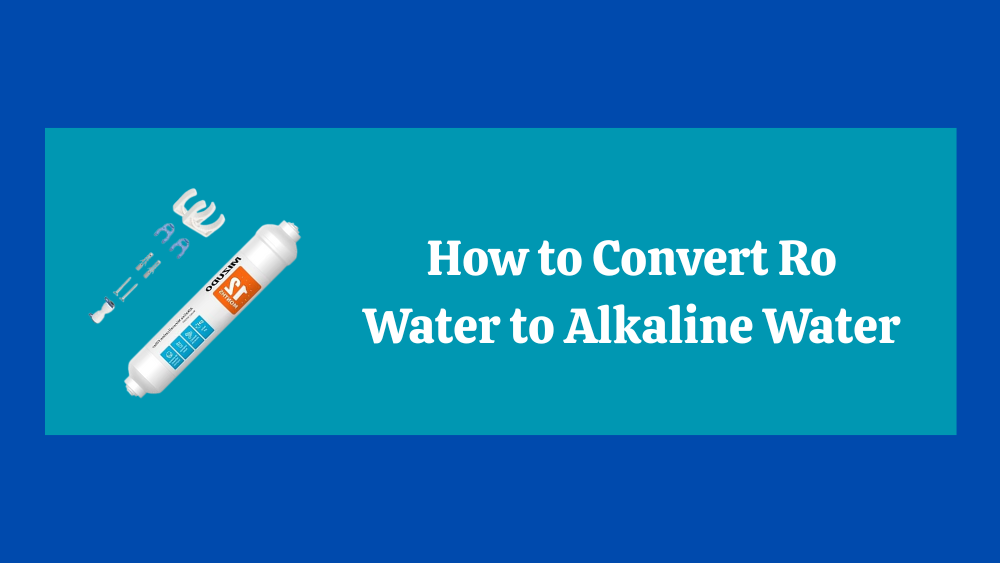
Are you drinking RO water but wondering if it’s truly the healthiest choice for you? While reverse osmosis (RO) water is pure, it can be slightly acidic and lack essential minerals your body needs.
What if you could easily turn that clean water into alkaline water, known for its benefits like better hydration and improved balance? You’ll discover simple and effective ways to convert your RO water into alkaline water at home. Keep reading, and you’ll learn how to make this small change that could have a big impact on your health.
Benefits Of Alkaline Water
Alkaline water offers several health benefits that many people appreciate. It has a higher pH than regular water, which means it is less acidic. Drinking alkaline water can support better health in different ways.
Here are some key benefits of alkaline water to know about.
Improved Hydration
Alkaline water helps your body absorb fluids faster. It can hydrate your cells more effectively than plain water. This effect is helpful during exercise or hot weather. Better hydration means more energy and less tiredness.
Antioxidant Properties
Alkaline water contains antioxidants that fight harmful molecules. These molecules can damage cells and cause aging. Drinking alkaline water helps reduce this damage. It supports your body’s defense against stress and illness.
Acid-base Balance
Your body works best with balanced acid and base levels. Acidic foods and drinks can upset this balance. Alkaline water helps neutralize excess acid. This balance can improve digestion and reduce acid reflux discomfort.
Limitations Of RO Water
Reverse osmosis (RO) water is popular for its purity. It removes many impurities and contaminants. Still, it has some limits that affect water quality. Understanding these helps to improve your drinking water.
Mineral Removal
RO systems remove almost all minerals from water. Calcium, magnesium, and potassium are stripped out. These minerals are important for taste and health. Without them, water can taste flat or bland. Drinking water without minerals over time may affect your body’s balance.
Potential Acidity
RO water tends to be slightly acidic. The removal of minerals lowers the pH level. Acidic water can be harsh on your stomach. It may also corrode pipes and fixtures. This acidity can reduce the benefits of drinking clean water.
Methods To Alkalize RO Water
Reverse Osmosis (RO) water is very pure but lacks minerals and has a low pH. This makes it slightly acidic and not ideal for daily drinking. To improve its taste and health benefits, it helps to increase its alkalinity. Several simple methods can raise the pH and add minerals back into RO water. These methods are easy to use and effective.
Adding Mineral Drops
Mineral drops are liquid supplements that add essential minerals like calcium and magnesium to water. Just a few drops in a glass of RO water can raise the pH level. These drops also improve the taste and provide important nutrients. They are convenient and easy to carry anywhere.
Using Alkaline Water Pitchers
Alkaline water pitchers filter and raise the pH of RO water at home. The pitchers contain special filters with minerals that dissolve into the water. Simply fill the pitcher with RO water and wait a few minutes. The water becomes mildly alkaline and better for drinking.
Adding Baking Soda
Baking soda is a natural way to make water alkaline. Adding a small pinch to a glass of RO water raises the pH quickly. It is important to use only a tiny amount to avoid a salty taste. This method is cheap and effective for occasional use.
Using Ph Drops
pH drops are concentrated solutions that increase water alkalinity fast. Just add a few drops to RO water and stir well. These drops usually contain alkaline minerals and can raise pH to the desired level. They are portable and easy to use daily.
Diy Alkaline Water Recipes
Making alkaline water at home is easy and cost-effective. You can use simple kitchen ingredients to raise the pH of your RO water. These DIY recipes add natural minerals and improve taste. They also help balance your body’s acidity naturally. Try these two simple recipes to start your journey toward alkaline water.
Lemon And Baking Soda Mix
This recipe uses lemon juice and baking soda to create alkaline water. Start with one glass of RO water. Add half a teaspoon of baking soda. Then, squeeze in the juice of half a lemon. Stir well until the baking soda dissolves completely. The lemon provides vitamin C and a fresh taste. Baking soda raises the water’s pH, making it alkaline. Drink this water soon after mixing for the best effect.
Cucumber And Mint Infusion
This method uses cucumber and mint for a refreshing alkaline drink. Slice half a cucumber thinly. Add the slices to a pitcher of RO water. Tear a few fresh mint leaves and add them too. Let the mixture sit for 2 to 4 hours in the fridge. The cucumber releases minerals that increase alkalinity. Mint adds a cool flavor and helps digestion. Enjoy this infused water throughout the day for hydration and balance.
Testing Water Ph At Home
Testing water pH at home is simple and important. It helps you know if your water is alkaline or not. Regular water, like RO water, often has a neutral or slightly acidic pH. To enjoy the benefits of alkaline water, you must check the pH level first.
There are two popular methods for testing pH at home. Both are easy to use and give quick results. Choose the one that fits your needs and budget.
Using Ph Strips
pH strips are small paper strips coated with a special chemical. Dip the strip into your water sample for a few seconds. Remove it and watch the color change. Match the color to the chart that comes with the strips. This chart shows the pH value.
pH strips are cheap and widely available. They are good for quick checks. The results are easy to read. But the accuracy may vary slightly depending on the strip quality.
Digital Ph Meters
Digital pH meters give more precise readings. Turn on the device and dip the probe into the water. The meter shows the pH number on a small screen. This number tells if the water is acidic, neutral, or alkaline.
Digital meters cost more than strips but offer better accuracy. They need proper care and calibration. Regular cleaning keeps the meter working well. This tool is perfect for those serious about monitoring water pH.
Safety Tips And Precautions
Converting RO water to alkaline water can improve taste and benefits. Safety is very important during this process. Taking some precautions helps avoid health risks. Understanding how to handle alkaline water correctly keeps you safe.
Avoid Over-alkalizing
Do not make the water too alkaline. High pH can cause stomach problems and skin irritation. Stick to a balanced pH level between 7.5 and 9.5. Test the water often with pH strips. Stop adding alkaline substances if pH rises too high.
Consulting A Healthcare Professional
Talk to a doctor before drinking alkaline water regularly. Some health conditions may not suit alkaline water. A healthcare professional gives advice based on your health. This step helps prevent unwanted side effects.
How RO System Reviews Can Help You with How to Convert Ro Water to Alkaline Water
Practical Steps to Enhance Your RO Water Experience
Converting RO water to alkaline water not only improves taste but also offers additional health benefits. To get started, understanding the limitations of RO water and how to alkalize it effectively is essential. Simple DIY alkaline water recipes and testing water pH at home can provide hands-on learning opportunities, helping you fine-tune the process to suit your household needs.
Experiment with adding natural alkaline minerals like lemon or baking soda while monitoring pH levels.
Use affordable pH test strips to ensure your water reaches the desired alkalinity.
Stay mindful of safety tips to avoid over-alkalizing, which can affect your water’s balance.
Organizations like RO System Reviews emphasize empowering households with knowledge to enjoy cleaner, safer, and better-tasting water. If you’re curious about optimizing your setup or need guidance on testing methods, reaching out to water quality experts can provide valuable insights tailored to your situation.
Frequently Asked Questions
What Is Alkaline Water And Why Convert Ro Water?
Alkaline water has a higher pH than regular water, typically above 7. It neutralizes acid in the body. Converting RO water to alkaline adds minerals and improves taste and health benefits.
How Can I Make Ro Water Alkaline At Home?
You can add alkaline drops, use a mineral cartridge, or add baking soda. These methods increase pH and add essential minerals to RO water easily.
Does Alkaline Water Improve Hydration Compared To Ro Water?
Yes, alkaline water may hydrate better due to smaller water clusters and added minerals. It helps balance body pH and supports overall hydration.
Are There Health Benefits Of Drinking Alkaline Water From Ro Systems?
Alkaline water can help neutralize acidity, improve metabolism, and reduce acid reflux. However, consult a doctor for specific health concerns before switching.
Conclusion
Converting RO water to alkaline water is simple and helpful. Adding minerals like calcium or magnesium raises the pH level. Using an alkaline water filter or drops works well too. Drinking alkaline water may support better hydration and balance body acidity.
Try these easy steps at home for healthier water. Your body might feel the difference soon. Start today and enjoy cleaner, fresher water every day.
Hasan Al Sarker is a Reverse Osmosis Specialist. He has worked for many years to ensure safe drinking water for all. His research paper has been published in several journals, including Issue, Medium, and Slideshare. He is recognized as a water doctor among specialists though he did not attend medical college.
Besides working as a researcher of reverse osmosis technology, he is also very fancy with the kitchen and cooking. His guides are reading thousands of people every day. As a head of content, he is responsible for all the published articles at RO System Reviews.
Are you confused about the difference between RO water and alkaline water? You’re not alone.
Many people wonder which type of water is better for their health and daily use. Understanding how these waters work and what makes them unique can help you make smarter choices for your body. You’ll discover clear, simple facts that will change the way you think about drinking water.
Keep reading to find out which water suits your lifestyle and why it matters to your health.
Ro Water Basics
RO water is a common choice for clean drinking water. It uses a special process to remove many impurities. Understanding the basics of RO water helps you know its benefits and uses.
This section explains how RO water is made, where it is used, and its health effects.
How Ro Water Is Made
RO stands for Reverse Osmosis. This process pushes water through a thin, semi-permeable membrane. The membrane blocks contaminants like dirt, salts, and chemicals. Only pure water passes through. This makes RO water very clean.
Common Uses Of Ro Water
People use RO water at home for drinking and cooking. It is also used in hospitals and laboratories. Industries use RO water to make products that need pure water. Many prefer RO water for its clean taste and safety.
Health Aspects Of Ro Water
RO water removes harmful substances, which helps prevent illness. It also removes some minerals like calcium and magnesium. This means RO water may have fewer minerals than tap water. Some people add minerals back to improve taste and health benefits.
Alkaline Water Essentials
Alkaline water has gained attention for its unique properties and potential health benefits. It differs from regular water by its higher pH level. This section explains the essentials of alkaline water, including its production, pH levels, benefits, and popular brands.
Understanding these basics helps you decide if alkaline water suits your needs.
How Alkaline Water Is Produced
Alkaline water is made by increasing water’s pH level. This can happen naturally or through machines called water ionizers. These machines use a process called electrolysis. They separate water into alkaline and acidic parts. Minerals like calcium, magnesium, and potassium are added to boost alkalinity. Some brands add minerals directly without ionization.
Ph Levels And Benefits
Alkaline water usually has a pH between 8 and 9.5. Regular water has a neutral pH of 7. Higher pH means less acidity. Some people believe alkaline water neutralizes acid in the body. It may help with acid reflux and hydration. Research is still ongoing to confirm these benefits. Drinking alkaline water is safe for most people.
Popular Brands And Sources
Many brands sell alkaline water in bottles or as home systems. Popular bottled brands include Essentia, AQUAhydrate, and Flow. Natural sources like springs can also provide alkaline water. Some brands market water from these springs. Choose a brand that tests water quality regularly. This ensures safety and consistency.
Comparing Purity And Minerals
Purity and minerals define the key differences between RO water and alkaline water. Both types offer clean drinking water but vary greatly in mineral content and taste. Understanding these differences helps in choosing the right water for health and preference.
RO water focuses on removing impurities, while alkaline water emphasizes mineral balance. These factors affect taste, health benefits, and the technology used to produce each type.
Mineral Content Differences
RO water removes most minerals during filtration. It leaves very little or no mineral content behind. This makes it very pure but also mineral-free. Alkaline water contains added minerals like calcium and magnesium. These minerals raise the water’s pH level. Mineral presence in alkaline water provides a slight taste and health boost.
Impact On Taste And Health
RO water tastes clean and neutral. It lacks the natural mineral flavor found in regular water. Alkaline water has a smoother, sometimes slightly sweet taste. Minerals in alkaline water may help balance body pH and support hydration. RO water’s purity suits those needing chemical-free water. Alkaline water appeals to those who want extra minerals in their diet.
Filter Technologies Involved
RO water uses reverse osmosis membranes. These membranes block contaminants and minerals. The process removes bacteria, viruses, and chemicals efficiently. Alkaline water uses mineral filters or ionizers. These devices add minerals back into the water or change its pH. Both systems focus on water safety but use different methods to achieve it.
Health Effects Compared
Understanding the health effects of RO water and alkaline water helps in choosing the right option. Both types of water have unique qualities that impact the body differently. This section compares their hydration, antioxidant benefits, and potential risks.
Hydration And Antioxidant Properties
RO water is pure and free from minerals. It hydrates the body well but lacks added minerals. Alkaline water contains minerals like calcium and magnesium. These minerals may improve hydration better than plain water. Alkaline water also has antioxidant properties. It can neutralize harmful free radicals in the body. RO water does not offer antioxidants but provides clean hydration.
Potential Risks And Misconceptions
Some people think alkaline water cures diseases. This is not fully proven by science. Drinking too much alkaline water can upset stomach acid balance. RO water may remove essential minerals, needing mineral intake from food. Both waters are generally safe if consumed in moderation. Misconceptions often cause confusion about their benefits and risks.
Scientific Research Insights
Research shows alkaline water might help reduce acid reflux symptoms. Studies on antioxidant effects are still limited. RO water studies focus on purity and safety. No clear evidence shows one type is vastly better than the other. Science supports using clean water for health. Personal needs and preferences guide the best choice.
Cost And Availability
Cost and availability play a big role when choosing between RO water and alkaline water. Understanding how much each option costs helps you decide what fits your budget. Knowing where to buy these water types makes daily use easier. Also, maintenance costs and device lifespan affect long-term expenses.
Pricing Differences
RO water systems usually cost less than alkaline water machines. Basic RO filters start at a low price. Alkaline water filters often have higher prices. This is because they add minerals to the water. The cost of buying bottled alkaline water is also higher than bottled RO water.
Accessibility In Markets
RO water is common in many places. You can find it in most supermarkets and stores. Alkaline water is less common. Some stores sell it, but not all. Online shopping offers both types. However, delivery fees may add to the cost.
Maintenance And Lifespan
RO systems need regular filter changes to work well. Filters usually last 6 to 12 months. Alkaline water machines may need more care. Their filters and mineral cartridges can cost more to replace. Both systems can last several years with proper care.
Choosing The Right Water
Choosing the right water affects your health and daily routine. Both RO water and alkaline water have unique qualities. Understanding these can help you make a better choice. Let’s explore key points to consider before deciding.
Factors To Consider
Think about the quality of your tap water. RO water removes most impurities and toxins. Alkaline water has a higher pH and minerals like calcium. Consider your health needs and taste preferences. Cost and availability also play a role. Check if your water source is clean or needs filtering.
Suitability For Different Lifestyles
Active people may benefit from alkaline water’s minerals. Those with kidney issues should be careful with mineral content. RO water suits people wanting pure, clean water. Families with children often prefer RO water for safety. Office workers may choose based on convenience and taste.
Expert Recommendations
Health experts suggest drinking water that matches your body’s needs. They advise testing your tap water first. Some recommend alternating between RO and alkaline water. Doctors warn against relying only on alkaline water for health. Hydration is most important, no matter the water type.
How RO System Reviews Can Help You with What is Difference between Ro Water And Alkaline Water
Exploring Practical Learning with RO and Alkaline Water
Understanding the differences between RO water and alkaline water opens up practical learning opportunities for anyone looking to improve their household water quality. By revisiting the topics of purity and minerals, as well as health effects compared, you can better appreciate how each type of water fits specific needs. For instance, RO water excels in removing impurities, making it ideal for those prioritizing cleanliness, while alkaline water offers mineral content that some find beneficial for balancing pH levels.
For first-time buyers or those upgrading their systems, exploring these factors can guide informed decisions. Organizations like RO System Reviews provide valuable insights aligned with their mission to help households enjoy cleaner, safer, and better-tasting water. If you’re curious about how to choose the right water system, don’t hesitate to reach out for practical advice tailored to your water needs at contact@rosystemreviews.com.
Frequently Asked Questions
What Is Ro Water And How Is It Purified?
RO water is purified using reverse osmosis technology. It removes impurities, chemicals, and contaminants by pushing water through a semipermeable membrane. This process ensures clean, safe drinking water by filtering out dissolved solids and harmful substances effectively.
How Does Alkaline Water Differ From Ro Water?
Alkaline water has a higher pH level, usually above 7, due to added minerals. RO water is neutral or slightly acidic, with most minerals removed. Alkaline water aims to balance body pH, while RO water focuses on purity and contaminant removal.
Is Alkaline Water Healthier Than Ro Water?
Alkaline water may aid hydration and neutralize acidity, but scientific evidence is limited. RO water is safer for removing contaminants. Health benefits depend on individual needs and water quality. Both serve different purposes and can complement a healthy lifestyle.
Can Ro Water Be Turned Into Alkaline Water?
Yes, RO water can become alkaline by adding minerals or using an alkaline water filter. This process restores essential minerals and increases the pH level, combining purity with alkaline benefits for better taste and potential health effects.
Conclusion
RO water removes most impurities for pure taste. Alkaline water has extra minerals and higher pH. Both have benefits depending on your needs. Choose RO water for clean, safe drinking. Pick alkaline water if you want added minerals. Understand your body and preferences before deciding.
Stay hydrated with the water type you trust. Simple steps lead to better health every day.
Hasan Al Sarker is a Reverse Osmosis Specialist. He has worked for many years to ensure safe drinking water for all. His research paper has been published in several journals, including Issue, Medium, and Slideshare. He is recognized as a water doctor among specialists though he did not attend medical college.
Besides working as a researcher of reverse osmosis technology, he is also very fancy with the kitchen and cooking. His guides are reading thousands of people every day. As a head of content, he is responsible for all the published articles at RO System Reviews.