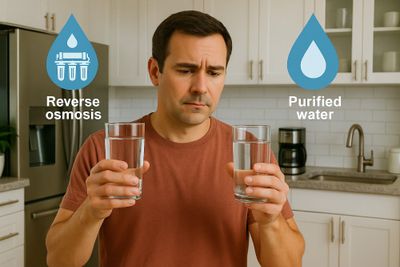
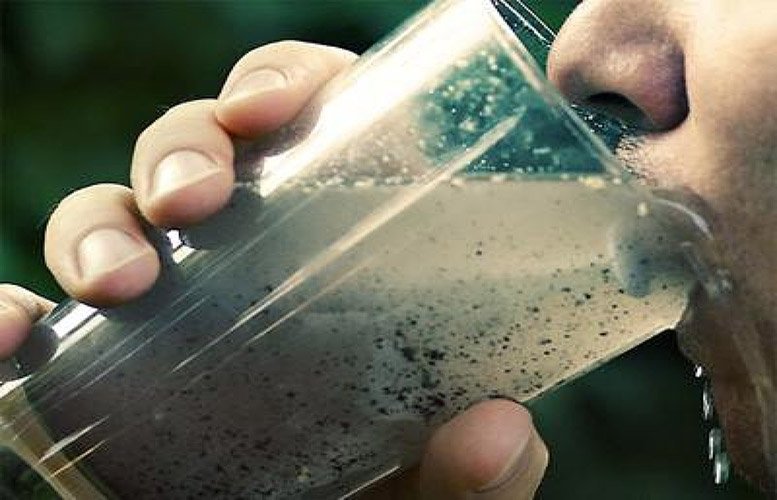
Imagine pouring yourself a glass of water and knowing it’s not just clean, but exceptionally pure. That’s what you experience with enhanced quality water for your RO (Reverse Osmosis) system.
You deserve nothing less than the best for your health and home, and understanding the importance of water quality is key. When you choose to upgrade your water quality, you’re not just making a choice for better hydration—you’re investing in your well-being.
But how do you achieve this enhanced quality, and why is it so crucial for your RO system? Stay with us, because we’re about to dive into the essential details that will transform your water experience, ensuring that every drop is the best it can be. Your health and peace of mind are worth it, and we’re here to show you how you can make it happen.
Credit: www.grundfos.com
Importance Of Water Quality
Water quality is crucial for health and well-being. Clean water supports life and prevents diseases. Our bodies need pure water to function properly. Drinking contaminated water can lead to serious health issues. Ensuring clean water is essential for a healthier lifestyle. This is why RO systems focus on enhancing water quality.
Understanding Contaminants In Water
Water often contains impurities. Some are harmless, but others can be dangerous. These include bacteria, viruses, and chemical pollutants. Identifying these contaminants is important for safe drinking water. RO systems remove many harmful substances.
Benefits Of Clean Water
Clean water boosts health. It aids digestion, helps skin stay healthy, and supports organ function. Pure water can improve mood and energy levels. It is vital for cooking and cleaning as well. RO systems provide water that is safe and refreshing.
Role Of Ro Systems In Water Quality
RO systems enhance water quality effectively. They filter out impurities, making water safe to drink. Their technology is advanced and reliable. These systems are widely used in homes and businesses. They guarantee pure water for everyday use.
Role Of Reverse Osmosis
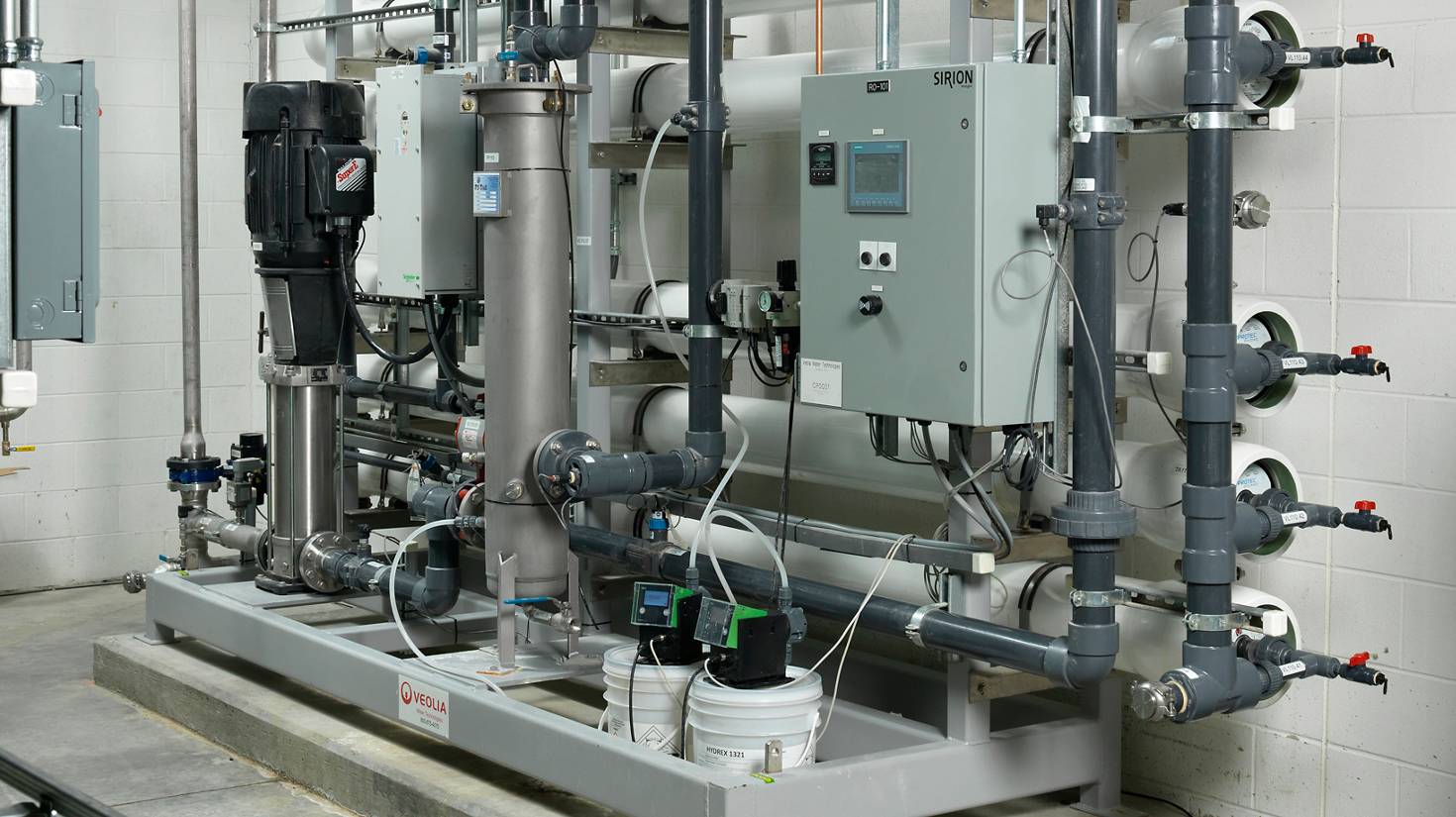
Reverse osmosis plays a vital role in enhancing water quality. It uses a semi-permeable membrane to filter out contaminants. This process effectively removes impurities from water. It is especially useful in purifying drinking water.
How Reverse Osmosis Works
Water is forced through a special membrane. This membrane allows only water molecules to pass. It blocks larger particles like minerals and chemicals. As a result, the water becomes clean and safe.
Benefits Of Using Reverse Osmosis
Reverse osmosis removes harmful substances. It eliminates chlorine, lead, and fluoride. This ensures healthier and safer drinking water. Families can enjoy peace of mind with every sip.
Reverse Osmosis In Daily Life
Many households use reverse osmosis systems. They are installed under sinks or as standalone units. They provide easy access to pure water. This helps in cooking and drinking with confidence.
Environmental Impact Of Reverse Osmosis
Reverse osmosis reduces bottled water usage. It contributes to less plastic waste. By using RO systems, you support a cleaner environment. This small change makes a big difference.
Health Benefits Of Pure Water
Pure water is vital for maintaining good health. It helps the body function properly. Drinking clean water supports digestion and nutrient absorption. It also helps flush out toxins. Pure water is free from harmful contaminants. This ensures better health and well-being. Let’s explore the health benefits of pure water.
Improved Digestion
Pure water aids in breaking down food. This makes nutrients more accessible. It helps in smoother digestion. Drinking pure water prevents constipation. It keeps the digestive system working efficiently.
Detoxification
Pure water is a natural detoxifier. It helps remove waste from the body. Clean water supports kidney function. It aids in flushing out toxins. This reduces the risk of kidney stones.
Enhanced Skin Health
Hydration is key for healthy skin. Pure water keeps skin moisturized. It reduces dryness and flakiness. Drinking pure water can improve skin texture. It may help reduce acne and blemishes.
Better Joint Health
Pure water helps lubricate joints. This reduces friction and pain. It maintains joint flexibility. Drinking enough pure water supports healthy joints. It can prevent issues like arthritis.
Boosted Immune System
A hydrated body fights infections better. Pure water strengthens the immune system. It aids in producing white blood cells. This helps in defending against illnesses.
Increased Energy Levels
Dehydration leads to fatigue. Pure water boosts energy levels. It improves focus and concentration. Staying hydrated keeps you active and alert.
Weight Management
Drinking pure water aids in weight management. It can reduce hunger pangs. Pure water is calorie-free. This makes it a healthy choice for those watching their weight.
Contaminants Removed By Ro
Reverse osmosis (RO) is a powerful technology for improving water quality by removing a wide range of contaminants. You might wonder how effective it really is. RO systems utilize a semi-permeable membrane to filter out impurities that often lurk in tap water. This process ensures that the water you drink is clean, safe, and refreshing. Let’s dive into the specific contaminants that RO systems tackle.
Chemical Contaminants
RO systems excel at removing chemical contaminants, which are common in municipal water supplies. These include chlorine, fluoride, and nitrates. Have you ever noticed an odd taste or smell in your tap water? That’s likely due to these chemicals. RO filtration significantly reduces their presence, delivering water that’s not only tasteless but also odor-free.
Heavy Metals
Heavy metals like lead, mercury, and arsenic pose serious health risks. RO systems are highly effective at removing them. Think about how much safer you feel knowing your drinking water is free from these harmful elements. Their removal is crucial for maintaining long-term health and well-being.
Microbial Contaminants
Microbes such as bacteria and viruses can infiltrate water supplies, leading to diseases. RO systems act as a barrier to these microorganisms. Have you ever had a stomach bug after drinking questionable water? RO systems help prevent such scenarios, offering peace of mind with every sip.
Organic Compounds
Organic compounds, including pesticides and herbicides, can contaminate water sources, especially in agricultural areas. RO systems effectively remove these substances. Imagine the relief of knowing your water is free from chemical residues that might harm your health. A clean, pesticide-free glass of water is always more satisfying.
Sediments And Particles
Visible sediments and particles can cloud your water. RO systems excel at filtering these out. Have you noticed a film or particles floating in your water glass? This can be unsettling. RO filtration ensures clarity, making your water aesthetically pleasing and safe to drink.
Have you ever wondered if your water is truly clean? With RO systems, you can rest easy knowing that a wide array of contaminants are removed. Consider the peace of mind that comes from drinking pure water every day. Isn’t it worth investing in the quality of water you consume?
Maintaining Ro Systems
Regular upkeep of RO systems ensures cleaner and safer drinking water. Consistent maintenance prevents contamination and prolongs filter life. Enjoy enhanced water quality with simple care steps.
Maintaining RO Systems is essential for ensuring that your water is not just clean but also tastes great. This process requires a few regular practices that can significantly extend the life of your system while enhancing the quality of your water. Think of it as a small investment in your health and home that pays off every time you turn on the tap.
Regular Filter Replacement
Replacing filters is crucial. Filters wear out over time, reducing their effectiveness. Check your manufacturer’s guidelines to know how often you need to change them. A friend of mine ignored this and ended up with water that tasted like it came from a rusty pipe. Don’t be that person.
Inspect For Leaks
Check for leaks regularly. Even small leaks can lead to bigger issues. Place a paper towel under the system to spot leaks easily. If it gets wet, it’s time to investigate further. This simple action can save you from future headaches and costly repairs.
Sanitize The System
Cleaning the system is as important as changing filters. Use a sanitizing solution specifically designed for RO systems. It’s a simple process but ensures that no bacteria or mold build up inside the system.
Monitor Water Pressure
Water pressure affects the efficiency of your RO system. Use a pressure gauge to keep track. Low pressure means the system works harder, leading to wear and tear. Adjusting the pressure can prevent these issues.
Test Water Quality
Testing water quality is the ultimate proof of your system’s effectiveness. Water testing kits are readily available and easy to use. They help you understand if your RO system is performing at its best. Isn’t it reassuring to know that your family is drinking high-quality water?
Keep An Eye On System Age
Every appliance has a lifespan, including your RO system. If it’s over five years old, consider an upgrade. Newer systems often come with improved features and better filtration capabilities. It might seem like a big step, but it ensures you always have access to the best water possible. Taking these steps doesn’t just maintain your RO system—it enhances your lifestyle. Better water quality can make your morning coffee taste richer and your evening tea more refreshing. Isn’t that worth the effort?
Comparing Water Purification Methods
Exploring different water purification methods can improve the quality of water for RO systems. Methods like reverse osmosis and activated carbon filtration effectively remove impurities. These techniques ensure safer, better-tasting water for consumption.
Comparing water purification methods can be a maze of choices, each promising better quality and healthier outcomes. But how do you decide which method is best for your needs? Let’s break down the most common water purification methods and see how they stack up against each other.
Boiling
Boiling water is one of the oldest and simplest ways to purify it. By bringing water to a boil, you can kill most bacteria and viruses. However, boiling won’t remove chemicals, heavy metals, or other contaminants. It’s a great emergency solution but not ideal for daily use. Imagine having to boil water every time you need a drink. Not very practical, right?
Filtration
Filtration involves passing water through a filter that removes impurities. These can range from simple carbon filters to complex multi-stage systems. Filters can remove chlorine, sediment, and even some heavy metals. But they need regular replacement to be effective. If you’ve ever forgotten to change a filter, you know it can lead to less than optimal water quality.
Distillation
Distillation involves heating water to create steam, then cooling it to create purified water. This method removes many contaminants and leaves you with pure water. However, it can be energy-intensive and slow. Plus, distillation systems can be costly. Would you be willing to invest in one for your home?
Reverse Osmosis (ro)
Reverse Osmosis, or RO, is a popular choice due to its effectiveness. It uses a semi-permeable membrane to remove impurities, including salts and chemicals. RO systems can improve taste and remove harmful substances. However, they can waste water and require electricity to operate. Are you prepared to manage these downsides for cleaner water?
Ultraviolet (uv) Purification
UV purification uses ultraviolet light to kill microorganisms in water. It’s effective against bacteria and viruses, but it doesn’t remove chemical contaminants or sediments. A UV system can be a great addition to other purification methods. Is this the missing piece for your water safety?
Activated Carbon Filters
Activated carbon filters absorb impurities from water, making it taste and smell better. They are particularly good at removing chlorine and organic compounds. But they won’t deal with heavy metals or dissolved solids. They are easy to use and replace. Have you considered adding one to your kitchen faucet? In choosing a water purification method, consider your specific needs and constraints. Is it daily use, occasional purification, or emergency preparedness? Each method has its strengths and weaknesses, but understanding them can help you make an informed decision. Which method will you choose for your home?
Choosing The Right Ro System
Choosing the right Reverse Osmosis (RO) system is crucial for clean water. Not all RO systems are the same. Each has features that cater to different needs. Understanding these features helps in making an informed decision.
Evaluate Your Water Quality
Before selecting an RO system, test your water quality. This determines the type of contaminants present. Some areas have hard water, while others have high chlorine levels. Knowing this guides the choice of the right system.
Consider System Capacity
Think about your household’s daily water usage. A family of four needs a system with higher capacity. Smaller households might benefit from compact models. Choose a system that meets your daily water needs.
Look For Certification
Check if the RO system is certified by relevant authorities. Certification ensures the system meets safety and quality standards. Look for labels from recognized organizations on the product.
Assess Installation And Maintenance
Consider the ease of installation. Some systems require professional installation, others are DIY-friendly. Regular maintenance is crucial for performance. Check if the system has easily replaceable filters.
Budget Constraints
RO systems come in a range of prices. Determine your budget before making a decision. Remember that higher-priced systems often offer more features. Balance between cost and features for best value.
Energy Efficiency
Energy-efficient systems save on utility bills. Look for systems with energy-saving features. Some models operate on less electricity while maintaining performance. This reduces overall costs.
Credit: www.amazon.com
Credit: www.reverseosmosis.com
Frequently Asked Questions
What Is Ro Water Purification?
RO, or Reverse Osmosis, purifies water by removing impurities and contaminants. It ensures clean, safe drinking water.
How Does Ro Improve Water Quality?
RO removes harmful substances like lead, chlorine, and bacteria. This enhances taste and safety of drinking water.
Is Ro Water Safe For Drinking?
Yes, RO water is very safe. It filters out contaminants, providing clean and healthy water for consumption.
What Benefits Does Ro Offer Over Other Methods?
RO is efficient in removing impurities. It offers better taste and safety compared to other purification methods.
Why Choose Ro For Home Water Purification?
RO is reliable and effective. It consistently provides high-quality water, making it a popular choice for households.
Conclusion
Ensuring water quality is vital for health. RO systems enhance water purity. Cleaner water supports better hydration and overall well-being. By choosing the right RO system, you protect your family. Safe drinking water leads to fewer health risks. Improved water taste encourages regular consumption.
Quality water boosts daily vitality. Invest in a reliable system for peace of mind. Regular maintenance keeps your system efficient. Enjoy clear, refreshing water every day. Prioritize water quality for a healthier lifestyle. Empower your family with pure, contaminant-free water.
Make informed choices for your health and happiness.
Hasan Al Sarker is a Reverse Osmosis Specialist. He has worked for many years to ensure safe drinking water for all. His research paper has been published in several journals, including Issue, Medium, and Slideshare. He is recognized as a water doctor among specialists though he did not attend medical college.
Besides working as a researcher of reverse osmosis technology, he is also very fancy with the kitchen and cooking. His guides are reading thousands of people every day. As a head of content, he is responsible for all the published articles at RO System Reviews.
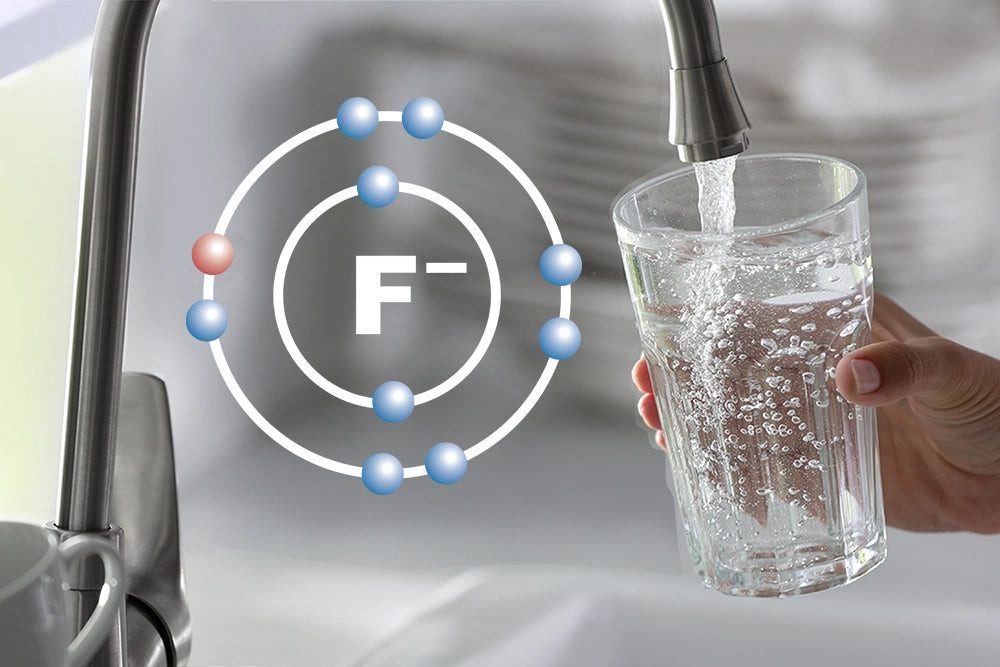
Have you ever wondered about the fluoride in your tap water? While it’s easy to overlook, this tiny mineral plays a big role in your daily life.
But what exactly is fluoride, and why is it in your water? More importantly, how does it affect your health and well-being? These questions might have crossed your mind, sparking curiosity and perhaps even concern. Picture this: every time you fill a glass, cook a meal, or brush your teeth, fluoride is there, quietly doing its job.
But is it truly beneficial, or could it be doing more harm than good? Understanding the impact of fluoride in water is crucial because it directly affects you and your loved ones. We’re going to uncover the facts and myths surrounding fluoride in water, providing you with the knowledge to make informed decisions for your health. You’ll discover why some communities embrace it, while others challenge its presence. By the end, you’ll have a clear perspective on fluoride’s role in your life, empowering you to think differently about the water you drink every day. Keep reading to unravel the truth that could change how you view something as simple as a glass of water.
Credit: www.cnn.com
What Is Fluoride?
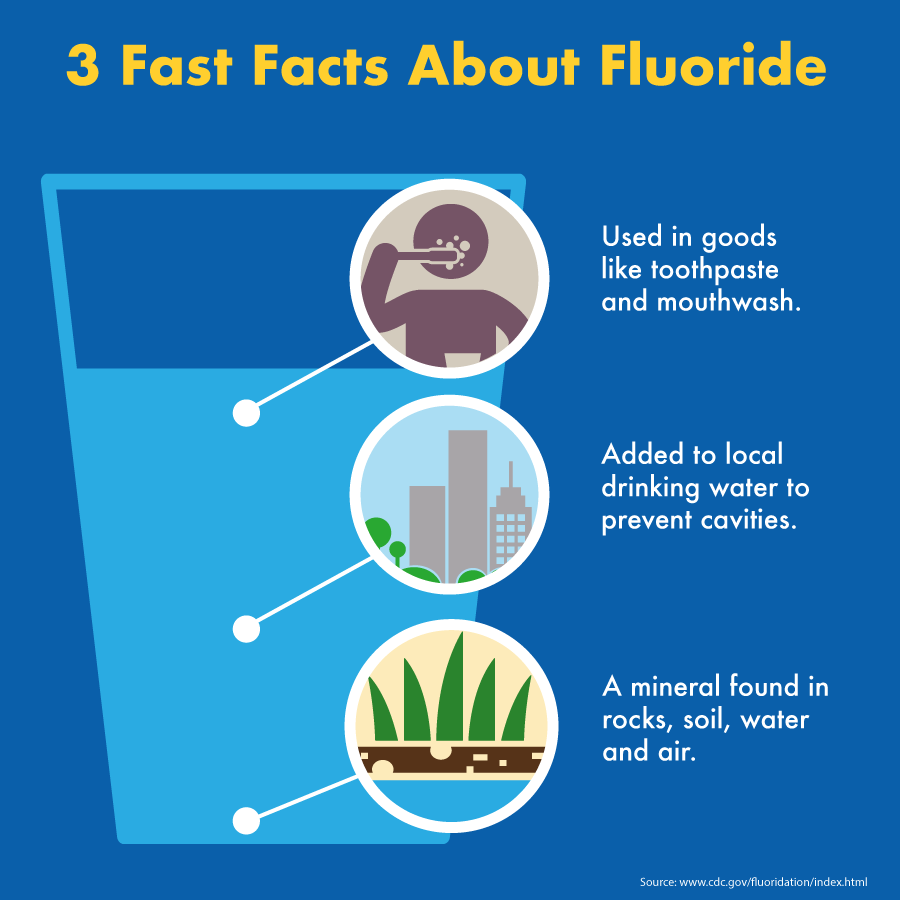
Fluoride is a term often heard in discussions about dental health. It’s a mineral found naturally in various sources. But what exactly is fluoride, and why is it important?
Fluoride is a simple compound, made from the element fluorine. It appears in water, soil, and many foods. You can find it in toothpaste and mouth rinses too.
Natural Sources Of Fluoride
Fluoride occurs naturally in the environment. Rivers, lakes, and oceans have fluoride. Many vegetables and fruits contain small amounts. Tea leaves absorb fluoride from the soil.
Many communities add fluoride to tap water. This process is called water fluoridation. It’s a public health measure to prevent tooth decay. Studies show it reduces cavities in children and adults.
Why Is Fluoride Important?
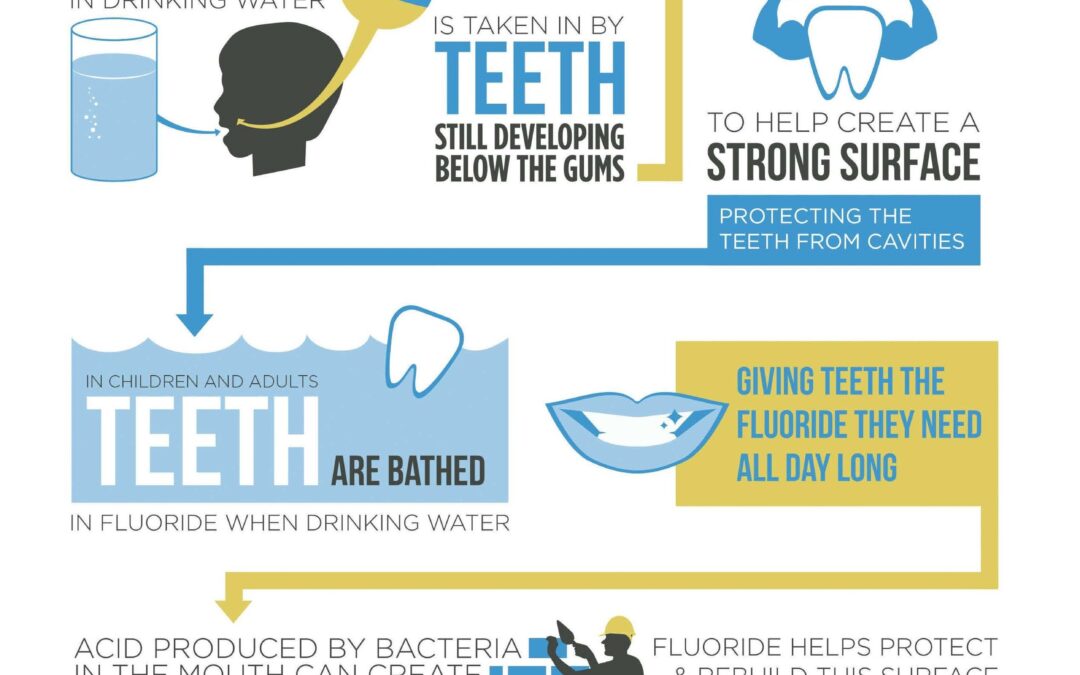
Fluoride strengthens tooth enamel. It makes teeth more resistant to decay. It helps repair early stages of tooth damage. Regular exposure to fluoride can keep teeth healthy.
Fluoride In Drinking Water
Fluoride in drinking water has sparked conversations around the world. It’s a topic you might have overheard at a family dinner or seen debated online. But what’s the story behind the fluoride in your glass of water, and why does it matter to you?
History Of Water Fluoridation
Water fluoridation began in the United States in the mid-20th century. The idea was simple: add fluoride to public water supplies to prevent tooth decay. Cities like Grand Rapids, Michigan, were pioneers in this initiative, showing significant reductions in cavities.
Fluoride’s journey into drinking water stemmed from observing communities with natural fluoride levels. These areas had notably healthier teeth. This discovery pushed scientists to consider controlled fluoride levels as a public health strategy.
Think about how innovations often start small and gradually influence larger practices. Fluoridation was no different. What began as a localized experiment is now a common practice in many parts of the world.
Current Global Practices
Today, many countries continue to embrace water fluoridation, but practices vary widely. In the United States, over 70% of the population receives fluoridated water. Australia and Canada also maintain significant fluoridation programs.
However, not every nation follows suit. Parts of Europe opt for alternative methods like fluoridated salt or milk. Some countries debate its necessity due to varying natural fluoride levels in water supplies.
Imagine visiting different countries and experiencing diverse approaches to public health. What if your travels took you somewhere with no added fluoride? Would you notice a difference in dental health practices?
As you ponder these aspects, consider how local policies impact your daily life. How does fluoride in water shape your community’s health? Understanding these practices can help you make informed decisions about your own health and wellbeing.
Health Benefits Of Fluoridated Water
Fluoride in water helps prevent tooth decay and strengthens enamel. It supports overall oral health and reduces cavities. Safe levels of fluoride contribute to healthier teeth for all ages.
Fluoride in water has been a topic of conversation in health circles for decades. Its presence is not just an arbitrary addition but a carefully considered health measure. The benefits it provides, especially in terms of oral health, are significant and scientifically backed. Let’s dive into how fluoridated water can be a game-changer for your dental well-being.
Cavity Prevention
Fluoride is like a shield for your teeth. It helps in reducing the risk of cavities, which are tiny holes that can develop in your teeth over time. Imagine not having to worry as much about those painful dentist visits for fillings. In communities where water is fluoridated, studies have shown a significant decrease in the number of cavities among children and adults. Think about how much easier life could be without the nagging pain of tooth decay.
Strengthening Tooth Enamel
Fluoride strengthens tooth enamel, the outer protective layer of your teeth. Strong enamel means less sensitivity and more resistance to acids from foods and drinks. Have you ever felt that sharp twinge when eating ice cream or sipping hot coffee? Fluoridated water helps minimize those uncomfortable moments. Strong enamel is your first line of defense against dental problems.
Supporting Oral Health In Communities
Fluoridated water is especially beneficial in supporting oral health in communities. Not everyone can afford regular dental care or expensive toothpaste. By simply drinking tap water, people can access a basic level of dental protection. This is particularly crucial in low-income areas where dental health services might be scarce. You might recall a time when a friend’s dental issues impacted their daily life, but fluoridated water can help prevent such scenarios. Have you ever considered how a simple glass of water can contribute to overall well-being? Embracing fluoridated water is a small but impactful step towards healthier teeth and a brighter smile.
Credit: www.culligannation.com
Potential Risks Of Fluoride
Fluoride in water is common for dental health. Yet, some worry about its risks. Understanding these risks can guide safer choices. Explore the potential dangers of fluoride.
Dental Fluorosis
Dental fluorosis affects tooth enamel. Too much fluoride during childhood causes it. Teeth may become discolored or have white spots. Severe cases lead to pits in the enamel. It affects appearance, not health. Yet, it can lower self-confidence.
Skeletal Fluorosis
Skeletal fluorosis impacts bones. Long-term high fluoride exposure leads to this condition. It causes pain and stiffness in joints. Bones may become weak and brittle. Early symptoms mimic arthritis. Severe cases cause movement problems.
Other Health Concerns
There are other health issues linked to fluoride. Some studies suggest thyroid problems may arise. Fluoride might affect IQ levels in children. Concerns about kidney function have been noted. These issues require more research for clarity.
Balancing Benefits And Risks
Fluoride in water helps prevent tooth decay, strengthening dental health. Yet, too much fluoride can cause dental fluorosis. Striking a balance ensures safe and effective oral care for communities.
Balancing the benefits and risks of fluoride in water is vital. Fluoride strengthens teeth and prevents cavities. Yet, too much fluoride can cause health issues. Finding the right balance is key to public health. Communities often debate the best fluoride levels. Understanding these factors helps ensure safe water consumption.
Recommended Fluoride Levels
Experts suggest specific fluoride levels in drinking water. The Centers for Disease Control and Prevention (CDC) recommends 0.7 milligrams per liter. This level supports dental health without significant risk. It’s a delicate balance. Too little fluoride can lead to more cavities. Too much can cause dental fluorosis. Fluorosis can create white spots on teeth. It’s important to maintain recommended levels for optimal health benefits.
Monitoring And Regulation
Monitoring fluoride levels ensures public safety. Water systems regularly test fluoride concentrations. The Environmental Protection Agency (EPA) sets standards for drinking water. These standards protect against overexposure. Regular checks help maintain safe levels. Public health officials manage and regulate these processes. Community feedback also plays a role in monitoring. This ensures water quality meets safety standards. Effective regulation prevents health risks associated with fluoride. It also ensures the benefits reach the community. Public awareness and education further support these efforts. Understanding the importance of monitoring can lead to healthier communities.
Public Perception And Debate
Fluoride in water remains a hot topic. Communities worldwide hold diverse views. Some see it as a public health win. Others express concerns about its safety. This divide fuels ongoing debates and discussions. Understanding both sides is key to forming an informed opinion.
Support For Fluoridation
Many health experts endorse fluoride in water. It helps reduce tooth decay. This benefit is especially important for children. Studies show areas with fluoridated water have fewer cavities. Public health organizations also support this practice. They believe it promotes dental health effectively. For many, the benefits outweigh potential risks.
Opposition And Concerns
Despite support, some oppose water fluoridation. They worry about potential health risks. Concerns range from dental fluorosis to other health issues. Some argue for individual choice in fluoride consumption. They believe people should decide for themselves. Local government decisions often face public pushback.
Influence Of Misinformation
Misinformation plays a role in the debate. False claims spread quickly online. Some sources exaggerate risks without evidence. This leads to confusion and fear. People may distrust credible scientific studies. Accurate information is crucial for informed decision-making. Public education can help clear misconceptions.
Alternatives To Water Fluoridation
Water fluoridation helps reduce cavities and tooth decay. Yet, some people prefer alternatives. Alternatives can be effective and beneficial. They offer varied methods for oral health maintenance.
Topical Fluoride Treatments
Topical fluoride strengthens teeth directly. Dentists often provide these treatments. They apply fluoride gel or varnish to the teeth. This process enhances tooth enamel. It protects against decay. You can also use fluoride toothpaste. Daily brushing with it helps. Mouth rinses with fluoride are another option. They are available over-the-counter.
Dietary Sources Of Fluoride
Some foods contain fluoride naturally. Seafood and tea are good examples. Consuming these foods can support dental health. Prepared foods with fluoridated water also help. Consider using fluoridated salt. It adds fluoride to your diet. Another option is fluoride supplements. Doctors may recommend them for those lacking adequate fluoride.
Future Of Fluoride In Public Health
Fluoride in water plays a key role in dental health, preventing cavities and promoting strong teeth. Public health experts consider fluoride a vital part of safe drinking water strategies. Balancing fluoride levels in communities helps maintain oral health without overexposure risks.
Fluoride in water has long been a cornerstone of public health initiatives, but what does the future hold for this mineral’s role in our well-being? As science and technology advance, so too do our methods for ensuring safe and effective water fluoridation. With the rapid pace of innovation, it’s crucial to consider how fluoride’s role might evolve to meet the needs of future generations. Are we ready for the next wave of advancements in public health?
Innovations In Fluoridation
Imagine a world where adding fluoride to water is as precise as tailoring a suit. Emerging technologies are making this a reality. Smart systems are being developed to automatically adjust fluoride levels in water based on real-time data. These innovations aim to ensure optimal fluoride levels, reducing the risk of both dental cavities and overexposure. One exciting development is the use of AI to monitor water quality and make adjustments without human intervention. Wouldn’t it be fascinating if your local water plant operated as efficiently as your smartphone?
Research And Developments
Researchers are constantly exploring new ways to enhance the benefits of fluoride while minimizing potential risks. Recent studies focus on understanding how fluoride interacts with other minerals in the body. This could lead to breakthroughs in how fluoride supplements or treatments are designed. Moreover, there’s a growing interest in personalized public health strategies. Could future water systems deliver customized fluoride levels to different neighborhoods based on specific health data? Such developments would require collaboration between scientists, public health officials, and communities. As we gaze into the future, it’s clear that fluoride’s role in public health will continue to evolve. Staying informed and engaged with these changes is essential. What steps will you take to be part of this transformation in public health?
Credit: shop.knowyourh2o.com
Frequently Asked Questions
What Is Fluoride In Water?
Fluoride is a mineral added to public water supplies to help reduce tooth decay. It strengthens enamel and prevents cavities. Many health organizations endorse its use for dental health.
How Does Fluoride Benefit Dental Health?
Fluoride helps in the remineralization of tooth enamel, making it more resistant to acid attacks. It reduces the risk of cavities and promotes overall dental hygiene.
Is Fluoride In Water Safe To Drink?
Yes, fluoride in water is considered safe by health experts when consumed at recommended levels. It has been used safely for decades to improve dental health.
Can Fluoride In Water Cause Health Issues?
Excessive fluoride can lead to dental fluorosis, affecting tooth appearance. However, regulated levels in drinking water are generally safe and beneficial for health.
Conclusion
Fluoride in water sparks much discussion and debate. Some people worry about safety, while others see health benefits. Experts often support its use for dental health. Fluoride can prevent cavities and strengthen teeth. Yet, understanding personal choices remains important. Educate yourself about fluoride levels in your area.
Talk with local health officials if uncertain. Make informed decisions for your family’s wellbeing. Stay aware and ask questions. Knowledge helps in making wise health choices. Remember, each community may have different needs. Always consider local guidelines and expert advice.
Hasan Al Sarker is a Reverse Osmosis Specialist. He has worked for many years to ensure safe drinking water for all. His research paper has been published in several journals, including Issue, Medium, and Slideshare. He is recognized as a water doctor among specialists though he did not attend medical college.
Besides working as a researcher of reverse osmosis technology, he is also very fancy with the kitchen and cooking. His guides are reading thousands of people every day. As a head of content, he is responsible for all the published articles at RO System Reviews.
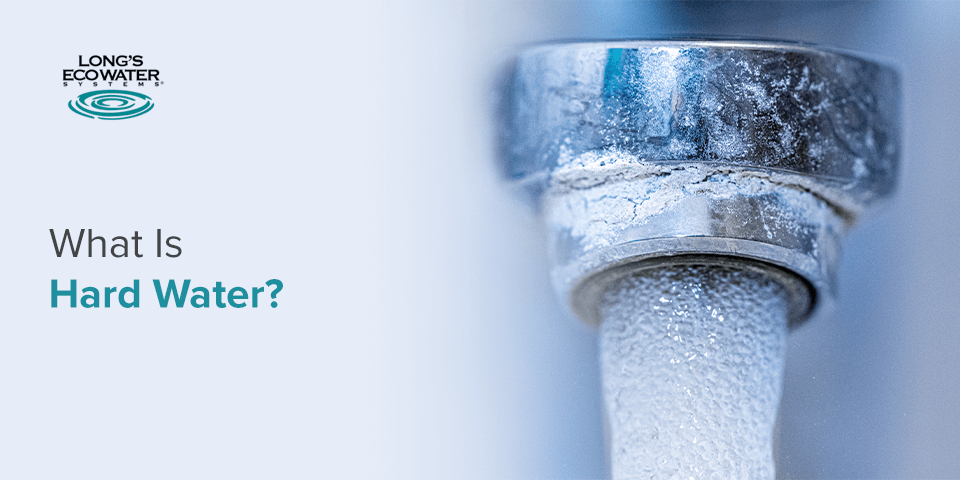
Have you ever noticed a chalky residue on your faucets or dishes? Or perhaps your soap just doesn’t lather quite right?
You might be dealing with hard water. But what exactly is hard water, and why does it matter to you? Understanding the nature of hard water isn’t just for science buffs—it’s essential for anyone who wants to protect their home and improve their daily life.
By the end of this article, you’ll discover how hard water affects everything from your appliances to your skin. Dive in to learn more about how this common issue could be impacting you every day without you even realizing it.
Characteristics Of Hard Water
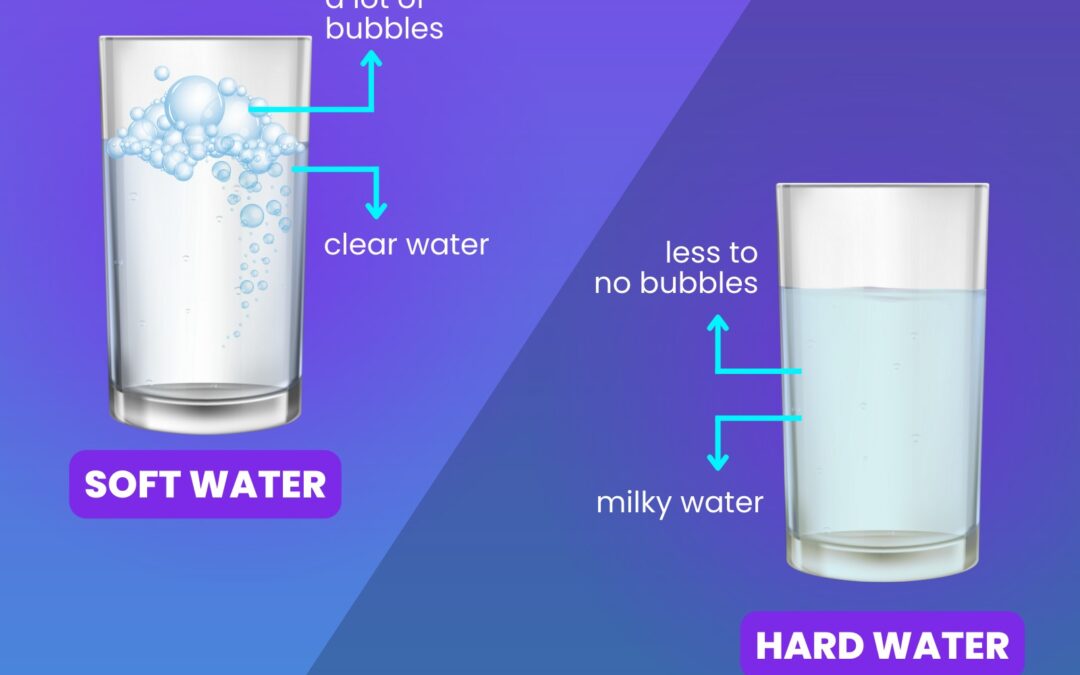
Hard water is a common issue affecting households worldwide. It holds a high concentration of minerals like calcium and magnesium. These minerals interact with soap and water, causing noticeable changes in everyday tasks. Understanding the characteristics of hard water can help identify its presence and effects.
Mineral Content
Hard water contains high levels of dissolved minerals. Calcium and magnesium are the primary culprits. These minerals accumulate from rocks and soil. As water travels, it collects them along the way. This mineral-rich water impacts various home appliances.
Soap Scum Formation
Hard water reacts with soap, forming a white residue. This residue is known as soap scum. It sticks to surfaces like bathtubs and sinks. Removing soap scum can be challenging. It requires more cleaning effort and time.
Spotty Dishes
Hard water leaves spots on dishes and glassware. After washing, minerals dry on the surface. These spots are tough to eliminate. Regular dishwashing may not remove them completely. Spotty dishes can be embarrassing during gatherings.
Scale Buildup
Mineral deposits can form inside pipes and appliances. This buildup is called scale. Scale reduces efficiency in heaters and kettles. It can increase energy bills over time. Regular maintenance is needed to avoid damage.
Altered Taste
Hard water can affect the taste of food and drinks. Cooking with hard water may change flavors. Tea and coffee can taste different. It impacts the enjoyment of meals and beverages. Some people notice a bitter taste.
Credit: newatersofteners.co.uk
Causes Of Water Hardness
Understanding the causes of water hardness is essential for many homeowners. Hard water results from dissolved minerals in water sources. These minerals can affect plumbing and appliances. Let’s explore the main factors contributing to water hardness.
Mineral Composition
Minerals like calcium and magnesium are common in hard water. These minerals dissolve from rocks and soil. Limestone and chalk are primary sources. Their presence increases water hardness. High mineral content changes water properties. It can lead to scale buildup in pipes.
Geographical Factors
Geography plays a major role in water hardness. Areas with limestone are prone to hard water. Regions with high mineral deposits often experience harder water. The local geology affects the mineral levels in water. Certain landscapes have more minerals. This leads to increased water hardness.
Water Supply Systems
Water supply systems impact hardness levels. Groundwater often has more minerals than surface water. Municipal water systems may have varying hardness. Treatment processes can change water hardness. Some systems add minerals during treatment. This can make water harder.
Effects On Household Appliances
Hard water contains high levels of minerals like calcium and magnesium. These minerals can build up in appliances, reducing efficiency and lifespan. Over time, hard water can cause issues such as clogged pipes and reduced effectiveness of detergents.
Hard water doesn’t just affect your skin and hair; it also wreaks havoc on your household appliances. The minerals in hard water, such as calcium and magnesium, can build up over time, leading to a range of issues. These problems can affect the efficiency, cost, and lifespan of your appliances. Let’s dive into how hard water impacts your home and what you can do about it.
Reduced Efficiency
Hard water causes mineral deposits to accumulate in appliances like washing machines and dishwashers. This buildup clogs the components, making them work harder to perform simple tasks. You might notice your dishwasher isn’t cleaning as thoroughly or your washing machine is leaving clothes less fresh. Think about the last time you had to run a load twice because your dishes still had spots or residue. That’s a sign of reduced efficiency, and it’s a problem that can be traced back to hard water.
Increased Energy Costs
When appliances work harder due to mineral buildup, they consume more energy. This increased energy usage translates to higher utility bills. Have you noticed your energy costs creeping up without a clear reason? Hard water might be the culprit. Consider this: an appliance struggling with efficiency issues may use 25% more energy. Over time, those extra costs add up, straining your budget unnecessarily.
Appliance Lifespan
The lifespan of your appliances is another area where hard water takes a toll. Continuous exposure to mineral deposits can cause parts to wear out faster. This means you’ll find yourself replacing appliances sooner than expected. Remember that washing machine you bought just a few years ago? If it’s already showing signs of wear, hard water could be the underlying issue. Extending the lifespan of your appliances is possible with regular maintenance and perhaps a water softener system. Have you experienced any of these issues in your home? It might be time to consider solutions for hard water to protect your appliances and your wallet. Addressing these problems now can save you a lot of hassle and money down the road.
Impact On Skin And Hair
Hard water contains minerals like calcium and magnesium, which can affect skin and hair. It often leaves skin feeling dry and rough. Hair may become dull and prone to breakage due to mineral buildup.
If you’ve ever washed your face or hair and felt like something was off, hard water might be the culprit. Hard water is water that contains high levels of minerals like calcium and magnesium. These minerals can have a surprising impact on your skin and hair, often leaving them feeling less than their best. Let’s dive into how hard water affects your daily beauty routine.
Dryness And Irritation
Hard water can strip your skin of its natural oils. This leaves your skin feeling dry and irritated. You might notice that your moisturizer doesn’t seem to work as well as it used to. Have you ever experienced that tight feeling after washing your face? Hard water could be the reason. The minerals form a film on your skin, preventing moisturizers from doing their job effectively. If you have sensitive skin, hard water can be even more troublesome. It can exacerbate conditions like eczema or acne, making your skincare routine feel like an uphill battle.
Hair Damage
Your hair might suffer just as much as your skin. Hard water can make your hair feel rough and look dull. This is because the minerals in the water coat your hair, making it difficult for shampoo and conditioner to penetrate. Have you noticed more hair breakage or frizz lately? Hard water could be the cause. It weakens the hair shaft, leading to split ends and breakage. Using a clarifying shampoo can help, but it’s not a permanent solution. Consider installing a water softener or using a vinegar rinse to remove mineral buildup. Think about how much money you spend on skincare and haircare products. Are you getting the results you want? Sometimes, the problem isn’t the product, but the water coming out of your tap.
Plumbing System Challenges
Hard water can be a silent enemy to your plumbing system. It contains high levels of calcium and magnesium. These minerals cause significant challenges. Your pipes and fixtures might suffer silently. Learn about the common issues below.
Pipe Blockages
Minerals in hard water build up inside pipes. This leads to clogs and reduced water flow. These blockages can become severe over time. You might notice slow water flow or low pressure. Regular pipe cleaning can help. But persistent hard water issues require more solutions.
Corrosion Issues
Hard water doesn’t just block pipes. It can also cause corrosion. Minerals react with metal pipes. This reaction weakens the pipe structure. Over time, leaks and breaks can occur. Pipe corrosion can be costly to repair. Identifying corrosion early is crucial. Inspect pipes regularly to prevent major damage.
Credit: resourcecenter.kinetico.com
Hard Water And Laundry
Hard water impacts laundry in unexpected ways. It contains high levels of minerals like calcium and magnesium. These minerals interfere with laundry processes, making tasks more challenging. Understanding hard water’s effects can help improve laundry results.
Detergent Ineffectiveness
Hard water makes detergent less effective. Minerals react with soap, reducing its cleaning power. This reaction leaves clothes feeling less clean. You might notice soap scum on fabrics or washing machines. More detergent does not solve the problem. It can lead to waste and extra costs.
Fabric Wear And Tear
Hard water causes fabric wear and tear. Mineral deposits build up on clothes. They make clothes feel rough and scratchy. Over time, these deposits weaken fabric fibers. This leads to fading and damage. Clothes may not last as long in hard water.
Testing Water Hardness
Testing Water Hardness
Understanding water hardness is important for your home. Hard water affects daily activities. It can cause problems with appliances, skin, and hair. Testing water hardness helps identify its level. This allows you to find solutions. Two popular methods exist: home testing kits and professional analysis.
Home Testing Kits
Home testing kits offer a simple way to check water hardness. You can easily find them in stores or online. These kits are user-friendly and affordable. They include test strips or liquid reagents. Following instructions, you can get results quickly. Some kits use color changes to indicate hardness levels. Others provide digital readings. Home testing kits give a basic understanding of your water’s condition.
Professional Analysis
Professional analysis offers more detailed results. Experts use advanced methods to test water hardness. They have specialized equipment for precise measurements. This service can be more costly than home kits. But it provides accurate and comprehensive data. Professional analysis helps you understand water quality better. It can be useful for serious issues or large properties.
Water Softening Solutions
Hard water can be a nuisance in your home, leaving mineral deposits on faucets and reducing the efficiency of appliances. But fear not, because water softening solutions can help tackle this issue. Imagine a world where your shower head doesn’t clog, your dishes sparkle, and your clothes feel softer. Let’s explore some practical options you can use to soften your water and improve your daily life.
Ion Exchange Systems
Ion exchange systems are a popular choice for homeowners battling hard water. These systems work by replacing calcium and magnesium ions in the water with sodium or potassium ions. This process not only softens the water but also extends the lifespan of your plumbing and appliances.
Consider the time you spend scrubbing limescale off your shower tiles. With an ion exchange system, that chore could become a thing of the past. It’s a straightforward solution that can save you effort and money in the long run.
Reverse Osmosis
Reverse osmosis is another effective method for softening water. This process pushes water through a semi-permeable membrane, filtering out impurities and minerals. The result is pure, soft water that’s not only better for your home but also tastes great.
Have you ever noticed a distinct taste in your tap water? Reverse osmosis can help eliminate that, providing you with clean, refreshing water. It’s a comprehensive solution that addresses both water hardness and quality.
Magnetic Water Conditioners
Magnetic water conditioners offer a non-chemical approach to softening water. These devices clamp onto your pipes and use magnetic fields to change the properties of minerals, preventing them from sticking to surfaces.
Though some people are skeptical, many users report noticeable improvements in water quality. If you’re looking for a low-maintenance, eco-friendly option, a magnetic water conditioner might be worth considering. Could this innovative solution be the answer to your hard water woes?
Each of these water softening solutions offers unique benefits, and the best choice depends on your specific needs and preferences. As you weigh your options, consider how much maintenance you’re willing to do and whether you prefer chemical or non-chemical methods. Your perfect solution might be one decision away.
Eco-friendly Alternatives
Hard water is a common issue, affecting many households worldwide. It contains high levels of minerals like calcium and magnesium, which can lead to limescale buildup and less efficient soap usage. If you’re looking to soften your water without harming the planet, consider these eco-friendly alternatives. Let’s dive into some practical solutions that can make a difference in your home and for the environment.
Lime Softening
Lime softening is a natural method of treating hard water. It involves adding lime, or calcium hydroxide, to the water. This process removes hardness by causing the minerals to precipitate out.
What makes lime softening eco-friendly is that it doesn’t involve harsh chemicals. You might be surprised to find that the lime used is often a byproduct of other industrial processes, making it a sustainable choice. Imagine reducing your carbon footprint while ensuring your water is softer and kinder on your appliances.
If you live in an area with particularly hard water, this method could be a game-changer. However, it does require some knowledge about water chemistry, so consulting a local expert might be beneficial. Have you considered how much energy and money you could save with more efficient appliances?
Chelation Technology
Chelation technology is another innovative solution that you might not have considered. It uses chelating agents to bind the minerals responsible for water hardness, preventing them from forming scale.
Unlike traditional water softeners, chelation doesn’t remove the minerals from the water. Instead, it keeps them in a state that doesn’t cause build-up. This means you retain the health benefits of minerals without the downsides of hard water.
Consider chelation technology if you’re keen on a low-maintenance, eco-friendly option. It’s particularly effective in areas where water is moderately hard. Have you ever thought about how this technology could improve your home’s efficiency while being gentle on the earth?
Exploring these alternatives not only helps you maintain a sustainable lifestyle but also encourages innovation in water treatment solutions. Choose the option that best fits your needs and take a step towards a greener tomorrow.
Credit: longsecowater.com
Economic Considerations
Understanding the economic impact of hard water is crucial. It affects more than just your appliances and pipes. Let’s explore how hard water influences your wallet under the lens of installation, maintenance, and long-term savings.
Installation Costs
Investing in a water softening system can seem daunting at first. Initial costs vary depending on the size and capacity of the system you choose. Small households might opt for a compact unit, while larger homes could require a more robust setup.
Consider the installation as a necessary step to prevent future plumbing issues. Without it, you may face expensive repairs later. Weighing these upfront costs against potential damages is vital for wise budgeting.
Maintenance Expenses
Once installed, maintaining your water softener is key to its longevity. Regular servicing ensures it runs efficiently, saving you from unexpected breakdowns. Think of it like changing the oil in your car—a small effort that prevents costly problems.
Set a schedule to check your system periodically. You might need to replenish salt or clean filters, depending on your model. Staying proactive with maintenance keeps your system functioning smoothly and your expenses in check.
Long-term Savings
Over time, the benefits of softening your water outweigh the initial and ongoing costs. You’ll notice fewer instances of limescale buildup in appliances, which extends their lifespan. Imagine your washing machine lasting years longer, or your kettle heating more efficiently—these savings add up.
Consider the decreased need for harsh cleaning products. With soft water, soaps and detergents work better, meaning you use less. This not only saves money but also benefits the environment.
Have you considered how much hard water could be costing you annually? Small investments today could save you substantial amounts in the future. It’s worth pondering how a simple change could impact your financial health positively.
Frequently Asked Questions
What Causes Hard Water?
Hard water is caused by high mineral content, primarily calcium and magnesium ions. These minerals dissolve from rocks and soil into water, increasing its hardness. The level of hardness varies based on geological makeup. Hard water is common in areas with limestone deposits.
Can Hard Water Affect Skin And Hair?
Yes, hard water can affect skin and hair. It can lead to dryness, irritation, and buildup on hair. The minerals can make soaps less effective, leaving residues. Switching to soft water or using clarifying shampoos can help reduce these effects.
How Does Hard Water Impact Appliances?
Hard water can damage appliances like dishwashers and washing machines. Mineral deposits accumulate, reducing efficiency and lifespan. It can lead to increased energy consumption and repair costs. Regular maintenance and using water softeners can help mitigate these issues.
Is Hard Water Safe To Drink?
Yes, hard water is safe to drink. It contains essential minerals like calcium and magnesium, which can be beneficial. However, taste might be affected due to mineral content. Some people prefer using water softeners for taste improvement.
Conclusion
Understanding hard water is important for everyday life. It affects cleaning, skin, and appliances. Knowing its composition helps in choosing the right solutions. Softening methods can reduce its impact. Consider testing your water to know its hardness. Local water reports often provide useful insights.
Addressing hard water issues can improve your home’s comfort. Better water quality means healthier skin and cleaner dishes. Awareness leads to smarter choices and savings. Hard water isn’t a mystery anymore. With the right steps, you can manage it effectively.
Hasan Al Sarker is a Reverse Osmosis Specialist. He has worked for many years to ensure safe drinking water for all. His research paper has been published in several journals, including Issue, Medium, and Slideshare. He is recognized as a water doctor among specialists though he did not attend medical college.
Besides working as a researcher of reverse osmosis technology, he is also very fancy with the kitchen and cooking. His guides are reading thousands of people every day. As a head of content, he is responsible for all the published articles at RO System Reviews.
Imagine turning on your tap, expecting a refreshing glass of water, only to wonder if it might be doing more harm than good. The presence of lead in water is a silent threat that could be lurking in your home right now, affecting your health and well-being.
But how does lead sneak into your water supply, and what can you do to protect yourself and your loved ones? This article will uncover the hidden dangers of lead in water, how it impacts your life, and the simple steps you can take to ensure the water you drink is safe and clean.
Stay with us as we dive into this crucial topic, empowering you with knowledge that could make all the difference to your health.
Sources Of Lead Contamination
Lead contamination in water is a serious issue that affects communities worldwide. Understanding where this lead comes from is key to tackling the problem. Whether you’re concerned about your family’s health or the community’s well-being, knowing the sources of lead contamination empowers you to make informed decisions.
Aging Infrastructure
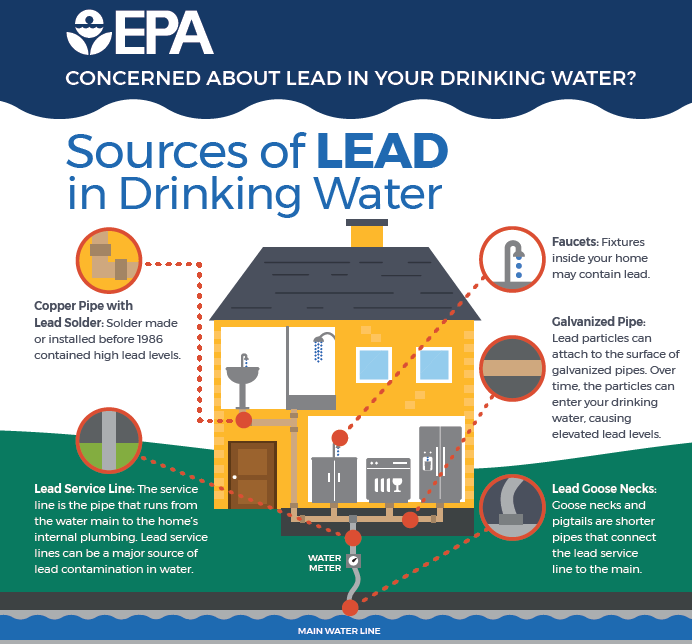
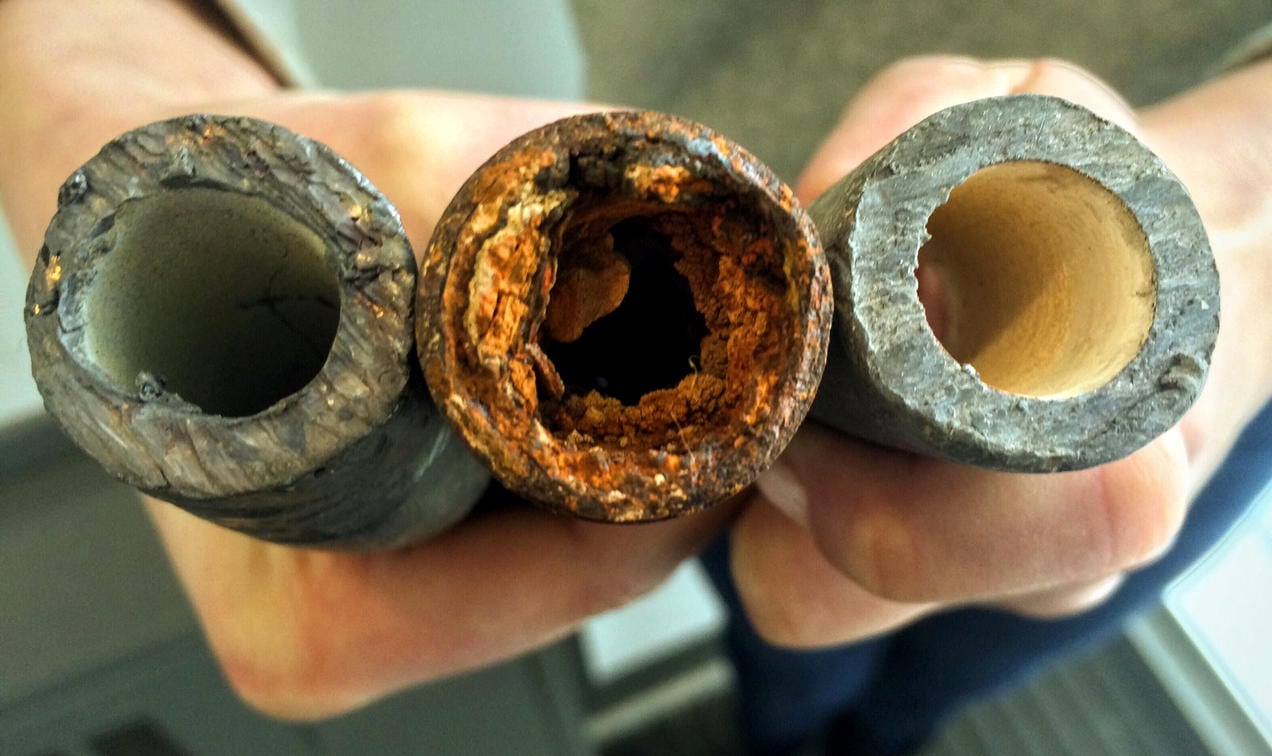
Many cities still rely on old water systems, which can be a major source of lead contamination. These systems often include lead pipes and fittings that were installed decades ago. As they age, they corrode, releasing lead into the water supply.
Have you ever wondered why some neighborhoods have higher lead levels than others? The answer often lies in the infrastructure. Communities with older plumbing systems face greater risks, and upgrading these systems can be costly.
It’s crucial for local governments to prioritize replacing these outdated pipes. Ask yourself: is your city investing in safer water infrastructure?
Industrial Pollution
Factories and industrial sites can be another source of lead contamination. When they discharge waste into nearby water bodies, lead can seep into the water supply. This pollution doesn’t just affect the environment—it directly impacts your water quality.
Have you ever noticed how some areas near industrial zones have water advisories more frequently? It’s often due to lead pollution. This is why monitoring industrial activities is vital for public health.
Advocating for stricter regulations on industrial waste can help reduce lead contamination. Are you aware of the industries near your home and their impact on water quality?
Household Plumbing
The plumbing in your own home can also be a source of lead contamination. Many older homes have pipes, faucets, or solder that contain lead. When water sits in these pipes, lead can leach into it.
Do you know if your home’s plumbing includes lead components? Testing your water is an important step to ensure safety. It’s a small action with a significant impact.
Consider replacing lead-containing fixtures and using water filters designed to remove lead. How proactive are you in ensuring your home’s water is safe?
Understanding these sources of lead contamination helps you take action. Whether advocating for better infrastructure, supporting environmental regulations, or upgrading your home plumbing, your choices matter. What’s your next step in ensuring cleaner water for your community?
Health Impacts Of Lead Exposure
Lead exposure is a serious health concern that affects people of all ages. From the water we drink to the pipes that deliver it, lead can silently infiltrate our lives and wreak havoc on our health. Understanding the specific impacts of lead exposure is crucial for safeguarding your well-being and that of your loved ones. Let’s explore how lead affects different groups and why it’s important to take action.
Effects On Children
Children are particularly vulnerable to the effects of lead exposure. Even small amounts can lead to developmental delays, learning difficulties, and behavioral problems. Imagine the frustration of a child struggling to keep up in school due to something as preventable as lead exposure.
Their growing bodies absorb lead more efficiently, compounding the risk. This can result in lower IQ, attention span issues, and impaired academic performance. Protecting your children means ensuring their environment is lead-free, starting with the water they drink.
Adult Health Risks
Adults are not immune to the dangers of lead exposure. High levels can contribute to hypertension, kidney damage, and reproductive problems. You might feel healthy now, but the cumulative effects of lead can quietly undermine your health over time.
Consider how everyday activities, like showering or cooking, involve exposure to water. If that water contains lead, it can slowly impact your health without you even realizing it. What steps are you taking to ensure your water is safe?
Impact On Pregnant Women
Pregnant women face unique challenges when exposed to lead. Lead can cross the placental barrier, affecting the developing fetus. This can lead to premature birth, low birth weight, and developmental issues.
Imagine the peace of mind knowing your unborn child is safe from lead exposure. Ensuring your water is lead-free is a vital step in a healthy pregnancy. Are you confident in the safety of your drinking water?
Understanding the varied impacts of lead exposure empowers you to make informed decisions. Whether it’s testing your water or replacing old pipes, proactive measures can protect your health and the health of those around you. What actions will you take today to safeguard your future?
Detection And Testing Methods
Testing for lead in water involves sampling and laboratory analysis. Home test kits can provide quick preliminary results. Professional testing offers more accurate detection of lead levels.
Detecting lead in water is crucial for ensuring your family’s health and safety. Various testing methods can help you identify lead contamination in your home. Understanding these methods allows you to make informed decisions about your water quality and take necessary actions.
Home Testing Kits
Home testing kits offer a convenient way to check for lead in your water. They’re affordable, easy to use, and provide quick results. Simply collect a water sample, follow the instructions, and compare the results with the provided color chart. These kits are a good starting point but may not be as accurate as professional testing. Consider them a preliminary step to gauge if further testing is needed. Have you ever used a home testing kit and found unexpected results? This could be a wake-up call to explore more precise testing options.
Laboratory Analysis
For more accurate results, consider laboratory analysis. This method involves sending a water sample to a certified lab, where experts use advanced equipment to detect lead levels. Laboratory tests are reliable and provide detailed reports on water quality. They might take longer and cost more than home kits, but the peace of mind they offer is worth it. Have you wondered how certain your water is? Lab testing removes doubt and provides clarity.
Public Water System Testing
Public water systems undergo regular testing to ensure safety standards are met. These tests are conducted by local authorities and results are often available to the public. Check your water provider’s website for the latest reports on lead levels. This information can give you an overall picture of your water quality and help you decide if further testing at home is necessary. Are you confident in your local water system’s safety measures? Staying informed keeps you proactive about your water’s safety. By exploring these testing methods, you empower yourself with knowledge about your water quality. Whether using a home kit or opting for lab analysis, taking action is the first step towards a safer home environment.
Credit: www.aquasana.com
Regulations And Safety Standards
Lead in water is a serious health concern. Governments implement regulations to ensure safe drinking water. These rules help minimize lead exposure. They set limits on acceptable lead levels. Understanding these regulations is crucial for safety.
Epa Guidelines
The Environmental Protection Agency (EPA) sets national standards. They aim to protect public health. The EPA’s Lead and Copper Rule is vital. It requires water systems to monitor lead levels. If levels exceed limits, corrective actions are mandatory. The rule helps reduce lead exposure.
State And Local Regulations
States often have additional rules for lead in water. They may be stricter than federal standards. Local governments can impose further regulations. These ensure community-specific needs are met. It’s important to know local rules. They affect the safety of your drinking water.
International Standards
Different countries set their own lead standards. The World Health Organization provides guidelines. Countries adapt these to their needs. International standards vary. Understanding them helps ensure safe water globally. They guide global efforts to reduce lead exposure.
Prevention And Mitigation Strategies
Lead in water poses serious health risks. Regular testing helps identify contamination early. Using water filters can reduce exposure effectively. Replacing old pipes minimizes future issues.
When it comes to keeping your drinking water safe from lead, taking proactive steps is crucial. Lead in water poses significant health risks, especially for children and pregnant women. By focusing on prevention and mitigation strategies, you can ensure that your family and community are protected from this invisible threat.
Replacing Lead Pipes
Old plumbing systems often hide a lurking danger: lead pipes. These pipes corrode over time, releasing lead particles into the water you use daily. Replacing lead pipes is a significant but necessary step to safeguard your health. Contact a certified plumber to assess your home’s plumbing and replace any lead components. While it can be an investment, the peace of mind knowing your water is lead-free is invaluable.
Water Filtration Solutions
If replacing pipes isn’t immediately possible, water filtration solutions offer a practical alternative. High-quality filters can effectively reduce lead levels in your water supply. Consider using a water filter certified to remove lead. Options range from faucet-mounted filters to whole-house systems, catering to various needs and budgets. Ensure you maintain and replace filters regularly to keep them functioning optimally.
Community Education Programs
Educating your community is a powerful tool in the fight against lead contamination. Many people are unaware of the risks and solutions available. Organize or participate in local workshops and information sessions. Sharing knowledge empowers others to take action, creating a ripple effect of awareness and safety. Imagine the collective impact if everyone in your neighborhood understood how to test and treat their water. Have you checked your water for lead recently? If not, take action today and protect what matters most.
Credit: www.nhtap.com
Case Studies And Real-world Examples
Understanding lead in water needs real-world examples. These case studies show the dangers and solutions. They help us learn from past mistakes and successes. They also guide us to better water safety practices.
Flint Water Crisis
The Flint Water Crisis is a well-known case. In 2014, Flint, Michigan, changed its water source. This decision led to lead contamination. Residents faced serious health risks. The crisis highlighted the dangers of ignoring water safety. It also showed the need for strong regulations.
Flint’s case became a wake-up call. It pushed for changes in water policies nationwide. The crisis taught the importance of infrastructure investment. It also stressed the need for regular water testing.
Urban Vs. Rural Challenges
Lead in water affects both urban and rural areas. Urban areas often face aging infrastructure. This can lead to more frequent lead contamination. Cities with large populations face bigger challenges. Testing and replacing old pipes is costly and time-consuming.
Rural areas deal with different issues. They may lack resources for testing. Smaller towns often have older pipes. They might not have funds to replace them. Both settings need tailored solutions to address these unique challenges.
Success Stories In Lead Reduction
Some places have successfully reduced lead in water. Washington, D.C., is one example. They replaced lead pipes and improved testing. This led to a significant drop in lead levels.
Another success story is Madison, Wisconsin. They removed all lead service lines. This proactive approach made water safer for residents. These success stories serve as models for other communities. They prove that lead reduction is possible with commitment and planning.
Credit: www.michiganmedicine.org
Frequently Asked Questions
What Causes Lead Contamination In Water?
Lead contamination often arises from corroded pipes and plumbing systems. It can also be due to industrial pollution and old infrastructure. Homes built before 1986 are at higher risk. Regular testing and replacing old pipes can mitigate the problem.
How Does Lead Affect Human Health?
Lead exposure can harm the brain, kidneys, and nervous system. It is particularly harmful to children, causing developmental issues. Adults may experience high blood pressure and kidney problems. Reducing exposure is crucial for health.
How Can I Test For Lead In Water?
Testing kits are available online or through local health departments. These kits provide easy instructions for sampling your water. Professional testing services offer more accurate results and advice on remediation.
What Are Safe Lead Levels In Drinking Water?
The EPA recommends lead levels not exceed 15 parts per billion. Regular testing ensures levels remain safe. If tests show higher levels, consider water filters or replacing plumbing to reduce lead exposure.
Conclusion
Lead in water poses real health risks. It impacts everyone, especially children. Protecting water sources is crucial. Filter systems can reduce lead exposure. Regular water testing ensures safety. Communities must unite for better water quality. Awareness leads to action. Everyone deserves clean water.
Simple steps make a big difference. Educate others about lead dangers. Together, we create safer environments. Prioritize health by prioritizing clean water. Stay informed, stay safe. Remember, every drop counts. Make water safety a community effort.
Hasan Al Sarker is a Reverse Osmosis Specialist. He has worked for many years to ensure safe drinking water for all. His research paper has been published in several journals, including Issue, Medium, and Slideshare. He is recognized as a water doctor among specialists though he did not attend medical college.
Besides working as a researcher of reverse osmosis technology, he is also very fancy with the kitchen and cooking. His guides are reading thousands of people every day. As a head of content, he is responsible for all the published articles at RO System Reviews.
When you turn on your tap, you expect clean, safe water. But what if that water contains something dangerous, like arsenic?
This hidden threat can lurk in water supplies, posing serious health risks to you and your family. Understanding the dangers of arsenic in water is crucial for safeguarding your health and well-being. You might not think about it every day, but knowing how to protect yourself from this silent contaminant can make all the difference.
Are you ready to uncover the truth about arsenic in water and learn how to keep your loved ones safe? Read on to discover what you need to know and how you can take action.
Credit: haguewaterofmd.com
Sources Of Arsenic Contamination
Arsenic contamination in water is a pressing issue affecting millions worldwide. Understanding the sources of arsenic contamination can empower you to make informed decisions about your water safety. Have you ever wondered why arsenic finds its way into our water systems? It’s not just a fluke; there are specific pathways through which this toxic element infiltrates. Let’s take a closer look at these sources.
Natural Occurrence
Arsenic is naturally present in the Earth’s crust. It can seep into groundwater through rocks and soil. Certain regions have higher natural arsenic levels, making the water inherently risky.
You might be living in an area where arsenic levels are naturally elevated. Testing your water can be a crucial step in ensuring your safety. It’s surprising how a substance naturally occurring can pose such significant threats.
Industrial Pollution
Industries are major contributors to arsenic contamination. Mining, smelting, and manufacturing processes often release arsenic into nearby water bodies. Factories located near rivers can be particularly problematic.
Imagine living near an industrial zone where arsenic levels are elevated due to waste discharge. Would you feel safe drinking the tap water? Industries must implement safer waste management practices to curb this pollution.
Agricultural Practices
Arsenic-based pesticides and fertilizers are culprits in agricultural contamination. These chemicals can run off into water systems, affecting both surface and groundwater.
If you live in an agricultural area, consider how farming methods might impact your water supply. Are local farms using arsenic-free alternatives? Advocating for better agricultural practices can lead to cleaner water.
Understanding these sources of contamination is key to protecting yourself and your community. Have you checked your water lately? Taking proactive measures can make a difference in your health and well-being.
Detecting Arsenic In Water
Detecting Arsenic in Water
Arsenic in water poses a serious health risk. Detecting its presence is crucial for safety. Proper testing helps ensure water quality. Understanding how we detect arsenic is important.
Testing Methods
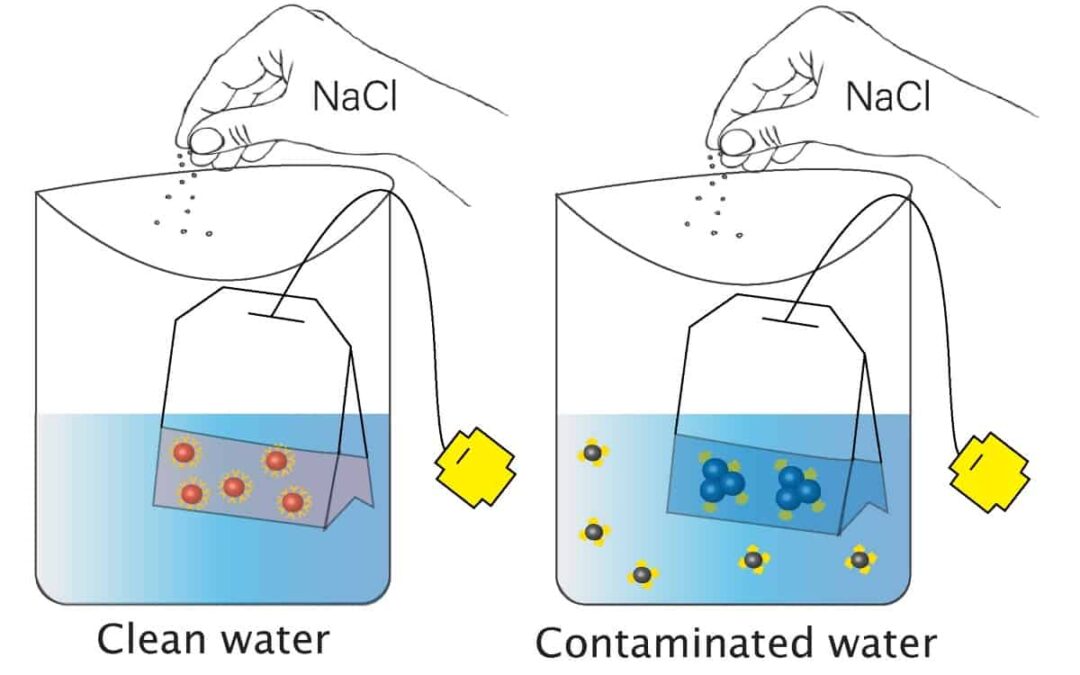
Various methods exist for testing arsenic in water. Some involve chemical reactions, while others use advanced equipment. Home testing kits offer a simple solution. These kits often use color changes to indicate arsenic levels. Professional labs provide more precise testing. They use methods like atomic absorption spectroscopy. This method analyzes water samples for arsenic content.
Technological Advances
Technology improves arsenic detection. New devices offer faster and more accurate results. Portable sensors can test water on-site. They provide immediate feedback, which helps identify contamination sources. Digital tools also enhance data collection. This makes tracking arsenic levels easier over time.
Challenges In Detection
Detecting arsenic presents challenges. Low concentrations can be hard to identify. Some testing methods might miss trace amounts. Interference from other substances complicates detection. Ensuring equipment is well-calibrated is essential. Proper training for users improves accuracy. Continuous monitoring is vital to catch any changes in water quality.
Health Impacts Of Arsenic Exposure
Arsenic in water poses serious health risks, including skin changes, cancer, and heart problems. Long-term exposure can lead to developmental issues in children. Ensuring safe drinking water is crucial to prevent these harmful effects.
Arsenic exposure through drinking water is a pressing health issue that affects millions globally. This naturally occurring element can seep into groundwater, posing significant health risks. Understanding these impacts is crucial for protecting your well-being and that of your community.
Short-term Effects
Short-term exposure to high levels of arsenic can cause immediate health problems. You might experience symptoms like stomach pain, nausea, or skin irritations. Imagine drinking a glass of water, only to end up with a burning stomach—it’s a reality for many facing arsenic contamination.
Long-term Health Risks
Long-term exposure to arsenic is even more concerning. Over time, it can lead to serious conditions like cancer, heart disease, and diabetes. Think about the impact on your loved ones if their daily water intake slowly deteriorates their health—it’s a silent threat that grows over the years.
Vulnerable Populations
Certain groups are more vulnerable to arsenic exposure. Pregnant women, children, and the elderly face heightened risks. If you have kids, consider how their developing bodies could be more susceptible to the harmful effects of arsenic. How can you ensure their safety? By understanding the health impacts of arsenic in water, you take the first step toward safeguarding yourself and those you care about.
Credit: www.nature.com
Global Hotspots Of Arsenic Contamination
Arsenic contamination in water threatens health worldwide. Major hotspots include Bangladesh, India, and China, where groundwater contains high arsenic levels. Contaminated water poses risks to millions, causing serious illnesses and environmental challenges.
Arsenic in drinking water is a pressing global issue that affects millions of people. Certain regions around the world have become notorious hotspots for arsenic contamination, posing serious health risks to their populations. Understanding where these hotspots are and how they are affected can help us address this problem more effectively.
Affected Regions
Bangladesh and West Bengal in India are infamous for arsenic-laden water. In these areas, millions rely on groundwater that is dangerously contaminated. The situation is so severe that it’s dubbed a “mass poisoning” by experts. In Latin America, countries like Mexico and Argentina also face significant challenges with arsenic. These regions often have naturally occurring arsenic in their groundwater, exacerbated by mining activities. Local communities struggle to find safe alternatives for drinking water. Parts of the United States, especially the Southwest, are not immune. States like Arizona and New Mexico have reported elevated arsenic levels in their water supplies. This issue often goes unnoticed until health issues arise.
Case Studies
In Bangladesh, the problem began when shallow tube wells were installed to provide safer drinking water. Ironically, these wells tapped into arsenic-rich groundwater. This misstep led to widespread health issues, including cancer and skin lesions. Mexico’s Guanajuato region provides another stark example. Residents have long relied on groundwater with arsenic levels far above safe limits. Efforts to dig deeper wells have sometimes made the problem worse, highlighting the complexity of the issue. In the U.S., the town of Fallon, Nevada, has been under scrutiny for its high cancer rates. Investigations linked these rates to arsenic in the local water supply. This has prompted federal and state agencies to step in, but challenges remain.
Comparative Analysis
Bangladesh and West Bengal face a crisis driven by a need for safe drinking water. Unlike Mexico or the U.S., where technological solutions are more feasible, these regions struggle with resources. The scale of the problem in Bangladesh is unparalleled, affecting tens of millions. In contrast, technological advancements in the U.S. offer more avenues for mitigation. Advanced filtration systems and regular monitoring make it easier to manage arsenic levels. However, this doesn’t mean the problem is solved, as many rural areas still lack access to these technologies. In Mexico and Argentina, the blend of natural and industrial factors makes arsenic contamination particularly challenging. Efforts to address the issue often require international cooperation and investment. It’s a complex puzzle that needs both local and global solutions. Are you living in an area affected by arsenic contamination? If so, what measures are you taking to ensure your water is safe? Understanding the scope and complexity of arsenic hotspots can empower you to advocate for better solutions.
Regulations And Safety Standards
Ensuring safe drinking water is a priority worldwide. Arsenic in water poses a serious health risk, making regulations and safety standards essential. These rules help protect you and your community by keeping arsenic levels in check. But how are these regulations created, and how effectively are they enforced?
International Guidelines
International organizations like the World Health Organization (WHO) set guidelines for arsenic levels in drinking water. Their standards aim to protect health and are based on scientific research. WHO recommends a maximum arsenic concentration of 10 micrograms per liter.
These guidelines serve as a reference for countries developing their own water safety regulations. They provide a framework that balances health protection with practical implementation. Have you ever wondered how your country’s standards compare to these global benchmarks?
National Policies
Each country adapts international guidelines to fit its specific needs and resources. National policies on arsenic levels can vary significantly based on local conditions and economic factors. For example, some countries may set stricter limits in areas with a higher risk of contamination.
Developing these policies involves research, consultation, and sometimes difficult decisions. Policymakers must consider public health, technology, and costs. How confident are you that your government prioritizes water safety effectively?
Enforcement Challenges
Setting regulations is one thing; enforcing them is another challenge altogether. Many countries struggle with monitoring and compliance due to limited resources. This can lead to inconsistent testing and reporting, putting communities at risk.
Enforcement requires infrastructure, trained personnel, and public awareness. It also involves cooperation between government bodies and local communities. What steps can you take to ensure your local water supply is safe?
In some regions, community-led initiatives have stepped in to fill enforcement gaps. These grassroots efforts can be effective but need support and recognition. Are there ways you can get involved or support these initiatives?
Credit: www.desertsun.com
Mitigation And Prevention Strategies
Arsenic contamination in water is a pressing issue that demands immediate attention. Mitigation and prevention strategies are crucial to ensuring safe drinking water. Let’s explore practical ways to tackle this challenge effectively.
Water Filtration Technologies
Water filtration technologies are at the forefront of arsenic removal efforts. Technologies like reverse osmosis and activated alumina filters are effective in reducing arsenic levels. These systems can be installed at the point of use, ensuring your tap water is safe.
Consider investing in a household filtration system if you live in an area with known arsenic issues. Regular maintenance of these systems is important to ensure their effectiveness. Have you checked if your community offers any support for installing these systems?
Community Initiatives
Community initiatives play a vital role in addressing arsenic contamination. Local awareness campaigns can educate residents about the risks of arsenic and the importance of testing water sources. Collaboration with local health departments can amplify these efforts.
Some communities have successfully implemented arsenic testing programs. These programs provide free or low-cost testing for households. Would joining forces with your neighbors to advocate for such programs in your area be a step forward?
Policy Recommendations
Effective policies are essential for long-term solutions to arsenic contamination. Governments can enforce stricter regulations on permissible arsenic levels in drinking water. Supporting research and development of new filtration technologies can also be part of these policies.
Engaging with policymakers can drive these changes. Your voice matters in urging local leaders to prioritize safe drinking water. What policy changes would you like to see implemented in your area to combat arsenic in water?
Future Directions For Research
Future Directions for Research on Arsenic in Water
Research on arsenic in water is essential for public health. Scientists are exploring new methods to detect and remove arsenic. This is vital for safe drinking water. Understanding future research directions helps us grasp the complexities. It also shows us potential solutions.
Emerging Technologies
Scientists are developing new technologies to tackle arsenic in water. Advanced sensors are being designed to detect arsenic levels quickly. These sensors are more accurate and affordable. This helps communities monitor their water easily. Filtration systems are also improving. Engineers focus on systems that remove arsenic effectively. These systems are being tested for efficiency and cost-effectiveness.
Interdisciplinary Approaches
Arsenic research benefits from interdisciplinary methods. Combining chemistry, biology, and engineering offers fresh insights. Chemists study arsenic’s properties and interactions. Biologists examine its effects on living organisms. Engineers work on practical solutions for arsenic removal. Together, these fields provide a complete understanding. This leads to innovative solutions for water safety.
Collaborative Efforts
Collaboration is key in arsenic research. Scientists, governments, and communities are joining forces. This teamwork speeds up research and development. Shared knowledge leads to better strategies for arsenic removal. Communities play a crucial role. Their experiences help tailor solutions to local needs. Governments support research through funding and policy-making. This partnership ensures access to safe water worldwide.
Frequently Asked Questions
What Is Arsenic In Water?
Arsenic in water is a toxic element often found in groundwater. It originates from natural deposits and industrial pollution. Long-term exposure can lead to serious health issues, including cancer. Regular testing and purification methods can help mitigate the risks of arsenic contamination.
How Does Arsenic Affect Health?
Arsenic exposure can lead to various health problems. It increases the risk of cancer, heart disease, and skin lesions. Drinking arsenic-contaminated water can also cause developmental issues in children. It’s crucial to ensure safe drinking water to prevent these health risks.
How Can I Test For Arsenic In Water?
Testing for arsenic in water involves using specialized kits or laboratory services. These methods help detect arsenic levels accurately. Home testing kits are convenient but less precise. Professional laboratory testing is recommended for more reliable results. Regular testing ensures your water remains safe for consumption.
What Are Safe Arsenic Levels In Water?
The safe level of arsenic in drinking water, according to the EPA, is 10 parts per billion. This guideline helps protect public health. Regular monitoring and adherence to this limit are essential. Implementing purification techniques can help maintain safe arsenic levels in water.
Conclusion
Understanding arsenic in water is crucial for health and safety. Clean water is vital. Arsenic affects many communities worldwide. Regular testing can prevent arsenic exposure. Use filters to reduce contamination. Awareness leads to better choices. Protecting water sources benefits everyone.
Share this knowledge with others. Safe water ensures a healthy future. Educate yourself and your community. Let’s work together for safer water. Every drop counts.
Hasan Al Sarker is a Reverse Osmosis Specialist. He has worked for many years to ensure safe drinking water for all. His research paper has been published in several journals, including Issue, Medium, and Slideshare. He is recognized as a water doctor among specialists though he did not attend medical college.
Besides working as a researcher of reverse osmosis technology, he is also very fancy with the kitchen and cooking. His guides are reading thousands of people every day. As a head of content, he is responsible for all the published articles at RO System Reviews.