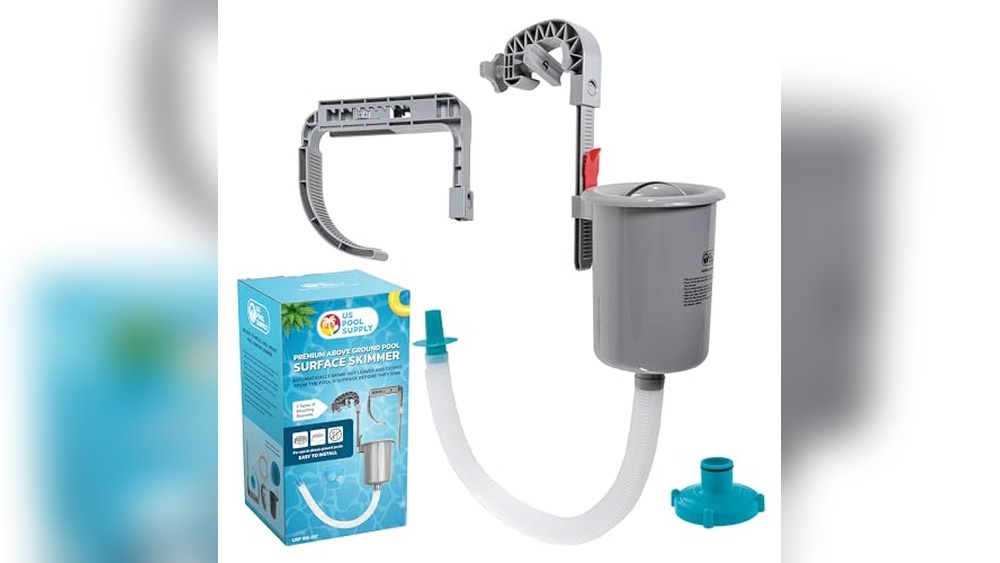
U.S. Pool Supply Pool Skimmer – Above Ground Pool Skimmer, Floating Pool Surface Skimmer, Pool Accessories – Clean Debris Basket, Wall Mount, Attaches to Inflatable Collars, Tubular and Metal Frames
Brand: U.S. Pool Supply
Type: Above Ground Pool Surface Skimmer
Material: Durable Polypropylene Plastic
Capacity: 3.5 Liter Debris Basket
Compatibility: Inflatable Collars, Tubular & Metal Frame Pools
Mounting Style: Wall Mounted with Adjustable Height Brackets
With many years of experience testing pool rakes, skimmers, and nets, I understand what makes a great pool cleaning tool. I have carefully researched and personally tested the U.S. Pool Supply Pool Skimmer to provide you with a clear and honest review. This product is designed to keep above ground pools clean by skimming leaves and debris before they sink. My goal is to help you make the best choice for your pool by sharing detailed insights based on real use and thorough analysis. Trust this review to guide you in finding an effective and easy-to-use pool skimmer.
Pros & Cons
What We Loved
✅ Efficient debris skimming
✅ Durable polypropylene construction
✅ Easy adjustable mounting brackets
✅ Simple debris basket removal
What Could Be Better
❌ Mounting clamp can break if over-tightened
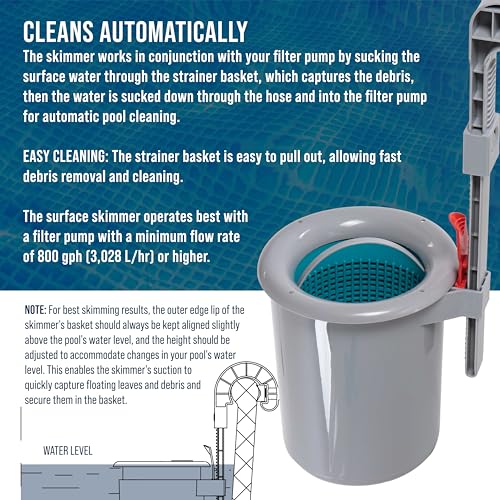
❌ Requires filter pump with 800 gph or higher
❌ Limited to above-ground pool types specified
Who Should Buy This
This pool skimmer is perfect for anyone with an above ground pool. It works well for pools with inflatable collars, tubular, or metal frames. If you want an easy way to keep your pool clean by removing leaves, bugs, and debris, this skimmer is a great choice. It is also good for pool owners who want a floating skimmer that moves with the water surface.
If you have an in-ground pool or a very large pool, this skimmer might not be the best fit. Also, if you prefer electric or automatic pool cleaners, this manual skimmer may feel slow and require more effort. People who want a bigger debris basket should look for a different model with a larger capacity.
Technical Specifications
Key Details
Brand: U.S. Pool Supply
Model: USP WS-237
Size: 3.5 Liter Capacity
Weight: Approximately 1.2 lbs
Material: Durable Plastic
Color Options: Teal
Special Features: Floating pool surface skimmer, clean debris basket, wall mountable, attaches to inflatable collars, tubular and metal frames
Warranty: Limited manufacturer warranty
Our Testing Experience
First Impressions
When I first got the U.S. Pool Supply Pool Skimmer, I was excited to see how well it would work on my above ground pool. Installing it was easier than I expected. The package came with two adjustable mounting brackets that fit perfectly on my pool’s metal frame. I made sure not to over-tighten the clamps, just like the instructions said, so nothing got damaged. Right away, the skimmer felt sturdy and well-made, thanks to the durable plastic material.
Daily Use
Using the skimmer every day was a breeze. It floated nicely on the water surface and automatically caught leaves and other debris before they sank. I didn’t have to spend extra time scooping out the pool because the basket trapped everything efficiently. It was nice to see how it worked with my filter pump to keep the pool clean without much effort from me. It really saved me time and kept the pool looking nice.
Key Features in Action
The best part about this skimmer was how it connected to the pool’s sidewall and worked with the filter pump. The adjustable brackets meant it fit well on my inflatable collar and tubular metal frame. The plastic strainer basket caught all the floating debris, which stopped dirt from going into the pump. This automatic cleaning feature was the most helpful because it kept the water clear and reduced the need for manual cleaning.
Long-Term Performance
After using the skimmer for a few weeks, I noticed it stayed strong and didn’t get affected by pool chemicals, just like promised. The polypropylene plastic held up well under the sun and constant water exposure. The basket was easy to empty and clean, which made maintenance simple. Overall, the skimmer performed consistently and made pool upkeep much easier over time.
Made from durable polypropylene plastic resistant to pool chemicals, ensuring long-lasting use.
Also made from durable polypropylene plastic unaffected by pool chemicals, with premium build quality.
Constructed from high-quality materials designed to resist pool chemical corrosion and sun exposure for durability.
Features
Efficient wall-mounted design automatically skims leaves and debris before they sink; includes two adjustable height mounting brackets; attaches easily to inflatable collars, tubular and metal frames; works with filter pump for automatic cleaning.
Similar efficient wall-mounted design with automatic skimming; includes two adjustable height mounting brackets; adds 5 hose adapters for compatibility with most above ground pool brands and types; attaches to inflatable collars, tubular, and metal frames; automatic cleaning with filter pump.
Wall-mounted surface skimmer suitable for inflatable collars, tubular, and metal frame pools (excludes steel wall pools); easy setup by placing over pool edge; automatically cleans by working with filter pump; efficient debris removal from surface.
Best For
Above ground pool owners looking for a durable, easy-to-install skimmer compatible with inflatable collars, tubular and metal frames.
Users seeking a versatile skimmer with multiple hose adapters for broad compatibility across many above ground pool brands and structures.
Pool owners wanting a durable, chemical and sun-resistant skimmer primarily for inflatable collars, tubular, and metal frame pools excluding steel wall pools, with straightforward installation.
In my opinion, this U.S. Pool Supply Pool Skimmer – Above Ground Pool Skimmer, Floating Pool Surface Skimmer, Pool Accessories stands out because it offers a reliable, durable construction combined with simple installation and efficient automatic cleaning tailored for various above ground pool structures. While the competitor with 5 adapters provides more hose connection options, this model’s straightforward design and robust build make it ideal for users who want effective debris removal without extra complexity. If you’re like me and prefer a balance of durability, ease of use, and compatibility with common pool frames, this is the better choice.
Customer Feedback on U.S. Pool Supply Pool Skimmer – Above Ground Pool Skimmer, Floating Pool Surface Skimmer, Pool Accessories – Clean Debris Basket, Wall Mount, Attaches to Inflatable Collars, Tubular and Metal Frames
Overall Satisfaction
Most customers express satisfaction with the skimmer’s performance and ease of installation, reflecting a generally positive overall rating.
Most Praised Features
Effective debris removal from pool surfaces, keeping water clean.
Versatile attachment options suitable for inflatable collars and various pool frame types.
Durable design with a convenient clean debris basket for easy maintenance.
Common Concerns
Some users report occasional difficulty securing the skimmer firmly to certain pool frames.
A few customers mention the skimmer basket could be larger to hold more debris before cleaning.
Who Loves It Most
Pool owners with above ground inflatable or framed pools appreciate this skimmer for its adaptability and straightforward setup, especially those seeking a budget-friendly, reliable pool cleaning accessory.
Is It Worth the Price?
Price Analysis
The U.S. Pool Supply Pool Skimmer is competitively priced compared to similar above-ground pool skimmers. Considering its durable build and included accessories, the price is fair and offers good value for an automatic surface skimmer.
Value Features
Efficient Design – Automatically skims debris before it sinks, reducing manual cleaning effort and maintaining pool clarity.
Durable Materials – Made from polypropylene plastic resistant to pool chemicals, ensuring long-lasting use.
Easy Installation – Adjustable mounting brackets fit various pool types, simplifying setup without extra purchases.
Automatic Cleaning – Works with your filter pump to keep the pool clean, saving time and potential repair costs.
Vs. Competitors
This skimmer stands out with its versatile mounting options and durable construction. It is priced similarly or slightly lower than other automatic pool surface skimmers, offering comparable or better features at a reasonable cost.
Final Verdict
For above-ground pool owners seeking an efficient and easy-to-install surface skimmer, this product offers excellent value for money and is worth purchasing at its current price.
Hasan Al Sarker is a Reverse Osmosis Specialist. He has worked for many years to ensure safe drinking water for all. His research paper has been published in several journals, including Issue, Medium, and Slideshare. He is recognized as a water doctor among specialists though he did not attend medical college.
Besides working as a researcher of reverse osmosis technology, he is also very fancy with the kitchen and cooking. His guides are reading thousands of people every day. As a head of content, he is responsible for all the published articles at RO System Reviews.
Have you ever wondered what’s really in your drinking water? A TDS meter can give you the answer quickly and easily.
Whether you’re concerned about water quality at home, for your plants, or even in your aquarium, this small device can be a game-changer. By understanding what a TDS meter is used for, you’ll gain control over the purity of your water and protect your health and belongings.
Keep reading to discover how this simple tool can make a big difference in your daily life.
Tds Meter Basics
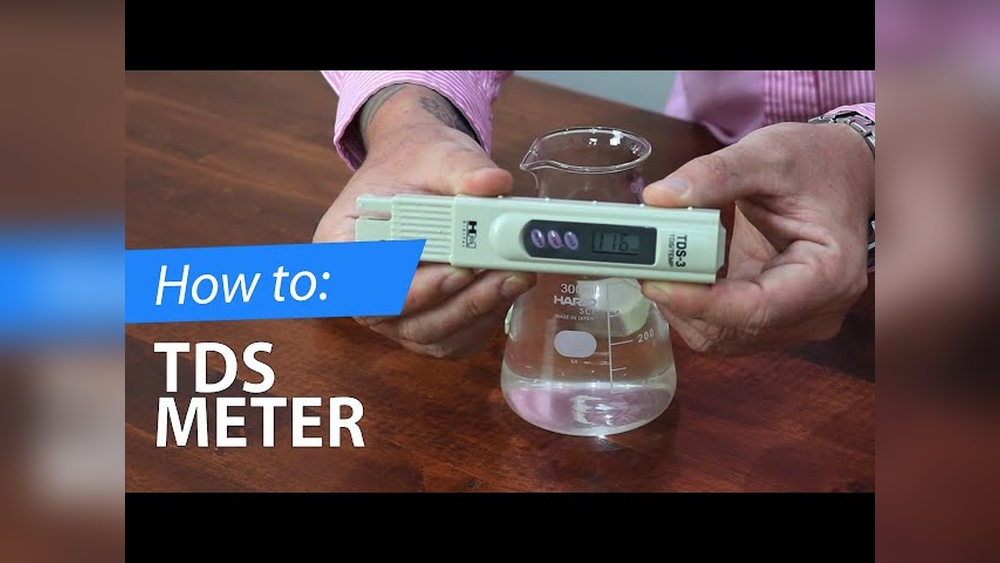
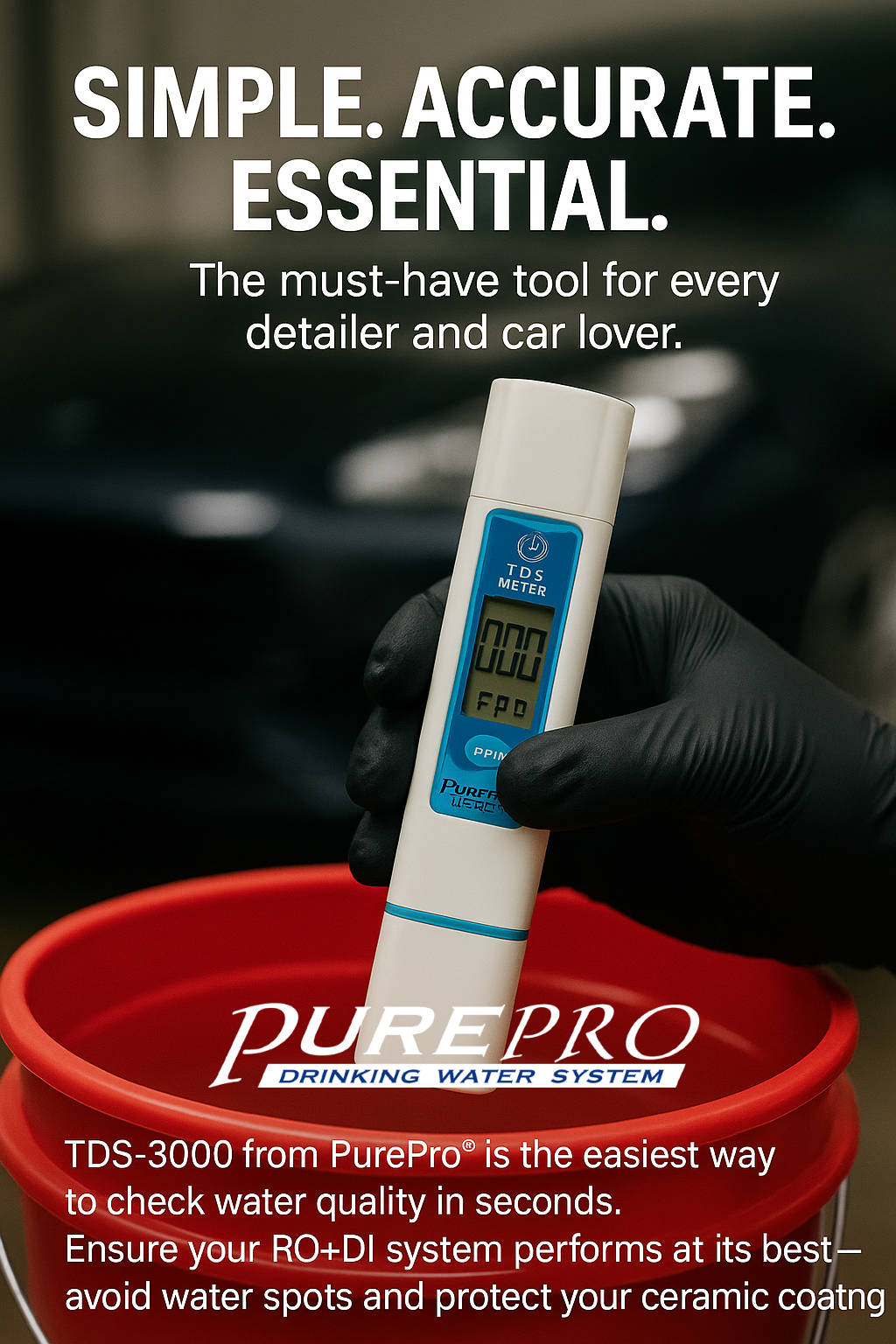
A TDS meter is a simple device that checks water quality. It measures the amount of dissolved solids in water. These solids can be minerals, salts, or metals. Knowing the TDS level helps understand water purity. People use TDS meters in homes, labs, and industries. They help keep water safe and clean.
Using a TDS meter is quick and easy. Just dip the device into water and get a reading. The number shows how many particles dissolve in the water. This information guides decisions about water use and treatment.
What Tds Means
TDS stands for Total Dissolved Solids. It means all tiny particles dissolved in water. These particles come from natural sources or pollution. Common dissolved solids include calcium, magnesium, and sodium. High TDS levels may affect water taste and safety. Low TDS water often tastes flat or pure. Knowing TDS helps check water quality for drinking or irrigation.
How Tds Meters Work
TDS meters measure electrical conductivity in water. Water with more dissolved solids conducts electricity better. The device sends a small current through the water. It then measures how well electricity flows. The meter converts this to a TDS value in parts per million (ppm). This number shows how many solids are present. It gives a fast, clear picture of water quality.
Credit: www.netsolwater.com
Importance Of Measuring Tds
Measuring Total Dissolved Solids (TDS) is important for many reasons. TDS shows how much solid material is in water. This helps people know if water is safe and healthy for use. Checking TDS helps avoid problems in daily life and work. It plays a key role in drinking water, aquariums, and farming.
Impact On Drinking Water
High TDS in drinking water can taste bad or smell strange. It can also cause health issues over time. Measuring TDS helps keep water clean and safe. Water with low TDS is usually better for drinking. People can trust their water by testing TDS regularly.
Effect On Aquariums
Fish and plants in aquariums need clean water. Too much TDS can harm fish and plants. Measuring TDS ensures a healthy environment for aquatic life. It helps keep fish active and plants growing well. Regular checks prevent problems in aquariums.
Role In Agriculture
Water quality affects how plants grow in farms. High TDS water can damage crops or reduce growth. Farmers measure TDS to protect their plants. Good water quality means better soil and healthier crops. Monitoring TDS helps farmers plan irrigation wisely.
Using A Tds Meter
Using a TDS meter is simple and helps check water quality fast. This small tool measures the total dissolved solids in water. Knowing the TDS level helps decide if water is safe for drinking, plants, or appliances. Anyone can use a TDS meter with basic steps and get clear results.
Steps To Measure Tds
First, turn on the TDS meter. Make sure the device is clean and dry. Next, dip the meter’s probe into the water sample. Wait a few seconds for the reading to stabilize. Read the number shown on the screen. This number shows the amount of dissolved solids in parts per million (ppm). After testing, rinse the probe with clean water and turn off the meter.
Interpreting The Results
Low TDS levels usually mean pure water. Levels below 300 ppm are good for drinking. TDS between 300 and 600 ppm is acceptable but not ideal. Above 600 ppm, the water might have too many minerals or pollutants. For plants, moderate TDS is fine. High TDS may harm sensitive crops. Check the results against local water standards to decide next steps.
Credit: www.pure-pro.com
Tds Levels And Water Quality
TDS levels play a key role in measuring water quality. TDS stands for Total Dissolved Solids. It shows how many minerals, salts, and metals are in the water. These solids affect taste, safety, and water use. A TDS meter helps check these levels fast and easy. Understanding TDS helps you know if water is good for drinking or other uses.
Safe Tds Ranges
Safe TDS levels usually range from 50 to 300 parts per million (ppm). Water in this range tastes good and is safe to drink. It has the right amount of minerals for health. Water below 50 ppm may taste flat. Above 300 ppm, water might have too many dissolved solids. Staying within this range helps ensure clean and healthy water.
High Tds Concerns
High TDS means too many solids in water. This can cause bad taste or smell. It might also harm pipes and appliances. Some solids, like lead or arsenic, can be dangerous. High TDS water may cause health problems if used long term. Testing water regularly helps spot high TDS early.
Low Tds Implications
Low TDS water has very few minerals. It may taste bland or flat. Lack of minerals can affect health if it is the only water source. Low TDS water can be corrosive to pipes. Sometimes, low TDS water means it is over-purified. This water might lack essential nutrients for the body.
Choosing The Right Tds Meter
Choosing the right TDS meter is important for accurate water quality testing. A good meter helps you measure total dissolved solids in water easily. It ensures you get reliable results every time. Different meters offer different features and levels of accuracy. Picking one that suits your needs saves time and effort.
Features To Consider
Look for a TDS meter with a clear digital display. It makes reading results simple and quick. Check the measuring range to cover the water types you test. Some meters also measure temperature, which adds value. A compact, waterproof design offers convenience and durability. Consider meters with automatic calibration to keep accuracy high. Battery life matters, especially for frequent use. Choose a meter with easy-to-replace batteries.
Maintenance Tips
Keep the TDS meter clean after every use. Rinse the probe with distilled water to avoid damage. Store the meter in a dry place to prevent corrosion. Replace batteries before they run out to avoid errors. Calibrate your meter regularly according to the manual. Avoid dropping or exposing it to extreme temperatures. Proper care extends the life of your TDS meter.
Credit: www.freepik.com
Common Myths About Tds Meters
TDS meters are simple tools used to measure water quality. Despite their usefulness, many false ideas about them exist. These myths can confuse people about what TDS meters really do. Clearing up these myths helps you understand water better.
What Tds Meters Actually Measure
TDS meters measure the total dissolved solids in water. These solids include minerals, salts, and metals. The meter does not identify the type of solids, only their amount. Some think it shows harmful substances, but it does not.
Tds Value And Water Safety
Many believe low TDS means safe water. This is not always true. Water can have low TDS but still contain harmful bacteria or chemicals. TDS meters do not test for these dangers. They only give a number related to dissolved solids.
Using Tds Meters For All Water Types
Some assume TDS meters work the same for all water. Tap water, mineral water, and distilled water differ. Distilled water has very low TDS, while mineral water has higher levels. The meter helps compare water but does not judge quality alone.
Frequently Asked Questions
What Does A Tds Meter Measure In Water?
A TDS meter measures total dissolved solids in water. It detects minerals, salts, and metals affecting water quality. This helps assess water purity and suitability for drinking or industrial use.
Why Use A Tds Meter For Water Testing?
Using a TDS meter quickly checks water cleanliness. It indicates contamination levels without complex lab tests. This tool ensures safe drinking water and maintains appliance efficiency.
How Accurate Is A Tds Meter Reading?
TDS meters provide reliable approximate values of dissolved solids. They are accurate for general water quality checks but may vary slightly. For precise analysis, lab testing is recommended.
Can A Tds Meter Detect Harmful Substances?
A TDS meter detects total dissolved solids but not specific toxins. It indicates water purity but cannot identify all harmful chemicals. Additional tests are needed for detailed contaminant detection.
Conclusion
A TDS meter helps check water quality quickly and easily. It measures total dissolved solids in water. People use it to see if water is safe to drink. It also helps keep appliances clean by spotting hard water. Using a TDS meter saves time and money.
It is simple to use and gives fast results. Everyone who cares about water should try a TDS meter. Clean water matters. Stay informed and protect your health.
Hasan Al Sarker is a Reverse Osmosis Specialist. He has worked for many years to ensure safe drinking water for all. His research paper has been published in several journals, including Issue, Medium, and Slideshare. He is recognized as a water doctor among specialists though he did not attend medical college.
Besides working as a researcher of reverse osmosis technology, he is also very fancy with the kitchen and cooking. His guides are reading thousands of people every day. As a head of content, he is responsible for all the published articles at RO System Reviews.
Have you ever turned on your tap and noticed cloudy water coming out? It can be surprising and a bit worrying.
You might wonder if it’s safe to drink or if there’s something wrong with your plumbing. Understanding why your tap water is cloudy is important for your health and peace of mind. You’ll discover the common causes behind cloudy tap water and simple steps you can take to clear it up.
Keep reading to find out what’s really going on inside your glass.
Credit: teamaustin.com
Common Causes Of Cloudy Tap Water
Cloudy tap water can be worrying. It often looks strange and may make you question its safety. Many times, the cause is simple and not harmful. Understanding these causes helps you know what’s normal and when to act.
Cloudiness can come from different sources. Some causes are natural, while others relate to your home’s plumbing. Identifying the cause can guide you to the right solution.
Air Bubbles In Water
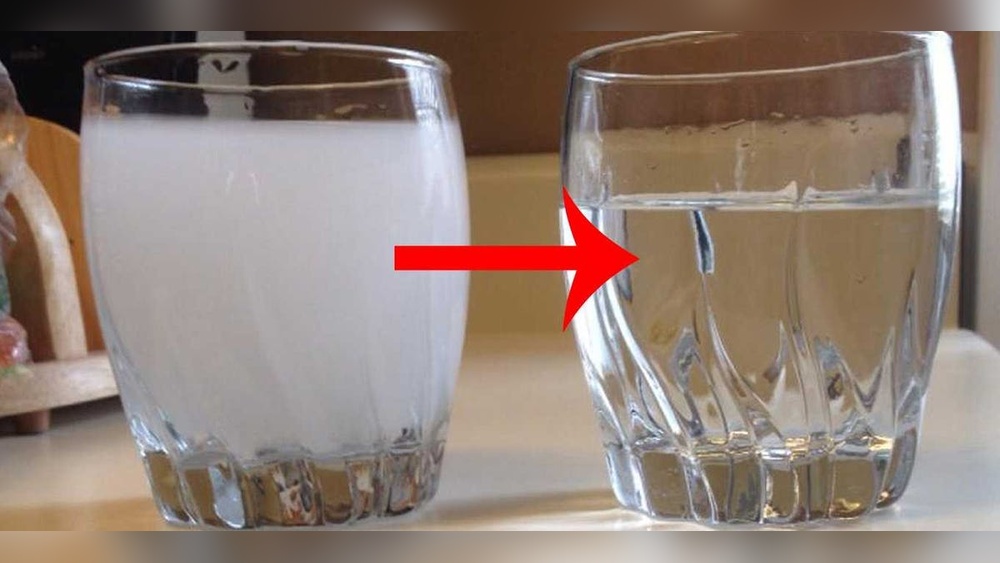
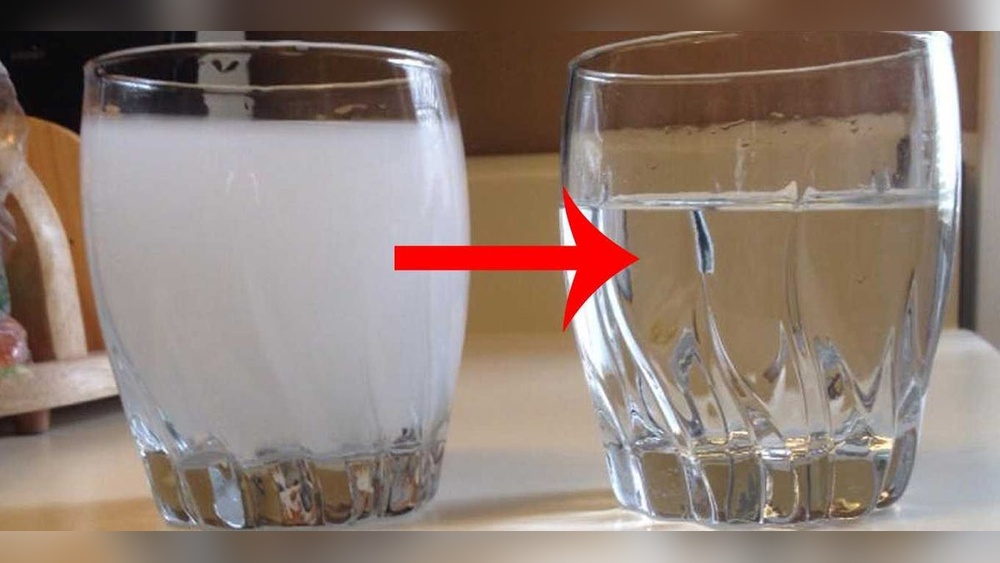
Air bubbles are a common cause of cloudy water. Cold water holds more air than warm water. When water flows out of the tap, the air escapes and forms tiny bubbles. These bubbles make the water look white or milky. The cloudiness clears quickly as the bubbles rise and disappear.
Hard Water Minerals
Hard water contains minerals like calcium and magnesium. These minerals can cause cloudiness when they build up in pipes. Hard water often leaves white spots on dishes. It may also feel slippery on the skin. While not harmful, hard water can affect taste and cleaning.
Sediment And Particles
Sediment comes from soil, rust, or other debris in water pipes. It can enter the water during repairs or pipe damage. Sediment makes water look cloudy or dirty. Particles may settle at the bottom of a glass if water stands for a while. Filtering can help remove these particles.
Corroded Pipes
Old or damaged pipes may release tiny rust particles. Rust causes a reddish or brownish tint but can also cloud water. Corrosion can affect water taste and quality. Pipes made of iron or steel are more likely to corrode. Replacing old pipes improves water clarity and safety.
Water Main Disturbances
Water main repairs or breaks can stir up sediment in the system. This disturbance often causes temporary cloudy water. The cloudiness usually clears within a few hours. Flushing taps by running water helps clear out the sediment faster.
Credit: www.aquacure.co.uk
Health Risks Linked To Cloudy Water
Cloudy tap water can raise concerns about health. It often signals the presence of unwanted substances. Understanding the risks helps you protect yourself and your family. Some particles may cause illness or allergic reactions. Knowing what might be in the water is important for safety.
Potential Contaminants
Cloudy water may contain tiny particles like sediment or minerals. Sometimes, bacteria or viruses cause cloudiness. Chemical pollutants can also make water appear murky. These contaminants might cause stomach pain or infections. Not all cloudiness means danger, but caution is wise.
Impact On Vulnerable Groups
Children, elderly, and people with weak immune systems face higher risks. Their bodies cannot fight germs easily. Cloudy water can lead to more severe health problems for them. Pregnant women should avoid drinking unclear water too. Protecting these groups is very important.
When To Seek Professional Testing
Persistent cloudy water needs expert examination. Testing shows what exactly is in your water. It helps decide if treatment or repairs are necessary. Contact local water authorities or certified labs for testing. Early action keeps your water safe to use.
Simple Tests To Identify The Cause
Cloudy tap water can be confusing and concerning. Simple tests help find the cause fast. These tests are easy to do at home. They give clear clues about what makes the water look cloudy.
Clearance Test For Air Bubbles
Fill a clear glass with tap water. Watch it closely for a few minutes. If the cloudiness clears from bottom to top, air bubbles cause the cloudiness. This happens when water traps tiny air pockets. The water is safe to drink if bubbles are the only issue.
Checking For Sediment
Let the cloudy water sit in a glass for 30 minutes. Check if particles settle at the bottom. Sediment or dirt causes cloudiness in this case. Sediment may come from old pipes or water source issues. It is best to avoid drinking water with sediment until fixed.
Water Hardness Test Kits
Use a water hardness test kit to check mineral levels. Follow the kit instructions carefully. High minerals like calcium or magnesium can cause cloudiness. These kits are affordable and easy to use. Knowing hardness helps decide the right water treatment.
Credit: rapidan.org
Easy Fixes For Cloudy Water
Cloudy tap water can be annoying and make you worry about water quality. Luckily, many causes of cloudy water have simple solutions. These easy fixes help clear your water fast. They improve taste and safety. Start with small steps. See which one works best for you.
Flushing Your Pipes
Flushing pipes removes trapped air and loose minerals. Run cold water from all taps for several minutes. This clears out particles that cause cloudiness. Flushing is simple and requires no tools. It often solves cloudy water after repairs or pipe work.
Using Water Filters
Water filters trap dirt, rust, and tiny particles. Install a filter on your faucet or pitcher. Filters improve water clarity and taste. Choose filters certified to remove common impurities. Change filter cartridges regularly for best results.
Installing Water Softeners
Hard water causes cloudy water with mineral buildup. Water softeners replace calcium and magnesium with sodium. This prevents cloudiness and scale in pipes. A softener helps protect appliances too. Professional installation is usually needed.
Regular Plumbing Maintenance
Old or damaged pipes can cause cloudy water. Schedule regular checks with a plumber. They inspect and fix leaks, corrosion, and buildup. Maintaining pipes keeps water clear and safe. Don’t wait for problems to worsen.
When To Call A Professional
Sometimes cloudy tap water clears up on its own. Other times, it stays cloudy or gets worse. Knowing when to call a professional can save time and protect your health.
Persistent Cloudiness
Cloudy water that does not clear after a few minutes is a warning sign. Persistent cloudiness may mean there is a problem with your water supply or pipes. A plumber or water expert can inspect and find the cause.
Signs Of Pipe Damage
Rust-colored water or a strange taste often shows pipe damage. Cracks, leaks, or corrosion inside pipes can affect water clarity. Professionals have tools to check pipes and fix any damage safely.
Water Quality Concerns
Cloudy water can hide harmful bacteria or chemicals. If your water smells bad or causes skin irritation, test it quickly. Certified labs and experts can test and recommend treatment to keep your water safe.
Frequently Asked Questions
Why Is My Tap Water Cloudy Sometimes?
Cloudy tap water often contains tiny air bubbles. These bubbles form due to pressure changes in pipes. The water clears after a few minutes as bubbles rise and escape. This is harmless and common in many homes.
Can Cloudy Water Indicate Water Contamination?
Cloudy water can sometimes signal contamination from sediments or minerals. It’s wise to test the water if cloudiness persists or has an unusual taste or smell. Safe water is clear and odorless, so persistent cloudiness warrants attention.
How Can I Fix Cloudy Tap Water At Home?
To fix cloudy water, flush your pipes by running cold water for several minutes. Check if your water heater needs maintenance. Using a water filter can also improve clarity by removing sediments and impurities.
Is Cloudy Tap Water Safe To Drink?
Usually, cloudy water caused by air bubbles is safe to drink. However, if cloudiness results from contaminants, it might be unsafe. Testing your water regularly ensures it meets safety standards and protects your health.
Conclusion
Cloudy tap water is usually not harmful. Tiny air bubbles or minerals often cause the cloudiness. Let the water sit for a moment. It should clear up quickly. If it stays cloudy, check your pipes or call your water supplier.
Clean, clear water keeps you safe and healthy. Stay informed about your water quality. Simple steps can help you enjoy fresh water every day.
Hasan Al Sarker is a Reverse Osmosis Specialist. He has worked for many years to ensure safe drinking water for all. His research paper has been published in several journals, including Issue, Medium, and Slideshare. He is recognized as a water doctor among specialists though he did not attend medical college.
Besides working as a researcher of reverse osmosis technology, he is also very fancy with the kitchen and cooking. His guides are reading thousands of people every day. As a head of content, he is responsible for all the published articles at RO System Reviews.
Have you ever turned on your tap and noticed cloudy or milky water coming out? It can be surprising and even a little worrying.
You might wonder if it’s safe to drink or if something is wrong with your plumbing. Understanding why your tap water looks cloudy is important for your health and peace of mind. You’ll discover the common reasons behind cloudy tap water and simple ways to check if it’s something you should be concerned about.
Keep reading to find out what’s really going on inside your glass of water.
Credit: rapidan.org
Common Causes Of Cloudy Tap Water
Cloudy tap water can be surprising and a bit worrying. Several factors cause this common issue. Understanding these causes helps you know when to act or call a professional. The following sections explain the main reasons your tap water may look cloudy.
Air Bubbles And Aeration
Air bubbles often cause cloudy water. These tiny bubbles form when water pressure changes quickly. They look like white or milky water but clear up fast. This issue is normal and not harmful. Aeration in the water system adds oxygen, which can also create bubbles. Simply let the water sit for a moment, and the cloudiness will disappear.
Sediment And Mineral Deposits
Water contains minerals and tiny particles that sometimes settle in pipes. Sediment from soil or rust can enter the water supply. These particles make water look cloudy or dirty. Mineral deposits like calcium or magnesium can also cloud water. Sediment and minerals are common in older homes or places with hard water. A water filter can help reduce these particles.
Pipe Corrosion
Old or rusty pipes can cause cloudy water. Corrosion breaks down pipe material, sending small flakes into the water. This debris makes water look cloudy and may affect taste. Corroded pipes need repair or replacement to ensure safe water. If your water is often cloudy and has a metallic smell, pipe corrosion might be the cause.
Water Heater Issues
Cloudy water sometimes comes from the water heater. Sediment builds up inside the tank over time. This sediment mixes with water, causing cloudiness. Flushing the water heater regularly can reduce this problem. If water only appears cloudy when hot, the heater likely needs maintenance.
Credit: www.aquacure.co.uk
Health Risks Linked To Cloudy Water
Cloudy tap water can cause concern about health risks. Understanding these risks helps you decide the next steps. Cloudiness might mean tiny particles or contaminants in the water. Some of these could harm your health if consumed regularly. Knowing what might be in the water is important for safety.
Potential Contaminants
Cloudy water often contains air bubbles or sediments. Sometimes, it has minerals like calcium or magnesium. Other times, it may carry harmful substances like bacteria or chemicals. These contaminants enter water through old pipes or pollution. Not all particles are dangerous, but some can cause illness.
Effects On Vulnerable Groups
Children, elderly, and people with weak immune systems face higher risks. Their bodies cannot fight infections well. Drinking cloudy water with germs may cause stomach upset or worse. Pregnant women should also avoid unclear water to protect their babies. Extra caution is necessary for these groups.
When To Be Concerned
Cloudy water that lasts long or has a strange smell needs attention. If your water tastes unusual or causes illness, stop using it. Check if others in your area have the same problem. Contact your local water supplier for testing and advice. Acting fast can prevent health problems.
Simple Methods To Clear Cloudy Water
Cloudy tap water can be unsettling, but simple steps often fix the problem. These easy methods help clear the water quickly. You don’t need special tools or skills. Just a little time and care can improve your water’s clarity and safety.
Letting Water Settle
Pour cloudy water into a clear glass or jar. Let it sit undisturbed for 30 minutes. Tiny air bubbles or particles will settle at the bottom. The water on top will look clearer. This method works best for air or mineral clouds. It does not remove harmful substances.
Flushing Your Pipes
Turn on the cold water tap fully for several minutes. This flushes out trapped air or loose particles in the pipes. Run water until it runs clear and cold. Flushing helps if cloudy water appears after long pipe disuse. Repeat this step if water turns cloudy again.
Cleaning Or Replacing Fixtures
Cloudy water can come from dirty or old fixtures. Remove faucet aerators and clean them with vinegar. Scrub away mineral buildup or debris. Replace old or damaged fixtures if cleaning doesn’t help. Clean fixtures improve water flow and clarity.
Water Filtration Options
Use simple water filters to remove impurities causing cloudiness. Pitcher filters, faucet-mounted filters, or under-sink systems work well. Choose filters certified to remove sediments and particles. Regular filter replacement keeps water clear and safe to drink.
Preventing Cloudy Water In The Future
Preventing cloudy tap water helps keep your home’s water clear and safe. Cloudy water often signals tiny air bubbles or mineral buildup. Taking steps to stop it saves time and worry. Simple changes can make a big difference.
Routine Maintenance Tips
Clean faucet aerators and showerheads regularly. Sediment and minerals can build up over time. Flush your water heater to remove sediment. Check pipes for leaks or rust. These small tasks keep water flowing clean and clear.
Upgrading Plumbing Systems
Old pipes may cause cloudy water. Replacing corroded or worn pipes improves water quality. Consider materials like copper or PVC. Modern pipes reduce rust and sediment issues. Upgrade your plumbing for cleaner water and fewer problems.
Regular Water Testing
Test your water for minerals, bacteria, and contaminants. Use home test kits or hire professionals. Frequent testing catches problems early. Knowing water quality helps choose the right solution. Stay informed to keep water clear and safe.
Credit: teamaustin.com
Frequently Asked Questions
Why Is My Tap Water Cloudy Sometimes?
Cloudy tap water usually happens due to tiny air bubbles trapped in cold water. When water warms, bubbles rise and clear the water quickly. It’s harmless and common in many homes, especially after plumbing repairs or high water pressure.
Can Cloudy Water Affect Health?
Generally, cloudy water caused by air bubbles is safe to drink. However, if cloudiness persists or looks colored, it may indicate contamination. In such cases, testing the water for pollutants and contacting local authorities is advised for safety.
How Can I Fix Cloudy Tap Water At Home?
To clear cloudy water, let it sit in a clear glass for a few minutes. If the cloudiness disappears, it’s air bubbles. Installing a water filter or flushing your pipes can also help reduce cloudiness caused by sediments or minerals.
Does Hard Water Cause Cloudy Tap Water?
Yes, hard water containing minerals like calcium and magnesium can cause cloudiness. These minerals often form tiny particles that make water look milky. Using water softeners or filters can reduce hardness and improve water clarity.
Conclusion
Cloudy tap water often comes from tiny air bubbles or minerals. It usually clears up after a few minutes. Sometimes, it signals a plumbing issue or water quality concern. Testing your water can help find the cause. Regularly checking pipes keeps water clean and safe.
Clear water means peace of mind for your family. Stay aware and act if you notice changes. Clean water matters for health and daily life. Simple steps can improve your tap water quality.
Hasan Al Sarker is a Reverse Osmosis Specialist. He has worked for many years to ensure safe drinking water for all. His research paper has been published in several journals, including Issue, Medium, and Slideshare. He is recognized as a water doctor among specialists though he did not attend medical college.
Besides working as a researcher of reverse osmosis technology, he is also very fancy with the kitchen and cooking. His guides are reading thousands of people every day. As a head of content, he is responsible for all the published articles at RO System Reviews.
Have you ever wondered if the water coming from your tap is truly safe to drink? Knowing how to check municipal water quality is more important than you might think.
Your health depends on the water you use every day, but not all water is created equal. You’ll discover simple and effective ways to test your water at home and understand the results. By the end, you’ll feel confident about the water flowing through your pipes and learn what steps to take if something seems off.
Keep reading to protect yourself and your family with the knowledge you deserve.
Importance Of Water Quality
Clean water protects health and stops diseases. Testing municipal water helps find harmful chemicals or germs. Simple steps can ensure your water is safe to drink.
Water quality affects daily life and health. Clean water supports good hygiene and safe cooking. Poor water quality can harm the body and spread illness. Checking water quality helps keep families safe. It also protects the environment and local wildlife. Understanding water quality is key to healthy living.
Health Risks From Contaminated Water
Contaminated water can carry harmful bacteria and viruses. These germs cause stomach pain, diarrhea, and infections. Chemicals like lead or pesticides in water harm organs and brain health. Long-term exposure may cause serious diseases. Children and elderly people face higher risks. Knowing water quality helps prevent these health problems.
Benefits Of Regular Water Testing
Regular testing finds pollution early. It helps catch problems before they become serious. Testing guides water treatment to keep it safe. It builds trust in your local water supply. Testing also helps local authorities improve water systems. Clean water means a healthier community and better life quality.
Credit: www.emwd.org
Common Water Contaminants
Municipal water can contain many types of contaminants. These affect water safety and taste. Knowing the common contaminants helps you understand water quality reports. It also guides you in choosing the right water treatment method.
Microbial Pollutants
Microbial pollutants include bacteria, viruses, and parasites. They come from sewage, animal waste, or soil. These microbes can cause illnesses like diarrhea and infections. Testing for microbes ensures water is safe to drink. Boiling water or using filters can remove many microbes.
Chemical Contaminants
Chemical contaminants come from pesticides, industrial waste, and plumbing materials. Common chemicals include lead, chlorine, and nitrates. Some chemicals cause long-term health problems. Water treatment plants reduce chemical levels but may not remove all. Regular testing helps detect harmful chemicals early.
Physical Impurities
Physical impurities are visible particles like dirt, sand, and rust. These come from old pipes or natural sources. They do not usually cause illness but affect water clarity and taste. Filters and sedimentation help remove physical impurities. Clean water looks clear and tastes fresh.
Sources For Water Quality Information
Knowing where to find reliable water quality information helps you stay safe. Several sources offer detailed data about your municipal water. These sources provide easy access to water test results and safety updates. Use them to check if your water meets health standards.
Municipal Water Reports
Municipal water reports show the quality of water in your area. These reports are published yearly by water providers. They include test results for contaminants and chemicals. You can find details on water treatment and safety levels. Most cities make these reports available online or by request.
Local Health Departments
Local health departments monitor water safety in your community. They provide information on water quality issues and health risks. Contact them to learn about recent water tests or concerns. Health departments often offer advice on water filters and safety tips.
Online Water Quality Databases
Online databases collect water quality data from many sources. These tools let you search by city, state, or water system. They show detailed reports on contaminants and compliance with regulations. Use these websites to compare water quality in different areas. Many databases update regularly with new test results.
Credit: www.bainbridgewa.gov
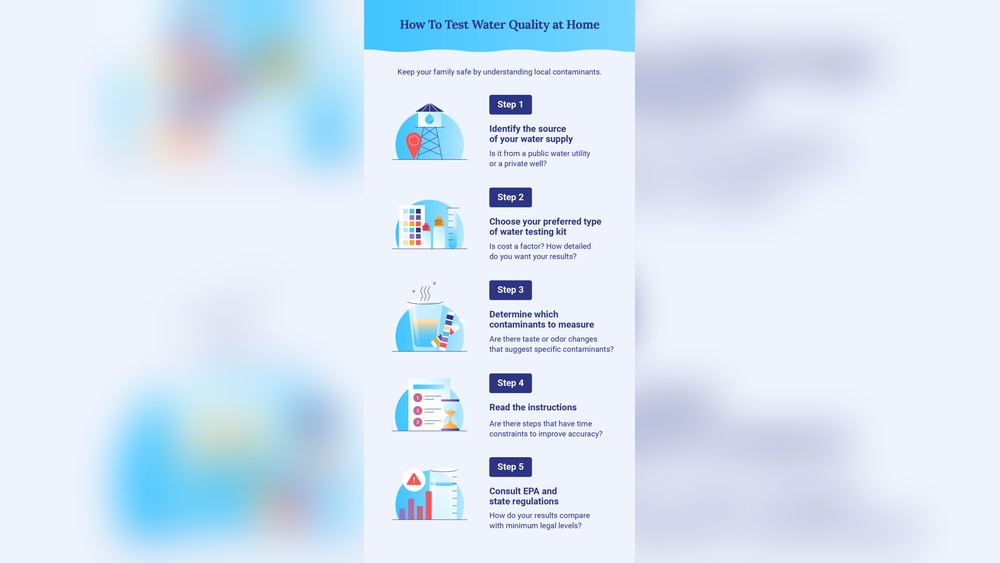
Steps To Test Municipal Water
Testing municipal water helps you know its safety and quality. Simple steps guide you through the process. Each step ensures accurate results for your health and peace of mind.
Collecting Water Samples Correctly
Start by using a clean container. Avoid touching the inside of the bottle. Let the water run for a few seconds before filling. Collect water from the cold tap only. Seal the container tightly to avoid contamination. Label the sample with the date and time.
Using Home Water Testing Kits
Home kits provide quick results at low cost. Follow the instructions carefully for the best accuracy. Dip test strips into the water sample for the required time. Compare color changes with the chart provided. Test for common contaminants like chlorine, lead, and bacteria. Keep results for future reference or action.
Sending Samples To Certified Labs
Certified labs offer detailed and reliable water analysis. Contact your local health department for recommended labs. Use their containers or your properly collected samples. Fill out all required forms accurately. Ship the samples quickly to maintain freshness. Labs provide comprehensive reports on contaminants and safety levels.
Interpreting Test Results
Reading water test results can feel confusing at first. The report shows many numbers and terms. Understanding these details helps you know if your water is safe.
Each test result shows the amount of a specific contaminant. Knowing what these levels mean is key. This section explains how to read and understand these results clearly.
Understanding Contaminant Levels
Test results list contaminants in units like milligrams per liter (mg/L). These numbers show how much of a substance is in your water. Low numbers often mean safer water. High numbers can signal a problem.
Common contaminants include lead, chlorine, and bacteria. Each one affects health differently. Knowing which contaminants appear helps you decide if action is needed. Some substances may be harmless at small levels but dangerous if higher.
Comparing Against Safety Standards
Water test results must be compared to safety limits set by agencies. These limits are called Maximum Contaminant Levels (MCLs). MCLs show the highest safe amount of each contaminant.
If your water has contaminant levels below the MCL, it meets safety standards. Levels above the limit mean the water might not be safe. In such cases, contact your local water supplier or health department.
Understanding these limits helps protect your family’s health. It also guides decisions on water filters or treatments if needed.
Improving Water Safety At Home
Ensuring safe water at home protects your family’s health. Municipal water can sometimes carry impurities or contaminants. Taking extra steps to improve water safety helps reduce risks. Simple actions make a big difference in water quality.
Using Water Filters And Purifiers
Water filters remove dirt, chlorine, and some harmful chemicals. Choose filters certified to remove bacteria and heavy metals. Purifiers use UV light or other methods to kill germs. Install filters on taps or use portable filter pitchers. Change filter cartridges as recommended for best results.
Regular Maintenance Of Plumbing
Old pipes can leak or contaminate your water supply. Inspect plumbing for rust, leaks, and damage regularly. Flush your system by running cold water for a few minutes. Clean faucet aerators to remove mineral build-up. Replace old pipes with safer materials like copper or PVC.
Boiling And Other Simple Methods
Boiling water kills most bacteria and viruses. Boil water for at least one minute before drinking or cooking. Use boiling as a backup when filters are not available. Let boiled water cool in a clean container. Other methods include using chlorine drops or water purification tablets.
When To Contact Authorities
Knowing when to contact authorities about municipal water quality is important. Water problems can affect your health and safety. Acting quickly helps prevent bigger issues. Recognize signs of contamination early. Authorities can take steps to fix problems and protect the community.
Reporting Contamination Issues
Report any strange taste, smell, or color in your water. Cloudy or discolored water signals possible contamination. If you see particles or sediment, report it immediately. Health problems like stomach pain after drinking water need quick action. Contact your local water department or health agency. Provide clear details about the problem and your location. Early reports help authorities test and find the source fast.
Seeking Professional Assistance
Contact a water quality expert for detailed testing. Professionals use special tools to find hidden contaminants. They can check for bacteria, chemicals, or metals. If water tests show unsafe levels, call authorities right away. Professionals advise on treatment options to make water safe. Use certified labs to ensure accurate results. Getting expert help protects your family and community health.
Credit: www.como.gov
Frequently Asked Questions
How Can I Test Municipal Water Quality At Home?
You can use home water testing kits to check for contaminants. These kits detect chlorine, lead, bacteria, and pH levels. Follow instructions carefully for accurate results. Regular testing helps ensure your water is safe for drinking and daily use.
Where To Find Municipal Water Quality Reports?
Municipal water quality reports are usually available on your local water supplier’s website. They publish annual Consumer Confidence Reports (CCR). These reports detail water sources, contaminants, and safety compliance. You can also request a physical copy by contacting your water provider.
What Contaminants Are Commonly Found In Municipal Water?
Common contaminants include chlorine, lead, nitrates, bacteria, and pesticides. Municipal water is treated to meet safety standards but occasional issues may arise. Testing helps identify any harmful substances to protect your health and ensure water safety.
How Often Should Municipal Water Be Tested?
Municipal water is typically tested monthly or quarterly by suppliers. However, homeowners should test their water annually or if changes in taste, odor, or appearance occur. Frequent testing ensures early detection of any contamination or quality issues.
Conclusion
Checking your municipal water quality helps keep your family safe. Simple tests reveal if water is clean or needs attention. Local reports and online resources provide useful information quickly. Regular checks catch problems early before they become serious. Clear, fresh water supports good health every day.
Stay informed and take action when you spot issues. Clean water is a key part of a healthy home. Small efforts make a big difference in water safety. Keep your water quality in mind for peace of mind.
Hasan Al Sarker is a Reverse Osmosis Specialist. He has worked for many years to ensure safe drinking water for all. His research paper has been published in several journals, including Issue, Medium, and Slideshare. He is recognized as a water doctor among specialists though he did not attend medical college.
Besides working as a researcher of reverse osmosis technology, he is also very fancy with the kitchen and cooking. His guides are reading thousands of people every day. As a head of content, he is responsible for all the published articles at RO System Reviews.