
Can Ro Water Cause Kidney Problems? Uncover the Truth

Can Ro Water Cause Kidney Problems? Uncover the Truth

Imagine taking a sip of water, the source of life, only to wonder if it’s harming your kidneys. You might be using reverse osmosis (RO) water, praised for its purity, but questions linger about its safety.

Could this crystal-clear water be silently affecting your health? Your kidneys, vital for filtering waste and balancing fluids, deserve the best care. It’s crucial to understand how RO water interacts with these essential organs. Uncover the facts and myths surrounding RO water and kidney health.

This knowledge empowers you to make informed choices for your well-being. Keep reading to discover the truth about RO water and its impact on your kidneys.

What Is Ro Water?

Have you ever wondered what RO water is and whether it could affect your kidneys? With the popularity of RO water systems, it’s crucial to understand what this water actually is. RO, or Reverse Osmosis, refers to a specific method of purifying water, removing impurities and contaminants. This process makes the water taste better and is considered safer for drinking. But could this purified water pose any risks to your health?

Reverse Osmosis Process

The reverse osmosis process is fascinating. It involves pushing water through a semipermeable membrane. This membrane filters out unwanted substances like chlorine, bacteria, and heavy metals. Imagine it as a super-fine sieve that only lets water molecules pass through, leaving behind impurities.

RO systems can significantly improve water quality. They ensure that the water you drink is clean and safe. You might have noticed that RO water tastes crisper and cleaner compared to tap water. That’s because most dissolved solids are removed during the filtration process.

Common Uses Of Ro Water

RO water isn’t just for drinking. It’s widely used in various industries and households. You might be using it in your coffee machine or humidifier without even realizing it. Many people prefer RO water for cooking, as it doesn’t alter the taste of food.

Industries such as pharmaceuticals and electronics also rely on RO water. They need ultra-pure water for manufacturing processes. Have you ever thought about how RO water could impact your everyday life? It’s everywhere, from your home to the products you use daily.

But here’s a question: could consuming RO water regularly affect your kidneys? While RO water is generally safe, it’s essential to consider its mineral content. Some argue that removing essential minerals might not be ideal for long-term health. What do you think? Could the lack of minerals be a concern?

Understanding the nuances of RO water can help you make informed decisions about your health. So, next time you sip that glass of RO water, you’ll know exactly what you’re drinking!

Can Ro Water Cause Kidney Problems? Uncover the Truth

Credit: www.netsolwater.com

Nutrient Content In Ro Water

Reverse Osmosis (RO) water is popular for its purity. It effectively removes contaminants and impurities. But this process also affects the water’s nutrient content. Essential minerals like calcium and magnesium can be stripped away. This raises questions about its health benefits and potential drawbacks.

Mineral Removal

RO systems are efficient at removing unwanted substances. They also remove beneficial minerals. Calcium, magnesium, and potassium are often lost. These minerals are crucial for health. Their absence can impact bodily functions. This is particularly concerning for people with specific health needs.

Comparing With Other Water Types

Tap water usually contains various minerals. These contribute to daily nutritional intake. Spring water naturally holds a balance of minerals. Mineral water is enriched with extra nutrients. In contrast, RO water lacks these natural minerals. It offers purity but not nutrient richness. This can affect those relying on water for mineral intake.

Health Implications Of Ro Water

Reverse Osmosis (RO) water has become a popular choice for many households. It’s celebrated for its ability to remove impurities and provide clean drinking water. But what are the health implications of consuming RO water?

Is it always beneficial, or could there be hidden concerns?

Impact On Hydration

RO water is stripped of impurities, but it also loses essential minerals. These minerals, like calcium and magnesium, play a crucial role in hydration. When you drink mineral-free water, your body might not absorb the water as effectively.

Have you ever wondered why you still feel thirsty after drinking several glasses? It could be because your body isn’t getting the minerals it needs to retain water. This can leave you feeling less hydrated, despite drinking ample amounts.

Potential Nutrient Deficiency

RO water, while pure, can lead to nutrient deficiencies over time. Essential minerals are not only crucial for hydration but also for maintaining overall health. Drinking RO water exclusively might mean you’re missing out on these nutrients.

Consider the impact of missing out on magnesium, which supports muscle and nerve function, or calcium, vital for bones. Could this be affecting your health in ways you haven’t considered?

When I switched to RO water, I noticed feeling more fatigued. It wasn’t until I learned about the potential nutrient deficiencies that I realized the connection. Are you feeling similar effects?

Perhaps it’s time to balance the purity of RO water with the nutrients your body needs. Could adding a mineral supplement or incorporating mineral-rich foods help?

What steps will you take to ensure your water is both pure and nourishing?

Can Ro Water Cause Kidney Problems? Uncover the Truth

Credit: www.alfaauv.com

Kidney Function And Water Intake

Concerns about RO water affecting kidney function have emerged. RO water lacks essential minerals, potentially impacting hydration balance. Proper mineral intake supports healthy kidney filtration and prevents potential issues.

Understanding the relationship between kidney function and water intake is essential for maintaining optimal health. Our kidneys, the body’s natural filtration system, require adequate water to efficiently remove waste and toxins. But can drinking RO (Reverse Osmosis) water, known for its purity, affect kidney health negatively?

Role Of Water In Kidney Health

Water is crucial for kidney health. It helps dissolve minerals and nutrients, making them accessible to the body. Proper hydration ensures that the kidneys filter blood effectively, maintaining electrolyte balance and removing waste. Imagine a time you felt dehydrated after a workout. You likely experienced fatigue or a headache. Dehydration puts stress on your kidneys, making them work harder. Drinking enough water helps avoid this strain.

Factors Affecting Kidney Function

Several factors can influence kidney function. High blood pressure and diabetes are well-known risks. But did you know that your water choice might also play a role? Drinking RO water is often debated. Some argue it lacks essential minerals like calcium and magnesium, which could theoretically impact kidney health. Consider your diet and lifestyle. Are you consuming enough nutrients from other sources? If your diet is balanced, the lack of minerals in RO water may not be a significant concern. Have you ever thought about how much water you drink daily? Both insufficient and excessive water intake can affect kidney function. It’s crucial to find a balance that supports your body’s needs. By understanding these factors, you can make informed decisions about your water intake and its impact on your kidneys. What changes will you make to support your kidney health today?

Studies On Ro Water And Kidney Health

Concerns about RO (Reverse Osmosis) water affecting kidney health are common. RO water is known for its purity. It removes impurities and contaminants effectively. But does it impact kidney health? Various studies aim to answer this. Understanding these studies helps clarify any potential risks. Below, we explore the research and expert opinions.

Research Findings

Several studies examine the effects of RO water on kidneys. Most focus on mineral content. RO water lacks minerals like calcium and magnesium. Some researchers believe this might affect kidney function. However, there isn’t a consensus yet. Some studies suggest no significant impact. The results remain mixed. More research is needed to draw clear conclusions.

Expert Opinions

Experts have varied views on RO water and kidney health. Some caution against long-term consumption due to mineral loss. They suggest supplementing minerals if drinking RO water regularly. Others argue that a balanced diet compensates for this loss. They emphasize that kidneys handle filtered water well. The key is maintaining overall health. Drinking RO water in moderation, along with a nutritious diet, is often recommended.

Myths And Facts

Many believe RO water might harm kidneys, but this is largely a myth. Properly filtered water is safe for consumption, as it removes impurities without affecting kidney health. Scientific studies support its safety, dispelling common misconceptions.

Drinking reverse osmosis (RO) water has become increasingly popular, but it has also sparked debates and concerns. One question that often arises is whether RO water can cause kidney problems. It’s essential to separate myths from facts to make informed decisions about your health. Let’s dive into common misconceptions and look at the scientific evidence surrounding this topic.

Common Misconceptions

Many people believe that because RO water is stripped of minerals, it may lead to kidney issues. You might have heard claims that the lack of minerals can cause the body to leach nutrients from your bones and organs, including the kidneys. However, it’s crucial to understand that drinking water is not a primary source of your daily mineral intake. You get most of your minerals from food. So, the idea that RO water can cause kidney problems due to mineral deficiency is a myth.

Scientific Evidence

What does science say about RO water and kidney health? Studies show that RO water is safe for consumption. The World Health Organization (WHO) has conducted research on low-mineral water and found no evidence linking it to kidney damage. If you have existing kidney issues, your doctor may advise you on the right type of water to drink. But for the general population, RO water poses no risk. Are you still worried about mineral loss? Consider adding mineral-rich foods to your diet. This way, you can enjoy the purity of RO water while ensuring adequate mineral intake. Ask yourself: Are myths influencing your water choices? It’s easy to get swayed by misconceptions. But understanding the facts can lead you to healthier decisions.

Safe Water Consumption Tips

Concerns about RO water and kidney problems arise due to mineral removal. Drinking RO water can lack essential minerals. Balancing RO with mineral-rich water can help maintain health and ensure safe consumption.

When it comes to ensuring the water you drink is safe and healthy, the devil is in the details. You might be wondering whether RO (Reverse Osmosis) water can cause kidney problems. The answer isn’t straightforward and depends largely on how you consume it. Let’s explore some safe water consumption tips to maintain your health and well-being.

Ensuring Nutrient Balance

Drinking RO water alone might leave you lacking essential minerals like calcium and magnesium. This can affect your body’s nutrient balance. To counteract this, make sure your diet includes a variety of mineral-rich foods. Consider adding foods like leafy greens, nuts, and seeds to your daily meals. These not only help maintain your nutrient levels but also provide other health benefits. If you feel your diet might not be enough, consult a healthcare professional about supplement options.

Choosing The Right Water Source

Not all water sources are created equal. RO water is an excellent option for removing impurities. However, it might not be suitable for everyone due to its lack of minerals. Think about your personal health needs. If you have specific concerns, like kidney issues, discuss your water choices with a healthcare provider. They can help determine if RO water is a good fit for you, or if another type of water would be better. Remember, your body’s needs are unique. What works for one person might not work for another. It’s important to assess your lifestyle and health to make the best decision for you. Drinking water is not just about quenching thirst. It’s about nourishing your body too. Make informed choices to keep your kidneys and overall health in check.

Can Ro Water Cause Kidney Problems? Uncover the Truth

Credit: nuaquasystems.com

Frequently Asked Questions

Is Ro Water Bad For Kidneys?

RO water is generally safe for kidneys. It removes impurities and contaminants. However, it also removes essential minerals. Consider supplementing minerals if your diet lacks them. Consult a healthcare professional for personalized advice.

Can Ro Water Cause Mineral Deficiency?

RO water removes minerals like calcium and magnesium. If your diet lacks these, mineral deficiency may occur. Consume a balanced diet to compensate. It is important to monitor your mineral intake and consult a nutritionist.

Does Ro Water Affect Kidney Health?

RO water is typically safe for kidney health. It removes harmful substances, preventing kidney strain. However, it lacks minerals. Ensure mineral intake through food or supplements. Consult a doctor for tailored guidance.

Should I Worry About Ro Water?

Generally, there’s no need to worry about RO water. It effectively filters impurities, ensuring safe drinking water. However, it lacks essential minerals. Maintain a balanced diet to compensate for these lost nutrients. If concerned, consult with a healthcare expert.

Conclusion

Drinking RO water is generally safe for most people. Concerns about kidney problems remain unproven. Stay informed and consult health professionals for personalized advice. Balance is key in any diet. Include minerals from other sources if needed. Listen to your body.

If you notice unusual symptoms, seek medical guidance promptly. Making informed choices is essential. Your health should be your top priority. Remember, a balanced lifestyle supports overall well-being. Keep researching and stay updated on health topics.

Can RO Water Cause Acid Reflux? Debunking the Myth

Can RO Water Cause Acid Reflux? Debunking the Myth

Have you ever reached for a glass of RO water, hoping to quench your thirst, only to be met with an uncomfortable burning sensation creeping up your chest? You’re not alone.

Many people wonder if their choice of purified water might be the culprit behind frequent bouts of acid reflux. RO water is praised for its purity, but could it be silently triggering discomfort in your digestive system? This question nags at the back of your mind, especially when you’re trying to make healthier choices for your body.

Imagine finally uncovering the truth about whether your water habits are helping or hindering your health. Stick with us as we delve into this intriguing topic, dispelling myths and uncovering facts that could change the way you hydrate.

Can RO Water Cause Acid Reflux? Debunking the Myth

Credit: clearwaterarizona.com

What Is Ro Water?

RO water has gained popularity as a preferred choice for many households. But what exactly is RO water? It’s simply water that has undergone a specific purification process known as Reverse Osmosis, which ensures it is free from impurities and contaminants. While RO water is celebrated for its purity, some people question whether it might cause acid reflux.

Reverse Osmosis Process

Reverse Osmosis, often abbreviated as RO, is a filtration method that removes particles and contaminants from water. It works by pushing water through a semi-permeable membrane. This membrane filters out impurities like chlorine, lead, and bacteria.

Imagine this as a sieve that only allows the pure water molecules to pass through, leaving behind unwanted substances. The result is clean, safe water for drinking and cooking.

Benefits Of Ro Water

RO water is celebrated for its purity and safety. It’s free from harmful chemicals and pollutants, making it a reliable choice for your family.

Not only does it improve the taste and smell of water, but it also offers health benefits by reducing exposure to contaminants. Think about the peace of mind you get knowing your drinking water is clean.

Do you ever wonder if your water is truly safe? With RO water, you can be confident in its quality.

In discussing RO water and acid reflux, it’s essential to consider your personal health and dietary habits. While RO water is pure, individual reactions can vary. Have you noticed any changes after switching to RO water? It’s worth paying attention to how your body responds.

Understanding Acid Reflux

Acid reflux is a common condition that affects many people worldwide, disrupting daily life with its uncomfortable symptoms. Understanding its root causes and effects is crucial for managing and preventing it effectively. Whether you’ve experienced that burning sensation after a hearty meal or know someone who frequently complains about it, gaining insights into acid reflux can be eye-opening and empowering.

Causes Of Acid Reflux

Acid reflux occurs when stomach acid flows back into the esophagus, causing irritation. This backward flow often results from a weak or relaxed lower esophageal sphincter (LES). Factors like obesity, smoking, and certain foods can contribute to the weakening of the LES.

Diet plays a significant role in triggering acid reflux. Spicy foods, citrus fruits, and high-fat meals are common culprits. But did you know that stress and lack of sleep can also exacerbate symptoms? It’s fascinating how lifestyle choices intertwine with physical conditions.

Symptoms And Effects

The hallmark symptom of acid reflux is heartburn—a burning sensation in the chest. This discomfort can extend to the throat, leaving a sour taste in your mouth. Have you ever experienced a persistent cough or difficulty swallowing? These are lesser-known symptoms of acid reflux.

Acid reflux can affect your quality of life, disrupting sleep and daily activities. Over time, chronic acid reflux can lead to more severe conditions like esophagitis or Barrett’s esophagus. It’s important to recognize symptoms early and take proactive steps to manage them.

By understanding what triggers your acid reflux, you can make informed choices to alleviate it. Are you aware of your triggers? You might be surprised at how small adjustments in your diet or lifestyle can make a significant difference.

Common Myths About Ro Water

Reverse Osmosis (RO) water is popular for its purity. Yet, myths about RO water abound. Some believe it causes health issues like acid reflux. Others think it strips water of essential minerals. Understanding these myths helps in making informed choices about water consumption.

Ro Water And Mineral Deficiency

Many people worry about mineral deficiency from RO water. They think RO systems remove essential minerals. It is true that RO water lacks minerals found in tap water. However, food remains the primary source of essential nutrients. Drinking water alone does not fulfill mineral needs. RO water provides clean and safe hydration.

Health Concerns And Misconceptions

Concerns about RO water causing acid reflux are common. Yet, no scientific evidence supports this claim. Acid reflux usually results from dietary and lifestyle factors. RO water does not trigger or worsen this condition. Misunderstandings about RO water often lead to unnecessary fears. It is important to separate fact from fiction for better health decisions.

Scientific Evidence On Ro Water And Acid Reflux

RO water is purified, removing impurities and minerals. Some believe it might lead to acid reflux due to lack of minerals. Yet, scientific evidence supporting this idea is limited and inconclusive.

Have you ever wondered if the water you drink could be affecting your health, specifically causing acid reflux? There’s a growing interest in understanding how reverse osmosis (RO) water might relate to digestive issues like acid reflux. Let’s dive into the scientific evidence to see what the research and experts say about this intriguing topic.

Research Findings

Current research on RO water and its connection to acid reflux is somewhat limited. However, some studies suggest that the purification process can strip water of essential minerals. These minerals, like calcium and magnesium, play a crucial role in maintaining a balanced digestive system. A few researchers argue that drinking mineral-deficient water could potentially exacerbate acid reflux symptoms. They believe that the absence of these minerals might affect the stomach’s ability to neutralize acid. But it’s important to note that these studies are not conclusive and more research is needed.

Expert Opinions

Many health experts agree that water quality can influence digestive health. Nutritionists often emphasize the importance of mineral-rich water for overall well-being. They suggest that while RO water is excellent at removing contaminants, it might not be the best choice for everyone, especially if you’re prone to acid reflux. Some doctors recommend adding minerals back into RO water to counteract potential deficiencies. This can be a simple step, such as using a mineral cartridge or adding a pinch of sea salt to your water. Have you ever tried this approach to see if it makes a difference for you? It’s also worth considering personal experiences. While scientific evidence is crucial, your individual reaction to RO water can be telling. If you notice changes in your acid reflux symptoms after switching to RO water, it might be worth discussing with your healthcare provider. Understanding the impact of RO water on acid reflux requires more than just scientific data. It involves listening to your body and making informed choices that best support your health. What changes will you make to your water habits today?

Factors Influencing Acid Reflux

Acid reflux, also known as gastroesophageal reflux disease (GERD), affects many people. It occurs when stomach acid flows back into the esophagus. Various factors can influence acid reflux, impacting daily life. Understanding these factors can help manage symptoms effectively.

Diet And Lifestyle

Diet plays a crucial role in acid reflux. Spicy foods, citrus fruits, and fatty meals can trigger symptoms. Eating large meals or lying down soon after eating may worsen the condition. Alcohol and caffeine are known triggers too. Smoking increases the risk of reflux. Maintaining a healthy weight can help alleviate symptoms. Obesity puts extra pressure on the stomach, causing acid to back up.

Other Environmental Factors

Stress levels can influence acid reflux. High stress may increase stomach acid production. Poor sleeping habits can also contribute. Elevating the head during sleep may reduce symptoms. Tight clothing around the abdomen can put pressure on the stomach. This pressure may force acid into the esophagus. Identifying and managing these environmental factors can improve quality of life.

Can RO Water Cause Acid Reflux? Debunking the Myth

Credit: www.simpurelife.com

Safe Drinking Water Practices

Safe drinking water is crucial for health. Many worry if RO water causes acid reflux. Understanding safe practices can ease these concerns. Learn how to choose the right filtration and maintain hydration.

Choosing The Right Water Filtration

Water filtration is essential. It removes impurities and improves taste. RO systems are popular. They eliminate contaminants effectively. However, they also remove minerals. Lack of minerals might affect digestion for some people. Consider adding a mineral cartridge to your RO system. It can replenish essential nutrients. This small addition may help prevent acid reflux issues.

Maintaining Hydration And Health

Stay hydrated. It’s vital for digestion and overall health. Acid reflux can worsen if you’re dehydrated. Drink water consistently throughout the day. Aim for at least eight glasses. Small sips are more beneficial than large gulps. Balance is key. Too much water at once can lead to discomfort. Remember, hydration supports healthy digestion and reduces acid reflux risks.


Can RO Water Cause Acid Reflux? Debunking the Myth

Credit: www.simpurelife.com

Frequently Asked Questions

Does Ro Water Trigger Acid Reflux?

RO water is unlikely to trigger acid reflux. It removes impurities and contaminants, making it safe for consumption. Acid reflux is often caused by dietary choices and lifestyle habits. RO water can be a healthy part of a balanced diet, but it is not a direct cause of acid reflux.

Is Ro Water Safe For Acid Reflux Sufferers?

Yes, RO water is generally safe for those with acid reflux. It helps eliminate harmful substances, providing cleaner water. Acid reflux is more influenced by food and drink choices. RO water can be beneficial, but sufferers should still monitor their overall diet to manage symptoms effectively.

Can Drinking Ro Water Reduce Acid Reflux?

Drinking RO water alone may not reduce acid reflux. It is pure and free from contaminants, which is beneficial. However, acid reflux is usually linked to dietary habits. Incorporating RO water into a balanced diet can support overall health, but won’t directly address reflux issues.

Is Ro Water More Acidic Than Tap Water?

RO water is not more acidic than tap water. It undergoes filtration that removes impurities and balances its pH level. While tap water may have varying pH levels, RO water is neutral. Its consumption is generally safe and does not contribute to acidity-related problems.

Conclusion

Ro water and acid reflux have a complex relationship. For some, it may help. Others might find no difference. Each person’s body reacts differently. Listening to your body is key. If symptoms persist, consult a doctor. Trying alternative water sources might help.

Lifestyle changes can also aid in managing symptoms. Small adjustments can have a big impact. Ro water isn’t the only factor to consider. Balance is essential for digestive health. Remember to stay hydrated. But pay attention to how your body feels.

Your health should always come first.

Can Ro Water Cause Digestive Issues? Uncover the Truth

Can Ro Water Cause Digestive Issues? Uncover the Truth

Have you ever wondered if the water you drink could be affecting your digestive health? As you pour a glass of reverse osmosis (RO) water, you might assume it’s the best choice for you and your family.

After all, it’s known for being pure and free from contaminants. But could this pristine water be linked to digestive issues? Before you take another sip, it’s crucial to understand how RO water interacts with your digestive system. By the end of this article, you’ll have a clear picture of how your daily hydration choice might be affecting your gut health, allowing you to make informed decisions for your well-being.

Stay with us to uncover the surprising connection between RO water and digestive health that might just change the way you think about your drinking water.

What Is Ro Water?

RO water, short for Reverse Osmosis water, is a popular choice for those seeking pure drinking water. It goes through a special filtration process, ensuring that impurities and contaminants are removed. But have you ever wondered what exactly RO water is and how it’s used in everyday life?

Reverse Osmosis Process

The reverse osmosis process is a fascinating one. It involves pushing water through a semi-permeable membrane. This step effectively removes unwanted molecules and larger particles.

Imagine filtering out the bad stuff while keeping the good. RO water is stripped of many impurities, including harmful chemicals and microorganisms. This makes it a preferred option for those cautious about water quality.

However, this thorough filtering can also remove essential minerals. Some people notice a difference in taste and worry about the impact on their health. Have you ever tasted the difference between RO water and regular tap water?

Common Uses Of Ro Water

RO water is not just for drinking. It’s widely used in various industries. Many households use it for cooking, ensuring food safety.

In laboratories, RO water is crucial for conducting experiments. It ensures that results are not tainted by impurities. Even in aquariums, it helps maintain a healthy environment for fish.

Have you considered using RO water for your plants? It can help avoid soil contamination. Many gardeners swear by it for their sensitive plants.

But, is RO water always the best choice for you? While it offers purity, you may want to balance it with other sources to ensure a healthy mineral intake. What’s your take on its use in daily life?

Potential Benefits Of Ro Water

RO water, or reverse osmosis water, is widely consumed today. Many believe it offers unique benefits. This process purifies water by removing impurities. But what exactly makes RO water a popular choice? Let’s explore its potential benefits.

Purity And Safety

RO water is known for its purity. It removes particles that might harm health. This includes dirt, bacteria, and other impurities. Drinking RO water ensures a cleaner and safer option. It provides peace of mind for families.

Reduction Of Contaminants

RO systems effectively reduce contaminants. These systems filter out harmful chemicals and toxins. This includes lead, mercury, and arsenic. By reducing these elements, RO water supports better health. It helps protect against potential waterborne diseases.

https://www.youtube.com/watch?v=8onzEElHrOw


Possible Digestive Concerns

Reverse osmosis (RO) water is popular for its purity. Yet, its impact on digestion raises questions. Some people worry about possible digestive issues linked to RO water. Understanding these concerns can help you make informed choices.

Lack Of Essential Minerals

RO water removes many impurities. It also strips away essential minerals. These minerals include calcium, magnesium, and potassium. Minerals play a crucial role in digestion. They support enzyme functions and nutrient absorption. Without them, digestion may be less efficient.

The absence of minerals in RO water can lead to imbalance. The body may struggle to maintain optimal health. This can affect the digestive system over time.

Impact On Gut Health

The gut relies on a balanced environment. Essential minerals contribute to gut health. RO water, lacking minerals, might disrupt this balance. A healthy gut supports digestion and immunity.

Imbalanced gut health might cause discomfort. Issues like bloating and irregular bowel movements may arise. Ensuring mineral intake is crucial. It helps maintain gut health and overall well-being.

Can Ro Water Cause Digestive Issues? Uncover the Truth

Credit: www.simpurelife.com

Scientific Perspectives

When it comes to understanding the potential digestive issues related to RO (Reverse Osmosis) water, scientific perspectives offer valuable insights. RO water is often praised for its purity, but does this purity come with unintended consequences for your digestion? Let’s dive into what research and experts say about this topic.

Studies On Ro Water And Digestion

Recent studies have explored how RO water impacts digestion. Some research suggests that the absence of essential minerals in RO water might affect digestive health. Minerals like calcium and magnesium play a role in enzyme activation, which aids digestion.

One study found that individuals consuming RO water exclusively experienced changes in gut flora. Could this shift in gut bacteria lead to digestive discomfort? It’s a question worth pondering, especially if you rely heavily on RO water.

However, not all studies agree. Some research indicates that the body’s ability to extract minerals from food compensates for the lack in RO water. This suggests that for most people, digestion remains unaffected. What does your experience say about this?

Expert Opinions

Experts in the field have varied opinions on RO water’s impact on digestion. Nutritionists often emphasize the importance of a balanced diet. They argue that while RO water lacks minerals, a diet rich in fruits and vegetables can easily make up for this deficit.

Some gastroenterologists suggest monitoring your body’s reactions when switching to RO water. If you notice digestive issues, it might be worth considering other water sources or dietary adjustments. Have you ever experienced unexpected digestive changes that made you rethink your water choice?

On the other hand, water purification specialists highlight the benefits of RO water in removing contaminants. They argue that the purity outweighs any potential digestive concerns. This leaves you with an interesting choice: purity versus potential digestive impact. How do you balance the two?

In your quest for health, understanding these scientific perspectives can guide you in making informed decisions about your water intake. Whether RO water is your go-to or just an option, being aware of its effects on digestion is crucial. What insights have you gained from this exploration?

Comparing Ro Water To Other Water Types

Water is essential for digestion. Different types of water can affect it differently. RO (Reverse Osmosis) water is popular for its purity. But, some believe it may cause digestive issues. Comparing RO water with other types helps understand its impact.

Mineral Water

Mineral water contains essential minerals. It is sourced from natural springs. These minerals can aid digestion. Calcium and magnesium are common in mineral water. They support enzyme functions in the digestive system. Mineral water often has a refreshing taste. Many choose it for hydration and health benefits.

Tap Water

Tap water is readily available. It undergoes treatment to remove impurities. Tap water often contains chlorine and fluoride. These chemicals can affect taste and digestion. Some areas have better tap water quality. It may contain natural minerals. Tap water is convenient but varies in purity.

RO water is popular for its high purity. It removes contaminants effectively. But, it also removes essential minerals. This can affect digestion. Comparing RO water with mineral and tap water provides insights. Each type has unique benefits and drawbacks.

Balancing Ro Water Consumption

RO (Reverse Osmosis) water is pure and free from contaminants. Yet, this purity can sometimes lead to digestive issues. RO water lacks essential minerals. These minerals are crucial for the body’s balance. Proper consumption helps avoid any potential digestive problems.

Incorporating Minerals

RO water removes essential minerals like calcium and magnesium. To balance this, incorporate mineral-rich foods. Vegetables, nuts, and seeds provide necessary nutrients. Use mineral drops to enhance your RO water. This addition supports digestion and overall health.

Hydration Tips

Stay hydrated with a balanced water intake. Drink small amounts frequently throughout the day. Pay attention to your body’s signals of thirst. Avoid overconsumption of RO water in one go. Balance RO water with natural mineral water. This ensures a varied mineral intake.

Public Perception And Myths

Reverse osmosis (RO) water often sparks debate. Many claim it causes digestive issues. These beliefs shape public perception. But are they true?

Common Misconceptions

Some believe RO water lacks essential minerals. They think this can harm digestion. Others say it disrupts stomach acid balance. Such claims stir fear and confusion.

Many also argue RO water is too acidic. They believe it affects the body’s pH. This misconception spreads easily. Yet, science tells a different story.

Fact Vs. Fiction

RO water removes impurities, not just minerals. It filters out contaminants effectively. The process ensures safety and purity.

Experts say RO water doesn’t upset stomach acid. It doesn’t affect the body’s pH balance either. These are myths, not facts.

RO water is generally safe for consumption. Understanding these myths helps clarify public perception.

Practical Advice For Consumers

Understanding the impact of RO water on digestion matters. Consumers often wonder if it can lead to digestive issues. Practical advice can help manage health concerns.

Choosing The Right Water

Not all RO water systems are the same. Some may remove essential minerals. Check product labels for mineral content. Opt for systems that retain beneficial minerals. Consider adding mineral supplements if needed. Balance is key to avoiding digestive problems.

Monitoring Health Symptoms

Pay attention to changes in digestion. Track any unusual symptoms like bloating or discomfort. Keep a diary of your daily water intake. Compare symptoms before and after using RO water. Consult a doctor if problems persist. Early detection helps address issues quickly.

Can Ro Water Cause Digestive Issues

Frequently Asked Questions

Can Ro Water Upset Your Stomach?

RO water is generally safe for consumption. However, it lacks minerals, which might cause minor digestive discomfort in some individuals. Adding mineral supplements can help balance this. If you experience digestive issues, consult a healthcare professional for personalized advice.

Is Ro Water Harmful For Digestion?

RO water is not harmful to digestion for most people. It effectively removes contaminants but also essential minerals. This might affect digestion in sensitive individuals. Consider mineral supplementation or consulting with a health expert for guidance.

Does Ro Water Affect Gut Health?

RO water does not directly affect gut health negatively. It removes impurities but also essential minerals. Some individuals may experience minor digestive changes. Reintroducing minerals or consulting a healthcare provider can help ensure optimal gut health.

Can Ro Water Cause Dehydration Symptoms?

RO water can lead to dehydration symptoms if consumed exclusively without mineral supplementation. It lacks electrolytes that aid hydration. Adding minerals or alternating with mineral-rich water can prevent dehydration. Always listen to your body and adjust water intake accordingly.

Conclusion

Ro water might not suit everyone’s digestive system. Some people experience discomfort or bloating. Others feel perfectly fine. It’s important to listen to your body. Observe any changes in your digestion. Consider speaking with a healthcare professional. They can provide personalized advice.

Always ensure your water source is clean. Safe water promotes overall health. Remember, everyone’s body reacts differently. What works for one may not work for another. Choose the best option for your well-being. Staying informed helps make better decisions. Keep monitoring your health and stay hydrated.

How to Reuse Waste Water: Eco-Friendly Solutions

Are you tired of watching water go down the drain, knowing it could be put to better use? Imagine if every drop that swirled away could instead help your garden bloom or keep your home cleaner.


Reusing waste water isn’t just a smart move for your wallet—it’s a vital step toward a sustainable future. By learning how to reuse waste water efficiently, you can make a significant impact on the environment and your utility bills. This article will guide you through practical, easy-to-implement strategies that will transform how you view and manage water in your home.


Ready to make a positive change for both your life and the planet? Let’s dive in!


Benefits Of Waste Water Reuse

Reusing waste water offers several advantages for individuals and communities. It helps conserve water resources, saving both money and the environment. Waste water reuse reduces the demand on fresh water supplies. This is crucial in areas facing water scarcity. It also diminishes the need for large-scale water treatment facilities. By adopting waste water reuse, people can contribute to sustainability and environmental protection.

1. Conservation Of Water Resources

Reusing waste water conserves precious water resources. It limits the reliance on fresh water sources. This conservation effort is vital for future generations. It helps maintain the natural balance of the ecosystem.

2. Cost Savings

Implementing waste water reuse can lead to significant cost savings. Individuals and businesses save money on water bills. Reduced consumption of fresh water translates to lower utility costs. It also decreases expenses related to water treatment and infrastructure.

3. Environmental Benefits

Waste water reuse supports environmental health. It reduces pollution of water bodies by limiting discharge. This practice also decreases the energy needed for water treatment. Less energy consumption means fewer greenhouse gas emissions. Reusing water helps preserve aquatic ecosystems.

4. Increased Water Availability

Waste water reuse increases the availability of water for various purposes. It provides water for irrigation, industrial use, and more. This ensures that fresh water is available for drinking and other essential needs.

5. Enhanced Resilience To Drought

Communities adopting waste water reuse become more resilient to droughts. They have a reliable water source even in dry periods. This resilience helps maintain agriculture and local industries. It provides stability and security in times of water scarcity.

Types Of Waste Water

Understanding the types of waste water is crucial for effective reuse. Waste water is categorized into grey water and black water. Each type has specific characteristics and uses. Knowing these can help in sustainable water management.

Grey Water

Grey water comes from sinks, showers, and washing machines. It’s relatively clean compared to black water. It contains soap, dirt, and food particles. This water can be reused for irrigation or toilet flushing. Treating grey water before reuse improves safety and hygiene.

Black Water

Black water originates from toilets and kitchens. It contains human waste and food scraps. This type is more contaminated than grey water. It requires thorough treatment before reuse. After treatment, it can be used for non-potable purposes. Proper handling prevents health risks and environmental issues.

Methods For Reusing Grey Water

Grey water refers to wastewater from non-toilet plumbing systems. This includes water from baths, sinks, and washing machines. Reusing grey water can significantly reduce water consumption. It is an eco-friendly practice that conserves water and reduces utility bills.

Household Use

Households can repurpose grey water in several ways. Use it for flushing toilets to save potable water. Collect grey water in barrels or tanks. Use it for cleaning floors or outdoor surfaces. Ensure it is free from harmful chemicals. This prevents contamination and keeps your home safe.

Irrigation Systems

Grey water is excellent for irrigation. Use it to water lawns and gardens. It contains nutrients beneficial for plants. Set up a simple irrigation system to distribute it. Ensure the water is not too soapy or contaminated. This keeps plants healthy and thriving.

Techniques For Treating Black Water

Treating black water involves advanced filtration and biological processes to remove contaminants. These techniques make wastewater reusable, reducing environmental impact. Utilizing treated water for irrigation or industrial applications contributes to sustainable resource management.

Reusing wastewater, especially black water, can significantly reduce water consumption and protect the environment. But how exactly can you treat black water to make it reusable? The answer lies in a combination of biological and chemical treatments. Understanding these techniques can transform the way you manage wastewater at home or in larger systems.

###

Biological Treatment

Biological treatment is a natural process that uses microorganisms to break down organic matter in black water. Think of it like a tiny ecosystem working diligently to clean the water.

One popular method is using constructed wetlands. These are engineered systems that mimic natural wetlands, where plants and microorganisms help purify water. Not only do they effectively treat black water, but they also add greenery to your surroundings.

Another technique is the use of bioreactors. These systems house bacteria that feed on the waste materials in black water, converting them into harmless byproducts. Picture a small tank filled with beneficial bacteria doing all the hard work for you.

###

Chemical Treatment

Chemical treatment involves adding certain substances to black water to neutralize contaminants. This method is often faster than biological treatment and can be very effective.

Chlorination is a widely used technique where chlorine is added to kill harmful bacteria and pathogens. It’s the same process that keeps swimming pools clean, but on a larger scale.

Ozonation is another chemical method that uses ozone gas to disinfect water. It’s powerful and leaves no chemical residue, making it a clean option for treating black water. However, it requires special equipment and can be more costly.

Have you ever thought about how these treatments could change your water usage? Would you consider implementing any of these techniques in your home or community? With the right approach, you can make a positive impact on water conservation.

Innovative Technologies

Innovative technologies are transforming how we reuse waste water, offering new methods that are efficient and environmentally friendly. Imagine turning the water you use every day into a resource that can be utilized again. This isn’t just a futuristic dream—it’s happening now, thanks to cutting-edge techniques. With the rise of water scarcity issues, these technologies not only save water but also reduce your bills. Let’s dive into some of the most promising solutions that you can learn about and consider implementing.

Membrane Filtration

Membrane filtration acts like a super sieve, separating impurities from water using a semi-permeable membrane. Picture the membrane as a fine net that traps dirt, bacteria, and other contaminants, allowing only clean water to pass through. This technology is adaptable for both large-scale industrial use and small household systems.

Have you ever thought about how much cleaner your water could be with a DIY filtration system? Membrane filtration can be customized to suit your needs, whether it’s a simple under-sink unit or a comprehensive setup for your home. It’s efficient, requires minimal maintenance, and is a practical choice for many households.

Uv Disinfection

UV disinfection uses ultraviolet light to eliminate harmful microorganisms in waste water. It’s like giving your water a sunbath that destroys bacteria and viruses without adding chemicals. This method is becoming popular due to its simplicity and effectiveness.

Think about how refreshing it is to know that the water coming from your tap is safe. UV systems ensure that pathogens are neutralized, making your water safe for reuse. They fit easily into existing plumbing and are cost-effective over time, providing peace of mind with every drop you consume.

Would you consider UV disinfection as a reliable option for your home? It’s a straightforward way to ensure water safety, especially in areas where contamination is a concern. This technology not only enhances water quality but also contributes to a healthier environment.

These innovative technologies are paving the way for a sustainable future. By adopting methods like membrane filtration and UV disinfection, you can play an active role in conserving water. What steps will you take to embrace these advancements in your daily life?


Rainwater Harvesting

Rainwater harvesting is an innovative way to reuse waste water, capturing and utilizing rainwater for daily activities. It not only conserves water but also reduces your water bill. Imagine using the water collected from your roof to water your garden or even flush your toilets. Let’s dive into how you can effectively set up a rainwater harvesting system at home.

Collection Systems

Setting up a collection system is the first step. This typically involves a series of gutters and downspouts that direct rainwater from your roof into a storage tank. Make sure your roof is clean and free from debris to ensure the water collected is as pure as possible.

You can enhance the efficiency of your collection system by installing leaf guards. These prevent leaves and other debris from clogging your gutters. A well-maintained collection system can maximize the amount of water you capture during a rainfall.

Consider the materials of your collection system. PVC and aluminum are common choices due to their durability and cost-effectiveness. Think about the last heavy rain—how much water could you have collected with a proper system in place?

Storage Solutions

Once collected, storing the rainwater efficiently is crucial. Storage tanks come in various sizes and materials, including plastic, concrete, and metal. Choose a tank size that fits your space and water usage needs.

To maintain water quality, ensure your storage tank is sealed to prevent contamination. Installing a first flush diverter can also help by discarding the initial flow of water that might carry dirt and pollutants from your roof.

Explore underground storage solutions if you have limited space. These tanks are discreet, saving space while providing ample storage. How could utilizing an underground tank transform your rainwater harvesting setup?

Rainwater harvesting is more than just a sustainable practice—it’s a step towards self-sufficiency. By implementing effective collection systems and storage solutions, you can harness the power of nature to meet your water needs. What changes can you make to start harvesting rainwater today?

https://www.youtube.com/watch?v=f-sRcVkZ9yg


Community-based Initiatives

Community-based initiatives play a crucial role in reusing waste water. These initiatives empower local communities to take action and create sustainable solutions. By involving citizens, they foster a sense of responsibility and encourage innovative practices. Local programs and educational campaigns are key components of these initiatives.

Local Programs

Local programs focus on harnessing community efforts. These programs often involve collaboration with local government and organizations. They aim to implement water reuse systems in neighborhoods. Many communities have created rainwater harvesting projects. These projects collect rainwater for irrigation or non-potable uses. Some areas develop greywater recycling systems for homes. This recycled water is used for flushing toilets or watering gardens. Local programs also encourage building eco-friendly infrastructure. These infrastructures support water reuse effectively.

Educational Campaigns

Educational campaigns raise awareness about the importance of water reuse. They educate the public on sustainable practices. These campaigns often include workshops and seminars. Here, experts share knowledge about waste water treatment. Schools play a vital role in spreading awareness. They integrate water reuse topics into their curriculum. Many campaigns use social media to reach wider audiences. They share tips on saving and reusing water effectively. Educational campaigns inspire individuals to adopt water-saving habits. They empower communities to make informed choices.

Government Policies

Government policies play a crucial role in managing waste water and encouraging sustainable practices. They provide a framework that guides individuals and organizations on how to efficiently reuse waste water. By understanding these policies, you can contribute to environmental conservation and benefit from various incentives.

Regulations

Government regulations set the standards for waste water management. They ensure that water reuse practices are safe and environmentally friendly. These rules are often designed to protect public health while promoting sustainability.

Local governments might enforce specific guidelines on how waste water should be treated before reuse. Understanding these regulations can help you avoid penalties and ensure your practices are compliant. Compliance can also enhance your reputation as a responsible citizen or business.

Incentives

Governments often offer incentives to encourage waste water reuse. These can include tax breaks or grants for installing efficient waste water systems. Such incentives make it easier for you to invest in sustainable practices without breaking the bank.

Have you ever considered how these incentives could benefit your community? They often lead to cost savings and boost local economies. By participating, you not only help the environment but also potentially improve your financial situation.

Imagine the impact if more individuals embraced these policies. How would your neighborhood change? The ripple effect of these government initiatives can lead to cleaner communities and enhanced water conservation efforts.

What steps can you take today to align with these government policies? Start by researching local regulations and incentives. This knowledge can empower you to make informed decisions that benefit both you and the environment.

Challenges And Solutions

Reusing waste water faces challenges like contamination and high costs. Effective solutions include filtration and natural treatments. These methods can help recycle water safely.

When considering the efficient reuse of wastewater, you might face several challenges. Yet, these hurdles can transform into stepping stones with the right solutions. Let’s explore the key challenges and how you can overcome them to make the most out of every drop.

###

Technical Barriers

Technical barriers often arise due to the complexity of wastewater treatment systems. You might think it’s just about cleaning water, but it involves intricate processes. Many systems require significant infrastructure upgrades, which can be expensive.

For instance, implementing advanced filtration systems can strain your budget. But breaking down the process into smaller, manageable steps can make it feasible. Start by assessing your current infrastructure and identifying areas for improvement.

Researching new technologies can also offer solutions. Technologies like membrane bioreactors and UV disinfection are becoming more accessible. They provide effective treatment options without breaking the bank.

###

Public Perception

Public perception plays a crucial role in the success of wastewater reuse initiatives. People often harbor misconceptions about the safety and cleanliness of treated wastewater. You may encounter resistance when proposing such systems.

Addressing these concerns requires transparency and education. Share success stories and evidence of safely reused wastewater in everyday applications. Demonstrating its safety and benefits can shift opinions.

Engaging your community in open dialogue can also be beneficial. Invite them to participate in tours of treatment facilities or workshops. Personal experiences, like seeing a thriving garden nurtured by reclaimed water, can be powerful persuaders.

Have you ever considered how your own views influence your acceptance of wastewater reuse? Reflecting on this can be the first step toward understanding and addressing public concerns.

By tackling technical barriers and shifting public perception, you can pave the way for effective wastewater reuse. Every effort counts in creating a sustainable future, so why not start today?

Case Studies

Exploring real-world examples helps us understand how waste water can be reused effectively. Case studies provide insights into both successful implementations and challenges faced. These examples highlight practical solutions and inspire new approaches.

Successful Implementations

Singapore’s NEWater project stands as a remarkable example. It converts waste water into clean, potable water. This innovative approach has reduced reliance on imported water. The project uses advanced filtration and purification processes.

In California, many cities reuse waste water for irrigation. This approach conserves freshwater resources. It supports sustainable agriculture and maintains landscapes. The water undergoes treatment to ensure safety.

Lessons Learned

Community involvement is crucial for success. Projects must educate citizens about the benefits. Public awareness fosters acceptance and participation.

Technology plays a key role. Advanced systems ensure water quality and safety. Regular maintenance is vital to prevent system failures.

Financial investment can be a barrier. Funding is needed for infrastructure and technology. Governments and organizations must collaborate for effective solutions.

Adaptability in design matters. Systems should cater to local needs and conditions. Flexibility improves efficiency and sustainability.

Frequently Asked Questions

How Can We Reuse Water Waste Water?

Reuse wastewater by treating it through filtration and purification processes. Use recycled water for irrigation, industrial cooling, and flushing toilets. Implement rainwater harvesting systems to collect and utilize rainwater. Regularly maintain plumbing systems to prevent leaks and ensure efficient water usage.


Promote community awareness on sustainable water practices.

How Can I Reuse Leftover Water?

Reuse leftover water by watering plants or cleaning floors. Use it for washing dishes or flushing toilets. Store it in a bucket for household chores. This sustainable practice conserves water and reduces waste. Always ensure the water is free from harmful chemicals before reusing.

How Do You Make Waste Water Drinkable?

Treat waste water using filtration, sedimentation, and disinfection processes. Remove contaminants with advanced technologies like reverse osmosis or UV treatment. Ensure the treated water meets safety standards for consumption. Regular testing and monitoring maintain water quality, making it safe to drink.

What Do You Do With Waste Water?

We treat waste water to remove pollutants. Cleaned water is reused for irrigation, industrial processes, or safely discharged. Efficient waste water management helps conserve water resources and protect the environment. Regular monitoring ensures compliance with environmental standards and supports sustainability efforts.

Conclusion

Reusing waste water helps the planet and saves resources. It’s easy and practical. You can start small at home. Use it for watering plants or cleaning. Every drop counts. Learn more techniques to reuse water effectively. Encourage others to join in.


Protecting water supplies is crucial. We can make a big impact together. Small steps lead to big changes. Reusing waste water benefits everyone. Let’s make sustainable choices daily. It’s good for the environment and future generations. Your actions matter. Start reusing waste water today.


Together, we can build a better tomorrow.


Best Alkaline Filter for RO: Enhance Taste with Mineralized Water

Best Alkaline Filter for RO: Enhance Taste with Mineralized Water

Finding the best alkaline filter for your RO system can improve water quality significantly. Alkaline filters boost pH levels and enhance taste.

For those seeking healthier drinking water, alkaline filters offer a practical solution. These filters not only purify but also mineralize water, providing a cleaner, more refreshing taste. Products like the Waterdrop Alkaline Lucid 10-Cup Pitcher or the Waterdrop Slim Alkaline Water Filter Dispenser ensure water is free from toxins while increasing its pH to a healthier level.

The Aqua Crest Alkaline Water Filter, compatible with Brita® pitchers, offers a convenient option for many households. Each option promises up to 100 gallons of purified, mineral-rich water. Whether for home or office use, these filters provide an accessible way to enjoy enhanced water quality.

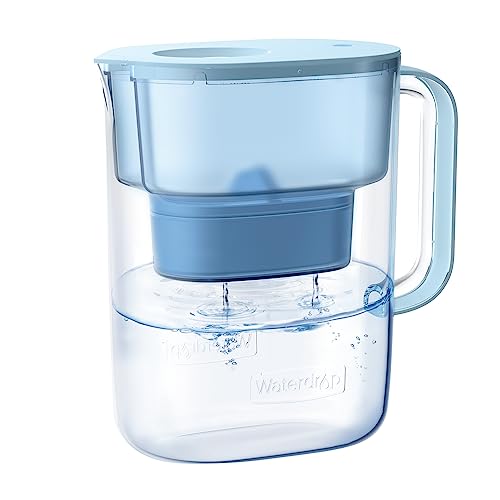
Waterdrop Alkaline Lucid 10-cup Large Water Filter Pitcher

Waterdrop Alkaline Lucid 10-Cup Large Water Filter Pitcher with 1 Filter, Healthy, Improved Coffee Taste, Clean & Toxin-Free Mineralized Alkaline Water (100 Gallons), Up to PH 9.5, BPA Free, Blue

The Waterdrop Alkaline Lucid 10-Cup Large Water Filter Pitcher is perfect for health-conscious individuals who prioritize clean and toxin-free water. This product is ideal for families, coffee enthusiasts, and anyone looking to enhance the taste of their beverages while ensuring a healthy lifestyle. If you’re seeking an easy-to-use water filtration solution with the added benefit of increased pH levels, this pitcher is an excellent choice.

Pros:

  • Provides up to 100 gallons of clean water.
  • Enhances the taste of coffee.
  • Produces mineralized alkaline water with a pH of up to 9.5.
  • Made from BPA-free materials.

Cons:

  • Requires regular filter replacement.
  • Limited to a 10-cup capacity.

The Waterdrop Alkaline Lucid Pitcher boasts an elegant Azure color and a compact design, with dimensions of 10.0 inches in height, 5.0 inches in width, and 11.0 inches in length. This makes it a convenient addition to any kitchen countertop, seamlessly blending with modern decor. The pitcher not only purifies your water but also increases its alkalinity, which can contribute to better hydration and detoxification.

One of the standout features is its ability to improve the taste of coffee. By removing impurities and adding beneficial minerals, this pitcher ensures that your morning brew is smooth and flavorful. Additionally, the BPA-free construction guarantees that you and your family are consuming water that is free from harmful chemicals. Overall, the Waterdrop Alkaline Pitcher is a valuable investment for those looking to enhance their daily water intake and enjoy the associated health benefits.

To buy this product, click here.

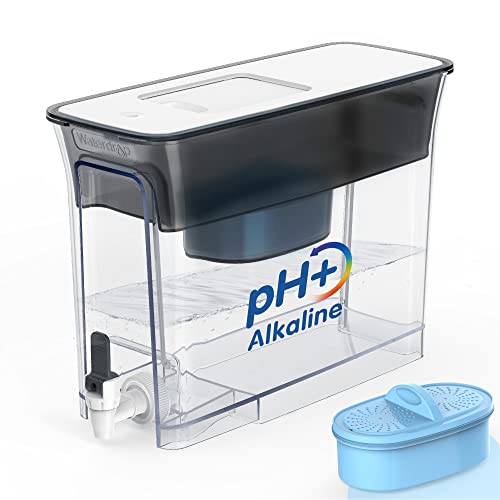
Waterdrop Slim Alkaline Water Filter Dispenser

Waterdrop Slim Alkaline Water Filter Dispenser, Large 35-Cup, Up to PH 9.5, Healthy, Clean & Toxin-Free Mineralized Alkaline Water, 100-Gallon, BPA Free, Black (1 Filter Included)

The Waterdrop Slim Alkaline Water Filter Dispenser is ideal for health-conscious individuals seeking to improve their hydration with mineralized alkaline water. It’s perfect for families looking to enhance their water quality or anyone interested in the benefits of clean, toxin-free water. With a capacity of 35 cups and a PH level of up to 9.5, this dispenser caters to those who prioritize wellness and convenience in their daily routines.

Pros:

  • Large capacity of 35 cups, ideal for families or offices.
  • Mineralized alkaline water with a PH level of up to 9.5, promoting better health and hydration.
  • BPA-free construction ensuring safe, toxin-free water.
  • Compact dimensions make it suitable for any kitchen space.
  • 100-gallon filter life, reducing the need for frequent replacements.

Cons:

  • Single filter included, requiring purchase of additional filters over time.
  • Weight might be cumbersome for some users when full.

The Waterdrop Slim Alkaline Water Filter Dispenser boasts impressive features such as a large 35-cup capacity, perfect for families or small offices. This ensures that there is always ample clean, healthy water available. The compact design makes it easy to fit in various kitchen setups without taking up too much space, making it a versatile addition to any home.

The mineralized alkaline water produced by this dispenser provides users with numerous health benefits, such as improved hydration and detoxification. With a PH level of up to 9.5, it supports better overall wellness. Additionally, the BPA-free materials guarantee that every sip is free from harmful toxins, contributing to a healthier lifestyle. The 100-gallon filter life ensures long-lasting performance, allowing users to enjoy these benefits without frequent maintenance.

To buy this product, click here.

Aqua Crest Alkaline Water Filter

AQUA CREST Alkaline Water Filter, Intended for Brita® Pitchers and Dispensers, Everyday, UltraMax, Metro+, XL and More, NSF Certified, 2 Months, 6 Count, Mineralized Alkaline Water, Increases Water PH

The AQUA CREST Alkaline Water Filter is perfect for health-conscious individuals who prioritize drinking mineralized alkaline water. Whether you’re someone looking to improve your water quality or a household that relies on Brita® pitchers and dispensers, this filter is designed to enhance your daily hydration experience by increasing the water pH.

Pros:

  • NSF Certified for trustworthy quality and performance.
  • Increases Water pH for better-tasting water.
  • Compatible with Brita® Everyday, UltraMax, Metro+, XL, and more.
  • Provides mineralized alkaline water for up to 2 months.

Cons:

  • Limited to 6 Count per pack.
  • Not compatible with all water dispenser models.

The AQUA CREST Alkaline Water Filter offers several features that make it a standout choice for anyone using Brita® pitchers. Its NSF certification guarantees a high standard of quality, ensuring that the water you drink is not only clean but also enriched with essential minerals. The filter effectively increases the water pH, which can enhance the taste and potentially provide health benefits, making it an ideal option for those focused on maintaining a balanced diet.

Each filter lasts up to 2 months, providing a long-lasting solution for your water filtration needs. The compatibility with various Brita® models means you can easily integrate this filter into your existing setup without any hassle. Although the pack contains 6 filters, ensuring you have enough for a year, it’s important to verify whether your specific water dispenser is compatible to avoid inconvenience. Overall, these filters are an excellent investment for those seeking to improve their water quality and enjoy the benefits of alkaline water.

To buy this product, click here.

Waterdrop Alkaline Water Filter Dispenser

Waterdrop Alkaline Water Filter Dispenser, Large 40-Cup, Healthy, Clean & Toxin-Free Mineralized Alkaline Water, 100-Gallon, BPA Free, Black (1 Filter Included)

The Waterdrop Alkaline Water Filter Dispenser is ideal for health-conscious individuals who prioritize clean, toxin-free drinking water. If you’re seeking to enhance your hydration with mineralized alkaline water while reducing plastic waste, this product is an excellent choice. Its large capacity makes it suitable for families or small offices looking for a consistent supply of healthy water.

Pros:

  • Large 40-cup capacity for fewer refills and continuous water availability.
  • Mineralized alkaline water helps balance pH levels and supports overall well-being.
  • BPA free construction ensures safe and healthy water consumption.
  • 100-gallon filter lifespan minimizes the frequency of replacements, saving costs.

Cons:

  • Bulky size may not fit easily on smaller countertops.
  • Single color option might not suit all kitchen aesthetics.

The Waterdrop Alkaline Water Filter Dispenser features a large 40-cup capacity, which is ideal for users who consume a lot of water or wish to reduce the frequency of refills. This makes it a convenient option for larger households or small offices where multiple people need access to clean, healthy water. The dispenser’s 100-gallon filter lifespan further enhances its convenience by reducing the frequency of filter changes, which is both cost-effective and eco-friendly.

Additionally, the dispenser’s ability to produce mineralized alkaline water is a significant benefit for users who want to improve their overall health. Alkaline water is known to help balance the body’s pH levels, potentially offering various health benefits such as improved hydration and detoxification. The BPA free construction of the dispenser ensures that the water remains free from harmful chemicals, providing peace of mind for health-conscious consumers.

To buy this product, click here.

Waterdrop Alkaline Water Filter Pitcher

Waterdrop Alkaline Water Filter Pitcher with 1 Filter, Healthy, Clean & Toxin-Free Mineralized Alkaline Water (100 Gallons), Up to PH 9.5, BPA Free, 7-Cup, Pink

The Waterdrop Alkaline Water Filter Pitcher is perfect for health-conscious individuals who prioritize clean, toxin-free, and mineralized alkaline water. Whether you are an athlete seeking optimal hydration or someone looking to improve their overall well-being, this alkaline water filter pitcher offers an easy and effective solution for enhancing your water’s pH levels up to 9.5. Designed with a stylish BabyPink color, it fits seamlessly into any kitchen decor, making it ideal for modern households that value both functionality and aesthetics.

Pros:

  • Alkaline water with up to PH 9.5 for improved hydration
  • Healthy, clean, and toxin-free water
  • BPA-free construction ensures safety
  • Compact design with 7-cup capacity fits easily in refrigerators
  • Stylish BabyPink color adds a touch of elegance

Cons:

  • Limited capacity may require frequent refills for larger families
  • Single filter might need replacement every 100 gallons

The Waterdrop Alkaline Water Filter Pitcher boasts several impressive features that cater to the needs of its users. Its ability to provide alkaline water with a pH of up to 9.5 is a significant benefit for those looking to boost their hydration levels. This feature not only enhances the taste of the water but also aids in balancing the body’s pH, promoting better health and vitality. Additionally, the pitcher is BPA-free, ensuring that every sip is safe and free from harmful chemicals, providing peace of mind to users who are cautious about their water sources.

With a compact design and 7-cup capacity, this pitcher is perfect for individuals or small families. Its size allows it to fit conveniently in most refrigerators, making it accessible for everyday use without occupying too much space. The BabyPink color adds a stylish touch to any kitchen, appealing to those who appreciate modern aesthetics in their household items. However, for larger families, the capacity might require more frequent refills, and users will need to keep track of filter usage to ensure optimal performance, as the filter might need replacement after every 100 gallons.

To buy this product, click here.

Waterdrop Alkaline Chubby 10-cup Large Water Filter Pitcher

Waterdrop Alkaline Chubby 10-Cup Large Water Filter Pitcher with 1 Filter, Healthy, Clean & Toxin-Free Mineralized Alkaline Water (100 Gallons), Up to PH 9.5, BPA Free

The Waterdrop Alkaline Chubby 10-Cup Large Water Filter Pitcher is perfect for health-conscious individuals seeking to improve their water quality. It’s ideal for families and anyone who values clean, toxin-free drinking water. With the ability to filter up to 100 gallons, it’s a smart choice for those looking to balance their water’s pH levels for better hydration.

Pros:

  • Provides mineralized alkaline water up to pH 9.5 for enhanced hydration.
  • BPA Free construction ensures water safety.
  • Large 10-cup capacity suitable for family use.
  • Efficient filtration for up to 100 gallons.

Cons:

  • Bulky design may require more storage space.
  • Filter replacement could add to long-term costs.

The Waterdrop Alkaline Chubby pitcher features a clear design, enabling users to easily monitor water levels. Its substantial 10-cup capacity makes it a practical choice for families or frequent water drinkers, reducing the need for constant refilling. The pitcher is designed to deliver mineralized alkaline water, promoting better hydration with a pH level of up to 9.5. This feature is particularly beneficial for those looking to maintain a balanced diet and improve overall wellness.

Constructed from BPA Free materials, the pitcher ensures that your water remains safe from harmful chemicals. The pitcher is easy to use and fits seamlessly into most refrigerators, making it a convenient addition to any kitchen. With a filter lifespan of up to 100 gallons, users can enjoy cleaner, healthier water for extended periods before needing to replace the filter. This product is an excellent investment for those committed to maintaining a healthier lifestyle through improved water quality.

To buy this product, click here.

Waterdrop Alkaline Electric Water Filter Pitcher

Waterdrop Alkaline Electric Water Filter Pitcher, Rechargeable Water Dispenser, Instant 200-Gallon 15-Cup Countertop Purifier, NSF/ANSI 42, Reduce PFOA/PFOS, Chlorine, Lead, White, with 1 Filter

The ideal customer for the Waterdrop Alkaline Electric Water Filter Pitcher is someone who prioritizes health and wellness through clean and alkaline water. This product is perfect for households seeking a convenient and eco-friendly way to ensure their drinking water is free from harmful substances like PFOA/PFOS, chlorine, and lead. Busy individuals who desire an instant and efficient water purification solution without the hassle of frequent filter changes will find this product particularly appealing.

Pros:

  • Rechargeable and electric, eliminating the need for constant battery changes.
  • Instant purification capability, providing up to 200 gallons of clean water.
  • NSF/ANSI 42 certified, ensuring high standards for reducing contaminants.
  • Large capacity with 15-cup storage, ideal for families or frequent use.

Cons:

  • Countertop design may require more space in smaller kitchens.
  • Rechargeable feature means dependence on power availability.

The Waterdrop Alkaline Electric Water Filter Pitcher stands out with its innovative features that cater to modern lifestyle needs. Its rechargeable electric design not only ensures ease of use but also contributes to environmental sustainability. Users can enjoy the benefits of alkaline water instantly, which helps maintain a balanced pH level in the body and supports overall health.

Another significant feature is its large capacity, capable of holding 15 cups of purified water, making it suitable for larger households or offices. The NSF/ANSI 42 certification guarantees that the water is free from common contaminants, ensuring safety and peace of mind for users. Its elegant white design complements any kitchen decor, while its compact dimensions make it a viable option for various settings without compromising on space.

To buy this product, click here.

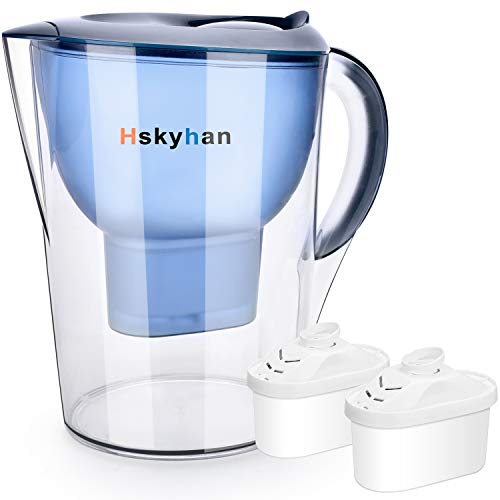
Hskyhan Alkaline Water Filter Pitcher

Hskyhan Alkaline Water Filter Pitcher - 3.5 Liters Improve PH, 2 Filters Included, BPA Free, 7 Stage Filteration System to Purify, Blue

The Hskyhan Alkaline Water Filter Pitcher is ideal for individuals who are health-conscious and wish to improve their water quality. This product is perfect for families or anyone who regularly consumes water and wants to ensure it’s purified and has a balanced pH. If you’re looking for a way to enhance the taste and quality of your tap water, this filter pitcher is a great choice.

Pros:

  • Improves pH level for healthier water consumption.
  • BPA-free construction ensures safety and health.
  • 7-stage filtration system for thorough purification.
  • Comes with 2 filters included, providing longer usage.
  • Large capacity of 3.5 liters, perfect for family use.

Cons:

  • Bulky design may require more storage space in smaller kitchens.
  • Replacement filters may incur additional costs over time.

The Hskyhan Alkaline Water Filter Pitcher is designed with a 7-stage filtration system that ensures your water is free from impurities, chlorine, and heavy metals. This feature not only purifies the water but also enhances its taste, making it more enjoyable to drink. The alkaline water produced is beneficial for maintaining a balanced pH in the body, promoting better health and well-being. Additionally, the BPA-free material used in the pitcher ensures that you are consuming water that is safe and free from harmful chemicals.

With a capacity of 3.5 liters, this pitcher is suitable for families or individuals who consume a significant amount of water daily. The blue color adds a touch of elegance to your kitchen, while its practical design ensures easy handling and pouring. The inclusion of two filters allows for extended use before needing replacements, adding to the convenience and value of the product. Overall, the Hskyhan Alkaline Water Filter Pitcher is a smart investment for those looking to improve their water quality and safeguard their health.

To buy this product, click here.

Waterdrop Glass Alkaline Water Filter Pitcher

Waterdrop Glass Alkaline Water Filter Pitcher with 1 Filter, Enhances Alkaline Water, Eco-Friendly, 7-Cup, for Home & Office, Reduces PFOA/PFOS, Chlorine, Cadmium, Copper, Mercury, Clear, WD-PT-72C-A

The Waterdrop Glass Alkaline Water Filter Pitcher is perfect for health-conscious individuals who want to enhance their drinking water’s quality. If you’re someone who is environmentally aware and seeks to reduce contaminants like PFOA/PFOS, chlorine, and heavy metals such as cadmium, copper, and mercury from your water, this pitcher is for you. It’s ideal for both home and office use, providing a sustainable solution for those who value health and eco-friendliness.

Pros:

  • Enhances Alkaline Water to improve taste and health benefits.
  • Eco-Friendly design, reducing reliance on bottled water.
  • Effectively reduces PFOA/PFOS, chlorine, cadmium, copper, and mercury.
  • Compact size fits easily in most refrigerator doors.

Cons:

  • Requires regular filter replacement for optimal performance.
  • Limited capacity of 7 cups may not be sufficient for larger households.

The Waterdrop Glass Alkaline Water Filter Pitcher is crafted to not only enhance the alkaline properties of your water but also to improve its taste, making hydration a more pleasant experience. The pitcher is designed with a clear glass body, allowing you to easily monitor water levels and filter condition. Its compact dimensions ensure it fits seamlessly in your kitchen or office space, promoting daily hydration without taking up much room.

One of the standout features of this pitcher is its ability to significantly reduce harmful contaminants, ensuring your water is not just refreshing but also safe. The eco-friendly aspect of the Waterdrop pitcher means it’s a sustainable choice, helping to cut down on plastic waste from bottled water. With an emphasis on health and the environment, this pitcher is a smart investment for those who prioritize both personal well-being and ecological responsibility.

To buy this product, click here.

Hskyhan Alkaline Water Filter

Hskyhan Alkaline Water Filter - Replacement Pitcher Water Filters, Cartridge Improve PH, 7 Stage Filteration System To Purify, 2 Pack

The Hskyhan Alkaline Water Filter is ideal for health-conscious individuals looking to improve the quality of their drinking water. Whether you are an athlete, a wellness enthusiast, or simply someone who wants to ensure you are consuming clean and healthy water, this product is designed to enhance your hydration experience. It is perfect for households aiming to reduce water impurities while boosting water alkalinity.

Pros:

  • Improves water pH for healthier drinking water.
  • 7-stage filtration system effectively purifies water.
  • Easy to replace cartridges ensure convenient usage.
  • Compact design fits easily in most pitchers.

Cons:

  • Requires frequent replacement for optimal performance.
  • Limited compatibility with non-Hskyhan pitchers.

The Hskyhan Alkaline Water Filter features a 7-stage filtration system that works to remove impurities, including heavy metals, chlorine, and sediments. This advanced filtration process ensures that your water is not only cleaner but also enhanced with essential minerals, improving its taste and providing potential health benefits. The compact design of the filter cartridges means they can easily fit into most pitchers, making it a versatile addition to your kitchen appliances.

Additionally, the improvement in water pH is a significant benefit for users who are keen on maintaining a balanced and healthy lifestyle. Alkaline water has been associated with various health benefits, including better hydration and potential antioxidant properties. Users of the Hskyhan Alkaline Water Filter can enjoy these advantages with the assurance that their water is purified and mineral-rich. However, to maintain the effectiveness of the filtration system, regular replacement of the cartridges is recommended, ensuring that your water quality remains consistently high.

To buy this product, click here.

Frequently Asked Questions

What Benefits Do Alkaline Water Filters Offer?

Alkaline water filters enhance water quality by increasing pH levels and reducing contaminants like chlorine and heavy metals. They provide mineralized alkaline water, which can improve hydration and taste. Using these filters can lead to better health by providing cleaner, toxin-free water for everyday consumption.

How Often Should I Replace The Filter?

Most alkaline water filters require replacement every 2 to 3 months, depending on usage. Regular replacement ensures optimal filtration performance and maintains water quality. Check your filter’s capacity and usage guidelines to determine the best time for replacement.

Can Alkaline Filters Improve Coffee Taste?

Yes, alkaline filters can enhance coffee taste by providing cleaner water with balanced minerals. The improved water quality helps extract better flavors from coffee grounds. You’ll notice a more robust and smoother coffee experience with reduced bitterness and acidity.

Are Alkaline Water Filters Eco-friendly?

Many alkaline filters are designed to be eco-friendly, reducing single-use plastic waste. Some models feature recyclable materials and long-lasting filters. By using these filters, you contribute to a sustainable environment while enjoying clean, mineralized water.

Do Alkaline Filters Fit Brita Pitchers?

Certain alkaline filters, like AQUA CREST, are compatible with Brita pitchers. They are designed to fit models such as Everyday, UltraMax, and Metro+. Check compatibility details before purchase to ensure a proper fit and optimal filtration performance.

Conclusion

Choosing the right alkaline filter for your ro system can improve your water quality significantly. Each product offers unique benefits, from enhancing water taste to removing toxins. Waterdrop and aqua crest filters provide mineralized alkaline water, improving the ph level for a healthier lifestyle.

They are bpa-free, ensuring safe drinking water for your family. Models like waterdrop’s electric water filter pitcher even offer advanced filtration features. With options ranging from pitchers to dispensers, you can find one that fits your home or office needs.

Consider factors like cup capacity, filter lifespan, and specific features. Whether you prefer a sleek design or a high-capacity option, there’s a filter that meets your preferences. Investing in a quality alkaline filter is a step towards better hydration and well-being.

Make an informed choice and enjoy cleaner, healthier water every day. Your health deserves it.