Finding the best mineral filter for your reverse osmosis system can enhance your water quality significantly. Mineral filters restore essential minerals, improving taste and health benefits.
Choosing the right mineral filter for your RO system is crucial for both taste and health. With various options available, understanding their features can help you make an informed decision. Mineral filters not only enhance water taste but also restore essential minerals lost during the filtration process.
They balance pH levels, making water healthier and more enjoyable. In this guide, we’ll explore some top-rated mineral filters, including Waterdrop, iSpring, and others. Whether you need a quick-connect filter or a complete system, this introduction will help you navigate the best options for your needs. Let’s dive in to find the perfect fit for your RO system.
The Waterdrop Remineralization Filter WD-MNR35 is an excellent choice for health-conscious individuals looking to improve the quality of their reverse osmosis system. This filter is ideal for those who wish to restore essential minerals in their drinking water, ensuring not only purity but also the benefits of necessary nutrients. Homeowners with an under sink water filtration setup will find this product particularly useful.
Pros:
Easy installation with 1/4″ Quick Connect feature.
Restores essential minerals like calcium and magnesium.
Enhances the taste of water by adding beneficial minerals.
Cons:
Requires periodic replacement to maintain effectiveness.
Not suitable for systems outside reverse osmosis setups.
The Waterdrop Remineralization Filter is designed to seamlessly integrate with your existing reverse osmosis system, thanks to its 1/4″ Quick Connect feature. This ensures a hassle-free installation process, allowing users to quickly enjoy the benefits of mineral-enriched water. The compact dimensions of the filter make it an unobtrusive addition to any under sink setup.
By restoring essential minerals such as calcium and magnesium, this filter not only improves the taste of your water but also contributes to your overall well-being. These minerals are crucial for various bodily functions, and their presence in your drinking water can aid in maintaining a balanced diet. The Waterdrop WD-MNR35 thus provides a dual benefit of purification and mineralization, making it a valuable component of any home water filtration system.
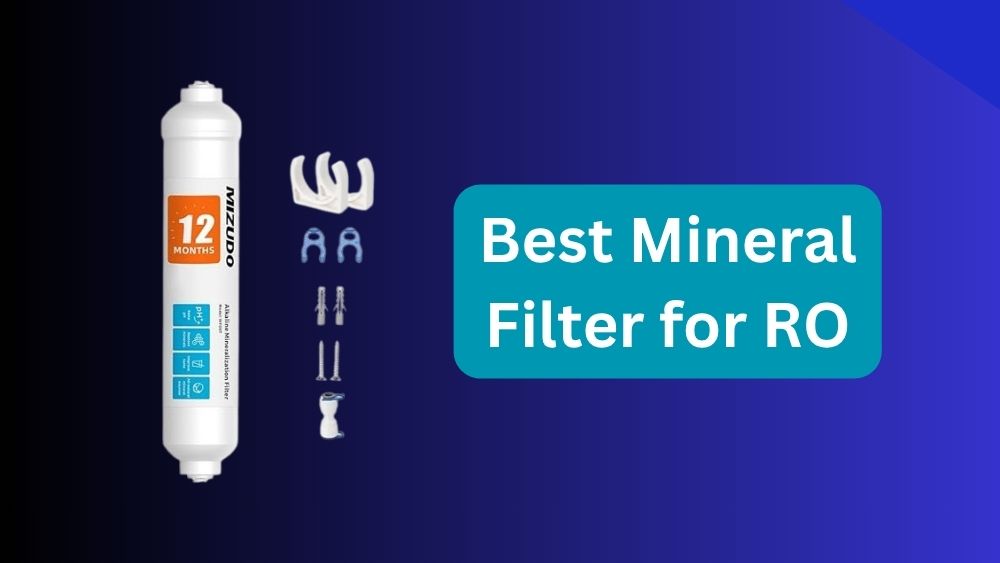
The Remineralization Filter for Reverse Osmosis System is ideal for health-conscious individuals and families looking to enhance their drinking water quality. It’s perfect for those who use a Reverse Osmosis (RO) System and wish to balance pH levels and restore essential minerals in their water supply. This product is also suitable for anyone who values the convenience of an under-sink installation and desires a quick-connect solution for easy maintenance.
Pros:
Enhances water quality by adding essential minerals.
Balances pH levels for healthier water consumption.
Quick-connect design for easy installation and maintenance.
Compact size fits conveniently under the sink.
Cons:
Requires a compatible Reverse Osmosis System.
May need annual replacement, adding to maintenance costs.
The MIZUDO Remineralization Filter features a quick-connect design, making it simple to install and maintain. Its compact 10-inch size ensures it fits seamlessly under most sinks, providing an unobtrusive solution to water enhancement. By integrating this filter into your existing RO system, you can conveniently restore essential minerals to your water, improving both taste and health benefits.
One of the standout features of this filter is its ability to balance pH levels, which is crucial for those who are mindful of their water’s acidity. By maintaining a balanced pH, this filter helps promote a healthier lifestyle. Additionally, the MIZUDO filter enhances the quality of water by reintroducing minerals that are often stripped away during the reverse osmosis process, ensuring that you and your family have access to water that supports overall well-being.
he APEC FI-PHPLUS-QC is an inline alkaline filter that restores natural minerals to reverse osmosis water. Using high-purity calcium carbonate, it raises the pH level, neutralizes acidity, and improves the taste of drinking water while offering an easy quick-connect installation.
Pros
Effectively increases pH and reduces acidity in RO water.
Made from 100% food-grade calcium carbonate for safety.
Easy to install with quick-connect fittings.
Strong, leak-proof design with friction-welded construction.
Compatible with most RO systems as a final polishing stage.
Cons
Only adds calcium, not other essential minerals.
Slightly reduces water flow rate.
Requires periodic replacement.
Doesn’t remove contaminants.
Efficiency depends on water flow speed and contact time.
Explanation (700 characters) The APEC FI-PHPLUS-QC alkaline filter is designed to enhance RO water by adding back essential minerals, mainly calcium carbonate, to raise the pH level and create a smoother, less acidic taste. It works as a post-filter that restores balance to mineral-depleted water produced by reverse osmosis systems. Its compact size and ¼-inch quick-connect fittings allow for simple installation and maintenance without tools. Built with friction-welded joints, it ensures leak-free operation and long-lasting performance. Although it doesn’t filter impurities or add a full mineral blend, it’s a reliable option for improving both the taste and quality of purified water.
The iSpring FA15 Alkaline Inline Water Filter Cartridge is perfect for health-conscious individuals and families who prioritize access to clean and balanced drinking water. If you have an existing RO system and are looking to enhance the taste and health benefits of your water, this NSF Certified cartridge is an ideal solution.
Pros:
Balances pH levels to ensure optimal water quality.
Restores essential minerals that are beneficial for health.
Easy installation with 1/4” Quick Connect feature.
Compact design fits seamlessly with existing RO systems.
NSF Certified for safety and reliability.
Cons:
Replacement required every few months depending on usage.
Specific compatibility needed with existing RO systems.
The iSpring FA15 Alkaline Inline Water Filter Cartridge offers a three-layer filtration system that efficiently balances pH levels and restores essential minerals. This feature is particularly beneficial for users who are aware of the acidic nature of RO water and seek to improve its taste and health benefits. The NSF Certification assures users of its quality and safety, making it a reliable choice for everyday use.
With a compact design, the iSpring FA15 easily integrates into your existing RO system, requiring minimal effort during installation thanks to the 1/4” Quick Connect feature. This allows for quick and hassle-free setup and ensures that your water remains clean and mineral-rich. Users can enjoy the convenience of enhanced water quality without making significant modifications to their current system, making it an ideal add-on for those seeking a healthier lifestyle.
Frequently Asked Questions
What Is The Best Mineral Filter For RO?
Choosing the best mineral filter depends on your needs. Waterdrop and iSpring offer high-quality filters that restore essential minerals and balance pH. Both are popular for enhancing RO systems.
How Does A Remineralization Filter Work?
Remineralization filters add essential minerals back into RO water. They improve taste and health benefits by restoring minerals removed during the filtration process.
Are Alkaline Filters Beneficial For RO Systems?
Yes, alkaline filters enhance RO systems by balancing pH and restoring minerals. They make water healthier and improve taste, offering added benefits over standard RO systems.
How Often Should RO Filters Be Replaced?
Typically, RO filters should be replaced every 6-12 months. Specific filter lifespan varies based on usage and water quality. Regular replacement ensures optimal performance and water quality.
Can I Install RO filters Myself?
Yes, most RO filters come with user-friendly installation kits. Following instructions, you can easily install them under the sink or on the countertop, depending on the model.
Conclusion
Choosing the best mineral filter for your reverse osmosis system can seem daunting. But it doesn’t have to be. Understanding your needs and preferences is the first step. Whether it’s the waterdrop remineralization filter or the ispring fa15 alkaline inline water filter, each offers unique benefits.
These filters can restore essential minerals and balance ph levels. The mizudo alkaline water filter system and express water ro system provide added value with easy installation. For those seeking portability, the bluevua ro100ropot-uv is a great choice. Its 6-stage purification ensures clean and healthy water.
The waterdrop g5p500a system, with its 8-stage filtration, stands out for its efficiency. Each product is designed to enhance your water quality. By considering factors like installation, maintenance, and specific features, you can find the perfect match. Enjoy healthier and better-tasting water with the right mineral filter for your ro system.
Hasan Al Sarker is a Reverse Osmosis Specialist. He has worked for many years to ensure safe drinking water for all. His research paper has been published in several journals, including Issue, Medium, and Slideshare. He is recognized as a water doctor among specialists though he did not attend medical college.
Besides working as a researcher of reverse osmosis technology, he is also very fancy with the kitchen and cooking. His guides are reading thousands of people every day. As a head of content, he is responsible for all the published articles at RO System Reviews.
Choosing the best RO filter for your home is crucial for clean, safe drinking water. With numerous options available, finding the right one can be challenging.
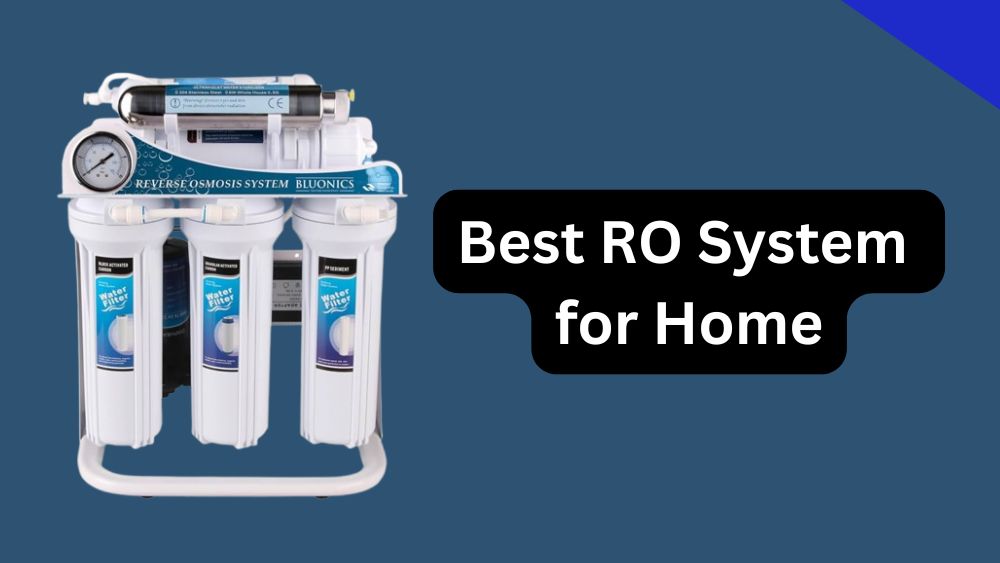
Reverse osmosis filters remove impurities effectively, ensuring healthier water for your family. This guide explores top RO filters, highlighting their features and benefits. The APEC Water Systems ROES-50 Essence Series offers a reliable five-stage filtration process. It’s WQA certified, ensuring safety and quality.
The iSpring RCC7 is another excellent choice, with a high-capacity system and easy installation. EXPRESS WATER’s 11-stage system includes a UV filter, adding essential minerals. FS-TFC provides fast flow with extra filters for convenience. Explore options like Home Master and EcoPure for specialized needs. Understanding each filter’s capabilities helps you make an informed decision. Enjoy pure, refreshing water daily.
The APEC Water Systems ROES-50 Essence Series is ideal for homeowners who prioritize safe and pure drinking water. It’s perfect for families who are health-conscious and want to ensure their water is free from contaminants. This system is also a great choice for individuals living in areas with poor water quality, as it offers a reliable solution for improving water taste and safety.
Pros:
5-Stage Filtration for comprehensive contaminant removal
WQA Certified ensuring high standards of water purification
Ultra Safe with a design focused on preventing contamination
Compact Design that fits easily under most sinks
Easy Installation suitable for DIY enthusiasts
Cons:
Requires Filter Replacement every 6-12 months
Initial Setup can be time-consuming for beginners
Water Waste due to the reverse osmosis process
The APEC ROES-50 features a 5-stage filtration system that effectively removes up to 99% of contaminants, including chlorine, lead, and other harmful substances. This ensures that every glass of water you drink is clean and safe. The filtration system not only improves water safety but also enhances the taste and odor, making it more enjoyable to consume. This is particularly beneficial for families with children, ensuring their water is both healthy and palatable.
Another significant feature of this system is its WQA certification, which provides assurance of its high-quality performance. Additionally, the compact design allows it to fit conveniently under most kitchen sinks, making it a space-efficient solution for any home. The system’s easy installation process is a boon for those who prefer to handle their own home improvements, avoiding the need for professional installation services.
The iSpring RCC7 is an ideal choice for health-conscious individuals and families who prioritize clean and safe drinking water. This product is perfect for homeowners who are looking to invest in a high-capacity under sink water filtration system that is both effective and easy to install. If you are someone who values quality and reliability in your water purification system, the iSpring RCC7 is designed to meet your needs.
Pros:
NSF Certified for safety and performance.
High Capacity system that filters up to 75 gallons per day.
5-Stage Filtration process for comprehensive water purification.
Easy Installation with a patented top-mounted faucet design.
Comes with a Brushed Nickel Faucet for a sleek look.
Cons:
Requires regular filter replacement to maintain effectiveness.
Installation space may be a concern for smaller under sink areas.
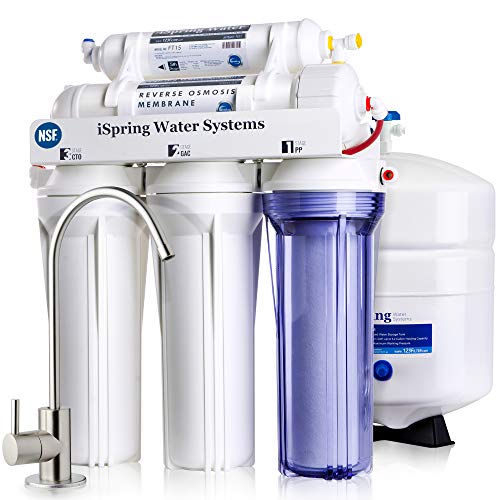
The iSpring RCC7 features a 5-stage reverse osmosis filtration process, which is designed to remove up to 99% of over 1,000 contaminants, including lead, chlorine, fluoride, arsenic, and more. This ensures that the water you and your family consume is not only safe but also tastes great. The system’s high capacity of 75 gallons per day means that it can easily meet the needs of a busy household, providing a continuous supply of fresh, clean water.
One of the standout features of the iSpring RCC7 is its patented top-mounted faucet design, which makes installation straightforward and hassle-free. The sleek brushed nickel faucet not only complements modern kitchen designs but also provides durability and longevity. With its NSF certification, users can rest assured that the product has been tested for safety and quality, adding an extra layer of confidence to their purchase decision.
The EXPRESS WATER UV Reverse Osmosis Water Filtration System is perfect for health-conscious individuals who want to ensure their drinking water is pure and enriched with essential minerals. Ideal for families, home cooks, and anyone serious about maintaining a healthy lifestyle, this under-sink system provides peace of mind and a significant improvement in water quality.
Pros:
11-stage filtration for comprehensive water purification
UV filter that eliminates harmful microorganisms
Alkaline filter adds essential minerals for health benefits
Compact design fits easily under most sinks
Easy installation with clear instructions
Cons:
Requires regular maintenance for optimal performance
Initial cost may be high compared to simpler systems
The EXPRESS WATER UV Reverse Osmosis Water Filtration System boasts an impressive 11-stage filtration process. This comprehensive system not only removes contaminants like lead, chlorine, and other harmful substances but also uses a UV filter to destroy any potential bacteria and viruses lurking in your tap water. This means users can enjoy water that’s not just clean but sterilized, providing an added layer of safety for your family.
Additionally, the inclusion of an alkaline filter sets this system apart, as it enriches your water with essential minerals that promote better health and well-being. This feature is particularly beneficial for individuals looking to enhance their mineral intake naturally. The system’s modern chrome design ensures it will complement any kitchen decor while the compact size allows for easy installation under most kitchen sinks, making it a convenient choice for homeowners seeking both functionality and style.
The FS-TFC 5-Stage Reverse Osmosis Water Filtration System 100GPD Fast Flow Plus Extra 4 Filter for Free is ideal for homeowners and families who prioritize clean, safe, and high-quality drinking water. It’s particularly suitable for those living in areas with poor water quality or who have specific health concerns about contaminants in their water supply. This system offers a reliable solution for anyone looking to improve their water quality at home.
Pros:
High-efficiency filtration with 5-stage process
100 gallons per day fast flow rate
Includes extra 4 filters for extended use
Compact design fits under most sinks
Cons:
Installation might require professional help for some users
Initial investment cost may be high
Requires regular maintenance and filter replacement
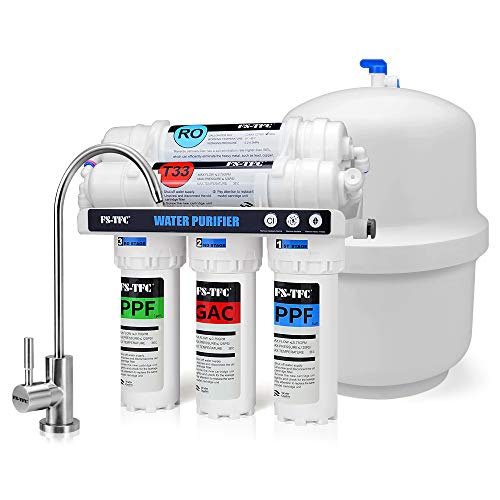
The FS-TFC 5-Stage Reverse Osmosis Water Filtration System boasts a high-efficiency filtration process that removes contaminants, impurities, and odor from your water, ensuring a pure and safe drinking experience. The 5-stage filtration system is designed to tackle a wide range of impurities, including lead, chlorine, fluoride, and heavy metals, providing peace of mind with every sip. This is especially beneficial for those with health concerns related to water quality, as it delivers consistently pure water right from your tap.
Another standout feature is its 100GPD fast flow rate, which means you won’t have to wait long for clean water. This makes it perfect for families or high-demand households, ensuring that you have an ample supply of filtered water for drinking, cooking, and more. Additionally, the system includes extra filters, which extends the life of the filtration system and provides added value. The compact design of this system allows it to fit comfortably under most sinks, saving space while still delivering exceptional performance.
The Home Master ISetTMA8 Artesian And HydroGardener Replacement Water Filter Change Set is ideal for homeowners who prioritize having clean and healthy water for their family. Those who have invested in Home Master systems and are committed to maintaining optimal water quality will find this replacement set essential. It’s perfect for environmentally-conscious individuals who appreciate the balance of performance and sustainability.
Pros:
Efficient filtration with multi-stage process
Easy installation and maintenance
Long-lasting filter lifespan
Cons:
Higher initial cost compared to some alternatives
Specific compatibility required with Home Master systems
The Home Master ISetTMA8 offers a sophisticated multi-stage filtration process that effectively removes contaminants, ensuring that your water is not only clean but also tastes great. This set includes everything you need for a comprehensive filter change, making it convenient and straightforward for users to maintain their water systems without hassle. The easy installation process ensures that you can replace the filters without professional help, which saves time and money.
Another significant benefit of this replacement water filter change set is its long-lasting lifespan. Unlike many other filters that require frequent changes, the Home Master filters are designed to last, offering extended periods of clean water and reducing the need for regular replacements. This not only contributes to lower long-term costs but also aligns with sustainable practices by reducing waste. However, it’s important to note that while the initial cost may be higher than some alternatives, the quality and performance you receive are well worth the investment.
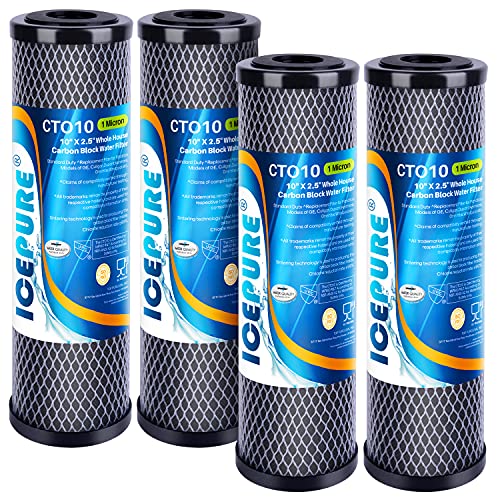
The ICEPURE 1 Micron 2.5″ x 10″ Whole House CTO Carbon Sediment Water Filter Cartridge is perfect for homeowners who prioritize clean, filtered water throughout their entire house. This product is ideal for those who want an efficient, cost-effective solution to ensure their water is free from contaminants. If you have been experiencing issues with water quality or are looking to upgrade your current filtration system, this filter cartridge is designed to meet your needs.
Pros:
Highly Efficient Filtration: Filters out particles as small as 1 micron.
Wide Compatibility: Compatible with multiple models including DuPont WFPFC8002, WFPFC9001, and more.
Durable Construction: Made by a reputable manufacturer, ICEPURE, ensuring reliability.
Pack of 4: Offers great value with four cartridges included.
Cons:
Limited Color Options: Available only in black.
Specific Dimensions Required: Only fits systems that accommodate 2.5″ x 10″ cartridges.
This water filter cartridge stands out due to its 1-micron filtration capability, which ensures that even the smallest particles and impurities are effectively removed from your water supply. This results in cleaner, healthier water that is ideal for drinking, cooking, and bathing. The carbon sediment design further enhances its ability to eliminate odors and improve taste, making it a versatile choice for any household.
Additionally, the compatibility of this filter with a range of models including popular brands like DuPont and others makes it a convenient option for many users. The durable construction ensures long-lasting performance, reducing the need for frequent replacements and maintenance. This not only saves time but also proves to be a cost-effective solution in the long run. With a pack of four, users receive added value, ensuring they are well-equipped for consistent water filtration.
The PUREPLUS 5 Micron 10″ x 2.5″ Whole House Sediment Home Water Filter Cartridge Replacement is ideal for homeowners looking to improve the quality of their household water. This product is perfect for those who have a 10 inch RO Unit or require replacements for brands like Culligan P5, Aqua-Pure AP110, or Dupont WFPFC5002. If you are concerned about sediment in your water and want a reliable solution that fits seamlessly into your existing system, this filter is an excellent choice.
Pros:
High filtration with 5 micron rating effectively removes sediment.
Versatile compatibility with multiple brands and RO units.
Easy installation and replacement process.
Cost-effective solution with a 4-pack offering.
Cons:
Limited to sediment filtration; does not address other contaminants.
Requires regular replacement for optimal performance.
The PUREPLUS water filter cartridge boasts a 5 micron rating, ensuring effective filtration of sediment and small particles. This feature is especially beneficial for households with water that contains visible particulates, as it promotes cleaner and clearer water throughout the home. Additionally, the cartridge is designed to be compatible with a wide range of RO units, including popular brands like Culligan and Aqua-Pure, making it a convenient choice for many users.
Another standout feature of the PUREPLUS filter is its ease of installation. Users can quickly replace their old cartridges without needing professional assistance, which saves both time and money. The 4-pack offering further enhances its value, providing an economical way to ensure a continuous supply of purified water. While it focuses on sediment filtration, users should consider additional filtration solutions if they are dealing with other water quality issues, such as chemical contaminants.
The EcoPure Reverse Osmosis Filter and Membrane Set is ideal for homeowners and health-conscious individuals who prioritize clean, safe drinking water. This set is designed for those who own the ECOP30 RO Unit and are looking for NSF certified authentic OEM parts to ensure the longevity and efficiency of their water filtration system. The product is perfect for anyone seeking a reliable water purification solution that removes impurities and delivers high-quality drinking water.
Pros:
NSF certified for quality and reliability.
Easy installation for the ECOP30 RO Unit.
Includes reminder tag for timely replacements.
Compact dimensions make it suitable for various spaces.
Cons:
Only compatible with the ECOP30 RO Unit.
Requires periodic replacements to maintain effectiveness.
Initial setup can be complex for first-time users.
The EcoPure Reverse Osmosis Filter and Membrane Set offers several features that enhance its functionality. Its NSF certification ensures that you are using a product that meets high standards for safety and performance. The inclusion of a reminder tag is a thoughtful addition, helping users keep track of filter replacements, thus ensuring continued water purity. The compact design of the set makes it easy to fit in various spaces, accommodating different kitchen layouts without hassle.
This filter and membrane set is designed with user convenience in mind. The easy installation process means that users can quickly replace their old filters, minimizing downtime and ensuring continuous access to clean water. Although the initial setup may require some guidance, once installed, the maintenance is straightforward, allowing users to enjoy the benefits of purified water with minimal effort. The product’s compatibility with the ECOP30 RO Unit guarantees optimal performance, providing users with peace of mind regarding their water quality.
The APEC Water Systems Top Tier Supreme Certified Alkaline Mineral pH+ High Flow 90 GPD 6-Stage Ultra Safe Reverse Osmosis Drinking Water Filter System (Ultimate RO-PH90) is perfect for those who are health-conscious and desire clean, pure, and alkaline water at home. It’s ideal for families, health enthusiasts, and anyone looking to improve their overall well-being through better hydration.
Pros:
6-Stage Filtration ensures ultra-safe water free from contaminants.
Alkaline Mineral Filter enhances pH level for healthier water.
High Flow Rate provides 90 gallons per day, suitable for large households.
Certified Performance guarantees top-tier water purification.
Cons:
Installation Space required may be considerable due to its size.
Initial Setup might be complex for non-tech-savvy users.
One of the standout features of this system is its 6-stage filtration process. This comprehensive filtration is designed to remove up to 99% of contaminants, including chlorine, heavy metals, and other harmful substances. This means users can enjoy not only the taste and clarity of pure water but also the peace of mind that comes with knowing their water is free from potentially harmful impurities.
Additionally, the Alkaline Mineral pH+ feature adds beneficial minerals back into the water after purification, increasing its pH level. This is particularly beneficial for users looking to enhance their hydration with alkaline water, which is believed to have numerous health benefits, such as improved metabolism and increased energy levels. The system’s high flow rate of 90 gallons per day ensures that even large households will never run short of freshly purified water.
The Membrane Solutions 75 GPD RO Membrane is an ideal choice for homeowners who prioritize clean, pure drinking water. This product is perfect for individuals who have existing undersink RO filtration systems and are looking for a reliable and efficient replacement filter. Those who are health-conscious and wish to ensure their water is free from contaminants will find this product particularly beneficial.
Pros:
Efficient filtration capability with a capacity of 75 gallons per day
Compatible with most undersink RO systems
Improves water quality by removing a high percentage of impurities
Compact design fits easily into existing systems
Cons:
Requires periodic replacement to maintain performance
Installation might require professional assistance for some users
The Membrane Solutions 75 GPD RO Membrane offers a significant upgrade to your existing water filtration system. With its ability to process up to 75 gallons per day, it ensures that your household has access to clean and pure water consistently. The membrane’s compact dimensions make it easy to install, even in tight spaces, ensuring it fits seamlessly into your current setup.
Furthermore, the membrane is designed to remove a broad spectrum of contaminants, which means you can have peace of mind knowing that your drinking water is safe and healthy. While the filter does require periodic replacement to maintain its efficacy, the benefits of improved water taste and safety far outweigh this minor inconvenience. For those who demand the best in water filtration, this RO membrane is an excellent investment.
Frequently Asked Questions
What Makes Apec Roes-50 The Top Choice?
APEC ROES-50 is WQA certified and ensures ultra-safe drinking water. It features a 5-stage filtration process for effective purification. The system is easy to install and requires minimal maintenance. It’s designed to provide high-quality water and protect against contaminants, making it a top choice for home use.
How Does Ispring Rcc7 Differ From Others?
ISpring RCC7 offers a high-capacity 75 GPD filtration system. It features NSF certification and a unique top-mounted faucet design. This ensures easy installation and efficient water flow. Its 5-stage filtration removes contaminants effectively, providing clean, safe drinking water for your home.
Is Express Water Uv System Effective?
Yes, the EXPRESS WATER UV system is highly effective. It uses an 11-stage filtration process, including UV light, for thorough purification. The system also adds essential minerals with an alkaline filter. It’s designed for under-sink installation, providing safe and mineral-rich water.
Why Choose Fs-tfc 5-stage Ro System?
FS-TFC offers fast flow with a 100GPD capacity. It includes extra filters for free, enhancing its value. The system uses a 5-stage filtration process, ensuring efficient contaminant removal. It’s designed for quick installation, providing clean drinking water without hassle.
How Is Apec Supreme Ro-ph90 Different?
APEC Supreme RO-PH90 features 6-stage filtration and alkaline mineral pH+ enhancement. It offers high flow with 90 GPD capacity. The system ensures ultra-safe water with improved taste and quality. It’s designed for easy installation, making it ideal for home use.
Conclusion
Choosing the best ro filter for your home is crucial for clean and safe drinking water. Each system offers unique features to meet different needs. The apec water systems roes-50 provides a reliable five-stage filtration process. Ispring rcc7 is known for its high capacity and easy installation.
Express water’s 11-stage system includes a uv filter for extra purification. Fs-tfc offers fast flow and extra filters for convenience. Home master artesian adds essential minerals back into your water. Icepure and pureplus focus on whole house sediment filtration, ensuring clean water throughout your home.
Ecopure provides a comprehensive filter set with a handy reminder tag. Apec water systems’ supreme alkaline mineral option balances ph levels effectively. Membrane solutions offers a dependable ro membrane replacement. Consider your specific needs and water quality to select the best option.
Enjoy peace of mind with cleaner, healthier water for your family.
Hasan Al Sarker is a Reverse Osmosis Specialist. He has worked for many years to ensure safe drinking water for all. His research paper has been published in several journals, including Issue, Medium, and Slideshare. He is recognized as a water doctor among specialists though he did not attend medical college.
Besides working as a researcher of reverse osmosis technology, he is also very fancy with the kitchen and cooking. His guides are reading thousands of people every day. As a head of content, he is responsible for all the published articles at RO System Reviews.
Imagine wanting only the best for your beloved pets, ensuring they lead healthy and happy lives. You probably pay attention to their food, exercise, and environment.
But have you ever paused to consider the water you provide them? Water is essential for life, but not all water is created equal. You may have heard about Reverse Osmosis (RO) water and its benefits for humans. But is RO water good for animals too?
You might be surprised to learn how the quality of water can impact your pet’s health. We’ll explore the truths and myths about RO water for animals. You’ll discover whether it’s a wise choice or if there might be better options for your furry friends. So, grab a cup of your favorite drink and let’s dive into this important topic that could make all the difference in your pet’s well-being.
Purification Process
Understanding the purification process of Reverse Osmosis (RO) water is crucial when considering its impact on animals. This method is widely used for its ability to remove contaminants and provide clean drinking water. But how does this process affect the health and hydration of your pets?
Clean RO water improves hydration, digestion, and coat health by eliminating contaminants that strain the kidneys.
How RO Water Is Purified
RO water goes through a sophisticated filtration system. It starts with pre-filtration, where larger particles are removed. Then, the water passes through a semi-permeable membrane, filtering out impurities like bacteria and chemicals.
This process also strips essential minerals, which might be beneficial to animals. So, while you get purity, you also lose nutrients. Consider whether it’s necessary for your pet’s diet to have these minerals.
Potential Risks And Benefits
RO water is free from harmful substances, making it a safe choice for animals prone to infections. However, the lack of minerals can lead to potential health issues over time. Some animals may need supplements to compensate for this deficiency.
Think about your pet’s specific needs. Is your dog showing signs of dehydration? RO water might be beneficial. But, for a healthy cat, additional nutrients might be required.
Personal Experience With RO Water
When I switched my dog to RO water, I noticed a change in his energy levels. He seemed more active and hydrated. But, after consulting with a vet, I started adding mineral supplements to his diet.
This adjustment made a significant difference. It’s a reminder that while RO water is clean, you need to balance it with your pet’s nutritional needs. What changes could you make to optimize your pet’s health?
Making The Right Choice
Consider the quality of water your pets consume. Do you need RO water, or is filtered tap water sufficient? This choice depends on your location and the health of your animals.
If your area has questionable water quality, RO might be essential. But always consult a vet to ensure you’re meeting all your pet’s dietary needs. Could switching water types be the key to better health for your pet?
Understanding the purification process and its impact is vital. Make informed decisions that cater to your pet’s unique requirements.
Impact On Animal Health
Nutrient Retention
Ro water can be beneficial for animals, but it may lack essential minerals. Animals require nutrients for health, so consider supplementing with mineral-rich food or additives. Ensure their diet compensates for any nutrient loss from RO water to maintain optimal well-being.
Understanding the nutrient retention in Reverse Osmosis (RO) water for animals is crucial. Water is essential for life, but how it retains or loses nutrients can significantly affect your pet’s health. Many pet owners wonder if RO water is the best choice for their furry friends.
What Is Nutrient Retention In RO water?
RO water undergoes a filtration process that removes impurities, including some beneficial minerals. This can lead to lower levels of calcium, magnesium, and other essential nutrients. These minerals are vital for your pet’s health, supporting bone development, nerve function, and overall vitality.
Using RO water for animals might sound appealing due to its purity. However, the lack of minerals can affect their health over time. Pets may require these minerals to support their daily nutritional needs. Consider if your pet is getting enough nutrients from other sources like food or supplements.
How To Ensure Adequate Nutrient Intake
You can compensate for the loss of minerals in RO water by adding mineral supplements to your pet’s diet. Consult with your vet to determine the best supplements for your pet’s specific needs. Alternatively, mixing RO water with a small amount of mineral-rich water can help balance nutrient levels.
Personal Experience With RO Water
I once decided to give my dog RO water, thinking it was the healthiest option. While the water was clean, I noticed my dog seemed less energetic after a few months. After consulting with the vet, I added mineral supplements to her diet, and she quickly returned to her lively self. This experience taught me the importance of nutrient retention in pet water.
Is RO Water Right For Your Pet?
Before making the switch to RO water, consider your pet’s overall diet and health needs. Do they have access to a balanced diet that includes essential minerals? If you’re unsure, consult with a vet to determine if RO water is suitable or if adjustments are necessary.
By understanding nutrient retention, you can make informed decisions about your pet’s hydration. It’s about finding the right balance to ensure your pet remains healthy and happy.
Hydration Benefits
When it comes to ensuring optimal health for your pets, water quality often takes a back seat. Yet, the hydration benefits of Reverse Osmosis (RO) water for animals are substantial. RO water is purified, removing impurities and contaminants that could affect your pet’s health. But is it really the best option? Let’s dive into the hydration benefits of RO water for animals.
Why Hydration Is Key
Water is vital for every living creature. Just like humans, animals need clean water to stay healthy. Hydration supports digestion, regulates body temperature, and aids in nutrient absorption. But what happens when the water quality is compromised? Impurities can lead to health issues like kidney stones or digestive problems. Providing RO water can ensure these risks are minimized.
Cleaner Water, Happier Pets
RO water is free from many contaminants found in regular tap water. This means fewer chemicals and heavy metals entering your pet’s system. Think about how you feel after a glass of clean, refreshing water. Your pets deserve the same experience. Cleaner water can also lead to improved mood and energy levels, making playtime more enjoyable for both of you.
Preventing Health Issues
Have you ever dealt with a pet suffering from urinary tract issues? These can be painful and costly to treat. RO water can help prevent such issues by reducing mineral buildup in their systems. It’s like offering them a shield against potential health problems. Isn’t it worth considering how much you could save on vet bills?
How Much Water Does Your Pet Need?
Water needs vary depending on the species, size, and activity level. Cats generally drink less water compared to dogs, but both need access to fresh, clean water. Have you noticed your pet drinking more or less than usual? This could be a sign of their health. Offering RO water may encourage them to drink more regularly, supporting their overall well-being.
Personal Experience With Ro Water
When I switched my dog to RO water, I noticed an immediate change. He seemed more energetic and his coat looked healthier. It’s amazing what a simple change can do. Have you ever tried changing your pet’s water source? You might be surprised by the results. Ensuring your pet has access to clean water is a small step with big benefits.
So, is RO water good for animals? The hydration benefits speak for themselves. Cleaner water can lead to healthier, happier pets. Are you ready to make the switch for your furry friend?
Potential Concerns
Some worry RO water might lack essential minerals for animals. Animal health depends on balanced nutrients in water. RO water can strip minerals, potentially affecting growth and vitality.
Animals naturally obtain minerals from their diet, so the lower mineral content in RO water is not harmful.
When considering the safety of Reverse Osmosis (RO) water for animals, it’s essential to examine potential concerns. While RO water is praised for its purity, it might not always be the best choice for your furry friends. Understanding these concerns can help you make informed decisions about your pet’s hydration needs.
Is Ro Water Too Pure?
RO water is known for being exceptionally pure, stripping away almost all minerals and impurities. This purity might sound ideal, but animals, like humans, need certain minerals for proper health. Mineral deficiencies in pets can lead to health issues, impacting their well-being and energy levels.
Impact On Digestive Health
Animals often have sensitive digestive systems. Sudden changes in water composition can upset their stomachs, leading to digestive distress. If you switch your pet to RO water, do so gradually and monitor their reaction.
Electrolyte Balance
RO water lacks electrolytes that are crucial for maintaining hydration and nerve function. Pets, especially active ones, need these electrolytes to stay healthy. Consider whether your pet might benefit from water with a balanced mineral content instead.
Cost And Maintenance
RO systems can be costly to maintain and may not be necessary for your pets. Regular tap water, when safe and treated, might serve your pets just as well. Evaluate whether the investment in RO is justified for your animal’s needs.
Personal Story: My Cat’s Reaction
I once switched my cat, Whiskers, to RO water, thinking it would be better for her. To my surprise, she became lethargic and less playful. After consulting with a vet, I learned that the lack of minerals was affecting her energy. I gradually reintroduced mineral-rich water, and she returned to her usual spirited self. This experience taught me that purity isn’t always perfection for pets.
Have you considered how water quality affects your pet’s health? By examining these potential concerns, you can better decide if RO water is right for your animal companions.
Comparative Analysis
The quality of water for animals is a subject of concern. Many pet owners wonder if RO (Reverse Osmosis) water is beneficial. This section provides a comparative analysis. It explores the impacts of RO water on animals. We will examine key factors. These include mineral content, hydration, and health.
Mineral Content In Ro Water
RO water removes impurities and minerals. This can lead to mineral deficiencies in animals. Some pets need these minerals for health. Dogs and cats require calcium and magnesium. Without them, bones can weaken. Consider supplementing minerals if using RO water.
Hydration Levels And Ro Water
RO water is pure, with no contaminants. Animals may drink more due to its taste. Increased hydration benefits many pets. Cats often suffer from dehydration. RO water may encourage them to drink more. Monitor your pet’s water intake for health.
Health Benefits And Concerns
RO water reduces the risk of harmful substances. This includes chemicals and heavy metals. Removing these can prevent health issues. Some animals might react differently to RO water. It’s essential to observe any changes in behavior or health. Consult with a vet if concerns arise.
Comparing Ro Water To Tap Water
Tap water varies in quality. It can contain chlorine and fluoride. These may affect an animal’s health. RO water provides a cleaner alternative. Yet, tap water has natural minerals. Evaluate the quality of your tap water. This helps make informed decisions.
Veterinary Opinions
Is RO water safe for animals? Some vets say it removes essential minerals. Others argue it’s pure and clean. Always consult your vet before making changes to your pet’s water supply.
When considering what’s best for your furry friends, you might wonder about the safety and benefits of RO water for animals. Veterinary opinions are valuable in guiding pet owners toward making informed decisions. Understanding how vets view RO water can help you make choices that align with your pet’s health and well-being.
What Do Vets Say About Ro Water?
Many veterinarians believe that RO water is generally safe for animals. They argue that removing impurities can benefit pets, especially those with specific health needs.
Some vets point out that RO water lacks essential minerals. They suggest supplementing your pet’s diet to ensure they receive necessary nutrients.
Considerations For Different Animals
Pets have varying needs. Dogs and cats might benefit from RO water if they have sensitivities to tap water contaminants.
On the other hand, some vets caution against RO water for animals like fish. They require specific mineral content for healthy living.
Personal Insights From Pet Owners
As a pet owner, you might have noticed changes in your pet’s health after switching to RO water. Some report shinier coats and more energy.
However, not everyone sees positive results. It’s crucial to monitor your pet’s reaction and consult your vet if you notice any adverse effects.
Practical Tips For Pet Owners
Consider mixing RO water with mineral-rich water. This can help balance the mineral content for your pets.
Ensure you consult with your vet before making any significant changes to your pet’s water source. Their expertise can guide you in making safe choices.
Is Ro Water The Right Choice?
Ultimately, the choice depends on your pet’s unique needs. Evaluate their health and consult veterinary opinions to make an informed decision.
Would your pet benefit from RO water, or is their health better served by other options?
Practical Recommendations
Animals can safely drink RO water. It removes contaminants, making it pure and clean for pets. RO water supports better hydration and health. Always ensure the water is fresh for your animals. Regularly check for any unusual reactions to ensure their well-being.
Providing clean and safe water for your pets is crucial for their health and well-being. If you’re considering using Reverse Osmosis (RO) water, there are practical recommendations you should follow to ensure it benefits your animals. These guidelines will help you make informed decisions about your pet’s hydration needs.
###
Monitor Mineral Levels
RO water is purified and often lacks essential minerals. This can be a concern for pets that rely on these nutrients. Consider supplementing their diet with mineral-rich foods or adding a mineral supplement to their water.
###
Gradual Transition
Sudden changes in water can cause digestive issues for your pets. If you’re switching to RO water, do it gradually. Mix it with their current water and slowly increase the RO water ratio over a week.
###
Observe Pet Behavior
Watch how your pets react to RO water. Are they drinking more or less? Look for any changes in their energy levels or behavior. This can give you clues about how well they are adjusting to the new water.
###
Consult Your Veterinarian
If you’re unsure about using RO water, consult your veterinarian. They can provide advice tailored to your pet’s specific health needs. This ensures you’re making the best choice for your furry friend.
###
Consider Water Alternatives
Not all animals may benefit from RO water. Explore other options like filtered tap water or spring water. Each has different mineral contents that may suit your pet better.
###
Regular Water Quality Checks
Ensure the RO system is functioning properly by conducting regular checks. This ensures the water remains free from contaminants. Clean the system as per the manufacturer’s guidelines to maintain water quality.
###
Personal Experience: A Lesson In Pet Hydration
When I first considered RO water for my dog, I noticed she hesitated to drink it. After consulting with our vet, I learned about the importance of mineral balance. By mixing RO water with her regular water, she adjusted well, and her energy levels improved. This taught me the importance of gradual change and regular observation.
RO water can be a great option for your pets, but it’s essential to approach it thoughtfully. Have you tried RO water for your animals? What changes did you notice? Your experience could help others make informed decisions for their pets.
Frequently Asked Questions
Is Ro Water Safe For Animals?
RO water is generally safe for animals. It removes harmful contaminants, providing clean drinking water. Ensure minerals are supplemented, as RO water lacks essential minerals. Consult a veterinarian for specific needs. Safe hydration supports overall health for pets and animals.
What Kind Of Water Is Best For Pets?
Filtered or bottled water is best for pets. It reduces exposure to contaminants and harmful chemicals. Tap water can be safe if it meets safety standards. Always ensure the water is fresh and clean. Regularly changing your pet’s water promotes good health and hydration.
Can Cats Drink Ro Water?
Yes, cats can drink RO (reverse osmosis) water. It’s safe and free from contaminants. Ensure the water remains fresh and clean. RO water lacks minerals, so a balanced diet is vital for nutritional needs. Always consult a vet if unsure about your cat’s water intake.
Is Ro Water Safe For Reptiles?
RO water is generally safe for reptiles. It lacks minerals, so supplement with calcium and electrolytes. Ensure a balanced diet for your reptile to maintain health.
Conclusion
Ro water can benefit animals by providing clean, safe hydration. It removes harmful contaminants, making it healthier for pets. While some minerals might be lost, balanced diets can compensate. Always check with a vet before changing your pet’s water source.
Their advice ensures your pet’s health and happiness. Monitor any changes in behavior or health. This helps ensure the water switch works well. Ro water can be a good choice for animals, but watch for any negative signs. Your pet’s health should always come first.
Hasan Al Sarker is a Reverse Osmosis Specialist. He has worked for many years to ensure safe drinking water for all. His research paper has been published in several journals, including Issue, Medium, and Slideshare. He is recognized as a water doctor among specialists though he did not attend medical college.
Besides working as a researcher of reverse osmosis technology, he is also very fancy with the kitchen and cooking. His guides are reading thousands of people every day. As a head of content, he is responsible for all the published articles at RO System Reviews.
If you use a CPAP machine, you know how crucial it is to maintain it properly. Ensuring you use the right type of water can make a big difference in the machine’s performance and your health.
You’ve probably heard about reverse osmosis water and might be wondering if it’s suitable for your CPAP machine. Choosing the wrong water can lead to mineral buildup, malfunctioning equipment, and even health risks. That’s why it’s essential to get it right.
Keep reading to discover whether reverse osmosis water is the best option for your CPAP machine, and ensure you’re making the safest and most effective choice for your nighttime breathing aid.
Reverse Osmosis Water Basics
Reverse osmosis water is safe for CPAP machines. It removes impurities, providing clean water for your device. Using it helps maintain the machine’s efficiency and longevity.
Understanding the essentials of reverse osmosis water can help you decide if it’s suitable for your CPAP machine. You might wonder if this purified water type can keep your device functioning smoothly. Let’s break down the basics and see how reverse osmosis water measures up.
What Is Reverse Osmosis?
Reverse osmosis (RO) is a water purification process that uses a semi-permeable membrane to remove impurities. It effectively filters out contaminants like chlorine, heavy metals, and dissolved salts. If you’ve ever thought about the purity of your drinking water, RO systems are a popular choice for households looking for cleaner, safer water.
Purity Levels In Ro Water
The purity of RO water often reaches impressive levels, removing up to 99% of impurities. This means it’s free from many of the contaminants that can clog or damage your CPAP machine. But, have you ever considered if this level of purity is too much?
While RO water is incredibly clean, it lacks the minerals found in regular tap water. For most, this isn’t a problem, but you should consider if your CPAP machine requires specific water types. Always check your device’s manual or consult with your healthcare provider.
Many CPAP users share that using RO water has reduced the buildup of mineral deposits in their machines. This can lead to less maintenance and a longer lifespan for your device. However, remember that distilled water is still the gold standard recommended by manufacturers.
So, would you choose RO water for your CPAP machine? Weighing the pros and cons based on your machine’s requirements can lead to a more informed decision. Always prioritize your health and the longevity of your equipment.
Cpap Machine Functionality
CPAP machines are essential for individuals dealing with sleep apnea. These devices ensure a steady airflow to help maintain open airways during sleep. The functionality of a CPAP machine relies on several components working seamlessly together, including humidification. Understanding the role of water in CPAP machines can guide users in making informed choices about water types, such as reverse osmosis water.
Importance Of Humidification
Humidification plays a crucial role in CPAP therapy. It adds moisture to the air, preventing dryness and irritation in the user’s nasal passages and throat. Dry air can lead to discomfort and potential health issues. A humidifier in the CPAP machine ensures a comfortable experience by maintaining optimal moisture levels.
Role Of Water In CPAP Machines
Water is vital for the humidification process in CPAP machines. It helps to keep the air moist and comfortable. Not all water types are suitable for CPAP machines. Impurities can affect the machine’s performance and user health. Reverse osmosis water is free from contaminants, making it a suitable option. It ensures the machine functions properly and delivers clean, humidified air.
Compatibility Of Ro Water With Cpap Machines
Reverse osmosis (RO) water is often considered for CPAP machines. Users question its compatibility. CPAP machines require clean water to function properly. RO water is filtered to remove impurities. This makes it appealing for CPAP use. But is it the right choice? Let’s explore the benefits and risks.
Potential Benefits
RO water is free from contaminants. It lacks minerals and impurities found in tap water. This can prevent scale buildup in CPAP machines. Scale can harm machine parts. RO water’s purity may extend machine life. Also, using RO water can improve air quality. It reduces exposure to airborne minerals.
Possible Risks
Despite its purity, RO water may have drawbacks. Lack of minerals can sometimes affect the machine’s performance. Some CPAP manufacturers recommend using distilled water. This is due to its consistent purity. Using RO water could void the warranty. It may not meet the manufacturer’s guidelines.
Expert Opinions
Many people use CPAP machines for sleep apnea. They often wonder about the best water to use. Reverse osmosis water is popular. But is it safe for CPAP machines? Experts have opinions. Let’s explore them.
Health Professionals’ Views
Doctors often suggest using distilled water in CPAP machines. Distilled water is pure. It has no minerals or impurities. Health professionals worry that minerals can harm the machine. They can also affect its performance. Reverse osmosis water removes many impurities. But it might not be as pure as distilled water.
Manufacturers’ Recommendations
CPAP manufacturers provide clear guidelines. Most recommend distilled water. They say it ensures the machine’s efficiency. Using other types might void the warranty. Reverse osmosis water may not meet their standards. It’s important to check the user manual. Follow the manufacturer’s advice for the best results.
Alternative Water Options
When it comes to your CPAP machine, choosing the right type of water is crucial. While reverse osmosis water is often considered, you might be wondering about other alternatives that can be just as effective. Let’s dive into some of these options and see how they stack up against each other.
Distilled Water
Distilled water is the gold standard for CPAP machines. It’s free from minerals and impurities that can build up in your machine. If you’ve ever noticed a white residue in your humidifier, that’s a sign you’re not using distilled water.
Using distilled water ensures your CPAP machine runs smoothly and prolongs its lifespan. Consider it the safest bet for keeping your equipment in top shape. Plus, it’s readily available at most grocery stores.
Tap Water
Tap water, on the other hand, is a bit of a gamble. Depending on where you live, it might contain minerals and chemicals that could damage your CPAP machine. Many users report issues like scale buildup when using tap water regularly.
Have you ever thought about the quality of your tap water? It’s worth checking because it varies greatly from place to place. If you’re in a pinch, you might use it short-term, but don’t make it a habit if you want your machine to last.
Choosing the right water isn’t just about avoiding damage. It’s about ensuring you get the best therapy possible. What water option will you choose for your CPAP machine? Consider the pros and cons carefully, and make an informed decision. Your health and comfort depend on it.
Maintaining CPAP Machine Hygiene
Many wonder if reverse osmosis water is suitable for CPAP machines. It effectively removes impurities, making it safe. Regular use of such purified water helps in maintaining machine hygiene, ensuring optimal performance and longevity.
Maintaining CPAP Machine Hygiene is crucial for anyone using a Continuous Positive Airway Pressure (CPAP) machine. Cleanliness not only ensures the longevity of the machine but also safeguards your health. Bacteria, mold, and mineral deposits can accumulate, affecting both the machine’s performance and your respiratory health. So, how do you keep your CPAP machine in pristine condition?
Cleaning Tips
Regular cleaning of your CPAP machine is essential. Aim to clean the mask, tubing, and humidifier chamber weekly. Use mild soap and warm water.
Rinse thoroughly and let them air dry. Avoid using harsh chemicals that could damage the components or irritate your skin.
Remember to wipe down the exterior of the machine with a damp cloth. This simple step helps remove dust and prevents allergens from building up.
Preventing Mineral Buildup
Mineral deposits can form in your CPAP humidifier chamber if you’re using tap water. To prevent this, consider using distilled or reverse osmosis water.
These types of water have fewer impurities, reducing the risk of mineral buildup. This not only keeps your machine running smoothly but also ensures that you breathe cleaner air.
Imagine waking up with a sore throat or coughing. Such discomfort could be linked to poor maintenance of your CPAP machine. Wouldn’t you want to avoid that?
By prioritizing cleanliness and water quality, you enhance both the efficiency of your CPAP machine and your overall well-being. What steps will you take today to improve your CPAP maintenance routine?
Frequently Asked Questions
Can I Use Ro Water In A Cpap?
Yes, you can use RO water in a CPAP. It is a better alternative to tap water. RO water helps prevent mineral buildup and ensures clean, humidified air. Always follow the manufacturer’s guidelines for best results and maintenance.
What Can I Use Instead Of Distilled Water In My Cpap Machine?
Use purified or bottled water as alternatives to distilled water for your CPAP machine. Avoid tap or mineral water.
Is Distilled Water Better Than Reverse Osmosis For Cpap?
Distilled water is recommended for CPAP machines. It prevents mineral build-up and ensures clean air. Reverse osmosis removes impurities, but distilled water is purer. Always use distilled water to maintain CPAP machine efficiency and hygiene.
Can I Use Reverse Osmosis Water Instead Of Distilled Water?
Yes, you can use reverse osmosis water instead of distilled water. Both are purified, but reverse osmosis removes more impurities. It’s suitable for most applications where distilled water is used. Always check specific requirements for certain uses.
Conclusion
Choosing the right water for your CPAP is crucial. Reverse osmosis water is generally safe for your machine. It prevents mineral buildup in the device. This can help maintain your machine’s longevity. Always check your CPAP manual for water recommendations.
Some machines may have specific needs. Proper water choice ensures clean air for better sleep. Keep your CPAP running smoothly with correct water use. Your sleep quality depends on it. Stay informed and breathe easy. This simple choice makes a difference.
Hasan Al Sarker is a Reverse Osmosis Specialist. He has worked for many years to ensure safe drinking water for all. His research paper has been published in several journals, including Issue, Medium, and Slideshare. He is recognized as a water doctor among specialists though he did not attend medical college.
Besides working as a researcher of reverse osmosis technology, he is also very fancy with the kitchen and cooking. His guides are reading thousands of people every day. As a head of content, he is responsible for all the published articles at RO System Reviews.
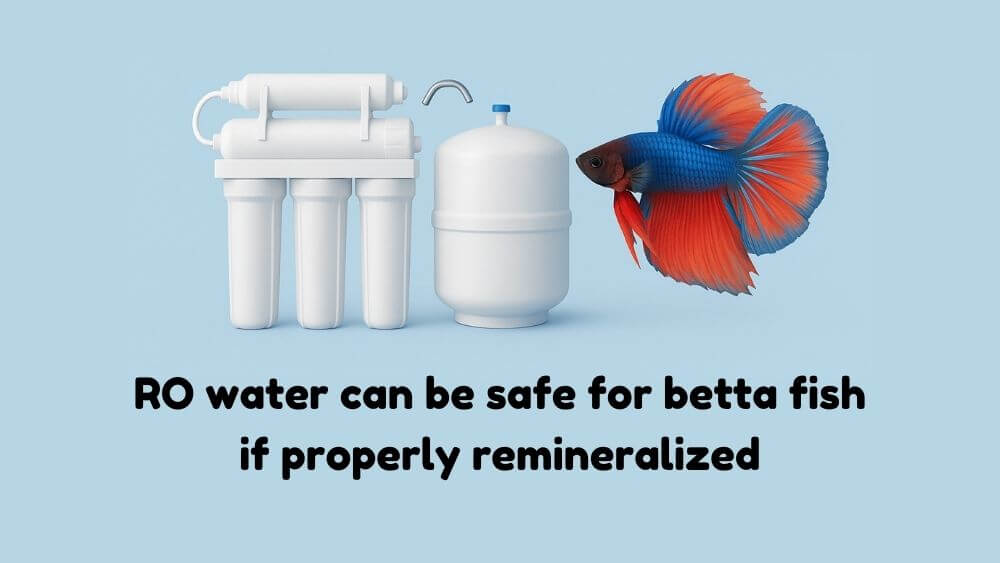
Betta fish, also known as Betta splendens, are among the most popular freshwater aquarium fish. Their vibrant colors and hardy nature make them ideal for beginners. However, behind their beauty lies a need for precise water conditions. One popular question that arises in fishkeeping forums is: Is RO (Reverse Osmosis) water good for betta fish? We often use RO water in the aquarium, but we have to know about its safety.
To answer this, we need to understand what RO water is, the specific water requirements of bettas, and whether RO water helps meet or harms those needs.
Water Parameters Required for Betta Fish
Betta fish originate from the shallow rice paddies and slow-moving waters of Thailand. These environments are naturally soft and acidic. Ideal water parameters for betta fish –
pH: 6.5 to 7.5
GH (General Hardness): 3 to 4 dGH
KH (Carbonate Hardness): 2 to 5 dKH
TDS: 150 to 250 ppm
Temperature: 76°F to 82°F (24°C to 28°C)
Pros of Using RO Water for Betta Fish
Control Over Water Chemistry RO water has very low TDS, GH, and KH. This means aquarists can remineralize it with precise amounts of minerals to create a customized aquatic environment.
Eliminates Harmful Contaminants Tap water may contain chloramines, heavy metals, or fluoride that can be harmful. RO units remove nearly all of these.
Consistency in Water Changes Since RO water is stripped of variables, it provides consistent water quality when doing partial water changes, preventing shock to bettas.
Cons of Using Pure RO Water Alone
Pure RO water is too soft and acidic, with:
TDS often under 20 ppm
pH below 6 or unmeasurable
GH and KH close to 0
Using 100 percent RO water without remineralization can lead to:
pH crashes
Osmotic stress in fish
Weak immunity and poor coloration
The Right Way – RO Water with Remineralization
To make RO water suitable for betta fish, you need to add minerals to bring water hardness and pH to safe levels.
Recommended Products:
Seachem Replenish
Equilibrium by Seachem
Crushed coral (in small quantities)
Target Parameters After Remineralization:
GH: 3 to 4 dGH
KH: 3 dKH
TDS: 150 to 180 ppm
pH: 7.0
Benefits Of RO Water For Betta Fish (Detailed)
RO water provides a clean environment for Betta fish by removing harmful contaminants. It helps maintain stable pH levels, which supports their health. Ensuring pure water improves Betta fish’s overall well-being and vitality.
Benefits of RO Water for Betta Fish
Betta fish are vibrant and captivating pets, but their well-being hinges on the quality of their water. Using Reverse Osmosis (RO) water can offer numerous benefits for these colorful creatures. Let’s delve into why RO water might be the perfect choice for your betta fish.
Purity And Quality
RO water is renowned for its purity. It’s free from impurities that are commonly found in tap water. This ensures your betta has a pristine environment.
When I first switched to RO water for my betta, I noticed an immediate improvement in its vibrancy. The fish seemed livelier and more active. Have you ever considered how the quality of water might impact your betta’s life?
Imagine living in a space filled with invisible dangers. That’s what untreated tap water can be for bettas. By using RO water, you’re providing a safer habitat, protecting them from potential harm.
RO water also helps in reducing the buildup of algae. This keeps your tank cleaner and requires less maintenance. Less cleaning means more time to enjoy watching your betta swim gracefully around its home.
Have you tried RO water for your betta yet? It might just be the game-changer you’re looking for to boost their health and happiness.
Comparing RO Water With Tap Water
RO water lacks essential minerals found in tap water, making it less suitable for betta fish. Betta fish require minerals to maintain health and color. Using RO water could lead to deficiencies, affecting their well-being. For optimal conditions, tap water with a conditioner is often recommended for bettas.
When considering the best water for your betta fish, it’s essential to compare Reverse Osmosis (RO) water with regular tap water. Each has its benefits and drawbacks, and understanding these can help you make an informed decision for your aquatic friend. By examining the chemical composition and impact on fish health, you can tailor the water conditions to best suit your betta’s needs.
A Quick Comparison for Betta Tanks
Parameter
Tap Water (Varies by Region)
RO Water (Pure)
RO + Remineralization
TDS
200 to 600 ppm
< 20 ppm
150 to 200 ppm
Chlorine/Chloramine
Present
0
0
GH
6 to 15 dGH
~0
3 to 4 dGH
KH
5 to 12 dKH
~0
2 to 4 dKH
pH
7.5 to 8.5
< 6
6.8 to 7.2
Chemical Composition
RO water and tap water differ significantly in their chemical makeup. Tap water usually contains minerals and chemicals like chlorine, chloramines, and heavy metals. These substances can be harmful to fish if not treated properly.
RO water, on the other hand, is stripped of almost all its impurities, making it pure. This can be a double-edged sword, as fish require certain minerals for optimal health. A personal experience taught me this when my betta seemed lethargic in pure RO water until I added trace minerals back into the tank. This highlights the need to balance purity with essential nutrients.
Impact On Fish Health
The type of water you choose directly affects your betta’s health. Tap water, when not conditioned, can cause stress and illness due to its chemical content. However, properly treated tap water can be a convenient and healthy option.
RO water provides a clean slate, free from harmful chemicals, but it’s essential to remineralize it. Without necessary minerals, your betta might experience poor fin health or stress. Have you ever noticed your fish’s color dulling? That could be a sign of mineral deficiency.
So, what should you choose for your betta? Consider your convenience, budget, and willingness to adjust water chemistry. Whether you go for tap water or RO water, ensuring the right balance is key to a vibrant, healthy betta fish.
Aquarists’ Experiences
Many experienced aquarists have shared their insights on using RO water for Betta fish. Some have noticed improved health and coloration in their Bettas when using RO water. They appreciate the purity RO water offers, devoid of contaminants and harmful chemicals.
However, using RO water requires careful mineral supplementation. You can’t use it straight from the filter. Aquarists often add essential minerals to RO water to mimic the natural environment. Without these, your Betta might face health issues.
Have you ever tried using RO water for your Betta fish? How did it impact their health and behavior? Your experiences might align with what many aquarists have observed.
Scientific Insights
Scientists provide valuable insights into the impact of RO water on Betta fish. Research shows that RO water is exceptionally clean, but it lacks necessary minerals. Betta fish thrive in water with specific mineral content.
Studies emphasize the importance of re-mineralizing RO water. Minerals like calcium and magnesium are crucial for the physiological health of Betta fish. Without them, your fish may suffer from stress or weakened immune systems.
Considering scientific findings, are you willing to adjust your water treatment routine for better Betta care? Ensuring the right balance in RO water is vital for your fish’s health.
Frequently Asked Questions
When Should You Use RO Water for Betta Fish?
RO water is especially helpful in these cases:
Hard tap water (GH > 10 dGH, TDS > 400 ppm)
Presence of heavy metals or nitrates in local water
Breeding bettas or keeping wild species
For example, if your tap water has 500 ppm TDS and a pH of 8.4, it would be too harsh. RO water lets you create ideal parameters for your betta.
Can I Put My Betta Fish In RO Water?
Betta fish can live in RO water if minerals are added. RO water lacks essential minerals needed for fish health. Use a remineralizing solution to restore necessary nutrients and create a balanced environment. Always test water parameters to ensure they meet Betta fish requirements for optimal health and well-being.
Is RO Water Safe For Fish?
RO water is safe for fish but requires remineralization. It lacks essential minerals fish need. Adjust pH and hardness for optimal fish health. Always monitor water parameters to ensure a safe environment for your fish.
What Kind Of Water Do You Use For Betta Fish?
Use dechlorinated tap water for betta fish. Ensure water temperature is between 76-82°F. Maintain pH level around 6. 5-7. 5. Regularly test water quality for ammonia, nitrites, and nitrates. Always use a water conditioner to neutralize harmful chemicals and provide a healthy environment.
Is RO Water The Same As Distilled Water For Fish Tanks?
RO water isn’t the same as distilled water for fish tanks. RO water is filtered to remove impurities. Distilled water is boiled and condensed, removing minerals. Both can be used, but require mineral supplementation for fish health. Always check water parameters before using in fish tanks.
Conclusion
RO water offers a blank canvas that lets you tailor water conditions to suit your betta’s natural habitat. It removes harmful chemicals and provides consistency. However, using RO water without adjusting pH and hardness can do more harm than good.
So, for aquarists serious about fish health and water stability, RO water (with remineralization) is an excellent choice.
Hasan Al Sarker is a Reverse Osmosis Specialist. He has worked for many years to ensure safe drinking water for all. His research paper has been published in several journals, including Issue, Medium, and Slideshare. He is recognized as a water doctor among specialists though he did not attend medical college.
Besides working as a researcher of reverse osmosis technology, he is also very fancy with the kitchen and cooking. His guides are reading thousands of people every day. As a head of content, he is responsible for all the published articles at RO System Reviews.