Are you worried about the fluoride levels in your drinking water? You might have heard about ion exchange as a method to clean water, but does it actually remove fluoride?
Understanding how this process works can help you make smarter choices for your health and your family’s safety. Keep reading to discover the truth about ion exchange and whether it’s the right solution for reducing fluoride in your water.
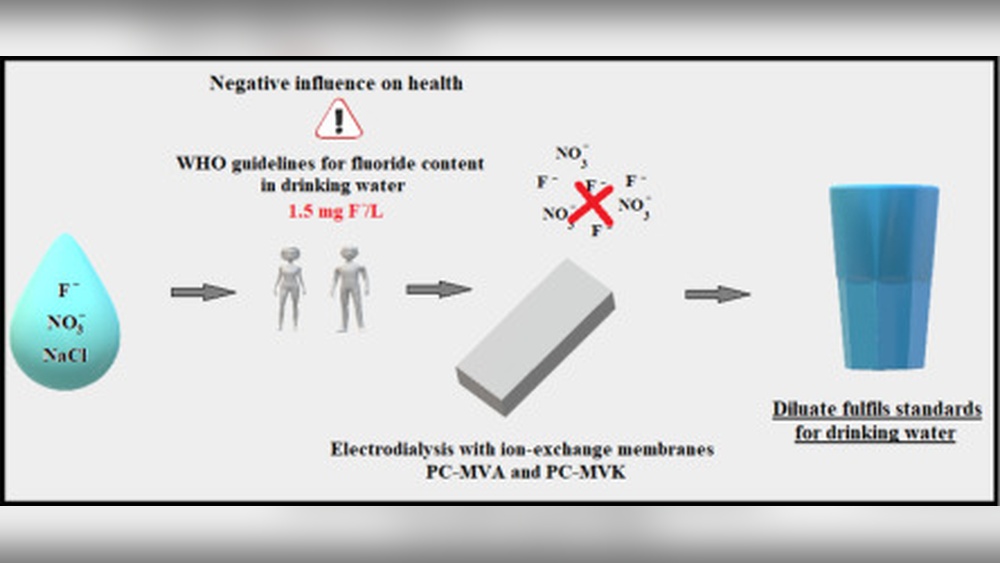
Credit: www.researchgate.net
Basics Of Ion Exchange
Ion exchange is a common method used to clean water. It removes unwanted minerals and chemicals. This process helps make water safer and better tasting.
Ion exchange works by swapping harmful ions in water with safer ones. This method is used in many water treatment systems. Understanding how it works is key to knowing if it removes fluoride.
How Ion Exchange Works
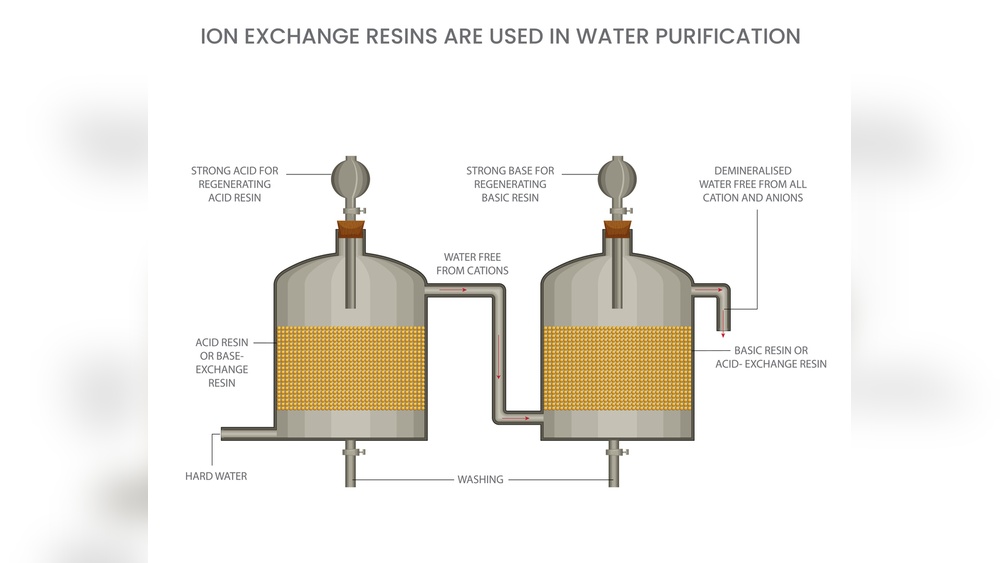
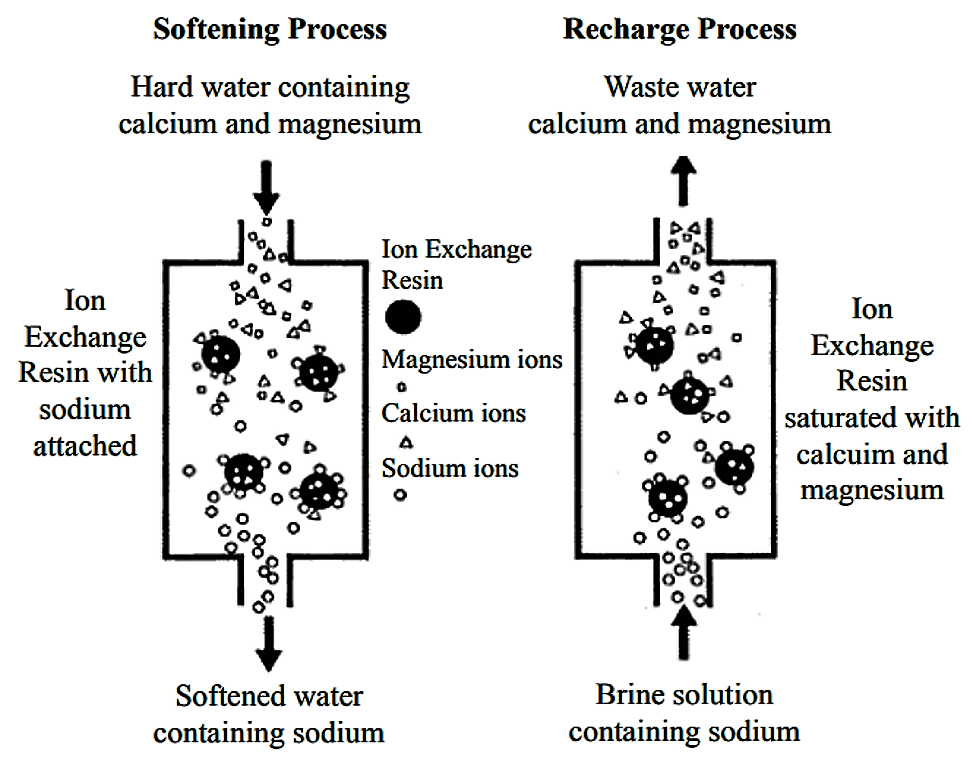
Ion exchange uses small beads called resins. These beads carry charged particles called ions. When water passes through, the beads attract harmful ions.
The resin releases safe ions in exchange. This swap removes bad ions like lead, nitrate, or fluoride. The process is simple but effective.
Types Of Ion Exchange Resins
There are two main types of ion exchange resins: cation and anion resins. Cation resins remove positive ions like calcium and magnesium. These cause hard water.
Anion resins remove negative ions such as nitrate and fluoride. Not all anion resins remove fluoride equally. The choice of resin affects how well fluoride is removed.
Fluoride In Drinking Water
Fluoride is a mineral found naturally in water sources. It is added to some public water supplies to help prevent tooth decay. While fluoride can be beneficial in small amounts, too much can cause health problems. Understanding where fluoride comes from and its effects is important for safe drinking water.
Sources Of Fluoride Contamination
Fluoride enters water through natural and human activities. Rocks and soil release fluoride into groundwater. Some industrial processes also add fluoride to water. Fertilizers and waste from factories can increase fluoride levels. These sources can raise fluoride beyond safe limits.
Health Effects Of Fluoride
Low fluoride helps protect teeth from cavities. But high fluoride causes dental fluorosis, which damages teeth appearance. In severe cases, excess fluoride harms bones and joints. Children are most at risk for fluoride overexposure. Careful monitoring keeps fluoride at safe levels.
Ion Exchange And Fluoride Removal
Ion exchange is a popular water treatment method. It uses resins to swap harmful ions in water with safer ones. This process can remove many contaminants, including fluoride.
Fluoride is a mineral found in water naturally or added to prevent tooth decay. Too much fluoride can cause health problems. Removing excess fluoride is important for safe drinking water.
Effectiveness Of Ion Exchange Resins
Ion exchange resins can reduce fluoride levels effectively. They attract fluoride ions and replace them with other ions, like chloride or hydroxide. The success depends on the type of resin used.
Strong base anion exchange resins work best for fluoride removal. These resins have a high capacity to capture fluoride ions. They can lower fluoride concentration to safe levels.
Factors Affecting Fluoride Removal
Several factors influence how well ion exchange removes fluoride. Water pH plays a big role. Fluoride removal is better in neutral or slightly alkaline water.
Other ions in water, like sulfate or nitrate, compete with fluoride. This competition can reduce the resin’s effectiveness. Water temperature and flow rate also affect the process.
Proper maintenance of the resin is important. Over time, resins lose capacity and need regeneration. Regular checks ensure continuous fluoride removal.
Credit: link.springer.com
Comparing Ion Exchange With Other Methods
Removing fluoride from water requires effective methods. Ion exchange is one choice. Other popular methods also exist. Each method works differently. Understanding these differences helps you pick the best option for fluoride removal.
Activated Alumina
Activated alumina is a common filter for fluoride. It adsorbs fluoride ions onto its surface. This method works well for moderate fluoride levels. It needs regular replacement or regeneration to keep working. It is cost-effective but slower than some methods.
Reverse Osmosis
Reverse osmosis (RO) uses a membrane to block fluoride. Water passes through the membrane, leaving fluoride behind. RO removes many contaminants, not just fluoride. It requires electricity and regular maintenance. This method is very effective but more expensive.
Distillation
Distillation boils water to separate fluoride and other minerals. The steam is collected and cooled to pure water. It removes nearly all fluoride and impurities. Distillation uses a lot of energy. It is simple but slow and less convenient for daily use.
Maintenance And Costs
Maintaining an ion exchange system for fluoride removal requires regular care. Costs depend on the system’s size and usage. Understanding maintenance needs helps plan your budget and ensures clean water.
Resin Regeneration Process
The ion exchange resin loses effectiveness over time. It needs regeneration to restore its ability to remove fluoride. This process uses a salt solution to flush out trapped fluoride ions. Regeneration frequency depends on water quality and usage. Neglecting regeneration reduces fluoride removal efficiency.
Operational Expenses
Operational costs include salt, water, and energy for regeneration. Resin replacement is needed after several cycles. Labor and maintenance checks add to expenses. Costs vary by system size and water fluoride levels. Planning for these expenses keeps the system working well.
Choosing The Right System
Choosing the right ion exchange system matters a lot for fluoride removal. The system must match your water needs and quality. Picking the wrong one can waste money and leave fluoride in your water. Focus on key factors to find the best fit.
Water Quality Testing
Testing your water shows the exact fluoride level. It also finds other minerals that affect the system. Water with many minerals may need a stronger system. Testing helps choose the right ion exchange resin. It ensures better fluoride removal and safer water.
System Capacity And Usage
Consider how much water your household uses daily. A small system might fail if your use is high. Large families need bigger capacity systems. Check the resin’s ability to remove fluoride before buying. Pick a system that matches your daily water needs for best results.
Credit: ionexchangeglobal.com
Frequently Asked Questions
Does Ion Exchange Effectively Remove Fluoride From Water?
Ion exchange can reduce fluoride, but it is not the most effective method. Specialized filters like activated alumina work better for fluoride removal.
How Does Ion Exchange Work For Fluoride Removal?
Ion exchange replaces fluoride ions with other ions like chloride. However, its efficiency depends on resin type and water chemistry.
Is Ion Exchange Better Than Reverse Osmosis For Fluoride?
Reverse osmosis is generally more effective than ion exchange for fluoride removal. RO systems can remove up to 95% of fluoride.
Can Ion Exchange Systems Be Combined With Other Filters?
Yes, combining ion exchange with activated alumina or reverse osmosis improves fluoride removal and overall water quality.
Conclusion
Ion exchange can reduce some fluoride in water. It works best for low fluoride levels. Not all ion exchange systems remove fluoride fully. Testing your water helps choose the right method. Combining treatments may improve fluoride removal. Clean water is important for health.
Keep learning about water filters. Choose what fits your needs and budget. Regular maintenance keeps filters working well. Clear, safe water is possible with the right steps.
Hasan Al Sarker is a Reverse Osmosis Specialist. He has worked for many years to ensure safe drinking water for all. His research paper has been published in several journals, including Issue, Medium, and Slideshare. He is recognized as a water doctor among specialists though he did not attend medical college.
Besides working as a researcher of reverse osmosis technology, he is also very fancy with the kitchen and cooking. His guides are reading thousands of people every day. As a head of content, he is responsible for all the published articles at RO System Reviews.
Are you tired of dealing with hard water that leaves spots on your dishes and reduces the lifespan of your appliances? Understanding how ion exchange water treatment works could be the simple solution you need.
This method can transform your water, making it cleaner, softer, and better for your home and health. You’ll discover what ion exchange water treatment is, how it works, and why it might be the answer to your water problems. Keep reading to find out how this process can make a real difference in your daily life.
Credit: sswm.info
Basics Of Ion Exchange
Ion exchange is a common method to clean and soften water. It removes unwanted minerals and replaces them with safe ones. This process helps improve water quality for homes and industries. Understanding the basics of ion exchange makes it easier to see its benefits.
The core of ion exchange lies in swapping ions between water and a special material. This material, called resin, holds charged particles. These particles attract and trade places with harmful ions in the water. This simple swap changes the water’s makeup for the better.
How Ion Exchange Works
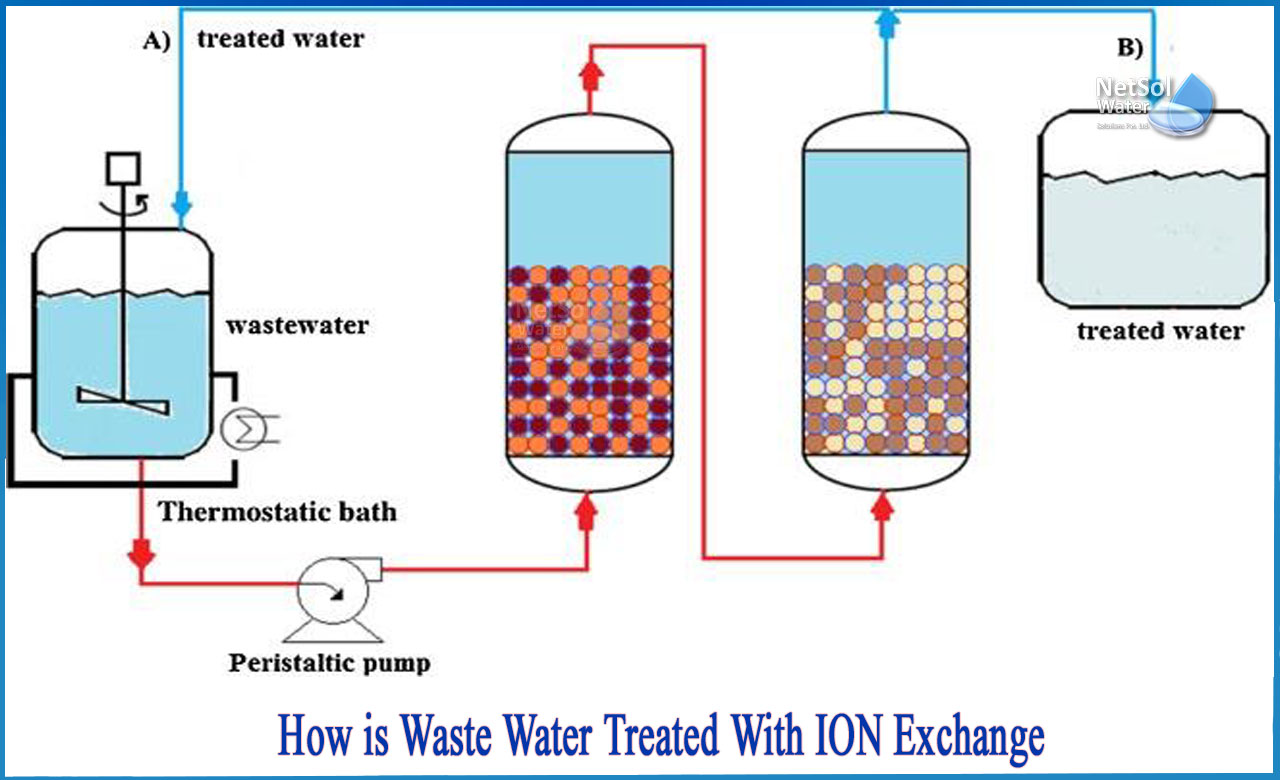
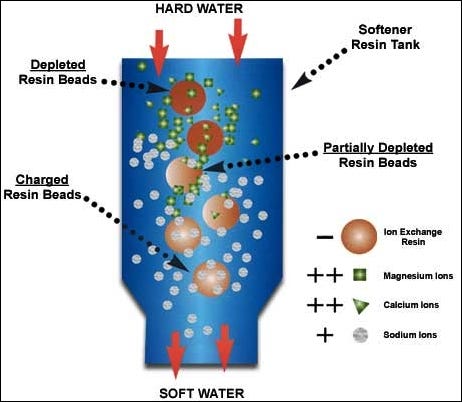
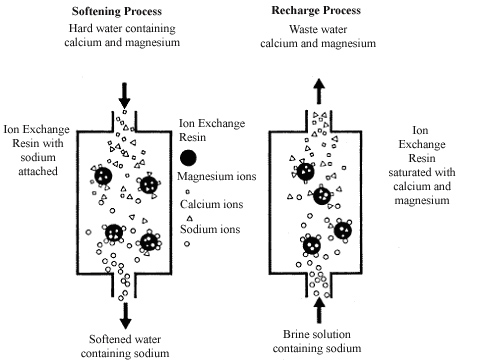
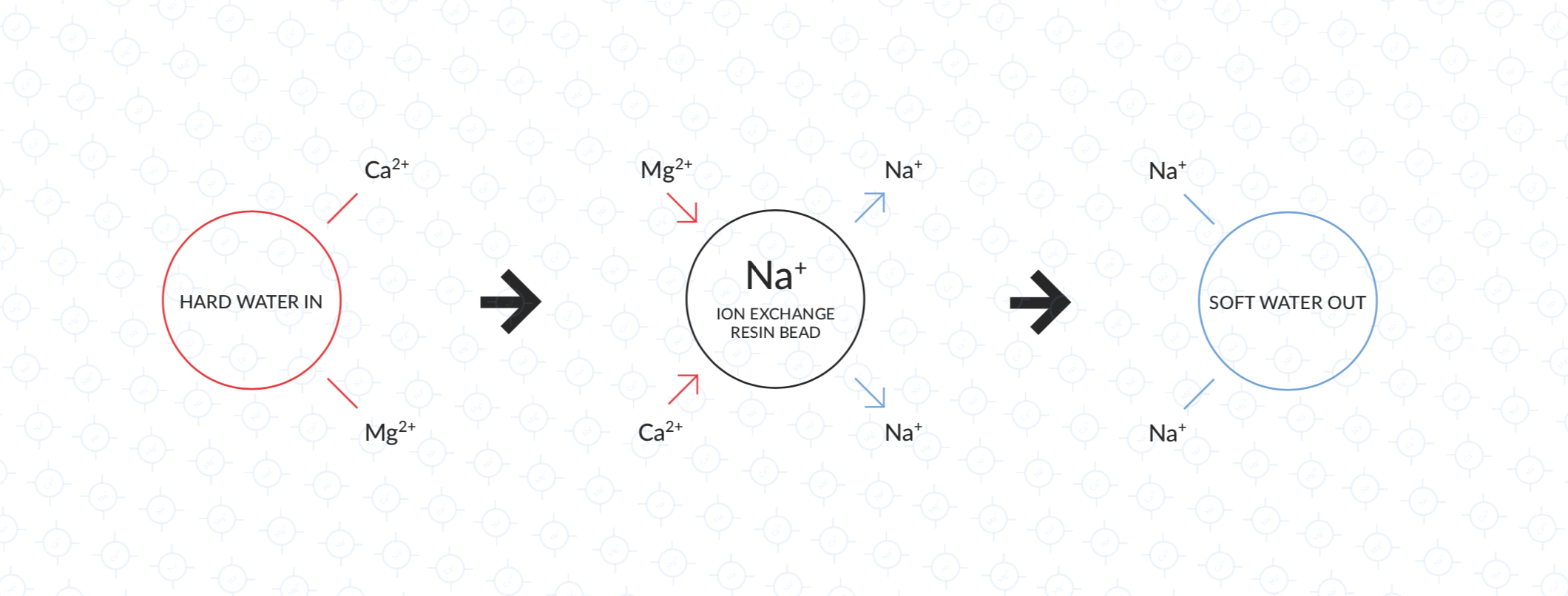
Water flows through a tank filled with ion exchange resin beads. These beads carry charged ions ready to swap with the water’s ions. For example, hard water contains calcium and magnesium ions. The resin beads exchange these for sodium or hydrogen ions. This exchange softens the water by removing hardness.
The process continues until the resin beads lose their ability to exchange ions. Then, the resin needs cleaning through regeneration. During regeneration, a strong salt solution flushes the resin. This restores the resin’s ion-holding power for reuse.
Types Of Ion Exchange Resins
Two main types of ion exchange resins exist: cation and anion resins. Cation resins swap positively charged ions like calcium and magnesium. Anion resins replace negatively charged ions such as chloride and sulfate.
Cation resins are common in water softening systems. They remove hardness-causing ions and replace them with sodium. Anion resins help remove contaminants like nitrate or arsenic. Both resins work together in some systems for thorough water treatment.
Each resin type has a specific use depending on water quality needs. Choosing the right resin ensures effective ion exchange and better water quality.
Common Applications
Ion exchange water treatment has many uses across different areas. It helps remove unwanted minerals and contaminants from water. This process improves water quality for various needs. Below are some common applications of ion exchange technology.
Residential Water Softeners
Many homes use ion exchange to soften hard water. Hard water contains calcium and magnesium, which cause scale buildup. Water softeners replace these minerals with sodium or potassium ions. This prevents damage to pipes and appliances. Soft water also improves soap’s effectiveness and skin comfort.
Industrial Water Purification
Industries need pure water for manufacturing and processes. Ion exchange removes dissolved salts and metals from water. This protects equipment from corrosion and scaling. It also ensures product quality in food, pharmaceuticals, and electronics. Ion exchange systems are reliable and easy to maintain.
Wastewater Treatment
Wastewater contains harmful chemicals and heavy metals. Ion exchange helps remove these pollutants before releasing water back to the environment. It reduces toxins and protects aquatic life. Many treatment plants use ion exchange to meet safety standards. This method is cost-effective and efficient for cleaning wastewater.
Benefits Of Ion Exchange
Ion exchange water treatment offers many benefits for homes and industries. It improves water quality by removing unwanted minerals and contaminants. This process helps protect plumbing systems and appliances. It also saves money over time by reducing maintenance costs. Understanding these benefits shows why ion exchange is a popular choice.
Improved Water Quality
Ion exchange removes impurities that affect taste and smell. It eliminates chlorine and other chemicals. The result is cleaner, clearer, and better-tasting water. This makes drinking and cooking safer and more enjoyable. Pure water also supports better health and hygiene.
Removal Of Hardness And Contaminants
Water hardness comes from calcium and magnesium. Ion exchange replaces these with sodium or potassium ions. This softens the water and prevents scale buildup. It also removes heavy metals like lead and iron. Cleaner water protects pipes and extends appliance life.
Cost-effectiveness
Ion exchange systems are affordable to install and operate. They reduce the need for expensive repairs caused by hard water damage. Soft water lowers detergent and soap use. This saves money on cleaning products and energy bills. Long-term savings make ion exchange a smart investment.
Ion Exchange Process Steps
The ion exchange process removes unwanted minerals and ions from water. It swaps harmful ions with safe ones using special resin beads. The process has clear steps to clean water effectively. Understanding these steps helps to see how ion exchange works well.
Regeneration Cycle
The resin beads hold ions and must be cleaned regularly. This cleaning is called the regeneration cycle. During regeneration, a strong salt solution flushes the beads. The salt replaces the captured harmful ions. After flushing, the resin is ready to work again. This cycle keeps water treatment consistent and effective.
Maintenance Requirements
Regular maintenance keeps the ion exchange system running smoothly. Check salt levels often to ensure proper regeneration. Clean the resin tanks to avoid blockages. Replace worn parts as needed to prevent leaks. Proper maintenance extends the life of the system. It helps maintain water quality and system efficiency.
Choosing The Right System
Choosing the right ion exchange water treatment system is important for clean, safe water. The best system depends on water quality, usage, and budget. Understanding key factors helps select a system that fits your needs. Proper sizing and capacity ensure the system works efficiently without waste.
Factors To Consider
Test your water to find out what minerals need removal. Check hardness, iron, and other contaminants. Consider your water use daily. Think about maintenance needs and cost of replacement parts. Choose a system that matches your water issues and lifestyle.
System Sizing And Capacity
Calculate how much water you use each day. A system too small will not clean all water. One too big wastes space and money. Match system capacity to your water demand. This keeps water quality high and saves resources.
Credit: www.netsolwater.com
Challenges And Limitations
Ion exchange water treatment is effective but faces some challenges and limits. These challenges affect its performance and use. Understanding these helps in choosing the right water treatment method.
Resin Fouling
Resin fouling happens when particles block the resin beads. Dirt, oils, and bacteria can cause this. It lowers the resin’s ability to clean water. Fouling shortens the resin’s life and needs more cleaning. Frequent cleaning raises costs and downtime. Preventing fouling requires good pre-treatment of water.
Environmental Impact
Ion exchange creates waste brine during resin regeneration. This salty water can harm the environment if not treated. Disposal of brine is a big concern for many users. Chemicals used in regeneration may also cause pollution. Safe handling and treatment of waste are necessary. Using eco-friendly methods can reduce environmental harm.
Future Trends In Ion Exchange
Ion exchange water treatment is evolving with new trends shaping its future. These changes aim to improve efficiency and reduce costs. The technology will become more adaptable and smarter. Expect better materials and combined methods to enhance water purification. Understanding these trends helps grasp where ion exchange is heading.
Advancements In Resin Technology
New resins offer higher capacity and faster ion exchange rates. They last longer and resist fouling better. Some resins now target specific contaminants more effectively. This precision reduces waste and saves energy. Research focuses on making resins more eco-friendly and easier to recycle. These improvements increase overall system performance and reduce downtime.
Integration With Other Treatment Methods
Ion exchange is joining forces with methods like filtration and membrane technology. Combining processes improves water quality beyond what one method can do. Hybrid systems remove a wider range of pollutants. This integration also lowers energy use and operational costs. Smart controls help manage these combined systems efficiently. Such synergy meets stricter water standards and diverse treatment needs.
Credit: shop.culligan.com
Frequently Asked Questions
What Is Ion Exchange Water Treatment?
Ion exchange water treatment is a process that removes unwanted ions from water. It replaces harmful ions with beneficial ones using resin beads. This method softens water and improves its quality for industrial, commercial, and residential use.
How Does Ion Exchange Remove Hardness From Water?
Ion exchange removes hardness by swapping calcium and magnesium ions with sodium or potassium ions. This exchange softens the water, preventing scale buildup in pipes and appliances, thus enhancing water quality and extending their lifespan.
What Are Common Uses Of Ion Exchange Water Treatment?
Ion exchange is used in water softening, demineralization, and purification. It is common in households, industries, and laboratories to improve water quality by removing hardness, heavy metals, and other contaminants.
What Types Of Resins Are Used In Ion Exchange?
Cation and anion resins are used in ion exchange. Cation resins remove positive ions like calcium, while anion resins remove negative ions such as chloride. Both types help in achieving purified and softened water.
Conclusion
Ion exchange water treatment removes unwanted minerals from water. It improves water quality for homes and industries. The process is simple and cost-effective. It helps prevent scale and corrosion in pipes. Clean water supports health and protects appliances. Understanding this method can guide better water choices.
Easy to install and maintain, it suits many needs. Ion exchange remains a trusted solution for water softening and purification. Clear, safe water is possible with this technology.
Hasan Al Sarker is a Reverse Osmosis Specialist. He has worked for many years to ensure safe drinking water for all. His research paper has been published in several journals, including Issue, Medium, and Slideshare. He is recognized as a water doctor among specialists though he did not attend medical college.
Besides working as a researcher of reverse osmosis technology, he is also very fancy with the kitchen and cooking. His guides are reading thousands of people every day. As a head of content, he is responsible for all the published articles at RO System Reviews.
Have you ever noticed white spots on your dishes or your soap not lathering well? That’s often a sign of hard water.
But how does your water softener actually fix this problem? The secret lies in a clever process called ion exchange. Understanding how ion exchange works can help you appreciate how your water softener protects your pipes, appliances, and skin. Keep reading, and you’ll discover how this simple yet powerful method transforms hard water into soft, clean water for your home.
Basics Of Ion Exchange
Understanding the basics of ion exchange is key to grasping how water softening works. Ion exchange is a chemical process that removes unwanted minerals from hard water. This process helps protect pipes, appliances, and improves water quality. The heart of this system lies in special materials called resins. These resins swap hard minerals with softer ones, making water gentler and safer for daily use.
What Is Ion Exchange
Ion exchange is a process where ions are swapped between a solution and a solid material. In water softening, it removes calcium and magnesium ions. These ions cause hardness and build-up in pipes and appliances. The resins in the system hold sodium or potassium ions. When hard water passes through, the resins release sodium or potassium. At the same time, they capture calcium and magnesium ions. This exchange softens the water effectively and continuously.
Types Of Ion Exchange Resins
Two main types of ion exchange resins exist for water softening. Cation exchange resins are the most common. They replace positive ions like calcium and magnesium with sodium or potassium. Anion exchange resins work differently. They remove negative ions such as chloride or sulfate. Most water softeners use cation resins because hard water problems come from positive ions. Resins come in bead form, allowing water to flow easily through them. The quality and type of resin affect the softening efficiency and lifespan of the system.
Credit: filtersmart.com
Hard Water And Its Effects
Hard water contains high levels of certain minerals. These minerals cause problems in homes and industries. They affect water quality and daily tasks. Understanding hard water helps in choosing the right treatment.
Hard water can make cleaning harder and damage appliances. It also affects plumbing systems and water heaters. Knowing the causes and effects of hard water is important for maintenance.
Minerals Causing Hardness
Calcium and magnesium are the main minerals in hard water. They come from rocks and soil. These minerals dissolve in water as it moves through the ground. Other minerals like iron can also add to hardness.
Calcium makes water “hard” by forming scale deposits. Magnesium has similar effects and can cause soap to form scum. These minerals change how water behaves in homes and businesses.
Impact On Plumbing And Appliances
Hard water leaves deposits inside pipes and fixtures. These deposits build up over time and reduce water flow. Blocked pipes increase the risk of leaks and damage.
Appliances like water heaters and dishwashers get coated with mineral scale. This coating lowers their efficiency and shortens lifespan. Hard water also causes stains on dishes, clothes, and sinks.
Using water softening methods can protect plumbing and appliances. It helps save money on repairs and energy costs. Soft water improves cleaning and extends appliance life.
Ion Exchange Process In Water Softening
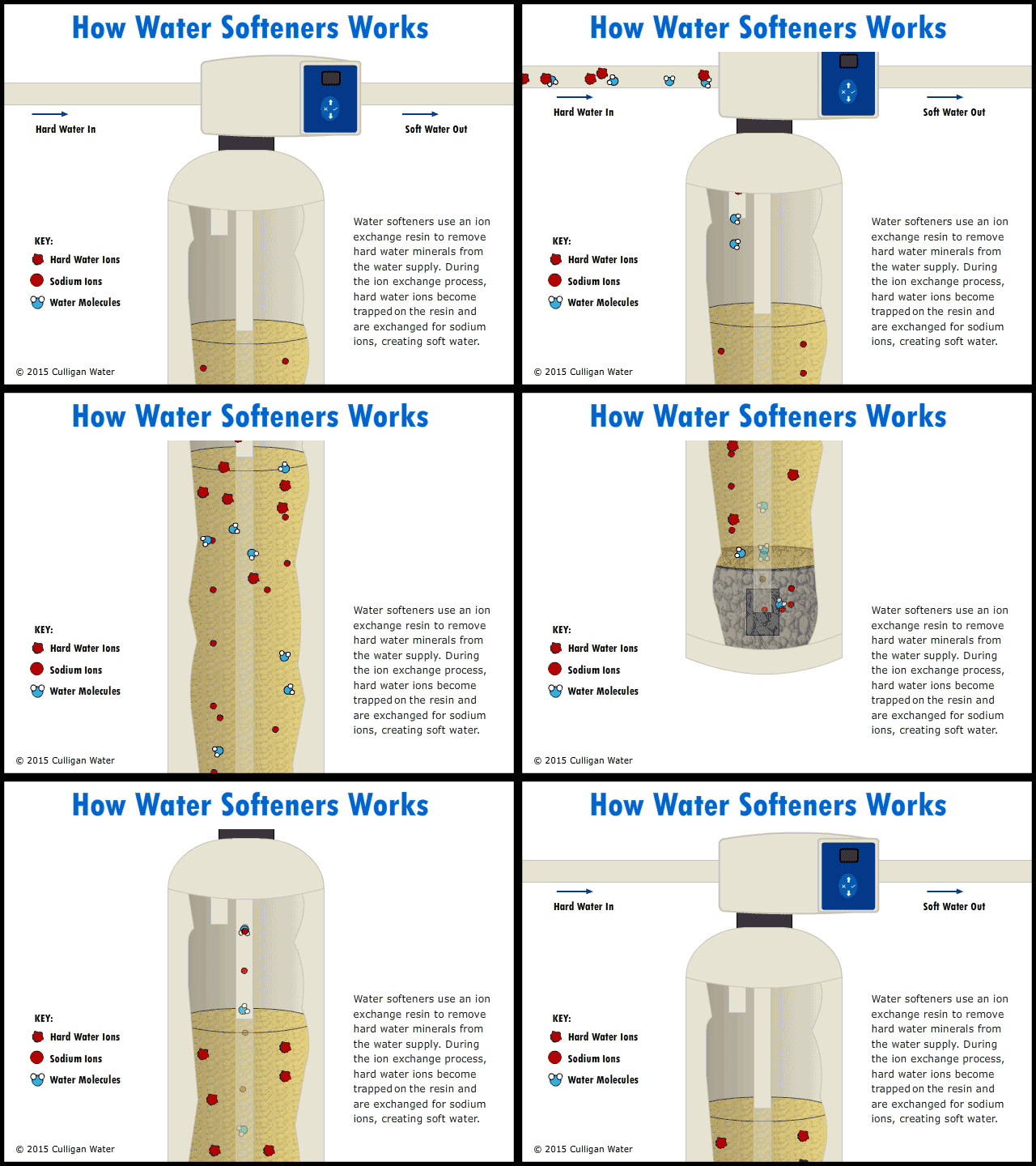
The ion exchange process is the heart of water softening. It changes hard water into soft water by removing minerals that cause hardness. This process uses special materials called resins. These resins catch hard minerals and swap them with softer ones.
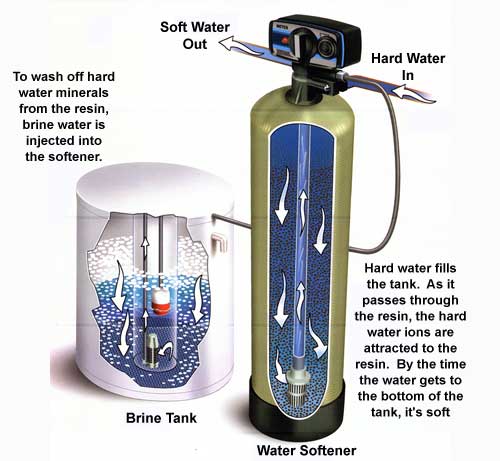
The process runs inside a water softener tank. Hard water flows through the tank. The resins inside work to clean out calcium and magnesium. Soft water comes out, ready for use in your home.
How Resins Remove Hardness
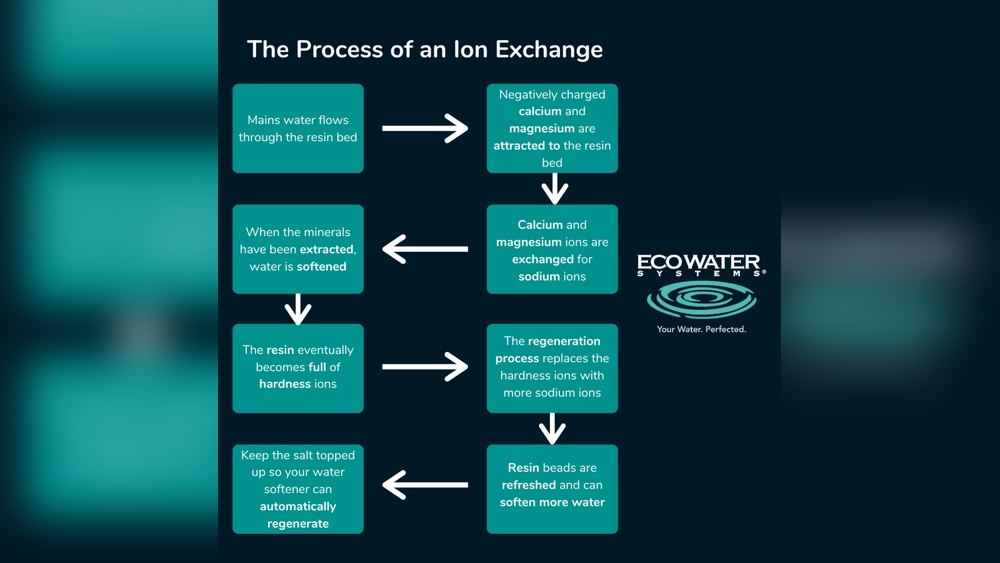
Resins are tiny beads with a negative charge. Hard minerals like calcium and magnesium have a positive charge. The resins attract and hold these minerals. They keep the hardness in the tank and stop it from reaching your taps.
Over time, the resins fill up with hard minerals. They need to be cleaned to work well again. This cleaning is called regeneration. It clears the minerals and resets the resins.
Role Of Sodium And Calcium Ions
Sodium ions are the key to regeneration. They come from salt added to the softener. During regeneration, sodium ions replace the calcium and magnesium on the resin. This frees the resin to catch more hard minerals.
Calcium and magnesium ions leave the resin and wash away. The softener then works like new. This cycle keeps water soft and safe for your home.
Regeneration Of Ion Exchange Resins
Ion exchange resins are at the heart of water softening systems. Over time, these resins collect hard minerals like calcium and magnesium. This process stops the resin from working well. Regeneration restores the resin’s ability to soften water. It is a key part of keeping the system effective and efficient.
Why Regeneration Is Needed
Resins trap hard minerals from water. After a while, the resin becomes full. It cannot hold any more minerals. At this point, the water softener stops working properly. Regeneration clears out the trapped minerals. It recharges the resin with sodium or potassium ions. This makes the resin ready to soften water again.
Steps In The Regeneration Cycle
The regeneration cycle has several steps. First, the resin tank is flushed with brine solution. The salt in the brine replaces the hard minerals on the resin. Next, the minerals and brine are washed away and drained. Then, clean water rinses the resin to remove any leftover brine. Finally, the resin is ready to soften water once more. This cycle repeats regularly to maintain water softness.
Types Of Water Softeners Using Ion Exchange
Ion exchange is a common method to soften water by removing hard minerals. Different water softeners use this process but vary in design and materials. Understanding these types helps choose the right softener for your needs.
Salt-based Softeners
Salt-based softeners use resin beads to trap hard minerals like calcium and magnesium. These beads exchange the minerals with sodium ions from salt. The system needs regular salt refills to keep working well. This type effectively lowers water hardness and prevents scale buildup.
It works automatically by passing water through the resin tank. Hard minerals stick to the beads, and soft water flows out. Periodically, the system cleans the beads using a saltwater solution. This process restores the beads’ ability to soften water.
Salt-free Alternatives
Salt-free softeners use a different approach but still rely on ion exchange principles. They condition water without adding sodium. Instead, they change how minerals behave to stop scale formation.
This option suits people avoiding extra salt in water. It requires less maintenance and does not need salt refills. While it does not remove hardness minerals, it reduces their negative effects on pipes and appliances.
Benefits Of Ion Exchange Softeners
Ion exchange softeners offer several key benefits that improve daily water use. They effectively remove hard minerals from water, making it softer and safer for home use. These systems help protect plumbing and appliances, extending their life and efficiency. Understanding these benefits shows why ion exchange softeners are a smart choice.
Improved Water Quality
Ion exchange softeners remove calcium and magnesium from water. These minerals cause hardness and build-up in pipes. Softer water feels better on skin and hair. It also helps soap and detergents work better. The result is cleaner dishes, clothes, and surfaces. Drinking softened water can taste better too.
Protection For Appliances
Hard water can damage appliances like water heaters and dishwashers. Mineral deposits reduce their efficiency and cause breakdowns. Ion exchange softeners prevent these deposits from forming. Appliances last longer and use less energy. This saves money on repairs and utility bills. Softened water keeps your home running smoothly.
Maintenance Tips For Ion Exchange Systems
Maintaining an ion exchange system is key to keeping water softeners working well. Regular care helps the system last longer and keeps water soft. Simple steps can prevent common problems and improve performance. Pay attention to the resin and know when to act.
Monitoring Resin Life
The resin inside the system traps hard minerals from water. Over time, the resin wears out and loses its ability to soften water. Watch for signs like hard water stains or changes in water taste. Test the water hardness regularly to check resin effectiveness. Keep track of how long the resin has been in use. This helps plan for replacement before problems start.
When To Recharge Or Replace
Recharging the resin means cleaning it with salt to restore its softening power. Do this when water hardness rises or after a set period. Follow the manufacturer’s instructions for salt use and recharge timing. Replace the resin if recharging no longer fixes the problem. A worn resin cannot soften water well, even after recharging. Replacing it ensures clean, soft water every day.
Credit: medium.com
Environmental Considerations
Ion exchange is a common method to soften water. It removes calcium and magnesium, which cause hardness. This process helps protect pipes and improves soap efficiency. Yet, it brings some environmental concerns. Understanding these issues helps us make better choices.
Salt Usage And Disposal
Ion exchange uses salt to recharge the resin beads. This salt often comes in large amounts. The salty water, called brine, is flushed out during regeneration. This brine can harm soil and water sources. High salt levels affect plant growth and aquatic life. Proper disposal is necessary to reduce damage. Some areas have rules to limit salt discharge. Checking local regulations is important for safe use.
Eco-friendly Alternatives
Alternatives to salt-based softeners are gaining attention. Potassium chloride is one option. It is less harmful to the environment than sodium chloride. Another method is using template-assisted crystallization. This technology changes hardness minerals without salt. Magnetic and electronic water conditioners also exist. These options reduce salt use and pollution. Choosing eco-friendly solutions supports cleaner water and soil.
Credit: extensionpublications.unl.edu
Frequently Asked Questions
What Is Ion Exchange In Water Softening?
Ion exchange is a process that removes hardness ions like calcium and magnesium from water. It replaces them with sodium or potassium ions, making water soft and preventing scale buildup in pipes and appliances.
How Does Ion Exchange Resin Work?
Ion exchange resin contains tiny beads that attract and hold hardness ions. When hard water passes through, calcium and magnesium swap places with sodium or potassium ions on the resin beads, softening the water effectively.
Why Is Ion Exchange Important For Water Softening?
Ion exchange prevents scale buildup in plumbing and appliances. It improves water quality, protects household systems, and enhances soap efficiency. This process extends the lifespan of appliances and reduces energy costs.
How Often Should Ion Exchange Resin Be Regenerated?
Ion exchange resin needs regeneration when it becomes saturated with hardness ions. Typically, this occurs every few days to weeks, depending on water hardness and usage. Regeneration uses a salt solution to recharge the resin beads.
Conclusion
Ion exchange removes hard minerals from water effectively. It swaps calcium and magnesium with sodium or potassium ions. This process prevents scale buildup in pipes and appliances. Soft water feels better on skin and hair. It also helps detergents work better during washing.
Regular maintenance keeps the system working well. Understanding ion exchange helps you choose the right water softener. Clean, soft water improves daily life and protects your home. Simple, yet powerful—this method improves water quality every day.
Hasan Al Sarker is a Reverse Osmosis Specialist. He has worked for many years to ensure safe drinking water for all. His research paper has been published in several journals, including Issue, Medium, and Slideshare. He is recognized as a water doctor among specialists though he did not attend medical college.
Besides working as a researcher of reverse osmosis technology, he is also very fancy with the kitchen and cooking. His guides are reading thousands of people every day. As a head of content, he is responsible for all the published articles at RO System Reviews.
Are you wondering how long your ion exchange resin will keep working effectively? Whether you use it for water softening or purification, knowing its lifespan can save you time, money, and frustration.
If your resin wears out too soon, you might face hard water problems or poor water quality. But if you replace it too early, you could be wasting resources. You’ll discover the key factors that affect the life of your ion exchange resin and practical tips to get the most out of it.
Keep reading to find out exactly when and why you should consider replacing your resin to keep your water system running smoothly.
Credit: eaiwater.com
Ion Exchange Resin Basics
Ion exchange resins are small beads used to soften water and clean it. They work by swapping unwanted ions in water with useful ones. These resins are vital in water treatment and many other fields. Understanding their basics helps in knowing how long they last and how to care for them.
Ion exchange resins come in different types, each made for a special job. Their use depends on the kind of ions to remove or replace. Knowing the types helps choose the right resin for the right task.
Types Of Ion Exchange Resins
There are two main types: cation and anion resins. Cation resins swap positive ions like calcium and magnesium. They are often used to soften hard water. Anion resins swap negative ions such as chloride and sulfate. These help remove harmful acids and other pollutants.
Some resins are strong, and others are weak. Strong resins work in tough conditions. Weak resins handle milder water problems. Mixed bed resins combine both types for thorough water cleaning.
Common Applications
Ion exchange resins appear in many places. Water softeners use them to reduce hardness in homes. They also purify water in industries like food and medicine. Power plants rely on them to treat boiler water.
Besides water, resins help in chemical processing. They remove unwanted salts and metals. They also clean wastewater before release into nature. Their role is crucial in keeping water safe and clean.
Factors Affecting Resin Lifespan
The lifespan of ion exchange resin depends on several important factors. These factors impact how well the resin works over time. Understanding them helps in maintaining resin performance and saving costs. Each factor plays a key role in the resin’s durability and efficiency.
Water Quality And Contaminants
Water quality greatly affects resin life. Hard water with many minerals wears out resin faster. Chemicals and chlorine also damage resin beads. High levels of iron or manganese cause resin to foul quickly. Cleaner water means longer resin lifespan.
Usage Frequency
The more often the resin is used, the quicker it wears out. Continuous water treatment puts stress on resin beads. Frequent use means more ion exchange cycles. This reduces the resin’s ability to work properly over time.
Regeneration Process
Proper regeneration restores resin capacity. Using the right chemicals and amounts is crucial. Poor regeneration causes incomplete cleaning of resin. This leads to reduced efficiency and shorter resin life. Regular and correct regeneration extends resin durability.
Storage Conditions
Storing resin correctly preserves its quality. Resin should be kept moist and cool. Dry resin beads can crack or lose function. Avoid exposure to heat or direct sunlight. Proper storage prevents damage and helps resin last longer.
Typical Lifespan Expectations
Ion exchange resin lasts for different periods based on its use. The environment and water quality affect its lifespan. Proper maintenance also plays a key role. Knowing typical lifespan helps plan resin replacement and avoid water issues.
Residential Use
In homes, ion exchange resin usually lasts 3 to 5 years. Softening household water causes less wear on the resin. Regular regeneration with salt extends its life. Hard water with many minerals may shorten resin life.
Commercial Use
Commercial systems use resin more heavily. Lifespan ranges from 2 to 4 years. Frequent use and larger water volumes wear resin faster. Proper cleaning and timely regeneration help keep resin working well. Resin may need replacement sooner in busy businesses.
Industrial Use
Industrial resin faces tough conditions. Lifespan is often 1 to 3 years. Chemicals and high flow rates cause faster degradation. Some industries require special resin types for longer life. Regular testing and maintenance are critical to avoid downtime.
Signs Resin Needs Replacement
Knowing when to replace ion exchange resin helps keep your water clean and safe. Resin loses effectiveness over time. It shows clear signs that it needs replacement. Spotting these signs early prevents damage to your water system.
Decreased Water Quality
Water may taste or smell different. Hardness or contaminants can increase. Stains on sinks or dishes may appear. These changes mean the resin is no longer filtering well. Test your water regularly to catch these issues.
Reduced Flow Rate
Water flow can slow down. Clogs or blockages may form inside the resin bed. This restricts water movement through the system. A steady flow is necessary for proper filtration. A drop in flow rate signals resin problems.
Physical Resin Changes
The resin beads might look damaged or broken. They can clump together or become sticky. Resin may also change color, often darkening over time. Physical changes reduce resin’s ability to clean water. Inspect the resin during maintenance checks.
Extending Resin Lifespan
Extending the lifespan of ion exchange resin saves money and keeps water quality high. Proper care ensures the resin works well for a long time. Simple steps can help maintain its effectiveness and avoid early replacement. Focus on correct handling and regular upkeep.
Proper Regeneration Techniques
Regeneration restores the resin’s ability to remove unwanted ions. Use the right amount of regenerant chemical. Too little won’t clean the resin well. Too much can damage the resin beads. Follow the manufacturer’s instructions closely. Allow enough time for the resin to soak. Rinse the resin properly after regeneration to remove excess chemicals.
Regular Maintenance Tips
Check the resin regularly for signs of wear or fouling. Clean filters and screens to prevent clogging. Monitor water flow and pressure to spot issues early. Replace worn parts like seals and valves. Keep a schedule for inspections and cleaning. Doing small tasks often helps avoid big problems later.
Avoiding Contaminants
Protect resin from oils, chlorine, and iron. These can damage or foul the resin quickly. Pre-treat water to remove harmful substances before it reaches the resin. Use carbon filters to remove chlorine. Install sediment filters to catch dirt and rust. Preventing contaminants keeps resin clean and effective longer.
Credit: www.lanlangcorp.com
Disposal And Environmental Impact
Disposing of ion exchange resin requires care. This resin can impact the environment if not handled right. Understanding proper disposal helps protect water and soil. It also prevents harmful chemicals from spreading.
Safe Disposal Methods
First, check local rules for resin disposal. Many areas treat used resin as hazardous waste. Do not throw resin in regular trash or drains. Use a licensed waste disposal service to handle it safely. They know how to avoid pollution and health risks.
Wear gloves and protective gear when handling spent resin. Keep resin away from water sources during transport. Store it in sealed containers until disposal. This stops leakage and contamination of surroundings.
Recycling Options
Some companies offer resin recycling programs. These programs clean and reuse the resin for new processes. Recycling reduces waste and saves raw materials. It also lowers the need for mining new substances.
Ask your resin supplier about recycling possibilities. Not all resins can be recycled, but many can. Using recycled resin supports eco-friendly practices. It helps businesses reduce their environmental footprint.
Credit: www.apwater.com.au
Frequently Asked Questions
How Long Does Ion Exchange Resin Typically Last?
Ion exchange resin usually lasts 5 to 10 years with proper care. Its lifespan depends on water quality and usage frequency. Regular maintenance extends its effectiveness and prevents early replacement.
What Factors Affect Ion Exchange Resin Lifespan?
Water hardness, chemical exposure, and regeneration frequency impact resin longevity. High mineral content or improper regeneration shortens its life. Using clean water and following maintenance guidelines helps maximize resin durability.
How To Know When Ion Exchange Resin Needs Replacement?
Signs include reduced water softness, increased hardness, or resin discoloration. Testing water hardness regularly helps detect resin exhaustion. When regeneration no longer restores performance, it’s time to replace the resin.
Can Ion Exchange Resin Be Regenerated To Last Longer?
Yes, proper regeneration with salt or chemicals restores resin capacity. Regular regeneration prevents resin from clogging or losing effectiveness. Following recommended cycles ensures optimal performance and extends resin lifespan.
Conclusion
Ion exchange resin usually lasts several years with proper care. Regular cleaning keeps it working well and prevents damage. Watch for changes in water taste or flow to spot problems early. Replacing the resin at the right time saves money and avoids water issues.
Simple maintenance extends the resin’s life and keeps water pure. Remember, good care means better water every day.
Hasan Al Sarker is a Reverse Osmosis Specialist. He has worked for many years to ensure safe drinking water for all. His research paper has been published in several journals, including Issue, Medium, and Slideshare. He is recognized as a water doctor among specialists though he did not attend medical college.
Besides working as a researcher of reverse osmosis technology, he is also very fancy with the kitchen and cooking. His guides are reading thousands of people every day. As a head of content, he is responsible for all the published articles at RO System Reviews.
Have you ever wondered how your water filter removes those unwanted minerals that affect taste and quality? Understanding how ion exchange water filters work can help you make better choices for your home and health.
This simple yet powerful process cleans your water by swapping harmful ions with safer ones, giving you cleaner, softer water every day. Keep reading to discover exactly how this technology works and why it might be the perfect solution for your water needs.
Credit: filtersmart.com
Ion Exchange Basics
Understanding ion exchange basics helps explain how water filters improve water quality. This process removes unwanted minerals and replaces them with safer ones. It works through tiny particles called ions, which carry electrical charges. These ions move between water and a special material inside the filter.
The process is simple but powerful. It can soften hard water and reduce harmful substances. Below are key points about ion exchange and its role in water filtration.
What Is Ion Exchange
Ion exchange is a chemical process. It swaps one type of ion in water for another. This happens inside a filter with ion exchange resin. The resin holds charged particles and trades them with ions in the water. This swap changes the water’s makeup, removing unwanted minerals or contaminants.
Types Of Ions Involved
Water contains positive ions called cations and negative ions called anions. Common cations include calcium, magnesium, and sodium. Calcium and magnesium cause water hardness. Anions might include chloride, sulfate, and nitrate. Ion exchange targets these ions to improve taste, softness, and safety.
Common Ion Exchange Materials
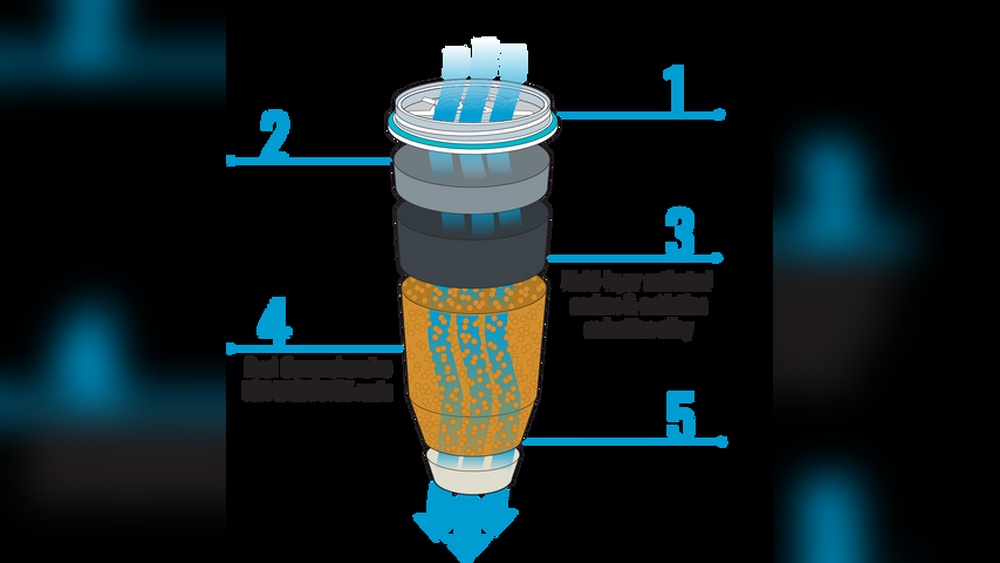
Ion exchange resins are key materials in filters. These resins are small beads made of organic polymers. They come in two main types: cation exchange resins and anion exchange resins. Cation resins remove positive ions like calcium. Anion resins remove negative ions like nitrate. Many filters use a mix for best results.
Credit: www.baristahustle.com
How Ion Exchange Filters Purify Water
Ion exchange filters clean water by removing unwanted minerals and chemicals. These filters use a special process that swaps harmful ions in water with safer ones. This method changes the water’s composition, making it healthier and better for use.
Process Of Ion Removal
The filter water passes through resin beads inside the filter. These beads attract harmful ions like calcium and magnesium. These ions stick to the beads. In return, the beads release harmless ions such as sodium or hydrogen into the water. This exchange removes the unwanted minerals that make water hard or unclean.
Role Of Resin Beads
Resin beads are tiny plastic spheres. They hold ions that the filter swaps into the water. These beads have a charge that pulls out specific unwanted ions. They work like magnets, but for minerals. The beads keep cleaning water until they get full of trapped ions.
Regeneration Cycle
After some time, resin beads lose their power. They become full of harmful ions and stop working well. The filter uses a regeneration cycle to clean the beads. A salt solution flushes out the trapped ions. This refreshes the beads, making them ready to purify water again.
Benefits Of Ion Exchange Water Filters
Ion exchange water filters offer many benefits for better water quality. These filters use a special process to clean water effectively. They improve taste, remove hardness, and reduce harmful contaminants. This makes water safer and more pleasant to use every day.
Improved Taste And Odor
Ion exchange filters remove unpleasant tastes and smells from water. They target minerals and chemicals that cause bad odor. The result is fresh, clean water that tastes better. This makes drinking and cooking more enjoyable.
Removal Of Hardness
Hard water contains minerals like calcium and magnesium. These minerals cause stains and reduce soap effectiveness. Ion exchange filters replace hardness minerals with sodium or potassium ions. This softens water, preventing buildup and improving cleaning.
Reduction Of Contaminants
These filters reduce harmful contaminants such as lead and heavy metals. They trap and remove charged particles from water. This lowers health risks and supports safer water for families. Cleaner water means peace of mind.
Applications In Everyday Life
Ion exchange water filters play a vital role in daily life. They help improve water quality in many settings. These filters remove unwanted minerals and ions from water. This process makes water safer and better for use. Below are some common applications where ion exchange filters are useful.
Household Water Softeners
Many homes use ion exchange to soften hard water. Hard water has minerals like calcium and magnesium. These minerals cause scale buildup in pipes and appliances. Water softeners replace these minerals with sodium ions. This helps protect plumbing and extends appliance life. Softened water also improves soap and detergent efficiency.
Commercial Water Treatment
Businesses use ion exchange filters to maintain water quality. Restaurants rely on soft water for cooking and cleaning. Hotels use it to protect boilers and laundry machines. Ion exchange systems help prevent scale and corrosion in equipment. This reduces maintenance costs and downtime. Clean water is crucial for many commercial operations.
Industrial Use Cases
Industries depend on ion exchange for various processes. Power plants use soft water in boilers to avoid damage. Pharmaceutical companies require pure water for drug production. Electronics manufacturers need deionized water to prevent contamination. Ion exchange filters remove harmful ions to meet these needs. This ensures product quality and equipment safety.
Maintenance And Longevity
Proper maintenance keeps ion exchange water filters working well for a long time. Regular care prevents problems and helps the filter remove impurities efficiently. Understanding how to spot issues and follow simple steps can extend the life of your filter.
Signs Of Resin Exhaustion
The resin inside the filter holds ions and cleans the water. Over time, the resin loses its power. You may notice a change in water taste or smell. Hard water stains on sinks or appliances can appear. Water may feel rough or leave residue. These signs show the resin needs attention.
Regeneration Methods
Regeneration restores the resin’s ability to work. Salt or a special solution flushes out trapped ions. This process renews the resin’s capacity to soften water. Some filters regenerate automatically. Others need manual salt refills and settings. Follow the manufacturer’s guide for proper regeneration steps.
Tips For Prolonging Filter Life
Use clean water to avoid extra dirt in the filter. Replace the salt regularly for smooth regeneration. Avoid chemicals that can damage the resin. Check the system for leaks or blockages often. Timely regeneration keeps the filter healthy. Keeping these habits ensures longer filter life and better water quality.
Credit: sswm.info
Comparing Ion Exchange With Other Filters
Ion exchange water filters are one of several options for improving water quality. Each type of filter works differently and suits different needs. Comparing ion exchange with other filters helps understand their strengths and limits.
Ion Exchange Vs Activated Carbon
Ion exchange removes minerals like calcium and magnesium. It swaps harmful ions for safer ones, softening the water. Activated carbon focuses on chemicals, odors, and tastes. It traps chlorine and organic compounds. Carbon does not remove hardness or metals well. Ion exchange targets hardness but not odors. Both filters improve water but in different ways.
Ion Exchange Vs Reverse Osmosis
Reverse osmosis pushes water through a fine membrane. It removes many impurities, including salts and metals. Ion exchange only swaps specific ions, mainly hardness-causing minerals. RO systems produce very pure water but waste some water. Ion exchange saves more water and works faster. RO is better for removing a wider range of contaminants.
Cost And Efficiency Considerations
Ion exchange filters usually cost less upfront than reverse osmosis. They use less water and energy during operation. Activated carbon filters are often cheaper but need frequent replacement. Reverse osmosis has higher maintenance costs. Efficiency depends on water quality and treatment goals. Choose a filter that fits your budget and needs.
Environmental Impact And Safety
Ion exchange water filters are popular for improving water quality. Understanding their environmental impact and safety is important. These filters use resin beads to remove unwanted minerals from water. The process involves chemicals and materials that need careful handling. Let’s explore key environmental aspects and safety concerns linked to these systems.
Disposal Of Used Resin
Used resin beads lose their ability to clean water. They must be replaced and disposed of properly. Throwing resin in regular trash can harm the environment. Some resins contain harmful substances. Special disposal methods help prevent pollution. Recycling options for resin are limited but growing. Proper disposal protects soil and water from contamination.
Chemical Use In Regeneration
Ion exchange resins need regeneration to work again. This process uses chemicals like salt or acid. These chemicals clean the resin but create waste brine. Waste brine can pollute water if not handled correctly. Safe treatment and disposal of brine reduce environmental risks. Using less harmful chemicals is a focus for new technologies.
Sustainability Factors
Choosing sustainable ion exchange systems helps protect the planet. Systems that use less water and chemicals reduce waste. Long-lasting resins lower the need for frequent replacements. Some companies offer resin recycling programs. Energy-efficient regeneration methods also cut environmental impact. Simple actions in operation make a big difference for sustainability.
Frequently Asked Questions
What Is An Ion Exchange Water Filter?
An ion exchange water filter removes unwanted ions by swapping them with harmless ones. It typically replaces calcium and magnesium with sodium, softening hard water and improving taste and usability.
How Do Ion Exchange Filters Soften Water?
They soften water by exchanging hardness ions like calcium and magnesium with sodium or potassium ions. This process prevents scale buildup and improves water quality for household use.
What Contaminants Do Ion Exchange Filters Remove?
Ion exchange filters primarily remove hardness minerals, heavy metals like lead, and certain radioactive elements. They are effective in improving water softness and reducing harmful ion concentrations.
How Often Should Ion Exchange Filters Be Replaced?
Filter replacement depends on water usage and hardness levels. Typically, replacing the resin or cartridge every 6 to 12 months ensures optimal performance and water quality.
Conclusion
Ion exchange water filters remove unwanted minerals from water. They swap harmful ions with safer ones. This process improves water taste and quality. These filters work silently and need regular care. Simple to use and effective in homes. Understanding how they work helps you choose right.
Clean water supports health and daily life. Trust ion exchange for better water every day.
Hasan Al Sarker is a Reverse Osmosis Specialist. He has worked for many years to ensure safe drinking water for all. His research paper has been published in several journals, including Issue, Medium, and Slideshare. He is recognized as a water doctor among specialists though he did not attend medical college.
Besides working as a researcher of reverse osmosis technology, he is also very fancy with the kitchen and cooking. His guides are reading thousands of people every day. As a head of content, he is responsible for all the published articles at RO System Reviews.