Understanding how water moves through soil is essential for farming, gardening, construction, and environmental science. Water movement in soil affects plant health, building stability, and even the way we manage flood risks. In my years working with soil and water management, I have seen firsthand how small changes in soil properties can change water flow dramatically.
This article explains the process clearly, covers why it matters, and gives practical steps to observe and improve water movement in your own environment.
What Is Water Movement In Soil?
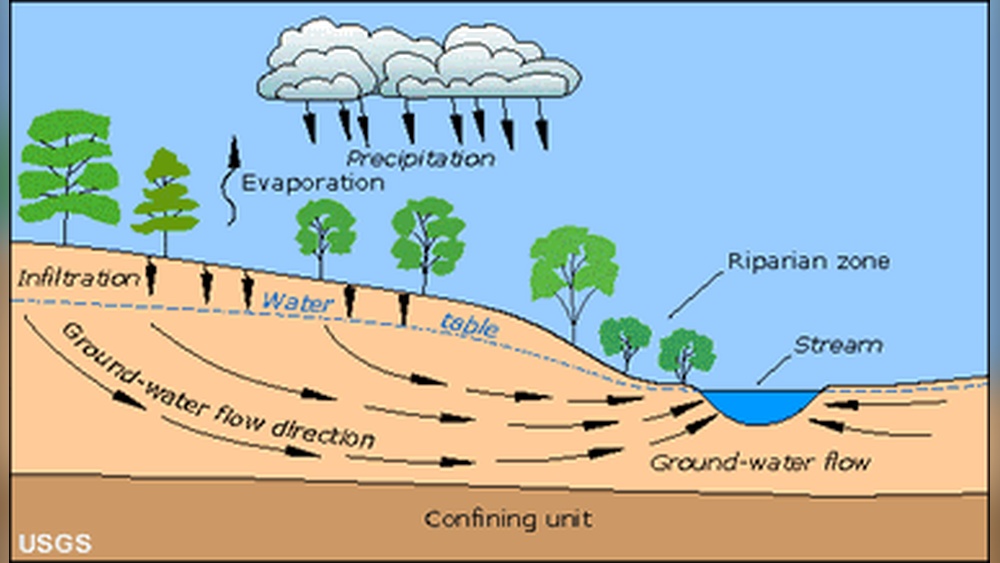
Water movement in soil refers to how water enters, travels through, and leaves the ground. This movement is driven by gravity, soil texture, and the way soil particles hold or release water. The process is called soil water infiltration and percolation.
There are three main ways water moves in soil:
Infiltration: Water enters the soil surface.
Percolation: Water moves downward through soil layers.
Capillary action: Water moves sideways or upward, against gravity, due to attraction between water and soil particles.
The speed and direction of water movement depend on the type of soil and the amount of water present.
How Does Water Move Through Soil?
The Key Processes
Water starts by entering the soil surface, usually from rain or irrigation. This is infiltration. Once inside, gravity pulls the water down, but not all water moves straight down. Some is held by soil particles. As the soil gets wetter, water fills the spaces between soil grains and moves deeper.
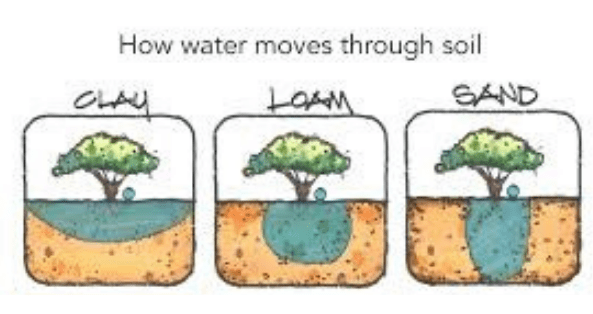
Sandy soils: Water moves quickly, sometimes over 15 centimeters per hour, because large spaces let water flow easily.
Clay soils: Water moves slowly, often less than 1 centimeter per hour, as tiny spaces hold water tightly.
Loam soils: These have a mix of sand, silt, and clay, so water movement is moderate.
Capillary action can move water upward from wet areas to dry areas, which is important for plant roots near the surface.
The Role Of Soil Structure
Soil structure refers to how soil particles group together. Well-structured soil has many small channels and pores. Water moves faster in soils with good structure. Compacted or poorly structured soils can block water, causing puddles or poor plant growth.
Credit: dailyacts.org
Why Water Movement In Soil Matters
Water movement affects:
Plant growth: Roots need water, but not too much or too little.
Soil erosion: Fast water movement can wash away topsoil.
Nutrient delivery: Nutrients travel with water to plant roots.
Building foundations: Wet or unstable soils can damage structures.
Flooding: Poor water movement increases surface runoff and flood risk.
Research shows that in agriculture, poor water movement can reduce crop yields by 20% or more. In cities, blocked water movement can cost millions in flood damage repairs each year.
Practical Examples
Farming
Farmers often test soil infiltration rates to plan irrigation. For example, a corn field with sandy loam might absorb 7 centimeters of water per hour. If the soil turns compacted, that rate drops, so the farmer needs to irrigate slowly or use aeration.
Gardening
Gardeners notice water pooling on clay soil after rain. This means the soil cannot absorb water fast enough. Adding compost can double the infiltration rate in a year, making the garden more productive.
Construction
Engineers check how quickly water drains to design safe building foundations. In areas with slow-draining soils, extra drainage systems are added to avoid water damage.
Environmental Restoration
Wetland managers measure soil water movement to restore marshes. Fast water loss can dry out wetlands, so they may add clay to slow water movement and keep habitats healthy.
Signs And Indicators Of Water Movement
You can observe water movement using simple signs:
Puddles after rain: Slow infiltration or compacted soil.
Cracks during dry periods: Water loss and clay soil shrinking.
Healthy plant growth: Good balance of water movement.
Yellowing or wilting plants: Too much or too little water reaching roots.
Surface runoff: Water flows away without soaking in.
A simple garden test involves digging a small hole, filling it with water, and timing how long it takes to drain.
Step-by-step Guidance To Test Water Movement
Testing water movement in your soil is straightforward. Here is a method I use with students and clients.
Select a spot: Choose an area you want to test.
Dig a hole: Make a hole 30 cm deep and 10 cm wide.
Fill with water: Pour water to the top and let it soak in. This wets the soil.
Refill and measure: Fill the hole again and use a stopwatch.
Record time: Check how long the water takes to drain completely.
If water drains in under 30 minutes, you have fast-draining soil (sandy or well-structured).
If it takes 30 minutes to 4 hours, drainage is moderate (loam or silty soils).
More than 4 hours means poor drainage (clay or compacted soil).
Credit: soilsmatter.wordpress.com
Data Summary: Water Movement By Soil Type
Here is a comparison of water movement rates in different soil types.
Soil Type
Infiltration Rate (cm/hour)
Common Use
Typical Plant Health
Sandy
15 – 20
Vegetables, turf
High, if irrigated often
Loam
5 – 10
Fruits, flowers
Very good
Clay
0.5 – 2
Rice, wetlands
Variable, prone to waterlogging
This table shows why different plants prefer different soils. Fast-draining sandy soil needs more frequent watering, while clay soil holds water longer.
Solution: Improve drainage by adding organic matter like compost. You can also install drainage pipes or raised beds.
Problem 2: Fast Drying Soil
Symptoms: Plants wilt quickly, soil feels dry even after watering.
Solution: Add organic matter or mulch to slow evaporation. Water early in the morning to reduce loss.
Problem 3: Surface Runoff
Symptoms: Water flows away instead of soaking in, leading to erosion.
Solution: Break up compacted layers with a garden fork. Plant ground cover to protect the soil.
Problem 4: Compaction
Symptoms: Hard soil, roots struggle to grow, poor water absorption.
Solution: Avoid walking on wet soil. Use aeration tools and add sand or compost to improve structure.
Problem 5: Uneven Wetting
Symptoms: Some areas stay wet, others dry out.
Solution: Level the surface and mix the soil well. Check for buried debris or layers blocking water.
Credit: www.youtube.com
Maintenance Tips For Healthy Soil Water Movement
Test soil regularly: Repeat infiltration tests twice a year.
Add organic matter: Compost and mulch improve structure and water holding.
Avoid heavy equipment: Machines can compact soil, blocking water flow.
Rotate crops: Different plants use water differently, helping balance the soil.
Water wisely: Use drip systems to reduce runoff and target root zones.
By following these tips, you keep the soil healthy for plants, reduce erosion, and use water efficiently.
Frequently Asked Questions
How Does Soil Texture Affect Water Movement?
Soil texture determines the size and number of spaces between particles. Sandy soils have large spaces for quick water flow, while clay soils have tiny spaces that slow water movement. Loam soils provide a balance, supporting healthy plants.
Why Do Plants Wilt Even After Watering?
If water moves too quickly through sandy soil, roots may not absorb enough moisture. In clay soils, water may sit on the surface and not reach roots. Improving soil structure helps water reach where it is needed.
Can Adding Sand Fix Drainage Problems In Clay Soil?
Adding sand alone can make things worse, creating a cement-like layer. It is better to add organic matter like compost, which breaks up clay and improves water movement.
How Often Should I Test My Soil’s Water Movement?
Testing every spring and fall gives a good picture of changes over time. If you see signs of poor drainage or fast drying, test again before making changes.
Where Can I Learn More About Soil And Water Movement?
The USDA Natural Resources Conservation Service provides detailed guides and data. You can read more on their website or visit the USDA NRCS for trusted resources.
Key Takeaway
The way water moves through soil shapes everything from plant health to building safety. By understanding your soil type, testing regularly, and making small changes, you can improve water movement. Better water management leads to stronger plants, less erosion, and a more resilient environment. For more technical details, you may also visit Wikipedia’s Water in Soil page.
Soil and water are always changing, but with these insights, you can manage both with confidence.
Hasan Al Sarker is a Reverse Osmosis Specialist. He has worked for many years to ensure safe drinking water for all. His research paper has been published in several journals, including Issue, Medium, and Slideshare. He is recognized as a water doctor among specialists though he did not attend medical college.
Besides working as a researcher of reverse osmosis technology, he is also very fancy with the kitchen and cooking. His guides are reading thousands of people every day. As a head of content, he is responsible for all the published articles at RO System Reviews.
Rain often feels pure and refreshing. Many people wonder if rain water is safe to drink directly, especially during heavy rainfall when the water appears clean. As an environmental specialist working with water quality labs, I have tested rain samples across cities and rural areas. The answer is more complex than simply yes or no. Let’s explore how rain water forms, what affects its safety, and how you can make informed decisions.
Understanding Rain Water
Rain starts as water vapor in the atmosphere. This vapor condenses into droplets and falls to the ground. At its origin, rain is usually free from minerals and salts. However, as it travels through air, it can pick up particles, chemicals, and microorganisms.
Studies show rain water can contain pH values from 5.6 to 7.0, depending on the region. For reference, drinking water should have a pH between 6.5 and 8.5. Rain’s pH is often lower due to dissolved carbon dioxide, forming mild carbonic acid. In industrial areas, rain can be more acidic, sometimes dropping below 5.0.
What many people do not realize is that rain can also interact with pollen and spores floating in the air, especially during certain seasons. This can add natural organic matter to the rain. In forested or agricultural regions, rain may pick up plant debris or even tiny insects as it falls.
These are not always dangerous, but they show how rain is rarely “just water. ”
How Rain Water Gets Contaminated
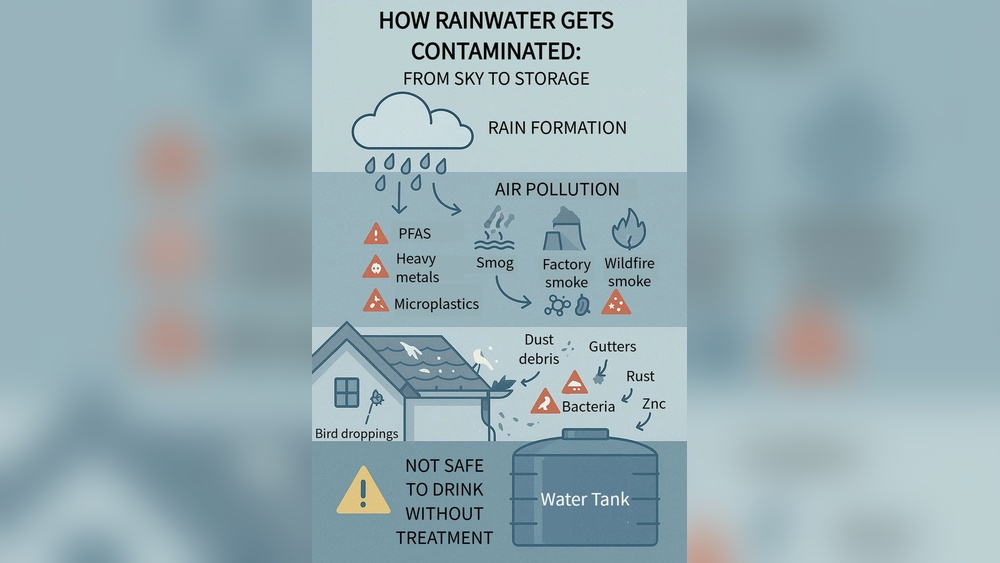
Rain water is not isolated from its environment. As it falls, it interacts with:
Dust and pollen
Smoke and exhaust from vehicles
Industrial emissions like sulfur dioxide or nitrogen oxides
Bird droppings or animal waste when collected from roofs
Microorganisms and bacteria
A 2022 study by the United States Geological Survey found that rain water in urban zones often contains microplastics and trace metals such as lead and mercury. These contaminants can pose health risks, especially for children and people with weak immune systems.
Another detail to consider: if you live near farms, pesticides and fertilizers sprayed on crops can evaporate and bond with water vapor. This means rain may carry traces of these chemicals, especially after heavy agricultural activity. In coastal areas, rain can even pick up salt particles, making it slightly salty and sometimes unsuitable for drinking without treatment.
Contaminant
Typical Levels in Rain
Safe Limit (Drinking Water)
Health Impact
Lead
0.01 – 0.05 mg/L
0.01 mg/L
Neurological damage
Microplastics
50 – 300 particles/L
No standard
Unknown, possible toxicity
Bacteria (E. coli)
10 – 500 CFU/100mL
0 CFU/100mL
Gastrointestinal illness
pH
5.0 – 7.0
6.5 – 8.5
Corrosive, digestive irritation
Why Rain Water Safety Matters
Drinking unsafe rain water can cause health problems. The most common risks are:
Stomach infections from bacteria or parasites
Heavy metal poisoning
Long-term exposure to chemicals like pesticides or industrial pollutants
In 2019, the World Health Organization estimated that contaminated water causes about 485,000 deaths each year from diarrhea. Rain water, if not properly treated, can contribute to this problem.
In rural areas, rain water is often the only source during dry seasons. Understanding its risks helps prevent illness and keeps communities healthy.
Some people believe rainwater is “natural” and therefore safer than river or well water. But in reality, the risks depend on local air quality, collection methods, and maintenance. Even in remote places, animal droppings on rooftops or leaves in gutters can introduce bacteria.
If you store rainwater for long periods, the risk of algae or mosquito growth increases, which can add new health hazards.
Practical Examples: Rain Water In Real Life
In my experience, rain water quality can vary greatly:
Urban areas: Rain falling through polluted air picks up more contaminants. In cities like New Delhi or Beijing, rain often contains high levels of particulate matter and metals.
Rural areas: Rain is usually cleaner, but contamination can occur when collected from roofs or open containers.
Remote zones: Rain in forests or mountains is often safer, but still not guaranteed to be free from bacteria.
One village in Bangladesh installed rain water collection tanks for drinking. After testing, we found E. coli bacteria in 70% of samples due to improper cleaning of storage tanks. Simple steps like covering tanks and cleaning gutters reduced contamination by 80%.
In another case, a community in Australia used rainwater for both drinking and gardening. They noticed a slight metallic taste after a nearby wildfire, which had released ash and metals into the air. Testing showed elevated lead levels. Switching to filtered rainwater solved the issue, proving that even “clean” environments can change quickly due to events like wildfires, dust storms, or construction.
Credit: www.mspurelife.com
Signs Rain Water Is Unsafe
There are clear indicators that rain water may not be safe to drink:
Cloudy or colored water: Indicates presence of dirt or chemicals.
Unusual smell: Suggests organic pollution or bacterial growth.
Tastes bitter or metallic: Often due to dissolved metals.
Collected from dirty roofs or containers: Higher chance of contamination.
Near industrial areas or highways: Risk of chemical pollutants.
If you notice any of these signs, avoid drinking the water without treatment.
Keep in mind, rainwater that seems clear and fresh can still hide invisible dangers. For example, E. coli bacteria can be present even when water looks clean. It’s not always possible to detect unsafe water by sight, taste, or smell alone—so regular testing or proper treatment is always the safer choice.
Step-by-step Guidance: Making Rain Water Safe
If you need to drink rain water, follow these practical steps:
Collect during heavy rainfall. Avoid the first 30 minutes, as early rain washes pollutants from the air.
Use clean containers. Always rinse tanks and buckets before collecting.
Filter the water. Use a cloth filter to remove visible particles.
Boil the water for 5–10 minutes. This kills bacteria and parasites.
Test for pH and metals. Home kits are available for pH and lead.
Store covered and away from sunlight. Prevents growth of algae and bacteria.
Use activated carbon filters. Helps remove organic chemicals and some metals.
Check for unusual taste or smell before drinking.
If possible, test regularly. Local health departments sometimes offer free water testing.
Following these steps reduces risks and improves safety. Boiling and filtering are the most effective methods in low-resource settings.
For even better safety, some people set up a “first flush” diverter. This simple device sends the first rainwater away from your tank, so only the cleaner water is collected. It’s a small step, but it can greatly reduce the amount of dust, pollen, or bird droppings entering your storage.
In my fieldwork, I’ve seen many families benefit from this easy improvement.
Credit: www.youtube.com
Common Problems And Solutions
Problem: Bacterial Contamination
Rain water often contains bacteria, especially when collected from roofs. Solution: Always boil or disinfect the water. Chlorine tablets can be used for emergency treatment.
Problem: Heavy Metal Contamination
In cities, rain may contain lead or mercury. Solution: Use a reverse osmosis filter or activated carbon. Avoid drinking rain water near factories.
Problem: Dirty Collection Systems
Gutters and tanks can harbor mold, insects, and waste. Solution: Clean all collection surfaces regularly. Use mesh screens to keep out debris.
Problem: Chemical Pollution
Rain water can have pesticides or industrial chemicals. Solution: Use advanced filters and avoid collecting water during high pollution days.
Problem: Storage Issues
Water stored in open tanks grows bacteria and algae. Solution: Store water in closed, shaded containers. Use food-grade plastic or stainless steel.
A less obvious problem is the buildup of biofilm in pipes or tanks. Biofilm is a thin layer of bacteria and algae that can form on surfaces and is often hard to see. It can make water unsafe even if the tank looks clean.
Scrubbing and disinfecting tanks every few months is the best way to prevent this.
Maintenance Tips For Rain Water Systems
Clean gutters and tanks monthly to prevent buildup of dirt and leaves.
Use covers or mesh screens to keep insects and animals out.
Disinfect storage tanks every 3–6 months with bleach or boiling water.
Test water every season for bacteria and metals, especially after storms.
Check filters and replace as needed. Carbon filters lose effectiveness after 6–12 months.
Monitor for leaks or cracks in tanks that could let in contaminants.
Record maintenance dates to stay organized.
These tips help keep your rain water safe for drinking and daily use.
If you notice green stains or slippery surfaces inside tanks, that’s a sign of algae or biofilm. Cleaning with a brush and mild bleach solution can solve this. Also, always check the lid of your storage tank—sometimes small animals or insects can find their way inside, bringing germs with them.
Key Data Summary
To quickly compare rain water safety features, here is a summary:
Factor
Safe Rain Water
Unsafe Rain Water
Appearance
Clear, colorless
Cloudy, colored
Smell
No smell
Musty, chemical
Source
Clean roof, container
Dirty roof, open area
Test Results
No bacteria, safe pH
Bacteria present, low pH
Treatment
Boiled, filtered
Untreated
Frequently Asked Questions
Is It Safe To Drink Rain Water Directly?
No, rain water is usually not safe to drink straight from the sky. It can contain bacteria, chemicals, or metals picked up from the air and surfaces. Always treat and filter before drinking.
How Can I Make Rain Water Safe For Drinking?
Boiling for at least five minutes kills most germs. Using a carbon filter removes many chemicals. Collect rain during heavy showers and avoid the first runoff to reduce pollutants.
Are There Health Benefits To Drinking Rain Water?
Rain water is naturally soft and free from salts. However, untreated rain can pose health risks. Only drink treated rain water for health benefits, such as avoiding hard water issues.
Does Boiling Rain Water Remove All Contaminants?
Boiling removes bacteria and viruses but does not remove heavy metals or chemicals. For full safety, combine boiling with filtration.
Can Rain Water Be Safer Than Tap Water?
In some rural areas, rain water may be cleaner than tap water if properly treated and stored. Always test both sources to confirm safety.
Credit: sciencenotes.org
Key Takeaway
Rain water is not always safe to drink straight from the sky. It can contain bacteria, chemicals, and metals from the environment. With proper collection, filtration, and boiling, rain water can be made safe for drinking. Regular testing and maintenance are essential.
Make informed choices based on your local conditions and always prioritize health and safety.
Hasan Al Sarker is a Reverse Osmosis Specialist. He has worked for many years to ensure safe drinking water for all. His research paper has been published in several journals, including Issue, Medium, and Slideshare. He is recognized as a water doctor among specialists though he did not attend medical college.
Besides working as a researcher of reverse osmosis technology, he is also very fancy with the kitchen and cooking. His guides are reading thousands of people every day. As a head of content, he is responsible for all the published articles at RO System Reviews.
Water is the most essential nutrient for human life. Every cell, tissue, and organ depends on water to function well. Many people know that drinking enough water is important, but few understand how the body actually absorbs water and makes it available for use.
This process involves several steps, organs, and some interesting science. Understanding how water is absorbed can help you make better choices about hydration and health.
What Does Water Absorption Mean?
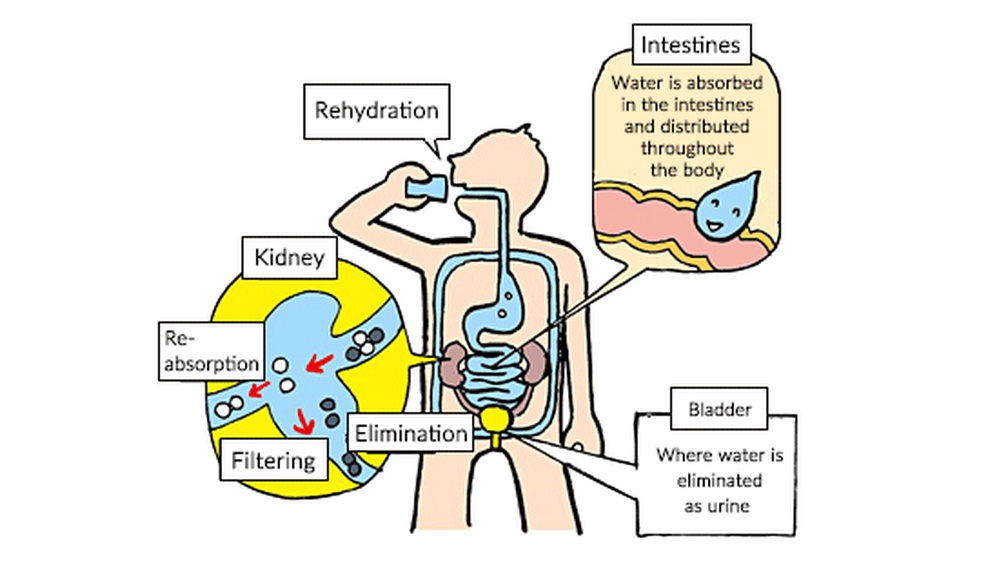
Water absorption is the process where fluid from what you drink or eat enters your body’s blood circulation. This allows water to reach all your cells. Most of this absorption happens in the digestive system, mainly the small and large intestines. The body is very efficient at this process, so you get the most benefit from every sip of water.
How Water Moves Through The Body
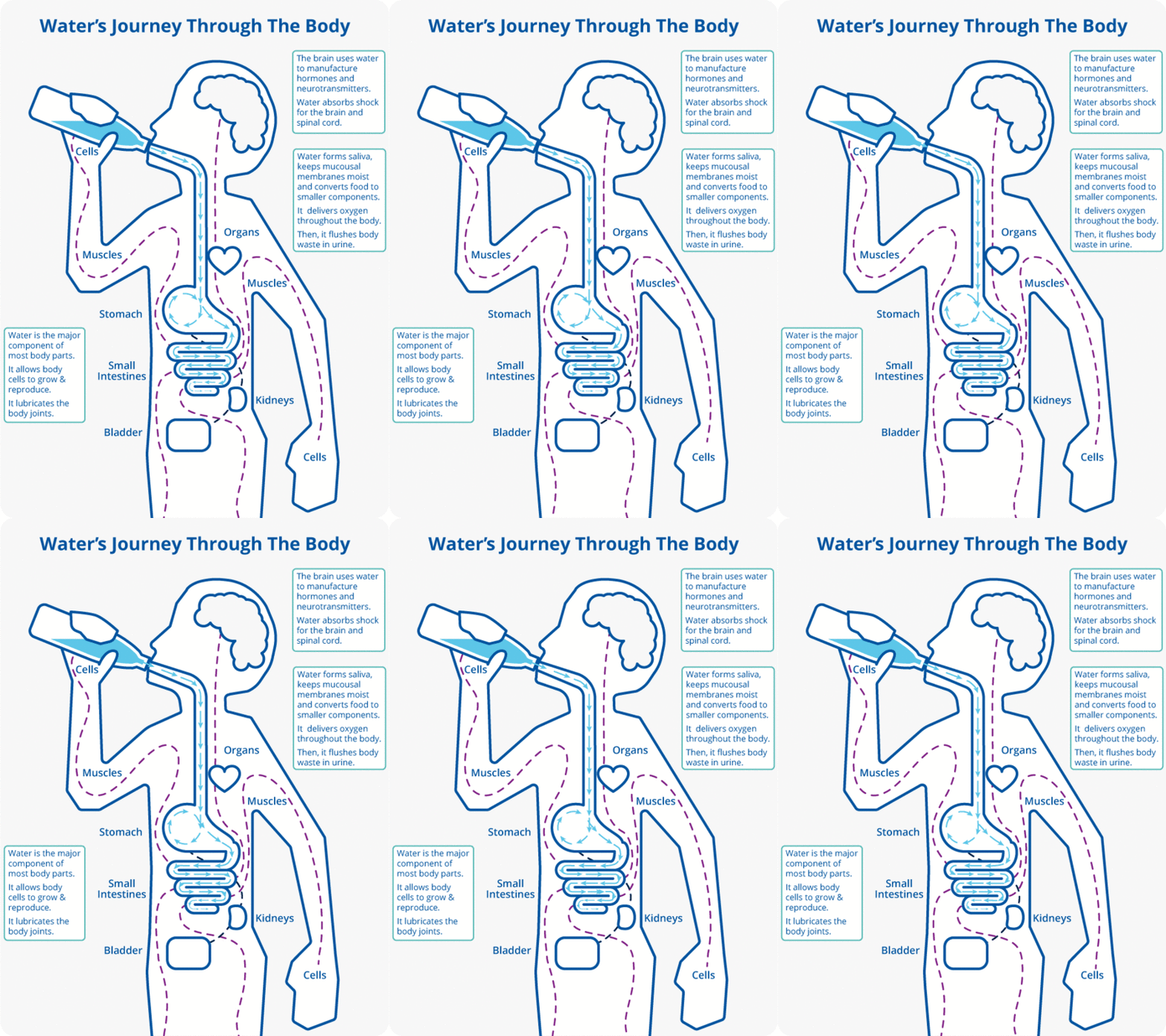
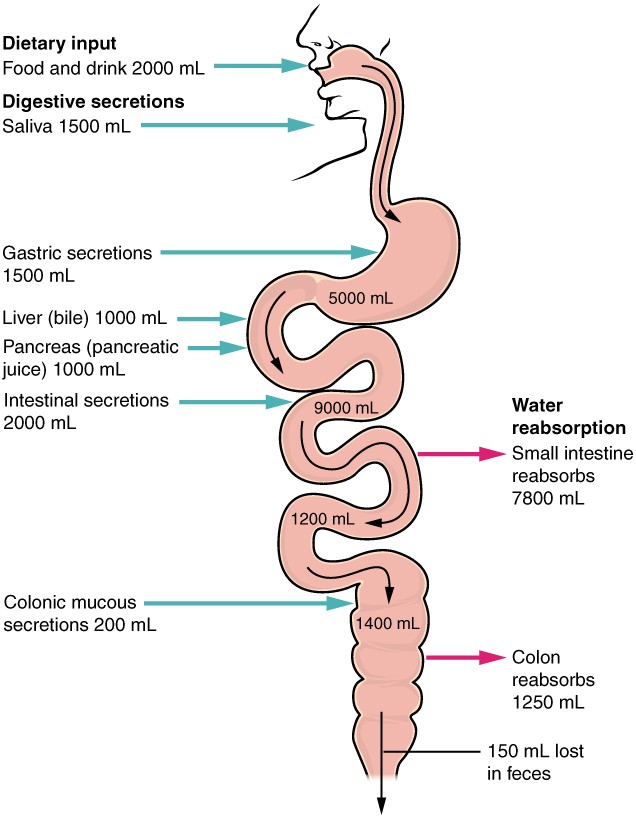
When you drink a glass of water, the journey begins in your mouth. It flows down your throat to the stomach. From there, it moves into the small intestine, which is the main site for water absorption. Roughly 80% of water is absorbed in the small intestine. The remaining water passes into the large intestine, where the last bit is taken up, leaving only a small amount to be removed as waste.
Step-by-step Path Of Water
Mouth to Stomach: Water enters quickly and does not need to be digested.
Stomach to Small Intestine: Water passes through the stomach in about 5–10 minutes.
Absorption in Small Intestine: Most water is absorbed here, mainly in the jejunum and ileum.
Final Absorption in Large Intestine: About 10–20% of water is absorbed here.
Enters Bloodstream: Water moves into blood vessels and is carried to organs and tissues.
Why Proper Water Absorption Matters
Without proper water absorption, your body cannot maintain balance. Water helps regulate temperature, transport nutrients, remove waste, and keep joints lubricated. Even mild dehydration can impact energy, focus, and physical performance. Studies show a 2% drop in body water can lead to noticeable fatigue and headaches.
Key Organs In Water Absorption
Three main organs help absorb and manage water:
Small intestine: Main absorption site.
Large intestine: Reabsorbs water from waste.
Kidneys: Control how much water is kept or removed as urine.
Below is a summary table showing the main organs and their role:
Organ
Main Function in Water Absorption
Percentage of Water Absorbed
Small Intestine
Primary absorption into blood
~80%
Large Intestine
Reabsorbs remaining water
~15–20%
Kidneys
Regulate water balance
Variable
Credit: www.waterh.com
How The Body Absorbs Water: The Science
Water absorption happens mainly by osmosis, a process where water moves from areas of low solute (like salt or sugar) to high solute through a semipermeable membrane. In the intestine, water passes through the lining into the blood because the body maintains a higher concentration of solutes inside.
Transport proteins called aquaporins help speed up this movement. This means water can move quickly and efficiently into your bloodstream, often within minutes of drinking.
Practical Examples Of Water Absorption
You might wonder how fast water gets into your system after you drink it. Research shows that when you drink 300 ml (about 1.3 cups) of water, half can enter your blood within 10–15 minutes. After a salty meal, your body may absorb water more slowly, as the intestines retain water to balance sodium.
Another example is oral rehydration solutions. These drinks contain small amounts of sugar and salt, which help water absorption faster through the intestine. This is why such solutions are used for quick hydration in cases of diarrhea or vomiting.
Signs Of Good And Poor Water Absorption
Good water absorption means you stay hydrated, your urine is clear or light yellow, and you feel alert. Poor absorption can lead to symptoms such as:
Dry mouth and skin
Dark urine
Fatigue and headache
Dizziness
Constipation
If you drink a lot but still have these symptoms, your absorption may be poor. Conditions like diarrhea, Crohn’s disease, or certain medications can reduce water absorption.
Step-by-step Guide To Maximizing Water Absorption
Here is how you can help your body absorb water more efficiently:
Drink water slowly rather than all at once. This gives your body time to absorb.
Eat water-rich foods like cucumber, watermelon, and oranges. They provide extra hydration.
Add a pinch of salt or use oral rehydration solutions after heavy sweating or illness.
Avoid excess caffeine and alcohol, which can increase water loss.
Spread water intake throughout the day instead of drinking large amounts at once.
Exercise moderately; light movement can stimulate digestion and absorption.
Check your urine color. Aim for pale yellow as a sign of good hydration.
Credit: www.aquasana.com
Common Problems And Solutions
Several issues can affect water absorption:
Diarrhea
Diarrhea speeds up the movement of food and water through the gut, leaving less time for absorption. Oral rehydration solutions help correct this by providing sodium and glucose to improve absorption.
Chronic Conditions
Diseases like Crohn’s, celiac, or irritable bowel syndrome can damage the intestine, making absorption less effective. Managing these conditions with proper diet, medication, and medical advice is important.
Medications
Some medicines, like certain laxatives or diuretics, can reduce water reabsorption. Always check with your doctor if you notice symptoms of dehydration.
Age And Absorption
Older adults may absorb water less efficiently. They should pay extra attention to hydration, as their sense of thirst may also decrease.
Maintenance Tips For Healthy Water Absorption
Keep your body working well with these simple habits:
Drink small amounts of water often, especially in hot weather or when active.
Include fruits and vegetables at every meal.
Avoid large amounts of sugary drinks, which can pull water into the intestine and cause loss.
Monitor your hydration status regularly, especially if you have a medical condition.
Discuss any ongoing symptoms with your doctor, especially if you feel thirsty all the time or pass very little urine.
Credit: courses.lumenlearning.com
Data Snapshot: How Much Water Is Absorbed?
To help visualize, here is another useful table comparing water absorption rates in different parts of the intestine:
Section of Intestine
Approximate Amount Absorbed per Day (Liters)
Key Feature
Duodenum
0.5–1.0
First absorption site
Jejunum
5–6
Main absorption area
Ileum
2–3
Secondary absorption
Colon
1.5
Final water recovery
This data shows that most water is absorbed in the small intestine, with the colon finishing the process and keeping your body balanced.
Frequently Asked Questions
How Long Does It Take For Water To Be Absorbed After Drinking?
Water absorption begins within 5 to 10 minutes after drinking and most of it enters your bloodstream within 30 to 120 minutes. Factors like the amount drunk, stomach contents, and temperature can affect the speed.
Can You Drink Too Much Water At Once?
Yes, drinking large amounts very quickly can overwhelm the kidneys and dilute blood sodium, a condition called hyponatremia. It is safer and more effective to drink water in small, regular amounts throughout the day.
Do Sports Drinks Help With Water Absorption?
Sports drinks with balanced amounts of electrolytes and sugar can help absorption, especially during heavy sweating. However, for most people, plain water and a balanced diet are enough for daily hydration.
Is Urine Color A Reliable Sign Of Hydration?
Urine color is a simple indicator. Pale yellow means you are hydrated, while dark yellow or amber suggests you need more water. Some foods and vitamins can also affect urine color, so use this as a general guide.
Are There Medical Conditions That Affect Water Absorption?
Yes, digestive diseases like Crohn’s, celiac, and chronic diarrhea can reduce water absorption. If you have ongoing symptoms of dehydration despite drinking water, consult your doctor.
Key Takeaway
Efficient water absorption is vital for good health. Most water is absorbed in the small intestine through osmosis, with the process completed in the colon. Pay attention to your hydration habits, eat a balanced diet, and recognize signs of poor absorption early.
If you have a medical condition or notice persistent symptoms, seek professional advice.
Hasan Al Sarker is a Reverse Osmosis Specialist. He has worked for many years to ensure safe drinking water for all. His research paper has been published in several journals, including Issue, Medium, and Slideshare. He is recognized as a water doctor among specialists though he did not attend medical college.
Besides working as a researcher of reverse osmosis technology, he is also very fancy with the kitchen and cooking. His guides are reading thousands of people every day. As a head of content, he is responsible for all the published articles at RO System Reviews.
Water is one of the most important elements for healthy skin. Many people invest in creams and treatments, but often overlook how much hydration matters. As a skincare expert, I have seen firsthand how proper water intake can change the look and feel of skin. This article explores how water helps your skin, how it works, why it matters, practical ways to use it, signs of dehydration, a step-by-step routine, common mistakes, maintenance tips, and answers to the most common questions.
Understanding Water’s Role In Skin Health
The human body is about 60% water. Skin is the largest organ and holds nearly 30% of the body’s water content. Water is crucial for keeping skin elastic, smooth, and clear. When you drink enough water, your skin cells stay plump and function well. Without enough water, your skin quickly shows signs of dryness and aging.
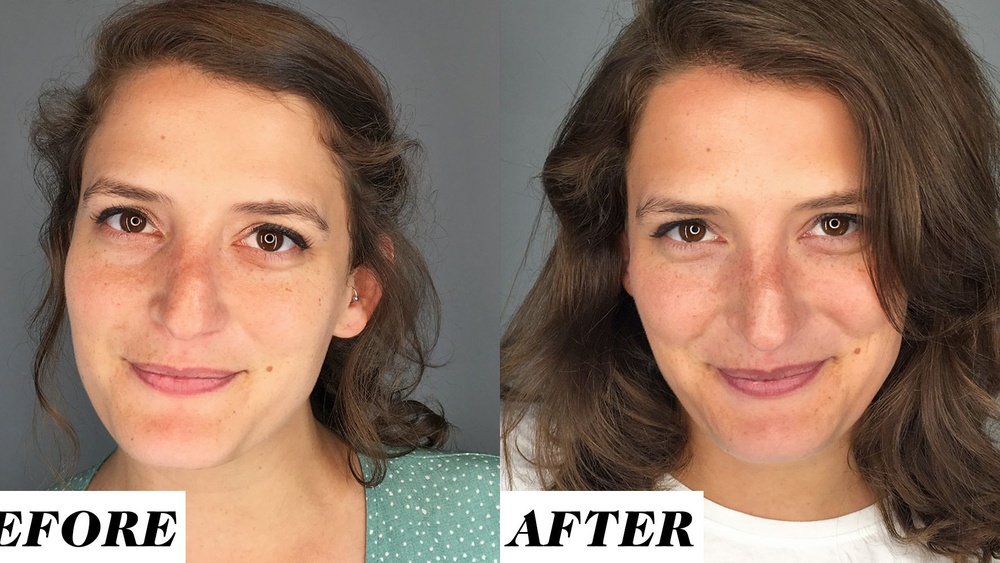
Research from the University of Wisconsin shows that increasing your water intake can improve the density and thickness of the outer skin layer. Studies also suggest that drinking more water can boost skin hydration in as little as two weeks.
How Water Works For Skin
Water benefits the skin in several ways:
Hydration – Water reaches the skin cells through the bloodstream and helps keep them hydrated from within.
Toxin Removal – It flushes out waste and toxins, reducing breakouts and irritation.
Nutrient Delivery – Water helps transport nutrients to skin cells, supporting repair and growth.
Temperature Control – It regulates the body’s temperature, which prevents heat-related skin stress.
Water In Different Skin Layers
Skin has three main layers. Here’s how water affects each:
Skin Layer
Water’s Role
Impact on Skin
Epidermis (outer)
Keeps surface soft
Reduces flakiness, strengthens barrier
Dermis (middle)
Stores most water
Maintains elasticity and firmness
Hypodermis (deep)
Supports fat and tissue
Provides structure and cushioning
Credit: www.cosmopolitan.com
Why Water Matters For Skin
Healthy skin relies on proper hydration. When you are hydrated, your skin:
Looks brighter and less dull
Feels smoother and softer
Heals faster from wounds and irritation
Shows fewer lines and wrinkles
A 2015 study in Clinical, Cosmetic and Investigational Dermatology found that people who increased water intake for four weeks had improved skin hydration, especially if they had low water intake before.
Measurable Benefits
Drinking 2 liters of water daily can increase skin hydration by up to 14% in dry individuals.
Well-hydrated skin is 20% more elastic than dehydrated skin.
People who drink enough water report less itchiness and tightness.
Practical Examples Of Water Helping Skin
Here are real cases where water made a difference:
Acne Reduction: Clients who suffered from mild acne saw fewer breakouts after increasing their daily water intake to 2.5 liters.
Reduced Dryness: Office workers in air-conditioned rooms noticed less flakiness when they kept a water bottle and sipped regularly.
Faster Healing: People recovering from sunburn healed quicker when they drank more water, as their skin cells repaired faster.
Signs Your Skin Needs More Water
It is easy to miss signs of dehydration in the skin. Watch for these clues:
Dry, flaky patches on cheeks or forehead
Tightness after washing face
Fine lines appearing suddenly
Dull, lackluster tone
Itchiness without a clear cause
If you see these signs, your skin likely needs more water.
Step-by-step Guidance To Use Water For Skin Health
Follow these expert steps to make sure your skin gets the water it needs:
1. Set A Daily Goal
Aim for 2–2. 5 liters (about 8–10 cups) of water per day. Adjust for activity, weather, or if you sweat more.
2. Drink Small Amounts Often
Sip water throughout the day, rather than drinking large amounts at once. This keeps hydration steady.
3. Eat Water-rich Foods
Add foods like cucumber, watermelon, and oranges. These boost skin hydration naturally.
4. Use A Humidifier
Indoor air can dry out skin. A humidifier adds moisture to your home, helping your skin stay soft.
5. Choose Gentle Skincare
Avoid harsh soaps and alcohol-based products that strip moisture. Use mild cleansers and moisturizers.
6. Apply Moisturizer After Washing
Lock in water by applying moisturizer while your skin is still damp.
7. Monitor Your Skin
Check your skin’s look and feel each week. Adjust water intake as needed.
Credit: www.medindia.net
Common Problems And Solutions
Even with good intentions, some people struggle with skin hydration. Here are common issues and how to fix them:
Problem: Forgetting To Drink Water
Many are busy or simply forget to drink water.
Solution:
Set reminders on your phone. Keep a water bottle at your desk. Make water part of your routine, such as drinking a glass before each meal.
Problem: Drinking But Still Dry Skin
Sometimes, you drink enough but skin stays dry.
Solution:
Check other factors. Are you using harsh cleansers? Is indoor air too dry? Add a humidifier or switch to gentler skincare products.
Problem: Overhydration
Rarely, people drink too much water, which can lower salt levels in the body.
Solution:
Stay within the recommended 2–2. 5 liters per day unless you have specific medical advice.
Problem: Mistaking Thirst For Hunger
Some people eat when they are actually thirsty.
Solution:
If you feel hungry, try drinking a glass of water first. This can help you recognize true thirst.
Problem: Environmental Factors
Air conditioning, heating, and sun exposure can dry out skin.
Solution:
Protect your skin with SPF, wear hats, and use moisturizers. Drink more water if you spend time in these environments.
Maintenance Tips For Lasting Results
Long-term skin health needs consistent habits. Here are tips that work:
Carry a reusable water bottle everywhere.
Drink a glass of water after waking up and before bed.
Add lemon or mint for flavor if plain water is boring.
Track your water intake with an app.
Review your skincare routine every few months. Adjust as needed for weather or age.
Regularly eating vegetables and fruits with high water content also helps. For more about skin health and nutrition, see the American Academy of Dermatology.
How Much Water Should I Drink Each Day For Healthy Skin?
Most experts suggest 2 to 2. 5 liters daily for adults. This amount keeps your skin cells hydrated and supports overall health, but you may need more if you exercise or live in a hot climate.
Can Drinking Water Clear Up Acne?
Water helps remove toxins and supports skin healing. While it cannot cure all acne, good hydration often reduces breakouts and supports other acne treatments.
Is It Possible To Drink Too Much Water For Skin?
Yes, drinking far beyond your body’s needs can be unsafe. Stick to recommended amounts unless your doctor says otherwise. Overhydration can dilute minerals in your body.
Are Water-rich Foods As Good As Drinking Water?
Foods like cucumber, celery, and watermelon add to your hydration. However, you still need to drink water because foods alone usually do not provide enough.
How Long Does It Take To See Results In My Skin?
Most people notice softer, brighter skin after 2 to 4 weeks of better hydration. Results depend on your starting point, diet, and skincare habits.
Key Takeaway
Water is vital for healthy, glowing skin. Proper hydration makes your skin more elastic, clear, and resilient. Remember to drink enough water daily, eat water-rich foods, and use gentle skincare. Small changes can lead to big improvements in the look and feel of your skin.
For lasting results, make hydration a permanent part of your routine.
Hasan Al Sarker is a Reverse Osmosis Specialist. He has worked for many years to ensure safe drinking water for all. His research paper has been published in several journals, including Issue, Medium, and Slideshare. He is recognized as a water doctor among specialists though he did not attend medical college.
Besides working as a researcher of reverse osmosis technology, he is also very fancy with the kitchen and cooking. His guides are reading thousands of people every day. As a head of content, he is responsible for all the published articles at RO System Reviews.
Many people search for simple and natural ways to lose weight. One popular method is drinking water with lemon. You may see celebrities or fitness experts talking about this in magazines and on social media. But does it really work? As a health expert with years of experience helping people manage weight, I have seen the real effects and the science behind this habit. In this article, I will explain how water and lemon can support your weight loss journey, what makes it effective, and how you can use it properly.
What Is Water With Lemon?
Water with lemon is simply fresh lemon juice mixed in water. Some people like it hot, while others prefer it cold. You can adjust the amount of lemon and water based on your taste. Usually, people squeeze half a lemon into one glass (about 250 ml) of water. This drink is low in calories and easy to prepare.
Lemon contains vitamin C, antioxidants, and small amounts of minerals like potassium. It is also a good source of citric acid, which gives it a sour taste. Water itself is essential for the body, and when you combine both, you get a refreshing beverage that can fit into many diets.
How Water And Lemon Support Weight Loss
1. Boosts Hydration
Proper hydration is necessary for metabolism and fat burning. When you drink enough water, your body works better. Water with lemon makes drinking water more enjoyable, so you may drink more. Studies show that drinking more water increases the number of calories you burn, also called resting energy expenditure.
For example, a 2016 study found that adults who drank 500 ml of water before meals lost 44% more weight over 12 weeks compared to those who did not.
2. Helps You Feel Full
Drinking a glass of water with lemon before meals can help you feel full. This simple habit can reduce how much you eat. Water takes up space in your stomach, and the sour taste of lemon may also reduce appetite for some people.
3. Supports Digestion
Lemon water can encourage the production of stomach acid and bile, which helps digest food properly. Good digestion is linked to better weight control because it prevents bloating and supports regular bowel movements.
4. Low In Calories
One glass of water with half a lemon has less than 10 calories. If you replace high-calorie drinks like soda or juice with lemon water, you can reduce your daily calorie intake.
5. Boosts Metabolism
Some research suggests that drinking cold water can temporarily boost your metabolism. Your body uses energy to warm the water to body temperature. While the effect is small, every bit helps when you are trying to lose weight.
6. Provides Antioxidants
Lemons are rich in vitamin C, which acts as an antioxidant. Antioxidants fight free radicals in your body and can reduce inflammation. Chronic inflammation is linked to obesity and weight gain.
Why This Matters For Weight Loss
Weight loss is not only about eating less and exercising more. It is about building healthy habits that you can keep for a long time. Water with lemon is an easy habit that supports many parts of weight loss:
It helps you avoid sugary drinks
It keeps you hydrated
It may improve digestion
It fits into most diets, including low-carb and intermittent fasting
These benefits are not magic, but they can make your weight loss journey easier.
How To Prepare Water With Lemon
Making water with lemon is easy, but a few simple steps can improve its taste and benefits.
Take one fresh lemon. Wash it well.
Cut the lemon in half.
Squeeze the juice from half the lemon into a glass (about 250 ml) of water.
Stir well.
Add ice, mint, or a slice of ginger if you like extra flavor.
For a stronger taste, use the whole lemon. For lighter flavor, use less. You can drink it hot or cold, depending on the weather and your preference.
Credit: www.youtube.com
Practical Examples Of Using Water With Lemon
Many of my clients started their day with a glass of lemon water and found it helped them control morning cravings. Others replaced their afternoon soda with lemon water and noticed they felt lighter and less tired.
For example, one client who drank lemon water before lunch lost 4 kilograms in two months with this simple habit and some exercise. Another person used lemon water to help with digestion after heavy meals and reduced bloating.
Signs That Water With Lemon Is Helping
You might notice these positive changes if you drink water with lemon regularly:
You feel less hungry between meals
Your skin looks clearer due to better hydration
You go to the bathroom more regularly
You lose weight slowly and steadily
You have more energy during the day
If you experience stomach discomfort, use less lemon or drink with food.
Step-by-step Guidance To Add Lemon Water To Your Routine
Here is a simple way to get started:
Start Small: Begin with one glass of lemon water in the morning.
Choose the Right Lemon: Use fresh, not bottled, lemon juice for the most nutrients.
Be Consistent: Drink it at the same time each day, like after waking up or before meals.
Replace Sugary Drinks: Swap one soda or juice with lemon water daily.
Adjust the Flavor: Add mint, cucumber, or ginger for variety.
Monitor Your Body: Notice how your body responds. If you feel any discomfort, reduce the lemon.
Stay Balanced: Do not rely only on lemon water. Combine it with healthy food and regular activity.
Common Problems And Solutions
Problem: Tooth Sensitivity
Lemon juice is acidic and can weaken tooth enamel.
Solution: Use a straw to drink lemon water, rinse your mouth with plain water after, and do not brush your teeth right after drinking.
Problem: Stomach Upset
Some people feel heartburn or stomach pain after drinking lemon water.
Solution: Use less lemon, drink with food, or switch to warm lemon water to reduce discomfort.
Problem: Lack Of Results
You may not see quick weight loss just from lemon water.
Solution: Remember, lemon water supports weight loss but does not replace healthy eating or exercise. Use it as part of a balanced plan.
Credit: www.humnutrition.com
Comparing Lemon Water With Other Drinks
It is helpful to see how lemon water compares to other common beverages. The table below shows calories and sugar content for each drink (based on a 250 ml serving).
Beverage
Calories
Sugar (g)
Vitamins/Minerals
Lemon Water
8
1
Vitamin C, Potassium
Regular Soda
105
27
None
Fruit Juice
110
24
Vitamin C
Plain Water
0
0
None
You can see that lemon water is very low in calories and sugar compared to soda or juice.
Maintenance Tips For Long-term Success
Wash Lemons Well: Always clean lemons to remove any pesticides or dirt.
Change Your Routine: Try lemon with other herbs like mint or basil so you do not get bored.
Stay Consistent: Habits work best when you do them every day.
Monitor Your Teeth: If you notice sensitivity, reduce the amount of lemon or see your dentist.
Keep It Fresh: Use fresh lemons instead of bottled juice for the most benefits.
Frequently Asked Questions
How Much Lemon Water Should I Drink Daily For Weight Loss?
Start with one to two glasses per day. Drinking more is safe for most people, but listen to your body and do not overdo it if you feel discomfort.
Can I Drink Lemon Water On An Empty Stomach?
Yes, you can. Many people find it refreshing in the morning. If you have a sensitive stomach, try drinking it after a meal instead.
Does Lemon Water Detox Your Body?
Lemon water can help your body stay hydrated and may support your liver, but it does not “detox” in a medical sense. Your liver and kidneys already remove toxins naturally.
Is Lemon Water Better Than Plain Water For Weight Loss?
Both help with hydration, but lemon water can make it easier to drink more water and avoid sugary drinks. The main benefit comes from choosing it over high-calorie drinks.
Can I Use Bottled Lemon Juice Instead Of Fresh Lemons?
Fresh lemons give you more vitamin C and better flavor. Bottled juice often contains preservatives and less vitamin C, so it is best to use fresh lemons when possible.
Key Takeaway
Drinking water with lemon is a simple, low-calorie habit that can support weight loss in several ways. It helps you stay hydrated, may reduce your appetite, and makes it easier to avoid sugary drinks. The effects are not dramatic or magical, but as part of a healthy lifestyle, lemon water can make a real difference.
Pay attention to your body’s response and use this habit alongside balanced eating and regular activity for the best results.
Hasan Al Sarker is a Reverse Osmosis Specialist. He has worked for many years to ensure safe drinking water for all. His research paper has been published in several journals, including Issue, Medium, and Slideshare. He is recognized as a water doctor among specialists though he did not attend medical college.
Besides working as a researcher of reverse osmosis technology, he is also very fancy with the kitchen and cooking. His guides are reading thousands of people every day. As a head of content, he is responsible for all the published articles at RO System Reviews.