Are you curious about what your PUR water filter actually removes from your tap water? You might think it’s just about making water taste better, but there’s a lot more going on beneath the surface.
Understanding exactly what contaminants are filtered out can help you feel confident every time you take a sip. You’ll discover the key impurities PUR targets and why that matters for your health and peace of mind. Keep reading to learn how your water filter works to protect you and your family.
How Pur Water Filters Work
Understanding how PUR water filters work helps you trust the water you drink. These filters clean water using smart technology. The process removes many impurities. It improves taste and safety.
Filtration Technology
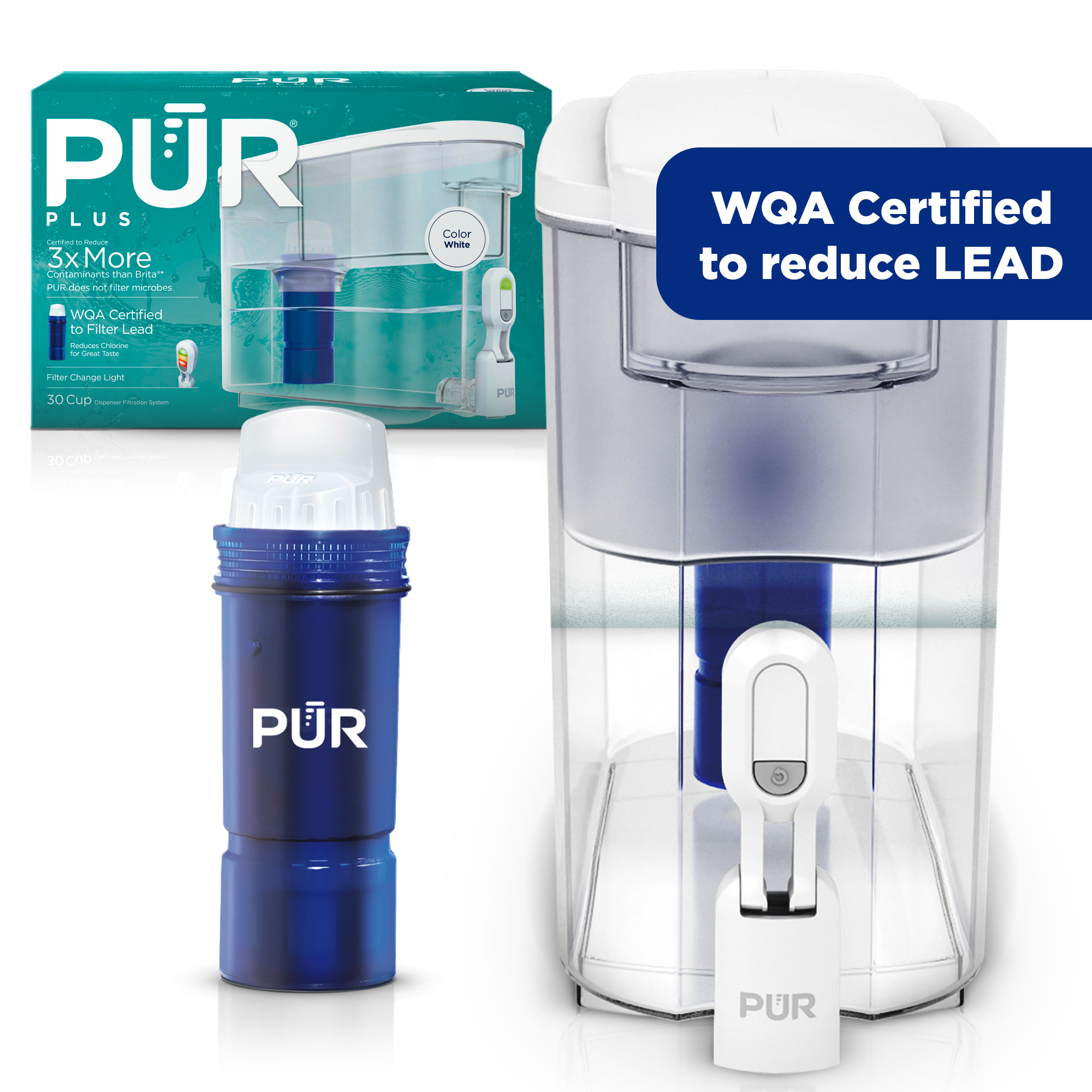
PUR water filters use activated carbon and ion exchange. Activated carbon captures chlorine and bad odors. Ion exchange removes heavy metals like lead and mercury. Water passes through these layers slowly. This gives enough time to trap contaminants. The filter also reduces some pesticides and pharmaceuticals. The result is cleaner, better-tasting water.
Filter Components
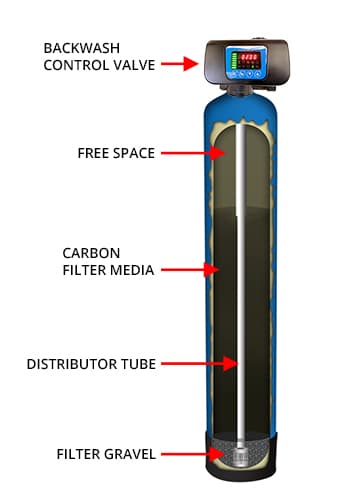
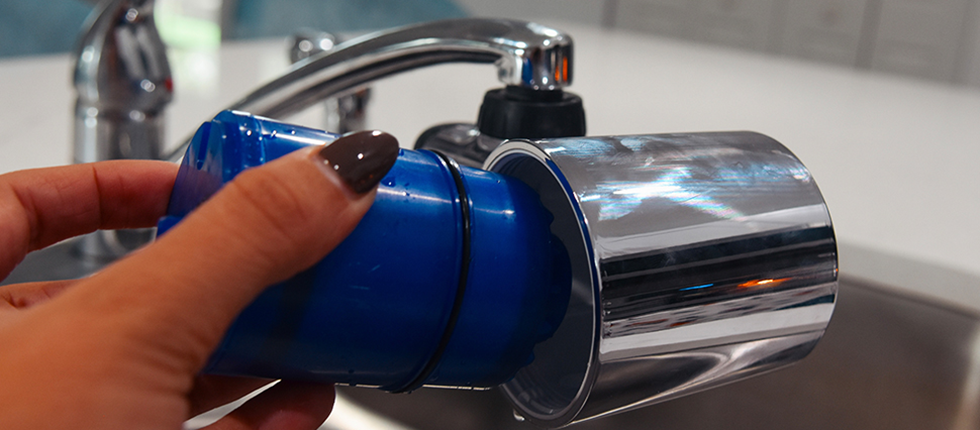
The filter has several key parts. First is the activated carbon block. It looks like a small black cylinder. This part traps chemicals and particles. Next is the ion exchange resin. It captures heavy metals. Finally, a screen stops large debris from entering. These parts work together. They keep water pure and fresh.
Common Contaminants Removed
Pur water filters clean many harmful substances from tap water. They improve taste and safety by removing common pollutants. Understanding these contaminants helps explain why Pur filters are popular.
Chlorine And Chloramine
Chlorine and chloramine are chemicals used to kill germs in water. These chemicals can cause bad taste and smell. Pur filters reduce both, making water fresher and better to drink.
Lead And Heavy Metals
Lead and heavy metals come from old pipes and the environment. They can harm health, especially in children. Pur filters block these metals, helping protect your family.
Pesticides And Herbicides
Pesticides and herbicides come from farms and gardens. These chemicals can enter water and cause health risks. Pur filters remove many of these harmful substances.
Pharmaceuticals
Traces of medicines can reach water sources. These can affect health if consumed over time. Pur filters reduce many pharmaceutical residues, improving water quality.
Microorganisms
Microorganisms include bacteria, viruses, and parasites. They can cause illness if swallowed. Pur filters trap many harmful microbes, making water safer to drink.
Benefits Of Using Pur Filters
Using PUR water filters offers many benefits for daily water use. These filters improve water quality in simple and effective ways. People enjoy better tasting water and feel safer drinking it. The advantages go beyond taste and health. PUR filters also help save money over time. These benefits make PUR filters a smart choice for many households.
Improved Taste And Odor
PUR filters reduce chlorine and other chemicals that cause bad taste. Water tastes cleaner and fresher after filtering. Removing odors makes drinking water more pleasant. This encourages people to drink more water daily. Fresh tasting water also improves cooking and making drinks.
Health Advantages
PUR filters remove harmful contaminants like lead and mercury. These metals can cause health problems over time. The filter also reduces pesticides and bacteria. Cleaner water supports better overall health. Families can trust their tap water is safer to drink.
Cost Savings Compared To Bottled Water
Using a PUR filter costs less than buying bottled water. Bottled water expenses add up quickly over weeks and months. PUR filters provide a steady supply of clean water at home. This reduces plastic waste and saves money. It is an eco-friendly and budget-friendly choice.
Limitations Of Pur Water Filters
PUR water filters are popular for improving water taste and reducing many common impurities. They help make tap water safer and cleaner for daily use. Still, these filters have some limits that buyers must know.
Understanding these limits helps users set the right expectations. It also guides proper care and maintenance of the filter system.
Contaminants Not Removed
PUR filters do not remove all types of contaminants. They mainly target chlorine, lead, mercury, and some pesticides. But they cannot remove bacteria, viruses, or fluoride. Hard minerals like calcium and magnesium also stay in the water. These limits mean PUR filters do not make water completely pure. They reduce certain chemicals but do not sterilize water.
Filter Lifespan And Maintenance
PUR filters need regular changes to work well. Each filter lasts about 2-3 months or 40 gallons of water. Using the filter beyond this time lowers its ability to clean water. Users must follow replacement schedules closely. Cleaning the filter system parts helps avoid clogging and bacteria buildup. Ignoring maintenance can cause poor water flow and bad taste.
Comparing Pur With Other Filters
Choosing the right water filter is important for clean and safe drinking water. PUR filters are popular, but other filters also offer good purification. Comparing PUR with other filters helps you understand their strengths and limits. This guide looks at three common types of filters.
Activated Carbon Filters
PUR uses activated carbon to reduce chlorine taste and odor. It also removes some pesticides and industrial chemicals. Activated carbon filters work by trapping particles on their surface. Many water pitchers and faucet filters use this method. These filters improve water taste and smell well. They do not remove minerals or heavy metals completely.
Reverse Osmosis Systems
Reverse osmosis (RO) systems push water through a fine membrane. This process removes many impurities, including heavy metals, salts, and bacteria. RO systems clean water more thoroughly than PUR. They also remove beneficial minerals, which some people may miss. RO systems are larger and cost more. They often require professional installation and more maintenance.
Uv Purifiers
UV purifiers use ultraviolet light to kill bacteria and viruses. They do not remove chemicals, sediments, or metals. UV systems work well with other filters for complete cleaning. PUR filters do not use UV light. UV purifiers need electricity and regular bulb changes. They are effective for disinfecting water but do not improve taste or odor.
Choosing The Right Pur Filter Model
Choosing the right PUR water filter model depends on your needs and space. Each type offers unique benefits. Some fit on your faucet, others sit under your sink, and some are portable pitchers. Understanding these options helps you pick the best filter for clean water.
Pitcher Filters
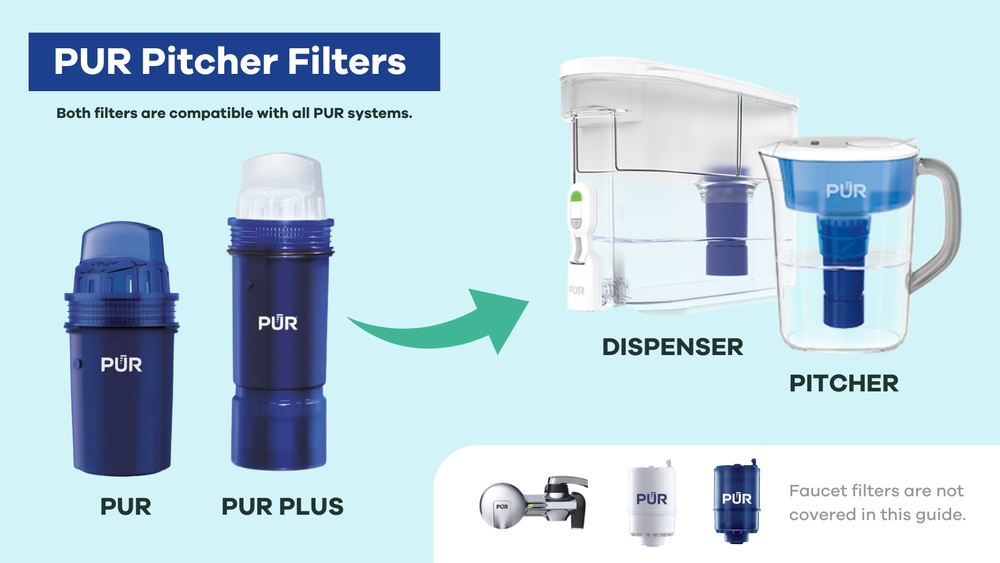
Pitcher filters are easy to use and move around. Fill the pitcher with tap water, and it filters as it fills. These filters remove chlorine, lead, and mercury. They improve taste and odor. Perfect for small spaces or renters.
Faucet Mount Filters
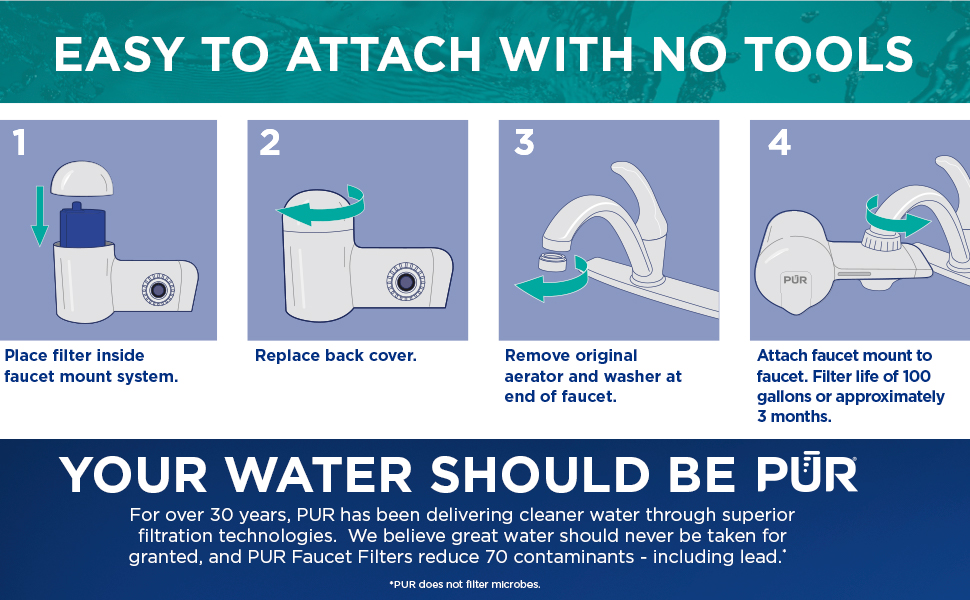
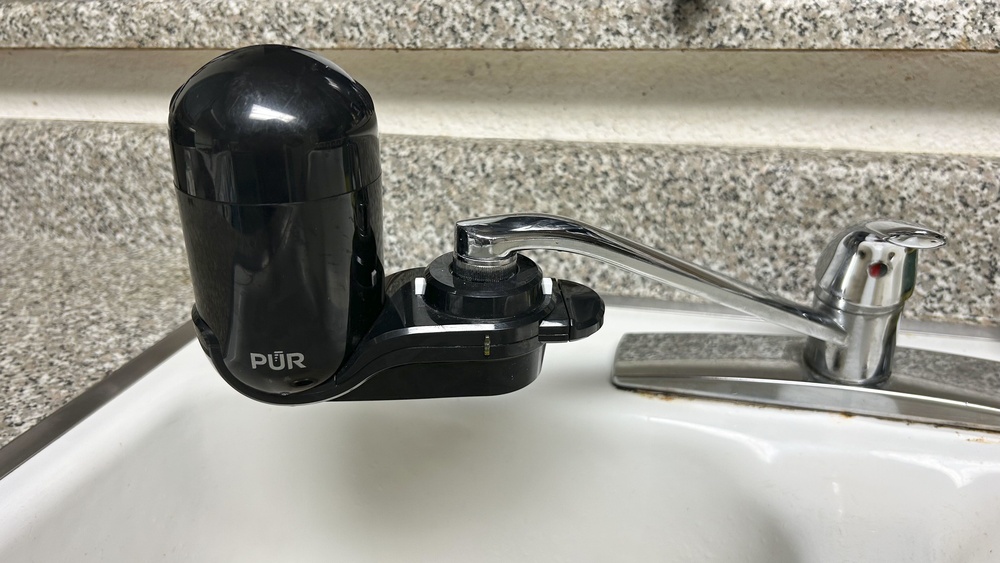
Faucet mount filters attach directly to your kitchen faucet. They filter water instantly when you turn on the tap. These filters reduce chlorine, lead, and some pesticides. They save counter space and give quick access to clean water.
Under-sink Filters
Under-sink filters install under your kitchen sink. They connect to your cold water line. These filters remove more contaminants, including lead, chlorine, and some bacteria. They provide filtered water from a dedicated faucet. Best for families needing large amounts of clean water.
Maintaining Your Pur Filter
Keeping your PUR water filter in good shape is important for clean and safe water. Regular care helps the filter work well and last longer. This section explains how to maintain your PUR filter with simple steps. Follow these tips to enjoy fresh water every day.
When To Replace Filters
Replace your PUR filter every 2 to 3 months. The exact time depends on your water use and quality. A worn-out filter lets impurities pass through. Check for changes in water taste or flow. These signs mean it is time to change the filter. Using a fresh filter keeps water clean and healthy.
Cleaning Tips
Clean the filter housing regularly to avoid dirt buildup. Use warm water and mild soap for cleaning. Do not use strong chemicals or abrasive tools. Rinse all parts well before reassembling. Avoid soaking the filter cartridge in water. Keep the filter dry when not in use to prevent mold growth.
Frequently Asked Questions
What Contaminants Does A Pur Water Filter Remove?
A PUR water filter removes chlorine, lead, mercury, pesticides, and certain bacteria. It improves taste and odor while reducing harmful substances for safer drinking water.
How Effective Is Pur In Removing Lead From Water?
PUR filters use activated carbon and ion exchange to reduce lead by up to 99%. This makes tap water much safer, especially in older homes with lead plumbing.
Does Pur Filter Remove Bacteria And Viruses?
PUR filters primarily target chemicals and heavy metals. They reduce some bacteria but do not eliminate all viruses. For virus removal, additional treatment is recommended.
How Often Should You Replace A Pur Water Filter?
Replace PUR filters every 2-3 months or after filtering 100 gallons. Timely replacement ensures optimal contaminant removal and maintains water quality and taste.
Conclusion
A PUR water filter removes many common water impurities. It cuts chlorine taste and odor effectively. It also reduces lead, mercury, and other metals. Dirt, rust, and some bacteria get filtered out too. Clean water helps your health and taste better.
Using a PUR filter is an easy way to improve water quality at home. Trusting your water feels good. Clear, fresh water is just a filter away.
Hasan Al Sarker is a Reverse Osmosis Specialist. He has worked for many years to ensure safe drinking water for all. His research paper has been published in several journals, including Issue, Medium, and Slideshare. He is recognized as a water doctor among specialists though he did not attend medical college.
Besides working as a researcher of reverse osmosis technology, he is also very fancy with the kitchen and cooking. His guides are reading thousands of people every day. As a head of content, he is responsible for all the published articles at RO System Reviews.
Are you worried about the quality of your drinking water? Making your own water filter system can be easier than you think, and it puts you in control of what you and your family drink every day.
Imagine having clean, fresh water right at home without relying on expensive store-bought filters. In this guide, you’ll discover simple steps to build an effective water filter using materials you likely already have. Keep reading, and you’ll learn how to create a safe, reliable water filter that saves you money and gives you peace of mind.
Why Clean Water Matters
Clean water is important for health and daily life. It helps keep our bodies safe from germs and chemicals. Drinking dirty water can cause sickness.
Water is also needed for cooking, cleaning, and growing food. Without clean water, these tasks become unsafe and difficult. That is why making a water filter system is useful.
Health Benefits Of Clean Water
Clean water stops the spread of diseases. It protects against bacteria and viruses. Drinking clean water lowers the risk of diarrhea and infections.
Children and older adults need clean water the most. It helps them stay strong and healthy. Clean water improves overall well-being.
Environmental Impact
Using clean water reduces pollution. It helps keep rivers and lakes safe for plants and animals. Clean water supports a balanced ecosystem.
Protecting water sources means less waste and damage. It supports nature’s cycle and keeps the environment clean.
Economic Importance
Clean water saves money on health care. Fewer illnesses mean fewer doctor visits and medicine costs. It also improves work productivity.
Access to clean water supports farming and businesses. It creates jobs and helps communities grow. Clean water is key to a strong economy.
Materials Needed
Building a water filter system starts with gathering the right materials. Each item has a specific role in cleaning the water. Using common and easy-to-find materials saves money and time. Below are the main materials needed to create a simple and effective water filter system.
Plastic Bottle Or Container
A plastic bottle or container holds all filter layers. It acts as the main body of the filter. Cut the bottle in half or use a container with a lid. Make sure it is clean and free of chemicals.
Activated Charcoal
Activated charcoal removes bad smells and harmful chemicals. It traps impurities and improves water taste. You can buy it at pet stores or online. Crush the charcoal into small pieces for better filtering.
Sand
Sand filters out dirt and small particles from water. Use clean, fine sand for best results. Rinse the sand before adding it to the filter. Layer it above the charcoal to catch larger debris.
Gravel Or Small Stones
Gravel or small stones support the sand layer. They stop sand from washing away with water. Choose clean, smooth stones. Place them at the bottom of the filter system.
Cotton Or Cloth
Cotton or cloth acts as the first barrier. It blocks large dirt and bugs. Use a clean piece of fabric or cotton balls. Place it at the top of the filter for best effect.
Rubber Band Or Tape
Rubber bands or tape hold the filter layers in place. They keep the cloth or cotton tight on the bottle opening. Use simple household rubber bands or any strong tape.
Choosing The Right Filter Components
Choosing the right filter components is key to building a good water filter system. The components decide how well the system cleans water and how long it lasts. Picking the best parts helps remove dirt, chemicals, and bad smells from water. It also keeps the water safe to drink. This section explains the main parts you need and how to choose them.
Types Of Filter Media
Filter media is the material that cleans water. Different media remove different types of impurities. Common options include activated carbon, sand, and ceramic.
Activated carbon absorbs bad tastes, odors, and chemicals. It works well for cleaning tap water. Sand traps dirt and large particles. It is cheap and easy to find. Ceramic filters block bacteria and tiny particles. They are good for removing germs.
Choosing the right media depends on the water source and what you want to remove. Using more than one type often improves the filter’s performance.
Container Options
The container holds the filter media and water. It should be strong and safe for drinking water. Plastic containers are light and easy to find. Make sure the plastic is food grade to avoid chemicals.
Metal containers last longer but may rust if not treated. Glass containers do not react with water but can break easily. The size of the container depends on how much water you want to filter at once.
Choose a container that fits your needs and is easy to clean. A tight lid helps keep the water clean after filtering.
Step-by-step Assembly
Building a water filter system requires careful assembly. Each part plays a key role in cleaning water. Follow these simple steps to create your own effective filter. The process is easy and uses common materials. Let’s start with the first step.
Preparing The Container
Choose a clean container to hold the filter. A plastic bottle or bucket works well. Remove any labels and wash it thoroughly. Cut the container if needed to fit your design. Make sure it has a small hole at the bottom. This hole will allow filtered water to flow out.
Layering The Filter Media
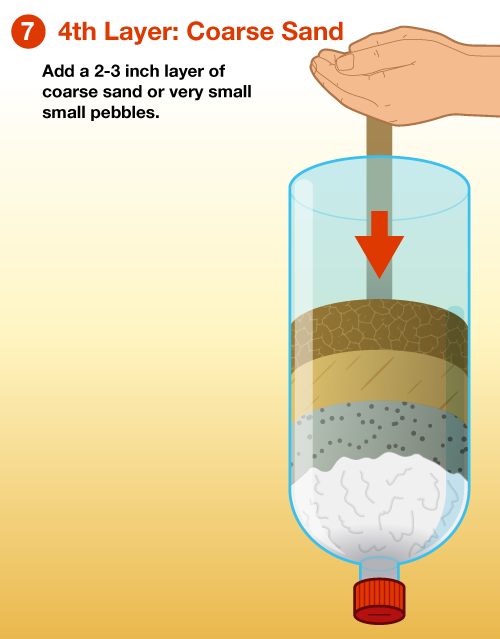
Start layering materials inside the container. Use cotton or cloth at the bottom to stop small particles. Next, add a layer of activated charcoal. Charcoal removes bad smells and chemicals. After charcoal, add fine sand to catch tiny dirt. On top of the sand, put coarse sand or gravel. This layer traps larger debris. Each layer should be about two inches thick. Layering helps water pass slowly and get cleaner.
Securing The Filter
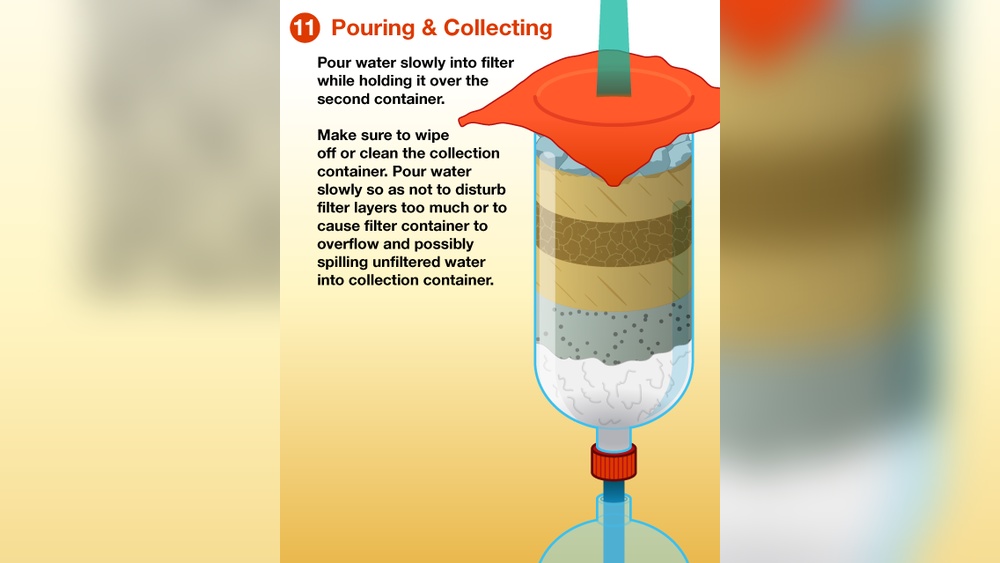
Cover the top with a piece of cloth or mesh. This keeps dirt out while letting water in. Secure the cloth with a rubber band or string. Place the filter on a clean container to collect water. Test the filter by pouring water slowly. Clean the filter layers regularly for best results. Securing your filter keeps it stable and working well.
Testing Your Filter System
Testing your water filter system is crucial to ensure it works properly. It helps confirm the system removes impurities effectively. Testing also shows if water flows well through the filter. This step saves time and effort in the long run. Follow these simple tests to check your filter system’s performance.
Initial Water Flow Test
Start by running water through the filter system. Watch how fast the water flows out. A slow flow may mean the filter is clogged or not set up right. A good flow rate means water moves freely through the filter media. Adjust the filter components if the flow is too slow or too fast. This test helps find any blockages early.
Checking Water Clarity
Collect filtered water in a clear glass. Look closely for any cloudiness or particles. Clear water means the filter removes dirt and sediments well. Cloudy water suggests the filter needs cleaning or replacement. Repeat this check several times to confirm consistent clarity. This simple check ensures your filter keeps water clean and safe.
Maintaining Your Water Filter
Maintaining your water filter is key to keeping clean and safe water. A well-kept filter works better and lasts longer. Regular care stops dirt and germs from building up. This section explains how to keep your water filter in good shape.
Cleaning Schedule
Clean your water filter every 2 to 4 weeks. This keeps the filter parts free from dirt and slime. Use clean water and a soft brush to remove dust. Avoid strong chemicals that can damage the filter. Set a reminder to clean the filter on time.
Replacing Filter Media
Filter media wears out with use. Change it every 3 to 6 months depending on water quality. Old media can’t clean water well. Check the filter manual for the exact replacement time. Use the right type of media for your filter model.
Tips For Using Your Diy Filter Safely
Using a DIY water filter system can help provide cleaner water. Safety is very important for this process. Follow these tips to keep your water safe and your filter working well.
Avoiding Contamination
Always wash your hands before handling the filter parts. Keep the filter away from dirty surfaces. Use clean containers to collect filtered water. Do not touch the filter material directly. Store the filter in a clean, dry place when not in use. Avoid placing the filter near chemicals or waste.
When To Replace The System
Change the filter parts regularly to keep water clean. Watch for changes in water taste or smell. If the water flows slowly, it may be time to replace the filter. Replace the filter after heavy use or if it looks dirty. Follow the instructions for each filter component’s lifespan. Regular replacement ensures safe and fresh water every time.
Frequently Asked Questions
What Materials Are Needed To Make A Water Filter System?
To make a water filter system, you need activated charcoal, sand, gravel, a plastic bottle, and a cloth. These materials help remove impurities and improve water quality effectively.
How Does A Homemade Water Filter Work?
A homemade water filter removes dirt and particles by passing water through layers of sand, charcoal, and gravel. Each layer traps contaminants, producing cleaner water.
Can I Use A Water Filter System For Drinking Water?
Yes, a water filter system can improve water quality, but it may not remove all bacteria. Boil water after filtering for safe drinking.
How Often Should I Clean My Water Filter System?
Clean your water filter system every two to four weeks to prevent clogging and maintain efficiency. Replace filter materials as needed for best results.
Conclusion
Building your own water filter system is simple and cost-effective. It helps provide cleaner water for daily use. You only need basic materials and clear steps to follow. Regularly cleaning and replacing parts keeps the filter working well. This project saves money and reduces waste from bottled water.
Taking care of your water means better health for you and your family. Start with small steps and enjoy fresh water at home. Easy, practical, and helpful—just what you need.
Hasan Al Sarker is a Reverse Osmosis Specialist. He has worked for many years to ensure safe drinking water for all. His research paper has been published in several journals, including Issue, Medium, and Slideshare. He is recognized as a water doctor among specialists though he did not attend medical college.
Besides working as a researcher of reverse osmosis technology, he is also very fancy with the kitchen and cooking. His guides are reading thousands of people every day. As a head of content, he is responsible for all the published articles at RO System Reviews.
Have you ever noticed a strange taste or smell in your tap water? That could be chlorine, a common chemical used to keep water safe but one that many people want to remove before drinking.
You might be wondering, can you actually filter chlorine out of your water at home? The answer is yes, and knowing how to do it can make a big difference in the quality and taste of the water you and your family use every day.
Keep reading to discover simple, effective ways to get rid of chlorine and enjoy cleaner, fresher water straight from your tap.
Why Remove Chlorine From Water
Chlorine is used to kill germs in water. It helps make water safe to drink. But chlorine can cause some problems in daily life. Many people want to remove chlorine from their water. Understanding why is important for health and home care.
Removing chlorine improves water quality and protects health. It also keeps water tasting fresh. Plus, it helps protect household appliances from damage. Let’s explore these reasons in detail.
Health Effects Of Chlorine
Chlorine in water can irritate skin and eyes. It may cause dry skin or rashes. Some people feel itchy after showering. Drinking chlorine water over time might affect health. It can upset the stomach or cause discomfort. Reducing chlorine can help prevent these issues.
Impact On Taste And Odor
Chlorine gives water a strong, chemical taste. It can smell like bleach or a swimming pool. This can make drinking water less enjoyable. Cooking with chlorinated water may also change food flavor. Removing chlorine makes water taste cleaner and fresher.
Effect On Household Appliances
Chlorine can damage pipes and water heaters. It speeds up corrosion inside appliances. This reduces their lifespan and increases repair costs. Clothes washed in chlorinated water may fade faster. Filtering chlorine helps protect appliances and saves money.
Common Chlorine Removal Techniques
Chlorine is a common chemical used to treat water. It helps kill bacteria and makes water safe to drink. Still, many people want to remove chlorine from their water. Several simple methods can reduce or remove chlorine. These methods vary in cost and ease. Here are some common chlorine removal techniques.
Boiling Water
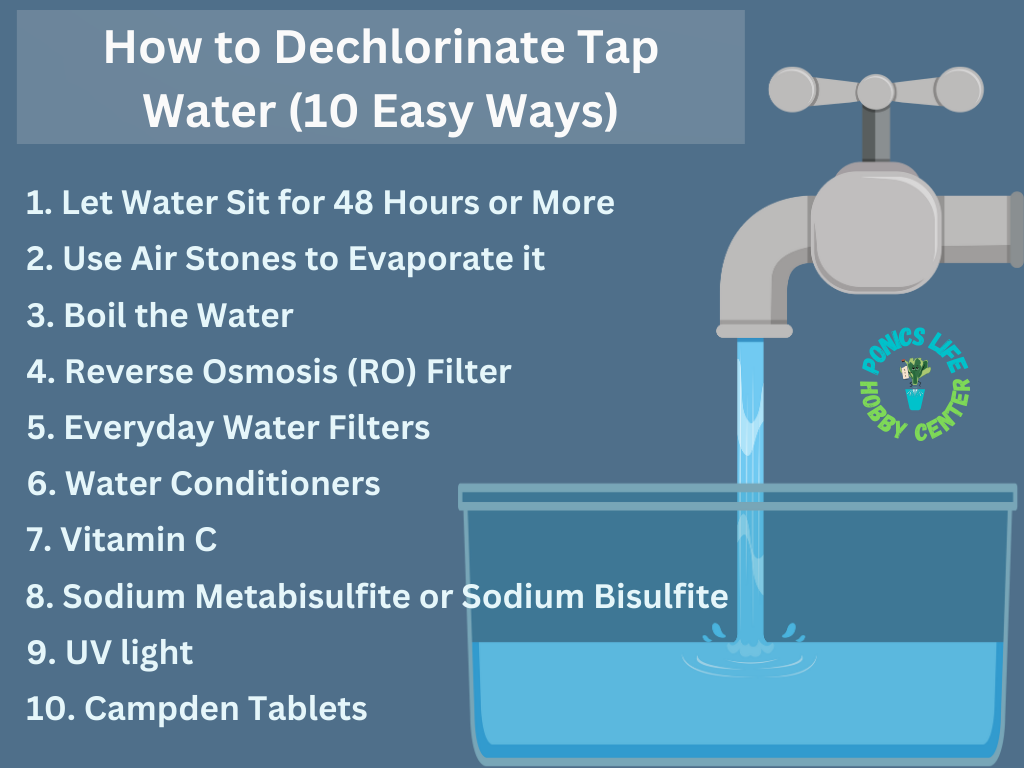
Boiling water can remove chlorine effectively. Heat causes chlorine to evaporate as a gas. Boil water for 15 to 20 minutes. This method works well for small amounts of water. It does not remove chloramine, a different chemical sometimes used in water treatment.
Letting Water Sit
Leaving water to stand exposes it to air. Chlorine escapes from the water over time. Pour water into an open container. Let it sit for 24 to 48 hours. This method is easy and free. It is not effective for removing chloramine.
Activated Carbon Filters
Activated carbon filters are popular for chlorine removal. They trap chlorine molecules as water passes through. These filters fit on faucets or come as pitcher filters. They remove chlorine taste and smell well. Some filters also reduce other contaminants. Replace filters regularly to keep them effective.
Advanced Filtration Methods
Advanced filtration methods remove chlorine more effectively than basic filters. They use special technology to clean water deeply. These methods not only remove chlorine but also improve water taste and safety.
Reverse Osmosis Systems
Reverse osmosis systems push water through a fine membrane. This membrane blocks chlorine and many other chemicals. It produces very clean water with low impurities. These systems need regular maintenance to work well.
Uv Light Treatment
UV light treatment uses ultraviolet rays to kill bacteria. It does not remove chlorine by itself. But it works well combined with other filters. UV light makes water safer by killing germs.
Catalytic Carbon Filters
Catalytic carbon filters have a special type of carbon. They remove chlorine faster than regular carbon filters. They also reduce chloramine, a chemical similar to chlorine. These filters last longer and clean water better.
Chemical Treatments To Remove Chlorine
Chemical treatments offer a practical way to remove chlorine from water. These methods work by neutralizing chlorine molecules. They are effective and fast. Many use safe chemicals that break down chlorine into harmless substances. Chemical treatments suit different uses, such as drinking water or aquariums.
Using Sodium Thiosulfate
Sodium thiosulfate is a common chemical for chlorine removal. It reacts quickly with chlorine. The reaction changes chlorine into chloride, a harmless compound. This chemical is often used in water treatment plants. It is also popular in home water filtration systems. Sodium thiosulfate works well for both chlorine and chloramine.
Ascorbic Acid Application
Ascorbic acid, or vitamin C, can remove chlorine too. It neutralizes chlorine through a simple chemical reaction. This method is natural and safe. Ascorbic acid is gentle on fish and plants. It is widely used in aquarium water treatment. The process leaves no harmful residues behind.
Chlorine Neutralizing Drops
Chlorine neutralizing drops are easy to use at home. They contain chemicals that quickly neutralize chlorine. Just add the drops to water and stir. These drops are ideal for small water volumes. They are common for fish tanks and drinking water. The effect is fast, making water safe to use.
Choosing The Right Method For Your Needs
Choosing the right method to filter chlorine out of water depends on your specific needs. Different methods suit different situations. Consider your daily water use, budget, and how fast you want results. Picking the best option can save money and effort over time.
Considering Water Usage And Volume
Think about how much water you use each day. Large families need filters that handle high volume. Small households may choose simpler, low-flow options. Some filters work better for drinking water only. Others can treat all water in the home.
Cost And Maintenance Factors
Filter prices vary widely. Some need regular cartridge changes. Others last longer but cost more upfront. Maintenance tasks include cleaning or replacing parts. Choose a method you can keep up with easily. This saves headaches and extra expenses.
Effectiveness And Speed
Some methods remove chlorine faster than others. Activated carbon filters work quickly for drinking water. Reverse osmosis can take longer but removes more contaminants. Consider how soon you need chlorine gone. Fast results matter for cooking or drinking.
Testing Chlorine Levels At Home
Testing chlorine levels at home helps you know how much chlorine is in your water. This information guides you in choosing the right filter or treatment. Simple tools make the process fast and easy. You can check your water quality anytime without special skills.
Using Test Strips
Test strips are thin pieces of paper coated with chemicals. Dip a strip in your water for a few seconds. The strip changes color based on chlorine levels. Match the color to a chart that comes with the strips. This method is quick and affordable. Test strips are good for basic chlorine checks.
Digital Chlorine Meters
Digital chlorine meters give more precise results. Turn on the meter and dip its sensor in water. The screen shows chlorine concentration in parts per million (ppm). These meters cost more but are easy to use. They provide accurate readings for better water testing.
Interpreting Test Results
Chlorine levels below 1 ppm are usually safe for drinking. Levels above 4 ppm may taste or smell strong. High chlorine can irritate skin or eyes. Use test results to decide if you need a filter. Regular testing keeps your water clean and fresh.
Common Myths About Chlorine Removal
Many people misunderstand how chlorine is removed from water. This causes confusion about water filters and treatment methods. Clearing up these myths helps you choose the right solution for safe drinking water.
Myth: All Filters Remove Chlorine
Not every filter removes chlorine from water. Some filters only trap dirt or particles. Only certain types, like activated carbon filters, can reduce chlorine effectively. Check the filter specifications before buying.
Myth: Chlorine Evaporates Quickly
Chlorine does not always evaporate fast. It depends on water temperature and exposure to air. In some cases, chlorine stays in water for a long time. Relying on evaporation alone may leave chlorine in your water.
Myth: Boiling Always Removes Chlorine
Boiling water does not always remove chlorine. Chlorine gas can escape during boiling, but only if water is boiled long enough. Short boiling times may not remove all chlorine. Use a proper filter for better results.
Frequently Asked Questions
How Effective Are Water Filters At Removing Chlorine?
Water filters, especially activated carbon types, effectively remove chlorine from water. They absorb chlorine molecules, improving taste and odor. Not all filters are equal, so choose certified ones for chlorine removal. Regular filter replacement maintains effectiveness and water quality.
Can Boiling Water Remove Chlorine Safely?
Boiling water can remove chlorine by evaporation. Boil for 15-20 minutes to let chlorine dissipate. However, boiling does not remove chloramine, a chlorine compound often used in water treatment. Use other methods for chloramine removal.
Is Chlorine Removal Necessary For Drinking Water?
Chlorine removal is often preferred for taste and odor improvement. Chlorine in drinking water is generally safe at regulated levels. People with sensitive skin or respiratory issues may benefit from removing chlorine. Filtering can enhance water quality and safety.
What Types Of Filters Remove Chlorine Best?
Activated carbon filters are the best for chlorine removal. They adsorb chlorine and its by-products effectively. Reverse osmosis filters also reduce chlorine but are more expensive. Choose filters certified for chlorine reduction for optimal results.
Conclusion
Chlorine can affect water taste and safety. Many methods help remove chlorine easily. Activated carbon filters work well for most homes. Boiling water also reduces chlorine quickly. Choosing the right filter depends on your needs. Clean water supports better health every day.
Test your water to know chlorine levels. Stay informed to keep your water pure. Taking simple steps can improve your water quality. Clear, fresh water makes a big difference.
Hasan Al Sarker is a Reverse Osmosis Specialist. He has worked for many years to ensure safe drinking water for all. His research paper has been published in several journals, including Issue, Medium, and Slideshare. He is recognized as a water doctor among specialists though he did not attend medical college.
Besides working as a researcher of reverse osmosis technology, he is also very fancy with the kitchen and cooking. His guides are reading thousands of people every day. As a head of content, he is responsible for all the published articles at RO System Reviews.
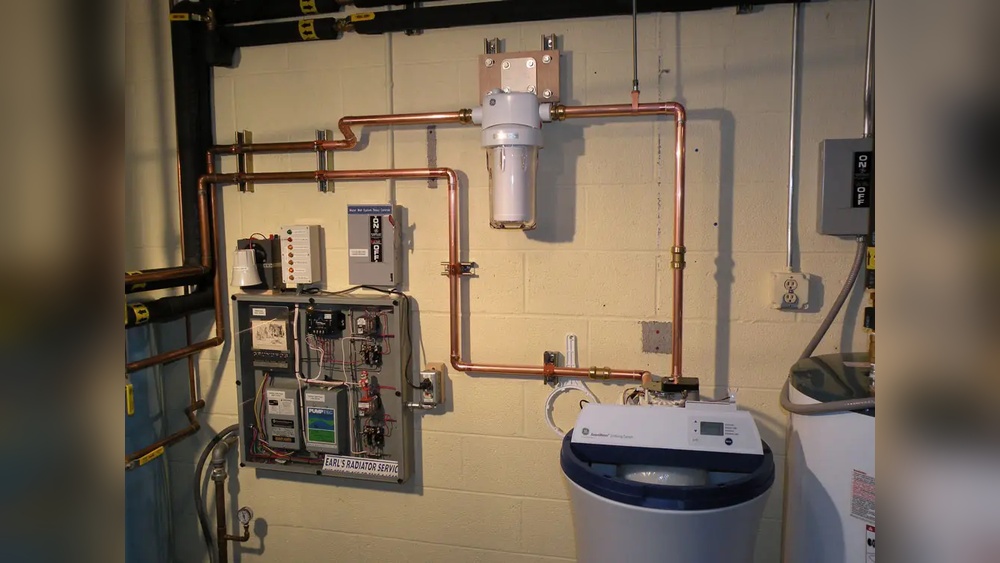
If you rely on a well for your water, you know how important it is to keep that water clean and safe. Installing a whole-house water filter can protect your entire home from contaminants, giving you peace of mind with every tap.
But how do you get started? This guide will walk you through the simple steps to install a whole-house water filter on your well system. By the end, you’ll feel confident taking control of your water quality and ensuring your family’s health.
Keep reading to discover how easy it can be to improve your water today.
Choosing The Right Filter
Choosing the right whole-house water filter for a well is very important. The right filter protects your home and improves water quality. It depends on your water’s condition and your household needs. Taking time to select the correct filter saves money and trouble later.
Assessing Water Quality
Start by testing your well water. Check for sediments, iron, bacteria, and chemicals. Water tests reveal what impurities are present. Knowing this helps pick a filter that removes those specific issues. Many local labs and home kits offer water testing services.
Types Of Whole-house Filters
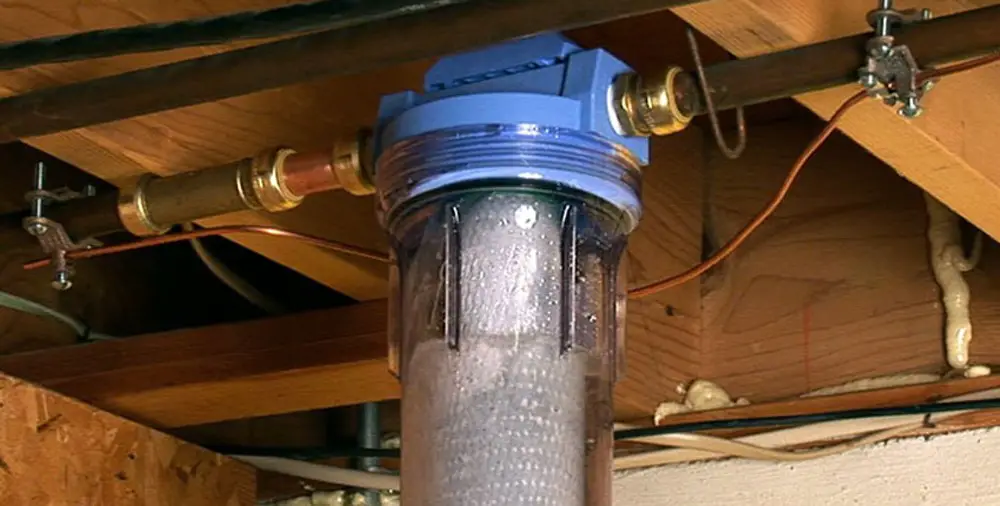
There are different filters for different problems. Sediment filters remove dirt and rust. Carbon filters improve taste and reduce chlorine and chemicals. Iron filters target iron and sulfur. UV filters kill bacteria and viruses. Choose a filter that matches your water’s needs.
Filter Capacity And Flow Rate
Filter capacity shows how much water it can clean before changing. A higher capacity means less frequent changes. Flow rate is the speed water passes through the filter. It must match your home’s water use. A slow flow rate may reduce water pressure. Choose a filter with proper capacity and flow for your home size.
Gathering Tools And Materials
Gathering the right tools and materials is the first step to install a whole-house water filter on a well. Preparing everything beforehand saves time and avoids interruptions during installation. It also ensures the job goes smoothly and safely.
Essential Tools Checklist
Have these tools ready before starting:
Pipe cutter or hacksaw
Adjustable wrench
Screwdriver set
Teflon tape
Measuring tape
Plumber’s tape
Bucket or container for water drainage
Marker or pencil for marking pipes
These tools help cut, fit, and tighten pipes and connectors properly.
Filter Components
Check all parts of your water filter kit. Usually, it includes:
Filter housing
Filter cartridges
Inlet and outlet fittings
Mounting bracket
O-rings or seals
Confirm all pieces are present and free from damage. This avoids delays during installation.
Safety Gear
Wear safety gear to protect yourself. Important items include:
Gloves to protect hands
Safety glasses to shield eyes
Work boots for foot safety
Safety gear helps prevent injuries during cutting and handling pipes.
Preparing The Installation Site
Preparing the installation site is the first step to a successful whole-house water filter setup. It ensures the process goes smoothly and safely. This preparation helps avoid problems later and saves time.
Locating The Main Water Line
Find the main water line that brings water into your house. It usually runs from the well to the house’s water system. Look for the pipe closest to the well or where the water meter is installed. Mark this spot clearly. This is where you will connect the filter.
Shutting Off Water Supply
Turn off the water supply before starting any work. This prevents leaks and water damage. Locate the main shut-off valve near the water line. Close it completely. Open a faucet in the house to drain any remaining water in the pipes. This step makes installation safer and cleaner.
Clearing The Area
Clear the space around the main water line. Remove any objects or debris that could block your work. Make sure you have enough room to install and maintain the filter. Good lighting and easy access help during installation. Keep tools and parts nearby for convenience.
Installing The Filter System
Installing the whole-house water filter system on your well improves water quality. It removes sediments, chlorine, and other impurities. Proper installation ensures the system works well and lasts long. Follow these steps carefully to set up the filter system effectively.
Cutting The Pipe
Turn off the main water supply before starting. Use a pipe cutter to cut the pipe where the filter will go. Make sure the cut is clean and straight. Remove any burrs or sharp edges from the cut pipe ends. This step creates a smooth surface for connections.
Mounting The Filter
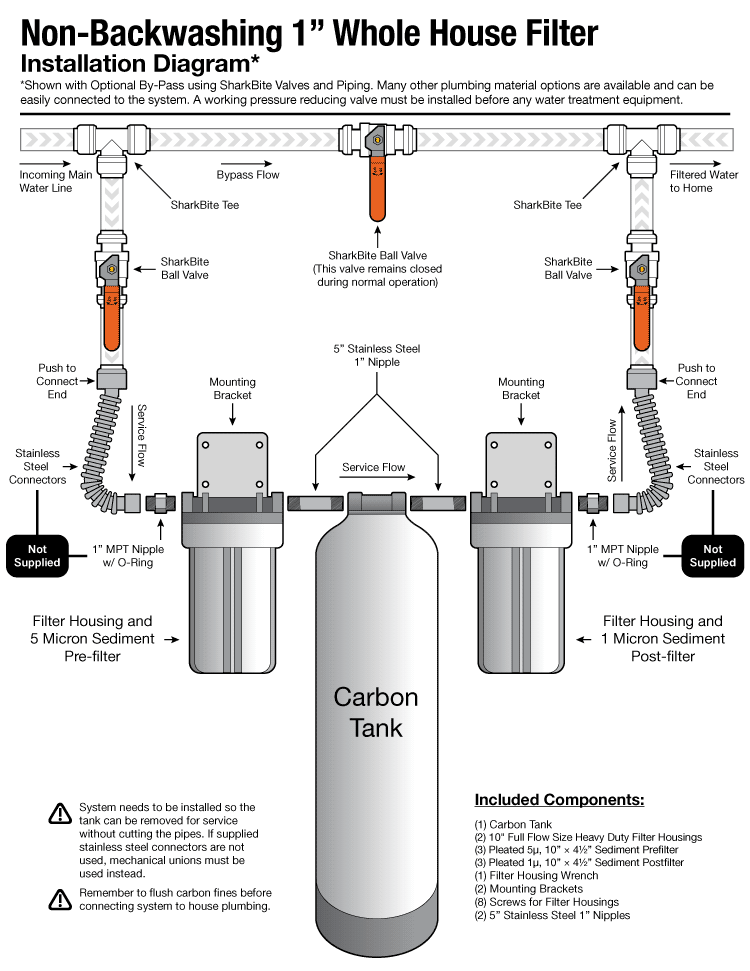
Choose a sturdy wall near the pipe for mounting the filter. Use screws and anchors to fix the mounting bracket securely. Hang the filter housing on the bracket. Ensure it is level and easy to access for future cartridge changes. The filter should be stable and not wobble.
Connecting Pipes And Fittings
Attach the correct fittings to the pipe ends. Use plumber’s tape on threaded connections to prevent leaks. Connect the inlet and outlet ports of the filter housing. Tighten all fittings by hand, then use a wrench for a snug fit. Avoid over-tightening to prevent damage. Turn on the water supply slowly and check for leaks.
Testing And Maintenance
Testing and maintenance keep your whole-house water filter working well. Regular checks help catch problems early. Proper care extends the life of your system. It also ensures clean, safe water for your home.
Checking For Leaks
Look for water puddles around the filter system. Check all pipes and connections carefully. Small leaks can waste water and cause damage. Tighten any loose fittings you find. Replace worn-out seals or parts to stop leaks.
Flushing The System
Flush the filter system to clear out trapped debris. Open the flush valve and let water flow freely. Do this for a few minutes each time. Flushing prevents clogging and maintains good water flow. It also keeps the filter media clean and effective.
Replacing Filter Cartridges
Change filter cartridges according to the manufacturer’s schedule. Old cartridges lose their ability to clean water. Turn off the water supply before removing cartridges. Install new ones carefully to avoid leaks. Regular replacement keeps your water fresh and pure.
Frequently Asked Questions
How Do I Install A Whole-house Water Filter On A Well?
First, shut off the well pump. Cut the main water line and attach the filter housing. Connect fittings securely and flush the system before use. Follow the manufacturer’s guide for best results.
What Tools Are Needed To Install A Whole-house Water Filter?
You need a pipe cutter, wrench, Teflon tape, and screwdriver. Additionally, have the filter housing and fittings ready. These tools ensure a smooth and secure installation process.
How Often Should I Replace The Whole-house Water Filter Cartridge?
Replace the cartridge every 6 to 12 months. Frequency depends on water quality and usage. Regular replacement ensures effective filtration and clean water throughout your home.
Can I Install A Whole-house Filter Without Professional Help?
Yes, if you have basic plumbing skills, you can install it yourself. Carefully follow instructions and turn off the water supply. If unsure, consult a professional to avoid damage.
Conclusion
Installing a whole-house water filter on a well improves water quality greatly. Clean water protects your family’s health every day. The process is simple if you follow the right steps. Check your tools and parts before starting work. Take your time and do each step carefully.
Regular filter changes keep the system working well. Enjoy fresh, clean water from every tap in your home. This small effort brings big benefits to your household.
Hasan Al Sarker is a Reverse Osmosis Specialist. He has worked for many years to ensure safe drinking water for all. His research paper has been published in several journals, including Issue, Medium, and Slideshare. He is recognized as a water doctor among specialists though he did not attend medical college.
Besides working as a researcher of reverse osmosis technology, he is also very fancy with the kitchen and cooking. His guides are reading thousands of people every day. As a head of content, he is responsible for all the published articles at RO System Reviews.
Are you wondering if the water from your Pur water filter is truly safe to drink? You rely on clean water every day for your health and well-being, so it’s important to know exactly what you’re getting.
Not all water filters are created equal, and making the right choice can protect you and your family from harmful contaminants. You’ll discover how Pur water filters work, what they remove, and whether they meet the safety standards you deserve.
Keep reading to find out if your Pur water filter is giving you the pure, safe water you expect.
Pur Water Filter Basics
The Pur water filter is a popular choice for clean drinking water. It removes many impurities. People want to know how it works and what types are available. Understanding these basics helps decide if Pur filters are right for home use.
How Pur Filters Work
Pur filters use activated carbon and ion exchange technology. The carbon traps dirt, chlorine, and bad tastes. Ion exchange removes heavy metals like lead and mercury. Water passes through these layers. The filter cleans water before it reaches the glass. This process improves taste and safety.
Types Of Pur Filters
Pur offers several filter types for different needs. Faucet-mounted filters connect directly to the kitchen tap. They are easy to install and use. Pitcher filters hold water and filter it as you pour. They are portable and good for small spaces. Under-sink filters install below the counter. They provide filtered water through a separate faucet. Each type targets common water problems in homes.
Water Contaminants Removed
Pur water filters help remove many harmful substances from tap water. This makes drinking water safer and cleaner. Understanding what contaminants Pur filters remove can help you trust your water.
These filters use advanced technology to trap and reduce impurities. They improve taste, odor, and overall water quality. Knowing the types of contaminants filtered out is important for health.
Common Impurities Filtered Out
Pur filters reduce chlorine, which affects water taste and smell. They also remove lead, a heavy metal harmful to health. Other common impurities include mercury, asbestos, and certain pesticides. These substances can cause health problems over time. Removing them makes water safer for drinking and cooking.
Effectiveness Against Bacteria And Viruses
Pur filters block many bacteria that cause illness. They reduce harmful germs like E. coli and salmonella. However, they may not remove all viruses completely. For virus protection, extra treatment might be needed. Still, Pur filters greatly lower bacterial risks in water.
Safety Standards And Certifications
Safety standards and certifications show how reliable a water filter is. They prove the filter meets strict rules for clean water. These marks help buyers trust the product. Pur water filters follow many important standards. These ensure the water you drink is safe.
Nsf And Epa Certifications
NSF certification tests water filters for health safety. It checks if filters remove harmful chemicals and germs. Pur filters often hold NSF certification for various contaminant removal. This means they meet high safety and quality rules.
The EPA sets rules for drinking water safety. Pur filters meet EPA guidelines for removing dangerous substances. This protects your health by giving you cleaner water. Certifications from both NSF and EPA prove Pur filters work well.
Quality Control Measures
Pur uses strict quality control during filter production. Each filter goes through tests to check for defects. The company ensures every filter meets safety standards before selling.
Ongoing checks monitor filter performance over time. This keeps the water clean and safe to drink. Quality control makes sure Pur filters stay reliable for users.
Taste And Odor Improvements
Water that tastes and smells fresh is easier to drink. Many people notice strange tastes and odors in tap water. These issues make drinking water less pleasant. Pur water filters help improve both taste and smell. They reduce unwanted chemicals and impurities. The result is water that feels cleaner and fresher.
Chlorine Removal
Chlorine is common in tap water. It kills germs but affects taste and smell. Pur filters use activated carbon to remove chlorine. This process lowers the chemical’s presence in water. Less chlorine means fewer bad odors. The water tastes more natural and pure. Many users say the chlorine smell disappears completely.
Impact On Water Flavor
Removing chlorine and other chemicals improves water flavor. Pur filters catch particles that cause a metallic or bitter taste. Water becomes smoother and more refreshing. Clean water encourages people to drink more. This helps maintain good hydration. The better taste also suits cooking and making drinks.
Maintenance And Filter Replacement
Maintaining your PUR water filter is key to safe drinking water. A clean and well-functioning filter removes harmful substances effectively. Neglecting maintenance can reduce water quality and taste. Regular care keeps the filter working at its best.
Recommended Replacement Frequency
PUR water filters usually need replacement every 2 to 3 months. This depends on the water usage and quality. Using the filter beyond this time lowers its efficiency. Most filters can purify about 40 gallons before they stop working well. Follow the manufacturer’s advice for best results.
Signs Of Filter Wear
Look for changes in water taste or smell. If water tastes strange or smells bad, the filter may be worn out. A slower water flow can also indicate a clogged filter. Visible dirt or stains on the filter are warning signs too. Replace the filter immediately if you notice these signs.
Potential Risks And Limitations
Understanding the potential risks and limitations of the Pur water filter helps users make safe choices. No water filter is perfect, including Pur. Knowing what it cannot remove and the dangers of expired filters keeps your water safer. This section explains these concerns clearly and simply.
What Pur Filters Cannot Remove
Pur filters remove many common contaminants. They target chlorine, lead, and some harmful bacteria. Yet, some substances pass through. Pur filters do not remove fluoride, nitrates, or viruses fully. Certain chemicals like pesticides and pharmaceuticals may also remain. Users should not rely on Pur for all water issues. Testing your water can reveal what needs filtering.
Risks Of Using Expired Filters
Using an expired Pur filter reduces its cleaning power. Old filters may let contaminants pass into your drinking water. They can also grow bacteria inside the filter. This growth can cause bad taste or illness. Changing filters on time is important for safety. Follow the manufacturer’s schedule to avoid risks.
User Reviews And Expert Opinions
User reviews and expert opinions provide a clear picture of the Pur water filter’s safety and effectiveness. Real users share their experiences, highlighting the filter’s strengths and weaknesses. Experts analyze the technology and materials used to determine if the filter meets health standards.
Customer Satisfaction Trends
Many customers report cleaner and better-tasting water after using Pur filters. They praise the easy installation and filter replacement process. Some users mention a reduction in chlorine taste and odor. A few note that the filter needs frequent changing, depending on water quality. Overall, most users feel confident about the water’s safety and quality. Negative reviews often focus on filter lifespan or occasional leaks. This feedback helps new buyers make informed decisions.
Expert Recommendations
Experts test Pur filters for contaminant removal and safety compliance. Most confirm Pur effectively removes chlorine, lead, and some pesticides. They recommend the filter for improving tap water taste and safety. Experts advise changing filters regularly to maintain performance. Some suggest pairing Pur filters with other purification methods for best results. The product meets many national health and safety standards. Experts highlight the importance of following manufacturer guidelines for use and maintenance.
Comparing Pur With Other Filters
Choosing the right water filter matters for clean and safe drinking water. Comparing Pur with other popular water filters helps you decide which fits your needs best. Focus on cost, performance, and how long the filters last.
Cost Vs. Performance
Pur filters are usually affordable and offer good water cleaning. Some other brands cost more but may remove fewer contaminants. Pur balances price and quality well. This makes it a smart choice for many families. Some cheaper filters might save money but need frequent replacement. Think about how much you pay and what you get in return.
Filter Lifespan And Efficiency
Pur filters generally last about 40 gallons or two months. Other brands may last longer or shorter periods. Efficiency means how well the filter removes harmful substances. Pur removes lead, chlorine, and some bacteria. Some filters remove more types of contaminants but at a higher cost. It is important to change filters on time for best water quality. Check the filter’s lifespan and what it removes before buying.
Frequently Asked Questions
Is Pur Water Filter Effective In Removing Contaminants?
Yes, Pur Water Filters effectively remove many common contaminants like lead, chlorine, and mercury. They use activated carbon and ion exchange to improve water taste and safety, making filtered water cleaner and healthier for daily consumption.
How Safe Is Water Filtered By Pur?
Water filtered by Pur is generally safe to drink. Their filters reduce harmful substances and improve water quality. However, always replace filters regularly to maintain safety and effectiveness, as expired filters can harbor bacteria or lose filtration ability.
Does Pur Water Filter Remove Bacteria And Viruses?
Pur Water Filters primarily target chemicals and heavy metals, not all bacteria or viruses. For microbial safety, additional treatment methods like boiling or UV purification are recommended, especially in areas with unsafe water sources.
How Often Should Pur Water Filters Be Replaced?
Pur Water Filters should be replaced every 2 to 3 months or after filtering about 100 gallons. Timely replacement ensures optimal filtration performance and safe, clean drinking water.
Conclusion
Pur water filters remove many harmful particles from water. They help improve taste and reduce odors. Using a Pur filter can make tap water safer to drink. Regular filter changes keep the water clean and fresh. Always follow the instructions to get the best results.
Clean water supports good health every day. Trusting Pur means choosing filtered water without chemicals and dirt. Safe drinking water is important for you and your family. Pur water filters offer a simple way to enjoy better water. Easy to use and effective too.
Hasan Al Sarker is a Reverse Osmosis Specialist. He has worked for many years to ensure safe drinking water for all. His research paper has been published in several journals, including Issue, Medium, and Slideshare. He is recognized as a water doctor among specialists though he did not attend medical college.
Besides working as a researcher of reverse osmosis technology, he is also very fancy with the kitchen and cooking. His guides are reading thousands of people every day. As a head of content, he is responsible for all the published articles at RO System Reviews.