Does your water have that unpleasant sulfur smell that makes you hesitate before taking a sip? You’re not alone.
Many people struggle with that rotten egg odor coming from their taps. It’s frustrating and can make even simple tasks like cooking or showering less enjoyable. But here’s the big question: will a water filter actually get rid of that sulfur smell for good?
Keep reading, because understanding how water filters work could be the key to fresh, clean-smelling water in your home. You deserve to know the truth and find a solution that works.
Sources Of Sulfur Smell In Water
Sulfur smell in water can be unpleasant and concerning. This odor often resembles rotten eggs and can affect the taste and use of water. Understanding where this smell comes from helps in finding the right solution. The sources of sulfur smell vary from natural elements to human-related causes.
Hydrogen Sulfide Origins
Hydrogen sulfide gas is the main cause of sulfur smell in water. It forms naturally from decaying organic matter. This gas may enter groundwater through soil and rocks. It can also come from volcanic or geothermal activity. Even small amounts cause a strong rotten egg smell.
Bacterial Contamination
Certain bacteria produce sulfur compounds as they break down organic material. These bacteria thrive in low-oxygen environments like water wells or plumbing systems. Their activity releases hydrogen sulfide gas into water. This often leads to noticeable sulfur odor in household water.
Water Supply Factors
Water sources influence sulfur smell levels. Private wells are more likely to have sulfur odor due to natural underground conditions. Public water supplies usually treat water to reduce smell and contaminants. Old or corroded pipes may also cause or worsen sulfur odor in tap water.
Impact Of Sulfur Smell On Water Quality
The sulfur smell in water often signals the presence of hydrogen sulfide gas. This gas can affect water quality in several ways. It impacts health, taste, and even household plumbing. Understanding these effects helps in deciding how to handle sulfur odors in water.
Health Considerations
Small amounts of hydrogen sulfide in water usually do not cause health problems. The smell alone is not dangerous, but higher levels can irritate the eyes and throat. People with sensitive health conditions may feel discomfort. Drinking water with sulfur smell over time might cause stomach issues. Testing water quality helps ensure safety.
Taste And Odor Issues
The sulfur smell makes water taste bad and unpleasant. It can remind people of rotten eggs. This taste often stops people from drinking tap water. Cooking with smelly water can also affect food flavor. Removing the odor improves water’s appeal and use.
Plumbing And Appliance Effects
Hydrogen sulfide can damage pipes and appliances. It causes corrosion in metal pipes, leading to leaks. Water heaters and washing machines may break down faster. Sulfur bacteria can form slimy layers inside pipes. These problems increase repair costs and reduce appliance life.
Can Water Filters Remove Sulfur Odor?
Can water filters remove sulfur odor from water? The sulfur smell in water often comes from hydrogen sulfide gas. This gas gives water a rotten egg scent. It can be unpleasant and affect water taste. Removing this odor improves water quality and usability.
Water filters can help reduce or remove sulfur odor. Different filters work in different ways. Some are more effective than others for sulfur problems. Understanding these options helps choose the right filter.
Types Of Filters For Sulfur Removal
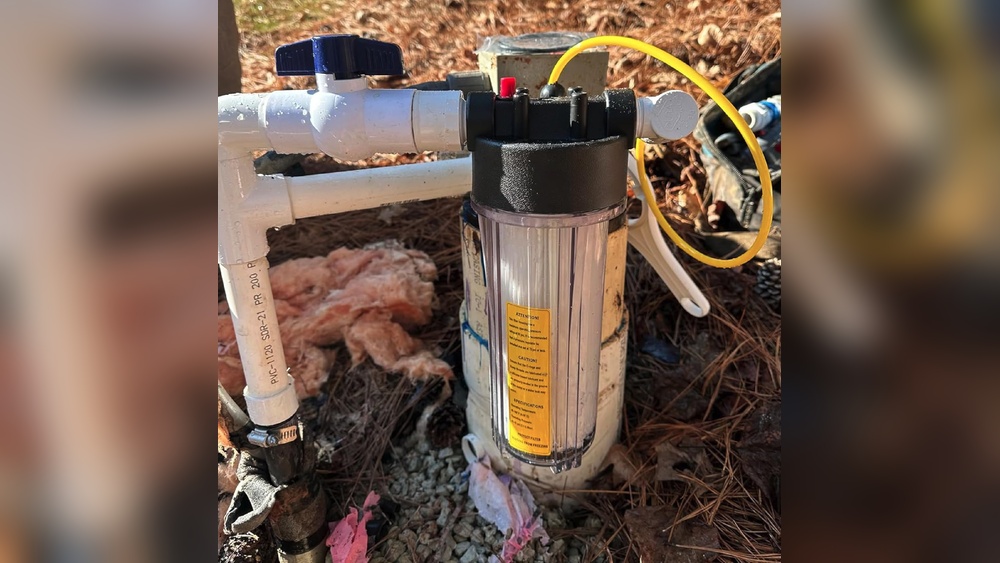
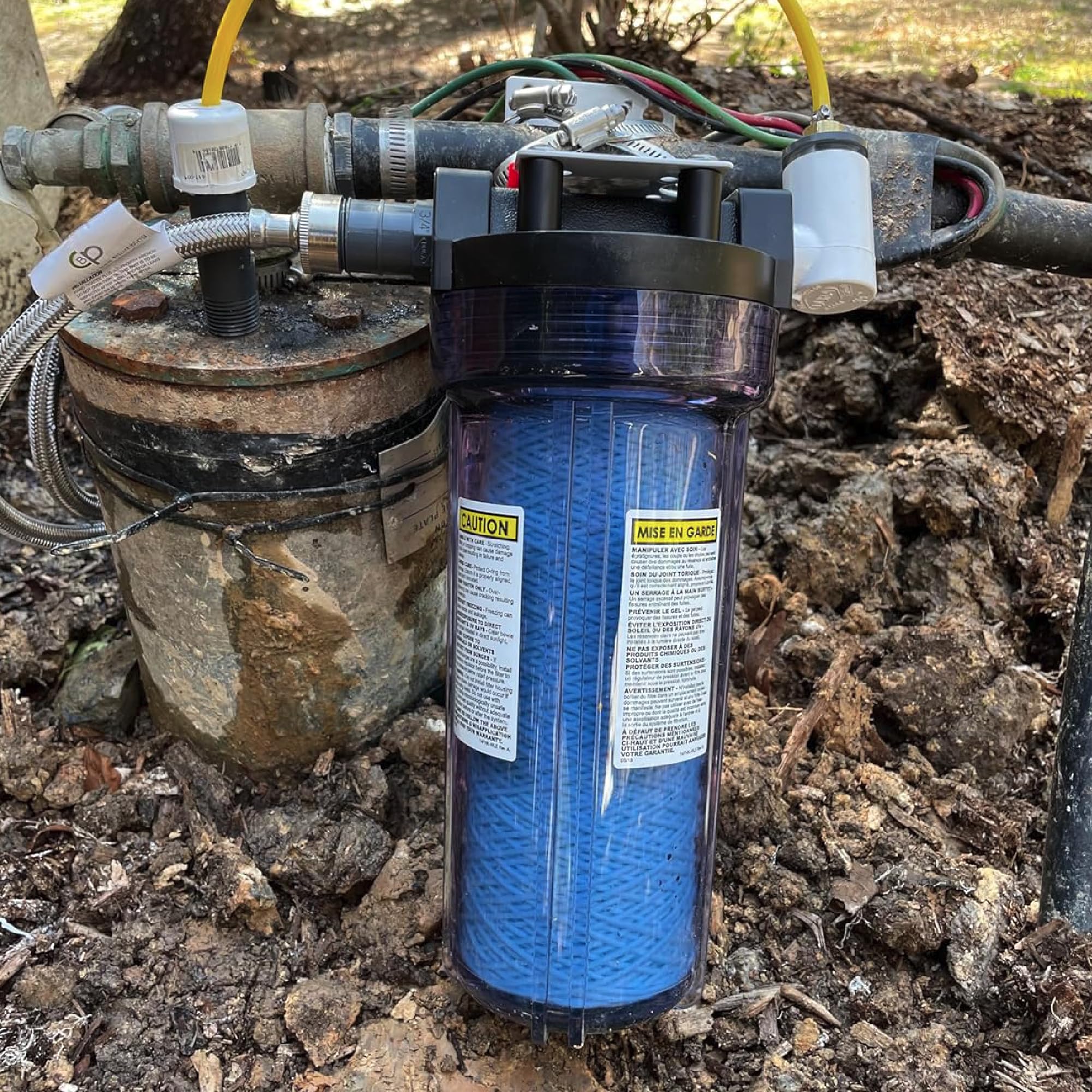
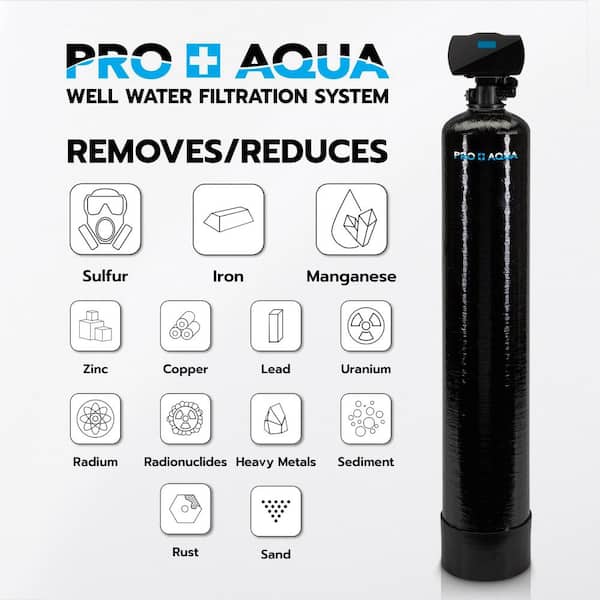
Certain filters target sulfur smell better than others. Activated carbon filters are common. They absorb gases and chemicals causing odors. Another option is oxidation filters. They change hydrogen sulfide into solid particles. These particles can then be filtered out. Aeration systems also remove sulfur by letting gas escape before water use.
Effectiveness Of Activated Carbon
Activated carbon filters work well for mild sulfur odors. They trap hydrogen sulfide molecules on their surface. This reduces the rotten egg smell. The filter needs regular changing for best results. Strong sulfur smells may require a larger or special carbon filter. Carbon filters alone may not fully remove high sulfur levels.
Limitations Of Standard Filters
Standard filters may not remove all sulfur odor. Some filters only remove particles, not gases. Hydrogen sulfide is a gas, so it passes through many filters. High sulfur levels need more advanced treatment. Filters may also clog faster with sulfur present. Testing water helps determine the right filter type and size.
Advanced Solutions For Sulfur Smell
Sulfur smell in water is a common problem that many face. Simple filters may not remove this strong odor effectively. Advanced solutions target the root cause of the smell. These methods treat water deeply and improve its taste and safety.
Oxidizing Filters And Aeration
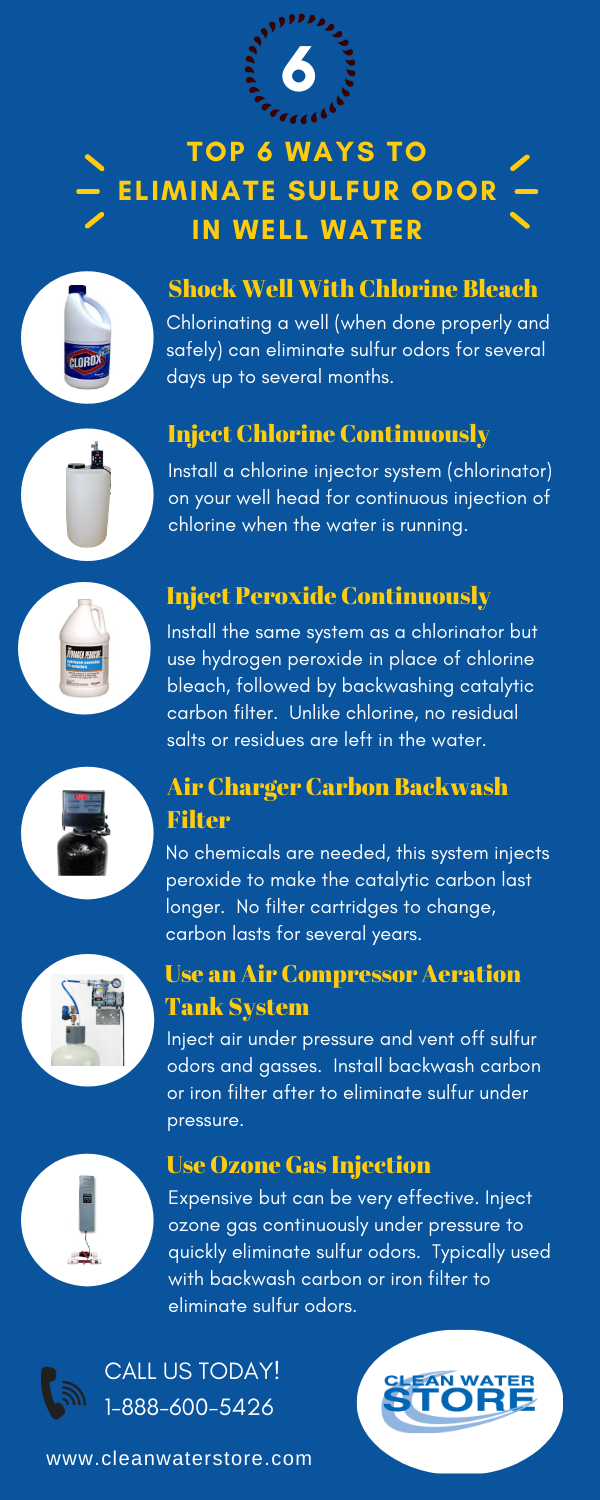
Oxidizing filters change sulfur compounds into solid particles. These particles get trapped in the filter media. Aeration adds air to water, helping sulfur gases escape. This method reduces the rotten egg smell quickly. Both processes improve water clarity and freshness.
Chemical Treatments
Certain chemicals react with sulfur compounds to remove odors. Chlorine is often used to kill bacteria that cause sulfur smell. Other chemicals can oxidize and neutralize sulfur in water. These treatments require careful dosing and monitoring. They work well for severe sulfur problems.
Water Softening Systems
Water softeners reduce minerals that cause sulfur smell. They exchange sulfur ions with safer minerals like sodium. This process lowers sulfur concentration in water. Softening systems also improve water texture and prevent pipe damage. They suit homes with moderate sulfur levels.
Choosing The Right Treatment For Your Home
Choosing the right treatment for your home’s sulfur smell is important. The smell often comes from hydrogen sulfide gas in your water. This gas gives water a rotten egg odor. Not all water filters remove this smell well. It is crucial to pick a system that fits your needs and water type. Understanding your water’s condition helps you make a smart choice. Let’s explore key steps to choose the best treatment.
Water Testing And Diagnosis
Testing your water is the first step. A simple water test shows the sulfur level. It also finds other contaminants that cause smell. Knowing the exact problem helps select the right filter. Some filters work better for low sulfur levels. Others handle strong sulfur smells. Testing ensures you do not waste money on the wrong system.
Filter Maintenance Tips
Filters need care to work well. Regular cleaning keeps them effective. Change filter cartridges as the instructions say. Dirty filters can cause smells to return. Check your system often for clogs or damage. Proper maintenance saves money and extends filter life. It keeps your water fresh and safe.
Cost And Installation Considerations
Cost varies between filter types and sizes. Simple filters cost less but may need frequent changes. Complex systems cost more but last longer. Installation can be easy or need a professional. Consider space and plumbing before buying. A good system fits your budget and home setup. Planning helps avoid surprises and extra costs.
Frequently Asked Questions
Will A Water Filter Remove Sulfur Smell Effectively?
Yes, specific water filters with activated carbon or catalytic media can reduce sulfur smell. These filters target hydrogen sulfide, the main cause of the odor, improving water taste and safety.
What Type Of Filter Removes Sulfur Smell From Water?
Activated carbon filters and catalytic carbon filters are best. They absorb and neutralize hydrogen sulfide, eliminating the rotten egg smell from your water supply.
Can A Water Filter Remove Sulfur Smell From Well Water?
Yes, many well water sulfur issues can be treated with filters. Installing an appropriate filter system can significantly reduce or remove sulfur odor in well water.
How Do Water Filters Eliminate The Rotten Egg Smell?
Filters trap hydrogen sulfide molecules using carbon media. This process removes the odor-causing sulfur compounds, resulting in fresher, cleaner-smelling water.
Conclusion
A water filter can help reduce the sulfur smell in your water. Not all filters work the same, so choose one made for sulfur removal. Regular filter changes keep your water fresh and clean. Clean water means better taste and no bad odors.
Test your water first to understand the problem clearly. A good filter improves your daily water use. Enjoy fresh, odor-free water every day with the right filter. Simple steps lead to better water quality at home.
Hasan Al Sarker is a Reverse Osmosis Specialist. He has worked for many years to ensure safe drinking water for all. His research paper has been published in several journals, including Issue, Medium, and Slideshare. He is recognized as a water doctor among specialists though he did not attend medical college.
Besides working as a researcher of reverse osmosis technology, he is also very fancy with the kitchen and cooking. His guides are reading thousands of people every day. As a head of content, he is responsible for all the published articles at RO System Reviews.
Are you wondering if a Brita water filter is really worth the investment? You want clean, great-tasting water, but you might be unsure if this simple device can make a big difference.
Imagine having fresher, clearer water right from your tap without the hassle or expense of buying bottled water. You’ll discover the real benefits of using a Brita filter, how it works, and whether it fits your lifestyle and budget. Keep reading to find out if this small change can lead to better health and savings for you.
Brita Filter Basics
Understanding the basics of Brita filters helps decide if they fit your needs. These filters improve tap water taste and quality. They work by reducing impurities that affect water flavor and safety.
Knowing how Brita filters work and the types available guides your choice. This knowledge ensures you pick the right filter for your water and lifestyle.
How Brita Filters Work
Brita filters use activated carbon and ion-exchange resin. The carbon traps chlorine and other chemicals that cause bad taste. The resin reduces metals like lead and copper in water. Water passes slowly through the filter to clean effectively. This process improves water taste and safety without changing minerals you need.
Types Of Brita Filters
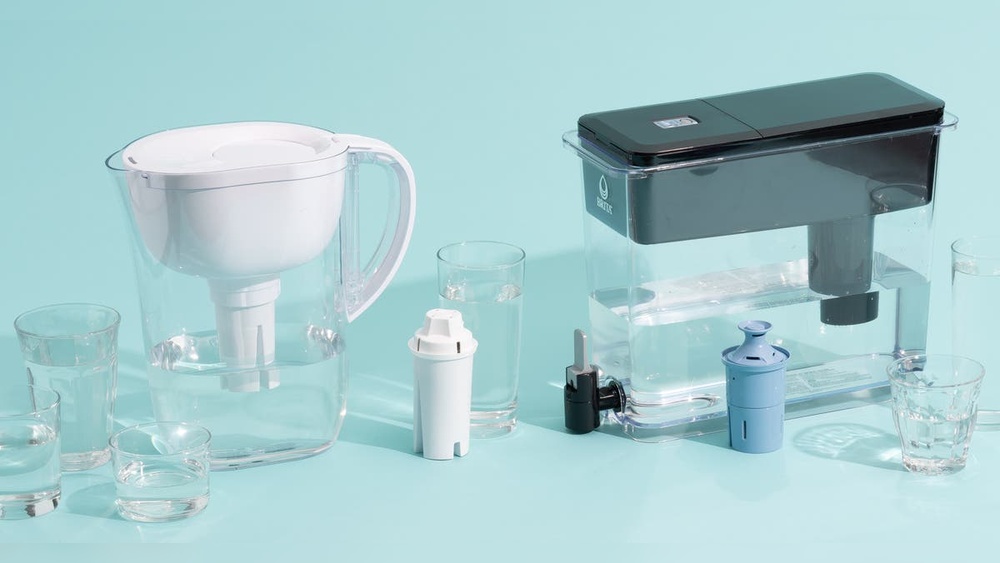
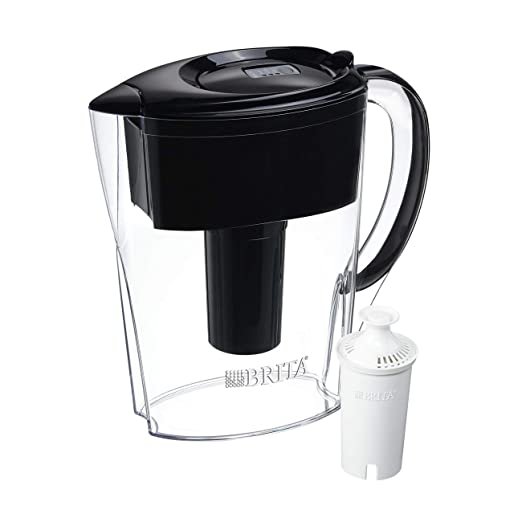
Brita offers several filter types for different uses. Pitcher filters fit in water pitchers for easy use at home. Faucet filters attach directly to your tap for instant filtered water. Bottle filters are portable and perfect for on-the-go hydration. Each type has replacement filters that keep water clean. Choose one based on your daily water habits and preferences.
Water Quality Benefits
Water quality is a key reason many people choose a Brita water filter. Clean water supports health and improves daily hydration. Using a filter can reduce harmful substances and make water safer to drink. It also changes how water tastes and smells, making it more pleasant. These benefits affect not only health but also how much water people drink each day.
Contaminants Removed
Brita filters cut down many common water pollutants. They reduce chlorine, which often causes bad taste and smell. Lead is another harmful contaminant these filters can lower. Some filters also reduce mercury and copper. Removing these elements helps protect your body from toxins. The filter uses activated carbon and ion exchange to trap impurities. It does not remove all minerals, keeping water healthy and natural.
Taste And Odor Improvement
Filtered water tastes fresher and cleaner. Removing chlorine and other chemicals removes bad odors. This makes drinking water more enjoyable and easy. People often drink more water when it tastes better. It can also improve cooking and coffee flavor. The filter smooths water’s taste without adding any chemicals. This simple change boosts daily water intake and hydration.
Cost And Maintenance
Cost and maintenance play a big role in deciding if a Brita water filter is worth it. Knowing these details helps you plan your budget and effort.
Initial Investment
Buying a Brita filter pitcher or dispenser costs between $20 and $50. Prices depend on size and style. The product is easy to find online or in stores. No extra tools or plumbing changes are needed. This makes the upfront cost simple and clear.
Filter Replacement Frequency
Filters usually need changing every 40 gallons or about two months. This depends on how much water you filter daily. Replacement filters cost roughly $6 to $10 each. Changing the filter is quick and does not require skill. Regular replacement keeps water tasting fresh and clean.
Long-term Savings
Using a Brita filter reduces the need to buy bottled water. This saves money over time and cuts plastic waste. The initial and ongoing costs are lower than buying bottled water. Clean tap water at home costs just a few cents per gallon. Over months, this adds up to real savings.
Environmental Impact
Choosing a Brita water filter can affect the environment in several ways. Using filtered water helps reduce waste and supports recycling efforts. These actions matter for the planet and future generations.
Reduction In Plastic Waste
Brita filters reduce the need for bottled water. Fewer plastic bottles mean less trash in landfills and oceans. Many plastic bottles take hundreds of years to break down. Using a Brita filter cuts down on this plastic waste. It helps protect wildlife and keeps nature cleaner. Small changes like this make a big difference over time.
Recycling Brita Filters
Brita offers recycling programs for used filters. Sending filters back keeps plastic and other parts out of landfills. The company recycles materials to make new products. This process saves energy and reduces pollution. Recycling filters supports a circular system. It lowers the overall impact on the environment. Participating in these programs helps make filtering water greener.
User Experience
Many people choose Brita water filters to improve their drinking water. The user experience plays a big role in deciding if this product is worth buying. This section explores how easy the filter is to use and what common problems users report. Understanding these points helps you make a smart choice.
Ease Of Use
Setting up the Brita filter is usually quick and simple. Most users say it fits well in their fridge or on the counter. The pitcher has a clear water level indicator, so you know when to refill. Changing the filter takes only a few seconds. The filter replacement indicator also helps remind users when to swap the cartridge. Pouring water feels smooth and easy, without spills or leaks.
Common Complaints
Some users find the filter slows down water flow a bit. A few mention the pitcher feels bulky or heavy when full. Others say the filter replacement parts can be costly. A small number report a plastic taste in the water during the first uses. Some users also note that the filter does not remove all minerals or chemicals. Cleaning the pitcher can be tricky in the corners.
Alternatives To Brita
Many people want to improve their water quality. Brita filters are popular but not the only choice. Exploring alternatives helps find the best fit for your needs and budget.
Other Filter Brands
Several brands offer water filters similar to Brita. PUR and ZeroWater are well-known options. PUR filters reduce chlorine and some heavy metals. ZeroWater uses a five-stage filter for cleaner taste. Some brands focus on reducing lead or other contaminants. Prices and filter life vary by brand. Compare features to choose what suits your needs.
Tap Water And Bottled Water
Tap water is often safe and regulated. Many cities add fluoride and treat water carefully. Some people prefer bottled water for taste or convenience. Bottled water costs more and creates plastic waste. Using a filter can improve tap water taste and quality. This option is usually cheaper and better for the environment.
Is It Worth It?
Deciding if a Brita water filter is worth it depends on your needs and habits. Many people wonder if the cost and effort of using a Brita filter pay off. The answer varies based on water quality, taste preferences, and budget. Understanding the benefits and drawbacks helps make a clear choice.
Pros And Cons
Brita filters improve water taste by reducing chlorine and odors. They also lower some metals like lead and copper. Using a Brita filter can save money compared to buying bottled water. The filters are easy to use and fit in most refrigerators.
On the downside, Brita filters do not remove all contaminants. The filter needs regular replacement to work well. Some people may find the filtered water tastes flat. Also, Brita pitchers have limited capacity and may not suit large families.
Who Should Consider Brita
People with tap water that tastes or smells bad should try Brita. It suits those who want cleaner water without buying bottles. Small households benefit from the easy use and size of Brita pitchers. Those living in areas with safe but unappealing water find Brita helpful.
Families needing large amounts of filtered water might need bigger systems. People with serious water quality issues may require advanced filters or treatment. Brita works best for everyday use and improving basic water taste and quality.
Frequently Asked Questions
What Contaminants Does A Brita Filter Remove?
A Brita filter reduces chlorine, mercury, copper, and zinc. It also improves taste and odor. However, it does not remove all contaminants like bacteria or viruses.
How Often Should I Replace A Brita Filter?
Replace the Brita filter every 40 gallons or about every two months. This ensures optimal water filtration and taste quality.
Is Brita Water Safer Than Tap Water?
Brita filters improve tap water taste and reduce some chemicals. However, it does not guarantee complete purification or removal of all harmful substances.
Can Brita Filters Save Money On Bottled Water?
Yes, using a Brita filter reduces bottled water purchases. This saves money and reduces plastic waste, benefiting both your wallet and the environment.
Conclusion
A Brita water filter can improve your tap water taste and quality. It reduces chlorine and some impurities effectively. The filter is easy to use and affordable. You save money compared to buying bottled water. Changing filters regularly keeps water clean and fresh.
Consider your water needs and budget before buying. Clean water helps you stay healthy every day. A Brita filter offers a simple way to enjoy better water at home. Worth thinking about for better hydration and taste.
Hasan Al Sarker is a Reverse Osmosis Specialist. He has worked for many years to ensure safe drinking water for all. His research paper has been published in several journals, including Issue, Medium, and Slideshare. He is recognized as a water doctor among specialists though he did not attend medical college.
Besides working as a researcher of reverse osmosis technology, he is also very fancy with the kitchen and cooking. His guides are reading thousands of people every day. As a head of content, he is responsible for all the published articles at RO System Reviews.
Have you ever wondered what makes Kangen water different from regular tap water? If you’re curious about how a Kangen water filter works and why so many people are switching to it for better hydration, you’re in the right place.
Understanding this simple device could change the way you think about water and your health. Keep reading to discover how Kangen water filters transform ordinary water into something special for your body and lifestyle.
Kangen Water Basics
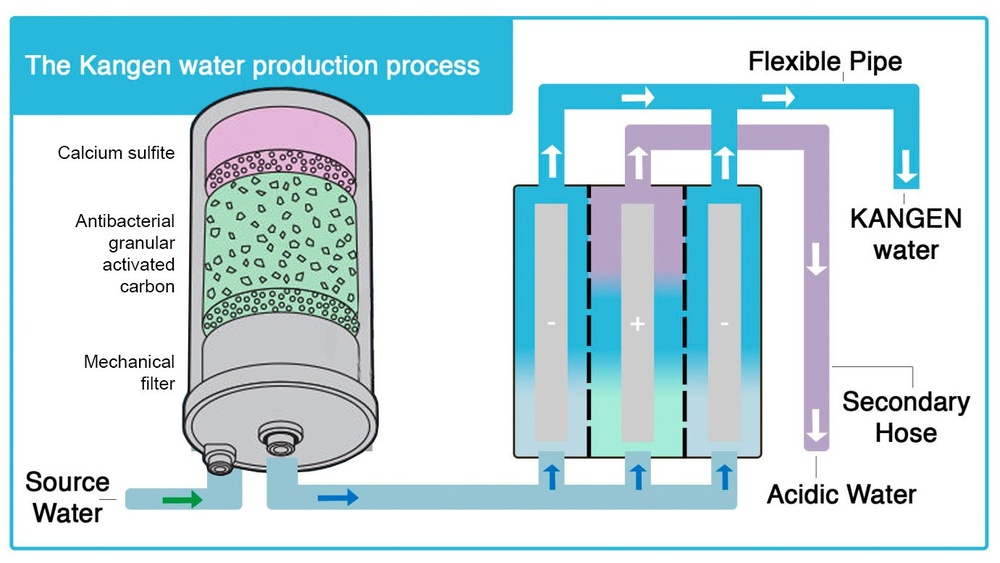
Kangen water is a special type of water made by a water filter machine. It is said to have health benefits and a unique taste. This water is different from regular tap water.
The Kangen water filter changes the water’s properties using a process called electrolysis. This process changes the pH level, making the water more alkaline or acidic.
What Is Kangen Water?
Kangen water is alkaline water produced by electrolysis. It has a higher pH level than normal water. People believe it helps balance the body’s acidity.
This water also has smaller water clusters. Smaller clusters mean the water is easier to absorb by the body’s cells. Some users say it tastes smoother and fresher.
Key Components Of The Filter
The Kangen water filter has several important parts. First, there is a pre-filter that removes dirt and chlorine from tap water. This makes the water clean before electrolysis.
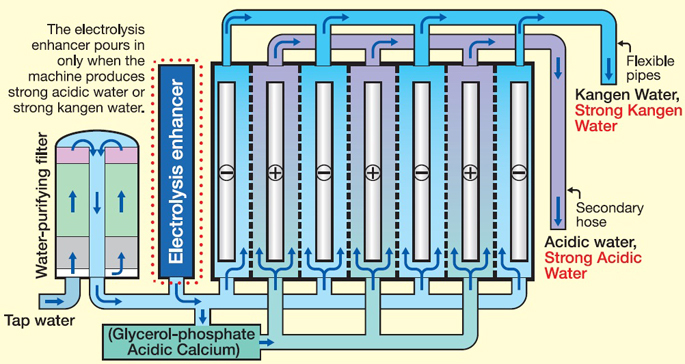
Next, the electrolysis chamber contains special plates made from titanium and platinum. These plates help split the water into alkaline and acidic streams. This step changes the water’s pH level.
The machine also has a control panel. This lets users choose the water’s pH level. It can produce water for drinking, cleaning, or other uses.
Ionization Process
The ionization process is key to how a Kangen water filter works. It changes regular tap water into alkaline or acidic water. This process uses electricity to split water into two types. One is rich in antioxidants, and the other contains more minerals. This makes the water healthier and useful for many purposes.
Electrolysis Explained
Electrolysis is the main step in ionization. The Kangen water filter has special plates made of titanium and platinum. These plates carry an electric current. When water flows over the plates, it splits into two streams. One stream has alkaline water, and the other has acidic water. This happens because the electric current changes the water molecules.
Ph Level Adjustments
The ionization process also controls the pH level of water. pH measures how acidic or alkaline the water is. The Kangen filter adjusts this by controlling the electric current strength. Higher current makes water more alkaline. Lower current makes it less alkaline or even acidic. This lets users choose the water type they want for different uses.
Antioxidant Properties
Kangen water has gained attention for its antioxidant properties. These properties help protect the body from damage caused by harmful molecules. Antioxidants play a key role in maintaining good health and reducing the effects of aging. Understanding how antioxidants form in Kangen water clarifies why many people value this water filter.
How Antioxidants Form
Kangen water forms antioxidants through a process called electrolysis. This process splits water into alkaline and acidic parts. The alkaline water contains molecules called hydrogen ions. These ions act as antioxidants by neutralizing harmful free radicals in the body. Free radicals can cause cell damage and lead to illnesses. The antioxidants in Kangen water help stop this damage.
Health Implications
Drinking water rich in antioxidants supports the body’s defense system. Antioxidants reduce oxidative stress, which harms cells and tissues. This may lower the risk of chronic diseases like heart problems and diabetes. Many people feel more energetic and hydrated after drinking Kangen water. Antioxidants also help slow down aging signs by protecting skin cells.
Water Structure Changes
Water structure changes play a key role in how Kangen water filters work. This process alters the water at a molecular level. The change helps the water behave differently inside the body. It affects how water feels and how well it hydrates.
The main idea is that the water molecules group in smaller clusters. These smaller clusters are easier for the body to absorb. This change in structure is the foundation of many benefits linked to Kangen water.
Micro-clustering Concept
Normal water molecules tend to form larger clusters. These clusters are groups of 10 or more molecules. Kangen water breaks these into smaller groups. These smaller clusters usually have 5 to 6 molecules.
Smaller clusters move more easily through cell walls. This helps water reach cells faster. It means the body can use the water more efficiently. The micro-clustering process happens during water ionization in the filter.
Hydration Benefits
Water with smaller clusters improves hydration. Cells absorb it quicker and better. This can help improve energy and focus. It may also support better digestion and detoxification.
Good hydration is essential for health. Micro-clustered water helps keep the body balanced. It supports healthy skin and helps prevent dehydration. These benefits show why water structure changes matter.
Types Of Kangen Water
Kangen water comes in different types, each with unique pH levels. These types serve various purposes. The water filter creates water ranging from strong acidic to strong alkaline. Understanding these types helps you use Kangen water wisely for health and cleaning.
The two main types discussed here are strong acidic water and strong alkaline water. Both have specific uses and benefits.
Strong Acidic Water Uses
Strong acidic water has a low pH, usually around 2.5. It acts as a natural disinfectant. People use it for cleaning surfaces and killing germs. It also works well for washing fruits and vegetables. This water helps remove pesticides and bacteria. Some use it for skin care to reduce oil and acne. It is not for drinking but great for hygiene tasks.
Strong Alkaline Water Benefits
Strong alkaline water has a high pH, typically above 11. It helps remove pesticides from fruits and vegetables. This water can also clean tough stains and grease. Some people use it for soaking dishes before washing. It may help balance your home’s water pH for cleaning. Strong alkaline water is not for drinking but useful for household chores.
Maintenance And Longevity
Proper maintenance is key to keeping your Kangen water filter working well. It helps the device last longer and provide clean water every time. Regular care avoids problems and ensures the filter performs at its best.
Simple steps can protect your investment. Knowing how to replace filters and clean the system extends its life. These tasks do not take much time but make a big difference.
Filter Replacement Tips
Replace the filter as the manufacturer suggests. This keeps water pure and safe to drink. Using a worn filter lowers water quality and can damage the machine.
Mark the date when you install a new filter. Check it regularly and plan for replacement. Always use filters made for your specific Kangen model.
Do not wait for the water to taste strange before changing the filter. A timely replacement prevents issues and keeps water fresh.
Cleaning Procedures
Clean the Kangen water filter system regularly to stop buildup. Mineral deposits can block water flow and reduce efficiency. Use mild, non-abrasive cleaners recommended by the manufacturer.
Rinse all parts well after cleaning. Make sure no residue remains inside the machine. Wipe the exterior with a soft cloth to keep it looking new.
Set a cleaning schedule based on how often you use the filter. This helps maintain smooth operation and better water quality.
Comparing With Other Filters
Choosing the right water filter matters for health and taste. Many filters clean water but differ in how they work and what they offer. Comparing Kangen water filters with others helps to see unique benefits and costs. This comparison shows why some people prefer Kangen for daily use.
Unique Features
Kangen water filters use electrolysis to change water’s pH. This creates alkaline water and antioxidant-rich water. Other filters mostly remove impurities only. Kangen machines offer multiple pH levels for different uses. Few filters provide this flexibility and health-focused function.
Standard filters focus on removing chlorine, sediment, and bad taste. They do not change water’s chemical properties. Kangen filters also produce acidic water useful for cleaning and skin care. This dual function is rare among water filters.
Cost Vs Benefits
Kangen water filters cost more upfront than regular filters. The price reflects advanced technology and extra features. Over time, benefits like better hydration and antioxidant effects may justify the cost. Cheaper filters need replacement parts more often.
Regular filters are affordable but may lack long-term health benefits. They mostly improve water taste and safety. Kangen filters last longer and offer more than basic filtering. The choice depends on budget and health priorities.
User Experiences
User experiences provide real insight into how the Kangen Water filter works. They show practical benefits and everyday challenges. Hearing from users helps to understand the filter’s true impact on health and taste. Many people share their stories about changes after using this water filter.
People describe feeling more energetic and notice better hydration. Some mention improvements in skin and digestion. Taste often comes up as a key point, with many saying the water tastes cleaner and fresher. These firsthand accounts offer useful information for anyone curious about Kangen Water.
Common Feedback
Users often praise the filter’s ability to remove bad odors and chlorine taste. Many say the water feels smoother and softer on the tongue. Some report better cooking results using Kangen Water. The ease of use and quick filtration get positive notes too.
Several people notice clearer skin and improved digestion over time. A number also mention using the water for plants and pets with good results. Many find the variety of pH levels useful for different needs. Overall, the positive feedback centers on taste, health, and usability.
Potential Drawbacks
Some users find the initial cost of the filter high. A few mention the machine requires regular cleaning and maintenance. Others report that the water pH settings can be confusing at first. Occasional issues with the filter lifespan also appear in reviews.
Some users expect faster health changes and feel disappointed. A small number say the water taste varies between machines. Noise during filtration is a minor complaint for a few. These drawbacks highlight areas for potential buyers to consider carefully.
Frequently Asked Questions
What Is Kangen Water Filter Technology?
Kangen water filters use electrolysis to separate water into alkaline and acidic streams. This process removes impurities and enhances water quality. It retains essential minerals while improving taste and hydration. The filtered water supports better health due to its balanced pH and antioxidant properties.
How Does Kangen Water Filtration Improve Water Quality?
The filter eliminates chlorine, rust, and harmful substances effectively. It also reduces sediments and organic contaminants. This ensures clean, safe drinking water. The process maintains beneficial minerals, making water healthier and more refreshing. It enhances hydration and supports overall wellness.
Can Kangen Water Filter Remove Chlorine And Contaminants?
Yes, the Kangen water filter effectively removes chlorine and many contaminants. Its multi-stage filtration system targets sediments, chemicals, and impurities. This results in safer and better-tasting water. The system also balances pH levels, promoting antioxidant benefits and improved hydration.
Why Is Kangen Water Alkaline And Beneficial?
Kangen water is alkaline due to the electrolysis process that raises pH levels. Alkaline water neutralizes acidity in the body, supporting better health. It contains antioxidants that combat free radicals. This promotes detoxification and improves hydration at the cellular level.
Conclusion
Kangen water filters clean and balance your water effectively. They remove impurities and add helpful minerals. The process is simple but powerful for daily hydration. Using Kangen water supports healthier drinking habits. Understanding how it works helps you make smart choices.
Clear, balanced water can improve taste and quality. This filter offers a reliable way to enjoy cleaner water. Try it and see the difference in your water today.
Hasan Al Sarker is a Reverse Osmosis Specialist. He has worked for many years to ensure safe drinking water for all. His research paper has been published in several journals, including Issue, Medium, and Slideshare. He is recognized as a water doctor among specialists though he did not attend medical college.
Besides working as a researcher of reverse osmosis technology, he is also very fancy with the kitchen and cooking. His guides are reading thousands of people every day. As a head of content, he is responsible for all the published articles at RO System Reviews.
Have you ever wondered if installing a filter on your hot water line could make a real difference in your home? You might think filtering cold water is enough, but what about the water coming directly from your heater?
The truth is, unfiltered hot water can carry impurities that affect your skin, appliances, and even your health. If you care about cleaner water, longer-lasting appliances, and a safer home environment, this is something you need to consider. Keep reading to find out whether adding a filter to your hot water line is the smart choice for you.
Benefits Of Hot Water Line Filters
Installing a filter on the hot water line offers several important benefits. It improves the quality of water you use every day. The filter removes impurities that can affect taste and safety. It also helps protect your home appliances and supports healthier skin and hair. These advantages make a strong case for having a hot water line filter.
Improved Water Quality
Hot water filters remove sediments, chlorine, and other contaminants. This creates cleaner water for cooking and cleaning. It helps reduce odors and tastes caused by impurities. Cleaner water improves your overall home environment and health.
Protection For Appliances
Impurities in hot water can damage appliances like water heaters and dishwashers. A filter prevents buildup of minerals and rust inside these devices. This extends their life and reduces repair costs. Appliances run more efficiently with filtered hot water.
Enhanced Skin And Hair Health
Hot water can strip natural oils from skin and hair. Filters reduce harsh chemicals that cause dryness and irritation. Using filtered hot water helps keep skin soft and hair smooth. It supports a gentle and healthy daily routine.
Types Of Filters Suitable For Hot Water
Choosing the right filter for your hot water line is important. Hot water can carry different impurities than cold water. Some filters work better with hot water to protect your pipes and appliances. Understanding the types of filters helps you make a smart choice.
Each filter type has its own way of cleaning water. Some remove particles, others reduce chemicals or soften hard water. Let’s explore the common filters that suit hot water lines.
Sediment Filters
Sediment filters trap dirt, sand, and rust from water. They protect your water heater and pipes from damage. These filters are usually made of pleated fabric or spun fibers. They work well with hot water but need regular cleaning or replacement. Sediment filters keep your water clear and your system safe.
Carbon Filters
Carbon filters reduce chlorine, bad tastes, and odors in water. They use activated carbon to absorb chemicals and impurities. Some carbon filters can handle hot water temperatures. They improve water quality and make it safer for use. Carbon filters also protect appliances by reducing scale and build-up.
Water Softeners
Water softeners remove hardness minerals like calcium and magnesium. Hard water can cause scale in pipes and heaters. Softeners use salt or potassium to replace these minerals. They work well with hot water and extend the life of your water heater. Softened water feels smoother and helps soap work better.
Installation Considerations
Installing a filter on the hot water line needs some planning. You must think about where to place it, if it fits your plumbing, and how to keep it working well. These factors help you get the best results and avoid problems later.
Placement Options
Choose a spot that is easy to reach. Filters need space for installation and future care. Near the water heater is common. It protects the heater and gives clean hot water. Avoid places with extreme heat or cold. Check for enough room to open and replace the filter. A good spot saves time and effort.
Compatibility With Plumbing
Make sure the filter matches your pipes. Check pipe size and type before buying. Some filters fit only certain pipe materials. Use adapters if needed, but avoid complex setups. The filter should not reduce water flow. A mismatch can cause leaks or damage. Proper fit keeps water clean and system safe.
Maintenance Requirements
Filters need regular care to work well. Learn how often to change or clean the filter. Some need monthly attention, others less often. Easy access helps with quick maintenance. Ignoring maintenance lowers water quality and filter life. Keep a reminder to check the filter on time. Clean filters give better water and last longer.
Potential Drawbacks
Installing a filter on the hot water line has clear benefits. Still, it can come with some drawbacks. Knowing these issues helps make the right choice for your home. Consider these potential challenges before installation.
Cost Factors
Filters for hot water lines often cost more than cold water filters. The materials must withstand higher temperatures. This raises the price of buying and installing them. Maintenance costs add up over time too. Budgeting for these expenses is important.
Impact On Water Pressure
Adding a filter to the hot water line can lower water pressure. The filter blocks some flow to catch impurities. This can make showers and taps feel weaker. Homes with already low water pressure may notice this more. Checking pressure levels before installing is wise.
Filter Lifespan And Replacement
Hot water filters may wear out faster than others. Heat can reduce the filter’s effectiveness over time. Regular replacement is necessary to keep water clean. Forgetting to change filters can cause clogs and damage. Staying on a replacement schedule saves trouble later.
Signs You Need A Hot Water Filter
Knowing the signs that indicate the need for a hot water filter helps protect your home and health. Contaminants in hot water can cause taste, odor, and appliance problems. Detecting these issues early can save money and improve water quality.
Below are common signs that suggest installing a hot water filter is a smart choice.
Water Taste And Odor Issues
Hot water may taste metallic, sour, or strange. Unpleasant smells like rotten eggs or chlorine can also appear. These signs point to impurities in your water. A filter can remove these unwanted tastes and odors for cleaner water.
Appliance Damage Or Inefficiency
Minerals and sediments can build up inside water heaters and appliances. This causes rust, clogs, and reduces efficiency. Your water heater may take longer to heat water or break down early. A hot water filter helps prevent damage and keeps appliances running well.
Hard Water Symptoms
Hard water leaves white spots on dishes and soap scum in sinks. It also makes soap less effective and can dry out skin. High levels of calcium and magnesium cause these issues. Filtering hot water can reduce hardness and protect plumbing and skin.
Comparing Hot And Cold Water Filtration
Hot and cold water filtration serve different purposes and face unique challenges. Understanding their differences helps decide if a filter is needed on the hot water line. Each type of water contains distinct contaminants. Filter materials react differently to heat. Usage patterns also affect filter performance and lifespan.
Differences In Contaminants
Cold water often carries dirt, rust, and chlorine. Hot water may have minerals like calcium and magnesium. These minerals cause scale buildup inside pipes and heaters. Some bacteria can grow faster in warm water. Filters for hot water must handle these unique problems. Cold water filters focus more on taste and odor removal.
Filter Material Durability
Not all filter materials work well with hot water. Heat can damage or weaken some filter media. Plastic parts may warp or crack under high temperatures. Specialized filters use materials designed for heat resistance. These filters last longer and keep working properly. Choosing the right filter material is crucial for hot water lines.
Usage Frequency
Hot water is used less frequently than cold water. Showers, cooking, and cleaning use hot water. Cold water is used for drinking, washing, and more. Filters on cold water lines may need more frequent changes. Hot water filters might clog slower but still need maintenance. Regular checks ensure both filters work efficiently.
Frequently Asked Questions
Should I Install A Filter On My Hot Water Line?
Installing a filter on the hot water line can improve water quality and protect appliances. It removes sediments and contaminants that may affect taste and safety. Consider your water source and specific needs before installation for best results.
What Are The Benefits Of Filtering Hot Water?
Filtering hot water reduces sediments, chlorine, and harmful chemicals. It protects pipes and appliances from buildup and corrosion. Additionally, filtered water improves taste and odor, making it safer and more pleasant for daily use.
Can A Hot Water Filter Protect My Water Heater?
Yes, a hot water filter can protect your water heater by reducing scale and sediment buildup. This extends the heater’s lifespan and improves efficiency. It also reduces maintenance costs and potential repairs.
How Often Should I Change A Hot Water Filter?
Hot water filters typically need changing every 6 to 12 months. Frequency depends on water quality and usage levels. Regular replacement ensures optimal filtration and prevents clogging, maintaining clean and safe hot water.
Conclusion
Installing a filter on your hot water line can protect your pipes and appliances. It helps remove dirt and minerals that cause damage. Clean water means better water quality for your home. Filters also extend the life of water heaters.
Think about your water source and needs before deciding. A good filter adds value and peace of mind. Small steps like this improve daily water use. Consider this option to keep your water clean and safe.
Hasan Al Sarker is a Reverse Osmosis Specialist. He has worked for many years to ensure safe drinking water for all. His research paper has been published in several journals, including Issue, Medium, and Slideshare. He is recognized as a water doctor among specialists though he did not attend medical college.
Besides working as a researcher of reverse osmosis technology, he is also very fancy with the kitchen and cooking. His guides are reading thousands of people every day. As a head of content, he is responsible for all the published articles at RO System Reviews.
Is your water leaving spots on your dishes or making your skin feel dry? You might be dealing with hard water.
Hard water contains minerals that can cause buildup in your pipes, appliances, and even on your skin. But don’t worry—there are simple ways you can filter hard water and improve its quality right at home. You’ll discover easy methods to soften your water, protect your home, and enjoy cleaner, fresher water every day.
Keep reading to find the solution that fits your needs perfectly.
Causes Of Hard Water
Hard water forms naturally as it passes through soil and rocks. It picks up minerals that make water “hard.” These minerals cause many issues in homes and appliances. Understanding what causes hard water helps in choosing the right filter.
Minerals Behind Hard Water
Calcium and magnesium are the main minerals in hard water. They dissolve from limestone, chalk, and other rocks underground. These minerals do not harm health but affect water quality. They cause scale buildup on pipes and appliances. This buildup reduces water flow and efficiency.
Common Signs Of Hard Water
Soap does not lather well with hard water. You may see white spots on dishes and glassware. Clothes washed in hard water may look dull and feel rough. Faucets and showerheads can get crusty deposits. These signs show minerals in water need filtering.
Health And Home Effects
Hard water affects both health and home in many ways. It contains high levels of minerals like calcium and magnesium. These minerals cause problems for skin, hair, and household items. Understanding these effects helps in choosing the right water filter.
Impact On Skin And Hair
Hard water can make skin dry and itchy. The minerals block soap from rinsing off well. This leaves a residue that clogs pores. It may cause irritation or worsen skin conditions.
Hair feels rough and looks dull with hard water. It can cause scalp dryness and dandruff. Washing hair with hard water reduces softness and shine. Over time, hair may become brittle and break easily.
Damage To Appliances And Plumbing
Minerals in hard water build up inside pipes and appliances. This causes clogging and reduces water flow. Appliances like dishwashers and water heaters work less efficiently. They may break down sooner and need costly repairs.
Limescale buildup increases energy use in water heaters. Pipes can corrode, leading to leaks and water damage. Filtering hard water protects plumbing and saves money on repairs. It also extends the life of household appliances.
Types Of Water Softeners
Water softeners help reduce hard water problems. They remove minerals like calcium and magnesium. There are different types of water softeners. Each type works in a unique way. Understanding these types helps you pick the right one for your home.
Salt-based Softeners
Salt-based softeners use ion exchange to soften water. They replace hard minerals with sodium ions. This method effectively reduces scale buildup in pipes and appliances. Salt needs regular refilling for the system to work well. These softeners are popular in homes with very hard water.
Salt-free Conditioners
Salt-free conditioners do not remove minerals from water. Instead, they change minerals so they do not stick to surfaces. This helps reduce scale without using salt. They require less maintenance and no salt refills. Salt-free conditioners are good for mild to moderate hard water.
Magnetic And Electronic Devices
Magnetic and electronic devices use fields to affect minerals. They claim to prevent scale buildup in pipes and appliances. These devices are easy to install and require no chemicals. Their effectiveness varies and depends on water type and flow. Many homeowners use them as a simple water treatment option.
Diy Hard Water Filtration Methods
Hard water can cause problems like stains and soap scum. Filtering it at home helps protect your pipes and skin. You can try simple DIY methods using common items. These ways reduce minerals that make water hard. They are easy and cheap to do yourself.
Using Vinegar And Baking Soda
Vinegar and baking soda work well to soften hard water. Vinegar contains acid that breaks down minerals. Baking soda helps balance pH levels. Mix one cup of vinegar with water in a container. Add a teaspoon of baking soda slowly. Let the solution sit for 10 minutes. Use it to rinse surfaces or laundry. This method reduces mineral buildup and cleans effectively.
Boiling And Distillation
Boiling water helps remove some hardness. Heat water until it bubbles and boils for 5 minutes. Minerals like calcium settle at the bottom. Pour off the clean water carefully. Distillation is a stronger method. It collects steam and turns it back into water. This leaves minerals behind. Distilled water is very soft but needs special equipment. Boiling and distillation improve water quality for drinking and cooking.
Charcoal Filters
Charcoal filters absorb impurities from hard water. Use activated charcoal in a simple filter setup. Pour water through the charcoal slowly. It traps minerals and other particles. Charcoal filters are reusable after cleaning. They improve taste and reduce hardness slightly. This method works well for small amounts of water. Easy to make at home and affordable too.
Installing A Water Softener
Installing a water softener is a practical way to treat hard water in your home. It helps reduce minerals like calcium and magnesium. These minerals cause scale buildup and affect water quality. A water softener improves water for drinking, cleaning, and bathing.
This process involves choosing the right system, installing it properly, and maintaining it regularly. Each step is important for the system to work well and last long.
Choosing The Right System
Pick a system based on your water hardness and home size. Check the grain capacity; it shows how much hardness the system can handle. Salt-based softeners are common and effective. Salt-free systems prevent scale but don’t remove minerals. Consider your budget and maintenance needs too.
Step-by-step Installation Guide
Turn off the main water supply first. Find a spot near the main water line for the softener. Cut the pipe and attach bypass valves to control water flow. Connect the softener’s inlet and outlet to the pipes. Plug in the system and add salt to the tank. Open the water supply and check for leaks. Follow the manufacturer’s instructions to start the system.
Maintenance Tips
Check the salt level in the tank every month. Refill with the recommended salt type as needed. Clean the brine tank once a year to avoid buildup. Inspect the system for leaks or damage regularly. Test water hardness to ensure the softener works well. Proper care extends system life and keeps water soft.
Cost And Efficiency Comparison
Choosing the right method to filter hard water depends on cost and efficiency. Knowing the balance helps you pick a system that fits your budget and needs. Some options have high upfront costs but save money over time. Others cost less initially but might use more water or salt. Comparing these factors leads to better decisions.
Initial Investment Vs Long-term Savings
Water softeners and filters vary in price. Basic models start low but may need frequent maintenance. Advanced systems cost more but last longer and need less upkeep. Spending more now can reduce water damage and soap use later. This means lower bills for repairs and cleaning. Check the cost of salt, electricity, and parts too. These add to the total expense over time.
Water Softener Efficiency Ratings
Efficiency ratings show how well a system uses resources. Look for ratings on water use and salt consumption. High-efficiency models save more water and salt, lowering monthly costs. Some softeners use less salt per cycle. Others recycle water during regeneration. These features reduce waste and help the environment. Always compare efficiency scores before buying a softening system.
Alternative Solutions
Hard water causes problems like scale buildup and dry skin. Many people seek ways to reduce these issues. Besides common water softeners, some alternative solutions help filter hard water effectively. These options are easy to use and can improve water quality in different situations.
Using Bottled Or Filtered Water
Bottled water offers a simple way to avoid hard water minerals. It is convenient for drinking and cooking. Filtered water from stores also provides a mineral-free option. This solution requires no installation or maintenance at home. It suits those who want a quick fix without equipment.
Water Filtration Pitchers
Water filtration pitchers are affordable and easy to use. They remove many hard water minerals and impurities. Just fill the pitcher and wait a few minutes for filtered water. These pitchers fit well in refrigerators and are portable. They need regular filter changes for best results.
Professional Water Treatment Services
Experts can test your water to find hard minerals. They suggest the best filtration or softening system for your home. Professional services install and maintain equipment for smooth operation. This option ensures long-term water quality improvement. It suits people wanting a permanent and reliable solution.
Frequently Asked Questions
What Is The Best Method To Filter Hard Water?
The best method to filter hard water is using a water softener. It removes calcium and magnesium ions that cause hardness. Other options include reverse osmosis and ion exchange filters. These methods improve water quality and prevent scale buildup in pipes and appliances.
How Does A Water Softener Remove Hard Water Minerals?
A water softener uses ion exchange to replace calcium and magnesium with sodium or potassium ions. This process softens the water and prevents mineral deposits. It’s effective, easy to maintain, and widely used in homes to improve water quality and protect plumbing.
Can Hard Water Be Filtered Without Chemicals?
Yes, hard water can be filtered without chemicals using physical methods like reverse osmosis or magnetic water conditioners. These methods reduce hardness by removing minerals or altering their structure without adding chemicals, offering an eco-friendly solution for water treatment.
How Often Should Hard Water Filters Be Replaced?
Hard water filters should be replaced every 6 to 12 months. Replacement frequency depends on water hardness and filter type. Regular replacement ensures optimal filtration performance and prevents buildup that can reduce water flow and filter efficiency.
Conclusion
Filtering hard water protects your home and health. Simple methods like using water softeners or filters work well. Regular maintenance keeps your system efficient and reliable. Clean water improves taste, appliance life, and skin health. Choose the right option based on your needs and budget.
Start filtering today for better water quality tomorrow.
Hasan Al Sarker is a Reverse Osmosis Specialist. He has worked for many years to ensure safe drinking water for all. His research paper has been published in several journals, including Issue, Medium, and Slideshare. He is recognized as a water doctor among specialists though he did not attend medical college.
Besides working as a researcher of reverse osmosis technology, he is also very fancy with the kitchen and cooking. His guides are reading thousands of people every day. As a head of content, he is responsible for all the published articles at RO System Reviews.