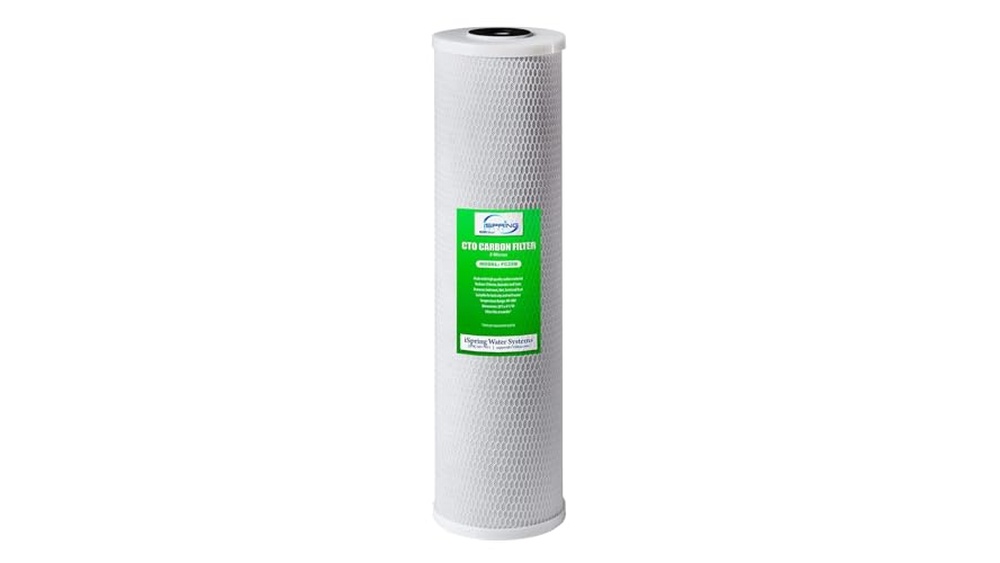
With many years of experience testing and reviewing under-sink and countertop water filtration systems, I understand what makes a filter reliable and effective. In this review, I share my honest and detailed findings on the iSpring FC25B Whole House Water Filter, CTO Carbon Block, 20” x 4.5”. I have carefully researched and personally tested this filter to see how well it removes chlorine, sediment, and bad tastes from water. My goal is to provide clear and simple information to help you decide if this filter is the right choice for your home. You can trust this review because it is based on real experience and thorough analysis, not just marketing claims.
Pros & Cons
What We Loved
✅ Removes up to 99% of chlorine
✅ Fits standard 20” x 4.5” housings
✅ High-quality coconut shell activated carbon
✅ Minimal impact on water flow (up to 15 GPM)
What Could Be Better
❌ Replacement frequency varies by water quality
❌ Does not remove heavy metals or bacteria
❌ May require professional installation for some users
Who Should Buy This
This iSpring FC25B Whole House Water Filter is perfect for anyone who wants clean water throughout their home. If you are worried about sediment, chlorine taste, or odors in your water, this filter can help. It works well for families, homeowners, or renters who want better water quality for drinking, cooking, and bathing. It is also great for people with sensitive skin or those who want to protect their plumbing and appliances from sediment buildup.
However, this product may not be the best choice for those who need a filter for very small spaces or portable use, as it is designed for whole house systems and is quite large. Also, if your water has problems other than sediment or chlorine, like heavy metals or bacteria, you might need a different or additional filter. Lastly, if you don’t want to do regular filter changes, this system may not suit you since it requires maintenance to work well.
Technical Specifications
Key Details
Brand: iSpring
Model: FC25B
Size: 20″ x 4.5″
Weight: 5.2 Pounds
Material: CTO Carbon Block
Color Options: Gray
Special Features: Whole House Water Filter, Sediment & Chlorine Removal
Warranty: Manufacturer’s warranty included
Our Testing Experience
First Impressions
When I first installed the iSpring FC25B Whole House Water Filter, I was excited but a bit unsure about how much difference it would make. Setting it up was pretty straightforward since it fit perfectly into my existing 20” x 4.5” filter housing. I appreciated that it didn’t require any complicated tools or steps. Right away, I noticed the build quality seemed solid, especially the carbon block which felt dense and sturdy. I was eager to see if it really could remove that chlorine smell and taste that I had gotten used to.
Daily Use
Using the water after installing the FC25B was a refreshing change. The first thing that stood out was how clean and fresh the water tasted. No more weird chemical taste or that strong chlorine smell in the shower or when I drank straight from the tap. I also noticed that the water looked clearer, which was a nice surprise. It worked smoothly without slowing down the water pressure, which was important for me because I didn’t want to lose any flow in my whole house system. Overall, it made everyday tasks like cooking and cleaning much more pleasant.
Key Features in Action
The biggest thing I loved about this filter was how well it tackled chlorine and odors. The coconut shell activated carbon inside really did its job by adsorbing those unpleasant compounds. I also appreciated that it reduced cloudiness in the water, making it feel cleaner and safer. The fact that it fits standard housings meant I didn’t have to buy any extra parts, and the minimal impact on water flow meant my family didn’t notice any change in pressure. Knowing it met NSF/ANSI standards gave me extra confidence that it was effective and safe.
Long-Term Performance
After using the FC25B for several months, I’m happy to say it has held up well. The water quality stayed consistently good, and I didn’t notice any drop in flow rate or taste. It required very little maintenance, which made it easy to keep up with. Even after heavy use, the filter continued to remove chlorine and improve water clarity. This filter proved to be a reliable addition to my home, protecting both my family’s health and my household appliances from damage caused by chlorine and other contaminants.
High-quality coconut shell activated carbon providing maximum filtration efficiency and long filter life; independently third-party tested to meet NSF/ANSI standards.
Same high-quality coconut shell activated carbon as the main product, tested by independent third-party to meet NSF/ANSI standards, designed for high capacity with a pack of 2 cartridges.
Made of premium coconut shell carbon block wrapped in food-grade fabric layers; independently third-party tested to meet NSF 42 Standards for material.
Features
Removes up to 99% of chlorine, taste and odor compounds, cloudiness, and chemicals; fits standard 20” x 4.5” housings; minimal impact on water flow (up to 15 GPM); requires minimal maintenance.
Removes up to 99% of chlorine and various organic compounds; fits standard 20” x 4.5” housings; minimal impact on water flow (up to 15 GPM); pack of 2 for extended usage; minimal maintenance required.
Adsorbs up to 98% of residual chlorine; removes tastes and odors like sulfur and chlorine smell; filters contaminants larger than 5 microns; high flow rate up to 15 GPM; filters up to 20,000 gallons before replacement recommended every 3-6 months.
Best For
Homeowners seeking effective chlorine, taste, odor, and chemical removal with a reliable, long-lasting whole house filter fitting standard housings.
Users wanting the same quality filtration as the main product but with a two-pack for convenience and extended replacement intervals.
Users looking for a 5-micron filtration with good chlorine and odor removal, and who prefer a filter with a defined lifespan and flow rate for whole house systems.
In my opinion, this iSpring FC25B Whole House Water Filter stands out because it offers top-tier filtration efficiency with up to 99% chlorine removal, tested to strict NSF/ANSI standards, and fits standard housings with minimal impact on water flow. Compared to competitors, it combines quality, reliability, and ease of maintenance in a trusted single filter cartridge. If you’re like me and prefer a proven, high-quality filter that balances performance and convenience, this is the better choice.
Customer Feedback on iSpring FC25B Whole House Water Filter, CTO Carbon Block, 20” x 4.5” for Sediment & Chlorine Removal
Overall Satisfaction
The product generally receives positive ratings, with most users satisfied with its performance in sediment and chlorine removal.
Most Praised Features
Effective reduction of chlorine taste and odor, improving water quality.
Durable carbon block filter that lasts as advertised, providing consistent filtration.
Easy to install and fits standard whole house filter housings.
Common Concerns
Some users report a slight drop in water pressure after installation.
A few customers mention the filter price as slightly high compared to alternatives.
Who Loves It Most
Homeowners seeking reliable whole house filtration to improve water taste and reduce sediment find this filter especially beneficial, particularly in areas with noticeable chlorine in tap water.
Is It Worth the Price?
Price Analysis
The iSpring FC25B Whole House Water Filter is competitively priced compared to similar 20” x 4.5” CTO carbon block filters. It offers a reasonable cost considering its high filtration capacity and quality, placing it in the mid-range price category.
Value Features
Removes up to 99% of chlorine, improving water taste and odor, which justifies the investment in better water quality.
Standard sizing ensures easy compatibility with most whole house filter housings, saving on replacement hassles and costs.
Made from high-quality coconut shell activated carbon, offering long filter life and efficient contaminant adsorption.
Backed by lifetime free tech support and reliable customer service, adding peace of mind and reducing potential extra expenses.
Vs. Competitors
Compared to other whole house CTO filters, the FC25B balances price and performance well. While some cheaper alternatives exist, they often compromise on filter life or effectiveness. Premium brands may cost more but don’t significantly outperform this model.
Final Verdict
The iSpring FC25B offers excellent value for money, delivering reliable chlorine and sediment removal with strong build quality and support. It’s a smart choice for those seeking effective whole house filtration without overspending.
Hasan Al Sarker is a Reverse Osmosis Specialist. He has worked for many years to ensure safe drinking water for all. His research paper has been published in several journals, including Issue, Medium, and Slideshare. He is recognized as a water doctor among specialists though he did not attend medical college.
Besides working as a researcher of reverse osmosis technology, he is also very fancy with the kitchen and cooking. His guides are reading thousands of people every day. As a head of content, he is responsible for all the published articles at RO System Reviews.
Are you worried about tiny microplastics lurking in your drinking water? You’re not alone.
These invisible pollutants can affect your health, and finding a reliable water filter is more important than ever. But does the Zero Water filter really remove microplastics from your water? If you want clear answers and to know if this popular filter is the right choice for your home, keep reading.
This article will help you understand how Zero Water works and whether it can protect you from those hidden plastic particles. Your health and peace of mind depend on it.
How Zero Water Filters Work
Zero Water filters use a special process to clean water deeply. They remove many tiny particles and harmful substances. This process makes water safer and better to drink. Understanding how these filters work helps to see if they remove microplastics.
The system uses several steps to clean water. Each step targets different types of impurities. This thorough method improves water quality greatly.
Five-stage Filtration Process
Zero Water filters use five stages to clean water completely. The first stage removes large particles like dirt and rust. The next stages target smaller particles and chemicals. One stage uses a special resin to catch dissolved solids. The final stage filters out any remaining tiny impurities. This detailed process lowers almost all contaminants in water.
Materials Used In Filters
The filter uses activated carbon to remove bad tastes and odors. It also has an ion exchange resin to capture dissolved solids. A mesh screen catches large particles early on. These materials work together to clean water deeply. They are safe and designed to last long.
Microplastics In Drinking Water
Microplastics in drinking water have become a growing concern worldwide. These tiny plastic particles are often invisible to the naked eye. They come from many different sources and can end up in our water supply. Understanding where they come from and their effects on health is important for everyone.
Sources Of Microplastic Contamination
Microplastics enter water through various ways. Plastic waste breaks down into small pieces in oceans, rivers, and lakes. These particles then mix with drinking water sources. Wastewater from homes and factories also carries microplastics. Even synthetic fibers from clothes can shed microplastics during washing. Rain and wind can carry plastics into water bodies too.
Health Concerns Linked To Microplastics
Scientists are still studying how microplastics affect human health. Some studies suggest microplastics may cause inflammation in the body. They might carry harmful chemicals or bacteria. These particles can enter the digestive system when drinking water. Long-term effects are not fully known, but caution is advised. Reducing exposure to microplastics is a smart choice for health.
Zero Water Filter And Microplastic Removal
The Zero Water Filter is popular for improving water quality. Many ask if it can remove microplastics. Microplastics are tiny plastic pieces found in water. Their small size makes them hard to filter. Understanding the filter’s ability is important for safe drinking water.
This section explores how Zero Water handles microplastics. It looks at the filter’s design and scientific test results. The facts help you know if this filter meets your needs.
Filter’s Ability To Capture Microplastics
Zero Water uses a five-stage filtration system. It includes a mesh screen and activated carbon. The filter targets particles and contaminants in water. Microplastics vary in size but often are very small.
The filter can remove particles larger than 1 micron. Some microplastics are bigger than this size and get trapped. Smaller microplastics may pass through. The filter’s design focuses mainly on chemicals and sediments.
It reduces many harmful substances but may not catch all microplastics. The effectiveness depends on the plastic particle size. Larger microplastics are more likely removed than the tiniest ones.
Scientific Studies And Test Results
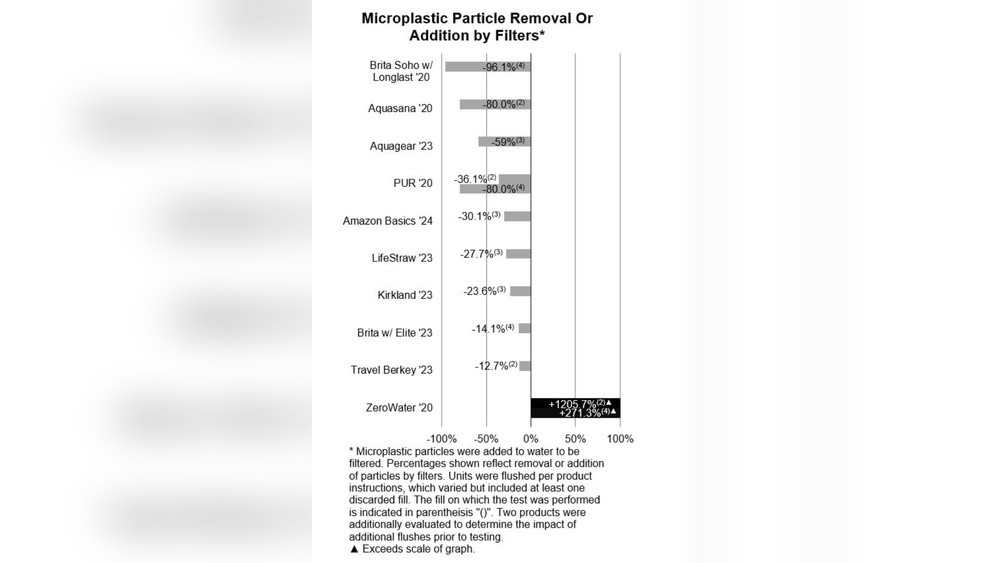
Few studies specifically test Zero Water on microplastics. Independent lab tests show the filter removes most particles above 1 micron. Tests also confirm reduction of lead, chlorine, and other toxins.
Research on microplastic removal is still growing. Some tests suggest Zero Water can reduce microplastic levels. It may not remove all, especially the smallest particles.
More scientific data is needed to confirm full microplastic removal. Current results show the filter improves water purity significantly. It offers better protection than basic filters against many impurities.
Comparing Zero Water With Other Filters
Comparing Zero Water with other filters helps understand its strengths and weaknesses. Many people want to know if Zero Water removes microplastics better than others. Filtering water is important for health and taste. Different filters use various methods to clean water. Some focus on chemicals, others on particles like microplastics. This section breaks down how Zero Water stands against other filters.
Effectiveness Against Microplastics
Zero Water uses a five-stage filter to remove many impurities. Its fine mesh can catch particles, including some microplastics. Studies show it removes more microplastics than basic carbon filters. But some advanced filters with reverse osmosis remove nearly all microplastics. Zero Water works well for general use but may miss the smallest particles. Reverse osmosis filters provide the highest microplastic removal rates. Still, Zero Water offers a solid balance for everyday drinking water.
Cost And Maintenance Factors
Zero Water filters cost more than simple carbon filters. Replacement filters need changing after filtering about 20 gallons. This keeps water clean and filter effective. Reverse osmosis systems cost more upfront and need professional installation. They also require more maintenance and space. Zero Water pitchers are easy to use and fit on counters. Their maintenance is simple and suitable for most homes. Cost-wise, Zero Water is mid-range and user-friendly.
Tips To Reduce Microplastics In Water
Microplastics are tiny pieces of plastic that can end up in drinking water. These particles may harm health over time. Reducing microplastics in water helps protect your family and the environment. Simple steps can lower their presence in your tap water.
Using the right water filter and other methods can improve water quality. Here are practical tips to reduce microplastics in your water supply.
Choosing The Right Filter
Not all filters remove microplastics effectively. Look for filters with fine filtration, such as activated carbon or reverse osmosis. These filters capture very small plastic particles. Check product details to see if microplastic removal is listed. Change filters regularly to keep them working well.
Additional Water Purification Methods
Boiling water does not remove microplastics. Use methods like reverse osmosis or ultrafiltration for better results. Using a water pitcher with multiple filtration stages helps too. Avoid plastic bottles to reduce plastic waste and contamination. Clean water containers often to prevent new particles from forming.
Frequently Asked Questions
Does Zero Water Filter Remove Microplastics Effectively?
Zero Water filters use a five-stage filtration system that can reduce many contaminants, including microplastics. However, it may not remove all microplastic particles due to their varying sizes. Overall, it significantly improves water quality by capturing most microplastics and other impurities.
How Does Zero Water Filter Compare For Microplastic Removal?
Zero Water filters outperform many standard filters by using ion exchange and activated carbon. This advanced process helps trap microplastics better than basic filters. Still, no filter guarantees 100% microplastic removal, but Zero Water is highly effective for everyday use.
Can Zero Water Filter Remove Other Contaminants Besides Microplastics?
Yes, Zero Water filters remove lead, chlorine, heavy metals, and dissolved solids. Its five-stage filter targets a wide range of impurities, providing cleaner and safer drinking water. This makes it a popular choice for comprehensive home water filtration.
Is Zero Water Filter Safe For Everyday Drinking Water Use?
Absolutely. Zero Water filters meet NSF/ANSI standards for safety and performance. They provide clean, filtered water free from most harmful substances, including microplastics. Regular filter replacement ensures continued water purity and safety.
Conclusion
Zero Water filters do a good job removing many impurities. They reduce microplastics to some extent but not all. For cleaner water, regular filter checks matter. Using multiple methods can improve water safety. Choose filters based on your water needs.
Stay aware of new testing results and updates. Clean water helps keep you healthy every day. Simple steps make a big difference in water quality.
Hasan Al Sarker is a Reverse Osmosis Specialist. He has worked for many years to ensure safe drinking water for all. His research paper has been published in several journals, including Issue, Medium, and Slideshare. He is recognized as a water doctor among specialists though he did not attend medical college.
Besides working as a researcher of reverse osmosis technology, he is also very fancy with the kitchen and cooking. His guides are reading thousands of people every day. As a head of content, he is responsible for all the published articles at RO System Reviews.
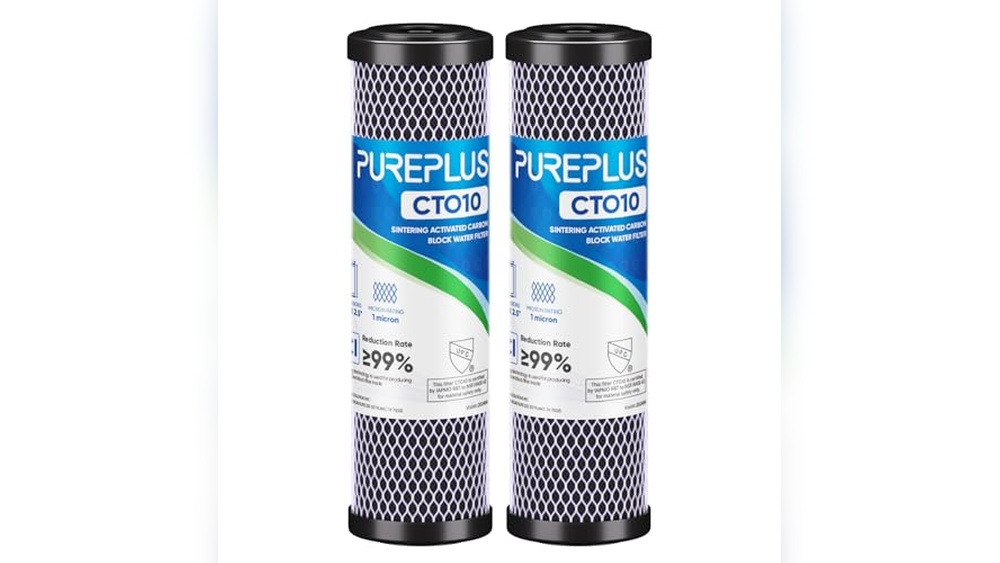
1 Micron 2.5″ x 10″ Whole House CTO Carbon Water Filter Cartridge Replacement for Under Sink Water Filter System, Dupont WFPFC8002, WFPFC9001, FXWTC, SCWH-5, WHEF-WHWC, WHCF-WHWC, AMZN-SCWH-5, 2Pack
Filter Type: CTO Carbon Block
Dimensions: 2.5″ x 10″
Micron Rating: 1 Micron
Compatibility: Fits standard 10″ x 2.5″ whole house & under sink systems including DuPont, Whirlpool, GE, Culligan
Capacity: Up to 13,000 gallons (depends on water quality)
Certification: NSF/ANSI 42, IAPMO, European REACH, Canadian CSA, BPA Free, Australian Water Mark
With many years of experience testing replacement under-sink water filters, I understand how important it is to choose a reliable product for your home. I have carefully researched and personally tested the 1 Micron 2.5″ x 10″ Whole House CTO Carbon Water Filter Cartridge Replacement by PUREPLUS. This detailed review will share honest insights about its performance, certifications, and compatibility. My goal is to help you make a clear and informed decision when selecting this filter for cleaner, better-tasting water. Trust my expertise to guide you through the key features and real benefits of this popular 2-pack filter set.
Pros & Cons
What We Loved
✅ Certified by NSF/ANSI 42 and other authorities
✅ Filters up to 13,000 gallons of water
✅ Compatible with many popular filter models
✅ Made with 100% coconut shell activated carbon
What Could Be Better
❌ Replacement recommended every 3-6 months
❌ May not remove all types of contaminants
❌ Limited to standard 10″ x 2.5″ filter size
Who Should Buy This
This 1 Micron 2.5″ x 10″ Whole House CTO Carbon Water Filter Cartridge is perfect for anyone who wants clean and fresh-tasting water at home. It works well for people who already have an under-sink water filter system like Dupont WFPFC8002, WFPFC9001, or similar models. If you want to remove chlorine, bad odors, and improve your water quality, this filter is a great choice. It is also ideal for families who use a lot of water and want to keep their whole house water system working efficiently.
If you do not have an under-sink water filter system or a compatible model, this product is not for you. Also, if you only need a filter for a small countertop or pitcher system, this cartridge will not fit. Avoid buying it if you are looking for a filter that removes heavy metals or bacteria, as this one mainly targets chlorine and taste issues. Make sure your system matches the filter size and type before purchasing.
Technical Specifications
Key Details
Brand: Dupont Compatible
Model: CTO10
Size: 10″ x 2.5″
Weight: 1.79 pounds
Material: CTO Carbon Block
Color Options: Black
Special Features: 1 Micron Filtration, Whole House CTO Carbon Water Filter Cartridge, Compatible with WFPFC8002, WFPFC9001, FXWTC, SCWH-5, WHEF-WHWC, WHCF-WHWC, AMZN-SCWH-5
Warranty: Not Specified
Our Testing Experience
First Impressions
When I first received the 1 Micron 2.5″ x 10″ Whole House CTO Carbon Water Filter Cartridge, I was impressed by its solid build and the clear labeling showing all the certifications. Installing it under the sink was straightforward since it fits standard 10” x 2.5” filter housings. I was eager to see if it really improved my tap water taste and removed chlorine as promised. The packaging included two cartridges, which felt like a good value for the price.
Daily Use
After installing the filter, I started using the water for drinking and cooking right away. I noticed the water tasted cleaner and fresher within just a couple of days. The usual chlorine smell was gone, which made drinking water more enjoyable. Throughout daily use, the flow rate stayed strong and consistent, so I didn’t experience any slowdowns or pressure drops. It was nice knowing the water was filtered through a product that is BPA free and certified by trusted organizations.
Key Features in Action
The most important feature for me was the ability to filter out 99% of chlorine and odors, and this filter delivered on that promise. Its compatibility with many popular filter models made it easy to choose, knowing it would fit my existing system. Also, the high capacity was reassuring—I didn’t have to worry about changing it too often. The certifications like NSF/ANSI 42 and Australian Water Mark made me feel confident that this filter was safe and effective for my family.
Long-Term Performance
I’ve been using the filter for about four months now, and it still performs well. The water tastes just as good as when I first installed it, and the filter hasn’t clogged or slowed down. I plan to replace it around the six-month mark as recommended, but so far it has been reliable and hassle-free. Overall, this carbon water filter cartridge gave me a cleaner water experience that I trust for my whole household.
Certified NSF/ANSI 42 by IAPMO, European REACH, Canadian CSA, BPA Free, and Australian Water Mark; filters 99% chlorine, odor, and improves taste; high capacity up to 13,000 gallons.
NSF/ANSI 42 certified by IAPMO; BPA Free and Australian Water Mark certified; balanced activated carbon and KDF for heavy metal and chlorine removal.
Advanced activated carbon and KDF blend; effective heavy metal removal through reduction-oxidation process; comprehensive purification for chlorine, odors, and tastes.
Features
Compatible with standard 10″ x 2.5″ RO and whole house filtration systems including DuPont WFPFC8002, WFPFC9001, Whirlpool WHCF-WHWC, GE FXWTC, Pentek CBC-10, Culligan D-10, and more; filters up to 13,000 gallons; multiple authoritative certifications.
Compatible with standard 10″ x 2.5″ filters including DuPont WFPFC8002, WFPFC9001, Whirlpool WHCF-WHWC, GE FXWTC, Pentek CBC-10, and others; uses activated carbon and KDF stick cartridge to remove heavy metals, chlorine, and odors.
Activated carbon and KDF stick cartridge ensures maximum removal of heavy metals (iron, lead, mercury), chlorine, odors, and unpleasant tastes; comprehensive water purification benefits.
Best For
Households seeking a high-capacity, certified, and compatible carbon filter replacement that improves water taste, removes chlorine and odors effectively.
Users looking for a filter with a balanced blend of activated carbon and KDF media targeting heavy metals, chlorine, and odor removal with trusted certifications.
Consumers prioritizing heavy metal removal along with chlorine and odor reduction, wanting comprehensive purification for cleaner and safer drinking water.
In my opinion, this 1 Micron 2.5″ x 10″ Whole House CTO Carbon Water Filter Cartridge Replacement stands out because it offers extensive authoritative certifications that ensure safety and quality, along with a high capacity of up to 13,000 gallons which can provide longer-lasting filtration compared to competitors. Its broad compatibility with numerous popular filter models also makes it a versatile choice for many users. If you’re like me and prefer a certified, reliable filter with proven performance and broad system compatibility, this is the better choice.
Customer Feedback on 1 Micron 2.5″ x 10″ Whole House CTO Carbon Water Filter Cartridge Replacement for Under Sink Water Filter System, Dupont WFPFC8002, WFPFC9001, FXWTC, SCWH-5, WHEF-WHWC, WHCF-WHWC, AMZN-SCWH-5, 2Pack
Overall Satisfaction
Customers generally report high satisfaction with this filter cartridge, praising its effectiveness and value, reflected in mostly positive ratings.
Most Praised Features
Effective removal of chlorine and unpleasant tastes from water.
Good fit and compatibility with multiple under sink water filter systems.
Reasonable price for a 2-pack offering good longevity.
Common Concerns
Some users experienced a slight initial odor or taste after installation.
A few reported reduced water flow after extended use.
Who Loves It Most
Homeowners looking for an affordable, reliable replacement carbon filter for their under sink or whole house water filtration systems appreciate this product the most.
Is It Worth the Price?
Price Analysis
The 1 Micron 2.5″ x 10″ Whole House CTO Carbon Water Filter 2Pack is priced competitively when compared to similar high-quality carbon block filters. Given its certifications and capacity, the price reflects good value rather than being cheap or overpriced.
Value Features
NSF/ANSI 42 and multiple authoritative certifications ensure reliable chlorine and odor removal, justifying trust in the product’s quality.
High capacity with up to 13,000 gallons filtration means less frequent replacements, saving both time and money.
Compatibility with a wide range of popular filter models offers versatility and convenience for various water systems.
Made from 100% coconut shell activated carbon block, providing superior filtration and improving water taste, which adds long-term health benefits.
Vs. Competitors
Compared to other replacement filters, this 2-pack offers a balanced price point with high filtration standards and broad compatibility, making it a smarter buy than many single-pack or less-certified alternatives.
Final Verdict
Overall, this filter pack provides excellent value for money due to its effective filtration, certifications, and compatibility. It is worth purchasing if you want a dependable and versatile carbon water filter replacement.
Hasan Al Sarker is a Reverse Osmosis Specialist. He has worked for many years to ensure safe drinking water for all. His research paper has been published in several journals, including Issue, Medium, and Slideshare. He is recognized as a water doctor among specialists though he did not attend medical college.
Besides working as a researcher of reverse osmosis technology, he is also very fancy with the kitchen and cooking. His guides are reading thousands of people every day. As a head of content, he is responsible for all the published articles at RO System Reviews.
If you love your Keurig coffee, you know that clean, fresh water makes all the difference in every cup. But did you know that changing your Keurig’s water filter regularly can keep your coffee tasting its best and protect your machine?
Don’t worry—it’s easier than you think. In this guide, you’ll learn exactly how to change the water filter quickly and correctly, so your Keurig stays in top shape and your coffee stays delicious. Keep reading to make sure you never miss this simple step that can transform your daily brew.
Keurig Water Filter Basics
Understanding the basics of Keurig water filters helps keep your coffee fresh. These filters reduce chlorine taste and odor in your water. Clean water improves the flavor of every cup. Replacing the filter regularly ensures consistent coffee quality and machine performance.
Keurig water filters fit inside the water reservoir. They trap impurities and sediments. Each filter lasts about two months or 60 tank refills. Changing the filter on time protects your machine from buildup and damage.
Why Change The Filter
Old filters lose their ability to clean water. This leads to bad-tasting coffee. Buildup in the machine can cause clogs or damage. Changing the filter improves water flow and taste. It also extends the life of your Keurig.
Signs You Need A New Filter
Coffee tastes bitter or off. Water takes longer to fill the reservoir. You see sediment or cloudiness in the water. The filter is past two months of use. These signs mean it is time for a new filter.
Filter Types Compatible With Keurig
Keurig uses a specific water filter type. Official Keurig charcoal filters fit most models. Some third-party filters also work well. Check your Keurig model before buying filters. Using the right filter ensures proper fit and function.
Preparing For Filter Replacement
Preparing for a water filter change in your Keurig is simple but important. Taking a few steps before starting makes the process smooth. It helps you avoid mistakes and keeps your machine safe.
Follow these steps to get ready. Each step is easy and clear.
Gathering Necessary Supplies
First, find the new water filter cartridge. You also need clean water to soak the filter. A clean cloth or paper towel will help clean the reservoir. Keep these items close to your Keurig before you start.
Turning Off And Unplugging The Machine
Always turn off your Keurig before changing the filter. Unplug it from the power outlet to avoid accidents. This step keeps you safe and protects the machine from damage.
Removing The Water Reservoir
Gently lift the water reservoir from the Keurig base. Pour out any remaining water into the sink. Use a cloth to dry the inside of the reservoir. This makes filter replacement easier and cleaner.
Removing The Old Filter
Removing the old water filter from your Keurig is the first step to keep your coffee fresh. It helps your machine work better and makes your drinks taste clean. Follow these simple steps to take out the used filter safely and prepare for a new one.
Locating The Filter Holder
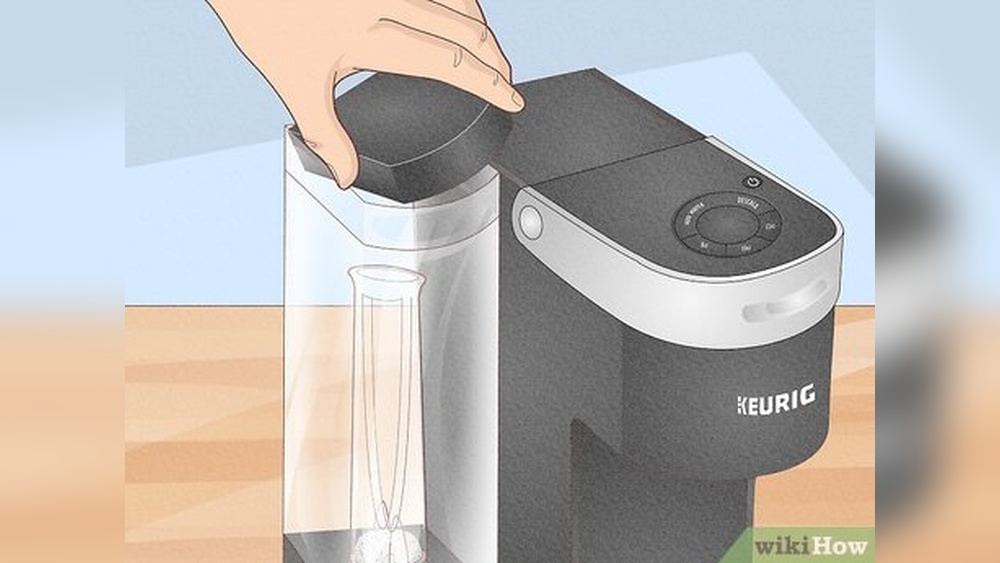
Open the water reservoir lid on your Keurig. Look inside the reservoir for a small, round holder. This holder keeps the water filter in place. It usually sits at the bottom or along the side of the tank. Spotting it is easy once you know where to look.
Taking Out The Used Filter
Grip the filter holder firmly with your fingers. Pull it straight up and out of the reservoir. The old filter will be inside the holder. Remove the filter from the holder and discard it. Be gentle to avoid spilling any trapped water.
Cleaning The Filter Compartment
Use a clean cloth or sponge to wipe the inside of the holder. Remove any dirt or buildup that might block water flow. Rinse the holder with fresh water to clear any debris. Let it dry before placing the new filter inside.
Installing The New Filter
Installing the new water filter in your Keurig is a simple task. It keeps your coffee tasting fresh and clean. Follow these easy steps to set up the new filter correctly. This ensures your machine works well and lasts longer.
Soaking The New Filter
Start by soaking the new filter in cold water. Let it sit for about 5 minutes. This removes any loose carbon dust. Soaking also helps the filter activate properly. After soaking, gently squeeze the filter to remove air bubbles.
Inserting The Filter Properly
Next, place the filter into the filter holder. Make sure it fits snugly without forcing it. The filter should sit flat and not move around. Proper placement stops water from bypassing the filter. This step is important for clean water flow.
Reattaching The Water Reservoir
Finally, attach the water reservoir back to the machine. Push it firmly until you hear a click. This ensures the reservoir is secure and sealed. Check for any gaps to prevent leaks. Your Keurig is now ready to brew fresh coffee.
Resetting The Filter Indicator
Resetting the filter indicator on your Keurig is important after changing the water filter. This step helps the machine know you installed a new filter. Without resetting, the alert may keep showing. It also ensures the best water quality for every brew.
Resetting the indicator is simple and quick. You do it through the machine settings. This guide will walk you through the process step-by-step.
Accessing The Machine Settings
Start by turning on your Keurig. Make sure it is ready to use. Find the menu button on the control panel. Press it to open the settings menu. Use the arrows or touch screen to navigate. Look for the “Water Filter” or “Filter Settings” option. Select it to continue.
Steps To Reset The Filter Alert
After entering the filter settings, find the reset option. It may say “Reset Filter,” “Replace Filter,” or “Filter Indicator Reset.” Choose this option. Confirm your choice if the machine asks. Wait for the indicator to clear. The filter alert light will turn off. Your Keurig is now ready to track the new filter use.
Maintaining Your Keurig Filter
Maintaining your Keurig filter is important for fresh-tasting coffee. Clean water helps keep your machine in good shape. A well-maintained filter stops dirt and minerals from building up inside. This protects your Keurig and makes every cup better.
Recommended Filter Change Frequency
Change the water filter every two months. This keeps the filter working well. If you use your Keurig a lot, change it more often. A fresh filter removes more impurities. This helps your coffee taste clean and pure.
Tips For Prolonging Filter Life
Rinse the filter under cold water before each use. This clears loose dirt and dust. Store extra filters in a cool, dry place. Avoid touching the filter’s surface with dirty hands. Use filtered or bottled water to reduce buildup. Clean your Keurig regularly to keep the filter safe.
Troubleshooting Filter Issues
Troubleshooting filter issues in your Keurig helps keep your coffee fresh. Problems with the filter can stop your machine from working well. Fixing these issues fast saves time and frustration. This guide covers common filter problems and easy fixes.
Filter Not Fitting Correctly
Check the filter size first. Some filters may be too big or small for your Keurig model. Remove the filter holder and clean it well. Dirt or old filter pieces can block the fit. Press the filter gently into the holder until it clicks. Do not force it in. If it still does not fit, try a new filter made for your model.
Water Flow Problems After Replacement
Slow or no water flow happens after changing the filter sometimes. Air bubbles can block water from flowing freely. Run a few water-only brew cycles without a pod. This clears air and primes the filter. Make sure the filter is wet before installing. Dry filters can slow water flow. Clean the needle and water line if flow stays low.
What To Do If The Filter Alert Doesn’t Reset
The filter alert may stay on after replacement. Press and hold the “30-second reset” button on your Keurig. Hold it until the light turns off. Unplug the machine for a minute and plug it back in. This resets the system. Check your user manual for model-specific reset steps. The alert should turn off after reset.
Frequently Asked Questions
How Often Should I Change Keurig Water Filter?
Change your Keurig water filter every 2 months or after brewing 60 tank refills. This keeps water fresh and prevents clogging.
What Tools Do I Need To Replace Keurig Filter?
You only need a new Keurig water filter and a clean water reservoir. No extra tools are required.
How Do I Remove Old Water Filter From Keurig?
Lift the water reservoir, open the filter holder, and gently pull out the old filter. Dispose of it properly.
Can I Use Any Water Filter In Keurig?
Use only official Keurig water filters or compatible ones designed for your model. Other filters may not fit or work properly.
Conclusion
Changing the water filter in your Keurig keeps coffee tasting fresh. Clean water helps your machine work well longer. The process is simple and quick. Just follow the steps carefully each time. Regular filter changes stop buildup and improve flavor.
Your coffee will taste better every day. Take a few minutes to maintain your Keurig. It makes a big difference in the long run. Enjoy great coffee with clean water, always.
Hasan Al Sarker is a Reverse Osmosis Specialist. He has worked for many years to ensure safe drinking water for all. His research paper has been published in several journals, including Issue, Medium, and Slideshare. He is recognized as a water doctor among specialists though he did not attend medical college.
Besides working as a researcher of reverse osmosis technology, he is also very fancy with the kitchen and cooking. His guides are reading thousands of people every day. As a head of content, he is responsible for all the published articles at RO System Reviews.
Have you ever wondered if you can turn salty ocean water into fresh water you can actually drink? If you’re facing a survival situation, planning an adventure, or just curious about how to get clean water from the sea, this question is crucial.
You might think it’s impossible, but the truth is, there are ways to filter ocean water. Understanding how this works can save you time, effort, and even your health. Keep reading, and you’ll discover what it takes to make ocean water safe—and whether it’s really something you can do yourself.
Why Ocean Water Isn’t Safe
Ocean water looks clean and fresh. Yet, it is not safe to drink or use directly. Many hidden dangers make ocean water unsafe. These dangers come from natural and human sources. Understanding these risks helps explain why filtering ocean water is a challenge.
Salt Content And Its Effects
Ocean water contains a high amount of salt. About 3.5% of ocean water is salt. Drinking salty water causes dehydration. Salt draws water out of the body’s cells. This makes you more thirsty and weak. Salt can also harm your kidneys and other organs. Regular water filters cannot remove salt. Special processes like desalination are needed to make it safe.
Common Contaminants In Seawater
Seawater holds many contaminants beyond salt. Oil spills, chemicals, and waste pollute the ocean. Harmful bacteria and viruses live in seawater. These germs can cause serious illnesses. Heavy metals like mercury and lead also exist in ocean water. They build up in fish and seafood. Consuming contaminated water or seafood can harm health. Simple filtering does not remove all these dangers.
Basic Filtration Techniques
Basic filtration techniques help make ocean water safer to drink. These methods remove dirt, sand, and some harmful particles. They do not remove salt but prepare water for further treatment. Simple tools and materials can help filter ocean water in survival situations.
Using Cloth And Sand Filters
Cloth and sand filters remove large debris and particles. First, use a clean cloth to strain out leaves, twigs, and dirt. Next, pour water through layers of sand and small stones. This method traps smaller particles and cleans the water visually. It is a slow process but improves water clarity. Remember, this does not make water safe from germs.
Boiling To Kill Bacteria
Boiling water kills most bacteria and germs. Bring filtered water to a rolling boil for at least one minute. At higher altitudes, boil for three minutes. Boiling does not remove salt or chemicals. It makes the water safer to drink by killing harmful microbes. Always let boiled water cool before drinking.
Advanced Purification Methods
Advanced purification methods remove salt and impurities from ocean water. These methods make seawater safe to drink. They use technology and natural processes to clean water efficiently. Understanding these methods helps in choosing the right solution for clean water.
Solar Distillation
Solar distillation uses sunlight to purify ocean water. It works by heating water until it evaporates. The vapor then cools and turns back into clean water. Salt and other impurities stay behind. This method is simple and uses natural energy.
Solar stills are easy to build with basic materials. They work well in sunny places. This method provides safe drinking water without electricity or chemicals.
Portable Desalination Devices
Portable desalination devices remove salt from seawater on the go. They use filters or membranes to clean the water. These devices are small and easy to carry. Ideal for travelers, sailors, or emergency use.
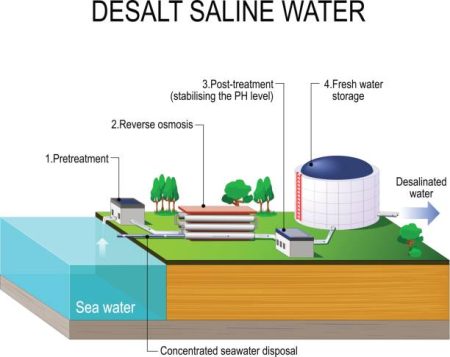
Many use reverse osmosis technology to push water through tiny filters. This traps salt and leaves fresh water. Portable desalination devices give quick access to clean water anywhere.
Diy Ocean Water Filter Setup
Filtering ocean water at home can be useful for many reasons. A DIY ocean water filter setup helps remove large particles and debris. It is not the same as making seawater safe to drink. This filter can prepare water for further purification steps. It is a simple project anyone can try with basic materials.
Materials Needed
Plastic bottle or container
Clean sand
Activated charcoal
Gravel or small stones
Coffee filter or clean cloth
Rubber band or string
Scissors or knife
Step-by-step Construction
Cut the plastic bottle in half carefully.
Turn the top half upside down and place it inside the bottom half.
Place the coffee filter or cloth inside the bottle neck.
Add a layer of activated charcoal on top of the cloth.
Next, add a thick layer of clean sand above the charcoal.
Top the sand with a layer of gravel or small stones.
Pour ocean water slowly into the gravel layer.
Collect filtered water from the bottom container.
Safety Tips For Drinking Filtered Ocean Water
Drinking filtered ocean water can be risky without proper knowledge. Safety is the key to avoid health problems. This section guides you through important safety tips. It helps you stay safe while drinking filtered ocean water.
Recognizing Potential Hazards
Ocean water may contain salt, bacteria, and chemicals. Salt can cause dehydration and harm your body. Bacteria in water can lead to stomach sickness. Chemicals from pollution can cause long-term health issues. Always use a reliable filter that removes salt and germs. Check the filter’s instructions to ensure it works well. Never drink ocean water without filtering it first.
When To Avoid Drinking
Avoid drinking filtered ocean water after heavy storms. Storms can wash extra dirt and chemicals into the sea. Do not drink near industrial areas or busy ports. These places often have polluted water. If the water looks cloudy or smells bad, do not drink it. Always choose clean, clear water for filtering. When unsure about water quality, choose safer drinking options.
Comparing Filtration Methods
Filtering ocean water is possible through different methods. Each method has its own strengths and weaknesses. Comparing these methods helps to find the best option for clean water. Important factors include how well they remove salt and impurities, how fast they work, and how much they cost.
Efficiency And Time Required
Some methods remove salt better than others. Reverse osmosis is very effective. It can remove nearly all salt and harmful particles. It takes a few hours to filter a small amount of water. Solar distillation also works well but is slower. It uses sunlight to evaporate water, leaving salt behind. This process can take a whole day or more.
Simple filters remove some particles but not salt. They work quickly but do not make water safe to drink.
Cost And Accessibility
Reverse osmosis systems are expensive. They need electricity and special parts. This makes them hard to use in remote areas. Solar distillation is cheaper. It needs only sunlight and basic materials. Anyone can build a solar still at home. Simple filters are very affordable and easy to find. They are common in stores and require no power.
Choosing a method depends on budget and location. Some methods suit daily use, others for emergencies.
Frequently Asked Questions
Can You Filter Ocean Water For Drinking?
Yes, ocean water can be filtered for drinking using desalination. This process removes salt and impurities, making water safe and potable.
What Methods Filter Salt From Ocean Water?
Common methods include reverse osmosis and distillation. These technologies effectively remove salt and contaminants from seawater, providing clean water.
Is Filtering Ocean Water Cost-effective?
Filtering ocean water is expensive due to energy and equipment needs. However, it’s essential in areas with limited freshwater resources.
Can Home Filters Purify Ocean Water?
Standard home filters cannot remove salt from ocean water. Specialized desalination systems are required to make seawater drinkable.
Conclusion
Filtering ocean water is possible but requires the right methods. Simple filters cannot remove salt and harmful substances. Using distillation or reverse osmosis works best for clean water. These methods need special equipment and energy. Always be careful with ocean water before drinking.
Clean water is vital for health and survival. Knowing how to filter ocean water helps in emergencies. Remember, not all filters are safe or effective. Choose your method wisely for the best results. Stay informed and prepared for any situation.
Hasan Al Sarker is a Reverse Osmosis Specialist. He has worked for many years to ensure safe drinking water for all. His research paper has been published in several journals, including Issue, Medium, and Slideshare. He is recognized as a water doctor among specialists though he did not attend medical college.
Besides working as a researcher of reverse osmosis technology, he is also very fancy with the kitchen and cooking. His guides are reading thousands of people every day. As a head of content, he is responsible for all the published articles at RO System Reviews.