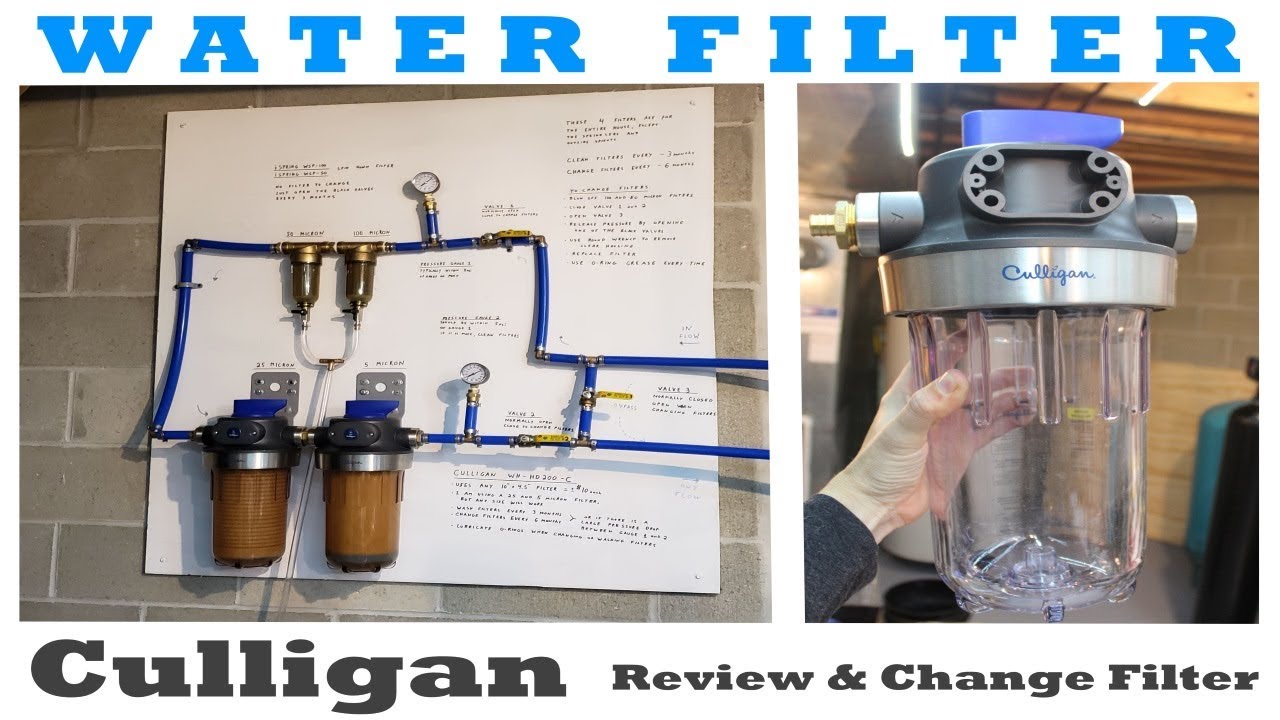
Is your Culligan water filter not working as well as it used to? Changing your water filter regularly is key to keeping your water clean and tasting great.
But if you’re unsure how to do it, don’t worry—you’re in the right place. This simple step-by-step guide will show you exactly how to change your Culligan water filter quickly and easily. By the end, you’ll have fresh, pure water flowing in no time.
Keep reading to learn how to take control of your water quality today!
Culligan Water Filter Basics
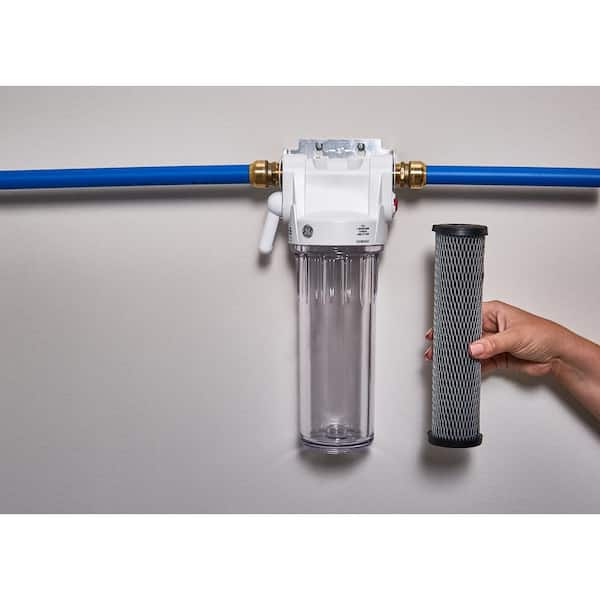
Culligan water filters help improve water quality in homes. They remove impurities and make water safer to drink. Understanding the basics of these filters helps in proper maintenance. This section covers the types of Culligan filters and when to replace them.
Types Of Culligan Filters
Culligan offers several types of water filters. Each type serves a different purpose. Some filters focus on removing chlorine and bad taste. Others target sediment, dirt, and rust particles. There are also filters designed to reduce lead and other harmful chemicals. Knowing your filter type helps in choosing the right replacement. It ensures your water stays clean and fresh.
When To Replace The Filter
Replacing the filter on time is important for water quality. Most Culligan filters need changing every 3 to 6 months. Usage and water quality affect this timing. Signs like bad taste or smell mean it’s time to replace. Some systems have indicators to show filter status. Regular replacement keeps water pure and system working well. Don’t wait too long to change the filter.
Tools And Materials Needed
Changing a Culligan water filter needs some basic tools and materials. Having these ready makes the task easier and faster. It helps to avoid interruptions and mistakes during the process.
Using the right tools also protects your filter system from damage. It keeps the water clean and safe. Here is a list of what you need for this job.
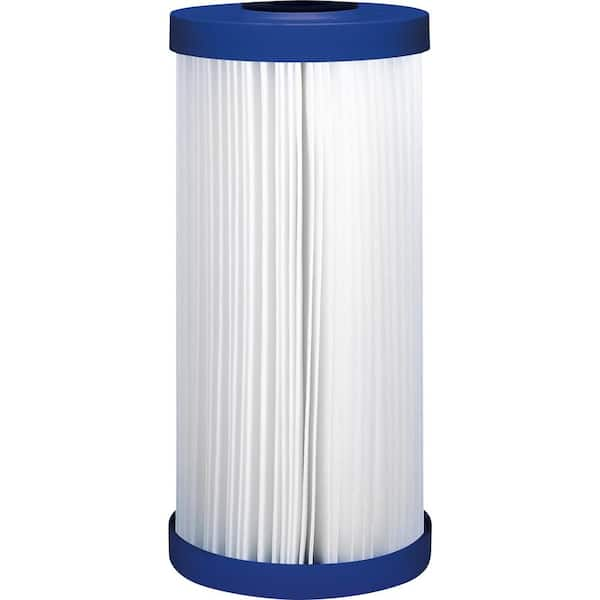
Replacement Culligan Filter Cartridge
The new filter cartridge matches your Culligan model. Choose the correct type for your water system. This ensures clean water and proper function.
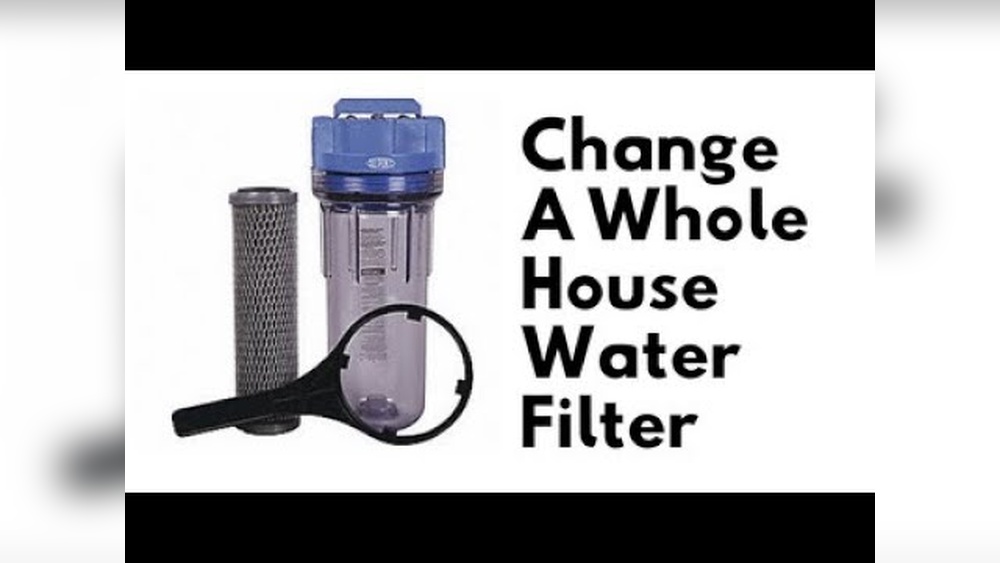
Filter Wrench
A filter wrench helps loosen and tighten the filter housing. It fits around the filter canister for a firm grip. This tool prevents damage from excessive force.
Towel Or Small Bucket
A towel or small bucket catches water that spills out. It keeps the area dry and clean. This reduces mess and slip risks.
Gloves
Wear gloves to keep your hands clean and safe. Gloves protect against germs and sharp edges. They also help grip slippery parts better.
Clean Cloth
Use a clean cloth to wipe the filter housing. It removes dirt and debris before installing the new filter. Clean surfaces improve filter sealing.
Preparing For Filter Replacement
Preparing for a Culligan water filter replacement is simple but important. This step keeps your system safe and clean. It helps avoid water spills and damage during the change. Follow these steps carefully to get ready.
Turning Off The Water Supply
First, find the main water valve near your Culligan system. Turn it clockwise to close it. This stops water from flowing into the filter. Check if the water flow has stopped by opening a nearby faucet. If no water comes out, you are ready to continue.
Relieving Pressure From The System
Next, release pressure inside the water filter system. Open the faucet connected to the Culligan filter. Let the water run until it slows down or stops. This step prevents water from spraying out when you remove the filter. It also makes the process safer and cleaner.
Removing The Old Culligan Filter
Removing the old Culligan water filter is the first step in keeping your water clean. This process helps maintain the water system’s efficiency. Follow these simple steps to remove the old filter safely and quickly.
Locating The Filter Housing
Start by finding the filter housing. It is usually under the kitchen sink or near the water meter. The housing is a round or cylindrical container that holds the filter inside. Look for a plastic or metal case attached to the water pipe.
Opening The Filter Canister
Turn off the water supply before opening the canister. Use a filter wrench or your hands to twist the canister counterclockwise. Be careful not to spill water. Place a towel or bowl underneath to catch drips. Open the canister slowly to avoid sudden water flow.
Taking Out The Used Filter
Reach inside and pull out the old filter cartridge. It might be wet and dirty, so handle it carefully. Dispose of the old filter according to local rules. Clean the inside of the canister with a soft cloth before inserting a new filter.
Installing The New Culligan Filter
Installing the new Culligan filter is an important step in keeping your water clean. Follow each part carefully to ensure the filter works well. This process is simple and does not take much time.
Checking The New Filter
First, take the new filter out of its packaging. Look for any damage or dents on the filter. Make sure the model number matches your water system. Check the expiration date to ensure the filter is fresh. A good filter means better water quality.
Placing The Filter Correctly
Hold the filter with the label facing out. Align the filter with the housing slot. Push the filter straight in without forcing it. You should feel it click or fit snugly. Proper placement prevents leaks and ensures clean water.
Sealing The Filter Housing
Close the filter housing carefully. Turn the housing cap clockwise until tight. Do not over-tighten to avoid damage. Check for any gaps around the seal. A tight seal stops water from leaking and keeps the filter secure.
Restarting The Water System
Restarting the water system is a key step after changing your Culligan water filter. This step ensures clean water flows properly through your home again. It also helps avoid any damage or leaks that could happen if the system is not started right.
Take your time and follow each step carefully. This will help keep your water system safe and working well.
Turning On The Water Supply
Find the main water valve near your Culligan filter. Slowly turn the valve to open the water flow. Listen for any unusual sounds as water starts moving. Opening the valve too fast may cause pressure spikes. These spikes can damage your plumbing or filter system.
Wait a few moments for water to fill the filter housing. This lets your new filter work properly. If water does not flow, check if the valve is fully open. Sometimes valves need a gentle push to turn completely.
Checking For Leaks
Look closely at all filter connections and fittings. Use a dry cloth to spot any water drops or dampness. Leaks can waste water and lower system pressure. Tighten any loose fittings by hand, but avoid over-tightening. Over-tightening can crack the filter housing or pipes.
Run water through the system for several minutes. Watch again for any leaks that may appear under pressure. Early leak detection saves costly repairs later. If leaks persist, turn off the water supply and check the filter installation again.
Flushing The New Filter
Flushing the new Culligan water filter is a key step after installation. It removes loose carbon dust and cleans the filter. This process helps ensure fresh and clean water from the start. Skipping flushing can cause cloudy water or strange taste.
Why Flushing Is Important
Flushing clears out dust and particles trapped in the filter. New filters often have small carbon bits inside. These bits can make water look dirty or taste odd. Flushing also activates the filter media. This helps the filter work better and last longer.
How To Flush Properly
Start by turning on the cold water faucet. Let the water run through the new filter for about 5 minutes. Use a clean container to catch the water during flushing. Watch for clear water without cloudiness. Turn off the water and check for leaks. The filter is ready once the water runs clear and fresh.
Maintenance Tips For Culligan Filters
Keeping your Culligan water filter in good shape helps ensure clean, fresh water. Regular maintenance extends the filter’s life and keeps it working well. Simple steps can make a big difference in the water quality you enjoy every day.
Setting Reminders For Replacement
Mark the date when you install a new filter. Use a phone alarm or calendar app to set a reminder. Culligan filters usually need changing every three months. Timely replacement prevents clogging and keeps water pure. This small habit saves trouble later.
Regular System Checks
Check your Culligan system every few weeks. Look for leaks or unusual sounds. Clean around the filter area to avoid dust buildup. Check water flow; slow flow may mean a clogged filter. Early checks help catch problems before they grow.
Frequently Asked Questions
How Often Should I Change My Culligan Water Filter?
Culligan recommends changing your water filter every 3 to 6 months. Frequency depends on water quality and usage. Regular changes ensure clean, fresh water and prevent clogging. Always check your filter’s indicator for best results.
What Tools Do I Need To Change A Culligan Water Filter?
Most Culligan filters require no tools for replacement. Some models may need a filter wrench included in the package. Always read your specific filter manual to know if tools are necessary.
Can I Change The Culligan Filter Myself?
Yes, you can change the Culligan filter yourself. The process is simple and involves turning off water, removing the old filter, and installing the new one. Follow your filter’s manual for step-by-step instructions.
How Do I Dispose Of An Old Culligan Water Filter?
Dispose of old Culligan filters according to local recycling guidelines. Many components are recyclable. Avoid throwing filters in regular trash to reduce environmental impact.
Conclusion
Changing a Culligan water filter keeps your water clean and fresh. Regular changes help your system work well. The steps are simple and save you money. A clean filter protects your health every day. Take a few minutes to do this task right.
Clean water tastes better and feels safer. Stay on schedule to avoid any water issues. You can do this yourself without any hassle. Clear water is just a filter change away.
Hasan Al Sarker is a Reverse Osmosis Specialist. He has worked for many years to ensure safe drinking water for all. His research paper has been published in several journals, including Issue, Medium, and Slideshare. He is recognized as a water doctor among specialists though he did not attend medical college.
Besides working as a researcher of reverse osmosis technology, he is also very fancy with the kitchen and cooking. His guides are reading thousands of people every day. As a head of content, he is responsible for all the published articles at RO System Reviews.
Are you wondering how to change your whole house water filter without hassle? You’re in the right place.
Clean water is essential for your family’s health, and a fresh filter makes all the difference. Changing the filter might seem tricky, but with the right steps, you can do it yourself quickly and confidently. Keep reading, and you’ll learn exactly what to do to keep your water pure and your home running smoothly.
Preparing For The Replacement
Preparing to replace a whole house water filter is an important first step. Proper preparation makes the process easier and safer. It helps avoid water spills and damage to your system. Follow these steps to get ready for the replacement.
Gathering Necessary Tools
Collect all tools before starting. You will need a filter wrench, bucket, and clean cloth. Gloves protect your hands. Have the new filter cartridge ready. Check your filter model to get the right replacement.
Turning Off Water Supply
Shut off the main water supply to your house. This stops water flow during the filter change. Look for the main valve near your water meter or where the pipe enters your home. Turn it clockwise until fully closed.
Relieving Pressure From The System
Open a faucet on the lowest floor to drain water. This lowers pressure inside the pipes. Press the pressure release button on the filter housing if available. Wait until water stops flowing before opening the filter housing.
Removing The Old Filter
Removing the old filter is an important step in changing your whole house water filter. It makes sure your water stays clean and fresh. This process is simple if you follow the right steps carefully. Each part needs attention to avoid leaks or damage.
Locating The Filter Housing
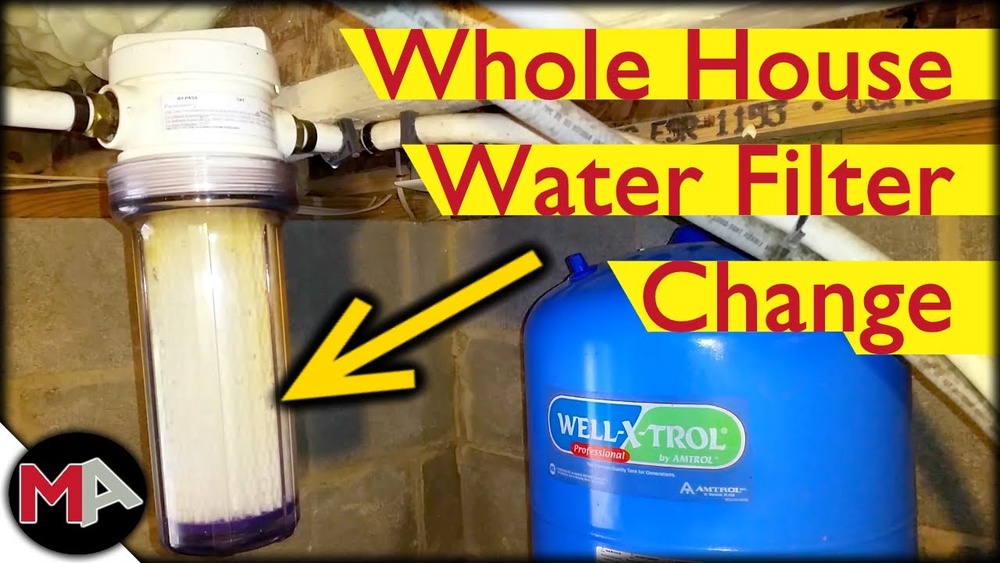
Start by finding the filter housing in your home. It is usually near the main water line. Look for a large plastic or metal casing. This housing holds the filter cartridge inside. Sometimes it is in the basement or utility room. Knowing the exact spot helps you work faster and safer.
Opening The Filter Housing
Turn off the water supply before opening the housing. Use a filter wrench or your hands to twist the housing counterclockwise. This may need some force but go slowly. Keep a bucket or towel nearby for any water spills. Once loose, carefully remove the housing without dropping it.
Taking Out The Used Filter
Pull the used filter cartridge straight out from the housing. It might be wet and dirty, so handle it carefully. Check the inside of the housing for any dirt or debris. Clean the housing if needed before placing a new filter. Proper removal prevents damage and helps maintain water quality.
Installing The New Filter
Installing the new whole house water filter is a key step in keeping your water clean. Proper installation ensures the filter works well and lasts long. Follow these simple steps to install the new filter correctly and safely.
Checking The New Filter
First, inspect the new filter carefully. Look for any damage or defects on the filter or its housing. Make sure it matches the size and type of your old filter. Check the filter’s instructions for any special details. Clean your hands before handling the filter to avoid dirt contamination.
Placing The Filter Correctly
Next, place the new filter in the housing the right way. Align the filter according to the arrows or marks on the filter and housing. Do not force it; the filter should fit smoothly. Ensure the filter is seated evenly to avoid leaks. Double-check the position before sealing.
Sealing The Filter Housing
Finally, seal the filter housing tightly. Use your hands or a filter wrench if needed, but avoid over-tightening. Make sure the O-ring or gasket is in place and clean. A good seal stops water from leaking during use. After sealing, turn on the water slowly to check for leaks.
Restarting The System
Restarting the system is the final step after changing your whole house water filter. This process ensures your new filter works correctly and your water supply is safe. Follow each step carefully to avoid problems.
Turning On The Water Supply
Slowly open the main water valve to turn the water supply back on. Do it gently to avoid pressure shocks. Watch the filter housing closely for any unusual sounds or leaks. Let the water flow through the system for a few minutes to fill the new filter.
Checking For Leaks
Inspect all connections around the filter housing. Look for drips or wet spots. Tighten any loose fittings by hand. Avoid using too much force to prevent damage. Leaks can cause water damage and reduce filter efficiency.
Flushing The New Filter
Flush the new filter by running water through it for 5 to 10 minutes. This step removes any loose particles or carbon dust. Use a nearby faucet or outside hose if available. Clear water flow means the filter is ready for use.
Maintenance Tips
Proper maintenance keeps your whole house water filter working well. It helps avoid problems and ensures clean water for your family. Follow simple tips to make your filter last longer and perform better.
Regular Replacement Schedule
Change the filter cartridge on time. Most filters need replacement every 3 to 6 months. Check the user manual for exact timing. Set reminders to avoid forgetting. Old filters can clog and reduce water flow.
Monitoring Water Quality
Watch for changes in taste, smell, or color of water. These signs show the filter may need attention. Test your water regularly with easy kits. Clear water means your filter works well. Cloudy or bad-smelling water means it needs checking.
Troubleshooting Common Issues
Low water pressure often means a clogged filter. Replace the cartridge if pressure drops. Leaks around the filter housing need tightening or new seals. Strange noises may come from air trapped in the system. Flush the filter to fix this. Keep tools and spare parts handy for quick fixes.
Frequently Asked Questions
How Often Should I Change A Whole House Water Filter?
You should change the filter every 3 to 6 months. Frequency depends on water quality and usage. Regular changes ensure clean, safe water and protect your plumbing system.
What Tools Do I Need To Change The Filter?
Basic tools include a filter wrench, bucket, and gloves. Sometimes, you may need a screwdriver. Having these ready makes the process smooth and efficient.
How Do I Turn Off The Water Supply Safely?
Locate the main water shutoff valve before starting. Turn it clockwise to stop water flow. This prevents leaks and water damage during filter replacement.
Can I Change The Filter Without Professional Help?
Yes, many filters are designed for DIY replacement. Follow the manufacturer’s instructions carefully. If unsure, consult a professional to avoid damage or leaks.
Conclusion
Changing a whole house water filter keeps your water clean and safe. It saves money by avoiding plumber visits. The steps are simple and quick to follow. Regular changes help protect your pipes and appliances. Clean water means better health for your family.
Stay consistent with filter changes to enjoy fresh water daily. Taking small steps today prevents big problems tomorrow. Your effort makes a big difference in water quality. Keep your home’s water flowing clear and fresh.
Hasan Al Sarker is a Reverse Osmosis Specialist. He has worked for many years to ensure safe drinking water for all. His research paper has been published in several journals, including Issue, Medium, and Slideshare. He is recognized as a water doctor among specialists though he did not attend medical college.
Besides working as a researcher of reverse osmosis technology, he is also very fancy with the kitchen and cooking. His guides are reading thousands of people every day. As a head of content, he is responsible for all the published articles at RO System Reviews.
Are you worried about fluoride in your drinking water but don’t want to buy an expensive filter? You’re not alone.
Many people want a simple, natural way to remove fluoride without complicated gadgets. What if you could improve your water’s quality using easy methods right at home? You’ll discover practical, effective ways to reduce fluoride in your water—without spending a fortune or relying on filters.
Keep reading, because your health and peace of mind are worth it.
Why Remove Fluoride
Fluoride is a common additive in many water supplies. It helps reduce tooth decay but can cause health worries for some people. Knowing why you might want to remove fluoride from your water is important for making safe choices. This section explains the main reasons to consider fluoride removal.
Health Concerns
Too much fluoride can cause health problems. It may lead to dental fluorosis, which changes the look of teeth. High fluoride levels can also affect bones and joints. Some studies suggest fluoride might impact the thyroid gland and brain health. People with certain health conditions should be cautious about fluoride intake.
Fluoride Sources In Water
Fluoride gets into water naturally from rocks and soil. Many cities add fluoride to water to help dental health. Well water can have high natural fluoride levels. Bottled water may or may not contain fluoride. Knowing the source of fluoride helps decide if removal is needed.
Benefits Of Fluoride Removal
Removing fluoride can improve water taste and safety. It helps protect children and sensitive adults from excess fluoride. Lower fluoride levels can reduce risks of dental and bone issues. Clean water without fluoride suits people who prefer natural water. It also supports overall health and peace of mind.
Natural Filtration Techniques
Natural filtration techniques offer simple ways to reduce fluoride in water. These methods use common materials and basic processes. They do not need special filters or machines. People can try them at home with some patience and care.
Boiling And Settling
Boiling water helps remove some impurities but not all fluoride. It can reduce fluoride slightly by evaporation. After boiling, let water sit for several hours. This lets heavy particles settle at the bottom. Carefully pour clear water from the top to avoid disturbing sediment. This method lowers fluoride a little but is not very strong.
Activated Alumina Method
Activated alumina is a natural material with a high surface area. It can absorb fluoride ions from water effectively. To use, soak activated alumina in water for some time. Then, pour water slowly through the alumina. The material traps fluoride while letting clean water pass. This technique needs replacing alumina regularly for best results. It works well without electric filters or chemicals.
Bone Char Filtration
Bone char is made by heating animal bones in low oxygen. It contains carbon and calcium compounds. These can attract and hold fluoride ions from water. You can make a simple bone char filter at home. Pour water slowly through a layer of bone char. The fluoride sticks to the char, and cleaner water comes out. This method is traditional and used in many parts of the world.
Chemical Treatment Options
Chemical treatment options offer ways to remove fluoride from water without using filters. These methods change the water’s chemistry to reduce fluoride levels. The treatments use common substances and simple processes. They suit small-scale or home use. Each method works by causing fluoride to settle or react, making it easier to remove.
Using Lime For Precipitation
Lime, or calcium hydroxide, helps remove fluoride by precipitation. Adding lime raises the water’s pH. This change causes fluoride to form solid particles. These solids settle at the bottom of the container. The clear water on top has less fluoride. This method is cost-effective and uses easy-to-find materials.
Adding Calcium Compounds
Calcium compounds like calcium chloride or calcium nitrate also reduce fluoride. They react with fluoride to form insoluble calcium fluoride. This solid can be separated from the water by settling or filtration. Using calcium compounds is simple and safe for household use. It improves water quality by lowering fluoride levels quickly.
Ph Adjustment Approaches
Changing the water’s pH affects fluoride removal. Fluoride ions react more at higher pH levels. Adding alkaline substances like sodium carbonate raises the pH. This helps fluoride form compounds that settle out. Careful pH control is important to avoid water damage. This method works best combined with other treatments.
Distillation And Evaporation
Removing fluoride from water can be done using distillation and evaporation. These methods rely on natural processes to separate fluoride from water. They do not need special filters. Both techniques use heat to turn water into vapor. The vapor leaves impurities behind, including fluoride. Later, the vapor turns back into clean water. This process works well for small amounts of water at home.
Simple Distillation Setup
Simple distillation uses boiling and condensation. First, boil the water in a pot with a lid. The lid should be tilted to guide steam. Place a clean container to catch the condensed water. The steam rises and hits the cool lid. It turns back into liquid and drips into the container. This water has less fluoride because fluoride stays in the pot. Repeat the process for better results.
Solar Evaporation Method
Solar evaporation uses the sun’s heat to clean water. Pour water in a shallow pan or tray. Cover the pan with a clear plastic sheet. Place a small weight in the center so water drips off. The sun heats the water, and it evaporates. The vapor collects on the plastic and drips into a clean container. This method is slow but uses no energy. It reduces fluoride by leaving it behind in the pan.
Diy Adsorption Materials
Removing fluoride from water can be done using natural materials at home. These materials work by adsorption, a process where fluoride sticks to their surfaces. DIY adsorption materials are affordable and easy to find. They do not need special equipment or filters. Using these materials can improve water quality safely.
Using Charcoal
Charcoal is a common material for adsorbing fluoride. It has many tiny pores that trap fluoride particles. Use activated charcoal for better results. Crush the charcoal into small pieces. Place it in a container and pour water over it. Let the water sit for several hours. The fluoride will stick to the charcoal, cleaning the water.
Rice Husk Ash
Rice husk ash is made by burning rice husks. It contains silica, which helps remove fluoride. Collect rice husks and burn them until they turn to ash. Cool the ash before use. Add the ash to water and stir well. Let it settle, then pour off the clean water. The ash adsorbs fluoride and other impurities.
Clay Minerals
Clay minerals like bentonite and kaolinite can absorb fluoride ions. These clays have a large surface area and charged particles. Mix clay with water to make a slurry. Pour the slurry into the water to be treated. Stir and let it sit for some time. The clay binds with fluoride, reducing its amount in water.
Testing Water At Home
Testing your water at home helps you know if fluoride is present. This step is important before trying to remove fluoride. You can get clear results with simple tools. Testing also saves money and time.
Fluoride Test Kits
Fluoride test kits are easy to use. These kits include test strips or liquid reagents. You dip the strip or add drops to your water sample. Then, wait a few minutes for color change. The kit usually comes with a color chart for comparison.
Buy test kits from online stores or local shops. Choose kits with clear instructions and good reviews. Some kits test fluoride only. Others check for multiple water chemicals.
Interpreting Results
Match the color on the test strip to the chart. Darker colors often mean higher fluoride levels. Light or no color means low or no fluoride. Follow the kit’s guide carefully to avoid mistakes.
Repeat the test two or three times for accuracy. Write down your results and compare over time. If fluoride levels are high, consider methods to reduce it.
Tips For Maintaining Safe Water
Maintaining safe water is important for health. Removing fluoride without a filter takes effort. Simple tips can help keep water clean and safe at home. These steps make a big difference in water quality.
Regular Water Testing
Testing water often shows if fluoride levels are safe. Use easy test kits available online or in stores. Check water quality every few months. Testing helps catch problems before they get worse. Knowing your water’s condition guides the next steps.
Combining Methods
Use more than one way to reduce fluoride. Boiling water can lower some fluoride but not all. Adding natural substances like activated alumina can help. Mixing methods improves results. Try simple home remedies alongside testing for better safety.
Safe Storage Practices
Store water in clean, sealed containers. Keep containers away from sunlight and heat. Clean storage jars regularly to avoid germs. Using safe containers stops new contamination. Proper storage keeps water fresh and healthy.
Frequently Asked Questions
How Can I Remove Fluoride From Water Without A Filter?
You can remove fluoride using methods like boiling, activated alumina, or natural adsorption materials. These options reduce fluoride without needing a traditional water filter.
Does Boiling Water Remove Fluoride Effectively?
Boiling water does not remove fluoride. In fact, it may concentrate fluoride levels as water evaporates. Alternative methods are recommended for fluoride removal.
Can Activated Alumina Remove Fluoride From Water?
Yes, activated alumina is highly effective at adsorbing fluoride. It is commonly used in water treatment to reduce fluoride levels safely.
Are Natural Methods Effective For Fluoride Removal?
Some natural materials like bone char and certain clays can reduce fluoride. However, their effectiveness varies and may require careful application.
Conclusion
Removing fluoride from water without a filter is possible. Simple methods like boiling or using activated alumina help reduce fluoride. Natural options such as bone char or certain clays also work. Keep in mind, no method removes all fluoride completely.
Testing water regularly ensures safer drinking water. Clean water supports better health and well-being. Try these easy steps to improve your water quality today.
Hasan Al Sarker is a Reverse Osmosis Specialist. He has worked for many years to ensure safe drinking water for all. His research paper has been published in several journals, including Issue, Medium, and Slideshare. He is recognized as a water doctor among specialists though he did not attend medical college.
Besides working as a researcher of reverse osmosis technology, he is also very fancy with the kitchen and cooking. His guides are reading thousands of people every day. As a head of content, he is responsible for all the published articles at RO System Reviews.
Are you worried about the fluoride in your tap water? You’re not alone.
Many people want to know if their water filter truly removes fluoride, especially when it comes to popular options like the Berkey Water Filter. Understanding how well your filter works can make a big difference for your health and peace of mind.
You’ll discover the truth about the Berkey filter’s ability to remove fluoride and what that means for you and your family. Keep reading to find out if the Berkey is the right choice to protect your water.
Berkey Water Filter Basics
The Berkey water filter is popular for its strong filtration abilities. Many people choose it for clean drinking water at home or outdoors. Understanding the basics helps to know why it works well.
This filter uses special elements to remove many harmful substances. It is designed to give safe water without electricity or plumbing. The system is easy to use and clean.
Key Features
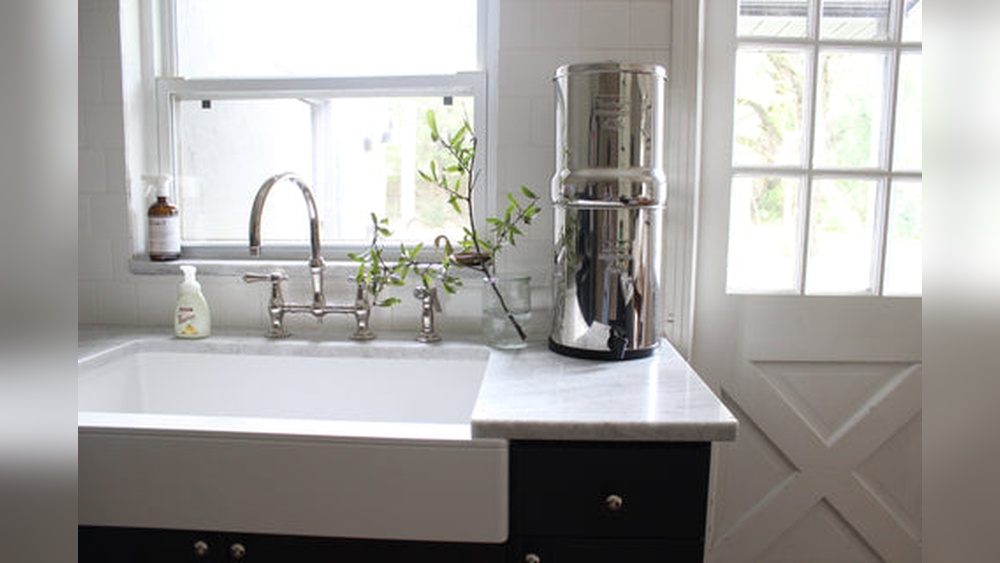
Berkey filters use black purification elements that last long. Each element can filter thousands of gallons of water. The system removes bacteria, viruses, chlorine, and heavy metals. It does not need power or pressure to work. The filter is portable and fits well in kitchens or camping setups.
How It Works
Water is poured into the top chamber of the filter. Gravity pulls the water down through the purification elements. These elements trap harmful particles and contaminants. Clean water collects in the lower chamber. This method keeps the water fresh and safe to drink. The process takes only a few minutes to filter water.
Fluoride In Drinking Water
Fluoride in drinking water is a common topic for many households. It is added to water supplies in some areas to help prevent tooth decay. While fluoride has benefits, it also raises questions about safety and health effects. Understanding fluoride’s sources and impact helps people make informed choices about their water.
Sources Of Fluoride
Fluoride comes from natural and human-made sources. It occurs naturally in rocks and soil. Rainwater can carry fluoride into rivers and lakes. Many cities add fluoride to tap water to improve dental health. Some bottled waters also contain fluoride. Fluoride can also be found in toothpaste and mouth rinses.
Health Impacts
Fluoride helps strengthen teeth and prevent cavities. Too much fluoride can cause dental fluorosis, which changes tooth appearance. Excessive intake may affect bones and overall health. Some people worry about possible links to other health issues. It is important to monitor fluoride levels in drinking water carefully.
Berkey And Fluoride Removal
The Berkey water filter is popular for cleaning water from many contaminants. Fluoride is one element many people want to remove from their water. Not all water filters remove fluoride well. Understanding how Berkey handles fluoride helps you choose the right filter for your needs.
Berkey offers different types of filters. Some are standard, and some are specially made to reduce fluoride. Knowing the difference matters when you want fluoride-free water.
Standard Filters Vs Fluoride Filters
Berkey’s standard Black filters remove many harmful things like bacteria and chemicals. They do not remove fluoride effectively. Fluoride molecules are smaller and harder to filter out.
To remove fluoride, Berkey sells special fluoride filters called PF-2 filters. These are used together with Black filters. PF-2 filters are designed specifically to reduce fluoride and arsenic.
You must add PF-2 fluoride filters if fluoride removal is your goal. Without them, fluoride stays in your water.
Effectiveness Of Fluoride Reduction
PF-2 fluoride filters can remove up to 97% of fluoride from water. This is a high level of reduction. Many users report cleaner taste and less fluoride after using these filters.
These filters work best with clean water already treated by Black filters. The system can reduce fluoride safely and reliably.
Remember to replace the PF-2 filters as recommended. Old filters lose their ability to remove fluoride well.
Testing And Certification
Testing and certification are important to know if the Berkey water filter removes fluoride effectively. These steps show the filter’s quality and safety. They help you trust the product and its claims. Let’s explore the lab results and third-party reviews.
Lab Results
Lab tests measure how well the Berkey filter removes fluoride. Results show a high percentage of fluoride reduction. This means less fluoride in the filtered water. Labs use strict methods to ensure accuracy. These tests are done by professional scientists.
Third-party Reviews
Independent groups also test the Berkey filter. Their reviews confirm lab results. They check the filter’s performance under real conditions. Positive reviews build trust for many users. These reviews provide honest feedback and detailed analysis.
Alternatives For Fluoride Removal
Removing fluoride from water requires specific filtration methods. The Berkey water filter does not remove fluoride effectively. Many people seek other options to reduce fluoride levels in their water. Various alternatives exist that can target fluoride more directly. These methods vary in cost and efficiency.
Other Filter Types
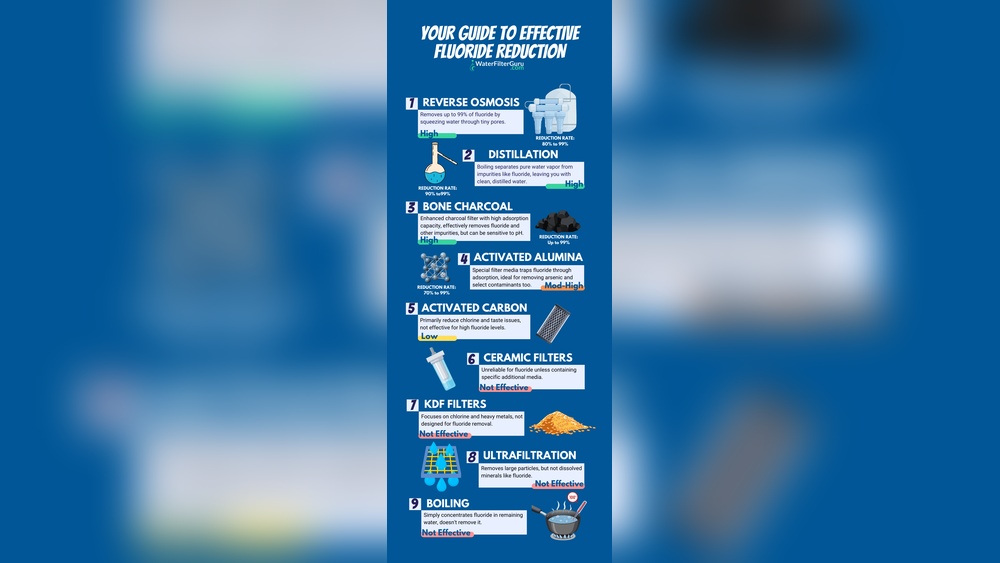
Reverse osmosis filters are popular for fluoride removal. They push water through a membrane, blocking fluoride particles. Activated alumina filters also work well. They absorb fluoride through a special surface. Distillation units boil water, then collect steam. This process leaves fluoride behind. Each type has pros and cons. Some require more maintenance or energy.
Comparing Costs And Efficiency
Reverse osmosis systems cost more upfront but remove fluoride effectively. Activated alumina filters are cheaper but need regular replacement. Distillers use electricity, increasing running costs. Efficiency depends on water quality and filter condition. Some filters remove other contaminants too. Consider long-term costs and filter lifespan. Choose the option that fits your needs and budget best.
User Experiences
User experiences provide valuable insights about the Berkey water filter’s ability to remove fluoride. Many users share their real-life results and challenges. These stories help understand how well the filter performs outside the lab. Reading genuine feedback can guide potential buyers in making informed decisions.
Customer Feedback
Many customers report positive results with the Berkey filter. They notice a clear difference in taste and water quality. Some users mention testing their water before and after filtration. Most see a significant drop in fluoride levels. People appreciate the filter’s ease of use and durability. Several users feel more confident drinking filtered water at home. Some also praise the filter’s ability to remove other contaminants. Overall, feedback leans toward satisfaction with fluoride removal.
Common Issues
Some users face challenges with the Berkey filter. A few report slower water flow rates after installing fluoride filters. Others mention the filter elements require careful maintenance. Some customers find the initial cost high compared to other filters. A small group experiences inconsistent results in fluoride removal. Certain users note the need for regular testing to ensure effectiveness. These issues highlight the importance of following instructions closely. Understanding these challenges helps users manage expectations better.
Frequently Asked Questions
Does Berkey Water Filter Remove Fluoride Effectively?
Berkey water filters do not remove fluoride by default. However, with additional PF-2 fluoride filters, they reduce fluoride levels significantly. These filters use activated alumina to target fluoride. Without PF-2 filters, fluoride removal is minimal or ineffective.
What Filter Does Berkey Use For Fluoride Removal?
Berkey uses optional PF-2 fluoride and arsenic reduction filters. These filters attach to the main unit and work alongside Black Berkey elements. PF-2 filters specifically reduce fluoride and arsenic, enhancing overall water purification.
Can Berkey Filter Remove Fluoride From Well Water?
Yes, if equipped with PF-2 fluoride filters, Berkey can reduce fluoride in well water. Regular Black Berkey filters alone do not remove fluoride effectively. For well water, adding PF-2 filters ensures safer fluoride levels.
How Effective Are Berkey Pf-2 Filters For Fluoride?
Berkey PF-2 filters remove up to 97% of fluoride. They use activated alumina media optimized for fluoride and arsenic reduction. Combining PF-2 with Black Berkey filters provides comprehensive contaminant removal.
Conclusion
The Berkey water filter does not fully remove fluoride. It reduces some fluoride but not all. For full fluoride removal, a special filter is needed. Many people choose Berkey for its strong purification of other contaminants. Always check the filter type before buying.
Clean water is important for health and safety. Choose the right filter to meet your needs. This helps ensure safe and pure drinking water every day.
Hasan Al Sarker is a Reverse Osmosis Specialist. He has worked for many years to ensure safe drinking water for all. His research paper has been published in several journals, including Issue, Medium, and Slideshare. He is recognized as a water doctor among specialists though he did not attend medical college.
Besides working as a researcher of reverse osmosis technology, he is also very fancy with the kitchen and cooking. His guides are reading thousands of people every day. As a head of content, he is responsible for all the published articles at RO System Reviews.
Have you ever wondered how water gets so clean and clear before it reaches your glass? The secret often lies in a simple yet powerful tool: the sand filter.
If you want to understand how this natural method removes dirt and impurities from water, you’re in the right place. By the end of this article, you’ll see how sand filters work and why they might be the perfect solution for your water needs.
Keep reading to discover the science behind clean water and how it can benefit you every day.
Basics Of Sand Filtration
Sand filtration is a common method to clean water. It uses natural sand to remove dirt and particles. This process helps make water clearer and safer to use. Understanding the basics of sand filtration shows why it is popular for water treatment.
Sand filters work by trapping impurities as water passes through the sand layers. This simple but effective method has been used for many years in homes, pools, and water plants. Knowing how sand filters work helps to choose the right type and maintain it properly.
How Sand Filters Work
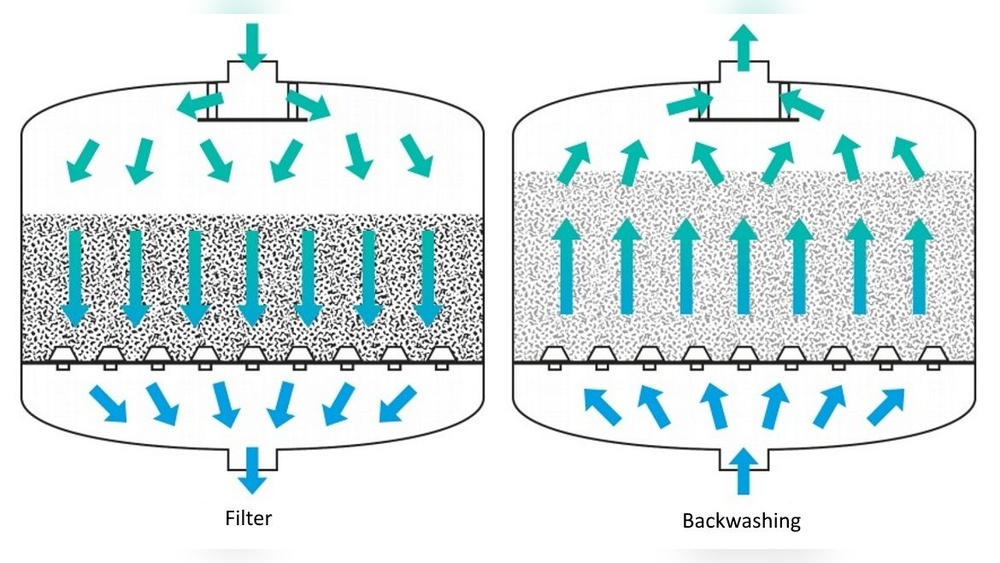
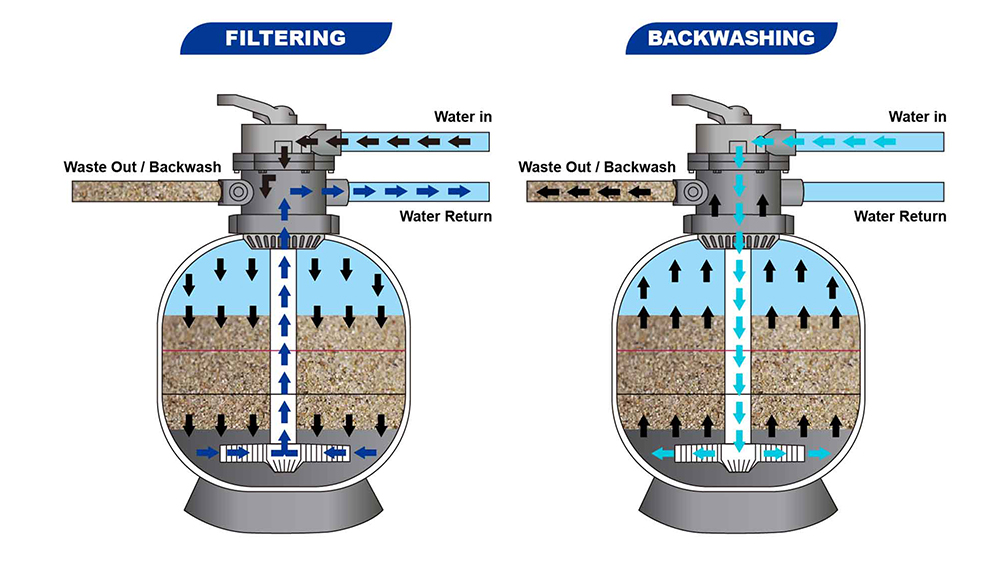
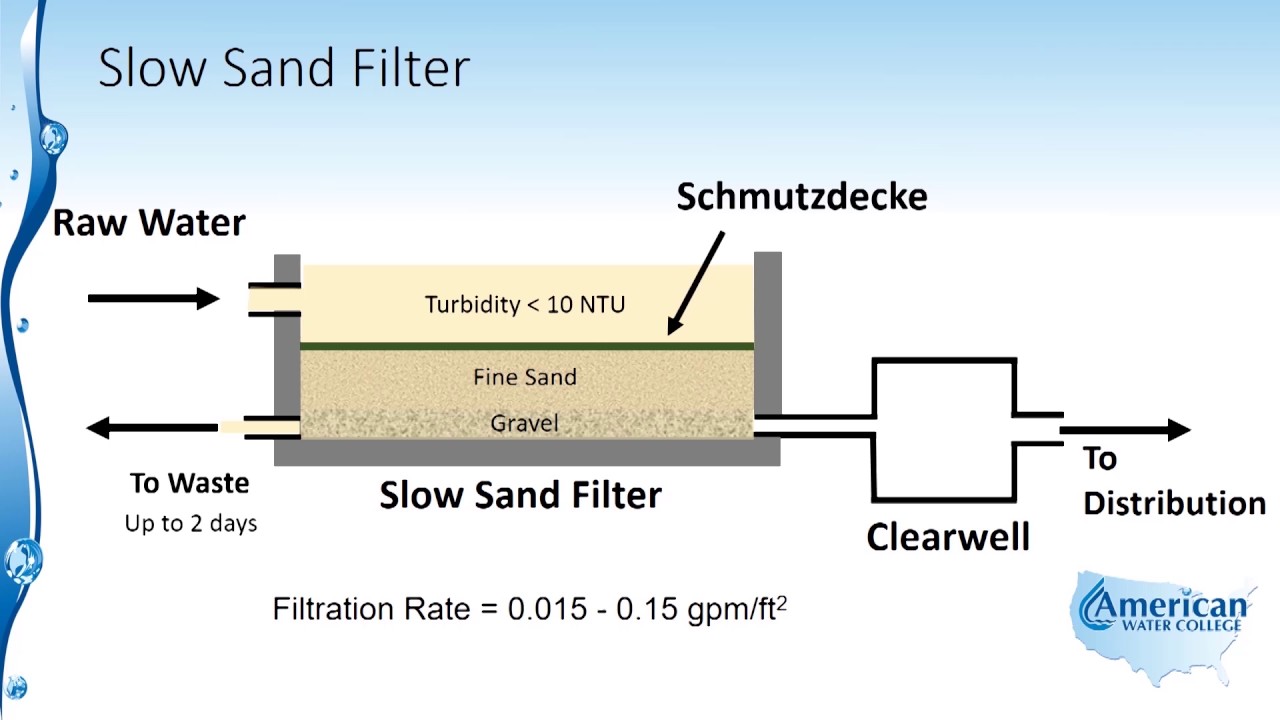
Water flows through a bed of sand. The sand catches dirt, debris, and small particles. Clean water then flows out from the other side. Tiny spaces between sand grains act like a net. The particles get stuck while water moves on. Over time, the sand fills with trapped particles. Cleaning or replacing the sand keeps the filter effective.
Types Of Sand Filters
There are several types of sand filters. Rapid sand filters use fast water flow and need backwashing to clean. Slow sand filters let water pass slowly, using natural bacteria to remove impurities. Pressure sand filters operate under pressure and are common in pools and industries. Each type fits different water needs and spaces.
Key Components Of Sand Filters
Sand filters have important parts to work well. The filter tank holds the sand and water. The sand bed is where the cleaning happens. Underdrain systems collect filtered water and keep sand in place. Valves control water flow during filtration and cleaning. Proper design of these parts ensures good water quality.
Filtration Process Explained
The filtration process in sand filters is simple but very effective. Water passes through layers of sand that clean it naturally. This process removes dirt, germs, and some chemicals. The sand acts as a barrier and a surface for different cleaning actions to take place.
Physical Removal Of Particles
Sand traps dirt, debris, and other solid particles from water. As water flows down, larger particles get stuck on the top layers. Smaller particles get caught deeper in the sand. This stops many impurities from passing through.
The sand grains create a tight mesh that blocks suspended solids. This physical barrier improves water clarity. It also helps protect the water from further contamination.
Biological Filtration Effects
Microbes grow naturally on sand surfaces. These tiny organisms consume harmful bacteria and organic waste in the water. They break down pollutants into simpler, safer substances.
This biological layer forms over time. It acts like a natural purifier inside the filter. The process improves water quality by reducing germs and odor.
Chemical Interactions In Sand Filters
Sand can also cause chemical changes in water. Some minerals in sand bind with contaminants, removing them from water. This process is called adsorption.
Sand filters can reduce harmful metals and chemicals. They help balance the water’s pH level. This makes water safer and better for use.
Benefits Of Using Sand Filters
Sand filters offer many benefits for water treatment. They improve water quality and protect health. These filters use natural processes to clean water efficiently. People choose sand filters for their simplicity and reliability.
Here are key benefits of using sand filters in water purification.
Improved Water Clarity
Sand filters remove dirt and particles from water. They trap tiny debris that makes water cloudy. This process makes water clear and visually clean. Clear water looks better and is easier to use. It helps in homes, pools, and irrigation systems.
Reduction Of Harmful Contaminants
Sand filters reduce many harmful substances in water. They catch bacteria, algae, and some chemicals. This lowers health risks related to dirty water. Clean water helps prevent illnesses caused by contamination. Sand filters add a strong layer of protection.
Cost-effectiveness And Sustainability
Sand filters cost less to install and maintain. They use simple materials that last a long time. These filters do not need electricity or chemicals. This saves money and reduces environmental impact. Sand filters provide a sustainable choice for water cleaning.
Applications Of Sand Filters
Sand filters play a key role in cleaning water. They remove dirt and tiny particles by trapping them in layers of sand. This process works well for many uses. Sand filters are simple, reliable, and effective. They help improve water quality in different settings.
Residential Water Treatment
Many homes use sand filters to clean well water. They remove sand, rust, and other particles from drinking water. This makes water safer and clearer for daily use. Sand filters need little maintenance and last long. They help families have clean water without harsh chemicals.
Industrial Water Purification
Industries use sand filters to treat large volumes of water. They remove solids before water goes to machines or processes. Clean water protects equipment from damage and keeps products safe. Sand filters help industries meet water quality rules. They reduce costs by reusing water safely.
Aquarium And Pool Maintenance
Sand filters keep aquarium water clear and healthy for fish. They trap waste and debris to prevent water cloudiness. Pools also use sand filters to remove dirt and leaves. This keeps pool water fresh and safe to swim in. Sand filters are easy to clean and operate in these areas.
Maintaining Sand Filters
Maintaining sand filters is key to keeping water clean and clear. Regular care stops clogs and keeps water flowing smoothly. Simple steps help the filter work well for a long time.
Cleaning And Backwashing Techniques
Cleaning sand filters means removing trapped dirt and debris. Backwashing is the main method. It reverses water flow through the sand bed. This pushes out dirt and cleans the filter.
Run backwash until the water looks clear. Usually, this takes 2 to 3 minutes. Avoid overdoing it to save water and protect the filter.
Common Issues And Troubleshooting
Filters can have problems like low water flow or cloudy water. Check for clogged sand or broken parts. Sand that is too old or compacted reduces filter action.
Look for leaks around valves and pipes. Tighten or replace parts if needed. Regular checks prevent small issues from becoming big problems.
Tips For Prolonging Filter Life
Replace the sand every 3 to 5 years. Use clean water during backwash to avoid adding dirt. Keep the filter dry during winter to stop damage.
Store spare parts handy. Clean the filter housing regularly. These habits extend the filter’s lifespan and keep water pure.
Comparing Sand Filters With Other Methods
Sand filters clean water by trapping dirt and particles in sand layers. Different water filters work in various ways. Comparing sand filters with other popular methods helps you choose the best option. Each filter has strengths and limits. Understanding these can guide your decision.
Sand Filters Vs. Activated Carbon
Sand filters remove large particles and sediments. They do not remove chemicals or odors. Activated carbon filters absorb chemicals, bad smells, and taste. Carbon works well for chlorine and organic compounds. Sand filters last longer but need backwashing to clean. Carbon filters need replacement more often. Combining both can improve water quality.
Sand Filters Vs. Reverse Osmosis
Reverse osmosis (RO) filters remove almost all impurities. RO uses a thin membrane to block salts and tiny particles. Sand filters cannot remove dissolved solids or salts. RO requires more energy and wastes some water. Sand filters use less energy and water. RO gives very pure water but costs more. Sand filters are easier to maintain.
Choosing The Right Filter For Your Needs
Consider water quality and filter cost first. Sand filters suit well for cloudy or muddy water. Activated carbon fits if you want to improve taste and remove chemicals. Reverse osmosis is best for very pure water needs. Think about maintenance and how much water you use. Choose a filter that fits your budget and water problems.
Frequently Asked Questions
How Does A Sand Filter Clean Water Effectively?
A sand filter removes impurities by trapping particles in sand layers. Water passes through sand, capturing dirt and debris. This process clarifies water, making it cleaner and safer for use or discharge.
What Types Of Contaminants Do Sand Filters Remove?
Sand filters primarily remove suspended solids, dirt, and debris. They can also reduce some bacteria and algae. However, they are less effective against dissolved chemicals and viruses.
How Often Should A Sand Filter Be Cleaned?
Sand filters should be cleaned when water flow decreases or pressure rises. Typically, cleaning occurs every 3 to 6 months, depending on usage and water quality. Regular maintenance ensures efficient filtration.
Can Sand Filters Improve Water Taste And Odor?
Sand filters mainly improve water clarity by removing particles. They have limited effect on taste and odor, which require additional treatments like activated carbon filters.
Conclusion
Sand filters clean water by trapping dirt and particles. Water flows through sand layers, which catch impurities. This process helps remove dust, debris, and some harmful substances. Sand filters work well for pools and drinking water systems. They need regular cleaning to stay effective.
Using sand filters keeps water clearer and safer to use. Simple, natural, and reliable—sand filtration remains a trusted method. Clear water means healthier homes and environments. Understanding this method helps appreciate how water gets clean.
Hasan Al Sarker is a Reverse Osmosis Specialist. He has worked for many years to ensure safe drinking water for all. His research paper has been published in several journals, including Issue, Medium, and Slideshare. He is recognized as a water doctor among specialists though he did not attend medical college.
Besides working as a researcher of reverse osmosis technology, he is also very fancy with the kitchen and cooking. His guides are reading thousands of people every day. As a head of content, he is responsible for all the published articles at RO System Reviews.