Have you ever wondered what’s really in your drinking water? Hormones, tiny but powerful chemicals, can sneak into water supplies and affect your health in surprising ways.
If you want to protect yourself and your family, learning how to filter hormones out of water is a smart move. You’ll discover simple, effective methods that anyone can use. Keep reading to take control of your water quality and feel confident about what’s coming from your tap.
Sources Of Hormones In Water
Hormones enter water from many places. Understanding these sources helps us know why filtering hormones is important. Water can carry hormones from everyday products, farms, and factories. These hormones may affect wildlife and human health. Identifying the main sources guides better water treatment methods.
Pharmaceuticals And Personal Care Products
Medicines and personal care items often contain hormones. When people use these products, small amounts wash down the drain. Wastewater plants do not always remove all hormones. As a result, hormones reach rivers and lakes. Birth control pills and hormone therapies are common sources.
Agricultural Runoff
Farms use animal hormones to help livestock grow. These hormones can leak into nearby water during rain or irrigation. Fertilizers and pesticides may also contain hormone-like chemicals. Runoff carries these substances into streams and groundwater. This runoff can disrupt natural hormone balances in water.
Industrial Discharges
Some factories produce or use hormones in their processes. Wastewater from these industries may contain hormone residues. Chemicals from paper mills, plastics, and chemical plants often include hormone-like compounds. Without proper treatment, these hormones enter local water systems. Industrial discharges add to the hormone load in water.
Health Risks Of Hormones In Water
Hormones in water pose serious health risks for people and animals. These substances come from medicines, farms, and factories. They do not break down easily and can affect living beings even in tiny amounts.
Understanding these risks helps us protect our health and the environment. Filtering hormones from water is important for safe drinking water and a healthy ecosystem.
Endocrine Disruption
Hormones in water can disturb the endocrine system in humans and animals. This system controls growth, development, and reproduction. Even low hormone levels can cause problems like fertility issues and developmental delays. Children and pregnant women are especially at risk.
Impact On Wildlife
Wildlife is very sensitive to hormone pollution. Fish and amphibians may experience abnormal growth and altered reproductive cycles. Some species face population decline due to these changes. Healthy ecosystems depend on balanced hormone levels in water.
Long-term Human Effects
Long-term exposure to hormones in water may increase risks of cancer and hormone-related diseases. These effects build up over years of drinking contaminated water. Protecting drinking water from hormone contamination supports public health now and in the future.
Common Water Filtration Techniques
Many people worry about hormones in their drinking water. These tiny chemicals come from medicines, farms, and factories. They can affect health even in small amounts. Filtering water helps remove these harmful hormones. Several common techniques work well to clean water.
Activated Carbon Filters
Activated carbon filters trap chemicals on their surface. They have many tiny pores that catch hormones and other pollutants. These filters are easy to use and affordable. They work best for removing organic compounds and some hormones. Many home water filter pitchers and faucet attachments use this method.
Reverse Osmosis Systems
Reverse osmosis uses a special membrane to clean water. Water passes through the membrane, leaving hormones and impurities behind. This system removes a wide range of contaminants, including hormones. It requires pressure to push water through the filter. Reverse osmosis is common in households and businesses for pure drinking water.
Ultraviolet Treatment
Ultraviolet (UV) treatment uses light to kill bacteria and viruses. It also breaks down some hormones in water. UV does not remove particles but changes their structure. This method is often combined with other filters for better results. UV treatment is chemical-free and safe for drinking water.
Advanced Hormone Removal Methods
Advanced hormone removal methods offer effective solutions to clean water deeply. These methods target tiny hormone molecules that regular filters often miss. They use powerful techniques to break down or trap hormones, making water safer to use.
Advanced Oxidation Processes
Advanced Oxidation Processes use strong chemicals like ozone or hydrogen peroxide. These chemicals create reactive molecules called free radicals. Free radicals attack and destroy hormone molecules in water. This method works fast and removes many types of hormones.
It also reduces harmful by-products in treated water. A key benefit is that it does not add toxic chemicals to water. This method often pairs well with other treatment steps for better results.
Nanofiltration
Nanofiltration uses a thin membrane to filter water. The membrane has very small pores that block hormones. Water passes through, but hormones stay behind. Nanofiltration removes many contaminants, including some salts and organic molecules.
This method is energy-efficient and does not use chemicals. It works well for household water systems and large plants. Regular cleaning of membranes is needed to keep them effective.
Biological Treatment
Biological treatment uses bacteria to break down hormones. Certain bacteria eat hormone molecules as food. This natural process can remove hormones completely from water. It is eco-friendly and cost-effective for large-scale treatment.
Careful control of bacteria and conditions is important. This method often combines with filters to improve water quality. Biological treatment helps reduce hormone pollution in rivers and lakes.
Diy And Home-based Solutions
Removing hormones from water at home helps protect your health. Simple methods can reduce these chemicals effectively. These DIY solutions use common tools and easy steps. They keep your drinking water safer without expensive equipment.
Using Charcoal Filters
Charcoal filters absorb many harmful substances in water. They trap hormones and other chemicals on their surface. These filters are affordable and easy to use. Just attach them to your tap or water pitcher. Replace the charcoal regularly to keep it working well.
Boiling And Distillation
Boiling water kills bacteria but does not remove hormones. Distillation works better by separating pure water from contaminants. It involves boiling water and collecting steam, leaving impurities behind. Small distillation kits are available for home use. This process produces very clean water but takes time.
Regular Water Testing
Testing your water regularly helps track hormone levels. Test kits are available online or at stores. They show if filters or treatments need changing. Testing ensures your water stays safe over time. It helps catch problems early before they affect your health.
Choosing The Right Filter For Your Needs
Choosing the right filter for your water needs is important. Not all filters remove hormones effectively. Different filters use different methods to clean water. Some are better at removing chemicals, including hormones. Knowing what to expect from each filter helps you pick the best one for your home.
Filter Efficiency And Certification
Check how well a filter removes hormones and other chemicals. Look for filters tested by independent labs. Certifications from organizations like NSF or WQA show reliable results. Filters with these marks meet strict standards. They give confidence in the filter’s ability to clean your water.
Cost Considerations
Filter prices can vary a lot. Some are cheap upfront but cost more to keep. Others cost more initially but save money over time. Think about both buying and running costs. Choose a filter that fits your budget and needs.
Maintenance And Longevity
Filters need regular care to work well. Some require frequent cartridge changes. Others last longer but need occasional cleaning. Easy maintenance saves time and effort. Check how long the filter lasts before replacing it. A good filter stays effective without much trouble.
Future Trends In Water Purification
Water purification is evolving fast to remove hormones and other pollutants effectively. New technologies and methods aim to improve water quality for everyone. Innovations focus on precision, sustainability, and better regulation.
These future trends promise cleaner water through smarter systems and greener approaches. They also respond to growing concerns about health and the environment. The path forward involves advanced tools and stricter rules.
Smart Filtration Technologies
Smart filtration uses sensors and AI to detect and remove hormones quickly. These systems adjust automatically based on water quality changes. They reduce waste and energy use while improving purification results. Smart filters can target specific hormone types, enhancing water safety. This technology offers real-time monitoring and better control for users.
Sustainable And Eco-friendly Solutions
Eco-friendly filtration methods use natural materials and renewable resources. These solutions lower environmental impact and reduce chemical use. Examples include biofilters made from plants and microbes that break down hormones. Sustainable designs focus on energy efficiency and minimal waste. Such approaches protect ecosystems while providing clean drinking water.
Policy And Regulation Changes
Governments are tightening rules on water pollution and hormone contaminants. New regulations require stricter testing and removal standards for water suppliers. Policies encourage adopting advanced filtration technologies to meet safety goals. Increased funding supports research and infrastructure improvements. These changes aim to protect public health and ensure clean water access.
Frequently Asked Questions
What Are Common Hormones Found In Water?
Common hormones in water include estrogen, testosterone, and synthetic hormones from medications. They enter water through human waste and agricultural runoff.
How Effective Are Water Filters At Removing Hormones?
Activated carbon and reverse osmosis filters effectively remove many hormones. Effectiveness varies by filter quality and water conditions.
Can Boiling Water Remove Hormones?
Boiling water does not remove hormones. Heat may break down some compounds, but hormones typically remain in the water.
Are Hormone Contaminants Harmful To Humans?
Hormone contaminants can disrupt endocrine systems, affecting health. Long-term exposure may lead to reproductive and developmental issues.
Conclusion
Filtering hormones out of water keeps your drinking water safer and cleaner. Simple filters like activated carbon or reverse osmosis can remove many hormone traces. Regularly changing filters helps maintain water quality. Clean water supports better health for you and your family.
Small steps make a big difference in water purity. Start filtering today for peace of mind tomorrow.
Hasan Al Sarker is a Reverse Osmosis Specialist. He has worked for many years to ensure safe drinking water for all. His research paper has been published in several journals, including Issue, Medium, and Slideshare. He is recognized as a water doctor among specialists though he did not attend medical college.
Besides working as a researcher of reverse osmosis technology, he is also very fancy with the kitchen and cooking. His guides are reading thousands of people every day. As a head of content, he is responsible for all the published articles at RO System Reviews.
Are you worried about the quality of your drinking water? If arsenic is a concern for you, finding the right filter is crucial.
Arsenic can be harmful even in small amounts, so you need a solution that truly works. You’ll discover exactly what type of filter removes arsenic from water effectively. By the end, you’ll know how to protect your family and enjoy clean, safe water every day.
Keep reading to find the best filter for your home.
Arsenic In Water Sources
Arsenic is a natural element found in soil, rocks, and water. It can enter water sources through natural processes or human activities. Many people do not realize arsenic can contaminate drinking water. This contamination poses serious health risks. Knowing where arsenic comes from helps protect water quality and health.
Water contamination with arsenic is a global concern. It affects wells, rivers, and lakes. Arsenic levels vary by location and water source type. Testing water regularly ensures safety. Using the right filter can remove arsenic effectively.
Common Sources Of Arsenic Contamination
Arsenic occurs naturally in underground rocks and soil. Water passing through these materials can pick up arsenic. Wells dug into these areas often have higher arsenic levels.
Mining and industrial waste can release arsenic into water. Pesticides and fertilizers may also add arsenic to soil and water. Old pipes and plumbing materials can contribute to contamination.
Health Risks Of Arsenic Exposure
Long-term exposure to arsenic in water can cause serious health problems. It can damage the skin, lungs, and liver. Arsenic is linked to cancer in many studies.
Children exposed to arsenic may experience developmental delays. Adults risk heart disease and diabetes. Removing arsenic from water protects families and communities.
Types Of Filters For Arsenic Removal
Removing arsenic from water is important for health. Different filters work in different ways. Each filter type targets arsenic specifically. Understanding these options helps in choosing the right one. Below are common types of filters used to remove arsenic.
Activated Alumina Filters
Activated alumina filters use a special material. This material attracts and holds arsenic particles. It works best for arsenic in its +5 oxidation state. These filters need regular replacement or regeneration. They are affordable and efficient for home use.
Reverse Osmosis Systems
Reverse osmosis pushes water through a fine membrane. This membrane blocks arsenic and other impurities. It removes both arsenic +3 and +5 forms. RO systems also reduce many other contaminants. They require electricity and periodic filter changes.
Ion Exchange Filters
Ion exchange filters swap arsenic ions with harmless ones. They use resin beads that attract arsenic. These filters work well for water with low arsenic levels. Regeneration with salt is needed to keep them effective. They are easy to maintain and use.
Iron Oxide Filters
Iron oxide filters capture arsenic by binding it to iron particles. They are strong against arsenic +5 form. These filters have a long lifespan. They need occasional cleaning to remove trapped arsenic. They are suitable for large water supplies.
Distillation Units
Distillation heats water to create steam. The steam leaves arsenic behind. It then cools and turns back into clean water. Distillation removes almost all arsenic types. It uses more energy but produces very pure water.
How Each Filter Works
Different filters remove arsenic from water using various methods. Understanding how each filter works helps you choose the right one. Each type targets arsenic in unique ways to make water safe to drink.
Mechanism Of Activated Alumina
Activated alumina is a porous material. It attracts and traps arsenic particles from water. Water passes through the alumina bed slowly. Arsenic sticks to the surface while clean water flows out. The filter needs regular cleaning to stay effective.
Reverse Osmosis Process
Reverse osmosis uses a thin membrane to filter water. It blocks arsenic and other impurities. Water is pushed through the membrane under pressure. Clean water passes, but arsenic stays behind. This process removes many contaminants at once.
Ion Exchange Method
Ion exchange swaps arsenic ions with harmless ones. The filter contains resin beads charged with safe ions. Arsenic in water attaches to these beads. The beads release the safe ions into the water. This method works well for low arsenic levels.
Iron Oxide Adsorption
Iron oxide materials attract arsenic molecules. Water flows through iron oxide-coated media. Arsenic binds tightly to the iron oxide surface. The filter removes arsenic through this chemical attraction. It is effective and easy to maintain.
Distillation Technique
Distillation boils water, then collects the steam. Arsenic does not evaporate with the steam. The steam condenses into clean water in a separate container. This method removes arsenic and many other impurities. It uses heat and time but is very thorough.
Effectiveness And Limitations
Removing arsenic from water requires filters that work well but also have limits. Knowing how effective these filters are helps you choose the right one. It is important to see how well they remove arsenic and what care they need. Also, cost and how long they last matter for daily use.
Filter Efficiency Rates
Some filters remove up to 99% of arsenic. Others may only remove 70% to 90%. The type of filter affects the rate. Filters like reverse osmosis and adsorptive media work best. Efficiency can drop if water has other minerals or dirt.
Maintenance Requirements
Filters need regular cleaning or replacing. Some require frequent checks to avoid clogging. Poor maintenance lowers arsenic removal. Simple filters need less care but may be less effective. Maintenance tasks vary by filter type and water quality.
Cost Considerations
High-efficiency filters cost more upfront. Cheaper filters may need frequent replacement. Consider long-term costs, including parts and service. Some filters use electricity, adding to expenses. Balance cost with how well and how long the filter works.
Filter Lifespan
Filters last from six months to several years. Lifespan depends on water use and arsenic levels. Overused filters lose effectiveness quickly. Replace filters on time to ensure safe water. Lifespan details are usually in product guides.
Choosing The Right Filter
Choosing the right filter to remove arsenic from water is crucial for safety and health. Not all filters work the same way. Picking a system that fits your water quality and daily needs is important. This section helps you understand how to select the best filter for arsenic removal.
Water Testing For Arsenic Levels
Start by testing your water for arsenic levels. Knowing the exact amount helps choose the right filter. Many local labs offer water testing services. You can also buy home test kits for initial checks. Testing shows if arsenic is present and at what concentration.
Matching Filters To Needs
Different filters remove arsenic in different ways. Some use activated alumina, while others use reverse osmosis or ion exchange. Choose a filter that matches your water’s arsenic level and daily water use. Small households may need a compact filter. Larger homes or offices require systems with higher capacity.
Professional Vs Diy Systems
Professional systems often come with installation and maintenance support. They usually provide better arsenic removal and reliability. DIY filters are less expensive and easier to install. They work well for low to moderate arsenic levels. Consider your budget and comfort with installation before deciding.
Installation And Maintenance Tips
Installing and maintaining an arsenic water filter is key to safe drinking water. Proper steps ensure the filter works well and lasts long. Regular care keeps your water clean and healthy. Follow simple tips to get the best results from your filter.
Proper Installation Practices
Choose a spot with easy access for the filter system. Turn off the main water supply before starting. Follow the manufacturer’s guide carefully for each step. Use proper tools to avoid leaks or damage. Check all connections twice before turning water on. Test the system to ensure no leaks appear.
Routine Filter Replacement
Replace the filter as the guide suggests. Old filters lose their ability to remove arsenic. Mark the replacement date on your calendar. Some filters need changing every six months or yearly. Using a worn filter can let arsenic back into water. Always use the recommended filter type for your system.
Monitoring Water Quality
Test your water regularly for arsenic levels. Use simple test kits available online or in stores. Keep records of test results to track changes. If arsenic levels rise, check the filter immediately. Clean or replace parts if water quality drops. Regular monitoring helps protect your family’s health.
Alternative Methods For Arsenic Removal
Removing arsenic from water is crucial for safe drinking water. Alternative methods offer different ways to reduce arsenic levels. These methods include chemical treatments and natural filtration techniques. Both have unique benefits and can be effective in many situations.
Chemical Treatment Options
Chemical treatments use substances that change arsenic into a form that is easier to remove. One common method is coagulation and flocculation. This process adds chemicals like iron salts to the water. These chemicals bind with arsenic, creating particles that settle out of the water.
Oxidation is another chemical method. It transforms arsenic into a less harmful type. Chlorine or ozone can be used as oxidants. After oxidation, filtration removes the arsenic particles.
Natural Filtration Techniques
Natural filtration uses materials like sand, gravel, or certain plants to clean water. These materials trap arsenic particles as water passes through. Some natural filters contain iron-rich minerals that absorb arsenic effectively.
Constructed wetlands and slow sand filters are examples of natural systems. These methods are low-cost and eco-friendly. They work well in rural or low-resource areas.
Frequently Asked Questions
What Type Of Filter Best Removes Arsenic From Water?
Activated alumina and reverse osmosis filters are most effective. They reduce arsenic levels to safe drinking standards efficiently.
How Does Reverse Osmosis Remove Arsenic From Water?
Reverse osmosis forces water through a semipermeable membrane. It blocks arsenic particles, providing clean and safe drinking water.
Can Activated Alumina Filters Remove Both Arsenic Types?
Yes, activated alumina effectively removes both arsenic III and V forms from water.
Are Home Water Filters Reliable For Arsenic Removal?
Certified home water filters like reverse osmosis systems reliably reduce arsenic to safe levels.
Conclusion
Choosing the right filter matters for safe drinking water. Filters like reverse osmosis and activated alumina work well to remove arsenic. They help protect your health by cleaning harmful toxins. Test your water to know arsenic levels before buying a filter.
Regular maintenance keeps filters working at their best. Clean water means better health for you and your family. Simple steps can make a big difference in water safety. Stay informed and choose wisely for pure, arsenic-free water.
Hasan Al Sarker is a Reverse Osmosis Specialist. He has worked for many years to ensure safe drinking water for all. His research paper has been published in several journals, including Issue, Medium, and Slideshare. He is recognized as a water doctor among specialists though he did not attend medical college.
Besides working as a researcher of reverse osmosis technology, he is also very fancy with the kitchen and cooking. His guides are reading thousands of people every day. As a head of content, he is responsible for all the published articles at RO System Reviews.
Are you worried about radiation in your water but don’t know where to start? You deserve clean, safe water for you and your family.
Filtering radiation from water might sound complicated, but it’s easier than you think. You’ll discover simple, effective ways to protect your home’s water supply. Keep reading to learn how you can take control and make sure the water you drink is free from harmful radiation.
Your health depends on it.
Sources Of Radiation In Water
Radiation in water comes from different sources. These sources can be natural or caused by human activities. Knowing where radiation comes from helps to choose the right way to filter it out. This section explains the main sources of radiation found in water.
Natural Radiation Elements
Some types of radiation are naturally present in water. These come from minerals and rocks underground. Radon is a common radioactive gas that seeps into water from soil and rocks. Uranium and radium also dissolve into water from natural deposits. These natural elements can cause low levels of radiation in drinking water. The amount varies by location and geology.
Man-made Contaminants
Human activities add radiation to water in some areas. Nuclear power plants may release small amounts of radioactive materials. Medical waste and improper disposal of radioactive materials can contaminate water. Industrial accidents or leaks can also increase radiation levels. These man-made contaminants are often harmful and need careful removal from water sources.
Health Risks Of Radiated Water
Water contaminated with radiation poses serious health risks. Consuming or using such water affects the body’s organs and cells. It is essential to understand these risks to protect yourself and your family. Radiation in water can cause both immediate and lasting health problems.
Short-term Effects
Exposure to radiated water can cause nausea and vomiting quickly. Skin irritation and burns may also develop after contact. Some people feel tired or weak soon after exposure. These effects happen because radiation damages cells fast. Drinking or bathing in radiated water increases these risks.
Long-term Consequences
Long-term use of radiated water can lead to serious diseases. Cancer risk rises due to continuous radiation exposure. Damage to organs like kidneys and liver may occur over time. Radiation can also harm the immune system, making illness more likely. Children and pregnant women are especially vulnerable to these effects.
Testing For Radiation In Water
Testing for radiation in water is a crucial step to ensure safety. Radiation can come from natural sources or pollution. Detecting it early helps prevent health risks. Simple tests can identify harmful radiation levels. Knowing what to test and how to test is important for accurate results.
Common Detection Techniques
Several methods detect radiation in water. Geiger counters measure radioactive particles. They give quick and easy readings. Liquid scintillation counters detect low-level radiation. These are more sensitive and precise. Alpha and beta counters target specific radiation types. Spectrometry analyzes the energy of radioactive particles. Each method suits different testing needs.
Choosing The Right Testing Kit
Select a kit based on water source and radiation type. Home kits are affordable and user-friendly. Professional kits offer detailed analysis but cost more. Check kit sensitivity to detect low radiation levels. Ensure the kit includes clear instructions. Reliable kits provide consistent and accurate results. Choose one that fits your testing goals and budget.
Filtration Technologies
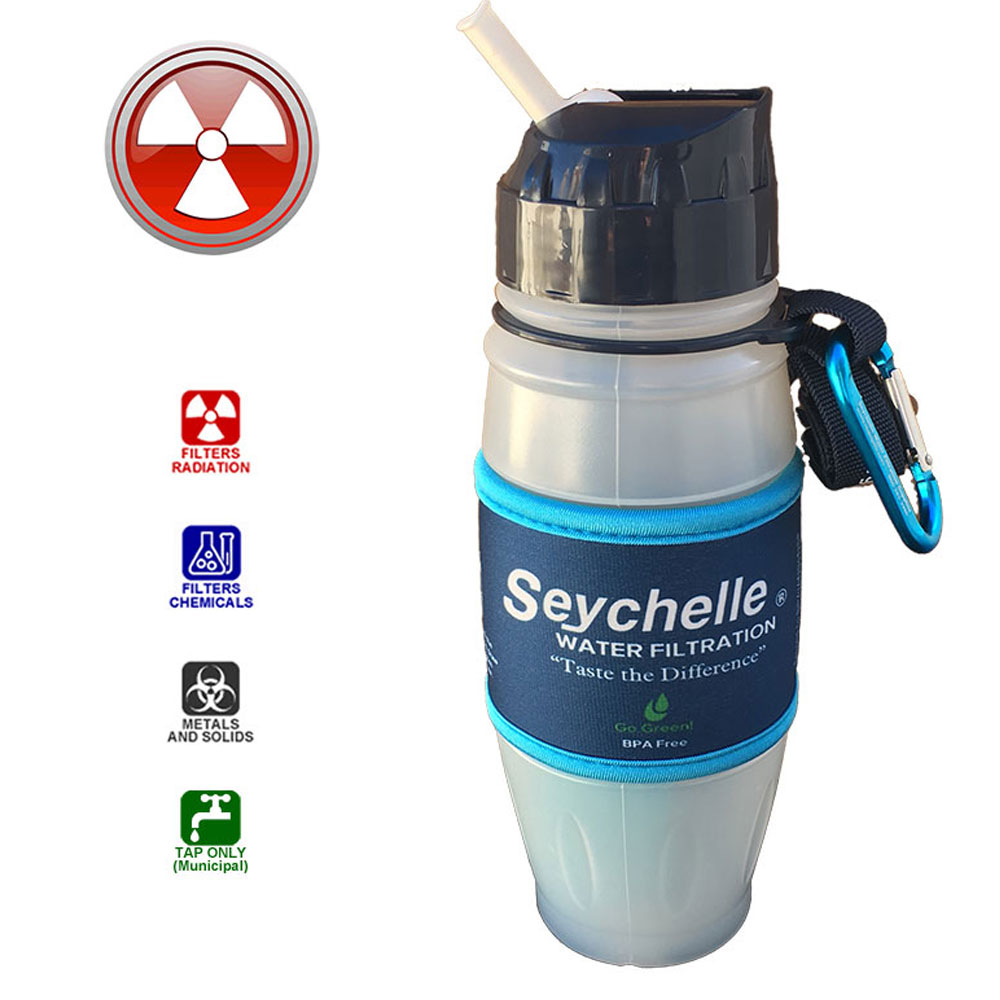
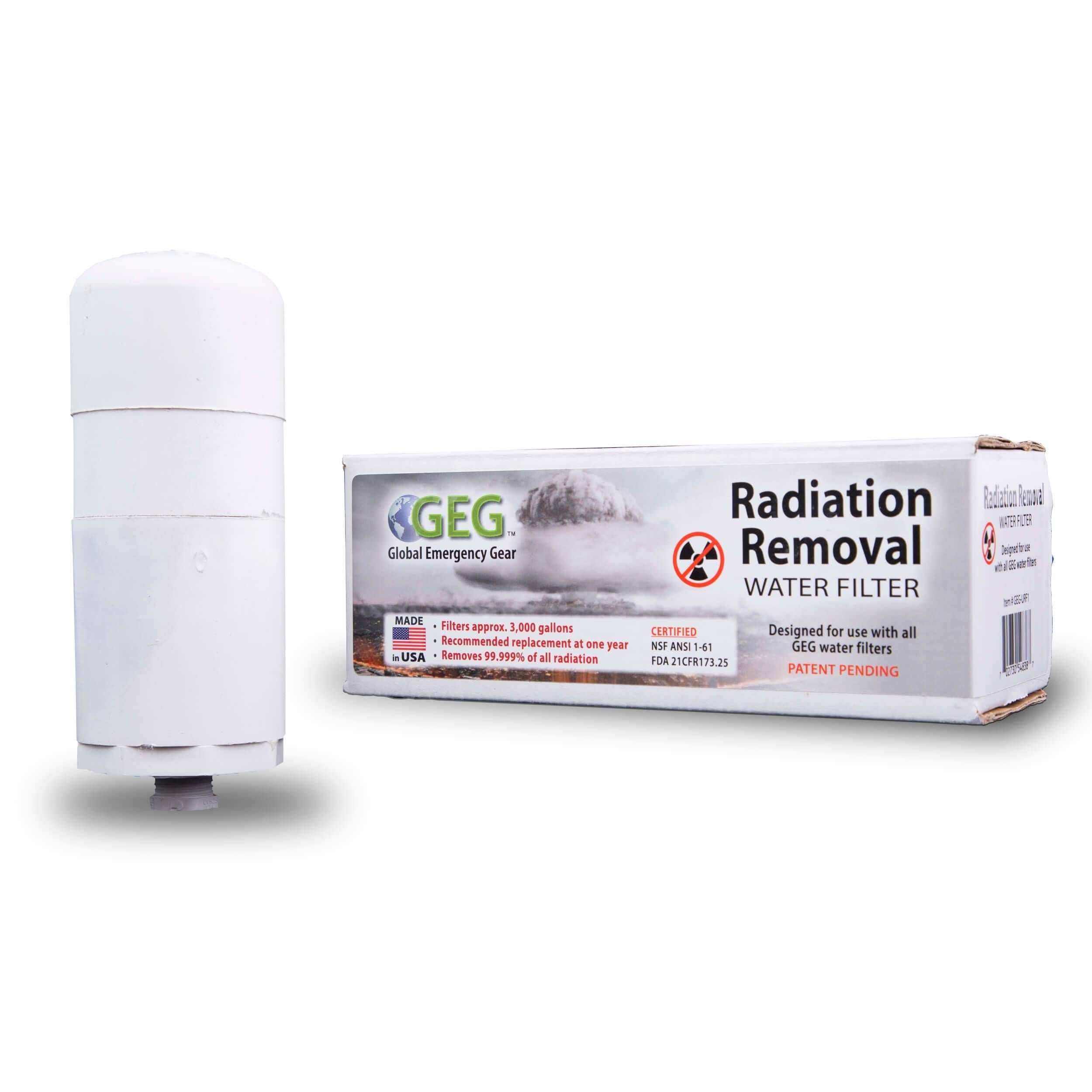
Filtering radiation from water needs special methods. Not all filters remove harmful radioactive particles. Some technologies work better to keep your water safe and clean. Understanding these methods helps you choose the right filter for your home.
Each filtration technology uses different ways to reduce radiation. Some trap particles, others remove minerals. Some even boil the water to separate clean water from contaminants. Here are the main types of filters used to reduce radiation in water.
Activated Carbon Filters
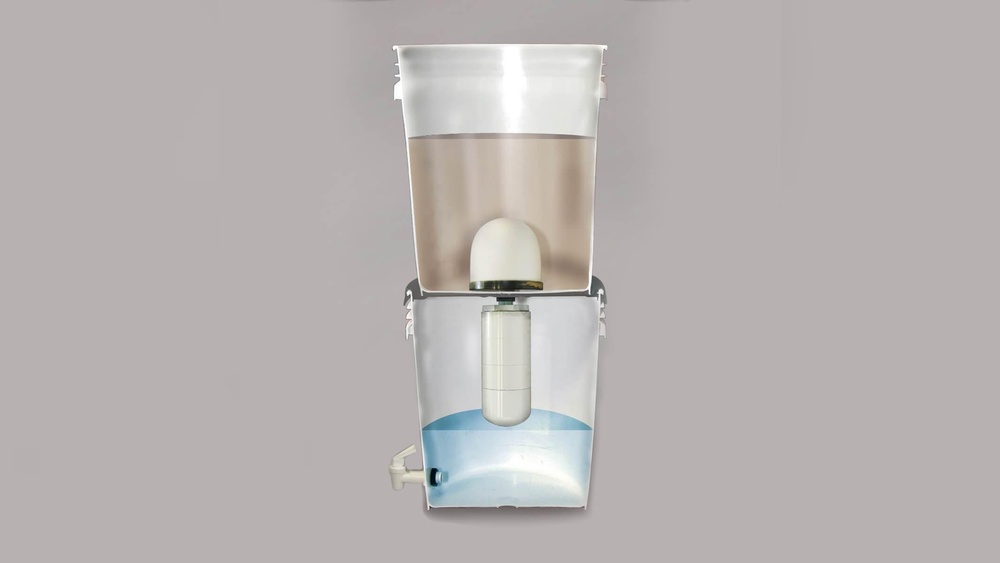
Activated carbon filters use tiny pores to trap particles. They absorb some radioactive chemicals like radon and organic compounds. These filters improve taste and remove chlorine. But they do not remove all types of radiation. Best for reducing some radioactive gases and organic pollutants.
Reverse Osmosis Systems
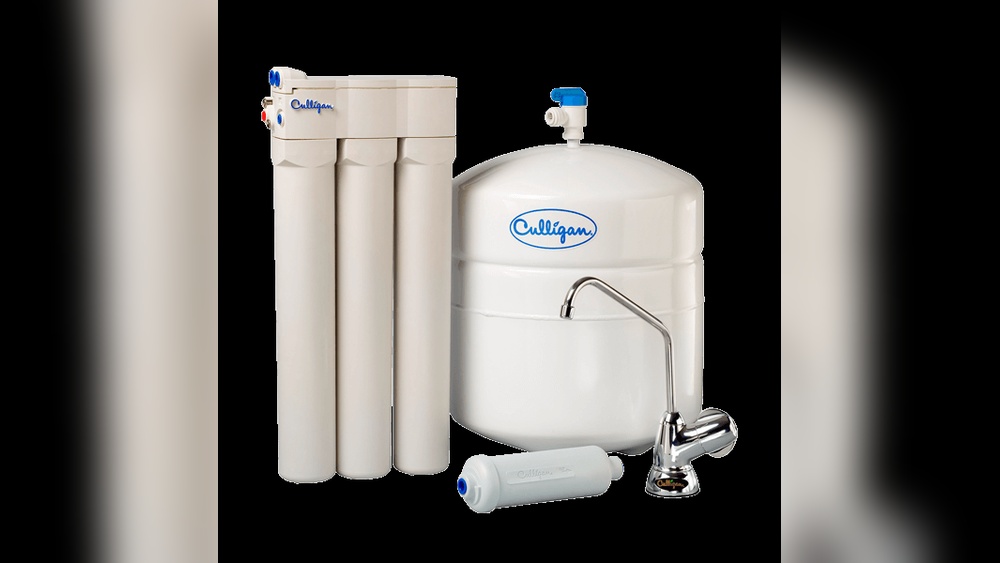
Reverse osmosis forces water through a thin membrane. This membrane blocks many harmful particles, including radioactive substances. It removes minerals, salts, and heavy metals too. Reverse osmosis is very effective against radiation. It produces clean, safe drinking water.
Ion Exchange Methods
Ion exchange replaces harmful radioactive ions with safe ones. It uses resin beads that attract radioactive particles. This method works well for removing radioactive isotopes like cesium and strontium. It softens water by removing calcium and magnesium. Ion exchange is a good option for radiation removal.
Distillation Units
Distillation boils water and captures steam. The steam leaves behind radioactive particles and other impurities. Then, the steam cools and becomes pure water again. Distillation removes almost all contaminants, including radiation. It is one of the most thorough filtration methods.
Diy Filtration Solutions
DIY filtration solutions offer a hands-on way to reduce radiation from water. These methods use simple materials that many people can find at home. They are affordable and can improve water safety in emergencies or areas with limited resources.
Homemade Filters
Homemade filters often use layers of sand, charcoal, and gravel. Charcoal can trap some radioactive particles. Sand and gravel help remove larger dirt and debris. To build one, layer gravel at the bottom, then sand, and charcoal on top. Pour water slowly through the filter. This process helps clean water but may not remove all radiation.
Safety Considerations
Handling radioactive water requires care. Always wear gloves and avoid direct contact. Use clean containers to catch filtered water. Test water regularly to check radiation levels. Homemade filters do not guarantee complete safety. Use professional filters for high radiation risks. Dispose of used materials carefully to avoid contamination.
Maintaining Filter Efficiency
Maintaining the efficiency of your radiation water filter is key to safe drinking water. A well-maintained filter removes harmful particles effectively. Neglect can reduce its ability to filter radiation and other contaminants.
Regular care keeps the filter working at its best. Simple steps help extend the life of your filter and protect your health.
Regular Replacement Schedules
Follow the manufacturer’s advice on when to replace the filter. Filters lose their ability to block radiation over time. Replacing the filter on time ensures clean and safe water. Set reminders based on usage and water quality to avoid delays. Some filters last for months, others for weeks. Check the filter packaging or manual for specific timelines.
Signs Of Filter Wear
Look for changes in water taste or smell. A strange odor or bad taste may mean the filter is worn out. Slow water flow can also indicate clogging or damage. Visible dirt or discoloration on the filter shows it needs replacement. Always inspect your filter regularly for these signs. Acting fast keeps your water safe and your filter effective.
Regulations And Standards
Regulations and standards set the rules for safe drinking water. They help protect people from harmful radiation in water. Governments and health groups create these rules. They check water quality and limit radiation levels. Following these rules keeps water safe for daily use.
Government Guidelines
Government agencies set limits on radiation in water. These limits control the amount of radioactive material allowed. The rules vary by country but focus on health safety. Agencies test water sources regularly to ensure compliance. They publish guidelines for water providers and consumers.
Water Quality Benchmarks
Benchmarks define safe levels of radiation in water. They guide testing and treatment methods. Water must meet these benchmarks before reaching homes. If radiation is too high, treatment is needed. Benchmarks help prevent health risks linked to radiation exposure.
Choosing Professional Help
Choosing professional help to filter radiation from water is a smart step. Radiation can be hard to detect and remove. Experts have the right tools and knowledge to handle this safely. They ensure your water is clean and safe for use.
When To Consult Experts
Consult experts if you suspect radiation in your water. Signs include unusual taste, odor, or health issues in your area. Testing radiation requires special equipment and skills. Professionals can perform accurate tests and suggest the best solutions. Avoid trying to fix radiation problems by yourself. Mistakes can lead to health risks or wasted money.
Selecting Certified Services
Choose services with proper certification for radiation removal. Certified experts follow strict safety and quality rules. Check their credentials before hiring. Reviews and referrals help find trusted services. Certified professionals use approved methods and equipment. This guarantees effective and safe water treatment. Always ask about their experience with radiation filtering.
Frequently Asked Questions
What Methods Effectively Filter Radiation From Water?
Activated carbon filters, reverse osmosis, and ion exchange resins can reduce radioactive particles. These methods are proven to improve water safety by removing contaminants efficiently.
Can Home Water Filters Remove Radiation Safely?
Not all home filters remove radiation. Specialized filters like reverse osmosis systems are needed to effectively reduce radioactive substances in drinking water.
How Do Reverse Osmosis Systems Reduce Radiation?
Reverse osmosis uses a semi-permeable membrane to block radioactive particles. It effectively filters out contaminants, making water safer to drink.
Is Boiling Water Effective Against Radiation Contamination?
Boiling water does not remove radiation. It only kills microbes but cannot filter radioactive particles from water.
Conclusion
Filtering radiation from water protects your health and safety. Simple methods, like activated carbon and reverse osmosis, can reduce contaminants. Regular testing ensures your water stays clean and safe. Choose the right filter based on your needs and budget. Stay informed about water quality in your area.
Clean water supports a healthy life for you and your family. Taking small steps now makes a big difference later. Safe water is always worth the effort.
Hasan Al Sarker is a Reverse Osmosis Specialist. He has worked for many years to ensure safe drinking water for all. His research paper has been published in several journals, including Issue, Medium, and Slideshare. He is recognized as a water doctor among specialists though he did not attend medical college.
Besides working as a researcher of reverse osmosis technology, he is also very fancy with the kitchen and cooking. His guides are reading thousands of people every day. As a head of content, he is responsible for all the published articles at RO System Reviews.
Are you thinking about improving your home’s water quality but wondering, “How much is a Culligan water filter system?” You’re not alone. Choosing the right water filter can feel overwhelming, especially when price is a big factor.
But what if you could get clear, fresh water without breaking the bank? This guide will break down the costs and help you see the real value behind Culligan’s popular water filtration options. Keep reading to find out exactly what you can expect to pay—and why it might be worth every penny for your health and peace of mind.
Culligan Water Filter Types
Culligan offers several types of water filter systems. Each type serves different needs and spaces. Knowing the options helps you choose the best fit for your home and budget.
Under Sink Filters
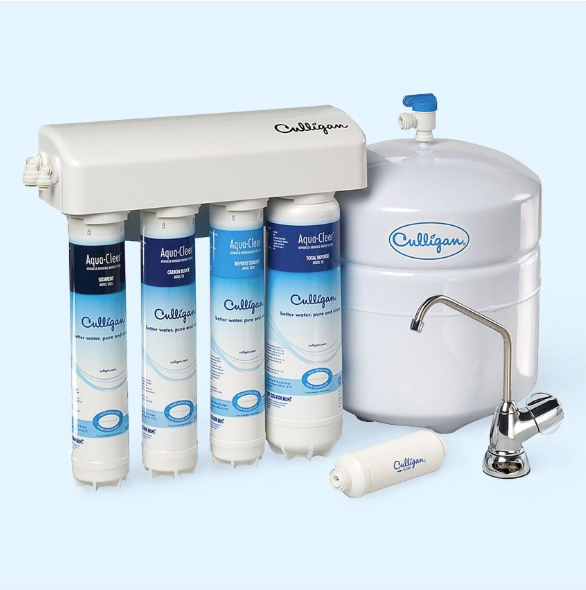
These filters install under your kitchen sink. They clean water right before you use it. They remove chlorine, bad tastes, and odors. These are compact and save space. Maintenance is simple with easy-to-change cartridges.
Whole House Systems
Whole house systems filter water at the main entry point. This means all taps and showers get clean water. They remove sediments, chlorine, and some chemicals. These systems protect pipes and appliances too. They require more space and a professional install.
Reverse Osmosis Units
Reverse osmosis units use a fine membrane to filter water. They remove many impurities, including heavy metals and salts. These units work well under the sink. They provide very pure drinking water. Some models add minerals back for better taste.
Countertop Filters
Countertop filters sit on your kitchen counter. They connect directly to your faucet. These filters are easy to install and remove. They save space and are good for renters. They improve taste and reduce chlorine and particles.
Factors Affecting Culligan Prices
Several factors affect the price of a Culligan water filter system. Understanding these can help you choose the right system for your needs and budget. Prices vary based on the type of filter, installation fees, maintenance, and extra features.
Filter Type And Size
The type of filter you select impacts the cost significantly. Basic filters cost less, while advanced models with multiple stages are pricier. Larger systems made for whole-house use also cost more than small, under-sink filters. The size depends on your water usage and needs.
Installation Costs
Installation fees vary based on system complexity and location. Simple setups cost less to install. Systems that require plumbing changes or special fittings will increase the price. Professional installation is recommended to ensure proper function and safety.
Maintenance And Replacement
Regular maintenance keeps your system working well but adds to the total cost. Filter replacements are needed every few months or years, depending on the model. Replacement parts and service plans can add to ongoing expenses. Proper care extends the life of the system.
Additional Features
Some Culligan systems come with extra features like smart monitoring or water softening. These features increase the price but offer added convenience and benefits. Decide which features matter most to you to find a good balance between cost and value.
Price Range By System
Understanding the price range of Culligan water filter systems helps in choosing the right option. Different systems fit different needs and budgets. Prices vary based on system type and capacity. Below is a breakdown of costs by system type.
Under Sink Filter Costs
Under sink filters usually cost between $200 and $600. This price includes installation and basic maintenance. They offer clean water directly from your kitchen tap. These systems fit well in small spaces.
Whole House System Costs
Whole house systems range from $1,000 to $4,000. They filter water for the entire home. This ensures clean water from every tap and shower. Higher prices reflect larger capacity and advanced filters.
Reverse Osmosis Price Range
Reverse osmosis systems cost between $300 and $1,000. They remove many impurities for very pure water. These systems often need more maintenance. Prices depend on stages and filter quality.
Countertop Filter Pricing
Countertop filters usually cost from $150 to $400. They are easy to install and portable. Good for renters or small kitchens. These filters improve taste and remove common contaminants.
Comparing Culligan With Competitors
Choosing the right water filter system means comparing options carefully. Culligan stands out but faces strong competition. Each brand offers different features, prices, and benefits. Understanding these can help you pick the best system for your home.
Cost Vs Performance
Culligan water filters often cost more than many brands. This price reflects quality and advanced technology. Some competitors offer cheaper options but may lack long-term durability. Culligan systems deliver consistent water purity and better filtration. You pay extra for reliable performance and cleaner water.
Warranty And Support
Culligan provides solid warranties, usually covering parts and service for years. Customer support is available through phone and local dealers. Competitors may offer shorter warranties or limited support options. Culligan’s service network helps with installation and maintenance. Good support means less hassle and longer system life.
Customer Reviews
Many Culligan users praise its reliability and water taste improvement. Some reviews note the higher initial cost but value the quality. Competitors get mixed reviews, with some complaints about filter replacement costs. Overall, Culligan scores well for customer satisfaction and trust.
Ways To Save On Culligan Systems
Buying a Culligan water filter system is an important choice. Saving money makes this decision easier. Many ways exist to reduce the cost without losing quality. These tips can help you get a good deal and save cash.
Explore options before buying. Some methods cut the upfront price. Others lower long-term expenses. Understanding these ways helps you choose smartly.
Promotions And Discounts
Culligan often offers deals and special prices. Check their website for current promotions. Seasonal sales can lower system costs. Local dealers may provide exclusive discounts. Ask about bundle offers for extra savings. These offers reduce your initial payment.
Financing Options
Many Culligan dealers offer payment plans. Spreading cost over time makes purchases easier. Low-interest or no-interest plans are common. This option fits different budgets. Confirm terms clearly before agreeing. Financing helps manage expenses smoothly.
Diy Installation Tips
Installing the system yourself can save money. Read manuals and watch online videos. Basic plumbing skills are needed. Prepare tools and parts before starting. Take time to follow steps carefully. Avoiding professional fees cuts total cost.
Maintenance And Long-term Expenses
Owning a Culligan water filter system means thinking about maintenance and long-term costs. These expenses affect the total price you pay over time. Understanding them helps you plan your budget better. Regular upkeep keeps the system working well and water clean.
Filter Replacement Costs
Filters need changing to keep water pure. Culligan filters last about 3 to 6 months. The cost for each filter ranges from $30 to $60. Changing filters on time avoids damage and poor water quality. You can order filters online or through Culligan dealers.
Service Plans
Culligan offers service plans for maintenance. These plans cover filter changes and system checks. Plans cost between $100 and $300 yearly. Service plans save time and ensure expert care. They provide peace of mind for system health.
Energy Efficiency
Culligan systems use little electricity. They do not increase your power bill much. Efficient designs reduce waste and lower energy use. This keeps long-term costs low and system eco-friendly. Energy savings add value over the years.
Where To Buy Culligan Filters
Finding the right place to buy Culligan water filter systems can save time and money. There are several options to explore. Each offers different benefits depending on your needs and location.
Authorized Dealers
Authorized Culligan dealers sell genuine filters and systems. They provide expert advice and installation services. Buying from them ensures product authenticity and warranty coverage. Dealers often offer local support and maintenance plans.
Online Retailers
Many online stores stock Culligan water filters. Shopping online offers convenience and a wide selection. Prices may vary, and some sites offer discounts. Read customer reviews to choose reliable sellers. Check for return policies before purchasing.
Local Stores
Home improvement and hardware stores often carry Culligan filters. Visiting local stores allows you to see products in person. Store staff can help with product questions. Local shopping supports nearby businesses and may offer quick pickup.
Frequently Asked Questions
How Much Does A Culligan Water Filter System Cost?
Culligan water filter systems typically range from $300 to $3,000. The price depends on model, features, and installation fees. Higher-end systems with advanced filtration cost more. Installation charges vary by location and complexity.
Are There Ongoing Costs For Culligan Water Filters?
Yes, ongoing costs include filter replacements every 3-6 months. Maintenance and service plans may add to expenses. These costs ensure optimal performance and clean water quality.
Does Culligan Offer Financing Options?
Culligan often provides financing plans to ease upfront costs. Options vary by dealer and location. Financing helps customers manage payments over time conveniently.
What Factors Influence Culligan System Pricing?
Pricing depends on system type, filtration capacity, and installation. Additional features like softening or UV treatment increase cost. Service plans and maintenance agreements also affect total expense.
Conclusion
Culligan water filter systems offer clear benefits for clean water. Prices vary based on model and features. Basic systems cost less, while advanced ones are pricier. Consider your budget and water needs carefully. Clean water improves health and taste at home.
Investing in a good filter makes daily life better. Choose a system that fits your household size. Remember, quality water is worth the cost. Think about long-term savings from fewer bottled water buys. A Culligan system can be a smart choice for many families.
Hasan Al Sarker is a Reverse Osmosis Specialist. He has worked for many years to ensure safe drinking water for all. His research paper has been published in several journals, including Issue, Medium, and Slideshare. He is recognized as a water doctor among specialists though he did not attend medical college.
Besides working as a researcher of reverse osmosis technology, he is also very fancy with the kitchen and cooking. His guides are reading thousands of people every day. As a head of content, he is responsible for all the published articles at RO System Reviews.
Are you wondering where the water filter is on your Frigidaire refrigerator? Finding it quickly can save you time and hassle when it’s time to change or clean the filter.
Knowing exactly where to look means you can enjoy fresh, clean water without any delay. You’ll discover the exact spot of the water filter in your Frigidaire fridge and some simple tips to keep your water tasting great. Keep reading to make sure your fridge is working at its best!
Locating The Water Filter
Finding the water filter in your Frigidaire refrigerator is important for maintaining clean water. The filter removes impurities and keeps your drinking water fresh. Knowing where to find it makes replacement easier and faster.
Water filters in refrigerators can be in different spots. This section helps you find the exact location for your model. Simple tips guide you to spot the filter quickly.
Common Filter Locations
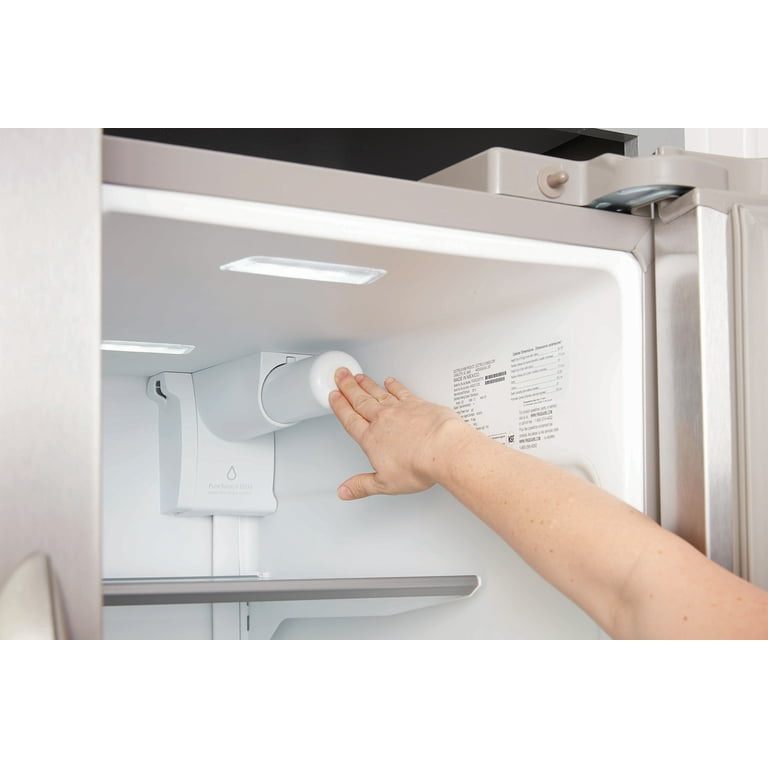
Most Frigidaire water filters sit in one of three places. Some models have the filter inside the fridge compartment, usually in the upper right corner. Others place it at the base, behind a grille near the kickplate. A few models use a filter near the water dispenser area. Look for a cylindrical part that twists out.
Checking The User Manual
Your refrigerator’s user manual is a helpful tool. It shows exact filter placement and instructions for removal. Manuals often include diagrams and pictures. If you lost your manual, check online with your fridge’s model number. This saves time and avoids guessing.
Visual Clues Inside The Refrigerator
Open the fridge and look carefully inside. The water filter looks like a small cartridge or cylinder. It usually has a twist or pull handle. Sometimes, a small door or cover hides the filter. Check near the upper walls or the back panel. Spotting these clues helps find the filter fast.
Types Of Water Filters
Frigidaire refrigerators use different types of water filters. These filters clean the water you drink and use for ice. Knowing the types helps you pick the right one. It also makes replacing the filter easier. Let’s explore the common types of Frigidaire water filters.
Standard Cartridge Filters
Standard cartridge filters are the most common type. They fit inside the fridge and filter water as it passes through. These filters remove chlorine, sediment, and bad tastes. They keep your water fresh and clear. Replacing them regularly is important for clean water.
Push-in Vs. Twist-in Filters
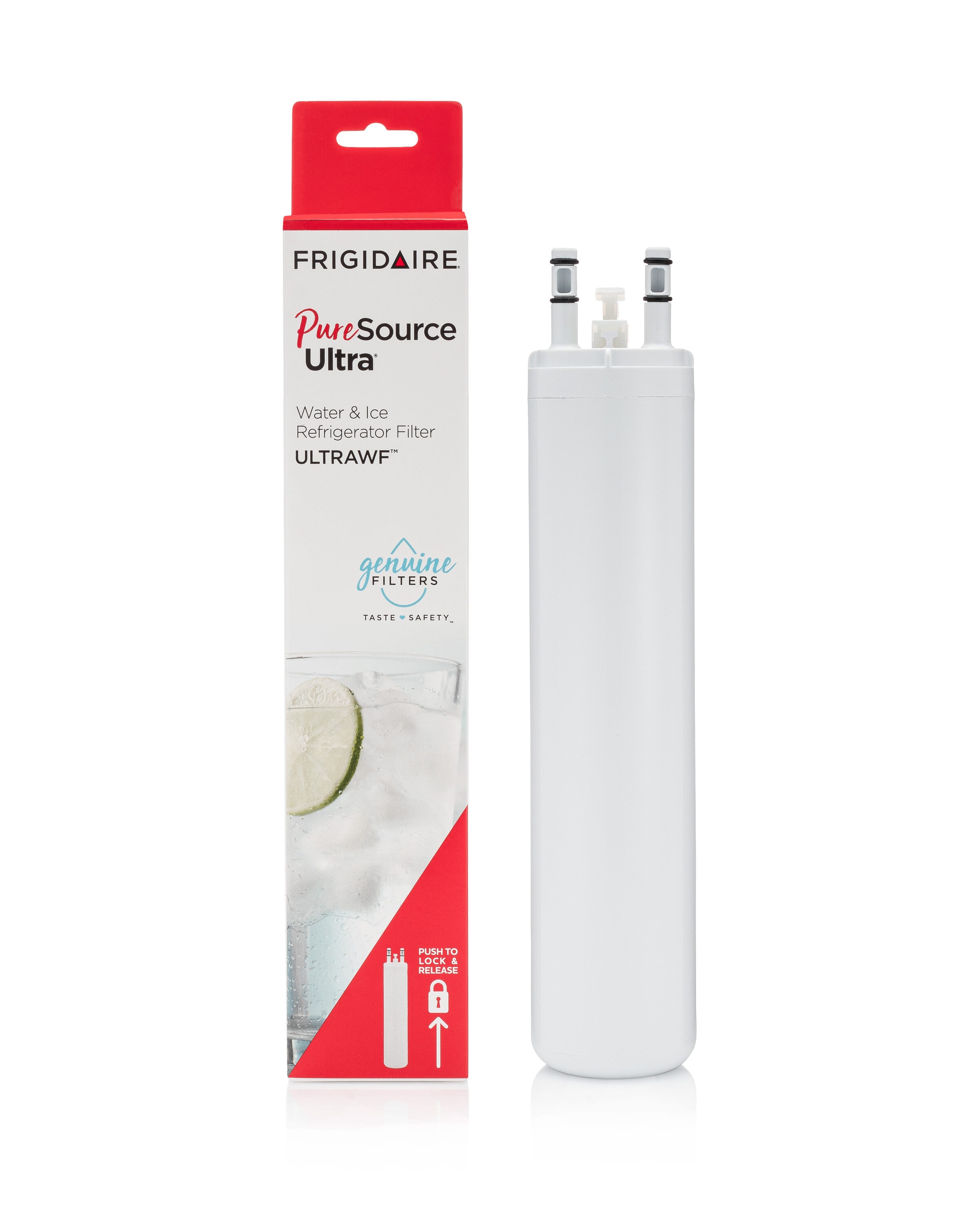
Frigidaire filters come in two styles: push-in and twist-in. Push-in filters snap into place easily. You just push the filter until it clicks. Twist-in filters need a twist to lock or unlock. Make sure you know your filter type before buying a replacement.
Filter Compatibility
Not all filters fit all Frigidaire models. Check your fridge model number first. Use filters designed for your specific fridge. Using the wrong filter can cause leaks or poor water quality. Always buy from trusted brands or the manufacturer.
Replacing The Water Filter
Replacing the water filter in your Frigidaire refrigerator keeps water clean and tastes fresh. Over time, filters get clogged with impurities. Changing the filter regularly helps avoid bad taste and low water flow. The process is simple and quick. Follow these steps to replace the filter safely and correctly.
Step-by-step Replacement
First, locate the water filter inside your fridge. It is usually in the upper right corner or at the base grille. Turn the old filter counterclockwise to remove it. Some models have a push button to release the filter. Take out the old filter carefully.
Remove the protective caps from the new filter. Insert the new filter into the slot. Turn it clockwise until it locks in place. Run water through the dispenser for a few minutes. This clears air and activates the new filter.
Resetting The Filter Indicator
Your fridge has a light that tells when to change the filter. After replacing the filter, you must reset this light. Press and hold the reset button on the control panel. Hold for about 3 seconds until the light turns off. This tells the fridge the filter is new.
Safety Tips
Always use the correct filter model for your fridge. Turn off the water supply before removing the filter. Avoid forcing the filter in or out to prevent damage. Wash hands before handling the new filter. Replace the filter every six months for best results.
Troubleshooting Filter Issues
Troubleshooting filter issues on a Frigidaire refrigerator can solve many common problems. The water filter plays a key role in keeping water clean and fresh. Problems with the filter affect water taste, flow, and more. Understanding how to fix these issues helps maintain your fridge’s performance.
Water Taste And Odor Problems
Bad taste or smell often means the filter needs changing. A clogged or old filter fails to remove impurities. Changing the filter every six months keeps water fresh. Rinse the new filter before installing to avoid odd tastes. Always use the right filter model for your fridge.
Leaks And Water Flow Issues
Leaks near the filter may come from loose installation. Check the filter is pushed in firmly and clicks into place. Cracks in the filter or housing cause leaks too. Low water flow can mean a blocked or expired filter. Replace the filter to restore normal flow and stop leaks.
Filter Indicator Not Resetting
The filter light may stay on after replacement. This happens if the reset step is missed. To reset, press and hold the reset button for three seconds. Some models use different reset methods; check your manual. Resetting the indicator helps track the next filter change.
Maintaining Your Water Filter
Maintaining your water filter in a Frigidaire refrigerator keeps your water clean and fresh. A well-kept filter helps your fridge work better and lasts longer. Regular care avoids bad taste and odor in your drinking water.
Recommended Replacement Frequency
Change the water filter every six months. This schedule keeps water pure and safe. Some filters may need more frequent changes if used a lot. Follow the fridge manual for exact timing.
Cleaning Tips
Clean the filter area regularly to stop dirt buildup. Use a soft cloth and mild soap around the filter housing. Avoid harsh chemicals that can damage the fridge parts. Rinse well after cleaning.
Signs You Need A New Filter
Look for slow water flow or strange taste. Cloudy water or odd smell also means a new filter is needed. If the filter light turns on, replace the filter soon. These signs show the filter is no longer working well.
Frequently Asked Questions
Where Is The Water Filter Located On Frigidaire Refrigerators?
The water filter is usually inside the fresh food compartment, either in the upper right corner or at the base. Some models have it behind the grille at the bottom front. Check your user manual for the exact location.
How Do I Access The Water Filter On My Frigidaire Fridge?
Open the fresh food door and look for a twist or push-in filter cartridge. Some filters slide out, while others twist to unlock. Use gentle pressure and follow the model’s instructions to avoid damage.
How Often Should I Replace The Frigidaire Water Filter?
Replace the water filter every six months or after filtering 200 gallons. Timely replacement ensures clean water and better taste. Your fridge may also have an indicator light to remind you.
Can I Use Any Water Filter For My Frigidaire Fridge?
No, use only Frigidaire-approved water filters or compatible models. Using the wrong filter may cause leaks or damage and void your warranty. Always check compatibility before purchase.
Conclusion
Finding the water filter on your Frigidaire refrigerator is simple. It usually sits inside the fridge or at the bottom grille. Changing it regularly keeps your water clean and fresh. A clean filter helps your fridge work well and your water taste better.
Remember to check your manual for the exact location. Now, you can easily replace the filter yourself. Clean water is just a filter change away.
Hasan Al Sarker is a Reverse Osmosis Specialist. He has worked for many years to ensure safe drinking water for all. His research paper has been published in several journals, including Issue, Medium, and Slideshare. He is recognized as a water doctor among specialists though he did not attend medical college.
Besides working as a researcher of reverse osmosis technology, he is also very fancy with the kitchen and cooking. His guides are reading thousands of people every day. As a head of content, he is responsible for all the published articles at RO System Reviews.