Ever looked into your turtle’s tank and wondered if the water is just right for them? You’re not alone.
Many turtle owners question the quality of water they’re using. One common option is reverse osmosis (RO) water. But is RO water good for turtles? This is a question that could directly impact your turtle’s health and happiness. If you’ve ever felt confused about what type of water to use, you’re in the right place.
Dive into this article to discover the pros and cons of using RO water for your shelled companions. Your turtle’s well-being might just depend on it!
Turtles And Their Water Needs
Turtles are fascinating creatures with specific water requirements. Understanding their needs is crucial for maintaining a healthy habitat. Water quality impacts their health and well-being. Let’s explore the essentials of turtle water care.
Understanding Turtle Hydration
Turtles need water for hydration. Proper hydration is essential for their survival. They absorb water through their skin and drink it. Clean water ensures they stay healthy.
Importance Of Clean Water
Dirty water can harm turtles. Contaminants may lead to diseases. It’s vital to provide clean water. Regular water changes help maintain quality. Good water quality supports their immune system.
Types Of Water Suitable For Turtles
Different water types exist. Tap water is common but may contain chlorine. Chlorine can be harmful. RO (Reverse Osmosis) water is an option. It removes impurities and provides cleaner water. Choose the right type to ensure turtle health.
Monitoring Water Temperature
Temperature affects turtles. Cold water can stress them. They need warm water to thrive. Use a water heater to maintain consistent warmth. Ensure it’s suitable for your turtle species.
Maintaining Water Quality
Regular checks are crucial. Use water testing kits. They help monitor pH and hardness levels. Balanced levels prevent health issues. Keeping an eye on water quality is a must.
Credit: www.instagram.com
Ro Water Basics
Reverse Osmosis (RO) water has become a popular choice for many aquarium enthusiasts, but is it suitable for your turtle’s habitat? Understanding RO water basics can help you make informed decisions about your turtle’s well-being. Let’s dive into the essentials of RO water and discover whether it aligns with your turtle care practices.
What Is Ro Water?
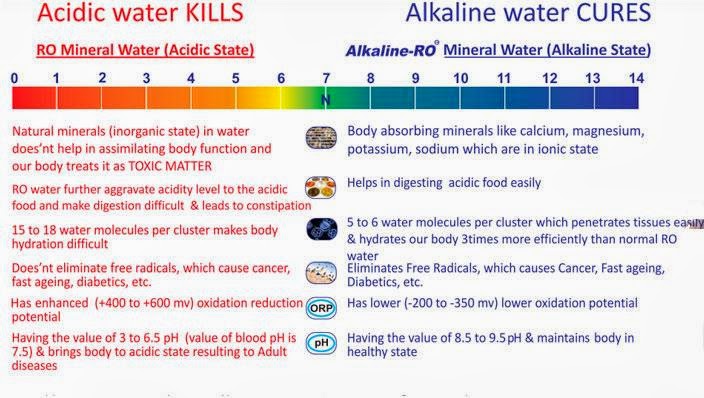
RO water is created through a filtration process that removes impurities and minerals. This method ensures water is free from contaminants, providing a clean slate. While this sounds ideal, turtles need certain minerals that may be stripped away. Consider the balance of purity versus essential nutrients your turtle requires.
How Ro Water Is Made
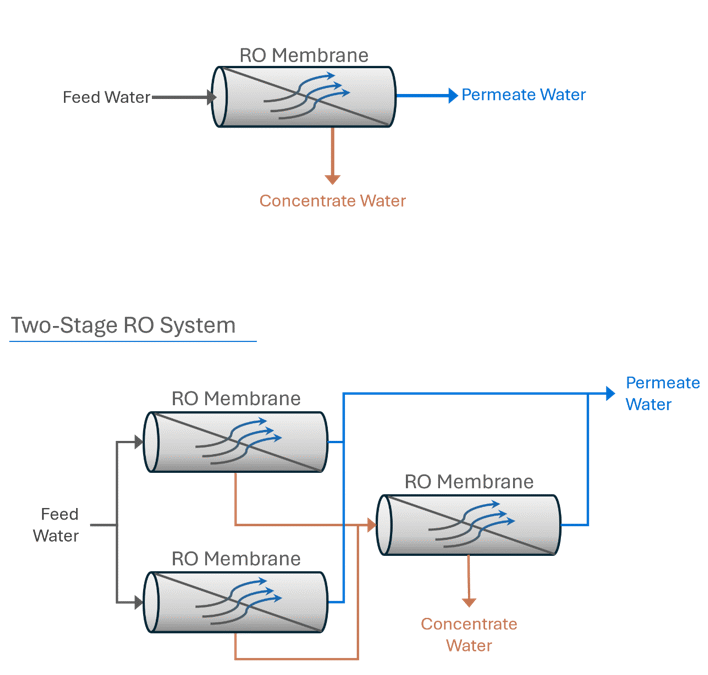
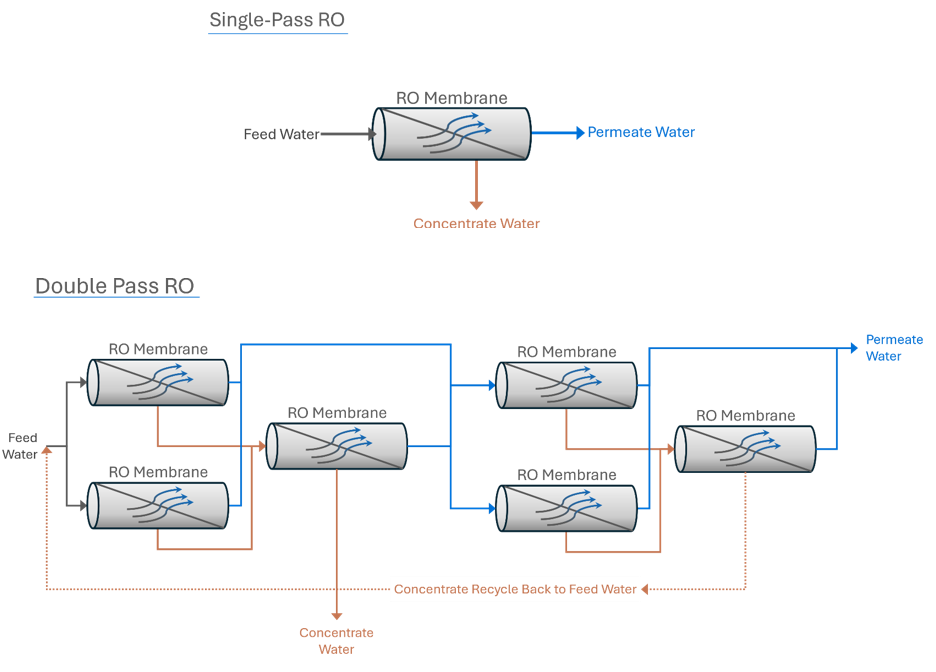
RO systems push water through a semi-permeable membrane. This process filters out particles, bacteria, and chemicals. It’s a meticulous process that delivers nearly pure water. However, the absence of minerals means you might need to supplement the water for your turtle’s health.
Pros And Cons Of Ro Water
RO water offers purity, free from harmful contaminants. This can be beneficial if your local water supply is poor. Yet, the lack of minerals can be a drawback for turtles. You may need to add minerals back to ensure a balanced environment.
Personal Experience With Ro Water
When I tried RO water in my turtle tank, I noticed a change in their behavior. They seemed lethargic, which prompted me to research further. It was an eye-opener that purity isn’t always best. Supplementing minerals made a noticeable difference, bringing their energy levels back up.
Considerations For Turtle Owners
Should you use RO water, think about your turtle’s specific needs. Are they freshwater or saltwater species? Each requires different mineral levels. You could use RO water but ensure you adjust the mineral content to suit your turtle’s requirements.
Ultimately, the choice is yours. Would you prefer a clean start with RO water, or stick with tap water enriched with essential minerals? Weigh the pros and cons carefully. Your turtle’s health and happiness depend on the right water quality. How will you decide?
Pros Of Using Ro Water For Turtles
Turtles are fascinating creatures that require specific care, especially when it comes to their water environment. Ensuring they have the best water quality is crucial for their health. Many turtle owners are turning to RO (Reverse Osmosis) water for its benefits. But what are the actual pros of using RO water for turtles? Let’s dive into the details and see why it might be a good option for your shelled friend.
Purity And Safety
RO water is renowned for its purity. It undergoes a filtration process that removes impurities, making it exceptionally clean. This purity ensures that turtles are swimming in water free from harmful substances.
Consider your turtle’s sensitive skin and eyes. They can be susceptible to irritation from contaminants found in regular tap water. By using RO water, you create a safer environment for them to thrive.
Have you ever noticed your turtle behaving differently in tap water? Sometimes, tap water contains chlorine or heavy metals that can affect your turtle’s health. RO water reduces these risks, potentially leading to a happier, healthier turtle.
Reduced Contaminants
RO water significantly decreases the presence of contaminants like nitrates, phosphates, and other minerals. These contaminants can alter the water’s pH, affecting your turtle’s wellbeing.
Regular water changes are crucial, but RO water helps maintain a balanced environment between changes. This stability can reduce stress and promote better health for your turtle.
Imagine your turtle enjoying a swim in crystal-clear water every day. That’s the beauty of RO water—it offers a fresh start every time you fill their tank. Would you consider making this switch for your turtle’s health?
While RO water offers many benefits, always ensure you add essential minerals back to the water. Turtles need certain minerals for shell and bone health. By carefully managing these elements, you can provide an optimal environment for your turtle.
Cons Of Ro Water For Turtles
RO water is often seen as pure and clean. Many turtle owners might think it’s the best choice. Yet, it has drawbacks. RO water lacks essential minerals. These minerals are crucial for turtle health. The absence of these can lead to problems.
Lack Of Essential Minerals
RO water removes minerals like calcium and magnesium. Turtles need these for strong shells and bones. Without them, their growth can be stunted. They might face shell deformities. Mineral deficiency can make turtles weak.
Potential Health Risks
Pure water might sound good, but it can be harmful. Turtles need balanced water. RO water can disrupt their internal balance. This imbalance can affect their digestion. It can lead to infections and stress. Healthy water supports healthy turtles.
Balancing Ro Water With Mineral Needs
Turtles require a specific balance of minerals in their water for good health. Reverse Osmosis (RO) water is pure, which means it lacks essential minerals. This absence can affect turtles negatively. To ensure the well-being of turtles, it’s crucial to reintroduce these necessary minerals into their water. This way, turtles get the nutrients they need to thrive.
Reintroducing Essential Minerals
RO water lacks calcium and other vital minerals. These are important for turtle health. Without them, turtles may develop shell and bone issues. Reintroducing these minerals is simple and necessary. Adding calcium blocks or powder to the water helps. This ensures turtles get the nutrients they need. Monitor the mineral levels regularly. This will help keep the water safe for your turtle.
Commercial Mineral Additives
Several commercial mineral additives are available for RO water. They are easy to use and effective. Choose an additive specifically designed for turtles. Follow the instructions on the label carefully. The right balance of minerals supports turtle growth and health. It’s important to not overdo it. Excessive minerals can harm your turtle. Regular testing of water conditions is a good practice. This ensures the safety and well-being of your turtle.
Alternative Water Options
Choosing the right water for your turtle is essential for its health. While RO water is a popular choice, there are other options. Exploring these alternatives can help you make an informed decision.
Tap Water Considerations
Tap water is readily available, making it a convenient choice. Yet, it often contains chlorine and chloramines. These chemicals can harm your turtle’s health. Using a water conditioner can neutralize them. This step ensures safe water for your turtle. It’s an easy way to make tap water suitable.
Spring Water Benefits
Spring water is another great option. It contains natural minerals beneficial to turtles. These minerals promote shell and bone health. Unlike tap water, it doesn’t contain harmful chemicals. This makes it a safer choice. It’s also easily available in stores. Ensure the spring water you choose is free from contaminants.
Expert Opinions On Ro Water For Turtles
Understanding whether Reverse Osmosis (RO) water is suitable for turtles is crucial for their health and well-being. Many turtle owners ponder the safety of using RO water in their tanks, as it’s known for its purity, having most impurities and minerals removed. Let’s delve into what experts say about using RO water for turtles, and whether it’s the right choice for your shelled friend.
What Do Herpetologists Say?
Herpetologists, who specialize in the study of reptiles and amphibians, often emphasize the importance of water quality for turtles. According to them, while RO water is extremely pure, it lacks essential minerals that turtles need. They recommend remineralizing the water to ensure turtles receive necessary nutrients.
Veterinarian Insights On Turtle Water Needs
Veterinarians often see turtles with health issues linked to poor water quality. They suggest that while RO water can be used, it should be supplemented with a commercial turtle water conditioner. This helps to reintroduce essential minerals and maintain an appropriate pH level, crucial for turtle health.
Pet Store Professionals’ Recommendations
Pet store experts often recommend a mix of RO water and tap water. This combination provides a balance of purity and essential minerals. They advise testing the water regularly to keep track of mineral content and ensure it matches turtles’ natural habitat.
Personal Experience: My Turtle And Ro Water
When I first got my turtle, I struggled with water quality issues. I tried using only RO water, but soon noticed changes in my turtle’s behavior. After consulting experts, I switched to mixing RO water with tap water and added a conditioner. My turtle’s activity levels improved, reaffirming the importance of balanced water.
Do you think your turtle’s current water setup is providing the right nutrients? Consider the experts’ advice and adjust your approach if needed. Your turtle’s health could greatly benefit from these insights.
Credit: famhose.com
Practical Tips For Turtle Owners
Owning a turtle is a delightful experience, but ensuring its well-being requires attention to detail, especially regarding water quality. RO (Reverse Osmosis) water might seem like a perfect choice, but is it truly beneficial for your shelled friend? This section offers practical tips to help you navigate the nuances of water conditions for turtles, ensuring a healthy and thriving environment.
Monitoring Turtle Health
Your turtle’s health is the ultimate indicator of the suitability of its environment. Keep an eye on its shell and skin condition. Are they smooth and vibrant? Any signs of discoloration or soft spots could suggest water quality issues. Regularly observe your turtle’s behavior. Is it active and alert? Lethargy might hint at unsuitable water conditions.
Consider keeping a journal. Record changes in behavior or appearance and note any adjustments in water conditions. This habit can help pinpoint what works best for your turtle, ensuring a tailored approach to its care.
Adjusting Water Conditions
While RO water is pure, it lacks essential minerals turtles need. You can enhance RO water by adding a mineral supplement. These supplements are readily available and can provide calcium and other vital nutrients. Test your water regularly for pH, hardness, and chlorine levels. Kits are affordable and easy to use, helping you maintain optimal conditions.
If you’re unsure about adjustments, consult with a vet specializing in reptiles. They can offer guidance tailored to your turtle’s specific needs, ensuring you provide the best care possible.
Have you noticed your turtle thriving or struggling in certain conditions? Sharing experiences can offer valuable insights. After all, every turtle is unique, and understanding yours is key to creating a nurturing environment.
Credit: www.tiktok.com
Frequently Asked Questions
What Is Ro Water?
RO water refers to water purified through reverse osmosis. This process removes impurities, contaminants, and minerals, making it cleaner. However, while it’s safe for turtles, it lacks essential minerals found in natural water. Supplementing RO water with minerals can ensure turtles receive necessary nutrients.
Can Turtles Live In Ro Water?
Turtles can live in RO water, but it should be mineralized. Pure RO water lacks essential minerals turtles need for health. Adding turtle-safe mineral supplements can provide the necessary nutrients. Regular monitoring of water quality is also important for maintaining a healthy environment.
Is Ro Water Safe For Turtles?
RO water is safe for turtles, but it’s important to add minerals. Pure RO water can lack essential nutrients. Mineral supplements can help ensure turtles receive necessary nutrients for their shell and bone health. Regular water quality checks are also recommended for maintaining optimal conditions.
How Does Ro Water Affect Turtle Health?
RO water, when mineralized, supports turtle health. It reduces contaminants and pathogens, promoting a cleaner habitat. However, pure RO water lacks essential minerals, which are vital for shell and bone health. Adding mineral supplements ensures turtles receive necessary nutrients for optimal growth and development.
Conclusion
Choosing the right water for turtles is crucial. RO water can be beneficial. It helps remove harmful impurities. But, it lacks essential minerals. Turtles need those minerals for shell health. Consider adding minerals back to the water. This ensures turtles receive balanced hydration.
Always monitor your turtle’s health closely. Adjust water conditions as needed. Speak with a vet for specific advice. A healthy turtle thrives in a well-maintained environment. Make informed choices to keep your turtle happy and healthy. Your turtle’s well-being depends on it.
Hasan Al Sarker is a Reverse Osmosis Specialist. He has worked for many years to ensure safe drinking water for all. His research paper has been published in several journals, including Issue, Medium, and Slideshare. He is recognized as a water doctor among specialists though he did not attend medical college.
Besides working as a researcher of reverse osmosis technology, he is also very fancy with the kitchen and cooking. His guides are reading thousands of people every day. As a head of content, he is responsible for all the published articles at RO System Reviews.
Have you ever wondered if the water you drink every day could be affecting your health in unexpected ways? When it comes to reverse osmosis (RO) water, this question takes on a new level of importance.
You might have heard about its benefits in removing impurities, but could it also have a darker side? Specifically, can drinking RO water contribute to hypertension, a condition that affects millions globally? We delve into the fascinating intersection of water purification and your heart health.
You’ll discover surprising insights and uncover whether the very water you rely on could be a hidden factor in your blood pressure levels. Keep reading to learn how RO water might be influencing your health, and what you need to know to make informed choices for you and your family. Your well-being may depend on it.
Ro Water: What Is It?
RO water stands for Reverse Osmosis water. Many people use it daily. They claim it’s clean and pure. But what exactly is RO water? This blog explains it. We explore how it’s made and its purity. We also discuss its mineral content.
Reverse Osmosis Process
The reverse osmosis process is simple. Water passes through a special filter. This filter has tiny holes. It blocks most impurities. It removes salt, chemicals, and bacteria. This leaves the water clean and pure. Many homes and offices use RO systems. They ensure safe drinking water.
Purity And Mineral Content
RO water is very pure. It removes many harmful elements. But it also removes some minerals. Calcium, magnesium, and iron are often lost. These minerals are important. They support bones, muscles, and blood. Some people worry about losing them. Others believe RO water is safe. They think food can replace lost minerals.
Hypertension: A Brief Overview
Hypertension: A Brief Overview
Hypertension, or high blood pressure, affects many people globally. It’s a common health issue with serious consequences. Understanding it is crucial for maintaining good health.
Definition And Causes
Hypertension occurs when blood pressure is consistently high. It can be caused by lifestyle choices like poor diet, lack of exercise, and stress. Genetics also play a role in developing hypertension. Other factors include obesity, excessive alcohol consumption, and smoking.
Impact On Health
Hypertension can lead to severe health problems. It strains the heart and damages blood vessels over time. This increases the risk of heart disease and stroke. Kidney damage and vision loss are also potential issues. Early diagnosis and management are key to preventing these complications.
Ro Water And Blood Pressure
Reverse osmosis (RO) water is often praised for its purity. It removes contaminants and provides clean drinking water. Some people worry it might affect blood pressure. Understanding how RO water interacts with blood pressure is crucial. Let’s explore its potential effects on hypertension.
Potential Effects On Hypertension
RO water lacks essential minerals like calcium and magnesium. These minerals support heart health and regulate blood pressure. Their absence might impact hypertension. Some believe mineral-deficient water could lead to higher blood pressure. It’s important to consider how water quality affects health.
Scientific Studies And Findings
Scientific studies offer insight into RO water and hypertension. Research shows mixed results on this topic. Some studies find no direct link between RO water and increased blood pressure. Others suggest long-term consumption might have effects. More research is needed to reach definitive conclusions.
Experts recommend balanced mineral intake for heart health. Drinking mineral-rich water may support blood pressure regulation. It’s essential to understand the role of minerals in maintaining health.
Mineral Deficiency Concerns
Many people are concerned about the mineral deficiency that may arise from drinking Reverse Osmosis (RO) water. While RO systems effectively remove impurities, they can also strip away essential minerals. You might wonder if this could affect your health, especially regarding hypertension. Let’s dive into the nuances of mineral deficiency and its potential impact on your well-being.
Essential Minerals And Health
Minerals like calcium, magnesium, and potassium are vital for maintaining good health. They play crucial roles in bone strength, muscle function, and nerve signaling. When these minerals are lacking, your body can face challenges. For example, magnesium helps regulate blood pressure, making its presence important for cardiovascular health.
Think of a time when you felt unusually tired or experienced muscle cramps. These symptoms could be linked to low levels of essential minerals. Ensuring your body gets the right minerals is as important as staying hydrated.
Impact Of Mineral Deficiency
Mineral deficiency can lead to serious health issues. A lack of magnesium, for instance, might contribute to hypertension. Low calcium levels can affect bone density, increasing the risk of fractures. Potassium deficiency might cause irregular heartbeats.
Consider this: if your diet lacks these minerals, adding RO water might compound the problem. It’s crucial to maintain a balanced intake through food and supplements. Are you paying attention to your mineral levels?
To make informed decisions, think about your current lifestyle and dietary habits. Are you consuming enough fruits and vegetables? Do you check labels for mineral content? Your proactive approach can safeguard against deficiencies.
Now, you might ask, “How can I ensure my body gets enough minerals?” Start by evaluating your diet. Add mineral-rich foods like leafy greens, nuts, and dairy products. You may also consider mineral supplements after consulting with a healthcare professional.
Your health choices today shape your future well-being. Take action to ensure your body gets the minerals it needs to thrive. Don’t overlook the importance of these tiny but mighty nutrients.
Comparing Ro Water With Other Water Types
Ro water is often considered purer than tap water. This purity removes minerals that are important for health. Could this lead to increased hypertension risk? Studies suggest a potential connection due to mineral deficiency.
When it comes to your health, the type of water you drink can make a difference. Reverse Osmosis (RO) water is often praised for its purity, but how does it stack up against other types? Understanding these differences can help you make informed decisions about your hydration and overall wellness.
Tap Water Vs. Ro Water
Tap water is readily available and generally safe, thanks to local water treatment facilities. However, it may contain impurities like chlorine, lead, or microbial contaminants, depending on your location. Have you ever noticed a strange taste or smell from your tap? RO water, by contrast, goes through a filtration process that removes many contaminants. This results in a clean and often tasteless liquid. If you’ve ever craved that crisp, fresh taste, RO might be what you’re looking for. But does its purity mean it lacks essential minerals?
Bottled Water Vs. Ro Water
Bottled water is convenient and can be found almost anywhere. But its environmental impact and cost add up over time. Have you considered how much plastic waste and money you’ve accumulated from your bottled water habit? RO water offers an eco-friendlier alternative if you use a home filtration system. It provides the same level of purity without the plastic waste. Plus, once installed, it’s cost-effective in the long run. Do you have a filtration system at home, or are you still relying on bottles? Comparing these options reveals that while RO water is exceptionally pure, it’s crucial to assess if it meets your individual needs. Are you prioritizing taste, cost, or environmental impact? Each has its pros and cons, and your choice should align with your lifestyle and health goals.
Credit: redcliffelabs.com
Expert Opinions
Can drinking RO water lead to hypertension? Experts say purified water removes minerals, potentially impacting blood pressure. This mineral loss could affect heart health, though more research is needed to confirm direct links to hypertension.
When it comes to understanding the connection between RO water and hypertension, expert opinions provide valuable insights. Whether you’re pondering if your daily water choice could impact your blood pressure or seeking clarity amidst conflicting information, hearing from professionals can help. Let’s dive into what health experts and nutritionists have to say about this topic.
Health Professionals’ Views
Many health professionals emphasize the importance of water quality for overall well-being. Some doctors argue that RO water, while effective at removing impurities, also strips away essential minerals like calcium and magnesium. These minerals play a role in maintaining healthy blood pressure levels. Consider a scenario where you’re enjoying a balanced diet but unknowingly consuming mineral-deficient water. You might not notice immediate effects, but over time, could this contribute to hypertension? It’s a question worth considering. Doctors often recommend maintaining a balanced intake of minerals, suggesting that if you opt for RO water, you should ensure these nutrients are present in other parts of your diet.
Nutritionists’ Insights
Nutritionists often highlight the broader context of dietary habits when discussing RO water and hypertension. They point out that while RO water may lack certain minerals, it doesn’t directly cause high blood pressure. Instead, they stress the importance of a balanced diet rich in nutrients that support heart health. Imagine you’re at a grocery store, choosing between different mineral supplements. A nutritionist might suggest opting for foods like leafy greens, nuts, or seeds to naturally boost your mineral intake. They might ask, “Is your diet providing all the necessary nutrients if your water isn’t?” The balance between water quality and nutrient intake is crucial. Nutritionists encourage you to be mindful of all aspects of your diet, not just the water you drink. By considering these expert opinions, you can make informed decisions about your water consumption and its potential effects on your health. What steps can you take today to ensure your lifestyle supports a healthy blood pressure level?
Practical Tips For Water Consumption
Water is essential for our health. But can RO water impact hypertension? Understanding how to consume water effectively is crucial. Here are some practical tips to ensure healthy water consumption.
Balancing Mineral Intake
RO water removes many minerals. This can lead to a mineral imbalance. To counteract this, include mineral-rich foods in your diet. Vegetables, fruits, and nuts are good sources. Consider adding a pinch of Himalayan salt to your water. This can help restore essential minerals.
Healthy Hydration Practices
Drink water throughout the day. Avoid large amounts at once. This helps maintain stable hydration levels. Listen to your body’s thirst signals. Drink more during hot weather or after exercise. Keep a bottle of water with you. This encourages regular sips and avoids dehydration.
Credit: redcliffelabs.com
Credit: www.instagram.com
Frequently Asked Questions
Can Drinking Ro Water Cause Hypertension?
RO water does not directly cause hypertension. It removes impurities but also minerals. Lack of essential minerals may impact health. It’s crucial to maintain a balanced diet and mineral intake. Always consult health professionals if experiencing symptoms of hypertension. Regular check-ups can help ensure overall well-being.
Is Ro Water Safe For Daily Consumption?
Yes, RO water is generally safe for daily consumption. It effectively removes contaminants and impurities. However, it also removes beneficial minerals like calcium and magnesium. Consider supplementing minerals through diet or mineral cartridges. Consult a health expert for personalized advice on water consumption and health.
Does Ro Filtration Affect Blood Pressure?
RO filtration does not inherently affect blood pressure. It purifies water by removing contaminants and minerals. Lack of minerals may indirectly impact health. Balanced mineral intake through diet is essential. If concerned, consult a healthcare professional for personalized guidance regarding blood pressure and water consumption.
What Minerals Are Lost In Ro Water?
RO filtration removes minerals such as calcium, magnesium, and potassium. These minerals are essential for health. Their absence may affect hydration and nutrient balance. Consider mineral supplementation or dietary adjustments. Always consult a health professional for personalized advice on maintaining mineral balance.
Conclusion
Considering RO water and hypertension, it’s important to focus on balance. Drinking RO water alone does not cause high blood pressure. It’s more about overall lifestyle choices. A balanced diet and regular exercise help maintain good health. Monitor your salt intake and stress levels too.
Consult with a healthcare provider if you have concerns. Understanding your body’s needs is vital. Keep informed and make wise choices about your water consumption. Your health is a priority. Stay hydrated, stay healthy. It’s that simple.
Hasan Al Sarker is a Reverse Osmosis Specialist. He has worked for many years to ensure safe drinking water for all. His research paper has been published in several journals, including Issue, Medium, and Slideshare. He is recognized as a water doctor among specialists though he did not attend medical college.
Besides working as a researcher of reverse osmosis technology, he is also very fancy with the kitchen and cooking. His guides are reading thousands of people every day. As a head of content, he is responsible for all the published articles at RO System Reviews.
Have you ever wondered if the water you drink could impact your health in unexpected ways? If you’ve switched to drinking reverse osmosis (RO) water, you might be curious about the potential effects on your body, particularly when it comes to essential minerals like potassium.
Potassium is crucial for heart health, muscle function, and overall well-being. Could RO water be quietly depleting this vital nutrient from your system? We’ll dive into the science behind RO water and its mineral content, uncovering the truth about its impact on your potassium levels.
Stay with us to discover how to keep your health in check while enjoying the benefits of purified water.
Credit: aussieaqua.ph
What Is Ro Water?
RO water, filtered through reverse osmosis, removes impurities effectively. Some claim it might lead to low potassium levels, as essential minerals can be stripped during filtration. Balancing mineral intake from other sources is crucial for maintaining healthy potassium levels.
When you hear about RO water, you might wonder what it really is and why it’s so popular. RO stands for Reverse Osmosis, a process that purifies water by removing impurities. It’s widely used in homes, industries, and even in bottled water. But what makes RO water different from the water you get straight from the tap?
Process Of Reverse Osmosis
Reverse Osmosis is like a super filter for water. It uses a semi-permeable membrane to strip out contaminants and minerals. Imagine a sieve that only lets water molecules pass while leaving behind pollutants like chlorine, lead, and even some bacteria. This process helps in making the water safe and clean for drinking. The interesting part is how this method can also remove essential minerals like potassium. This raises a question: can drinking RO water lead to low potassium levels in your body? It’s worth considering how you balance your nutrient intake.
Common Uses Of Ro Water
RO water is more than just a fancy option for hydration. Many people use it in their homes for drinking and cooking. It’s favored for its purity and taste. Have you ever noticed how coffee or tea brewed with RO water tastes a bit different? That’s because it’s free of any extra minerals and chemicals that might alter the flavor. In industries, RO water plays a crucial role too. It’s used in pharmaceuticals, food processing, and even car washes. The purity of RO water ensures that no unwanted elements interfere with the manufacturing processes. This makes it an invaluable resource across various sectors. As you consider switching to RO water, think about how it fits into your lifestyle. Does it meet your health needs and preferences? Exploring these questions can guide you in making an informed decision.
Credit: navafresh.ie
Role Of Potassium In The Body
Potassium is an essential mineral that plays a vital role in the body. It helps maintain normal cell function and balance fluids. This mineral is crucial for muscle contractions and nerve signals. Potassium also aids in maintaining a healthy heart rhythm.
Functions And Importance
Potassium supports muscle function and prevents cramps. It helps control the body’s fluid balance, ensuring cells work properly. This mineral is vital for nerve functions, transmitting signals efficiently. It contributes to heart health, keeping the heartbeat steady. Potassium is important for protein synthesis and carbohydrate metabolism.
Symptoms Of Low Potassium
Fatigue and weakness are common signs. Muscle cramps and spasms may occur. Low potassium can cause irregular heartbeats. Digestive issues such as constipation can arise. Tingling or numbness is another symptom. People may experience mood changes and confusion.
Nutrient Content In Ro Water
Have you ever wondered about the nutrient content in your RO (Reverse Osmosis) water? While RO systems are popular for providing clean drinking water, they can strip away essential minerals. This might lead you to question the potential effects on your health, such as low potassium levels.
Mineral Removal Process
RO water systems use a fine membrane to filter out impurities. This process can also remove beneficial minerals like calcium, magnesium, and potassium. Think about it: as your RO system purifies your water, it might also be stripping away some of the nutrients your body needs.
Have you noticed any changes since switching to RO water? Some users feel that their water tastes “flat” compared to regular tap water. This is because the natural minerals that add flavor are missing.
Comparison With Regular Water
Regular tap water contains various minerals that can contribute to your daily intake. While these amounts are usually small, they can still be beneficial over time. In contrast, RO water is often referred to as “demineralized” because of its lack of these natural nutrients.
If you drink RO water regularly, you might want to consider how you can supplement your diet with these missing minerals. Is your diet rich in fruits and vegetables that can make up for this loss? Or perhaps mineral drops could be an easy addition to your hydration routine.
What’s your take on the taste and health benefits of RO water compared to regular water? Your choice might depend on weighing the benefits of purity against the potential need for mineral supplementation.
Ultimately, understanding the nutrient content in your water can help you make informed decisions for your health and wellbeing.
Can Ro Water Affect Potassium Levels?
Reverse osmosis (RO) water is popular for its purity. People wonder about its effects on health. One concern is its impact on potassium levels. Potassium is an essential mineral. It’s crucial for heart function and muscle health. Some fear RO water may strip away vital nutrients. This raises questions about its influence on potassium in the body.
Scientific Insights
Research shows RO water removes impurities. It also eliminates some minerals. Potassium is one such mineral. The process filters out many elements, including potassium. Studies highlight the low mineral content in RO water. This absence may affect daily mineral intake. However, the body gets potassium from various food sources. Vegetables, fruits, and meats are rich in potassium. RO water alone does not dictate potassium levels.
Expert Opinions
Experts note that RO water is safe. They emphasize a balanced diet. Nutritionists suggest eating potassium-rich foods. This compensates for minerals lost in RO water. Drinking RO water does not cause potassium deficiency. Health professionals recommend varied diets. This ensures adequate mineral intake. Potassium levels remain stable with proper nutrition.
Health Implications Of Low Potassium
Potassium is a vital mineral that plays a crucial role in maintaining proper body function. It helps regulate fluid balance, nerve signals, and muscle contractions. Low potassium levels can lead to serious health issues. Understanding these implications can help you make informed choices about your diet and lifestyle.
Short-term And Long-term Effects
Low potassium levels might leave you feeling fatigued and weak. You may experience muscle cramps or irregular heartbeats. These symptoms can disrupt your daily activities and diminish your quality of life.
Over time, persistent low potassium can lead to more severe health problems. It can increase the risk of heart disease and stroke. Chronic deficiency might also impair kidney function. Addressing low potassium early can prevent these long-term health issues.
Preventive Measures
Are you getting enough potassium in your diet? Consuming potassium-rich foods like bananas, oranges, and spinach can help maintain healthy levels. Adding these foods to your meals is a simple way to boost your potassium intake.
Stay hydrated, but be mindful of your water source. If you’re drinking RO water, consider whether it might be affecting your potassium levels. You might want to balance it with mineral-rich beverages or supplements.
Regular health check-ups are crucial. They can help detect low potassium early before it leads to serious complications. Take charge of your health by monitoring your nutrient levels regularly.
Have you ever thought about how your lifestyle impacts your potassium levels? Share your experiences and insights in the comments below. Your story might help someone else navigate their health journey.
Credit: navafresh.ie
Alternatives To Ro Water
Many people rely on RO (Reverse Osmosis) water for its purity. But some worry it may cause low potassium. This concern leads to a search for alternatives. These alternatives can provide essential minerals. They also ensure hydration without losing vital nutrients.
Mineral-rich Water Options
Spring water is a great choice. It naturally contains minerals like potassium. Mineral water is another option. It is rich in essential nutrients. You can also opt for alkaline water. It helps maintain mineral balance in the body. These waters supply the body with vital elements. They are a healthy substitute for RO water.
Supplemental Solutions
Consider potassium supplements if you drink RO water. They help maintain proper levels in the body. Eat foods high in potassium. Bananas, oranges, and spinach are good options. A varied diet supports mineral balance. Electrolyte drinks can also be helpful. They replenish lost minerals effectively. These solutions ensure you get enough potassium daily.
Balancing Water Purity And Nutrient Intake
Balancing water purity and nutrient intake is crucial for maintaining optimal health. With the increasing popularity of Reverse Osmosis (RO) water systems, many are concerned about the potential loss of essential minerals like potassium. While RO systems effectively remove impurities, they can also strip away beneficial nutrients.
Imagine sipping on a glass of what you believe to be the purest water, only to find out it lacks essential minerals your body needs. Balancing water purity and nutrient intake can be tricky, especially when RO systems are involved. It’s a real dilemma: ensuring water is free from contaminants while retaining its nutritional value.
Tips For Maintaining Health
Your health isn’t just about the water you drink. It’s about a well-rounded approach to nutrients. Consider enhancing your diet with potassium-rich foods like bananas, sweet potatoes, and spinach. These can help counterbalance any loss of minerals from your water source.
Also, monitor your body’s signals. Fatigue and muscle cramps might indicate a need for more potassium. Take these signs seriously and adjust your nutrient intake accordingly. Consider consulting with a healthcare professional if you have concerns about your potassium levels.
Choosing The Right Water Filtration System
Not all water filtration systems are created equal. When selecting a system, assess your priorities: is it purity, taste, or mineral retention? Research systems that offer remineralization features, which add essential minerals back into the water after filtration.
Ask yourself what you value most in your water. Is it purity, taste, or perhaps both? Look for systems that advertise a balance between removing impurities and preserving nutrients. This choice can make a significant difference in your everyday health.
Consider reading reviews and asking for recommendations. Personal experiences can offer valuable insights into which systems deliver on their promises. Remember, the right filtration system should align with both your health goals and daily lifestyle.
By understanding your water filtration needs and adjusting your diet accordingly, you can ensure that your water is not only pure but also a source of essential nutrients. What steps will you take today to balance water purity and nutrient intake in your life?
Frequently Asked Questions
Does Ro Water Affect Potassium Levels?
RO water does not directly affect potassium levels. It removes impurities and minerals, including potassium. Consuming RO water alone might reduce potassium intake. Balance it with potassium-rich foods to maintain healthy levels.
Is Potassium Deficiency Linked To Ro Water?
Potassium deficiency is not solely linked to RO water. It removes minerals, potentially reducing potassium intake. Ensure a balanced diet with potassium-rich foods to avoid deficiency.
Can Ro Water Lead To Health Issues?
RO water can lead to mineral deficiencies, including potassium. It removes beneficial minerals. Consuming a balanced diet with mineral-rich foods helps prevent health issues.
How To Maintain Potassium While Drinking Ro Water?
Maintain potassium intake by consuming potassium-rich foods, like bananas and spinach. RO water removes minerals, so include such foods in your diet for balance.
Conclusion
Ro water usually doesn’t cause low potassium levels. It’s safe for most. Drinking it ensures clean, pure hydration. Potassium comes mainly from food, not water. Eat potassium-rich foods for balance. Bananas, spinach, and potatoes are good choices. Regular check-ups help monitor health.
Keep a balanced diet for overall wellness. Hydration is important, but so is nutrient intake. Ro water can be part of a healthy lifestyle. Just don’t forget to watch your diet. Stay informed and make wise choices for health.
Hasan Al Sarker is a Reverse Osmosis Specialist. He has worked for many years to ensure safe drinking water for all. His research paper has been published in several journals, including Issue, Medium, and Slideshare. He is recognized as a water doctor among specialists though he did not attend medical college.
Besides working as a researcher of reverse osmosis technology, he is also very fancy with the kitchen and cooking. His guides are reading thousands of people every day. As a head of content, he is responsible for all the published articles at RO System Reviews.
Have you ever wondered if your habit of drinking reverse osmosis (RO) water could be the culprit behind those unexpected bouts of gas? You’re not alone.
Many people have found themselves questioning the impact of their water purification choices on their digestive health. With every sip of that crystal-clear water, you might be introducing changes to your body that are worth exploring. Understanding how something as simple as the water you drink can influence your gut health is crucial.
This article will delve into the potential relationship between RO water and gas, providing you with the clarity you need. Get ready to uncover surprising insights and discover whether your water choice might be affecting your comfort. Stick with us, and by the end, you’ll have a clearer picture of how to keep your digestion smooth and your health in check.
What Is Ro Water?
Reverse Osmosis (RO) water has become a common choice for many households looking for clean, purified water. But what exactly is RO water? Simply put, it’s water that has been filtered through a special process called reverse osmosis to remove impurities and contaminants. This ensures you’re drinking water that’s not only safe but also tastes better. Yet, this purification process raises an intriguing question: could RO water be responsible for causing gas?
How Ro Water Is Produced
RO water is produced through a meticulous filtration process. The water is forced through a semi-permeable membrane that blocks particles, bacteria, and other contaminants. It’s like giving your water a thorough scrub, stripping it down to its purest form. This method is highly effective, which is why RO systems are popular in homes and industries. Imagine the delight of sipping crystal-clear water, free from any unwanted extras. Yet, could this purity have unintended digestive effects?
Benefits Of Ro Water
Drinking RO water comes with a host of benefits. First, it significantly reduces the risk of waterborne diseases by removing harmful microorganisms. You can have peace of mind knowing your family is safe from contaminants. Additionally, it improves the taste and smell of water, making it more enjoyable to drink. Have you ever noticed how refreshing RO water feels compared to tap water? It’s like treating yourself to a fresh mountain spring. However, despite these advantages, some wonder if its ultra-clean nature might impact your digestion.
While RO water is celebrated for its purity, could it be stripping away essential minerals that aid in digestion? Is there a balance between cleanliness and health that we should consider? These are questions worth pondering as you choose the best water for your household.
Common Concerns About Ro Water
Reverse Osmosis (RO) water is popular for its purity. Some people worry about its effects on health. Concerns arise about RO water causing gas or other issues. Let’s explore these common concerns.
Potential Health Issues
Some people believe RO water causes gas or bloating. RO water removes impurities, including some minerals. This process makes the water very pure. Drinking very pure water may upset some stomachs. Sensitive stomachs might experience mild discomfort. This is not common for everyone.
Nutrient Deficiency Myths
Many myths surround RO water and nutrient loss. People think RO water removes essential minerals. This can lead to nutrient deficiencies, they believe. RO water does remove some minerals. Yet, most nutrients come from food, not water. A balanced diet provides necessary minerals. RO water alone does not cause deficiencies.
Gas And Digestive Health
Gas in the digestive system can cause discomfort and embarrassment. Understanding its causes is crucial for maintaining good digestive health. Water intake is an essential factor in digestion. But can RO (Reverse Osmosis) water affect gas production?
Causes Of Gas
Gas forms in the digestive tract during digestion. It happens when the body breaks down food. Swallowing air when eating or drinking also contributes to gas. Certain foods, like beans and cabbage, are known culprits. They contain fibers that ferment in the gut. This process releases gas.
Impact Of Water On Digestion
Water plays a vital role in digestion. It helps break down food and absorb nutrients. Proper hydration can prevent constipation. Reverse osmosis water is often free of impurities. Some believe it might affect digestion differently.
RO water lacks minerals found in regular water. But it doesn’t directly cause gas. It can sometimes alter gut flora balance. This change might affect digestion for some people. Yet, the effect varies among individuals.
Credit: puretecwater.com
Can Ro Water Lead To Gas?
Can RO Water Lead to Gas?
RO (Reverse Osmosis) water is popular for its purity. Some people worry that drinking RO water may cause gas. This topic often sparks curiosity and debate. Understanding the science and expert opinions can shed light on this matter.
Scientific Evidence
Research on RO water and gas is limited. RO water removes impurities and minerals. Some believe this may affect digestion. Studies don’t show direct links between RO water and gas. More research is needed to confirm any connection.
Experts’ Opinions
Experts have diverse views on RO water. Some say mineral loss can impact digestion. Others argue purified water should not cause gas. Experts agree that individual reactions vary. Each person’s digestive system responds differently.
Comparing Ro Water With Other Water Types
When considering the impact of RO (Reverse Osmosis) water on your digestive system, it’s important to compare it with other types of water you might consume daily. Each type of water has its unique properties, and understanding these can help you make informed choices. Let’s dive into how RO water stacks up against tap water, bottled water, and spring water.
Tap Water
Tap water is the most accessible option for many. It’s treated to remove harmful contaminants, yet it retains minerals like calcium and magnesium. These minerals can contribute to your digestive health. However, have you ever wondered about the chemicals used in the purification process? These might sometimes cause stomach discomfort.
Consider your local water quality reports. They can shed light on what’s really in your tap water. It’s fascinating how regional differences can impact your water experience!
Bottled Water
Bottled water often appears as a convenient choice, especially when you’re on the go. But have you thought about what’s really inside? Some bottled water is simply filtered tap water, while others come from natural springs.
If you’re choosing bottled water for its taste, be mindful of its mineral content. These minerals can affect your digestion differently than RO water. Plus, the environmental impact of plastic bottles might make you reconsider your choice.
Spring Water
Spring water is valued for its natural origin and mineral richness. It’s often sourced from protected underground springs, offering a unique taste and health benefits. However, its mineral content varies, which can influence your digestive comfort.
Do you enjoy the crisp taste of spring water? It’s intriguing how the earth’s natural filtration process contributes to its purity and flavor. But remember, the mineral content might be too high for some sensitive stomachs.
Comparing these water types reveals the complex nature of water consumption and its effects. Have you considered how your water choices might impact your digestive health? Whether you prefer RO water or another type, being informed can help you optimize your hydration and well-being.
Tips For Choosing The Right Water
Choosing the right water is essential for your health. Water quality can affect digestion. Some people wonder if RO water causes gas. It’s crucial to understand water quality and diet balance. This helps in selecting the best water for your needs.
Evaluating Water Quality
Water quality matters for your health. Check for impurities and contaminants. RO water removes many of them. Ensure the filtration system is efficient. Regular testing of water can provide reassurance. Clean water supports digestion and overall health.
Balancing Minerals In Your Diet
Mineral balance is vital for your body. RO water removes minerals along with impurities. Consider mineral supplements if needed. A balanced diet can compensate for lost minerals. Pay attention to your body’s needs for optimal health.
Public Perception And Misconceptions
Many people worry about the effects of RO water. Some believe it causes gas. This perception stems from myths and misunderstandings. RO water is popular due to its purification benefits. Yet, doubts linger about its health impact. These doubts often arise from public myths. Understanding these misconceptions can provide clarity.
Addressing Common Myths
One myth is that RO water causes digestive issues. Gas being a common concern. This belief lacks scientific backing. RO water removes impurities. It does not add harmful elements. Digestive problems are typically linked to diet. Not water purification methods. Another myth is that RO water lacks minerals. Some think this leads to health problems. RO water indeed removes certain minerals. But this doesn’t mean it’s harmful. Most diets provide sufficient minerals. RO water complements a balanced diet.
Role Of Media In Shaping Opinions
Media plays a key role in shaping public views. Often, sensational stories emerge about RO water. These stories can spread false information. They may focus on isolated incidents. Rather than factual evidence. This can lead to widespread misconceptions. Headlines can be misleading. They may not reflect scientific studies. People trust media sources for health information. It’s crucial for media to report accurately. Misleading stories can cause unnecessary fear.
Credit: www.simpurelife.com
Credit: www.simpurelife.com
Frequently Asked Questions
Can Drinking Ro Water Cause Gas?
RO water typically does not cause gas. It’s free from impurities and contaminants. However, individual reactions can vary. If you experience discomfort, consult a healthcare professional. It’s essential to ensure RO systems are well-maintained for optimal water quality.
Is Ro Water Safe For Sensitive Stomachs?
Yes, RO water is generally safe for sensitive stomachs. It’s purified, removing impurities that may cause digestive issues. If you have chronic stomach problems, consult a doctor. Regular maintenance of the RO system ensures safe consumption.
Does Ro Water Affect Digestion?
RO water does not usually affect digestion negatively. It is clean and free from contaminants. Ensure the RO system is properly maintained. If digestive issues persist, consider consulting a healthcare professional.
How Does Ro Water Differ From Tap Water?
RO water is purified, removing impurities and contaminants. Tap water may contain minerals, chemicals, and impurities. RO systems ensure cleaner water. Proper maintenance is essential for optimal purification.
Conclusion
RO water is generally safe and healthy. It usually doesn’t cause gas. Some individuals may experience minor digestive changes. This is often due to personal dietary adjustments. Listen to your body. If discomfort arises, consider dietary factors. Consult a healthcare professional if needed.
Always ensure your RO system is well-maintained. Clean filters regularly to ensure water purity. Understanding your body’s response is key. Everyone’s digestive system reacts differently. Stay informed and make choices that suit your health. Your well-being matters most. Hydrate wisely and enjoy the benefits of pure water.
Hasan Al Sarker is a Reverse Osmosis Specialist. He has worked for many years to ensure safe drinking water for all. His research paper has been published in several journals, including Issue, Medium, and Slideshare. He is recognized as a water doctor among specialists though he did not attend medical college.
Besides working as a researcher of reverse osmosis technology, he is also very fancy with the kitchen and cooking. His guides are reading thousands of people every day. As a head of content, he is responsible for all the published articles at RO System Reviews.
Do you often feel tired and sluggish, despite getting a good night’s sleep? You might be surprised to learn that the water you drink could play a role in your energy levels.
The question on many people’s minds is: can RO (reverse osmosis) water cause fatigue? As you strive for optimal health, understanding the impact of RO water on your body is crucial. Imagine uncovering a hidden factor that could be contributing to your tiredness.
Wouldn’t you want to know if something as simple as the water you consume daily could be affecting your vitality? Keep reading to discover the truth about RO water and its potential link to fatigue, and learn how you can take control of your energy levels.
Credit: navafresh.com
What Is Ro Water?
RO water, or reverse osmosis water, undergoes a filtration process to remove impurities. Can it cause fatigue? Some believe it might, due to the removal of essential minerals. Consuming mineral-rich foods or supplements can help balance this. Proper hydration remains crucial for maintaining energy levels and overall health.
What is RO Water? Have you ever wondered about the quality of the water you drink every day? RO water, or Reverse Osmosis water, is a popular choice for many who seek cleaner and safer drinking options. But what exactly is RO water, and how does it impact your health?
Reverse Osmosis Process
The reverse osmosis process is a method used to purify water by removing impurities and contaminants. It involves pushing water through a semi-permeable membrane, which acts like a filter. This membrane blocks out unwanted substances like bacteria, chemicals, and heavy metals, ensuring that the water you drink is as pure as possible. This technology is widely used not only in homes but also in industries where water purity is crucial. Consider how a single glass of RO water is processed to give you confidence in what you consume.
Purification Benefits
The purification benefits of RO water are impressive. By stripping away contaminants, RO water helps protect you from potential health risks. No more worrying about lead or arsenic sneaking into your water supply. RO water also improves taste and odor, making it more appealing to drink. Imagine enjoying a refreshing sip of water without the metallic aftertaste or chlorine smell. However, you might ask, does this pure water contribute to fatigue? It’s a question worth exploring as you consider the impact of RO water on your daily life. Could the lack of certain minerals in RO water play a role in how energized you feel? Your curiosity could lead you to new insights about your hydration habits.
Credit: www.cleanwaterstore.com
Nutrient Composition Of Ro Water
RO water lacks essential minerals like magnesium and calcium. This absence might lead to fatigue in some individuals. A balanced intake of nutrients is important for maintaining energy levels.
Reverse Osmosis (RO) water is popular for its purity. It removes impurities effectively. But, it also strips away essential minerals. This might lead to changes in the water’s nutrient composition. Understanding these changes is crucial for health awareness.
Essential Minerals Lost
RO water loses minerals like calcium and magnesium. These minerals are vital for health. They support bone strength and muscle function. Their absence can impact bodily functions. Water tastes different without these minerals. It lacks the usual mineral content found in natural sources. This might affect hydration preferences.
Impact On Health
Drinking water low in minerals might lead to fatigue. The body needs minerals for energy production. Lack of minerals can cause tiredness. Long-term consumption might affect mineral balance. This could influence overall health. The absence of essential minerals might require dietary adjustments. Supplements or mineral-rich foods might become necessary. `
Fatigue And Hydration
Fatigue can often feel like a shadow that lingers throughout the day. Proper hydration plays a crucial role in maintaining energy levels. Drinking enough water is vital for overall health. But does RO water impact your energy? Let’s explore the relationship between fatigue and hydration.
Role Of Electrolytes
Electrolytes are minerals essential for bodily functions. They help in muscle contraction and nerve signaling. RO water might lack these critical minerals. This absence could affect energy production. Consuming water without electrolytes might lead to fatigue. Balance is key to staying energized.
Hydration And Energy Levels
Water intake influences your energy levels. Dehydration can cause tiredness and reduce alertness. RO water is pure but may not provide minerals. Adding electrolyte-rich foods can compensate. Staying hydrated boosts your energy and keeps fatigue away.
Credit: m.facebook.com
Investigating Ro Water And Fatigue
Have you ever felt unusually tired and wondered if your drinking water could be the culprit? With the rise in popularity of Reverse Osmosis (RO) water systems, some people question whether RO water might be linked to fatigue. Let’s dive into the facts and myths to see if there’s any truth to this claim.
Scientific Studies
Researchers have conducted studies to understand the impact of RO water on health. Many studies show that RO water is devoid of minerals. This can sometimes lead to mineral deficiency if not compensated by diet. But can this deficiency cause fatigue?
While mineral depletion might contribute to feeling tired, scientific evidence directly linking RO water to fatigue is limited. Most health experts agree that a balanced diet can counteract any mineral loss from RO water. Consider whether your diet is rich in essential nutrients like magnesium and potassium.
Common Myths
There are numerous myths surrounding RO water and fatigue. One common belief is that RO water lacks energy-boosting properties. Water itself doesn’t provide energy; it’s the nutrients in your food that do.
Another myth claims RO water dehydrates you, leading to fatigue. In reality, RO water is just as hydrating as any other purified water. If you’re feeling tired, it might be worth checking other lifestyle factors, such as sleep or stress levels.
Think about this: Is your diet providing the minerals that RO water might lack? Consider adding mineral-rich foods to your meals. Next time you feel tired, ask yourself if water is truly the cause or if it’s something else. Could it be your exercise routine or lack of sleep?
Balancing Ro Water And Nutrition
Balancing RO water with proper nutrition is essential for maintaining energy levels. RO water, while pure, can lack essential minerals. These minerals are vital for the body’s functions. Without them, fatigue may occur.
Supplements And Diet
Consider incorporating supplements into your daily routine. They can replenish lost minerals and boost energy. Choose supplements that fit your dietary needs. A balanced diet also plays a key role. Include foods rich in vitamins and minerals. Leafy greens, nuts, and seeds are excellent choices.
Maintaining Mineral Intake
Ensure your mineral intake is consistent. Drinking RO water might require additional mineral sources. Calcium, magnesium, and potassium are crucial. They support muscle function and energy production. Use mineral-rich foods or supplements to stay balanced. Your body’s energy levels depend on it.
Alternatives To Ro Water
RO water may lead to fatigue due to lack of essential minerals. Consider alternatives like distilled or filtered water. These options can provide necessary nutrients while keeping hydration levels balanced.
If you’ve been feeling unusually tired and suspect that your RO (Reverse Osmosis) water might be the culprit, you’re not alone. While RO water is excellent at filtering out impurities, it also removes essential minerals that your body needs to function properly. The lack of these minerals can sometimes lead to fatigue. Luckily, there are alternatives to RO water that might help you regain your energy levels.
Mineral-rich Water Options
Consider switching to mineral-rich water, which retains essential minerals like calcium, magnesium, and potassium. These minerals play crucial roles in maintaining your energy levels and overall health. Spring water is a natural option, often sourced from underground springs and typically rich in minerals. Check the label to ensure it contains the minerals you need. Mineral water is another great choice. It’s specifically bottled to include a higher concentration of beneficial minerals. Remember to compare different brands to find one that suits your needs.
Enhancing Ro Water
You can enhance your RO water by adding mineral drops or tablets that are specifically designed to replenish lost nutrients. This is an easy way to customize your water without switching your filtration system. Consider using a mineral cartridge filter. This attaches to your existing RO system and adds essential minerals back into your water supply. It’s a practical and cost-effective solution. Lastly, don’t underestimate the power of a balanced diet. Consuming mineral-rich foods can complement your water intake, ensuring you get the necessary nutrients to keep fatigue at bay. Have you thought about how the water you drink affects your energy levels? Making small changes to your hydration habits could make a big difference in how you feel.
Frequently Asked Questions
Can Ro Water Lead To Tiredness?
RO water typically does not cause fatigue. However, if it lacks essential minerals, it might contribute to tiredness. Ensuring mineral balance in your diet can help mitigate this. It’s important to consult with a healthcare professional for personalized advice.
Is Ro Water Mineral Deficiency Possible?
Yes, RO water can lack essential minerals like calcium and magnesium. These minerals are vital for energy levels. Consuming a balanced diet with mineral-rich foods can help offset any deficiencies.
Does Ro Water Affect Hydration Levels?
RO water can effectively hydrate the body. It’s purified to remove impurities, but it may lack minerals. Regular intake of mineral-rich food and beverages can support proper hydration and energy levels.
Can Ro Water Impact Electrolyte Balance?
RO water may not contain electrolytes, affecting energy levels. Electrolytes are crucial for muscle function and energy. Supplementing your diet with electrolyte-rich foods can help maintain balance.
Conclusion
Understanding RO water’s effects is important for your health. Drinking RO water is generally safe. But it may lack essential minerals. This could contribute to fatigue in some people. Balance is key. Consider supplementing with a mineral-rich diet. Or consult a health professional if unsure.
Listen to your body. Notice any changes in energy levels. Stay informed and make choices that benefit your well-being. Remember, hydration is vital. But so are nutrients. Choose wisely for a healthy lifestyle. Keep researching and learning about your water’s impact.
Hasan Al Sarker is a Reverse Osmosis Specialist. He has worked for many years to ensure safe drinking water for all. His research paper has been published in several journals, including Issue, Medium, and Slideshare. He is recognized as a water doctor among specialists though he did not attend medical college.
Besides working as a researcher of reverse osmosis technology, he is also very fancy with the kitchen and cooking. His guides are reading thousands of people every day. As a head of content, he is responsible for all the published articles at RO System Reviews.