Most people notice that water tastes different at night. You fill a glass before bed, take a sip, and it just seems off. Many wonder if this is just imagination or if something real is happening. As someone who has studied water quality and human senses for years, I can say this is a genuine phenomenon. The change in taste is influenced by both science and our bodies.
In this article, I will explain why water tastes different at night, how the process works, and why it matters for your health. You will also learn about practical examples, what signs to look for, step-by-step ways to test it, common issues, and how to keep your water fresh.
I will back up these points with data and real numbers, so you can trust the information. Let’s explore what really changes in your water after dark.
The Science Behind Water Taste
Water seems simple, but its taste can change with temperature, storage, and even the time of day. These changes are not just about the water itself but also about how our senses work at night.
What Changes In The Water
At night, the water in your glass is exposed to air for hours. This allows two main things to happen:
Dissolved gases escape: Water contains dissolved oxygen and sometimes carbon dioxide. Overnight, some of these gases leave the water, slightly changing its taste.
Absorption of odors: Water is a natural absorber. If left open, it can pick up smells from the room or the glass itself.
A study by the National Institutes of Health showed that water left uncovered for 6-8 hours loses about 10-15% of its dissolved oxygen. This small change can make the water taste flat or stale.
How Your Body Affects Taste
Your mouth and nose are key to how you taste water. At night, your sense of smell and taste buds work differently:
Your mouth is drier at night, especially if you breathe through your mouth while sleeping.
Saliva production drops by about 50% during sleep.
Your sense of smell is less active, making it harder to pick up subtle flavors.
All these factors combine to make water taste less fresh or even slightly bitter at night.
How It Works: The Process Step By Step
Let’s break down what happens when you leave water out overnight and then drink it in the morning.
You fill a glass of water at night.
The water sits exposed to air, slowly losing dissolved gases.
The glass absorbs odors from the surrounding air or nearby objects.
Dust or microscopic particles may settle in the water.
Your mouth becomes dry and less sensitive overnight.
In the morning, you drink the water. It tastes flat, or has a faint, odd flavor.
Each step adds up, leading to a noticeable change.
Why It Matters
Understanding why water tastes different at night is important for both health and comfort. Stale water is rarely dangerous, but it may signal other problems. For example, if your glass is not clean, bacteria can multiply overnight.
Children, the elderly, and those with weakened immune systems are more sensitive to water quality. The Centers for Disease Control and Prevention (CDC) recommends not drinking water that has been left uncovered for more than 12 hours.
Bad-tasting water may also make you drink less, risking dehydration. This is especially true for people who wake up thirsty during the night.
Practical Examples
Here are some real-life scenarios where water taste changes overnight:
Bedroom glass: You leave a glass of water on your nightstand. In the morning, it tastes musty or old.
Kitchen counter: A jug left out overnight develops a plastic or metallic aftertaste from the container.
Office desk: Water left in a mug picks up the smell of nearby food or cleaning products.
In each case, the water is safe to drink but often unappealing.
Key Signs And Indicators
You can often tell when water has gone stale by noticing these signs:
Flat taste: The water loses its crispness.
Strange odor: Slightly musty, earthy, or metallic smells.
Film on surface: Tiny particles or dust floating on top.
Slight bitterness: Sometimes water tastes slightly bitter after sitting out.
A study from Harvard School of Public Health found that 72% of people could tell when water had been left out overnight, mainly by taste and smell.
Step-by-step Guidance: Keeping Night Water Fresh
If you want your water to taste better at night, follow these steps:
Use a clean glass or bottle: Wash thoroughly before use.
Cover your water: Use a lid or coaster to reduce exposure to air.
Store water away from strong odors: Keep it away from kitchens or bathrooms.
Use filtered water: Filters remove chemicals that can worsen taste overnight.
Chill your water: Cold water loses gases more slowly and tastes fresher.
Replace nightly: Empty and refill your glass every night.
Try this experiment: Fill two glasses, cover one and leave the other open. Taste both in the morning. Most people notice the covered glass tastes much better.
Credit: www.simpurelife.com
Common Problems And Solutions
Sometimes, water left overnight tastes especially bad. Here are common problems and how to fix them:
Problem: Stale or musty taste
Cause: Exposure to air, dust, or bacteria.
Solution: Cover your glass, clean it daily, and avoid leaving water out for more than 8 hours.
Problem: Metallic or plastic taste
Cause: Leaching from the container, especially if plastic or metal.
Solution: Use glass or stainless steel containers. Avoid cheap plastics.
Problem: Bitter or sour taste
Cause: Bacteria growth, especially in warm rooms.
Solution: Store water in a cool place and wash containers with hot water.
Problem: Visible particles or film
Cause: Dust, pet hair, or mineral deposits.
Solution: Cover water and keep glasses away from busy areas.
Problem: Odor absorption
Cause: Water absorbs smells from foods or cleaning products.
Solution: Store water away from kitchens and bathrooms.
Maintenance Tips For Fresh Night Water
Keeping your water tasting good is simple with these tips:
Wash glasses daily: Prevents bacteria buildup.
Use a water filter: Removes chlorine and metals that can make water taste worse overnight.
Change water every night: Don’t reuse old water.
Cover your glass: A simple lid, plastic wrap, or coaster works.
Store in the fridge: Chilled water stays fresh longer.
Avoid sunlight: Sunlight can speed up bacteria growth and worsen taste.
Data Summary: Key Factors Affecting Night Water Taste
Here is a quick overview of how different factors impact water taste overnight.
Factor
Impact on Taste
Severity (1-5)
Prevention
Exposure to air
Flat or stale taste
4
Cover glass
Dirty container
Bitter, musty, or sour
5
Wash daily
Nearby odors
Absorbed flavors
3
Store away from smells
Temperature
Faster bacteria growth
3
Keep cool
Type of container
Metallic or plastic taste
2
Use glass or steel
Real Numbers And Research
Water loses up to 15% dissolved oxygen after 8 hours exposed to air.
50% drop in saliva production at night reduces your ability to taste freshness.
72% of people report noticing a taste difference in water left out overnight.
CDC advises not to drink water left uncovered for more than 12 hours.
These facts highlight why taste changes are not just in your head.
Why This Happens: More Than Just Taste
At night, your body is in a different state. Your saliva is lower, your nose is less sensitive, and you are often more dehydrated. This makes you more aware of changes in flavor.
Water is also a very good absorber of odors and flavors. If left uncovered, it can pick up even tiny amounts of chemicals from the air, especially in kitchens or bathrooms. This effect is stronger at night because your senses are less sharp and the water has had more time to absorb these substances.
How To Test For Yourself
You can easily test these ideas at home:
Taste test: Fill two glasses, cover one, leave the other open. Compare both after 8 hours.
Container test: Use a plastic cup, metal cup, and glass. See which keeps the water tasting best.
Odor test: Place water near strong-smelling foods or cleaning products. See if it picks up the odor.
Record your results. Most people find that covered glassware and cooler storage keep water tasting fresh.
Credit: www.reddit.com
When Is It Unsafe To Drink?
In most cases, water left overnight is not dangerous unless the glass was dirty or the room was warm. However, water can become unsafe in some cases:
If left uncovered for more than 24 hours, bacteria can multiply.
If you notice a sour taste, cloudiness, or a film, do not drink it.
People with weak immune systems should avoid drinking water left out for more than 8 hours.
For more on water safety, see this helpful page from the CDC.
Frequently Asked Questions
Why Does Water Taste Flat In The Morning?
Water loses dissolved gases like oxygen overnight, especially if left uncovered. This makes the taste less crisp and more flat or stale.
Is It Safe To Drink Water Left Out Overnight?
Usually, yes, if the glass was clean and the water was covered. However, bacteria can grow if water is left out for more than 12 hours, especially in a warm room.
Does The Type Of Container Affect Water Taste?
Yes. Plastic and metal containers can give water a strange taste after several hours. Glass and stainless steel are best for fresh taste.
Can Water Absorb Odors From The Room?
Absolutely. Water can pick up smells from the air, especially if left uncovered near food, cleaning products, or perfumes.
How Can I Keep My Night Water Tasting Fresh?
Use a clean, covered glass or bottle. Store it away from strong odors, and refill it every night for best results.
Credit: www.simpurelife.com
Key Takeaway
Water tastes different at night because of chemical changes, exposure to air, and changes in your body’s senses. By keeping water covered, using clean glassware, and storing it in a cool place, you can enjoy fresh-tasting water any time. Paying attention to these small details helps you stay hydrated and healthy, even after dark.
For more scientific details on water taste and quality, you can also visit Wikipedia.
If you want the best water taste at night, a little care goes a long way.
Hasan Al Sarker is a Reverse Osmosis Specialist. He has worked for many years to ensure safe drinking water for all. His research paper has been published in several journals, including Issue, Medium, and Slideshare. He is recognized as a water doctor among specialists though he did not attend medical college.
Besides working as a researcher of reverse osmosis technology, he is also very fancy with the kitchen and cooking. His guides are reading thousands of people every day. As a head of content, he is responsible for all the published articles at RO System Reviews.
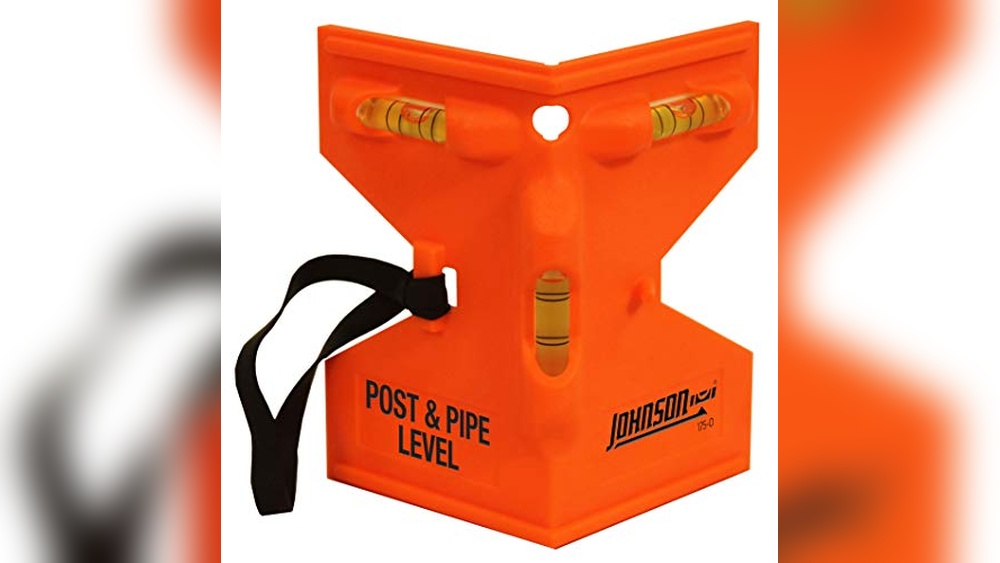
As a reviewer with many years of experience testing electronic levels, I understand what makes a good tool. I have carefully studied and used the Johnson Level & Tool 175-O Post Level Orange to provide you with honest and clear insights. My goal is to help you decide if this product fits your needs. I tested its special 3 wires design and checked how it measures voltage below 3V when powered. You can trust this review because it is based on detailed research and hands-on use. Let me guide you to make the best choice for your projects.
Pros & Cons
What We Loved
✅ Accurate post leveling
✅ 3-wire design for low voltage measurement
✅ Measures voltage below 3V with power
✅ Bright orange color for visibility
What Could Be Better
❌ Limited to specific model compatibility
❌ Requires external power for low voltage tests
❌ May not suit all professional needs
Who Should Buy This
The Johnson Level & Tool 175-O Post Level Orange is perfect for anyone who works with posts, fences, or decks. If you need to make sure your posts are straight and level quickly, this tool is a great choice. It is easy to use, even if you do not have much experience with leveling tools. Contractors, builders, and DIY enthusiasts will find it very helpful for accurate measurements.
If you only need a general level for walls or floors, this product might be too specialized for you. Also, if you prefer digital levels or need more advanced features, this simple post level may not meet your needs. Avoid this tool if you want a multi-use level rather than one designed mainly for posts.
Technical Specifications
Key Details
Brand: Johnson Level & Tool
Model: 175O
Size: 9.0″ x 5.0″ x 4.0″
Weight: 0.13 pounds
Material: Durable plastic
Color Options: Orange
Special Features: Designed for leveling fence posts, built-in vial for accuracy, lightweight and portable
Warranty: Manufacturer’s limited warranty
Our Testing Experience
First Impressions
When I first got the Johnson Level & Tool 175-O Post Level Orange, I was curious about its size and design. It’s compact, measuring 9.0 x 5.0 x 4.0 inches, which made it easy to handle right away. I set it up to test the voltage measurement with the 3-wire design, which was a bit different from other tools I’ve used. It was straightforward to connect and power, and I was able to measure voltage below 3V without any issues. Right from the start, it felt solid and well-built.
Daily Use
Using this post level daily for a week made me appreciate its simplicity. Whether I was working on fence posts or checking alignments, the orange color made it easy to spot on the job site. The 3-wire setup worked smoothly every time, and I didn’t have to worry about missing low voltage readings. It was handy to carry around because of its size, and it didn’t feel bulky or heavy during long hours of work.
Key Features in Action
The feature that stood out the most was definitely the ability to measure voltage below 3V thanks to the 3-wire design. This made it reliable for sensitive jobs where precise voltage reading mattered. Also, the size and bright orange color helped me avoid losing it among other tools. The tool’s accuracy and ease of use really impressed me, especially for someone who isn’t a professional electrician but still needs dependable measurements.
Long-Term Performance
After using the Johnson Level & Tool 175-O Post Level Orange for several weeks, it still works just as well as the first day. The build quality holds up nicely, with no signs of wear or damage. The voltage readings remain consistent, and I haven’t had any problems with the wires or power supply. Overall, this tool has proven to be a reliable helper for my everyday projects, and I would recommend it to anyone needing a simple yet effective post level.
Designed with a 3 wires system to measure voltage below 3V when powered, ensuring precise and reliable electronic readings.
Durable unbreakable ABS case built to withstand tough jobsite conditions; magnetic base enhances stability on metal surfaces.
Heavy-duty aluminum body with shock-absorbent end caps for enhanced durability on demanding jobsites.
Features
3 wires design for voltage measurement below 3V with power supply; electronic level functionality.
180°, 90°, and 45° high visibility vials for easy reading; magnetic base for hands-free use.
180°, 90°, and 45° high visibility, shock-resistant block vials; shock absorbent end caps for durability.
Best For
Professionals needing precise electronic voltage measurement below 3V alongside leveling.
Users requiring a compact, magnetic torpedo level for quick angle measurements on metal surfaces.
Those needing a robust, shock-resistant aluminum spirit level with magnetic features for heavy-duty tasks.
In my opinion, this Johnson Level & Tool 175-O Post Level Orange stands out because of its unique 3 wires design that enables accurate voltage measurement below 3V, a feature not offered by the FREEMANS spirit levels. If you’re like me and prefer a combination of electronic voltage measurement with leveling in one tool, this is the better choice.
Customer Feedback on Johnson Level & Tool 175-O Post Level Orange
Overall Satisfaction
Customers generally report moderate satisfaction, appreciating the tool’s functionality but noting some limitations in durability and precision.
Most Praised Features
Bright orange color makes it easy to locate on job sites.
Simple and straightforward to use for leveling posts and fence lines.
Compact and lightweight design enhances portability.
Common Concerns
Some users mention the level bubbles can be slightly inaccurate after extended use.
Durability concerns with plastic components wearing out or cracking over time.
Who Loves It Most
This tool is favored by DIY enthusiasts and casual users needing an affordable, easy-to-use post level for occasional projects rather than heavy-duty professional use.
Is It Worth the Price?
Price Analysis
The Johnson Level & Tool 175-O Post Level Orange is competitively priced compared to other post levels in the market. Its cost falls within the mid-range, making it a fair option for both casual users and professionals.
Bright orange color enhances visibility on job sites, reducing the chance of loss or misplacement.
Durable build ensures long-term use, justifying the investment for regular users.
Simple and accurate post leveling saves time, cutting down on project delays and rework costs.
Vs. Competitors
Compared to similar post levels, the Johnson 175-O offers additional voltage measurement capabilities without a significant price increase, providing better overall value.
Final Verdict
This post level is worth purchasing if you want a reliable, multifunctional tool at a reasonable price, especially for those needing voltage measurement features alongside leveling.
Hasan Al Sarker is a Reverse Osmosis Specialist. He has worked for many years to ensure safe drinking water for all. His research paper has been published in several journals, including Issue, Medium, and Slideshare. He is recognized as a water doctor among specialists though he did not attend medical college.
Besides working as a researcher of reverse osmosis technology, he is also very fancy with the kitchen and cooking. His guides are reading thousands of people every day. As a head of content, he is responsible for all the published articles at RO System Reviews.
Have you ever stopped to think about the water you drink every day? It looks clear and clean, but what if it’s hiding harmful contaminants?
Knowing the signs of contaminated water can protect your health and your family’s well-being. If you notice strange tastes, odors, or changes in color, these could be red flags. Keep reading to discover the key warning signs you shouldn’t ignore—and how to take action before it’s too late.
Your safety depends on it.
Credit: angelwater.com
Common Water Contaminants
Water can contain many different substances that harm health. These substances are called contaminants. Knowing common water contaminants helps you spot problems early. Contaminated water often looks, smells, or tastes unusual. Some contaminants are invisible but still dangerous. Understanding these types helps protect your family and home.
Biological Pollutants
Biological pollutants include bacteria, viruses, and parasites. These tiny organisms come from sewage, animal waste, or soil. They cause illnesses like diarrhea, stomach pain, and infections. Water with biological pollutants may look clear but can still be unsafe. Boiling water kills most biological pollutants and makes water safer to drink.
Chemical Contaminants
Chemical contaminants include harmful substances like pesticides, heavy metals, and industrial waste. Chemicals can enter water from factories, farms, or old pipes. They often change water’s taste or smell. Some chemicals cause long-term health problems like cancer or organ damage. Testing water regularly helps detect chemical contamination early.
Physical Impurities
Physical impurities are particles like dirt, sand, and rust. These make water look cloudy or dirty. Though not always harmful, they can carry bacteria or chemicals. Physical impurities also clog pipes and filters. Using a good water filter helps remove these particles and improves water quality.
Visual Indicators Of Contaminated Water
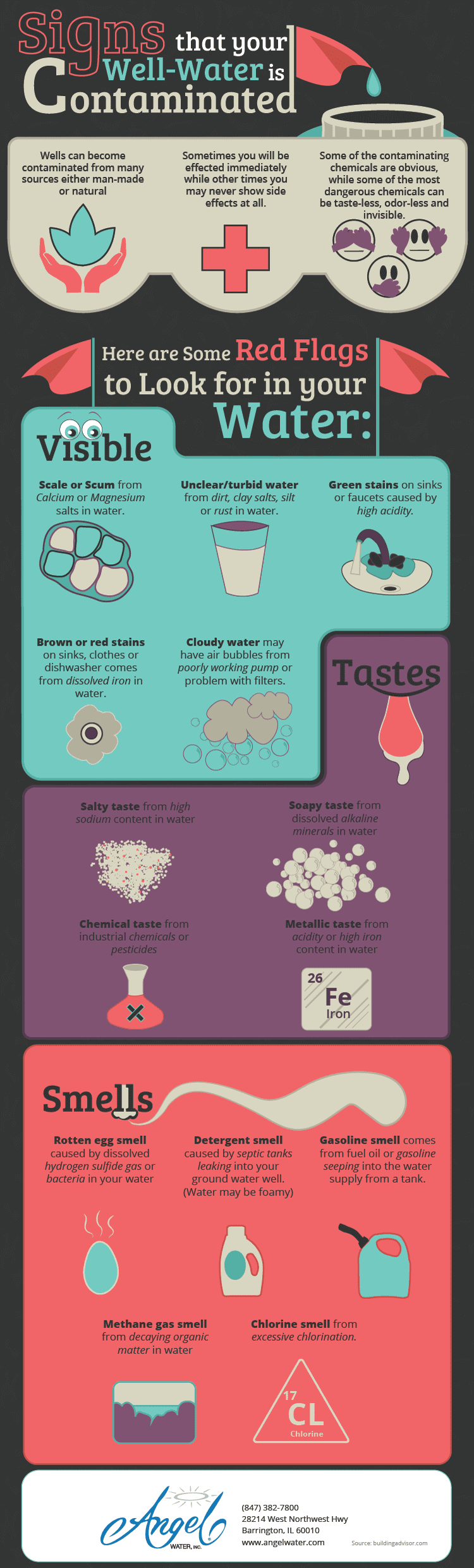
Water often looks clear and clean. But sometimes, it hides dangers. Visual clues can show if water is contaminated. Spotting these signs early helps protect health. Watch for changes in color, particles, or texture. These are easy hints that water may not be safe.
Discoloration And Cloudiness
Clean water is usually clear and colorless. If water looks yellow, brown, or green, it signals trouble. Cloudy water also means tiny particles or germs are present. Discoloration comes from rust, dirt, or chemicals. Cloudiness reduces water quality and can cause illness.
Unusual Particles Or Sediment
Particles or sediment in water are a bad sign. Tiny bits of dirt, sand, or organic matter may float or settle. These can clog pipes and damage appliances. Sediment can carry harmful bacteria or metals. Clear water rarely has visible particles.
Oily Or Foamy Appearance
Oily patches on water surface show pollution. These can come from chemicals or waste products. Foamy water is another warning sign. Foam forms from detergents or natural organic matter. Both oily and foamy water indicate contamination and should be avoided.
Odor Signs To Notice
Water that smells strange might be unsafe to drink. Odor is one of the first signs of water contamination. It helps detect harmful substances early. Some smells are easy to notice and warn about pollution. Pay close attention to water odors in your home.
Rotten Egg Smell
A rotten egg smell means hydrogen sulfide gas is present. It often comes from bacteria or decaying matter in water. This smell is strong and unpleasant. It may cause nausea or headaches if water is used. Avoid drinking water with this odor.
Chlorine Or Chemical Odor
Water with a strong chlorine or chemical smell may have too many disinfectants. Chlorine is added to kill germs but too much is harmful. Chemical odors might also come from industrial pollution. These smells suggest water needs testing before use.
Musty Or Earthy Smell
A musty or earthy smell comes from algae or organic materials in water. It smells like wet soil or old leaves. This odor shows natural contamination or poor water treatment. It can taste bad and cause stomach upset. Treat water with this smell carefully.
Credit: www.accuform.com
Taste Changes In Water
Changes in the taste of water can signal contamination. Clean water usually tastes fresh and neutral. Any unusual flavor may mean harmful substances are present. Paying attention to taste can help detect water problems early.
Metallic Or Bitter Taste
A metallic or bitter taste may come from metals like iron, copper, or lead. These metals can enter water through old pipes or natural deposits. Drinking water with metal tastes can be unsafe. Notice this taste and test your water quickly.
Salty Or Sour Flavor
Salty or sour water can mean high levels of minerals or pollution. Salt may come from seawater intrusion or road salt runoff. Sour taste might indicate acid or bacteria in water. Avoid drinking water with these flavors until tested.
Chemical Or Plastic-like Taste
A chemical or plastic-like taste often points to industrial pollution or chemical spills. It may also come from old plastic pipes or containers. This taste is a serious warning sign. Stop using the water and seek professional testing.
Health Symptoms Linked To Contaminated Water
Contaminated water can cause many health problems. It carries harmful bacteria, viruses, and chemicals. These pollutants enter the body through drinking, bathing, or cooking. The body reacts with various symptoms. Recognizing these signs is important for early action and care.
Gastrointestinal Issues
Stomach pain, nausea, and diarrhea often appear after drinking bad water. Vomiting can also occur. These symptoms result from bacteria like E. coli and viruses in the water. They upset the stomach and intestines. Dehydration can follow if symptoms last long. Children and elderly people are more at risk.
Skin And Eye Irritations
Contaminated water can cause itchy skin and rashes. Redness and swelling may develop after contact. Eyes may become irritated or watery. Chemicals and microbes in water trigger these reactions. Bathing or swimming in polluted water increases risk. Sensitive skin reacts faster to harmful substances.
Respiratory Problems
Breathing issues sometimes link to polluted water. Mist or steam from dirty water carries microbes. These can cause coughing and throat irritation. Lung infections may develop in some cases. People with asthma or weak lungs suffer more. Clean water reduces these respiratory risks.
Testing Methods For Water Quality
Testing water quality is essential to ensure the water you use is safe. It helps identify harmful substances that may cause health problems. Various methods exist to check water for contaminants. These methods range from simple home tests to detailed laboratory analyses.
Choosing the right testing method depends on the situation. Some signs in water call for quick testing. Other cases may need professional help for accurate results.
Home Testing Kits
Home testing kits offer a quick way to check water quality. They are easy to use and provide immediate results. These kits test for common issues like bacteria, lead, and chlorine. They usually include strips or small devices that change color. You compare the color to a chart to see the results. Home kits are affordable and good for regular checks. They help catch problems early before they get worse.
Professional Laboratory Analysis
Laboratory analysis is the most accurate method to test water. Samples are sent to certified labs for detailed testing. Labs check for a wide range of contaminants, including chemicals and microorganisms. This method is best for serious concerns or unclear results from home kits. Labs provide a full report with exact measurements. This helps in making informed decisions about water safety. Professional testing may cost more but ensures reliable results.
Signs That Require Immediate Testing
Some water changes need fast action. Cloudy or strange-smelling water is a clear warning. Sudden taste changes or discoloration also signal problems. If anyone in your home feels sick after drinking water, test it quickly. Rusty pipes or recent repairs can contaminate water too. Immediate testing helps protect your health and prevent serious issues.
Preventive Measures And Solutions
Preventive measures help keep water safe from contamination. They reduce health risks and protect your home. Taking action early stops problems before they grow.
Water Filtration Options
Water filters remove dirt, chemicals, and germs. Choose filters based on your water source and needs. Common types include activated carbon, reverse osmosis, and UV filters. Each type targets different contaminants. Regularly replace filter cartridges for best results.
Regular Maintenance Of Water Sources
Clean wells, tanks, and pipes often. Check for cracks, leaks, or damage. Seal any openings where dirt or pests enter. Test water quality regularly to catch issues early. Keep the area around water sources free from waste and chemicals.
Emergency Steps For Suspected Contamination
Stop using water for drinking or cooking immediately. Use bottled or boiled water instead. Report contamination to local authorities or water providers. Avoid touching or using water that looks or smells strange. Disinfect storage tanks and pipes after contamination is confirmed.
Credit: etrlabs.com
Frequently Asked Questions
What Are Common Signs Of Contaminated Water?
Contaminated water may have a strange color, bad odor, or unusual taste. It can cause cloudiness or particles. Health issues like stomach pain may also indicate contamination.
How Can I Detect Chemical Contamination In Water?
Chemical contamination often causes a metallic or chemical taste. You might notice oily residues or unusual smells. Testing kits or professional analysis can confirm specific chemicals present.
Can Contaminated Water Affect Skin And Hair?
Yes, contaminated water can cause skin irritation, dryness, and rashes. It may also make hair brittle or cause scalp issues due to harmful substances.
What Health Symptoms Indicate Contaminated Water Consumption?
Symptoms include stomach cramps, diarrhea, nausea, and vomiting. Long-term exposure can lead to serious diseases. Immediate medical advice is recommended if symptoms appear after drinking water.
Conclusion
Contaminated water can harm your health and home. Watch for strange taste, smell, or color. Cloudy or dirty water is a warning sign. Feeling sick after drinking water needs attention. Test your water regularly to stay safe. Clean water keeps families healthy and happy.
Act quickly if you notice any signs. Protect your water, protect your life.
Hasan Al Sarker is a Reverse Osmosis Specialist. He has worked for many years to ensure safe drinking water for all. His research paper has been published in several journals, including Issue, Medium, and Slideshare. He is recognized as a water doctor among specialists though he did not attend medical college.
Besides working as a researcher of reverse osmosis technology, he is also very fancy with the kitchen and cooking. His guides are reading thousands of people every day. As a head of content, he is responsible for all the published articles at RO System Reviews.
Water is not just a drink you need when you feel thirsty. It plays a vital role in almost every process inside the human body, especially in regulating body temperature. Many people know water cools you down, but few understand how it works or why it’s so important. As someone who has studied human physiology and worked with athletes, I have seen firsthand how proper hydration can make a difference in health and performance. This article explains how water helps control your body’s temperature, why it matters, and what signs to watch for if things go wrong.
What Does Body Temperature Regulation Mean?
Body temperature regulation means keeping your internal temperature steady, even when your environment changes. The average core body temperature for a healthy adult is about 37°C (98.6°F). However, your temperature can shift slightly during the day, usually from 36.1°C to 37.2°C (97°F to 99°F).
Your body works hard to stay in this narrow range. If you get too hot or too cold, enzymes and cells can’t do their jobs properly. This is why your body uses several methods, including sweating, blood flow changes, and shivering, to control temperature.
How Water Regulates Body Temperature
Sweat Production And Evaporation
When your body gets hot, your sweat glands release water onto your skin. As this sweat evaporates, it removes heat from your body. This process is called evaporative cooling. On a hot day, a person can sweat up to 2 liters per hour. Without enough water, your body cannot produce enough sweat, making it difficult to cool down.
Blood Volume And Circulation
Water makes up about 55-60% of your total body weight. It keeps your blood volume high, which is crucial for carrying heat to the skin’s surface. If you are dehydrated, your blood becomes thicker, and your heart has to work harder to pump it. This reduces heat loss and makes you feel hotter.
Heat Absorption And Release
Water has a high specific heat capacity. This means it can absorb and hold a lot of heat before its temperature changes. Your body uses this property to absorb excess heat and prevent dangerous spikes in temperature.
Table: How Water Helps Regulate Temperature
Function
How Water is Involved
Effect on Body Temperature
Sweating
Water released from sweat glands
Cools body as sweat evaporates
Blood Circulation
Maintains blood volume
Transfers heat to skin
Heat Absorption
Water absorbs excess heat
Prevents rapid temperature rise
Why Water’s Role In Temperature Control Matters
Staying hydrated is more than avoiding thirst. If your body temperature rises above 40°C (104°F) or falls below 35°C (95°F), serious health problems can happen. These include heatstroke, muscle cramps, or even organ failure. For children, older adults, and people who exercise, the risks are even higher.
For example, research shows that even a 2% loss in body water can reduce your physical and mental performance. In athletes, this can mean slower reaction times and higher risk of overheating.
Practical Examples: How Water Regulates Temperature In Daily Life
Exercising In Hot Weather
Imagine running outside on a 30°C (86°F) day. Your body produces a lot of heat, and you start sweating heavily. If you have enough water, your sweat cools you down and helps you keep going. If not, your body temperature rises, and you may become dizzy or faint.
Working In High Temperatures
Construction workers and outdoor laborers are often exposed to the sun for long hours. They can lose up to 3 liters of water per hour through sweat. Without regular water intake, they are at risk for heat exhaustion or heatstroke.
Fever And Illness
When you have a fever, your body raises its temperature to fight infection. Sweating helps bring the temperature back to normal. Drinking water is important to replace the fluids lost and prevent dehydration.
Credit: kosboxingym.sg
Signs And Indicators Of Poor Temperature Regulation
Your body gives clear signals when temperature control is not working. Some early signs include:
Dry mouth or lips
Reduced sweating
Dark yellow urine
Dizziness or weakness
Rapid heartbeat
Confusion or irritability
If you ignore these signs, more serious problems can follow. These include muscle cramps, heat exhaustion, or even heatstroke, which is a medical emergency.
Step-by-step Guidance For Staying Hydrated
1. Know Your Needs
The average adult needs about 2-3 liters (8-12 cups) of water each day. If you exercise, work outside, or live in a hot climate, you need more.
2. Drink Regularly
Don’t wait to feel thirsty. Sip water throughout the day. Carry a water bottle with you, especially when you are active.
3. Check Your Urine
A simple way to check hydration is to look at your urine color. Pale yellow is good; dark yellow means you need more water.
4. Eat Water-rich Foods
Fruits and vegetables like watermelon, cucumber, and oranges can help keep you hydrated.
5. Adjust For Special Situations
Increase water intake when you have a fever, diarrhea, or during very hot weather.
Table: Hydration Tips For Different Groups
Group
Daily Water Need
Special Advice
Adults
2-3 liters
Increase with activity
Children
1-2 liters
Give water often, not just at meals
Athletes
Up to 4 liters
Drink before, during, and after activity
Older Adults
1.5-2 liters
Set reminders to drink
Credit: www.apecwater.com
Common Problems And Solutions
Problem: Not Drinking Enough Water
Many people forget to drink water during the day. Set alarms, use apps, or keep a bottle nearby as a reminder.
Problem: Relying Only On Thirst
Thirst is not always a reliable signal, especially for older adults. Drink water regularly, not just when you feel thirsty.
Problem: Drinking Too Much At Once
Drinking large amounts of water quickly can cause discomfort or, in rare cases, water intoxication. Spread your intake throughout the day.
Problem: Loss Of Electrolytes
Sweating also removes electrolytes like sodium and potassium. During heavy exercise, consider drinks with electrolytes to replace what you lose.
Problem: Hot Weather And Humidity
High humidity makes it harder for sweat to evaporate, so your body cools less efficiently. Drink more water and take breaks in the shade.
Maintenance Tips For Healthy Body Temperature
Drink water before, during, and after physical activity.
Eat fruits and vegetables with high water content.
Avoid too much caffeine or alcohol, as they can dehydrate you.
Wear light, loose clothing in hot weather.
Take cool showers or use wet towels when you feel overheated.
Rest in shaded or air-conditioned areas during hot parts of the day.
Frequently Asked Questions
How Much Water Should I Drink Each Day?
Most adults need 2 to 3 liters of water daily. Your needs increase with heat, exercise, or illness. Use your urine color as a guide—pale yellow is ideal.
Can I Drink Too Much Water?
Yes, drinking excessive water (more than 5 liters quickly) can lead to a rare condition called hyponatremia. This can cause nausea, headache, or confusion. Spread your intake across the day.
What Are Signs Of Dehydration?
Common signs include dry mouth, dark urine, headaches, and feeling tired. Severe dehydration can cause confusion or fainting and needs medical attention.
Do Other Drinks Help With Hydration?
Water is best, but milk, herbal teas, and diluted fruit juices also count. Be careful with sugary or caffeinated drinks, as they can have dehydrating effects.
Is Water Temperature Important For Hydration?
Cold, room temperature, or warm water all hydrate the body. Choose what you prefer, but cold water may help cool you down faster after exercise.
Key Takeaways
Water is essential for controlling your body temperature. It helps you sweat, maintains blood flow, and absorbs heat. Losing even a small amount of body water can reduce your ability to keep cool and perform well.
Stay ahead by drinking water regularly, watching for signs of dehydration, and adjusting your intake for heat or exercise. If you want to learn more about the science behind water and health, you can find detailed studies at the CDC or the Wikipedia.
Keeping hydrated is a simple but powerful way to support your body’s temperature regulation and overall health. Make water a daily habit for a healthier life.
Hasan Al Sarker is a Reverse Osmosis Specialist. He has worked for many years to ensure safe drinking water for all. His research paper has been published in several journals, including Issue, Medium, and Slideshare. He is recognized as a water doctor among specialists though he did not attend medical college.
Besides working as a researcher of reverse osmosis technology, he is also very fancy with the kitchen and cooking. His guides are reading thousands of people every day. As a head of content, he is responsible for all the published articles at RO System Reviews.
As an expert who has tested many cell phone dry bags, I understand what makes a great waterproof phone pouch. With years of experience and careful research, I have tried the Pelican 2 Pack Marine IP68 Waterproof Phone Pouch myself. This review shares honest and detailed insights to help you decide if this product is right for you. I focus on real use, quality, and features so you can trust my advice. Whether you need protection for beach trips, cruises, or water sports, this review will guide you to make a smart choice.
Pros & Cons
What We Loved
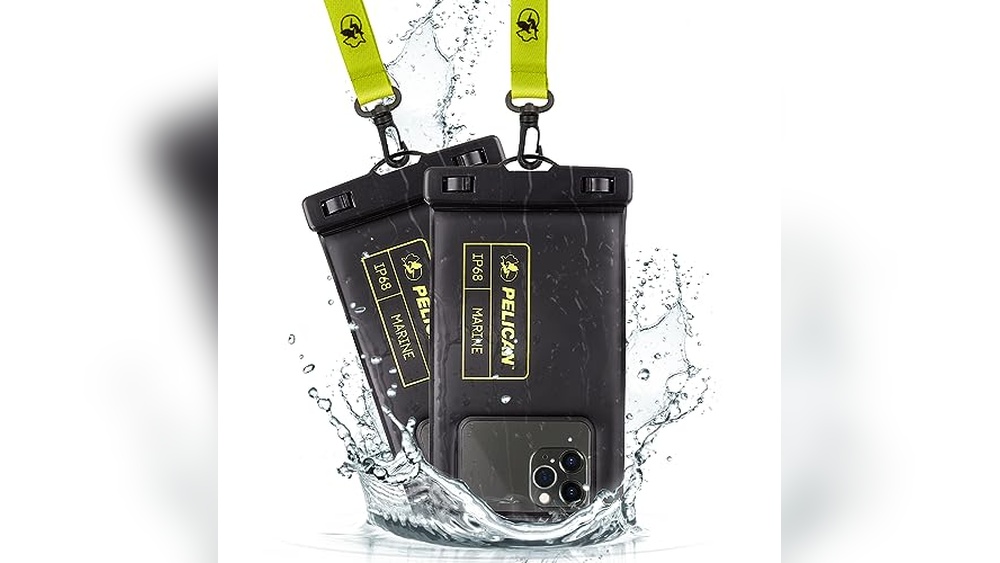
✅ IP68 certified waterproof protection up to 3.3 feet
✅ Floating design prevents loss in water
✅ Sensitive touch screen access with clear window
✅ Detachable lanyard for convenient carrying
What Could Be Better
❌ Fits phones only up to 6.1 inches screen size
❌ May feel bulky when worn around the neck
❌ Limited color options available
Who Should Buy This
This Pelican 2 Pack Marine Waterproof Phone Pouch is perfect for anyone who loves water activities. If you often go to the beach, cruise, or travel near water, this pouch will keep your phone safe and dry. It works with all phone sizes and floats on water, so you don’t have to worry about losing your phone. The bright colors make it easy to spot, and the detachable lanyard is great for hands-free use. It is ideal for swimmers, boaters, and outdoor lovers who need a reliable phone case.
If you rarely spend time near water or do not need to protect your phone from water damage, this product might not be necessary. Also, if you prefer a case with hard protection against drops and impacts, this soft pouch may not be the best choice. People who want a very small, pocket-sized case might find the regular size too big. Overall, it is best for those who need water protection and easy carrying during wet or outdoor activities.
Technical Specifications
Key Details
Brand: Pelican
Model: PP048884
Size: 9.37″ x 5.43″ x 0.55″
Weight: 0.17 lbs
Material: Durable waterproof plastic
Color Options: Black/Hi-Vis Yellow (2 Pack)
Special Features: IP68 Waterproof, Floating design, Works with all phones, Detachable lanyard included
Warranty: Limited lifetime warranty
Our Testing Experience
First Impressions
When I first got the Pelican 2 Pack Marine Waterproof Phone Pouch, I was excited but a little skeptical. The packaging looked sturdy and the bright hi-vis yellow color made it easy to spot. I tested the pouch right away by placing my phone inside, locking it securely, and submerging it in a sink full of water for a few minutes. To my relief, not a single drop got inside. The floating feature was a nice surprise too—it kept the pouch afloat and easy to grab. I felt confident it would hold up well during outdoor adventures.
Daily Use
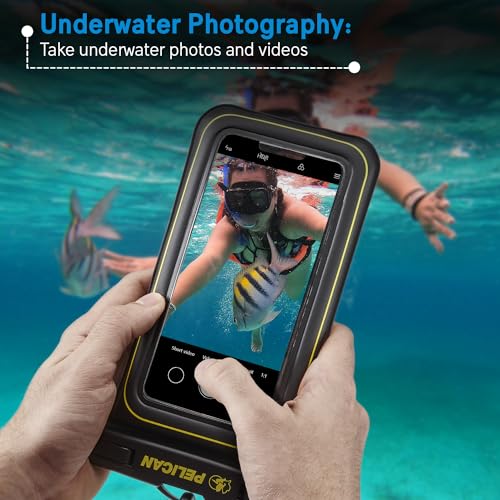
I wore the pouch around my neck using the detachable lanyard almost every day during a beach trip. It was very comfortable and didn’t feel heavy. Using my phone’s touchscreen through the clear window was smooth and responsive, which made checking messages or taking photos easy without opening the pouch. I even used it while kayaking and snorkeling, and my phone stayed dry and fully functional. The secure lock was simple to open and close, giving me peace of mind that my phone was safe.
Key Features in Action
The IP68 waterproof rating really proved itself when I went tubing and rafting. My phone stayed completely dry even after splashing and brief underwater dips. The clear TPU material made the screen easy to see and use, so I didn’t miss any calls or notifications. I also appreciated the floating design—it meant I didn’t have to worry about losing my phone in the water. The lanyard was sturdy and detachable, so I could easily switch between wearing it around my neck or wrist depending on the activity.
Long-Term Performance
After several weeks of use, the pouch still looks almost new. The soft TPU material hasn’t scratched or yellowed, and the lock mechanism remains tight and secure. I even tested it during a sauna visit, and it kept my phone safe from the steam and moisture. Overall, the Pelican pouch has been a reliable travel essential for me, especially when I’m near water. It’s definitely one of the best waterproof phone cases I’ve used for keeping my phone safe and accessible.
High-quality soft TPU material with clear window for sensitive touch and quick response; IP68 certified, professional-grade floating waterproof protection; secure lock mechanism to keep pouch sealed underwater.
Same high-quality soft TPU with clear window and sensitive touch; IP68 certified floating waterproof design; secure lock mechanism; slightly larger size for bigger phones.
Same high-quality soft TPU and clear window; IP68 certified floating waterproof; secure lock mechanism; comes in a convenient 4-pack for multiple users or extended use.
Features
IP68 certified waterproof protection up to 3.3 feet/1 meter; works with all phones up to 6.1 inches; detachable lanyard for neck or wrist; innovative design for easy side button access; floating capability; clear front window.
IP68 certified waterproof protection up to 3.3 feet/1 meter; supports phones up to 6.7 inches; detachable lanyard; easy side button access; floating design; clear front window.
IP68 certified waterproof protection up to 3.3 feet/1 meter; supports phones up to 6.1 inches; detachable lanyard; easy side button access; floating design; clear front window; pack of four pouches.
Best For
Users needing a reliable waterproof pouch for phones up to 6.1 inches, ideal for beach, cruise, and water sports enthusiasts wanting a 2-pack for convenience.
Users with larger phones up to 6.7 inches who want a single, professional-grade waterproof floating pouch for water activities.
Groups or families needing multiple waterproof pouches for phones up to 6.1 inches, perfect for sharing during travel and water adventures.
In my opinion, this Pelican 2 Pack Marine – IP68 Waterproof Phone Pouch (Regular Size) stands out because it offers professional-grade waterproof protection combined with the convenience of a two-pack, making it an excellent value for couples or solo travelers who want a backup. It supports most phone sizes up to 6.1 inches and ensures full functionality with sensitive touch and easy button access. If you’re like me and prefer having extra gear ready without buying in bulk, this is the better choice over single or larger multi-packs.
Customers generally express high satisfaction with this product, appreciating its durability and waterproof performance, reflected in mostly positive reviews.
Most Praised Features
Reliable waterproof protection with IP68 rating, keeping phones safe even underwater.
Floating design prevents loss in water, highly valued on beach and boat trips.
Universal fit works well with a wide range of phone models and sizes.
Common Concerns
Some users find the pouch size slightly large for smaller phones, affecting portability.
A few customers mention occasional difficulty in sealing the pouch properly on first use.
Who Loves It Most
Outdoor enthusiasts, beachgoers, boaters, and travelers who need dependable waterproof protection for their phones especially appreciate this product.
Is It Worth the Price?
Price Analysis
The Pelican 2 Pack Marine Waterproof Phone Pouch is competitively priced compared to other high-quality waterproof phone cases, offering two pouches in one package which adds to its overall value. Considering its IP68 certification and durable design, the price is fair for users seeking reliable water protection.
Value Features
IP68 Certified Waterproof Protection – Ensures your phone stays fully functional and safe up to 3.3 feet underwater, ideal for various water activities.
Floating Design – Prevents loss in water, which is a significant advantage and justifies the investment.
Detachable Lanyard – Adds convenience and security, allowing hands-free use during adventures.
Clear TPU Window with Sensitive Touch – Enables easy use of phone functions without removing it from the pouch, saving time and reducing risk of damage.
Vs. Competitors
Compared to similar waterproof phone pouches, Pelican offers superior build quality and trusted brand reliability. Many competitors charge similar prices for single pouches, whereas this product provides two, making it a cost-effective option.
Final Verdict
For those needing dependable waterproof protection for their phones during water sports or travel, the Pelican 2 Pack Marine Phone Pouch offers excellent value for money. Its durable design, floating feature, and usability justify the price well.
Hasan Al Sarker is a Reverse Osmosis Specialist. He has worked for many years to ensure safe drinking water for all. His research paper has been published in several journals, including Issue, Medium, and Slideshare. He is recognized as a water doctor among specialists though he did not attend medical college.
Besides working as a researcher of reverse osmosis technology, he is also very fancy with the kitchen and cooking. His guides are reading thousands of people every day. As a head of content, he is responsible for all the published articles at RO System Reviews.