Have you ever felt that uncomfortable sensation in your stomach after drinking water and wondered if your choice of water could be the culprit? You’re not alone.
Many people are turning to reverse osmosis (RO) water for its purity, but an unexpected side effect—bloating—has some scratching their heads. Could something as seemingly harmless as RO water be causing this discomfort? If you’ve been experiencing unexplained bloating and can’t figure out why, it’s time to dive deeper.
Understanding the connection between RO water and bloating might just hold the answers you need. Keep reading to discover the surprising truths about your drinking water and how it might be affecting your digestive health.
What Is Ro Water?
RO water stands for Reverse Osmosis water. It’s a type of purified water. This process removes impurities and contaminants. RO water is often used in households and industries. People prefer it for its purity and taste. But, some wonder if it causes bloating. Understanding RO water helps clarify this.
Process Of Reverse Osmosis
Reverse Osmosis is a filtration method. It uses a semi-permeable membrane. This membrane blocks large molecules and impurities. Water passes through, leaving contaminants behind. The process removes salts, chemicals, and bacteria. It ensures clean and safe water for drinking.
Benefits Of Ro Water
RO water offers many benefits. It provides cleaner drinking water. It reduces harmful substances like lead and chlorine. This makes it safer for consumption. RO water also tastes better. Without impurities, the taste is pure and fresh. This encourages people to drink more water daily. Additionally, it is beneficial for cooking and making beverages.
Credit: www.simpurelife.com
Understanding Bloating
Understanding Bloating
Bloating can be an uncomfortable feeling in the stomach. Many experience this sensation after eating. It feels like the belly is full or tight. This can happen for different reasons. Understanding bloating helps in finding relief.
Causes Of Bloating
Several factors contribute to bloating. Eating too quickly can trap air in the stomach. Certain foods produce gas during digestion. Dairy products might affect people who are lactose intolerant. Overeating is another common cause. Stress and anxiety can also lead to bloating.
Symptoms Of Bloating
Bloating symptoms vary from person to person. A swollen stomach is a typical sign. Some feel tightness or pressure in the abdomen. Pain or cramping may accompany bloating. It might lead to frequent burping or passing gas. Feeling full without eating much is another symptom.
Common Concerns With Ro Water
Reverse Osmosis (RO) water often raises questions. People worry about health effects. One frequent concern is bloating. Many wonder if RO water causes it. Exploring myths and facts can help. Understanding these can ease concerns.
Health Myths
Some believe RO water removes essential minerals. They think this leads to bloating. Another myth is that RO water is too pure. They fear it disrupts digestion. These myths spread easily. They cause unnecessary worries.
Scientific Evidence
Scientific studies show RO water is safe. It effectively removes impurities. Essential minerals are often obtained from food. Not just water. RO water’s purity does not harm digestion. Experts support its safety for daily use.
Hydration And Digestive Health
Hydration plays a vital role in maintaining digestive health. Proper hydration ensures efficient digestion and absorption of nutrients. It helps prevent constipation and supports bowel regularity. Drinking the right amount of water is essential for a healthy gut.
Role Of Water In Digestion
Water aids in breaking down food. It helps the body absorb nutrients. Saliva, which is mostly water, starts digestion in the mouth. In the stomach, water helps dissolve soluble fiber. This process supports smooth digestion.
Water also transports waste. It moves waste out of the body through urine and feces. Staying hydrated keeps your digestive system running smoothly. Drinking enough water minimizes the risk of bloating.
Effects On Gut Health
Water maintains the balance of gut bacteria. A hydrated gut supports good bacteria growth. It creates a barrier against harmful bacteria. This balance is crucial for digestion and overall health.
Dehydration can disrupt gut health. It may lead to constipation or bloating. Drinking enough water helps maintain gut function. It supports regular bowel movements and reduces discomfort.
Choosing the right water type matters. RO water is purified and safe. Ensure it is mineral-balanced for optimal gut health. A balanced mineral content in water aids digestion and prevents bloating.
Ro Water And Bloating: Separating Fact From Fiction
Many people believe reverse osmosis (RO) water causes bloating. This assumption often arises from misconceptions about its purification process. Understanding the science behind RO water helps clarify these myths. Let’s explore whether RO water truly leads to bloating or if this is simply fiction.
Potential Links
RO water undergoes a rigorous purification process. It removes impurities and minerals. Some claim this lack of minerals causes digestive issues. However, the body gets minerals mainly from food. The absence of minerals in RO water is unlikely to cause bloating.
Another belief links RO water to altered digestion. Some think its purity affects gut flora. Yet, scientific studies lack evidence supporting this claim. No direct link between RO water and changes in gut health has been established.
Expert Opinions
Experts often debunk myths surrounding RO water and bloating. Nutritionists emphasize the body’s adaptability. It adjusts to different water types without major digestive impacts.
Healthcare professionals stress the importance of balanced diets. Drinking RO water alone doesn’t lead to bloating. They advise consuming water as part of a healthy lifestyle. This ensures proper hydration without adverse effects.
In essence, experts agree on one point. RO water is safe for consumption. It’s unlikely to cause bloating on its own.
Tips For Preventing Bloating
Can Ro Water Cause Bloating? Tips for Preventing Bloating
Feeling bloated can be uncomfortable. It often affects daily life. Preventing bloating involves some simple steps. By adjusting your diet and lifestyle, you can reduce bloating. Let’s explore effective tips to prevent it.
Dietary Recommendations
Eat slowly to aid digestion. Chewing well helps your stomach. Avoid carbonated drinks. They can introduce extra gas into your system. Limit salty foods. Salt retains water, causing bloating. Choose high-fiber foods. They support a healthy gut. Consider reducing dairy if sensitive.
Lifestyle Changes
Stay active. Exercise helps move gas through the digestive tract. Ensure you drink enough water. Hydration aids digestion and reduces bloating. Manage stress levels. Stress can affect gut health. Practice relaxation techniques. Consider deep breathing or meditation.
Maintain a regular eating schedule. This keeps your digestive system in balance. Avoid chewing gum. It introduces extra air into your stomach. Make these changes a part of your routine. You may notice a difference in how you feel.
Making Informed Choices
Making informed choices about your water source is crucial for health. Understanding the effects of reverse osmosis (RO) water is essential. Some people experience bloating after drinking RO water. Knowing how to evaluate water sources helps in making the right decision. Balancing benefits and risks ensures a healthy lifestyle. This section delves into these aspects to guide you better.
Evaluating Water Sources
Different water sources have varied impacts on health. RO water removes impurities effectively. But it also eliminates essential minerals. This can affect your digestive system. Some people find it causes bloating. Consider the mineral content in your water. Check for purification methods used. Opt for a balance of purity and nutrients.
Balancing Benefits And Risks
RO water offers significant health benefits. It removes harmful contaminants. This ensures cleaner drinking water. Yet, it may also strip beneficial minerals. This can lead to bloating in some individuals. Weigh the pros and cons of RO water consumption. Consider supplementing with mineral-rich foods. This helps maintain a balanced diet. Ensure you make choices that suit your health needs.
Credit: www.apecwater.com
Credit: naturalhege.com
Frequently Asked Questions
Does Ro Water Lead To Bloating?
RO water is typically safe and unlikely to cause bloating. Bloating is usually related to dietary factors or digestive issues. However, sudden changes in water intake can sometimes result in mild digestive discomfort. If bloating persists, consider consulting a healthcare professional to rule out underlying issues.
Is Ro Water Bad For Digestion?
RO water is generally safe for digestion and does not negatively impact it. It removes impurities and contaminants, making it clean and safe. If you experience digestive discomfort after drinking RO water, consider evaluating your overall diet or consult a healthcare provider for advice.
Can Ro Water Cause Gas Problems?
RO water is unlikely to cause gas problems. Digestive gas is usually due to dietary choices or digestive conditions. RO water is purified, removing contaminants that might cause digestive issues. If gas persists, look into dietary habits or seek professional medical advice for a detailed evaluation.
How Does Ro Water Affect The Stomach?
RO water is typically gentle on the stomach, as it is purified and free from contaminants. It is unlikely to cause stomach issues. However, personal reactions can vary based on individual health conditions. Always ensure your water source is clean and consult a healthcare professional if stomach discomfort persists.
Conclusion
Ro water’s effects on bloating remain debated. Many factors contribute to bloating. Diet, lifestyle, and hydration play a role. Drinking filtered water, including RO water, is generally safe. It often benefits health by removing impurities. If bloating persists, consider other causes.
Evaluate your diet, activity level, and stress. Consulting a healthcare professional can help. They offer guidance tailored to your needs. Remember, everyone’s body reacts differently. Stay informed and make educated choices. Healthy habits lead to overall well-being.
Hasan Al Sarker is a Reverse Osmosis Specialist. He has worked for many years to ensure safe drinking water for all. His research paper has been published in several journals, including Issue, Medium, and Slideshare. He is recognized as a water doctor among specialists though he did not attend medical college.
Besides working as a researcher of reverse osmosis technology, he is also very fancy with the kitchen and cooking. His guides are reading thousands of people every day. As a head of content, he is responsible for all the published articles at RO System Reviews.
Have you ever wondered if the water you drink could be contributing to that uncomfortable burning sensation in your chest? It might sound surprising, but the type of water you consume, especially reverse osmosis (RO) water, might play a role in triggering acid reflux.
As you strive to make healthier choices, understanding the potential impact of RO water on your digestion is crucial. You deserve to feel your best, and knowing what affects your body is the first step. Dive into this article to uncover the truth about RO water and acid reflux.
You’ll find insights that could change the way you view your daily hydration habits.
What Is Ro Water?
Have you ever wondered what RO water is and why it’s so popular in homes today? Reverse Osmosis (RO) water is a type of purified water that has gone through a special filtration process to remove impurities. This process makes it an appealing choice for many households seeking cleaner, tastier water.
Purification Process
The purification process of RO water is quite fascinating. Imagine a filter so precise that it can remove particles as tiny as 0.0001 microns. RO water systems push water through a semi-permeable membrane, effectively removing contaminants like chlorine, lead, and even some bacteria.
This might remind you of a time when you had to strain something really fine, like tea leaves. Now, think of the RO process as doing that on a microscopic level. The result is water that is not only clean but often tastes noticeably better.
Common Uses
RO water is not just for drinking. Many people use it for cooking, ensuring that their pasta or rice is free from any water-borne impurities. If you have an aquarium, you might already know that RO water is a preferred choice for creating a safe environment for fish.
Some even use RO water in their humidifiers to prevent mineral buildup. Considering how versatile it is, have you thought about other ways RO water could fit into your daily routine?
While the benefits are clear, some people raise concerns about whether RO water might contribute to health issues like acid reflux. Could this be a case of too much of a good thing? Let’s explore this further as we continue our discussion.
Credit: www.simpurelife.com
Understanding Acid Reflux
Understanding if RO water can cause acid reflux is key for those experiencing digestive issues. While RO water is generally pure, it lacks minerals. This might affect stomach acid balance, potentially leading to discomfort.
Understanding acid reflux is crucial for anyone who frequently experiences that uncomfortable burning sensation in the chest. This condition, often caused by stomach acid flowing back into the esophagus, can be more than just a temporary annoyance. While many factors contribute to acid reflux, some wonder if the type of water they consume, such as RO (Reverse Osmosis) water, could play a role. Let’s dive into the details of this digestive issue to see if there’s any truth to this.
Symptoms And Causes
Acid reflux can manifest through a variety of symptoms. Heartburn, a burning pain in the chest, is the most common and noticeable. Other symptoms include regurgitation of food or sour liquid, a persistent cough, or difficulty swallowing. The causes of acid reflux are diverse. It can result from lifestyle choices, such as overeating or lying down immediately after a meal. Certain foods and drinks, like citrus, chocolate, and caffeine, can also trigger it. Stress and obesity are other potential contributors.
Impact On Digestive Health
Acid reflux doesn’t just cause discomfort; it can have a lasting impact on your digestive health. Over time, the consistent backflow of acid can damage the lining of the esophagus. This can lead to complications such as esophagitis or even Barrett’s esophagus, a condition that may increase the risk of esophageal cancer. Managing your digestive health is essential for overall well-being. Regularly experiencing acid reflux might indicate a need to adjust your diet or lifestyle. Have you considered if your daily habits could be contributing to your discomfort? In my own journey with acid reflux, I discovered that late-night snacks were my worst enemy. Simply shifting my eating schedule helped tremendously. Small changes in your routine can sometimes make a significant difference. Understanding your body’s signals is key. If you consistently face symptoms, consulting a healthcare professional can provide clarity and relief. Are there changes you can make today to support a healthier digestive system?
Potential Link Between Ro Water And Acid Reflux
Exploring the potential link between RO water and acid reflux raises questions. Some suggest RO water’s low mineral content might alter stomach acidity. Further research could clarify whether RO water contributes to acid reflux symptoms.
Many people wonder if RO (Reverse Osmosis) water might cause acid reflux. Acid reflux happens when stomach acid moves back into the esophagus. This can cause a burning sensation in the chest. Some claim that drinking RO water might trigger this condition. RO water is purified by removing impurities, including minerals. This leads to questions about its impact on our health.
Debunking Myths
Some believe RO water causes acid reflux. They think it lacks essential minerals. This belief suggests that mineral-free water disrupts stomach balance. But these claims lack substantial proof. RO water doesn’t directly cause acid reflux. Many factors contribute to this condition.
Scientific Evidence
Scientific studies don’t support the idea that RO water causes acid reflux. The body’s acid levels are regulated by more than just water. RO water is safe and clean. It’s free from contaminants. This makes it a good choice for hydration. Health experts find no direct link between RO water and acid reflux. Understanding water’s role in our diet is crucial. But blaming RO water for acid reflux isn’t backed by science. Remember to focus on overall diet and lifestyle for managing acid reflux. `
Health Effects Of Ro Water
Reverse Osmosis (RO) water is gaining popularity as a clean and pure choice for drinking water. However, you might wonder about its health effects, especially if you’ve heard concerns about its impact on conditions like acid reflux. Let’s break down the health effects of RO water, exploring its nutrient content and long-term consumption.
Nutrient Content
RO water undergoes a filtration process that removes impurities, but it also strips away minerals like calcium and magnesium. These minerals are crucial for your body. Imagine your diet lacking essential nutrients; it could lead to deficiencies over time.
Some people believe that drinking RO water may contribute to acid reflux due to its lack of alkaline minerals. The absence of these minerals can potentially make the water more acidic. While this is a concern, it’s essential to consider your overall diet and lifestyle.
When I switched to RO water, I noticed feeling less energetic, which made me question its nutrient profile. If you rely solely on RO water, consider balancing it with mineral-rich foods or supplements.
Long-term Consumption
Drinking RO water over a long period raises questions about its impact on your health. While it offers purity, the absence of minerals could be a downside. Are you missing out on vital nutrients?
If you consume RO water exclusively, you might be depriving your body of essential minerals. Your bones and teeth need calcium, while magnesium supports nerve and muscle function. Could this deficiency lead to potential health issues, including acid reflux?
To mitigate any adverse effects, you might want to explore mineral supplements or consider occasional consumption of mineral-rich water. Think of it as a way to ensure your body gets what it needs without compromising on purity.
What choices are you making with your drinking water? Could integrating a balanced approach with RO water enhance your well-being and keep acid reflux at bay?
Alternatives To Ro Water
Reverse Osmosis (RO) water is popular for its purification process. But some people worry about its effects on acid reflux. If you want alternatives to RO water, there are options. These alternatives might help maintain better health and hydration.
Other Water Purification Methods
Consider using carbon filters for water purification. They remove chlorine and improve taste. Ultraviolet (UV) purification is another method. It kills bacteria and viruses without chemicals. Distillation is a process that boils water and collects the steam. This method removes impurities effectively. Each option offers a different level of purification.
Balancing Ph Levels
Water with balanced pH can be gentler on the stomach. Alkaline water has a higher pH. It may help neutralize acidity. Spring water naturally contains minerals. These minerals can maintain a balanced pH. Test the pH of your water at home. Simple pH strips are available for this purpose. Ensuring balanced pH might help reduce acid reflux symptoms.
Credit: www.simpurelife.com
Expert Opinions
Many wonder if RO water can cause acid reflux. Experts have shared their views on this topic. Let’s explore what they have to say.
Medical Professionals’ Views
Doctors often see patients with acid reflux. They emphasize that RO water is not a direct cause. Acid reflux typically results from diet and lifestyle choices. RO water is neutral and lacks acidity. This makes it unlikely to trigger acid reflux.
Some doctors advise monitoring water intake. Too much fluid can increase stomach pressure. This might lead to reflux symptoms. It’s essential to balance water consumption with meals.
Nutritionists’ Insights
Nutritionists focus on the role of minerals in diet. RO water removes impurities but also essential minerals. This could impact digestion indirectly. A lack of minerals might affect stomach acid production.
They suggest maintaining a balanced diet. This includes foods rich in minerals. Green vegetables and nuts are good options. Proper mineral intake supports healthy digestion. It’s crucial for preventing acid reflux.
Practical Tips For Managing Acid Reflux
Exploring the effects of RO water on acid reflux reveals intriguing insights. Some suggest RO water may lack minerals, potentially aggravating acid reflux in sensitive individuals. Balancing mineral intake and hydration is crucial for managing symptoms effectively.
Managing acid reflux can be a journey of trial and error, but practical tips can make all the difference. Whether you suspect that reverse osmosis (RO) water is contributing to your discomfort or not, there are effective strategies that can help you alleviate symptoms. Let’s delve into some tried-and-true methods that can bring you relief and improve your quality of life.
Dietary Adjustments
Your diet plays a crucial role in managing acid reflux. Begin by identifying foods that trigger your symptoms. Common culprits include spicy dishes, citrus fruits, and fatty meals. Consider keeping a food diary to track what you eat and how it affects you. Over time, you’ll notice patterns and can make informed decisions about which foods to avoid. It’s also beneficial to eat smaller, more frequent meals to prevent overwhelming your stomach. Staying hydrated is important, but be mindful of the timing. Drinking too much water during meals can increase stomach pressure. Instead, try sipping water throughout the day and limit intake during meals.
Lifestyle Changes
Simple lifestyle changes can significantly impact acid reflux management. Start by elevating the head of your bed. This adjustment can prevent acid from traveling back up your esophagus while you sleep. Consider your clothing choices as well. Tight clothes can put pressure on your stomach, worsening reflux. Opt for loose, comfortable attire that allows your body to breathe. Stress is another factor that can exacerbate symptoms. Find activities that help you relax, like yoga or meditation. Remember a time when a hectic day led to a sleepless night filled with discomfort. Incorporating relaxation techniques can make a noticeable difference. Do you often rush through meals? Slowing down and chewing food thoroughly can ease digestion. This simple habit can reduce the likelihood of acid reflux episodes. What changes will you make today? Start small, and you’ll be surprised at the relief you can achieve with these practical tips.
Credit: clearwaterarizona.com
Frequently Asked Questions
Can Ro Water Lead To Acid Reflux?
RO water is pure and free from impurities. It doesn’t directly cause acid reflux. However, individual reactions can vary. If you experience reflux, consult a healthcare professional. Ensure your RO system is well-maintained to avoid any issues related to water quality.
Is Ro Water Safe For Digestion?
RO water is generally safe for digestion. It removes contaminants effectively. Some people might prefer mineral-rich water for taste. If digestion issues occur, it’s unlikely due to RO water. Consider consulting a nutritionist for personalized advice.
Does Drinking Ro Water Affect Stomach Acid?
RO water doesn’t impact stomach acid levels directly. It provides clean hydration without altering stomach acidity. If you suspect stomach issues related to water, it’s best to consult a doctor. Always ensure your RO system is functioning properly.
Can Purified Water Cause Health Problems?
Purified water, including RO water, is safe for consumption. It’s free from harmful contaminants. Rarely, some individuals might miss minerals found in regular water. It’s advisable to maintain a balanced diet to compensate for any mineral loss.
Conclusion
RO water doesn’t directly cause acid reflux. It’s safe to drink. But some people might feel discomfort. Each person’s body reacts differently. Stay aware of how your body responds. Listen to your body. If symptoms arise, consult a doctor. Drinking water is essential for health.
Balance is key. Consider dietary habits and lifestyle choices too. They play a role in acid reflux. Making small adjustments can help. Aim for a healthy balance. Your health matters most. Keep informed, stay healthy, and drink water wisely.
Hasan Al Sarker is a Reverse Osmosis Specialist. He has worked for many years to ensure safe drinking water for all. His research paper has been published in several journals, including Issue, Medium, and Slideshare. He is recognized as a water doctor among specialists though he did not attend medical college.
Besides working as a researcher of reverse osmosis technology, he is also very fancy with the kitchen and cooking. His guides are reading thousands of people every day. As a head of content, he is responsible for all the published articles at RO System Reviews.
Have you ever taken a sip of refreshing RO (reverse osmosis) water, only to find yourself clutching your stomach in discomfort later? You’re not alone.
Many people wonder if this ultra-purified water could be the culprit behind their unexpected digestive woes. As you seek clarity on whether RO water can cause stomach upset, you might be surprised by the answers you uncover. We’ll explore the science behind RO water and its potential effects on your digestive system.
By the end, you’ll have a clearer understanding of whether it’s time to rethink your hydration habits or rest easy with your current choice. Stay with us as we unravel the truth behind this intriguing topic, offering insights that could transform the way you view your daily water consumption.
Credit: angelwater.com
Ro Water Basics
Reverse Osmosis (RO) water is popular for its purity. Many households use RO systems to ensure clean water. But can RO water cause stomach upset? Understanding RO water basics can help answer this question. Let’s explore what RO water is and how these systems work.
What Is Ro Water?
RO water is purified through reverse osmosis. This process removes impurities and contaminants. It uses a semi-permeable membrane to filter water. The result is cleaner, safer water for drinking.
How Ro Systems Work
RO systems push water through a special membrane. This membrane blocks larger molecules and particles. Only clean water molecules pass through. The system also includes pre-filters and post-filters. These filters remove sediments, chlorine, and other impurities.
RO systems ensure high-quality water. They reduce the risk of consuming harmful substances. This makes RO water a preferred choice for many.
Potential Benefits Of Ro Water
Reverse Osmosis (RO) water is popular for its purity. Many believe it offers several benefits. Understanding these benefits can help you decide if RO water is right for you.
Removal Of Contaminants
RO water removes harmful substances. Metals like lead and mercury are filtered out. Even pesticides and nitrates are eliminated. This makes the water safe for drinking. Clean water supports a healthy lifestyle.
Improvement In Taste And Odor
RO systems enhance water taste. They remove chlorine and other chemicals. This leads to fresher and cleaner tasting water. Unpleasant odors are also reduced. Drinking water becomes a more enjoyable experience.
Common Concerns With Ro Water
Reverse Osmosis (RO) water is often hailed as a clean and pure alternative for drinking. But, as with all things, there are common concerns that you might face. These concerns can make you question if RO water is truly the best choice for your health. Let’s dive into a couple of these issues and see how they might impact your stomach health.
Mineral Deficiency
RO water filtration systems are effective at removing impurities. However, they also strip away essential minerals like calcium and magnesium. These minerals play crucial roles in maintaining your body’s balance.
Without them, you might experience issues like stomach upset or muscle cramps. Imagine drinking a lot of water but still feeling thirsty. This is because your body needs minerals to absorb water properly. Could this be why you’re feeling off after switching to RO water?
If you’ve noticed unexplained fatigue or digestive discomfort, it might be time to consider mineral supplements. Or, maybe add mineral-rich foods to your diet to counteract this effect. It’s a simple step that could make a big difference in how you feel.
Acidity Levels
RO water tends to be slightly more acidic than regular tap water. This is because the filtration process removes alkaline minerals. These minerals usually help maintain a balanced pH level in your body.
When the acidity level increases, it might not sit well with your stomach. Have you ever felt a bit of heartburn after drinking RO water? It could be due to this higher acidity level.
Consider balancing your intake with alkaline foods or beverages. Think about adding a slice of lemon to your water, which can help neutralize acidity. It’s a small tweak that might help your stomach feel more settled.
Ultimately, it’s all about how your body reacts. Pay attention to what your gut is telling you. Are there days when you feel different after drinking RO water? Your body might be giving you hints on whether this water is right for you.
Credit: www.simpurelife.com
Stomach Upset And Ro Water
Have you ever felt a slight discomfort in your stomach after drinking water from your RO purifier? It might leave you wondering if RO water could be the culprit behind your upset stomach. While RO water is generally considered safe, understanding its nuances can help you make informed choices.
Possible Causes Of Discomfort
There are a few reasons you might feel uneasy after drinking RO water. One possibility is the lack of essential minerals. RO water filtration removes impurities but also strips away beneficial minerals like calcium and magnesium.
Your body relies on these minerals for various functions, including digestion. Suddenly drinking water with lower mineral content may initially cause discomfort as your body adjusts. Have you ever noticed a difference when switching water sources?
Another factor could be the cleanliness of the RO system itself. If not maintained properly, the RO filter can harbor bacteria. Regularly cleaning and replacing filters ensures the water remains safe and pure.
Scientific Studies And Evidence
Scientific studies have explored the effects of RO water on health. Research indicates that while RO water is free of contaminants, the lack of minerals could impact health over time. A study in the Journal of Water and Health found potential links to mineral deficiency.
However, no direct evidence suggests that RO water alone causes stomach upset. It’s important to consider individual differences. Some people may be more sensitive to changes in mineral intake, leading to temporary discomfort.
Have you experienced similar issues with other filtered or bottled waters? It might be worth experimenting with mineral supplements or incorporating mineral-rich foods into your diet.
Ultimately, understanding your body’s reaction to different types of water can guide your choices. Have you found a water source that works best for you?
Comparing Ro Water With Other Water Types
Understanding the different types of water is crucial for health. RO water, tap water, and mineral water all have unique features. Knowing these can help you make better choices for your stomach health. Let’s dive into the differences.
Tap Water
Tap water is the most common source of drinking water. It’s often treated with chemicals to kill bacteria. But these treatments can leave residue. Some people may experience stomach issues from these. Tap water can also contain minerals. These can affect taste and digestion. Always check local reports for contaminants. This ensures your tap water is safe to drink.
Mineral Water
Mineral water comes from natural springs. It contains minerals like calcium and magnesium. These minerals can aid digestion. They can also be beneficial for bone health. But mineral content varies. Some people may find it too strong for their stomachs. Always read the label. Choose a brand that suits your needs.
Credit: naturalhege.com
Expert Opinions And Recommendations
Experts suggest that RO water is safe, but some people may experience stomach upset due to mineral imbalance. Drinking moderate amounts and gradually adjusting can help. Always consult with health professionals if symptoms persist.
When it comes to concerns about whether RO (Reverse Osmosis) water can cause stomach upset, various expert opinions and recommendations can help clarify the situation. The debate often centers around the removal of minerals during the purification process and how this affects our digestive system. Let’s dive into what health professionals say and how you can safely consume RO water.
Health Professional Insights
Health experts often highlight that RO water is extremely pure, which can be both a blessing and a concern. Some nutritionists argue that the absence of minerals like calcium and magnesium can lead to potential deficiencies if RO water is your sole source of hydration. Imagine drinking water that quenches your thirst but leaves you lacking essential nutrients. On the flip side, many health professionals emphasize that stomach upset from RO water is unlikely unless you have underlying health issues. They stress the importance of a balanced diet to compensate for any minerals lost in the purification process.
Guidelines For Safe Consumption
Experts recommend a few simple strategies to ensure that you can enjoy RO water without any worries: – Balance your diet: Make sure to consume foods rich in essential minerals. Leafy greens, nuts, and dairy products are excellent sources. – Mix it up: Consider alternating RO water with mineral-rich bottled water, especially if you’re concerned about mineral intake. – Stay informed: Keep an eye on your body’s reactions. If you ever feel uneasy or notice digestive changes, consult a healthcare professional. – Check your source: Ensure your RO water system is well-maintained and regularly serviced to avoid contamination. These practical tips can help you enjoy the benefits of RO water without the fear of stomach issues. Are you mindful of your daily mineral intake, or do you think your diet covers it all? Ultimately, understanding how RO water fits into your lifestyle can empower you to make informed choices about your health.
Tips For Using Ro Water Safely
Reverse Osmosis (RO) water is popular for its purity. But it can sometimes cause stomach upset if not handled properly. Following some simple tips can help you use RO water safely.
Maintaining Ro Systems
Regular maintenance of RO systems is crucial. It ensures clean and safe water. Change filters as recommended by the manufacturer. This prevents bacteria and contaminants. Check for leaks and damages often. A well-maintained system provides better water quality.
Balancing Water Intake
Pure RO water may lack minerals. Drink mineral-rich water occasionally. It helps maintain your body’s balance. Ensure your diet includes necessary minerals. Balance is key for health. Consult a nutritionist if unsure about mineral intake.
Frequently Asked Questions
Can Ro Water Cause Stomach Issues?
RO water is generally safe to drink. However, some individuals may experience stomach upset due to its low mineral content. It’s important to ensure that RO systems are properly maintained to prevent contamination. Adding minerals to RO water can help alleviate any potential stomach discomfort.
Is Ro Water Too Pure To Drink?
RO water is very pure, but not too pure for consumption. Its purity level means it lacks minerals, which some people find concerning. Drinking RO water is safe, but supplementing with mineral-rich foods or beverages can help maintain a balanced diet.
Does Ro Water Affect Digestion?
RO water does not directly affect digestion negatively. Its lack of minerals may lead to minor digestive discomfort for some. Drinking mineral-enhanced water or maintaining a balanced diet can help ensure proper digestion and nutrient absorption.
Can Ro Water Lead To Dehydration?
RO water does not cause dehydration. It effectively hydrates the body but lacks essential minerals. For optimal hydration, consider consuming mineral-rich foods or drinks alongside RO water to maintain electrolyte balance.
Conclusion
Ro water might cause stomach upset for some people. It’s rare but possible. Always ensure your water filter is clean and well-maintained. Pay attention to how your body reacts to different water. Everyone’s system is unique. If you notice discomfort, consider consulting a healthcare professional.
They can provide personalized advice. Staying informed helps you make better choices for your health. Remember, hydration is essential for well-being. Choose water sources that suit your needs. Stay healthy and hydrated. Your well-being comes first. Always prioritize quality and safety in your drinking water.
Hasan Al Sarker is a Reverse Osmosis Specialist. He has worked for many years to ensure safe drinking water for all. His research paper has been published in several journals, including Issue, Medium, and Slideshare. He is recognized as a water doctor among specialists though he did not attend medical college.
Besides working as a researcher of reverse osmosis technology, he is also very fancy with the kitchen and cooking. His guides are reading thousands of people every day. As a head of content, he is responsible for all the published articles at RO System Reviews.
Have you ever noticed your skin feeling a bit dry and wondered if your RO (Reverse Osmosis) water might be the culprit? You’re not alone.
Many people rely on RO water for its purity and taste, but could it be affecting your skin health in unexpected ways? Understanding the relationship between RO water and skin dryness could be crucial for maintaining your skin’s natural glow.
You deserve to know if the water you drink and bathe in is silently contributing to your skincare concerns. Let’s delve into the facts and myths surrounding RO water and discover whether it’s time to rethink your hydration habits. This article will guide you through the science and practical tips you need to ensure that your skin remains healthy and vibrant. Keep reading to uncover the truth and take charge of your skin’s well-being.
Credit: purdori.com
What Is Ro Water?
Have you ever wondered what RO water is and why it’s becoming a popular choice for many households? RO stands for Reverse Osmosis, a process that purifies water by removing impurities and contaminants. While it offers multiple benefits, there’s an ongoing debate about whether it can cause skin dryness.
Ro Water Purification Process
Reverse Osmosis involves pushing water through a semi-permeable membrane to filter out impurities. This process removes contaminants like lead, chlorine, and bacteria. It’s like giving your water a makeover, leaving it cleaner and safer for consumption.
The process also reduces the mineral content in the water. This can be both a pro and a con. While it ensures purity, it also means you might lose some beneficial minerals.
Benefits Of Ro Water
RO water is exceptionally pure, making it a safer option for drinking and cooking. It helps in reducing the risk of waterborne diseases. Imagine not having to worry about what’s lurking in your glass of water.
Another advantage is the improvement in taste and odor. Many people find RO water more pleasant to drink, encouraging better hydration habits. Have you noticed how good-tasting water just makes you want to drink more?
But here’s a thought: could the lack of minerals in RO water be leading to skin dryness? It’s a question worth exploring, especially if you’ve noticed changes in your skin after switching to RO water. What are your experiences with RO water? Have you found it beneficial or has it raised new concerns for you?
Credit: www.instagram.com
Skin And Water Relationship
Can RO Water Cause Skin Dryness?
Water plays an essential role in skin health. Our skin needs water to stay healthy. Without enough water, skin can become dry and flaky. Many people wonder if the type of water they use affects their skin. RO (Reverse Osmosis) water is often discussed in this context. Understanding the relationship between skin and water is key. This helps in maintaining healthy and hydrated skin.
Role Of Water In Skin Health
Water acts as a natural moisturizer. It keeps our skin soft and smooth. It helps in removing toxins from the body. These toxins can affect skin health. Water also helps in maintaining the pH balance of the skin. Balanced pH is crucial for healthy skin. It protects the skin from infections and dryness.
Hydration And Skin Elasticity
Hydration is vital for skin elasticity. Elastic skin looks firm and youthful. Water helps maintain this elasticity. Well-hydrated skin can stretch and return to its shape. This reduces the appearance of wrinkles and fine lines. Dehydrated skin loses its elasticity. It can appear dull and aged.
Potential Effects Of Ro Water On Skin
RO water may lead to skin dryness due to reduced mineral content. Essential minerals like calcium and magnesium help retain skin moisture. Without them, skin may feel dry and tight after washing.
Reverse Osmosis (RO) water is popular for its purity. It removes impurities and contaminants. But, it may impact skin health. Many people worry about RO water causing skin dryness. This concern arises from its mineral content. Let’s explore how RO water might affect the skin.
Mineral Content In Ro Water
RO water is very pure. It lacks essential minerals like calcium and magnesium. These minerals help maintain skin health. Their absence can affect skin moisture. Skin needs minerals to stay hydrated and soft. Without them, skin might feel dry and tight.
Impact On Skin Moisture Levels
RO water can affect skin moisture. It lacks beneficial minerals. This can lead to dryness. Skin needs hydration to stay healthy. RO water’s purity might reduce this natural hydration. People with sensitive skin may notice changes. It may feel drier or more irritated. Regular use can amplify these effects. Using mineral-rich products can help. They can replenish lost nutrients. Always listen to your skin’s needs. `
Scientific Studies And Findings
Scientific studies have explored the effects of RO water on skin. Researchers aim to understand if it causes dryness. This section delves into findings from various studies. It examines expert opinions and debates related to RO water and skin health.
Research On Ro Water And Skin Health
Studies investigate RO water’s impact on skin hydration. RO water removes minerals from water. Some minerals are essential for skin moisture. Research shows lack of minerals may lead to dry skin. Scientists continue to study these effects.
Certain studies focus on mineral balance in water. They highlight how skin absorbs minerals. RO water lacks these minerals. This may affect skin’s natural moisture balance. More research is needed to confirm this relationship.
Expert Opinions And Debates
Experts discuss RO water’s role in skin dryness. Some dermatologists believe RO water can dry skin. Others argue its impact is minimal. They suggest using moisturizers to combat dryness. Experts emphasize skin care routines.
Debates center around mineral deficiency in RO water. Some experts say minerals in water are crucial. Others believe diet provides necessary minerals. This disagreement fuels ongoing discussions. Experts continue to study this topic.
Comparing Ro Water With Other Water Types
When you think about the water you use daily, it’s easy to overlook its impact on your skin. RO water, known for its purity, is often compared with other water types. Each has unique properties affecting your skin differently. Let’s dive into how RO water stacks up against mineral and tap water. Are you using the right type for your skin’s needs?
Mineral Water Vs. Ro Water
Mineral water is often touted for its health benefits. It contains essential minerals like calcium and magnesium, which are beneficial for skin hydration. Have you ever noticed how your skin feels softer after a spa treatment? Mineral-rich water might be the reason.
In contrast, RO water is stripped of these minerals. The purification process removes impurities but also essential minerals. Some people find their skin feels drier after switching to RO water. Could missing minerals be the culprit?
Tap Water Vs. Ro Water
Tap water is readily available and contains natural minerals. However, it’s often treated with chemicals like chlorine, which can irritate sensitive skin. If your skin feels itchy after a shower, tap water might be to blame.
RO water, being free from chemicals, offers a cleaner alternative. But, the lack of minerals can lead to dryness for some. Can you balance purity with skin health?
Choosing the right water type depends on your skin’s unique needs. Experiment with different options to find what works best for you. Share your experiences and insights in the comments below!
Credit: www.facebook.com
Preventing Skin Dryness
Have you noticed your skin feeling more dry after switching to RO water? You’re not alone. Many people experience changes in their skin when they start using RO water for drinking and washing. But don’t worry—there are ways to keep your skin hydrated and healthy. Let’s explore some practical tips to prevent skin dryness.
Skincare Routine Adjustments
Your skincare routine can make a big difference in combating dryness. Consider adding a hydrating moisturizer to your regimen. This can help lock in moisture and keep your skin supple. Using gentle cleansers can also prevent stripping your skin of its natural oils.
Think about your shower time. Shorter showers in lukewarm water can help maintain your skin’s moisture levels. If you’re feeling adventurous, try incorporating facial oils or serums that offer extra hydration.
Alternative Hydration Methods
Drinking enough water is crucial, but what about other hydration methods? Consuming fruits and vegetables rich in water content can boost your hydration. Cucumbers, oranges, and watermelon are excellent choices.
Have you tried using a humidifier? It can add moisture to the air, especially during dry seasons. This can significantly help your skin retain its natural moisture.
Consider adding herbal teas to your daily routine. They not only provide hydration but also offer antioxidants which are beneficial for your skin.
Do you have any tips or tricks for keeping your skin hydrated? Sharing your experiences might help someone else struggling with skin dryness. Together, we can make sure our skin stays healthy and glowing!
Myths And Facts
Exploring the myths and facts about RO water and skin dryness helps you understand its effects. Many people believe that RO (Reverse Osmosis) water can cause skin dryness. But is it true? Let’s dive into common misconceptions and separate truth from fiction.
Common Misconceptions
Many think RO water lacks essential minerals for the skin. They believe these missing minerals lead to skin dryness. People worry that RO water strips away natural oils. Some claim it causes skin irritation or flakiness.
These misconceptions stem from misunderstandings about water purification. RO water removes impurities, but not all minerals cause dryness. It’s crucial to examine these beliefs with a critical eye.
Separating Truth From Fiction
RO water removes harmful substances, ensuring clean drinking water. It does not directly cause skin dryness. Skin dryness results from various factors like weather, skincare, and hydration. RO water’s purity doesn’t strip skin oils or increase dryness.
In fact, using RO water for washing can be gentler on the skin. Its purity means fewer contaminants that might irritate sensitive skin. Understanding this can help dispel myths and clarify the facts.
Frequently Asked Questions
Does Ro Water Cause Skin Dryness?
RO water removes impurities but can strip minerals beneficial for skin. The lack of minerals might contribute to dryness. It’s advisable to moisturize after contact with RO water to maintain skin hydration.
Is Ro Water Safe For Skin?
RO water is safe for skin but may not provide essential minerals. While it cleanses effectively, consider using mineral-rich products to balance skin hydration.
How To Prevent Dryness From Ro Water?
To prevent dryness, apply moisturizer after using RO water. Consider adding mineral-rich skincare products to replenish skin’s natural balance and maintain hydration.
Can Ro Water Affect Sensitive Skin?
Sensitive skin might react to mineral-depleted RO water. It’s crucial to moisturize and use products that restore skin’s natural barrier for protection.
Conclusion
Ro water may dry your skin for some people. It’s not common. Minerals removed from the water might affect skin moisture. Each person reacts differently to water types. Testing with different waters can help find what suits your skin. Use moisturizers to keep skin hydrated.
Drinking enough water helps too. Consider consulting a dermatologist for persistent skin issues. They provide expert advice tailored to your skin type. Stay informed about what affects your skin. Make adjustments to your skincare routine as needed.
Hasan Al Sarker is a Reverse Osmosis Specialist. He has worked for many years to ensure safe drinking water for all. His research paper has been published in several journals, including Issue, Medium, and Slideshare. He is recognized as a water doctor among specialists though he did not attend medical college.
Besides working as a researcher of reverse osmosis technology, he is also very fancy with the kitchen and cooking. His guides are reading thousands of people every day. As a head of content, he is responsible for all the published articles at RO System Reviews.
Are you experiencing the discomfort of acid reflux and wondering if your drinking water might be to blame? Many people rely on reverse osmosis (RO) water for its purity, but questions about its potential effects on your digestive system often arise.
Could this highly purified water be a silent contributor to your acid reflux woes? We’ll explore the connection between RO water and acid reflux, uncovering truths that might surprise you. Stay with us as we dive into the science behind water pH levels, your digestive health, and how you can make informed choices about the water you drink.
Your gut will thank you!
Credit: www.simpurelife.com
Ro Water Composition
RO water might lack essential minerals, potentially leading to acidity issues. This imbalance can sometimes trigger acid reflux symptoms. Maintaining a balanced diet with mineral-rich foods could help counteract these effects.
Understanding the composition of RO (Reverse Osmosis) water can help you decide if it might be a factor in acid reflux. Many people rely on RO water for its purity, but does this purification process affect its potential to trigger acid reflux? Let’s take a closer look at what RO water is made of.
Ro Water Composition: What’s Removed?
RO water is known for its thorough filtration process. It removes impurities like lead, chlorine, and fluoride, leaving behind water that is almost entirely free of minerals. This high level of purity is why some people prefer it. However, this absence of minerals can also raise questions. Our bodies need certain minerals like calcium and magnesium, which are usually found in regular tap water. Drinking water devoid of these might have unforeseen effects on digestion.
Mineral Content: Does It Matter?
The lack of minerals in RO water can influence how your stomach processes food. For some, this might mean their digestive system is slightly off balance. It’s worth considering if you experience acid reflux after drinking RO water. Imagine drinking water that doesn’t contribute to your daily mineral intake. Could this lack be a missing piece in your digestive puzzle? Some people find adding a pinch of natural salt to their RO water helps restore some mineral content.
Ph Levels: A Crucial Factor?
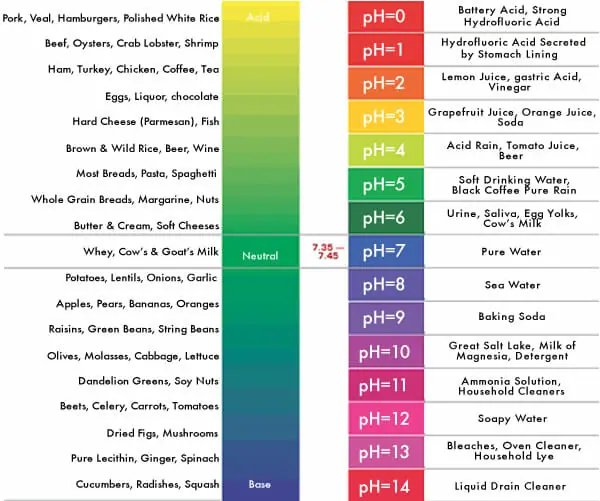
RO water typically has a neutral pH level, around 7. However, during the filtration process, it can become slightly acidic. This could be a concern if you’re prone to acid reflux. Have you ever noticed a difference in how your stomach feels after drinking different types of water? If you’re sensitive to acidity, even a small change in pH might be noticeable. Testing your RO water’s pH level could offer insights.
Personal Experience: A Realization
A friend once shared how switching to RO water seemed to correlate with her increased acid reflux episodes. She started adding mineral drops to her water and noticed an improvement. This simple tweak might be all you need. Could your experience be similar? It’s easy to overlook the water you drink daily. Sometimes, small changes can make a big difference in your overall well-being. Reflect on your current drinking habits. Does your water choice align with your body’s needs? Adjusting your water’s mineral content might just be the unexpected solution you’re looking for.
Acid Reflux Explained
Understanding acid reflux can help alleviate discomfort and improve well-being. This condition occurs when stomach acid flows back into the esophagus. It often causes a burning sensation in the chest or throat. Let’s dive deeper into how acid reflux impacts the body.
What Causes Acid Reflux?
Several factors contribute to acid reflux. Consuming large meals or lying down after eating can trigger symptoms. Some foods and drinks, like coffee, alcohol, and spicy foods, may increase acidity. Obesity and smoking are also common contributors.
Symptoms Of Acid Reflux
Heartburn is the most common symptom. It feels like a burning pain behind the breastbone. Other symptoms include regurgitation, where food or sour liquid flows back into the mouth. Some experience trouble swallowing or a sensation of a lump in the throat.
Impact Of Acid Reflux On Daily Life
Acid reflux can interrupt daily activities and affect sleep. Persistent discomfort can lead to stress and anxiety. Adjustments in diet and lifestyle may help manage symptoms effectively.
Preventing Acid Reflux
Eating smaller meals helps reduce pressure on the stomach. Avoiding trigger foods is essential for minimizing symptoms. Elevating the head during sleep can prevent acid from rising. Regular exercise and weight management also play a role in prevention.
Link Between Ro Water And Acid Reflux
Many people drink reverse osmosis (RO) water for its purity. Some wonder if it causes acid reflux. Acid reflux is a condition where stomach acid moves up the esophagus. This can cause discomfort and a burning sensation. Understanding the link between RO water and acid reflux is important.
Potential Effects Of Ro Water On Stomach Acidity
RO water is stripped of minerals like calcium and magnesium. These minerals help in neutralizing stomach acid. Lack of minerals might lead to increased acidity in the stomach. This can trigger acid reflux in some individuals.
Ro Water And Ph Levels
RO water usually has a lower pH level. This means it is more acidic compared to regular tap water. Drinking acidic water can potentially irritate the stomach lining. This irritation might contribute to acid reflux symptoms.
Hydration And Acid Reflux
Staying hydrated is essential for digestive health. RO water can effectively hydrate the body. Proper hydration helps in maintaining balanced stomach acid levels. This can reduce the risk of acid reflux.
Individual Differences In Reaction
Not everyone reacts to RO water in the same way. Some people may experience acid reflux, while others do not. Personal health and dietary habits play a significant role. It is important to observe how your body responds to RO water.
Potential Triggers Of Acid Reflux
Consuming RO water may contribute to acid reflux due to its low mineral content, potentially upsetting stomach balance. Diet and lifestyle are common triggers of acid reflux. Understanding personal triggers can help manage symptoms effectively.
Acid reflux is a common condition that can disrupt your daily life, causing discomfort and frustration. Understanding the potential triggers is crucial in managing symptoms effectively. You might be surprised to learn that everyday choices can influence your digestive health. Let’s explore some key areas that might be contributing to your acid reflux.
Dietary Factors
What you eat plays a significant role in acid reflux. Spicy foods, citrus fruits, and chocolate are common culprits. These can irritate your esophagus and lead to heartburn. Think about how often you indulge in these foods. If you’re experiencing frequent acid reflux, it might be time to reconsider your diet choices. Additionally, large meals can overwhelm your stomach, increasing the likelihood of acid reflux. Try eating smaller portions to ease digestive strain.
Lifestyle Influences
Your daily habits can also trigger acid reflux. Lying down right after eating can allow stomach acid to flow back into your esophagus. Consider staying upright for at least an hour post-meal. This simple change might alleviate discomfort. Smoking and alcohol consumption are other lifestyle factors that can worsen acid reflux. How often do you smoke or drink? Reducing these habits can have a positive impact on your digestive health.
Medical Conditions
Certain medical conditions can increase your risk of acid reflux. Conditions like obesity and pregnancy put pressure on your stomach, making reflux more likely. Have you noticed an increase in symptoms during pregnancy or with weight gain? Managing these conditions can help reduce acid reflux episodes. Moreover, some medications might relax the lower esophageal sphincter, allowing acid to escape. If you’re taking such medications, discuss alternatives with your doctor to mitigate reflux. Reflect on your daily choices and health conditions. Could they be contributing to your discomfort? Identifying these triggers is a vital step towards relief.
Role Of Water In Digestive Health
Water plays a crucial role in digestion, aiding in nutrient absorption and waste elimination. Drinking Reverse Osmosis (RO) water may sometimes lead to acid reflux in sensitive individuals due to its low mineral content. Balancing mineral intake can help prevent discomfort and promote better digestive health.
Water plays a crucial role in maintaining your digestive health. It’s not just about quenching thirst; it’s about supporting every part of your digestive system. From breaking down food to transporting nutrients, water ensures your body gets the nourishment it needs.
Understanding Water’s Impact On Digestion
Water helps in breaking down food so your body can absorb the nutrients. Imagine trying to swallow a dry piece of bread. It’s uncomfortable, right? Drinking water makes the swallowing process smoother and helps in the breakdown of food particles. Your stomach lining produces acid to digest food. Water balances this acid, preventing discomfort like acid reflux. Without enough water, the acid might irritate your stomach lining, leading to digestive issues.
Does Ro Water Affect Your Digestive System?
You might wonder if RO (Reverse Osmosis) water has a different impact on digestion compared to regular water. RO water is purified and free from impurities, making it a safe choice for hydration. However, it’s essential to know that RO water lacks certain minerals found in tap water. These minerals, like magnesium and calcium, play a role in digestive health. Without them, you might miss out on some benefits that regular water offers.
Personal Experience: A Tale Of Two Waters
I once switched from regular tap water to RO water, thinking it would be better for my health. At first, I felt more hydrated, but over time, I noticed occasional digestive discomfort. After consulting a nutritionist, I learned about the missing minerals in RO water. This experience taught me the importance of balancing mineral intake when consuming RO water. If you’re drinking RO water, consider incorporating mineral-rich foods into your diet to ensure your digestive health stays optimal.
Practical Tips For Balancing Water Intake
Consider alternating between RO water and mineral-rich water sources. This ensures you get the purity of RO water and the benefits of minerals. You can also add a pinch of Himalayan salt to your RO water. This simple trick can help replenish some of the minerals lost during the purification process. Think about how much water you’re drinking daily. Are you staying hydrated enough to support your digestive health?
Engage Your Thoughts: Is Your Water Choice Affecting Your Health?
Have you noticed any changes in your digestion when switching water types? Could adding minerals to your RO water make a difference for you? The connection between water and digestive health is vital. Consider your water choice and its impact on your body. Your digestive health might depend on it.
Benefits And Downsides Of Ro Water
RO water, or Reverse Osmosis water, is popular today. Many people use it for drinking and cooking. It purifies water by removing impurities and contaminants. But, RO water also has some downsides. This section explores the benefits and concerns.
Purification Benefits
RO water is very clean. It removes bacteria and viruses. Harmful chemicals like chlorine and lead are filtered out. The process also eliminates bad odors and tastes. For those with weak immune systems, RO water offers safer hydration. It ensures water is free from many pollutants. This is crucial for health and safety.
Mineral Loss Concerns
One downside is the loss of minerals. RO water removes essential minerals like calcium and magnesium. These minerals are important for bone health. Drinking RO water might lead to mineral deficiency over time. Some people may experience digestive issues. It could affect the body’s pH balance. This is why some suggest adding minerals back. Consider using a mineral cartridge or eating mineral-rich foods. Balancing purity and nutrition is key.
Expert Opinions
Understanding the effects of RO water on acid reflux requires expert insights. Professionals in health and nutrition provide valuable knowledge. Their perspectives help clarify the complexities involved.
Understanding Ro Water Composition
RO water is purified through a special filter. This process removes impurities and minerals. Some experts argue this lack of minerals may affect digestion.
Impact On Stomach Acidity
Experts suggest that mineral-deficient water might alter stomach acidity. This change could potentially influence acid reflux symptoms.
Opinions From Health Professionals
Dietitians and gastroenterologists offer varied views. Some see no direct link between RO water and acid reflux. Others propose that mineral balance is crucial for digestive health.
Balancing Water Consumption
Experts recommend maintaining a balance. They suggest mixing RO water with mineral-rich water. This helps retain essential minerals for digestion.
Consulting A Medical Professional
Consultation with a healthcare provider is essential. They can provide personalized advice based on individual health needs.
Credit: clearwaterarizona.com
Practical Tips For Managing Acid Reflux
Managing acid reflux involves practical lifestyle changes. Many people suffer from this condition and need effective ways to ease symptoms. Simple adjustments can make a big difference in daily comfort.
Dietary Adjustments
Choose foods that soothe rather than irritate. Avoid spicy, fatty, and acidic foods. Eat smaller meals more frequently. This helps reduce pressure on the stomach. Try incorporating fiber-rich foods like oatmeal and bananas. These foods are gentle on the stomach and aid digestion.
Hydration Strategies
Drink water between meals instead of during. This prevents stomach overloading. Keep water intake steady throughout the day. Use room-temperature water for better absorption. Cold drinks can trigger reflux symptoms. Herbal teas can be calming and support digestion.
Lifestyle Modifications
Wear loose-fitting clothes to reduce pressure on the abdomen. Elevate the head while sleeping. This helps prevent acid from moving upward. Avoid lying down immediately after eating. Allow at least three hours before bedtime. Exercise regularly, but choose low-impact activities. Stress management is crucial. Practice relaxation techniques like yoga or meditation.
Credit: www.simpurelife.com
Frequently Asked Questions
Can Ro Water Trigger Acid Reflux?
RO water is pure and lacks minerals, which can sometimes upset stomach balance. However, it’s unlikely to directly cause acid reflux. Other factors like diet and lifestyle play a bigger role in acid reflux. Always consult a healthcare professional for personalized advice.
Is Ro Water Safe For Acid Reflux Sufferers?
Yes, RO water is generally safe for everyone, including those with acid reflux. It removes impurities and contaminants, promoting overall health. However, balancing electrolytes and minerals in your diet is crucial. Consult a doctor for personalized recommendations based on your condition.
Does Mineral Deficiency In Ro Water Affect Digestion?
RO water removes minerals, possibly leading to mineral deficiency. While it doesn’t directly affect digestion, a balanced diet is essential. Ensure adequate mineral intake through food or supplements. Consult a healthcare provider if you have concerns about mineral levels and digestion.
Should I Avoid Ro Water If I Have Gerd?
RO water is pure and unlikely to aggravate GERD. If you have GERD, focus on dietary changes and lifestyle modifications. Consult a healthcare professional for personalized advice. RO water can be part of a healthy hydration routine without worsening GERD symptoms.
Conclusion
Ro water and acid reflux have sparked curiosity. Many factors influence reflux, not just water type. Drinking clean water is essential. Listen to your body. Everyone reacts differently. If symptoms persist, consult a doctor. Stay informed and make choices that suit you.
A balanced diet and lifestyle play key roles. Don’t ignore persistent health issues. Hydration supports overall well-being. Choose water wisely and stay healthy.
Hasan Al Sarker is a Reverse Osmosis Specialist. He has worked for many years to ensure safe drinking water for all. His research paper has been published in several journals, including Issue, Medium, and Slideshare. He is recognized as a water doctor among specialists though he did not attend medical college.
Besides working as a researcher of reverse osmosis technology, he is also very fancy with the kitchen and cooking. His guides are reading thousands of people every day. As a head of content, he is responsible for all the published articles at RO System Reviews.