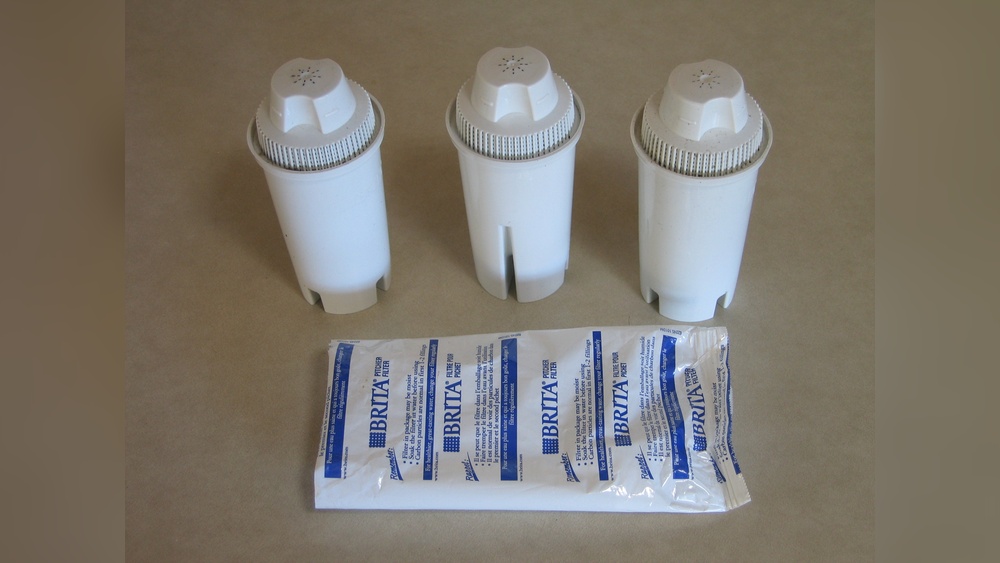
Are you wondering how long to soak your Brita water filter before use? Getting this step right is crucial to enjoy fresh, clean water every time.
Soaking your filter properly helps remove any loose carbon dust and activates the filter to work at its best. If you skip or rush this process, your water might taste off or the filter might not last as long. You’ll discover exactly how long to soak your Brita filter and why it matters.
Keep reading to make sure you get the purest water possible with every pour.
Why Soak Your Brita Filter
Soaking your Brita filter is an important step before using it for the first time. It prepares the filter to clean water effectively. Skipping this step can reduce the filter’s performance.
Understanding why soaking matters helps you get the best results from your Brita filter. It also protects the filter from damage and keeps water tasting fresh.
Purpose Of Soaking
Soaking activates the filter’s carbon and resin inside. These materials trap impurities and improve water taste. The water softens the filter and removes air bubbles. This process helps water flow smoothly through the filter.
Without soaking, the filter may block water or work slowly. Soaking ensures the filter is ready to clean water properly.
Benefits For Water Quality
Soaking helps remove dust and loose carbon particles from the filter. This stops these particles from entering your drinking water. A soaked filter reduces chlorine, lead, and other harmful substances. It also improves the smell and flavor of water.
Filtered water tastes cleaner and fresher after soaking the filter. This step helps protect your health by providing safer drinking water.
Recommended Soaking Time
Knowing the right soaking time for your Brita water filter helps it work well. Soaking activates the filter, removing impurities and improving taste. The time needed depends on the filter type and model. This guide covers recommended soaking durations to keep your water clean and fresh.
Standard Soaking Duration
The usual soaking time for most Brita filters is about 15 minutes. This period allows the filter to absorb water fully. Fill a container with cold water and let the filter soak. Avoid using hot water as it can damage the filter. After soaking, rinse the filter under running water for a few seconds. This process prepares the filter for immediate use.
Variations By Filter Type
Different Brita filters may need different soaking times. For example, the Longlast+ filter requires about 20 minutes. This filter uses activated carbon and ion exchange resin, needing extra time to activate. The Basic filter usually sticks to the 15-minute mark. Always check the instructions on your filter’s package. Some new models might have updated soaking times. Following the right time helps the filter work at its best.
Step-by-step Soaking Process
Soaking a Brita water filter is a simple but important step. It helps the filter work better and last longer. This guide shows each step clearly. Follow these steps to get clean, fresh water every time.
Preparing The Filter
Remove the filter from its packaging. Check it for any damage or cracks. Rinse the filter under cold water for a few seconds. This removes any loose carbon dust. Use clean water from the tap or bottle.
Soaking Procedure
Fill a clean container with cold water. Submerge the filter fully in the water. Let it soak for about 15 minutes. This allows the filter to absorb water and activate. Avoid using hot water to protect the filter parts.
Post-soaking Steps
Take the filter out of the water. Shake it gently to remove air bubbles. Insert the filter into your Brita pitcher or dispenser. Fill the pitcher with cold water. Discard the first two full pitchers of filtered water. This step clears any remaining carbon dust.
Common Mistakes To Avoid
Soaking your Brita water filter the right amount of time is very important. Many people make mistakes that affect the filter’s performance. Avoiding these errors helps keep your water clean and fresh. Here are common mistakes to watch out for when soaking your filter.
Under-soaking Issues
Not soaking the filter long enough can cause poor water flow. The filter may take longer to work properly. It might also release black carbon dust into the water. This dust comes from the filter’s carbon block. Under-soaking reduces the filter’s ability to clean water well. Always soak the filter for the time recommended in the instructions.
Over-soaking Concerns
Soaking the filter too long does not improve its function. It may cause the filter to break down faster. Over-soaking can lead to mold or bacteria growth inside the filter. This makes the water unsafe to drink. Avoid leaving the filter soaking for days. Stick to the soaking time suggested by the manufacturer.
Signs Your Filter Needs Replacement
Knowing when to replace your Brita filter is important. A worn-out filter can affect water quality and taste. It also slows down the water flow. Watch for clear signs that your filter needs a change.
Reduced Water Flow
Water takes longer to fill your pitcher. The flow feels slower than usual. This happens because the filter is clogged. Dirt and particles block the water passages. A slow flow means the filter can no longer work well. Replace it to enjoy fast, clean water again.
Change In Taste Or Odor
Water tastes different or has a strange smell. It may taste flat or metallic. This means the filter has lost its ability to remove impurities. Old filters fail to trap contaminants. Fresh, clean water should taste pure and fresh. Notice any change? Time to swap the filter for a new one.
Maintaining Your Brita Filter
Maintaining your Brita filter is key to getting clean, fresh water every time. Proper care extends the filter’s life and keeps your water tasting great. Simple steps can make a big difference in how well your filter works.
Regular cleaning and correct storage help prevent mold and bacteria buildup. These habits also stop bad odors and improve water flow. Here are some easy tips to maintain your Brita filter effectively.
Cleaning Tips
Rinse your Brita filter under cold water before first use. Avoid soap or detergents as they can harm the filter. Clean the pitcher or dispenser with mild soap and water weekly. Use a soft cloth or sponge to avoid scratches. Remove the filter and rinse it gently every few weeks. Never put the filter in the dishwasher or microwave.
Storage Recommendations
Store your Brita filter in a cool, dry place when not in use. Keep it away from direct sunlight and heat sources. If you won’t use the filter for a while, dry it completely before storing. Place the filter in an airtight container to avoid dust. Replace the filter according to the package instructions, usually every 40 gallons or two months.
Frequently Asked Questions
How Long Should I Soak A New Brita Filter?
Soak a new Brita filter in cold water for 15 minutes before use. This activates the filter and removes loose carbon dust. Proper soaking ensures optimal filtration and taste.
Can I Use A Brita Filter Without Soaking It?
No, soaking is essential. Without soaking, the filter won’t work effectively. It may release carbon particles and reduce water quality.
How Often Should I Soak A Brita Filter?
You only need to soak a new Brita filter once before first use. Regular filters do not require soaking between uses.
What Happens If I Soak Brita Filter Too Long?
Soaking longer than 15 minutes won’t harm the filter but is unnecessary. Excessive soaking does not improve filtration and wastes time.
Conclusion
Soaking a Brita water filter usually takes about 15 minutes. This step helps remove loose carbon dust. It also ensures the filter works well from the start. Use clean water to soak the filter. After soaking, rinse it under running water briefly.
Then, place the filter in your Brita pitcher or dispenser. Change the filter every two months or as recommended. Clean water tastes better and keeps you healthy. Following these simple steps makes your filter last longer. Easy and quick care brings fresh water every day.
Hasan Al Sarker is a Reverse Osmosis Specialist. He has worked for many years to ensure safe drinking water for all. His research paper has been published in several journals, including Issue, Medium, and Slideshare. He is recognized as a water doctor among specialists though he did not attend medical college.
Besides working as a researcher of reverse osmosis technology, he is also very fancy with the kitchen and cooking. His guides are reading thousands of people every day. As a head of content, he is responsible for all the published articles at RO System Reviews.
Do you want to improve the quality of your water without spending a lot of money? Making your own charcoal for a water filter is easier than you might think.
With just a few simple steps, you can create a powerful natural filter that cleans your water and keeps you healthy. You’ll discover how to make charcoal at home, why it works so well, and how to use it in your water filter.
Keep reading, and you’ll have the knowledge to make cleaner water for you and your family.
Materials Needed
Making charcoal for a water filter needs some basic materials. These materials affect the quality of charcoal. Good charcoal cleans water better. Gather the right supplies before starting.
Choosing The Right Wood
Hardwood works best for charcoal. Oak, maple, or hickory are strong choices. Avoid softwoods like pine or cedar. Softwoods produce less charcoal and more smoke. Dry wood burns better and makes purer charcoal. Cut wood into small pieces to burn evenly.
Additional Supplies
You need a metal container with a lid for burning wood. A metal drum or large can works well. Make small holes in the container for airflow. Use gloves and safety glasses for protection. Have a fire source like matches or a lighter. A shovel or tongs help handle hot charcoal safely.
Preparing The Wood
Preparing the wood is the first step in making charcoal for a water filter. Good wood makes good charcoal. It needs to be dry and cut into the right size. This helps the wood burn evenly and turn into charcoal properly. Taking care with the wood ensures the charcoal will clean water well.
Cutting And Drying
Choose hardwood like oak, maple, or fruit trees. Cut the wood into small pieces about 3 to 4 inches long. Smaller pieces burn more evenly and faster. Stack the wood in a dry place with good air flow. Let it dry for at least two weeks. Dry wood lights easily and makes better charcoal.
Safety Precautions
Wear gloves to protect your hands from splinters. Use safety glasses to protect your eyes while cutting. Work in a well-ventilated area to avoid breathing dust. Keep a first aid kit nearby in case of accidents. Handle tools carefully and keep children away.
Charcoal Making Methods
Charcoal making is a simple process that changes wood into charcoal. This charcoal can then be used in water filters to remove impurities. Different methods exist to make charcoal, each with its own steps and tools. Understanding these methods helps you choose the best one for your needs.
Two common ways to make charcoal are the Traditional Pit Method and the Metal Drum Method. Both create charcoal by heating wood without much air. This process is called pyrolysis.
Traditional Pit Method
The Traditional Pit Method is old and widely used. Start by digging a hole in the ground. Fill it with dry wood stacked tightly. Cover the wood with leaves or grass to reduce air flow.
Light the wood slowly from the top or side. The fire burns inside the pit, turning wood into charcoal. Keep the fire low to avoid burning all the wood. Let the wood smolder for several hours. After cooling, remove the charcoal carefully.
Metal Drum Method
The Metal Drum Method uses a closed container, like a metal drum. Place wood inside the drum and seal it. Heat the drum from outside using fire or coals. This limits air and controls the burn.
Heat until the wood inside turns black and brittle. This takes a few hours. Let the drum cool fully before opening. The result is clean charcoal ready for water filtering. This method is faster and cleaner than the pit.
Turning Charcoal Into Filter Media
Turning charcoal into filter media is a simple process. It makes charcoal ready for cleaning water. Raw charcoal needs changes to trap dirt and chemicals. This section explains two key steps: crushing and sieving, and activating charcoal.
Crushing And Sieving
Start by breaking large charcoal pieces into small chunks. Use a hammer or heavy tool for crushing. The goal is to get pieces about 1 to 3 millimeters wide. Next, sift the crushed charcoal through a sieve. This removes dust and very tiny bits. The right size helps water flow well through the filter. It also increases the surface area for better filtering power.
Activating Charcoal
Activation improves charcoal’s ability to trap impurities. Heat the crushed charcoal in a controlled way. Use a metal container with holes for air. Heat it over medium fire for 1 to 2 hours. This process opens tiny pores inside the charcoal. These pores trap toxins, bacteria, and bad smells. Allow charcoal to cool completely before using it in your water filter.
Building The Water Filter
Building a water filter with charcoal is a simple and effective way to clean water. The right setup ensures the water passes through several layers that trap dirt and harmful substances. This process improves water taste and safety.
Carefully arranging the materials inside the filter is key. Each layer plays a special role. Follow the steps below to build a strong, working filter.
Layering Materials
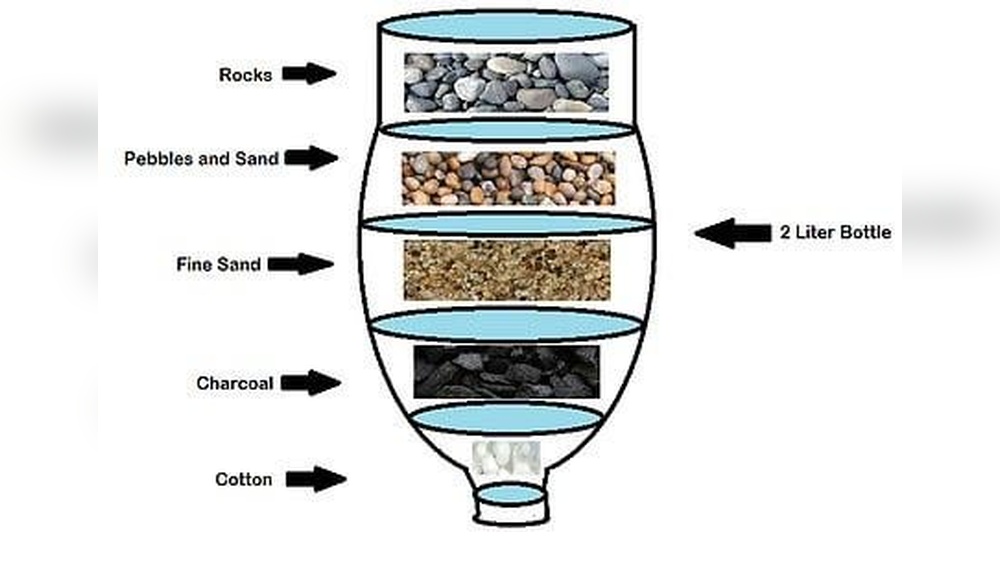
Start with a clean container or bottle. Place a piece of cloth or a coffee filter at the bottom. This stops charcoal and sand from falling out.
Add a layer of fine sand next. Sand filters small particles and dirt. Then, put a thicker layer of activated charcoal. Charcoal traps chemicals and bad odors. Finally, add a layer of coarse gravel on top. Gravel holds the other layers in place and filters larger debris.
Filter Assembly Tips
Use clean materials to avoid contamination. Do not pack the layers too tightly. Water must flow smoothly through each layer. Test the filter by pouring water slowly. Check if water comes out clear and clean.
Replace charcoal and sand regularly. Dirty materials reduce filter performance. Clean the container before each refill. This keeps the water safe and fresh.
Maintaining Your Charcoal Filter
Maintaining your charcoal filter is essential for clean, safe water. Proper care keeps the filter working well and extends its life. Regular checks and simple cleaning steps help the charcoal remove impurities effectively.
Cleaning Procedures
Remove the charcoal from the filter container carefully. Rinse the charcoal under clean, running water to clear dirt. Avoid using soap or chemicals, as they harm the charcoal’s filtering power. Let the charcoal dry completely before placing it back. Clean the filter container with warm water and a soft cloth. Repeat this cleaning every few weeks for best results.
When To Replace Charcoal
Charcoal loses its ability to filter over time. Replace it every 3 to 6 months for safe water. If water smells or tastes strange, change the charcoal sooner. Also, replace charcoal if it looks broken or dusty. Fresh charcoal ensures the best filtering performance. Keep track of replacement dates for easy maintenance.
Frequently Asked Questions
What Materials Are Needed To Make Charcoal For Water Filters?
You need hardwood, a metal container with holes, and firewood or charcoal for heat. Hardwood is best for pure charcoal. The container allows gases to escape during burning. These materials help create effective charcoal for filtering water impurities safely.
How Long Does It Take To Make Charcoal At Home?
Making charcoal typically takes 4 to 6 hours. The hardwood must burn slowly in a low-oxygen environment. This process removes moisture and volatile compounds, leaving pure charcoal. Time may vary based on wood type and container size. Patience ensures high-quality charcoal for water filtration.
Why Is Charcoal Effective In Water Filtration?
Charcoal has a porous structure that traps impurities. It absorbs chemicals, toxins, and odors effectively. This makes water cleaner and safer to drink. Activated charcoal increases filtration efficiency by maximizing surface area. Its natural adsorption properties improve water taste and quality significantly.
Can I Use Any Wood To Make Charcoal For Filters?
Hardwoods like oak, maple, or hickory are best. Softwoods contain resin and burn too quickly, reducing charcoal quality. Using hardwood produces denser, longer-lasting charcoal with better filtration properties. Avoid treated or painted wood to prevent harmful chemicals in your water filter charcoal.
Conclusion
Making charcoal for a water filter is simple and useful. You only need basic materials and some time. This charcoal helps clean water by trapping dirt and bad smells. You can reuse it several times before replacing it. Using homemade charcoal saves money and is eco-friendly.
Try making your own charcoal for better water at home. Clean water is important for health. Small steps like this make a big difference every day.
Hasan Al Sarker is a Reverse Osmosis Specialist. He has worked for many years to ensure safe drinking water for all. His research paper has been published in several journals, including Issue, Medium, and Slideshare. He is recognized as a water doctor among specialists though he did not attend medical college.
Besides working as a researcher of reverse osmosis technology, he is also very fancy with the kitchen and cooking. His guides are reading thousands of people every day. As a head of content, he is responsible for all the published articles at RO System Reviews.
Are you concerned about the fluoride levels in your tap water? You’re not alone.
Many people want to know which water filter can actually remove fluoride effectively. Fluoride is added to water for dental health, but too much of it can raise worries about its impact on your body. The good news? There are specific water filters designed to reduce or eliminate fluoride from your drinking water.
You’ll discover exactly which filters work best and how to choose the right one for your home. Keep reading to protect your health and enjoy cleaner, safer water every day.
Why Remove Fluoride From Water
Fluoride is a common addition to many water supplies. It helps reduce tooth decay but may cause issues for some people. Some want to remove fluoride to avoid potential health risks. Understanding why fluoride removal matters can help you make better water choices.
Health Concerns Linked To Fluoride
Too much fluoride can harm your health. It may cause dental fluorosis, which stains and damages teeth. High fluoride levels can affect bones, making them weak or painful. Some studies suggest fluoride might impact the brain and thyroid. These concerns lead many to seek cleaner water.
Fluoride Levels In Drinking Water
Fluoride amounts vary by location. Some areas have naturally high fluoride in water. Others add fluoride to prevent cavities. The safe limit is about 0.7 milligrams per liter. Levels above this can increase health risks. Testing your water helps know the fluoride content.
Benefits Of Fluoride Removal
Removing fluoride gives you cleaner, safer water. It reduces the risk of dental and bone problems. It may lower potential brain and thyroid effects. Fluoride-free water tastes better to some people. It also offers peace of mind about health and safety.
Types Of Water Filters That Remove Fluoride
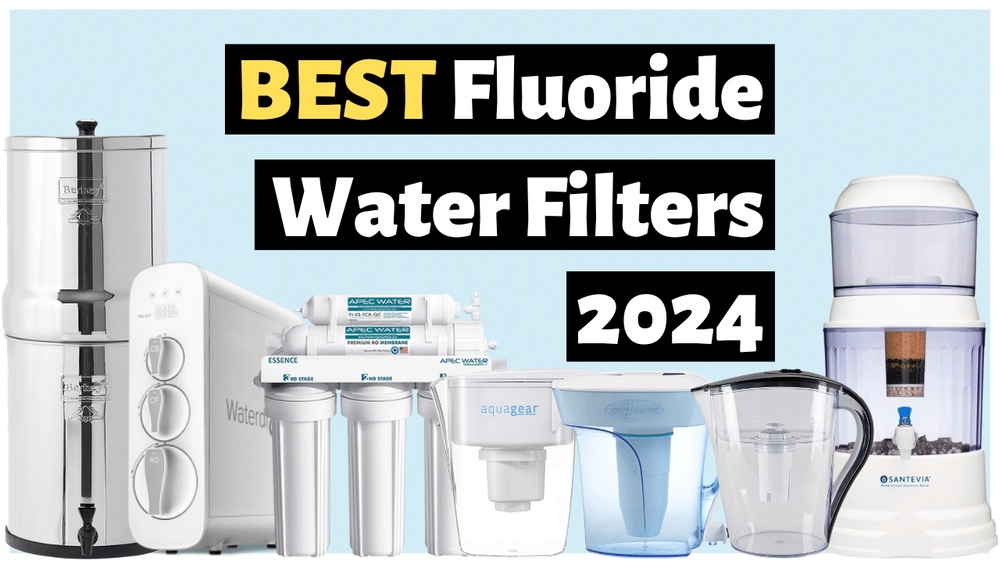
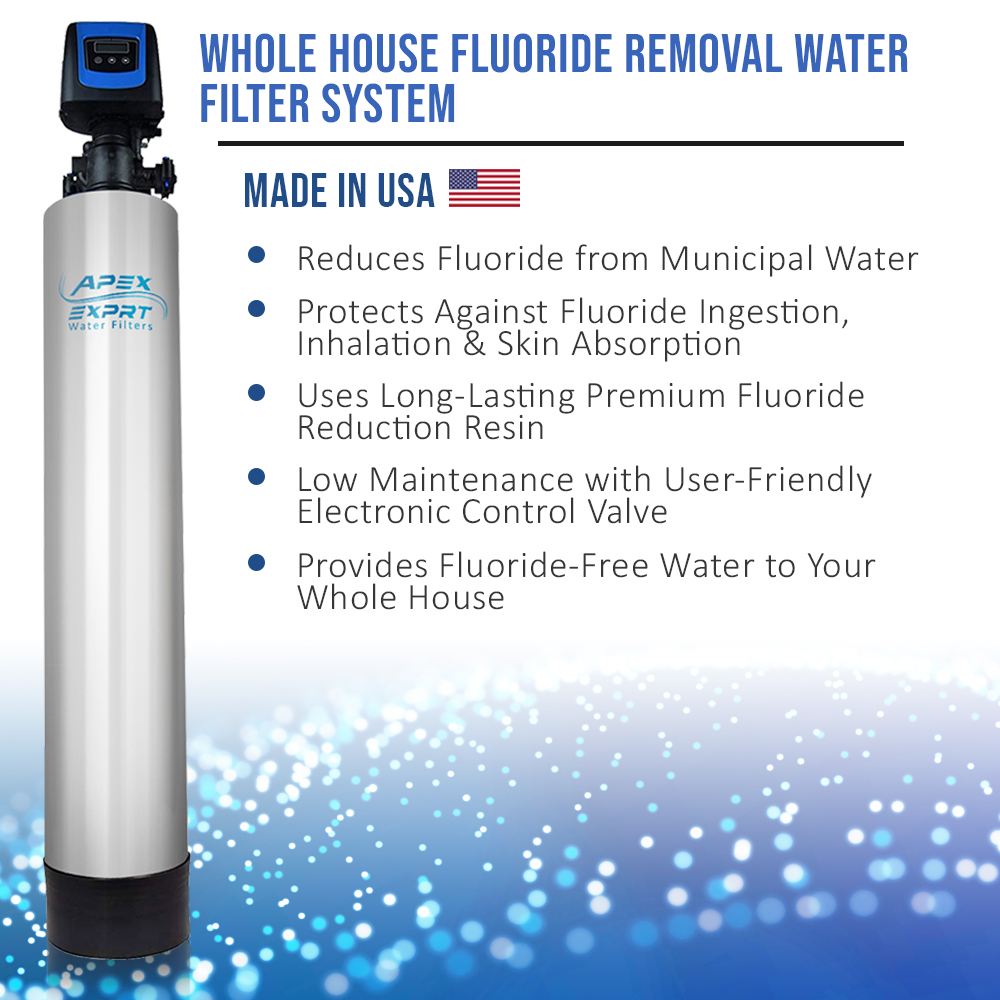
Fluoride is a common additive in many water supplies. Some people want to reduce fluoride in their drinking water. Several types of water filters can remove fluoride effectively. Each type works differently and suits different needs. Understanding these options helps choose the right filter for your home.
Activated Alumina Filters
Activated alumina filters use a special material to attract fluoride. Water passes through tiny beads made of aluminum oxide. These beads capture fluoride ions, removing them from the water. These filters work best with a neutral or slightly acidic pH. They are affordable and easy to maintain. Activated alumina can remove up to 90% of fluoride.
Reverse Osmosis Systems
Reverse osmosis (RO) systems force water through a thin membrane. This membrane blocks fluoride and other impurities. RO systems remove about 95% to 99% of fluoride. They also improve water taste and clarity. These systems often include multiple filter stages. Installation requires some space and regular filter changes.
Distillation Units
Distillation units boil water to create steam. Fluoride and other minerals do not evaporate with the steam. The steam condenses back to pure water. This process removes nearly all fluoride. Distillation units need electricity to work. They can be slower but provide very clean water.
Bone Char Carbon Filters
Bone char carbon filters use charred animal bones. This material has a strong ability to absorb fluoride. These filters remove fluoride and improve water clarity. Bone char is natural and sustainable. They typically remove around 90% of fluoride. These filters also reduce some heavy metals and chemicals.
Activated Alumina Filters Explained
Activated alumina filters are popular for removing fluoride from water. These filters use a special material called activated alumina. It has many tiny pores that trap fluoride and other impurities. Many people choose this filter to improve water quality safely and effectively.
How Activated Alumina Works
Activated alumina is a porous solid made from aluminum oxide. It attracts fluoride ions through a process called adsorption. Water passes through the filter, and fluoride sticks to the alumina surface. This method lowers fluoride levels in drinking water efficiently.
Effectiveness And Limitations
Activated alumina filters work well for fluoride removal, often reducing it by 90% or more. The filter also removes arsenic and selenium. It does not remove all contaminants, so testing water before use is important. The filter works best with water that has a pH between 5 and 8.
Maintenance And Lifespan
Regular maintenance is key to keep the filter effective. The filter media must be replaced after a certain period or when fluoride removal drops. Usually, filters last 6 to 12 months. Following the manufacturer’s guidelines ensures clean, safe water at all times.
Reverse Osmosis Systems For Fluoride
Reverse osmosis systems are a popular choice for removing fluoride from drinking water. They use a special filter to clean water by pushing it through a very thin membrane. This process helps remove many harmful substances, including fluoride.
Mechanism Of Reverse Osmosis
Reverse osmosis works by forcing water through a semi-permeable membrane. This membrane allows only water molecules to pass through. Larger particles, like fluoride ions, get trapped and removed. This process effectively reduces many contaminants, making water safer to drink.
Fluoride Removal Efficiency
Reverse osmosis systems can remove up to 95% of fluoride in water. This high removal rate depends on the system’s quality and maintenance. Regular filter changes keep the system working well. It ensures the water stays clean and free from fluoride.
Installation And Cost Considerations
Installing a reverse osmosis system requires some plumbing work. Many homeowners can install it themselves, but professional help is an option. The cost varies depending on the system’s size and brand. Maintenance costs include filter replacements every 6 to 12 months.
Distillation Units And Fluoride Removal
Distillation units offer a reliable method for removing fluoride from water. These units work by heating water until it turns to steam. The steam leaves most impurities behind, including fluoride. After cooling, the steam becomes clean water free from many contaminants.
Process Of Water Distillation
Water distillation heats water to create steam. The steam rises and leaves solids and minerals behind. Fluoride does not evaporate with the steam. The steam cools and turns back into liquid water. This distilled water is much purer and low in fluoride.
Pros And Cons For Fluoride Removal
Distillation removes nearly all fluoride from water. It also removes bacteria, viruses, and other chemicals. The downside is it removes healthy minerals too. This can make water taste flat or bland. The process is slow and needs regular cleaning to work well.
Energy Use And Practicality
Distillation needs electricity or heat to boil water. This can use a lot of energy. It may not be practical for large amounts of water daily. Smaller units work well for home use. They need space and some maintenance to run smoothly.
Bone Char Carbon Filters As An Option
Bone char carbon filters offer a natural way to reduce fluoride in water. They combine carbon with bone char to improve water quality. Many people choose these filters for their fluoride removal ability and other benefits. Understanding their source, how they work, and their impact helps in making a smart choice.
Source And Composition Of Bone Char
Bone char comes from animal bones heated at high temperatures. This process removes impurities and creates a porous material. The carbon part comes from charcoal or activated carbon. Together, they form a filter that traps fluoride and other chemicals. The natural origin makes it different from synthetic filters.
Fluoride Adsorption Capability
Bone char filters attract fluoride ions from water. The porous surface holds fluoride strongly. This reduces fluoride levels effectively. The filter also removes other harmful substances. Its fluoride removal rate can reach up to 90%. Regular use keeps water safer for drinking.
Environmental And Ethical Factors
Bone char uses animal bones, raising ethical questions for some users. It is biodegradable and has less plastic waste than synthetic filters. The production process requires energy but uses natural materials. Choosing bone char filters involves balancing benefits and personal values. It suits those who prefer natural filtration methods.
Choosing The Right Fluoride Filter
Choosing the right fluoride filter is important for clean and safe drinking water. Different filters work in different ways. Knowing what to consider helps you pick the best one for your needs.
Focus on your water quality, budget, and filter certifications. These points guide your decision and ensure you get a filter that removes fluoride effectively.
Assessing Water Quality Needs
First, check your water’s fluoride level. Test kits or local water reports can help. Some filters work better with high fluoride levels. Others fit mild contamination. Knowing the amount of fluoride guides your choice.
Consider other impurities in your water. Some filters remove multiple chemicals, not just fluoride. This can improve taste and safety. Choose a filter that matches your water’s specific problems.
Budget And Maintenance Factors
Set a budget for your fluoride filter. Prices vary from affordable pitchers to costly whole-house systems. A higher price does not always mean better quality. Find a filter that fits your budget and needs.
Think about filter maintenance. Some need frequent changes; others last longer. Regular maintenance keeps the filter working well. Choose a filter with easy and affordable upkeep.
Certification And Testing
Look for filters certified by trusted organizations. Certifications show that filters meet safety and performance standards. NSF International and WQA are common certifiers.
Read test results from independent labs. These prove the filter’s ability to remove fluoride. Avoid filters without proof of effectiveness. Trust only products with verified testing.
Additional Tips For Fluoride-free Water
Removing fluoride from water is just the first step. Keeping your water free of fluoride needs ongoing care. Small actions help keep water clean and safe. Follow these tips to maintain fluoride-free water at home.
Regular Testing Of Filtered Water
Test your water often to check fluoride levels. Use affordable test kits available online or in stores. Testing shows if your filter works well. It helps you know when to replace the filter. Clean water is safe water.
Complementary Filtration Methods
Use more than one filtration method for better results. Activated alumina filters and reverse osmosis units reduce fluoride well. Combining filters can improve water quality. This adds an extra layer of protection. Choose filters that match your water needs.
Storing And Handling Filtered Water
Store filtered water in clean, covered containers. Use glass or BPA-free plastic bottles. Keep water away from direct sunlight and heat. Clean containers regularly to avoid germs. Proper storage keeps water fresh and safe to drink.
Frequently Asked Questions
What Water Filter Removes Fluoride Effectively?
Activated alumina filters and reverse osmosis systems remove fluoride effectively. These filters reduce fluoride levels to safe limits. They are commonly used in homes for drinking water purification. Choose certified filters for guaranteed fluoride removal.
Does Reverse Osmosis Remove Fluoride From Water?
Yes, reverse osmosis removes fluoride efficiently. It uses a semi-permeable membrane to filter out fluoride ions. This process reduces fluoride concentration significantly. RO systems are popular for fluoride-free drinking water.
Can Activated Alumina Filter Fluoride In Water?
Activated alumina filters absorb fluoride ions from water. They are highly effective and affordable. These filters need regular replacement to maintain performance. Activated alumina is widely used for fluoride removal in households.
Are Pitcher Water Filters Effective Against Fluoride?
Most pitcher water filters do not remove fluoride effectively. Only a few specialized pitcher filters are designed for fluoride removal. Check product specifications before purchasing to ensure fluoride reduction.
Conclusion
Choosing the right water filter matters for removing fluoride. Not all filters work the same way. Activated alumina and reverse osmosis filters remove fluoride well. Knowing what to buy helps protect your health. Clean water tastes better and feels safer.
Test your water after installing a filter. Stay informed to keep your drinking water pure. Simple steps can make a big difference. Clear, fluoride-free water is within your reach.
Hasan Al Sarker is a Reverse Osmosis Specialist. He has worked for many years to ensure safe drinking water for all. His research paper has been published in several journals, including Issue, Medium, and Slideshare. He is recognized as a water doctor among specialists though he did not attend medical college.
Besides working as a researcher of reverse osmosis technology, he is also very fancy with the kitchen and cooking. His guides are reading thousands of people every day. As a head of content, he is responsible for all the published articles at RO System Reviews.
Have you ever wondered what’s really lurking in your tap water? You might be surprised to learn how many tiny particles and chemicals can slip through ordinary filters.
That’s where the Zero Water filter comes in. But what does the Zero Water filter actually remove? If you want clean, pure water that tastes fresh and is better for your health, understanding this could change the way you drink water every day.
Keep reading to discover exactly what contaminants it tackles and why it might be the best choice for you and your family.
Zero Water Filter Technology
The Zero Water filter uses advanced technology to clean water thoroughly. It removes many impurities that affect taste and safety. This technology focuses on reducing total dissolved solids (TDS) to near zero. The result is clear, fresh-tasting water suitable for daily use.
Zero Water technology is different from most regular filters. It offers a deeper level of filtration. It targets a wide range of contaminants that other filters might miss. The technology is designed to improve water quality significantly.
Five-stage Filtration Process
The Zero Water filter cleans water using five stages. Each stage plays a specific role in removing impurities. The first stage catches larger particles like dirt and rust. The next stages focus on smaller contaminants and chemicals.
One stage uses an ion exchange process to remove dissolved solids. This step is key to reducing TDS effectively. The final stage polishes the water, ensuring it tastes clean and fresh. Together, these stages provide very thorough water purification.
How It Differs From Other Filters
Zero Water uses a unique approach to remove almost all dissolved solids. Most filters only reduce some contaminants, leaving many behind. Zero Water targets a wider range of harmful substances, including heavy metals and salts.
Unlike carbon filters, it does not rely only on absorption. It uses ion exchange and other methods to capture more impurities. This makes the water safer and better tasting. The Zero Water filter also tests water with a TDS meter to ensure quality.
Common Contaminants Removed
The Zero Water filter removes many common contaminants found in tap water. These impurities affect taste, smell, and safety. Understanding what it removes helps you trust your water quality.
This filter uses a five-stage process to trap particles and chemicals. It targets substances that standard filters often miss. Below are some key contaminants removed by the Zero Water filter.
Heavy Metals
Heavy metals like iron, copper, and zinc can harm health. Zero Water captures these metals effectively. Removing heavy metals improves water clarity and safety.
Chlorine And Chloramine
Chlorine and chloramine are added to disinfect tap water. They cause a strong smell and taste. Zero Water removes these chemicals, making water fresher and better tasting.
Lead And Mercury
Lead and mercury are dangerous even in small amounts. They can come from old pipes or pollution. Zero Water reduces lead and mercury levels, protecting your family’s health.
Pesticides And Herbicides
Farming chemicals like pesticides and herbicides can enter water supplies. These toxins are harmful if consumed regularly. Zero Water filters out these contaminants for safer drinking water.
Impact On Water Taste And Odor
The Zero Water filter has a strong impact on the taste and smell of your water. It removes many substances that cause bad odors and strange flavors. Clean water not only tastes better but also feels fresher. This makes drinking water more enjoyable and helps you drink more every day.
Reduction Of Chemical Smells
Zero Water filter removes chlorine and other chemicals that cause strong smells. These chemicals often make tap water smell like a swimming pool. After filtering, the water smells clean and natural. No more harsh chemical odors. This makes water more pleasant to drink and use in cooking.
Improvement In Flavor
The filter also removes metals and minerals that give water a bitter or metallic taste. This results in smoother, fresher water flavor. Many users notice water tastes pure and soft. This can make a difference in tea, coffee, and recipes. Clearer water taste helps you enjoy every sip.
Contaminants That May Remain
The Zero Water filter removes many harmful substances from tap water. It uses a five-stage filtration system to reduce contaminants. Still, some substances may stay in the water after filtering. Knowing what might remain helps you decide if this filter fits your needs.
Microbial Contaminants
Zero Water filters do not remove all microbes like bacteria and viruses. These tiny organisms can cause illness. The filter is not designed to kill or trap all germs. For water with microbial risks, use additional treatment like boiling or UV light.
Fluoride And Nitrates
Fluoride and nitrates often stay in the water after using Zero Water. These chemicals are common in tap water. The filter reduces some but does not fully remove them. People concerned about fluoride or nitrate levels should consider special filters made for those contaminants.
Testing And Certification
Testing and certification are key to trust any water filter. They show what the filter can remove from water. Zero Water filters undergo strict tests to prove their quality and safety.
These tests help users know exactly what contaminants the filter removes. They also confirm the filter meets important health and safety standards. This section explains the main certifications and lab results for Zero Water filters.
Nsf/ansi Standards Met
Zero Water filters meet several NSF/ANSI standards. These standards check for the removal of different contaminants.
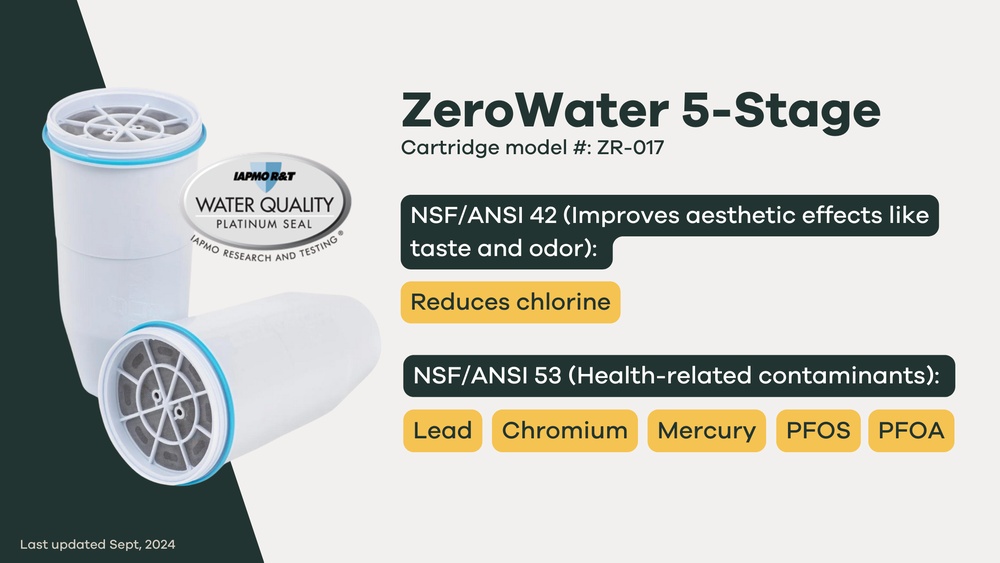
NSF/ANSI Standard 42 tests for chlorine and taste improvement. Standard 53 focuses on health-related contaminants like lead and mercury. Standard 401 checks for emerging contaminants such as pharmaceuticals. Zero Water filters meet or exceed these standards, ensuring clean and safe water.
Lab Test Results Summary
Independent labs test Zero Water filters to confirm their performance. Results show nearly 99.6% total dissolved solids removal. This includes metals, salts, and minerals.
Tests also confirm removal of lead, chromium, and mercury. These toxins can harm health even at low levels. Zero Water filters reduce these contaminants below EPA limits. They also reduce pesticides and industrial chemicals. The lab results prove the filter’s strong ability to clean water effectively.
Maintenance For Optimal Performance
Maintaining the Zero Water Filter is key to its best performance. Regular care helps keep water clean and fresh. Without proper upkeep, the filter may lose its power to remove contaminants.
Simple steps can extend the filter’s life. These steps also ensure every glass of water tastes great and stays safe to drink.
Filter Replacement Indicators
The Zero Water Filter has clear signs for replacement. Watch for slow water flow. It means the filter is clogged. The taste of water may change too. If water tastes odd or stale, check the filter.
Some models have a meter that shows filter life. When the meter signals, replace the filter soon. Using an old filter can let impurities pass through.
Cleaning Tips
Clean the pitcher or dispenser regularly. Use warm water and mild soap. Avoid harsh cleaners that may damage parts. Rinse well to remove soap residue.
Do not clean the filter itself. Only replace it as needed. Keep the lid and spout clean for better water flow. Wipe them with a soft cloth every week.
Frequently Asked Questions
What Contaminants Does Zero Water Filter Out?
Zero Water removes lead, chlorine, mercury, and heavy metals. It also filters pesticides, pharmaceuticals, and dissolved solids, providing cleaner, safer drinking water.
How Effective Is Zero Water In Removing Tds?
Zero Water filters out 99. 6% of Total Dissolved Solids (TDS), ensuring significantly purified water with minimal impurities and improved taste.
Does Zero Water Remove Chlorine Taste And Odor?
Yes, Zero Water effectively eliminates chlorine taste and odor, making water fresher and more enjoyable to drink.
Can Zero Water Filter Remove Heavy Metals Like Lead?
Zero Water filters out harmful heavy metals, including lead, mercury, and chromium, protecting your health from toxic exposure.
Conclusion
Zero Water filters remove many harmful substances from water. It takes out lead, chlorine, and heavy metals. It also removes dissolved solids that affect taste and safety. This filter helps you drink cleaner, clearer water every day. Using Zero Water means fewer impurities in your glass.
It supports better health and peace of mind. Clean water is essential for life. Choose a filter that really works well. Zero Water shows strong results in removing unwanted particles. Simple, effective, and easy to use—good water is possible.
Hasan Al Sarker is a Reverse Osmosis Specialist. He has worked for many years to ensure safe drinking water for all. His research paper has been published in several journals, including Issue, Medium, and Slideshare. He is recognized as a water doctor among specialists though he did not attend medical college.
Besides working as a researcher of reverse osmosis technology, he is also very fancy with the kitchen and cooking. His guides are reading thousands of people every day. As a head of content, he is responsible for all the published articles at RO System Reviews.
Imagine you’re out in nature, thirsty, and all you have is a bottle of murky water. You know drinking it as is could make you sick, but what can you do if you don’t have a water filter?
Don’t worry—there are simple, effective ways to clean water without a fancy device. You’ll discover easy methods to filter water using things you already have around. By the time you finish reading, you’ll feel confident knowing how to make unsafe water safer—no filter needed.
Keep reading, because your health and safety could depend on it.
Sources Of Water In The Wild
Finding water in the wild is key to survival. Knowing where to find water helps you stay safe and hydrated. Natural water sources vary. Some are safer than others. Learning to spot good water sources is important.
Identifying Safe Water Sources
Look for clear, flowing water like streams or rivers. Moving water is usually cleaner than still water. Springs and rainwater pools are good choices. Morning dew on plants can provide moisture. Collect water from beneath rocks or inside tree bark. Avoid water with strong smells or strange colors.
Avoiding Contaminated Water
Stay away from water near farms or industrial areas. Water close to animal waste or dead plants is risky. Avoid stagnant ponds or puddles. These often hold bacteria and parasites. Watch for oil or foam on water surfaces. Always choose water that looks fresh and smells clean.
Basic Water Filtration Methods
Filtering water without a special filter is possible using simple materials. Basic water filtration methods can help remove dirt and some impurities. These methods do not make water completely safe to drink but improve clarity and taste. You can use items found at home or in nature to filter water quickly.
Using Cloth Or Fabric
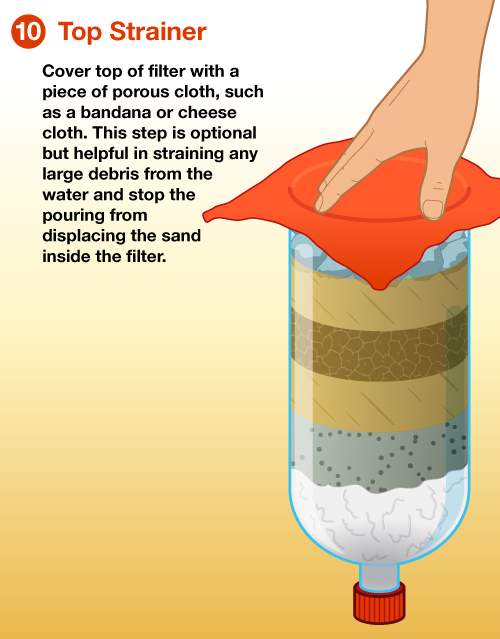
Cloth or fabric can catch large particles from water. Use a clean piece of cotton cloth, a t-shirt, or a bandana. Place it over a container and pour water slowly. The cloth stops leaves, dirt, and insects from passing through. Repeat the process if water still looks cloudy. This method is easy and fast for basic cleaning.
Sand And Gravel Filtration
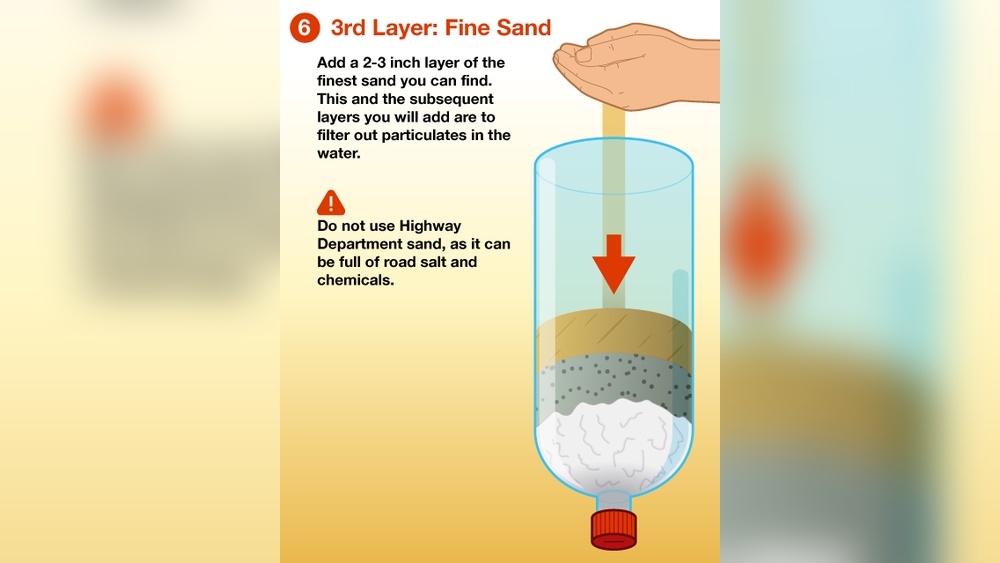
Sand and gravel layers can filter water better than cloth alone. Use a container with holes at the bottom. Add gravel at the base, then a thick layer of sand on top. Pour water slowly over the sand. Water passes through the layers and leaves behind many particles. This method reduces dirt and small debris effectively.
Charcoal Filtration
Charcoal can absorb bad smells and chemicals from water. Use charcoal from a campfire or grill, not treated charcoal. Crush it into small pieces and place in a cloth or container. Pour water slowly through the charcoal layer. Charcoal helps make water taste better and clearer. Change the charcoal regularly for best results.
Homemade Water Purification Techniques
Purifying water at home without a filter is simple and effective. Many easy methods make water safe to drink. These techniques remove harmful germs and improve water quality. Learn some homemade water purification techniques to stay healthy.
Boiling Water For Safety
Boiling is the safest way to clean water. Bring water to a rolling boil for at least one minute. This kills bacteria, viruses, and parasites. Let the water cool before drinking. Boiled water tastes better and is safe for any use.
Solar Disinfection
Solar disinfection uses sunlight to clean water. Fill a clear plastic bottle with water. Place it in direct sunlight for six hours. UV rays kill most harmful germs. This method works best on clear, bright days. It is cheap and easy for daily use.
Chemical Purification Alternatives
Chemicals like chlorine or iodine can disinfect water. Add the correct amount to water and wait 30 minutes. This kills most bacteria and viruses. Use only recommended doses to avoid health risks. Chemicals are useful when boiling or sunlight is not an option.
Improvised Water Collection Tools
Collecting water without a filter is possible with simple tools. These tools help gather water safely from natural sources. You can make these tools using things found around you. They can be very useful in emergencies or outdoor situations.
Diy Solar Still
A solar still uses the sun to purify water. Dig a hole in the ground, about two feet wide. Place a container in the center to catch water. Cover the hole with plastic wrap and seal the edges with soil. Put a small rock in the middle of the plastic to create a dip. The sun heats the soil, causing water to evaporate. The water condenses on the plastic and drips into the container. This method removes impurities and salt from water.
Using Plastic Bottles
Plastic bottles can collect water from plants or rain. Cut the bottom off a clear plastic bottle. Invert the top and place it inside the bottom part, like a funnel. Place the bottle in the soil near plants. Water from leaves or soil will collect inside the bottle. You can also use bottles to catch rainwater by leaving them open outside. This is a quick way to gather clean water.
Collecting Dew And Rainwater
Dew forms on surfaces during cool nights. Use cloth or leaves to absorb dew early in the morning. Wring the wet cloth into a container. Rainwater can be collected using tarps or large leaves. Place a container under the tarp or leaves to catch falling water. Keep these containers clean to avoid contamination. This water is often safe to drink after boiling.
Tips For Improving Water Quality
Improving water quality without a filter is important for safety and taste. Simple methods can reduce harmful substances and make water cleaner. Understanding how to handle and treat water helps protect your health.
Combining Filtration And Purification
Use natural materials like cloth or sand to filter dirt from water. Filtering removes large particles but not germs. Boil water after filtering to kill bacteria and viruses. Sunlight can also help purify water by using UV rays. Combining filtering and purifying steps makes water safer to drink.
Storage And Handling
Store water in clean, covered containers to avoid contamination. Use containers made of food-safe material. Keep water away from chemicals and direct sunlight. Always wash hands before handling stored water. Pour water carefully to prevent dust or bugs from entering.
Signs Of Unsafe Water
Look for strange colors or smells in water. Cloudy or murky water may contain dirt or germs. A bad taste can mean contamination. Avoid water with floating particles or oily film. These signs show water needs proper cleaning before drinking.
Frequently Asked Questions
How Can I Filter Water Without Using A Commercial Filter?
You can filter water by boiling, using cloth, or DIY charcoal filters. These methods remove dirt and some bacteria. Always follow with purification for safety.
Is Boiling Water Enough To Make It Safe To Drink?
Boiling kills most bacteria, viruses, and parasites. Boil water for at least one minute. It doesn’t remove chemical pollutants or sediments.
Can I Use Cloth To Filter Water Effectively?
Yes, tightly woven cloth can remove large particles and debris. It’s a simple first step but doesn’t eliminate harmful microorganisms.
What Natural Materials Help In Filtering Water Without A Filter?
Sand, charcoal, and gravel layered in a container can filter impurities. This DIY filter reduces sediments but needs proper maintenance and purification afterward.
Conclusion
Filtering water without a filter can be simple and effective. You just need basic tools and some patience. Boiling, settling, and using cloth can clean water well. These methods help remove dirt and germs. Always choose the cleanest water source you can find.
Drink safely to stay healthy and strong. Practice these easy steps anytime, especially outdoors or in emergencies. Clean water is important for life. You can protect yourself with simple care and smart choices. Try these tips and feel confident about your water.
Hasan Al Sarker is a Reverse Osmosis Specialist. He has worked for many years to ensure safe drinking water for all. His research paper has been published in several journals, including Issue, Medium, and Slideshare. He is recognized as a water doctor among specialists though he did not attend medical college.
Besides working as a researcher of reverse osmosis technology, he is also very fancy with the kitchen and cooking. His guides are reading thousands of people every day. As a head of content, he is responsible for all the published articles at RO System Reviews.