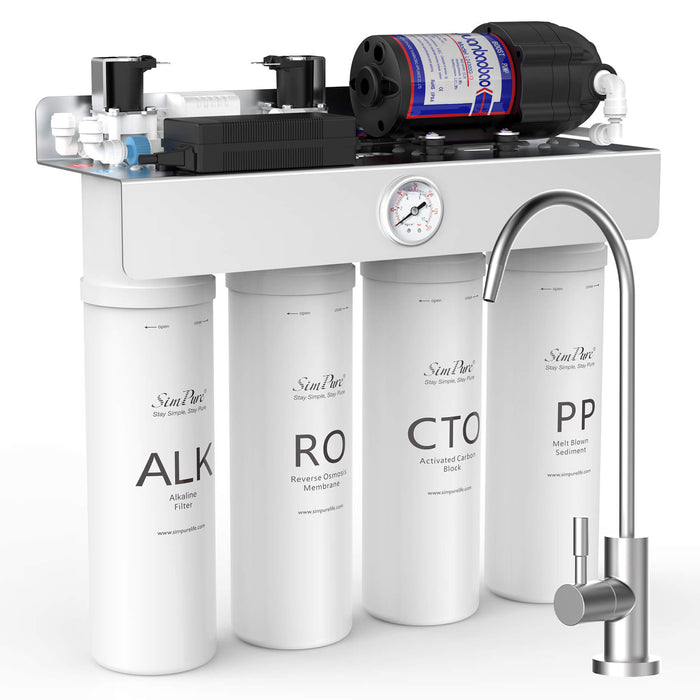
Can Ro Water Cause Kidney Stones? Uncover the Truth

Your health is your most precious asset, and the choices you make about what you consume can have a profound impact. You might be among the many who rely on reverse osmosis (RO) water for your daily hydration, thinking it’s the best option for purity and health.

But have you ever wondered, “Can RO water cause kidney stones? ” This question might surprise you, and it’s crucial to get to the bottom of it. Understanding the implications of your water choices is essential, especially when it comes to something as serious as kidney stones.

You’re about to discover whether your trusted RO water could be a hidden risk or if it supports your well-being as you believe. Let’s delve into the facts and clear up the confusion, so you can make the best decision for your health. Keep reading to learn the truth that could impact your daily life and wellness.

Understanding Ro Water

Understanding RO water is crucial in today’s health-conscious world. Many people wonder if RO water can cause kidney stones. To understand this, we first need to grasp what RO water is and its benefits.

What Is Ro Water?

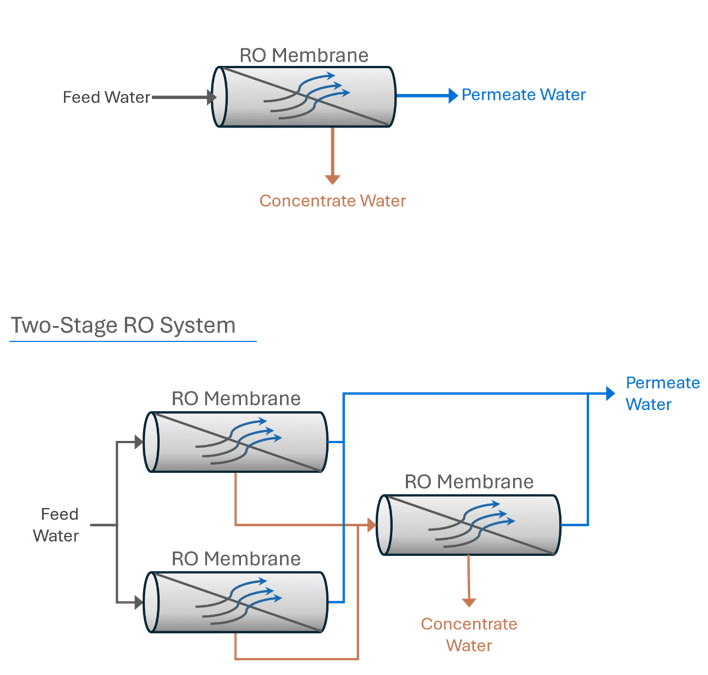
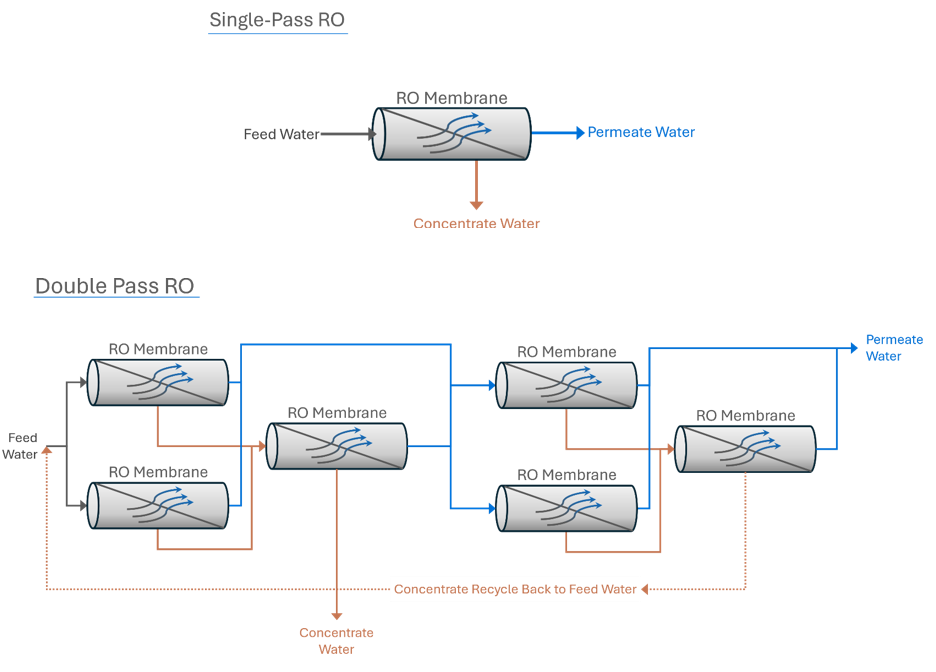
RO stands for Reverse Osmosis. It’s a water purification method. This process removes impurities and contaminants. It uses a semi-permeable membrane to filter water. This method ensures clean and safe drinking water.

Benefits Of Ro Water

RO water is free from harmful chemicals. It removes chlorine, lead, and arsenic. It also reduces fluoride levels. This makes it safer for consumption. RO water tastes better. It is free from unwanted odors. It helps improve the taste of food and drinks.

RO water supports better health. It minimizes exposure to toxins. It helps in maintaining a balanced diet. It is ideal for people with specific health concerns. This includes those with kidney issues. Clean water is essential for overall well-being.

Can Ro Water Cause Kidney Stones? Uncover the Truth

Credit: www.netsolwater.com

Kidney Stones Basics

Ro water does not directly cause kidney stones. It’s important to drink enough water daily. This helps prevent stone formation by keeping the kidneys healthy and hydrated.

Kidney stones are hard mineral deposits. They form inside your kidneys. These stones can cause severe pain. They can affect your urinary tract. Understanding kidney stones is crucial for prevention.

Causes Of Kidney Stones

Kidney stones have several causes. Dehydration is a common one. It leads to concentrated urine. High levels of calcium, oxalate, or uric acid can contribute. A diet high in salt or sugar increases risk. Certain medical conditions also play a role. Obesity and digestive diseases are factors. Some medications can cause stones too.

Symptoms And Diagnosis

Kidney stones can be very painful. Severe pain in the back or side is common. Pain often spreads to the lower abdomen. Urination might be painful. Urine may appear pink, red, or brown. Nausea and vomiting can occur. Frequent urination is another symptom. Doctors diagnose kidney stones using tests. A urine test checks for stone-forming minerals. Blood tests assess kidney function. Imaging tests locate the stones. CT scans or X-rays are often used. These tests help doctors decide on treatment. Early diagnosis can prevent complications.

Ro Water And Kidney Stones

Reverse Osmosis (RO) water is widely used for its purity. It removes impurities and contaminants. Yet, concerns about RO water and kidney stones arise. Many question if RO water can lead to kidney stones. This section explores potential risks, scientific studies, and expert opinions.

Potential Risks

RO water lacks essential minerals like calcium and magnesium. These minerals benefit the body in many ways. Their absence in RO water might affect health negatively. Some believe this could increase the risk of kidney stones. Kidney stones form when certain minerals crystallize in the kidneys.

Scientific Studies

Several studies have examined water types and kidney stones. Some research suggests mineral-deficient water may contribute to stones. Yet, clear evidence linking RO water to kidney stones is scarce. Most studies focus on overall hydration and stone prevention. Drinking enough water daily helps prevent kidney stones.

Expert Opinions

Medical experts have varying opinions on RO water and kidney stones. Some caution against relying solely on RO water. They suggest supplementing with mineral-rich foods. Others argue that hydration is key, regardless of water type. Experts agree on the importance of balanced mineral intake for kidney health.

Can Ro Water Cause Kidney Stones? Uncover the Truth

Credit: www.alfaauv.com

Comparing Water Types

Choosing the right kind of water can impact your health in surprising ways. Have you ever paused to think about the water you drink every day? It’s more than just H2O; it carries minerals that could either benefit or harm your body. Let’s dive into how RO water stacks up against tap water and what mineral water brings to the table.

Ro Water Vs. Tap Water

Reverse Osmosis (RO) water is praised for its purity. It filters out impurities, but does it remove too much? Some argue that RO water lacks essential minerals like calcium and magnesium, which can help prevent kidney stones.

On the other hand, tap water varies greatly depending on where you live. It might contain minerals, but also unwanted contaminants. Imagine pouring a glass of tap water and wondering what’s really inside.

Now, consider this: Is pure water better than mineral-rich water? Your kidneys might thank you for a bit of calcium.

Mineral Water Benefits

Mineral water offers a different story. It contains naturally occurring minerals that your body needs. Think of it as nature’s way of balancing your hydration and nutrition.

These minerals, such as calcium and magnesium, can help in reducing the risk of kidney stones. They support your body’s functions and can be a delightful change from the ordinary.

But here’s a question for you: Do you know the mineral content of your daily water? It might be time to check the label and make a choice that supports your kidney health.

Choosing the right water is more than a matter of taste. It’s a decision that can impact your wellbeing in significant ways. So next time you reach for a glass, think about what’s inside it and what it can do for you.


Preventing Kidney Stones

Kidney stones can cause extreme discomfort and health issues. Preventing them involves simple lifestyle changes. These changes can make a big difference in your health.

Dietary Changes

Your diet plays a key role in preventing kidney stones. Limit foods high in salt, sugar, and oxalates. Oxalates are found in foods like spinach and nuts. Instead, focus on calcium-rich foods like dairy. Calcium binds with oxalate in the stomach. This prevents it from reaching the kidneys.

Include more fruits and vegetables in your diet. They help balance the body’s pH levels. Citrus fruits are especially good. They contain citrate, which reduces stone formation. Also, limit animal protein intake. Red meat and eggs can increase stone risk.

Hydration Tips

Staying hydrated is crucial for kidney health. Drink plenty of water throughout the day. It helps dilute the substances in urine that form stones. Aim for at least 8 to 10 glasses daily.

Monitor your urine color. Dark urine may indicate dehydration. Light-colored urine is a good sign of proper hydration. Consider drinking lemon water. The citrate in lemons can help prevent kidney stones.

Avoid sugary drinks and sodas. They can increase stone risk. Opt for water or herbal teas instead. Proper hydration supports kidney function and prevents stone formation.

Can Ro Water Cause Kidney Stones? Uncover the Truth

Credit: www.simpurelife.com

Myths And Misconceptions

Many believe that reverse osmosis (RO) water leads to kidney stones. This idea stems from myths and misconceptions. Let’s explore these misunderstandings to reveal the truth.

Common Beliefs

Some think RO water lacks minerals, causing health issues. Others say it makes the body acidic, leading to kidney stones. People often hear that natural water is safer than RO water. These beliefs spread quickly, creating confusion.

Clarifying The Facts

RO water does remove some minerals. Yet, it does not cause kidney stones. The body gets essential minerals from food. RO water does not make the body acidic. The body maintains a balanced pH level naturally. Scientific studies show no direct link between RO water and kidney stones.

Frequently Asked Questions

Does Ro Water Cause Kidney Stones?

RO water does not directly cause kidney stones. It removes minerals like calcium and magnesium, which are essential. Lack of these minerals can contribute to stone formation. It’s important to have a balanced diet and adequate mineral intake to prevent kidney stones.

Is Ro Water Safe For Kidney Health?

RO water is generally safe for kidney health. It is free from impurities and contaminants. However, it lacks essential minerals. It’s advisable to consume mineral-rich foods or supplements to maintain optimal kidney function and overall health.

Can Mineral Deficiency Lead To Kidney Stones?

Yes, mineral deficiency can lead to kidney stones. Calcium and magnesium help prevent stone formation. RO water lacks these minerals. Ensure a balanced diet or supplements to maintain mineral levels. This helps in reducing the risk of kidney stones.

Should I Drink Ro Water Every Day?

Drinking RO water daily is safe, but be cautious. It lacks essential minerals. Consider supplementing your diet with mineral-rich foods or supplements. This ensures you get the necessary nutrients for overall health, including kidney function.

Conclusion

RO water alone doesn’t cause kidney stones. Drinking water is crucial. It helps prevent stone formation. Hydration keeps the kidneys healthy. RO water is safe for daily use. Balance your diet for optimal health. Include minerals and nutrients in meals.

Consult a doctor for kidney health advice. Understand your body’s needs. Make informed choices about water consumption. Regular health checks are important too. Be proactive about kidney health. Stay hydrated, eat well, and monitor your health. Simple steps lead to a healthier life.

Can RO Water Conduct Electricity? Discover the Truth

Can RO Water Conduct Electricity? Discover the Truth

Imagine you’re in your kitchen, pouring a glass of freshly purified RO water. It’s crystal clear and pure, but have you ever wondered if it can conduct electricity?

If you’ve ever been curious about the science behind water and electricity, you’re in the right place. You might think that pure water, like that from your RO system, is a poor conductor. But there’s more to the story than meets the eye.

Understanding this concept could change the way you think about everyday actions, like using appliances around water. Dive into this intriguing topic to uncover the truth and satisfy your curiosity. After all, knowledge is power, and this piece of information might just spark your interest in the fascinating world of science. Keep reading to discover whether your RO water is as safe as you think when it comes to conducting electricity.

Can RO Water Conduct Electricity? Discover the Truth

Credit: www.facebook.com

What Is Ro Water?

Reverse Osmosis (RO) water is purified water obtained through a filtration process. This process removes contaminants, impurities, and dissolved salts from the water. RO systems are widely used in homes and industries to improve water quality. These systems use a semi-permeable membrane to separate unwanted substances from the water.

RO water is often considered cleaner and safer for consumption. It does not contain harmful chemicals or pollutants. This makes it a popular choice for drinking and cooking. People trust RO water for its purity and taste.

What Is Reverse Osmosis?

Reverse Osmosis is a technology used to purify water. It involves forcing water through a membrane. This membrane filters out impurities and contaminants. The result is clean, fresh water.

How Does Ro Water Differ?

RO water is different because it has fewer impurities. It lacks minerals found in regular tap water. This absence can affect taste and nutritional value. RO water is often softer and clearer than regular water.

Can Ro Water Conduct Electricity?

RO water has low conductivity due to fewer ions. It lacks minerals like calcium and magnesium. These minerals help conduct electricity. RO water may conduct electricity poorly compared to tap water.

Can RO Water Conduct Electricity? Discover the Truth

Credit: www.chegg.com

How Ro Systems Work

Reverse Osmosis (RO) systems are key for clean water. They remove impurities through a detailed process. Understanding how RO systems work helps us grasp their benefits. Let’s explore the filtration process and the role of membranes in these systems.

Filtration Process

The filtration process in RO systems is crucial. It starts with pre-filters. These remove larger particles like dust and rust. The water then moves to the RO membrane. This is where the main filtration happens. The RO membrane removes dissolved salts and contaminants. This step ensures the water is pure and safe.

After the RO membrane, the water goes through post-filters. These enhance the taste and quality. The filtration process is efficient. It ensures that every drop of water is clean and fresh.

Role Of Membranes

Membranes play a vital role in RO systems. They are thin layers made of special material. These membranes allow water molecules to pass through. But they block larger contaminants like chemicals and bacteria.

The membrane’s structure is unique. It acts like a barrier, ensuring only pure water passes. This makes RO systems effective in water purification. Membranes are the heart of the RO process. They ensure the water we drink is safe and clean.

Conductivity Basics

Can RO Water Conduct Electricity?

Understanding conductivity helps grasp the basics of electricity. It’s about how materials allow electric current to flow. Pure water doesn’t conduct electricity well. But adding substances changes things. RO water is purified to remove impurities. This process affects its ability to conduct electricity.

What Conducts Electricity?

Materials that allow electric currents are conductors. Metals like copper and aluminum are good conductors. They let electricity pass through easily. Insulators, like rubber, do not conduct electricity. They block the flow of current. This difference is crucial in electrical systems.

Role Of Ions In Conductivity

Ions are charged particles. They play a key role in conductivity. In water, ions like sodium and chloride help conduct electricity. RO water has fewer ions. This makes it less conductive than regular tap water. The purification removes minerals that form ions. Understanding ions helps in studying water conductivity.

Electrical Conductivity Of Ro Water

RO water, or Reverse Osmosis water, is often used for its purity. Many wonder about its ability to conduct electricity. Electrical conductivity depends on dissolved ions. In pure water, ions are few. Let’s explore how RO water measures up.

Purity And Conductivity

RO water is highly purified. It removes most contaminants. This includes minerals that conduct electricity. Fewer minerals mean lower conductivity. Pure water has less conductivity. RO water is almost as pure as distilled water. So, its conductivity is minimal.

Comparison With Tap Water

Tap water contains various minerals and ions. These enhance its conductivity. Common minerals include calcium and magnesium. They help conduct electricity. RO water lacks these minerals. Thus, it conducts electricity poorly. Tap water and RO water differ significantly in this aspect.


Factors Affecting Conductivity

RO water, lacking impurities, has low conductivity. Pure water doesn’t conduct electricity well. Ions or impurities are needed to carry current.

Factors affecting the conductivity of RO water are crucial for understanding its behavior in electrical applications. RO water, known for its purity, typically exhibits low electrical conductivity. However, several factors can influence this property. Impurities and temperature play significant roles in determining how well RO water can conduct electricity. Let’s delve into these factors to comprehend their impact on RO water conductivity.

Presence Of Impurities

Impurities significantly affect RO water conductivity. Even trace amounts of dissolved minerals can increase conductivity. RO systems aim to remove impurities, yet slight amounts may remain. These residual impurities alter the water’s ability to conduct electricity. Conductivity rises as impurity levels increase. Minerals like sodium and calcium are common culprits. They enhance the flow of electrical current through water.

Temperature Influence

Temperature changes also impact RO water conductivity. As temperature rises, water molecules move faster. This increased movement allows ions to carry electrical current more effectively. Warm water conducts electricity better than cold water. This is due to the increased mobility of ions in heated conditions. Temperature adjustments can thus modify conductivity levels. Understanding this relationship helps in practical applications of RO water.

Practical Implications

RO water, or Reverse Osmosis water, is often used for its purity. But can it conduct electricity? The practical implications of this question are significant. Understanding these can influence various applications and safety measures. RO water generally has very low conductivity due to its lack of ions. This characteristic can be both a benefit and a concern, depending on the situation.

Safety Considerations

RO water has low electrical conductivity. This makes it safer for electrical equipment. It reduces the risk of short circuits. But there is a downside. If RO water contacts electrical systems, it may not trigger safety devices. These devices rely on water’s ability to conduct electricity. Hence, one must exercise caution. Proper safety checks are necessary in these environments.

Applications Of Ro Water

RO water is used in laboratories. Its purity is ideal for experiments. It prevents contamination in chemical processes. Electronics manufacturing also benefits. Clean water avoids mineral buildup on sensitive parts. In the food industry, RO water ensures product purity. It plays a role in maintaining quality control. These applications highlight the value of understanding RO water’s properties.

Misconceptions And Myths

Water is a fascinating element, often surrounded by misconceptions and myths, especially regarding its ability to conduct electricity. You might have heard varying opinions about whether RO (Reverse Osmosis) water can conduct electricity. These beliefs are widespread, but not always accurate. Let’s dive into some common misunderstandings and explore the scientific clarifications that can help you make informed decisions.

Common Misunderstandings

Many people believe that RO water, due to its purity, cannot conduct electricity. It’s easy to see why—pure water lacks the minerals and ions that typically facilitate electrical conductivity. However, this isn’t the full picture.

Another common myth is that RO water is entirely devoid of any electrical properties. You might even have heard the idea that it’s as insulating as distilled water. But, unlike distilled water, RO water can still contain trace amounts of impurities.

Have you ever wondered why your electrical appliances warn against contact with water? It’s because water, in general, is not a perfect insulator. Even RO water can conduct electricity under certain conditions.

Scientific Clarifications

Scientifically speaking, pure water is indeed a poor conductor of electricity. This is because it lacks free ions. RO water removes most impurities, but some ions can remain, allowing it to conduct electricity, albeit weakly.

If you ever test RO water with a conductivity meter, you might be surprised. You’ll find it does conduct electricity, just not as effectively as regular tap water. This is due to the presence of minimal residual ions post-filtration.

But here’s a thought-provoking question: if RO water can conduct electricity, what does that mean for its use in electrical applications? It’s crucial to understand that while RO water is safer than tap water, it should still be kept away from electrical circuits.

Next time you consider the properties of RO water, remember that while it’s purer, it’s not entirely free from conductivity. Educating yourself about these scientific truths can help you avoid the pitfalls of common myths and make smarter, safer choices.

Can RO Water Conduct Electricity? Discover the Truth

Credit: sensorex.com

Frequently Asked Questions

Can Ro Water Conduct Electricity?

RO water has very low mineral content, making it a poor conductor of electricity. It lacks the ions needed for electrical conductivity, unlike tap water, which contains more minerals. Therefore, RO water is often used in applications where reduced electrical conductivity is desired.

Why Is Ro Water Less Conductive?

RO water undergoes filtration to remove impurities, including minerals and ions. These ions are essential for electrical conductivity. As a result, RO water has a lower conductivity compared to regular water. Its purity makes it suitable for specific applications where minimal conductivity is needed.

Is Distilled Water Similar To Ro Water?

Distilled water and RO water both have reduced mineral content. However, distilled water is produced through evaporation and condensation, while RO water is filtered. Both types have low conductivity, but their production methods differ, affecting their purity levels and applications.

Can Ro Water Be Used In Electrical Appliances?

Yes, RO water can be used in electrical appliances that require low conductivity water. Its reduced mineral content minimizes the risk of electrical malfunctions. However, always follow appliance guidelines to ensure compatibility, as some devices may require specific water types for optimal performance.

Conclusion

Ro water cannot conduct electricity. Its purity prevents electron flow. Contaminants typically enable conductivity in water. This is why pure water is used in electronics. It minimizes risk of electrical conduction. Understanding this helps in safe water use. Especially in homes with electrical appliances nearby.

Always ensure your water source is reliable. This guarantees safety and efficiency. Pure water can be beneficial in many scenarios. But its non-conductive nature is crucial to note. For both safety and practical applications. Stay informed and make smart choices with your water.

Can Ro Water Cause Gas: Debunking Myths & Facts

Can Ro Water Cause Gas: Debunking Myths & Facts

Have you ever felt a bit bloated or gassy after drinking a glass of RO water? You might find it surprising that something as pure and clean as reverse osmosis water could be linked to digestive discomfort.

RO water is known for its ability to remove impurities and contaminants, but can it also be the culprit behind your gassy moments? We’ll dive into the science behind RO water and its impact on your gut. We’ll explore whether this purified water is causing more harm than good and what you can do to ensure your hydration doesn’t come with an unwanted side of gas.

Stick around as we unravel the truth and help you make the best choice for your digestive health!


What Is Ro Water?

Have you ever wondered what “RO water” means and why it’s gaining so much attention? RO water, or Reverse Osmosis water, is purified water that has gone through a filtration process to remove impurities. This type of water is often discussed in health and environmental circles. Is it just another health fad, or is there more to it?

Process Of Reverse Osmosis

The process of reverse osmosis is fascinating yet straightforward. It involves pushing water through a semi-permeable membrane to filter out unwanted substances. These substances can include anything from salt and chlorine to dirt and bacteria.

Think about how a sieve works in your kitchen, separating solids from liquids. Reverse osmosis does something similar but at a microscopic level. The result is water that’s cleaner and often tastes better.

This process is particularly popular in areas where tap water is heavily chlorinated or contains high levels of minerals. Reverse osmosis offers a practical solution for those wanting to improve their water quality at home.

Common Uses Of Ro Water

RO water isn’t just for drinking. It’s used in a variety of settings, from homes to industrial applications. In households, it’s often used for cooking, brewing coffee, and even watering sensitive plants.

In industrial settings, RO water is crucial for processes that require high-purity water, such as in pharmaceuticals or electronics manufacturing. It’s also popular in aquariums, where stable water conditions are vital for fish health.

But have you ever considered if RO water could be causing you discomfort, like gas? It’s a question worth pondering, especially if you’ve recently switched to RO water and noticed changes. Understanding the uses and effects of RO water can help you decide if it’s the right choice for you.

Have you tried RO water? What differences did you notice in your daily activities? Your experience could help others make informed decisions about their water sources.

Can Ro Water Cause Gas: Debunking Myths & Facts

Credit: puretecwater.com

Myths About Ro Water

Reverse Osmosis (RO) water often faces scrutiny and myths. Some individuals express concerns about its safety and health benefits. Let’s clear up some common misconceptions surrounding RO water.

Health Concerns And Misconceptions

Many people believe RO water causes gas and bloating. This is not supported by scientific evidence. The process of reverse osmosis removes impurities but doesn’t add gas-producing substances. Myths about health risks often stem from misunderstandings about the filtration process. RO water is safe and clean for consumption. It removes contaminants without altering the water’s basic composition.

Claims Of Nutrient Loss

A frequent claim is that RO water lacks essential minerals. It’s true, reverse osmosis removes some minerals. But the minerals in water contribute minimally to daily intake. Most nutrients come from food, not water. So, drinking RO water won’t cause nutrient deficiency. It’s a myth that RO water negatively impacts health. It’s important to focus on a balanced diet for essential nutrients.

Scientific Perspective On Gas

RO water, known for its purity, often raises concerns about causing gas. The process removes essential minerals, possibly affecting digestion. Sensitive individuals might experience gas due to this mineral imbalance.

Understanding the science of gas formation can clarify many doubts. Gas, often called bloating, occurs when the digestive system reacts. The reaction involves bacteria breaking down undigested food. This process can release gases like hydrogen, methane, and carbon dioxide. The human body may not absorb these gases, leading to discomfort. This can cause sensations of fullness or pressure in the abdomen.

Understanding Gas Formation

Gas forms in the digestive tract naturally. It results from swallowing air and food digestion. Certain foods are more likely to cause gas. Beans, broccoli, and carbonated drinks often lead to increased gas. The body may struggle to digest some carbohydrates. These undigested particles then ferment in the colon. Bacteria in the colon produce gases during this fermentation.

Factors Contributing To Gas

Several factors can influence gas production. Diet plays a significant role. Foods high in fiber can increase gas in the digestive system. Some people are sensitive to specific sugars. Lactose or fructose intolerance can lead to gas. The rate of digestion also affects gas levels. Faster digestion might not fully break down certain foods. Stress or anxiety can speed up digestion processes. This can result in more gas being produced. `

Can Ro Water Cause Gas: Debunking Myths & Facts

Credit: www.simpurelife.com

Ro Water And Digestive Health

Have you ever wondered if the water you drink can affect your digestive health? Reverse Osmosis (RO) water is often praised for its purity, but does it come with hidden effects? Let’s dive into the relationship between RO water and your digestive system.

Impact On Stomach Acidity

Stomach acidity plays a crucial role in digestion. It helps break down food and kill harmful bacteria. Some believe that RO water, being devoid of minerals, might dilute stomach acid. But is this true?

Drinking RO water won’t drastically alter your stomach’s acidity. Your body adjusts to maintain necessary acidity levels. So, you can enjoy your glass of RO water without worry.

Still, it’s essential to ensure a balanced diet. A varied intake of foods can support your stomach’s natural functions effectively.

Hydration And Metabolism

Proper hydration is key to a healthy metabolism. RO water provides clean hydration, free from contaminants. But how does this impact your metabolism?

Well-hydrated cells function optimally. This supports energy production and waste removal. Drinking enough RO water can help your metabolism run smoothly.

Think about your daily water intake. Are you drinking enough? Adjusting your habits could be a simple way to improve your metabolic health.

Have you noticed any changes in your digestion after switching to RO water? Share your thoughts or experiences, and let’s continue the conversation!

Expert Opinions

Many wonder if RO water can cause gas. Experts provide insights. They explore the science behind these claims. Understanding their viewpoints can guide our choices.

Research Findings

Studies examine RO water’s impact on digestion. Research shows it removes impurities. This process ensures cleaner water. Yet, some claim it affects gut health. The removal of minerals might play a role. Minerals support digestion. Their absence could lead to gas.

Nutritionists’ Insights

Nutritionists discuss RO water’s effects on the body. They highlight its purity. Clean water supports overall health. But, missing minerals are a concern. Essential minerals aid digestion. Without them, some people might experience gas. A balanced diet helps counter this.

Can Ro Water Cause Gas: Debunking Myths & Facts

Credit: www.simpurelife.com

Comparing Ro Water With Other Types

Exploring the effects of RO water on digestion raises questions about its impact on gas. RO water undergoes filtration, removing minerals that might affect stomach acidity. This absence of minerals can sometimes lead to digestive discomfort, including gas, in sensitive individuals.

When it comes to choosing the right type of water for your daily consumption, understanding the differences can be crucial. RO (Reverse Osmosis) water has gained popularity for its purification process, but how does it stack up against other water types in terms of causing gas? Let’s delve into a comparison with mineral water and tap water to uncover the nuances that could affect your digestive comfort.

Mineral Water

Mineral water is celebrated for its natural composition of essential minerals like calcium and magnesium. These minerals can aid digestion and might even reduce gas formation. Imagine sipping mineral water on a hot day, feeling refreshed without the worry of bloating. Unlike RO water, which removes minerals, mineral water retains these naturally occurring elements that can be beneficial for your gut health. But here’s the catch: some mineral waters are carbonated, and carbonation can lead to gas. So while the minerals are helpful, the bubbles might not be.

Tap Water

Tap water is often the most accessible choice, but its composition varies greatly depending on your location. It’s treated to remove contaminants, but it retains minerals similar to those found in mineral water. Ever noticed how tap water can taste different in various cities? This is due to the mineral content, which can also affect digestion and gas production. However, tap water can sometimes contain chemicals like chlorine, which might contribute to gas issues for sensitive individuals. So, while tap water can be convenient, it might not always be the best choice for those worried about digestive discomfort. — Comparing these water types brings up an interesting question: What matters more to you, mineral content or purity? Each water type offers unique benefits, and understanding these can help you make an informed choice that aligns with your health goals. Would you sacrifice minerals for purity, or find a balance that suits your digestive well-being?

https://www.youtube.com/watch?v=6F3XHtkI7ow


Addressing Common Concerns

Many people worry about whether RO (Reverse Osmosis) water can cause gas. It’s a valid concern, especially if you’ve experienced discomfort after drinking it. But before jumping to conclusions, it’s important to delve into the facts and science behind it. Are there safety measures in place to ensure RO water doesn’t upset your stomach? Does it meet quality standards? Let’s break it down.

Safety Measures

RO systems are designed to remove contaminants, including bacteria and viruses. They use a semi-permeable membrane that filters out impurities. This process ensures that the water is clean and safe for consumption. However, if you’re sensitive to mineral changes, this might affect your digestion.

Have you ever considered how your body reacts to different water types? Sometimes, it’s not the filtration but how your stomach adjusts to mineral content. Ensure your RO system is maintained regularly. Clean filters and membranes will keep your water safe.

Regular maintenance can prevent any potential issues. Are you checking your system’s service schedule? Keeping up with it can ensure your water remains safe and doesn’t cause discomfort.

Quality Standards

RO water should meet specific quality standards. These standards ensure that the water is free from harmful substances. Look for certifications like NSF or WQA when selecting your RO system. These labels guarantee the water has been tested and meets safety guidelines.

Are you confident your RO water meets these standards? Checking for certifications can offer peace of mind. You want to ensure you’re drinking water that is not only clean but also safe for your digestive system.

RO water often lacks minerals found in tap water. Do you notice any difference in taste? Some people add mineral drops to RO water to enhance flavor and balance. Could this simple addition help if you’re experiencing gas?

If you have concerns about your water quality, take action. Test your water regularly to ensure it’s up to standard. This proactive step can prevent any unwanted surprises in your health.

Have you ever thought about how your diet interacts with RO water? It’s worth considering if certain foods paired with RO water might be causing gas. Adjusting your food choices can be an easy fix to a potentially uncomfortable problem.

Ultimately, understanding the safety measures and quality standards of RO water can help address common concerns. By staying informed and proactive, you can enjoy clean, safe water without the worry of discomfort. Have you taken steps to ensure your RO system is running optimally? Now might be the perfect time to do so.

Final Thoughts On Ro Water And Gas

Final thoughts on RO water and gas bring clarity to a common concern. Many people wonder if RO water can cause gas. Understanding the process and effects of RO water can help. It’s important to know the facts to make informed choices.

Can Ro Water Cause Digestive Issues?

RO water is purified through a reverse osmosis system. This removes impurities and minerals, resulting in clean water. Some believe it lacks essential minerals, which may impact digestion. Studies show RO water is safe for consumption. People with sensitive stomachs might experience mild discomfort.

The Role Of Minerals In Water

Minerals play a crucial role in maintaining health. They support digestion and overall well-being. RO water removes most minerals, which can be a concern for some. Drinking mineral-rich water or supplements can balance mineral intake. This helps avoid any potential digestive issues.

Individual Sensitivities To Ro Water

Everyone’s digestive system reacts differently. Some might find RO water causes mild gas. Others may not notice any change. Paying attention to your body’s response is key. If gas occurs, consider adding minerals to your diet.

Balancing Ro Water In Your Diet

Combining RO water with a mineral-rich diet is beneficial. This ensures your body gets the necessary nutrients. Eating fruits, vegetables, and nuts can provide essential minerals. This approach helps maintain digestive health and prevent discomfort.

Expert Opinions On Ro Water

Health experts agree RO water is safe. It provides clean drinking water by removing contaminants. Some suggest monitoring mineral intake if relying solely on RO water. This ensures balanced nutrition and supports digestive health.

Frequently Asked Questions

Can Ro Water Cause Digestive Issues?

RO water typically doesn’t cause digestive issues. It’s purified to remove impurities and contaminants. However, individual reactions vary. If you experience discomfort, it might be due to changes in water mineral content. Consult a healthcare professional for personalized advice.

Is Ro Water Safe For Daily Consumption?

RO water is generally safe for daily consumption. It removes harmful substances, ensuring purity. However, it also strips minerals. Consider supplementing with mineral-rich foods or supplements for balanced nutrition. Always check the quality of your RO water system.

Does Ro Water Lack Essential Minerals?

Yes, RO water lacks minerals like calcium and magnesium. It removes impurities and minerals in the filtration process. Consider alternative sources or supplements to ensure you maintain essential mineral intake for optimal health and well-being.

Can Ro Water Affect Gut Health?

RO water is unlikely to negatively affect gut health. It removes impurities, ensuring clean drinking water. However, the absence of minerals might impact some individuals. If you have concerns, consult a healthcare provider to discuss your specific health needs.

Conclusion

RO water itself doesn’t cause gas in most cases. It’s safe to drink. Some people might experience gas due to changes in gut bacteria. This happens when switching to different water types. Drinking RO water is generally healthy and beneficial.

It removes harmful impurities. If gas issues persist, consult a healthcare professional. Consider other dietary factors too. Hydration is key to good health. Choose water that suits your body’s needs. Everyone’s digestive system is unique. Listen to your body’s signals.

Make informed choices based on personal experiences.

Can RO Water Cause Diarrhea? Uncover the Truth

Can RO Water Cause Diarrhea? Uncover the Truth

Imagine sipping a glass of what you believe to be the purest water, only to find yourself feeling unwell soon after. It’s unsettling, right?

You might wonder if something as seemingly harmless as RO water could be the culprit behind your discomfort. Could it really cause diarrhea? You’re not alone in asking this question. Many people are curious and concerned about the potential health effects of reverse osmosis water.

We’ll dive deep into the facts, debunk myths, and provide you with the information you need to feel confident about the water you drink. Stick around to discover the surprising truth about RO water and its impact on your health. Your peace of mind is just a few scrolls away.

Can RO Water Cause Diarrhea? Uncover the Truth

Credit: www.simpurelife.com

What Is Ro Water?

RO water, short for Reverse Osmosis water, is a popular choice for many households due to its ability to provide clean, filtered drinking water. But what exactly is RO water, and why do people choose it?

Reverse osmosis is a filtration process that removes impurities and contaminants from water. This process not only enhances water quality but also caters to different needs. Understanding its mechanism and applications can help you decide if it’s suitable for your home.

Reverse Osmosis Process

Reverse osmosis is a fascinating method where water is pushed through a semi-permeable membrane. This membrane acts like a sieve, allowing water molecules to pass through while blocking larger contaminants such as bacteria, viruses, and heavy metals.

Think of it as a high-tech strainer. The pressure applied ensures that impurities are left behind, making the water clean and safe to drink. However, some minerals essential for health can also be removed. It’s crucial to weigh the pros and cons of this process.

Common Uses

RO water is commonly used in households for drinking and cooking purposes. Many people prefer it because it tastes pure, free from chlorine and other chemicals often found in tap water.

Aside from domestic use, RO water is also utilized in industries. It’s perfect for applications requiring high-purity water, like pharmaceuticals and electronics manufacturing. The versatility of RO water makes it a valuable asset in different settings.

But here’s a question for you: have you ever considered the impact of removing minerals from your drinking water? While RO water is clean, it might lack essential nutrients your body needs. This could lead to health issues like diarrhea if not addressed. Maybe it’s time to think about supplementing your RO water with mineral additives.

Can RO Water Cause Diarrhea? Uncover the Truth

Credit: www.multipure.com

Health Benefits Of Ro Water

RO water can be beneficial for health by removing contaminants. Some worry it might lead to diarrhea. Typically, this happens if water isn’t stored properly, allowing bacteria to grow. Proper storage ensures safe drinking water, minimizing health risks.

When you think about the water you drink every day, have you ever considered the benefits of choosing Reverse Osmosis (RO) water? Many people are adopting RO water systems for their homes due to the numerous health advantages they offer. From ensuring the water is free of harmful contaminants to improving taste and odor, RO water can significantly enhance your drinking experience.

Contaminant Removal

One of the standout benefits of RO water is its ability to remove contaminants effectively. The RO system acts as a barrier, filtering out impurities like lead, chlorine, and even some bacteria. Imagine drinking water free from these harmful substances; it’s like giving your body a fresh start with every sip. Knowing that your water is cleaner can bring peace of mind. You can feel confident that what you’re consuming is safe for you and your family. Isn’t it reassuring to know that your water isn’t just clean but purified to a higher standard?

Taste And Odor Improvement

Have you ever taken a sip of tap water and been turned off by a strange taste or smell? RO water can transform this experience entirely. By removing the elements that cause unpleasant tastes and odors, RO systems make your water more enjoyable. It’s like having a refreshing glass of water without any unexpected flavors. This improvement can encourage you to drink more water, keeping you hydrated and healthy. Next time you fill your glass, notice how RO water makes that simple act more satisfying. You might find yourself reaching for water more often, appreciating its pure, crisp taste.

Potential Risks Of Ro Water

Drinking RO water might lead to diarrhea in some cases. This happens if the water is not stored properly or if the RO system is not maintained, leading to bacterial growth. Always ensure your RO system is clean and the water is stored safely.

Reverse Osmosis (RO) water is popular for its purity, but it’s not without potential risks. While many enjoy the taste and perceived health benefits, some concerns linger about its effects on your body. Does drinking RO water regularly pose risks like mineral deficiency or digestive issues? Let’s dive into these potential pitfalls to help you make informed decisions about the water you choose.

Mineral Deficiency Concerns

RO water is highly purified, which means it lacks many of the minerals found in regular tap water. This might sound good, but your body relies on minerals like calcium and magnesium for various functions. Drinking RO water exclusively could mean you miss out on these essential nutrients. Imagine switching your entire diet to bland, nutrient-free foods. Your body would soon feel the lack of necessary vitamins and minerals. Similarly, with RO water, you might need to find other sources to compensate for these missing elements. Have you ever considered where else you can get these minerals? Foods rich in calcium and magnesium can help fill the gap. Leafy greens, nuts, and dairy products can be excellent additions to your diet if you’re concerned about mineral loss from drinking RO water.

Impact On Digestive Health

Some people report digestive issues, like diarrhea, after switching to RO water. This could be due to the lack of minerals, which play a role in digestive health. Your body needs certain minerals to maintain balance and aid in digestion. I once noticed an upset stomach after starting to drink RO water exclusively. After some research, I realized it might be the sudden lack of minerals my body was used to. Adding mineral-rich foods back into my diet improved my digestion significantly. Have you experienced similar issues? It might be worth considering if your recent diet changes are affecting your digestive health. Listen to your body and adjust accordingly. Drinking water should support your health, not hinder it. The potential risks of RO water can be managed by staying informed and making mindful dietary choices. Balancing your water intake with a nutrient-rich diet can help keep your body happy and healthy.

Can Ro Water Cause Diarrhea?

Water is essential for life, but have you ever wondered if the purified water you drink could cause issues like diarrhea? Reverse Osmosis (RO) water is a popular choice for many, touted for its ability to remove impurities. However, some people experience digestive issues after switching to it. Could RO water be a hidden culprit?

Scientific Findings

Research on RO water and its effects on digestion is limited. Some studies suggest that RO water lacks essential minerals. These minerals, such as magnesium and calcium, aid in digestion and overall health.

Without these, your body might react negatively, potentially leading to diarrhea. However, science has not firmly established a direct link between RO water and digestive issues. It’s more about the overall balance in your diet.

User Experiences

Many people have shared their experiences with RO water on forums and review sites. Some claim to have developed mild digestive discomfort after making the switch. They noticed symptoms like bloating and diarrhea.

One user mentioned that after switching to RO water, they felt thirstier and experienced stomach cramps. Another user found relief by adding mineral supplements to their diet. Their experience suggests the lack of minerals in RO water might be the issue.

Have you had similar experiences with RO water? It’s worth considering your diet and hydration habits. Ensuring a balanced intake of minerals could be the key to avoiding discomfort.

What’s your take on RO water? Could it be affecting your health more than you realize?

Factors Influencing Diarrhea Risk

Drinking reverse osmosis (RO) water is generally safe, but improper maintenance of the system can lead to contamination. Contaminated RO water might cause diarrhea due to harmful bacteria or viruses. Regular maintenance and proper handling are crucial to ensure water safety.

The risk of diarrhea from drinking RO water depends on various factors. Understanding these can help in making informed choices. Let’s explore some key elements affecting this risk.

Water Quality

The quality of water plays a crucial role. RO systems remove impurities. But, if not maintained, they can fail. Contaminants might seep through. Poorly maintained systems can harbor bacteria. This increases the risk of diarrhea. Regular checks ensure water safety. Change filters as recommended. Ensure the system is clean and working well.

Individual Sensitivities

People react differently to water changes. Some have sensitive stomachs. They might experience diarrhea with any new water source. Others are more resilient. Their bodies adapt quickly. It’s important to monitor your body’s reaction. Consult a doctor if symptoms persist. Also, consider other dietary factors. Sometimes, it’s not just the water. Foods or stress can also contribute. Understanding your body’s needs is key. `

Safe Consumption Practices

Safe consumption practices are crucial when drinking RO water. RO water can remove essential minerals, leading to potential health issues like diarrhea. Understanding how to safely consume RO water can prevent these risks. It’s important to maintain the balance of minerals and monitor water quality regularly.

Balancing Mineral Intake

RO water removes impurities but also essential minerals. These minerals include calcium, magnesium, and potassium. Without these, the body may face deficiencies. Consuming mineral-rich foods is a simple way to restore balance. You can also use mineral drops in RO water. This helps replenish lost nutrients. Some RO systems have mineral filters. They add back essential minerals into the water.

Monitoring Water Quality

Regularly check the quality of your RO water. Ensure the filtration system is working correctly. A faulty system might not remove contaminants effectively. Use a TDS meter to measure water purity. It checks the total dissolved solids in water. This helps ensure water is safe and clean. Change filters as recommended by the manufacturer. This maintains optimal performance and safety. Always follow the maintenance schedule for your RO system.

Alternatives To Ro Water

Reverse osmosis (RO) water is popular for its purity. But some people worry about its effects on digestion. If you suspect RO water might cause diarrhea, consider alternatives. There are options that retain minerals and use different filtration methods. These can offer benefits without compromising health.

Mineral-rich Water Options

Spring water is a natural choice. It contains essential minerals. These minerals support hydration and overall well-being. Many brands offer bottled spring water. They ensure the water is pure and mineral-rich. Another option is mineralized bottled water. It’s treated to add minerals like calcium and magnesium. These minerals enhance taste and health benefits. Drinking mineral-rich water can help maintain electrolyte balance.

Other Filtration Methods

Activated carbon filters are effective. They remove impurities without stripping minerals. These filters can be used in pitchers or faucet attachments. They improve water taste and safety. Another method is ultraviolet (UV) purification. UV light kills bacteria and viruses. It’s a chemical-free way to purify water. Finally, ceramic filters offer a natural filtration process. They trap sediments and bacteria. They provide clean, mineral-rich water.

Can RO Water Cause Diarrhea? Uncover the Truth

Credit: www.simpurelife.com

Frequently Asked Questions

Can Ro Water Lead To Digestive Issues?

RO water is generally safe, but it can cause digestive issues if not maintained properly. Impurities or contaminants might be present if the system is faulty. Regular maintenance and checks ensure RO water remains clean and safe for consumption.

Why Might Ro Water Cause Diarrhea?

Diarrhea from RO water can result from contamination in the system. If filters are not changed timely, harmful substances might pass through. Always ensure the RO system is regularly serviced to prevent health issues.

Does Ro Water Lack Essential Minerals?

Yes, RO water can lack minerals like calcium and magnesium. While it removes impurities, it also strips essential minerals. Consider mineral supplementation or using a remineralization filter for balanced water intake.

Is Ro Water Suitable For Infants?

RO water is generally safe for infants, but consult a pediatrician first. It is free from contaminants, but lacks minerals. Ensure it is properly maintained and consider mineral supplementation.

Conclusion

Ro water and diarrhea are often misunderstood. Ro water is generally safe. It removes impurities effectively. But, if not maintained, it can harbor bacteria. This might cause stomach issues. Ensure regular filter changes. Clean the system periodically. This keeps your water safe.

Consult a doctor if symptoms persist. Drinking water should always be clean. Trust your local water quality reports. Stay informed about your water source. This helps prevent health problems. Drink safe, stay healthy.

Can RO Water Cause Bloating? Unveiling the Truth

Have you ever sipped on a glass of purified RO water, only to feel your stomach puff up like a balloon? You might be wondering if this seemingly harmless drink is the culprit behind your bloating discomfort.

You’re not alone. Many people have started questioning whether their trusty RO water is secretly causing them to feel uneasy. By the end of this article, you’ll uncover the truth about RO water and its connection to bloating. You’ll learn about what goes into this popular purification process and how it might affect your body.

We’ll dive into the science, bust myths, and reveal tips to ensure your hydration routine is as comfortable as it is healthy. Stay with us as we unravel this mystery, and ensure your glass of water remains your friend, not foe.

Ro Water: What Is It?

RO water, or reverse osmosis water, is purified by removing impurities. Some people wonder if it causes bloating. Bloating can occur due to various reasons, including individual sensitivity. It’s essential to observe how your body reacts to different types of water.

RO Water: What Is It? Reverse Osmosis (RO) water has become a household term, especially among those who value clean and safe drinking water. But what exactly is RO water, and why is it so popular? Understanding the basic concept of RO water can help you make informed decisions about your hydration habits and address any concerns you may have about its impact on your body.

Understanding Reverse Osmosis

Reverse osmosis is a water purification process that uses a semi-permeable membrane to remove impurities from water. It effectively filters out contaminants like bacteria, viruses, heavy metals, and dissolved salts. This process ensures that the water you drink is exceptionally pure. Imagine the peace of mind knowing that the water flowing from your tap is free from harmful pollutants. However, it’s essential to consider the implications of drinking such purified water regularly.

Why People Choose Ro Water

People often choose RO water for its purity and safety. This type of water is particularly appealing to those living in areas with poor water quality. It provides an extra layer of protection against potential health risks associated with contaminated water. Moreover, RO water can improve the taste and smell of your drinking water, making it more enjoyable to consume. But have you ever thought about whether this purified water could have unintended effects, like bloating?

Ro Water And Essential Minerals

One downside of the reverse osmosis process is that it removes not only harmful substances but also essential minerals like calcium and magnesium. These minerals are crucial for various bodily functions and maintaining overall health. Some people argue that drinking mineral-deficient water could disrupt your body’s balance, potentially leading to issues like bloating. Are you getting enough minerals from other sources to compensate for this loss?

Potential Digestive Effects

There is ongoing debate about whether RO water can cause bloating. Some individuals report feeling bloated after consuming RO water, attributing it to the lack of minerals. Others suggest that the body may take time to adjust to the ultra-purified water. Could it be that the change in water composition impacts digestion differently for each person? It’s worth considering your own experiences and consulting a healthcare professional if you notice any persistent digestive discomfort.

Is Ro Water Right For You?

Deciding whether RO water is suitable for you involves weighing the pros and cons. Consider the quality of your local water supply and your dietary intake of essential minerals. If you’re concerned about bloating or other effects, monitor your body’s response and adjust your water intake accordingly. Could experimenting with different types of water help you find what works best for your body? Ultimately, staying informed and attentive to your body’s signals can guide you in making the best choice for your hydration needs.

Common Causes Of Bloating

Drinking reverse osmosis (RO) water rarely causes bloating. Bloating more often arises from high salt intake, carbonated drinks, or eating too quickly. Maintaining balanced eating habits can help reduce bloating.

Understanding the common causes of bloating can be a game-changer for your daily comfort. Bloating is more than just a full belly; it’s a common issue that can affect how you feel throughout the day. By identifying what’s causing your discomfort, you can take steps to minimize or eliminate it.

Food Intolerances

Food intolerances are a frequent culprit behind bloating. Have you ever noticed your stomach feeling tight after eating certain foods? This might be your body signaling that it’s having trouble digesting them. Lactose in dairy or gluten in wheat are typical examples. Pay attention to what you eat and how it makes you feel. Keeping a food diary can help you pinpoint specific triggers.

Swallowing Air

You may not realize it, but swallowing air can lead to bloating. This often happens when you’re eating too quickly or talking while chewing. Consider slowing down during meals and focusing on each bite. Drinking through a straw or chewing gum can also cause you to swallow more air, so be mindful of these habits.

Carbonated Beverages

Do you enjoy a fizzy drink with your lunch? Carbonated beverages can introduce extra gas into your digestive system. This can lead to bloating and discomfort. Opting for still water or non-carbonated drinks might reduce bloating. If you love soda, try cutting back and see how your body responds.

High-fiber Foods

Fiber is essential for good digestion, but too much can cause bloating. Foods like beans, lentils, and certain vegetables can be tough on your stomach if you’re not used to them. Gradually add fiber-rich foods to your diet to give your body time to adjust. Your digestive system will thank you with improved comfort.

Hormonal Changes

Hormonal fluctuations, especially in women, can lead to bloating. Perhaps you’ve noticed bloating during specific times of the month. This is your body’s natural response to hormonal shifts. Staying hydrated and maintaining a balanced diet can help ease the discomfort.

Lack Of Physical Activity

An inactive lifestyle might be contributing to your bloating. Regular exercise helps your digestive system function more efficiently. Even a short walk after meals can make a significant difference. Try incorporating movement into your daily routine and observe how your bloating symptoms change. Have you ever experienced bloating after drinking RO water? It’s a question worth pondering as you explore the causes of your discomfort. Understanding these common causes can empower you to take control and find relief from bloating.

Mineral Content In Ro Water

Reverse Osmosis (RO) water is highly praised for its purity, but did you know it can also impact your body in unexpected ways? One area to consider is its mineral content. RO water is stripped of many minerals during the filtration process. This can affect your body’s mineral balance and potentially lead to bloating.

RO water lacks the essential minerals found in regular tap water. This absence can mean your body might miss out on necessary elements like calcium, magnesium, and potassium. These minerals play a critical role in maintaining fluid balance in your body.

Have you ever felt bloated after switching to RO water? You’re not alone. Many people report feeling puffed up due to changes in mineral intake. It’s an interesting observation: our bodies react to even the slightest shifts in what we consume.

How Does Mineral Deficiency Lead To Bloating?

Minerals help regulate your body’s hydration. Without them, you might retain more water than usual, leading to bloating. It’s like your body’s way of saying, “I need those minerals back!”

Consider how often you drink RO water. Are you balancing it with mineral-rich foods or supplements? You might be surprised how much this small adjustment can change your comfort levels.

Balancing Your Mineral Intake

To counteract the effects of RO water, you can add mineral drops or drink mineral-rich beverages. Foods like spinach, almonds, and bananas are great options to restore the minerals your body craves.

Have you tried adding mineral-rich foods to your diet? It might not seem like much, but these small changes can make a big difference. Your body needs balance, and you have the power to create it.

Is Ro Water Right For You?

Think about your lifestyle and dietary habits. Is RO water the best choice for you? It’s not just about purity; it’s about how it fits into your overall health plan.

Ask yourself: Is the convenience worth the potential bloating? Sometimes, the pursuit of purity overlooks the need for balance. Consider mixing RO water with regular water to find a middle ground.

Have you experienced bloating with RO water? Share your story. Sometimes, hearing others’ experiences can lead to unexpected solutions.

Effects Of Low Mineral Water On Digestion

Low mineral water, such as reverse osmosis (RO) water, often lacks essential minerals. This can impact digestion and potentially lead to bloating. The absence of minerals like magnesium and calcium can disrupt normal digestive functions.

Impact On Stomach Acidity

Stomach acid plays a crucial role in digestion. It helps break down food and absorb nutrients. Low mineral water might dilute stomach acid. This can hinder digestion and cause bloating.

Role Of Electrolytes In Digestion

Electrolytes like sodium and potassium support digestion. They help regulate fluid balance in the body. RO water has reduced electrolytes. This can affect digestion and may lead to bloating.

Influence On Gut Flora

Gut flora needs minerals for maintaining balance. An imbalance can lead to digestive issues. Low mineral content in RO water might disturb gut flora. This can result in bloating and discomfort.

Effect On Nutrient Absorption

Minerals assist in nutrient absorption. RO water lacks these essential minerals. This can slow down nutrient uptake and affect digestion. Poor digestion can cause bloating.

Potential For Dehydration

Water with low mineral content may not hydrate effectively. Proper hydration supports digestion. Dehydration can slow digestion, leading to bloating.

Scientific Studies On Ro Water And Bloating

Research explores the effects of RO water on bloating. Some studies suggest that it might lead to digestive discomfort. The purification process can alter water composition, potentially affecting gut health.

The connection between Reverse Osmosis (RO) water and bloating is an interesting topic that has caught the attention of many health enthusiasts. While RO water is praised for its purity, some individuals have expressed concerns about its potential to cause bloating. But what does science say? Understanding the scientific studies on RO water and bloating can provide clarity.

Research Findings On Ro Water Quality

Scientific studies have explored the quality of RO water, focusing on its mineral content. RO water is known for being low in minerals because the filtration process removes impurities. This lack of minerals can sometimes affect how our bodies react to it. For those accustomed to mineral-rich water, switching to RO water might feel different. Some studies suggest that the sudden change in mineral intake can contribute to digestive discomfort, including bloating.

Impact Of Low Mineral Content On Digestion

The human body needs certain minerals to aid digestion. Magnesium, for example, is essential for muscle function, including the muscles in the digestive tract. RO water’s low mineral content means you’re getting fewer of these essential nutrients. This can lead to a slower digestive process for some individuals. Have you ever noticed feeling a bit off when changing your diet suddenly? The same can happen when switching water types, potentially leading to bloating.

Personal Experiences And Scientific Correlation

Many people who switched to RO water report initial bloating, while others experience no change. This discrepancy is fascinating. It highlights the importance of individual differences and personal health. A friend of mine once switched to RO water and noticed bloating, which disappeared after a week. Her experience aligns with studies suggesting that the body may need time to adjust to the new water composition.

Practical Tips To Minimize Bloating

Considering these insights, how can you minimize bloating when drinking RO water? Here are some practical tips: – Gradual Transition: If you’re switching from mineral-rich water, try mixing RO water with regular water initially. – Supplement Intake: Consider adding mineral supplements to your diet if you’re drinking RO water consistently. – Listen to Your Body: Pay attention to how your body reacts and adjust your water consumption accordingly. Understanding your body’s needs can make all the difference. Have you noticed any changes when switching water types? Your experience can offer valuable insights into how your body interacts with different water compositions.

Health Experts’ Views

Many people wonder if drinking reverse osmosis (RO) water can cause bloating. Health experts offer insights based on scientific research and personal observations. Understanding their views helps people make informed decisions about their water consumption.

What Is Ro Water?

RO water is purified through a special filtration process. This process removes impurities and contaminants. It is considered cleaner than regular tap water.

Expert Opinions On Bloating And Ro Water

Some experts believe RO water could lead to bloating. They suggest this might happen because RO water lacks minerals. Drinking RO water might disrupt natural electrolyte balance.

Mineral Deficiency Concerns

RO water removes essential minerals like calcium and magnesium. Health experts warn that a lack of these minerals might affect digestion. Proper mineral balance is crucial for overall health.

Digestive Health Insights

Experts discuss how water impacts digestion. Hydration is essential for smooth digestion. Yet, RO water’s purity might influence digestive comfort differently.

Is Ro Water Safe To Drink?

RO water is safe for consumption. Health experts agree it is free from harmful contaminants. But they advise monitoring mineral intake through diet.

Recommendations From Health Experts

Experts recommend complementing RO water with mineral-rich foods. This ensures a balanced intake of essential nutrients. Proper hydration and balanced diet are key.

Potential Solutions And Alternatives

Some people believe RO water might cause bloating due to its lack of minerals. Drinking mineral-rich water or adding mineral supplements could balance the body’s needs, reducing bloating risks. Considering dietary adjustments and consulting a healthcare professional might also help manage any bloating concerns related to water intake.

If you’ve ever felt bloated after drinking RO water, you’re not alone. Many people experience this and wonder if there’s a way to enjoy purified water without the discomfort. The good news is, there are potential solutions and alternatives that can help alleviate bloating while ensuring you stay hydrated. Let’s dive into some practical tips that could make a difference in your daily routine.

Re-mineralization Techniques

RO water can sometimes strip away essential minerals, which might be a reason for bloating. Adding minerals back into your water could be a game changer. Use mineral drops or tablets that are readily available in stores. These can replenish the necessary nutrients that RO water lacks. Invest in a re-mineralization system that attaches to your RO unit. It’s a cost-effective solution and ensures you get balanced water every time. Experiment with naturally mineral-rich sources like Himalayan salt or trace mineral drops. They’re easy to use and can transform your water into a healthier option.

Balancing Water Intake

Drinking water excessively can lead to bloating, even if it’s purified. It’s crucial to strike the right balance in your water consumption. Track your daily water intake with a simple app on your phone. It helps you avoid over-drinking and keeps your hydration levels optimal. Listen to your body. Thirst is a natural indicator, so drink when you’re thirsty rather than sticking to rigid schedules. Consider the timing of your water intake. Drinking large amounts right before meals may cause bloating. Try sipping water throughout the day instead. Have you tried adjusting your water habits and noticed a difference? Making small changes can lead to significant improvements in how you feel.

Credit: naturalhege.com

Personal Experiences And Anecdotes

Many people share stories about their experiences with RO water and bloating. Some claim it affects them, while others notice no difference. These personal tales offer a glimpse into how RO water can impact individuals differently.

Stories From Everyday People

Jane from Texas shared her story online. She switched to RO water for health benefits. Soon after, she noticed slight bloating. She wondered if the water was the cause. After adjusting her diet, the bloating reduced. Jane believes RO water played a part.

Feedback From Health Enthusiasts

Mark, a fitness enthusiast, shared his experience in a blog post. He started using RO water to improve hydration. He experienced no bloating and felt more energetic. Mark continues to use RO water without issues.

Anecdotes From Nutritionists

Nutritionist Sarah often hears from clients about RO water. Some report bloating, some don’t. She advises them to monitor their body’s response. Sarah emphasizes the importance of a balanced diet alongside RO water.

Comments From Online Communities

In online forums, people discuss their experiences with RO water. Some users report bloating, others share tips to avoid it. Many find comfort in knowing they aren’t alone. These communities offer support and advice.

Can RO Water Cause Bloating? Unveiling the Truth

Credit: www.apecwater.com

Frequently Asked Questions

Can Ro Water Lead To Bloating?

RO water typically doesn’t cause bloating. It removes impurities and minerals, making it safe to drink. However, excessive consumption might cause discomfort for some individuals. It’s important to maintain a balanced water intake to avoid any potential bloating or other digestive issues.

Is Ro Water Safe For Digestion?

Yes, RO water is safe for digestion. It removes harmful contaminants, ensuring clean and pure water. However, it lacks some minerals found in regular tap water. While it’s beneficial for removing impurities, mineral supplementation might be necessary for those relying solely on RO water.

Does Ro Water Affect Gut Health?

RO water generally doesn’t affect gut health negatively. It removes impurities and pathogens, promoting better hydration. However, mineral deficiencies might occur if RO water is the sole source. It’s advisable to balance mineral intake through diet or supplements to maintain optimal gut health.

Can Ro Water Cause Stomach Discomfort?

RO water is unlikely to cause stomach discomfort. It is free from impurities, making it safe for consumption. Some individuals might experience mild discomfort if they consume large quantities quickly. It’s essential to drink water at a moderate pace for better digestive comfort.

Conclusion

Bloating can have many causes. RO water might be one of them. Some people feel bloated after drinking it. This might be due to mineral loss during filtration. Everyone’s body reacts differently. Listening to your body’s signals is important. If bloating persists, consult a doctor.

Try adjusting your water intake. See if it helps. Choosing the right water can make a difference. Stay informed about what you drink. Your comfort matters. Make choices that suit your body. Always prioritize your well-being.

https://www.youtube.com/watch?v=6F3XHtkI7ow