When you turn on your tap, you expect clean, safe water. But what if that water contains something dangerous, like arsenic?
This hidden threat can lurk in water supplies, posing serious health risks to you and your family. Understanding the dangers of arsenic in water is crucial for safeguarding your health and well-being. You might not think about it every day, but knowing how to protect yourself from this silent contaminant can make all the difference.
Are you ready to uncover the truth about arsenic in water and learn how to keep your loved ones safe? Read on to discover what you need to know and how you can take action.
Credit: haguewaterofmd.com
Sources Of Arsenic Contamination
Arsenic contamination in water is a pressing issue affecting millions worldwide. Understanding the sources of arsenic contamination can empower you to make informed decisions about your water safety. Have you ever wondered why arsenic finds its way into our water systems? It’s not just a fluke; there are specific pathways through which this toxic element infiltrates. Let’s take a closer look at these sources.
Natural Occurrence
Arsenic is naturally present in the Earth’s crust. It can seep into groundwater through rocks and soil. Certain regions have higher natural arsenic levels, making the water inherently risky.
You might be living in an area where arsenic levels are naturally elevated. Testing your water can be a crucial step in ensuring your safety. It’s surprising how a substance naturally occurring can pose such significant threats.
Industrial Pollution
Industries are major contributors to arsenic contamination. Mining, smelting, and manufacturing processes often release arsenic into nearby water bodies. Factories located near rivers can be particularly problematic.
Imagine living near an industrial zone where arsenic levels are elevated due to waste discharge. Would you feel safe drinking the tap water? Industries must implement safer waste management practices to curb this pollution.
Agricultural Practices
Arsenic-based pesticides and fertilizers are culprits in agricultural contamination. These chemicals can run off into water systems, affecting both surface and groundwater.
If you live in an agricultural area, consider how farming methods might impact your water supply. Are local farms using arsenic-free alternatives? Advocating for better agricultural practices can lead to cleaner water.
Understanding these sources of contamination is key to protecting yourself and your community. Have you checked your water lately? Taking proactive measures can make a difference in your health and well-being.
Detecting Arsenic In Water
Detecting Arsenic in Water
Arsenic in water poses a serious health risk. Detecting its presence is crucial for safety. Proper testing helps ensure water quality. Understanding how we detect arsenic is important.
Testing Methods
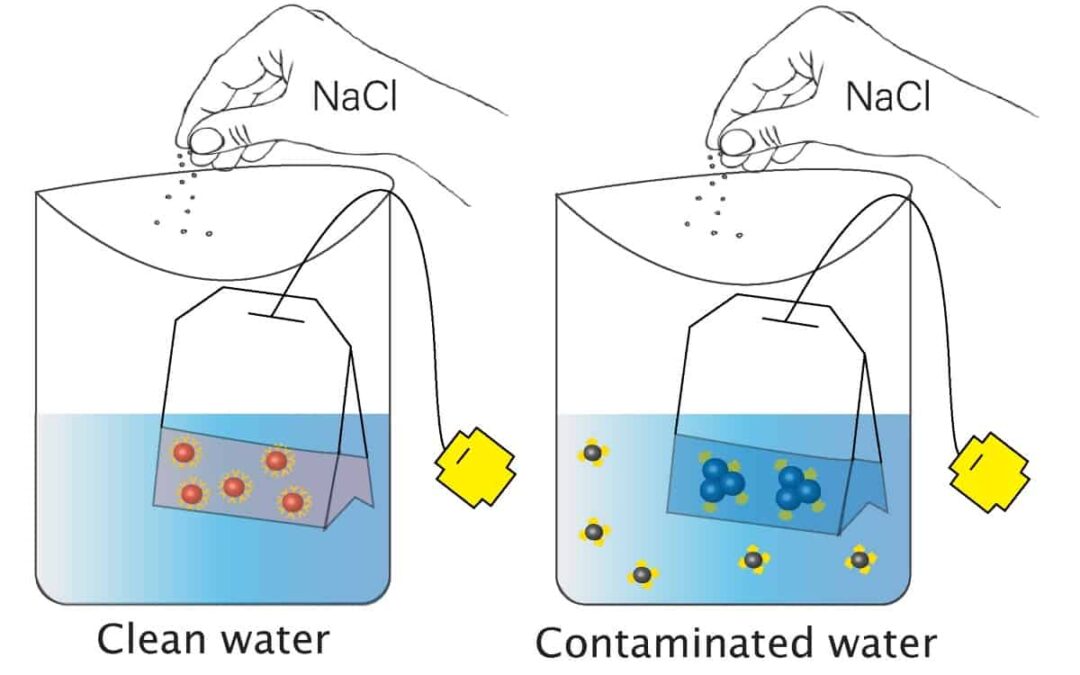
Various methods exist for testing arsenic in water. Some involve chemical reactions, while others use advanced equipment. Home testing kits offer a simple solution. These kits often use color changes to indicate arsenic levels. Professional labs provide more precise testing. They use methods like atomic absorption spectroscopy. This method analyzes water samples for arsenic content.
Technological Advances
Technology improves arsenic detection. New devices offer faster and more accurate results. Portable sensors can test water on-site. They provide immediate feedback, which helps identify contamination sources. Digital tools also enhance data collection. This makes tracking arsenic levels easier over time.
Challenges In Detection
Detecting arsenic presents challenges. Low concentrations can be hard to identify. Some testing methods might miss trace amounts. Interference from other substances complicates detection. Ensuring equipment is well-calibrated is essential. Proper training for users improves accuracy. Continuous monitoring is vital to catch any changes in water quality.
Health Impacts Of Arsenic Exposure
Arsenic in water poses serious health risks, including skin changes, cancer, and heart problems. Long-term exposure can lead to developmental issues in children. Ensuring safe drinking water is crucial to prevent these harmful effects.
Arsenic exposure through drinking water is a pressing health issue that affects millions globally. This naturally occurring element can seep into groundwater, posing significant health risks. Understanding these impacts is crucial for protecting your well-being and that of your community.
Short-term Effects
Short-term exposure to high levels of arsenic can cause immediate health problems. You might experience symptoms like stomach pain, nausea, or skin irritations. Imagine drinking a glass of water, only to end up with a burning stomach—it’s a reality for many facing arsenic contamination.
Long-term Health Risks
Long-term exposure to arsenic is even more concerning. Over time, it can lead to serious conditions like cancer, heart disease, and diabetes. Think about the impact on your loved ones if their daily water intake slowly deteriorates their health—it’s a silent threat that grows over the years.
Vulnerable Populations
Certain groups are more vulnerable to arsenic exposure. Pregnant women, children, and the elderly face heightened risks. If you have kids, consider how their developing bodies could be more susceptible to the harmful effects of arsenic. How can you ensure their safety? By understanding the health impacts of arsenic in water, you take the first step toward safeguarding yourself and those you care about.
Credit: www.nature.com
Global Hotspots Of Arsenic Contamination
Arsenic contamination in water threatens health worldwide. Major hotspots include Bangladesh, India, and China, where groundwater contains high arsenic levels. Contaminated water poses risks to millions, causing serious illnesses and environmental challenges.
Arsenic in drinking water is a pressing global issue that affects millions of people. Certain regions around the world have become notorious hotspots for arsenic contamination, posing serious health risks to their populations. Understanding where these hotspots are and how they are affected can help us address this problem more effectively.
Affected Regions
Bangladesh and West Bengal in India are infamous for arsenic-laden water. In these areas, millions rely on groundwater that is dangerously contaminated. The situation is so severe that it’s dubbed a “mass poisoning” by experts. In Latin America, countries like Mexico and Argentina also face significant challenges with arsenic. These regions often have naturally occurring arsenic in their groundwater, exacerbated by mining activities. Local communities struggle to find safe alternatives for drinking water. Parts of the United States, especially the Southwest, are not immune. States like Arizona and New Mexico have reported elevated arsenic levels in their water supplies. This issue often goes unnoticed until health issues arise.
Case Studies
In Bangladesh, the problem began when shallow tube wells were installed to provide safer drinking water. Ironically, these wells tapped into arsenic-rich groundwater. This misstep led to widespread health issues, including cancer and skin lesions. Mexico’s Guanajuato region provides another stark example. Residents have long relied on groundwater with arsenic levels far above safe limits. Efforts to dig deeper wells have sometimes made the problem worse, highlighting the complexity of the issue. In the U.S., the town of Fallon, Nevada, has been under scrutiny for its high cancer rates. Investigations linked these rates to arsenic in the local water supply. This has prompted federal and state agencies to step in, but challenges remain.
Comparative Analysis
Bangladesh and West Bengal face a crisis driven by a need for safe drinking water. Unlike Mexico or the U.S., where technological solutions are more feasible, these regions struggle with resources. The scale of the problem in Bangladesh is unparalleled, affecting tens of millions. In contrast, technological advancements in the U.S. offer more avenues for mitigation. Advanced filtration systems and regular monitoring make it easier to manage arsenic levels. However, this doesn’t mean the problem is solved, as many rural areas still lack access to these technologies. In Mexico and Argentina, the blend of natural and industrial factors makes arsenic contamination particularly challenging. Efforts to address the issue often require international cooperation and investment. It’s a complex puzzle that needs both local and global solutions. Are you living in an area affected by arsenic contamination? If so, what measures are you taking to ensure your water is safe? Understanding the scope and complexity of arsenic hotspots can empower you to advocate for better solutions.
Regulations And Safety Standards
Ensuring safe drinking water is a priority worldwide. Arsenic in water poses a serious health risk, making regulations and safety standards essential. These rules help protect you and your community by keeping arsenic levels in check. But how are these regulations created, and how effectively are they enforced?
International Guidelines
International organizations like the World Health Organization (WHO) set guidelines for arsenic levels in drinking water. Their standards aim to protect health and are based on scientific research. WHO recommends a maximum arsenic concentration of 10 micrograms per liter.
These guidelines serve as a reference for countries developing their own water safety regulations. They provide a framework that balances health protection with practical implementation. Have you ever wondered how your country’s standards compare to these global benchmarks?
National Policies
Each country adapts international guidelines to fit its specific needs and resources. National policies on arsenic levels can vary significantly based on local conditions and economic factors. For example, some countries may set stricter limits in areas with a higher risk of contamination.
Developing these policies involves research, consultation, and sometimes difficult decisions. Policymakers must consider public health, technology, and costs. How confident are you that your government prioritizes water safety effectively?
Enforcement Challenges
Setting regulations is one thing; enforcing them is another challenge altogether. Many countries struggle with monitoring and compliance due to limited resources. This can lead to inconsistent testing and reporting, putting communities at risk.
Enforcement requires infrastructure, trained personnel, and public awareness. It also involves cooperation between government bodies and local communities. What steps can you take to ensure your local water supply is safe?
In some regions, community-led initiatives have stepped in to fill enforcement gaps. These grassroots efforts can be effective but need support and recognition. Are there ways you can get involved or support these initiatives?
Credit: www.desertsun.com
Mitigation And Prevention Strategies
Arsenic contamination in water is a pressing issue that demands immediate attention. Mitigation and prevention strategies are crucial to ensuring safe drinking water. Let’s explore practical ways to tackle this challenge effectively.
Water Filtration Technologies
Water filtration technologies are at the forefront of arsenic removal efforts. Technologies like reverse osmosis and activated alumina filters are effective in reducing arsenic levels. These systems can be installed at the point of use, ensuring your tap water is safe.
Consider investing in a household filtration system if you live in an area with known arsenic issues. Regular maintenance of these systems is important to ensure their effectiveness. Have you checked if your community offers any support for installing these systems?
Community Initiatives
Community initiatives play a vital role in addressing arsenic contamination. Local awareness campaigns can educate residents about the risks of arsenic and the importance of testing water sources. Collaboration with local health departments can amplify these efforts.
Some communities have successfully implemented arsenic testing programs. These programs provide free or low-cost testing for households. Would joining forces with your neighbors to advocate for such programs in your area be a step forward?
Policy Recommendations
Effective policies are essential for long-term solutions to arsenic contamination. Governments can enforce stricter regulations on permissible arsenic levels in drinking water. Supporting research and development of new filtration technologies can also be part of these policies.
Engaging with policymakers can drive these changes. Your voice matters in urging local leaders to prioritize safe drinking water. What policy changes would you like to see implemented in your area to combat arsenic in water?
Future Directions For Research
Future Directions for Research on Arsenic in Water
Research on arsenic in water is essential for public health. Scientists are exploring new methods to detect and remove arsenic. This is vital for safe drinking water. Understanding future research directions helps us grasp the complexities. It also shows us potential solutions.
Emerging Technologies
Scientists are developing new technologies to tackle arsenic in water. Advanced sensors are being designed to detect arsenic levels quickly. These sensors are more accurate and affordable. This helps communities monitor their water easily. Filtration systems are also improving. Engineers focus on systems that remove arsenic effectively. These systems are being tested for efficiency and cost-effectiveness.
Interdisciplinary Approaches
Arsenic research benefits from interdisciplinary methods. Combining chemistry, biology, and engineering offers fresh insights. Chemists study arsenic’s properties and interactions. Biologists examine its effects on living organisms. Engineers work on practical solutions for arsenic removal. Together, these fields provide a complete understanding. This leads to innovative solutions for water safety.
Collaborative Efforts
Collaboration is key in arsenic research. Scientists, governments, and communities are joining forces. This teamwork speeds up research and development. Shared knowledge leads to better strategies for arsenic removal. Communities play a crucial role. Their experiences help tailor solutions to local needs. Governments support research through funding and policy-making. This partnership ensures access to safe water worldwide.
Frequently Asked Questions
What Is Arsenic In Water?
Arsenic in water is a toxic element often found in groundwater. It originates from natural deposits and industrial pollution. Long-term exposure can lead to serious health issues, including cancer. Regular testing and purification methods can help mitigate the risks of arsenic contamination.
How Does Arsenic Affect Health?
Arsenic exposure can lead to various health problems. It increases the risk of cancer, heart disease, and skin lesions. Drinking arsenic-contaminated water can also cause developmental issues in children. It’s crucial to ensure safe drinking water to prevent these health risks.
How Can I Test For Arsenic In Water?
Testing for arsenic in water involves using specialized kits or laboratory services. These methods help detect arsenic levels accurately. Home testing kits are convenient but less precise. Professional laboratory testing is recommended for more reliable results. Regular testing ensures your water remains safe for consumption.
What Are Safe Arsenic Levels In Water?
The safe level of arsenic in drinking water, according to the EPA, is 10 parts per billion. This guideline helps protect public health. Regular monitoring and adherence to this limit are essential. Implementing purification techniques can help maintain safe arsenic levels in water.
Conclusion
Understanding arsenic in water is crucial for health and safety. Clean water is vital. Arsenic affects many communities worldwide. Regular testing can prevent arsenic exposure. Use filters to reduce contamination. Awareness leads to better choices. Protecting water sources benefits everyone.
Share this knowledge with others. Safe water ensures a healthy future. Educate yourself and your community. Let’s work together for safer water. Every drop counts.
Hasan Al Sarker is a Reverse Osmosis Specialist. He has worked for many years to ensure safe drinking water for all. His research paper has been published in several journals, including Issue, Medium, and Slideshare. He is recognized as a water doctor among specialists though he did not attend medical college.
Besides working as a researcher of reverse osmosis technology, he is also very fancy with the kitchen and cooking. His guides are reading thousands of people every day. As a head of content, he is responsible for all the published articles at RO System Reviews.
Imagine turning on any tap in your home and knowing the water that flows out is clean, safe, and refreshing. That’s the promise of a whole house water filter.
You might wonder if it’s worth the investment, but consider this: every drop of water you use in your home touches your life in some way. From the glass you drink to the shower you take, water quality can impact your health, your skin, and even your household appliances.
In the paragraphs that follow, we’ll dive into the compelling benefits of a whole house water filter and why it might just be the solution your home needs. You’ll discover how it can enhance your daily routines, protect your family’s health, and even save you money in the long run. Keep reading to learn how a simple change can make a big difference in your home and life.
Enhanced Water Quality
Imagine turning on your tap and knowing the water flowing out is pure and safe. With a whole house water filter, you can enjoy enhanced water quality throughout your home. Whether you’re drinking, cooking, or showering, a whole house system ensures your water is free from unwanted contaminants, tastes better, and smells fresher.
Removal Of Contaminants
Whole house water filters effectively remove a wide array of contaminants. From harmful chemicals like chlorine to tiny particles such as sediment, these systems keep your water clean. Many families report fewer skin irritations and improved overall health after installing a filter. Have you ever wondered what’s lurking in your tap water?
Investing in a filter means taking control of what enters your home. Consider the peace of mind knowing your family isn’t consuming lead or pesticides. A neighbor once shared how their whole house filter caught impurities that they never imagined were present in their water supply. Would you want to know what’s in yours?
Improved Taste And Odor
Filtered water tastes noticeably better. A friend once remarked how her morning coffee became more enjoyable after installing a filter. Have you ever tasted the difference between filtered and unfiltered water? It’s remarkable.
Bad odors in water are often due to sulfur or chlorine. A whole house water filter can eliminate these smells, leaving your water refreshing and clean. Imagine washing your clothes or dishes without that strange odor lingering. Isn’t it time to enjoy fresh-smelling water?
Embracing enhanced water quality means prioritizing your health and comfort. By removing contaminants and improving taste and odor, a whole house water filter transforms everyday tasks into enjoyable experiences. Is your home ready for this upgrade?
Comprehensive Home Protection
Installing a whole house water filter offers comprehensive protection for your home. It ensures that every drop of water is clean and safe. This system shields your plumbing and appliances from harmful impurities. With cleaner water, you enjoy better health, enhanced efficiency, and peace of mind.
Safeguarding Plumbing Systems
Your plumbing system faces many challenges. Sediment and minerals can accumulate in pipes. These deposits lead to clogs and corrosion. A whole house filter removes these impurities. Cleaner water flows through your pipes, reducing wear and tear. This protection extends the life of your plumbing. It also reduces maintenance costs and prevents unexpected issues.
Extending Appliance Lifespan
Household appliances rely on water. Dishwashers, washing machines, and water heaters need clean water. Impurities can harm these appliances. They cause mineral buildup and reduce efficiency. A whole house filter prevents this damage. With filtered water, your appliances run smoothly. They last longer and perform better. You save money on repairs and replacements. Your home stays efficient and well-maintained.
Healthier Skin And Hair
Whole House Water Filter Benefits: Healthier Skin and Hair
Whole house water filters improve skin and hair health. They remove impurities from the water. This means cleaner water flows from every tap in your home. Clean water benefits both skin and hair. It reduces exposure to harmful chemicals and minerals.
Reduced Chlorine Exposure
Chlorine in water dries skin and hair. It strips natural oils, causing dryness. Whole house filters reduce chlorine levels significantly. With less chlorine, skin feels softer and more hydrated. Hair maintains its natural shine and strength.
Minimizing Skin Irritation
Impurities in water lead to skin irritation. Rashes and dryness are common problems. Whole house filters remove sediments and chemicals. This helps in calming sensitive skin. Filters support a more soothing shower and bath experience.
Credit: www.facebook.com
Environmental Advantages
Whole House Water Filter Benefits: Environmental Advantages
Whole house water filters offer many benefits. One key benefit is their positive impact on the environment. They help reduce waste and promote sustainable water use. This makes them an eco-friendly choice for many households.
Reduction In Plastic Bottle Waste
Using a whole house water filter reduces reliance on bottled water. This significantly decreases plastic waste. Fewer plastic bottles end up in landfills and oceans. This helps protect the planet and conserve resources.
Plastic production and disposal harm the environment. By filtering water at home, you minimize this impact. Each filtered drop means fewer plastic bottles in the world.
Sustainable Water Usage
Whole house water filters promote sustainable water use. They clean water for various home needs. This includes drinking, cooking, and bathing. Clean water becomes easily accessible without wasteful practices.
Filtering at home also reduces the need for transporting bottled water. This lowers carbon emissions linked to transportation. Sustainable practices like these help combat climate change.
Cost-effectiveness
Whole house water filters offer cost-effectiveness by reducing the need for bottled water and extending appliance life. Over time, they help save money on plumbing repairs and health costs by providing clean, safe water throughout your home.
Investing in a whole house water filter is not just about improving water quality—it’s also a savvy financial decision. This system can offer significant cost benefits over time, making it an attractive option for homeowners. Are you looking to save money while ensuring clean water for your family? Let’s dive into how a whole house water filter can be a cost-effective choice.
Long-term Savings
When you think about the long-term benefits, a whole house water filter can be a game-changer for your wallet. Initially, the upfront cost may seem daunting, but the return on investment is substantial. Consider the money saved from not having to buy bottled water frequently. Imagine saying goodbye to the weekly purchase of bottled water, which can add up quickly. With filtered water from every tap, you’re saving money and reducing plastic waste. Over time, these savings can outweigh the initial investment, making it a smart financial choice.
Lower Maintenance Costs
One of the unexpected perks of a whole house water filter is its low maintenance requirements. Unlike smaller filtration systems that need frequent replacements, whole house filters are designed to last longer with minimal upkeep. This means fewer replacement cartridges and less hassle for you. Think about the maintenance costs of traditional water filters. They often require regular filter changes, which can add up over time. With a whole house system, you benefit from longer-lasting filters, translating to lower annual maintenance costs. Incorporating a whole house water filter into your home can lead to both immediate and long-term financial benefits. Have you considered how much you could save by making this switch? It’s worth thinking about, especially when clean water is just a tap away without the hidden costs.
Credit: calsoftwater.com
Convenience And Accessibility
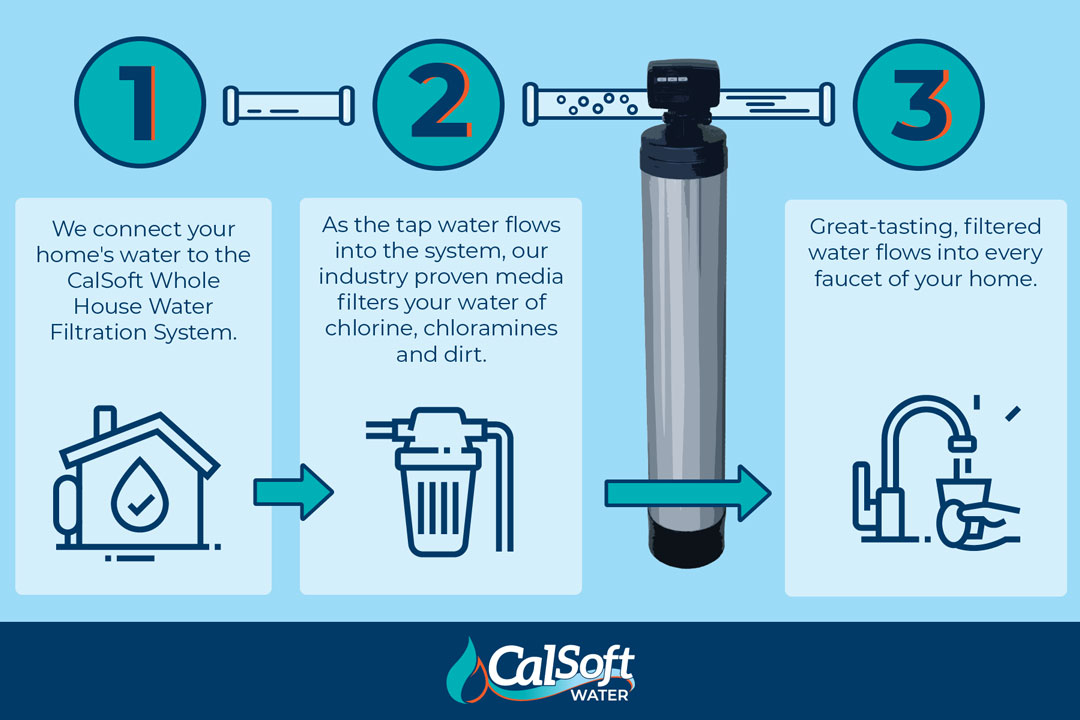
A whole house water filter provides convenience by delivering clean water from every tap. Easy access to purified water enhances daily life. It ensures safe water for drinking, cooking, and bathing without extra hassle. Enjoy peace of mind knowing your water is consistently clean and accessible.
Convenience and accessibility are two key benefits of using a whole house water filter. Imagine never having to worry about the purity of the water flowing from any tap in your home. This system ensures that every drop you use is clean, safe, and accessible with minimal effort. It’s all about making life easier while improving water quality for you and your family.
Easy Installation Process
Installing a whole house water filter is surprisingly straightforward. Most systems are designed with user-friendly features, allowing homeowners to set them up without professional help. You simply need to follow the manual, and within a few hours, your home will have a reliable water filtration system. If you’re not a DIY enthusiast, hiring a professional can also be a quick and stress-free option. Many service providers offer installation packages that include setup and a brief tutorial on maintaining the system. This initial investment pays off by providing you with filtered water at every faucet.
Consistent Water Supply
A whole house water filter ensures a consistent supply of clean water, eliminating the need for separate filters for different taps. You’ll enjoy the convenience of having filtered water for drinking, cooking, and bathing without any additional steps. This consistency also means peace of mind, knowing your family is protected from contaminants at all times. Imagine a busy morning where you need to fill up water bottles, brew coffee, and shower before heading out. With a whole house system, you won’t have to think twice about water quality. It’s a seamless experience that enhances your daily routine without any extra hassle. Why settle for anything less than the best when it comes to your home’s water supply? A whole house water filter offers the convenience you deserve, ensuring clean water is always within reach. Are you ready to make the switch for a healthier lifestyle?
Credit: highqualitywaterandair.com
Frequently Asked Questions
What Is A Whole House Water Filter?
A whole house water filter purifies all water entering your home. It removes contaminants like chlorine, sediment, and heavy metals. This ensures cleaner water for drinking, cooking, and bathing. It also extends the lifespan of appliances and improves overall water quality throughout your house.
How Does A Whole House Filter Improve Health?
A whole house water filter reduces harmful contaminants like lead and chlorine. This lowers health risks associated with consuming or inhaling these substances. Cleaner water promotes better skin health and prevents potential digestive issues. It’s an effective way to ensure your family’s overall well-being.
Does A Whole House Filter Save Money?
Yes, it can save money in the long run. By protecting appliances from scale and sediment, it reduces maintenance costs. It also minimizes plumbing repairs caused by corrosion or blockages. Additionally, it eliminates the need for bottled water, providing cost-effective access to clean water.
Is Installation Of A Whole House Filter Easy?
Installation of a whole house water filter can be straightforward but may require professional help. It involves connecting the filter to the main water line. Proper installation ensures optimal performance and longevity of the system. Consulting a professional can ensure the process is done correctly and efficiently.
Conclusion
Investing in a whole house water filter brings many benefits. Clean water flows from every tap, enhancing health. Contaminants get removed, improving taste and smell. Skin feels better after showers. Appliances last longer without mineral buildup. Peace of mind grows with safer water.
Families feel secure drinking and cooking. These filters offer a practical solution for home water quality. Consider one for better water at home. Enjoy the advantages of cleaner, safer water every day. Make a small change that leads to a healthier lifestyle.
Hasan Al Sarker is a Reverse Osmosis Specialist. He has worked for many years to ensure safe drinking water for all. His research paper has been published in several journals, including Issue, Medium, and Slideshare. He is recognized as a water doctor among specialists though he did not attend medical college.
Besides working as a researcher of reverse osmosis technology, he is also very fancy with the kitchen and cooking. His guides are reading thousands of people every day. As a head of content, he is responsible for all the published articles at RO System Reviews.
You pour yourself a glass of water, expecting it to be pure and refreshing. But have you ever wondered what’s really in it?
One invisible component that might be lurking in your water is nitrates. These compounds can sneak into your supply without you even knowing. Understanding nitrates in water is crucial, especially since they can impact your health and the environment. How do they get there?
Are they safe? What can you do to ensure your water is clean? This article dives into these questions, arming you with the knowledge to make informed decisions about what you drink. Stay with us to uncover the truth about nitrates and how they might affect your life.
Sources Of Nitrates
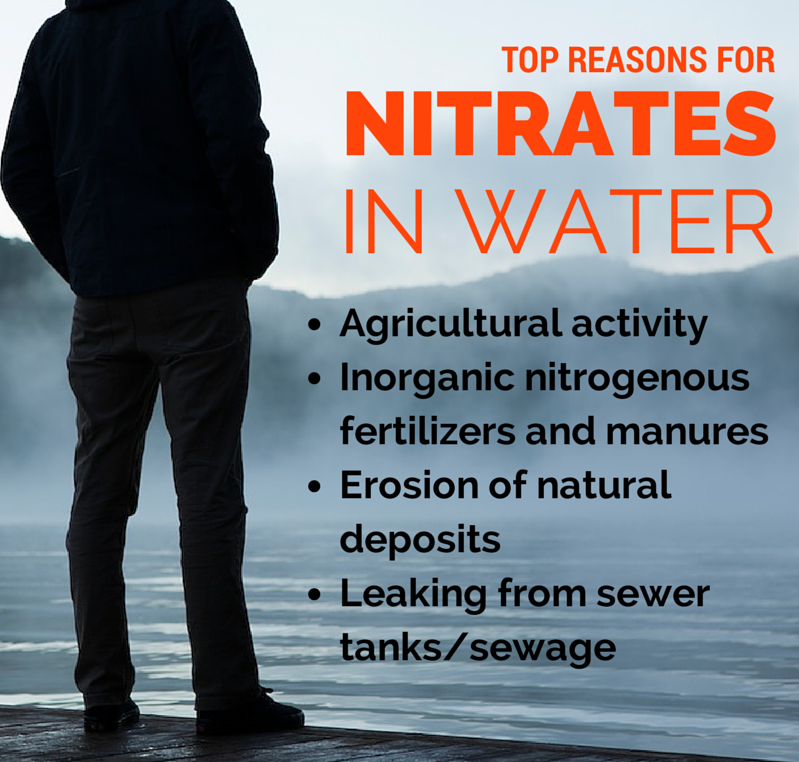
Nitrates in water can come from several sources. Understanding these sources helps us manage water quality better. It also keeps our environment safe and clean. Let’s explore the main sources of nitrates in water.
Agricultural Runoff
Farms use fertilizers to boost crop growth. These fertilizers often contain nitrates. During rain, water carries these nitrates into streams and rivers. The runoff can end up in our drinking water sources. Livestock manure also contributes to nitrate levels. Proper farm management can reduce nitrate runoff.
Industrial Discharges
Factories and plants sometimes release nitrates during production. Wastewater from these places can contain high nitrate levels. Industries like chemical manufacturing are major contributors. Strict regulations help control industrial nitrate discharges. Monitoring and treatment are essential to protect water quality.
Natural Sources
Nitrates occur naturally in the environment. Decomposition of plants and animals releases nitrates. Soil bacteria play a role in this process. Rain can wash these natural nitrates into water bodies. While natural sources are less harmful, they add to overall nitrate levels.
Credit: www.wehnonline.org
Pathways Into Water Systems
Understanding how nitrates make their way into water systems is crucial for safeguarding the quality of your drinking water. These compounds can infiltrate water sources through various channels, each with its own unique set of challenges. Whether it’s the groundwater beneath your feet or the surface water in local streams and rivers, nitrates have a knack for slipping in unnoticed.
Groundwater Contamination
Groundwater is a silent carrier of nitrates, often affected by agricultural practices. Fertilizers used in farming can seep into the soil and leach into the groundwater, elevating nitrate levels. Are you aware that your backyard well could be vulnerable too?
Regular testing of well water is a proactive measure you can take to ensure safety. It’s not just farms; septic systems can also contribute to nitrate contamination. Proper maintenance of these systems is essential to protect your water source.
Surface Water Pollution
Surface water pollution is often visible but easy to overlook. Runoff from urban areas carries nitrates from fertilizers, pet waste, and industrial processes into streams and rivers. Do you ever wonder where all that rainwater goes after it hits the pavement?
It’s a direct path to nearby bodies of water, introducing pollutants along the way. Consider supporting initiatives that aim to reduce urban runoff through improved drainage systems and green spaces. Your voice can make a difference in local environmental policies.
Urban Water Supply
Urban water supplies face their own nitrate challenges. Treatment plants work hard to remove contaminants, but high nitrate levels can still pose a risk. Is your city’s water treatment facility equipped to handle fluctuating nitrate levels?
Staying informed about your local water quality reports can empower you to ask questions and demand better standards. Simple actions like conserving water and reducing chemical use at home can contribute to broader efforts in maintaining cleaner urban water supplies.
By understanding these pathways, you can take proactive steps to safeguard your water. What will you do today to protect your water sources from nitrate contamination?
Health Risks Of Nitrate Exposure
Nitrates in water can lead to serious health issues. Drinking contaminated water may cause problems like blue baby syndrome, affecting infants. Long-term exposure might increase the risk of cancer and thyroid diseases, making it crucial to monitor water quality regularly.
Health Risks of Nitrate Exposure Nitrates in water can pose significant health risks. While nitrates are naturally found in soil and water, excessive levels can become harmful. Understanding these risks is crucial for protecting your health and that of your loved ones.
Methemoglobinemia In Infants
Infants are particularly vulnerable to high nitrate levels in drinking water. This condition, known as “blue baby syndrome,” occurs when nitrates interfere with the blood’s ability to carry oxygen. Imagine the anxiety of seeing your baby struggling to breathe properly due to something as simple as the water you use to prepare their formula. Parents must ensure their water source is safe. Testing well water regularly can prevent this condition. If nitrate levels are high, consider using bottled water for infants.
Cancer Risks
Long-term exposure to nitrates has been linked to an increased risk of certain cancers. Research suggests a correlation between nitrate consumption and cancers of the stomach and esophagus. It raises the question: Are we unknowingly increasing our cancer risk with each glass of water? Being proactive is key. Consider installing a water filtration system that reduces nitrates. It’s a small step that could have significant health benefits.
Thyroid Disorders
Nitrate exposure may also affect your thyroid gland. High levels can disrupt the thyroid’s ability to produce hormones effectively. This disruption can lead to disorders such as hypothyroidism, impacting your energy levels and overall well-being. Are you feeling more tired than usual? It might be worth considering your nitrate exposure. Regular water testing and using certified filters can help manage nitrate intake and support thyroid health. Taking simple steps today can protect your health tomorrow. How will you ensure your water is safe for you and your family?
Credit: blog.watertech.com
Regulations And Standards
Nitrates in water pose health risks if not properly regulated. Standards ensure water safety and protect public health. Various regulations exist to manage nitrate levels in drinking water. These guidelines are crucial for maintaining clean and safe water supplies.
Safe Drinking Water Act
The Safe Drinking Water Act governs drinking water quality in the United States. It sets limits on contaminants, including nitrates, to protect public health. The Environmental Protection Agency (EPA) enforces these standards. The EPA’s maximum nitrate level is 10 mg/L in public water systems. This regulation helps prevent health issues related to high nitrate levels.
International Guidelines
Many countries follow international guidelines for water quality. The World Health Organization (WHO) provides global standards for nitrate levels. WHO’s recommended limit for nitrates is also 10 mg/L. These guidelines help countries maintain safe water supplies. They also encourage consistent regulations worldwide.
Monitoring And Compliance
Regular monitoring ensures water systems meet nitrate standards. Water suppliers must test their water for nitrates frequently. Compliance with regulations is mandatory for public health safety. Authorities check water systems to ensure they follow these rules. Violations can lead to fines or other penalties.
Mitigation Strategies
Reducing nitrate pollution in water involves various strategies. Planting cover crops helps absorb excess nitrates from the soil. Constructed wetlands can filter nitrates, improving water quality naturally.
Nitrates in water pose a significant challenge to both environmental health and human safety. As awareness of this issue grows, effective mitigation strategies become crucial. These strategies not only aim to reduce nitrate levels but also strive to prevent further contamination. By focusing on agricultural practices, water treatment solutions, and policy interventions, we can tackle this problem from multiple angles.
Agricultural Practices
One of the primary sources of nitrate contamination is agriculture. Implementing better farming techniques can significantly reduce nitrate runoff. Crop rotation and cover cropping are two methods that enhance soil health and decrease the need for synthetic fertilizers. Another effective strategy is precision farming, which utilizes technology to optimize field-level management. By applying the right amount of fertilizer at the right time, farmers can minimize excess nitrates. This approach not only benefits the environment but also enhances crop yield. Imagine walking through a farm where every plant receives just what it needs—nothing more, nothing less. This is the future of sustainable farming and a key to reducing nitrates in our water.
Water Treatment Solutions
In areas where nitrate contamination is already high, water treatment solutions become essential. Ion exchange and reverse osmosis are two methods that effectively remove nitrates from drinking water. These solutions, while effective, require careful maintenance and can be costly. Biological denitrification is a more natural approach, using bacteria to convert nitrates into harmless nitrogen gas. This method can be employed in larger water treatment facilities and has shown promising results. Consider your local water treatment plant as a guardian, tirelessly working to ensure the water you drink is safe. It’s not just about technology; it’s about the people and processes behind it.
Policy Interventions
Policies play a crucial role in managing nitrate levels in water. Governments can enforce regulations that limit the amount of nitrates released into the environment. For instance, setting maximum allowable limits for fertilizers can drive change in agricultural practices. Subsidies and incentives for farmers to adopt environmentally-friendly methods can also be a game changer. By supporting farmers financially, governments can encourage sustainable practices without impacting livelihoods. Think about the last time you voted. Did water quality come to mind? Your voice can influence policies that shape the future of our water resources. By actively participating in these strategies, you contribute to a healthier environment. Which of these actions will you champion in your community?
Credit: experience.arcgis.com
Public Awareness And Education
Nitrates in water pose a serious health risk to communities. Many people are unaware of the dangers nitrate pollution can cause. Public awareness and education are crucial for addressing this issue. Educating communities can lead to better water safety practices. It empowers people to make informed choices. Let’s explore how community engagement, informative campaigns, and resources for at-risk populations play a role.
Community Engagement
Community engagement is vital for spreading awareness about nitrates in water. Local events can bring people together to discuss water safety. Workshops provide practical knowledge on how to test water for nitrates. These activities foster a sense of community responsibility. They encourage people to take action. Engaged communities often lead to sustainable solutions.
Informative Campaigns
Informative campaigns can reach a wide audience. Posters, flyers, and social media posts can highlight the dangers of nitrates. Simple messages can educate people about nitrate sources. Campaigns should aim to explain how nitrates affect health. They can provide steps to reduce exposure. Effective campaigns inspire people to protect their water sources.
Resources For At-risk Populations
At-risk populations need specific resources to manage nitrate exposure. Providing free testing kits can help them identify nitrate levels. Educational materials should be accessible in various languages. Community centers can offer workshops tailored to their needs. Access to clean water should be prioritized for these groups. Supporting vulnerable communities can reduce health risks.
Frequently Asked Questions
What Are Nitrates In Water?
Nitrates are chemical compounds found in water, often from fertilizers, sewage, or natural sources. They are essential for plant growth but can be harmful in high concentrations. Elevated nitrate levels can affect water quality and pose health risks, especially for infants and pregnant women.
How Do Nitrates Affect Health?
High nitrate levels can reduce oxygen in the blood, causing methemoglobinemia or “blue baby syndrome. ” This condition is dangerous for infants. Long-term exposure may increase cancer risk and affect thyroid function. It’s crucial to monitor nitrate levels to ensure safe drinking water.
How Can Nitrates Be Removed From Water?
Nitrates can be removed using water treatment methods such as ion exchange, reverse osmosis, or distillation. These processes efficiently reduce nitrate levels, ensuring safe drinking water. Regular testing and maintenance of treatment systems are essential for effective nitrate removal.
Are Nitrates Regulated In Drinking Water?
Yes, the EPA regulates nitrates in drinking water. The maximum contaminant level set by the EPA is 10 mg/L. Water suppliers must regularly test and report nitrate levels to ensure compliance. This regulation helps protect public health from the adverse effects of nitrates.
Conclusion
Ensuring clean water is crucial for health. Nitrates can contaminate drinking water. High levels harm humans and animals. Regular testing helps detect nitrate levels early. Treatment options can remove nitrates effectively. Simple filters or water softeners may help. Always consider professional advice for the best solution.
Protecting water sources is important. Avoid overuse of fertilizers near water bodies. Small changes can make a big difference. Educate others about the risks of nitrates. Community efforts can safeguard water quality. Stay informed and proactive to keep water safe.
Hasan Al Sarker is a Reverse Osmosis Specialist. He has worked for many years to ensure safe drinking water for all. His research paper has been published in several journals, including Issue, Medium, and Slideshare. He is recognized as a water doctor among specialists though he did not attend medical college.
Besides working as a researcher of reverse osmosis technology, he is also very fancy with the kitchen and cooking. His guides are reading thousands of people every day. As a head of content, he is responsible for all the published articles at RO System Reviews.
Imagine turning on your faucet, expecting a refreshing glass of water, only to be greeted by an unpleasant sulfur smell. It’s an experience many homeowners encounter, and it’s both frustrating and concerning.
This off-putting odor can make you question the safety and quality of your water supply. But what causes this sulfur smell, and more importantly, how can you get rid of it? You’ll discover the reasons behind that unmistakable rotten egg aroma, the potential effects on your health, and practical solutions to ensure your water is fresh and odor-free.
By understanding the root of the problem, you’ll be empowered to take the right steps and reclaim the comfort of clean, pleasant-smelling water in your home. Keep reading, and let’s tackle this issue together, ensuring every sip you take is as refreshing as it should be.
Causes Of Sulfur Smell
Understanding the causes of a sulfur smell in water is essential. It can help identify the source and address the issue effectively. This smell is often compared to rotten eggs, and it can be unsettling. Several factors contribute to this odor, ranging from natural occurrences to chemical reactions. Each cause has its own set of solutions. Let’s delve deeper into these causes to understand what’s behind that pesky smell.
Natural Occurrence
Sulfur is present naturally in groundwater and wells. It is common in areas with high mineral content. Sulfur compounds dissolve in water, leading to the characteristic smell. These compounds are usually harmless but can be annoying. Regular testing helps monitor these natural occurrences.
Bacterial Activity
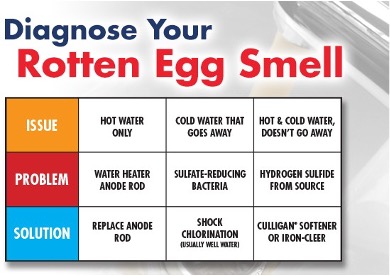
Bacteria in water systems can produce sulfur compounds. These bacteria thrive in environments with low oxygen levels. They break down organic matter, releasing hydrogen sulfide gas. This gas is responsible for the sulfur smell. Proper sanitation and filtration systems can manage bacterial activity.
Water Heater Issues
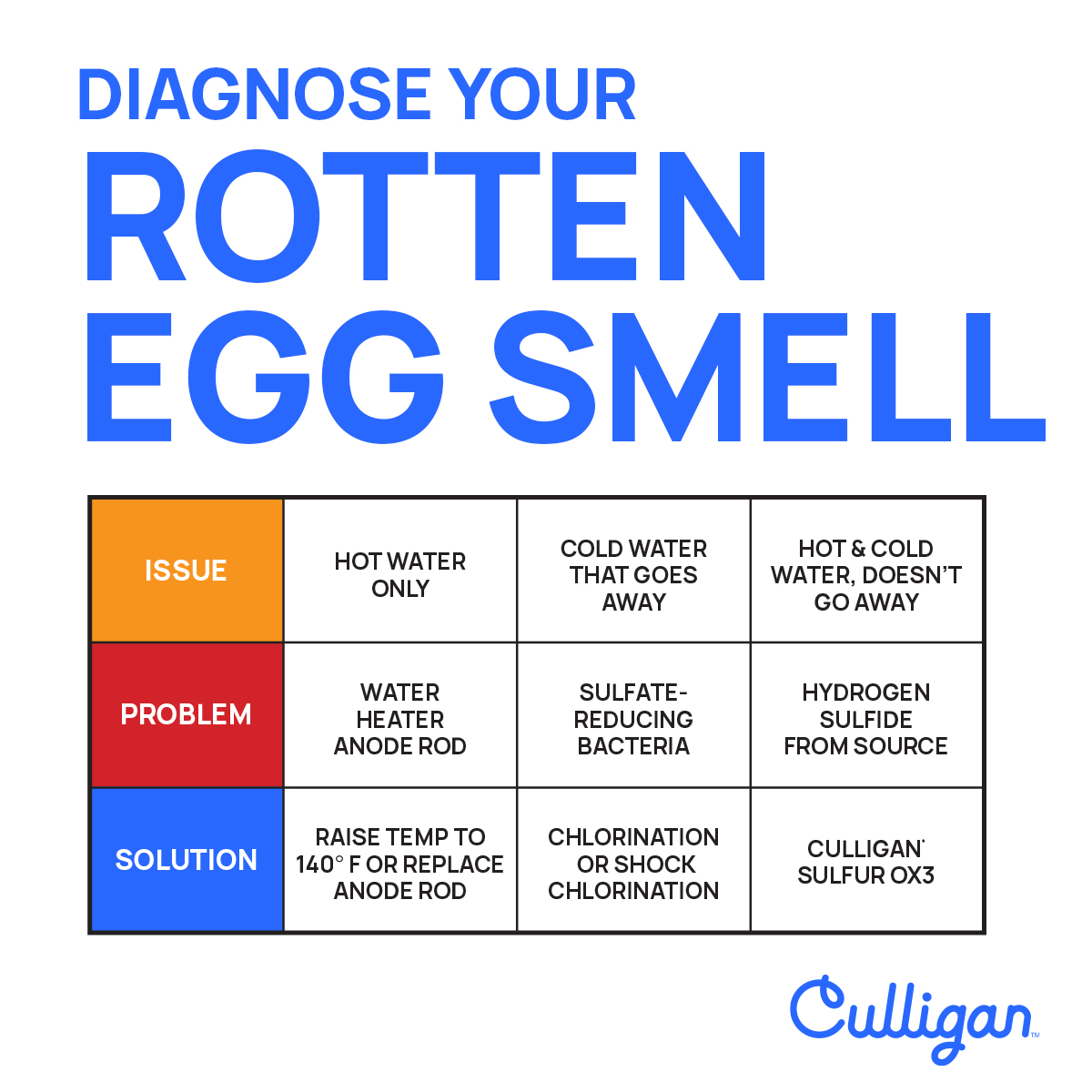
Water heaters can contribute to the sulfur smell. Magnesium rods inside heaters react with water, creating hydrogen sulfide gas. This reaction intensifies if heaters are not maintained. Regularly inspecting and replacing the rods can reduce the odor. Temperature adjustments might also help.
Chemical Reactions
Chemicals in water can react, forming sulfur compounds. This includes reactions between sulfates and organic materials. Such reactions are common in untreated or poorly treated water systems. Ensuring proper water treatment and filtration can minimize these reactions. Monitoring chemical levels regularly is crucial.
Identifying The Source
Have you ever turned on the tap, expecting a refreshing drink, only to be greeted by the unmistakable smell of rotten eggs? That sulfur smell in water is not just unpleasant; it can be a sign of underlying issues. Identifying the source of this odor is crucial to restoring your water quality and peace of mind.
Home Plumbing Inspection
Start by checking your home plumbing system. It’s surprising how often the source of the sulfur smell can be traced back to neglected pipes. Inspecting your plumbing can reveal issues like old, corroded pipes or stagnant water in unused taps. Sometimes, a simple visual check can uncover the problem. Regular maintenance helps prevent these issues from developing.
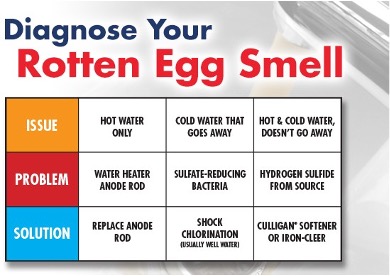
Did you know that your water heater can also be a culprit? The anode rod in the heater can react with sulfate-reducing bacteria, producing hydrogen sulfide gas. Consider checking the condition of your water heater and replacing the anode rod if necessary. A proactive approach can save you from unexpected surprises.
Testing For Hydrogen Sulfide
Hydrogen sulfide is often the chemical responsible for the sulfur smell. You can test your water at home using a simple kit available at hardware stores. These kits provide immediate results, helping you determine if hydrogen sulfide is present. Accurate testing helps you decide the next steps.
While testing, follow the instructions carefully to ensure accurate results. This process might be eye-opening, revealing the extent of the issue. Have you ever wondered how much hydrogen sulfide could be lurking in your water? Testing gives you a clear picture, allowing you to tackle the problem effectively.
Professional Water Testing
If home testing doesn’t clarify the issue, consider professional water testing. Specialists can analyze your water for various contaminants, offering a comprehensive assessment. Their expertise can pinpoint hidden sources of sulfur smell, providing insights that might be overlooked during a home inspection.
Professional testing might seem like an investment, but it can save you time and trouble in the long run. Have you thought about the broader implications of water quality on your health and appliances? Experts bring valuable knowledge, ensuring your water is safe and clean.
Identifying the source of sulfur smell in water is a journey worth embarking on. Your next steps can lead to clean, odor-free water, enhancing your home experience. Are you ready to tackle this challenge head-on?
Health Implications
A sulfur smell in water may indicate the presence of hydrogen sulfide gas, which can cause health issues. Drinking or bathing in such water might lead to nausea, headaches, and eye irritation. Addressing this odor is crucial for maintaining safe water quality at home.
The presence of a sulfur smell in water can raise health concerns. Understanding these implications is crucial for ensuring safe water consumption. While a sulfur odor might seem harmless, it can indicate underlying issues that require attention.
Potential Health Risks
Consuming water with a strong sulfur smell could cause discomfort. The primary culprit is hydrogen sulfide gas, which often smells like rotten eggs. Ingesting or inhaling this gas in high amounts can lead to nausea and vomiting. It can also irritate the eyes and respiratory system. While these symptoms are typically mild, prolonged exposure might increase health risks.
Safe Exposure Levels
Hydrogen sulfide levels in water should remain below 0.05 parts per million. This ensures it is safe for consumption and daily use. Water with higher levels might need treatment to reduce sulfur concentrations. Regular water testing can help monitor hydrogen sulfide levels effectively. This helps in maintaining safe exposure levels for your household.
Credit: www.cleanwaterstore.com
Short-term Solutions
Experiencing a sulfur smell in your water can be unpleasant and concerning. Fortunately, there are short-term solutions to tackle this issue. These methods can help reduce the odor while you explore more permanent fixes. Let’s explore some quick remedies to improve your water quality.
Flushing The System
Flushing the plumbing system helps remove stagnant water. This method dilutes the sulfur compounds causing the smell. Simply run all faucets and showers for 10-15 minutes. Ensure you include both hot and cold water. This can refresh the water supply and reduce odors.
Using Activated Carbon Filters
Activated carbon filters are effective at removing odors. They trap impurities, including sulfur compounds, from your water. You can install these filters on faucets or use pitchers with built-in filters. Regularly replace the filters to maintain effectiveness. This method provides immediate relief from unpleasant smells.
Temporary Aeration Techniques
Aeration introduces air into water, reducing sulfur odors. You can use a faucet aerator or a simple pitcher method. Pour water back and forth between containers to aerate it. This technique helps release trapped gases, minimizing the smell. It’s a quick and easy solution for temporary relief.
Long-term Solutions
Dealing with a persistent sulfur smell in your water can be frustrating. While quick fixes might offer temporary relief, long-term solutions ensure you won’t have to hold your nose every time you turn on the tap. Here, we dive into some effective strategies for tackling this issue once and for all.
Water Treatment Systems
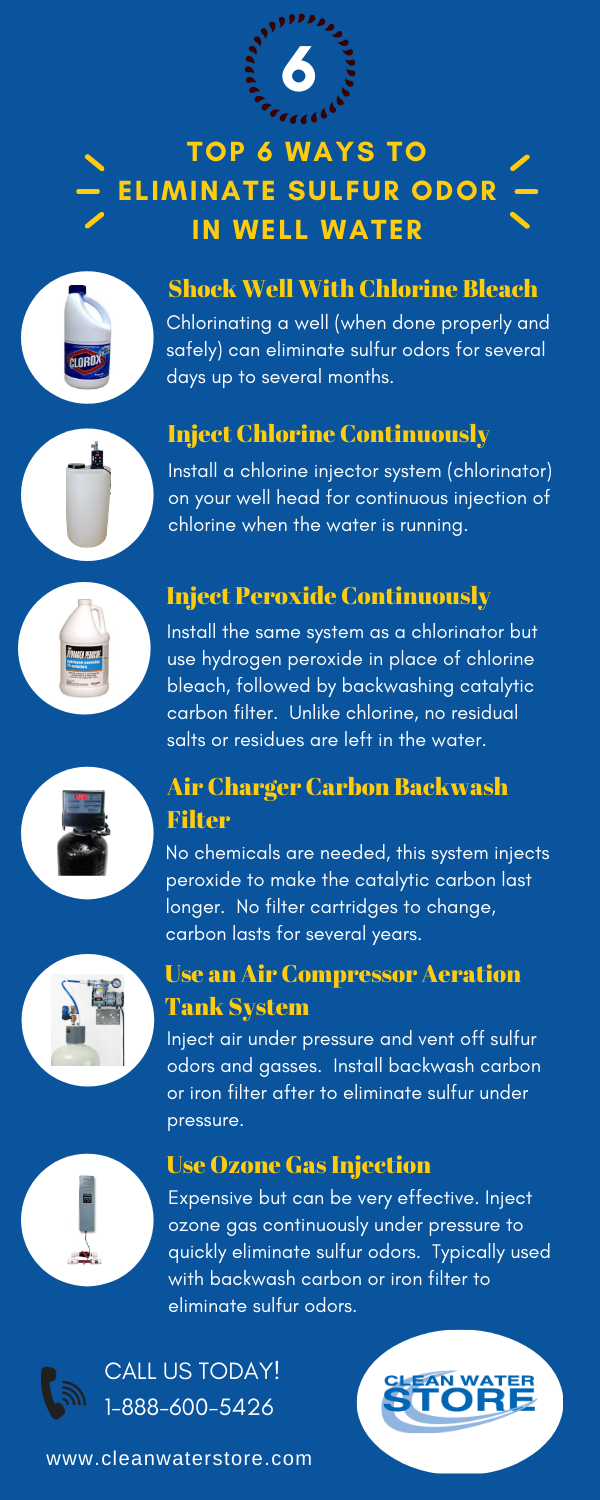
Investing in a water treatment system is a smart move for eliminating sulfur smells. Consider systems like activated carbon filters or reverse osmosis units. These options remove hydrogen sulfide and other contaminants, ensuring your water is fresh and odor-free.
Think about your specific needs when choosing a system. A point-of-entry system treats all the water entering your home, while a point-of-use system targets specific faucets. Evaluate your budget and household water usage to make the best choice.
Regular Plumbing Maintenance
Regular plumbing maintenance is crucial in preventing sulfur smells from creeping back. Over time, pipes can corrode, allowing sulfur bacteria to thrive. Schedule periodic inspections to catch potential problems early.
Consider hiring a professional plumber to flush your pipes and check for leaks or blockages. You might be surprised how much difference a little maintenance can make. Regular upkeep not only saves you from unpleasant odors but also extends the life of your plumbing system.
Alternative Water Sources
Exploring alternative water sources can be a game-changer for those plagued by sulfur smells. If your home relies on well water, this could be the culprit. Switching to municipal water or installing a rainwater collection system could significantly improve water quality.
Have you ever thought about setting up a rainwater collection system? It’s not just eco-friendly but also offers a fresh, clean water supply. This alternative might require an initial investment, but the long-term benefits make it worthwhile.
Have you encountered sulfur smells in your water before? What strategies worked best for you? Share your experiences and tips in the comments below!
Credit: tampaculligan.com
Preventive Measures
Experiencing a sulfur smell in your water can be quite unpleasant. Luckily, there are preventive measures you can take to keep your water fresh and odor-free. These actions not only ensure a pleasant drinking experience but also safeguard your water supply from potential contamination. Let’s dive into some practical steps you can implement.
Routine Water Testing
Regular water testing is crucial for detecting sulfur and other contaminants early. You can purchase a simple water test kit online or from a local store. These kits often come with easy-to-follow instructions. Testing your water at least every six months helps you stay informed about its quality.
Consider scheduling professional testing annually. Experts can provide a comprehensive analysis of your water, offering peace of mind and detailed insights. Imagine the relief knowing your family drinks safe and clean water every day!
Water Heater Maintenance
Did you know that your water heater can contribute to sulfur smell? It’s true! Regular maintenance can prevent this. Drain your water heater every few months to flush out sediment build-up. This simple task can greatly improve water smell.
Check the anode rod inside your water heater. If it’s corroded, it can cause unpleasant odors. Replacing a worn-out anode rod is an easy fix. Keep an eye on it to ensure your water stays fresh.
Monitoring Water Supply
Paying attention to your water supply can alert you to potential issues before they escalate. If you notice a sudden change in water odor or taste, act quickly. Contact your local water authority for advice or to report concerns.
Install a water filtration system for added protection. These systems can remove sulfur and other impurities, enhancing water quality. Imagine the confidence of knowing your water is filtered and pure.
Are you proactive about water quality at home? Taking these preventive measures can lead to a healthier and more enjoyable living environment. What steps will you implement to ensure your water remains fresh?
Credit: culliganwichita.com
Frequently Asked Questions
What Causes Sulfur Smell In Water?
Sulfur smell in water is usually caused by hydrogen sulfide gas. This gas can form naturally in groundwater or result from bacteria. It often occurs in well water or plumbing systems with organic materials. Identifying the source is key to addressing the issue effectively.
Is Sulfur In Water Harmful To Health?
Sulfur in water is generally not harmful to health but can be unpleasant. Hydrogen sulfide gas can cause a foul smell and taste, leading to potential discomfort. In high concentrations, it may cause irritation but is rare in household water supplies.
How Can I Remove Sulfur Smell From Water?
To remove sulfur smell, you can use water treatment methods like aeration or activated carbon filters. Aeration helps by releasing the gas, while carbon filters absorb impurities. Identifying the source is crucial for effective treatment and ensuring clean, odor-free water.
Can Sulfur Smell Affect Plumbing?
Yes, sulfur smell can affect plumbing systems by corroding pipes. Hydrogen sulfide gas can react with metals in plumbing, leading to damage over time. Regular maintenance and water treatment can prevent corrosion and maintain plumbing integrity.
Conclusion
Sulfur smell in water is unpleasant, but solutions exist. Regular testing helps identify the problem early. Installing water filters can reduce the odor significantly. Consider consulting a professional for persistent issues. Simple fixes may include cleaning pipes or changing water heaters.
These methods improve water quality and safety. A fresh-smelling water source enhances your home environment. Stay informed about water treatment options. Share findings with friends and family. Encourage clean water habits for everyone. Together, we can ensure safe and odor-free water.
Hasan Al Sarker is a Reverse Osmosis Specialist. He has worked for many years to ensure safe drinking water for all. His research paper has been published in several journals, including Issue, Medium, and Slideshare. He is recognized as a water doctor among specialists though he did not attend medical college.
Besides working as a researcher of reverse osmosis technology, he is also very fancy with the kitchen and cooking. His guides are reading thousands of people every day. As a head of content, he is responsible for all the published articles at RO System Reviews.
Have you ever wondered about the safety of the water you drink? You might have heard the buzz about RO (Reverse Osmosis) water being banned by the World Health Organization (WHO).
This claim has left many people puzzled and concerned. Is it true? Are you risking your health by consuming RO water? These questions are crucial because the quality of water you drink affects your overall well-being. As you read on, you’ll uncover the truth behind these claims and find out if your RO water system is safe or if it’s time to make a change.
Don’t let misinformation cloud your judgment—get the facts and ensure you’re making the best choice for your health.
Credit: www.simpurelife.com
Who’s Role In Water Safety
Water safety is crucial for public health. The World Health Organization (WHO) plays a vital role in ensuring clean and safe water. They set global standards and guidelines for water quality. Their efforts aim to protect people from waterborne diseases. WHO’s guidance helps countries manage their water resources effectively.
What Is Who?
WHO stands for the World Health Organization. It’s a specialized agency of the United Nations. Established in 1948, it focuses on global health issues. WHO works with countries to improve health systems. They provide guidelines on various health matters, including water safety.
Who’s Water Safety Guidelines
WHO provides comprehensive guidelines on water safety. These guidelines cover different types of water sources. They focus on preventing contamination and ensuring safe drinking water. WHO recommends regular testing of water quality. They also advise on treatment methods to make water safe.
Why Water Safety Matters
Safe water prevents diseases and promotes health. Contaminated water can lead to serious health issues. Waterborne diseases like cholera and typhoid are a threat. WHO’s guidelines help minimize these risks. Access to safe water improves overall quality of life.
Who’s Impact On Global Health
WHO’s efforts in water safety have a global impact. They assist countries in developing effective water management strategies. WHO provides training and resources for safe water practices. Their work supports the health and well-being of millions worldwide.
Understanding Ro Water
Water purification is crucial for safe drinking water. RO, or Reverse Osmosis, is a popular method. It removes impurities effectively.
How Ro Water Works
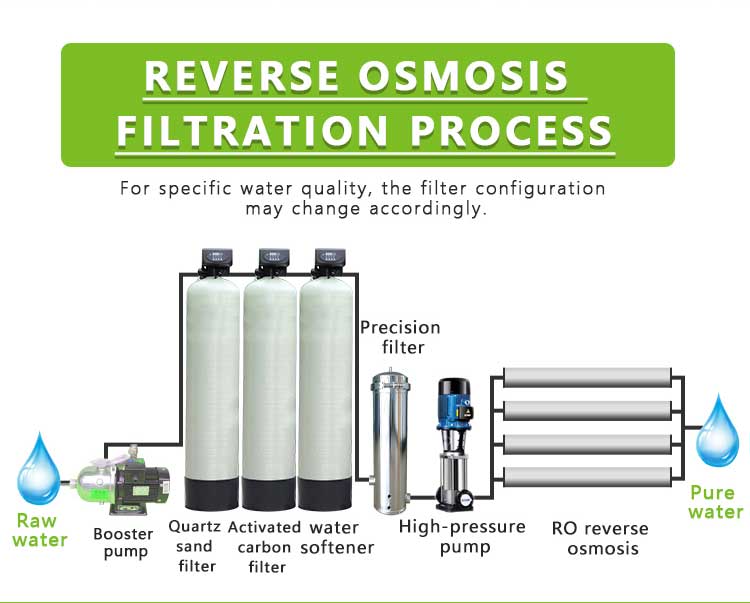
RO water systems use pressure to push water through a semipermeable membrane. This membrane filters out contaminants and leaves clean water behind. It’s a process based on molecular science. The system targets pollutants like lead, chlorine, and bacteria.
RO units typically consist of multiple stages. Each stage has a specific purpose. First, pre-filters catch larger particles. Next, the membrane removes dissolved solids. Finally, post-filters improve taste and odor. The result is pure, fresh-tasting water.
Benefits Of Ro Filtration
RO filtration offers many advantages. It produces high-quality drinking water. It removes up to 99% of impurities. This includes harmful chemicals and heavy metals. RO water is safer for cooking and consumption.
The taste of RO water is often preferred. It lacks the taste of chlorine and other chemicals. Many households choose RO systems for this reason. RO systems can also reduce the need for bottled water. This helps the environment by cutting down plastic waste.
RO filtration systems are easy to maintain. They require regular filter changes. This ensures efficiency and long-term use. Most systems are compact and fit under kitchen sinks. This makes them convenient for home use.
Rumors And Misconceptions
In the world of water purification, few topics have sparked as much debate and confusion as the notion that the World Health Organization (WHO) has banned RO (Reverse Osmosis) water. These rumors and misconceptions have left many scratching their heads, wondering if they’ve misunderstood the facts or if there’s any truth to these claims. Let’s explore where these misunderstandings arise, and what people often get wrong about RO water.
Sources Of Confusion
Confusion often stems from misinterpretations of scientific studies or miscommunication in media reports. You might have read a headline suggesting RO water is harmful due to mineral loss. Such articles sometimes fail to highlight that WHO’s concern isn’t about banning RO water, but ensuring it is supplemented with essential minerals. It’s crucial to dig deeper and verify information from credible sources rather than relying solely on catchy headlines.
Another source of confusion is the technical jargon surrounding water purification processes. Terms like “demineralization” sound alarming, but they simply refer to removing impurities from water. This process is essential in making water safe to drink, especially in areas where water quality is compromised.
Common Misbeliefs
One common belief is that RO water lacks necessary minerals, making it unhealthy for consumption. While it’s true that RO systems remove certain minerals, this doesn’t mean the water is dangerous. You can easily add minerals back to your diet through food or mineral supplements. Think about how many people drink filtered water and maintain a balanced diet without issues.
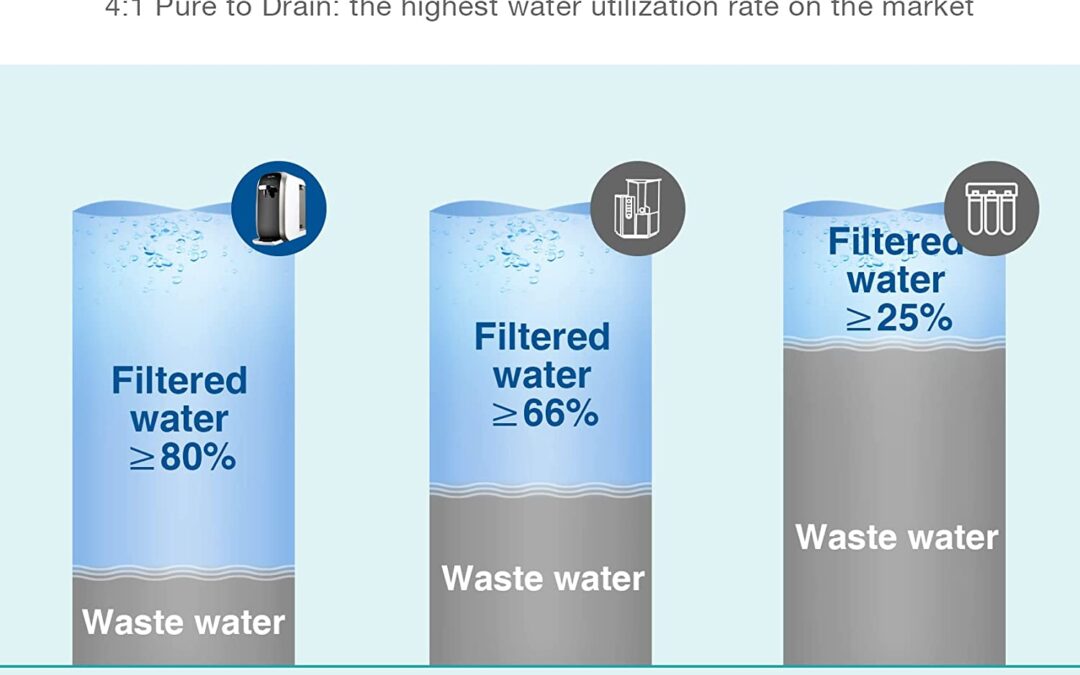
Another misconception is that RO systems waste a significant amount of water. While RO systems do produce some wastewater, advances in technology have minimized this issue significantly. Many systems are now designed to be more efficient, ensuring minimal water waste.
Have you ever wondered why these rumors persist despite evidence to the contrary? It’s often because people prefer simplified explanations over complex realities. Consider taking time to understand the nuances of water purification. This knowledge not only helps you make informed choices but also equips you to dispel myths in your community.
Official Statements On Ro Water
Many people wonder about the safety of RO water. Official statements from global health organizations provide clarity. Understanding these can help you make informed choices about your drinking water.
Who’s Position
The World Health Organization (WHO) has not banned RO water. Their focus remains on safe drinking water standards. WHO emphasizes the importance of essential minerals in water. They acknowledge that RO water may lack certain minerals. This can impact health if not compensated through diet. WHO continues to evaluate water purification methods. Their statements aim to ensure public safety and health.
Health Guidelines
WHO provides guidelines for water quality. These include acceptable levels of minerals and contaminants. RO water often meets these standards but lacks some minerals. WHO suggests monitoring mineral intake. Individuals should ensure their diet compensates for any deficiencies. WHO recommends regular testing for water quality. Their guidelines help maintain health and safety.
Analyzing Health Concerns
Many people wonder about the health effects of RO water. Understanding these concerns can help make informed choices about water consumption. Let’s dive into the potential issues.
Nutrient Depletion
RO water removes minerals during filtration. This process can lead to nutrient depletion. Essential minerals like calcium and magnesium are often lost. These minerals are vital for maintaining bone health and muscle function. Drinking RO water could reduce these necessary nutrients in your diet.
Impact On Human Health
Consuming RO water may have health impacts. Some studies suggest it can affect electrolyte balance. This balance is crucial for nerve and muscle function. RO water lacks minerals that aid in hydration. People may experience fatigue or cramps due to low mineral intake. Always consider these factors before choosing your drinking water.
Credit: www.chunkerowaterplant.com
Comparing Water Filtration Methods
Water filtration is essential for clean drinking water. Many methods exist to purify water. Each method has its own benefits and drawbacks. Choosing the right one can impact health and safety. Let’s explore different water filtration methods and how they compare.
Ro Vs Other Methods
Reverse Osmosis (RO) is a popular water purification method. It uses a semi-permeable membrane to remove impurities. RO effectively removes contaminants like heavy metals and chemicals. Other methods include carbon filtration and UV purification. Carbon filters remove chlorine and improve taste. UV systems kill bacteria and viruses. Each method serves a different purpose.
Efficiency And Safety
RO systems are highly efficient. They can remove up to 99% of contaminants. This makes them ideal for areas with poor water quality. Carbon filters are less efficient but improve taste. UV systems are effective against microorganisms. They don’t remove chemicals or heavy metals. Safety depends on water quality and chosen method. RO is safe for drinking when properly maintained.
Public Perception And Media Influence
Public concern about RO water’s safety grows as misinformation spreads. Media reports suggest a ban by WHO, causing confusion. The truth remains unclear, highlighting the media’s strong influence on public perception.
Public perception and media influence play a crucial role in shaping how we view the world around us, and this is no different when it comes to the topic of RO (Reverse Osmosis) water. With recent discussions about potential bans on RO water by the World Health Organization (WHO), the media has been a significant player in spreading information—and sometimes misinformation. How often do you find yourself forming opinions based on what you read or hear in the news? This is why understanding the media’s role and its impact on public reactions is essential.
Role Of Media
The media is a powerful tool that can inform and educate. In the case of RO water, news outlets have reported both sides of the debate, from health benefits to environmental concerns. However, not all reports are created equal. Some media channels sensationalize the news for more clicks and views. This can lead to confusion and panic among the public. When headlines scream about a “ban” without proper context, it’s easy to misunderstand the actual situation. It’s important for you to critically evaluate the sources of your information. Look for trusted media outlets that provide balanced views and factual data. This will help you form a well-rounded opinion on whether RO water is truly beneficial or harmful.
Public Reactions
Public reactions to news about RO water can vary widely. Some people may become worried and decide to stop using RO systems immediately. Others might feel overwhelmed by conflicting information and choose to ignore the news altogether. It’s interesting how personal experiences can influence reactions. If you’ve had a positive experience with RO water, you might be less inclined to believe negative reports. On the other hand, if you’ve had issues, you might be more receptive to news suggesting potential harms. Engaging in community discussions, whether online or offline, can provide additional insights. Hearing diverse opinions can help clarify your own stance. Remember, your perspective is valuable, and sharing it can contribute to a more informed public discourse. These elements highlight the intricate dance between media reports and public perception. How do you navigate this landscape? By staying informed and critically assessing the information you encounter, you can make informed choices that align with your needs and values.
Credit: www.simpurelife.com
Frequently Asked Questions
Why Is Ro Water Considered Harmful?
The WHO raises concerns about RO water lacking essential minerals, which can affect health. RO water removes impurities, but also vital minerals like calcium and magnesium. Consuming mineral-deficient water may lead to deficiencies over time, impacting bone health and cardiovascular functions.
Has Who Banned Ro Water Globally?
No, WHO has not banned RO water. WHO emphasizes the importance of consuming mineral-rich water. They recommend balancing mineral levels in purified water to maintain health benefits. RO water should be supplemented with essential minerals to ensure optimal health.
What Does Who Recommend About Drinking Water?
WHO recommends drinking water containing essential minerals for health. Mineral-rich water supports bodily functions like bone density and cardiovascular health. Purified water should ideally retain or be supplemented with minerals like calcium and magnesium to ensure balanced nutrition.
Can Ro Water Cause Mineral Deficiency?
Yes, RO water can cause mineral deficiency over time. It removes impurities and essential minerals like calcium and magnesium. Regular consumption may lead to deficiencies, impacting bone health and other bodily functions. Supplementing RO water with minerals is advised for balanced nutrition.
Conclusion
The World Health Organization has not banned RO water. Many people use it safely. RO water removes harmful contaminants. It provides clean and pure drinking water. Misunderstandings about its ban may arise from misinterpretations. Always check reliable sources for accurate information.
RO water systems are common globally. They help ensure safe water consumption. It’s vital to stay informed about water purification. Make decisions based on factual data. Keep your family healthy with safe drinking water.
Hasan Al Sarker is a Reverse Osmosis Specialist. He has worked for many years to ensure safe drinking water for all. His research paper has been published in several journals, including Issue, Medium, and Slideshare. He is recognized as a water doctor among specialists though he did not attend medical college.
Besides working as a researcher of reverse osmosis technology, he is also very fancy with the kitchen and cooking. His guides are reading thousands of people every day. As a head of content, he is responsible for all the published articles at RO System Reviews.