
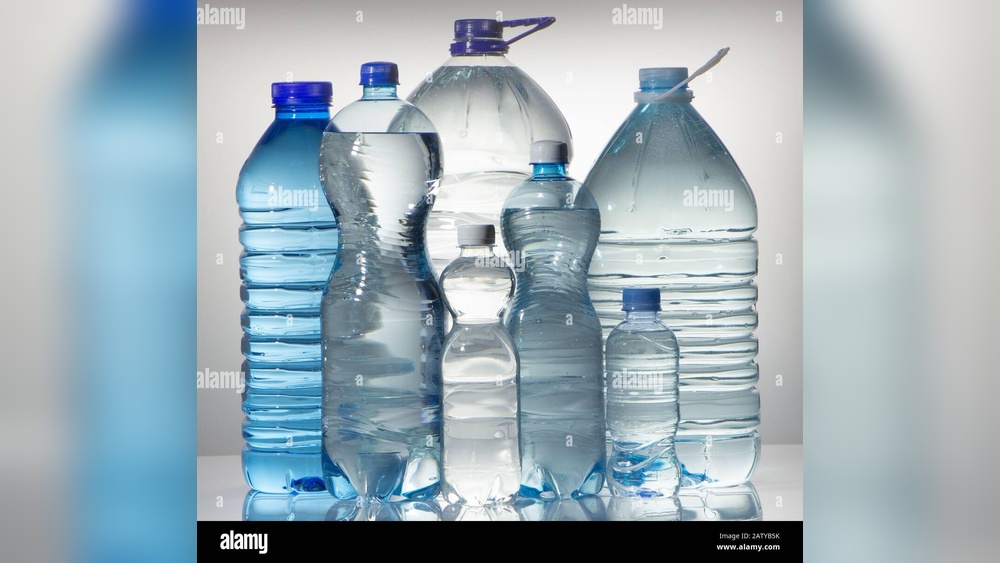
Keeping your drinking water bottle clean is not just about appearance. It’s about your health. Many people refill their bottles without washing them, but this simple habit can lead to bacteria, mold, and bad smells. Even if the water looks clear, the inside of your bottle can hold germs that are invisible to the eye. Learning how to clean your bottle properly is a small step that gives big rewards—fresh taste, safety, and peace of mind.
In daily life, your water bottle goes everywhere—school, work, gym, or travel. It touches your hands, desks, bags, and sometimes even the floor. Each contact adds new germs. Moisture inside the bottle is the perfect home for bacteria to grow.
Over time, even good water can taste odd. This article will show you exactly how to clean your water bottle thoroughly, what cleaning tools work best, and how often you should do it. You’ll also learn about mistakes many people make, and how to avoid them.
Let’s make sure every sip you take is safe and fresh.
Why Cleaning Your Water Bottle Matters
Your water bottle may look clean, but looks can be deceiving. Studies show that reusable bottles often have more bacteria than a toilet seat if not cleaned daily. The University of Alberta found that bottles used for just one week can have up to 300,000 colony-forming units of bacteria per square centimeter.
That’s not a statistic you want near your mouth.
Drinking from an unclean bottle can cause stomach upset, bad breath, or even infections. Mold often grows in caps and straws, causing a musty smell and taste. Even stainless steel bottles are not immune. Regular, proper cleaning removes bacteria, mold, and mineral build-up, making your water taste better and protecting your health.
Types Of Water Bottles And Cleaning Needs
Not all bottles are the same. Each type needs a slightly different cleaning approach.
| Type of Bottle | Material | Cleaning Needs |
|---|---|---|
| Plastic | BPA-free, Polycarbonate | Gentle soap, avoid hot water, check for scratches |
| Stainless Steel | Single/Double Wall | Dishwasher safe, avoid bleach, dry fully |
| Glass | Borosilicate, Tempered | Dishwasher safe, careful handling, check for cracks |
| Collapsible Silicone | Silicone, Plastic Cap | Wash with warm soapy water, air dry |
Plastic bottles can scratch easily, so bacteria might hide in small grooves. Stainless steel bottles are durable but need to be dried completely to avoid rust. Glass bottles are simple to clean but breakable. Collapsible bottles need extra attention to creases and folds.
Credit: cleanwater.org
Basic Cleaning: Step-by-step
Cleaning your bottle every day is the best way to stay safe. Here’s how to do it right:
- Empty the bottle: Pour out any leftover water.
- Disassemble everything: Remove the lid, straw, and any extra parts.
- Rinse with warm water: This helps loosen dirt and leftover liquid.
- Add mild dish soap: A few drops are enough.
- Scrub all surfaces: Use a bottle brush to reach inside. Don’t forget the bottom and corners.
- Clean the cap and straw: Use a smaller brush or a straw cleaner.
- Rinse thoroughly: Make sure no soap remains. Soap can leave a taste.
- Dry completely: Let all parts air dry, upside down, on a clean rack.
Tip: Clean your bottle as soon as you finish drinking. Don’t let water sit for hours.
Deep Cleaning: When And How
A deep clean is needed every week, or if your bottle starts to smell, look cloudy, or has visible mold. Deep cleaning removes stubborn germs and mineral build-up.
Best Deep Cleaning Methods
- Vinegar Soak
- Fill the bottle halfway with white vinegar.
- Add water to the top.
- Let it sit overnight.
- Rinse well and dry.
- Baking Soda Paste
- Mix 2 tablespoons of baking soda with water to make a paste.
- Scrub the inside of the bottle.
- Rinse well.
- Hydrogen Peroxide Rinse
- Add 1/4 cup of 3% hydrogen peroxide.
- Swirl and let sit for 10 minutes.
- Rinse thoroughly.
- Dishwasher (if safe)
- Check the manufacturer’s instructions.
- Place the bottle and parts on the top rack.
- Sterilizing Tablets
- Use tablets made for baby bottles or dentures.
- Follow package directions.
| Method | Strengths | Best For |
|---|---|---|
| Vinegar Soak | Natural, cheap, removes odors | Plastic, glass, stainless steel |
| Baking Soda Paste | Scrubs stains, gentle | All types |
| Hydrogen Peroxide | Kills bacteria, no smell after rinsing | Stainless steel, plastic |
| Dishwasher | Easy, hands-free | Dishwasher-safe bottles only |
| Sterilizing Tablets | Strong, quick | All, especially if used for infants |
Pro Insight: Some people skip cleaning the cap or straw. These are often the dirtiest parts. Always clean every piece.
Cleaning Special Parts: Lids, Straws, Rubber Seals
Lids, spouts, and seals are where bacteria hide most. These small parts often have grooves or rubber rings that trap moisture.
- Pop-up Straws: Use a thin straw brush. If you don’t have one, use a pipe cleaner.
- Rubber Seals: Remove and wash separately. Mold grows easily here.
- Sports Caps: Soak in vinegar or soapy water, scrub with a toothbrush.
- Push-button Lids: Open all moving parts to clean inside.
Don’t forget to check for damage. Cracked seals or broken parts can’t be cleaned well. Replace them if needed.
Drying And Storage
Drying is as important as washing. Water left in the bottle allows bacteria to grow back quickly.
- Air dry: Place parts upside down on a clean rack or towel.
- Keep lid off: Never store your bottle closed while still wet.
- Sunlight: Drying in sunlight helps kill germs naturally.
- Storage: Keep bottles in a dry place. Avoid cupboards with humidity.
Non-obvious tip: If you must store a bottle right away, put a dry paper towel inside to absorb any moisture.
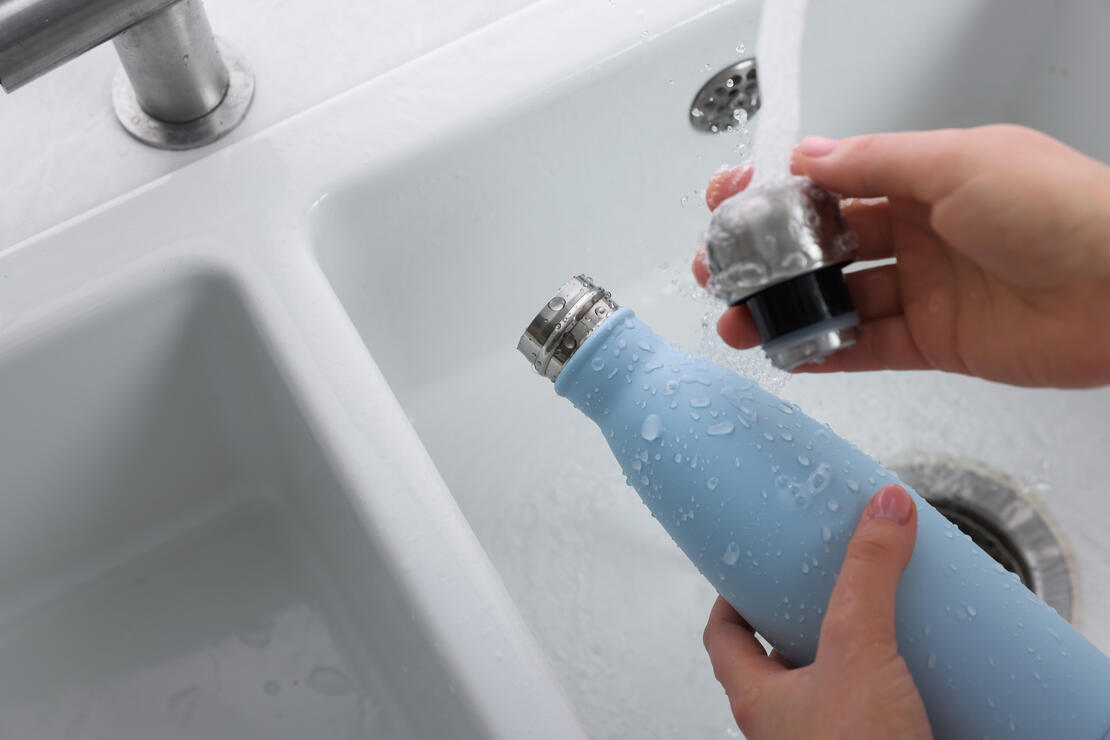
Credit: www.lifebridgehealth.org
How Often To Clean
How often should you clean your water bottle? The answer depends on how you use it:
- Daily use with water only: Wash every day.
- Juices or flavored drinks: Wash after every use.
- After illness: Deep clean before using again.
- Outdoor or gym use: Daily, plus a deep clean weekly.
If you notice bad smells, cloudy water, or residue, clean immediately.
Common Mistakes To Avoid
Even careful people make errors when cleaning bottles. Here’s what to watch out for:
- Only rinsing, not scrubbing: Rinsing removes some dirt but not all bacteria.
- Ignoring caps and seals: These parts need attention.
- Using too much soap: Soap residue can change water taste.
- Storing bottles wet: Trapped moisture breeds germs.
- Using harsh chemicals: Bleach or strong cleaners can damage bottles and leave dangerous residue.
- Not checking for wear: Old bottles with cracks or scratches can’t be cleaned well.
- Putting non-dishwasher-safe bottles in the dishwasher: Check labels first to avoid melting or warping.
Tools And Products That Help
You don’t need expensive tools, but a few basics make cleaning easier.
- Bottle brush: Long handle, soft bristles.
- Straw cleaner: Thin, flexible brush.
- Small toothbrush: For lids and seals.
- Drying rack: For air drying.
- White vinegar and baking soda: Cheap, safe cleaning agents.
Some bottles come with cleaning kits. If your bottle has a narrow neck, a brush is a must.
When To Replace Your Water Bottle
Even with perfect cleaning, bottles don’t last forever. Signs you need a new bottle:
- Cracks or chips
- Persistent odors
- Mold that won’t wash away
- Loose or missing seals
- Plastic becomes cloudy or scratched
Old bottles can leak chemicals or harbor germs. For safety, replace plastic bottles every 6-12 months. Stainless steel and glass can last years if kept in good shape.
Environmental And Health Considerations
Cleaning your water bottle is good for your health and the planet. By reusing and cleaning properly, you reduce plastic waste. If you use safe, natural cleaners like vinegar and baking soda, you avoid polluting water with harsh chemicals.
A clean bottle also keeps your water tasting pure, so you’re more likely to drink enough each day. According to the CDC, most adults don’t drink enough water. Clean bottles help you stay hydrated safely.
For more details on water safety and cleaning, see this CDC resource.
Frequently Asked Questions
How Do I Remove Bad Smell From My Water Bottle?
Fill the bottle halfway with white vinegar and water. Let it sit for 6–8 hours, then rinse thoroughly. For tough smells, add baking soda and scrub before rinsing.
Can I Put My Water Bottle In The Dishwasher?
Many stainless steel and glass bottles are dishwasher safe, but always check the label. Plastic bottles or those with prints may warp or fade. Hand washing is safest for most bottles.
Is It Safe To Use Bleach To Clean My Water Bottle?
Bleach is not recommended. It can leave harmful residue and damage the bottle’s material. Use vinegar, baking soda, or hydrogen peroxide instead for safe cleaning.
How Often Should I Deep Clean My Water Bottle?
Deep clean your bottle at least once a week, or more often if you use it for drinks other than water, after being sick, or if you notice odors or residue.
What’s The Best Way To Clean A Bottle With A Narrow Neck?
Use a long-handled bottle brush. If you don’t have one, fill the bottle with warm water, add rice and soap, shake well, then rinse. The rice acts as a gentle scrubber.
Keeping your water bottle clean is simple, but the impact is big. Clean bottles last longer, taste better, and keep you healthy every day. Make cleaning part of your routine, and enjoy safe, fresh water everywhere you go.
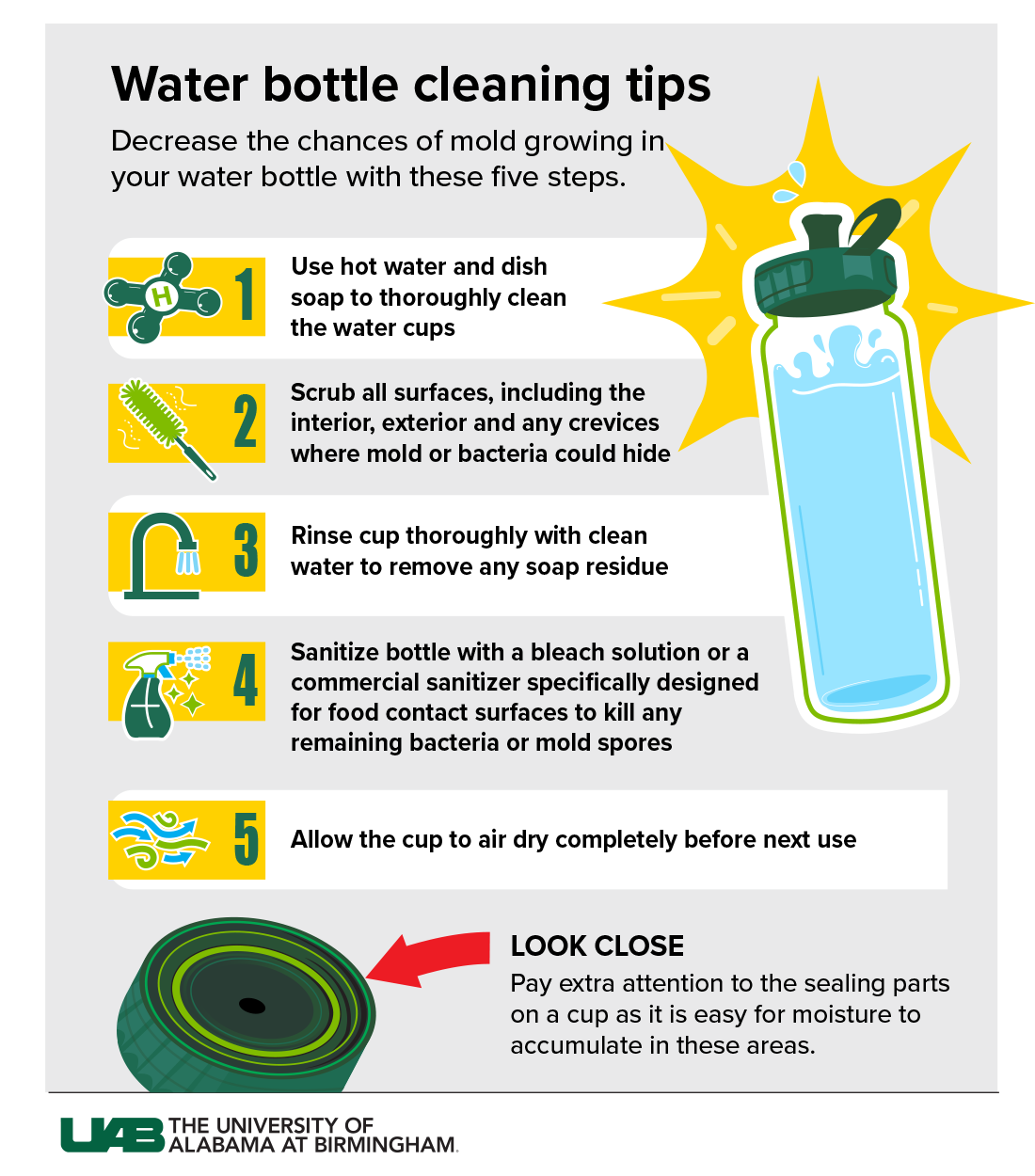
Credit: www.uab.edu

Hasan Al Sarker is a Reverse Osmosis Specialist. He has worked for many years to ensure safe drinking water for all. His research paper has been published in several journals, including Issue, Medium, and Slideshare. He is recognized as a water doctor among specialists though he did not attend medical college.
Besides working as a researcher of reverse osmosis technology, he is also very fancy with the kitchen and cooking. His guides are reading thousands of people every day. As a head of content, he is responsible for all the published articles at RO System Reviews.