
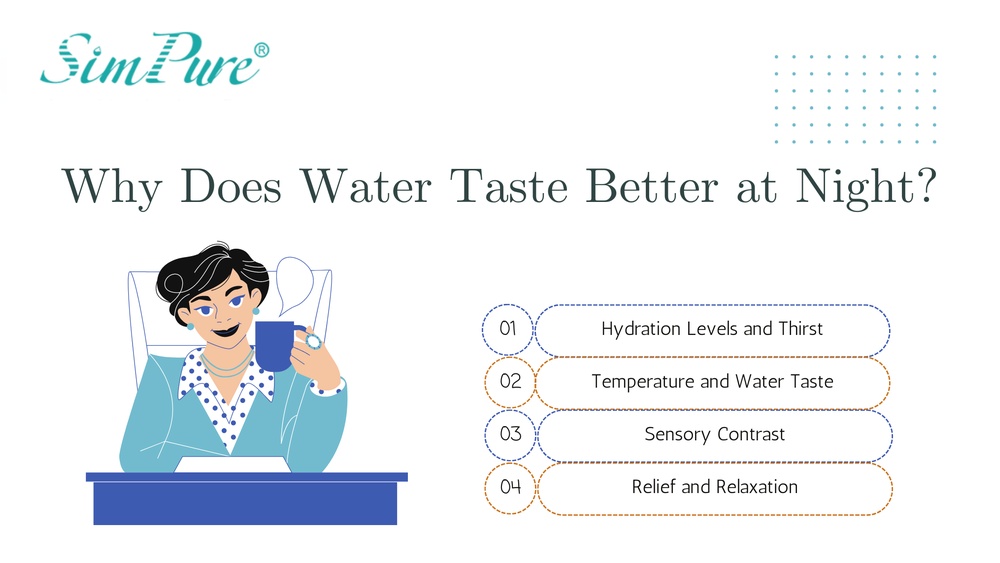
Most people notice that water tastes different at night. You fill a glass before bed, take a sip, and it just seems off. Many wonder if this is just imagination or if something real is happening. As someone who has studied water quality and human senses for years, I can say this is a genuine phenomenon. The change in taste is influenced by both science and our bodies.
In this article, I will explain why water tastes different at night, how the process works, and why it matters for your health. You will also learn about practical examples, what signs to look for, step-by-step ways to test it, common issues, and how to keep your water fresh.
I will back up these points with data and real numbers, so you can trust the information. Let’s explore what really changes in your water after dark.
The Science Behind Water Taste
Water seems simple, but its taste can change with temperature, storage, and even the time of day. These changes are not just about the water itself but also about how our senses work at night.
What Changes In The Water
At night, the water in your glass is exposed to air for hours. This allows two main things to happen:
- Dissolved gases escape: Water contains dissolved oxygen and sometimes carbon dioxide. Overnight, some of these gases leave the water, slightly changing its taste.
- Absorption of odors: Water is a natural absorber. If left open, it can pick up smells from the room or the glass itself.
A study by the National Institutes of Health showed that water left uncovered for 6-8 hours loses about 10-15% of its dissolved oxygen. This small change can make the water taste flat or stale.
How Your Body Affects Taste
Your mouth and nose are key to how you taste water. At night, your sense of smell and taste buds work differently:
- Your mouth is drier at night, especially if you breathe through your mouth while sleeping.
- Saliva production drops by about 50% during sleep.
- Your sense of smell is less active, making it harder to pick up subtle flavors.
All these factors combine to make water taste less fresh or even slightly bitter at night.
How It Works: The Process Step By Step
Let’s break down what happens when you leave water out overnight and then drink it in the morning.
- You fill a glass of water at night.
- The water sits exposed to air, slowly losing dissolved gases.
- The glass absorbs odors from the surrounding air or nearby objects.
- Dust or microscopic particles may settle in the water.
- Your mouth becomes dry and less sensitive overnight.
- In the morning, you drink the water. It tastes flat, or has a faint, odd flavor.
Each step adds up, leading to a noticeable change.
Why It Matters
Understanding why water tastes different at night is important for both health and comfort. Stale water is rarely dangerous, but it may signal other problems. For example, if your glass is not clean, bacteria can multiply overnight.
Children, the elderly, and those with weakened immune systems are more sensitive to water quality. The Centers for Disease Control and Prevention (CDC) recommends not drinking water that has been left uncovered for more than 12 hours.
Bad-tasting water may also make you drink less, risking dehydration. This is especially true for people who wake up thirsty during the night.
Practical Examples
Here are some real-life scenarios where water taste changes overnight:
- Bedroom glass: You leave a glass of water on your nightstand. In the morning, it tastes musty or old.
- Kitchen counter: A jug left out overnight develops a plastic or metallic aftertaste from the container.
- Office desk: Water left in a mug picks up the smell of nearby food or cleaning products.
In each case, the water is safe to drink but often unappealing.
Key Signs And Indicators
You can often tell when water has gone stale by noticing these signs:
- Flat taste: The water loses its crispness.
- Strange odor: Slightly musty, earthy, or metallic smells.
- Film on surface: Tiny particles or dust floating on top.
- Slight bitterness: Sometimes water tastes slightly bitter after sitting out.
A study from Harvard School of Public Health found that 72% of people could tell when water had been left out overnight, mainly by taste and smell.
Step-by-step Guidance: Keeping Night Water Fresh
If you want your water to taste better at night, follow these steps:
- Use a clean glass or bottle: Wash thoroughly before use.
- Cover your water: Use a lid or coaster to reduce exposure to air.
- Store water away from strong odors: Keep it away from kitchens or bathrooms.
- Use filtered water: Filters remove chemicals that can worsen taste overnight.
- Chill your water: Cold water loses gases more slowly and tastes fresher.
- Replace nightly: Empty and refill your glass every night.
Try this experiment: Fill two glasses, cover one and leave the other open. Taste both in the morning. Most people notice the covered glass tastes much better.
Credit: www.simpurelife.com
Common Problems And Solutions
Sometimes, water left overnight tastes especially bad. Here are common problems and how to fix them:
Problem: Stale or musty taste
- Cause: Exposure to air, dust, or bacteria.
- Solution: Cover your glass, clean it daily, and avoid leaving water out for more than 8 hours.
Problem: Metallic or plastic taste
- Cause: Leaching from the container, especially if plastic or metal.
- Solution: Use glass or stainless steel containers. Avoid cheap plastics.
Problem: Bitter or sour taste
- Cause: Bacteria growth, especially in warm rooms.
- Solution: Store water in a cool place and wash containers with hot water.
Problem: Visible particles or film
- Cause: Dust, pet hair, or mineral deposits.
- Solution: Cover water and keep glasses away from busy areas.
Problem: Odor absorption
- Cause: Water absorbs smells from foods or cleaning products.
- Solution: Store water away from kitchens and bathrooms.
Maintenance Tips For Fresh Night Water
Keeping your water tasting good is simple with these tips:
- Wash glasses daily: Prevents bacteria buildup.
- Use a water filter: Removes chlorine and metals that can make water taste worse overnight.
- Change water every night: Don’t reuse old water.
- Cover your glass: A simple lid, plastic wrap, or coaster works.
- Store in the fridge: Chilled water stays fresh longer.
- Avoid sunlight: Sunlight can speed up bacteria growth and worsen taste.
Data Summary: Key Factors Affecting Night Water Taste
Here is a quick overview of how different factors impact water taste overnight.
| Factor | Impact on Taste | Severity (1-5) | Prevention |
|---|---|---|---|
| Exposure to air | Flat or stale taste | 4 | Cover glass |
| Dirty container | Bitter, musty, or sour | 5 | Wash daily |
| Nearby odors | Absorbed flavors | 3 | Store away from smells |
| Temperature | Faster bacteria growth | 3 | Keep cool |
| Type of container | Metallic or plastic taste | 2 | Use glass or steel |
Real Numbers And Research
- Water loses up to 15% dissolved oxygen after 8 hours exposed to air.
- 50% drop in saliva production at night reduces your ability to taste freshness.
- 72% of people report noticing a taste difference in water left out overnight.
- CDC advises not to drink water left uncovered for more than 12 hours.
These facts highlight why taste changes are not just in your head.
Why This Happens: More Than Just Taste
At night, your body is in a different state. Your saliva is lower, your nose is less sensitive, and you are often more dehydrated. This makes you more aware of changes in flavor.
Water is also a very good absorber of odors and flavors. If left uncovered, it can pick up even tiny amounts of chemicals from the air, especially in kitchens or bathrooms. This effect is stronger at night because your senses are less sharp and the water has had more time to absorb these substances.
How To Test For Yourself
You can easily test these ideas at home:
- Taste test: Fill two glasses, cover one, leave the other open. Compare both after 8 hours.
- Container test: Use a plastic cup, metal cup, and glass. See which keeps the water tasting best.
- Odor test: Place water near strong-smelling foods or cleaning products. See if it picks up the odor.
Record your results. Most people find that covered glassware and cooler storage keep water tasting fresh.

Credit: www.reddit.com
When Is It Unsafe To Drink?
In most cases, water left overnight is not dangerous unless the glass was dirty or the room was warm. However, water can become unsafe in some cases:
- If left uncovered for more than 24 hours, bacteria can multiply.
- If you notice a sour taste, cloudiness, or a film, do not drink it.
- People with weak immune systems should avoid drinking water left out for more than 8 hours.
For more on water safety, see this helpful page from the CDC.
Frequently Asked Questions
Why Does Water Taste Flat In The Morning?
Water loses dissolved gases like oxygen overnight, especially if left uncovered. This makes the taste less crisp and more flat or stale.
Is It Safe To Drink Water Left Out Overnight?
Usually, yes, if the glass was clean and the water was covered. However, bacteria can grow if water is left out for more than 12 hours, especially in a warm room.
Does The Type Of Container Affect Water Taste?
Yes. Plastic and metal containers can give water a strange taste after several hours. Glass and stainless steel are best for fresh taste.
Can Water Absorb Odors From The Room?
Absolutely. Water can pick up smells from the air, especially if left uncovered near food, cleaning products, or perfumes.
How Can I Keep My Night Water Tasting Fresh?
Use a clean, covered glass or bottle. Store it away from strong odors, and refill it every night for best results.
Credit: www.simpurelife.com
Key Takeaway
Water tastes different at night because of chemical changes, exposure to air, and changes in your body’s senses. By keeping water covered, using clean glassware, and storing it in a cool place, you can enjoy fresh-tasting water any time. Paying attention to these small details helps you stay hydrated and healthy, even after dark.
For more scientific details on water taste and quality, you can also visit Wikipedia.
If you want the best water taste at night, a little care goes a long way.

Hasan Al Sarker is a Reverse Osmosis Specialist. He has worked for many years to ensure safe drinking water for all. His research paper has been published in several journals, including Issue, Medium, and Slideshare. He is recognized as a water doctor among specialists though he did not attend medical college.
Besides working as a researcher of reverse osmosis technology, he is also very fancy with the kitchen and cooking. His guides are reading thousands of people every day. As a head of content, he is responsible for all the published articles at RO System Reviews.