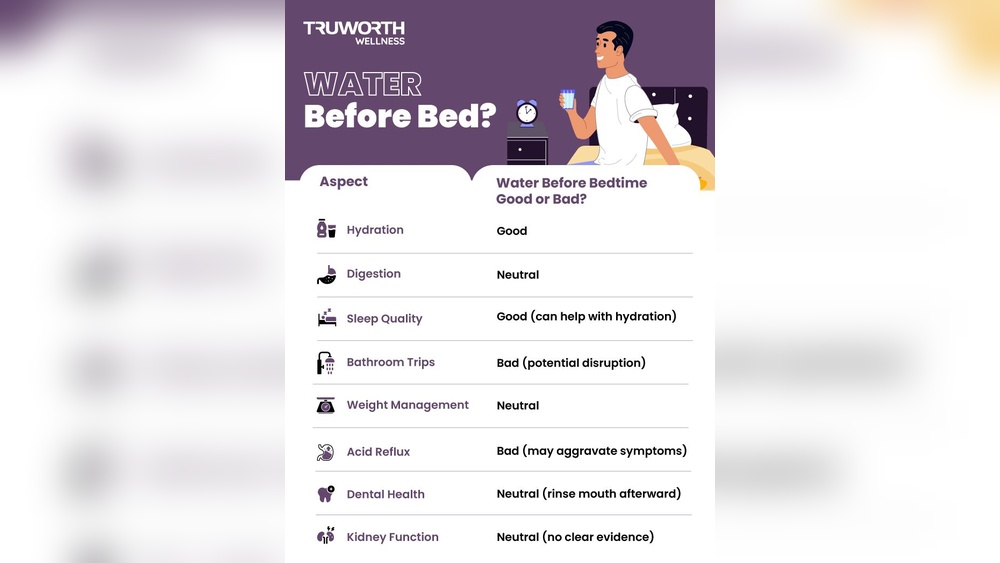
Staying hydrated is important, but many people wonder how late they should drink water before bed. Drinking water at night can sometimes interrupt sleep, especially if it leads to frequent trips to the bathroom. On the other hand, not drinking enough can cause dehydration and discomfort.
As a hydration expert, I often get asked about the best time to stop drinking water in the evening for the healthiest sleep.
Understanding how your body processes water and the effects of late-night drinking can help you make better choices. This article explains the science behind nighttime hydration, why it matters, and how you can adjust your habits for better rest. You will also find practical steps, real examples, and a summary table to help you find the right balance.
What Happens When You Drink Water At Night
When you drink water, your body absorbs it through the digestive system and uses it for many functions. Water helps with digestion, regulates temperature, and keeps your organs working well. However, the body does not store large amounts of extra water.
Excess is filtered by the kidneys and leaves the body as urine.
At night, your body slows down many functions, but your kidneys still work. If you drink a lot of water close to bedtime, your bladder may fill faster. This can make you wake up to urinate, disturbing your sleep. Studies show that nocturia (waking to urinate at night) affects about 1 in 3 adults over age 30 and becomes more common with age.
Why The Timing Of Water Intake Matters
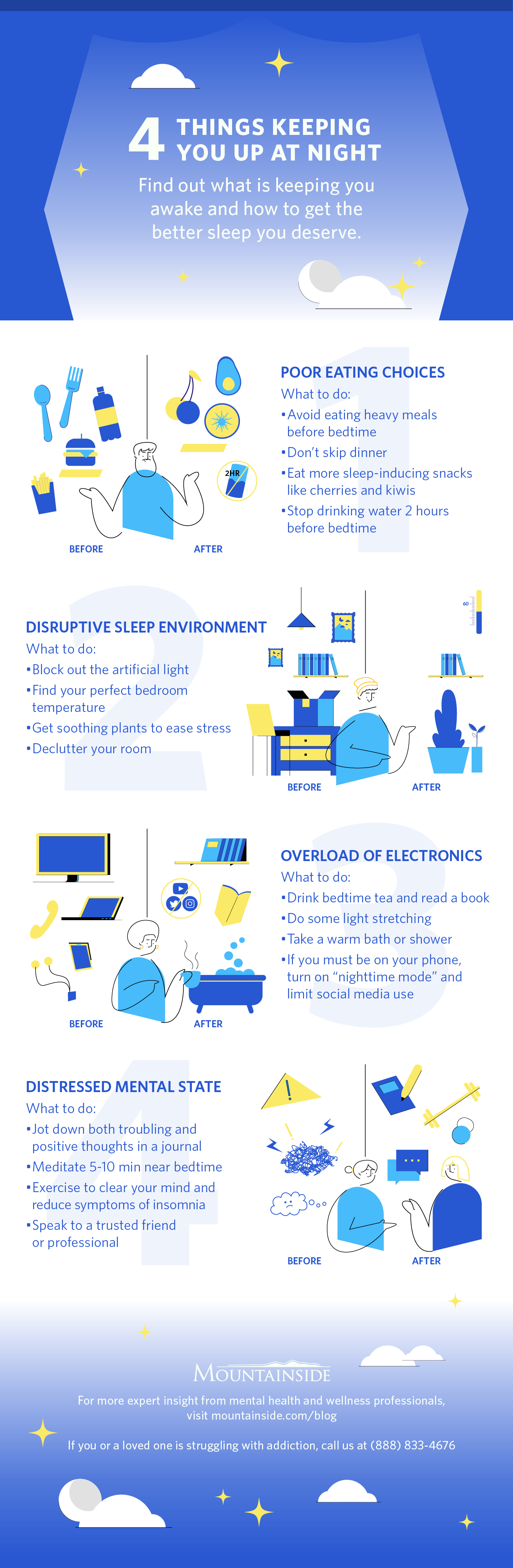
Sleep is vital for health. Interrupted sleep can lead to poor memory, lower mood, and even higher risk for heart disease. If you wake up often to use the bathroom, your sleep cycle is broken. Deep sleep is especially important for the brain and body to recover.
Research from the National Sleep Foundation suggests that even one night of poor sleep can slow thinking and weaken the immune system. The main cause of night waking for adults is the need to urinate, often due to drinking water or other drinks late in the evening.
Credit: www.mountainside.com
How Much Water Do You Really Need Each Day
Most adults need between 2 to 3 liters of water daily. This includes all drinks and water-rich foods like fruits and vegetables. The U.S. National Academies of Sciences, Engineering, and Medicine recommends about 3.7 liters per day for men and 2.7 liters for women. However, these numbers can change with activity level, climate, and health.
It is best to drink water steadily throughout the day. Drinking large amounts at once, especially before bed, is less effective and more likely to disturb your rest.
Typical Water Needs By Age And Gender
| Group | Daily Water Intake (Liters) |
|---|---|
| Adult Men | 3.7 |
| Adult Women | 2.7 |
| Children (9-13 years) | 2.1 – 2.4 |
| Older Adults (65+) | 2.0 – 2.5 |
Signs You May Be Drinking Water Too Late
You might be drinking water too close to bedtime if you notice these signs:
- Waking up more than once per night to urinate
- Trouble falling back asleep after waking
- Feeling tired or unrested in the morning
- Dry mouth or thirst shortly after going to bed
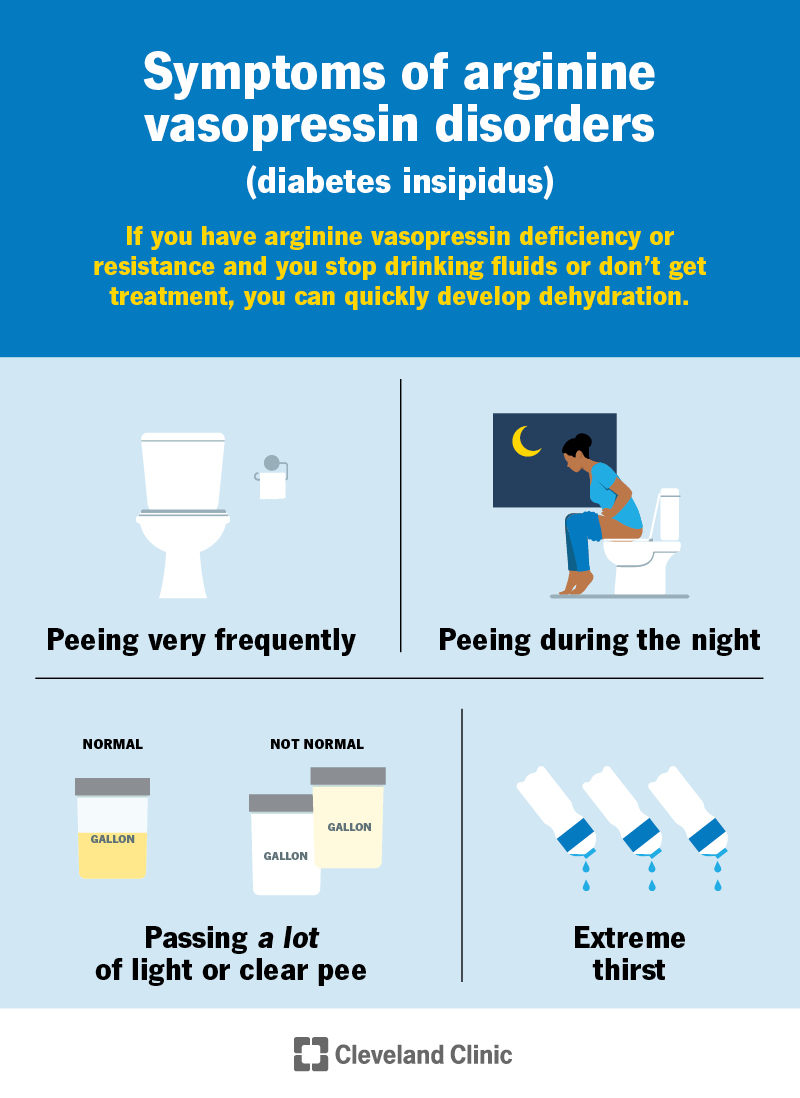
Frequent night urination can also be a sign of other health issues. If you have this problem even when not drinking late, talk with your doctor.
Credit: my.clevelandclinic.org
The Best Time To Stop Drinking Water At Night
Most experts recommend stopping large water intake 1 to 2 hours before bedtime. This gives your kidneys time to process the last amount of water and your bladder time to empty. For example, if you plan to sleep at 10 PM, finish your last full glass of water by 8 or 9 PM.
A few small sips closer to bedtime are usually fine, especially if you feel thirsty. Avoid drinking a whole glass right before lying down unless you are very dehydrated.
Sample Evening Hydration Schedule
| Time | Hydration Action |
|---|---|
| 6:00 PM | Finish main dinner drink (200-300 ml) |
| 7:00 PM | Optional small glass if thirsty (100-150 ml) |
| 8:00 PM | Last full glass of water (150-200 ml) |
| 9:00-10:00 PM | Only small sips if needed |
Practical Examples For Different Lifestyles
Athletes and people with active jobs may need more water in the evening. If you exercise after work, rehydrate right after your session rather than later at night. For example, someone who runs at 7 PM should drink enough immediately after, then slow down intake by 9 PM.
Older adults have smaller bladder capacity and less deep sleep. For them, stopping water intake even earlier (2-3 hours before bed) can reduce nighttime trips. Shift workers who sleep during the day should adjust their “evening” water cut-off to match their rest schedule.
Step-by-step Guidance To Adjust Your Evening Hydration
1. Track Your Water Intake
Use a bottle with measurements or a phone app to see how much water you drink each hour.
2. Drink More In The Morning And Afternoon
Front-load your hydration by drinking most of your daily water before dinner.
3. Eat Water-rich Foods
Foods like cucumber, watermelon, and oranges can help you stay hydrated with less risk of a full bladder at night.
4. Limit Caffeine And Alcohol In The Evening
These drinks can increase urine production and lead to more bathroom trips.
5. Stop Large Drinks 1-2 Hours Before Bed
Have your last big glass of water at least an hour before you plan to sleep.
6. Allow Small Sips If Needed
If you feel dry, a few sips won’t usually disturb your sleep.
7. Monitor Your Sleep Quality
Notice if you wake up less often after changing your water habits. Adjust as needed.
Common Problems And Solutions
Problem: Waking up multiple times to urinate
Solution: Stop all drinks at least 2 hours before bed. Try to empty your bladder right before sleeping.
Problem: Feeling thirsty at night
Solution: Increase your water intake earlier in the day. Keep a small glass by your bed for emergencies, but only take a sip if you wake up.
Problem: Headaches or dry mouth in the morning
Solution: You might not be drinking enough during the day. Use a reminder or set water goals to avoid dehydration.
Problem: Late exercise or spicy food causes thirst
Solution: Drink most of your water during your workout, then slow down afterward. Consider lighter meals and less salt in the evening.
Credit: liquid-iv.co.in
Maintenance Tips For Healthy Hydration
- Start your day with water to replace fluids lost overnight.
- Spread your water intake across the day instead of drinking large amounts at once.
- Choose herbal teas or diluted fruit water in the evening if you want flavor without extra sugar or caffeine.
- Listen to your body. Thirst is a good signal, but aim to drink before you feel very thirsty.
- Adjust for weather and activity. On hot days or after exercise, drink more earlier and slow down in the evening.
Key Information Summary
Here is a quick reference for the most important points:
| Factor | Recommendation |
|---|---|
| Last large drink | 1-2 hours before sleep |
| Small sips | Allowed if thirsty |
| Daily water goal | 2.7-3.7 liters for adults |
| Alcohol/caffeine | Avoid at night |
| Special needs | Adjust for age, health, activity |
Frequently Asked Questions
How Late Is Too Late To Drink Water Before Bed?
Most people should stop drinking large amounts of water 1-2 hours before bedtime. This helps reduce the need to wake up at night to use the bathroom.
Can Drinking Water At Night Cause Weight Gain?
Water itself does not cause weight gain. However, interrupted sleep from frequent urination can affect metabolism and hunger hormones. Staying hydrated during the day is better for health and weight control.
Is It Safe To Skip Water Before Bed If I Am Not Thirsty?
Yes, it is safe if you have met your daily water needs. If you are not thirsty and have had enough fluids, you do not need to drink more before sleeping.
What If I Wake Up Feeling Very Thirsty?
Try increasing your water intake earlier in the day. If you wake up thirsty often, check your room humidity or consider if you breathe through your mouth at night, which can cause dryness.
Should Children Stop Drinking Water At Night Too?
Children can be more sensitive to nighttime drinking, especially if they wet the bed. It is wise for them to stop large drinks 1-2 hours before sleeping, but allow a small sip if needed.
Key Takeaway
Finding the right time to stop drinking water at night can improve your sleep and overall health. Most people do best by finishing their last large drink 1 to 2 hours before bed, but small sips are fine if you are thirsty. Track your habits, adjust for your lifestyle, and notice how your sleep improves with better hydration timing. For more detailed guidance, you can visit the Sleep Foundation or the CDC Hydration Guide. Your body will thank you for balancing water intake and restful sleep.
Hasan Al Sarker is a Reverse Osmosis Specialist. He has worked for many years to ensure safe drinking water for all. His research paper has been published in several journals, including Issue, Medium, and Slideshare. He is recognized as a water doctor among specialists though he did not attend medical college.
Besides working as a researcher of reverse osmosis technology, he is also very fancy with the kitchen and cooking. His guides are reading thousands of people every day. As a head of content, he is responsible for all the published articles at RO System Reviews.