
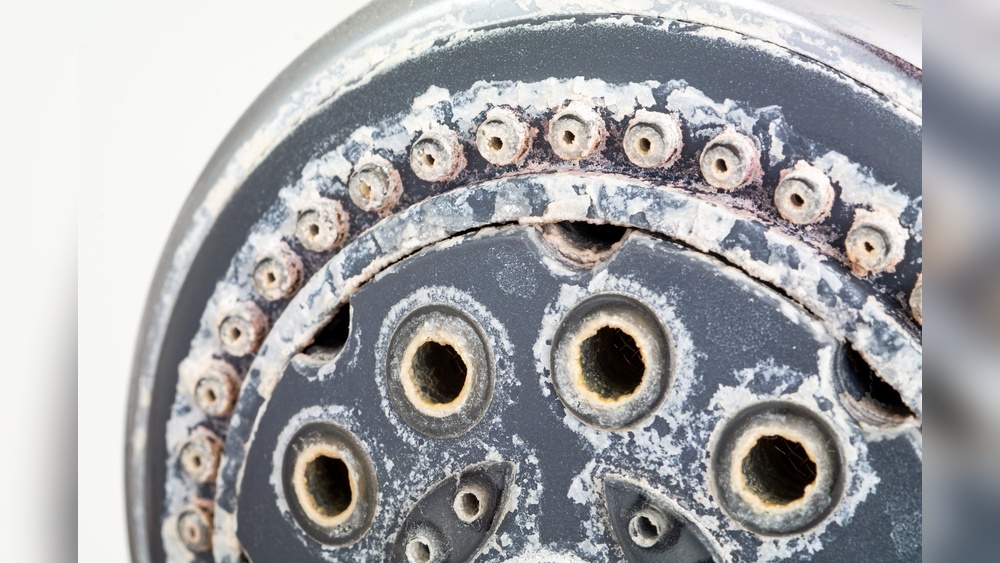
If you have ever noticed white spots or chalky residue on your glasses, bathroom tiles, or faucets, you are not alone. Many households face this issue, which can be both annoying and confusing. People often wonder if these residues are dangerous, if they damage appliances, or if they can be stopped. Understanding what causes white residue from water is important for maintaining a clean home and healthy plumbing system. This article will help you learn why these residues form, what they mean, and how you can deal with them effectively.
What Is White Residue From Water?
White residue is a powdery or chalk-like layer left behind when water dries on a surface. Most often, this appears on dishes, shower screens, sinks, and inside kettles or coffee makers. While it may look like soap scum, it is usually a result of minerals dissolved in tap water. These minerals are not harmful in small amounts, but they can cause problems over time.
How Does White Residue Form?
The main cause of white residue is hard water. Hard water contains high levels of minerals, mainly calcium and magnesium. When water with these minerals evaporates, it leaves the minerals behind as a solid deposit. This is often called limescale or mineral buildup.
The process works like this:
- Water flows over rocks underground, picking up minerals.
- The water is then delivered to your home through pipes.
- When you use the water and it dries, the minerals stay on surfaces.
You may also see white residue when boiling water or in appliances that use heat, because heat speeds up the evaporation process.
Why White Residue Matters
White residue is not just a cosmetic problem. Over time, it can cause real issues in your home:
- Reduces efficiency of appliances like kettles, dishwashers, and water heaters.
- Clogs pipes and can shorten the life of plumbing.
- Leaves stains on tiles, glass, and metal, which can be hard to remove.
- Affects water taste and quality in severe cases.
According to the United States Geological Survey (USGS), nearly 85% of homes in the US have hard water to some degree. This means white residue is a common problem for many families.
Key Minerals Responsible
The main minerals causing white residue are:
- Calcium carbonate: Leaves a chalky, powdery film.
- Magnesium carbonate: Also forms stubborn spots and buildup.
- Silica: Less common but can add to the problem, especially in some regions.
These minerals are measured in parts per million (ppm) or milligrams per liter (mg/L). Water is considered “hard” if it has more than 60 mg/L of calcium carbonate.
:max_bytes(150000):strip_icc()/causes-white-residue-2146672-3b3e8aa7d6414950800094a3506d0201_1-948f40c0f3b645aa8db038750f8af2b1.jpg)
Credit: www.thespruce.com
Table: Water Hardness Levels And Effects
Here is a summary of how different water hardness levels relate to residue formation:
| Hardness (mg/L as CaCO₃) | Classification | Residue Visibility |
|---|---|---|
| 0–60 | Soft | Rarely visible |
| 61–120 | Moderately hard | Light residue |
| 121–180 | Hard | Noticeable spots |
| 180+ | Very hard | Heavy buildup |
Practical Examples Of White Residue
You might see white residue in several everyday situations:
- On glassware after dishwashing, especially when air-dried.
- Inside kettles or coffee machines as a rough, white coating.
- On shower doors as cloudy spots that are hard to wipe off.
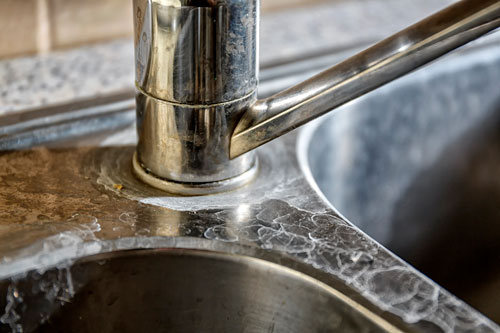
- Around faucets and sinks as crusty buildup.
For example, boiling 1 liter of hard water with 150 mg/L calcium carbonate can leave behind about 0.15 grams of residue after evaporation. Over weeks and months, this adds up quickly.
Signs And Indicators
It is not always easy to tell if your water is causing white residue. Here are some clear signs:
- Spots on glass and silverware after washing.
- Reduced water flow in taps due to mineral deposits.
- White flakes in boiled water or ice cubes.
- Heating elements in appliances have a rough surface.
Testing your water hardness is simple and can confirm the problem. Home test kits cost about $10–$20 and provide results in minutes.
Step By Step Guidance: How To Deal With White Residue
- Test your water to know its hardness level. Use a home test kit or ask your water supplier.
- Clean affected surfaces regularly. Use vinegar or a descaling product for kettles and faucets.
- Install a water softener if your water is very hard (over 180 mg/L CaCO₃). This reduces calcium and magnesium in your water.
- Use rinse aids in dishwashers to help water dry without leaving spots.
- Flush appliances like water heaters and kettles every few months to remove buildup.
- Wipe surfaces dry instead of letting water air-dry, especially on glass and chrome.
- Check plumbing regularly for clogs or reduced flow.
Credit: atlanticbluewaterservices.com
Common Problems And Solutions
Stubborn Limescale On Appliances
If your kettle or coffee maker has thick white crusts, fill it with equal parts vinegar and water, let it soak for an hour, then rinse well. For severe buildup, repeat the process. Avoid using harsh abrasives, as they can scratch surfaces.
White Spots On Dishes
Try adding a rinse aid to your dishwasher and use less detergent. Hard water requires more rinsing, not more soap. If spots remain, hand-wash glasses with vinegar and water.
Slow Water Flow
Mineral deposits can block faucet aerators and showerheads. Remove and soak these parts in vinegar for an hour, then scrub gently with an old toothbrush. If the problem returns quickly, consider a water softener.
Frequent Cleaning Needed
If you clean often but residue returns, your water is likely very hard. Installing a whole-house water softener can solve the problem for all taps and appliances.
Maintenance Tips
- Descale appliances every 1–3 months, depending on use and hardness level.
- Replace filters in water softeners as recommended by the manufacturer.
- Clean faucets and showerheads monthly to prevent buildup.
- Flush water heaters at least once a year to remove sediment.
- Check for leaks, as standing water speeds up mineral deposits.
Regular maintenance not only reduces white residue but also extends the life of your appliances and plumbing.
Data And Research
According to the Water Quality Association, homes with soft water use up to 30% less energy for heating water compared to homes with heavy limescale buildup. Studies show that just 1.6 mm of limescale on a heating element can increase energy use by 12%. Over time, this adds to higher utility bills.
If you want to know more about water hardness and its effects, you can visit the USGS Water Science School for detailed data and maps.
When To Seek Professional Help
If you notice severe residue, water pressure drops, or appliance failures, it may be time to call a plumber. Some problems, like scaling in pipes, need professional tools or replacement parts. A water treatment expert can test your water and suggest the best solutions for your home.
Credit: www.reddit.com
Summary Table: What To Watch And What To Do
Here is a quick overview of the main causes and solutions for white residue:
| Problem Area | Main Cause | Best Solution |
|---|---|---|
| Dishes/Glasses | Hard water spots | Rinse aid, hand wash with vinegar |
| Kettles/Coffee Makers | Limescale | Descale with vinegar |
| Faucets/Showerheads | Mineral buildup | Soak in vinegar, scrub gently |
| Pipes/Heaters | Scale deposits | Flush system, install softener |
Frequently Asked Questions
What Is The White Residue Left After Water Dries?
White residue is mainly calcium and magnesium left behind when hard water evaporates. It often appears as chalky spots on dishes, glass, and taps.
Is The White Residue Harmful To Health?
For most people, the minerals causing white residue are not harmful in normal amounts. However, very high mineral content can affect water taste and may not be suitable for some medical conditions.
How Can I Test My Water For Hardness?
You can buy simple test strips at hardware stores or online. These change color to show the hardness level in mg/L or ppm within a few minutes.
Will Installing A Water Softener Remove All Residue?
A good water softener reduces most calcium and magnesium in your water, so residue is much less visible. Some trace minerals may remain, but problems are usually solved.
Can I Use Home Remedies To Remove White Residue?
Yes, vinegar is a safe and effective cleaner for removing mineral spots and limescale from most surfaces. For tough buildup, repeat the cleaning process as needed.
Key Takeaway
White residue from water is a clear sign of hard water. It is caused mainly by calcium and magnesium minerals. While not dangerous, it can damage appliances and plumbing if ignored. Regular cleaning, testing your water, and using a softener where needed can keep your home free from stubborn white spots and buildup. If you want more data on water hardness and solutions, you can also check the CDC’s water quality guide for reliable advice. With the right steps, you can protect your home and enjoy clean, clear water every day.

Hasan Al Sarker is a Reverse Osmosis Specialist. He has worked for many years to ensure safe drinking water for all. His research paper has been published in several journals, including Issue, Medium, and Slideshare. He is recognized as a water doctor among specialists though he did not attend medical college.
Besides working as a researcher of reverse osmosis technology, he is also very fancy with the kitchen and cooking. His guides are reading thousands of people every day. As a head of content, he is responsible for all the published articles at RO System Reviews.