Have you ever stopped to wonder what the safest water to drink really is? You might think all water is the same, but the truth is, the quality of the water you drink can affect your health in ways you might not expect.
Whether you’re at home, traveling, or just grabbing a quick drink, knowing which water is safest can protect you and your loved ones from hidden dangers. You’ll discover simple, clear facts that will help you make smarter choices every time you reach for a glass.
Keep reading to find out how to keep your body safe and hydrated with the best water possible.
Credit: www.nutrisense.io
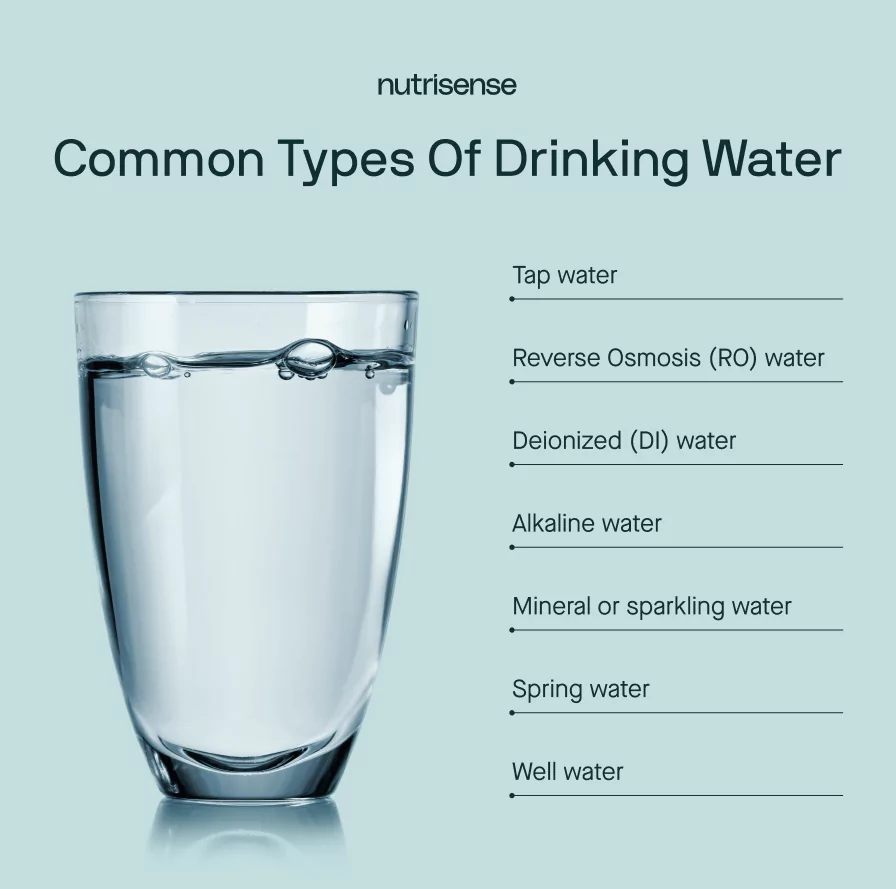
Types Of Drinking Water
Water is essential for life. People drink different types of water every day. Each type has its own source and treatment method. Knowing the types helps you choose the safest water.
Tap Water
Tap water comes from local water systems. It is treated to remove germs and harmful substances. Many cities add fluoride to protect teeth. Quality varies by location. Some tap water is very safe. Others may need extra filtering.
Bottled Water
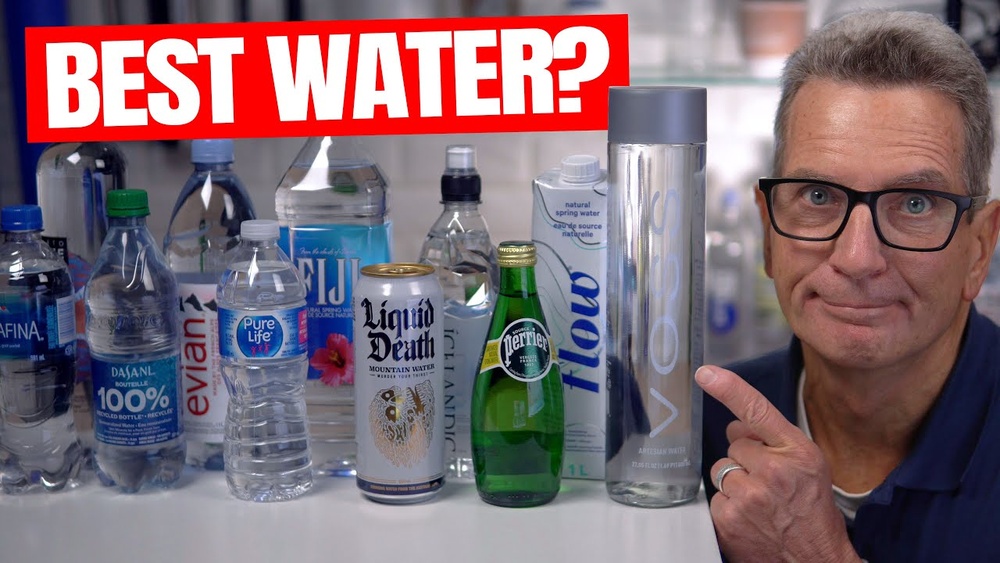
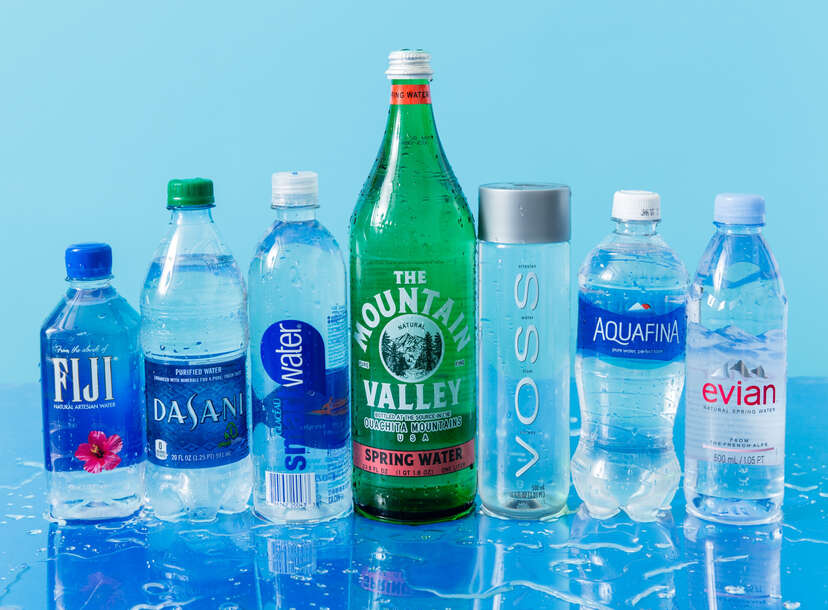
Bottled water is sold in plastic or glass bottles. It often comes from springs or purified sources. Bottled water is convenient for travel and emergencies. It costs more than tap water. Always check the label for source and quality.
Filtered Water
Filtered water comes from tap water passed through filters. Filters remove chlorine, dirt, and some chemicals. Home filters can use charcoal or reverse osmosis. Filtering improves taste and safety. Replace filters regularly for best results.
Distilled Water
Distilled water is boiled and then condensed back to liquid. This process removes minerals, chemicals, and germs. It is very pure but lacks minerals. Some people use it for medical or lab purposes. Not ideal for daily drinking due to no minerals.
Spring Water
Spring water flows naturally from underground sources. It often contains natural minerals. Many people prefer its fresh taste. Bottled spring water is popular for drinking. Quality depends on the spring’s cleanliness and protection.
Common Water Contaminants
Water can contain many types of contaminants. These affect taste, safety, and health. Knowing common water contaminants helps you choose the safest water. Some contaminants are invisible but harmful. Others change the water’s smell or look. Understanding these helps you protect your family and yourself.
Microorganisms
Microorganisms include bacteria, viruses, and parasites. They come from animal waste and dirty water. Some cause stomach pain, diarrhea, and infections. Boiling water kills most harmful germs. Filters can remove many microorganisms too. Clean water stops many illnesses from spreading.
Chemical Pollutants
Chemical pollutants come from factories, farms, and homes. Pesticides, fertilizers, and cleaning chemicals can enter water. These chemicals may cause headaches, skin problems, or worse. Some chemicals stay in the body a long time. Water treatment plants reduce many chemical pollutants. Using safe sources limits chemical risks.
Heavy Metals
Heavy metals include lead, arsenic, and mercury. They come from old pipes, mining, and pollution. These metals build up in the body and harm organs. Lead affects brain development in children. Arsenic can cause cancer with long exposure. Testing water helps detect heavy metals. Safe water avoids these invisible dangers.
Plastic Residues
Plastic residues come from broken plastic and microplastics. These tiny particles enter water from waste and bottles. Plastic residues may carry harmful chemicals inside the body. They do not dissolve and stay in water for a long time. Filtering water reduces plastic particles. Avoid plastic bottles to lower plastic pollution.
Health Risks From Unsafe Water
Unsafe water causes serious health problems worldwide. Contaminated water carries germs and harmful chemicals. Drinking such water can lead to diseases and long-lasting health issues. Understanding these risks helps protect you and your family.
Waterborne Diseases
Waterborne diseases spread through dirty water. Bacteria, viruses, and parasites cause illnesses like cholera, typhoid, and diarrhea. These diseases often cause stomach pain, vomiting, and dehydration. They can be deadly, especially without quick treatment.
Long-term Chemical Exposure
Chemicals like lead, arsenic, and pesticides can enter water sources. Drinking water with these chemicals over time harms organs and weakens the immune system. Long exposure may cause cancer, kidney damage, or developmental problems in children.
Impact On Vulnerable Groups
Children, pregnant women, and the elderly face higher risks. Their bodies cannot fight infections easily. Unsafe water can cause growth delays in children and complications during pregnancy. Protecting these groups is critical for community health.
Credit: www.servicecore.com
Water Purification Methods
Water purification methods remove harmful substances from water. Clean water is vital for health and daily use. Different methods suit different needs and water types. Each method targets bacteria, viruses, chemicals, or particles. Understanding these methods helps you choose the safest water to drink.
Boiling
Boiling water kills bacteria, viruses, and parasites. It is a simple and effective method. Boil water for at least one minute. At higher altitudes, boil for three minutes. Boiling does not remove chemical pollutants.
Filtration Systems
Filtration removes particles and some microbes. Filters use materials like charcoal or ceramic. Some filters block bacteria and protozoa but not viruses. Choose filters with small pore sizes for better safety. Replace filters regularly for best results.
Reverse Osmosis
Reverse osmosis (RO) forces water through a fine membrane. It removes many contaminants, including salts and chemicals. RO systems improve taste and odor. They need electricity and regular maintenance. RO water is very pure and safe to drink.
Uv Treatment
UV treatment uses ultraviolet light to kill germs. It works fast and leaves no taste. UV systems need clear water to work well. They do not remove chemicals or particles. UV is often combined with filtration for best results.
Chemical Disinfection
Chemical disinfection uses substances like chlorine or iodine. These chemicals kill bacteria and viruses. It is useful in emergencies and outdoor settings. Chemicals may leave a taste or odor. Follow instructions carefully for safe use.
Choosing Safe Water At Home
Choosing safe water at home is very important for health. Tap water can contain germs or chemicals. Knowing how to check and improve water quality keeps your family safe. Simple steps help you enjoy clean and fresh water every day.
Testing Water Quality
Start by testing your water quality. Use home testing kits or send samples to a lab. Test for bacteria, lead, chlorine, and other harmful substances. Regular testing shows if your water is safe or needs treatment.
Selecting Filtration Devices
Pick a water filter that fits your needs. Filters remove dirt, chemicals, and germs. Choose from pitchers, faucet mounts, or under-sink systems. Check filter certifications for safety and effectiveness.
Storage Tips
Store water in clean, food-grade containers. Keep containers covered and away from heat. Change stored water every six months to avoid contamination. Proper storage keeps water fresh and safe to drink.
Credit: www.servicecore.com
Safe Water Practices On The Go
Staying hydrated is important wherever you go. Safe water practices help protect your health. Drinking clean water prevents many illnesses. Carrying safe water or treating it on the move keeps you safe and healthy.
Portable Filters
Portable water filters remove dirt and germs. They are small and easy to carry. Filters use carbon or ceramic to clean water. Simply pour water through the filter. It removes bacteria, protozoa, and other harmful particles. Portable filters work well for hiking or travel. They make unsafe water drinkable quickly and easily.
Safe Bottled Water Choices
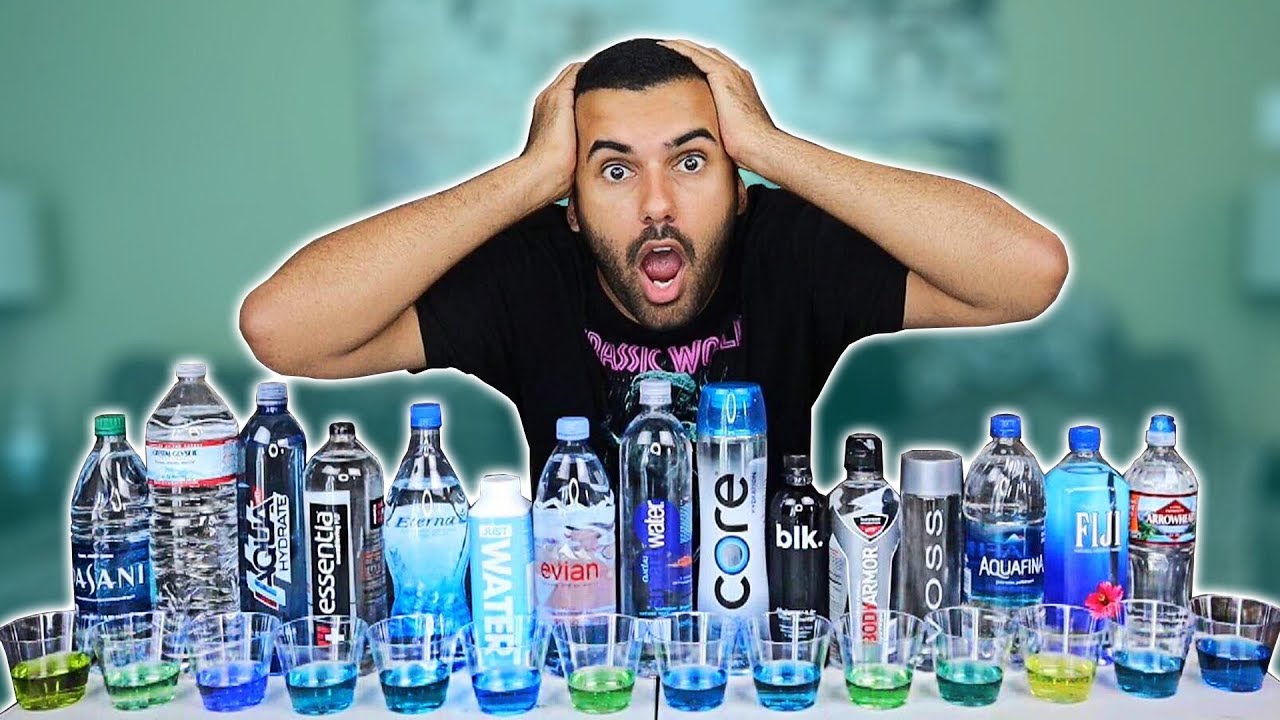
Choose bottled water from trusted brands. Check the seal before buying. Avoid bottles with damaged or missing caps. Store bottles in a cool, clean place. Bottled water helps when no safe source is near. It must be from a reliable supplier. Avoid cheap or unknown brands for safety.
Avoiding Contaminated Sources
Do not drink directly from rivers, lakes, or ponds. These can contain harmful bacteria and viruses. Avoid water near farms or factories. Runoff may carry chemicals and waste. Look for clear, flowing water if you must. Boil or filter water before drinking. Always protect yourself from unsafe water sources.
Environmental Impact Of Water Choices
Choosing the safest water to drink affects the environment in many ways. Our water choices impact pollution, energy use, and natural resources. Understanding these effects helps us make better decisions. Here is a closer look at the environmental impact of water choices.
Plastic Waste From Bottled Water
Bottled water creates a lot of plastic waste. Many bottles end up in landfills or oceans. Plastic takes hundreds of years to break down. This waste harms animals and pollutes water bodies. Recycling helps but does not solve the problem fully. Reducing bottled water use lowers plastic pollution greatly.
Energy Use In Purification
Water purification needs energy to clean and treat water. Some methods use more electricity and chemicals than others. Bottled water often requires more energy than tap water. Using less energy helps reduce carbon emissions. Choosing water sources with low energy needs benefits the planet.
Sustainable Water Sources
Sustainable water sources protect nature and supply clean water. Rainwater harvesting and natural springs are good examples. These sources do not harm ecosystems or waste resources. They help keep water supplies safe long-term. Supporting sustainable water helps communities and the environment.
Frequently Asked Questions
What Type Of Water Is Safest For Daily Drinking?
Filtered tap water is generally the safest for daily drinking. It removes contaminants like chlorine and lead, ensuring clean taste. Bottled spring water is also safe but less eco-friendly. Always choose water tested for purity and free from harmful chemicals.
Is Tap Water Safe To Drink Worldwide?
Tap water safety varies globally. In developed countries, it’s usually safe due to strict regulations. In developing regions, untreated tap water may carry bacteria or pollutants. Using filters or boiling water improves safety when unsure about local tap water quality.
How Does Filtered Water Compare To Bottled Water Safety?
Filtered water often matches or exceeds bottled water safety. Filters remove impurities and contaminants effectively. Bottled water quality varies and may come from treated tap water. Filtering tap water is cost-effective, eco-friendly, and reliable for safe drinking water.
Can Boiling Water Make It Safe To Drink?
Yes, boiling water kills bacteria, viruses, and parasites. Boil water for at least one minute to ensure safety. Boiling doesn’t remove chemical contaminants but is effective against biological hazards. It’s a simple method for safe drinking water in emergencies.
Conclusion
Choosing safe water matters for your health and well-being. Clean, filtered, or properly treated water helps avoid illness. Tap water can be safe if treated correctly. Bottled water offers convenience but check its source. Boiling water kills many germs and makes it safer.
Always store water in clean containers to keep it pure. Drinking safe water supports your body and keeps you strong. Stay aware of local water quality reports. Safe water is a small step with big benefits. Your health deserves the best water you can find.

Hasan Al Sarker is a Reverse Osmosis Specialist. He has worked for many years to ensure safe drinking water for all. His research paper has been published in several journals, including Issue, Medium, and Slideshare. He is recognized as a water doctor among specialists though he did not attend medical college.
Besides working as a researcher of reverse osmosis technology, he is also very fancy with the kitchen and cooking. His guides are reading thousands of people every day. As a head of content, he is responsible for all the published articles at RO System Reviews.