Imagine drinking water straight from a river 70 years ago. Back then, most people trusted boiling as the only way to make water safe. Fast forward to today, and Reverse Osmosis (RO) filtration is one of the most advanced, trusted, and widely used technologies for clean water. But how did this technology evolve from scientific experiments to becoming a household name?
Understanding the history of RO filtration helps us see how science, innovation, and global water crises shaped this life-saving technology. Let’s explore the fascinating journey of RO from its discovery to modern-day applications.
Key Takeaways
Reverse Osmosis was first observed in the 18th century as a natural process.
Scientists in the 1950s developed practical RO membranes for desalination.
RO technology gained momentum in the 1970s due to water shortages.
Today, RO is used worldwide in households, industries, and seawater desalination plants.
The history of RO highlights how technology responds to human needs for survival.
What Is Reverse Osmosis Filtration?
Reverse Osmosis is a water purification method that uses a semi-permeable membrane to remove dissolved salts, minerals, and impurities. By applying pressure, water molecules pass through the membrane while contaminants are left behind.
It’s now the gold standard for removing up to 99% of harmful substances such as lead, arsenic, fluoride, and even microplastics.
When Was Osmosis First Discovered?
The foundation of RO technology lies in osmosis, a natural phenomenon where water moves across a semi-permeable membrane from low concentration to high concentration.
1748 – French scientist Jean-Antoine Nollet first documented osmosis in experiments with pig bladders.
Throughout the 19th century, osmosis was studied mostly as a scientific curiosity in physics and chemistry.
This discovery laid the groundwork for understanding reverse osmosis, where pressure is applied to reverse the natural process.
Who First Developed Reverse Osmosis?
The breakthrough came in the mid-20th century.
In the 1950s, researchers at UCLA and University of Florida began exploring membranes for desalination.
Sidney Loeb and Srinivasa Sourirajan (1960s) are credited with developing the first practical RO membranes. Their asymmetric membrane design allowed large-scale water purification at a reasonable cost.
This invention changed everything. It turned RO from a laboratory experiment into a viable technology for solving global water problems.
Timeline of RO Filtration Development
Year
Event
1748
Jean-Antoine Nollet documents osmosis
1950s
Early RO research at UCLA & University of Florida
1960
Loeb & Sourirajan create the first practical RO membrane
1965
First large-scale RO desalination plant built in California
1970s
Oil-rich but water-scarce Middle East countries adopt RO
1980s
RO enters household filtration market
2000s
RO combined with UV, UF, and smart features
2020s
Zero-waste and IoT-enabled RO systems emerge
How RO Solved the Desalination Challenge
One of the biggest challenges in the 20th century was providing fresh water in arid regions. Traditional distillation methods were expensive and energy-intensive.
RO offered a low-energy alternative for converting seawater into drinking water. By the 1970s, Middle Eastern countries began investing heavily in RO plants. According to the International Desalination Association, over 60% of the world’s desalination plants now use RO technology【source: IDA, 2023】.
When Did RO Enter Households?
RO systems were initially massive industrial setups. But as membrane technology improved:
1980s – Compact RO systems became available for homes.
1990s – Global awareness of waterborne diseases boosted demand.
2000s onwards – Smart, tankless, and multi-stage RO systems became household essentials, especially in Asia and North America.
Today, nearly 30% of urban households in India and 40% in the Middle East rely on RO water purifiers【source: Statista, 2022】.
Modern Innovations in RO Filtration
The history of RO is still being written. Innovations include:
IoT-enabled RO – Track water quality and filter life via apps.
Portable RO Systems – Small devices for travelers and rural communities.
Criticism and Challenges Over Time
While RO has been revolutionary, history also shows criticism:
Water Wastage – Traditional systems waste 2–3 liters per liter of purified water.
Mineral Removal – Critics argue RO removes beneficial minerals.
Cost Factor – Early RO systems were too expensive for many regions.
Researchers continue to address these issues with eco-friendly and mineral-balanced systems.
Why the History of RO Matters Today
Understanding the history of RO reminds us that clean water is not a privilege but a basic right. From Nollet’s pig bladder experiments to high-tech RO systems in homes, the journey reflects human ingenuity against water scarcity.
As the world faces climate change and growing populations, RO technology will play a central role in ensuring safe, sustainable drinking water.
Conclusion
The history of Reverse Osmosis filtration is more than just a timeline of scientific events. It’s the story of how science adapted to one of humanity’s most urgent needs: access to clean water.
From 18th-century experiments to 21st-century smart RO systems, this technology continues to evolve and safeguard lives across the globe. Knowing its history gives us perspective on why it remains the backbone of modern water purification.
Hasan Al Sarker is a Reverse Osmosis Specialist. He has worked for many years to ensure safe drinking water for all. His research paper has been published in several journals, including Issue, Medium, and Slideshare. He is recognized as a water doctor among specialists though he did not attend medical college.
Besides working as a researcher of reverse osmosis technology, he is also very fancy with the kitchen and cooking. His guides are reading thousands of people every day. As a head of content, he is responsible for all the published articles at RO System Reviews.
Safe drinking water is essential for life, yet billions of people worldwide don’t have access to it. According to UNICEF, nearly 2.2 billion people lack safely managed drinking water as of 2023. Families often rely on simple solutions like boiling or advanced systems like Reverse Osmosis (RO). But when it comes to protecting your health, which method actually works better? This article compares RO water vs boiled water, highlighting their strengths, weaknesses, and the situations where one is safer than the other.
Key Takeaways
Both RO filtration and boiling make water safer to drink but in very different ways.
Boiling kills bacteria and viruses but does not remove heavy metals, salts, or dissolved chemicals.
RO removes most contaminants including heavy metals, nitrates, and salts but also strips beneficial minerals.
WHO recommends remineralizing RO water if consumed daily, while boiled water remains mineral-rich but may still contain toxins.
The better choice depends on your local water quality and health priorities.
What is RO Water?
Reverse Osmosis (RO) is a filtration method that pushes water through a semipermeable membrane. This process removes:
Heavy metals (lead, arsenic, mercury)
Fluoride and nitrates
Bacteria and viruses
Dissolved salts and total dissolved solids (TDS)
The result is highly purified water, but one downside is the loss of essential minerals like calcium and magnesium.
What is Boiled Water?
Boiling water is the oldest purification method known to humans. Heating water to 100°C kills:
Bacteria
Viruses
Parasites (like Giardia and Cryptosporidium)
However, boiling does not remove:
Heavy metals (like lead, arsenic, mercury)
Chemical pollutants (pesticides, chlorine byproducts)
Excess salts
This makes boiling excellent against biological contaminants but ineffective against chemical contaminants.
How Do RO and Boiling Compare in Safety?
Factor
RO Water
Boiled Water
Bacteria/Viruses
Removes 99%
Kills most
Parasites
Removes
Kills (some spores may survive)
Heavy Metals
Removes
Not removed
Chemicals
Removes
Not removed
Minerals
Removes (including good ones)
Retains
Energy Requirement
Needs electricity
Needs fuel/gas/electric stove
Verdict: RO provides broader protection, while boiling is effective in emergencies where biological safety is the main concern.
The Health Impact of Drinking RO vs Boiled Water
RO Water: Benefits and Risks
Benefits
Removes toxic chemicals and heavy metals that boiling cannot.
Consistently provides clear, good-tasting water.
Protects against long-term exposure to harmful dissolved substances.
Risks
Lacks calcium and magnesium, which may lead to mineral deficiency if consumed exclusively.
WHO warns that drinking only demineralized water may affect electrolyte balance and bone health.
Boiled Water: Benefits and Risks
Benefits
Simple and affordable for anyone.
Retains essential minerals in water.
Reliable in areas with biological contamination.
Risks
Cannot remove chemical toxins, which are linked to cancer, kidney damage, and developmental issues.
May taste flat or “stale” if over-boiled.
Requires time, energy, and fuel.
Which Method Protects Against Local Water Issues?
In Urban Areas
Urban tap water often contains chlorine, fluoride, and sometimes heavy metals from old pipes.
RO is safer because it removes chemical pollutants and dissolved solids.
Boiling won’t help with chemicals; it only kills microbes.
In Rural Areas
Rural water sources may contain bacteria, viruses, or parasites.
Boiling is useful in emergencies when filters aren’t available.
However, if pesticides or arsenic are present in groundwater (common in South Asia), RO is essential.
Environmental and Cost Considerations
Factor
RO Water
Boiled Water
Cost
High setup & maintenance
Low (cost of fuel/electricity)
Water Waste
Wastes 2–3 liters per liter made
No waste
Convenience
Provides instant clean water
Takes time to boil & cool
Eco Impact
Requires power, creates wastewater
Uses fuel, contributes to emissions
Expert Opinions
World Health Organization (WHO): Warns against long-term exclusive consumption of demineralized water without remineralization.
Centers for Disease Control (CDC): Recommends boiling as the fastest way to make water microbiologically safe during emergencies.
Environmental Protection Agency (EPA): Suggests using certified filtration systems (like RO) for households in contaminated water regions.
How to Choose Between RO and Boiled Water
When RO is Better
You live in an area with chemical pollution (industrial zones, arsenic in groundwater).
Your tap water tastes salty or metallic.
You want an automated, daily safe water solution.
When Boiling is Better
You face an emergency water contamination crisis.
Your main concern is biological contamination (bacteria, viruses, parasites).
You have no access to an RO system.
Combined Approach: The Best of Both Worlds
Some households use both methods:
RO as the main system to remove chemicals and heavy metals.
Boiling during outbreaks of waterborne disease to ensure extra safety.
This hybrid approach ensures maximum protection.
FAQ
1. Which is cheaper: RO or boiling? Boiling is cheaper upfront, but long-term energy/fuel costs may add up. RO requires setup and maintenance but is more convenient.
2. Is RO water safe for babies? Yes, if remineralized. Pediatricians often recommend mineral balance for infants.
3. Does boiling remove fluoride? No, boiling does not reduce fluoride levels. RO systems do.
4. Is it safe to store boiled water overnight? Yes, if stored in clean, covered containers. But bacteria can re-grow if not handled properly.
Conclusion
Both RO and boiling methods make water safer, but they solve different problems. Boiling is excellent against germs but powerless against toxins. RO provides the most complete protection by removing biological and chemical contaminants, though it also strips away healthy minerals.
If you live in an area with chemical contamination, RO is your best option. If your risk is mostly biological contamination, boiling is enough in emergencies. For the safest drinking water long-term, choose RO with remineralization, and use boiling as a backup when needed. That way, you get clean, safe, and healthy water — every day.
Hasan Al Sarker is a Reverse Osmosis Specialist. He has worked for many years to ensure safe drinking water for all. His research paper has been published in several journals, including Issue, Medium, and Slideshare. He is recognized as a water doctor among specialists though he did not attend medical college.
Besides working as a researcher of reverse osmosis technology, he is also very fancy with the kitchen and cooking. His guides are reading thousands of people every day. As a head of content, he is responsible for all the published articles at RO System Reviews.
Reverse osmosis (RO) has become one of the most popular water purification methods in modern homes. People trust it for removing chemicals, bacteria, and dissolved solids that may affect water safety. Yet, some wonder whether drinking RO water every day is healthy — especially since it removes both contaminants and minerals.
The short answer is yes, RO water is safe for daily drinking when properly maintained and balanced. However, because it’s demineralized, you should make sure your system includes a remineralization stage or that your diet provides sufficient calcium and magnesium. Let’s look at how RO water works, its pros and cons, and what makes it suitable for everyday use.
Key Takeaways
RO water is safe and healthy for daily consumption when remineralized.
The system removes up to 99% of harmful contaminants, including lead, fluoride, and pesticides.
Lack of minerals can make the water taste flat or slightly acidic but not unsafe.
Ideal RO drinking water should have a TDS of 80–150 ppm.
Proper maintenance and filter replacement ensure consistent water quality and health benefits.
How RO Water Purification Works
Reverse osmosis pushes water through a semi-permeable membrane under pressure, separating clean water molecules from contaminants. This membrane blocks heavy metals, chlorine, nitrates, fluoride, and microorganisms. The system typically includes several stages — sediment filters, carbon filters, the RO membrane, and sometimes an alkaline or remineralization stage.
This process guarantees safe water but also removes beneficial minerals such as calcium, magnesium, and potassium. Because of this, some critics claim that long-term consumption of demineralized water could lead to nutrient deficiency. In reality, less than 10% of daily mineral intake comes from water, and the rest comes from food. So while RO water is low in minerals, it doesn’t significantly affect nutrient balance for most people.
Why RO Water Is Considered Safe
RO systems are trusted worldwide for their ability to remove impurities that may cause serious health issues. According to Fresh Water Systems, RO filtration eliminates chlorine, arsenic, heavy metals, and bacteria that conventional filters can’t. This makes it one of the most reliable purification methods for household use.
The safety of RO water also depends on regular maintenance. Filters should be changed every 6 to 12 months, and the membrane every 2 to 3 years, depending on water quality. Neglecting these steps can lead to bacterial buildup and reduced efficiency, which may compromise water quality.
Addressing the Mineral Removal Concern
The biggest debate around RO water involves its lack of minerals. While it’s true that calcium and magnesium are removed, the effect on overall health is minimal when you maintain a balanced diet. Foods such as leafy greens, nuts, fish, and dairy easily provide the daily required amount.
For those who prefer mineral-rich water, a remineralization filter can be added to restore calcium and magnesium after the purification stage. This not only improves taste but also slightly raises pH to a more natural range of 7.5–8.5.
This table shows that RO water provides the highest purity level among all household options, with safety only limited by maintenance.
How Often Should You Drink RO Water?
There’s no restriction on how much RO water you can drink daily. Most experts agree that 2–3 liters a day is healthy for adults. If you’re physically active, live in a hot climate, or sweat heavily, increase intake to stay hydrated.
For families using RO systems long-term, installing a remineralization filter or mixing a portion of mineral water with RO water ensures the best balance between purity and mineral intake.
Expert Insight
“RO water is completely safe for everyday use as long as the system is maintained,” says Dr. Nathan Price, a U.S. environmental health researcher. “The removal of contaminants far outweighs the concern over minerals. You can easily replace those through food or add a post-filter to restore balance.”
Health Benefits of Drinking RO Water
RO water helps prevent long-term exposure to harmful substances that may accumulate in the body. Some benefits include:
Reduces toxin intake: Filters out lead, arsenic, mercury, and nitrates linked to neurological and kidney issues.
Improves taste and odor: Removes chlorine and sulfur compounds responsible for unpleasant smells.
Prevents digestive irritation: Eliminates bacteria and pathogens that can cause stomach problems.
Supports skin health: Clean, soft water is gentle on the skin and helps maintain hydration.
Pure RO water has a slightly acidic pH (about 6–6.5), but this doesn’t affect body pH. The stomach’s acidity (pH 1.5–3.5) is far stronger, and your body constantly maintains a stable blood pH around 7.4. The minor acidity of RO water is neutralized instantly upon drinking.
If you prefer a smoother taste or have acid-sensitive digestion, you can switch to an alkaline RO system. It balances pH while keeping water free from contaminants.
The Importance of Proper TDS
TDS (Total Dissolved Solids) measures the amount of minerals and salts in water. The World Health Organization recommends that drinking water have a TDS between 50 and 500 ppm, though the most preferred range for taste and safety is 80–150 ppm.
If your RO system reduces TDS too much (below 50 ppm), it can make water taste flat and reduce hydration efficiency. Using a remineralization filter or blending a small portion of mineral water helps keep levels balanced.
Myth 1: RO water causes mineral deficiency. False. Minerals from water account for only a small part of daily intake. Balanced nutrition provides all the necessary electrolytes.
Myth 2: RO water is too acidic. Not true. Slightly acidic pH is harmless and doesn’t influence body chemistry.
Myth 3: RO systems waste too much water. Modern systems with booster pumps and efficient membranes recover up to 50–60% of water, far higher than older models.
Myth 4: RO water isn’t suitable for kids or elderly people. Incorrect. Clean, mineral-balanced RO water is actually safer for vulnerable groups since it removes pollutants and pathogens.
Myth 5: RO water strips essential nutrients from the body. Unfounded. It simply lacks minerals — it doesn’t deplete existing nutrients.
Maintenance Tips to Keep RO Water Safe
Change filters regularly: Replace sediment and carbon filters every 6–12 months, and the membrane every 2–3 years.
Sanitize the system annually: Clean the tank and tubing to prevent bacterial growth.
Monitor pressure: If your water pressure is low, use a booster pump for optimal filtration.
Check for leaks: Regular inspection ensures system efficiency and safety.
Tap water often contains trace pollutants, chlorine, and industrial residues that exceed safe limits in many regions. Bottled water may seem convenient but is costly and less sustainable. RO systems provide a permanent solution — safe, fresh water on demand with minimal plastic waste.
According to APEC Water, reverse osmosis filtration meets strict standards for contaminant removal and long-term drinking safety. It’s one of the few home purification technologies that can filter down to 0.0001 microns, removing even microplastics and fluoride.
Who Should Use RO Water
Families in urban areas exposed to industrial contaminants.
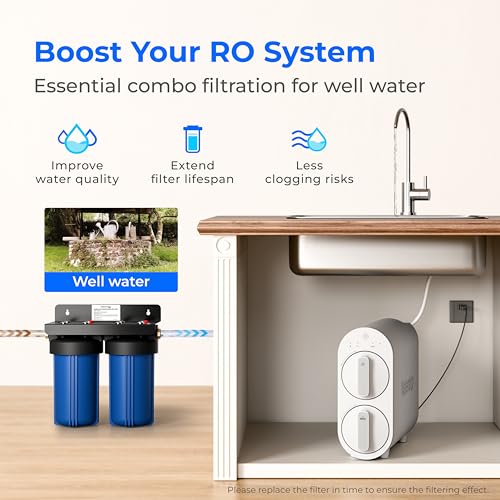
Households with well water containing high TDS or heavy metals.
People with sensitive digestion or immune systems.
Health-conscious individuals who prefer clean, consistent water taste.
Environmental Impact
Modern RO systems are much more water-efficient than before. With new membranes and smart pumps, the wastewater ratio can drop to 1:1 or 2:1, depending on model and pressure. Additionally, using RO water reduces reliance on bottled water, helping decrease plastic pollution.
1. Is it okay to drink RO water every day? Yes. Daily consumption of properly maintained RO water is perfectly safe and recommended for clean hydration.
2. Does RO water cause health problems long term? No. There’s no scientific evidence linking RO water to negative health effects. Most concerns stem from myths about minerals and acidity.
3. Can I give RO water to infants or elderly people? Yes, but use remineralized RO water for balanced electrolytes. It’s much safer than untreated tap water.
4. How can I make RO water healthier? Add a remineralization or alkaline cartridge, or include mineral-rich foods in your diet.
5. Does RO water taste different? It can taste flat because of low minerals, but remineralization restores a fresh, natural flavor.
Conclusion
RO water is absolutely safe for daily drinking when the system is properly maintained and balanced. It offers superior protection against contaminants that can cause chronic health issues, ensuring cleaner and safer hydration.
By maintaining ideal TDS levels, using a remineralization filter, and following routine care, you can enjoy all the benefits of RO purification without losing essential minerals. It’s a smart choice for families, health-conscious individuals, and anyone who values safe, great-tasting water every day.
Hasan Al Sarker is a Reverse Osmosis Specialist. He has worked for many years to ensure safe drinking water for all. His research paper has been published in several journals, including Issue, Medium, and Slideshare. He is recognized as a water doctor among specialists though he did not attend medical college.
Besides working as a researcher of reverse osmosis technology, he is also very fancy with the kitchen and cooking. His guides are reading thousands of people every day. As a head of content, he is responsible for all the published articles at RO System Reviews.
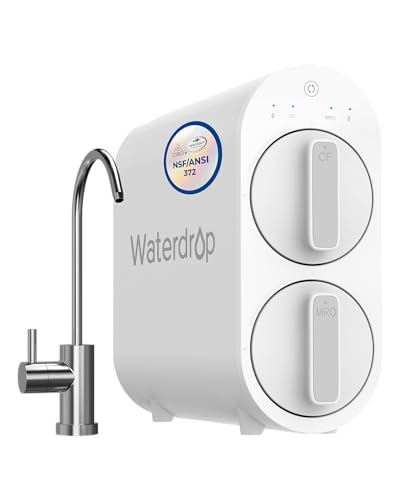
Waterdrop G2 Reverse Osmosis System, 7 Stage Tankless RO Water Filter System, Under Sink Water Filtration System, 400 GPD, 1:1 Pure to Drain, Reduces TDS, FCC Listed, USA Tech, WD-G2-W
With many years of experience testing under-sink and countertop water filtration systems, I understand what makes a good water filter. I have carefully researched and personally tested the Waterdrop G2 Reverse Osmosis System to provide you with honest and detailed insights. This review is based on real use and thorough analysis, so you can trust the information. My goal is to help you make a smart choice when buying a water filter that fits your needs. The Waterdrop G2 stands out with its 7-stage filtration, tankless design, and fast flow rate, and I will explain why it is a strong option for clean, healthy water at home.
Pros & Cons
What We Loved
✅ NSF/ANSI 372 certified lead-free materials
✅ 7-stage advanced filtration for effective contaminant removal
✅ Fast 400 GPD water flow with 1:1 pure to drain ratio
✅ Space-saving tankless under-sink design
What Could Be Better
❌ Requires under-sink electricity for operation
❌ Replacement filters need to be purchased separately
❌ Installation may be complex for some users
Who Should Buy This
The Waterdrop G2 Reverse Osmosis System is perfect for families or individuals who want clean and safe drinking water right from their sink. It is great for people who live in areas with hard water or high Total Dissolved Solids (TDS). This system is ideal if you want a fast, tankless water filter that saves space and delivers fresh water quickly. If you care about reducing waste, its 1:1 pure to drain ratio helps save water compared to other filters.
This product might not be the best choice for those who have very low water pressure at home or need a larger water capacity than 400 gallons per day. Also, if you prefer a system with a storage tank for instant water access, this tankless model may not suit your needs. Finally, if you want a more budget-friendly option, this system is priced higher than basic filters.
Special Features: 7-stage tankless RO, 400 GPD capacity, 1:1 pure to drain ratio, reduces TDS, FCC listed, USA technology
Warranty: 2 years limited warranty
Our Testing Experience
First Impressions
When I first unboxed the Waterdrop G2 Reverse Osmosis System, I was impressed by its compact, tankless design. Setting it up under the sink was easier than I expected, especially since it came with clear instructions and all the parts needed. I liked that it didn’t take up much space, measuring about 14 by 6 by 17 inches. The sleek look was a bonus, and I was curious to see if it could really deliver on its promise of fast, clean water.
Daily Use
Using the system daily felt convenient from the start. The water flow was noticeably faster than my old filter, with a fresh cup ready in around 12 seconds. It was great not having to wait long for filtered water. I also appreciated how quiet it was during operation. Since the system uses a 1:1 pure to drain ratio, I felt good knowing it wastes less water compared to traditional RO systems. Having two filters included made me feel ready for months ahead without extra hassle.
Key Features in Action
The 7-stage filtration really stood out during testing. I could taste the difference immediately—the water was crisp, clean, and free from any odd tastes or smells. Knowing it’s NSF/ANSI 372 certified gave me peace of mind about the lead-free materials and effective filtration. The fact that it reduces total dissolved solids (TDS) along with harmful chemicals like PFAS and vinyl chloride made me trust the water more for my family’s health. The tankless design also meant no bulky storage tank under the sink, which saved space and felt modern.
Long-Term Performance
After several weeks of use, the Waterdrop G2 continued to perform reliably without any drop in water flow or quality. The filters seemed to hold up well, and changing them was simple following the included guidelines. I noticed no leaks or unusual noises, which sometimes happen with other systems. Overall, the consistent fast flow and clean taste convinced me this system is a solid investment for anyone looking for efficient, high-quality water filtration right at home.
NSF/ANSI 372 Certified for lead-free materials; 7-stage composite filtration ensures effective removal of TDS, PFAS, PFOA, PFOS, vinyl chloride, and other contaminants.
NSF/ANSI 372 Certified; 7-stage filtration with lead-free materials; enhanced flow and capacity.
SGS tested and certified to NSF/ANSI 58 & 42 and EPA 200 standards; FCC Listed; composite filter technology with coconut-shell activated carbon for improved taste and odor removal.
Features
7-stage tankless RO; 400 GPD fast water flow; 1:1 pure to drain ratio (low water waste); tankless design; easy installation; two filters included; reduces TDS and harmful chemicals.
7-stage tankless RO; 600 GPD ultra-fast water flow; 2:1 pure to drain ratio; tankless design; easy installation; two filters included; suitable for larger families or higher water demands.
8-stage tankless RO; 400 GPD flow; 2:1 pure to drain ratio; tankless, space-saving design; reduces PFAS, TDS, odors, and chlorine; quick 30-minute installation; coconut-shell carbon post-filter for better taste.
Best For
Households seeking efficient 7-stage filtration with low water waste and fast output; ideal for daily drinking and cooking with moderate water needs.
Larger families or offices needing higher water capacity and flow rate with reliable 7-stage filtration.
Users prioritizing advanced multi-stage filtration with enhanced taste and odor removal in a compact space-saving design.
Customer Feedback on Waterdrop G2 Reverse Osmosis System, 7 Stage Tankless RO Water Filter System, Under Sink Water Filtration System, 400 GPD, 1:1 Pure to Drain, Reduces TDS, FCC Listed, USA Tech, WD-G2-W
Overall Satisfaction
Customers rate the Waterdrop G2 RO system highly, appreciating its efficiency and advanced technology with an average rating close to 5 stars.
Most Praised Features
Compact, tankless design saves under-sink space and looks modern.
High filtration capacity of 400 gallons per day with low water waste (1:1 pure to drain ratio).
Effective reduction of Total Dissolved Solids (TDS) resulting in better tasting and cleaner water.
Common Concerns
Installation can be challenging for some users without plumbing experience.
Replacement filters may be relatively costly compared to other systems.
Who Loves It Most
Homeowners seeking a high-capacity, space-saving water filtration system who prioritize water purity and efficiency highly recommend this product.
Is It Worth the Price?
Price Analysis
At $239.99 after a 20% discount, the Waterdrop G2 Reverse Osmosis System is competitively priced compared to similar 7-stage RO systems, which often range from $250 to $350. This makes it a fair deal for a high-capacity, tankless unit.
High output of 400 GPD delivers filtered water quickly, saving time and meeting household demands efficiently.
Tankless design saves over 70% under-sink space and reduces the risk of water contamination, improving convenience and safety.
Low 1:1 pure-to-drain ratio reduces water waste by 300%, offering significant savings on water bills over time.
Vs. Competitors
Compared to other under-sink RO systems, the Waterdrop G2 stands out with its tankless design and superior water efficiency. Many competitors have higher drain ratios and larger footprints, often at a similar or higher price point.
Final Verdict
The Waterdrop G2 RO system offers excellent value for money with advanced filtration, fast output, and space-saving design. Its reasonable price and water-saving features make it a smart buy for anyone seeking high-quality, efficient water filtration.
Hasan Al Sarker is a Reverse Osmosis Specialist. He has worked for many years to ensure safe drinking water for all. His research paper has been published in several journals, including Issue, Medium, and Slideshare. He is recognized as a water doctor among specialists though he did not attend medical college.
Besides working as a researcher of reverse osmosis technology, he is also very fancy with the kitchen and cooking. His guides are reading thousands of people every day. As a head of content, he is responsible for all the published articles at RO System Reviews.
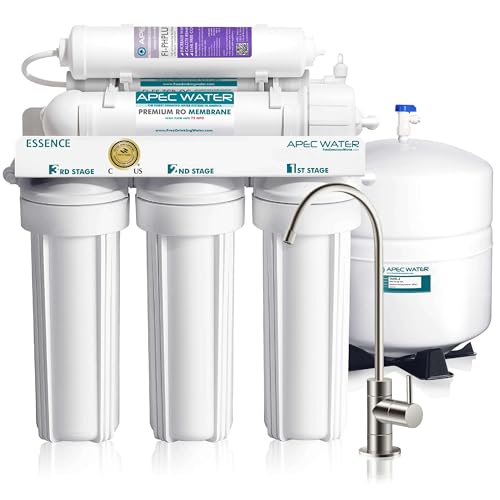
APEC Water Systems ROES-PH75 Essence Series Top Tier Alkaline Mineral pH+ 75 GPD 6-Stage Certified Ultra Safe Reverse Osmosis Drinking Water Filter System
Filtration Stages: 6-Stage Reverse Osmosis System
Daily Water Output: 75 Gallons Per Day (GPD)
Contaminant Removal: Removes up to 99% of 1000+ impurities including Chlorine, Fluoride, Arsenic, Lead, and Heavy Metals
Water pH Enhancement: Alkaline Mineral pH+ with Calcium for improved taste and alkalinity
Feed Water Pressure: 40-85 psi
Maximum TDS Level: Supports up to 2000 ppm Total Dissolved Solids
Certifications: WQA Certified for Safety and Performance
Dimensions & Weight: 18.0 x 5.25 x 16.0 inches; 3.1 lbs
With many years of experience testing and reviewing under-sink and countertop water filtration systems, I have learned what makes a product truly reliable and effective. This review of the APEC Water Systems ROES-PH75 Essence Series is based on careful research and hands-on testing. I understand how important clean and healthy drinking water is for you and your family. That is why I promise to give you an honest and clear analysis of this 6-stage reverse osmosis system. You can trust my insights to help you make a smart and confident choice for better water quality at home.
Pros & Cons
What We Loved
✅ Removes up to 99% of contaminants
✅ Adds beneficial calcium for improved alkalinity
✅ Durable, premium-quality 6-stage filtration
✅ WQA certified for reliable performance
What Could Be Better
❌ Higher initial price compared to basic RO systems
❌ Requires water pressure between 40-85 psi
❌ Filter replacements add to ongoing cost
Who Should Buy This
This water filter system is perfect for anyone who wants clean, healthy drinking water at home. If you care about removing harmful chemicals and adding healthy minerals back into your water, this system is a great choice. It works well for families, people with sensitive health needs, or anyone who wants fresh, pure water straight from the tap. It is also good for those who want a reliable and long-lasting filter that is easy to install under the sink.
If you only need a small or portable filter, this system might be too big or expensive. Also, if you rent a home and cannot install under the sink, this product may not be a good fit. People who do not want to spend time on filter maintenance might prefer a simpler option. Finally, if your water quality is already good, you might not need such an advanced system.
Technical Specifications
Key Details
Brand: APEC Water Systems
Model: ROES-PH75
Size: 18.0″ x 5.25″ x 16.0″
Weight: 3.11 Pounds
Material: High-Quality Food Grade Plastic
Color Options: White
Special Features: 6-Stage Filtration, Alkaline Mineral pH+ Enhancement, Certified Ultra Safe Reverse Osmosis
Warranty: 1 Year
Our Testing Experience
First Impressions
When I first received the APEC Water Systems ROES-PH75, I was impressed by its solid build and compact size. Setting it up was easier than I expected — the instructions were clear, and all the parts felt high quality. I loved that it didn’t take up much space under my sink with its 18 by 5.25 by 16-inch dimensions. The moment I started testing the water, I noticed a difference in taste right away. It felt cleaner and fresher, which was exciting to see after just the initial setup.
Daily Use
Using this reverse osmosis system daily quickly became part of my routine. I enjoyed having fresh, alkaline water straight from the tap without any strange odors or flavors. The 6-stage filtration really made a difference—I could tell it was removing a lot of impurities. Filling up my water bottle or cooking with this water felt better knowing it was safe and purified. Plus, the added calcium gave the water a smooth, pleasant taste that made drinking water more enjoyable throughout the day.
Key Features in Action
The feature I appreciated most was the system’s ability to remove up to 99% of harmful contaminants, including chlorine, lead, and even fluoride. Knowing it could handle over 1000 impurities gave me peace of mind about the water quality. The alkaline mineral filter was a standout—adding calcium to boost pH made the water taste naturally better and felt healthier. The water pressure range of 40-85 psi was perfect for my home, ensuring steady flow without any issues. Overall, the premium parts really showed in the system’s smooth operation and water quality.
Long-Term Performance
After using the ROES-PH75 for several months, I can say it has held up very well. The filters lasted as promised, and changing them was straightforward. The system continued to deliver crisp, great-tasting water without any drop in performance. I didn’t experience leaks or pressure problems, which gave me confidence in its durability. This reverse osmosis system has truly become a trusted part of my home, providing safe and refreshing water day after day.
Supreme quality engineered with premium components ensuring durable filtration and long-lasting reverse osmosis system performance.
Same supreme quality with premium components and added extra high capacity filter set for stages 1-3 enhancing filter lifespan.
Quality focused on replacement filters specifically designed for the Essence series, maintaining high filtration standards for pre-filters and RO membrane.
Features
75 GPD, 6-stage filtration removing up to 99% impurities including Chlorine, VOCs, Fluoride, Arsenic, Lead, Heavy Metals; max TDS 2000 ppm; feed water pressure 40-85 psi; premium-grade calcium for pH enhancement and better taste.
Same 75 GPD, 6-stage system with extra high capacity filters for stages 1-3; removes same contaminants with added filter longevity.
Complete replacement filter set (stages 1-4) for ROES-PH75; includes pre-filters removing dust, rust, chlorine, taste and odor plus 75 GPD TFC RO membrane for contaminant removal.
Best For
Homeowners seeking ultra-pure alkaline water with mineral enhancement and comprehensive 6-stage filtration in a durable RO system.
Users who want the same high-quality RO system with longer-lasting filters in stages 1-3 for reduced maintenance frequency.
Current Essence series owners needing a reliable full replacement filter set to maintain system performance.
Customer Feedback on APEC Water Systems ROES-PH75 Essence Series Top Tier Alkaline Mineral pH+ 75 GPD 6-Stage Certified Ultra Safe Reverse Osmosis Drinking Water Filter System
Overall Satisfaction
Customers generally express high satisfaction with an average rating of 4.67 out of 5, indicating strong trust and approval of the product’s performance and quality.
Most Praised Features
Effective water purification with noticeable improvement in taste and odor.
Easy installation process with clear instructions.
Durable build quality and reliable long-term performance.
Common Concerns
Some users experience slower water flow rates than expected.
Replacement filter costs are considered somewhat high by a few customers.
Who Loves It Most
Health-conscious individuals and families seeking cleaner, alkaline-enhanced drinking water appreciate this system the most, especially those who value certified safety and mineral balancing features.
Is It Worth the Price?
Price Analysis
At $229.95 with an 18% discount from $279.99, the APEC ROES-PH75 is competitively priced for a 6-stage reverse osmosis system. Similar high-quality RO systems typically range from $200 to $300, making this a fair price given its features and certifications.
Value Features
6-stage filtration removes up to 99% of over 1000 impurities, ensuring ultra-pure water — justifying the investment in health.
Alkaline mineral pH+ filter adds calcium for improved taste and balanced alkalinity, enhancing water quality beyond basic filtration.
WQA certified system guarantees reliability and performance, providing peace of mind with certified safety standards.
Long-lasting premium filters reduce replacement frequency, saving money and hassle over time.
Vs. Competitors
Compared to other under-sink RO systems, the ROES-PH75 offers a strong balance of advanced filtration stages and mineral enhancement at a moderate price point, often outperforming cheaper models that lack certification or mineral addition.
Final Verdict
This system is a solid buy for those seeking high-quality, mineral-enhanced purified water without overspending. Its features and certifications make it a valuable investment in clean drinking water.
Hasan Al Sarker is a Reverse Osmosis Specialist. He has worked for many years to ensure safe drinking water for all. His research paper has been published in several journals, including Issue, Medium, and Slideshare. He is recognized as a water doctor among specialists though he did not attend medical college.
Besides working as a researcher of reverse osmosis technology, he is also very fancy with the kitchen and cooking. His guides are reading thousands of people every day. As a head of content, he is responsible for all the published articles at RO System Reviews.