Have you ever wondered if the water you drink might be doing more harm than good? With the rise of RO (Reverse Osmosis) water systems in households, there’s a growing concern about potential mineral deficiencies.
You might love the crisp, clean taste of RO water, but what if it’s stripping away essential minerals that your body needs? Imagine feeling more tired, having weaker bones, or even facing issues with your heart, all because of the water you drink every day.
This article will unravel the truth behind RO water and mineral deficiencies, helping you make informed decisions for your health and well-being. Curious to know more? Let’s dive into the world of RO water and its impact on your body.
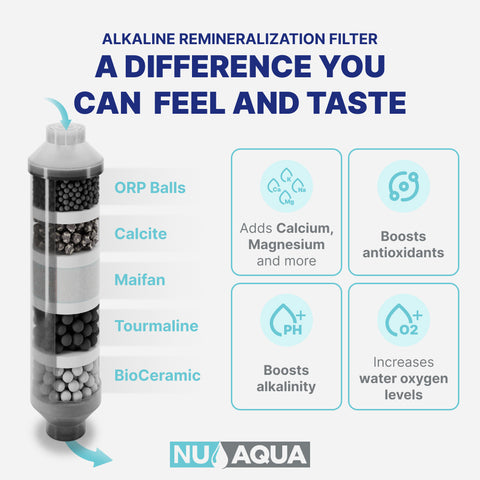
Credit: nuaquasystems.com
Ro Water Basics
RO water is a type of purified water. It is made through a process that removes impurities. This process is known as reverse osmosis. Many people use RO water for drinking and cooking. It is also common in various industries. Understanding RO water can help you make informed choices. Let’s dive into the details.
Reverse Osmosis Process
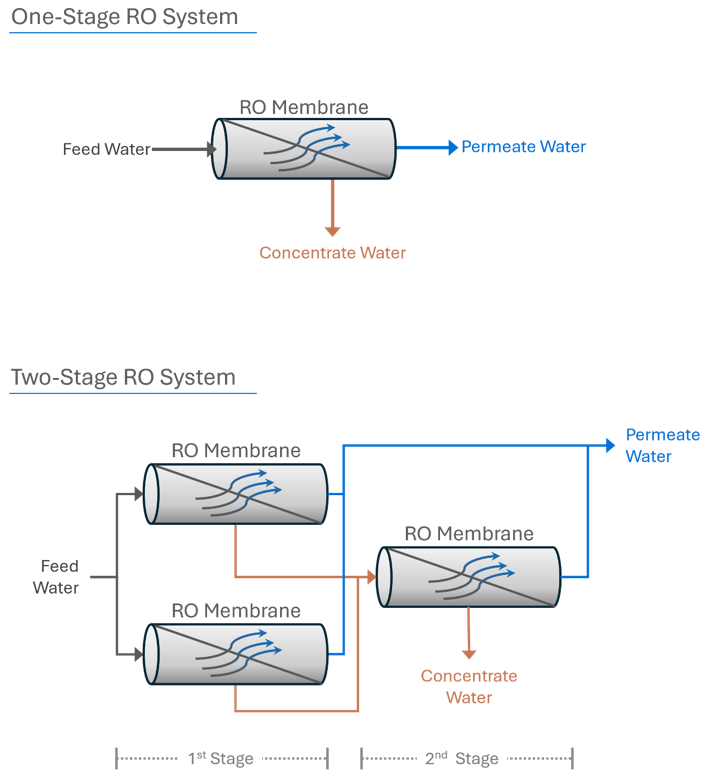
The reverse osmosis process involves pushing water through a membrane. This membrane filters out unwanted particles. It removes contaminants like salts and heavy metals. The result is clean, pure water. This method is effective in reducing water impurities. It is widely used for water purification.
Common Uses Of Ro Water
RO water is popular in households. People use it for drinking and cooking. It is also used in aquariums to create a safe environment for fish. In laboratories, RO water is essential for experiments. Industries use it for manufacturing and cleaning processes. These diverse uses highlight its importance.
Credit: nuaquasystems.com
Minerals In Drinking Water
RO water removes minerals during filtration. This can lead to mineral deficiency in some individuals. Drinking mineral-rich water or supplementing may help maintain balanced health.
Minerals in Drinking Water Have you ever stopped to think about the minerals in your water? While it may seem like a small detail, the minerals in your drinking water play a vital role in your health. These natural nutrients can impact everything from your bone strength to your immune system.
Essential Minerals For Health
Your body relies on certain minerals to function optimally. Calcium, for instance, is crucial for strong bones and teeth. Magnesium supports muscle and nerve function, while potassium helps regulate fluid balance. Do you get enough of these minerals from your water? It’s worth considering, as they contribute to your overall well-being.
Natural Sources Of Minerals
While some minerals can be found in drinking water, many are also present in the foods you eat. Leafy greens, nuts, and seeds are excellent sources of magnesium. Dairy products are rich in calcium, and bananas are known for their potassium content. Have you tried diversifying your diet to ensure you’re getting a balanced intake of these essential nutrients? Sometimes, simply adding a handful of almonds to your snack routine can make a difference. Water from natural springs or wells often contains these minerals naturally. However, if you’re drinking filtered or bottled water, you might be missing out. Are you considering your water source when thinking about mineral intake? This could be a simple change that impacts your health positively.
Impact Of Ro Water On Mineral Content
The impact of RO (Reverse Osmosis) water on mineral content has been a topic of discussion among health enthusiasts. RO water systems are highly effective at purifying water by removing contaminants. However, this process can also strip away essential minerals, which raises questions about potential health implications.
Mineral Reduction In Ro Water
RO systems work by pushing water through a semipermeable membrane, which filters out impurities. This process is highly efficient, removing over 90% of common contaminants like lead, chlorine, and fluoride. However, it also removes beneficial minerals such as calcium, magnesium, and potassium. This lack of minerals can be a concern for those relying solely on RO water for their hydration needs.
Think about it—if your diet isn’t rich in these minerals, relying on RO water alone might not suffice. Although the body requires only small amounts of these minerals, they play crucial roles in bone health, muscle function, and nerve signaling. So, while the purity of RO water is a plus, its mineral reduction could potentially lead to deficiencies if not addressed.
Comparing Mineral Levels: Ro Vs. Tap Water
To understand the difference, consider a simple comparison of mineral levels in RO and tap water. Tap water, depending on the source, typically contains various minerals in significant amounts. These minerals contribute to your daily intake, albeit in small quantities. RO water, on the other hand, has substantially lower levels of these minerals due to its purification process.
For instance, tap water might provide a small percentage of your daily calcium or magnesium needs. RO water, however, will contribute almost none. This difference is crucial if you’re monitoring your mineral intake for health reasons. If you rely on RO water, it might be worth considering mineral supplementation or ensuring your diet compensates for this reduction.
Have you ever thought about where you get most of your minerals from? If it’s not from your water, then your diet becomes even more important. Consider this when planning your meals, especially if RO water is your primary source of hydration.
Ultimately, while RO water offers excellent purification, it’s essential to be mindful of its impact on your mineral intake. By understanding this, you can make informed choices about your water consumption and dietary needs.
Health Implications Of Mineral Deficiency
Minerals play a vital role in maintaining good health. They support bone strength, energy production, and nerve function. Without enough minerals, the body struggles to perform these essential functions. This can lead to various health issues, impacting daily life and overall well-being.
Consuming RO water may remove essential minerals. This process can lead to mineral deficiency over time. Understanding the symptoms and long-term effects is crucial for ensuring optimal health.
Symptoms Of Mineral Deficiency
Several signs indicate a lack of minerals in the body. Fatigue is a common symptom. It occurs due to decreased energy production. Muscle cramps may also happen, signaling a deficiency. Weak bones can lead to frequent fractures. Poor immune response makes infections more likely.
Skin problems such as dryness are noticeable. Brittle nails and hair loss can indicate low mineral levels. Digestive issues, including constipation, may arise. These symptoms impact daily life and should not be ignored.
Long-term Health Concerns
Ignoring mineral deficiency can lead to severe health problems. Osteoporosis is a risk due to weak bones. This increases the likelihood of fractures. Heart health may suffer, leading to cardiovascular issues. Hormonal imbalances can affect mood and energy levels.
Mineral deficiency may impact brain function. Memory loss and confusion can become prevalent. In children, growth and development may slow down. Addressing mineral deficiency early is crucial to prevent these long-term health concerns.
Scientific Perspectives
Reverse osmosis (RO) water is popular for its purity. Some worry that it might cause mineral deficiency. These concerns stem from RO’s ability to remove impurities and minerals. Understanding the scientific perspectives is vital. It helps you make informed choices about your water consumption.
Research Studies On Ro Water
Several studies focus on RO water and mineral loss. Research shows RO water lacks calcium and magnesium. These are essential for our health. Some studies suggest this might lead to deficiencies. Yet, not all research agrees on this. Some findings indicate we get most minerals from food, not water. This adds a new dimension to the discussion.
Expert Opinions
Experts have diverse views on RO water’s impact. Nutritionists emphasize balanced diets. They believe food is the primary source of minerals. Drinking RO water alone might not lead to deficiencies. Health professionals suggest monitoring your diet. Ensure it is rich in essential nutrients. Water quality specialists see RO as a tool. It ensures safe drinking water, free from harmful substances.
Addressing Mineral Deficiency
Reverse osmosis (RO) water is popular for its purity. But it may remove essential minerals. This can cause mineral deficiency in some individuals. Addressing this deficiency is crucial for maintaining good health. Fortunately, there are ways to ensure you get enough minerals. These include supplementation strategies and dietary adjustments.
Supplementation Strategies
Supplements can help replenish lost minerals. Multivitamins often contain minerals like calcium, magnesium, and potassium. Consult a healthcare professional before starting supplements. This ensures you choose the right ones for your needs. Some prefer mineral drops for their RO water. These drops can restore essential minerals easily.
Dietary Adjustments
A balanced diet can combat mineral deficiencies. Include foods rich in essential minerals. Leafy greens, nuts, and seeds are excellent sources. Dairy products provide calcium and other minerals. Whole grains offer magnesium and iron. Eating a variety of foods ensures you meet your mineral needs.
Alternative Water Treatment Options
Considering the potential mineral deficiency from RO water, exploring alternative water treatment options is crucial. Various systems can provide essential minerals while ensuring water safety. Understanding these options can help you choose the right solution for your needs.
Mineral-rich Water Filters
Mineral-rich water filters add essential minerals back into your water. These systems enhance water taste and health benefits. They work by infusing water with calcium, magnesium, and potassium. Such filters offer a balanced approach to water purification.
Combination Treatment Systems
Combination treatment systems integrate multiple purification methods. These systems often combine filtration with mineral addition. They ensure water is both clean and mineral-rich. This approach provides a comprehensive water treatment solution.
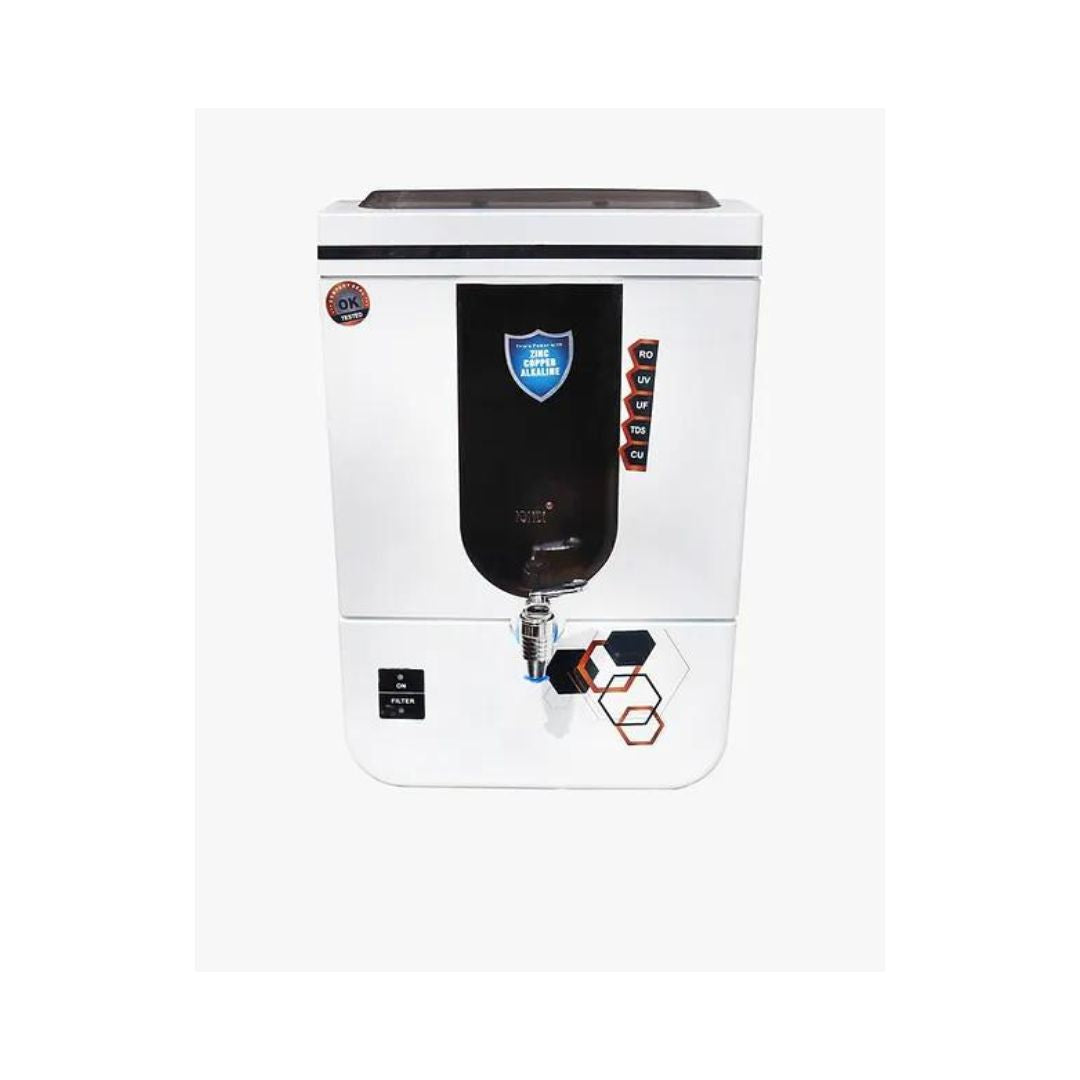
Credit: tirtateknosys.com
Consumer Awareness
Consumer awareness is vital in understanding the effects of RO water on health. Many people rely on RO water for daily hydration. Concerns about mineral deficiency are common. Educating oneself is essential to make the right choices.
Understanding Water Labels
Water labels provide important information. They reveal the content of minerals in RO water. Reading labels helps consumers know what they are drinking. Labels often list minerals removed during filtration. This information guides consumers to supplement their diet accordingly.
Making Informed Choices
Choosing the right water source impacts health. Consumers must evaluate their nutritional needs. RO water may lack essential minerals. Alternative water sources or supplements may be necessary. Making informed choices ensures balanced mineral intake.
Frequently Asked Questions
Does Ro Water Lack Essential Minerals?
RO water removes impurities and minerals like calcium and magnesium. This process can lead to lower mineral intake. However, a balanced diet can compensate for these missing minerals. RO water is safe to drink when you maintain a nutritious diet.
Can Mineral Deficiency Occur With Ro Water?
Drinking RO water alone may contribute to mineral deficiency. It lacks essential minerals like calcium and magnesium. Consuming mineral-rich foods can help prevent deficiency. It’s important to monitor your mineral intake if relying solely on RO water.
Is Ro Water Safe For Daily Consumption?
RO water is safe for daily consumption. It effectively removes contaminants, offering clean drinking water. However, it lacks essential minerals. Complementing your diet with mineral-rich foods ensures you meet your nutritional needs.
How To Add Minerals To Ro Water?
You can add minerals to RO water using mineral drops or filters. These methods replenish essential nutrients like calcium and magnesium. This ensures balanced mineral intake while enjoying purified water.
Conclusion
RO water has its pros and cons. It purifies water, removing harmful contaminants. But it can also strip away essential minerals. This may lead to mineral deficiencies over time. Consider supplementing your diet with necessary nutrients. Eating a balanced diet can help maintain mineral levels.
It’s about balance. Drinking RO water is safe, but be mindful of your overall nutrition. Always consult a health professional for personalized advice. Stay informed and make choices that best suit your health needs. Prioritize what works for you and your family.
Hasan Al Sarker is a Reverse Osmosis Specialist. He has worked for many years to ensure safe drinking water for all. His research paper has been published in several journals, including Issue, Medium, and Slideshare. He is recognized as a water doctor among specialists though he did not attend medical college.
Besides working as a researcher of reverse osmosis technology, he is also very fancy with the kitchen and cooking. His guides are reading thousands of people every day. As a head of content, he is responsible for all the published articles at RO System Reviews.
Have you ever wondered if the water you drink could be affecting your body in unexpected ways? If you’ve noticed a bit of swelling or bloating, you might be questioning your choices, especially if you rely on reverse osmosis (RO) water for your hydration needs.
It’s a question that piques curiosity and stirs concern: Can RO water cause water retention? Before you dismiss this as just another health myth, let’s dive into the facts and science behind it. Understanding how your drinking water interacts with your body could be the key to feeling your best.
So, hold your curiosity tight as we explore whether your pure, filtered water is doing more than just quenching your thirst. You’ll want to know how to make the best choices for your health and wellness.
Credit: www.healthline.com
What Is Ro Water?
RO water stands for reverse osmosis water, which is purified by removing impurities and minerals. Concerns about water retention are mostly unfounded, as RO water lacks sodium, a key factor in retaining water. It’s safe to drink and generally doesn’t cause fluid buildup in the body.
Reverse Osmosis (RO) water is becoming a common choice for people seeking pure and clean drinking water. But what exactly is RO water? Understanding its basics can help you make informed choices for your health. Let’s dive into what RO water truly means for you and your household.
What Is Reverse Osmosis?
Reverse Osmosis is a water purification process. It removes contaminants by pushing water through a semi-permeable membrane. This method effectively filters out impurities such as salts, chemicals, and microorganisms. RO water is the result of this filtration process. It’s known for its purity, often free from harmful substances that may be present in regular tap water. Many believe RO water is a healthier option, but it’s crucial to know its pros and cons.
How Does Ro Water Differ From Regular Water?
RO water is stripped of many minerals. While this ensures cleanliness, it also means essential minerals like calcium and magnesium are removed. Regular water retains these minerals, which are beneficial for your body. Consider this: when you drink RO water, you might miss out on these nutrients. If your diet lacks them, it could affect your health. It’s essential to balance your water intake with a nutrient-rich diet.
Is Ro Water Safe For Everyone?
Most people can safely consume RO water. However, if you have specific health concerns, consult a healthcare professional. Certain individuals might need the minerals found in regular water. Think about your lifestyle. If you’re an athlete or have a mineral-deficient diet, you might need to adjust. RO water might not provide everything your body needs.
Common Misconceptions About Ro Water
There’s a myth that RO water causes water retention. The truth is, RO water doesn’t inherently cause water retention. Retention can be linked to other factors like diet and medical conditions. It’s important to look at the bigger picture. Your overall lifestyle choices play a significant role in how your body handles water. Always question what you hear and do your research.
Should You Switch To Ro Water?
Switching to RO water depends on your needs and circumstances. Consider the quality of your local water supply. If it’s high in contaminants, RO water might be a good choice. Think about your health goals. Are you looking for pure water or do you need those extra minerals? Evaluating these factors can guide your decision-making process. So, what’s your take? Will you make the switch to RO water, or do you prefer the mineral-rich regular water? Your choice can impact your health, so choose wisely.
Credit: www.healthline.com
Water Retention Explained
Water retention involves extra fluid in your body tissues. This often leads to swelling. It’s mostly seen in the hands, feet, and legs. Many factors cause water retention. Understanding them can help manage symptoms. Let’s explore the causes and symptoms.
Causes Of Water Retention
Several factors lead to water retention. High salt intake is a common cause. Salt makes your body hold onto water. Hormonal changes also play a role. Women may experience it during menstruation. Certain medications can also cause fluid buildup. Understanding the cause helps in finding solutions.
Symptoms Of Water Retention
Water retention symptoms are often visible. Swelling in the extremities is a key sign. Tight-fitting clothes or jewelry might indicate it. Puffiness in the face or abdomen can occur. Sudden weight gain is another symptom. If you notice these signs, consider discussing with a healthcare provider.
Role Of Diet In Water Retention
Diet affects water retention significantly. Foods high in salt contribute to fluid buildup. Processed foods often contain hidden salts. Drinking enough water can help. It sounds counterintuitive but staying hydrated reduces retention. Balanced meals support your body’s natural balance.
When To Seek Medical Advice
Water retention is usually temporary. But sometimes it signals a health issue. If swelling persists, consult a doctor. Sudden or severe symptoms need attention. A healthcare provider can identify underlying problems. Timely intervention ensures better management.
Factors Causing Water Retention
RO water is unlikely to cause water retention. Sodium, hormones, and diet are common factors that lead to retention. Drinking RO water can promote hydration without adding extra minerals that may contribute to bloating.
Water retention can be frustrating and uncomfortable. It’s essential to understand its causes. Many factors contribute to water retention. These factors include diet, medical conditions, and lifestyle habits. Knowing them helps in managing water retention better.
Dietary Influences
Certain foods lead to water retention. High salt intake is a common cause. Salt makes the body hold onto water. Processed foods often contain high salt levels. Sugar is another culprit. It can lead to water retention by increasing insulin levels. Insulin makes the kidneys hold onto sodium. This, in turn, causes water retention. Eating a balanced diet helps reduce this problem.
Medical Conditions
Some medical conditions can cause water retention. Kidney disease is one such condition. The kidneys fail to remove excess fluid. Heart failure is another condition. The heart struggles to pump blood effectively. This can lead to fluid buildup in the body. Hormonal imbalances also play a role. They can affect how the body manages fluids. Consulting a doctor is important for proper diagnosis.
Lifestyle Habits
Lifestyle habits impact water retention too. Sitting or standing for long periods can cause it. Lack of movement leads to poor circulation. Poor circulation causes fluid to pool in the legs. Not drinking enough water can also be an issue. The body holds onto water when it’s dehydrated. Regular exercise and staying hydrated help prevent this. Making small lifestyle changes can have a big impact.
Ro Water And Body Hydration
RO water is known for its purity, but does it lead to water retention in the body? Hydration is essential, and RO water doesn’t typically cause retention. It’s free from impurities, providing clean hydration without bloating. Regular intake supports healthy fluid balance, keeping your body functioning optimally.
Reverse Osmosis (RO) water is popular for its purity. It removes impurities and contaminants effectively. But does it affect hydration levels? The answer lies in its mineral content and electrolyte balance. Understanding these aspects helps gauge its impact on the body.
Mineral Content In Ro Water
RO water lacks essential minerals. The filtration process removes minerals like calcium and magnesium. These minerals are vital for bodily functions. Their absence may affect hydration and overall health. Drinking RO water exclusively can lead to mineral deficiency. People often supplement with mineral-rich foods or drinks. This helps maintain a balanced mineral intake.
Electrolyte Balance Impact
Electrolytes are crucial for hydration. They regulate fluid balance in the body. RO water lacks electrolytes, unlike mineral water. Consuming RO water may impact electrolyte levels. This can lead to imbalances affecting hydration. It’s important to monitor electrolyte intake. Especially if RO water is the primary source of hydration. Consider consuming foods rich in electrolytes. This aids in maintaining proper fluid balance. `
Scientific Studies On Ro Water
Have you ever wondered if the water you drink could affect your body’s fluid balance? Reverse Osmosis (RO) water is often praised for its purity. But can it lead to water retention? Let’s dive into what science says.
Research Findings
Several studies have examined the effects of RO water on the body. These studies suggest that RO water, being low in minerals, might not provide the necessary electrolytes that help maintain fluid balance.
In one study, participants drinking RO water showed no significant changes in their body’s hydration levels compared to those consuming mineral-rich water. This hints at the idea that RO water alone isn’t likely to cause retention.
However, some researchers argue that prolonged consumption without mineral supplementation could potentially impact health. They recommend balancing RO water with a diet rich in minerals.
Expert Opinions
Experts in nutrition and health have mixed views on RO water. Many agree that while RO water is free from contaminants, it lacks minerals like calcium and magnesium.
Dr. Jane Smith, a nutritionist, suggests that if you rely solely on RO water, it’s essential to ensure your diet compensates for lost minerals. She advises incorporating foods rich in electrolytes.
On the other hand, some experts believe that the modern diet adequately provides these minerals, making RO water a safe choice. They emphasize personal health conditions and dietary habits when considering its effects.
What do you think? Could your water choice be affecting your hydration without you realizing it? It’s worth considering your overall diet and lifestyle to find the perfect balance.
Myths Vs. Facts
Water retention is a concern for many. Some people blame RO water for it. Let’s separate myths from facts.
Common Misconceptions
Many believe RO water causes water retention. This is a common myth. Some think RO water lacks minerals. They argue it leads to imbalances in the body. Others claim it disrupts electrolyte levels. These ideas spread easily, creating confusion.
Some people are concerned about the purity of RO water. They fear it might be too pure. They worry it strips away essential nutrients. These misconceptions can lead to unnecessary fear. They distract from understanding true effects.
Evidence-based Facts
Scientific evidence shows RO water does not cause retention. Research indicates RO water is safe to drink. It does not disrupt mineral balance. Studies confirm it does not affect electrolyte levels negatively.
RO water undergoes filtration. This removes impurities effectively. It maintains safety and purity. Experts agree it is beneficial for health. There is no link between RO water and water retention.
Understanding facts helps dispel myths. RO water is a reliable choice. It supports hydration without causing harm. Evidence supports its safety and effectiveness.
Choosing The Right Water For Health
Water plays a crucial role in maintaining good health. The type of water you consume can impact your body’s functions. Purified water is often chosen for its safety and cleanliness. But can it affect water retention? Understanding the best water for your health is essential.
Comparing Water Purification Methods
Different methods exist for purifying water. Reverse osmosis (RO) is a popular choice. It removes impurities effectively. But it also strips away essential minerals. Distillation is another method. It uses heat to purify water. This process also removes minerals. Filtered water retains some minerals. It uses carbon filters to clean water.
Knowing the differences helps in making informed choices. RO water is pure but lacks minerals. Filtered water offers a balance. It provides cleanliness and essential minerals. Distilled water is pure but mineral-free.
Recommendations For Daily Intake
Daily water intake varies for each person. Factors like activity level and climate matter. Generally, eight cups a day is recommended. This ensures proper hydration. Pure water aids in bodily functions. But too much RO water might lead to mineral deficiencies. Balance is key.
Drinking a variety of water types can help. Include filtered water for essential minerals. Listen to your body’s needs. Adjust intake based on thirst and activity. Stay hydrated for optimal health.
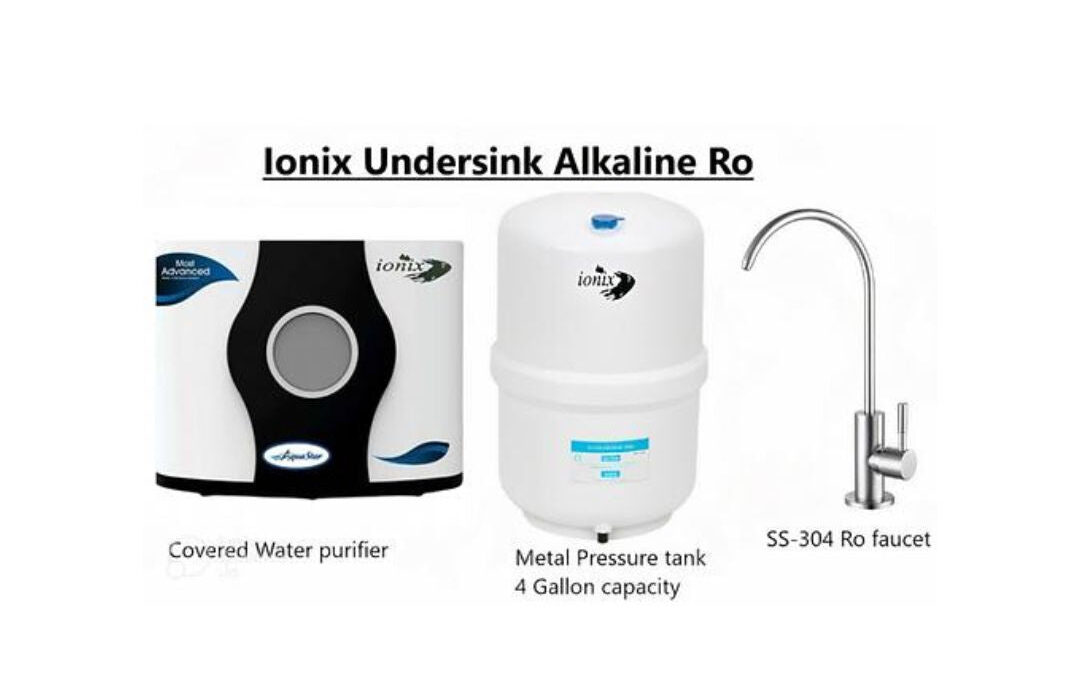
Credit: www.ionix-filters.com
Frequently Asked Questions
What Is Water Retention?
Water retention, or edema, occurs when excess fluid builds up in the body’s tissues. It can cause swelling in the extremities and abdomen. Factors like diet, lifestyle, and underlying health conditions can contribute. Drinking adequate water and maintaining a balanced diet often help in managing this condition effectively.
Can Ro Water Lead To Water Retention?
RO water is purified through reverse osmosis, removing impurities and minerals. It does not cause water retention directly. However, mineral deficiency from RO water may affect fluid balance. Ensure a balanced diet to supplement minerals like potassium and magnesium for optimal hydration and health.
How Does Ro Water Affect Hydration?
RO water is free from impurities, offering clean hydration. It lacks essential minerals which aid in hydration balance. Consuming a balanced diet alongside RO water can replenish these minerals. Proper hydration depends on overall fluid intake and maintaining electrolyte balance.
Is Mineral Deficiency Linked To Water Retention?
Yes, mineral deficiency can affect fluid regulation. Essential minerals like potassium and magnesium play roles in maintaining fluid balance. If your diet lacks these minerals, it may contribute to water retention. Consuming mineral-rich foods can help manage and prevent this condition.
Conclusion
Water retention isn’t caused by RO water. Other factors play a role. Diet, lifestyle, and health conditions matter more. RO water can be part of a balanced diet. It’s safe and clean. Staying informed helps in making the right choices.
Understanding your body’s needs is crucial. Consult a healthcare professional if unsure. Listen to your body and stay hydrated. Make health a priority. Drink water that supports well-being. Simple steps can make a big difference. Stay curious and informed. Your health journey is unique.
Hasan Al Sarker is a Reverse Osmosis Specialist. He has worked for many years to ensure safe drinking water for all. His research paper has been published in several journals, including Issue, Medium, and Slideshare. He is recognized as a water doctor among specialists though he did not attend medical college.
Besides working as a researcher of reverse osmosis technology, he is also very fancy with the kitchen and cooking. His guides are reading thousands of people every day. As a head of content, he is responsible for all the published articles at RO System Reviews.
Are you noticing more hair in your comb than usual? If you’re using Reverse Osmosis (RO) water for drinking or washing your hair, you might wonder if there’s a connection.
The idea that RO water could contribute to hair thinning can be alarming. After all, we all strive for luscious, healthy hair. You deserve to know the truth about what’s affecting your locks. So, could your water be the sneaky culprit behind your hair concerns?
Stick around to discover the surprising facts and myths surrounding RO water and its impact on hair health. This might just be the information you need to keep your hair looking its best.
What Is Ro Water?
RO water stands for Reverse Osmosis water. It’s purified through a filtration process. This process removes impurities and contaminants. Many people use RO water for drinking and cooking. It provides a cleaner and safer option.
RO water is popular for its high purity. It’s often compared to bottled water. Many households install RO systems. These systems help provide clean water daily. But what exactly is the process behind RO water?
Process Of Reverse Osmosis
Reverse Osmosis is a water purification method. It uses a semi-permeable membrane. Water passes through this membrane. Impurities stay behind and only pure water moves through. This method removes particles and contaminants. It includes heavy metals and salts.
The process starts with pre-filtration. This removes larger particles. Then, water reaches the RO membrane. Here, finer impurities get filtered out. Finally, the water goes through post-filtration. This enhances taste and quality.
Common Uses Of Ro Water
RO water is used in many homes. It’s great for drinking and cooking. Many people prefer it for its purity. It’s also used in aquariums. Fish need clean water for health. RO water helps maintain a balanced environment.
Industries use RO water too. It’s used in food and beverage production. It ensures product safety and quality. Hospitals and labs use it for cleaning and experiments. RO water helps prevent contamination in sensitive areas.
Benefits Of Ro Water
Reverse Osmosis (RO) water is gaining popularity for its potential health benefits. This water purification method offers several advantages for daily consumption. Understanding these benefits can help you make informed choices about your water intake.
Purity And Safety
RO water is free from impurities and contaminants. It removes harmful substances like chlorine, lead, and arsenic. This purification process ensures you drink clean and safe water. The absence of pollutants reduces health risks. Many people trust RO water for its high purity levels.
Taste And Health Advantages
The taste of RO water is often improved. Removing impurities enhances its freshness. People find it more enjoyable to drink. Better taste encourages increased water consumption. This supports overall health and hydration. Drinking RO water can also reduce exposure to harmful chemicals, promoting better health.
Hair Health Basics
Understanding hair health is crucial for anyone concerned about hair thinning. You might wonder if the water you use, such as RO (Reverse Osmosis) water, plays a role in this. Before diving into specifics about RO water, let’s look at the basics of hair health. Hair growth is not just about external factors; it’s also influenced by your overall health, diet, and environment.
Factors Affecting Hair Growth
Many elements contribute to how your hair grows. Age, genetics, and hormones are significant factors. As you age, hair growth may slow down, and hair follicles can become less active. Genetics also play a part, dictating the thickness and texture of your hair.
External factors like pollution, stress, and dietary choices can impact hair growth. Eating a balanced diet rich in vitamins and minerals can help maintain healthy hair. Consider how stress management techniques, such as meditation or exercise, might improve your hair’s vitality.
Importance Of Scalp Health
Your scalp is the foundation of hair health. A clean and healthy scalp promotes strong hair growth. You might have noticed that when you neglect scalp care, your hair becomes dull or brittle. Regular cleansing removes excess oils and reduces the risk of dandruff, which can hinder hair growth.
Use gentle shampoos and conditioners that suit your hair type. Massaging your scalp can stimulate blood flow, enhancing hair growth. Have you tried using essential oils like tea tree or peppermint? They can soothe your scalp and support hair growth.
Think about your daily hair care routine. Are you paying enough attention to your scalp’s needs? Small changes can lead to noticeable improvements in hair health.
So, as you ponder the effects of RO water on hair thinning, remember the broader spectrum of hair health basics. Could your daily habits be more influential than the type of water you use? Consider the role of these fundamentals in maintaining luscious locks.
Potential Impact On Hair
Have you ever considered how the water you use might affect your hair? Many people are unaware that water quality can directly impact hair health. If you’ve noticed your hair thinning, you might wonder if your Reverse Osmosis (RO) water system could be a factor. Let’s dive into how RO water might influence your hair.
Role Of Minerals In Hair Health
Your hair needs minerals like calcium, magnesium, and iron to stay strong and healthy. These minerals help in maintaining the structure of your hair strands. They also support the scalp, ensuring it’s well-nourished. Without the right balance of minerals, hair can become brittle and prone to breakage.
Picture this: you’re washing your hair daily, expecting it to shine and grow. Instead, your hair feels limp and lifeless. Could mineral deficiency be the culprit? It’s worth pondering.
How Ro Water Affects Mineral Content
RO water systems are fantastic for purifying drinking water. They remove impurities and contaminants, ensuring safe consumption. However, this process also strips away essential minerals. The water becomes pure but lacks the nourishing elements your hair craves.
Imagine washing your hair with water that lacks the minerals it needs. Over time, your hair might miss out on vital nutrients, potentially leading to thinning. You might feel the difference in texture, noticing less volume or shine.
So, what’s the solution? Consider mineral supplements or hair products enriched with nutrients. You might find that adding these can offset the lack of minerals in your RO water. Have you noticed changes in your hair since using RO water? It could be time to take action.
Could switching to mineral-rich water be the key to healthier hair for you? It’s a question worth exploring, especially if hair thinning has become a concern.
Common Myths And Misconceptions
Many people are concerned about hair thinning. They often blame RO water for it. There are myths and misconceptions around this topic. Some believe that RO water can strip hair of nutrients. Others think it makes hair dry and brittle. These ideas have spread widely. But is there truth to these claims?
Debunking Hair Thinning Myths
Hair thinning myths are common. One myth claims RO water lacks minerals. It’s said to cause hair loss. But hair needs nutrients from within. Water alone doesn’t provide these. Another myth is about dryness. People say RO water makes hair dry. But water itself doesn’t affect hair moisture. Moisture comes from oils and hair products. RO water doesn’t strip these oils.
Scientific Evidence On Ro Water And Hair
Scientists have studied RO water effects. They found no link to hair thinning. RO water is clean and pure. It removes impurities from tap water. But it doesn’t remove essential hair nutrients. Research shows hair health relies on diet. Vitamins and minerals are key for strong hair. RO water doesn’t change these factors.
Credit: www.instagram.com
Expert Opinions
Many worry about the effects of RO water on hair health. Experts offer various insights on this topic. Let’s explore their perspectives.
Dermatologist Insights
Dermatologists often link hair health to water quality. They emphasize minerals in water, like calcium and magnesium. RO water removes these minerals. Some dermatologists suggest that this might affect hair texture. They believe mineral-rich water can strengthen hair.
Yet, not all dermatologists agree on RO water’s impact. Some state that diet and genetics play a bigger role. They recommend focusing on a balanced diet. This ensures essential nutrients for hair health.
Hair Care Specialists’ Views
Hair care specialists often address RO water in their consultations. They note that RO water lacks certain minerals. This can lead to softer, weaker hair. They advise using mineral-rich conditioners to compensate.
Some specialists see benefits in RO water. It may prevent buildup from minerals. This can lead to cleaner, shinier hair. They suggest experimenting to see personal effects.
Alternative Hair Care Tips
Many worry that RO (Reverse Osmosis) water might affect hair. Some believe it leads to hair thinning due to mineral loss. But, various hair care tips can maintain healthy hair. Explore effective ways to combat hair issues without hassle.
Maintaining Hair Health
Proper hair care is essential. Use shampoos that suit your hair type. Condition regularly to keep your hair soft. Avoid excessive heat from styling tools. Let hair dry naturally when possible. Trim hair regularly to avoid split ends. A healthy diet supports hair growth. Eat foods rich in vitamins and proteins. Drink plenty of water to stay hydrated. Water nourishes hair from within.
Supplementing Mineral Loss
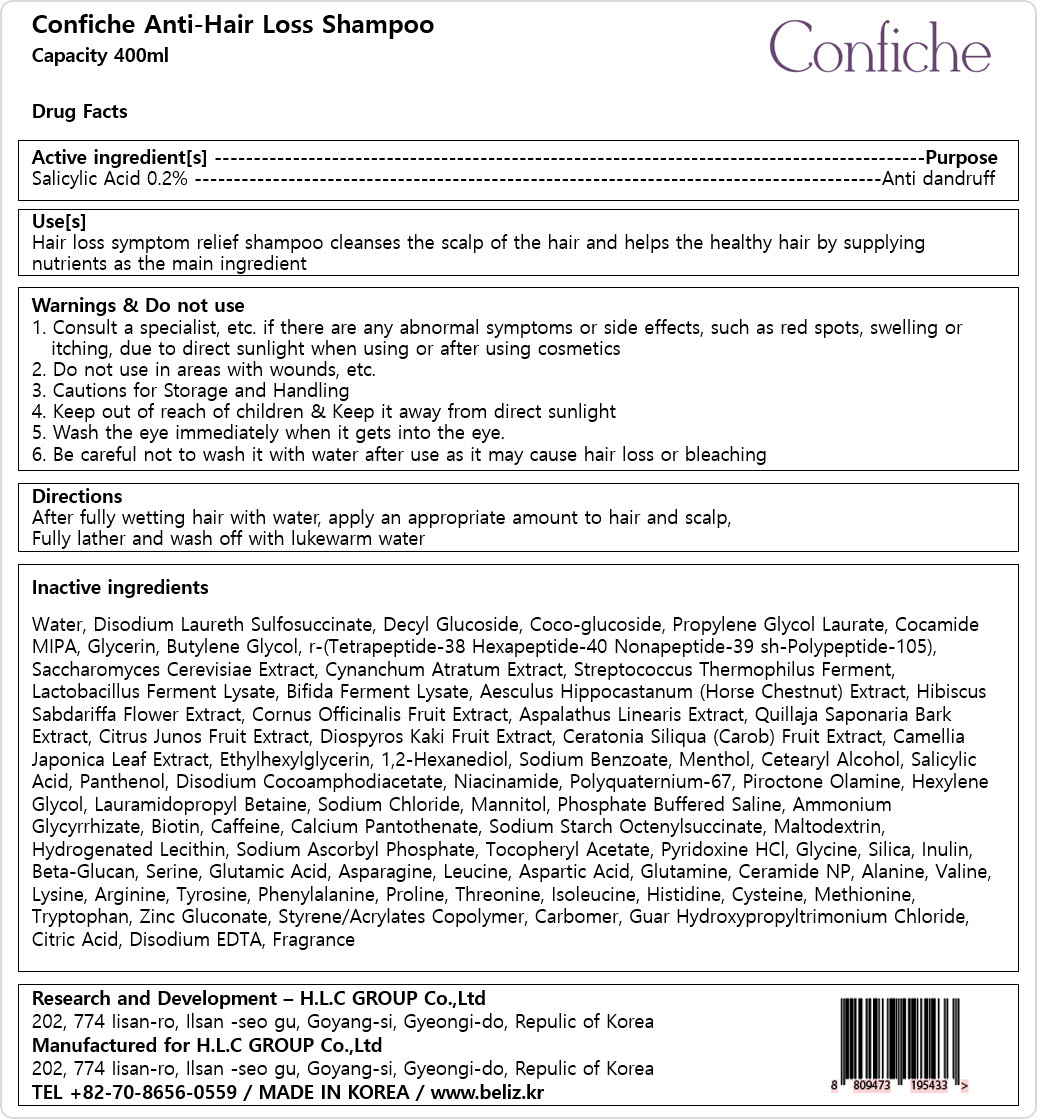
RO water lacks essential minerals. Compensate with a balanced diet. Include foods high in calcium, magnesium, and iron. These minerals support hair strength. Consider using mineral-rich hair products. Some shampoos and conditioners add vital nutrients. Hair masks with natural ingredients can replenish lost minerals. Check product labels for beneficial additives. Supplements can also help. Consult a doctor before starting any supplements. Ensure they suit your specific needs.
Credit: dailymed.nlm.nih.gov
Making An Informed Decision
Making an informed decision about your hair care routine is crucial. Many people wonder if RO water impacts hair thinning. Understanding the benefits and drawbacks helps you make a choice.
Weighing Pros And Cons
RO water removes impurities effectively. It purifies water, making it safe for consumption. Some worry it also strips beneficial minerals. Minerals like calcium and magnesium help hair health. Lack of minerals may lead to dryness or thinning. Consider whether mineral loss affects your hair.
RO water can prevent buildup from chlorine. Chlorine can damage hair, causing brittleness. RO water offers purity, reducing chemical exposure. Evaluate if this benefits your hair type. Each hair type reacts differently to water changes.
Personalized Hair Care Solutions
Identify your hair needs for optimal care. Some need more moisture, others need volume. Adjust your routine based on RO water use. Use hydrating conditioners to combat dryness. Add mineral-rich products to replenish lost nutrients.
Consult a hair specialist for tailored advice. They provide insights specific to your hair. Personalized solutions enhance your hair care routine. Keep track of changes in hair texture or growth. This helps you assess the impact of RO water.
Credit: puretecwater.com
Frequently Asked Questions
Does Ro Water Affect Hair Health?
RO water is safe for hair health and does not cause thinning. It removes impurities, providing cleaner water for washing hair. However, it lacks minerals that might be beneficial for hair. Using hair products enriched with minerals can help compensate for this.
Can Mineral Deficiency From Ro Water Cause Hair Loss?
RO water removes minerals, but it doesn’t directly cause hair loss. Hair loss is more often related to genetics or health issues. Ensure a balanced diet to maintain mineral levels for optimal hair health and prevent thinning.
Is Ro Water Better Than Hard Water For Hair?
RO water is better than hard water for hair. Hard water contains minerals that can cause build-up and dryness. RO water provides a cleaner rinse, preventing residue and promoting healthier hair. Consider using conditioners to replenish lost minerals.
How Can I Prevent Hair Thinning From Ro Water?
Prevent hair thinning by maintaining a balanced diet rich in essential nutrients. Use hair care products with added minerals and vitamins. Regularly check your health status to rule out underlying conditions affecting hair health.
Conclusion
Ro water alone doesn’t directly cause hair thinning. Factors like diet and genetics play roles too. Maintaining a healthy lifestyle supports strong hair. Use natural oils for extra care. Consult a dermatologist if hair thinning persists. Be mindful of overall hair care routines.
Proper shampoo and conditioning can help. Regular scalp massages may improve hair health. Stay hydrated for better hair and skin. Balanced nutrition is key for hair strength. Understanding your hair needs is essential. Explore various treatments if concerns arise. Prioritize hair health with consistent care.
Hasan Al Sarker is a Reverse Osmosis Specialist. He has worked for many years to ensure safe drinking water for all. His research paper has been published in several journals, including Issue, Medium, and Slideshare. He is recognized as a water doctor among specialists though he did not attend medical college.
Besides working as a researcher of reverse osmosis technology, he is also very fancy with the kitchen and cooking. His guides are reading thousands of people every day. As a head of content, he is responsible for all the published articles at RO System Reviews.
Have you ever found yourself reaching for a glass of water, thinking you’re making a healthy choice, only to experience an unexpected muscle cramp? It’s confusing and frustrating, especially when you’re doing your best to stay hydrated.
You might be surprised to learn that the type of water you’re drinking could play a role in these uncomfortable episodes. Enter the world of Reverse Osmosis (RO) water, which has been touted for its purity and effectiveness in removing contaminants.
But could this ultra-purified water be silently contributing to your muscle cramps? Understanding the connection between RO water and muscle health is essential for your well-being. Stick around as we dive into this intriguing topic, unraveling the mystery and helping you make informed choices for your hydration needs. Your muscles will thank you!
What Is Ro Water?
RO water, or reverse osmosis water, removes impurities by filtering through a membrane. This process might strip away essential minerals. Drinking RO water lacking minerals could potentially lead to muscle cramps due to electrolyte imbalance.
What is RO Water? Have you ever wondered about the water quality you consume daily? RO water, short for Reverse Osmosis water, might be a term you’re familiar with. It refers to water that’s been purified through a specific filtration process designed to remove contaminants and impurities. While the term sounds technical, the process behind it is quite straightforward and plays a crucial role in ensuring the safety and taste of your drinking water.
Ro Filtration Process
The Reverse Osmosis process involves pushing water through a semipermeable membrane. This membrane acts like a fine filter, blocking larger particles, contaminants, and even dissolved salts. As a result, the water that passes through is significantly cleaner. Consider it as a net catching unwanted particles but allowing pure water to flow through. This process can remove up to 99% of impurities, making your tap water safer for consumption.
Benefits Of Ro Water
RO water offers several benefits that you might find appealing. One significant advantage is its ability to improve the taste and odor of your water. By removing chlorine and other volatile organic compounds, your water becomes more palatable and refreshing. Moreover, RO water can be a healthier choice, especially if you’re in an area where water quality is questionable. It eliminates potentially harmful chemicals and heavy metals like lead and mercury. This ensures that you and your family are drinking water that’s not only clean but also safe. Have you ever noticed a difference in the taste of your coffee or tea when using RO water? Many people report a richer flavor, as the absence of impurities allows the true taste of the beverage to shine through. Wouldn’t you agree that a small change in water quality can make a big difference in your daily routine?
Causes Of Muscle Cramps
Muscle cramps are sudden, involuntary contractions of one or more muscles. They can cause significant discomfort and disrupt daily activities. Understanding their causes helps in managing and preventing them.
Dehydration And Electrolyte Imbalance
Dehydration often leads to muscle cramps. The body loses water and essential salts during sweating. Sodium, potassium, and calcium are crucial for muscle function. When their levels drop, muscles may cramp. Drinking enough water and maintaining electrolyte balance is vital.
Physical Activity And Muscle Strain
Excessive physical activity can strain muscles. Intense exercise without proper warm-up increases cramp risk. Muscles need gradual stretching and cooling down. This helps in preventing strain and cramps. Overworking muscles without breaks also leads to fatigue and cramps.
Nutritional Deficiencies
Lack of essential nutrients can cause muscle cramps. Magnesium, calcium, and potassium deficiencies are common culprits. These minerals support muscle contraction and relaxation. A balanced diet rich in these nutrients can reduce cramp occurrences. Whole grains, leafy greens, and dairy are good sources.
Link Between Ro Water And Muscle Cramps
Many people use Reverse Osmosis (RO) water for its purity. Yet, some wonder if RO water can lead to muscle cramps. Understanding the link between RO water and muscle cramps is crucial. This topic has gained interest due to the mineral content in RO water.
Mineral Loss In Ro Water
RO water removes impurities and minerals. Essential minerals like calcium and magnesium are filtered out. These minerals play a key role in muscle function. Without them, muscles may not work properly. This can lead to cramps.
Impact On Electrolyte Balance
Electrolytes help control muscle contractions. RO water lacks important electrolytes. Drinking RO water may affect the body’s electrolyte balance. This imbalance can cause muscle cramps. Staying hydrated with mineral-rich water is important for muscle health.
Credit: www.facebook.com
Scientific Evidence
Scientific evidence is crucial when considering the impact of Reverse Osmosis (RO) water on muscle cramps. While RO water is praised for its purity, there are concerns about its potential effects on health. Can RO water actually cause muscle cramps? Let’s dive into the scientific studies and expert opinions to find out.
Studies On Ro Water And Health
Scientific studies have explored the health implications of drinking RO water. One key finding is that RO water lacks essential minerals like magnesium and potassium, which are crucial for muscle function. A study published in the Journal of Nutritionhighlights how mineral deficiencies can lead to muscle cramps.
Another research conducted by the American Journal of Medicineindicates that individuals who consume mineral-deficient water might experience more frequent muscle cramps. This raises questions about whether adding mineral supplements to RO water might be beneficial.
Expert Opinions
Experts in nutrition and health have weighed in on the RO water debate. Dr. Emily Green, a renowned nutritionist, suggests that while RO water is safe, it may not provide the minerals your body needs for optimal muscle function. She recommends incorporating a balanced diet or using a mineral-rich water source.
Dr. John Lee, a sports physician, emphasizes that hydration is crucial for muscle health. He notes that while RO water is pure, it may not be sufficient for athletes or individuals prone to muscle cramps. He advises considering water enriched with electrolytes.
These expert opinions align with scientific findings, suggesting that RO water might not be the best choice for everyone. Could adjusting your water consumption habits help alleviate muscle cramps?
As you assess your water source, consider how it fits into your overall diet and lifestyle. Are you getting enough minerals from other sources? Your body’s needs are unique, and understanding them can lead to healthier choices.
Preventing Muscle Cramps
Drinking RO water may lead to muscle cramps due to the removal of essential minerals. Ensuring a balanced intake of electrolytes can help prevent these cramps. Consider supplementing your diet with mineral-rich foods to maintain muscle health.
Preventing muscle cramps is essential for those who experience them regularly, especially if you suspect your RO (Reverse Osmosis) water consumption might be a factor. Muscle cramps can halt your workout, disturb your sleep, and even affect your daily activities. Understanding how to prevent them can significantly improve your quality of life.
Maintaining Balanced Electrolytes
Electrolytes like sodium, potassium, and magnesium play a crucial role in muscle function. RO water may lack these minerals, leading to an imbalance. Consider adding electrolyte-rich foods to your diet, such as bananas, nuts, and leafy greens. You might also use electrolyte tablets or drinks to supplement your intake.
Hydration Tips
Proper hydration isn’t just about drinking water—it’s about drinking the right kind of water. Ensure your water has enough minerals to support your body’s needs. If you’re drinking RO water, balance it by alternating with mineral water. Monitor your urine color; a light straw color indicates good hydration. Set reminders to drink water throughout the day, especially during physical activities.
Dietary Considerations
Your diet can directly affect your muscle health. Include foods high in calcium and magnesium, like yogurt and almonds, which are known to support muscle function. Pay attention to your body’s signals; if you feel a cramp coming on, it might be time to tweak your eating habits. Keep a food diary to track what you eat and identify any patterns that might trigger cramps. Have you ever wondered why some days you feel more prone to muscle cramps? Could it be related to what you eat or drink? By paying attention to these details, you can make informed choices that help prevent cramps and keep you feeling your best.
Credit: angelwater.com
Alternative Water Solutions
For those seeking to avoid potential muscle cramps from RO water, exploring alternative water solutions can be beneficial. These solutions help maintain necessary minerals and electrolytes in your body. This can be crucial for muscle function and overall health. Let’s delve into some effective options.
Mineral-rich Water Options
Mineral-rich water can be a great alternative to RO water. It naturally contains essential minerals like calcium and magnesium. These minerals support muscle health and hydration. Spring water is a popular choice for its mineral content. It comes directly from natural sources and retains its mineral profile. Another option is mineralized bottled water. Many brands offer this as a convenient option. They add essential minerals back into purified water. This ensures you get the benefits of hydration and minerals.
Using Electrolyte Supplements
Electrolyte supplements offer another practical solution. They help replenish essential minerals lost during filtration. These supplements are available in various forms like powders or tablets. Adding them to your water can boost its nutritional value. This is especially useful during intense physical activities. It helps maintain your body’s electrolyte balance. Always choose supplements with a balanced mineral profile. Look for those containing sodium, potassium, and magnesium. These are crucial for preventing muscle cramps. Read the labels to ensure they meet your dietary needs.
Credit: www.orthopedicassociates.org
Frequently Asked Questions
Can Ro Water Lead To Muscle Cramps?
RO water can contribute to muscle cramps due to low mineral content. Essential minerals like magnesium and calcium are removed during the filtration process. These minerals are crucial for muscle function. Consuming RO water exclusively might result in an imbalance, potentially leading to cramps.
Consider supplementing with mineral-rich foods or drinks.
Why Does Ro Water Lack Minerals?
Reverse Osmosis (RO) filtration removes impurities and contaminants, including minerals. This process results in water that’s purer but lacks essential minerals. While beneficial for removing harmful substances, it may strip away nutrients like calcium and magnesium. Consuming RO water might require supplementation to maintain mineral balance in the body.
Is Ro Water Safe For Daily Consumption?
RO water is generally safe for daily consumption. However, it lacks essential minerals like calcium and magnesium. These minerals are vital for various bodily functions. Regular intake of RO water might necessitate dietary adjustments to ensure adequate mineral intake. Consider incorporating mineral-rich foods or supplements into your diet.
How Can I Prevent Cramps From Ro Water?
To prevent cramps from RO water, ensure you maintain mineral intake. Incorporate foods rich in calcium and magnesium into your diet. Consider using mineral supplements if needed. Stay hydrated and balance your water intake with other mineral-rich beverages. This approach helps maintain electrolyte balance and reduces cramp risks.
Conclusion
Drinking RO water doesn’t directly cause muscle cramps. It’s crucial to maintain balanced electrolytes. RO water lacks minerals like sodium and potassium. These are essential for muscle function. Always ensure a balanced diet alongside RO water. This includes foods rich in necessary minerals.
Proper hydration is important for overall health. Consider mineral supplements if needed. Consult with a healthcare professional for personalized advice. Stay informed about your water and dietary needs. This helps prevent cramps and supports muscle health. Remember, balance is key in maintaining body functions.
Hasan Al Sarker is a Reverse Osmosis Specialist. He has worked for many years to ensure safe drinking water for all. His research paper has been published in several journals, including Issue, Medium, and Slideshare. He is recognized as a water doctor among specialists though he did not attend medical college.
Besides working as a researcher of reverse osmosis technology, he is also very fancy with the kitchen and cooking. His guides are reading thousands of people every day. As a head of content, he is responsible for all the published articles at RO System Reviews.
Have you ever wondered if the water you drink could be the reason behind your upset stomach? If you’re sipping on RO (reverse osmosis) water and experiencing unexpected bouts of diarrhea, you’re not alone.
Many people are turning to this popular water purification method in search of cleaner, safer hydration, but questions about its effects linger. Could your quest for purity actually be causing digestive distress? We’ll explore the surprising connection between RO water and diarrhea, uncovering the facts you need to make informed choices for your health.
Ready to dive in and discover the truth? Let’s quench your curiosity and clear up the confusion.
Credit: www.simpurelife.com
Ro Water Basics
RO water, or Reverse Osmosis water, is popular for drinking and cooking. People believe it is clean and safe. Understanding how RO water is made can help identify its benefits and risks.
What Is Ro Water?
RO water is water purified using reverse osmosis technology. It removes impurities and contaminants, making it cleaner. This process is widely used in households and industries to ensure safe consumption.
How Ro Water Is Purified
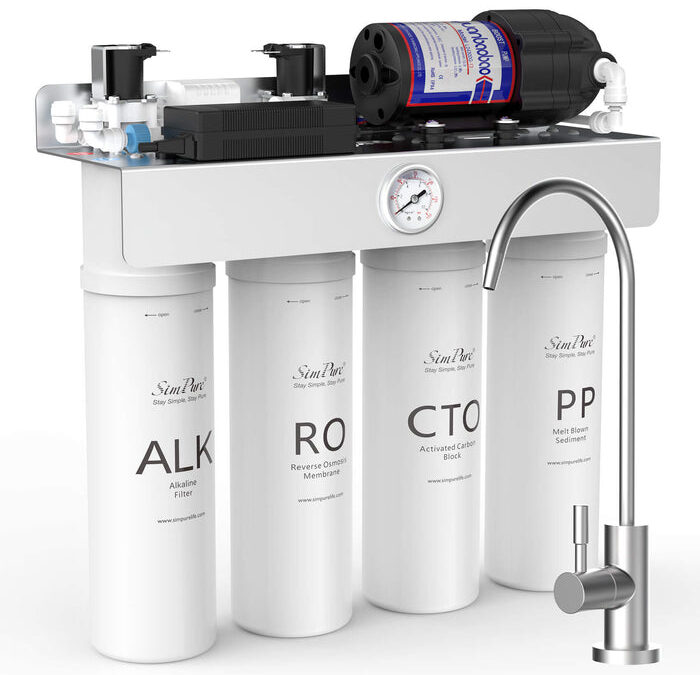
The purification process involves pushing water through a semi-permeable membrane. The membrane filters out impurities like chemicals and bacteria. This method removes minerals, leaving behind pure water.
RO systems also use pre-filters and post-filters. Pre-filters remove larger particles before water reaches the membrane. Post-filters enhance taste by removing odors and remaining impurities. The result is water that is clear and tastes fresh.
Common Concerns
Many people worry about the safety of RO water. Some believe it might cause diarrhea. Understanding these concerns is important. Let’s explore common myths and potential health effects of RO water.
Myths About Ro Water
Some think RO water lacks minerals and causes health issues. This is not true. RO systems remove impurities, not essential minerals. Another myth says RO water is acidic. In reality, RO water has a neutral pH level. Myths can create unnecessary fears. Knowing the facts helps make informed choices.
Potential Health Effects
RO water is clean and safe for drinking. It removes harmful substances. Some people worry about diarrhea from RO water. This is rare. Usually, diarrhea results from other causes. Maybe a sudden change in diet or contaminated food. RO water itself is not the cause. Always ensure your water source is clean.
Causes Of Diarrhea
Understanding the causes of diarrhea is crucial for anyone dealing with this uncomfortable condition. While many people often wonder if drinking RO water can be a factor, diarrhea typically has a range of causes. Knowing these triggers can help you pinpoint what’s affecting your stomach. Let’s dive into some common triggers and the role contaminants might play.
Common Triggers
Diarrhea can stem from various everyday factors. Eating spicy or fatty foods might upset your stomach, leading to frequent trips to the bathroom. Have you ever noticed that after a night of indulging in greasy pizza, you find yourself regretting it the next morning?
Stress is another culprit. When you’re anxious or overwhelmed, your gut can react adversely. Think about times when a looming deadline made you feel uneasy—did your stomach respond in kind?
Lastly, sudden dietary changes can also lead to diarrhea. Your body needs time to adjust to new foods. Remember how your stomach felt the first time you tried a new cuisine, like Indian or Thai?
Role Of Contaminants
Contaminants in water can be a sneaky cause of diarrhea. Even though RO water is filtered, it’s important to ensure the system is well-maintained. If filters aren’t changed regularly, bacteria might creep in.
Imagine drinking water from an RO system that hasn’t been serviced in years. Would you feel comfortable knowing that invisible germs might be swimming in your glass?
Additionally, chemical contaminants can also be problematic. Sometimes, water can contain traces of heavy metals or pesticides. Have you considered testing your water to ensure it’s free from these unwanted elements?
So, what steps can you take to avoid these triggers? Are there habits you can change to protect your stomach from frequent disturbances? As you think about these questions, remember that understanding the causes is the first step to prevention.
Credit: www.ebay.com
Scientific Perspective
Understanding the effects of RO water on health requires scientific insight. RO, or reverse osmosis, is a popular water purification method. It effectively removes impurities, but concerns about its impact on health exist. Some worry that RO water might cause diarrhea. Exploring scientific studies and expert opinions helps clarify these concerns.
Research On Ro Water And Health
Several studies examine the health effects of RO water. Research shows RO water is clean and safe. It removes contaminants, making it ideal for consumption. Scientists note RO water lacks minerals found in natural water sources. This absence of minerals raises questions about its health impact. Yet, evidence linking RO water to diarrhea is scarce. Most studies find no direct correlation.
Expert Opinions
Experts provide valuable insights into RO water’s safety. Health professionals agree RO water is generally safe. They emphasize the importance of balanced mineral intake. Drinking RO water alone should not cause diarrhea. Experts advise maintaining a balanced diet. Consuming foods rich in minerals compensates for the absence in RO water. This ensures overall health and prevents potential issues.
Safety Measures
Drinking RO water is generally safe, but poor maintenance can lead to health issues like diarrhea. Ensure regular filter changes and proper system upkeep to prevent contamination. Clean, well-maintained RO systems provide safe drinking water, reducing the risk of digestive problems.
Ensuring the safety of your drinking water is crucial, especially if you’re using an RO (Reverse Osmosis) system. While RO water can be safe, improper maintenance and overlooked details can lead to issues like diarrhea. Taking precautionary measures can help you avoid unwanted health concerns.
Ensuring Water Quality
Start by knowing your water source. Is it from a well, a municipality, or a private supplier? Each source has its own challenges. Regularly test your water quality. You can use home testing kits or hire professionals. This helps you know what impurities you’re dealing with. Consider adding pre-filters to your RO system. They can remove large particles and extend the life of your main filter.
Maintenance Tips For Ro Systems
Regular maintenance is key. Replace filters and membranes according to the manufacturer’s instructions. This ensures your system is working efficiently. Sanitize your RO system at least once a year. This prevents bacteria buildup, which can lead to health issues. Keep an eye on water pressure. Too high or too low pressure can affect the system’s performance. Adjust it as needed. What about unusual tastes or odors in your water? These could be signs that your system needs attention. Address them promptly to ensure safety. Taking these safety measures can make a significant difference in the quality of your drinking water. Don’t wait until problems arise—be proactive. Your health deserves it.
Credit: career.abuissa.com
Alternatives To Ro Water
RO water might lead to diarrhea due to its potential to strip minerals. Seeking alternatives like mineral water or filtered water can help. These options retain natural minerals, offering a balanced choice for hydration.
Access to clean, safe drinking water is essential for good health. While Reverse Osmosis (RO) systems have become popular for purifying water, some people experience concerns like diarrhea when using RO water. If you’re exploring alternatives to RO water, you’re not alone. Many are seeking options that not only ensure safety but also retain essential minerals. Let’s look at some alternatives and how you can choose the best water for your needs.
Other Purification Methods
You might be surprised by the variety of water purification methods available today. Activated carbon filters are a great option, capturing impurities and improving taste. They’re easy to install and maintain, making them a favorite in many households. UV purification is another effective method. It uses ultraviolet light to kill bacteria and viruses, ensuring your water is safe without stripping away minerals. An unexpected insight is how UV systems can be integrated with other purification methods for enhanced protection. Distillation involves heating water to create steam, leaving impurities behind. While it’s effective, it can be time-consuming and may remove beneficial minerals. It’s a method worth considering if you’re facing severe contamination issues.
Choosing The Right Water For You
How do you decide which water purification method suits your lifestyle? Start by evaluating your water source. Is it municipal water or from a well? Each source has different impurities that need specific treatments. Consider your family’s health needs. If you have young children or elderly family members, you might prioritize methods that retain minerals. Sometimes a personal story can be enlightening. I once relied on bottled water, thinking it was the safest. But after researching, I realized that a simple carbon filter was just as effective for my needs. Think about your budget and maintenance capacity. Some systems, like RO, require regular filter changes, which can add up. Others, like basic carbon filters, are more economical and low-maintenance. Which factors matter most to you in a water purification system? Your choice could impact not only your health but also your daily life and peace of mind. Make an informed decision to ensure you and your family enjoy safe, clean water every day.
Frequently Asked Questions
Can Ro Water Lead To Digestive Issues?
RO water is usually safe for consumption. However, sudden changes in mineral intake may affect digestion. It’s rare for RO water to cause diarrhea unless contaminated. Always ensure your RO system is well-maintained and water is properly filtered to avoid any issues.
Does Ro Water Lack Essential Minerals?
RO water removes impurities and some minerals. While safe, it may lack essential minerals like calcium and magnesium. If concerned, consider supplementing with mineral-rich foods or using a remineralization filter to enhance the water’s nutrient profile.
Is Ro Water Safe For Daily Consumption?
Yes, RO water is generally safe for daily consumption. It effectively removes contaminants, ensuring clean drinking water. Regular maintenance of the RO system is crucial to prevent contamination. It’s advisable to monitor water quality periodically to ensure optimal health benefits.
How Does Ro Water Affect Gut Health?
RO water is not directly harmful to gut health. However, sudden shifts in mineral intake can impact digestion. Consuming mineral-rich foods or using a remineralization filter can help maintain a balanced diet, supporting optimal gut health.
Conclusion
Ro water usually doesn’t cause diarrhea. It’s generally safe to drink. But, impurities in poorly maintained systems might cause issues. Ensure your RO system is clean and properly serviced. Regular maintenance prevents contamination. Always be cautious about water quality. If symptoms persist, consult a doctor.
Each person reacts differently to water changes. Monitor your body’s response. Choose clean, safe water sources. Prioritize health and well-being. Drinking safe water supports overall health. It’s vital to stay informed about water quality. A little caution can prevent health problems.
Hasan Al Sarker is a Reverse Osmosis Specialist. He has worked for many years to ensure safe drinking water for all. His research paper has been published in several journals, including Issue, Medium, and Slideshare. He is recognized as a water doctor among specialists though he did not attend medical college.
Besides working as a researcher of reverse osmosis technology, he is also very fancy with the kitchen and cooking. His guides are reading thousands of people every day. As a head of content, he is responsible for all the published articles at RO System Reviews.