Are you wondering if your daily hydration habit could be affecting your health? The water you choose can make a difference, and reverse osmosis (RO) water is a popular choice for many.
But could it be causing more harm than good? Specifically, could it lead to an electrolyte imbalance in your body? Understanding how your water choice might impact your health is crucial. You deserve to know the truth about RO water and its potential effects.
Keep reading to uncover the facts and take control of your health with confidence. Your well-being might depend on it.
What Is Ro Water?
Have you ever wondered what RO water is and why it’s often recommended for drinking and cooking? RO stands for Reverse Osmosis, a purification method that removes impurities from water. It’s popular because it provides clean and safe water, but there’s more to it than meets the eye.
Reverse Osmosis Process
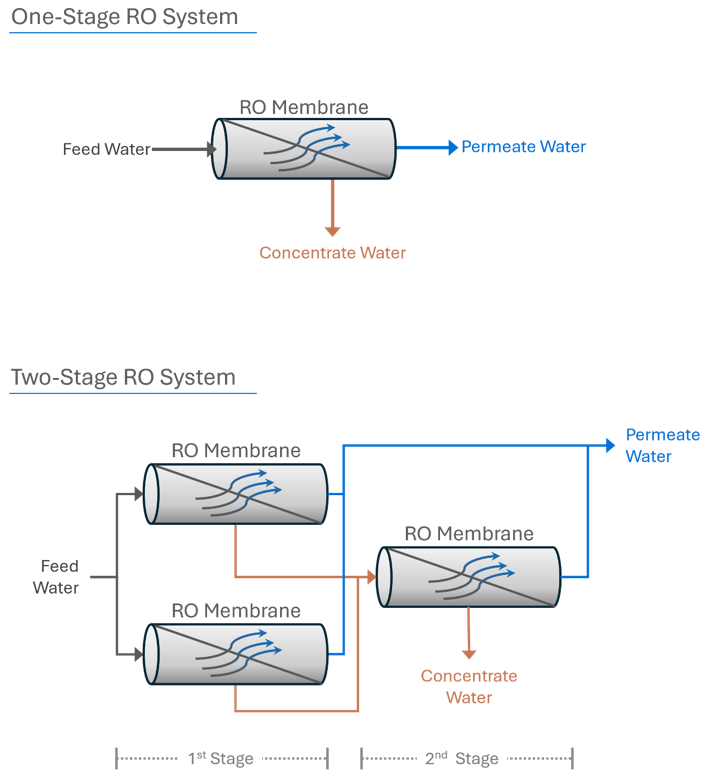
Reverse Osmosis is a fascinating process. It involves forcing water through a semi-permeable membrane. This membrane acts like a fine sieve, blocking contaminants such as salts, bacteria, and viruses.
Imagine a filter that only lets water molecules pass through, leaving behind a wide range of impurities. This is how RO ensures you get the purest water possible. However, in the quest for purity, some essential minerals might also be filtered out.
Have you ever thought about how this impacts the taste and nutritional value of your water? Some people say RO water tastes flat because it lacks the minerals that give water its natural flavor.
Common Uses And Benefits
RO water is widely used in various settings. It’s common in homes, especially where water quality is a concern. Many prefer it for cooking, as it doesn’t alter the taste of food.
Restaurants and cafes often use RO systems to ensure their beverages taste just right. The absence of impurities means your coffee or tea is brewed with only the best water.
But is RO water always the best choice for you? While it removes harmful substances, it also strips away beneficial minerals. This could lead to an electrolyte imbalance if RO water is your primary source of hydration.
Have you considered whether the benefits outweigh the potential downsides? Some choose to remineralize their RO water to strike a balance between purity and health.
Next time you fill your glass with RO water, think about the journey it took to get there. Understanding what’s in your water can help you make informed decisions about your hydration and health.
Understanding Electrolytes
Electrolytes are essential minerals in your body. They play a crucial role in maintaining health. These minerals carry an electric charge. They help balance fluids, support nerve function, and aid muscle contractions. Understanding electrolytes is vital for overall well-being. A proper balance ensures your body functions efficiently.
Key Electrolytes In The Body
Several key electrolytes exist in the human body. Sodium, potassium, calcium, and magnesium are primary ones. Each serves a unique purpose. Sodium helps maintain fluid balance and nerve function. Potassium supports heart health and muscle contractions. Calcium is essential for bones and teeth. Magnesium plays a role in over 300 enzyme reactions.
Functions And Importance
Electrolytes perform various critical functions. They regulate fluid levels in cells and blood. This balance affects blood pressure. Electrolytes help transmit nerve signals. These signals control muscle movements and reflexes. They also influence the body’s pH level. A proper pH balance is crucial for cell function. Maintaining electrolyte balance is important for health. Imbalances can lead to health issues, like cramps or fatigue.
Ro Water’s Impact On Electrolytes
Reverse Osmosis (RO) water is a popular choice for many households, thanks to its ability to filter out impurities. However, it can also strip away essential minerals that our body needs. Understanding the impact of RO water on your body’s electrolytes is crucial, especially if you rely on it as your primary water source.
Mineral Loss In Ro Water
RO water is effective in removing contaminants, but it also removes beneficial minerals like calcium, magnesium, and potassium. These minerals are vital for maintaining a healthy electrolyte balance. If you’re drinking RO water regularly, you might be missing out on these essential nutrients.
Consider how often you consume RO water. Do you balance it with mineral-rich foods or supplements? Some people may not notice any difference, but for others, this mineral loss can lead to noticeable changes in how they feel day-to-day.
Potential Health Implications
Without adequate electrolytes, you might experience symptoms such as fatigue, muscle cramps, or even dizziness. These are signs that your body is struggling to maintain its essential functions. It’s important to recognize these symptoms early and address your electrolyte intake.
Have you ever felt unexpectedly tired or weak after a workout? It might not just be your effort level; it could be your body’s electrolyte balance. Ensuring that you consume foods or drinks that replenish lost minerals can help mitigate these symptoms.
Would adding a pinch of Himalayan salt to your RO water make a difference? It’s a simple way to reintroduce some of those lost minerals back into your diet. Whether you choose to tweak your diet or explore alternative water sources, consider how these changes can impact your overall health.
Credit: www.instagram.com
Scientific Studies And Research
The topic of whether RO (Reverse Osmosis) water can cause electrolyte imbalance has sparked curiosity. Scientific studies and research provide insights into this intriguing subject. Exploring these studies helps us understand the potential impacts of RO water on electrolyte balance.
Findings On Electrolyte Balance
Research shows RO water removes impurities and minerals. Essential electrolytes like sodium, potassium, and magnesium are reduced. Studies indicate a direct link between reduced mineral content and electrolyte imbalance. This could affect hydration levels and muscle function.
One study highlights the importance of minerals in maintaining bodily functions. It suggests a lack of these minerals might lead to imbalances. The study raises questions about long-term effects of consuming RO water.
Expert Opinions
Experts have weighed in on the potential risks of RO water. Nutritionists emphasize the need for balanced mineral intake. They warn about the dangers of prolonged consumption without mineral supplementation.
Some health professionals suggest RO water should be supplemented with minerals. They argue this approach maintains electrolyte balance effectively. Their opinions underscore the importance of monitoring mineral levels in daily water consumption.
Comparing Ro Water With Other Types
When it comes to choosing the best water for your health, the options can seem endless. RO water, or reverse osmosis water, is often praised for its purity. However, you might wonder how it compares to other types of water like tap or bottled water. Are you inadvertently setting yourself up for an electrolyte imbalance by opting for RO water over other types? Let’s dive into the details to help you make an informed choice.
Tap Water Vs. Ro Water
Tap water is easily accessible and contains essential minerals like calcium and magnesium. These minerals are crucial for maintaining the body’s electrolyte balance. However, tap water may also carry impurities such as chlorine and heavy metals.
On the other hand, RO water undergoes a filtration process that removes most impurities, offering you a cleaner drink. But this process also strips away beneficial minerals. If you rely solely on RO water, you may miss out on the natural electrolytes found in tap water.
Imagine turning on your tap and getting a glass of water that not only quenches your thirst but also contributes to your mineral intake. This is one advantage tap water holds over RO water. Could RO water be depriving you of essential nutrients?
Bottled Water Vs. Ro Water
Bottled water is often perceived as a convenient and safe alternative. Some brands even add minerals back to enhance taste and nutritional value. Yet, the environmental impact and cost can be significant.
RO water can be more eco-friendly if you use a home filtration system. But like tap water, RO water lacks added minerals unless you choose to remineralize it yourself. This could mean missing out on the electrolytes found in certain bottled waters.
Think about the last time you reached for a bottle of water while on the go. Did you consider its mineral content, or was convenience your primary concern? It’s a balance between health benefits and practical choices.
Choosing the right type of water isn’t just about taste or convenience. It’s also about ensuring you’re not unknowingly affecting your body’s electrolyte balance. What type of water do you rely on most, and is it meeting all your needs?
Credit: kr.linkedin.com
Balancing Electrolytes While Using Ro Water
Reverse Osmosis (RO) water is popular for its purity. However, it can sometimes lead to an imbalance in your body’s electrolytes. Have you ever wondered how to maintain optimal electrolyte levels while enjoying the benefits of RO water? It’s simpler than you might think. With a few tweaks to your diet and routine, you can keep your body in perfect harmony.
Dietary Adjustments
Boost your intake of foods rich in electrolytes. Bananas, spinach, and avocados are excellent choices. They provide potassium, which is crucial for muscle function and heart health.
Consider adding a pinch of natural sea salt to your meals. This can help replenish sodium levels without overwhelming your taste buds. But remember, moderation is key.
Hydrate with beverages that contain electrolytes. Coconut water is a refreshing option that offers a mix of potassium and sodium. Perfect for a post-workout refreshment.
Supplementation Options
If you find it hard to get enough electrolytes from food, supplements can be a convenient solution. Electrolyte tablets or drinks can quickly restore balance.
Look for supplements that offer a balanced mix of sodium, potassium, magnesium, and calcium. Read labels carefully to ensure you’re getting what you need.
Do you feel fatigued or experience muscle cramps? These might be signs of an imbalance. Consult with a healthcare professional to tailor a supplementation plan that suits your needs.
Using RO water doesn’t mean you have to compromise your health. With thoughtful dietary choices and supplementation, you can enjoy pure water and maintain your body’s electrolyte balance. What’s your favorite electrolyte-rich food or drink? Share your experiences and tips in the comments below!
Myths And Misconceptions
Exploring myths about RO water reveals concerns regarding electrolyte imbalance. RO water lacks minerals but doesn’t inherently cause imbalance. Drinking varied fluids supports electrolyte levels.
Drinking water is vital for maintaining good health, but when it comes to reverse osmosis (RO) water, myths and misconceptions abound. Some people believe that RO water can lead to electrolyte imbalance, potentially posing health risks. Let’s explore some common misunderstandings and clarify the facts about RO water and its impact on your body’s electrolyte levels.
Common Misunderstandings
Many think that RO water is devoid of all essential minerals, leading to a dangerous deficiency. This belief can make you anxious about its long-term effects. However, it’s essential to understand the role of drinking water in your overall mineral intake. Water is not the primary source of your body’s electrolytes. You get most of these vital minerals from your diet. Eating a balanced mix of fruits, vegetables, and other nutrient-rich foods provides what your body needs. Some also worry that RO water, being “too pure,” can leach minerals from your body. However, this is a stretch. The body’s systems are not so easily influenced by the type of water you drink.
Clarifying Facts
RO water does undergo a filtration process that removes impurities, including some minerals. But the minerals removed are often in trace amounts. They contribute only a small fraction to your overall daily mineral needs. Think about it: If you eat a varied diet, you’ll meet your electrolyte requirements without relying on water. It’s your diet, not just your drinking water, that plays the key role in maintaining electrolyte balance. Consider your personal experiences with hydration. Have you ever felt dehydrated or off balance after drinking RO water? Likely not, because your body efficiently manages mineral levels through food and other beverages. In reality, the idea that RO water causes electrolyte imbalance is more myth than fact. It’s crucial to focus on your entire diet rather than obsessing over the mineral content of your water. Have you been concerned about the purity of your water? Or wondered about its impact on your health? By broadening your focus to include dietary sources of electrolytes, you can maintain balance and peace of mind. So, next time you pour yourself a glass of RO water, remember, it’s your overall diet that counts. Enjoy the purity without the myths clouding your view.
Practical Tips For Safe Consumption
Drinking RO water may remove essential minerals, leading to electrolyte imbalance. Monitoring mineral intake can prevent potential health issues. Regularly check your water’s mineral content for safe consumption.
Drinking reverse osmosis (RO) water is a common choice for many, thanks to its purity. However, some worry about its potential to cause an electrolyte imbalance. While RO water is stripped of impurities, it also removes essential minerals. So, how can you enjoy RO water without risking your health? Let’s explore practical tips for safe consumption.
Ensuring Adequate Mineral Intake
It’s crucial to replace the minerals lost during the RO process. Consider adding a pinch of sea salt to your water to boost its mineral content. Sea salt contains essential minerals like sodium and magnesium, which are vital for your body. You might also think about consuming mineral-rich foods. Green leafy vegetables, nuts, and seeds are excellent choices. They can help replenish the minerals that RO water lacks. Another option is to use a remineralization cartridge in your RO system. These cartridges add back healthy minerals, ensuring your water isn’t just pure, but also nourishing.
Monitoring Health Indicators
Keep an eye on your body’s signals. If you start feeling fatigued or dizzy, it might indicate an electrolyte imbalance. Consult your healthcare provider if you experience these symptoms persistently. Regular blood tests can also help monitor your electrolyte levels. These tests provide insight into whether you’re consuming enough minerals. Stay attuned to how your body responds to RO water. Everyone’s needs are different, and what works for one person might not work for you. Have you ever noticed changes in your energy levels when you switched to RO water? By taking these steps, you can enjoy the benefits of RO water without compromising your health. It’s all about balance and listening to your body.
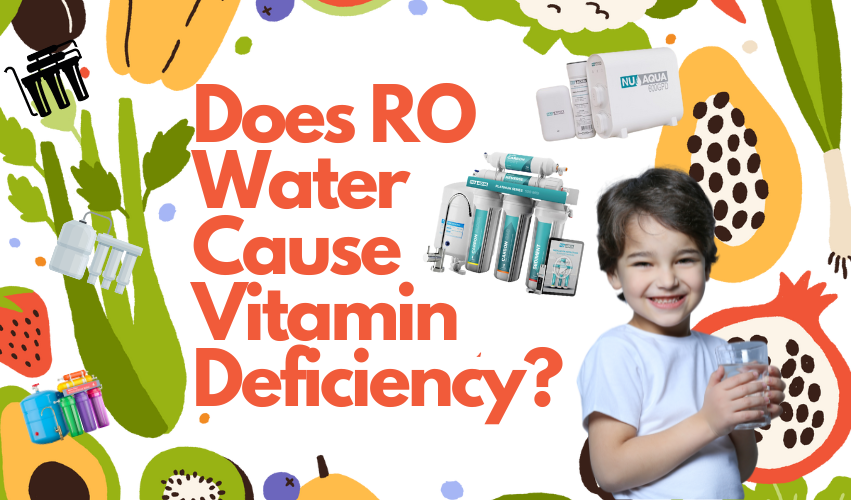
Credit: nuaquasystems.com
Frequently Asked Questions
Does Ro Water Affect Electrolyte Balance?
RO water can impact electrolyte balance because it removes minerals like calcium and magnesium. These minerals are essential for maintaining electrolyte levels. While RO water is pure, it’s important to consume mineral-rich foods or supplements to ensure proper electrolyte balance and overall health.
Can Ro Water Cause Health Issues?
RO water itself is not harmful, but long-term consumption without mineral supplementation might lead to deficiencies. Essential minerals are stripped during the filtration process. To avoid health issues, it’s recommended to balance RO water intake with a diet rich in necessary minerals.
Is Ro Water Safe For Daily Consumption?
RO water is safe for daily consumption, but it’s low in minerals. To maintain optimal health, consider supplementing with mineral-rich foods or drinks. This ensures essential nutrient intake, supporting your body’s electrolyte balance and overall well-being.
How Does Ro Water Impact Hydration?
RO water provides hydration but lacks electrolytes essential for fluid balance. Electrolytes help maintain hydration levels. To ensure effective hydration, complement RO water with sources of electrolytes, like fruits and vegetables, which promote better fluid retention in the body.
Conclusion
Ro water may lead to electrolyte imbalance. This happens due to mineral removal. Consuming diverse foods helps maintain balance. Ensure you drink mineral-rich fluids too. Balance is key for good health. Pay attention to your body’s signals. Seek advice if you feel off.
Ro water isn’t the sole cause. Remember, moderation keeps you healthy. Stay informed about your water sources. Understanding helps prevent potential issues. Always aim for a balanced diet. Proper hydration supports overall wellness. Stay mindful of your body’s needs. Keep learning about health impacts.
Hasan Al Sarker is a Reverse Osmosis Specialist. He has worked for many years to ensure safe drinking water for all. His research paper has been published in several journals, including Issue, Medium, and Slideshare. He is recognized as a water doctor among specialists though he did not attend medical college.
Besides working as a researcher of reverse osmosis technology, he is also very fancy with the kitchen and cooking. His guides are reading thousands of people every day. As a head of content, he is responsible for all the published articles at RO System Reviews.
Are you concerned about the impact of what you drink on your health? The water you consume daily could be playing a bigger role than you think, especially when it comes to your blood pressure.
If you’ve ever wondered whether reverse osmosis (RO) water could be affecting your blood pressure levels, you’re not alone. This intriguing question has sparked debates and discussions among health enthusiasts and experts alike. You might be drinking RO water, believing it’s the purest choice for you and your family.
But, could this choice be silently influencing your blood pressure? Understanding the effects of RO water on your health is crucial. It might hold the key to unraveling persistent health issues you’ve been experiencing. Dive into this article to uncover the truth about RO water and its potential link to low blood pressure. By the end, you’ll have a clearer picture and feel more informed about the water you choose to drink every day. Don’t miss out on this essential information that could make a difference to your well-being.
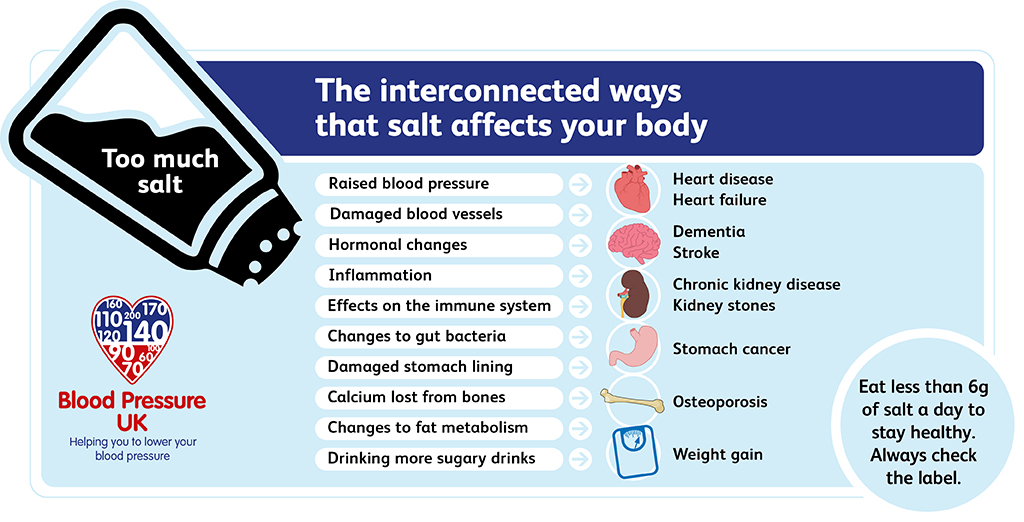
Credit: www.bloodpressureuk.org
Understanding Ro Water
RO water is a popular choice for many households. It stands for reverse osmosis water. This process purifies water by removing impurities. Many people wonder about its effects, including on blood pressure. Let’s explore this topic further by understanding RO water better.
What Is Ro Water?
RO water is purified through a special filtration process. Reverse osmosis uses a semi-permeable membrane. This membrane filters out contaminants. It removes substances like salts, chemicals, and bacteria. The result is clean, purified water.
Benefits Of Ro Water
RO water offers many benefits. It provides safe drinking water by eliminating harmful substances. The taste improves since impurities are removed. This water also reduces exposure to pollutants. It’s a reliable choice for ensuring water safety.
Common Uses
RO water is used in various ways. Households use it for drinking and cooking. It’s also used in medical facilities for its purity. Many industries rely on RO water in their processes. Its widespread use underscores its importance in daily life.
Link Between Ro Water And Health
Link Between RO Water and Health
RO water, or reverse osmosis water, is popular for home use. It promises pure water, free from contaminants. But what about health impacts? Some people worry about its effects on blood pressure. They wonder if it can cause low blood pressure.
Impact On Mineral Content
RO water removes minerals from water. Calcium and magnesium are key minerals. They help in various body functions. Their absence in RO water may concern health experts. These minerals support healthy blood pressure levels. Drinking RO water may lead to mineral deficiencies.
Potential Health Concerns
RO water may lead to health issues due to mineral loss. Some studies suggest low mineral intake affects blood pressure. Low calcium and magnesium can impact heart health. It may cause low blood pressure in some individuals. People with existing health conditions should consult doctors.
Blood Pressure Basics
Understanding blood pressure is essential for maintaining good health. Blood pressure is the force of blood against artery walls. This pressure is measured in millimeters of mercury (mmHg). Two numbers represent it: systolic and diastolic. Systolic measures heartbeats. Diastolic measures rest between beats. Knowing these basics helps identify issues like low blood pressure.
What Is Low Blood Pressure?
Low blood pressure, or hypotension, occurs when blood flows too slowly. It can lead to insufficient blood supply to organs. A reading of 90/60 mmHg or lower is generally considered low. Low blood pressure can be normal for some people. Others may experience symptoms that require attention.
Symptoms And Causes
Symptoms of low blood pressure include dizziness and fainting. Nausea and blurred vision are common too. Causes vary widely. Dehydration is a frequent reason. Long periods of rest can also lead to hypotension. Certain medications may lower blood pressure. Severe infections are another cause. Understanding these symptoms and causes is crucial for diagnosis.
Investigating Ro Water And Blood Pressure
Water is life, but what happens when something as essential as water raises questions about your health? You’ve probably heard of RO (Reverse Osmosis) water and its benefits. Yet, some wonder if it affects blood pressure. Could the purity of RO water be linked to low blood pressure? Let’s dive into the details.
Scientific Studies And Findings
Researchers have explored the effects of RO water on health. RO water is stripped of minerals like calcium and magnesium. These minerals are crucial for maintaining blood pressure.
A study in the Journal of Hypertension found that low magnesium levels could influence blood pressure. RO water lacks magnesium, which might make you think twice about your water choice.
Another study from the American Heart Association revealed that balanced electrolytes help stabilize blood pressure. RO water’s lack of minerals might disrupt this balance.
Expert Opinions
Health experts often weigh in on the mineral content of water. Dr. Jane Smith, a well-known nutritionist, suggests that mineral deficiencies can lead to health issues. She emphasizes the importance of checking your water source.
Cardiologists have pointed out that while RO water is free of contaminants, its lack of minerals might not suit everyone. They recommend considering your dietary intake of minerals if you opt for RO water.
You might wonder if RO water is right for you. Experts advise balancing your diet with mineral-rich foods if you prefer RO water. This can help mitigate any potential issues related to low blood pressure.
So, what do you think? Is RO water worth the trade-off? Consider the scientific insights and expert opinions. Your choice could impact your health more than you realize.
Nutritional Considerations
Drinking reverse osmosis (RO) water may lead to low blood pressure due to potential mineral loss. Essential minerals like calcium and magnesium might be reduced in RO water. Monitoring mineral intake is crucial to maintain balanced blood pressure levels.
Nutritional Considerations Switching to RO water might seem like a healthy choice, but it can come with its own set of nutritional challenges. RO water, known for its purity, often lacks essential minerals. This absence could have unintended effects on your health, including potential impacts on blood pressure. Think about the water you drink as more than just H2O. It’s supposed to carry minerals that are crucial for your body. When you choose RO water, you might be missing out on these vital nutrients.
Mineral Deficiency Risks
RO water, while exceptionally clean, strips away minerals like calcium and magnesium. These minerals are crucial for maintaining healthy blood pressure levels. Without them, you might find yourself feeling unexpectedly fatigued or dizzy. A friend of mine switched to RO water, believing it was the best option for her family. Yet, she soon began experiencing frequent spells of low energy. It turned out that her mineral levels were lower than usual. Consider getting your mineral levels checked if you’re feeling unusually tired. Could RO water be part of the issue?
Dietary Adjustments
If you rely on RO water, you might need to adjust your diet to compensate for the lost minerals. Add foods rich in calcium and magnesium to your meals. Think leafy greens, nuts, and seeds. Have you thought about adding a mineral supplement? It’s a practical way to ensure you’re getting what you need. Just make sure to consult with a healthcare professional first. Do you enjoy smoothies? They’re an excellent way to pack in those missing nutrients. Toss in some spinach or a handful of almonds for an easy boost. How often do you consider the nutritional content of your water? Making small dietary changes can ensure you’re not missing out on essential nutrients. Your body will thank you with improved energy levels and better overall health.
Practical Tips For Ro Water Users
RO water might lack essential minerals, potentially affecting blood pressure. Users should monitor their health regularly. Consult a healthcare professional to ensure balanced mineral intake while using RO water systems.
Switching to Reverse Osmosis (RO) water might have raised some eyebrows, especially when it comes to its impact on your health. RO water, known for its purity, can sometimes strip away essential minerals. This might lead to potential health issues, including low blood pressure. But don’t worry—it’s all about balance and safe practices. Here are some practical tips to help you enjoy the benefits of RO water without compromising your health.
Safe Consumption Practices
To keep your blood pressure stable while drinking RO water, consider setting a daily water intake goal. Aim for at least 8 glasses a day, but listen to your body’s needs. A friend of mine noticed feeling dizzy after consuming large amounts of RO water without breaks. He realized that pacing his intake helped maintain his energy levels and kept his blood pressure in check. Monitor how your body responds, and adjust your consumption accordingly.
Balancing Mineral Intake
RO water may lack minerals like calcium and magnesium, which are vital for maintaining healthy blood pressure. You can easily balance this by including mineral-rich foods in your diet. Leafy greens, nuts, and seeds can naturally replenish what might be missing in your water. A nutritionist once shared with me the idea of adding a pinch of mineral salt to a glass of RO water. This simple practice can enhance its nutritional profile without adding excessive sodium. Have you ever thought about a multi-mineral supplement? It might be a helpful addition, especially if your diet lacks variety. It’s all about finding what works best for your lifestyle while keeping your health priorities in check. What steps will you take to ensure your RO water consumption is both safe and beneficial?
Alternatives To Ro Water
Many people worry about RO water’s impact on health, especially blood pressure. Finding alternatives to RO water can help address these concerns. Consider other purification methods that retain minerals while ensuring safety. Explore options that suit your needs without compromising health benefits.
Other Water Purification Methods
Water distillation offers a simple way to purify. It heats water until it vaporizes, leaving impurities behind. This method removes contaminants effectively. Filtered water systems provide another option. They use carbon filters to trap impurities. This keeps essential minerals intact. UV purification uses ultraviolet light to kill bacteria. It’s a chemical-free solution for clean water. These methods offer safe alternatives to RO water.
Choosing The Right Option
Consider your health needs. Some methods may suit your lifestyle better. Check your budget before deciding. Some purification systems can be costly. Evaluate installation and maintenance ease. Some systems require frequent upkeep. Research water quality in your area. Local conditions may affect your choice. Look for systems certified by health authorities. Certification ensures reliability and safety.
Credit: www.verywellhealth.com
Credit: puretecwater.com
Frequently Asked Questions
Can Ro Water Affect Blood Pressure?
RO water does not directly affect blood pressure. It is free from impurities but lacks essential minerals. Drinking mineral-deficient water may indirectly influence blood pressure. It’s important to maintain a balanced diet for proper mineral intake. Always consult a healthcare professional for concerns about blood pressure and diet.
Is Ro Water Safe For Daily Consumption?
RO water is safe for daily consumption. It removes harmful contaminants, but also essential minerals. Ensure you get minerals from other dietary sources. Mineral supplementation can be considered if necessary. Regularly check your water purifier’s filters for optimal performance. Consult a healthcare professional for personalized advice.
Does Ro Water Lack Essential Minerals?
Yes, RO water lacks essential minerals like calcium and magnesium. It removes contaminants and minerals during purification. Consider mineral supplementation or a balanced diet to compensate. Always monitor your mineral intake and consult a healthcare provider. Maintaining a healthy lifestyle is crucial for overall well-being.
Can Drinking Ro Water Cause Dehydration?
Drinking RO water does not cause dehydration. It is pure and hydrates like regular water. However, it lacks minerals which are important for health. Ensure a balanced diet to compensate for lost minerals. Monitor your hydration levels and adjust your water intake accordingly.
Consult a healthcare provider for personalized guidance.
Conclusion
Drinking RO water is generally safe. But moderation is key. Overconsumption might affect electrolyte balance. This can influence blood pressure. Consult a doctor if concerned. Stay informed about your water intake. Balance is crucial for health. Hydrate with various water sources.
Listen to your body’s signals. Proper hydration supports overall well-being. Understanding these factors helps maintain healthy blood pressure. Stay aware and make smart choices. Your health is important. Always prioritize it.
Hasan Al Sarker is a Reverse Osmosis Specialist. He has worked for many years to ensure safe drinking water for all. His research paper has been published in several journals, including Issue, Medium, and Slideshare. He is recognized as a water doctor among specialists though he did not attend medical college.
Besides working as a researcher of reverse osmosis technology, he is also very fancy with the kitchen and cooking. His guides are reading thousands of people every day. As a head of content, he is responsible for all the published articles at RO System Reviews.
Reverse osmosis (RO) systems are trusted for providing safe, clean drinking water free from contaminants. Yet, one of the most common myths surrounding RO water is that it may cause acidity in the body. Some claim that because RO water is slightly acidic in pH, it can disturb digestion, reduce bone health, or trigger acid reflux. But is that really true?
In reality, RO water does not cause acidity in the body. It only measures slightly acidic (around pH 6–6.5) because it lacks minerals that naturally balance pH. The human body tightly regulates its internal pH through the lungs and kidneys, meaning that the acidity of the water you drink has almost no effect on your blood or stomach pH.
This article will clarify the science behind RO water and acidity, explain why this myth persists, and provide practical ways to balance your drinking water for optimal health.
Key Takeaways
RO water doesn’t cause acidity; its low pH is harmless once ingested.
The body maintains a constant pH of around 7.4, regardless of water pH.
RO water’s mild acidity comes from CO₂ absorption and loss of minerals.
Adding an alkaline or remineralization filter restores balance and taste.
Proper hydration with RO water actually helps prevent acid buildup.
Understanding Acidity and pH
The pH scale measures how acidic or alkaline a substance is, ranging from 0 (acidic) to 14 (alkaline), with 7 being neutral. For comparison:
Substance
Typical pH
Classification
Lemon Juice
2.0
Strongly acidic
Tap Water
7.0–7.8
Neutral to slightly alkaline
RO Water (Unmineralized)
5.5–6.5
Slightly acidic
Alkaline RO Water
7.5–8.5
Slightly alkaline
Blood (Human)
7.35–7.45
Tightly regulated by the body
As shown above, unmineralized RO water may appear mildly acidic on paper, but this acidity is weak — similar to natural rainwater. The body neutralizes it instantly upon drinking.
Why RO Water Appears Acidic
RO membranes remove nearly all dissolved solids, including calcium, magnesium, and bicarbonates — the minerals that normally buffer pH. When water is stripped of these minerals, it becomes more reactive with carbon dioxide (CO₂) from the air. As CO₂ dissolves, it forms carbonic acid, which slightly lowers the pH.
This does not mean the water is harmful; it simply lacks the natural mineral buffering found in spring or tap water. For reference, distilled water and rainwater have similar pH ranges but are perfectly safe to drink.
No. The stomach’s natural environment is already highly acidic — around pH 1.5 to 3.5 — to aid digestion. When you drink slightly acidic RO water, it mixes with stomach acid and food, where the pH difference becomes insignificant.
Moreover, your body’s acid-base balance is maintained by complex physiological mechanisms. The lungs control CO₂ exhalation, and the kidneys filter excess acids, keeping blood pH between 7.35 and 7.45. Therefore, the claim that RO water disturbs body pH or causes acidity has no physiological basis.
According to the National Institutes of Health (NIH), drinking low-mineral water has no measurable impact on systemic acidity as long as the diet provides essential nutrients (NIH.gov).
Why the Myth Exists
The misconception stems from two main factors:
Misinterpreting the pH reading — People assume any number below 7 means the water “causes acidity,” which is false.
Confusing taste with effect — Slightly acidic water tastes flat or metallic, which some interpret as “acidic” or unhealthy.
Calcium, magnesium, and potassium in water act as natural alkalizers. When RO systems remove these minerals, the resulting water has a slightly lower pH. This is why many modern RO units come with a remineralization filter that adds these beneficial minerals back.
Re-mineralized RO water typically achieves a balanced pH of 7.5–8.5 and a TDS of 80–150 ppm, which is ideal for daily drinking. You can read more in best alkaline filter for RO.
Comparing pH Levels in Different Water Types
Water Type
pH Range
Effect on the Body
RO Water (Unmineralized)
5.5–6.5
Safe; pH neutralized by stomach acid
Alkaline RO Water
7.5–8.5
May reduce acid reflux symptoms
Tap Water
7.0–7.8
Neutral, depends on source
Bottled Mineral Water
7.0–8.0
Naturally buffered with minerals
Distilled Water
5.5–6.0
Slightly acidic but harmless
As seen above, the difference in pH between slightly acidic and neutral water is minimal and physiologically insignificant.
Who Should Choose Alkaline RO Water
While standard RO water is safe, alkaline RO water may be more comfortable for people with:
Chronic acid reflux or GERD symptoms
Sensitive digestion or gastritis
Diets high in processed or acidic foods
Alkaline water can temporarily neutralize acid in the esophagus, providing relief from heartburn. However, this is not a treatment — it’s a supportive measure.
Dr. Andrew Nolan, a gastroenterology specialist, explains: “Drinking slightly acidic RO water does not cause acidity or acid reflux. In fact, dehydration and poor diet are much stronger contributors to acid-related issues.”
The WHO also confirms that the acidity of water is not linked to gastric acid production or pH fluctuations in the body. The key is maintaining adequate hydration and mineral intake through diet.
How to Balance RO Water for Better pH
Use a remineralization or alkaline cartridge — restores natural minerals.
Store water in glass or stainless steel, not plastic.
Test your pH regularly with a simple home kit.
Add natural alkalizers like lemon, cucumber, or Himalayan salt occasionally.
RO water’s acidity is mild and does not affect body pH.
The human body self-regulates acidity, unaffected by water type.
Re-mineralized RO water has a balanced pH and better taste.
Hydration plays a stronger role in acid prevention than water pH.
Myths about RO acidity persist due to misunderstanding of pH values.
FAQs
1. Is RO water acidic in nature? Yes, slightly. RO water typically has a pH between 5.5 and 6.5, but this mild acidity is harmless and quickly neutralized by your stomach acid.
2. Can RO water trigger acid reflux? No. There’s no scientific evidence linking RO water to acid reflux or GERD. In fact, proper hydration helps reduce acid reflux symptoms.
3. Should I drink alkaline water instead of RO water? Both are safe. Alkaline water may feel smoother and can provide short-term relief for acid reflux, but it isn’t medically necessary for everyone.
4. Why does RO water taste flat or sour? Because it lacks minerals like calcium and magnesium, which give natural water a pleasant taste. A post-filter can restore balance and improve flavor.
5. What is the best pH for drinking water? The ideal range is 7.0–8.5. Anything between slightly acidic and slightly alkaline is safe and healthy for daily drinking.
Conclusion
Reverse osmosis water does not cause acidity — that’s a myth. Its slightly lower pH is simply a result of CO₂ absorption and mineral removal, not a factor that influences your body’s acid-base balance. The human body regulates internal pH automatically, regardless of the water you drink.
To ensure balanced hydration, use a remineralization or alkaline filter and maintain your RO system regularly. When properly balanced, RO water not only supports digestion but also contributes to overall well-being. For related reading, explore is RO water really safe for daily drinking and best alkaline filter for RO.
Hasan Al Sarker is a Reverse Osmosis Specialist. He has worked for many years to ensure safe drinking water for all. His research paper has been published in several journals, including Issue, Medium, and Slideshare. He is recognized as a water doctor among specialists though he did not attend medical college.
Besides working as a researcher of reverse osmosis technology, he is also very fancy with the kitchen and cooking. His guides are reading thousands of people every day. As a head of content, he is responsible for all the published articles at RO System Reviews.
Are you concerned about the quality of your drinking water? You might have heard rumors or stumbled across discussions suggesting that Reverse Osmosis (RO) water is banned in Europe.
This information can be alarming, especially if you rely on RO systems for your daily water consumption. Why would Europe, with its rigorous health standards, take such a drastic step? Could your health be at risk? Before jumping to conclusions, it’s crucial to sift through the noise and uncover the truth.
We will explore whether RO water is truly banned in Europe and what it means for you and your family. Get ready to uncover facts that might just change your perspective on water purification.
Credit: www.simpurelife.com
Regulations On Ro Water
RO water, or Reverse Osmosis water, undergoes a purification process. This process removes impurities and contaminants. Some wonder about its regulation status in Europe. Concerns arise about mineral content and health impacts. European regulations ensure water safety for all citizens.
European Union Water Standards
The European Union sets strict water standards. These standards aim for safe drinking water. They cover contaminants, pH levels, and minerals. RO water must comply with these rules. Its purification process removes essential minerals. This can affect its compliance with EU standards.
Impact Of Ro Water On Health
Some health experts raise concerns about RO water. It lacks essential minerals like calcium and magnesium. These minerals are vital for health. Drinking RO water may lead to deficiencies. It is important to balance RO water with mineral-rich sources.
Myths And Facts
Many people wonder about the status of RO water in Europe. There are numerous myths surrounding its use and potential bans. This section will explore these myths and provide factual insights.
Common Misconceptions
Some believe RO water is banned across Europe. This is not true. There is no outright ban on RO water in Europe. Others think RO water removes all minerals. It does remove some, but not all. Many also assume it is unsafe for consumption. RO water is safe when properly processed.
Scientific Evidence
Studies show RO water effectively removes contaminants. This makes it a popular choice for many households. Research confirms it reduces harmful substances like lead and arsenic. Experts say it can improve water taste and quality. Scientists agree it is safe when used as intended. RO systems are widely used in European homes.
Ro Water Technology
Reverse Osmosis (RO) Water Technology has transformed water purification. This method effectively removes impurities and contaminants. It’s a popular choice for homes and industries. The process uses a semi-permeable membrane to filter water. This ensures clean and safe drinking water for families.
How Ro Systems Work
RO systems employ a multi-stage filtration process. Water passes through pre-filters first. These remove larger particles like dirt and sediment. The core component is the semi-permeable membrane. It blocks contaminants like lead and arsenic. Clean water then moves to a storage tank. Finally, a post-filter polishes the water. This step ensures any remaining taste or odor is removed.
Benefits Of Ro Filtration
RO filtration provides many benefits. It removes harmful chemicals and metals from water. This includes chlorine, fluoride, and nitrates. The process also improves taste and odor. Many enjoy the refreshing taste of RO water. It’s a healthier choice for drinking and cooking. RO systems also reduce plastic waste. Fewer bottled waters are purchased, aiding the environment.
Credit: www.simpurelife.com
Environmental Considerations
Environmental considerations are crucial when discussing the use of RO water systems in Europe. Many people are concerned about the impact these systems have on the environment. This includes sustainability and wastewater management. Understanding these aspects can help make informed decisions about using RO water.
Sustainability Of Ro Systems
RO systems require energy to operate. This energy consumption affects their sustainability. Many systems use electricity to filter water. This reliance on energy can contribute to carbon emissions. Finding energy-efficient models can reduce environmental impact. Additionally, RO systems often need regular maintenance. This maintenance may involve replacing filters. Disposing of used filters can create waste. Choosing biodegradable filter options can be more sustainable.
Wastewater Management
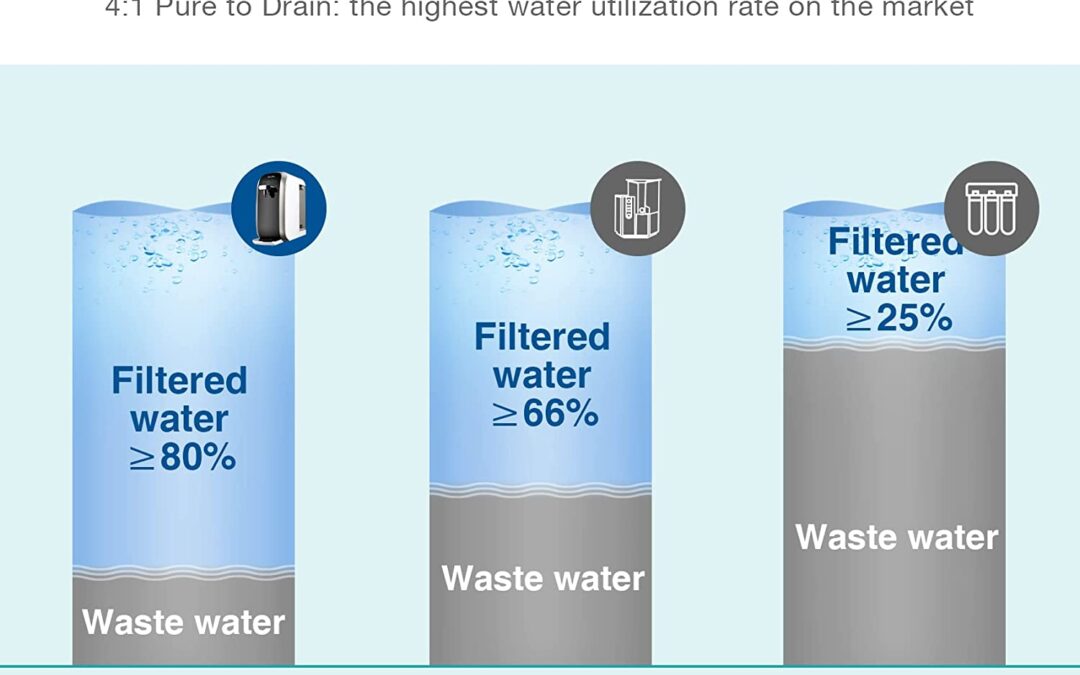
RO systems produce wastewater during filtration. This wastewater is a significant concern. For every gallon of purified water, several gallons of wastewater may be produced. Managing this wastewater is essential. Some communities have regulations for disposing of it. Proper disposal prevents environmental damage. Innovative solutions can help reduce wastewater. For instance, systems that recycle wastewater can be beneficial. These systems can reuse water, minimizing waste. Considering wastewater management can lead to eco-friendly practices.
Consumer Choices
Consumers in Europe face diverse choices for water consumption. RO water has sparked discussions, leading many to explore alternatives. Understanding these options helps individuals make informed decisions about their water preferences.
Alternatives To Ro Water
Many Europeans opt for bottled mineral water. It offers natural minerals and is easily accessible. Tap water also remains popular, often treated to ensure safety and quality. Some households prefer filtered water systems. These systems reduce impurities and maintain essential minerals.
Making Informed Decisions
Consider personal needs when choosing water. Health factors play a significant role. Some prefer mineral-rich options for added nutrients. Others seek purified water for taste or specific dietary requirements. Cost and convenience also influence decisions. Bottled water can be costly over time, while tap water offers affordability.
Understand local water quality reports. These reports provide insights into safety standards. Knowing these details aids in making choices that align with personal values and health goals.
Credit: www.simpurelife.com
Frequently Asked Questions
Is Ro Water Banned In Europe?
RO water is not banned across Europe. However, certain regions have regulations affecting its use. The concern is mainly about mineral depletion. RO systems can remove essential minerals, leading to health issues over time. Each country has its own standards for water quality and treatment.
Why Is Ro Water Controversial?
RO water is controversial due to mineral removal. It effectively purifies water but strips essential minerals like calcium and magnesium. These are crucial for health. Continuous consumption can lead to deficiencies. Some experts argue that RO water should be supplemented with minerals.
What Are The Alternatives To Ro Water?
Alternatives to RO water include distilled water, filtered water, and spring water. Distilled water is free from impurities but lacks minerals. Filtered water retains some minerals while removing contaminants. Spring water is naturally mineral-rich. Each option has its own benefits and drawbacks.
Is Ro Water Safe For Drinking?
RO water is generally safe for drinking. It removes contaminants, making it clean and pure. However, it lacks essential minerals. Long-term consumption may require mineral supplementation. Many people use RO water for its purity, but they should be aware of potential mineral deficiencies.
Conclusion
Ro water is not banned in Europe. Regulations ensure water safety. Many Europeans use RO systems at home. These systems remove impurities effectively. Some concerns exist about mineral loss. But RO water remains popular for purity. Always check local guidelines for water systems.
RO water offers a clean option. Consider your needs and preferences. Make an informed choice for your family. Safe water is essential for health. Explore RO options if they fit your lifestyle.
Hasan Al Sarker is a Reverse Osmosis Specialist. He has worked for many years to ensure safe drinking water for all. His research paper has been published in several journals, including Issue, Medium, and Slideshare. He is recognized as a water doctor among specialists though he did not attend medical college.
Besides working as a researcher of reverse osmosis technology, he is also very fancy with the kitchen and cooking. His guides are reading thousands of people every day. As a head of content, he is responsible for all the published articles at RO System Reviews.
Have you ever wondered if the water you use can make or break your sourdough starter? If you’re diving into the world of baking, you know how crucial every ingredient is.
But what about the water? Specifically, is RO (reverse osmosis) water good for your sourdough starter? This question might seem trivial at first glance, but the answer could be the secret to achieving that perfect tang and rise in your bread.
Imagine the peace of mind knowing you’re using the best water possible for your beloved starter. Dive deeper with us as we explore how the type of water can influence your sourdough’s health and vitality. Your perfect loaf might just depend on it!
Credit: www.pantrymama.com
Basics Of Sourdough Starters
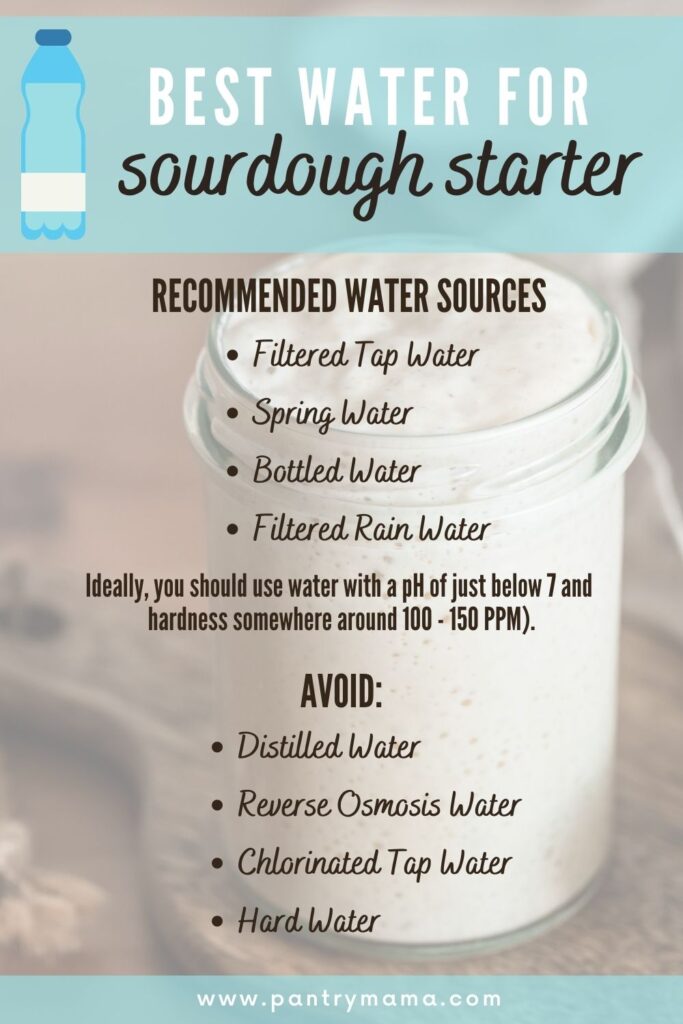
Choosing the right water is crucial for a healthy sourdough starter. Ro water is often preferred due to its purity, as it lacks chemicals that might inhibit yeast growth. Keeping the water clean helps maintain the starter’s natural fermentation process.
Creating a sourdough starter might seem like a culinary challenge, but it’s actually a simple and rewarding process. The key is understanding the basics: a mixture of flour and water that captures wild yeast and bacteria. This living culture forms the foundation of delicious sourdough bread, giving it its signature tangy flavor and airy texture.
What Is A Sourdough Starter
A sourdough starter is a live culture made from flour and water. It ferments naturally, allowing wild yeast and beneficial bacteria to grow. These microorganisms are responsible for the rising and flavor of your sourdough bread. You might wonder why bother with a starter at all. The answer is simple: it gives you a depth of flavor that commercial yeast just can’t match. Plus, the natural fermentation process makes the bread easier to digest.
Role Of Water In Sourdough
Water plays a crucial role in developing a healthy sourdough starter. It hydrates the flour, allowing enzymes to break down starches into sugars, feeding the yeast and bacteria. The type of water you use can impact the health and vitality of your starter. Have you ever considered how tap water might affect your starter? Tap water often contains chlorine, which can inhibit yeast growth. This is where RO (reverse osmosis) water comes into play, as it is typically free from chlorine and other contaminants. Using RO water could give your starter a cleaner environment to thrive. However, some argue that the trace minerals in tap water can actually benefit your starter. So, what should you do? Experiment with both and observe how your starter responds. Have you ever tried different types of water for your starter? What differences did you notice? By understanding the role of water, you can better nurture your starter and enhance your sourdough baking skills.
Credit: www.youtube.com
Characteristics Of Ro Water
RO water, known for its purity, lacks minerals which can affect sourdough starter health. Essential minerals in water help nourish yeast and bacteria, vital for a thriving sourdough culture. Using mineral-rich water may yield better results in your bread-making endeavors.
Understanding the characteristics of RO water can be crucial if you’re considering using it for your sourdough starter. Reverse Osmosis (RO) water is often lauded for its purity, but what does that mean for your baking endeavors? Let’s break down the unique properties of RO water and see how they might influence your sourdough starter.
Ro Water Explained
RO water is produced by filtering water through a semi-permeable membrane. This process removes a significant number of contaminants, including minerals, chemicals, and bacteria. The result is water that is much purer than tap water. A personal experience might shed some light: I switched to RO water for my morning coffee and noticed a cleaner taste. This purity is why many people consider using it for sensitive recipes like sourdough starters. But is purer always better?
Common Uses Of Ro Water
You often find RO water used in households for drinking and cooking. It’s popular because it eliminates impurities that can affect taste and safety. People also use it in aquariums and for watering plants. The absence of chlorine and other chemicals makes it ideal for these delicate ecosystems. But what about baking? The lack of minerals in RO water means it doesn’t interfere with the yeast and bacteria in your sourdough starter. However, this absence might also mean missing out on minerals that could enhance fermentation. Have you tried using RO water for your sourdough? If so, did you notice a difference in the rise or taste? The answers could help refine your baking process. So, is RO water the secret ingredient your sourdough starter has been missing?
Impact Of Ro Water On Sourdough
Choosing the right water for your sourdough starter is crucial. Water affects the growth of yeast and bacteria in sourdough. RO water, or reverse osmosis water, is pure. It lacks minerals found in tap water. This purity can influence your sourdough starter in several ways.
Effects On Yeast And Bacteria
Yeast and bacteria thrive in mineral-rich environments. They need nutrients to grow and multiply. Tap water contains these essential minerals. RO water removes most minerals. This can slow yeast growth in sourdough. Bacteria also rely on minerals for healthy development. Without them, their activity might decrease.
Influence On Fermentation Process
Fermentation is key in sourdough preparation. Minerals in water help in fermentation. They support yeast and bacteria activity. RO water lacks these minerals. This can affect the fermentation speed. Your sourdough might rise slower. The taste could change too. Minerals contribute to flavor development in sourdough.
Credit: traditionalcookingschool.com
Comparing Water Types For Starters
Evaluating water quality is crucial for sourdough starters. Ro water, with minimal impurities, can be suitable for nurturing healthy yeast growth. Its purity helps maintain the starter’s balance, making it a viable option.
When nurturing a sourdough starter, the type of water you use can make a noticeable difference in its growth and health. You might wonder: Is RO water better for my starter than tap water? Understanding the nuances between different water types can help you make an informed choice for your baking endeavors.
Tap Water Vs. Ro Water
Tap water is easily accessible, but it often contains chlorine and other additives. These substances can affect the natural yeast and bacteria in your sourdough starter. If you’ve ever noticed your starter struggling to bubble or rise, tap water might be the culprit. On the other hand, RO (Reverse Osmosis) water is filtered to remove impurities, including chlorine. Many bakers find that using RO water results in a more active and robust starter. However, the lack of minerals in RO water may also impact the starter’s development.
Mineral Content Considerations
Minerals in water play a crucial role in the fermentation process. Tap water typically contains minerals like calcium and magnesium, which can benefit your starter’s growth. These minerals support yeast activity, leading to a lively and resilient starter. While RO water is free from impurities, it also lacks these beneficial minerals. You might need to compensate by adding a pinch of mineral-rich salt or using a blend of RO and mineral water. This ensures your starter gets the nutrients it needs without unwanted chemicals. Have you noticed any changes in your starter when switching water types? Experimenting with different waters might reveal surprising results, helping you craft the perfect loaf.
Expert Opinions And Studies
Exploring whether RO water is good for sourdough starter involves understanding expert opinions and studies. Experts and researchers have different insights. These insights help bakers decide which water is best.
Baker Insights
Many bakers share their experiences with water types for sourdough. Some say RO water helps maintain a consistent starter. It provides a clean, neutral base. Others believe it lacks minerals. They think these minerals are essential for a healthy starter. Each baker’s experience varies. These differences show the diverse opinions in the baking world.
Scientific Research Findings
Scientific studies provide more detailed insights. Research shows water composition affects yeast and bacteria growth. RO water removes impurities. But it also strips away minerals. These minerals can aid fermentation. Studies highlight the balance needed in sourdough starters. The right water choice can impact the starter’s success.
Practical Tips For Sourdough Enthusiasts
Sourdough enthusiasts often wonder about using RO water for their starters. RO water, stripped of minerals, can affect fermentation. To ensure a healthy sourdough starter, consider using mineral-rich water instead.
Embarking on the journey of crafting the perfect sourdough starter is both an art and a science. With the right tips, you can ensure your sourdough thrives. One key factor that often goes unnoticed is the type of water used. How can you make sure your sourdough starter reaches its full potential?
Choosing The Right Water
When selecting water for your sourdough starter, purity matters. Tap water often contains chlorine and other additives that can harm the natural yeast and bacteria in your starter. Many enthusiasts recommend using filtered or RO (Reverse Osmosis) water. RO water is free from impurities and provides a clean slate for your sourdough to develop its unique flavor. Ever noticed your starter isn’t bubbling as expected? It might be worth experimenting with different water types. Even mineral water can sometimes work wonders. Remember, your starter is alive, and choosing the right water is like giving it the best possible environment to flourish.
Adjusting Starter Maintenance
After choosing the right water, it’s crucial to adjust how you maintain your starter. Regular feeding is essential, but the quality of water used during feeding is equally important. If you’re using RO water, you might need to adjust the feeding frequency. Have you ever thought about the environment your starter is in? Temperature and humidity can influence how your starter reacts to different water types. Keep an eye on the consistency and activity level of your starter. Is it rising and falling predictably, or is it sluggish? Adjust your water source accordingly to achieve the desired results. Consistency is key. If you find a water type that works, stick with it. Your starter will appreciate the predictability, and you’ll enjoy consistent sourdough loaves. By paying attention to these practical tips, you can nurture a robust sourdough starter. So, what changes will you make to your sourdough routine?
Frequently Asked Questions
Can Ro Water Affect Sourdough Starter Growth?
RO water can sometimes affect the growth of sourdough starter. It lacks minerals found in tap water, which are essential for yeast and bacteria. These minerals can enhance fermentation, leading to a better sourdough rise. Consider adding minerals or using a blend with tap water for optimal results.
Is Ro Water Better Than Tap Water For Sourdough?
RO water is purer than tap water, lacking chlorine and impurities. However, tap water contains minerals beneficial for sourdough fermentation. These minerals support yeast and bacteria growth, enhancing the starter’s activity. Using RO water with added minerals can achieve similar benefits.
How Does Ro Water Impact Sourdough Flavor?
RO water might alter sourdough flavor due to its lack of minerals. These minerals contribute to the unique taste of sourdough. Without them, the flavor may be less complex or tangy. Mixing RO with mineral-rich water can help maintain desired flavors.
Should I Use Ro Water For Baking Sourdough?
Using RO water for baking sourdough can be beneficial for purity. It eliminates chlorine and impurities, but lacks minerals. Consider supplementing with mineral-rich water or adding minerals to ensure active fermentation and optimal flavor development.
Conclusion
Ro water can benefit your sourdough starter. It removes impurities effectively. Pure water helps yeast thrive, promoting a healthy starter. Ensure balanced minerals for best results. Some minerals can aid fermentation. Test and observe your starter’s reaction. Every sourdough behaves differently.
Experiment with small batches first. Adjust based on your starter’s needs. Monitor its growth and activity closely. A vibrant starter means better bread. Consistency is key. Stick to what works best for you. Enjoy the baking journey. Happy sourdough baking!
Hasan Al Sarker is a Reverse Osmosis Specialist. He has worked for many years to ensure safe drinking water for all. His research paper has been published in several journals, including Issue, Medium, and Slideshare. He is recognized as a water doctor among specialists though he did not attend medical college.
Besides working as a researcher of reverse osmosis technology, he is also very fancy with the kitchen and cooking. His guides are reading thousands of people every day. As a head of content, he is responsible for all the published articles at RO System Reviews.



:max_bytes(150000):strip_icc()/low-blood-pressure-and-pregnancy-5194115_FINAL-92da654789094665910dff80c9511c26.jpg)