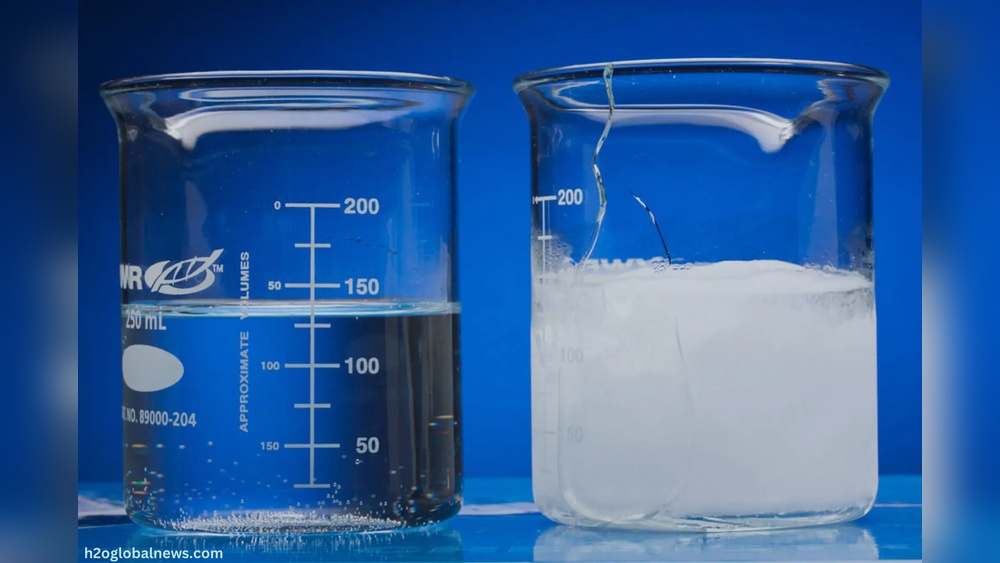
Water is one of the most familiar substances in our lives, but it holds many secrets that surprise even scientists. One of the most interesting facts is that water expands when frozen. If you have ever left a bottle of water in the freezer, you may have seen it burst open or the ice pop out of an ice tray. This is not just a fun science trick—it’s a rare property that affects our planet in many important ways. Let’s explore why water behaves this way, what happens on a molecular level, and how this simple fact shapes everything from weather to living creatures.
The Basics: What Happens When Water Freezes
Normally, when things get cold, they shrink. Most liquids turn into solids by packing their molecules closer together. This makes them more dense. But water is different. When water cools down and reaches 0°C (32°F), it starts to freeze. As it freezes, its volume increases by about 9%. This means ice takes up more space than the water it came from.
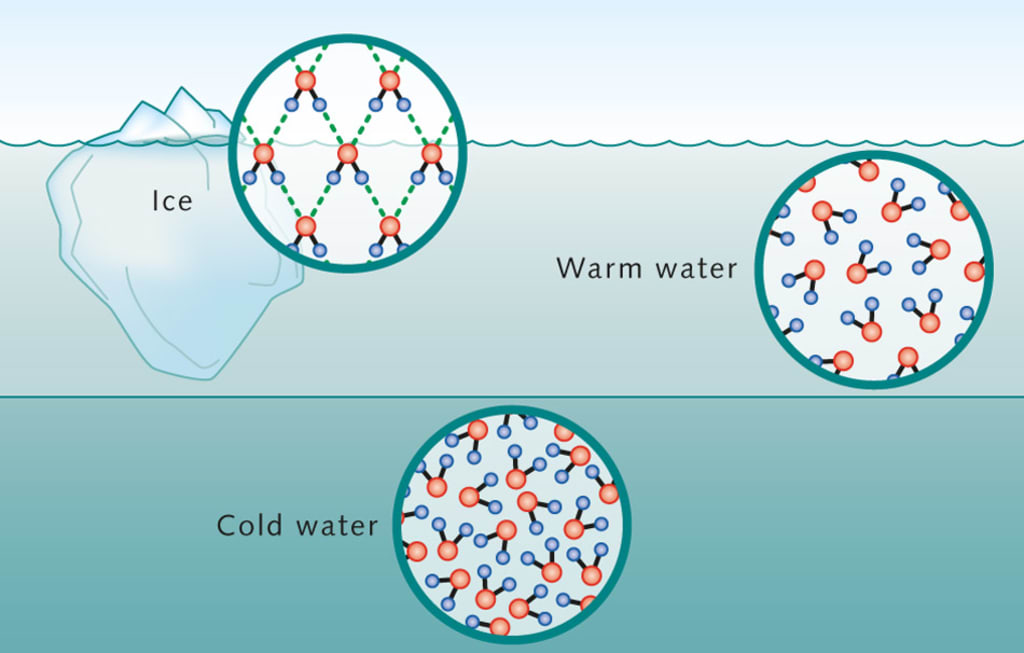
This is why ice floats on water. When ice forms, it becomes less dense than liquid water. Density means how much mass fits into a certain space. Since ice is less dense, it stays on top of the water. This is a simple fact, but it has huge effects on nature and life.
The Science: Why Does Water Expand?
The Structure Of Water Molecules
To understand why water expands, we need to look at its molecules. A water molecule is made of two hydrogen atoms and one oxygen atom (H2O). These atoms are not in a straight line. They form a V-shape, with the oxygen in the middle and the hydrogens at an angle.
This shape allows water molecules to form hydrogen bonds with each other. A hydrogen bond is a weak link that connects one molecule to another. These bonds are not like strong chemical bonds inside molecules, but they are strong enough to affect how water behaves.
What Happens During Freezing
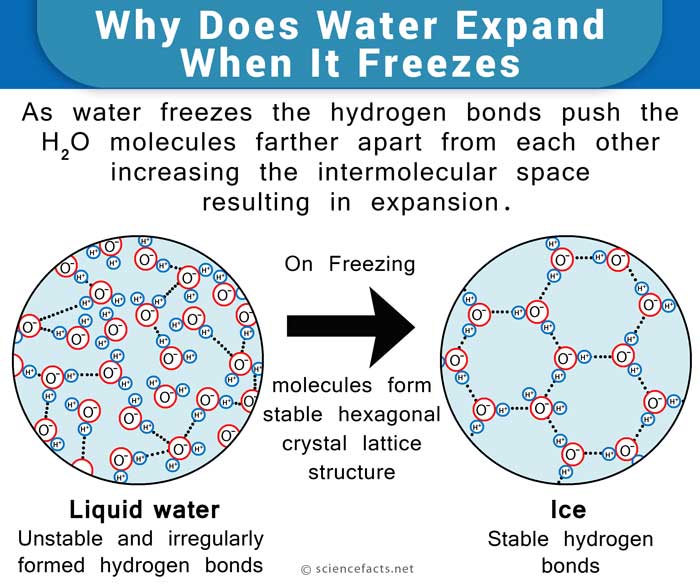
When water is liquid, the molecules move around and slide past each other. The hydrogen bonds form and break quickly, so the molecules can get close together.
When water freezes, the molecules slow down. The hydrogen bonds lock the molecules into a specific pattern. This pattern is called a crystal lattice. In ice, each water molecule connects to four others in a shape like a ring or cage. This structure leaves open spaces between molecules, making ice less dense.
Here’s a simple way to imagine it: Think of water molecules as people holding hands. In liquid, they move around and sometimes let go, so they can get close together. In ice, everyone holds hands in a wide circle, leaving more space between people. The circle takes up more space than a group standing tightly.
Data Table: Water Vs. Other Substances
How unusual is water’s behavior? Let’s compare water with some other common liquids.
Substance
Volume Change When Frozen (%)
Solid State Density
Does Solid Float?
Water
+9%
0.92 g/cm³
Yes
Ethanol
-8%
0.94 g/cm³
No
Mercury
-3.7%
13.69 g/cm³
No
Benzene
-5%
0.89 g/cm³
No
As you can see, most substances shrink and become denser when they freeze. Water is a rare exception.
Real-life Effects Of Water’s Expansion
Ice Floats: Why It Matters
Because ice is less dense, it floats on the surface of lakes, rivers, and oceans. This has big effects:
Insulation for Life: In winter, ice forms a layer on top of water. This layer acts as insulation, keeping the water below from freezing solid. Fish and plants can survive under the ice, even in very cold places.
Climate Regulation: Floating ice, like in the Arctic, helps reflect sunlight back into space. This keeps the planet cooler.
Seasonal Changes: As ice melts in spring, it releases fresh water slowly, which is important for rivers and lakes.
Ice Damage: Cracks And Potholes
When water gets into small cracks in rocks and freezes, it expands. This process is called frost wedging. Over time, the expanding ice makes the cracks bigger. This is one reason why rocks break apart and why you see potholes in roads after winter.
Burst Pipes And Containers
If you leave a water bottle in the freezer, you might find it split open. The same thing happens to pipes in cold weather. As water inside freezes and expands, it can burst metal or plastic pipes. This can cause floods and expensive repairs.
Why Water Expansion Is So Unusual
Most materials contract when cooled. The fact that water expands is due to the special shape of its molecules and the way they link together. Only a few other substances, like silicon and bismuth, show similar behavior, but not as strongly as water.
Table: Substances That Expand When Frozen
Substance
Expansion (%)
Common Uses
Water
+9%
Drinking, cleaning, agriculture
Bismuth
+3.3%
Alloys, fire detectors
Silicon
+2.6%
Electronics, glass
Water’s expansion is much larger, and its effects are much more important for the environment.
Credit: www.sciencefacts.net
How Expansion Affects Weather And Nature
Lakes And Oceans
During fall, the surface water of lakes gets colder and sinks. But when it reaches 4°C (39°F), water is at its most dense. If it gets colder than this, it actually starts to rise, because it’s less dense. This means that in winter, the coldest water stays on top and freezes.
The water below stays warmer, which helps fish and plants survive.
Ice And Soil
In cold places, the ground can freeze. If there is water in the soil, it expands as it freezes. This can push up roads, rocks, and even buildings. This process is called frost heaving. Engineers must plan for this when building in cold climates.
Examples In Everyday Life
Freezer Mishaps
Anyone who has put a soda or water bottle in the freezer and forgotten it knows the result: a mess to clean up. This happens because as the water inside freezes, it needs more space. The bottle can’t stretch enough, so it splits.
Ice Trays
When you fill an ice tray, you may notice the ice cubes rise above the top. This is another sign of water’s expansion. The ice “grows” as it freezes.
Weathering Of Monuments
Over many years, water freezing inside cracks of statues and buildings can slowly break them apart. This is a big problem for old monuments and stone structures.
Two Non-obvious Insights
Liquid Water Is Densest at 4°C: Most people think water gets denser as it cools, but water is actually heaviest at 4°C. Colder water starts to expand before it freezes, which is unusual. This is why deep lakes don’t freeze solid from the bottom up.
Expansion Is Crucial for Mixing Nutrients: In spring, when ice melts, the “turnover” in lakes mixes oxygen and nutrients. This is important for fish and plant life. Without water’s special expansion, lakes would stay separated and become lifeless.
The Role Of Water Expansion In Human History
Agriculture And Soil
Water’s ability to break rocks helps create soil over thousands of years. As ice splits rocks, it makes the small pieces that plants need to grow. Without this slow process, there would be less soil, and farming would be harder.
Engineering Challenges
Engineers must design buildings, roads, and water systems to handle freezing water. They use special materials and designs to avoid damage. For example, water pipes in cold places are buried deep or wrapped to keep them from freezing.
Ice And Navigation
In cold climates, floating ice can block rivers and sea routes. This affects trade and travel. Icebreakers—special ships—are used to keep paths open.
How Scientists Study Water’s Expansion
Scientists use special tools to measure how much water expands when it freezes. They look at the structure of ice with microscopes and lasers. They also use computer models to predict how ice will behave in different conditions.
Practical Tips: Avoiding Problems With Freezing Water
Don’t Fill Bottles to the Top: Leave some space for expansion if you freeze water bottles.
Insulate Pipes: In cold places, wrap pipes to keep them from freezing and bursting.
Check Outdoor Faucets: Drain water from outdoor taps before winter to prevent damage.
Be Careful with Glass: Never freeze water in glass containers—they are likely to break.
Watch the Weather: In winter, potholes often appear after a freeze-thaw cycle. Drive carefully!
Water Expansion And Life On Earth
Without water’s expansion, life would be very different. Ice would sink, lakes and oceans could freeze solid, and many living things could not survive cold winters. The floating ice acts as a “blanket” for aquatic life and helps balance temperatures on Earth.
Frequently Asked Questions
What Causes Water To Expand When It Freezes?
Water expands when it freezes because of the way its molecules arrange themselves. In ice, water molecules form a crystal structure with open spaces. This structure takes up more space than the liquid form, making ice expand and float.
Why Does Ice Float On Water?
Ice floats because it is less dense than liquid water. As water freezes, it expands, so the same amount of molecules take up more space. This makes ice lighter per unit volume, so it floats.
Credit: chemistry.stackexchange.com
How Much Does Water Expand When It Freezes?
Water expands by about 9% when it freezes. This means that if you freeze one liter of water, the ice will take up about 1. 09 liters of space.
What Are Some Problems Caused By Water Expanding When Frozen?
When water expands as it freezes, it can burst pipes, crack rocks, and damage roads. This is why you see potholes in winter and why you need to winterize your plumbing in cold climates.
Credit: vocal.media
Is There Any Other Liquid That Expands Like Water When Frozen?
A few substances, like bismuth and silicon, also expand when frozen, but not as much as water. Water’s expansion is unique and has a bigger effect on life and the environment.
Water’s behavior when it freezes may seem simple, but it is at the heart of many natural and human processes. From protecting lakes to shaping landscapes, this small fact has a huge impact. Understanding why water expands when frozen helps us respect the hidden wonders of our everyday world.
Hasan Al Sarker is a Reverse Osmosis Specialist. He has worked for many years to ensure safe drinking water for all. His research paper has been published in several journals, including Issue, Medium, and Slideshare. He is recognized as a water doctor among specialists though he did not attend medical college.
Besides working as a researcher of reverse osmosis technology, he is also very fancy with the kitchen and cooking. His guides are reading thousands of people every day. As a head of content, he is responsible for all the published articles at RO System Reviews.
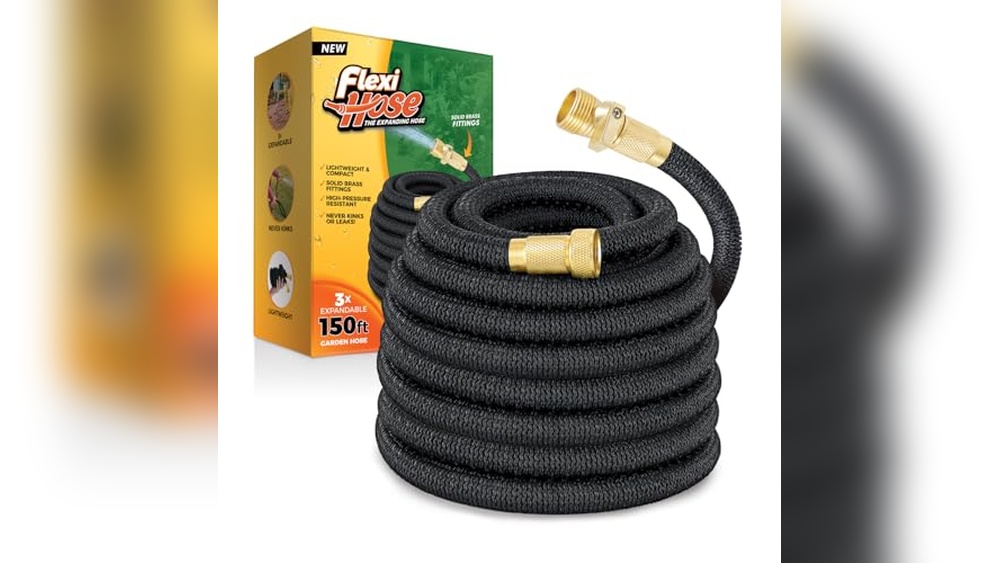
With many years of experience testing home improvement products, I understand what makes a garden hose truly reliable and easy to use. In this review, I share my honest and detailed findings on the Flexi Hose Lightweight Expandable Garden Hose, 150FT model. I have carefully researched and personally tested this hose to see how it performs in real outdoor conditions. My goal is to help you make a smart choice by explaining its key features, strengths, and any drawbacks. You can trust this review for clear, simple information that will guide you to the best garden hose for your needs.
Pros & Cons
What We Loved
✅ Expands up to 3 times its length
✅ Solid 3/4 inch brass fittings for durability
✅ Lightweight and easy to store
✅ Resistant to kinks, punctures, and sharp edges
What Could Be Better
❌ May require careful handling to avoid leaks
❌ Limited temperature tolerance (41-113°F)
❌ Slightly less durable than traditional rubber hoses
Who Should Buy This
This Flexi Hose Lightweight Expandable Garden Hose is perfect for anyone who wants an easy-to-use and durable garden hose. It is great for homeowners with medium to large gardens who need a long reach of 150 feet. The no-kink design and lightweight material make it ideal for people who want a hassle-free watering experience. If you often water plants, wash your car, or clean outdoor areas, this hose will save you time and effort.
However, this hose might not be the best choice for those who need a very heavy-duty hose for industrial or very high-pressure use. Also, if you prefer a shorter hose or something very rigid, this expandable and flexible type may not suit your needs. People who do not have much storage space might find it bulky when fully extended.
Technical Specifications
Key Details
Brand: Flexi Hose
Model: FH-GHNN-150-BK
Size: 0.039″ x 0.75″ x 1800″
Length: 150 ft
Weight: 2.62 Pounds
Material: Double Latex Core with 3/4 Inch Solid Brass Fittings
Color Options: Black
Special Features: Lightweight, Expandable, Retractable, No-Kink Flexibility
When I first got the Flexi Hose Lightweight Expandable Garden Hose, I was curious to see if it really expanded as much as claimed. I connected it to my outdoor faucet and turned on the water. To my surprise, it quickly stretched to nearly three times its original length, reaching the full 150 feet without any hassle. The hose felt light and easy to handle, which was a nice change from my old heavy garden hose. I also noticed the solid brass fittings felt sturdy and high quality right away, giving me confidence that it wouldn’t leak or break easily.
Daily Use
Over the next few days, I used the hose for watering my garden and washing my car. The hose was so easy to maneuver because it didn’t kink or twist like traditional hoses do. It stayed flexible and moved smoothly around corners and plants. After I finished, I simply turned off the water and watched it shrink back to a compact size, making it super easy to store without tangling or taking up much space. This saved me a lot of time and effort compared to coiling up a regular hose.
Key Features in Action
The feature that really stood out was the expandable design combined with the tough outer fabric. The 3750D elastic cover and four layers of latex inside gave the hose good protection against scratches and sharp edges around my garden. I accidentally dragged it over some thorny bushes, but it didn’t get damaged at all. The solid brass connectors made attaching and detaching the hose quick and leak-free, which was a big plus. I also liked that the hose was lightweight yet felt durable, so I didn’t get tired holding it for long watering sessions.
Long-Term Performance
After using the Flexi Hose for several weeks, I’m happy to say it has held up really well. It hasn’t developed any leaks or weak spots, and the expandable mechanism still works smoothly every time I turn on the water. Even after repeated stretching and shrinking, the hose feels as strong as day one. Storing it remains simple, and it doesn’t take up much space in my garden shed. Overall, this hose has made gardening easier and more enjoyable for me, and I’d definitely recommend it to anyone looking for a reliable, no-kink expandable garden hose.
Expandable, lightweight with 3750D elastic outer fabric and 4 layers of latex protecting the inner tube from thorns, punctures, and sharp corners. Solid 3/4 inch brass fittings for durability and reliability.
Same expandable, lightweight 3750D elastic outer fabric with 4 layers of latex and solid 3/4 inch brass fittings ensuring durability and no-kink flexibility.
Identical quality with expandable lightweight design, 3750D elastic fabric, 4 latex layers, and solid 3/4 inch brass connectors for strength and no-kink operation.
Features
Automatically expands to 150FT with standard water pressure, retracts compactly when off, no-kink flexibility, solid 3/4 inch brass fittings, double latex core, and easy storage.
All features of the main product plus an included 8-function nozzle for versatile watering options.
Includes all main product features plus an 8-function nozzle, providing multiple spray settings for different watering needs.
Best For
Users seeking a high-quality, lightweight, expandable garden hose with reliable brass fittings and no additional nozzle included.
Ideal for users wanting the same quality expandable hose with the convenience of an 8-function nozzle for varied watering tasks.
Best suited for customers looking for the same hose quality combined with an 8-function nozzle, offering versatility in watering styles.
In my opinion, this Flexi Hose Lightweight Expandable Garden Hose, 150FT stands out because it provides the same high-quality expandable hose construction and durability as its competitors without any unnecessary extras, making it a perfect choice for users who prefer a straightforward, reliable garden hose. If you’re like me and value simplicity and durability without the added nozzle features, this is the better choice.
Customer Feedback on Flexi Hose Lightweight Expandable Garden Hose, 150FT -Retractable Garden Hose, Water Hose – No-Kink Flexibility, 3/4 Inch Solid Brass Fittings and Double Latex Core
Overall Satisfaction
The product enjoys generally positive reviews with customers appreciating its lightweight design and reliable performance, reflected in an above-average satisfaction rating.
Most Praised Features
Expandable and lightweight design makes it easy to handle and store.
No-kink flexibility ensures smooth water flow without interruptions.
Durable solid brass fittings and double latex core enhance longevity and prevent leaks.
Common Concerns
Some users report occasional leaking around the fittings after extended use.
The hose may retract unevenly or slowly in certain cases, requiring manual adjustment.
Who Loves It Most
Gardeners and homeowners looking for a convenient, tangle-free watering solution appreciate this hose, especially those with limited storage space or who value ease of use.
Is It Worth the Price?
Price Analysis
The Flexi Hose Lightweight Expandable Garden Hose is competitively priced compared to other 150FT expandable hoses on the market. Considering its durable materials and features, it offers fair value rather than being overly expensive or cheap.
Value Features
Expandable design triples length with water pressure, providing convenience and compact storage, justifying the price.
Solid 3/4 inch brass fittings ensure durability and reliable connection, adding long-term value.
3750D elastic outer fabric with 4 layers of latex protects against punctures and wear, enhancing lifespan.
Endurance-tested to 2000 uses and supports high water pressure, saving replacement costs over time.
Vs. Competitors
Compared to similar expandable hoses, Flexi Hose offers stronger fittings and a thicker protective fabric at a comparable price point, making it a better investment for durability and reliability.
Final Verdict
The Flexi Hose Lightweight Expandable Garden Hose is worth buying at this price if you want a durable, easy-to-store, and kink-free hose that lasts longer than many alternatives.
Hasan Al Sarker is a Reverse Osmosis Specialist. He has worked for many years to ensure safe drinking water for all. His research paper has been published in several journals, including Issue, Medium, and Slideshare. He is recognized as a water doctor among specialists though he did not attend medical college.
Besides working as a researcher of reverse osmosis technology, he is also very fancy with the kitchen and cooking. His guides are reading thousands of people every day. As a head of content, he is responsible for all the published articles at RO System Reviews.
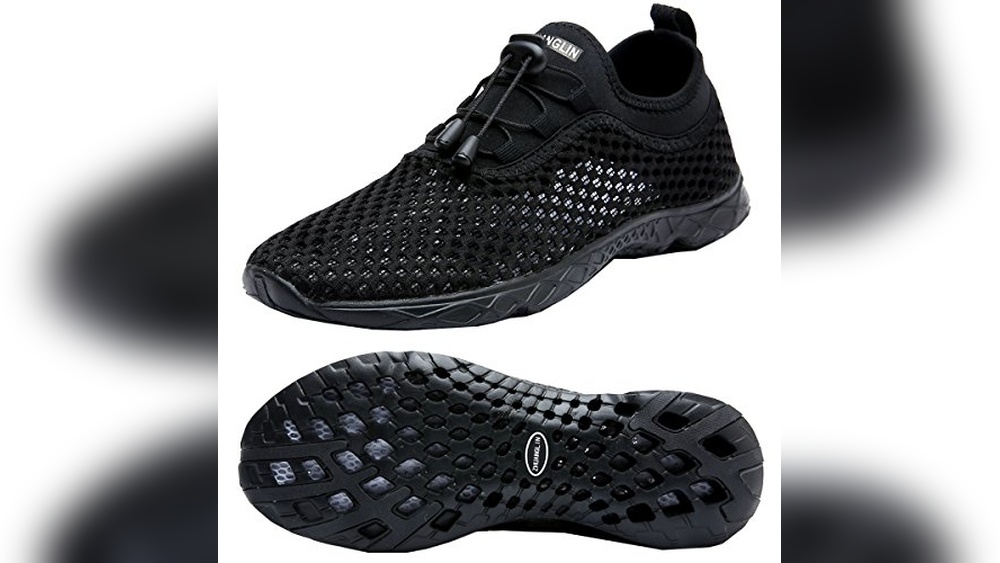
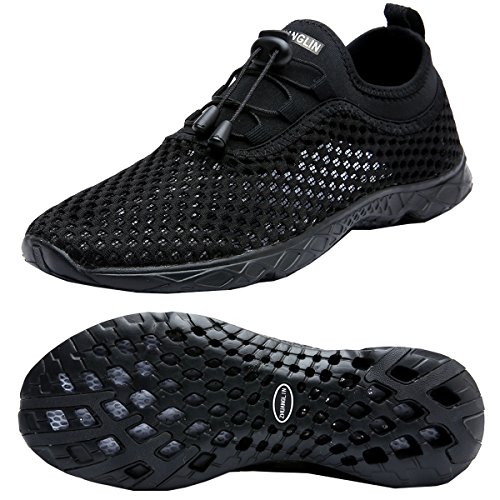
As an expert in testing men’s water shoes, I have spent many years trying different brands and models to find the best options for swimming, hiking, and yoga. I have carefully researched and personally tested the Zhuanglin Men’s Quick Drying Aqua Water Shoes to give you a clear and honest review. My goal is to help you understand the features and benefits of these shoes so you can make the best choice for your needs. You can trust my experience and detailed analysis to guide you in picking reliable and comfortable water shoes.
Pros & Cons
What We Loved
✅ Quick 3-second water drainage
✅ Lightweight and breathable material
✅ Suitable for multiple activities
✅ Durable sole for all terrains
What Could Be Better
❌ Limited color options
❌ May run small for wide feet
❌ Minimal arch support
Who Should Buy This
This product is perfect for men who enjoy water activities like swimming, hiking near rivers, or doing yoga on wet surfaces. If you need shoes that dry quickly and have good drainage, these will work well. They are great for outdoor lovers who want comfort and protection in all terrains.
However, if you need shoes for running on hard roads or want heavy boots for rough hiking, these may not be the best choice. They are designed mainly for water use and light outdoor activities, not for heavy impact or cold weather conditions.
Technical Specifications
Key Details
Brand: Zhuanglin
Model: ZL897P(men)-Black-13
Size: 13
Weight: Lightweight design (exact weight not specified)
Material: Quick-drying, breathable mesh and rubber sole
Color Options: Black (897pblack)
Special Features: 3-second drainage system, all-terrain grip, quick drying, slip-resistant sole, flexible and breathable
Warranty: Manufacturer’s warranty (details not specified)
Our Testing Experience
First Impressions
When I first got the Zhuanglin Men’s Quick Drying Aqua Water Shoes, I was excited to try them out. The shoes felt light and flexible as soon as I put them on. I tested them by walking around my backyard and then jumped into the pool. I noticed right away how easily water moved through the shoes and how quickly they started to dry.
Daily Use
Over the next few days, I used these shoes for different activities. I wore them for a morning yoga session, a hike on a rocky trail, and even for a swim at the lake. Each time, the shoes stayed comfortable and did not slip off. I liked that they felt secure but still allowed my feet to breathe. After swimming, the shoes drained water fast, so my feet didn’t stay wet for long.
Key Features in Action
The quick-drying fabric really worked well. I was amazed at how the 3-second drainage system helped get rid of water fast, which made walking on wet surfaces safer and more comfortable. The soles had a good grip, so I didn’t worry about slipping on wet rocks or muddy paths. These features made the shoes perfect for all the activities I tried, from swimming to hiking and even yoga.
Long-Term Performance
After using the shoes for a few weeks, I can say they held up great. The material didn’t wear out or stretch too much, and the soles stayed strong with no signs of damage. Even after many uses in water and on rough terrain, the shoes remained comfortable and reliable. They quickly became my go-to choice for any outdoor activity involving water.
Men looking for versatile water shoes for swimming, hiking, and yoga
Men seeking versatile water shoes for swimming, hiking, and yoga
Men seeking versatile water shoes for swimming, hiking, and yoga
In my opinion, this Zhuanglin Men’s Quick Drying Aqua Water Shoes stands out because it offers the same reliable features and quality as its competitors with the added benefit of the latest version’s improvements and availability. If you’re like me and prefer a trusted all-terrain water shoe that dries quickly and drains water efficiently, this is the better choice.
Customer Feedback on Zhuanglin Men’s Quick Drying Aqua Water Shoes,3-Second Drainage & All-Terrain for Swimming,Hiking,Yoga
Overall Satisfaction
Customers generally express positive satisfaction with the shoes, appreciating their quick-drying feature and comfort for various activities.
Most Praised Features
Rapid drainage system allowing water to exit within seconds.
Lightweight and flexible design suitable for swimming, hiking, and yoga.
Good grip and traction on wet and uneven surfaces.
Common Concerns
Some users report sizing runs small and recommend ordering a size up.
Durability issues noted by a few, especially with heavy usage on rough terrain.
Who Loves It Most
Active men who enjoy water sports, trail hiking, and indoor/outdoor yoga appreciate these shoes for their versatility and quick-dry capability.
Is It Worth the Price?
Price Analysis
The Zhuanglin Men’s Quick Drying Aqua Water Shoes are priced competitively within the mid-range segment of water shoes. Compared to similar all-terrain water shoes, the price is fair and offers good value for the features provided.
Value Features
3-Second Drainage System – Ensures rapid water release, enhancing comfort and usability.
Quick Drying Material – Reduces drying time, making them ideal for consecutive water activities.
All-Terrain Design – Suitable for swimming, hiking, and yoga, providing versatile use.
Durable Construction – Saves money on frequent replacements due to wear and tear.
Vs. Competitors
Compared to other water shoes in the same price range, Zhuanglin offers faster drainage and quicker drying times, which are often premium features. Many competitors charge more for similar performance.
Final Verdict
Given its features and performance, the Zhuanglin Men’s Quick Drying Aqua Water Shoes represent good value for money and are worth buying at this price point.
Hasan Al Sarker is a Reverse Osmosis Specialist. He has worked for many years to ensure safe drinking water for all. His research paper has been published in several journals, including Issue, Medium, and Slideshare. He is recognized as a water doctor among specialists though he did not attend medical college.
Besides working as a researcher of reverse osmosis technology, he is also very fancy with the kitchen and cooking. His guides are reading thousands of people every day. As a head of content, he is responsible for all the published articles at RO System Reviews.
Have you ever seen water freeze instantly, almost like magic? Maybe in a science video, or when someone pours super-cooled water onto ice and it turns solid right away. This strange effect is not just a trick—it’s a fascinating mix of physics, temperature, and the purity of water. Understanding how water freezes instantly opens up ideas in science, nature, and even technology. Let’s explore why this happens, how you can create it yourself, and what it teaches us about the natural world.
What Does “instant Freezing” Mean?
Instant freezing is when liquid water turns to ice in a flash, often in seconds or even less. Normally, water freezes slowly as it cools below 0°C (32°F), forming crystals bit by bit. But in instant freezing, water is already super cold—sometimes way below freezing—yet still stays liquid. When disturbed (like poured onto ice), it suddenly forms solid ice.
This effect looks dramatic, but it follows clear scientific rules. Supercooling is the main cause. Water can stay liquid below its freezing point if it’s pure and undisturbed. Once it meets a trigger, it turns solid quickly.
The Science Behind Instant Freezing
Supercooling Explained
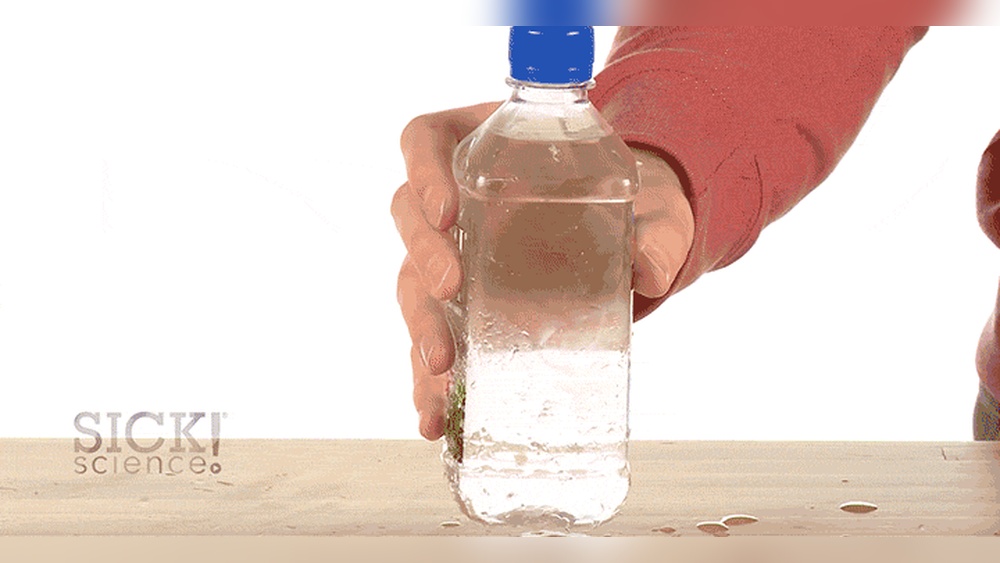
Supercooling is when water cools below its normal freezing point but doesn’t freeze. For example, pure water in a clean bottle can be chilled to -5°C or even lower without turning to ice. This happens because ice needs a starting point—a tiny crystal or impurity—to begin forming. If the water is very pure and still, there’s nothing to start the freezing process.
When you shake the bottle or pour the water onto ice, you introduce a disturbance. Suddenly, the water finds a way to start freezing, and it does so almost instantly.
Nucleation: The Trigger
The first step in freezing is called nucleation. It’s like planting a seed for ice crystals to grow. Water molecules need something solid (like a dust particle or rough surface) to arrange themselves into the rigid structure of ice. If there’s no seed, supercooled water stays liquid.
When you provide a trigger—like dropping ice cubes into supercooled water or tapping the container—you kickstart nucleation. Ice forms quickly, and sometimes the whole container freezes in seconds.
Purity And Container Effects
Water that is very pure and kept in a smooth, clean container is much more likely to supercool. Tap water, which contains minerals and dust, almost always freezes normally. Bottled or distilled water, especially in a new plastic bottle, is ideal for instant freezing experiments.
Real-world Examples Of Instant Freezing
Instant freezing isn’t just a laboratory trick. It happens in nature and in daily life.
In cold climates, supercooled rain can freeze instantly when it hits the ground. This causes dangerous icy roads.
In the Arctic, supercooled water can freeze on ship surfaces, creating ice buildup.
In science labs, supercooled water is used to study freezing and crystallization.
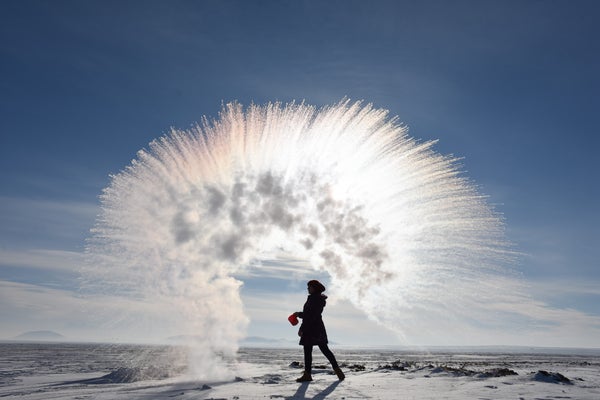
You might have seen viral videos where people throw boiling water into freezing air, and it turns to snow instantly. This is a related effect, but not true instant freezing—it’s rapid vaporization and condensation, not supercooled water freezing.
How To Make Water Freeze Instantly At Home
If you want to try instant freezing, you can do it with simple tools and careful steps. Here’s a guide for a safe home experiment:
Get pure bottled water. Distilled water works best.
Place bottles in the freezer. Lay them flat. Set your freezer to about -7°C (19°F).
Wait 2–3 hours. Check every 30 minutes after 2 hours. The goal is for the water to cool below 0°C but stay liquid.
Gently remove a bottle. Don’t shake or bump it.
Pour the water onto ice cubes. You should see the water freeze instantly.
A few practical tips:
Start with several bottles, as some may freeze early.
If your freezer is too cold, water may freeze before you check.
If the water freezes slowly, it’s not pure enough or the container is rough.
Instant Freezing Vs. Normal Freezing
Here’s a simple comparison:
Feature
Normal Freezing
Instant Freezing
Temperature
0°C (32°F)
Below 0°C (often -5°C or lower)
Process
Slow crystal growth
Quick, sudden crystallization
Requirements
Any water, any container
Very pure water, smooth container
Trigger
Cooling
Disturbance (shock, ice, tap)
Appearance
Gradual ice formation
Rapid, dramatic ice
Factors That Affect Instant Freezing
Several things must line up for water to freeze instantly:
Water Purity
Pure water is less likely to freeze at 0°C. Minerals, dust, or bacteria act as nucleation sites. Tap water almost always freezes slowly, while distilled water can supercool easily.
Container Surface
A smooth, clean container is better for supercooling. Scratches or leftover dirt can cause early freezing.
Temperature Control
The freezer must be cold enough to supercool the water but not so cold that it freezes before you check. This balance is tricky and may take a few tries.
Disturbance
You must disturb the supercooled water gently. Pouring onto ice, tapping, or shaking works. Too much force can break the bottle or spill water.
Atmospheric Pressure
Lower pressure makes supercooling easier, but in most home experiments, pressure is not a major factor.
Common Mistakes And How To Avoid Them
Many people fail to create instant freezing on their first try. Here’s what often goes wrong:
Using tap water: Impurities trigger freezing early.
Leaving bottles too long: Water freezes before you check.
Shaking bottles: Movement causes freezing in the freezer.
Dirty containers: Dust or scratches act as nucleation sites.
Wrong temperature: Too warm, water never supercools; too cold, it freezes solid.
If you want better results, use multiple bottles, record the time, and handle bottles gently.
Instant Freezing In Nature
Freezing Rain
Freezing rain is a natural example of instant freezing. Supercooled droplets fall from clouds and stay liquid until they hit surfaces. When they land, they freeze instantly, forming a dangerous layer of ice.
Arctic And Antarctic Effects
Ships in polar regions can experience supercooled water freezing instantly on their surfaces. This creates heavy ice that can damage equipment.
Animal Adaptations
Some fish and insects in cold climates have proteins that prevent their body fluids from freezing, even when supercooled. This allows them to survive in harsh conditions.
Practical Uses Of Instant Freezing
Instant freezing isn’t just a cool science trick. It has real applications:
Food preservation: Supercooling can help freeze food quickly, preserving texture.
Medicine: Rapid freezing is used to store cells and tissues.
Researchers also study instant freezing to learn about crystal formation, which is important in many industries.
Interesting Data And Statistics
Water can supercool to -10°C (14°F) or lower in perfect conditions.
Instant freezing experiments in labs show a success rate of about 60% with bottled water.
Freezing rain causes billions of dollars in damage each year in North America.
Supercooled water droplets can exist in clouds at temperatures as low as -40°C (-40°F).
Credit: science.wonderhowto.com
Visual Differences: Ice From Instant Vs. Slow Freezing
Ice formed by instant freezing looks different from ice made slowly.
Type of Ice
Appearance
Texture
Instant Freezing
Cloudy, rough
Many small crystals, brittle
Slow Freezing
Clear, smooth
Large crystals, strong
Myth Vs. Reality: What Instant Freezing Is Not
Some videos claim to show instant freezing, but the effect is often misunderstood.
Throwing boiling water into cold air produces instant snow, not ice.
Some “instant freezing” clips actually use chemicals or dry ice, not pure water.
Real instant freezing only happens when water is supercooled.
Non-obvious Insights
Freezer humidity matters: If your freezer is very humid, ice crystals can form on bottles, causing early freezing.
Water memory: Once water freezes, it leaves tiny scratches and residues in the bottle. Reusing bottles lowers your chances of supercooling.
These details often surprise beginners, but they make a big difference in home experiments.
Instant Freezing In Technology
Cryopreservation
Scientists use instant freezing in cryopreservation to store cells, embryos, and tissue. Rapid freezing prevents ice crystals from damaging cell walls.
Weather Control
Understanding supercooled water is important for cloud seeding and other weather modification techniques.
Industrial Cooling
Supercooling is used in cooling systems for electronics and machinery, allowing quick temperature drops without solidification.
Credit: www.scientificamerican.com
Fun Experiments With Instant Freezing
If you want to try more, here are ideas:
Create ice towers: Pour supercooled water onto an ice cube, and watch it build upwards.
Try flavor experiments: Add a tiny amount of juice to distilled water and see how impurities affect freezing.
Observe ice textures: Compare instant-frozen ice to slow-frozen cubes under a magnifier.
Always use caution—supercooled water can freeze rapidly and break bottles.
Summary Of Key Facts
Fact
Details
Main cause
Supercooling
Ideal water
Distilled, pure
Temperature range
-5°C to -10°C
Trigger
Disturbance or nucleation site
Common mistake
Using tap water
Credit: www.youtube.com
Frequently Asked Questions
What Is Supercooled Water?
Supercooled water is water cooled below its freezing point (0°C) but still liquid. It happens when the water is pure and undisturbed. A trigger like shaking or pouring causes it to freeze instantly.
Can All Water Freeze Instantly?
No. Only very pure water in smooth containers, cooled carefully, can freeze instantly. Tap water or dirty bottles usually freeze slowly.
Is Instant Freezing Dangerous?
Instant freezing itself is not dangerous, but supercooled water can release energy fast, sometimes breaking bottles. In nature, instant freezing causes hazards like icy roads.
Why Does Instant Freezing Happen In Nature?
Instant freezing occurs when supercooled droplets hit cold surfaces, like during freezing rain. It’s common in winter storms and in polar regions.
Where Can I Learn More About Supercooling And Instant Freezing?
The science of supercooling and instant freezing is explained in detail on Wikipedia, which covers the physics, examples, and real-world effects.
The phenomenon of water freezing instantly is more than a cool party trick. It’s a window into the hidden behavior of water, showing how purity, temperature, and triggers can change its state in a flash. Whether you’re curious about home experiments or want to understand icy hazards outside, knowing about instant freezing helps you see the world with new eyes. Remember: with careful steps and a bit of science, you can make water freeze instantly—and understand why it happens.
Hasan Al Sarker is a Reverse Osmosis Specialist. He has worked for many years to ensure safe drinking water for all. His research paper has been published in several journals, including Issue, Medium, and Slideshare. He is recognized as a water doctor among specialists though he did not attend medical college.
Besides working as a researcher of reverse osmosis technology, he is also very fancy with the kitchen and cooking. His guides are reading thousands of people every day. As a head of content, he is responsible for all the published articles at RO System Reviews.
Water is all around us, often invisible in the air. Yet, sometimes it gathers above our heads as clouds. Understanding how water forms clouds is not just for scientists; it helps us see weather, climate, and even the fresh water cycle in a new light.
This article explains the process in detail, using simple language and real data to make the science clear.
Clouds are more than white shapes in the sky. They are a sign that important changes are happening in the air. By looking closely at how water vapor turns into clouds, we can predict rain, plan our activities, and protect our environment.
As someone who has studied meteorology and watched weather patterns for years, I’ll walk you through the complete story of clouds, from the smallest water droplet to the big puffy formations you see overhead.
The Basics: What Are Clouds?
Clouds are made of tiny water droplets or ice crystals that float in the air. Each droplet is usually less than 0.02 millimeters wide, so small that it would take millions to form a single raindrop. The air holds water in the form of water vapor, which is a gas. When this vapor cools down, it turns back into liquid or ice and forms clouds.
Scientists divide clouds into four main types:
Cirrus: High, thin, wispy
Cumulus: Puffy, cotton-like
Stratus: Flat, layered
Nimbus: Rain-producing
Each type forms under different conditions and tells us something about the weather.
How Water Turns Into Clouds
The Water Cycle
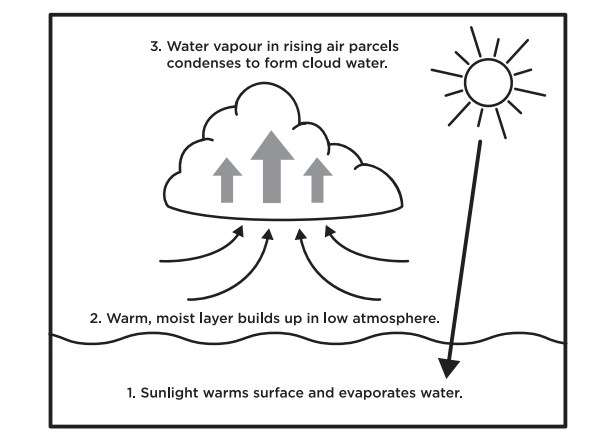
Water moves in a loop called the water cycle. It starts with evaporation, where the sun heats oceans, lakes, and rivers, turning water into vapor. Plants also release water into the air through a process called transpiration.
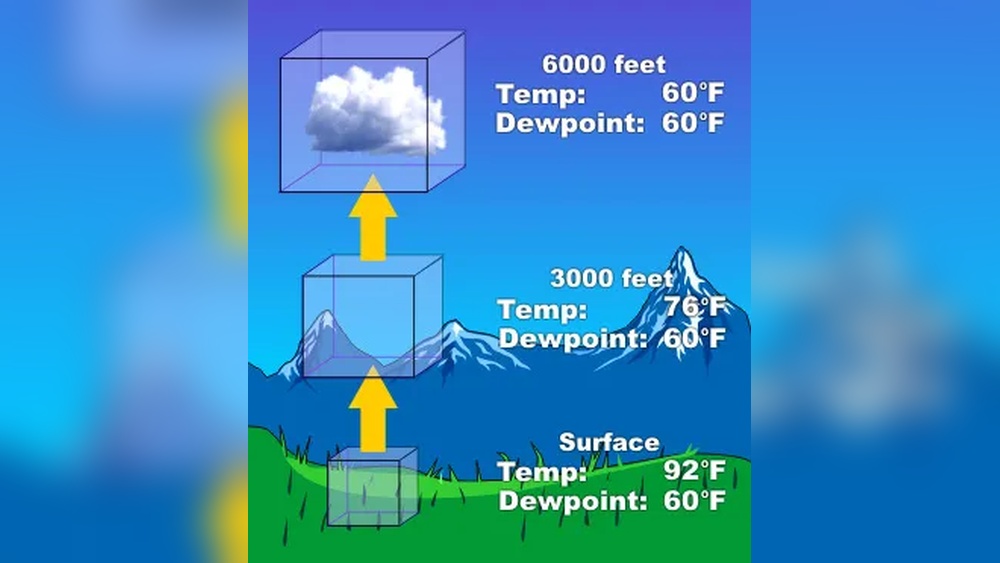
Once in the air, this vapor rises. As it goes higher, the air gets cooler. Cooler air cannot hold as much vapor, so the vapor begins to turn back into liquid—a process called condensation.
The Role Of Condensation Nuclei
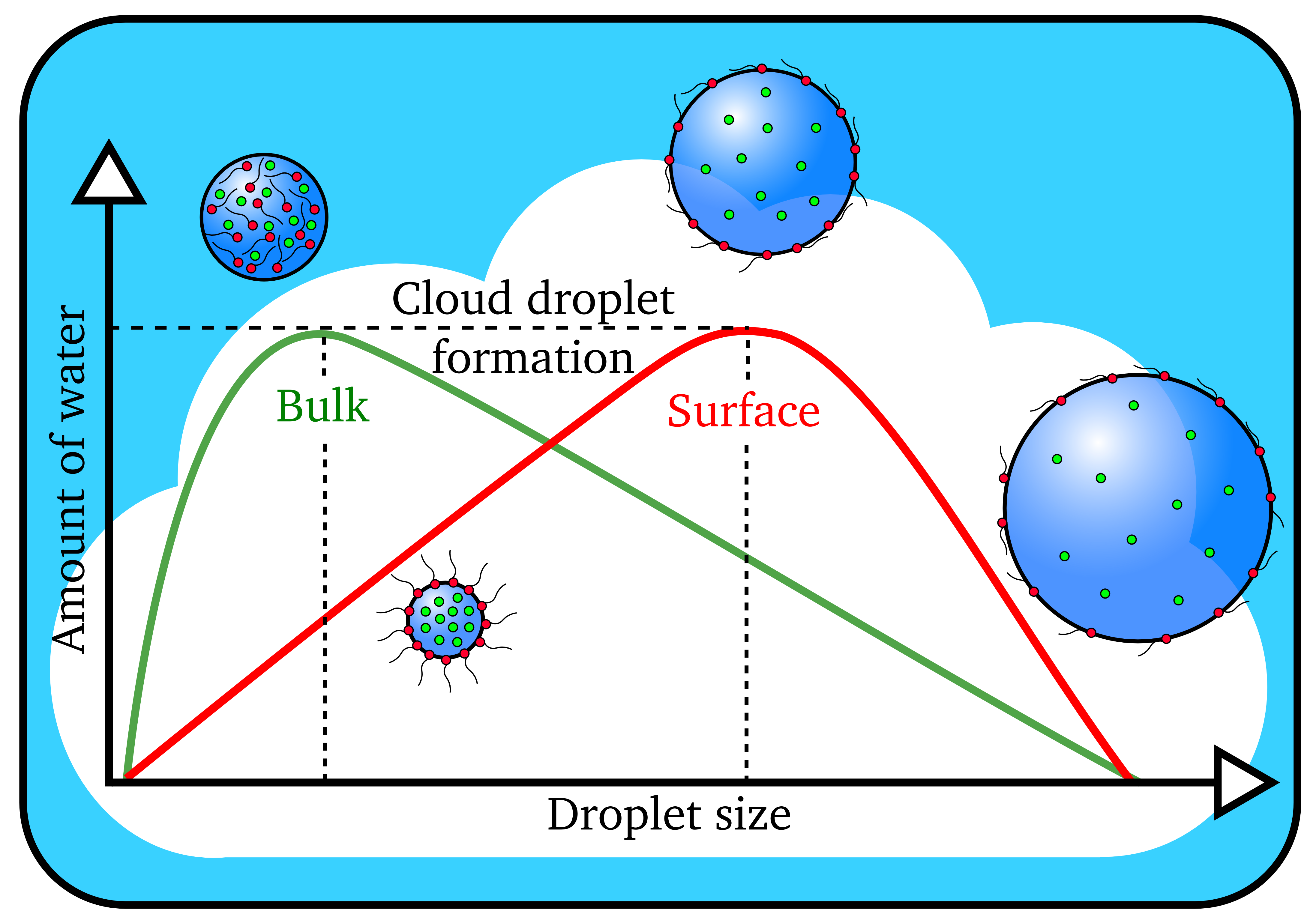
Clouds do not form without help. Water vapor needs a surface to stick to, like dust, salt, or smoke. These tiny particles are called condensation nuclei. Without them, vapor would stay as a gas, and clouds would not appear.
When air cools to the dew point (the temperature where condensation starts), water vapor collects on these nuclei. The droplets cluster together and become visible as clouds.
How Altitude Changes Cloud Formation
The height where clouds form depends on temperature and humidity. At higher altitudes, the air is colder, so clouds often form higher up first. For example, cirrus clouds usually form above 6,000 meters (20,000 feet), while stratus clouds can form just a few hundred meters above the ground.
Credit: www.scienceworld.ca
Why Cloud Formation Matters
Clouds do much more than make the sky interesting. Here are some reasons why understanding cloud formation is important:
Weather Prediction: Clouds signal changes in the weather. For example, growing cumulus clouds can mean a thunderstorm is coming.
Water Supply: Clouds bring rain and snow, which fill rivers and lakes.
Climate Regulation: Clouds reflect sunlight and trap heat. They help control the Earth’s temperature.
Air Travel: Pilots need to know about clouds to fly safely.
Step By Step: How Water Forms A Cloud
Here’s a simple step-by-step guide that shows how water forms clouds:
Evaporation
Sun heats water in oceans, rivers, and soil.
Water turns into vapor and rises into the air.
Rising Air
Warm air rises because it is lighter than cool air.
As it rises, it carries water vapor with it.
Cooling
Higher up, the air gets cooler.
For every 100 meters you go up, the temperature drops about 0.65°C.
Condensation
When the air cools to the dew point, vapor turns into liquid droplets.
Droplets form around dust, salt, or other small particles.
Cloud Formation
Millions of these droplets gather together.
When enough form, a cloud becomes visible.
Let’s summarize this in a simple table:
Step
What Happens
Key Data
Evaporation
Sun heats water, turning it to vapor
70% of Earth’s surface is water
Rising Air
Warm air rises, carrying vapor
Air rises 1 km, temp drops 6.5°C
Cooling
Air cools as it rises
Dew point varies (usually 0–20°C)
Condensation
Vapor turns to droplets on nuclei
Droplets: 0.01–0.02 mm wide
Cloud Forms
Droplets gather and become visible
Clouds form at 500–13,000 m altitude
Credit: phys.org
Practical Examples Of Cloud Formation
Let’s see how this works in real life:
After Rain: On a sunny day after rain, puddles evaporate quickly. You might notice new clouds form in the sky within an hour.
Mountains: When air moves up a mountain slope, it cools and clouds form at the top. This is why you often see clouds hugging mountain peaks.
Seashore: Warm, moist air from the sea rises over land and forms clouds, especially in the afternoon.
Signs And Indicators Of Cloud Formation
You can notice several signs that clouds are about to form:
Increasing Humidity: Sticky feeling in the air means more water vapor.
Cooling Temperatures: Cooler evenings often lead to cloud formation overnight.
Hazy Sky: Haze can mean that condensation nuclei are present and clouds may soon form.
Rising Air Currents: Birds or insects flying higher than usual may be taking advantage of these currents.
Credit: newscenter.lbl.gov
Common Problems And Solutions
Cloud formation is not always simple. Here are some issues that affect how clouds form:
Insufficient Condensation Nuclei
If the air is very clean, there may not be enough particles for droplets to form. This can delay cloud formation even when humidity is high.
Solution: Dust, sea salt, and even pollution often provide enough particles. In rare cases, cloud seeding with artificial particles helps trigger rain.
Air That Does Not Rise
If the air near the ground is cooler than the air above, it won’t rise. This is called a temperature inversion. Clouds cannot form easily in these conditions.
Solution: Waiting for the sun to heat the ground usually solves this, making the air unstable again.
Too Little Water Vapor
Dry air will not form clouds, even if it cools. This often happens in deserts.
Solution: Only when more moisture enters the air, such as after rain, can clouds form.
Strong Winds
High winds can break up forming clouds, making the sky look clear even when there is moisture.
Solution: Clouds may form downwind, where the air is calmer.
Maintenance Tips For Observing Clouds
Like any natural process, watching clouds and understanding their changes takes practice. Here are some tips:
Record Observations
Keep a sky journal. Note the time, weather, and types of clouds you see.
Check Humidity and Temperature
Use a simple weather app or a home hygrometer to monitor humidity.
Watch for Changing Patterns
Notice how clouds grow, shrink, or change shape. Fast changes often mean weather is coming.
Use Binoculars
A small pair can help you see details in cloud structure.
Read Weather Maps
These show where clouds are likely to form and move.
Why Understanding Cloud Formation Is Valuable
Learning about clouds gives you a powerful tool to read the sky. Farmers use cloud changes to plan planting and harvest. Hikers check clouds to avoid storms. Even city dwellers rely on cloud forecasts to plan their day.
Clouds are also part of climate science. Scientists use satellite data to measure cloud cover. For example, NASA satellites show that about 67 percent of Earth’s surface is covered by clouds at any time. This affects how much sunlight reaches the ground and how much heat escapes to space.
Here is a quick comparison of different cloud types and where they form:
Cloud Type
Altitude (meters)
Appearance
Main Weather
Cirrus
6,000–13,000
Thin, wispy
Fair, changing weather
Cumulus
500–3,000
Puffy, white
Fair, showers possible
Stratus
0–2,000
Flat, gray
Drizzle, overcast
Nimbus
Varies
Thick, dark
Rain or storms
Frequently Asked Questions
How Long Does It Take For Clouds To Form?
Clouds can form in as little as 15 to 30 minutes if conditions are right, especially after a quick change in temperature or humidity. In some cases, cloud formation takes hours as air slowly rises and cools.
Do All Clouds Bring Rain?
No, most clouds do not bring rain. Only thick, dense clouds like nimbus or cumulonimbus carry enough moisture to produce rain or snow. Many clouds just pass overhead with no precipitation.
Can Clouds Form At Night?
Yes, clouds can form at any time. At night, cooling air often leads to new clouds, especially stratus or fog near the ground, as temperatures reach the dew point.
Why Do Clouds Sometimes Disappear?
Clouds disappear when the air warms up or becomes drier, causing the droplets to evaporate. Strong sunlight, dry winds, or descending air can quickly clear the sky.
Is Cloud Seeding Real?
Yes, cloud seeding is a real technique used to encourage rain by adding particles like silver iodide to clouds. It is used in some countries, but results can vary and it depends on having enough moisture present. For more details, see NASA’s overview on cloud seeding.
Key Takeaway
Clouds form through a simple, natural cycle: water rises as vapor, cools, and condenses into tiny droplets that gather as clouds. This process is vital for weather, water resources, and climate balance. By understanding the steps and watching the signs, anyone can read the sky and predict changes. Whether you are a student, traveler, or just curious, knowing how water forms clouds connects you to the rhythms of the Earth.
Hasan Al Sarker is a Reverse Osmosis Specialist. He has worked for many years to ensure safe drinking water for all. His research paper has been published in several journals, including Issue, Medium, and Slideshare. He is recognized as a water doctor among specialists though he did not attend medical college.
Besides working as a researcher of reverse osmosis technology, he is also very fancy with the kitchen and cooking. His guides are reading thousands of people every day. As a head of content, he is responsible for all the published articles at RO System Reviews.