How often do you change your fridge water filter? It’s a question many people overlook until the water tastes off or the ice looks cloudy.
But the truth is, regularly changing your fridge water filter is key to keeping your water fresh, clean, and safe. If you want to avoid health risks, save money on repairs, and enjoy crisp, great-tasting water every time, this guide is for you.
Keep reading to discover exactly when and why you should replace your fridge water filter—and how to do it the right way.
Why Change Your Fridge Water Filter
Changing your fridge water filter is important for many reasons. It keeps your water clean and safe to drink. Over time, filters get full of dirt and germs. This makes them less effective. Regular changes ensure fresh, great-tasting water every day.
Impact On Water Quality
A dirty filter cannot remove impurities well. Water may taste bad or smell strange. Particles like rust, chlorine, and sediment can pass through. Fresh filters improve clarity and flavor. Clean water helps your whole family enjoy better drinks and food.
Health Considerations
Old filters can harbor bacteria and germs. Drinking this water can cause stomach issues and illness. Changing the filter lowers health risks. It protects you from harmful contaminants. Safe water supports your immune system and overall health.
Filter Lifespan Factors
Filter life depends on water use and quality. Hard water or high usage shortens filter life. Some filters last three to six months. Check your fridge manual for exact timing. Regular replacement keeps water filtering at its best.
Recommended Replacement Frequency
Changing your fridge water filter regularly keeps your water clean and fresh. The right time to replace depends on several factors. Knowing these helps you maintain good water quality and avoid filter problems. Here are key points to consider for replacement frequency.
Manufacturer Guidelines
Most manufacturers suggest changing the filter every six months. This advice is based on average use and water conditions. Check your fridge’s manual for exact instructions. Following these guidelines helps keep the filter working well. Using the filter longer than recommended can reduce water quality.
Usage Patterns
The more water you use, the faster the filter fills up with impurities. Large families or heavy water drinkers may need to replace filters sooner. Small households or less frequent use might stretch the filter life. Track your water use to decide if early replacement is necessary. Notice any taste or smell changes in water as a sign to replace the filter.
Water Quality Variations
Water quality differs by location and source. Hard water with many minerals can clog filters faster. Areas with high sediment or chlorine levels also wear filters quickly. If your water tastes or smells unusual, change the filter sooner. Testing your water helps understand its quality and filter needs.
Signs You Need To Replace Your Filter
Knowing when to replace your fridge water filter helps keep your water fresh and clean. Filters do their job for a time but need changing to stay effective. Watch for clear signs your filter is tired and needs a swap.
Change In Water Taste Or Odor
One of the first signs is a change in water taste or smell. The water may taste flat or have a strange odor. This means the filter no longer removes impurities well. Fresh water should taste clean and neutral.
Reduced Water Flow
A slow drip or weak water flow means the filter is clogged. Dirt and particles block the filter over time. This reduces water pressure and flow speed. Strong, steady flow shows a healthy filter.
Visible Filter Condition
Check the filter itself for dirt or damage. A dark or discolored filter needs replacing. Cracks or wear on the filter housing also signal a change is due. Clean, intact filters work best.
How To Change Your Fridge Water Filter
Changing your fridge water filter is easy and important. Clean filters keep your water fresh and safe. Follow these steps to replace your filter quickly.
Locating The Filter
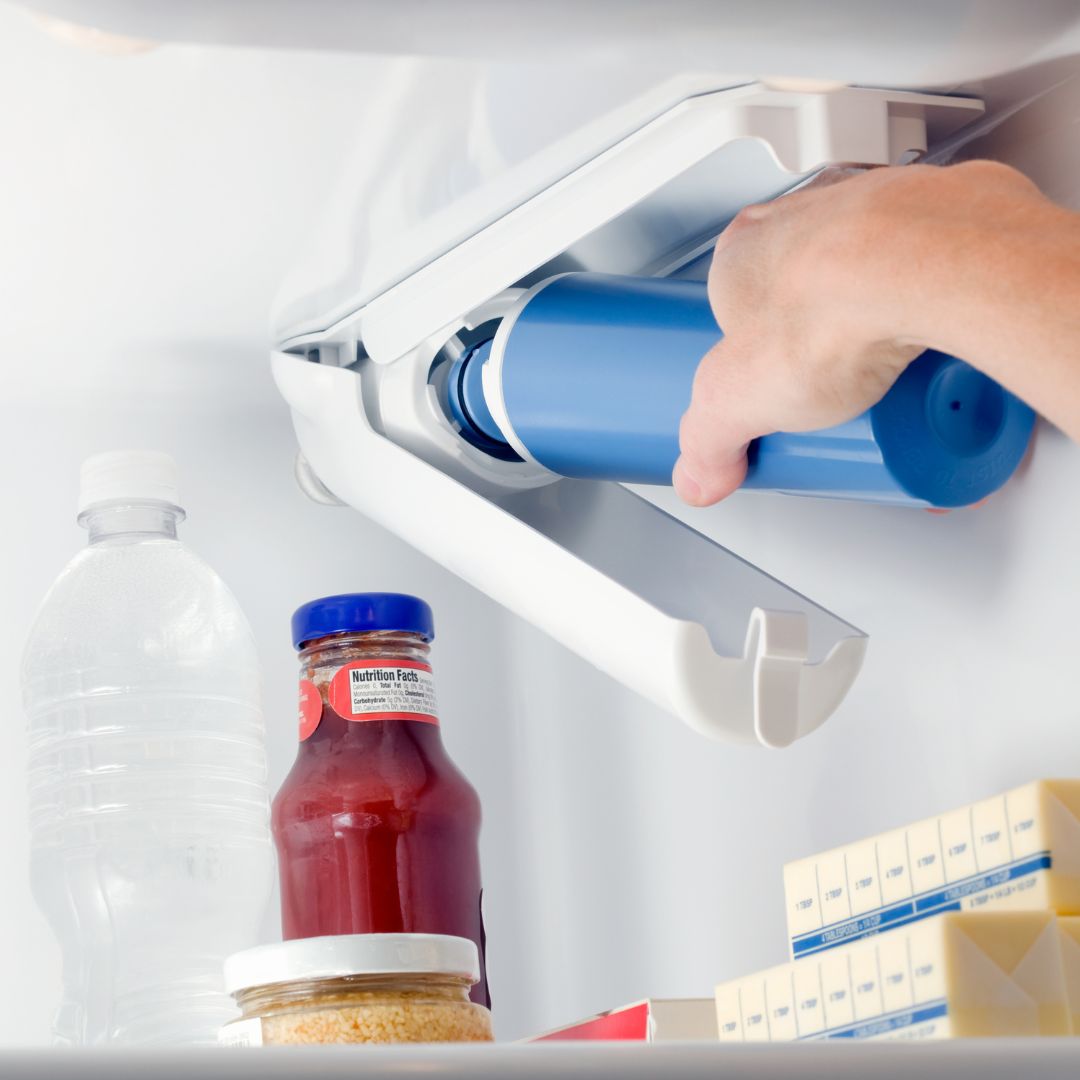
Find the water filter inside your fridge. Usually, it is in the upper right corner or at the base. Some models have the filter in the fridge door. Check your fridge manual if unsure.
Step-by-step Replacement
First, turn off the water supply to the fridge. Next, twist the old filter counterclockwise to remove it. Throw the old filter away. Take the new filter out of its package. Insert it into the slot and twist clockwise to lock. Turn the water supply back on. Run water for a few minutes to clear air and impurities.
Resetting The Filter Indicator
Most fridges have a filter change light. Press and hold the reset button for three seconds. The light should turn off. This tells you the filter is fresh and ready. If your fridge has no button, check the manual for reset steps.
Maintaining Your Fridge Water System
Maintaining your fridge water system keeps water fresh and tasting good. A well-kept system helps avoid clogs and leaks. Simple care extends the life of your water filter and fridge parts.
Regular Cleaning Tips
Clean the water dispenser and drip tray weekly. Use a soft cloth and mild soap. Rinse with clean water to remove soap. Wipe the fridge door seals to stop dirt buildup. Replace the water filter every 6 months or as recommended.
Avoiding Common Issues
Check for leaks around the water line often. Avoid using harsh chemicals near the water system. Keep the fridge temperature steady to protect water quality. Don’t ignore strange tastes or odors from the water. Replace filters immediately if water flow slows down.
When To Seek Professional Help
Call a technician if water leaks persist after cleaning. Get help if the water dispenser stops working. Contact experts for strange noises or smells in the fridge. Seek service for complex parts like the water valve or dispenser pump. Regular check-ups can prevent major repairs later.
Frequently Asked Questions
How Often Should I Change My Fridge Water Filter?
You should replace your fridge water filter every 6 months. This ensures clean, fresh-tasting water and optimal filter performance. Check your fridge’s manual for specific recommendations.
What Happens If I Don’t Change The Water Filter?
Not changing the filter can cause clogged flow and poor water quality. It may lead to bad taste, odors, and potential health risks.
How Do I Know When To Replace The Filter?
Many fridges have indicator lights to signal filter replacement. Otherwise, change it every 6 months or when water flow slows or tastes off.
Can I Use Any Water Filter For My Fridge?
No, always use filters compatible with your fridge model. Using the wrong filter can damage the appliance or reduce water quality.
Conclusion
Changing your fridge water filter keeps water fresh and clean. Most filters need replacement every 6 months. Signs like bad taste or slow flow show it’s time. Regular changes protect your health and fridge parts. Don’t wait for problems to start.
Stay on a schedule to enjoy clear, great-tasting water. Simple steps help you avoid bigger issues later. Clean water means better drinks and food. Keep your filter fresh, and your fridge works well. Easy care makes a big difference every day.
Hasan Al Sarker is a Reverse Osmosis Specialist. He has worked for many years to ensure safe drinking water for all. His research paper has been published in several journals, including Issue, Medium, and Slideshare. He is recognized as a water doctor among specialists though he did not attend medical college.
Besides working as a researcher of reverse osmosis technology, he is also very fancy with the kitchen and cooking. His guides are reading thousands of people every day. As a head of content, he is responsible for all the published articles at RO System Reviews.
Are you worried about the quality of your tap water? If you’ve noticed a strange taste or smell, chloramine might be the culprit.
You might be wondering, does the Pur water filter remove chloramine effectively? Understanding this can make a big difference in the safety and taste of the water you and your family drink every day. Keep reading to find out how Pur filters handle chloramine and whether they’re the right choice for your home.
What Is Chloramine?
Chloramine is a chemical used to keep drinking water safe. It is a mix of chlorine and ammonia. Water treatment plants add chloramine to stop germs and bacteria from growing in pipes. This keeps water clean for people to use every day.
Chloramine stays in water longer than chlorine. This makes it useful for water systems that need extra protection. Some people notice a different taste or smell when their water has chloramine. Understanding what chloramine is helps to know if water filters can remove it.
Chloramine Vs Chlorine
Chlorine is a common disinfectant in water. It kills bacteria quickly but leaves a strong smell. Chloramine is gentler and lasts longer in water pipes. It does not smell as strong as chlorine.
Chlorine breaks down fast after leaving the treatment plant. Chloramine stays active longer and keeps killing germs during water transport. This makes chloramine a better choice for some water systems.
Why Chloramine Is Used In Water
Water plants use chloramine to keep water safe for longer times. It helps prevent bacteria growth in old pipes. Chloramine also reduces harmful byproducts that chlorine can make.
Chloramine is cheaper and easier to control than chlorine. It gives water a stable quality from the plant to your home. This is why many cities use chloramine instead of chlorine.
How Pur Water Filters Work
Pur water filters clean water by removing many impurities. They use special materials that trap harmful substances. This process makes water safer and better tasting.
Understanding how these filters work helps you see their benefits. Each filter uses a mix of technologies to clean your tap water.
Filtration Technology
Pur filters use activated carbon to catch chemicals. This carbon removes chlorine and some bad tastes. It also helps reduce some heavy metals like lead.
Some Pur filters use ion exchange to lower metals. This method swaps harmful metals with safer particles. It improves water purity and quality.
Filters also have a mesh that blocks dirt and particles. This keeps water clear and clean from visible debris.
Types Of Pur Filters
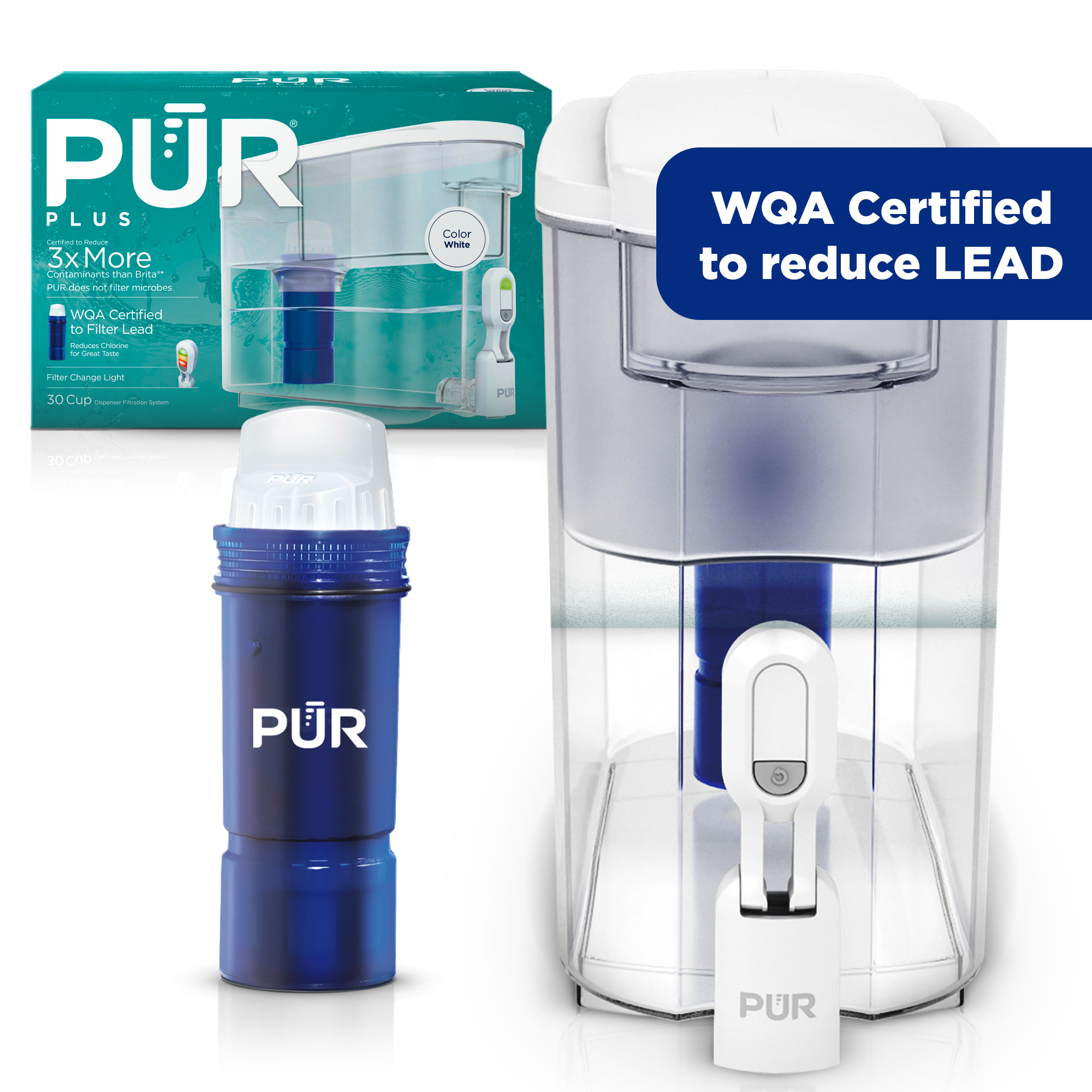
Pur offers different filters for pitchers, faucets, and dispensers. Each filter fits the device and cleans water effectively.
Pitcher filters are easy to use and replace. They work well for small households or offices.
Faucet filters attach directly to the tap. They provide filtered water instantly without extra steps.
Dispenser filters fit in larger water systems. They serve more people and hold more water.
Effectiveness Against Chloramine
Chloramine is a common chemical used to disinfect water. It is harder to remove than chlorine. Many water filters struggle with chloramine. Understanding how well PUR water filters work against chloramine is important. This helps you decide if it fits your water needs.
PUR filters use special technology to reduce chemicals. Their ability to handle chloramine depends on the filter type and design. Let’s explore the details about PUR filters and their performance on chloramine removal.
Filter Specifications
PUR water filters use activated carbon and ion exchange materials. These components help reduce chlorine and some chloramine. The filter’s cartridge contains a blend designed for chemical removal. It targets taste, odor, and some contaminants.
Standard PUR filters remove a portion of chloramine but not all. Some advanced models have enhanced carbon layers for better chloramine reduction. Filter life usually lasts about 2-3 months or 40 gallons. This depends on water quality and usage.
Independent Test Results
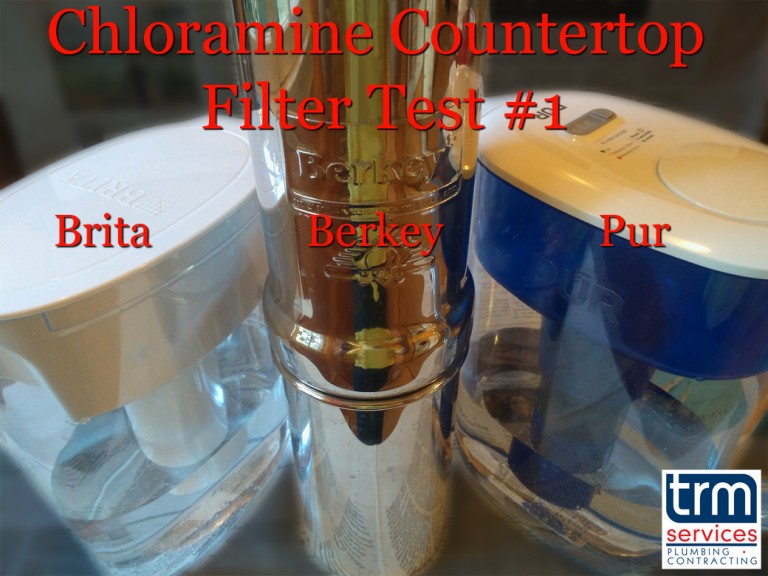
Independent labs test PUR filters for chloramine removal. Results show PUR can reduce chloramine by 50% to 70%. This means some chloramine remains in the water. The effectiveness varies by filter model and testing methods.
Tests also confirm PUR filters remove chlorine very well. Chloramine removal is less complete but still noticeable. For full chloramine removal, special filters or systems may be needed.
Limitations Of Pur Filters
Pur water filters help improve water taste and remove many contaminants. They are popular for home use. Yet, they have limits. Knowing these limits helps users make better choices. Some impurities stay in the water even after filtering. Also, filters need regular care to work well.
What They Can’t Remove
Pur filters do not remove chloramine completely. Chloramine is a mix of chlorine and ammonia. It is harder to filter than chlorine alone. Pur filters mainly reduce chlorine taste and odor. They do not fully remove all chemicals or heavy metals. Some bacteria and viruses may also pass through. This means filtered water is cleaner but not perfect.
Filter Lifespan And Maintenance
Filters lose power over time. A clogged filter stops working well. Pur filters need changing after filtering a certain amount of water. Usually, this is about 40 to 100 gallons. Ignoring filter changes can lower water quality. Users must check the filter status often. Cleaning and replacing parts keeps the filter effective. Proper care ensures safer and better-tasting water.
Alternatives For Chloramine Removal
Chloramine is a chemical used to disinfect water. It can be hard to remove with regular filters. Many people seek alternatives for better removal. These options work well to reduce chloramine in water. Understanding these alternatives helps in choosing the right filter for your home.
Activated Carbon Filters
Activated carbon filters are popular for removing chemicals. They absorb chloramine by trapping it in tiny pores. These filters improve water taste and smell. Not all carbon filters remove chloramine equally. Look for catalytic carbon types for better results. They break down chloramine faster and more effectively.
Kdf Filters And Others
KDF filters use a special metal alloy to remove contaminants. They reduce chloramine through a chemical reaction. KDF filters often combine with carbon filters for stronger cleaning. Other methods include reverse osmosis and UV light. Each method has strengths and limits. Combining filters can provide cleaner, safer water.
Tips For Choosing The Right Filter
Choosing the right water filter is important for clean and safe drinking water. Not all filters remove the same contaminants. Some filters target chlorine, while others can remove chloramine too. Knowing what your water contains helps pick the best filter for your needs.
Assessing Water Quality
Start by checking your water source. You can get a water quality report from your local water supplier. This report shows if your water has chloramine or other chemicals. Testing your water at home with a kit is another option. Knowing the exact contaminants helps choose the right filter type.
Matching Filters To Needs
Not all filters remove chloramine. Look for filters with activated carbon or catalytic carbon. These types are more effective against chloramine. Consider filter certifications like NSF/ANSI standards for chloramine removal. Think about your budget and filter lifespan. Choose a filter that balances cost, effectiveness, and maintenance.
Frequently Asked Questions
Does Pur Water Filter Remove Chloramine Effectively?
PUR filters use activated carbon to reduce chloramine. However, their efficiency varies by model. Some PUR filters remove most chloramine, while others may not fully eliminate it. Always check the product specifications for chloramine removal before purchase.
How Does Pur Filter Treat Chloramine In Water?
PUR filters employ activated carbon and ion exchange resin. These components help break down chloramine molecules. This process reduces taste, odor, and chemical content. Effectiveness depends on filter type and usage duration.
Can Pur Water Filters Remove All Chloramine Contaminants?
No water filter removes 100% chloramine. PUR filters significantly reduce chloramine levels but may not eliminate all traces. For complete removal, specialized filters like catalytic carbon or reverse osmosis systems are recommended.
How Often Should Pur Filters Be Replaced For Chloramine Removal?
Replacing PUR filters every 2-3 months ensures optimal chloramine reduction. Overused filters lose effectiveness. Regular replacement maintains water quality and filter performance. Follow manufacturer guidelines for best results.
Conclusion
Pur water filters reduce some chloramine but not all. Their filter works best for chlorine, not chloramine. For full chloramine removal, you may need a special filter. Many filters use activated carbon to lower chemicals in water. Check product details to see if chloramine is listed.
Clean water matters for health and taste. Choose a filter that fits your needs. Test your water to know what to remove. Stay informed and keep your drinking water safe.
Hasan Al Sarker is a Reverse Osmosis Specialist. He has worked for many years to ensure safe drinking water for all. His research paper has been published in several journals, including Issue, Medium, and Slideshare. He is recognized as a water doctor among specialists though he did not attend medical college.
Besides working as a researcher of reverse osmosis technology, he is also very fancy with the kitchen and cooking. His guides are reading thousands of people every day. As a head of content, he is responsible for all the published articles at RO System Reviews.
You rely on your Zero Water filter to give you clean, great-tasting water every day. But how do you know when it’s time to replace that filter?
Using a worn-out filter can affect the quality of your water and even harm your health. If you want to keep enjoying pure water without any guesswork, this guide will help you spot the signs and understand exactly when to swap out your Zero Water filter.
Keep reading to make sure you never miss the perfect moment for a fresh filter.
Signs Filter Needs Replacement
The Zero Water filter works hard to give clean, fresh water. Over time, the filter wears out and needs replacing. Knowing the signs helps keep your water safe and tasty. Watch for these clear signals that your filter needs a change.
Changes In Water Taste
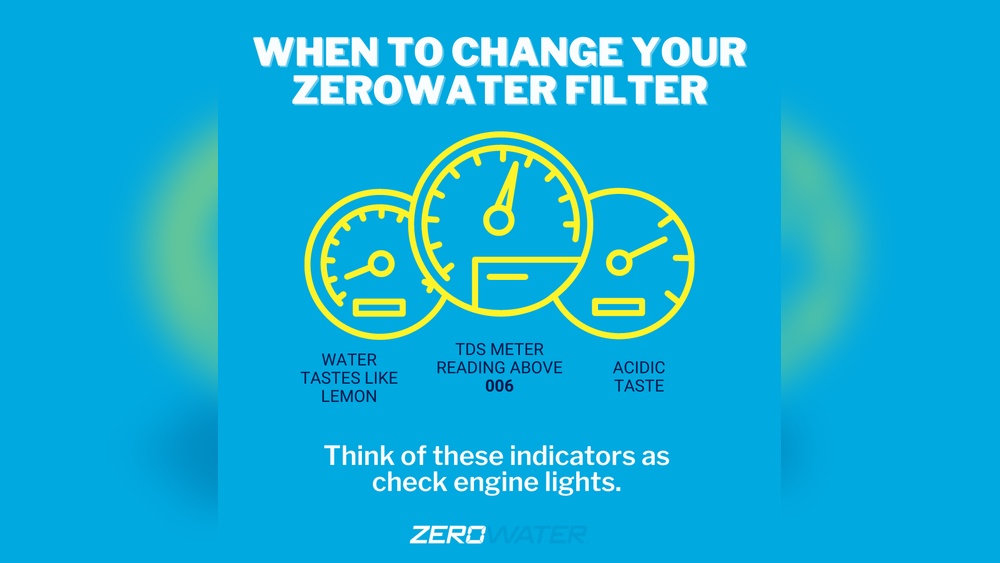
Fresh water should taste clean and clear. A bitter or odd taste means the filter is no longer effective. The filter may not remove all impurities anymore. Notice a strange flavor? It’s time to replace the filter.
Slow Water Flow
Water should pour smoothly from your Zero Water pitcher. If water slows down or drips slowly, the filter is clogged. Dirt and particles block water flow. Slow water means the filter is full and needs changing.
Filter Life Indicator Alerts
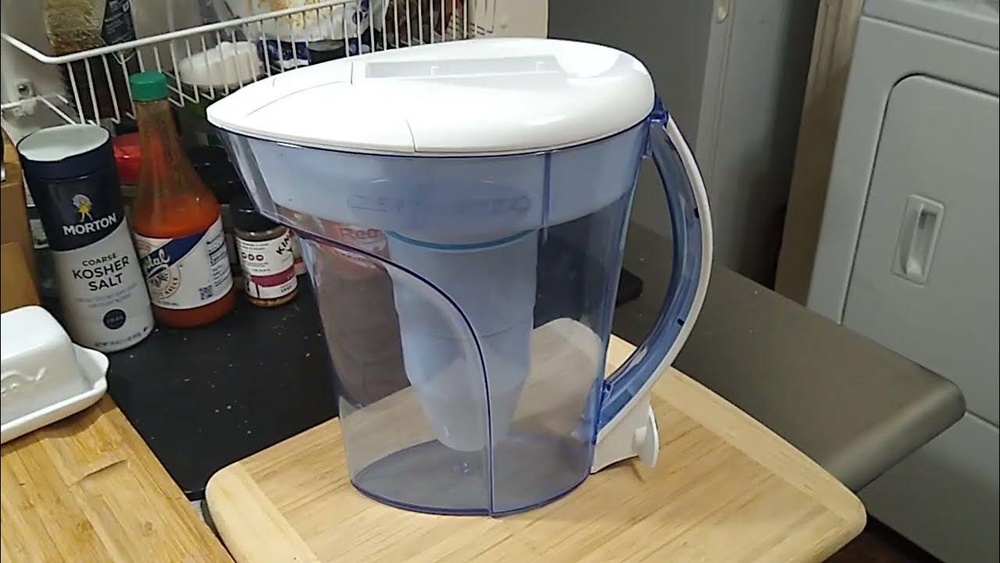
Many Zero Water pitchers have a filter life meter. This meter shows when the filter is still good or must be changed. When the meter turns red or shows “replace,” listen to the warning. Follow the indicator to keep water pure.
Visible Filter Discoloration
Look at the filter inside your pitcher. A new filter is white or light-colored. Dark or brown stains mean it trapped a lot of dirt. This visible change shows the filter is used up. Replace it to keep water clean and fresh.
Factors Affecting Filter Lifespan
Understanding the factors that affect the lifespan of your Zero Water filter helps maintain water quality. The filter’s life depends on several key elements. These elements influence how often you need to replace the filter. Paying attention to these factors extends the filter’s efficiency and ensures safe drinking water.
Water Quality And Contaminants
The quality of water affects how quickly the filter clogs. High levels of impurities make the filter work harder. More particles and chemicals block the filter faster. Hard water with minerals or water with heavy metals shortens filter life. Cleaner water lets the filter last longer.
Usage Frequency
The more you use the filter, the faster it wears out. Daily use filters need replacement sooner than occasional use. Family size and water consumption impact the filter’s lifespan. Heavy use means changing the filter more often. Light use allows the filter to last its full capacity.
Filter Model Variations
Different Zero Water filter models have varying capacities. Some filters are designed for larger volumes of water. Others suit smaller pitchers or dispensers. Always check the specific model’s lifespan guidelines. Using the right filter for your device ensures better performance and longevity.
How To Check Zero Water Filter
Knowing how to check your Zero Water filter is key to clean water. The filter removes impurities, but it loses power over time. Testing the filter helps keep your water safe and fresh. Here are simple steps to check your Zero Water filter’s condition.
Using Tds Meter
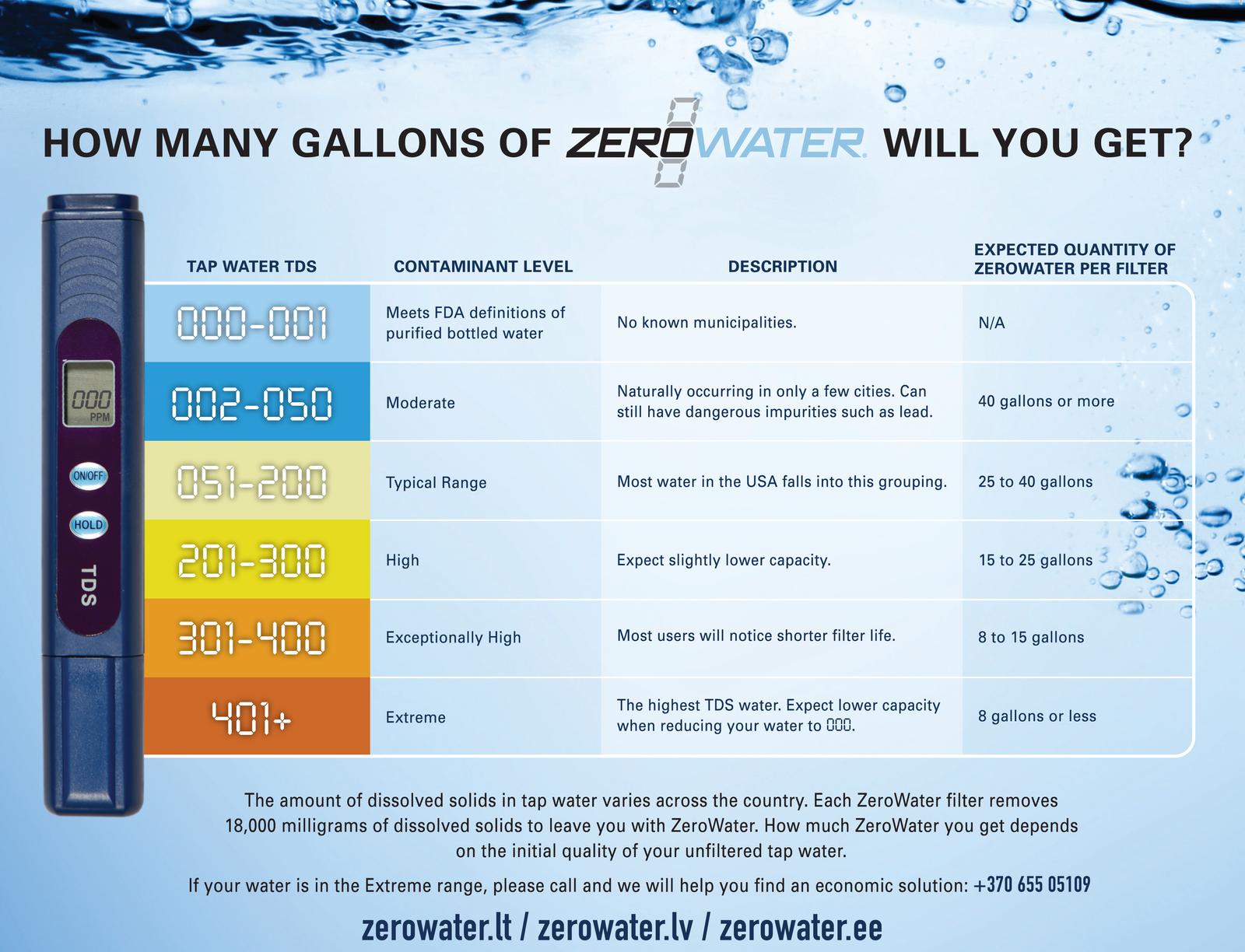
A TDS meter measures total dissolved solids in water. Lower numbers mean cleaner water. Test the water before and after filtering. If the after-filter reading is high, the filter is weak. Replace the filter when numbers rise above 006 ppm.
Visual Inspection Tips
Look at the filter for color changes. A dark or brown filter signals it is clogged. Check for any cracks or damage. Dirty filters may also have a bad smell. These signs mean the filter should be replaced soon.
Following Manufacturer Guidelines
Zero Water provides clear instructions on filter life. Follow the recommended time or volume limit. Most filters last about 40 gallons or two months. Using the filter longer may reduce water quality. Always check the user manual for exact details.
Tips For Extending Filter Life
Extending the life of your Zero Water filter saves money and ensures clean water longer. Simple habits and small steps help keep the filter working well. These tips make a big difference for your filter’s lifespan.
Pre-filtering Hard Water
Hard water contains minerals that clog filters faster. Using a pre-filter reduces these minerals before water reaches your Zero Water filter. This step lowers the strain on the filter and helps it last longer. A simple pre-filter can be installed or use water softeners.
Regular Cleaning Of Pitcher
Cleaning the pitcher regularly stops dirt and bacteria buildup. Wash the pitcher with warm, soapy water every week. Avoid harsh chemicals that might damage the plastic. Clean parts keep water fresh and help the filter work better over time.
Proper Storage Practices
Store your pitcher in a cool, dry place when not in use. Avoid direct sunlight, which can cause algae growth inside the pitcher. Always keep the lid closed to prevent dust and dirt from entering. Proper storage protects the filter and pitcher from damage.
Replacing The Filter Step-by-step
Replacing the Zero Water filter is easy and keeps your water fresh. Follow these clear steps to change your filter safely and quickly. Each step is important for the best water quality. Take your time and follow along.
Removing The Old Filter
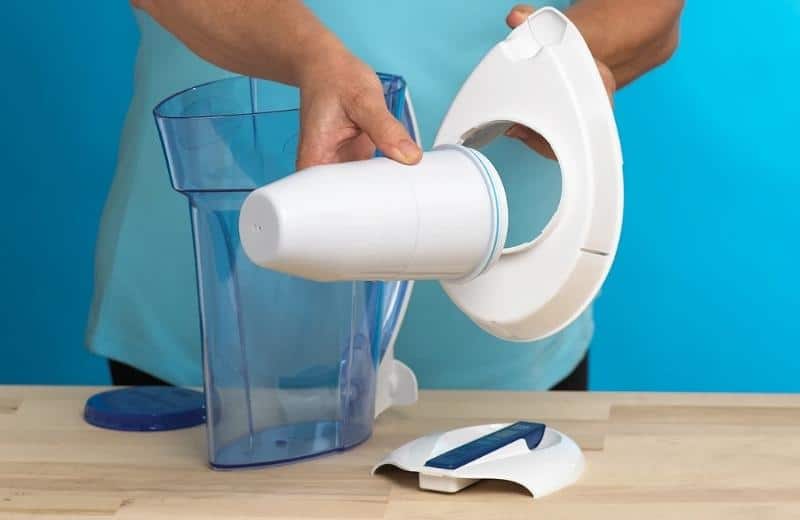
First, remove the pitcher lid. Hold the filter base firmly. Twist the old filter counterclockwise. Pull it out gently from the reservoir. Avoid spilling water. Dispose of the used filter properly.
Installing The New Filter
Take the new filter out of its packaging. Soak it in water for 5 minutes. This removes trapped air inside the filter. Place the new filter into the reservoir. Twist it clockwise until it fits tightly. Make sure it seals well to avoid leaks.
Resetting The Indicator
Replace the pitcher lid. Find the filter indicator button. Press and hold it for 5 seconds. The light will turn green or reset. This shows the new filter is ready. Track filter life with this indicator for best results.
Frequently Asked Questions
How Often Should I Replace My Zero Water Filter?
Replace your Zero Water filter every 2 to 3 months. It depends on your water usage and quality. Check the TDS meter reading to know when it’s time for a change.
What Indicates My Zero Water Filter Needs Replacement?
A high TDS reading above 006 on the meter signals replacement. Also, slow water flow or a strange taste means the filter is exhausted.
Can I Extend The Life Of My Zero Water Filter?
You can extend filter life by pre-filtering water or using it only for cold water. Avoid filtering hot or chemically treated water to preserve filter longevity.
What Happens If I Don’t Replace The Zero Water Filter Timely?
Delaying replacement reduces water quality and filter efficiency. Contaminants may pass through, affecting taste and safety. Timely replacement ensures clean, pure drinking water.
Conclusion
Replacing your Zero Water filter at the right time keeps water clean. Watch for slow flow or bad taste. These signs mean the filter needs changing. Regular replacement protects your health and saves money. Check the filter’s meter often for accurate timing.
Clean water helps your family stay healthy every day. Don’t wait too long; act as soon as you notice changes. This simple step ensures fresh, pure water at all times. Stay safe and enjoy better water with timely filter changes.
Hasan Al Sarker is a Reverse Osmosis Specialist. He has worked for many years to ensure safe drinking water for all. His research paper has been published in several journals, including Issue, Medium, and Slideshare. He is recognized as a water doctor among specialists though he did not attend medical college.
Besides working as a researcher of reverse osmosis technology, he is also very fancy with the kitchen and cooking. His guides are reading thousands of people every day. As a head of content, he is responsible for all the published articles at RO System Reviews.
Are you worried about the quality of water flowing through every tap in your home? Choosing the best whole house water filter can feel overwhelming with so many options out there.
But imagine having clean, fresh water from every faucet—no more worrying about contaminants or unpleasant tastes. You’ll discover exactly what to look for in a whole house water filter and how to pick the one that fits your needs perfectly.
Keep reading to make sure your family gets the pure, safe water they deserve.
Benefits Of Whole House Water Filters
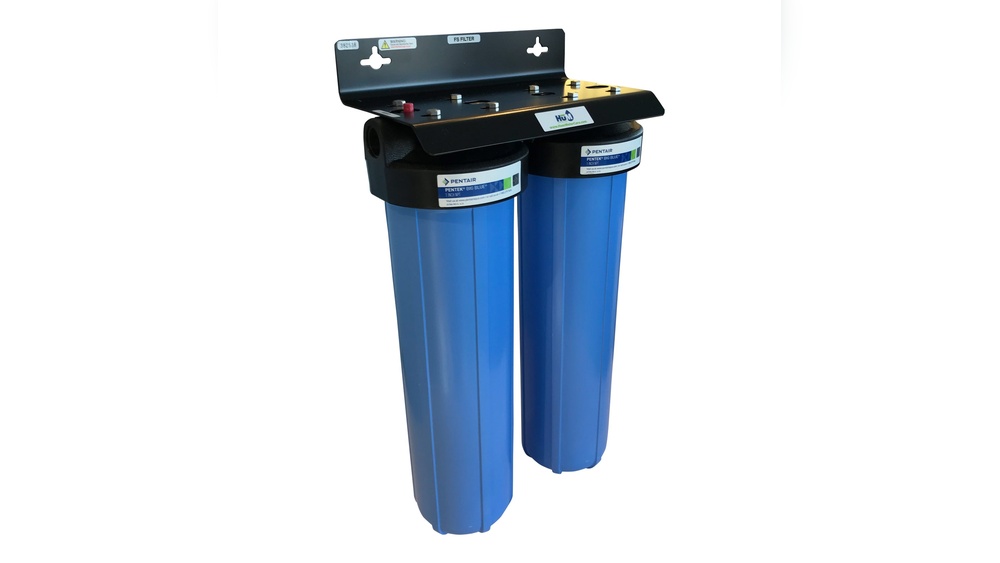
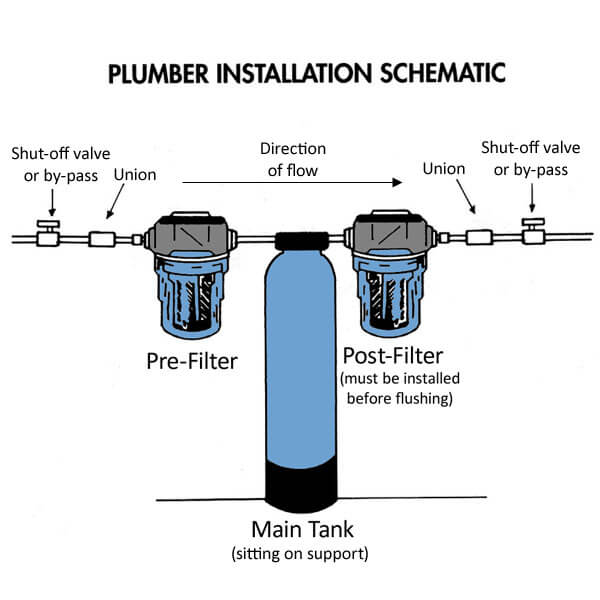
Whole house water filters improve water quality for every tap in your home. These systems remove dirt, chemicals, and bad tastes. They protect your plumbing and appliances from damage caused by hard water and sediments. A clean water supply benefits your health and daily life. Below are key benefits of using whole house water filters.
Improved Water Quality
Whole house filters remove chlorine, sediment, and other impurities. This means cleaner, clearer water for drinking and bathing. The water tastes better and smells fresher. It also prevents stains on sinks and bathtubs caused by minerals.
Health Advantages
Filtered water reduces exposure to harmful chemicals and bacteria. It supports skin health by removing irritants. Families with allergies or sensitive skin notice fewer problems. Clean water also lowers the risk of waterborne illnesses.
Cost Savings Over Time
Using a whole house filter protects pipes and appliances. This reduces repairs and replacements. Less soap and detergent are needed for cleaning. You save money on bottled water and energy bills. The system pays for itself over time.
Types Of Whole House Water Filters
Whole house water filters improve water quality for your entire home. They remove dirt, chemicals, and germs from the water supply. Different types of filters target different impurities. Choosing the right type depends on your water issues and needs.
Activated Carbon Filters
Activated carbon filters remove chlorine, bad taste, and odors. They trap chemicals and organic compounds effectively. These filters are common and affordable. They improve water smell and taste significantly.
Reverse Osmosis Systems
Reverse osmosis systems remove many contaminants, including heavy metals and salts. Water passes through a fine membrane, leaving impurities behind. These systems produce very clean water. They require more maintenance and cost more than other filters.
Ultraviolet Purifiers
Ultraviolet purifiers kill bacteria and viruses using UV light. They do not remove chemicals or sediments. These purifiers are great for homes with well water or biological contamination. They work quickly and without adding anything to the water.
Sediment Filters
Sediment filters remove sand, dirt, and rust particles. They protect other filters and appliances from damage. These filters come in different sizes and strengths. They are usually the first stage in a whole house system.
Key Features To Consider
Choosing the best whole house water filter needs careful thought. It is important to know what features matter most. This helps pick a filter that suits your home and water needs. Focus on key features that affect performance, cost, and ease of use.
Understanding these features makes the selection easier. It also ensures clean, safe water for every tap in the house.
Filter Capacity And Lifespan
Filter capacity shows how much water the system can clean before changing the filter. A bigger capacity means fewer replacements. Lifespan tells how long the filter lasts. Longer lifespan saves money and time. Check the capacity and lifespan to match your water use.
Flow Rate And Water Pressure
Flow rate is the speed water moves through the filter. High flow rate means fast water delivery. Water pressure affects flow and filter performance. The filter should keep good pressure for showers and taps. Choose a filter that fits your home’s water flow and pressure.
Installation And Maintenance
Simple installation saves time and cost. Some filters need a professional, others are DIY-friendly. Maintenance includes cleaning and changing filters. Easy maintenance means less hassle. Check what tools and skills you need for upkeep.
Certification And Standards
Certifications prove the filter meets safety and quality rules. Look for NSF or WQA marks. These show the filter removes harmful substances effectively. Certified filters ensure healthy water for your family. Always pick filters with recognized certifications.
Top Whole House Water Filters
Choosing the right whole house water filter can improve water quality throughout your home. Clean water protects pipes, appliances, and your family’s health. Different filters serve different needs, such as budget limits or specific water problems. Here are some top options to consider.
Best Overall Filter
This filter balances price, performance, and ease of use. It removes common contaminants like chlorine, sediment, and rust. Most homes benefit from its reliable filtration system. Installation is simple and it requires low maintenance.
Best Budget Option
This choice offers basic filtration at a low cost. It effectively reduces sediment and improves water taste. Ideal for renters or small homes on a budget. It has a compact design and easy filter changes.
Best For Hard Water
This filter targets minerals causing hard water issues. It helps prevent scale buildup in pipes and appliances. Water feels softer and cleaner after treatment. Regular use extends the life of your plumbing system.
Best For Well Water
This model handles common well water problems like iron, sulfur, and bacteria. It uses multiple filtration stages for thorough cleaning. It ensures safe water for drinking, cooking, and bathing. Built to last with durable materials.
Best High-capacity Model
This filter suits large households or homes with high water use. It holds more contaminants before needing replacement. Provides consistent water quality without frequent maintenance. Its strong filter media captures a wide range of pollutants.
Installation Tips
Installing a whole house water filter is a key step to improve water quality. Proper installation ensures the system works well and lasts long. Careful planning helps avoid problems and saves time.
Professional Vs Diy Installation
Professional installation guarantees correct setup and safety. Experts know plumbing and electrical codes. They avoid mistakes that cause leaks or damage.
DIY installation saves money but needs some skills. Follow the instructions carefully. Use the right tools and parts. Know your home’s plumbing system well before starting.
Location Considerations
Choose a dry, accessible spot for your filter. Near the main water line is best. Avoid places with extreme temperatures or direct sunlight. Leave space for future filter changes and maintenance.
Maintenance Schedule
Regular maintenance keeps the filter working well. Check the manual for how often to replace cartridges. Clean the system parts as recommended. Set reminders to avoid forgetting important tasks.
Common Problems And Solutions
Whole house water filters improve water quality for your entire home. Despite their benefits, some common problems can arise. Knowing these issues helps you fix them quickly. This section covers typical problems and easy solutions.
Low Water Pressure
Low water pressure often happens after installing a water filter. The filter may block water flow if clogged or too fine. Check the filter screen for dirt or debris. Clean or replace filters regularly to keep pressure steady. Choose filters with larger pores for better flow.
Filter Replacement Issues
Replacing filters can be tricky without instructions. Filters must fit properly to avoid leaks or poor filtration. Mark replacement dates on a calendar to avoid delays. Use genuine parts to ensure proper function. Always turn off water before changing filters to prevent mess.
Water Taste And Odor Problems
Bad taste or smell may not go away right after installation. Filters need time to work fully, sometimes a few days. If problems persist, check filter type matches water issues. Replace old filters that no longer remove contaminants. Clean the system to prevent mold or bacteria buildup.
Comparing Whole House Filters To Point-of-use Systems
Choosing the right water filter for your home depends on your needs and preferences. Whole house filters and point-of-use systems serve different purposes. Understanding their differences helps in making the best choice for clean water.
Coverage And Convenience
Whole house filters clean water at the main entry point. This means all taps and appliances get filtered water. No need to install multiple filters. Point-of-use systems filter water at one spot, like the kitchen sink. This limits filtered water to that location only. Whole house filters offer more convenience for the entire home.
Cost Differences
Whole house filters usually cost more upfront. Installation can be complex and may need a professional. Point-of-use systems are cheaper and easier to install. They target specific water needs, saving money on unnecessary filtering. Over time, whole house filters may save money by protecting pipes and appliances.
Effectiveness
Whole house filters remove sediments, chlorine, and some chemicals from all water sources. They improve water quality everywhere in the house. Point-of-use systems often provide more thorough filtration. They can remove specific contaminants like lead or bacteria. Choosing depends on which contaminants matter most for your water.
Frequently Asked Questions
What Is A Whole House Water Filter?
A whole house water filter cleans all water entering your home. It removes contaminants like sediment, chlorine, and chemicals. This improves water quality for drinking, cooking, and bathing.
How Do I Choose The Best Whole House Water Filter?
Choose based on water quality, filter type, and flow rate. Test your water to identify contaminants. Select filters that target those specific impurities for best results.
How Often Should I Replace Whole House Water Filters?
Filter replacement depends on usage and water quality. Typically, replace every 6 to 12 months. Regular replacement ensures optimal filtration and prevents clogging or reduced water flow.
Can Whole House Filters Remove Lead And Chlorine?
Yes, many whole house filters effectively remove lead and chlorine. Look for filters with activated carbon and specific media certified for these contaminants. This ensures safer, better-tasting water throughout your home.
Conclusion
Choosing the best whole house water filter depends on your needs. Think about water quality, budget, and maintenance. A good filter keeps water clean and safe for your family. It also protects pipes and appliances from damage. Take time to compare features and reviews.
Clear, fresh water is worth the effort. Start with a filter that fits your home and lifestyle. Clean water brings peace of mind every day.
Hasan Al Sarker is a Reverse Osmosis Specialist. He has worked for many years to ensure safe drinking water for all. His research paper has been published in several journals, including Issue, Medium, and Slideshare. He is recognized as a water doctor among specialists though he did not attend medical college.
Besides working as a researcher of reverse osmosis technology, he is also very fancy with the kitchen and cooking. His guides are reading thousands of people every day. As a head of content, he is responsible for all the published articles at RO System Reviews.
Are you ready to enjoy fresh, clean water right from your tap? Installing a Zero Water filter is easier than you might think, and it can make a big difference in your daily hydration.
Whether you want to improve the taste of your water or reduce harmful contaminants, this guide will walk you through every step. By the end, you’ll have your Zero Water filter set up quickly and correctly—so you can start drinking better water immediately.
Let’s dive in and get your filter ready!
Choosing The Right Zero Water Filter
Choosing the right Zero Water filter is important for clean and fresh water. This guide helps you pick the best model for your needs. Knowing the options and what to consider makes the choice simple and smart.
Different Models Available
Zero Water offers several filter models. Each fits different water needs and container sizes. Some filters work for pitchers, others for dispensers or bottles. Pitcher filters are good for small families. Dispenser filters suit larger households or offices. Bottle filters are best for on-the-go use. Each model removes 99.6% of dissolved solids for pure water.
Factors To Consider Before Purchase
Think about water usage before buying a filter. How much water do you drink daily? Consider the filter’s capacity and lifespan. Check how often you must replace the filter. Replacement frequency affects cost and convenience. Also, consider the water source. Some filters work better with hard or soft water. Size and design matter too. Choose a model that fits your kitchen space. Easy-to-use filters save time and effort.
Preparing For Installation
Preparing for the installation of your Zero Water Filter is the first step to ensure clean drinking water. Proper preparation saves time and avoids mistakes during the setup. It helps the filter work better and last longer.
Gathering Necessary Tools
Start by collecting all tools needed for installation. Most Zero Water Filters require no special tools. Usually, you only need a clean cloth and access to running water. Check the filter package for any extra items. Having everything ready prevents interruptions.
Cleaning The Filter Components
Clean all parts before assembling the filter. Rinse the filter pitcher and lid with warm water. Avoid using soap or detergents on the filter itself. Wipe the outside surfaces with a damp cloth. Clean parts reduce the risk of contamination and improve water taste.
Step-by-step Installation Guide
Installing a Zero Water filter is simple. Follow these steps for a smooth setup. This guide helps ensure clean water quickly.
Removing The Old Filter
First, remove the pitcher lid. Then, take out the old filter from the reservoir. Dispose of the old filter properly. Rinse the reservoir with clean water to clear any residue.
Installing The New Zero Water Filter
Take the new filter out of its packaging. Soak it in cold water for 10 to 15 minutes. This step helps activate the filter. Insert the wet filter into the reservoir. Push it down gently but firmly until it fits snugly.
Securing And Testing The Installation
Place the reservoir back into the pitcher. Put the lid on securely. Pour cold tap water slowly into the reservoir. Wait as the water filters through. Check for any leaks or loose parts. The water should taste fresh and clean.
Maintaining Your Zero Water Filter
Maintaining your Zero Water Filter is key for clean, fresh water. Proper care helps the filter work well and last longer. Simple steps keep your water tasting great and safe to drink.
Regular maintenance saves money and avoids problems. Follow these easy tips to keep your Zero Water Filter in top shape.
Cleaning Tips
Clean the pitcher and reservoir every week. Use warm, soapy water for best results. Avoid harsh chemicals that can damage the filter.
Rinse all parts well to remove soap. Dry with a clean cloth before reassembling. This prevents mold and keeps water fresh.
Wipe the lid and spout daily. This stops dirt and germs from building up. Clean hands help too.
Filter Replacement Schedule
Replace the filter after it reaches its limit. Usually, this is about 40 gallons or two months. The TDS meter on the lid shows when to change it.
Do not wait too long to replace the filter. Old filters lose their ability to remove contaminants. This affects water quality and taste.
Keep extra filters on hand for quick replacement. Changing filters on time ensures safe, clean water every day.
Troubleshooting Common Issues
Troubleshooting common issues with your Zero Water Filter helps keep it working well. Some problems are easy to fix. This guide covers the most frequent issues. It helps you enjoy clean water without stress.
Low Water Flow
Low water flow is a common complaint. It can happen if the filter clogs. Check the filter for dirt or debris. Rinse the filter under cold water to clear it.
Make sure the filter is installed correctly. A loose fit can reduce flow. Tighten the filter by turning it clockwise until snug. Avoid over-tightening to prevent damage.
Water pressure in your home also affects flow. Low pressure means slower water through the filter. Try using the filter in another faucet to test pressure.
Filter Life Indicator Problems
The filter life indicator may not work right sometimes. It might show the wrong status or not change at all. This can happen if the indicator is dirty. Wipe it gently with a soft cloth.
Reset the indicator by following the product instructions. Usually, pressing a button or twisting the indicator helps. If it still does not work, the sensor may be faulty.
Using tap water instead of filtered water near the sensor can confuse it. Keep the area clean and dry. Contact customer support if problems continue.
Frequently Asked Questions
How Do I Start Installing A Zero Water Filter?
Begin by rinsing the filter with cold water. Then, assemble the filter components. Place the filter into the pitcher and fill it with tap water.
How Often Should I Replace The Zero Water Filter?
Replace the filter every 2 to 3 months. Change it sooner if the water tastes off or flow slows down.
Can I Use Zero Water Filter With Any Pitcher?
No, Zero Water Filters are designed specifically for Zero Water pitchers. Using other pitchers may cause leaks or poor filtration.
How To Test If My Zero Water Filter Works?
Use the TDS meter included with your pitcher. Test water before and after filtering. Lower TDS indicates effective filtration.
Conclusion
Installing a Zero Water filter is simple and quick. Follow each step carefully for best results. Clean water means better health and taste at home. Change the filter regularly to keep water pure. Enjoy fresh, clear water every day without hassle.
This guide helps you get started easily. Now, you can trust your water quality. Stay hydrated with confidence and ease.
Hasan Al Sarker is a Reverse Osmosis Specialist. He has worked for many years to ensure safe drinking water for all. His research paper has been published in several journals, including Issue, Medium, and Slideshare. He is recognized as a water doctor among specialists though he did not attend medical college.
Besides working as a researcher of reverse osmosis technology, he is also very fancy with the kitchen and cooking. His guides are reading thousands of people every day. As a head of content, he is responsible for all the published articles at RO System Reviews.

:max_bytes(150000):strip_icc()/GettyImages-183893581-b546ff8c468a4849a9898f902474064e.jpg)