
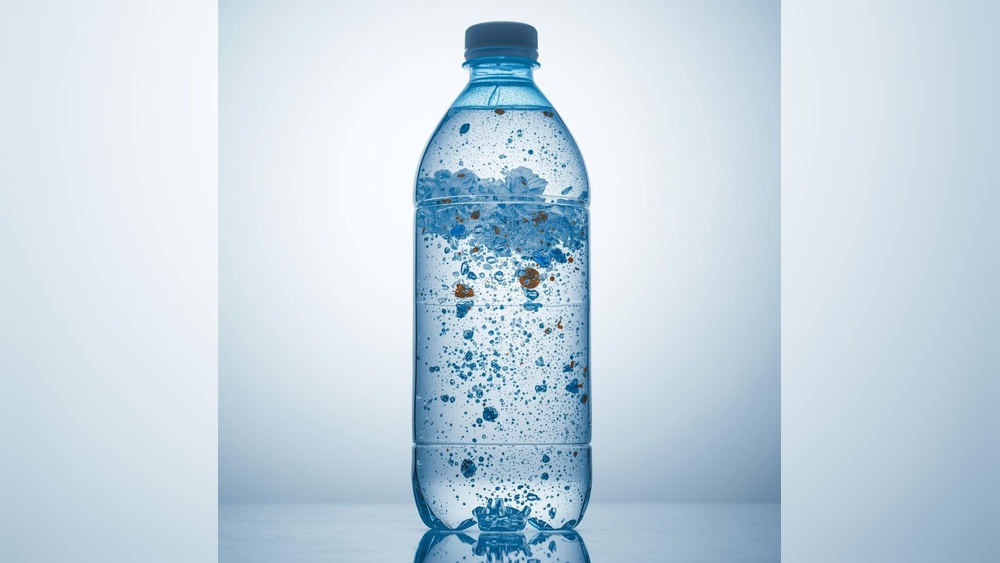
Most people use plastic bottles for storing and drinking water every day. It seems simple and safe, but have you ever wondered what really happens when water sits in plastic bottles for days, weeks, or even months? As someone who has studied water safety and plastic materials for years, I can tell you there is much more going on than meets the eye.
From chemical leaching to taste changes, and even potential health risks, the story is both fascinating and important for anyone who cares about clean drinking water.
In this article, I will break down how water and plastic interact, what changes can occur over time, and why it matters for your health. I will also share clear signs you should watch for, plus steps to keep your water safe and fresh.
You will find solid data, practical tips, and real-world examples to help you make smart choices about bottled water storage.
Understanding Water In Plastic Bottles
Plastic bottles are usually made from polyethylene terephthalate (PET) or high-density polyethylene (HDPE). These plastics are chosen because they are lightweight, strong, and relatively cheap to produce. However, they are not completely inert. When water sits inside these bottles, a slow exchange can occur between the plastic and the water.
The main concern is chemical leaching. Over time, small amounts of chemicals from the plastic can move into the water. These chemicals include antimony, bisphenol A (BPA), and phthalates, depending on the type of plastic. Factors like heat, sunlight, and storage time speed up this process.
How Chemical Leaching Works
Chemical leaching happens when molecules from the plastic break free and dissolve into the water. This process is slow at first but speeds up with heat and time. For example, a study found that PET bottles can release up to 0.05 mg/L of antimony after sitting for three months at room temperature. If the bottle is left in direct sunlight or high temperatures, leaching can increase up to three times faster.
Here is a summary of how different conditions affect chemical leaching:
| Factor | Impact on Leaching | Measured Increase |
|---|---|---|
| Room Temperature (25°C) | Slow leaching | 0.05 mg/L antimony after 3 months |
| High Temperature (50°C) | Fast leaching | 0.15 mg/L antimony after 3 months |
| Exposure to Sunlight | Very fast leaching | Up to 3x more chemicals |
Why This Matters For Your Health
Most bottled water brands claim their products are safe, but research shows that long-term exposure to chemicals like antimony and BPA could harm your health. Antimony is linked to problems with the stomach and lungs, while BPA can affect hormones. The World Health Organization (WHO) sets a guideline of 0.005 mg/L for antimony in drinking water. Some bottled water samples stored for months have come close to or even exceeded this limit.
Even if you drink bottled water only occasionally, it is important to know that these chemicals build up slowly in your body. People who reuse bottles or store them in cars during summer are at higher risk.
Practical Examples: What Really Happens
Let’s look at a few real-life scenarios to see what actually happens:
- Water left in a car: If you leave a plastic water bottle in your car on a hot day (above 40°C), you can expect chemical levels to rise quickly. A study in Arizona found that antimony levels in PET bottles doubled after just one week in a parked car.
- Bottled water stored at home: When bottles are kept in cool, dark places, chemical leaching is much slower. However, after six months, taste changes are often noticeable. Some people report a plastic or stale flavor.
- Reusing plastic bottles: Many people refill single-use bottles. After repeated use and washing, micro-cracks form in the plastic, increasing the risk of chemical leaching and bacterial growth.

Credit: www.townandcountrytoday.com
Signs Your Bottled Water Is No Longer Safe
It is not always easy to tell when water has gone bad, but there are warning signs:
- Strange taste: Water tastes bitter, plasticky, or stale.
- Unusual smell: A chemical or musty odor.
- Cloudiness: Water that should be clear appears cloudy or has floating particles.
- Bottle deformation: The bottle feels softer, looks warped, or has changed color.
If you notice any of these signs, it is best to avoid drinking the water.
Step By Step: Keeping Bottled Water Safe
You can reduce risks and keep your water fresh by following these steps:
- Check the expiration date: Most bottled water has a shelf life of 1-2 years. Always use it before this date.
- Store in a cool, dark place: Heat and sunlight speed up chemical leaching. Keep bottles away from windows and cars.
- Avoid reusing single-use bottles: They are not designed for repeated use. Instead, use bottles labeled BPA-free and made for reuse.
- Inspect bottles before drinking: Look for cracks, soft spots, or discoloration.
- Finish opened bottles quickly: Once opened, use the water within a few days.

Credit: www.vecteezy.com
Common Problems And Solutions
Problem: Bad Taste Or Smell
Solution: Discard the water. Do not try to mask the taste with flavorings, as the underlying chemical contamination can still be harmful.
Problem: Cloudy Water
Solution: This may indicate bacterial growth or plastic breakdown. Never drink cloudy water from plastic bottles.
Problem: Bottle Left In Hot Car
Solution: Even if the water looks fine, heat speeds up leaching. Replace the bottle and do not drink from it.
Problem: Reusing Bottles For Months
Solution: Switch to a reusable, BPA-free bottle. Regularly wash it with hot, soapy water and let it dry completely.
Problem: Expired Bottled Water
Solution: While water itself does not expire, the plastic can degrade. Always use water before the printed expiration date.
Maintenance Tips For Bottled Water Storage
- Rotate stock: Use older bottles first and regularly check expiration dates.
- Keep bottles sealed: Opened bottles allow air and bacteria inside.
- Clean storage areas: Dust and dirt can contaminate bottle surfaces.
- Avoid freezing: Freezing can crack plastic, allowing more chemicals to leach.
- Choose safer plastics: Look for bottles marked PET or HDPE, and avoid those labeled with recycling codes 3 or 7.
Key Data At A Glance
Here is a quick comparison of how water quality changes in plastic bottles under different conditions:
| Storage Condition | Expected Shelf Life | Main Risks |
|---|---|---|
| Cool, dark place | 12-24 months | Slow chemical leaching, mild taste change |
| Exposed to sunlight | 1-3 months | Fast chemical leaching, plastic taste |
| Hot car | 1-2 weeks | Very fast leaching, possible bacterial growth |
| Reused single-use bottle | Not recommended | High risk of chemicals and bacteria |
Frequently Asked Questions
How Long Can I Safely Store Water In A Plastic Bottle?
Unopened bottled water kept in a cool, dark place can last up to two years. However, for best quality, use it within 12 months and always check for signs of spoilage.
Is It Dangerous To Drink Water From A Bottle Left In A Hot Car?
Yes, heat speeds up chemical leaching from the plastic. Even if the water looks and smells normal, it may contain unsafe levels of chemicals such as antimony or BPA.
Can I Reuse Plastic Water Bottles?
Single-use bottles are not designed for reuse. They can develop cracks and release more chemicals over time. If you need to reuse, choose bottles labeled BPA-free and made for multiple uses.
Why Does My Bottled Water Taste Like Plastic After A While?
This is usually caused by chemical leaching from the plastic into the water. Heat, sunlight, and long storage times make this problem worse.
Is There A Safer Alternative To Plastic Bottles?
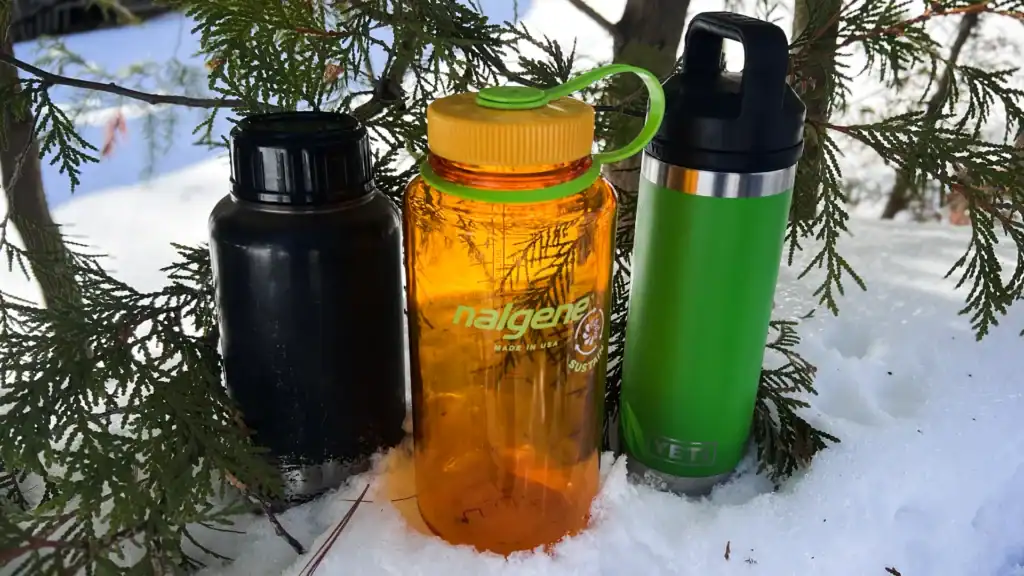
Yes, stainless steel or glass bottles do not leach chemicals and are reusable. If you must use plastic, look for PET or HDPE bottles and avoid exposing them to heat.
Credit: bushlife.ca
Key Takeaway
Water stored in plastic bottles is not as simple as it seems. Time, temperature, and bottle quality all affect water safety. For the best health, store water in cool, dark places, avoid reusing single-use bottles, and watch for signs of spoilage.
Being informed helps you protect yourself and your family from hidden risks.
For more detailed safety information, you can visit the World Health Organization and Centers for Disease Control and Prevention websites. These resources offer up-to-date research and best practices for safe water storage. Stay aware, make smart choices, and your bottled water will be both safe and refreshing.

Hasan Al Sarker is a Reverse Osmosis Specialist. He has worked for many years to ensure safe drinking water for all. His research paper has been published in several journals, including Issue, Medium, and Slideshare. He is recognized as a water doctor among specialists though he did not attend medical college.
Besides working as a researcher of reverse osmosis technology, he is also very fancy with the kitchen and cooking. His guides are reading thousands of people every day. As a head of content, he is responsible for all the published articles at RO System Reviews.