Staying hydrated is often mentioned in weight loss advice, but many people overlook how powerful drinking water can be for reducing weight. Based on my years of experience coaching clients, I have seen that understanding the real impact of water on weight loss can make a big difference. This article will guide you through the science, practical steps, and expert tips for using water effectively to support your weight loss goals.
Understanding The Role Of Water In Weight Loss
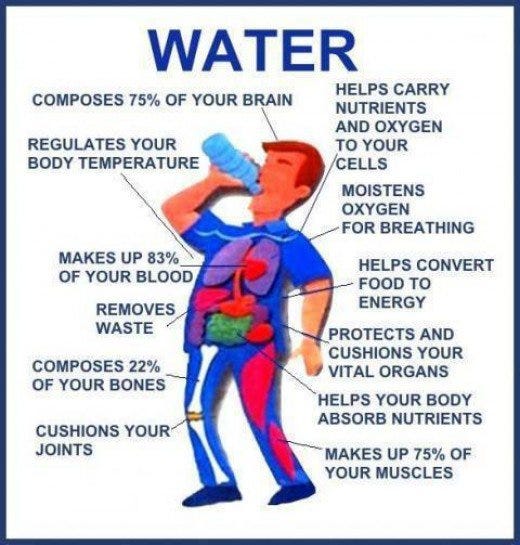
Many studies show that water supports key body functions that affect weight. Water makes up 50 to 60 percent of an adult’s body. It is involved in digestion, metabolism, and temperature control. When you do not drink enough water, your metabolism may slow down, and you might feel tired.
This can make it harder to stay active and burn calories.
Research from the journal Obesity shows that people who drank 500 ml (about 17 ounces) of water before meals lost up to 44 percent more weight over 12 weeks compared to those who did not increase their water intake. Water is more than a thirst-quencher—it is a real tool for weight management.
How Water Supports Weight Loss
Water helps weight loss in several important ways. Here are the main mechanisms:
1. Boosts Metabolism
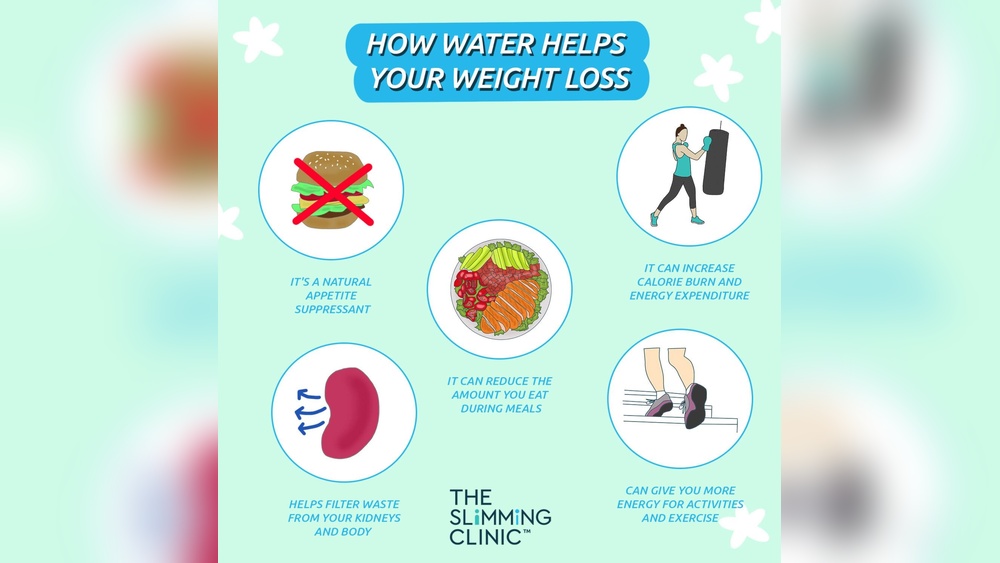
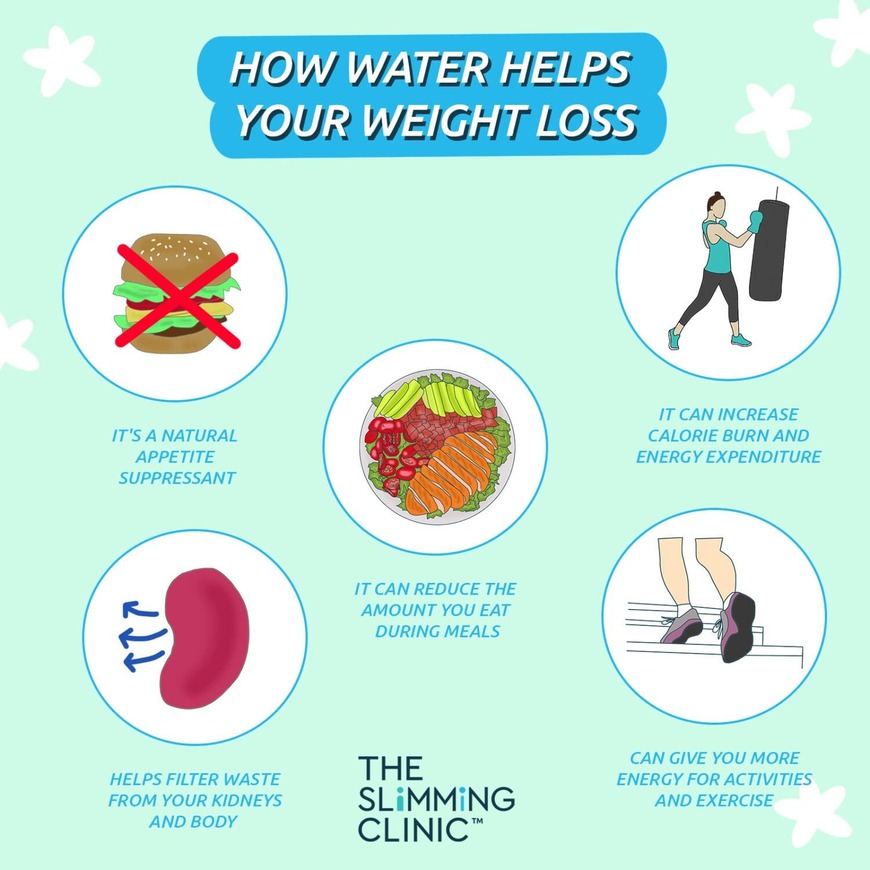
Drinking water can temporarily increase your metabolism. This effect is called water-induced thermogenesis. After drinking about 500 ml of water, your body’s energy use can rise by 24–30 percent for up to an hour. For example, if your normal resting energy burn is 1,500 calories per day, drinking water could help you burn an extra 60 calories per day.
2. Reduces Appetite And Calorie Intake
Many people mistake thirst for hunger. When you are dehydrated, your body may send signals that make you want to eat, even if you are not truly hungry. Drinking a glass of water before meals can help you feel fuller, so you are likely to eat less. This small change can reduce your overall calorie intake and support steady weight loss.
3. Replaces Sugary Drinks
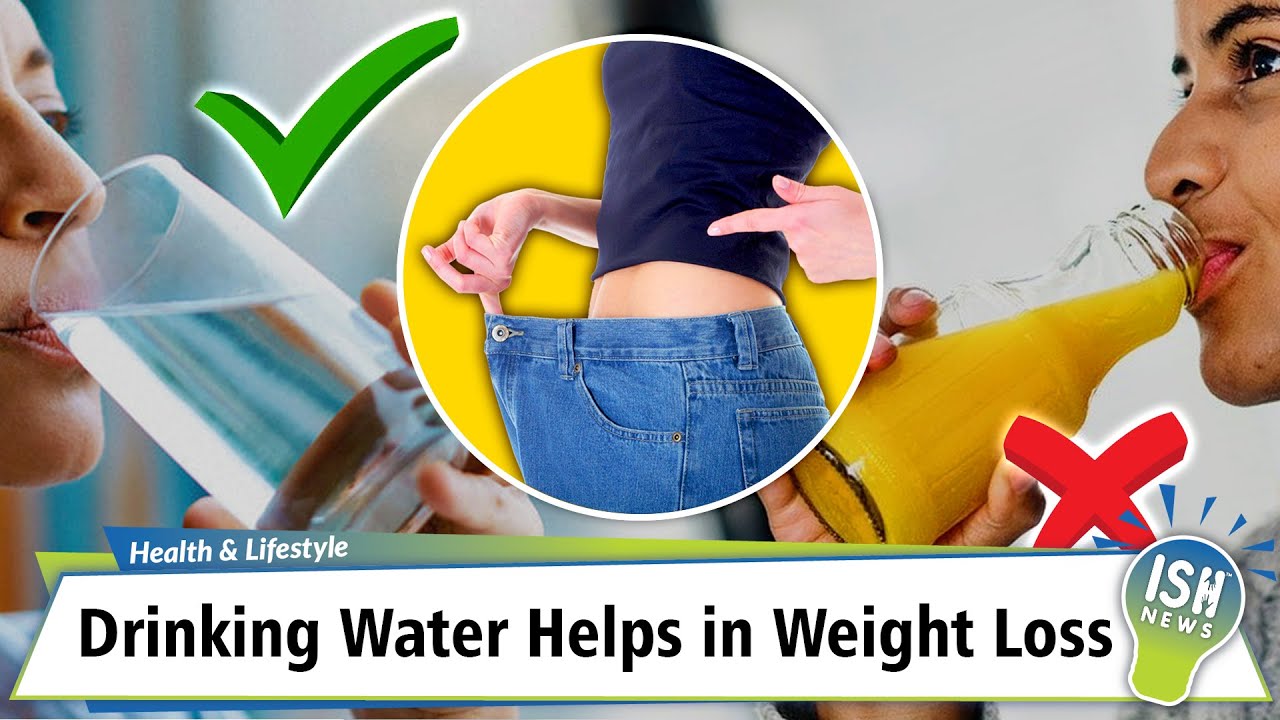
Switching from soda or juice to water can cut a lot of extra calories. A can of soda has about 140 calories and 39 grams of sugar. If you usually drink two cans per day and switch to water, you could cut 280 calories daily, which equals nearly 1,960 calories a week. Over time, this change alone can lead to steady weight loss.
4. Supports Exercise Performance
Hydration is key for effective workouts. When you are well-hydrated, your muscles work better, and you can exercise longer. This means you burn more calories and build more muscle, both of which help with weight loss.
5. Improves Digestion
Water helps break down food so your body can absorb nutrients. Good hydration also prevents constipation, which can sometimes cause temporary weight gain from water retention and bloating.
Why Water Intake Matters For Weight Loss
The amount of water you drink can directly affect your results. The Institute of Medicine recommends about 2.7 liters (91 ounces) for women and 3.7 liters (125 ounces) for men per day from all drinks and food. However, individual needs vary based on activity level, climate, and health.
Drinking enough water helps your body:
- Use fat for energy (fat oxidation)
- Remove waste and toxins
- Maintain good muscle function
- Prevent unnecessary snacking
Below is a summary of how water affects weight loss in practical terms.
| Water Habit | Estimated Calorie Impact Per Day | Weight Loss Effect Over 1 Month |
|---|---|---|
| Drinking 500 ml before meals | 40–60 calories burned | 0.5 kg (1.1 lbs) lost |
| Switching 2 sodas to water | 280 calories saved | 1.1 kg (2.4 lbs) lost |
| Staying hydrated during workouts | More calories burned | Better performance and muscle gain |
Practical Examples: How To Use Water For Weight Loss
Let me share a few examples from real clients and research:
- Jane, a 35-year-old office worker, lost 6 pounds in two months by drinking a glass of water before every meal and replacing her afternoon soda with water.
- In one study, overweight adults who increased their daily water intake by 1.5 liters (about 6 cups) lost an extra 2 kg (4.4 lbs) over 12 weeks, without any other diet changes.
- Athletes who drank water regularly during exercise sessions burned more fat and maintained muscle mass better than those who started out even slightly dehydrated.
What these examples show is that small, consistent changes in water habits can add up to real results.
Signs You Need More Water
You might not always feel thirsty when your body needs more water. Here are some signs to watch for:
- Dry mouth or lips
- Dark yellow urine
- Headaches
- Low energy
- Constipation
- Feeling hungry soon after eating
If you notice any of these signs, try increasing your water intake for a few days and observe the difference.
Step-by-step Guidance For Using Water To Lose Weight
Here is a simple plan you can start today:
1. Calculate Your Daily Water Needs
Multiply your weight in kilograms by 0. 03. For example, if you weigh 70 kg, aim for about 2. 1 liters (70 x 0. 03 = 2. 1).
2. Drink A Glass Of Water Before Each Meal
This helps you feel full and may reduce your portion size.
3. Carry A Reusable Water Bottle
Keep it on your desk or in your bag. Refill it throughout the day.
4. Replace At Least One Sugary Drink With Water
If you drink soda, juice, or sweet tea, switch one serving per day to plain or sparkling water.
5. Drink Water During And After Exercise
For every 30 minutes of activity, drink at least 200–250 ml of water.
6. Flavor Your Water Naturally If Needed
Add lemon, cucumber, or mint for taste without extra calories.
7. Monitor Your Urine Color
Pale yellow usually means you are hydrated. Dark yellow means drink more.
8. Set Reminders
Use your phone or watch to remind you to sip water regularly.
9. Check Your Progress Weekly
Track your weight, energy, and how you feel. Adjust water intake as needed.
Credit: www.ctcd.edu
Common Problems And Solutions
Even with good intentions, some people face obstacles. Here are the most common problems and what you can do:
Problem: Forgetting To Drink Water
Solution:
Set phone alarms, keep a bottle within reach, or use apps that track water intake.
Problem: Not Liking The Taste Of Water
Solution:
Try adding a slice of lemon, orange, or a few berries for flavor. Cold water can taste better for some people.
Problem: Frequent Bathroom Trips
Solution:
This is normal at first. Your body will adjust within a few days. Try to spread your water intake evenly throughout the day.
Problem: Confusing Thirst With Hunger
Solution:
When you feel hungry, drink a glass of water first. Wait 10–15 minutes. If you are still hungry, have a healthy snack.
Problem: Drinking Too Much Water (water Intoxication)
Solution:
While rare, drinking more than 4–5 liters in a short time can be dangerous. Stick to recommended amounts, and listen to your body.
Maintenance Tips For Long-term Success
To keep seeing results, make these water habits part of your daily routine:
- Start every morning with a glass of water.
- Pair water drinking with other habits, like brushing your teeth or meal prep.
- Refill your water bottle whenever it is empty.
- Track your intake using a simple chart or app.
- Adjust your water needs during hot weather or intense exercise.
With time, these habits become automatic, and your body will thank you with better energy and improved weight management.
Credit: medium.com
Key Information Summary
Here is a quick summary of the most important points for using water to help with weight loss.
| Action | Benefit | Estimated Results |
|---|---|---|
| Drink water before meals | Reduces appetite | Eat 50–100 fewer calories per meal |
| Replace sugary drinks | Lowers calorie intake | Lose 0.5–1 kg per month |
| Stay hydrated for workouts | Burn more calories | Improved exercise results |
Frequently Asked Questions
How Much Water Should I Drink For Weight Loss?
Most adults should aim for 2–3 liters per day, but needs can vary. A good rule is to drink enough so your urine is pale yellow. You can also use your body weight as a guide: 30–35 ml per kg per day.
Can I Drink Too Much Water?
Yes, drinking too much water very quickly can be dangerous and may cause a condition called hyponatremia. Stick to recommended amounts, and spread your intake over the day.
Does Drinking Cold Water Burn More Calories?
Drinking cold water does use a small amount of energy as your body warms it up, but the effect is minor—about 5–10 extra calories per glass. The main benefit is staying hydrated.
Is Sparkling Water As Good As Plain Water?
Yes, as long as it has no added sugar or sweeteners. Sparkling water hydrates you just like plain water and can be a good option if you prefer bubbles.
Can I Count Tea Or Coffee As Water?
Unsweetened tea and black coffee do count toward your daily water intake. However, avoid adding sugar or cream, as these add extra calories.
Credit: theslimmingclinic.com
Key Takeaway
Drinking enough water is a simple and effective way to help with weight loss. It works by boosting your metabolism, reducing appetite, and making it easier to avoid high-calorie drinks. Even small changes in your water routine can add up to real results over time. For more science-backed details, see this National Institutes of Health study and the CDC’s healthy hydration guide. Start today, track your progress, and see how proper hydration can support your weight loss journey.

Hasan Al Sarker is a Reverse Osmosis Specialist. He has worked for many years to ensure safe drinking water for all. His research paper has been published in several journals, including Issue, Medium, and Slideshare. He is recognized as a water doctor among specialists though he did not attend medical college.
Besides working as a researcher of reverse osmosis technology, he is also very fancy with the kitchen and cooking. His guides are reading thousands of people every day. As a head of content, he is responsible for all the published articles at RO System Reviews.