
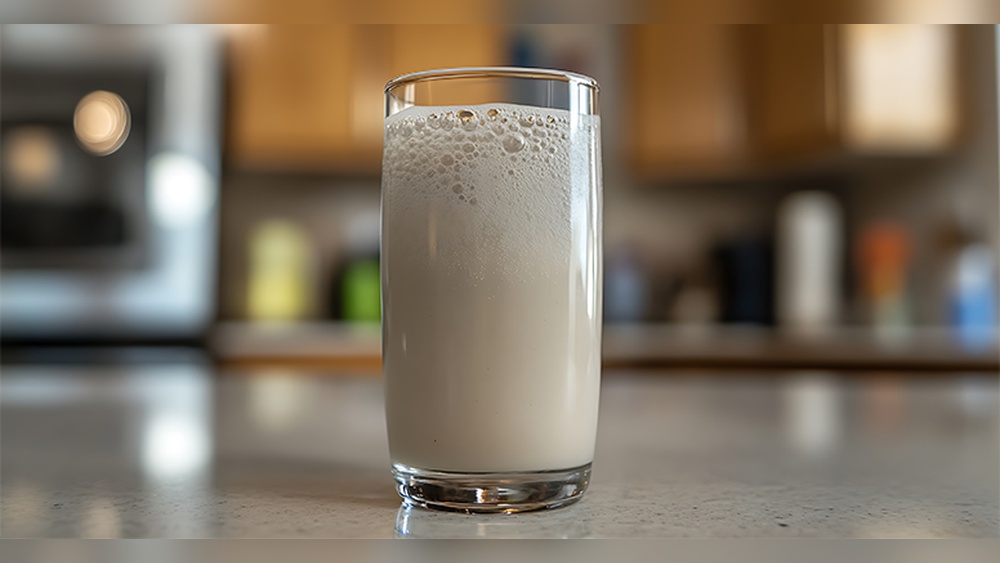
Many people notice their tap water turns milky or cloudy at times. This can happen suddenly and might cause concern. As someone who has worked in water quality labs and managed municipal water systems, I’ve seen this issue many times and know how to address it. Understanding why water looks milky helps you respond calmly and keep your water safe.
Milky water is not just a simple visual problem. It can signal changes in your supply, plumbing, or even the weather. Let’s explore what causes milky water, how it happens, why you should care, and what you can do about it.
What Causes Water To Look Milky
The milky appearance in water, also called “cloudy water” or “white water,” is usually due to small bubbles or particles. These affect how light passes through the water, making it look less clear.
Main Causes
1. Air Bubbles
Most often, milky water is caused by tiny air bubbles trapped in the water. These bubbles scatter light, making the water look cloudy. This is common after changes in pressure or temperature.
2. Suspended Particles
Fine particles, such as calcium carbonate, sand, or even rust, can make water look milky. These particles are usually harmless but may indicate issues in the pipes.
3. Chemical Reactions
Sometimes, water treatment chemicals react with minerals in the water, creating a cloudy effect. For example, adding chlorine to water with high calcium levels can cause a temporary milky look.
4. Microbial Growth
Rarely, certain bacteria can cause water to look cloudy. This is more common in wells or poorly maintained systems.
5. Temperature Changes
Cold water holds more air. When it warms up, the air escapes as bubbles, making the water look milky. This happens often in winter.
How Milky Water Happens
Milky water is usually a result of physical changes rather than contamination. When water is under pressure in pipes, air dissolves into it. As the water flows out of your tap, the pressure drops, and the air forms small bubbles.
These bubbles are very small—often less than 0. 1 mm in diameter. They scatter light, giving a cloudy look. If you let the water sit, the bubbles rise and disappear within a few minutes.
In other cases, suspended solids or minerals enter the water. For example, after plumbing work or when water flows faster than usual, particles can be stirred up.
Why It Matters
Cloudy water usually does not pose a health risk if caused by air bubbles or harmless particles. However, it can be a sign of other issues:
- Pipe corrosion: Rust particles can point to aging pipes.
- Water treatment failures: Unexpected cloudiness could signal problems at the water plant.
- Microbial contamination: Rare but serious, cloudy water from bacteria should be tested.
In most cities, water is tested daily for safety. For example, EPA data shows that over 90% of public water systems in the US meet quality standards.
Practical Examples
Let’s look at real situations:
- Winter tap water: In cold months, tap water often looks milky. This is due to higher air solubility in cold water.
- After plumbing repairs: Water may appear cloudy for hours or days after pipe work. This is mostly from disturbed particles and air.
- High mineral areas: In regions with hard water, calcium particles can cause a white, cloudy look.
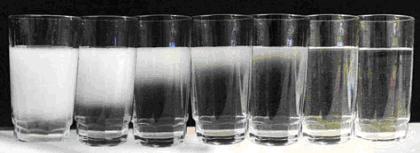
A practical test is to fill a glass with cloudy water and let it sit. If the water clears from the bottom up within 5 minutes, air bubbles are the cause.
Signs And Indicators
Milky water can have different features. Here are signs to watch for:
- Cloudiness clears in a few minutes: Usually air bubbles.
- Cloudiness stays: Likely suspended particles or minerals.
- Sandy or gritty feel: Indicates solids, possibly from pipes.
- Musty smell or taste: Could mean bacteria.
- Cloudiness in only hot water: Often from water heater issues.
Step-by-step Guidance
If you notice milky water, follow these steps:
- Fill a clear glass with water
- Let it sit for five minutes
- Observe if the water clears from bottom to top
- If yes, the cause is air bubbles.
- Check other taps in your home
- If only one tap is affected, it may be plumbing.
- If all taps show cloudiness, the issue is in the main supply.
- Inspect for particles
- Swirl the glass and check for sediment at the bottom.
- Smell the water
- If you notice any odor, report it to your water supplier.
- Contact your water utility
- If the cloudiness stays or you suspect contamination.
Credit: www.unitedutilities.com
Common Problems And Solutions
Here are typical problems and how to solve them:
1. Air Bubbles
Solution: Wait a few minutes. The water clears naturally.
2. Suspended Particles
Solution: Run the tap for 5–10 minutes. If the water stays cloudy, use a filter or call a plumber.
3. Pipe Corrosion
Solution: Test for metals like iron or copper. Replace old pipes if needed.
4. Water Heater Issues
Solution: Flush your water heater every year to remove sediment.
5. Microbial Contamination
Solution: Have the water tested. Use boiling or certified filters until resolved.
Maintenance Tips
Keeping your water clear takes simple care:
- Flush pipes after repairs or long periods of no use.
- Clean faucet aerators every six months.
- Install a sediment filter if you live in a hard water area.
- Maintain your water heater with yearly flushes.
- Report changes to your water utility if you notice persistent cloudiness.
Key Data Summary
Here is a summary of common causes, duration, and recommended actions:
| Cause | How Long It Lasts | What To Do |
|---|---|---|
| Air bubbles | Up to 5 minutes | Let water sit, clears naturally |
| Suspended particles | Hours to days | Flush tap, use filter |
| Pipe corrosion | Persistent | Test, replace pipes |
| Water heater sediment | Until flushed | Flush water heater |
| Microbial growth | Persistent | Test water, boil or filter |
Why Milky Water Is Usually Safe
Most cases of milky water are harmless. Studies show over 95% of cloudy water incidents in homes are caused by air bubbles, not dangerous materials. Air bubbles cannot make you sick.
However, it is important to check if the cloudiness stays or if there are other signs like taste, odor, or particles. These signs may need action.

Credit: www.mawc.org
Milky Water In Different Systems
Different water systems can show milky water for unique reasons.
- Municipal supply: Often due to air bubbles after pressure changes.
- Private wells: Can be caused by minerals, bacteria, or pump issues.
- Rainwater tanks: May show cloudiness from organic matter or algae.
Real Numbers And Statistics
- In the US, over 285 million people use municipal water, according to the EPA.
- Air bubbles are responsible for 92% of reported cloudy water cases.
- Suspended particles account for about 5% of cases.
- Microbial contamination is less than 1% but needs urgent action.
Credit: www.cordelega.gov
When To Seek Help
If you notice any of these, contact your water supplier:
- Water stays milky for hours or days
- You see visible particles or sediment
- There is a taste or odor change
- Someone in your home gets sick
Frequently Asked Questions
Why Does My Tap Water Look Milky After Plumbing Work?
Plumbing work often stirs up air and particles in pipes. The result is temporary cloudy water that usually clears within a day. If it persists, flush your taps or call a plumber.
Is Milky Water Safe To Drink?
Milky water caused by air bubbles is safe. If the cloudiness does not clear or is combined with taste, odor, or visible particles, get your water tested for safety.
How Can I Tell If The Cloudiness Is From Air Bubbles Or Particles?
Fill a clear glass and let it sit. If the water clears from the bottom up, it’s air bubbles. If it stays cloudy, particles are the likely cause and may need action.
Does Hard Water Cause Milky Water?
Yes, hard water can have calcium and magnesium particles that make water look milky. This is common in regions with mineral-rich water and can be managed with filters.
How Do I Fix Persistent Milky Water?
First, flush your taps and check your water heater. Clean faucet aerators. If the problem continues, test your water for minerals, bacteria, or pipe corrosion and contact your water supplier.
Key Takeaway
Milky water is a common and usually harmless issue. Most cases are caused by air bubbles and clear quickly. However, persistent cloudiness, odors, or particles can signal deeper problems that need attention. By understanding the causes and following simple steps, you can keep your water clear and safe.
If you ever have doubts, test your water and ask for professional advice.
For more details on water safety, visit the EPA Drinking Water Standards and Wikipedia Water Quality.

Hasan Al Sarker is a Reverse Osmosis Specialist. He has worked for many years to ensure safe drinking water for all. His research paper has been published in several journals, including Issue, Medium, and Slideshare. He is recognized as a water doctor among specialists though he did not attend medical college.
Besides working as a researcher of reverse osmosis technology, he is also very fancy with the kitchen and cooking. His guides are reading thousands of people every day. As a head of content, he is responsible for all the published articles at RO System Reviews.