
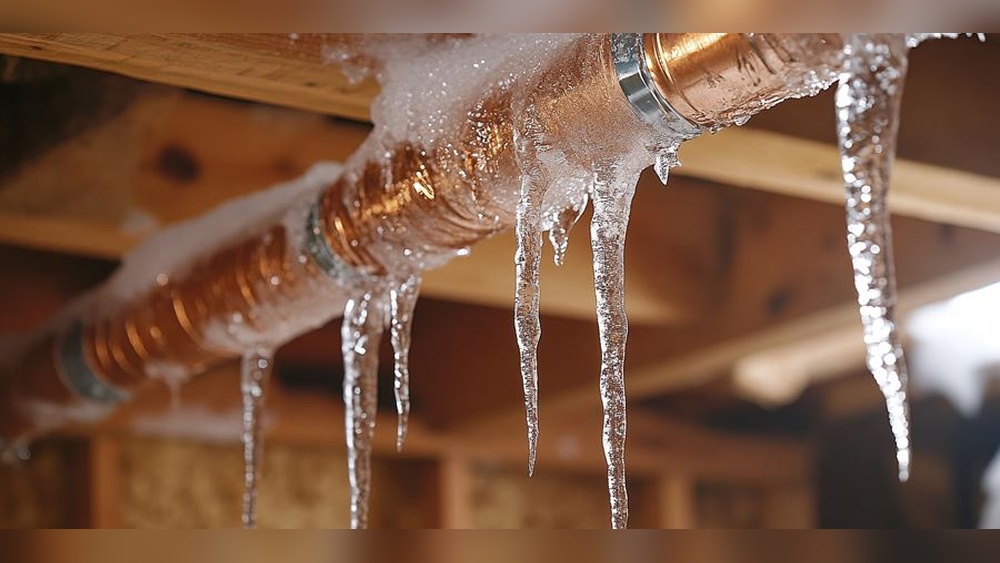
Winter brings many challenges, but one of the most serious for homeowners is a burst water pipe. This problem can lead to major water damage, expensive repairs, and even long-term issues with mold. Understanding why water pipes burst in winter is not just for plumbers.
Anyone living in a cold climate should know the risks, warning signs, and smart ways to prevent disaster. With clear explanations, real-world examples, and expert advice, this article will help you protect your home and avoid costly surprises.
What Causes Water Pipes To Burst In Winter
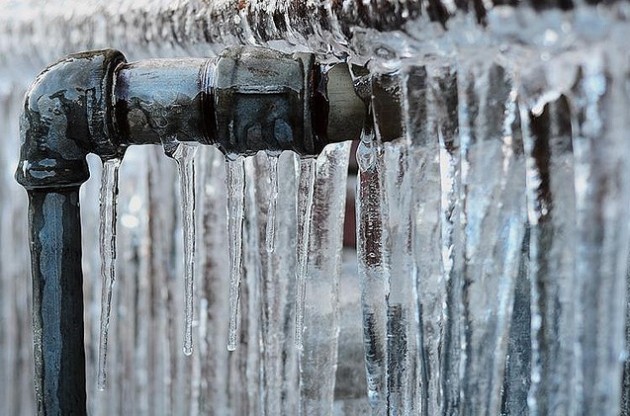
Most pipe bursts in winter are caused by a simple process: water freezing inside the pipe. When temperatures drop below 0°C (32°F), the water in unprotected or exposed pipes can freeze. Unlike many materials, water expands by about 9% when it turns to ice. This expansion puts pressure on the pipe’s walls. If the pressure gets too high, the pipe will crack or burst.
Even strong metal pipes can fail under this force. According to the Insurance Institute for Business & Home Safety, a pipe exposed to freezing air for just a few hours can burst, releasing up to 250 gallons (about 950 liters) of water per day if not stopped.
Key factors that lead to burst pipes include:
- Poor insulation around pipes
- Sudden cold snaps or very low temperatures
- Pipes located in unheated areas (attics, basements, garages)
- Small cracks or leaks that let cold air reach the pipe
How Freezing Water Damages Pipes
The actual break often does not happen where the ice forms. Instead, ice usually blocks the pipe and creates a pressure build-up between the blockage and a closed tap. As water freezes and expands, it pushes unfrozen water further down the pipe.
When the pressure becomes too great, the pipe bursts—often several feet away from the ice plug.
Copper, PVC, and even PEX pipes are all at risk. In fact, research from the University of Illinois found that PVC pipes can burst at lower pressures than copper, often failing at just 300 psi, while copper can withstand up to 1500 psi before breaking.
Credit: www.bristolwater.co.uk
Why This Problem Matters
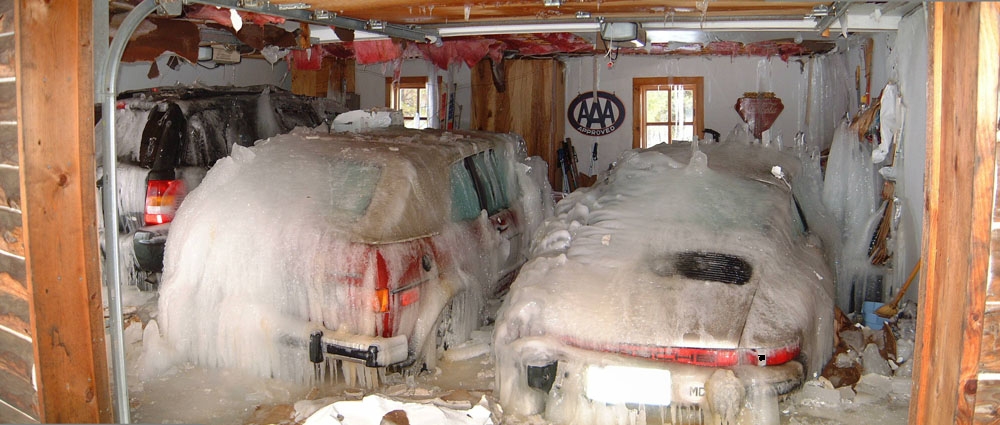
A burst pipe can flood a room in minutes. The cost of water damage repair in the US averages $5,000 to $7,000 per incident, not including the price to replace the broken pipe. In colder regions, insurance claims for frozen pipe damage reach over $1 billion every year.
Beyond money, there are health risks. Water soaking into walls and floors can create mold in as little as 24 to 48 hours. Mold can cause breathing problems, especially in children or people with allergies.
Practical Examples Of Winter Pipe Bursts
Many people think pipe bursts only happen in old or run-down homes. In reality, even new homes are at risk if pipes are not properly insulated or installed.
Example 1: A family in Chicago left their home unheated while traveling in January. Temperatures dropped to -15°C (5°F), causing a pipe in the basement to freeze and burst. When they returned, their entire basement was flooded with 400 gallons (over 1,500 liters) of water.
Example 2: In the UK, 2018’s “Beast from the East” cold wave caused over 20,000 pipe burst claims in just one month, with repair costs topping £194 million, according to the Association of British Insurers.
Signs Your Pipes Are At Risk Or May Freeze
Spotting the warning signs early can prevent a disaster. Here are the top indicators that your pipes might freeze or burst soon:
- Reduced water flow from taps, especially in cold weather.
- Frost on exposed pipes in your basement, garage, or attic.
- Strange sounds such as banging, whistling, or bubbling from the plumbing.
- Unusual odors coming from drains (could mean a blockage or ice plug).
- Sudden drops in temperature inside areas where pipes run.
If you notice any of these, act quickly before the pipe bursts.
Step-by-step: How To Prevent Pipes From Freezing And Bursting
Protecting your pipes takes a bit of planning but can save thousands. Here is a step-by-step guide:
- Identify at-risk pipes. Look for pipes in unheated spaces or near outside walls.
- Add insulation. Use foam pipe sleeves, especially for pipes in attics, basements, and crawl spaces.
- Seal leaks and gaps. Close holes in walls, windows, and floors where cold air can enter.
- Let faucets drip. Allowing a small stream of water to flow keeps pressure low and water moving.
- Keep heat on. Never let indoor temperatures fall below 12°C (54°F), even if you are away.
- Open cabinet doors. Let warm air reach pipes under sinks, especially at night.
- Install pipe heating cables. These electric cables keep pipes warm and are a good investment for extreme cold.
- Shut off and drain outdoor pipes. Disconnect hoses and shut off water to exterior faucets before winter.
- Monitor temperature drops. Use pipe temperature sensors or smart home apps for alerts.

Credit: www.pac-plumbing.com
Common Problems And Solutions
Even with good preparation, issues can still happen. Here are some common problems and how to solve them:
Problem: Frozen Pipe (but Not Burst)
Solution: Turn off the main water supply. Use a hair dryer, heating pad, or warm towel to gently thaw the pipe. Never use an open flame, as it can cause fires or damage.
Problem: Pipe Already Burst
Solution: Shut off the main water valve immediately. Open all faucets to reduce pressure. Call a plumber as soon as possible. Remove valuables and start drying the area to prevent mold.
Problem: Repeated Freezing In Same Spot
Solution: This usually means poor insulation or a cold air leak. Add extra insulation and check for gaps in walls or floors. In some cases, reroute the pipe away from cold areas.
Problem: High Water Bill But No Visible Leak
Solution: Water can escape under floors or behind walls. Check your water meter. If it runs when all taps are off, you may have a hidden leak. Contact a professional for leak detection.
Maintenance Tips For Winter Pipe Safety
Staying ahead of the cold is key. Use these expert tips to keep your pipes safe all winter:
- Check insulation every autumn. Replace any worn or damaged pipe covers.
- Keep garage doors closed. Many pipes run through garages, which get cold quickly.
- Know your main water shutoff location. Mark it with a tag for quick action in emergencies.
- Schedule a yearly plumbing inspection. A professional can spot risks you might miss.
- Test your sump pump. If your basement floods due to a burst pipe, a working sump pump can reduce damage.
Key Data And Comparison Table
Here is a summary of important facts about frozen pipes, risk temperatures, and recovery costs:
| Factor | Value | Notes |
|---|---|---|
| Pipe burst risk temp | Below -6°C (20°F) | Majority of bursts occur at this point |
| Average repair cost | $5,000 – $7,000 | Water damage and labor included |
| Water wasted per burst | Up to 950 liters/day | Depends on pipe size and response time |
| Time for mold to grow | 24 – 48 hours | After water exposure |
| Pipe material burst pressure | 300 – 1500 psi | PVC fails sooner than copper |
Why Pipe Material And Location Matter
Not all pipes are equally at risk. Copper pipes are common in older homes and are more resistant to freezing but will eventually burst under extreme pressure. PVC pipes are cheaper and used in newer construction but are more brittle in cold temperatures.
Location also plays a big role. Pipes running along exterior walls, under floors, or in crawl spaces freeze first because they are less protected from the cold. According to the American Red Cross, 37% of all burst pipe claims come from basements and crawl spaces.
Credit: www.modernistic.com
Non-obvious Insights Most People Miss
- Pipes can freeze even if not exposed. Many people think only visible pipes are at risk. In reality, pipes inside poorly insulated walls can freeze without any outside sign.
- Tiny cracks cause massive leaks. A crack just 1/8 inch (3 mm) wide in a pipe can leak up to 250 gallons (950 liters) of water per day, damaging floors and foundations before you notice.
Frequently Asked Questions
Why Do Pipes Burst Instead Of Just Leaking When Frozen?
When water freezes, it expands. This expansion creates pressure between the ice blockage and the closed faucet, eventually splitting the pipe. Unlike a slow leak, the break is sudden and can release large amounts of water at once.
Are All Pipes In My House At The Same Risk Of Freezing?
No. Pipes in unheated areas such as attics, basements, garages, or along exterior walls are at much higher risk. Insulated and interior pipes are safer but still need some attention during extreme cold.
How Can I Tell If A Pipe Is Frozen Before It Bursts?
Look for very weak water flow, frost on the pipe’s surface, or strange noises when you turn on the tap. If you suspect a frozen pipe, act quickly to thaw it and avoid a burst.
Should I Turn Off My Water When Leaving For Vacation In Winter?
Yes. Turning off the main water supply and draining the system is the best way to prevent damage if a pipe freezes and bursts while you are away. Some smart home systems can also alert you to leaks.
What Should I Do If My Pipes Keep Freezing Every Winter?
Increase insulation around the pipes, seal air leaks, and consider rerouting pipes away from cold areas. For severe climates, installing pipe heating cables can provide extra protection.
Key Takeaways
Understanding why water pipes burst in winter is essential for every homeowner. Freezing water expands, causing dangerous pressure that can break pipes and flood your home. By knowing the risk factors, signs, and steps for prevention, you can avoid the high costs and health hazards of water damage.
For more detailed guidelines and safety tips, visit the American Red Cross. For building science behind pipe freezing, see the Insurance Institute for Business & Home Safety.
By staying alert and prepared, you can keep your home safe and dry, no matter how cold winter gets.

Hasan Al Sarker is a Reverse Osmosis Specialist. He has worked for many years to ensure safe drinking water for all. His research paper has been published in several journals, including Issue, Medium, and Slideshare. He is recognized as a water doctor among specialists though he did not attend medical college.
Besides working as a researcher of reverse osmosis technology, he is also very fancy with the kitchen and cooking. His guides are reading thousands of people every day. As a head of content, he is responsible for all the published articles at RO System Reviews.